DEEPTOKYO
magazine

EN


AREA
DEEPTOKYO
magazine
EN
AREA
2026.10.21
A Long-Established Katsuobushi Specialty Store with More Than 300 Years of History in Nihonbashi


 Nearest Station


“NINBEN Nihonbashi Main Store” is the flagship store of NINBEN, a katsuobushi specialty company founded in 1699. The store carries more than 200 products related to dashi, including freshly shaved honkare katsuobushi, as well as items available exclusively at the Nihonbashi Main Store. Visitors can also try shaving katsuobushi themselves, gaining a deeper understanding of it while experiencing the rich aroma that can only be enjoyed when freshly shaved. At the adjoining “NIHONBASHI DASHI BAR Main Store,” rice dishes and soups made with freshly shaved honkare katsuobushi are offered mainly for takeout. From Nihonbashi, where the food culture of Edo remains deeply rooted, NINBEN continues to share the appeal of katsuobushi by creating a place where people can experience dashi culture as part of everyday life.
SHARE


Since its founding in Nihonbashi in 1699, NINBEN has been in the katsuobushi business for more than 320 years. When Tokugawa Ieyasu established the shogunate in Edo in 1603, merchants and craftspeople from across Japan gathered in Nihonbashi, and the area developed into a thriving merchant district. NINBEN’s founder, Ihei Takatsu, was one of the merchants who set up shop here. Beginning as a katsuobushi merchant, NINBEN expanded its business while continuing to pass down the cultures of katsuobushi and dashi to the present day, with Nihonbashi Muromachi as its base.
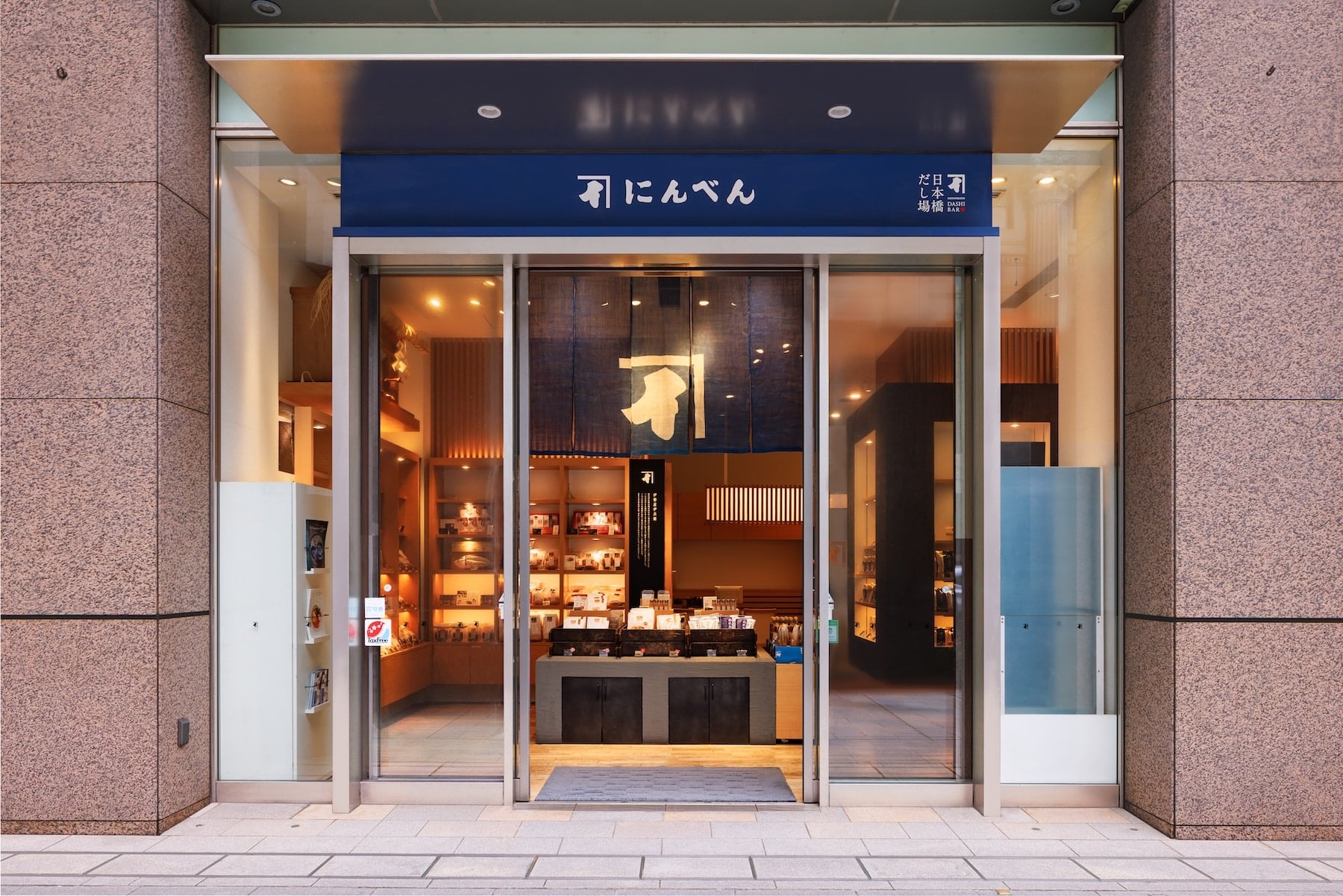
The original shop curtain emblem was inspired by the store’s founding name, “Iseya.” It combined the character-like mark “イ,” or ninben, with the “kane” symbol representing solidity and reliability in business. The emblem became familiar to the people of Edo, who eventually began calling the shop “Ninben,” leading to the company’s present name.
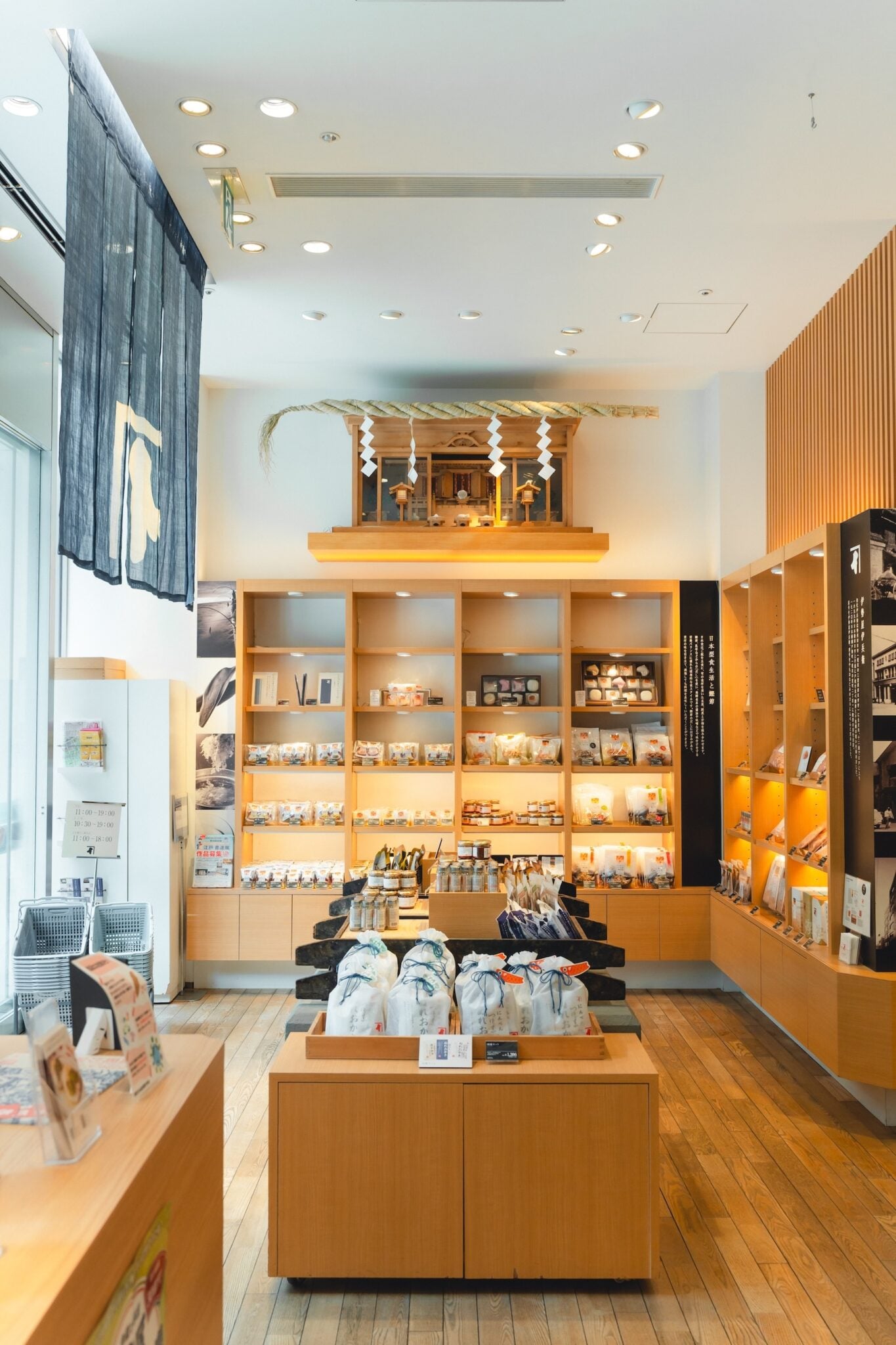
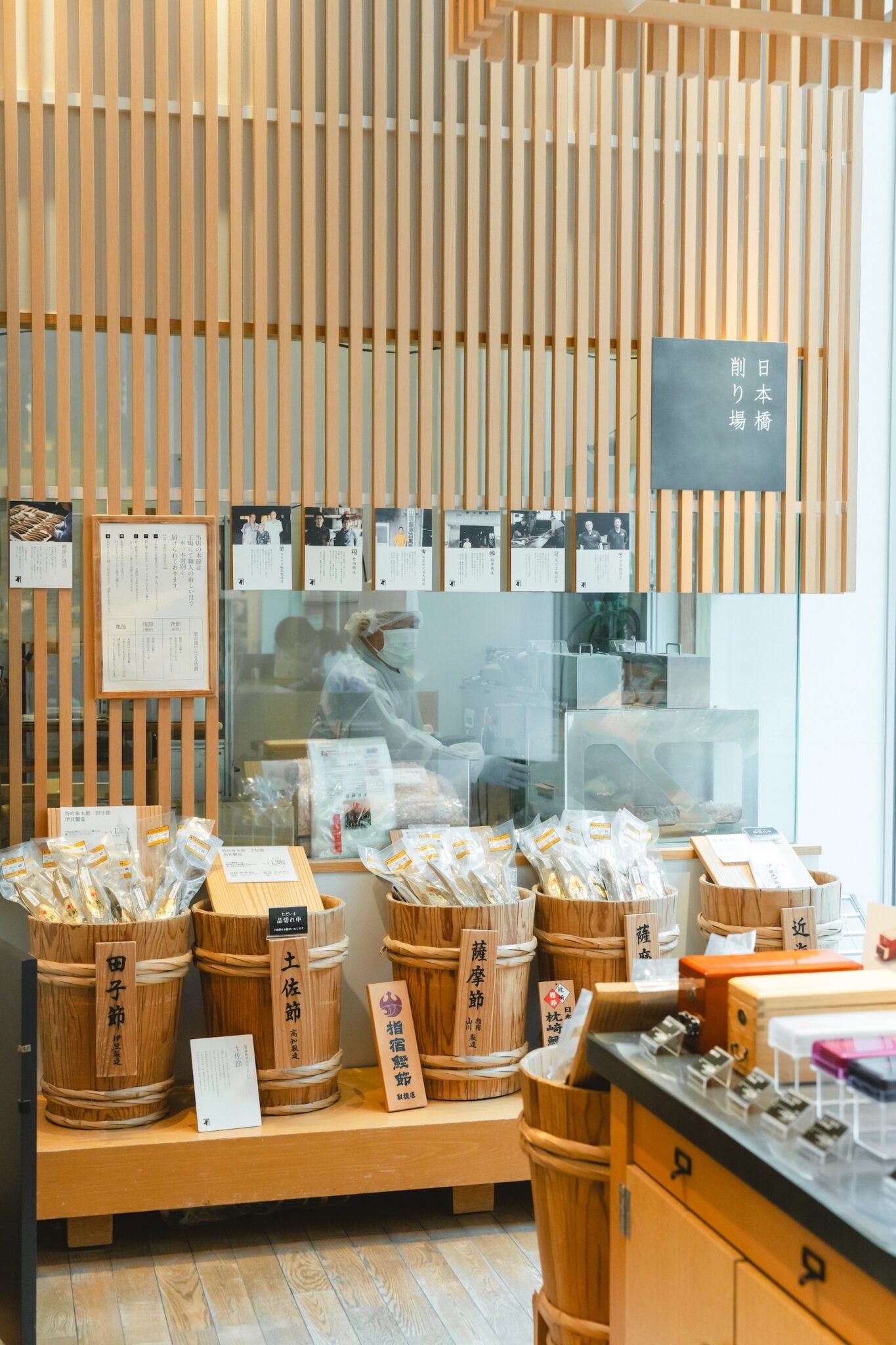
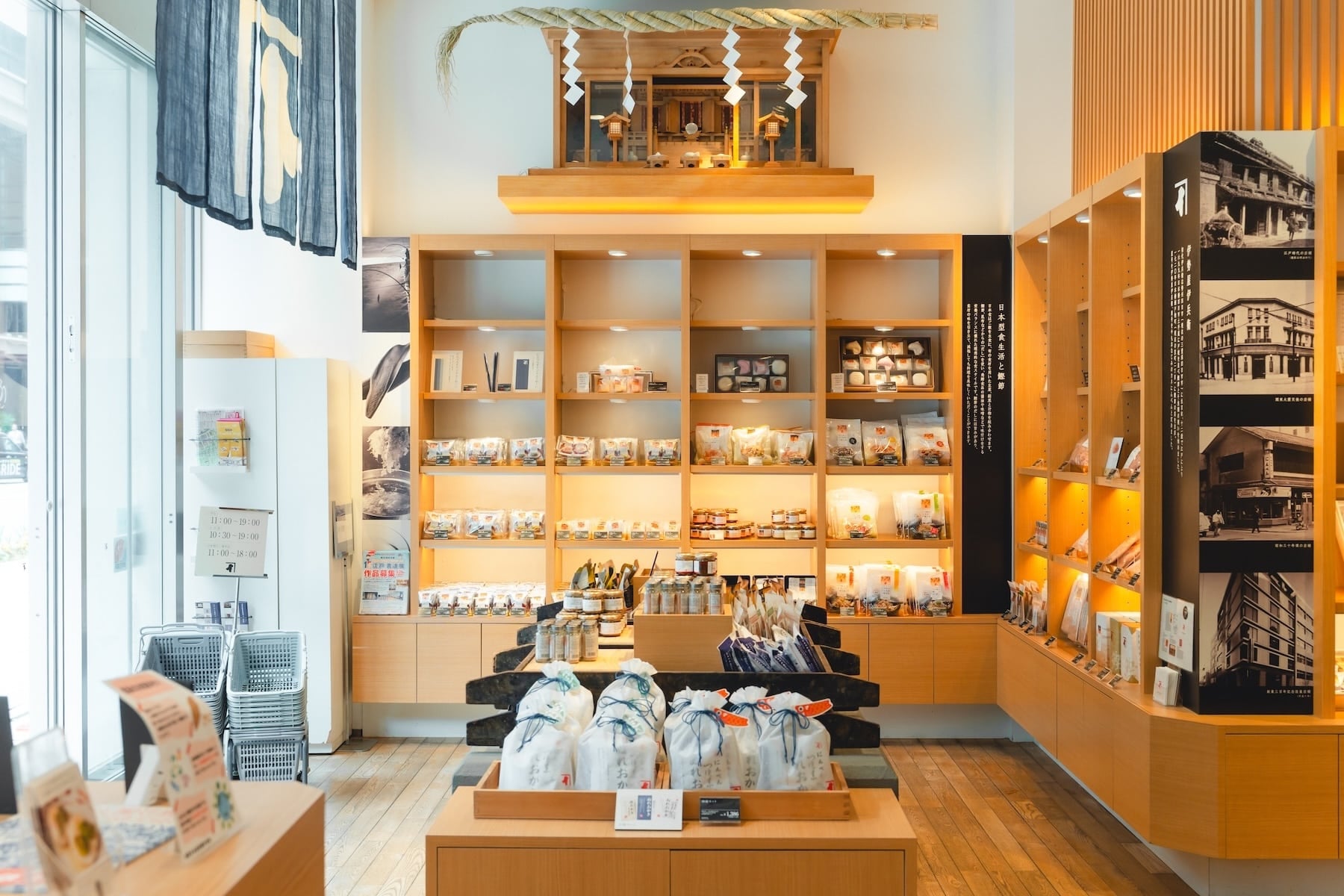
A bright, modern interior centered around natural wood, with a sense of Edo sophistication. Products are neatly arranged for easy browsing.
Located on the main street of Nihonbashi Muromachi, where NINBEN was founded, the store is directly connected to Mitsukoshimae Station and is highly accessible.
“NINBEN Nihonbashi Main Store” places importance not only on sharing dashi culture, but also on communicating the katsuobushi culture at its roots.
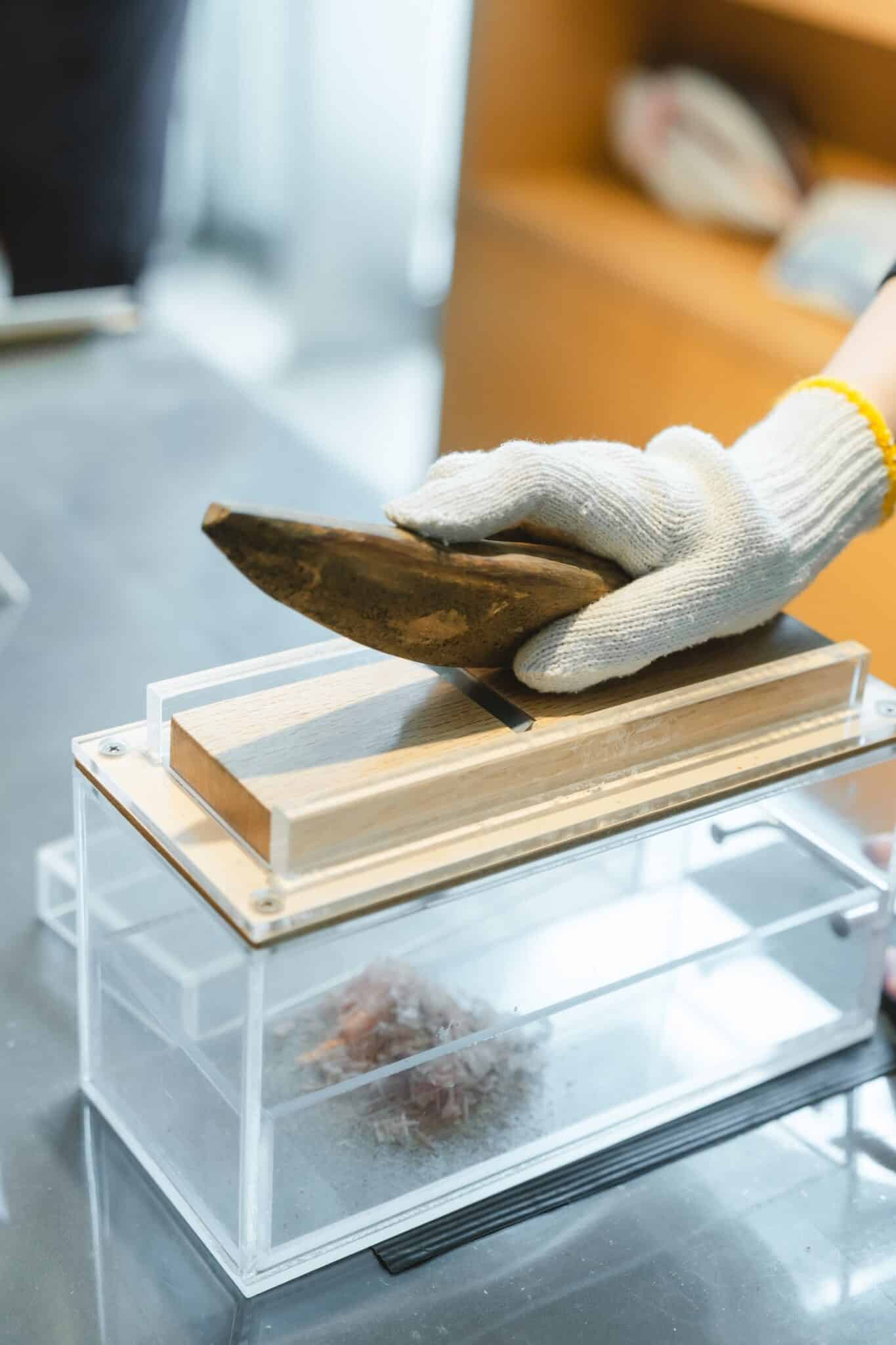
At the hands-on space inside the store, visitors can shave katsuobushi themselves while listening to explanations from the staff. They can enjoy the rich aroma and flavor unique to freshly shaved katsuobushi. Feeling the texture while shaving it and experiencing its fresh aroma are experiences unique to the main store that cannot be gained simply by purchasing the product.
The store also sells original katsuobushi shavers and dashi pots so that people can enjoy dashi culture easily at home.
Through these experiences and products, NINBEN also carries out food-education activities aimed at preserving katsuobushi culture and passing it on to future generations.
In addition, the store sells original products such as bonito flake shavers and dashi pots so that customers can easily enjoy dashi culture at home. Through these experiences and product sales, the store is also engaged in food education initiatives aimed at preserving bonito flake culture and passing it on to future generations.
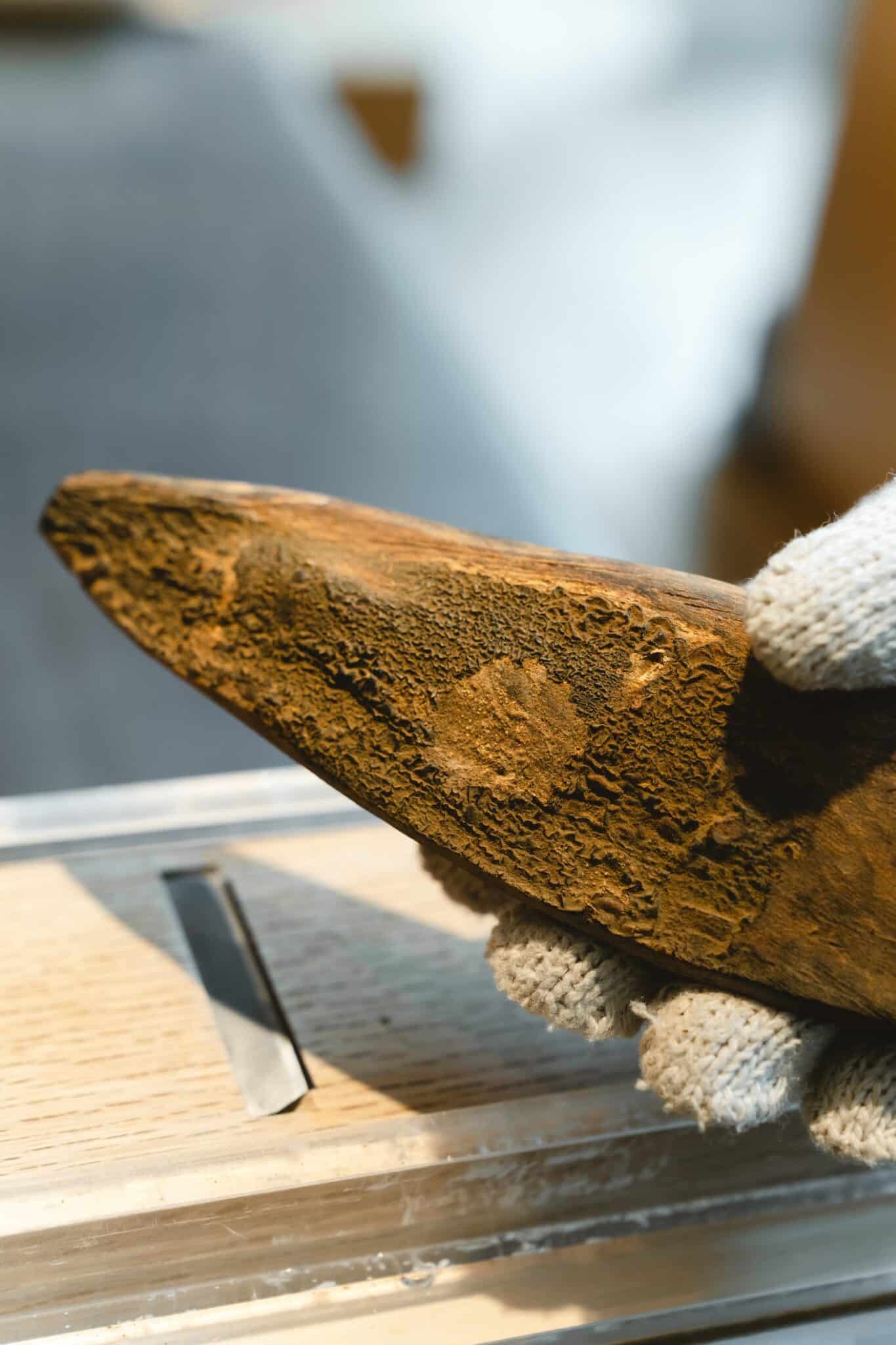
When held in your hands, katsuobushi feels heavier and harder than you might expect. Hold it with the tail end facing outward, place the head end against the blade, and shave it by pushing from near to far.
The end where the black, bumpy skin remains is the tail end.
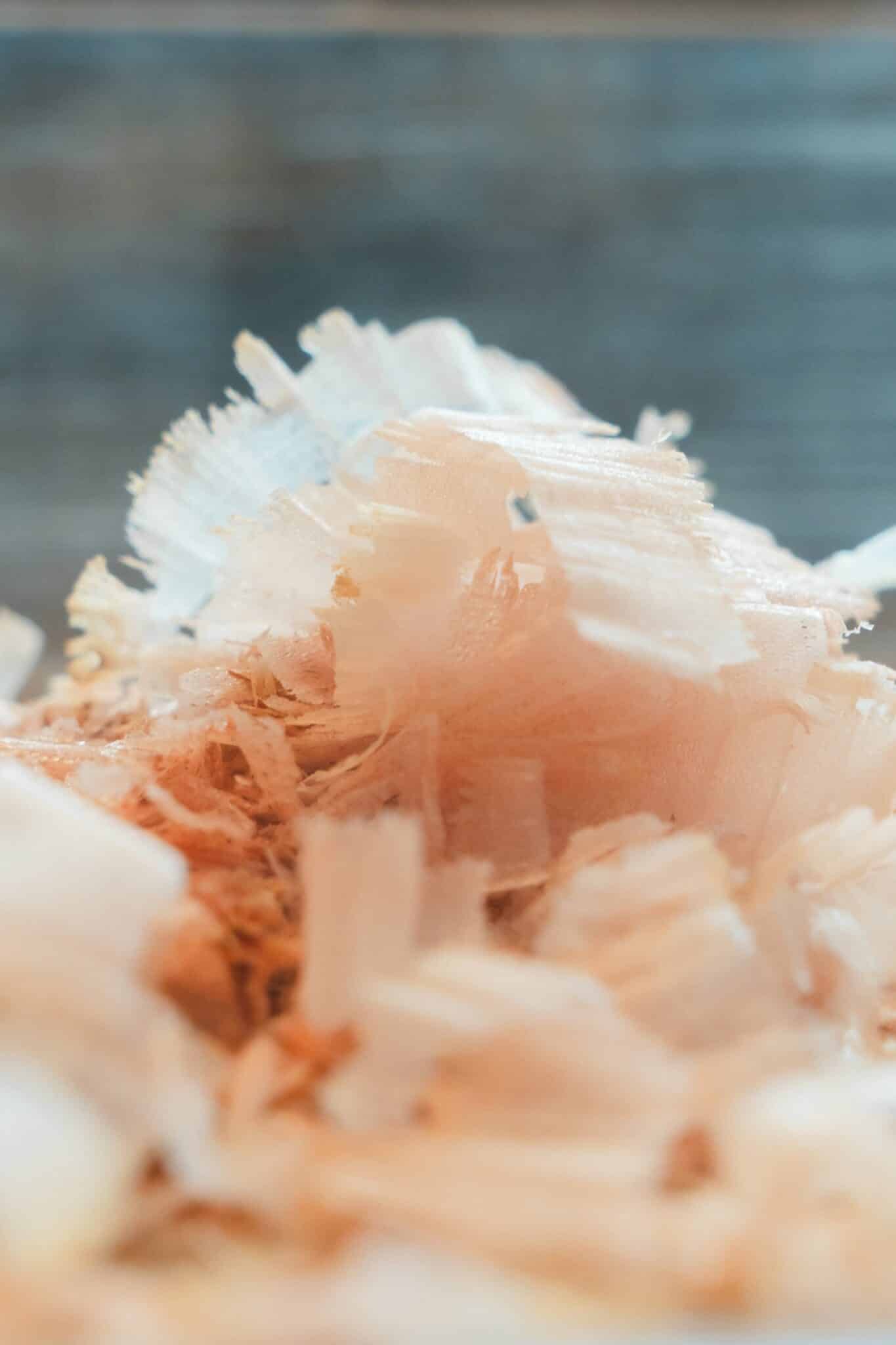
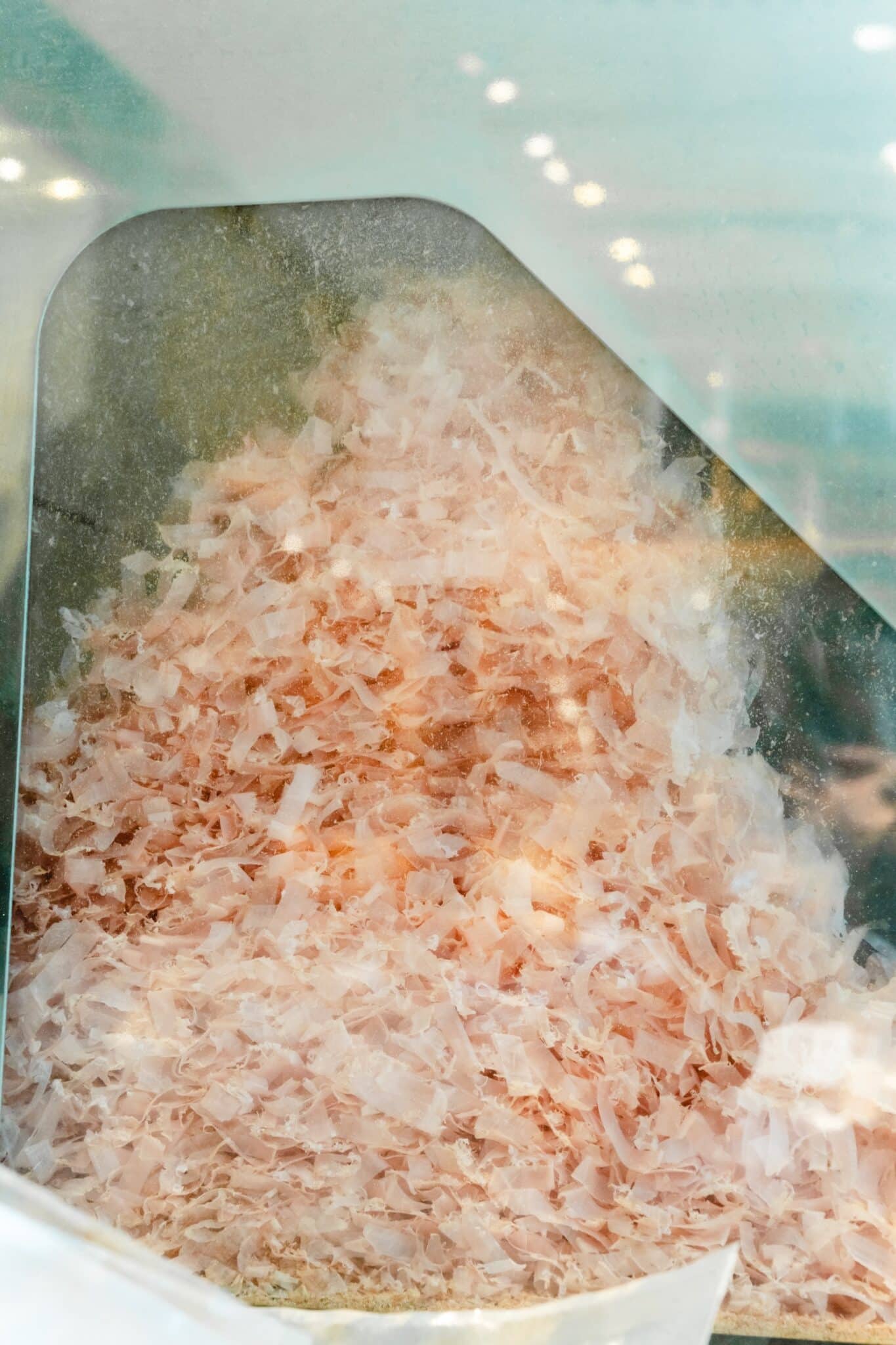
Freshly shaved katsuobushi has a pale pink color. With every stroke, its rich aroma gently spreads through the air. Ideally, the shavings should be light and fluffy without becoming too thick.
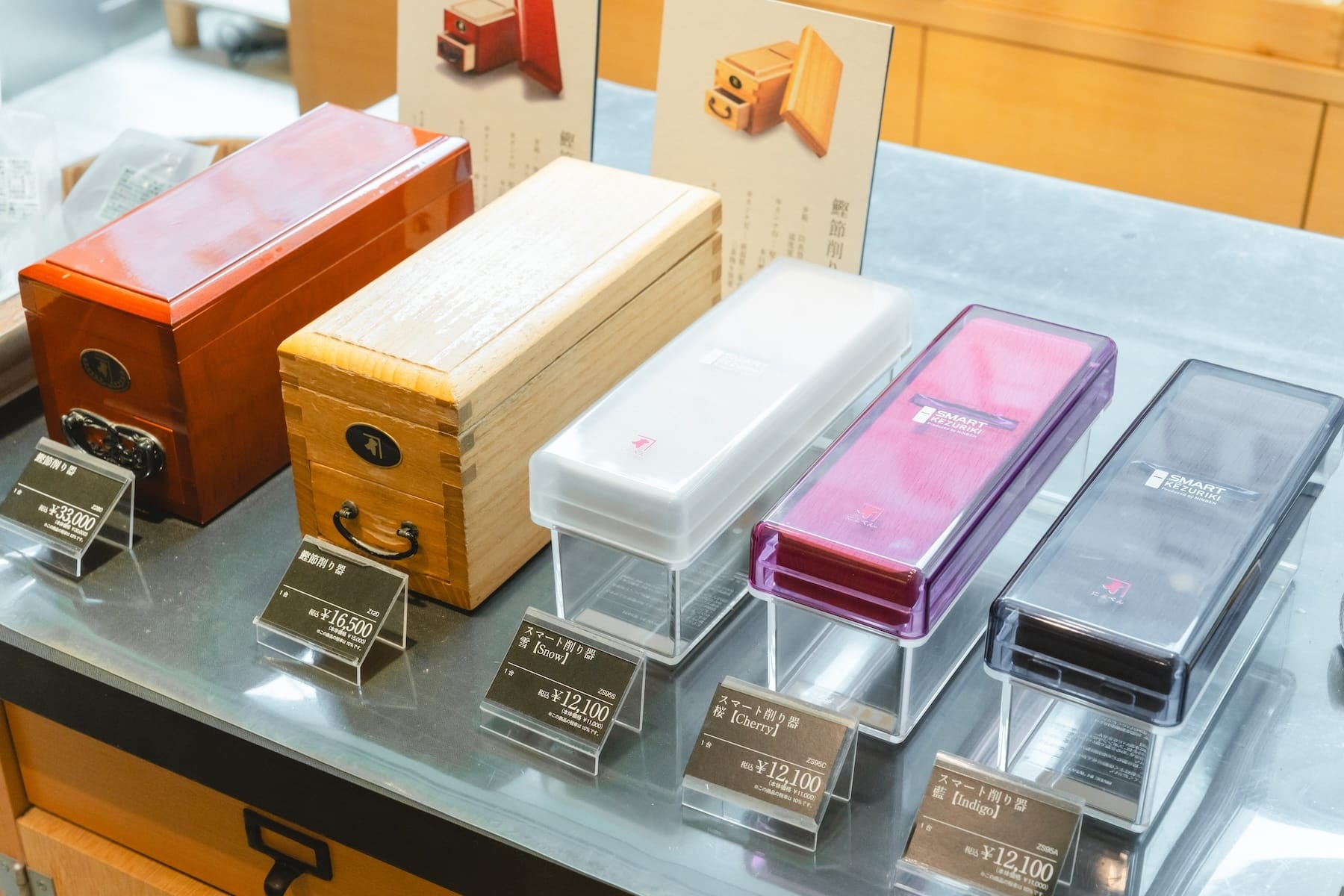
Original katsuobushi shavers are also available. The selection ranges from traditional paulownia-wood models to easy-to-use plastic versions that let you see inside, making it easy to start shaving katsuobushi at home.
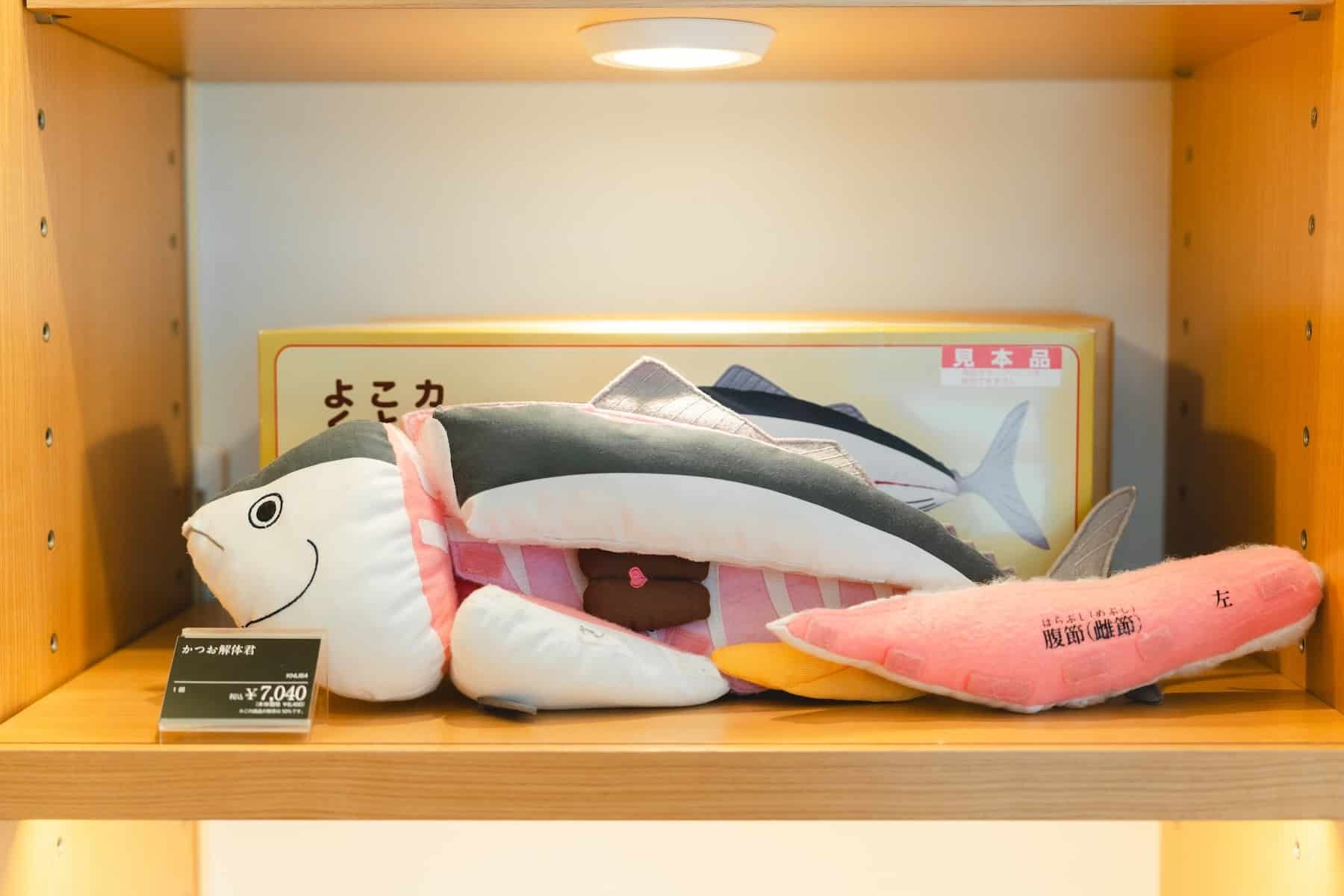
A plush bonito developed through NINBEN’s food-education activities can be taken apart by section, allowing users to learn in a fun way about how bonito is cut for making katsuobushi. Katsuo Kaitai-kun ¥7,040
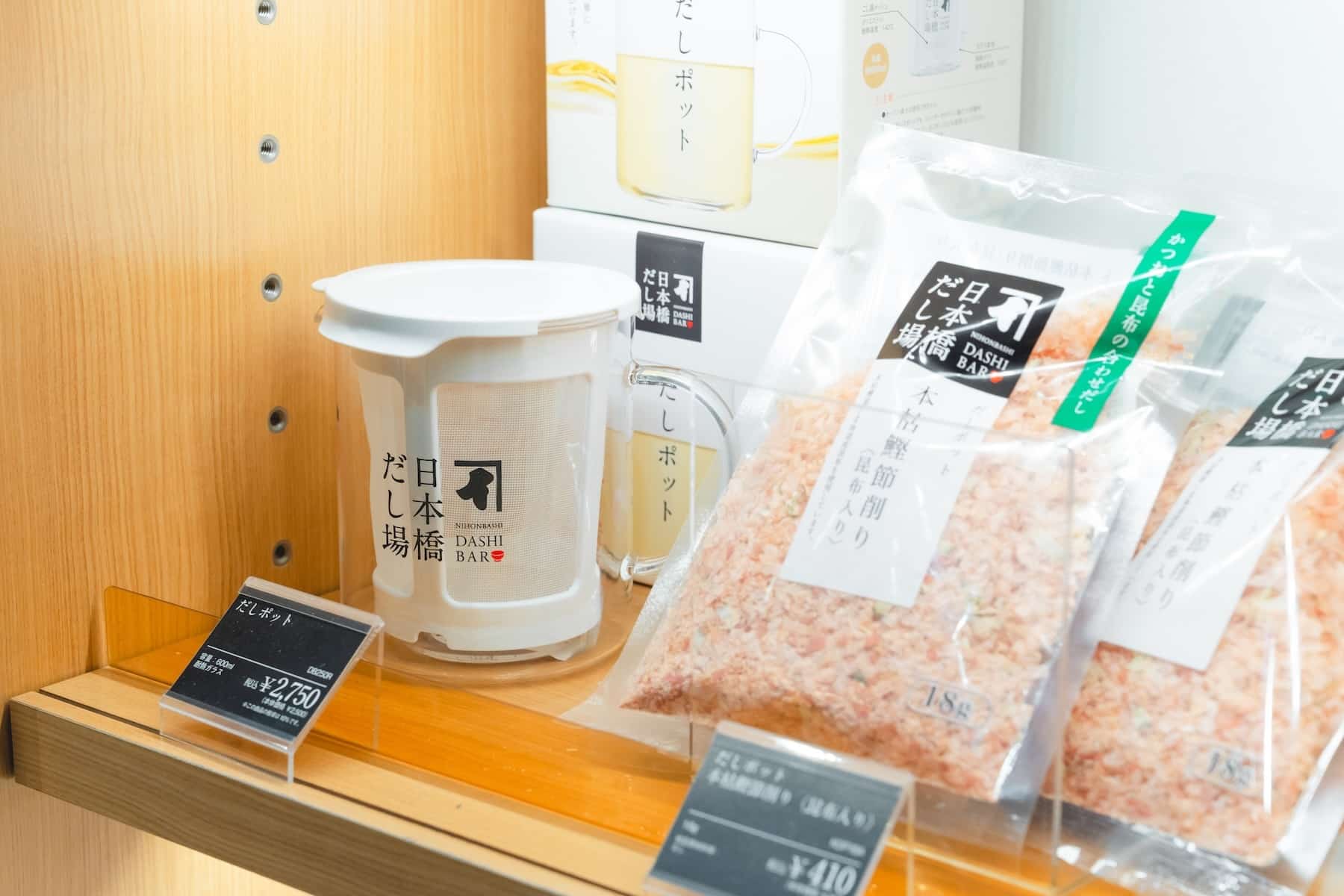
An original dashi pot that allows you to make authentic dashi simply by heating it in a microwave. Used together with shaved katsuobushi, it makes it even easier to enjoy dashi in everyday life. Dashi Pot ¥2,750
At the shaving station in one corner of the store, visitors can watch katsuobushi being shaved up close. The freshly shaved honkare katsuobushi is packaged and sold as a product exclusive to the Nihonbashi Main Store. At NINBEN, honkare katsuobushi refers to katsuobushi that has undergone the processes of mold application and sun-drying at least four times. Taking approximately four to six months to complete, it is regarded as one of the finest forms of katsuobushi. The store also carries “Tokuginmi Honbushi,” its highest-grade product, with each piece individually inspected and selected by NINBEN’s experienced specialists. Learning about the different characteristics created by production regions and makers adds another dimension to choosing katsuobushi. Being able to find a piece that suits your own taste is one of the attractions of the Nihonbashi Main Store.
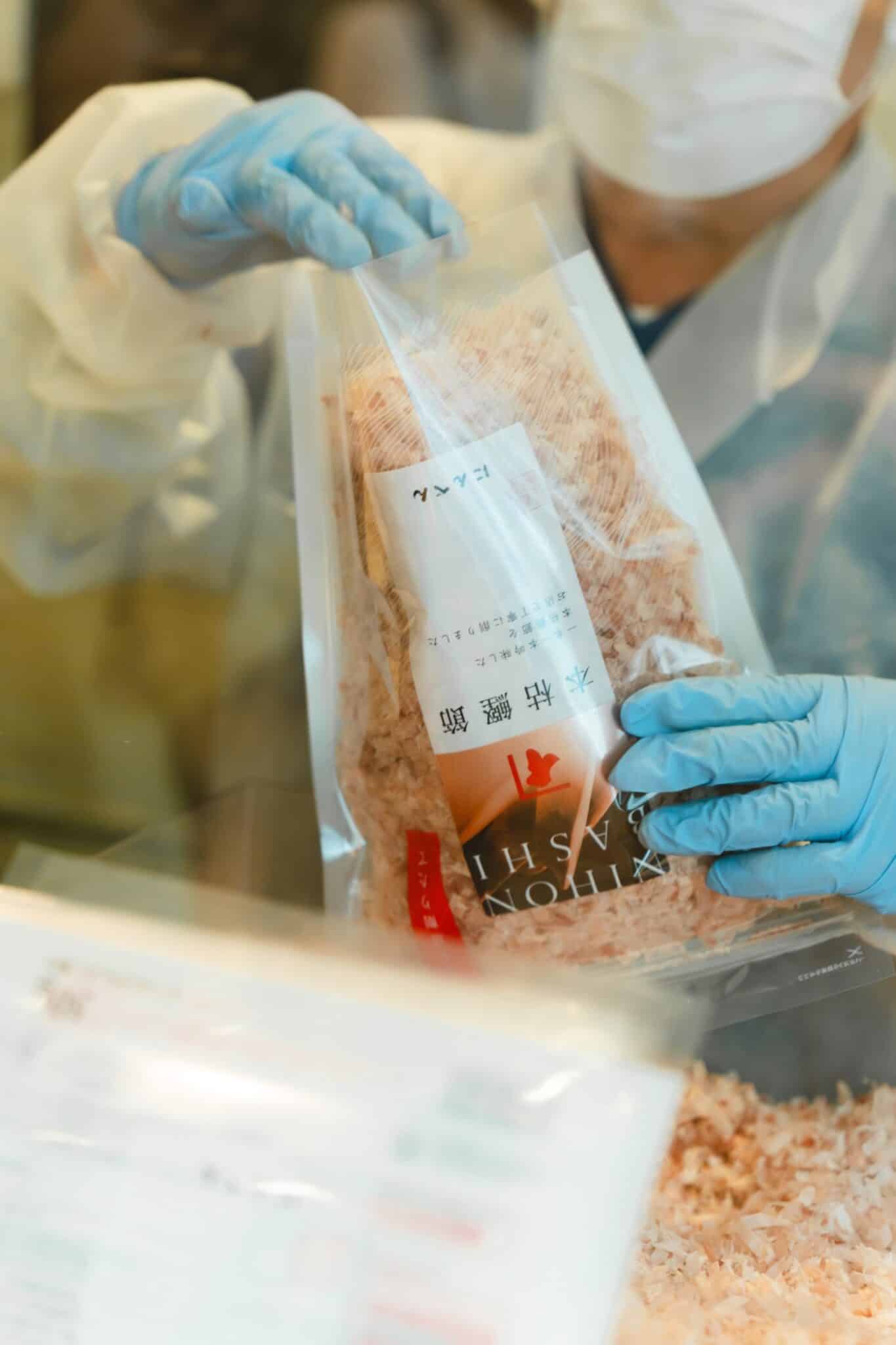
The “Nihonbashi Shaving Station,” where visitors can watch katsuobushi being shaved right in front of them.
An impressive 10 kg of katsuobushi is shaved each day. The rich aroma of freshly shaved katsuobushi fills the store.
Katsuobushi is said to taste best immediately after shaving. Each package is sealed by hand to preserve its aroma and flavor.
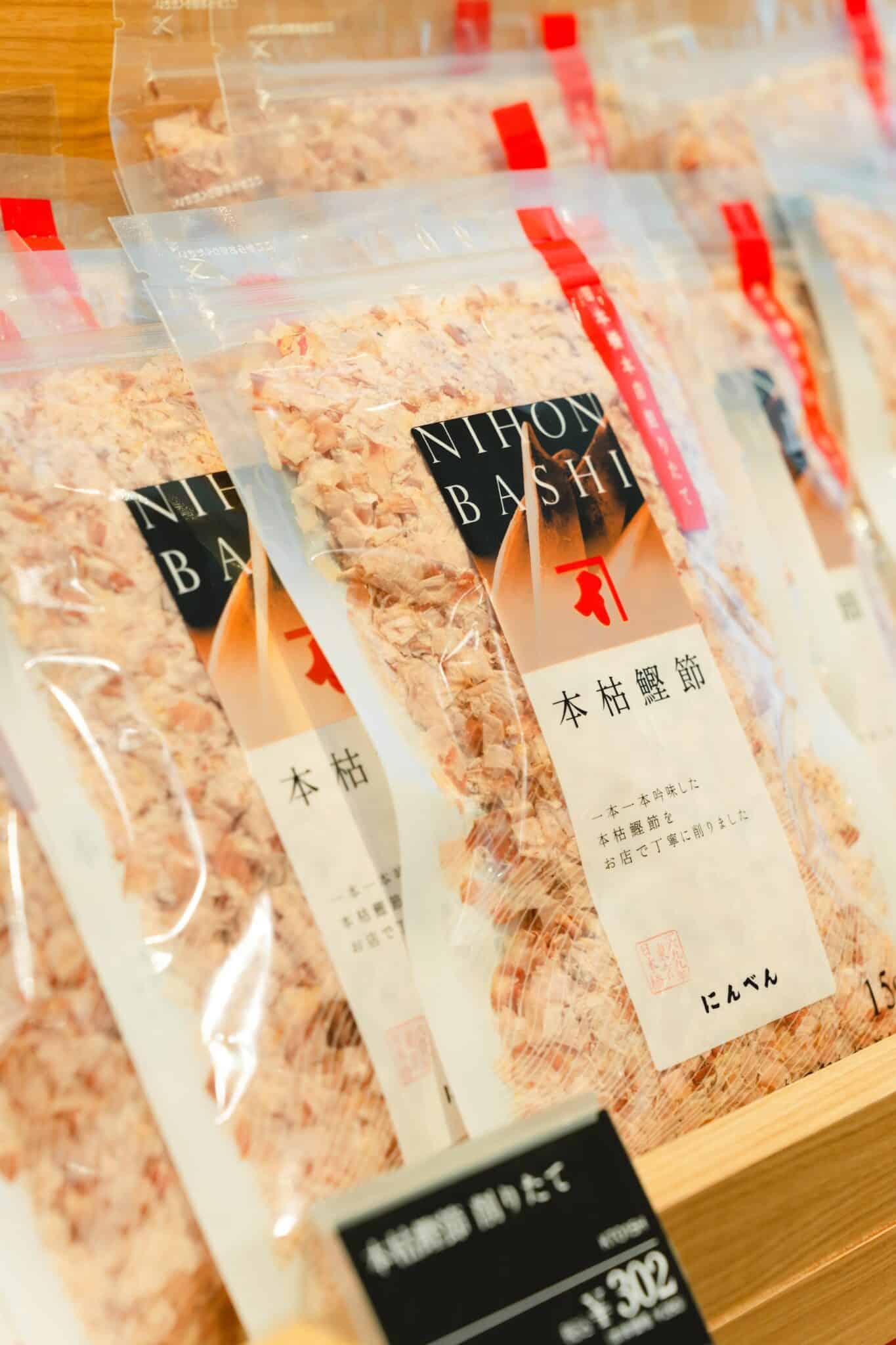
“Honkare Katsuobushi Freshly Shaved,” available exclusively at the Nihonbashi Main Store. Its aroma and texture are exceptional, making it an item well worth picking up when visiting the store. Honkare Katsuobushi Freshly Shaved, 15g ¥302
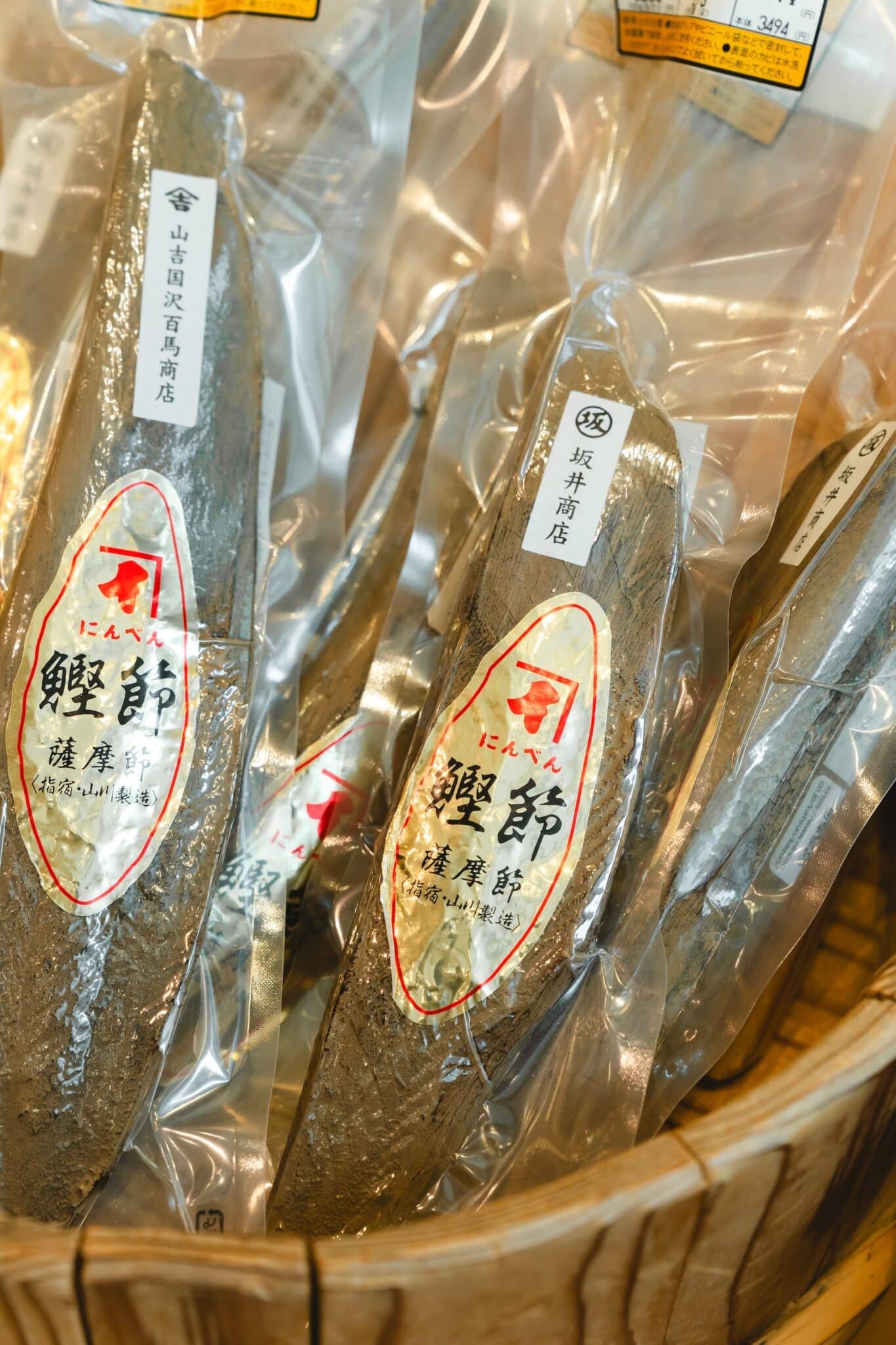
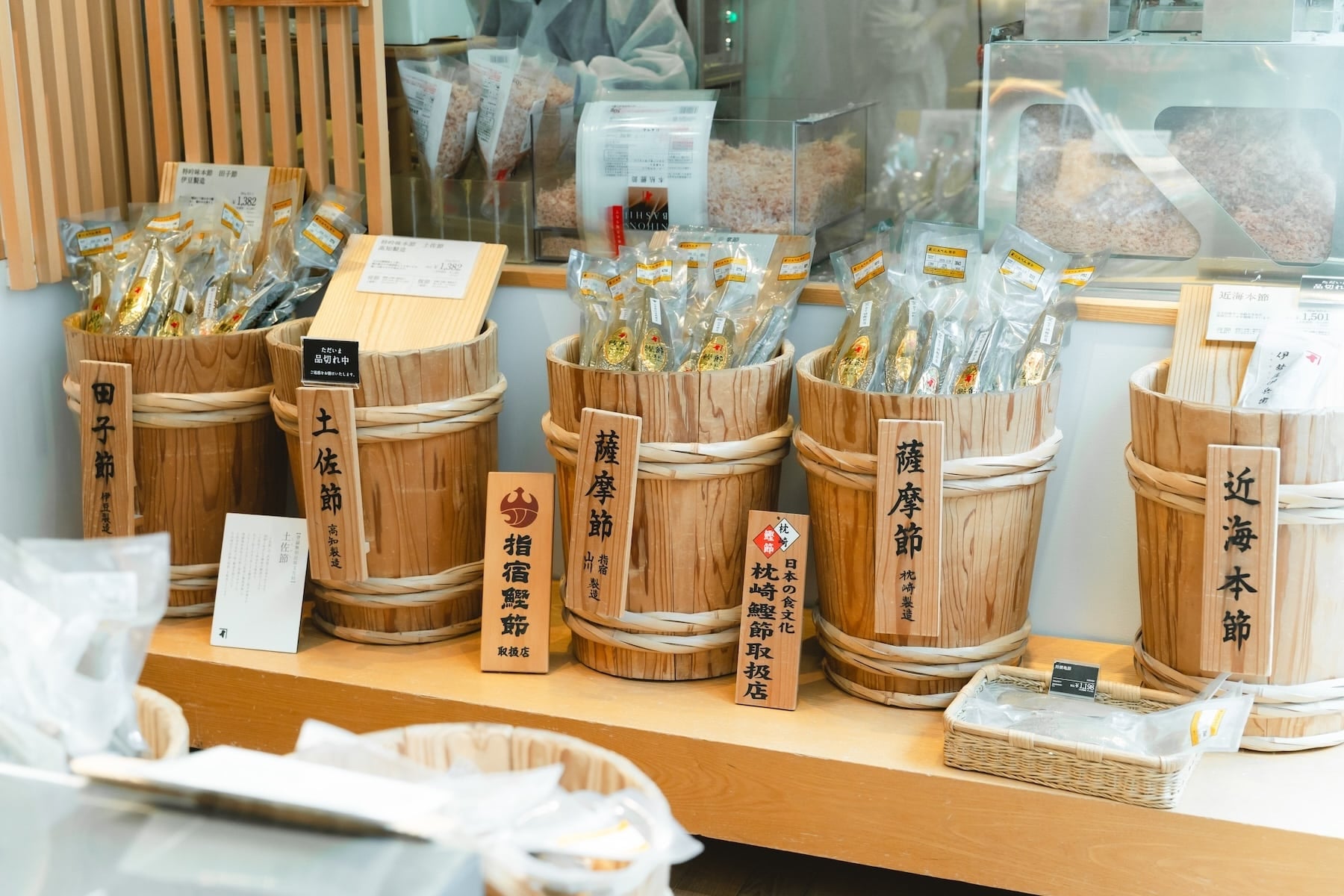
“Tokuginmi Honbushi” is NINBEN’s highest-grade honkare katsuobushi, meeting the company’s own strict standards. Using skills passed down since the company’s founding, expert selectors assess the quality and shape of each fish one by one, and only carefully selected honkare katsuobushi reaches the shelves.
The selection includes “Tokuginmi Honbushi” from leading production regions in Japan, including Tago-bushi, Tosa-bushi, and Satsuma-bushi. Stock arrives irregularly and quantities are limited.
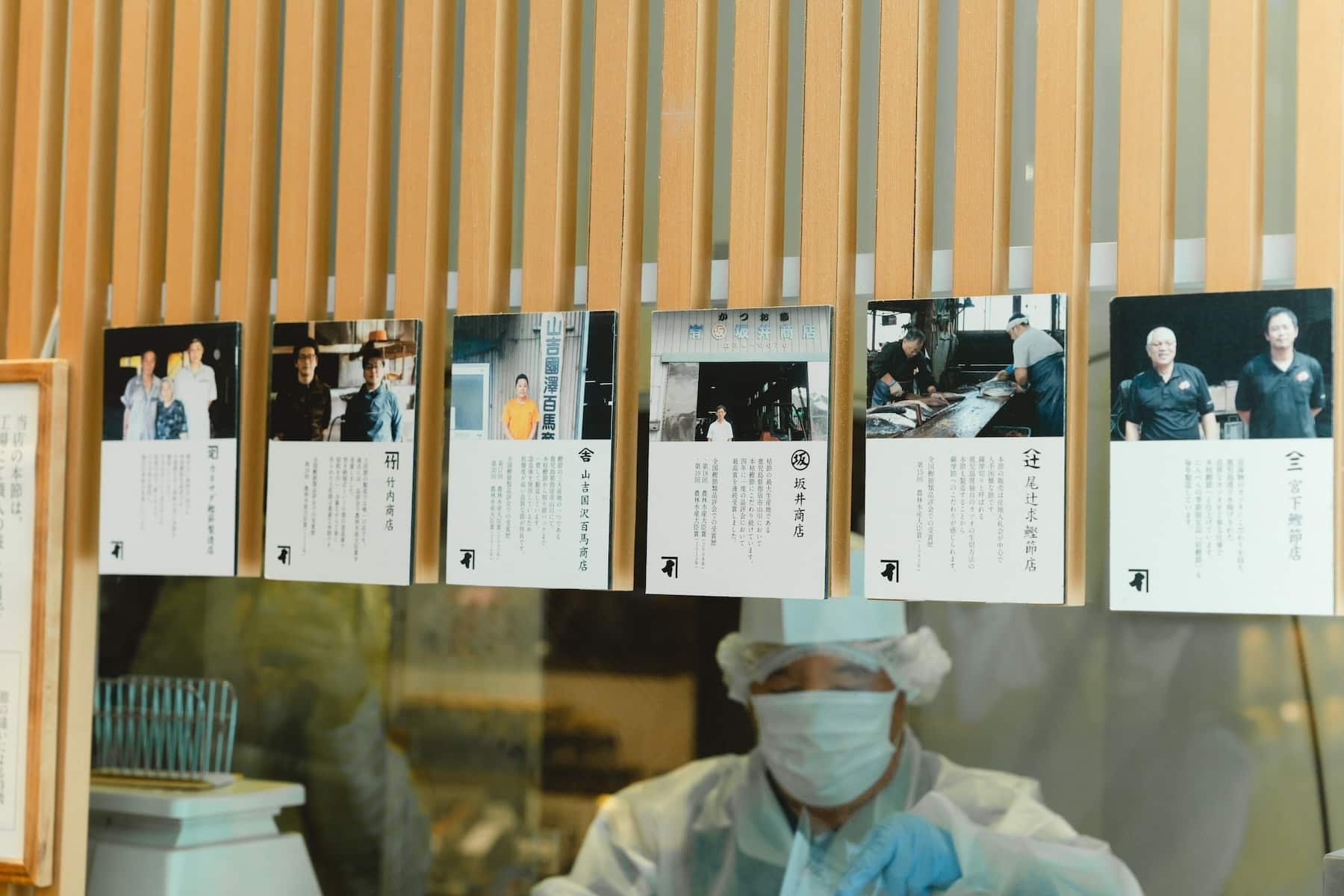
The store also introduces the distinctive qualities and craftsmanship of individual producers.
On NINBEN’s official YouTube channel, a video introduces the production process of honkare katsuobushi, from the producer to the point where it reaches consumers. The documentary carefully presents a food culture and craftsmanship that have continued since the Edo period. Be sure to check it out.
“NINBEN Nihonbashi Main Store” carries more than 200 products, ranging from honkare katsuobushi shaved at the in-store shaving station to classic tsuyu sauce bases and dashi packs, products exclusive to the Nihonbashi Main Store, and versatile seasonings that can simply be poured or sprinkled over Japanese, Western, or Chinese dishes.
“Some products have been created by researching products from other companies and adding an element of katsuobushi that is unique to NINBEN. We are often thought of as a dashi company, but as a katsuobushi specialty store, we believe it is important to preserve not only dashi culture but also the katsuobushi culture at its roots,” says Kentaro Suzuki, manager of the Nihonbashi Main Store.
Staff can explain the characteristics of the products and how to use them, making the store a good place not only to shop for home use but also to look for souvenirs from Nihonbashi.
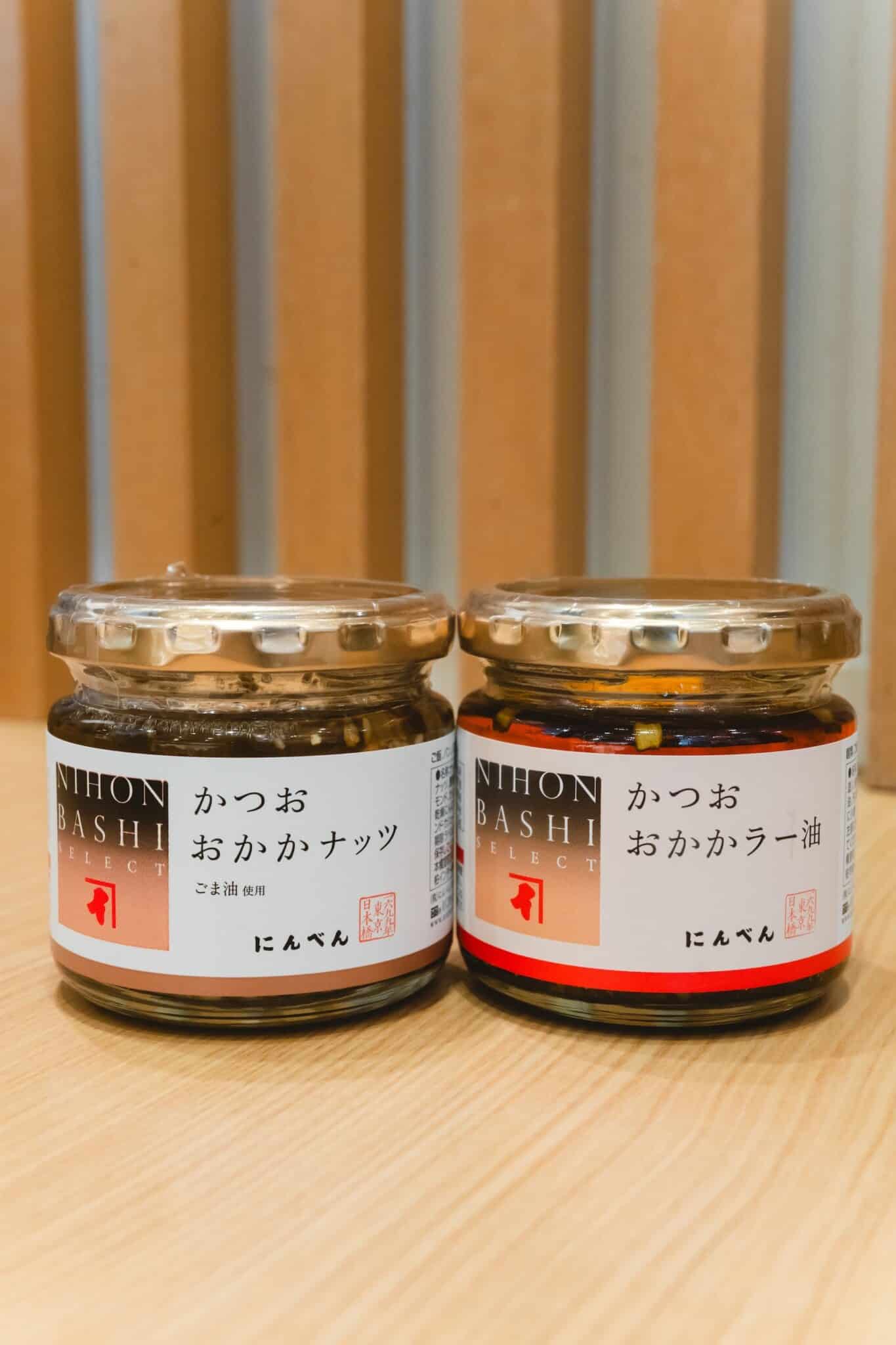
“Katsuo Okaka Nuts” and “Katsuo Okaka Rayu” are exclusive to the Nihonbashi Main Store and were created in response to customer feedback. Both are based on juicy okaka that makes full use of the umami of katsuobushi, with textures that add to the enjoyment. They are perfect as toppings for rice, noodles, meat, or vegetables, or as accompaniments to drinks. ¥972 each
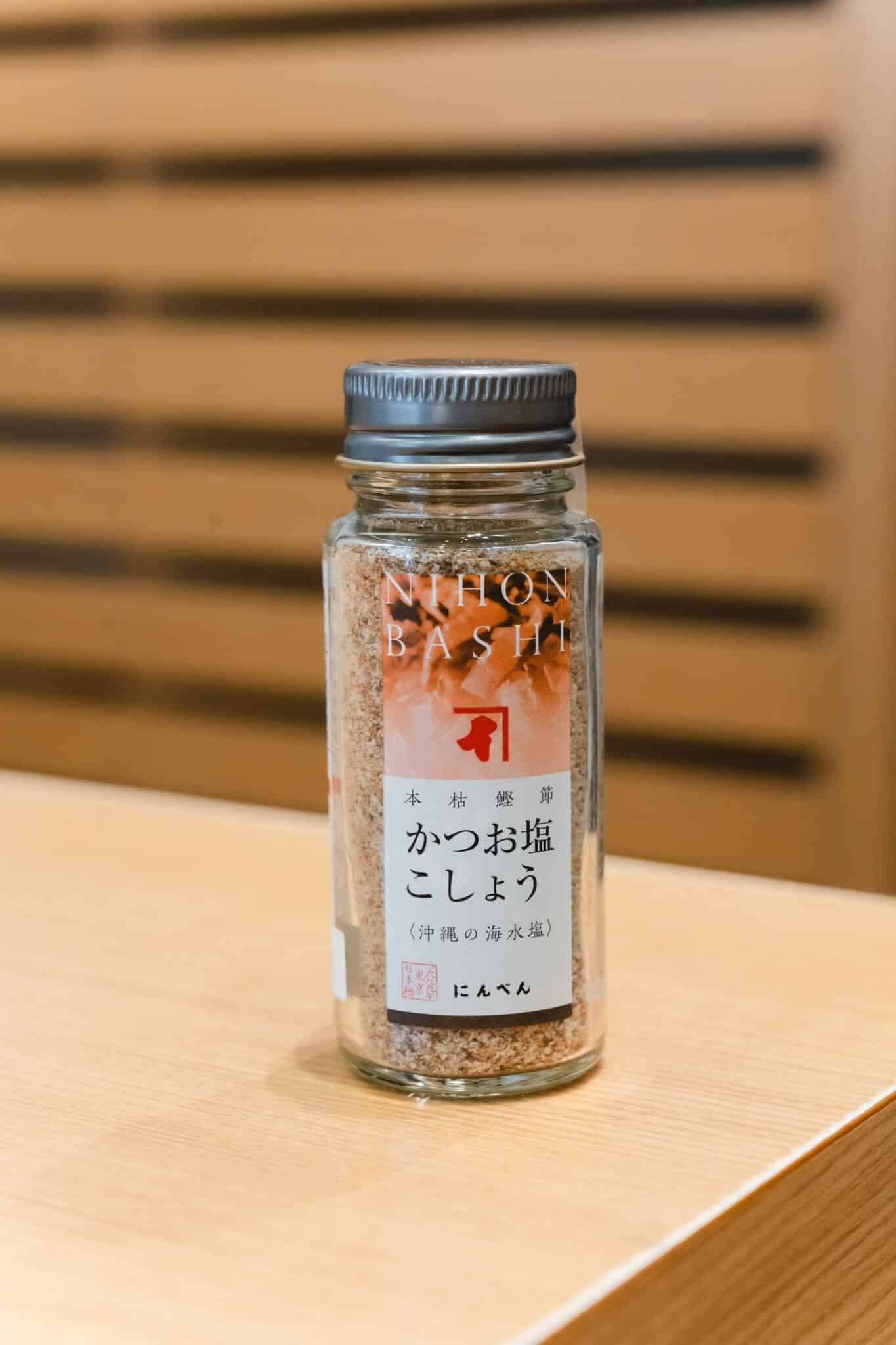
A blend of the umami of honkare katsuobushi with Okinawan sea salt, white pepper, and black pepper. A quick shake adds the flavor of katsuobushi with ease, making this a versatile seasoning worth keeping on the table. Honkare Katsuobushi Katsuo Salt & Pepper ¥831
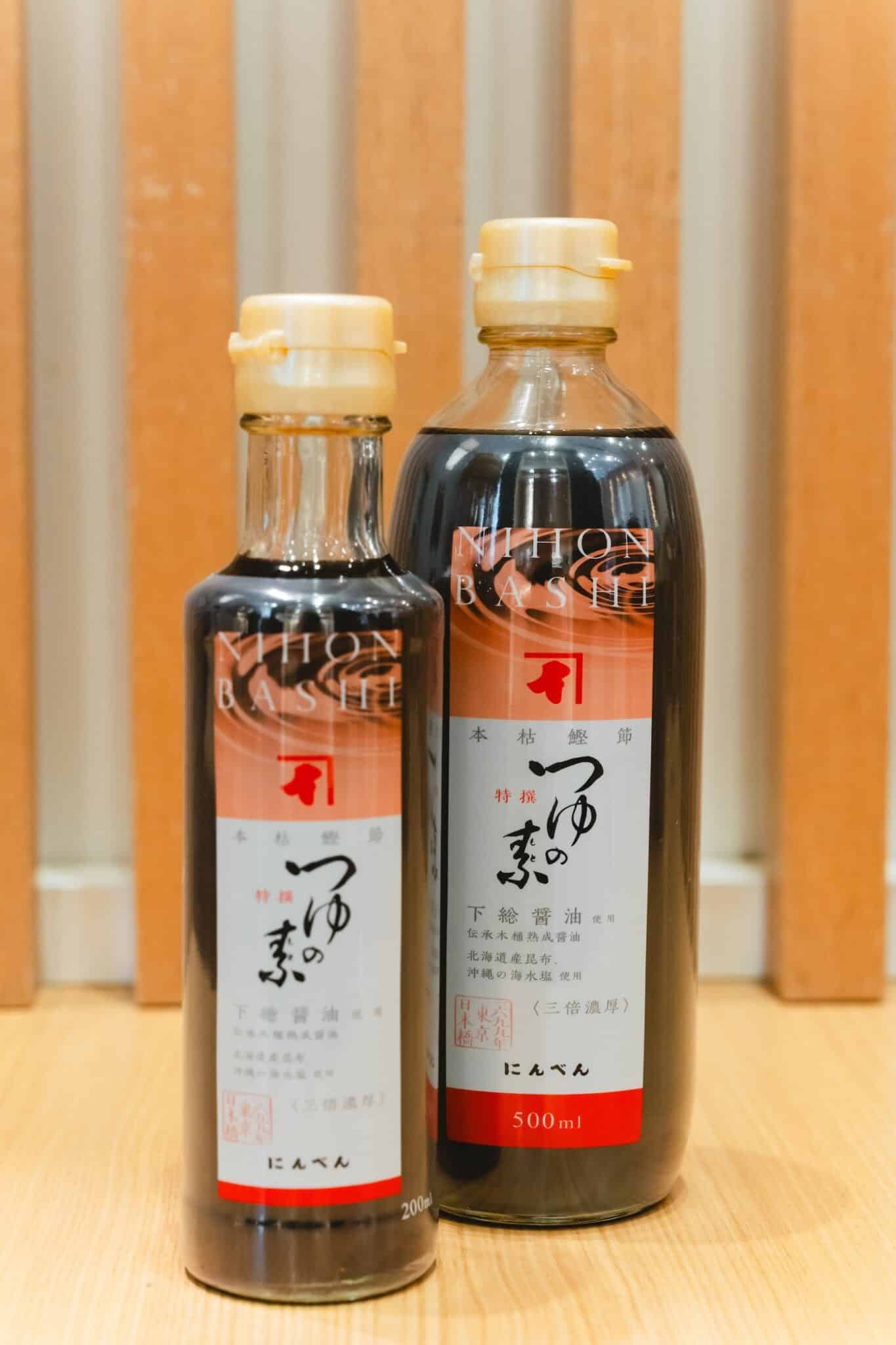
At the Nihonbashi Main Store, visitors can also purchase tsuyu sauce made with carefully selected honkare katsuobushi and Shimousa soy sauce. It can be used in a wide range of dishes, including simmered and stir-fried foods. Honkare Katsuobushi “Tsuyu no Moto Tokusen” (3x concentrated) 200ml ¥712 / 500ml ¥1,274
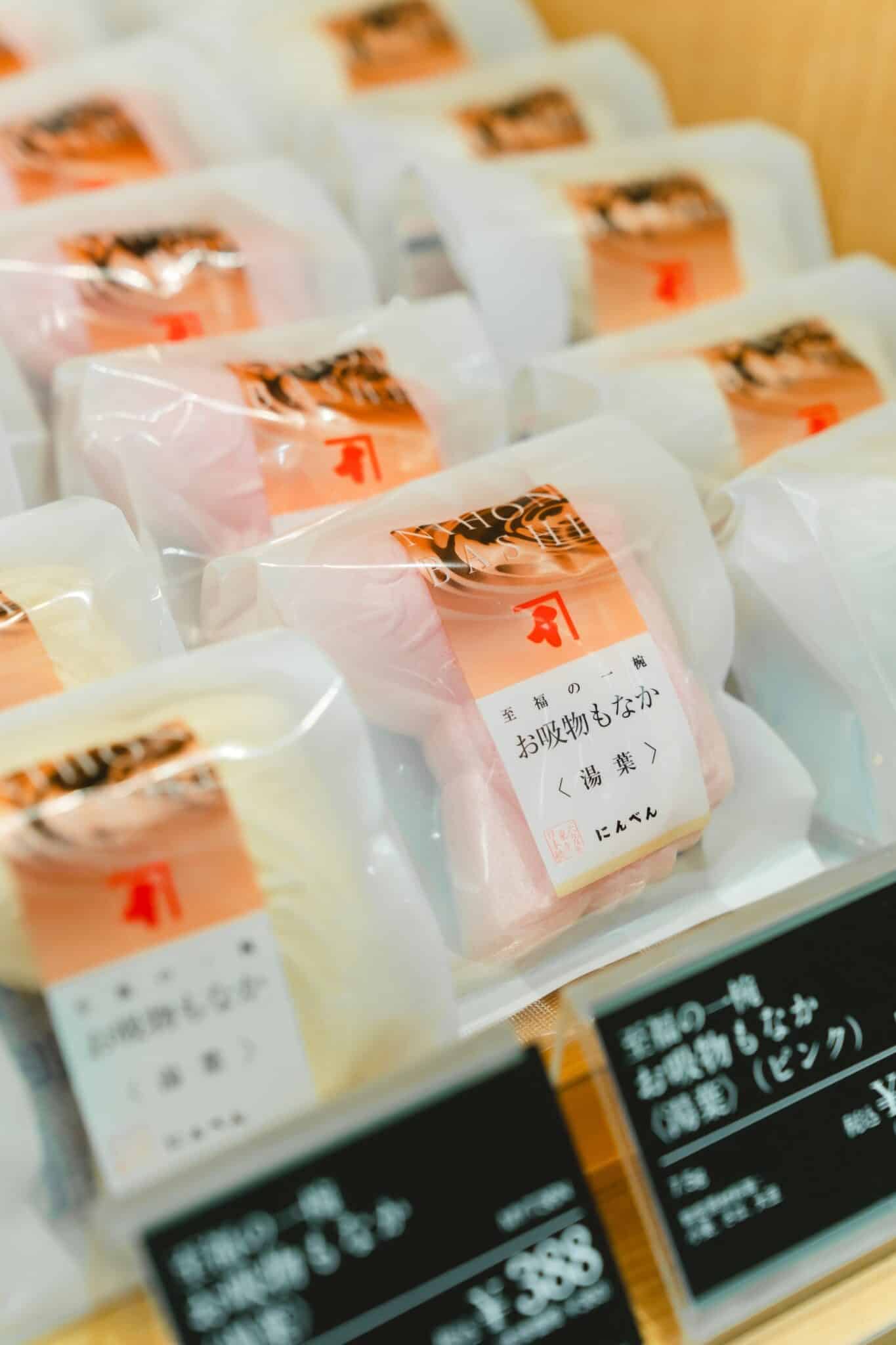
“Osuimono Monaka” combines the umami of dashi with ingredients such as yuba, maitake mushrooms, and aosa seaweed, all enclosed in a monaka wafer. Individually wrapped, they also make convenient souvenirs to give away. Osuimono Monaka ¥388 each
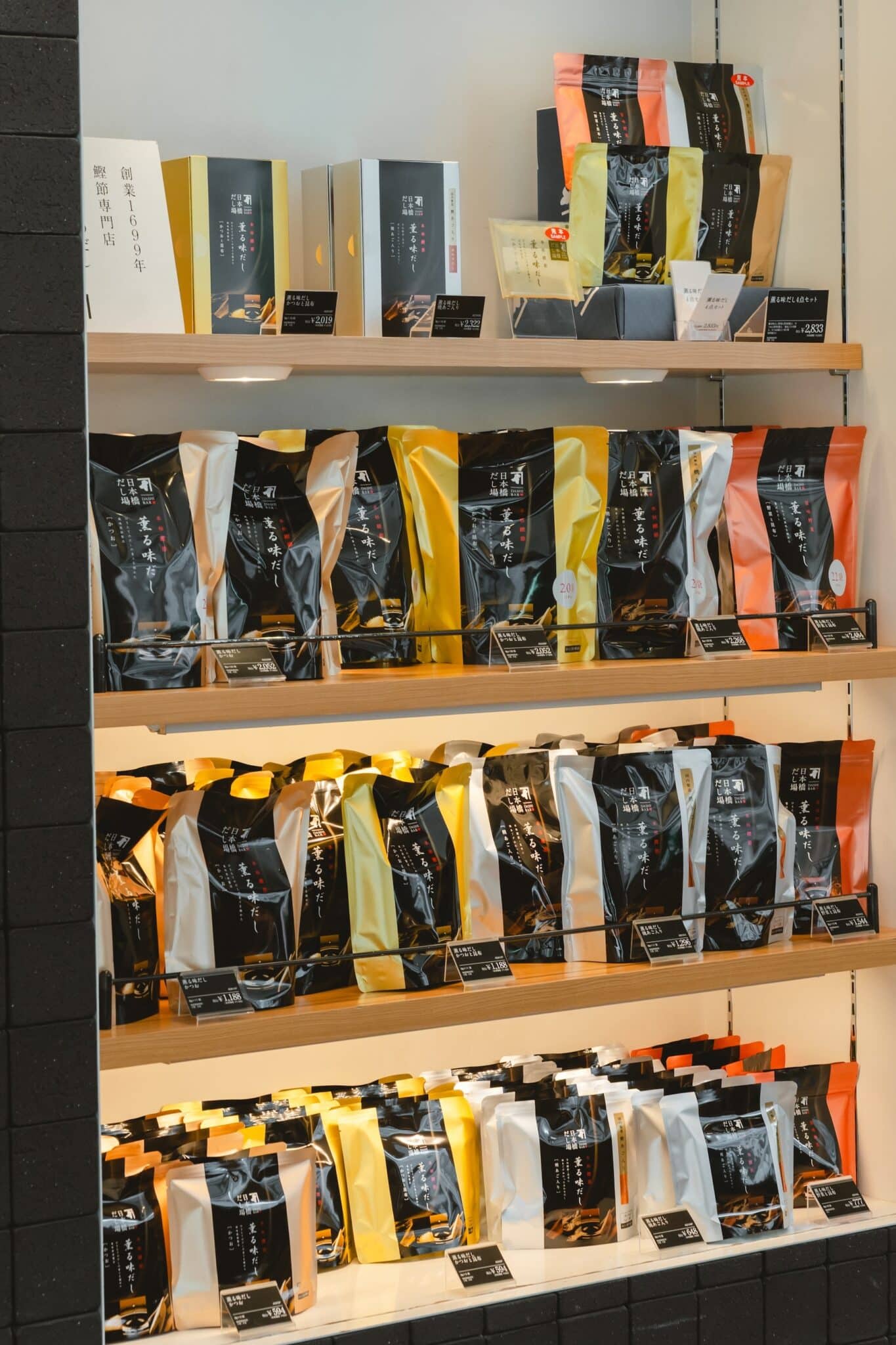
The popular “Kaoru Aji Dashi” series comes in a wide variety of options, including versions with kombu and grilled flying fish. At the main store, visitors can also ask staff which variety is best suited to a particular dish.
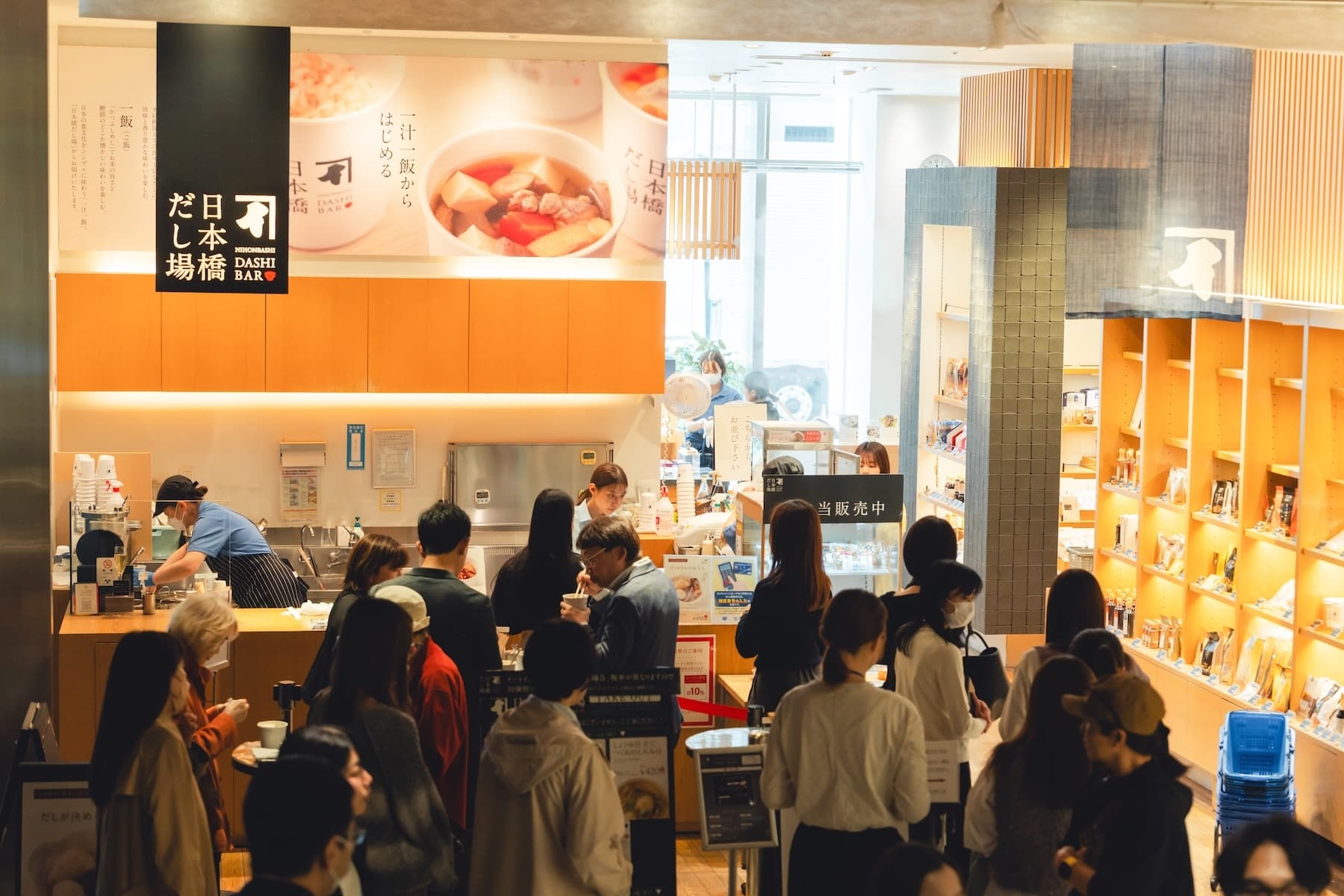
At “NIHONBASHI DASHI BAR Main Store,” located inside “NINBEN Nihonbashi Main Store,” visitors can casually enjoy rice dishes and soups made with dashi drawn from honkare katsuobushi, based on the concept of “one soup, one rice.”
The dishes are characterized by simple flavors that highlight the natural umami of dashi, and takeaway options such as dashimaki tamago and bento are also available.
Monthly menu items developed by the store staff themselves to suit the season or special events are also popular. At lunchtime, the space is lively with office workers from nearby buildings and tourists.
“We believe that proposing a variety of ways to use and eat katsuobushi can help increase its consumption and revitalize the industry. That, in turn, supports not only katsuobushi producers but also people involved in the fishing industry. We want to continue making proposals from NINBEN’s unique perspective that expand the possibilities of katsuobushi,” says Suzuki.
Being able to actually taste the deliciousness of katsuobushi and dashi alongside shopping is an experience unique to the Nihonbashi Main Store. Through the experience of choosing products and tasting them, visitors can discover the depth of Japan’s dashi culture.
“We believe that suggesting various ways to use and enjoy katsuobushi will lead to increased consumption and revitalize the industry. This will also support not only katsuobushi producers but also everyone involved in the fishing industry. We want to continue making proposals that expand the possibilities of katsuobushi from Ninben’s unique perspective,” said Mr. Suzuki.
In addition to shopping at our main store, the Nihonbashi Main Store is the only place where you can actually taste the deliciousness of katsuobushi and dashi. Why not explore the depth of Japan’s dashi culture through the experience of selecting and tasting our products?
“NIHONBASHI DASHI BAR,” located inside “NINBEN Nihonbashi Main Store.” The open space can be accessed directly from the main store’s retail area.
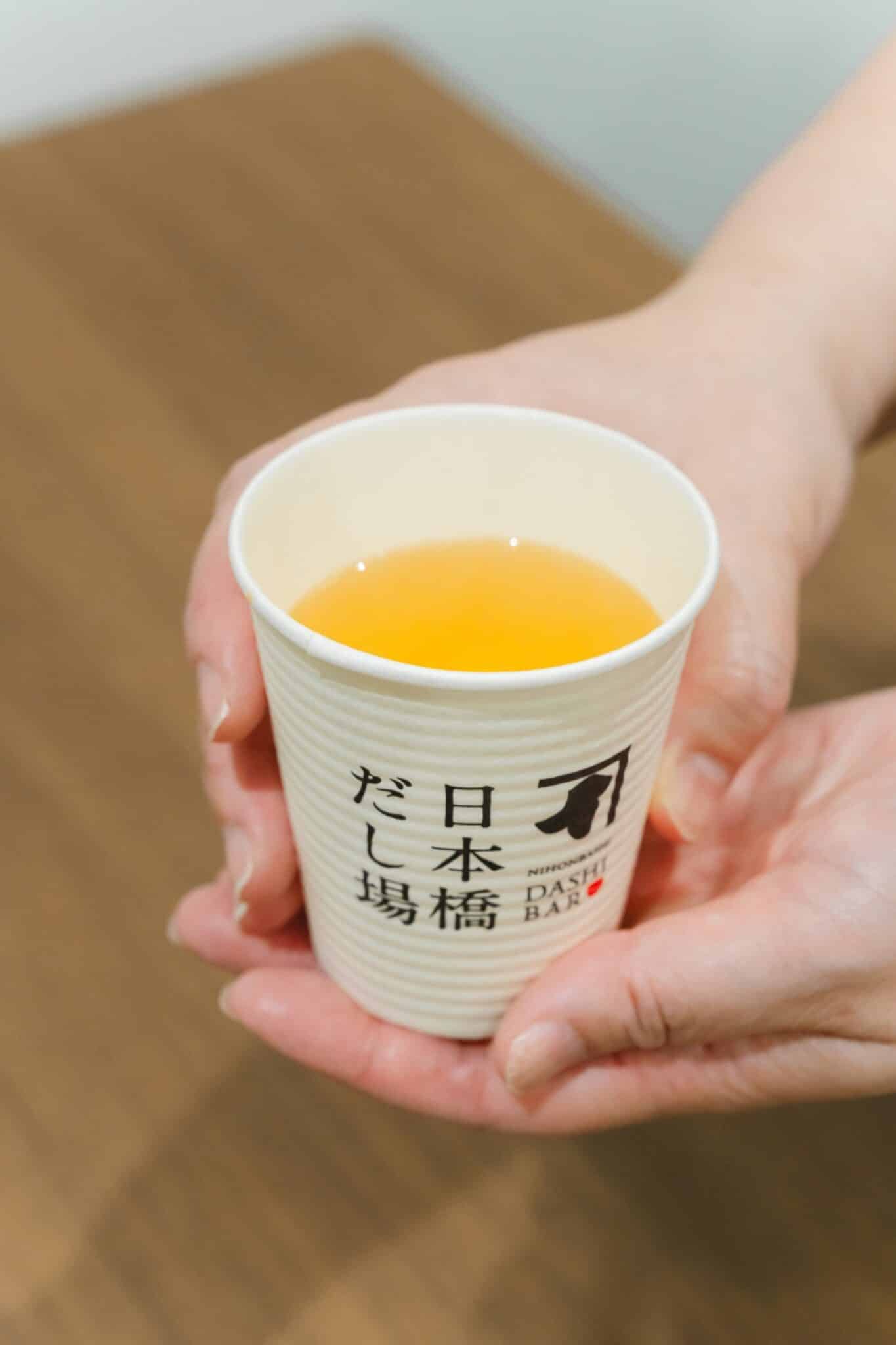
Katsuobushi dashi is served for ¥150 per cup. Dashi is freshly drawn each time using katsuobushi from the in-store shaving station, allowing visitors to enjoy its pure flavor. Its gentle taste offers a relaxing moment. Katsuobushi Dashi ¥150
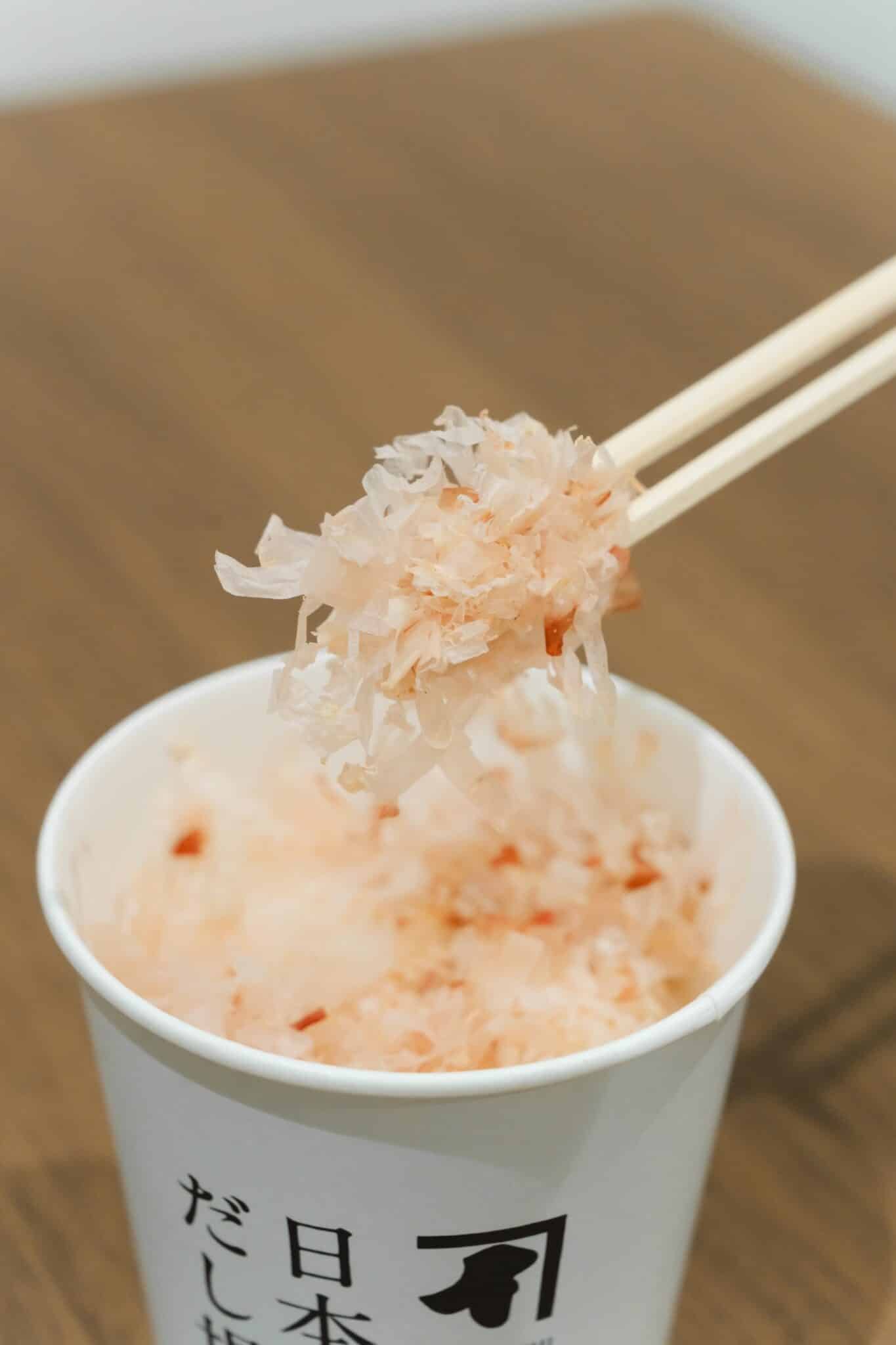
“Katsubushi Meshi” features freshly shaved honkare katsuobushi generously piled over steaming rice. Recommended for those who want to enjoy the natural flavor of katsuobushi in a simple way. Katsubushi Meshi, Regular Size ¥300
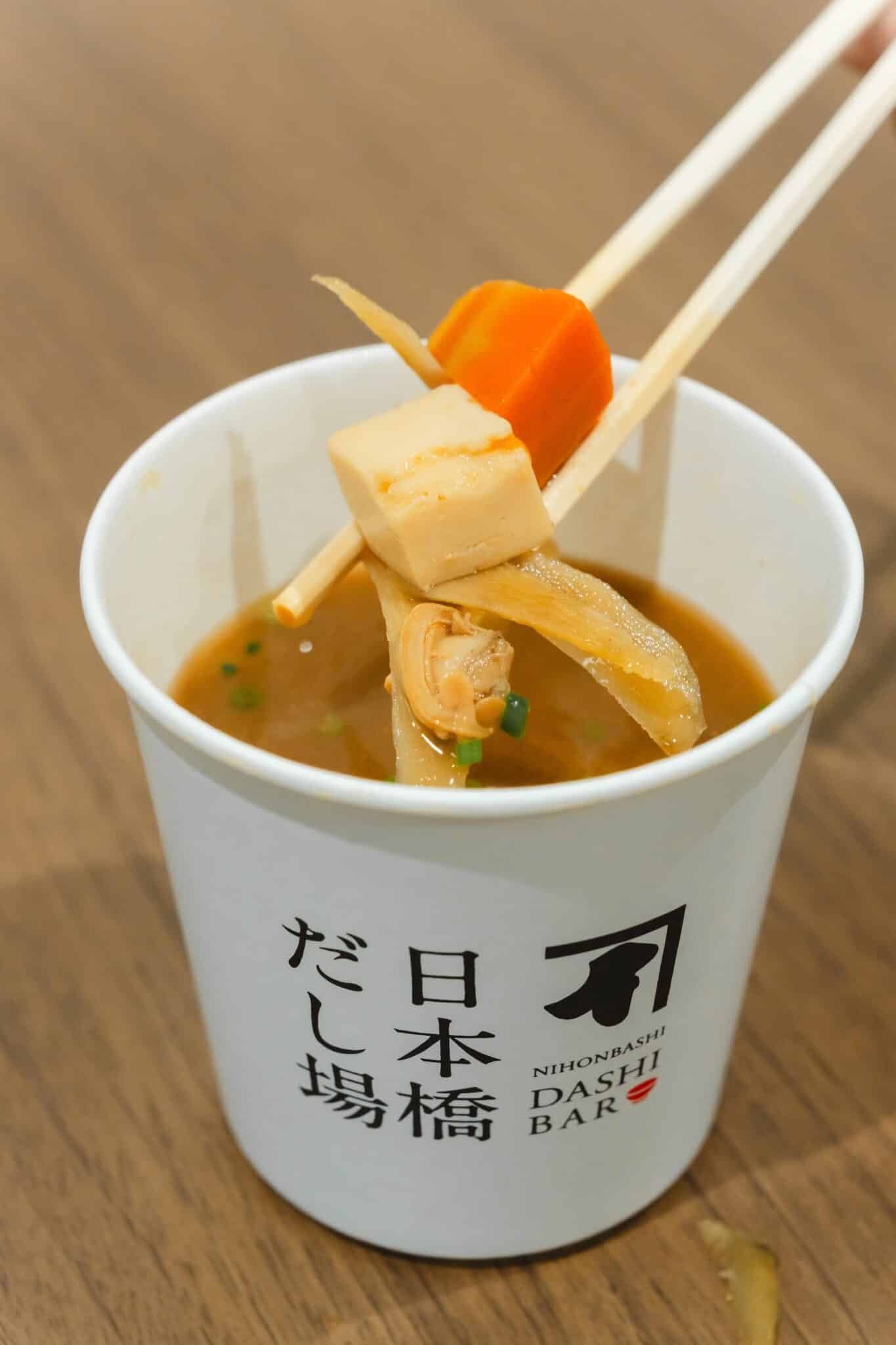
A seasonal miso soup available only in April, packed with ingredients including clams, burdock root, and tofu. Hearty enough to enjoy as a side dish in itself. Fukagawa-Style Clam Miso Soup ¥420 The menu items shown were available at the time of reporting and may change with the season. Please check the official Instagram account or other official sources for the latest information.
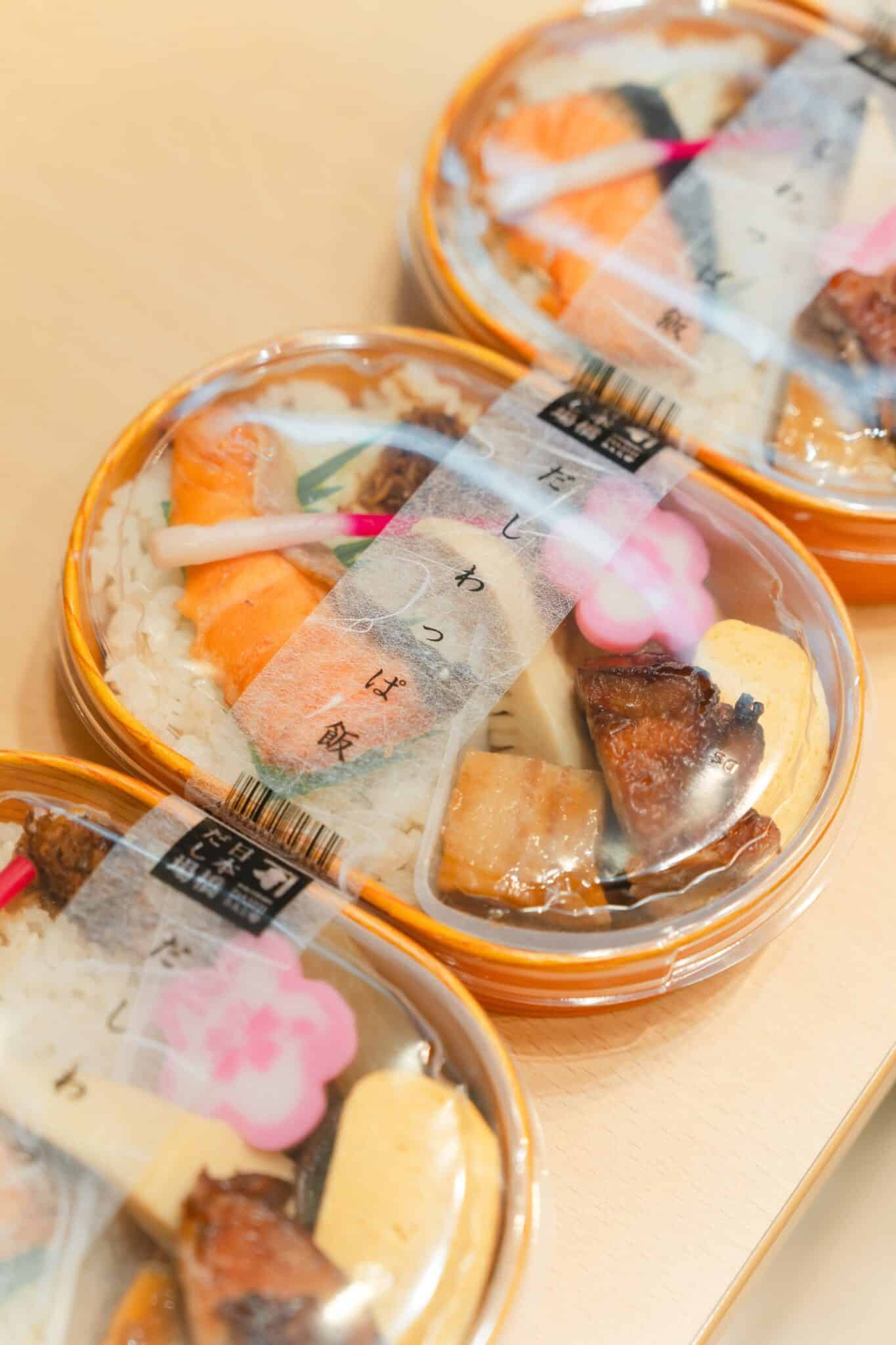
A generous dish served in a container reminiscent of a traditional Japanese “wappa” bento box. It is packed with rice cooked in katsuobushi dashi along with a variety of side dishes, including dashi-flavored grilled salmon, teriyaki chicken, and simmered vegetables. It is also a popular choice for takeout. Dashi Wappa Meshi ¥1,100
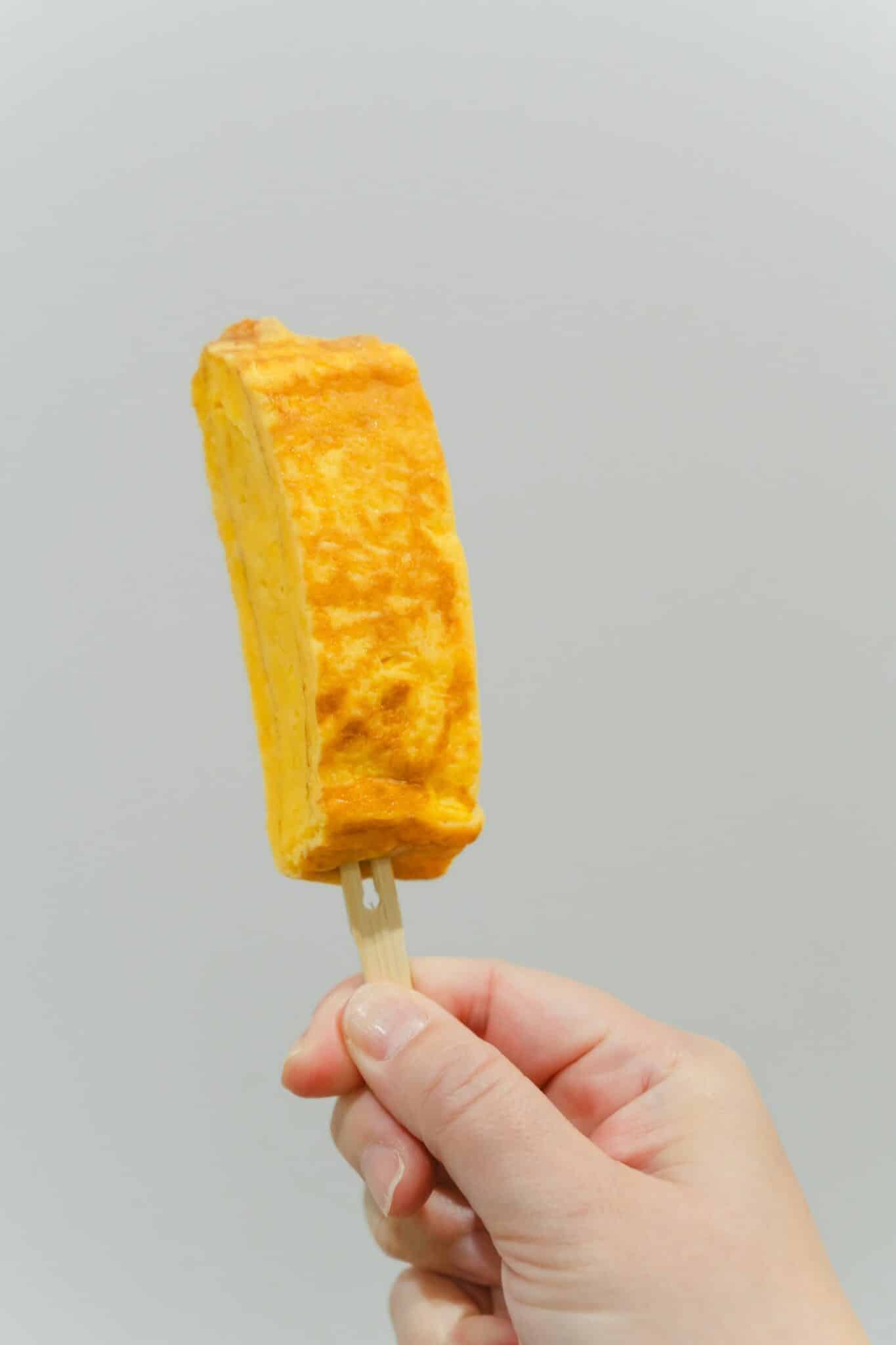
The popular “Dashiyaki Tamago” has a gentle flavor accented by dashi. Its convenient stick shape and satisfying portion are part of its appeal. Dashiyaki Tamago ¥220
The information in this article is current as of October 21, 2026 (at the time of publication).