DEEPTOKYO
magazine

EN


AREA
DEEPTOKYO
magazine
EN
AREA
2026.07.06
A Specialty Food Store Run by a Long-Established Tsukudani Maker


 Nearest Station

“Enchu Shoten” is a specialty food store operated by “Enchu Shokuhin,” a long-established maker of tsukudani founded in 1913. The shelves are stocked with a wide variety of foods made primarily from domestically sourced ingredients without the use of chemical seasonings or additives, including organic vegetables, pesticide-free rice, and seasonings. The store’s signature tsukudani is prepared by skilled artisans in direct-fire iron kettles using a traditional method that has been passed down since the company’s founding. By bringing out the natural flavor and texture of the ingredients, it has been enjoyed by generations of customers. The store also offers a carefully selected range of foods made with domestically sourced ingredients from trusted producers whose stories and backgrounds the company knows well. It is a place where visitors can discover the appeal of Japanese food while learning about the passion of the people behind them.
SHARE


Operated by the long-established tsukudani maker "Enchu Shokuhin," founded in 1913, "Enchu Shoten" is a specialty food store offering tsukudani made using the traditional direct-fire kettle method that has been passed down since the company's founding, along with a wide selection of foods made primarily from carefully selected domestically sourced ingredients. Located in Kakigaracho, Nihonbashi, the store stands close to the Nihonbashi River and the Sumida River. The area prospered through river transport and was once home to many wholesalers dealing in soy sauce and sugar. It is known as one of the neighborhoods that helped shape Japan's food culture.
The shop's signature product is tsukudani—a traditional Japanese preserved food made by simmering seafood, seaweed, and other ingredients in soy sauce and sugar. It originated on Tsukuda Island at the mouth of the Sumida River and was enjoyed by fishermen during the Edo period as a preserved food. Thanks to its rich flavor and long shelf life, tsukudani spread throughout Japan and evolved alongside the food culture of Nihonbashi. Today, it continues to be enjoyed in households across Japan as a traditional home-style flavor.
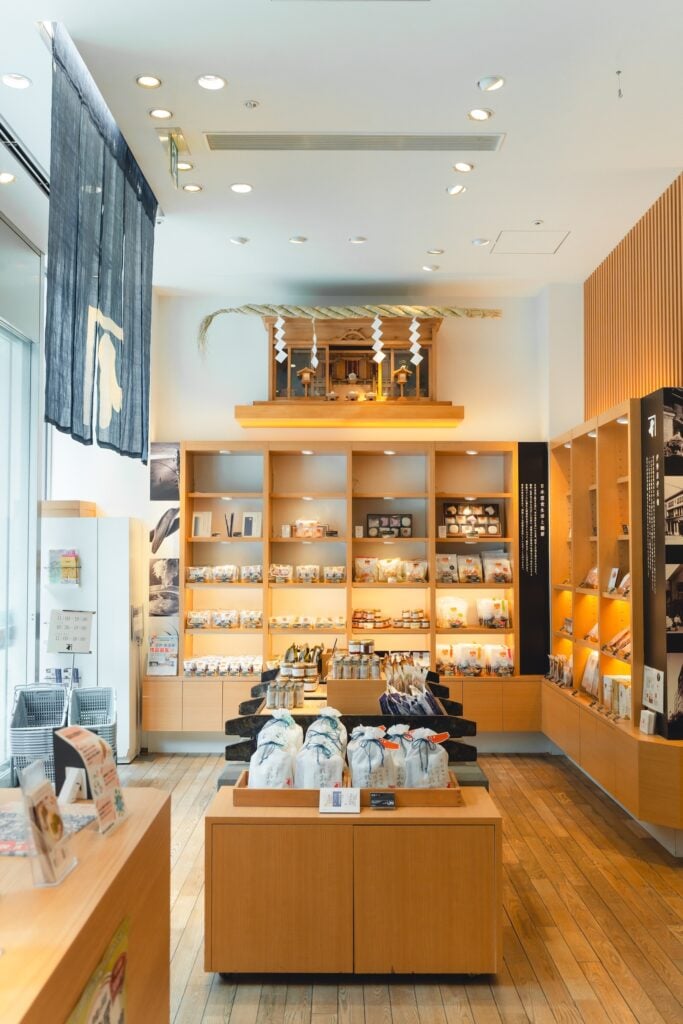
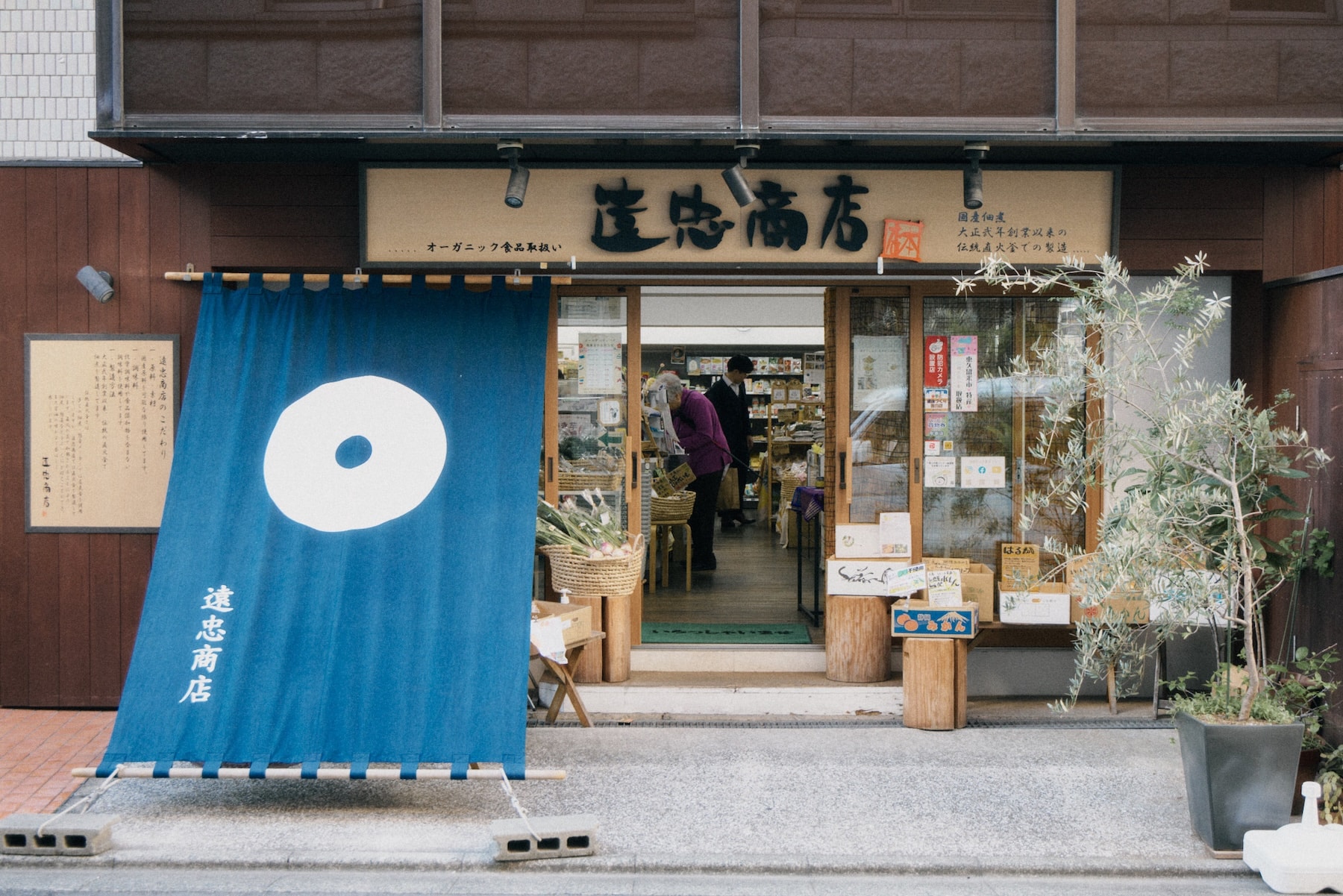
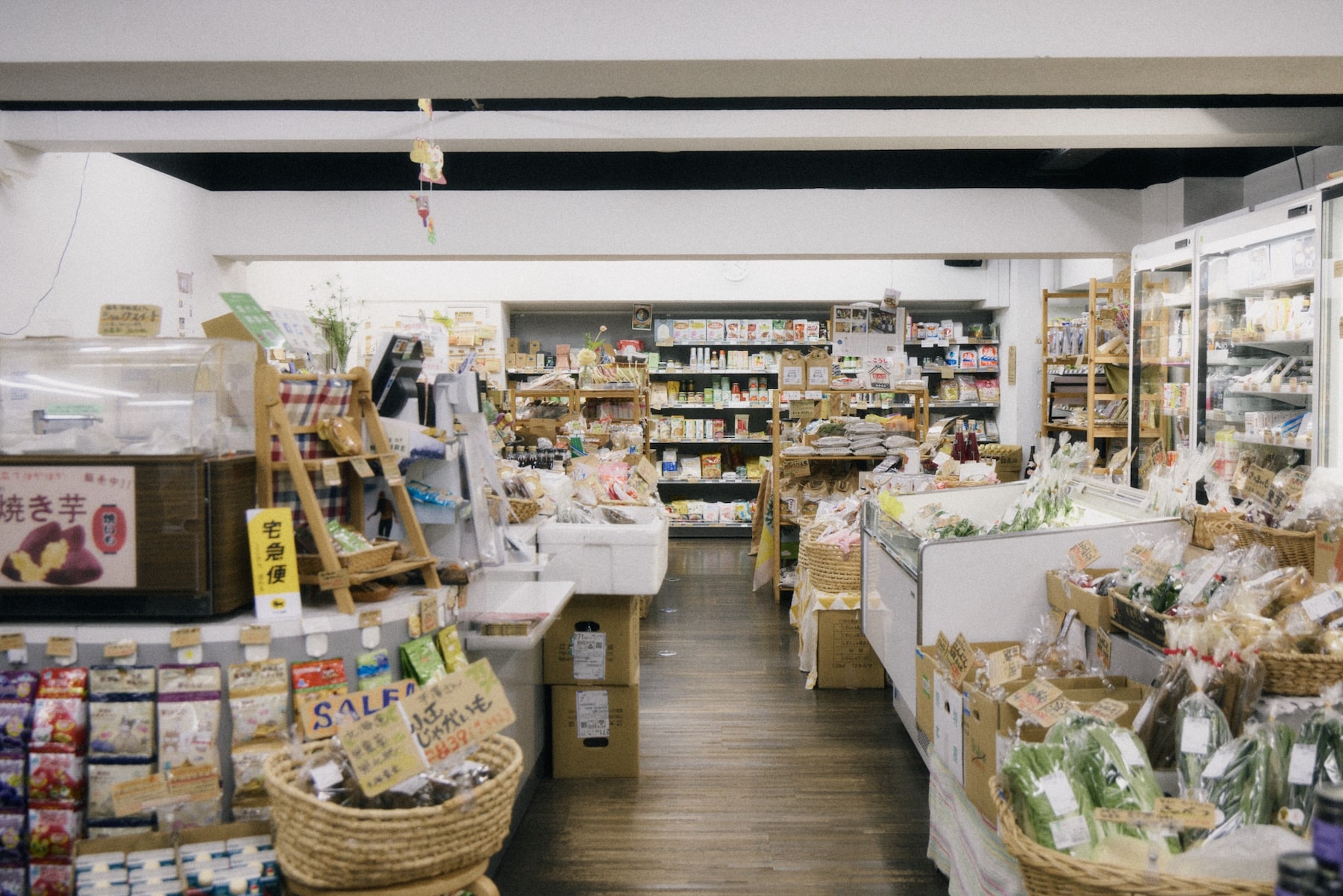
A large indigo noren (traditional fabric shop curtain) marks the entrance. Inside, the store has the welcoming atmosphere of a Japanese roadside market and is bustling with local regulars.
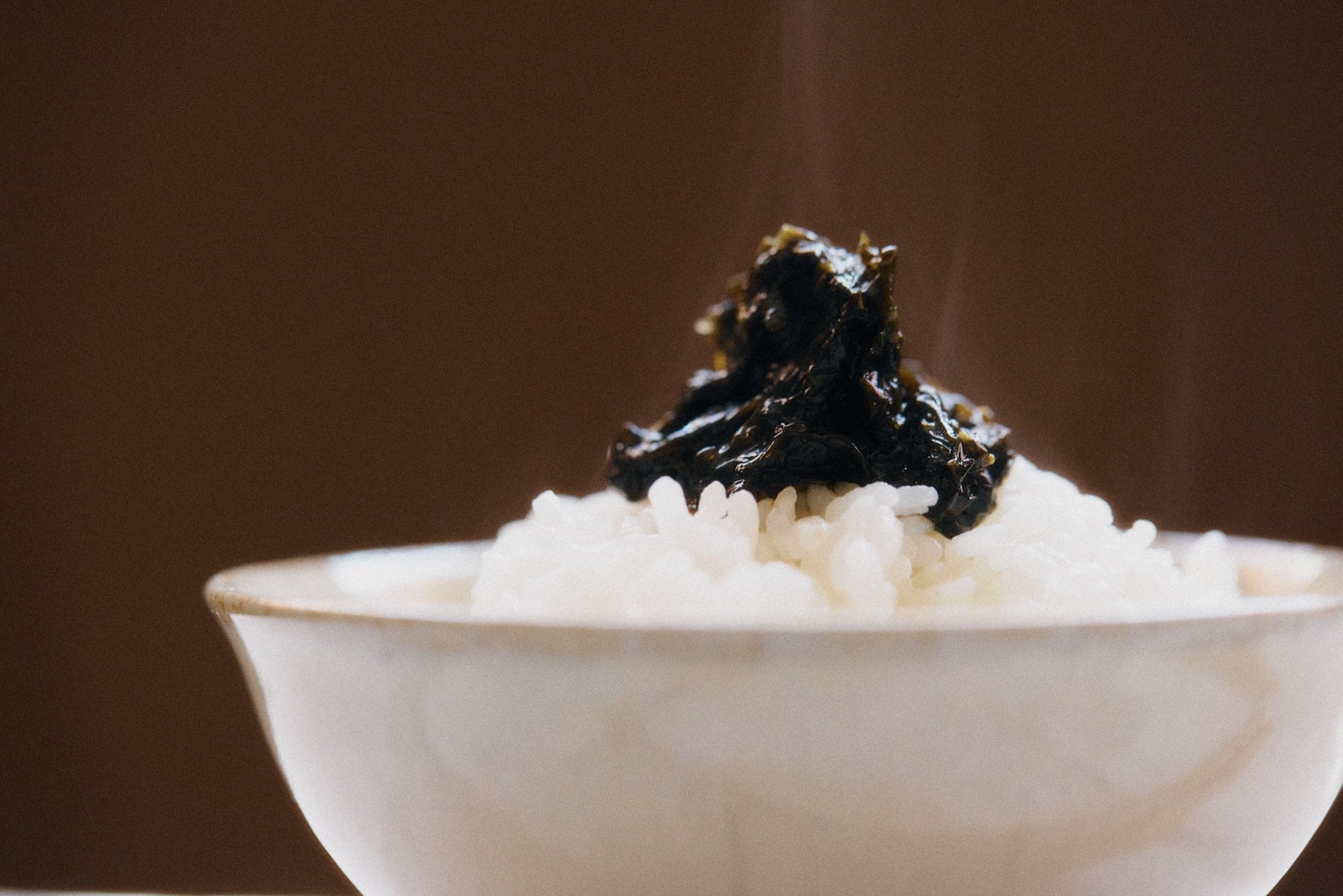
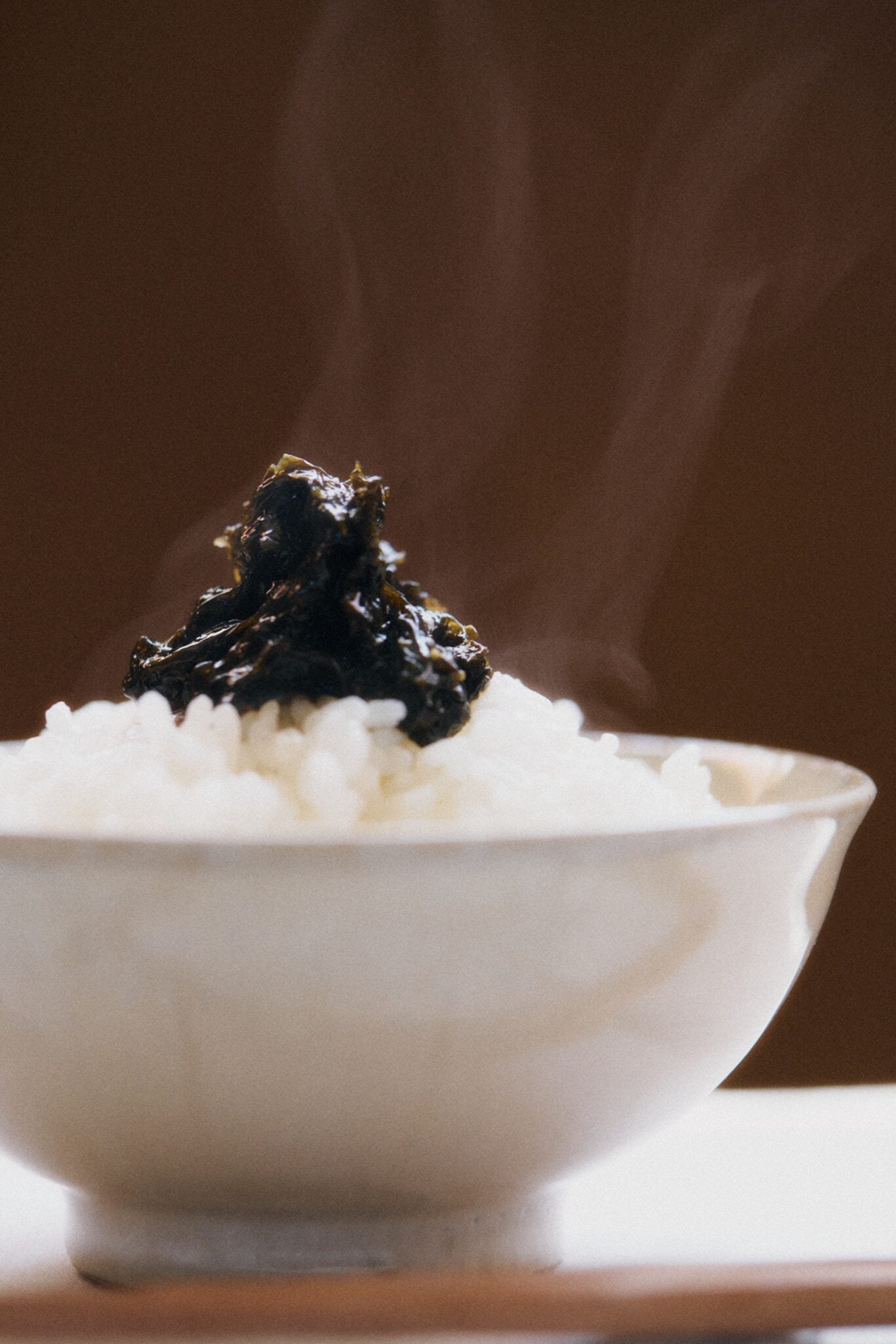
“Enchu Shokuhin’s” signature tsukudani. Served over freshly cooked rice, it brings out the natural flavor and rich umami of the ingredients. A traditional Japanese taste that has long been enjoyed at family tables.
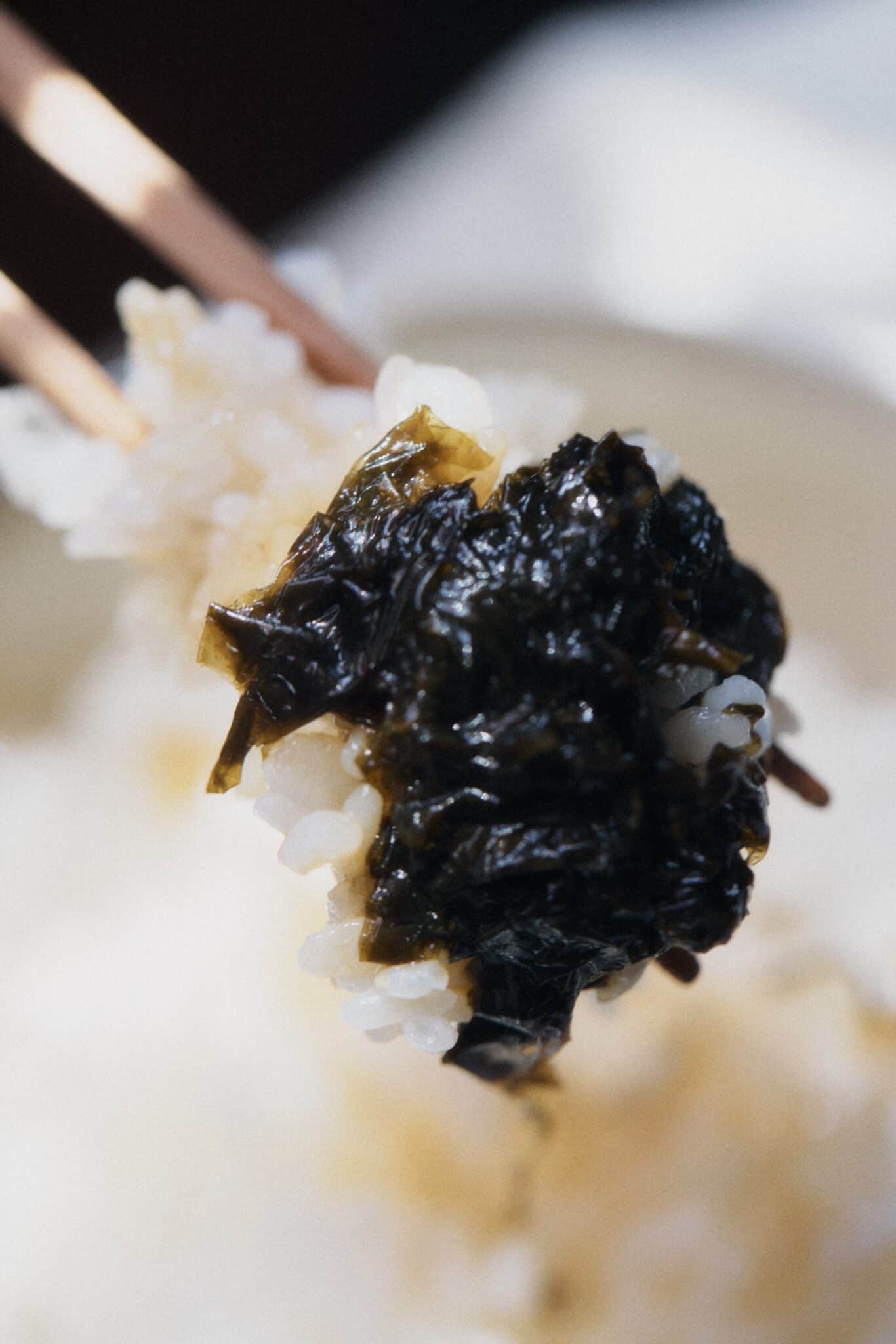
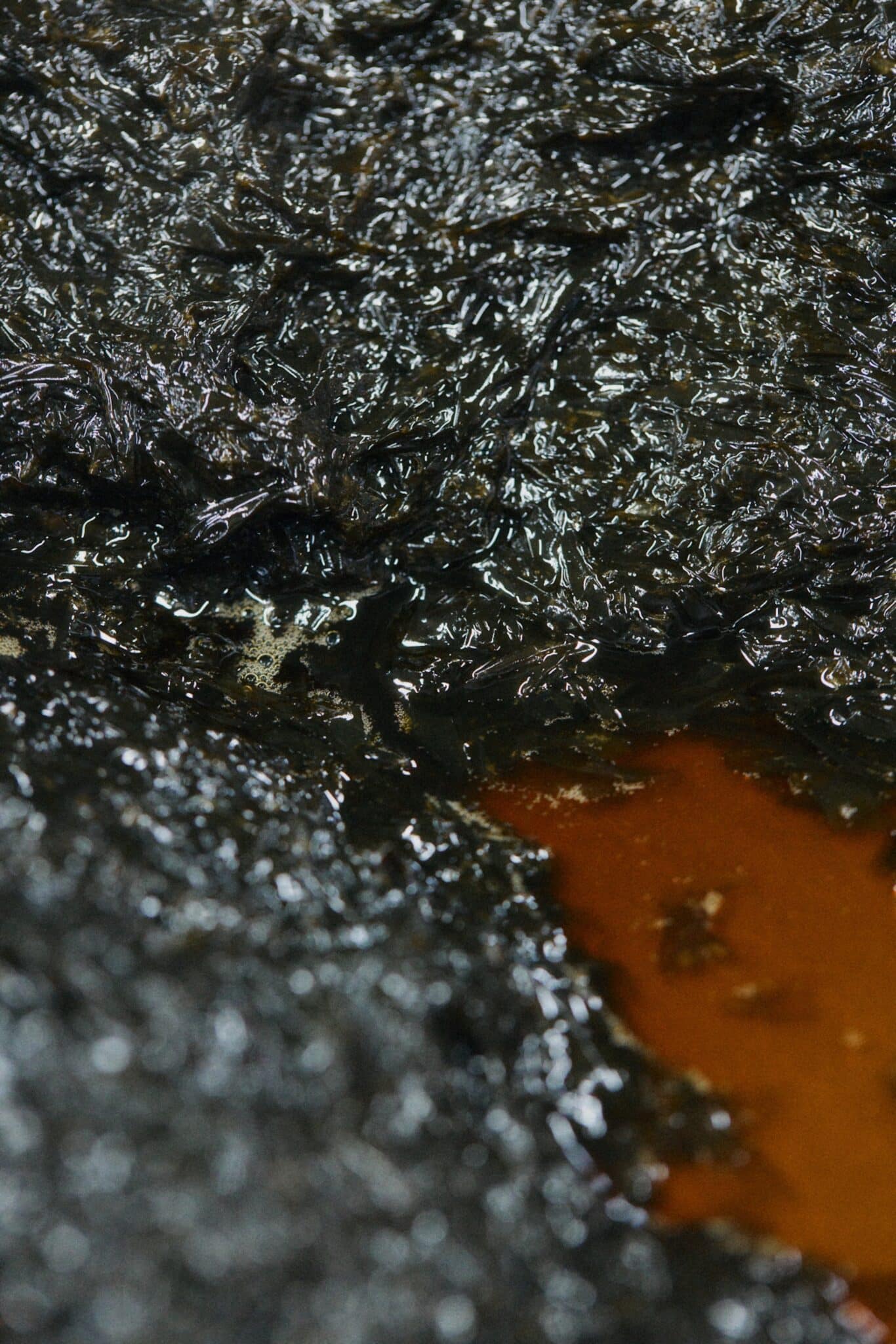
One of the defining characteristics of “Enchu Shokuhin’s” tsukudani is that the shape of the seaweed remains intact, allowing its distinctive texture and natural flavor to be fully appreciated.
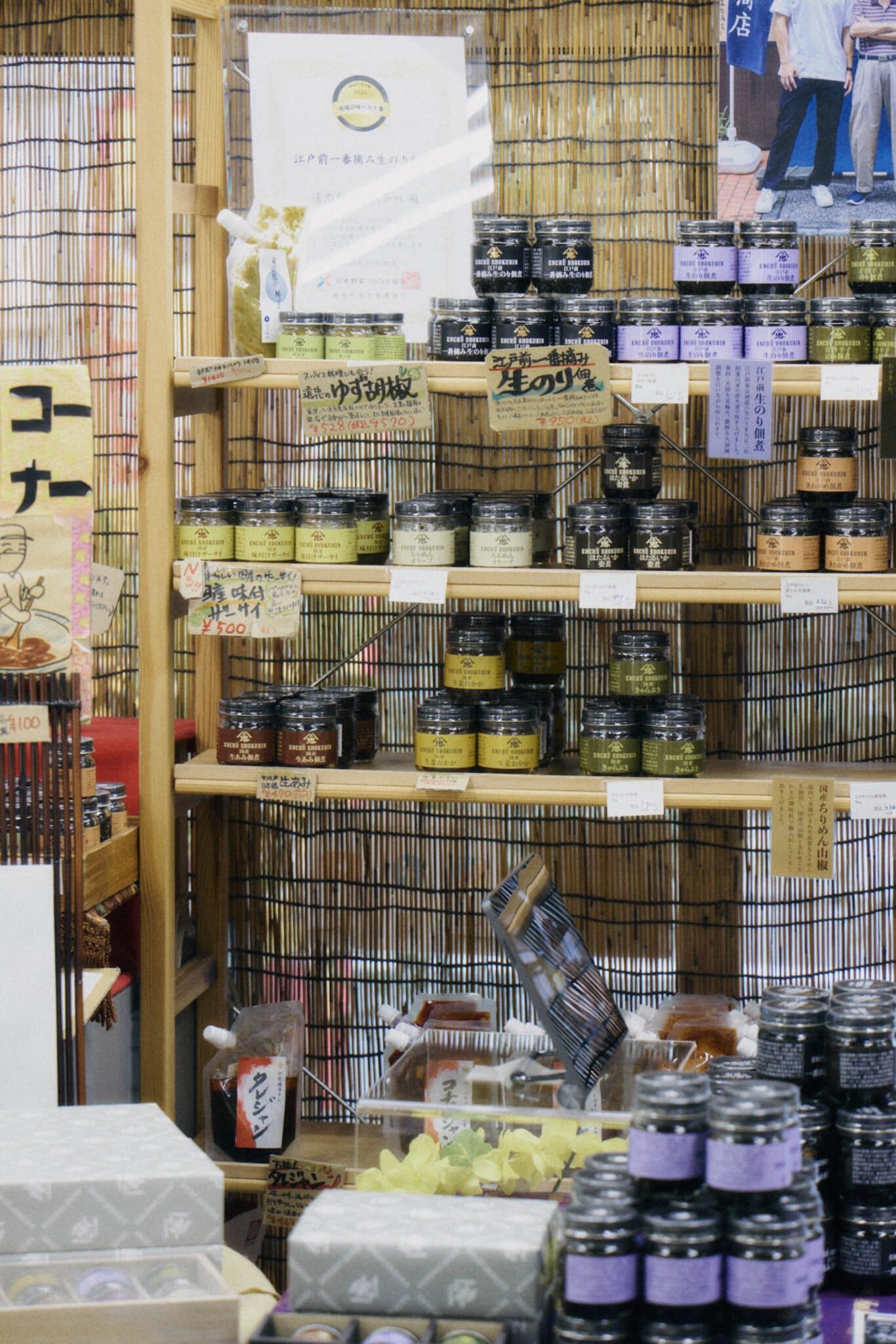
At “Enchu Shokuhin,” two principles have remained unchanged since the company's founding: using primarily domestically sourced ingredients without any chemical seasonings or additives, and preparing its tsukudani in direct-fire iron kettles using the traditional method passed down through generations. The store offers tsukudani produced at its own factory, along with original products made with carefully selected domestic ingredients.
It also carries more than 1,000 food products selected for both the quality of their ingredients and the trusted relationships the company has built with their producers. From coffee and tea to organic vegetables and pesticide-free rice, the selection covers a wide range of products. Offering everything from food to everyday household goods, the store has the appeal of a Japanese roadside station (michi-no-eki), where visitors can enjoy browsing as much as shopping.
The store is arranged by product category, with shelves stocked with products made from carefully selected Japanese ingredients.
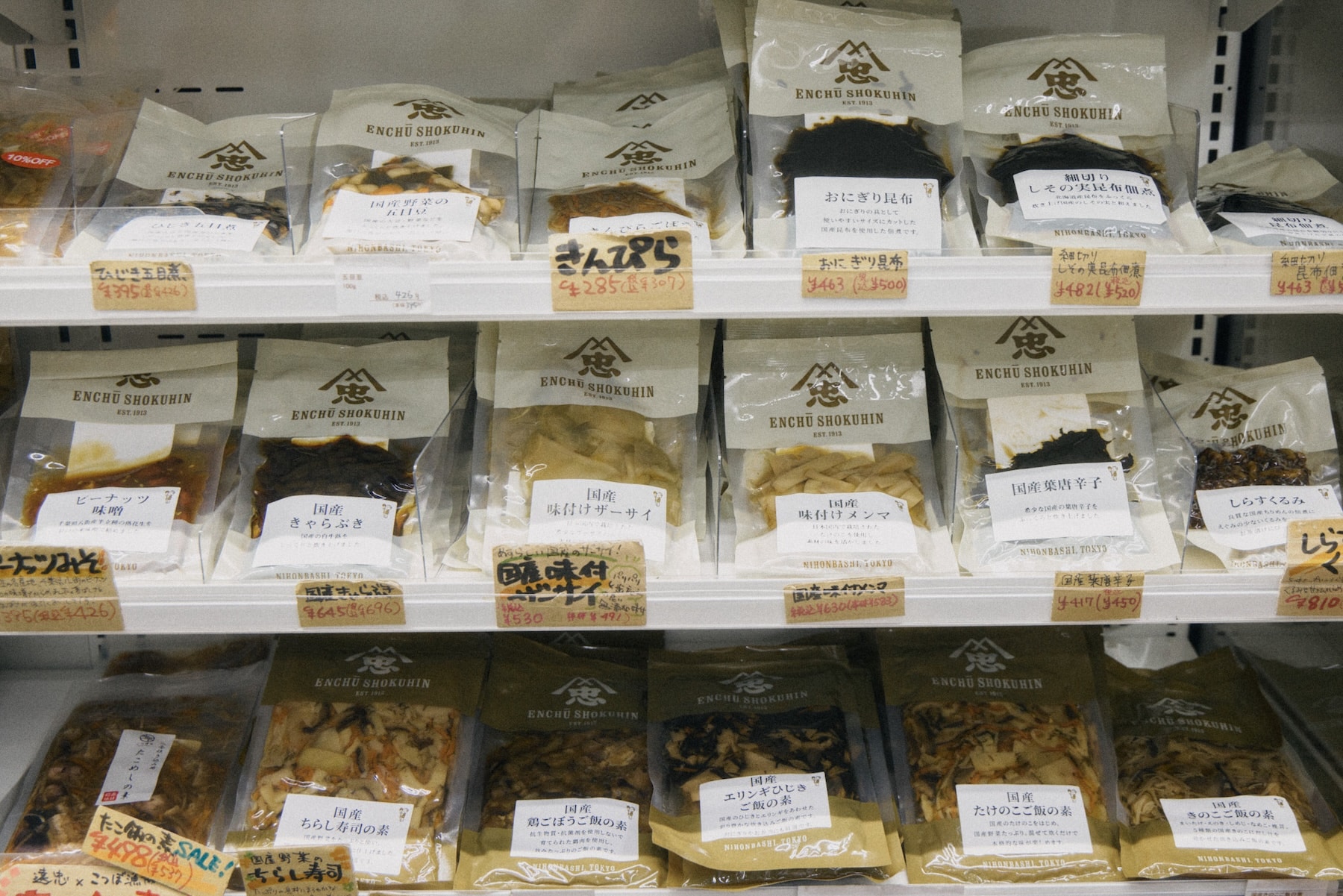
Enchu Shokuhin's original products, made with carefully selected Japanese ingredients. The lineup includes prepared side dishes such as zha cai, menma, and kinpira, as well as seasoned rice mixes.
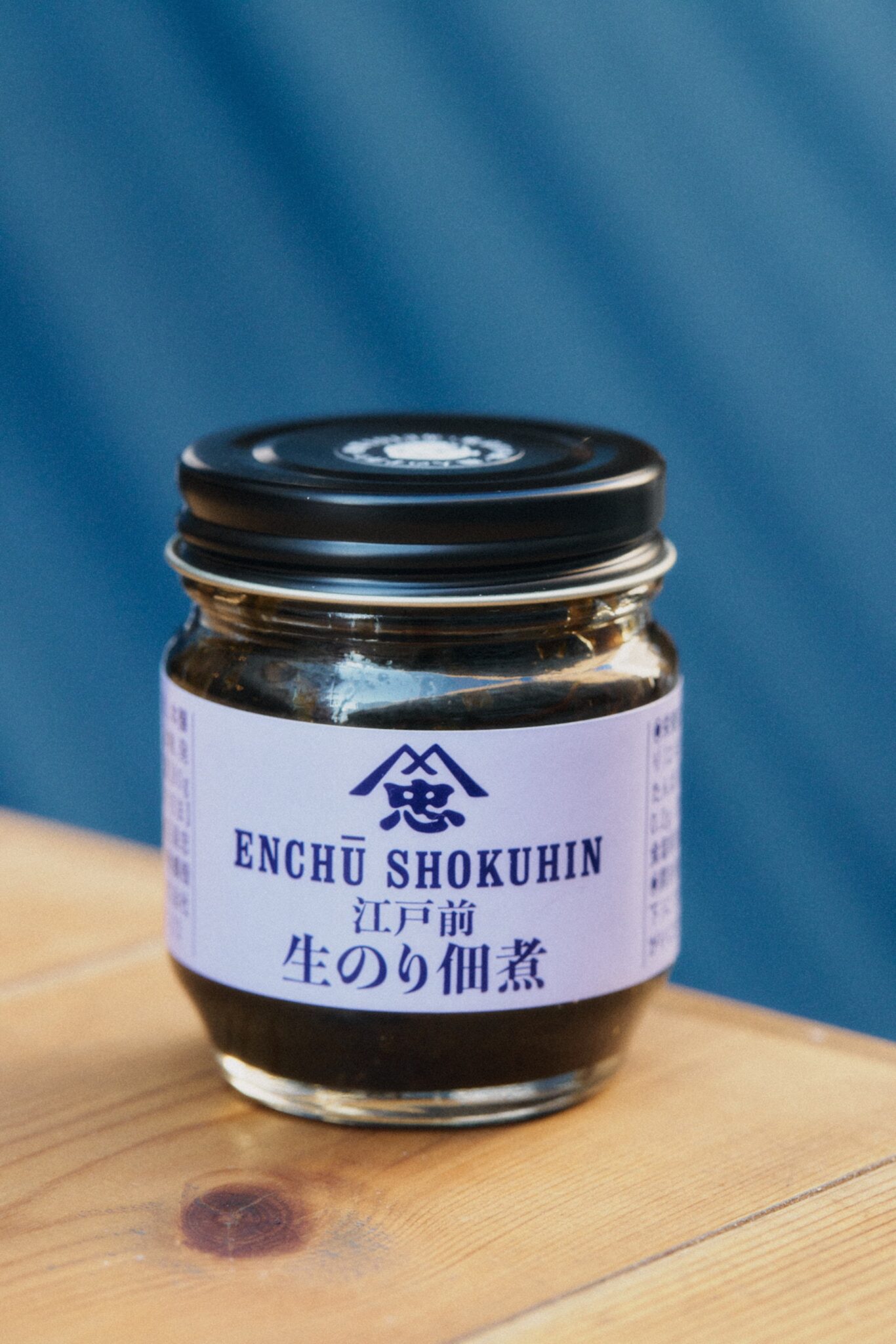
“Edomae Nama Nori Tsukudani” (80g, ¥630), one of “Enchu Shokuhin’s” signature products, has been made using the same recipe since the company's founding. It is made with generous amounts of fresh seaweed harvested from Tokyo Bay.
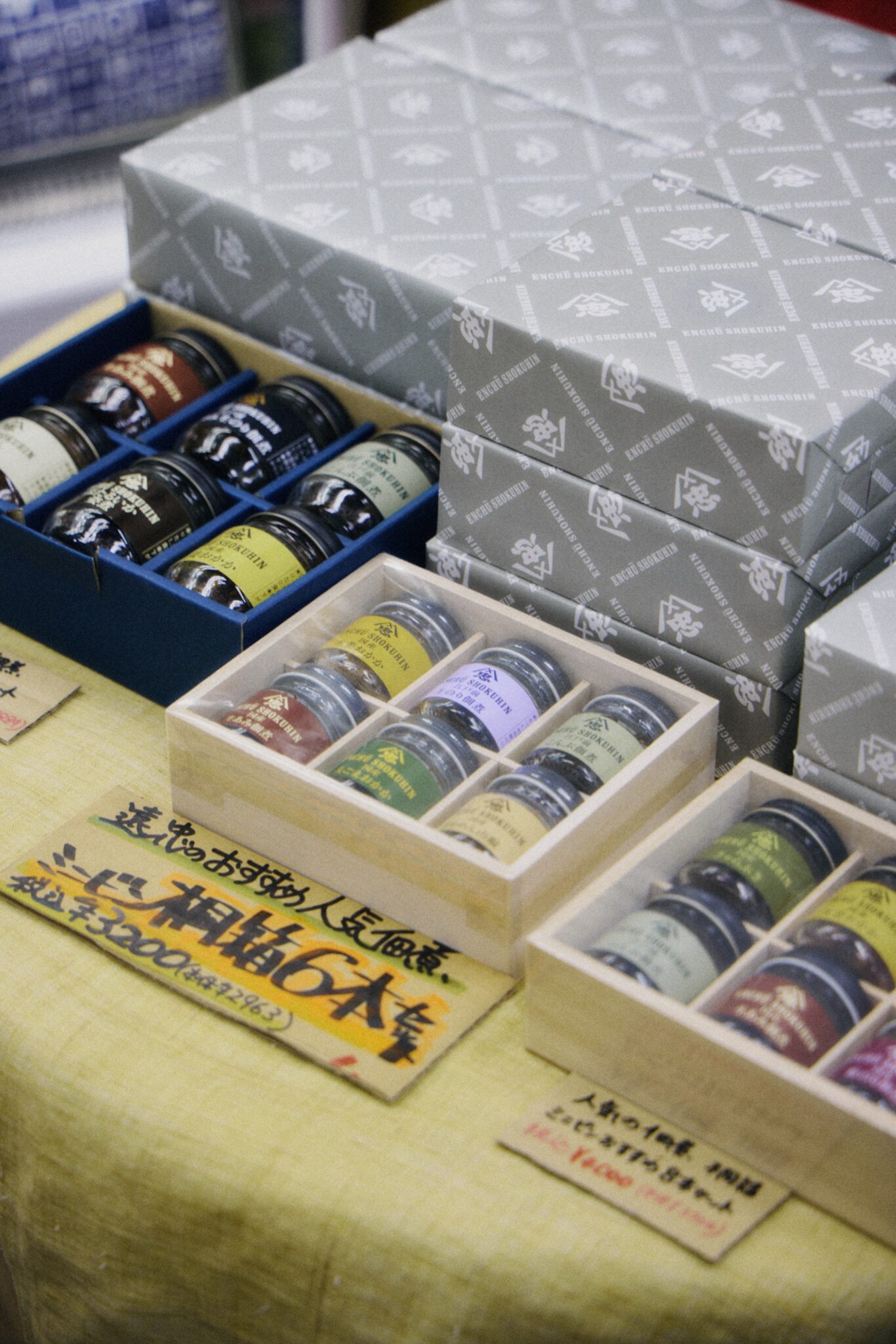
The six-jar gift set featuring some of the store's most popular tsukudani is a favorite for gift-giving. Each set is carefully packed by hand at the company's own factory.
This 6-jar set of tsukudani, featuring a selection of our most popular items, is a popular gift choice. Each jar is carefully packaged one by one at our own factory.
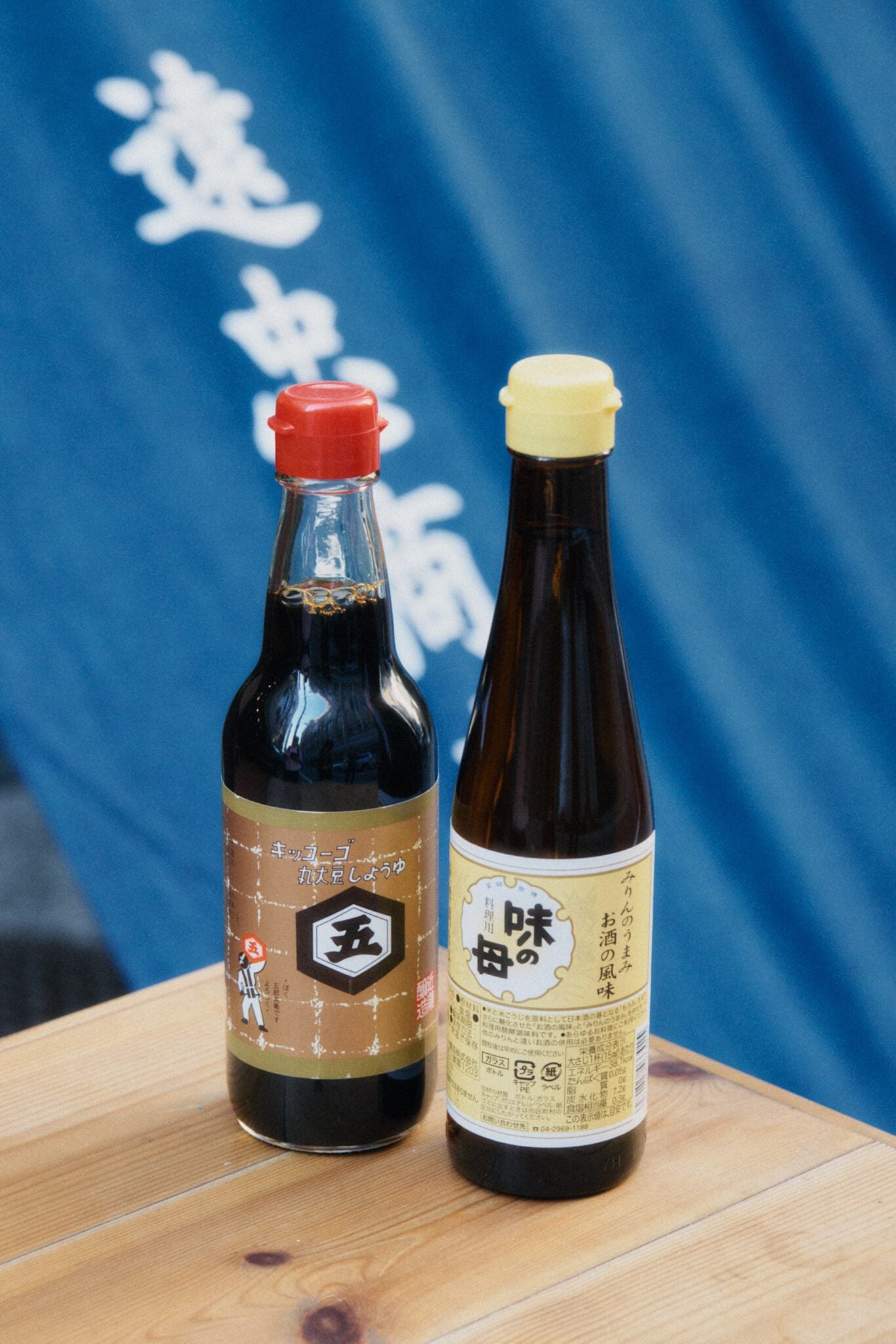
The soy sauce and fermented seasonings used to make “Enchu Shokuhin's” tsukudani are also available for purchase. From left: Kikkogo Domestic Whole Soybean Soy Sauce (360mL, ¥418) and Aji no Haha Rice Fermented Seasoning (300mL, ¥594).
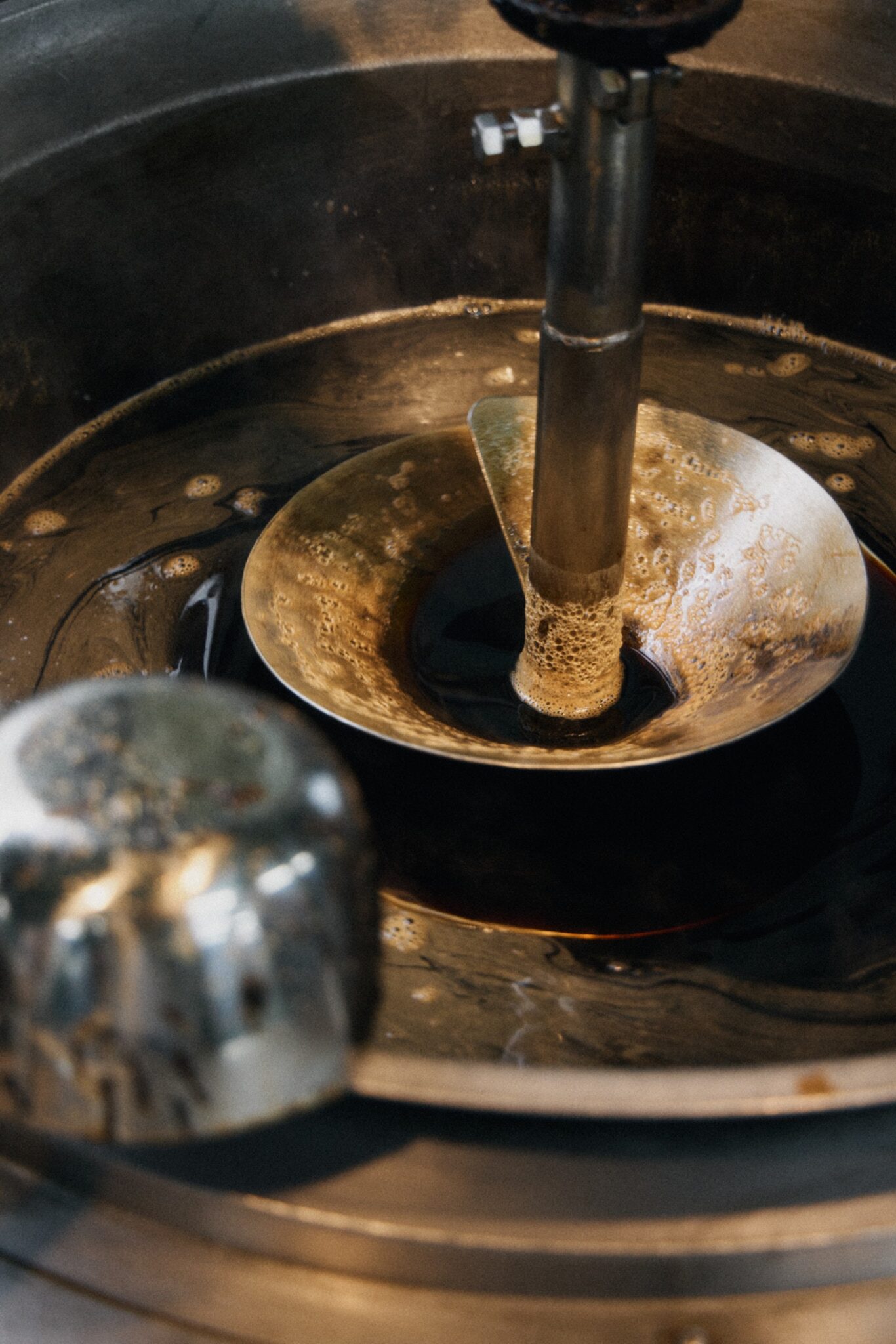
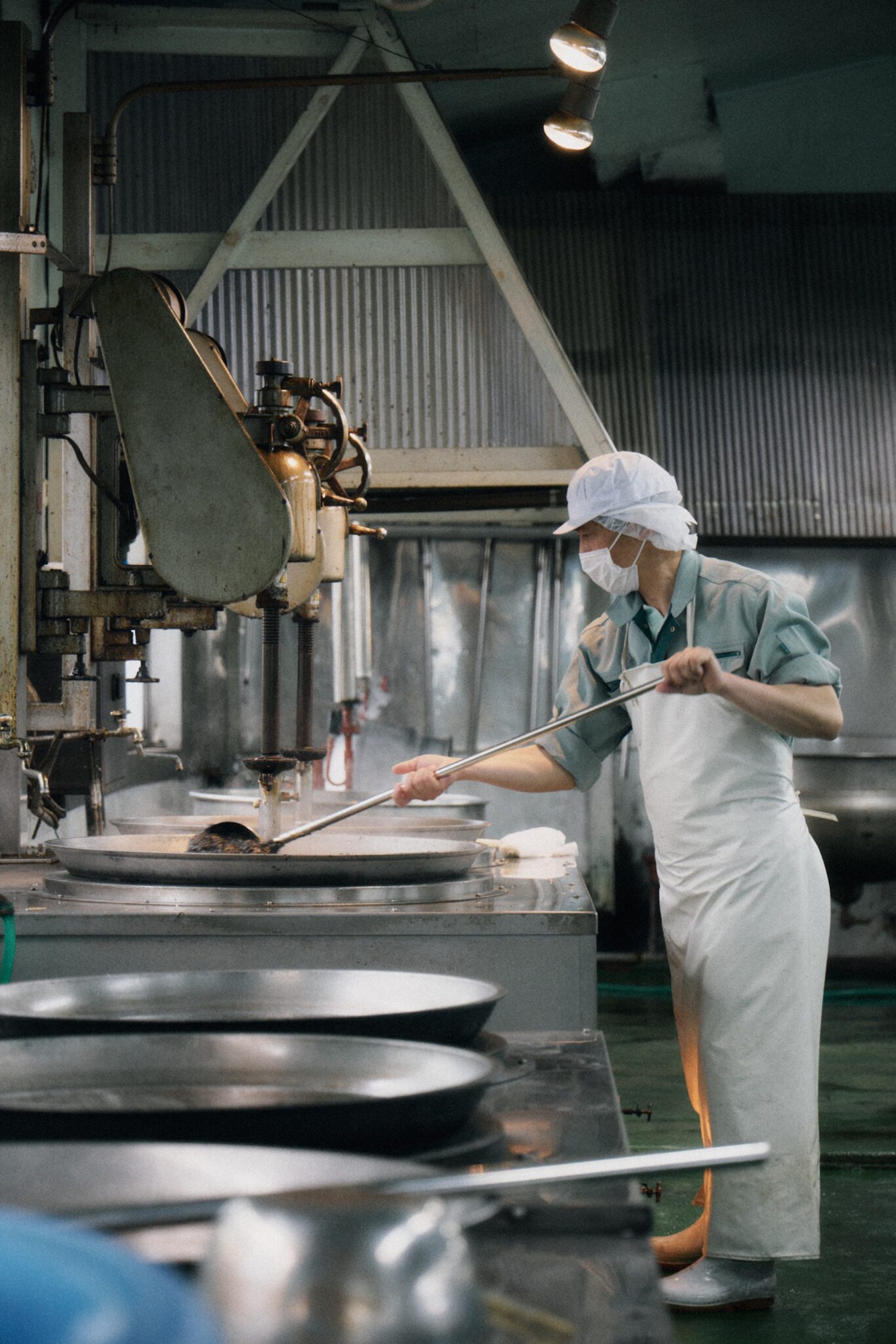
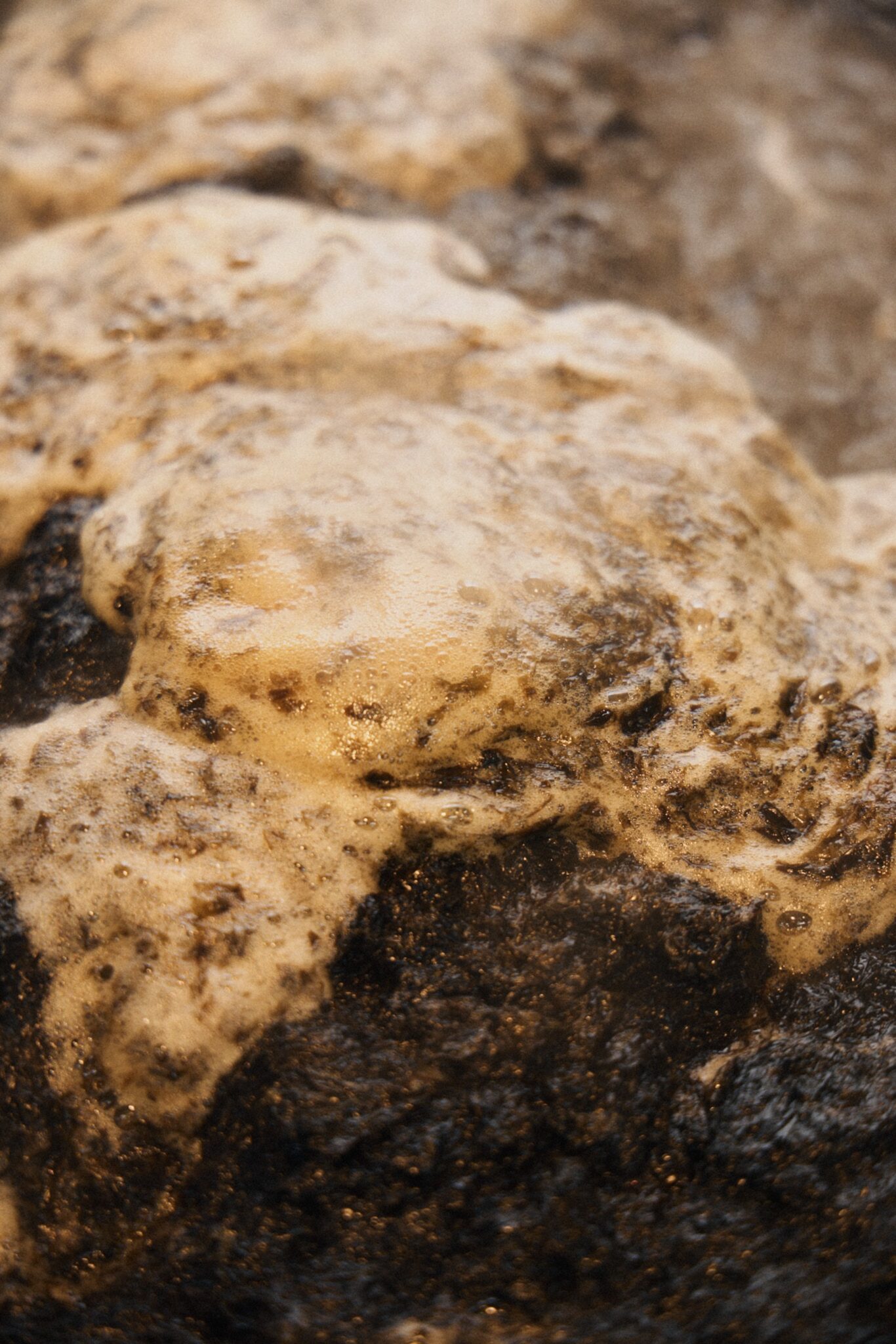
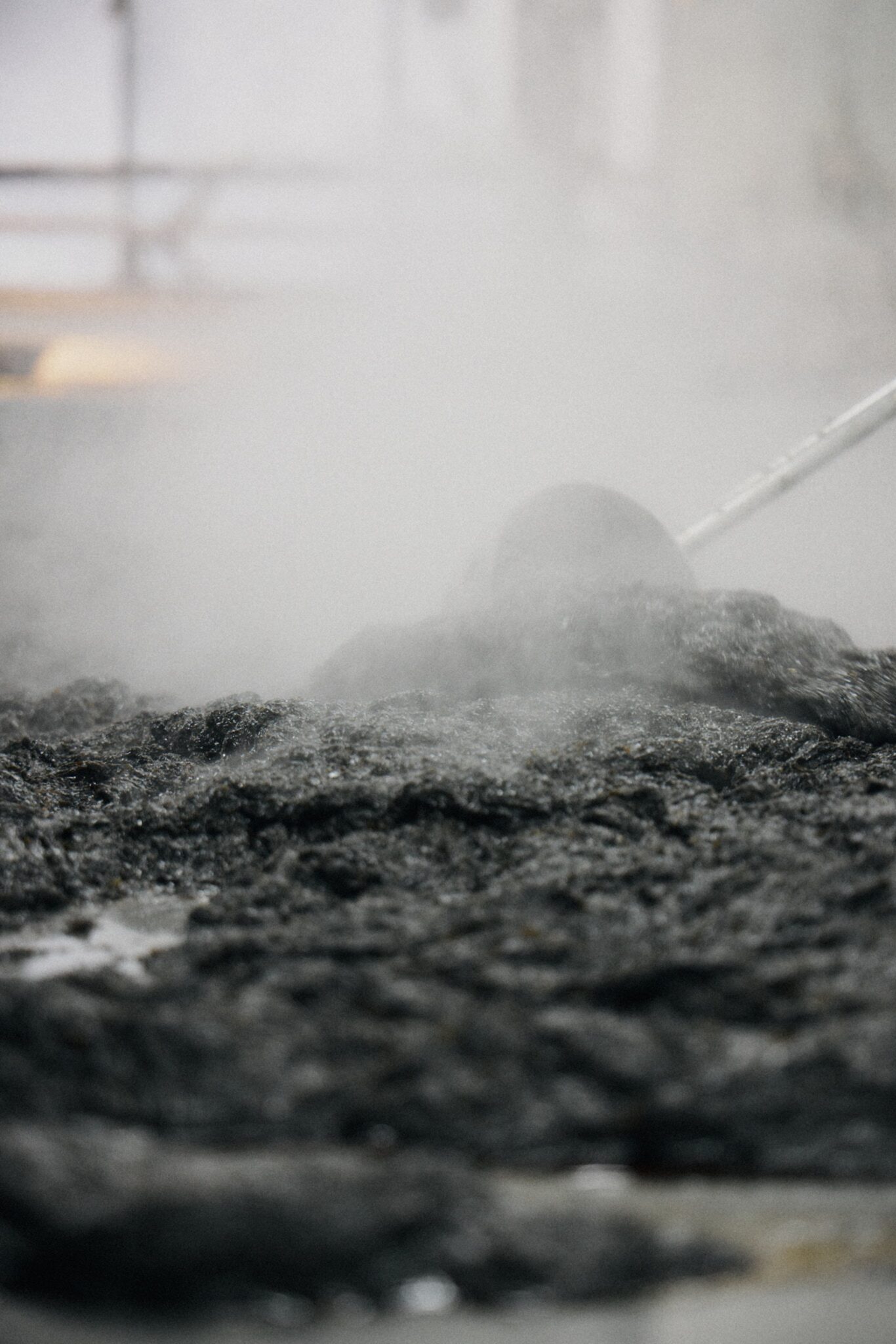
Among the products at Enchu Shoten, the one that best represents the store's commitment is Edomae Nama Nori Tsukudani, made with fresh seaweed harvested from Tokyo Bay. While many tsukudani products today contain chemical seasonings and artificial colorings, Enchu Shokuhin remains committed to the Edomae tradition of bringing out the natural flavor and aroma of its ingredients. Focusing primarily on domestically sourced ingredients, the company carefully selects every ingredient it uses. At its factory in Saitama Prefecture, fresh seaweed and seasonings are cooked in direct-fire iron kettles using the traditional method that has been preserved since the company's founding. As the moisture gradually evaporates, the flavors become more concentrated. Throughout the cooking process, skilled artisans remain at the kettle, continuously stirring the mixture and carefully adjusting the heat to prevent scorching. Once cooking is complete, the tsukudani is spread evenly on a cooling table and allowed to cool slowly. This meticulous process creates a flavor that brings out the natural character of the ingredients—something that cannot be achieved through mass production.
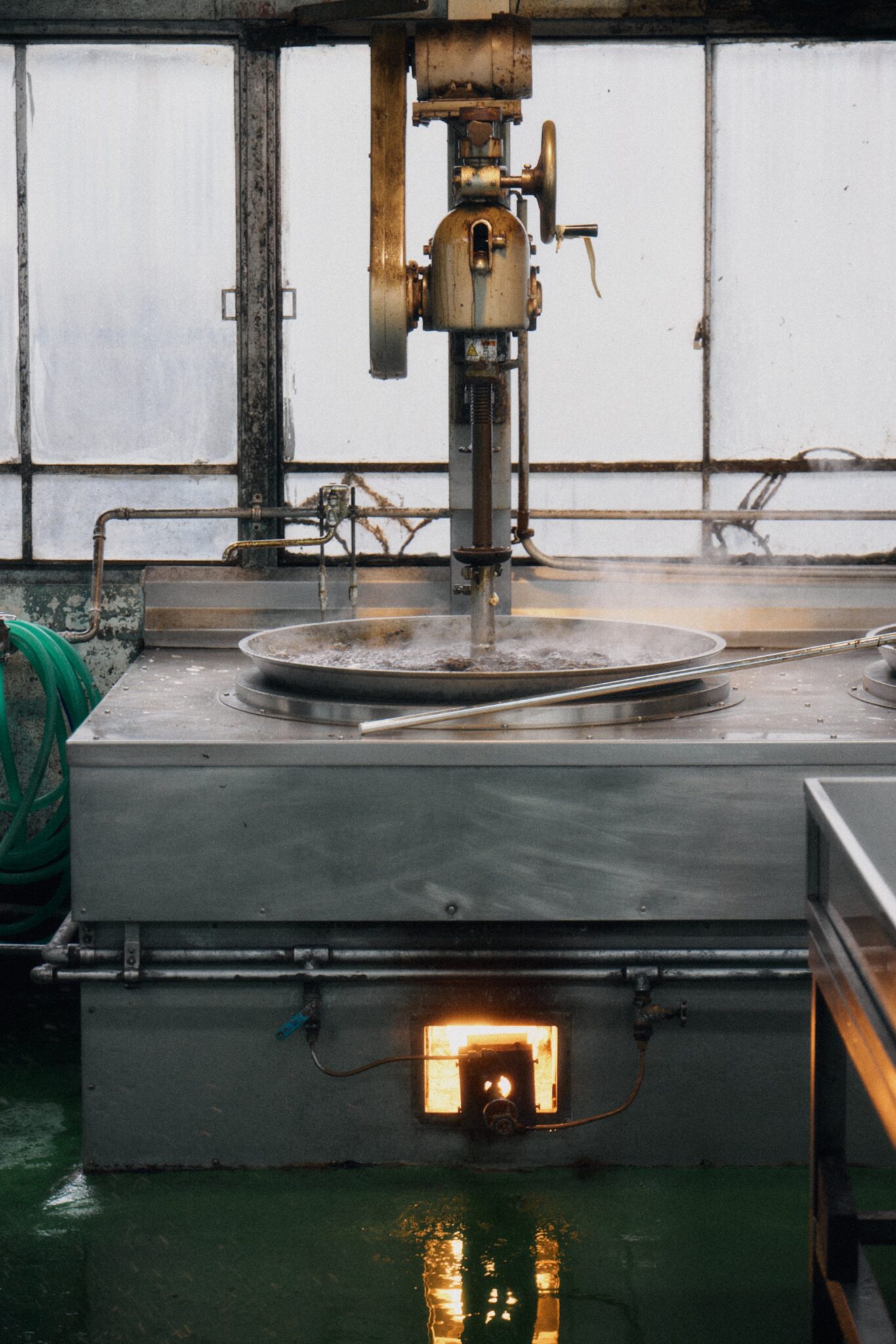
This 90 cm-diameter direct-fire iron kettle has been in use since the company's founding and can cook approximately 50 kg of fresh seaweed in a single batch.
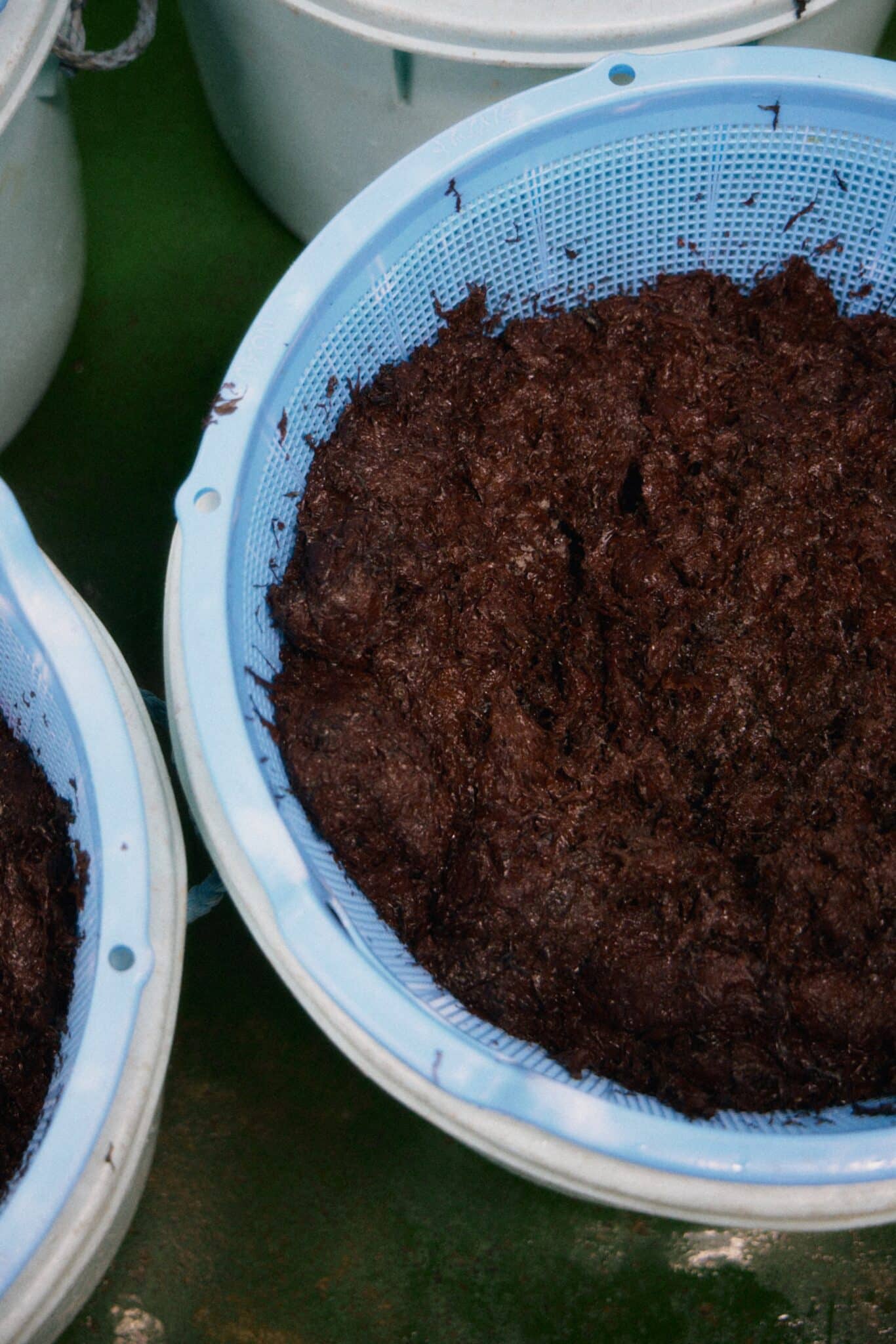
Fresh seaweed has a reddish color before cooking. While dried seaweed is commonly used to make tsukudani, Enchu Shokuhin uses fresh seaweed to better preserve its natural texture.
The seasonings include soy sauce from Kondo Jozo in Akiruno, Tokyo, and coarse sugar made from sugarcane grown on Tanegashima Island in Kagoshima Prefecture. The starch syrup, bonito dashi, and fermented seasonings made from rice and rice koji are also sourced entirely from Japan.
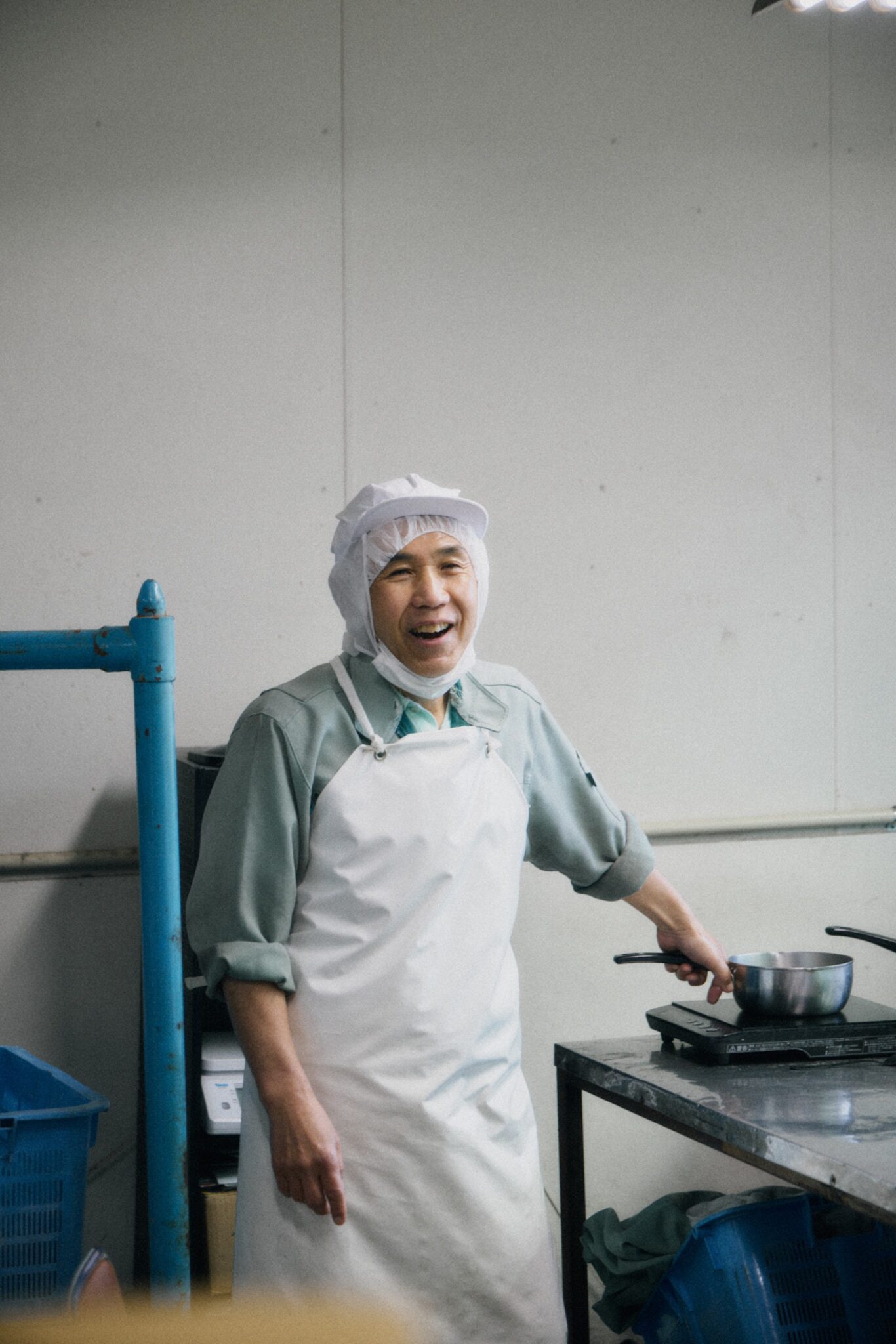
Throughout the more than two-hour cooking process, skilled artisans remain at the kettle, continuously stirring the mixture while carefully adjusting the heat. "To preserve our traditional flavor, we carefully monitor the ingredients, as well as the temperature and humidity, to ensure every batch is cooked evenly." — Yoshiteru Sato, Tsukudani Artisan
Cooking over high heat keeps the entire kettle at a consistently high temperature, creating tsukudani with a light, fluffy texture and a rich, toasty aroma.
Once the simmering is complete, the tsukudani is transferred to a cooling table, where it is quickly spread out by hand to ensure even cooling.
Rather than cooling it rapidly, the tsukudani is allowed to cool slowly at room temperature for three to four hours, allowing its flavor and color to develop naturally. No artificial colorings, including caramel coloring, are used. Its color comes entirely from the ingredients and the traditional cooking process.
The Enchu Shokuhin YouTube channel showcases creative ways to enjoy tsukudani, including recipes developed under the supervision of a culinary expert. From traditional Japanese dishes to easy everyday recipes with international influences, there's plenty of inspiration to try at home. Be sure to check it out.
The products at Enchu Shoten are carefully selected not only for the quality of their ingredients, but also for the stories behind them and the dedication of the people who produce them.
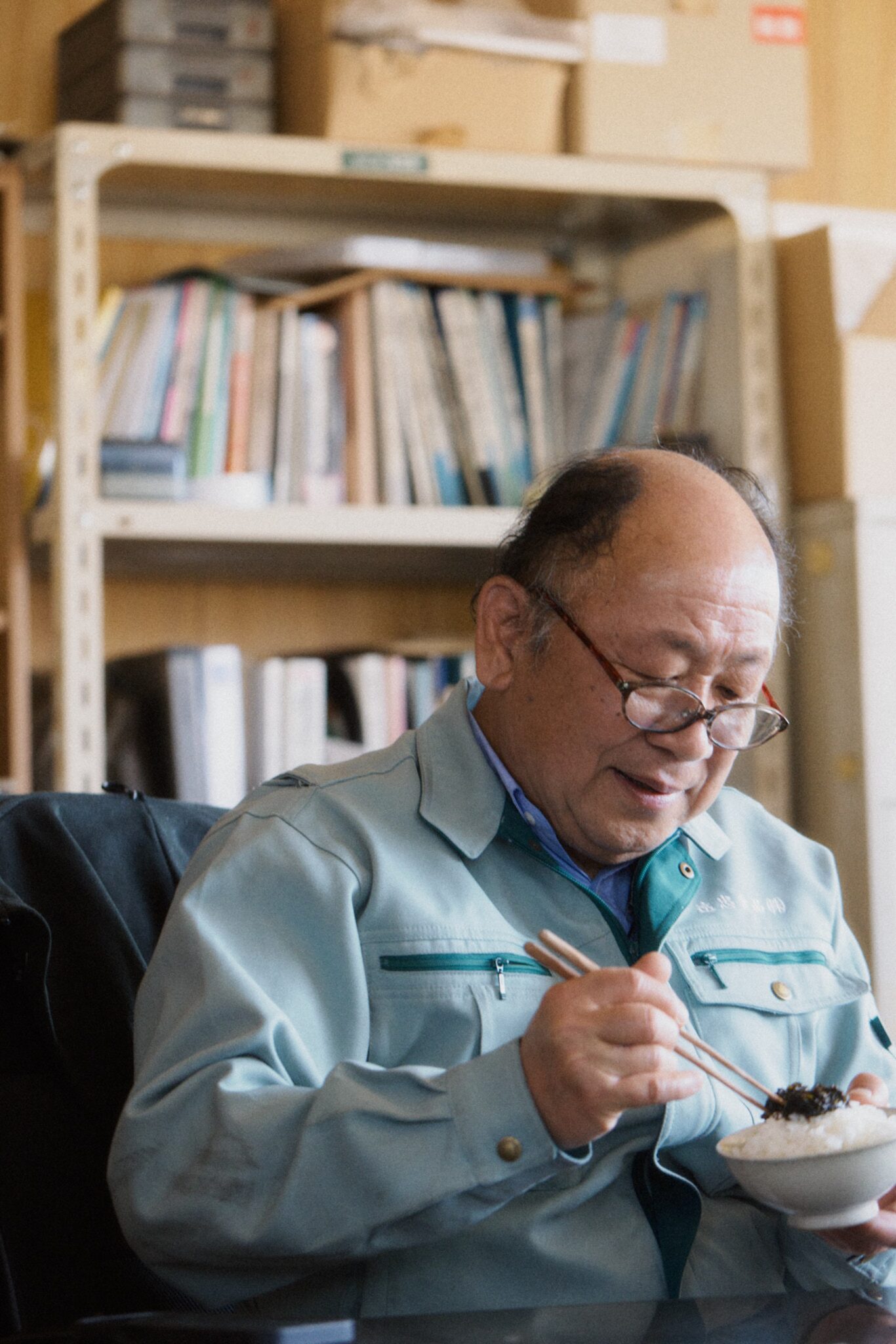
For more than 40 years, company president Kazuaki Miyajima has traveled across Japan to visit fishermen and other producers in person, building long-term relationships through direct communication while sourcing ingredients.
"We want to offer more than just delicious food. We want people to understand the story behind each ingredient—from how it is grown and harvested to how it is transformed into a finished product. We believe that sharing these stories also helps support producers and preserve Japan's food culture."
Around 20 staff members, working across the factory and headquarters, each play an important role in the company's manufacturing process. Their shared commitment to connecting producers' passion with customers while passing on Japan's food culture is at the heart of Enchu Shokuhin's craftsmanship.That commitment is why Enchu Shokuhin has earned the trust of both producers and customers for generations.
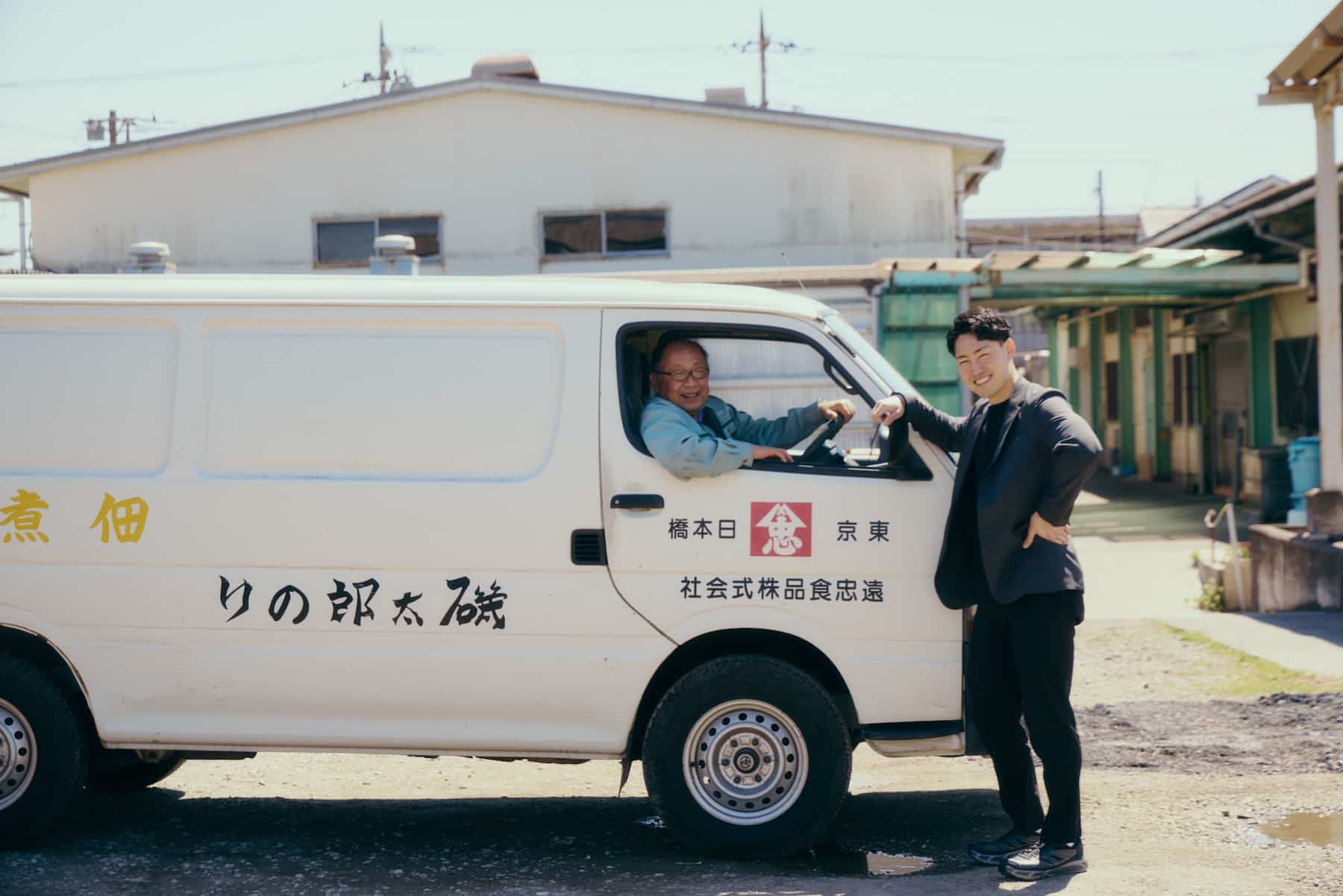
The photo was taken at the company’s factory in Koshigaya, Saitama Prefecture. On the left is Kazuaki Miyajima, the third-generation president, and on the right is his son, Daichi Miyajima, who is in charge of production management and sales.
President Kazuaki Miyajima personally visits producers across Japan to source ingredients through long-standing relationships built on direct communication. He also serves as chairman of the Made in Tokyo Association, which promotes Tokyo's food culture and supports Japan's primary industries by connecting producers and distributors.
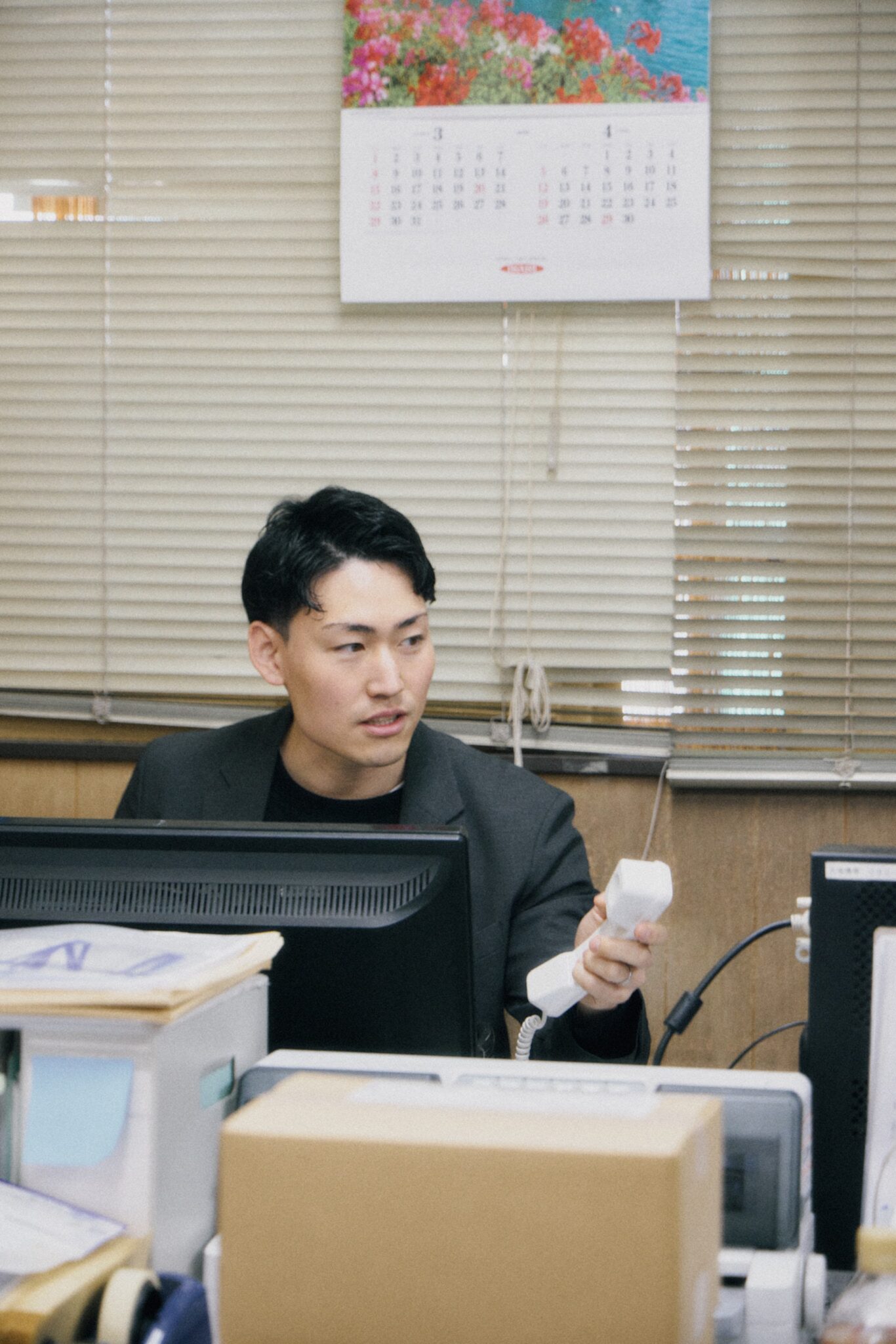
Daichi Miyajima oversees both production management and sales, serving as a bridge between producers, wholesalers, customers, and the factory floor. Bringing a fresh perspective, he is also helping redefine the appeal of tsukudani by proposing new ways to enjoy it beyond traditional Japanese cuisine.
Factory manager Hiroyasu Miyajima, President Kazuaki Miyajima's younger brother, plays a key role in both production and product development. By incorporating feedback from producers and wholesalers, he has developed a number of popular products made with carefully selected domestically sourced ingredients. A dedicated area of the factory is used every day for product testing and recipe development.
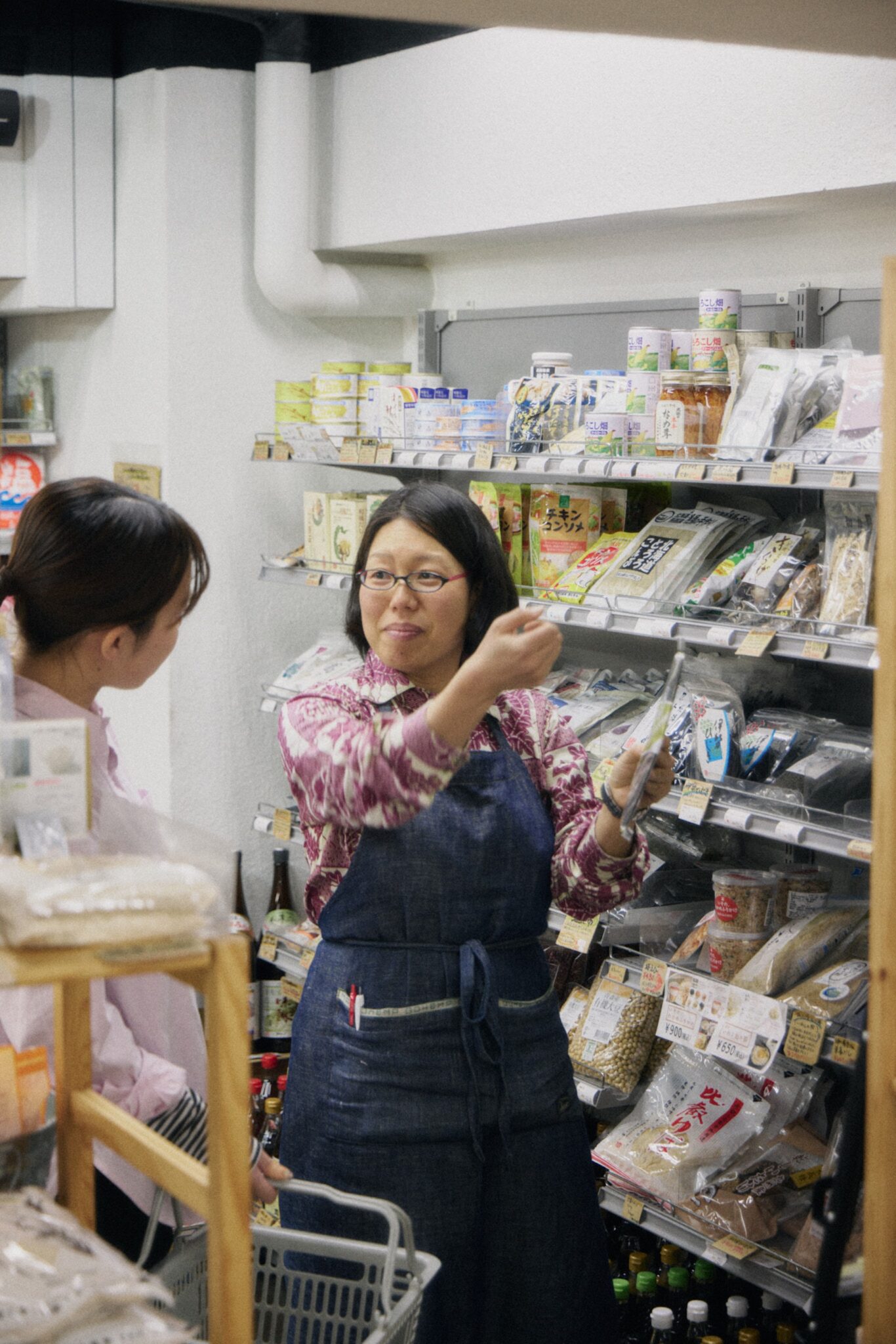
Nozomi Yamaguchi, manager of Enchu Shoten. In addition to customer service, merchandising, and purchasing, she strives to create a welcoming store where both regular customers and first-time visitors can comfortably enjoy discovering new products.
Enchu Shokuhin values not only the origin of its ingredients, but also the stories and dedication of the people who produce them. In addition to tsukudani, Enchu Shoten offers a variety of original products for everyday meals. Whether served as a side dish, mixed into rice, or enjoyed on their own, each product makes it easy to appreciate the natural flavors and umami of carefully selected ingredients. Among them, the Made in Tokyo series, produced exclusively with ingredients grown in Tokyo, has become especially popular as a souvenir from the city. Why not take home a taste of Japan while discovering the stories behind the people who make it?
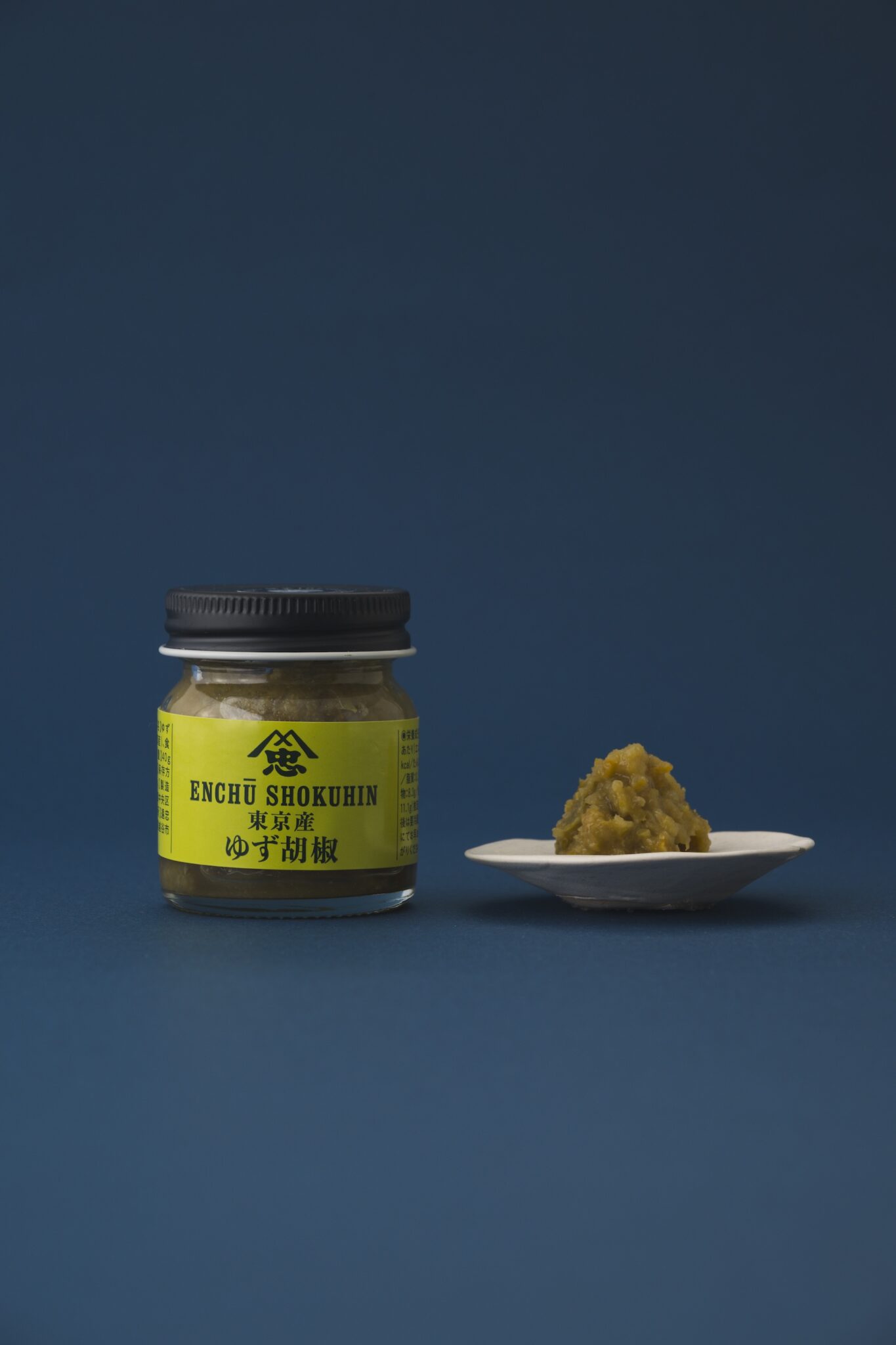
Made in Tokyo Yuzu Kosho, made exclusively with ingredients grown in Tokyo. It combines yuzu from the Tama region, including Hinohara Village, with green chili peppers from the Izu Islands, creating a fresh citrus aroma and a clean, vibrant heat. It pairs well not only with noodles and hot pots, but also with stir-fries and pasta. Tokyo Yuzu Kosho(40 g, ¥650).
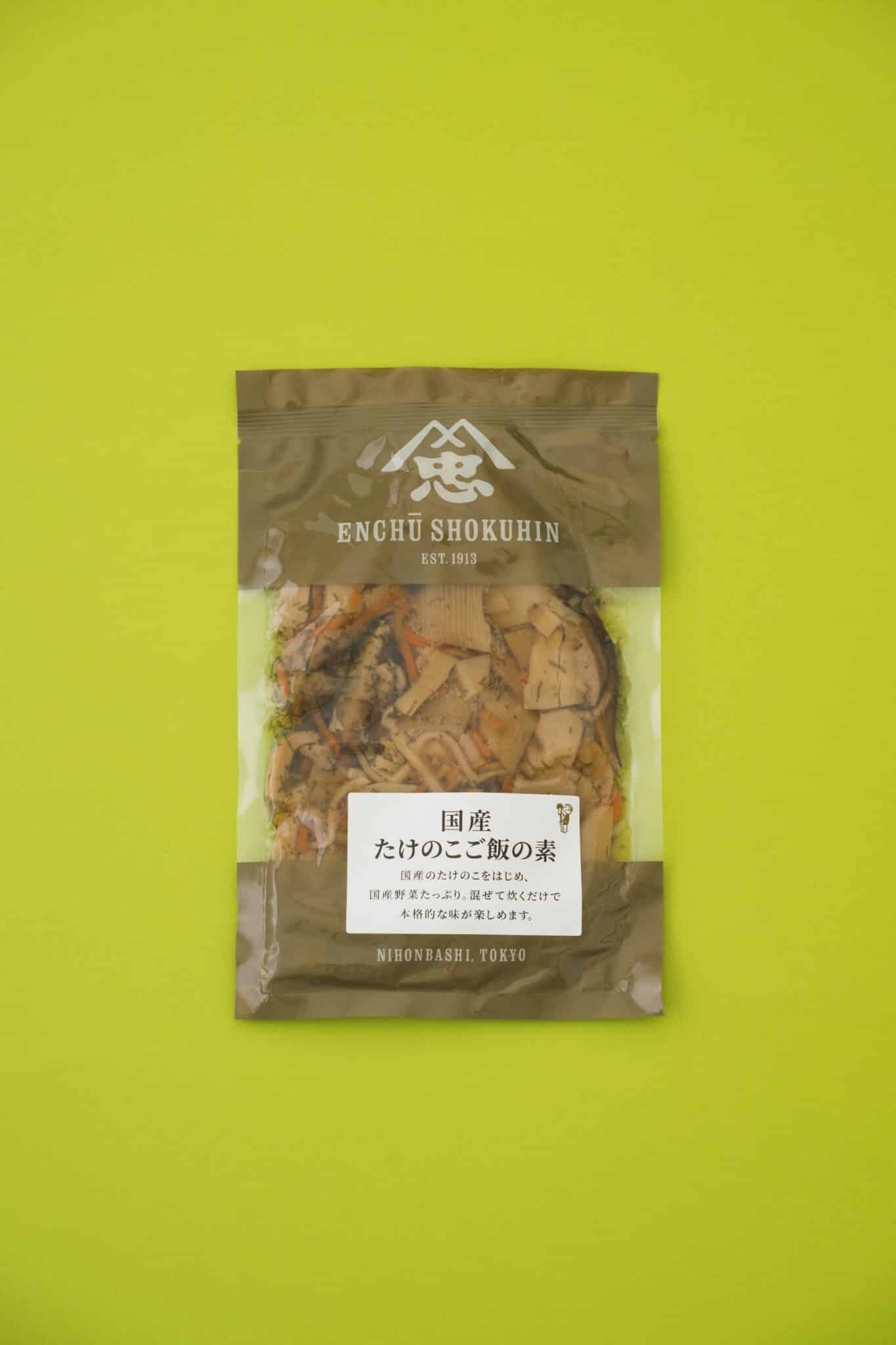
A favorite among regular customers, Domestic Bamboo Shoot Seasoned Rice Mix. Made with bamboo shoots sourced primarily from Wakayama Prefecture, along with domestically sourced shiitake mushrooms, carrots, and seasonings. Simply cook it with rice to bring out the rich umami and texture of the ingredients, while filling the rice with the rich aroma of traditional dashi. (170 g, ¥560).
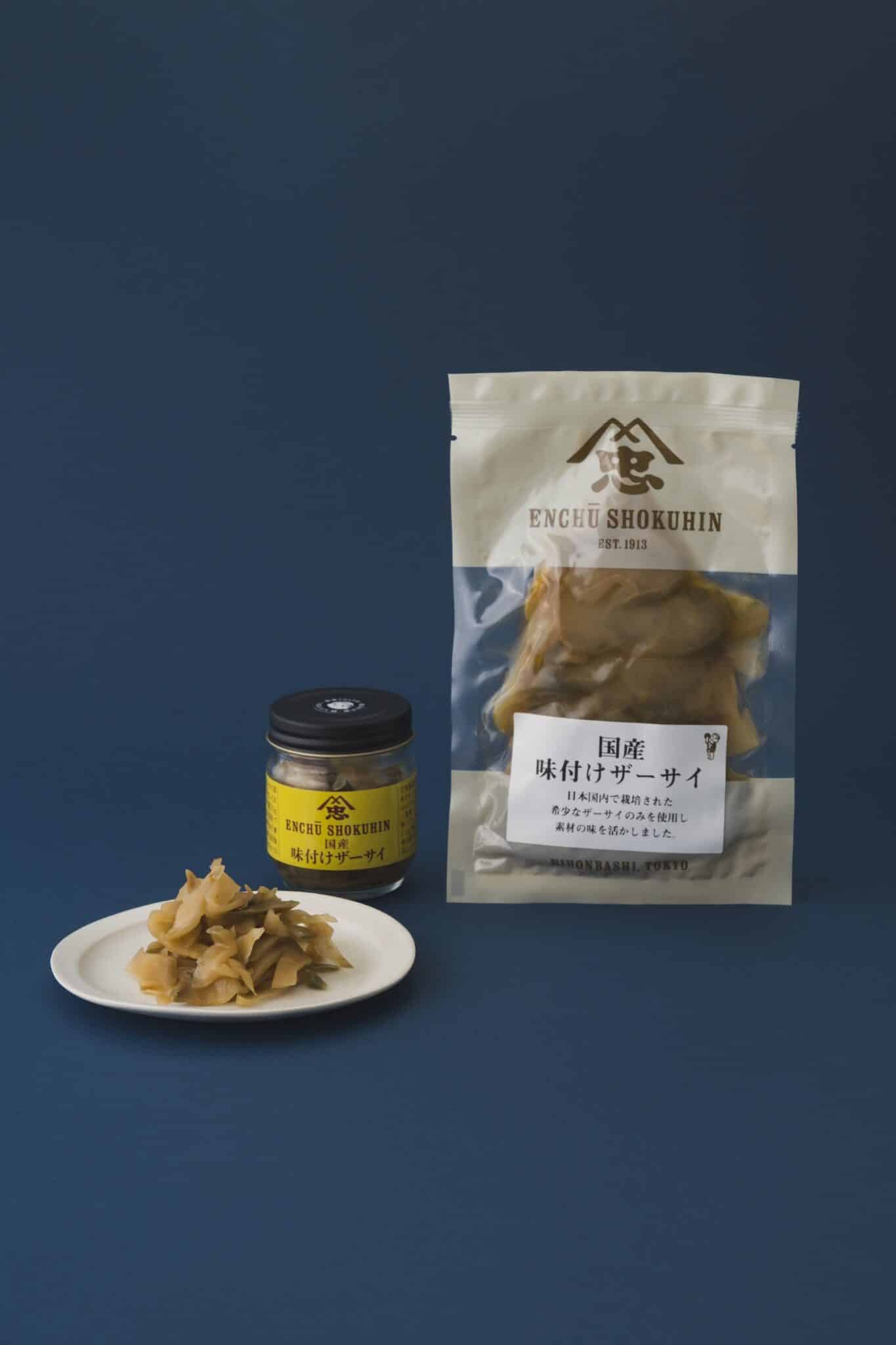
Domestic Seasoned Zha Cai, made exclusively with zha cai grown and processed in Japan. Its crisp, crunchy texture and mild heat make it especially appealing. Available in both pouch and jar formats, with the jar version finely chopped. It can be enjoyed on its own or used as a topping, in soups, or in stir-fried dishes. Pouch (100 g, ¥570); Jar (70 g, ¥500).
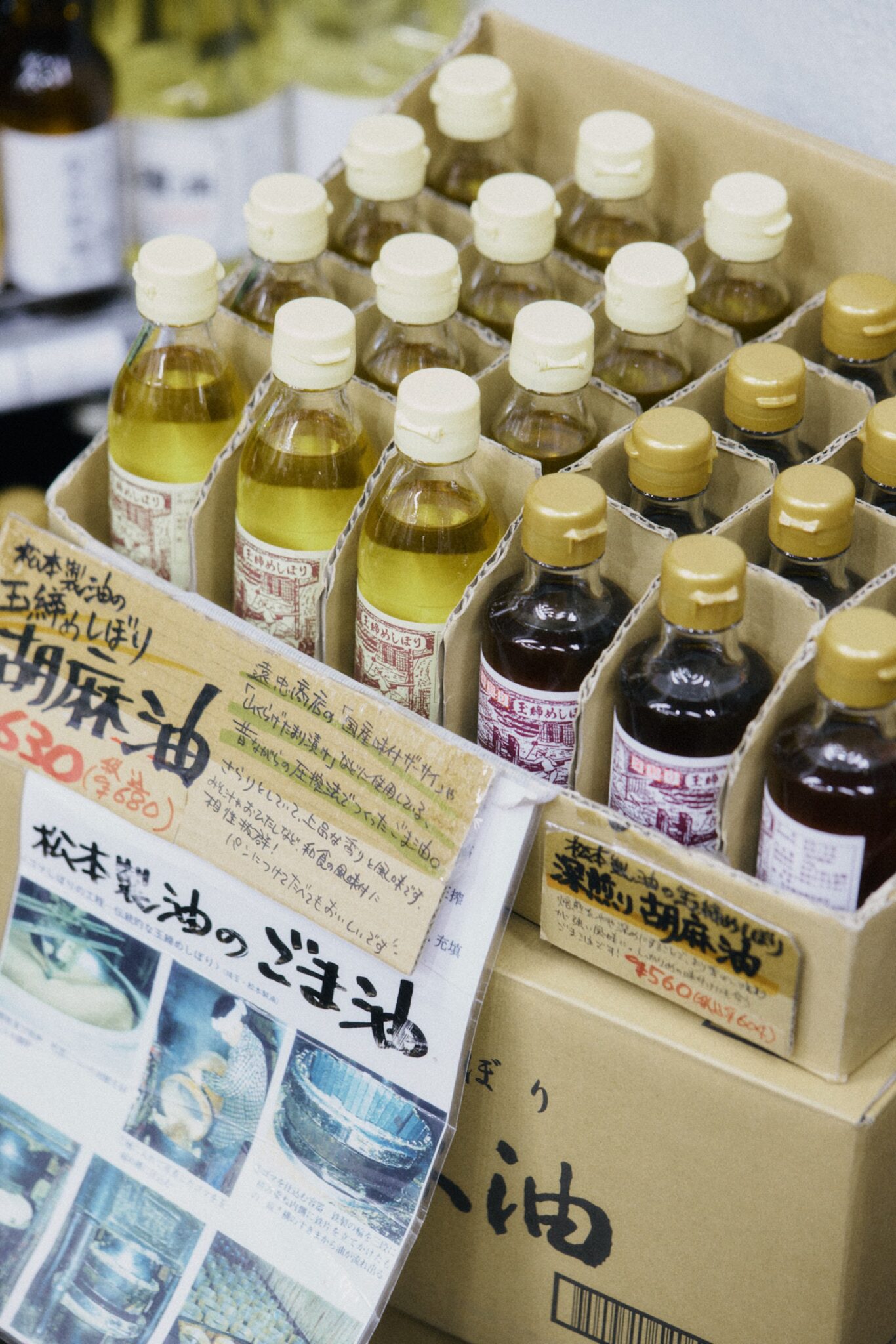
The sesame oil from Matsumoto Seiyu, used to make the seasoned zha cai, is also available at Enchu Shoten. Produced using a traditional pressing method, it is known for its mellow flavor and rich, nutty aroma. Traditional Pressed Sesame Oil (¥680).
A video documenting the cultivation of zha cai, from sowing the seeds to harvesting the crop, is available on the Enchu Shokuhin YouTube channel. It offers a glimpse into the growers' hands-on work and dedication.
The information in this article is current as of July 6, 2026 (at the time of publication).




.jpg)
スマホ.jpg)