DEEPTOKYO
magazine

EN

DEEPTOKYO
magazine
EN
2026.07.20
Special A-Grade Rice Onigiri and Rice-Flour Sweets for Diverse Dietary Needs


 Nearest Station


Located near Yoyogi Park, “Onigily Cafe” is a place where you can casually enjoy “onigiri,” Japan’s beloved rice balls, in a refined café setting. In addition to onigiri made with carefully selected ingredients, the shop offers gluten-free rice-flour sweets, making it a versatile stop from breakfast through café time. Here, we take a closer look at the appeal of this modern onigiri experience, loved by everyone from local residents to travelers from abroad.
SHARE


“Onigily Cafe,” a popular onigiri specialty shop with two locations in Nakameguro and Yoyogi, traces its beginnings back to around 2012, when dedicated onigiri shops were still rare and people were talking about younger generations moving away from rice. The owner, Miki Takeuchi, who originally ran an apparel company, was encouraged by a friend working at a magazine editorial department, who said, “If you love cooking, why not try running an onigiri shop?” That suggestion led her to begin with a catering business.
Over time, she came to feel that she wanted to deliver directly to customers the reassurance of knowing where the food was made, and decided to open a physical store. With the hope of creating a space where even people who might feel uncomfortable entering a traditional set-meal restaurant could enjoy a meal as casually as having coffee in a stylish café, she opened “Onigily Cafe” in Nakameguro in 2014. This Yoyogi Park branch followed in 2023.
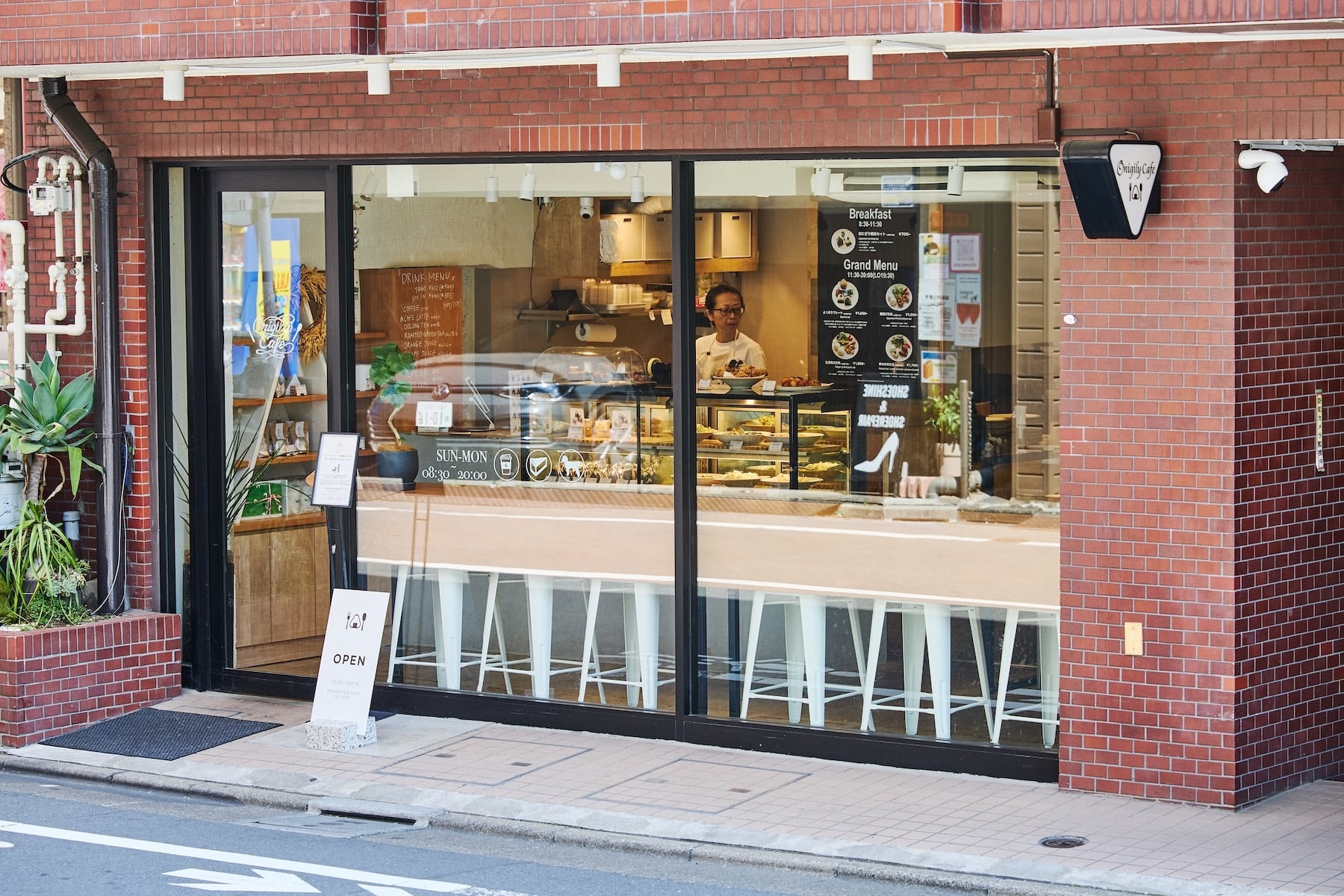
A stylish storefront that blends into the calm morning atmosphere. It is conveniently located about a five-minute walk from Yoyogi Park.
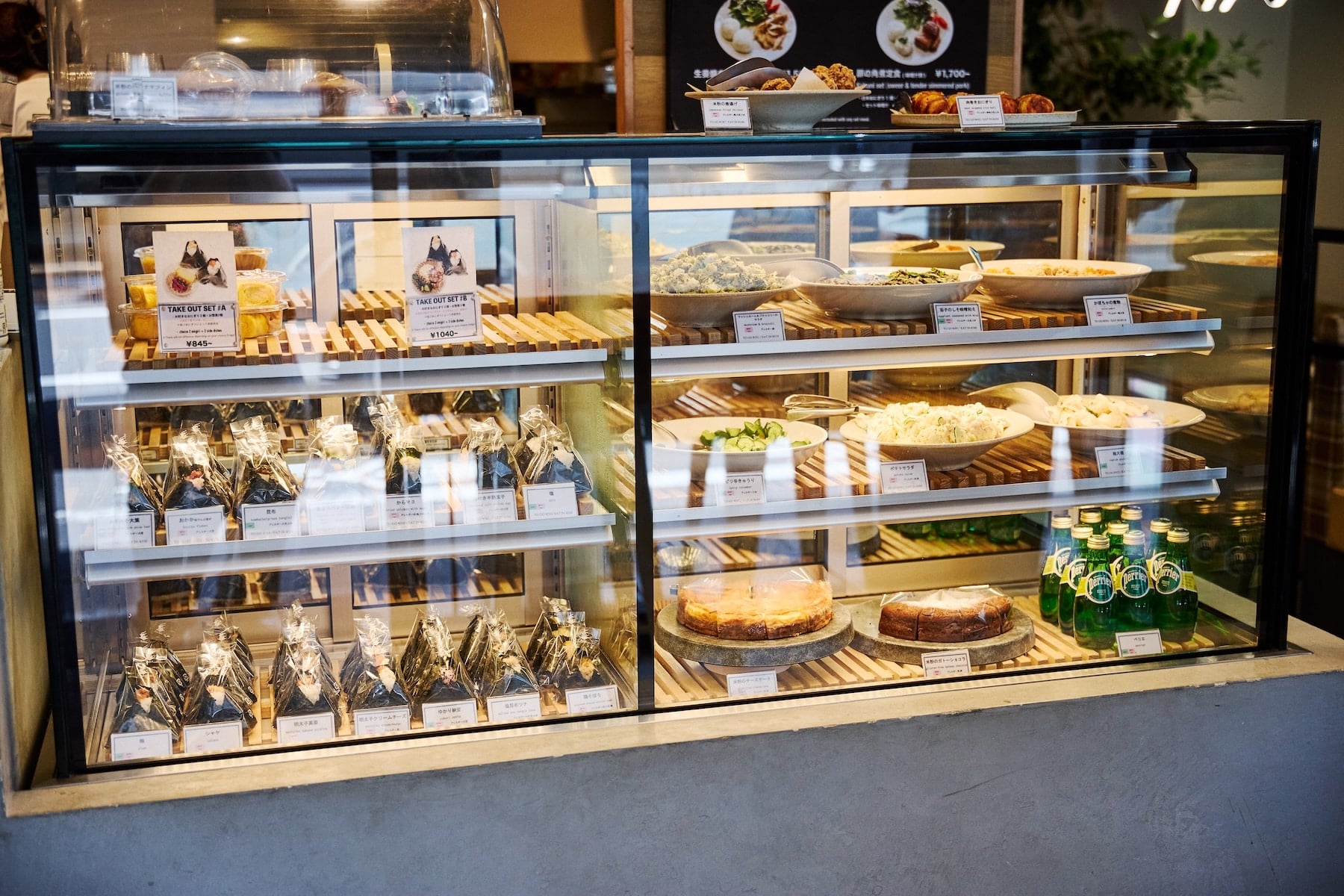
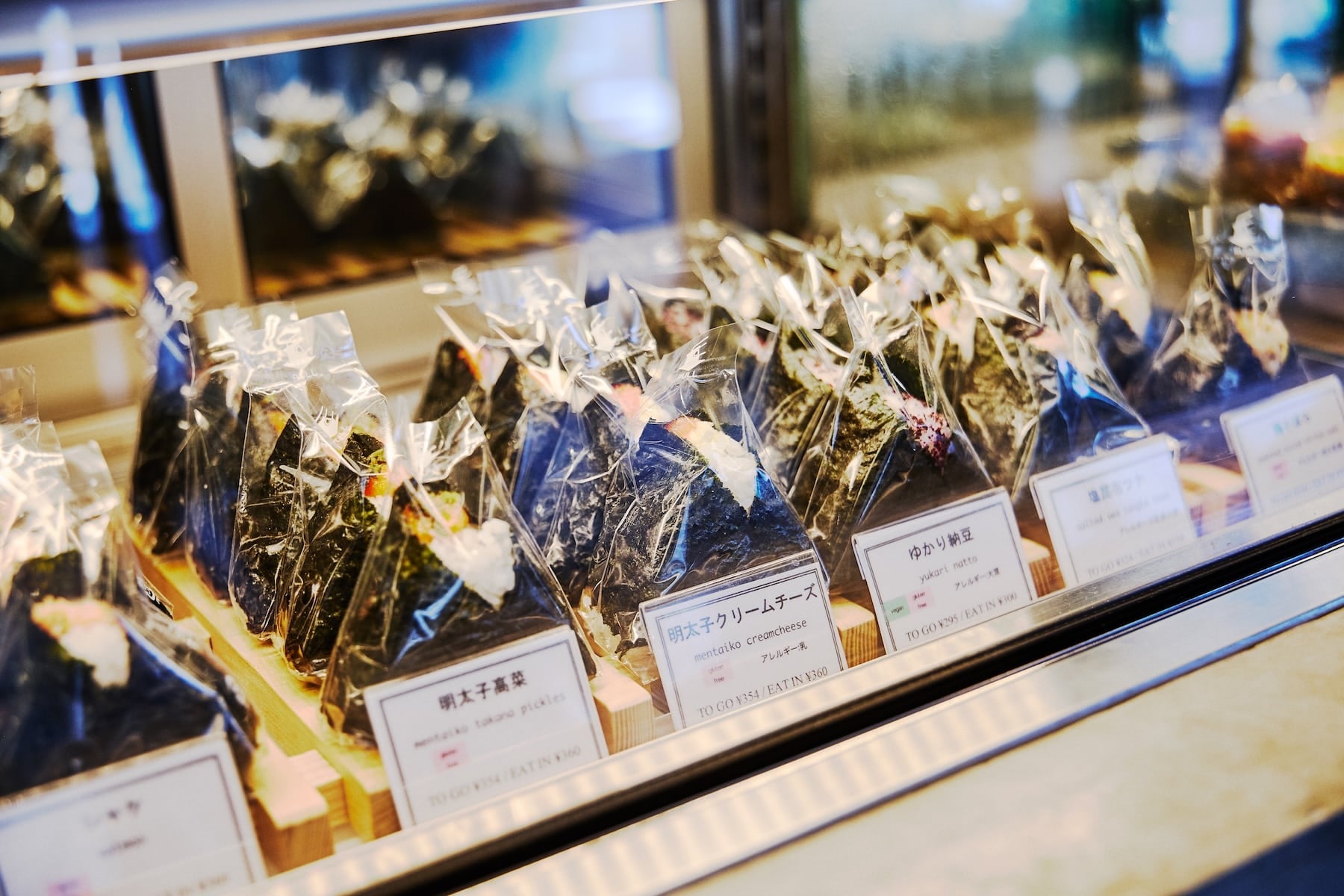
Directly in front of the entrance is a display case lined with onigiri and side dishes.
What has remained unchanged since the shop first opened is the desire to help people rediscover just how delicious rice can be. “We have always been deeply committed to the rice and nori that form the foundation of the flavor,” says Takeuchi. Since the shop’s founding, they have used Koshihikari rice from Saku, Nagano, ranked in Japan’s top “Special A” category. Grown in a region with dramatic differences between daytime and nighttime temperatures and exceptionally pure water, this rice is known for its pleasantly chewy texture. It also holds its shape well over time, making it ideal for onigiri.
The nori, meanwhile, comes mainly from the Ariake Sea, Japan’s largest nori-producing region. However, because the flavor and thickness vary from year to year even within the same region, the shop carefully evaluates each year’s harvest and selects the nori best suited to its onigiri.
This plum onigiri is made with Kishu-grown Nanko ume, known for its easy-to-enjoy acidity.
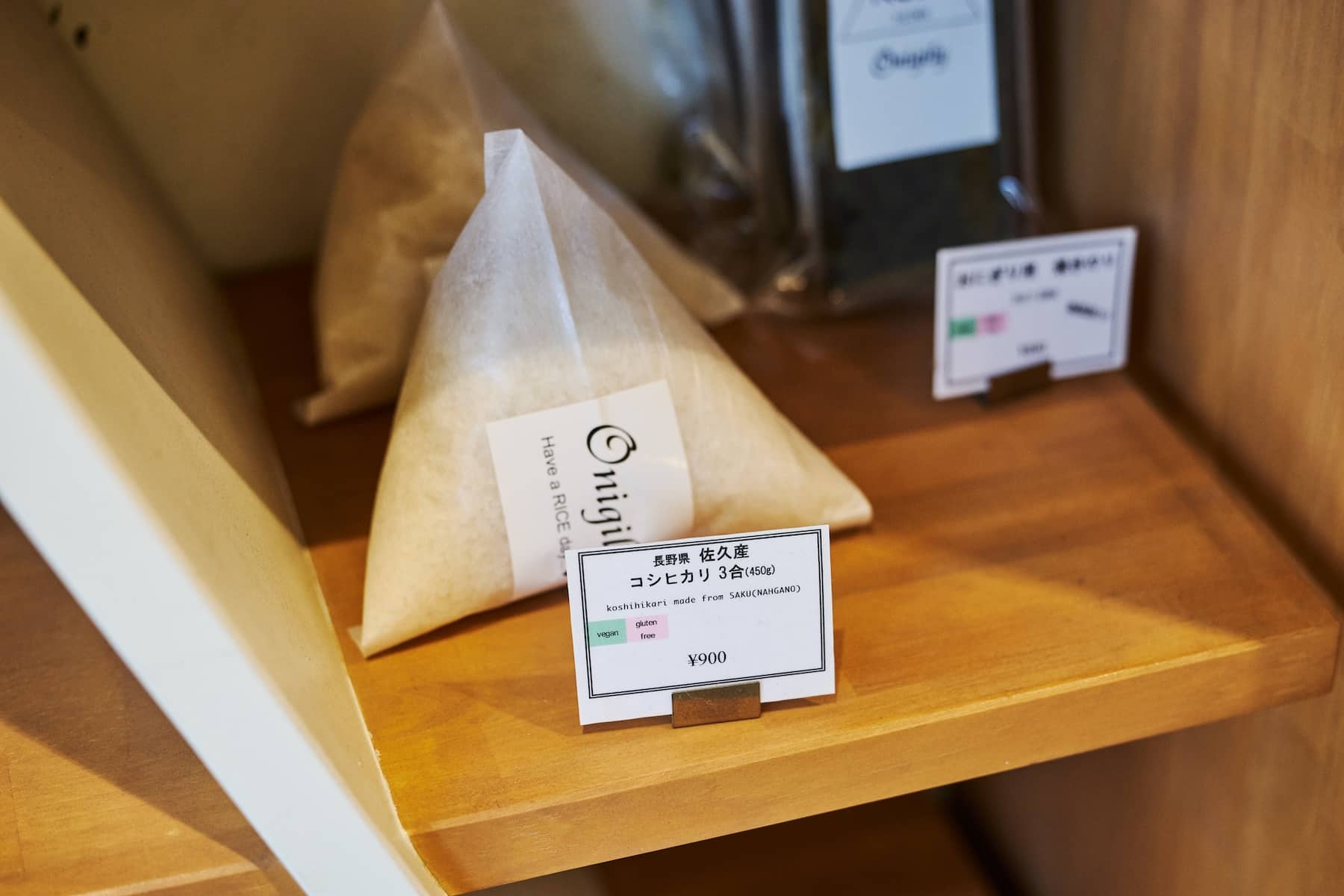
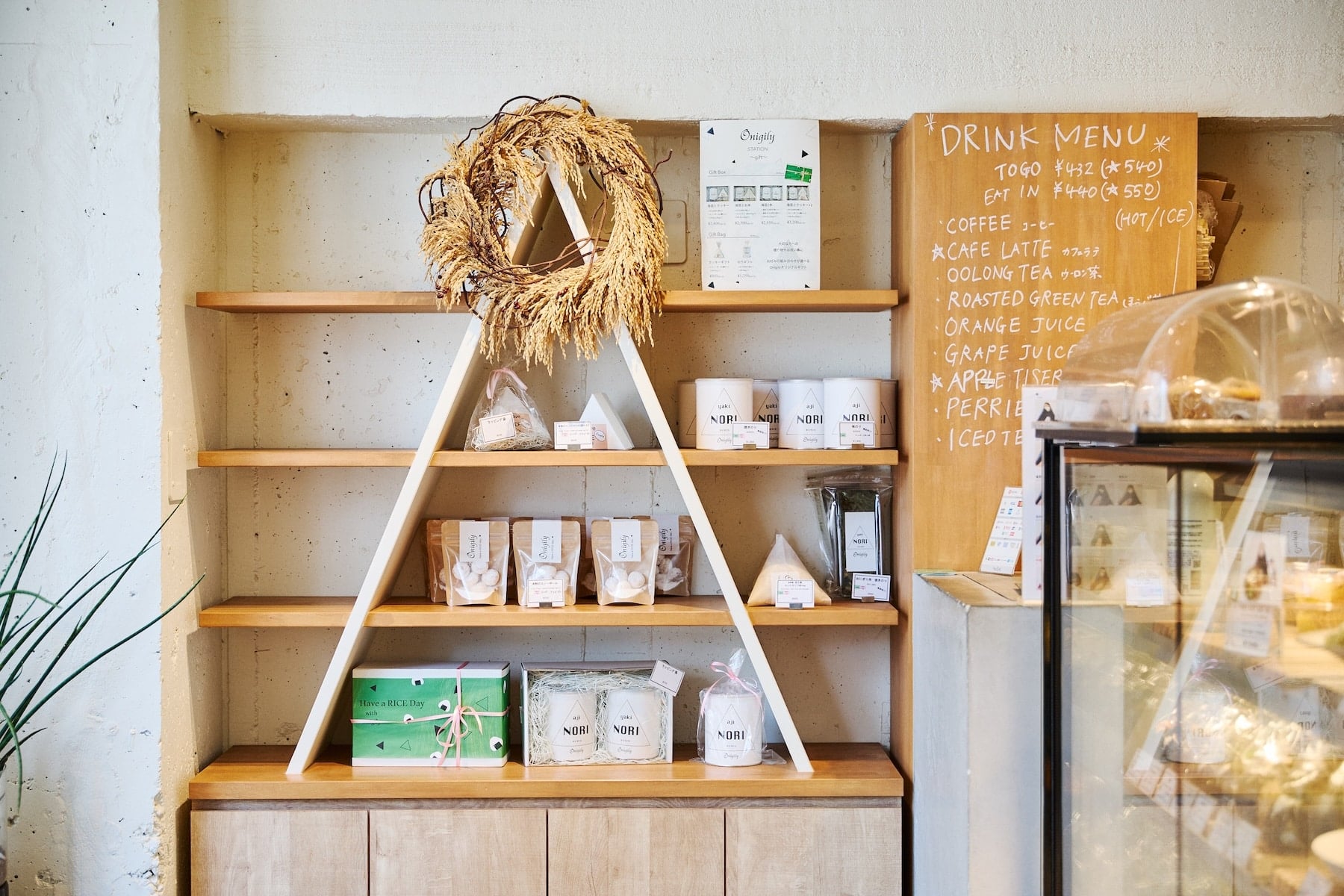
The rice used in the onigiri is also sold at the shop. ¥900. It makes about 3 go, or 450g, making it perfect as a souvenir as well.
Despite this sincere commitment to quality, the shop’s wish is for customers to enjoy its food casually, like fast food. At the Yoyogi Park branch in particular, the focus is on everyday use, with a modern café style that makes it easy for anyone to step inside without hesitation. One reason it wins people over is its playful interior design, which deliberately avoids an overly formal Japanese atmosphere.
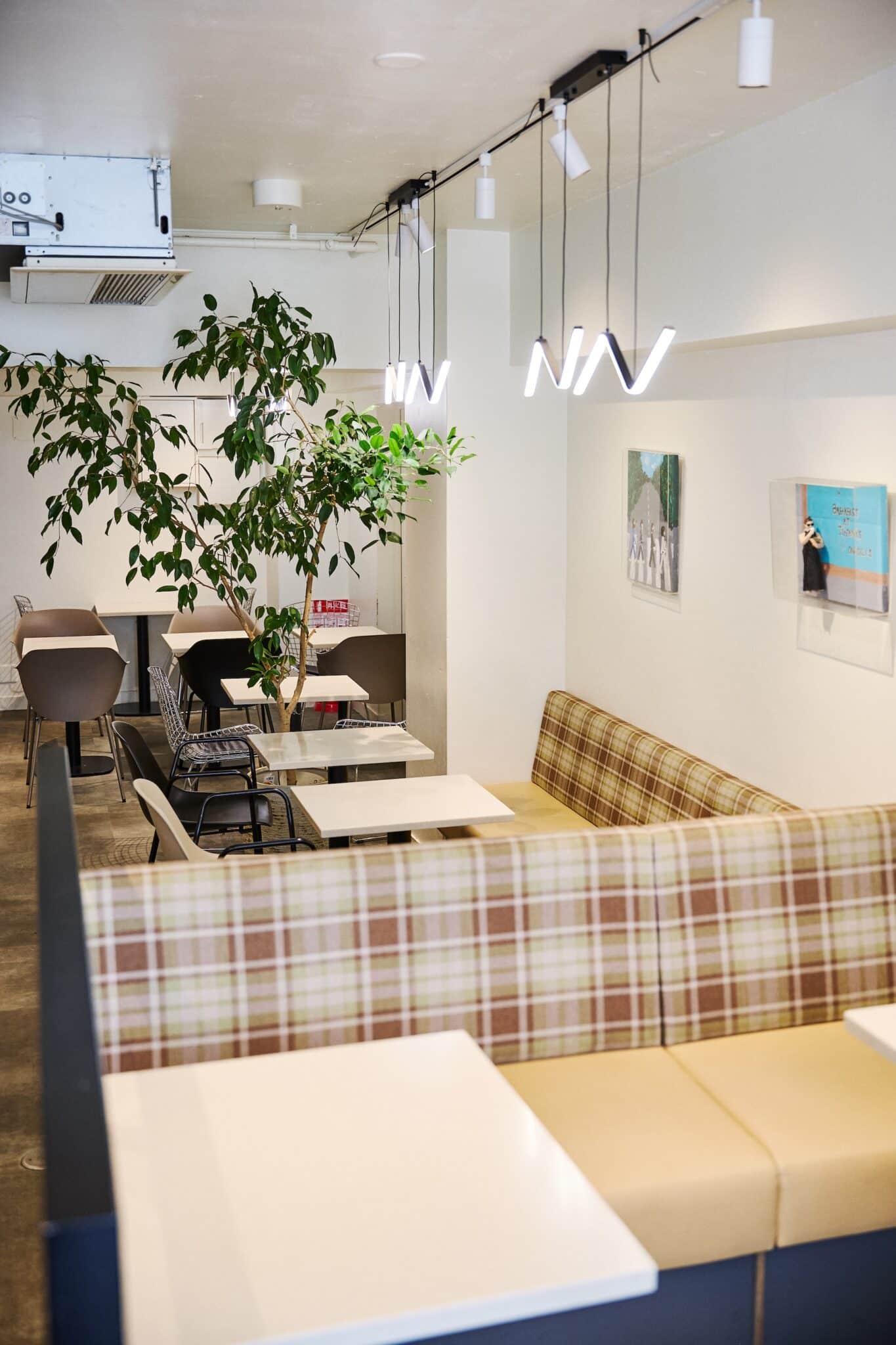
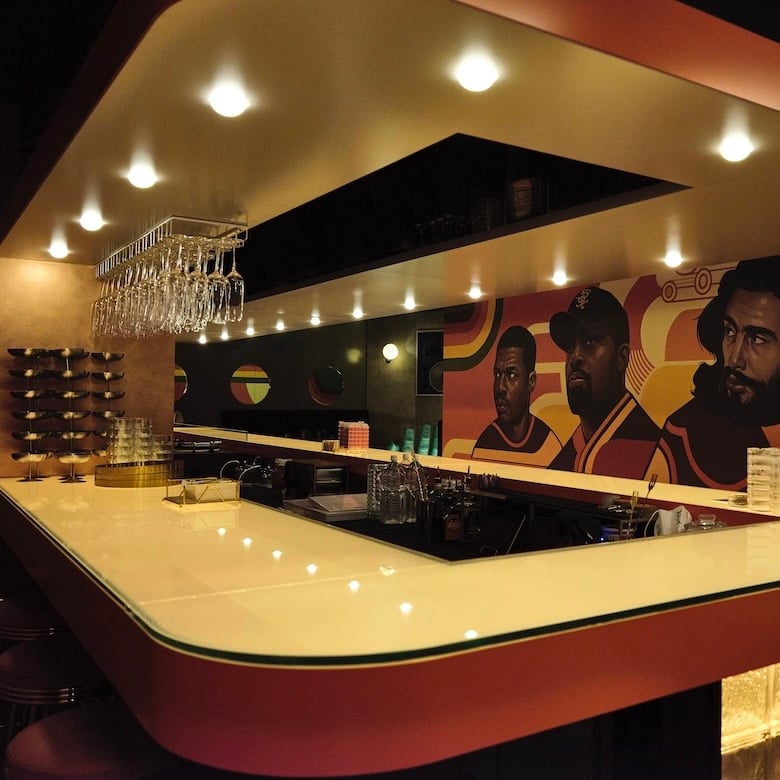
Triangle motifs that evoke the shape of onigiri are used throughout the interior, and you may find yourself looking for them.
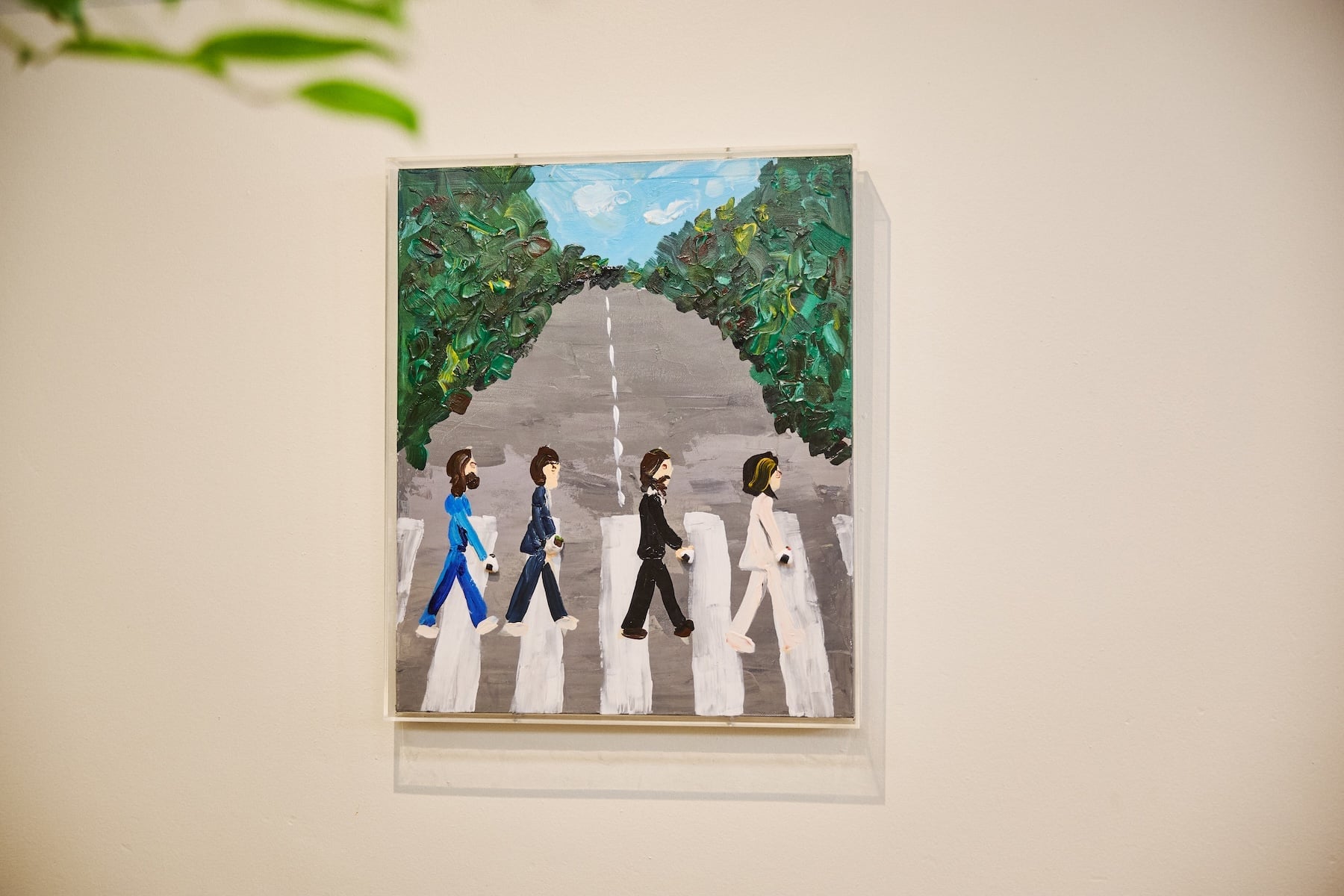
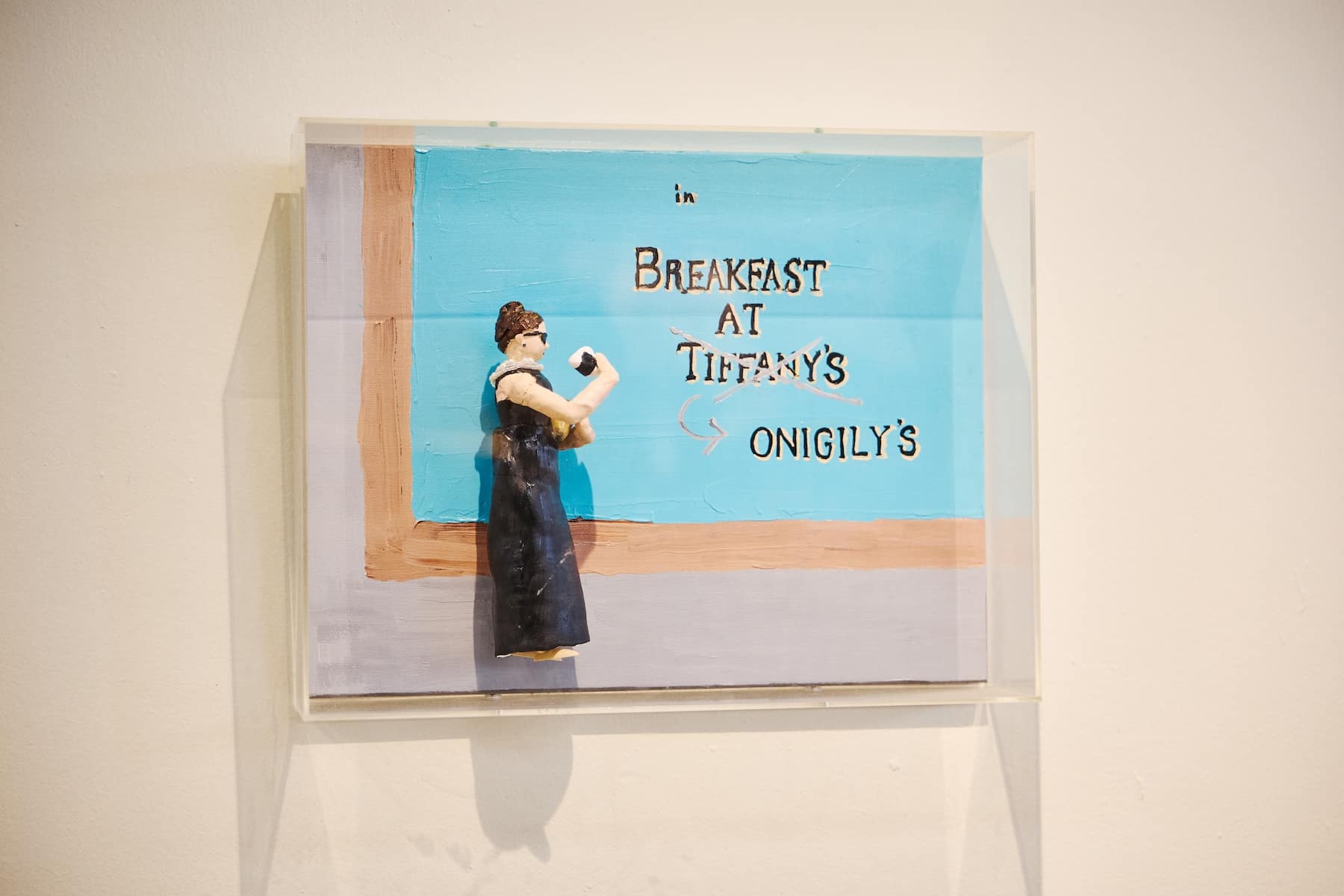
Also hanging on the walls is artwork created by the owner herself.
These playful designs parody famous scenes from films and music by combining them with onigiri.
The onigiri in the display case are all around 90 grams each, making them slightly smaller than those at a typical specialty shop. This is a thoughtful gesture from the shop, designed to let customers enjoy a variety of flavors little by little.
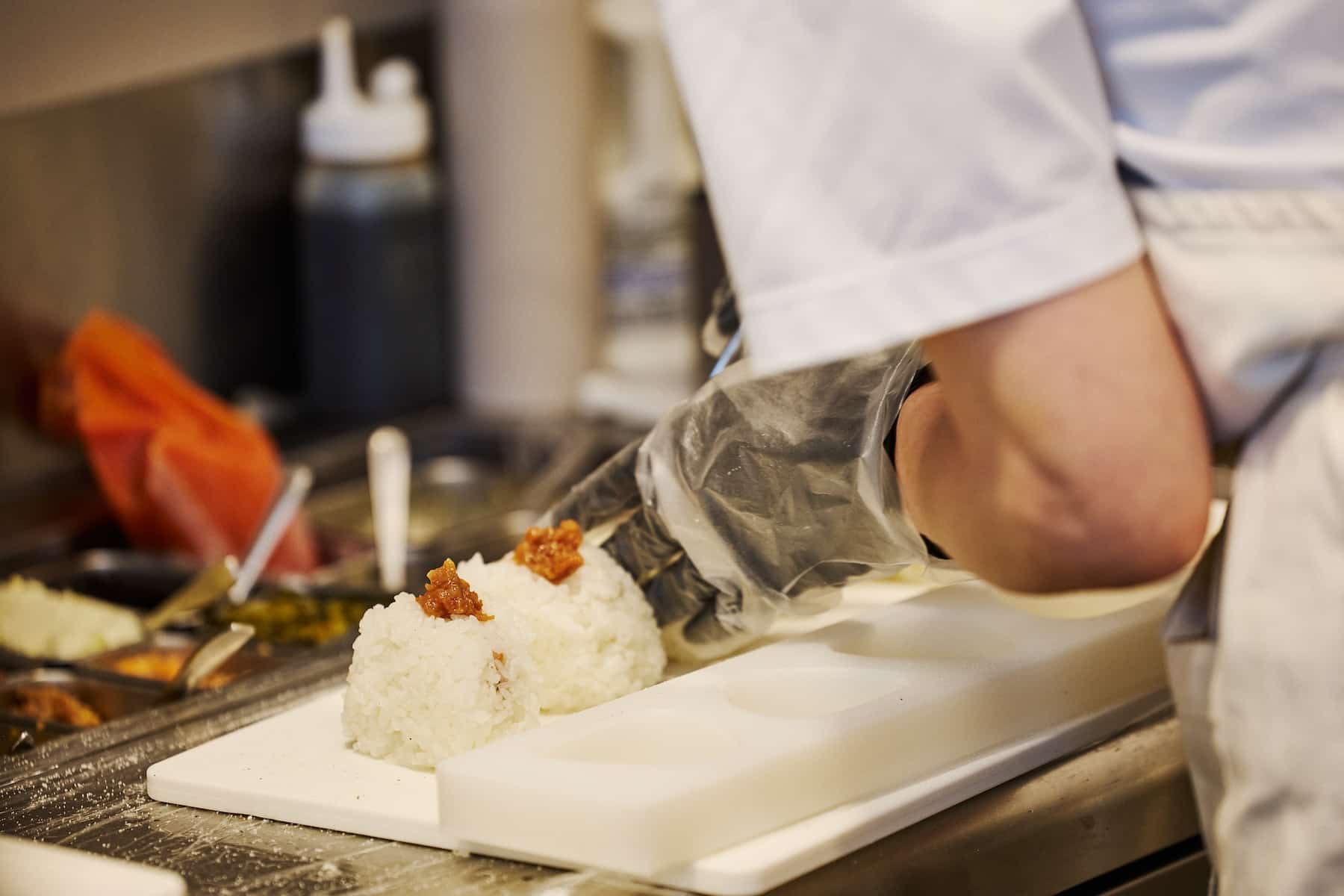
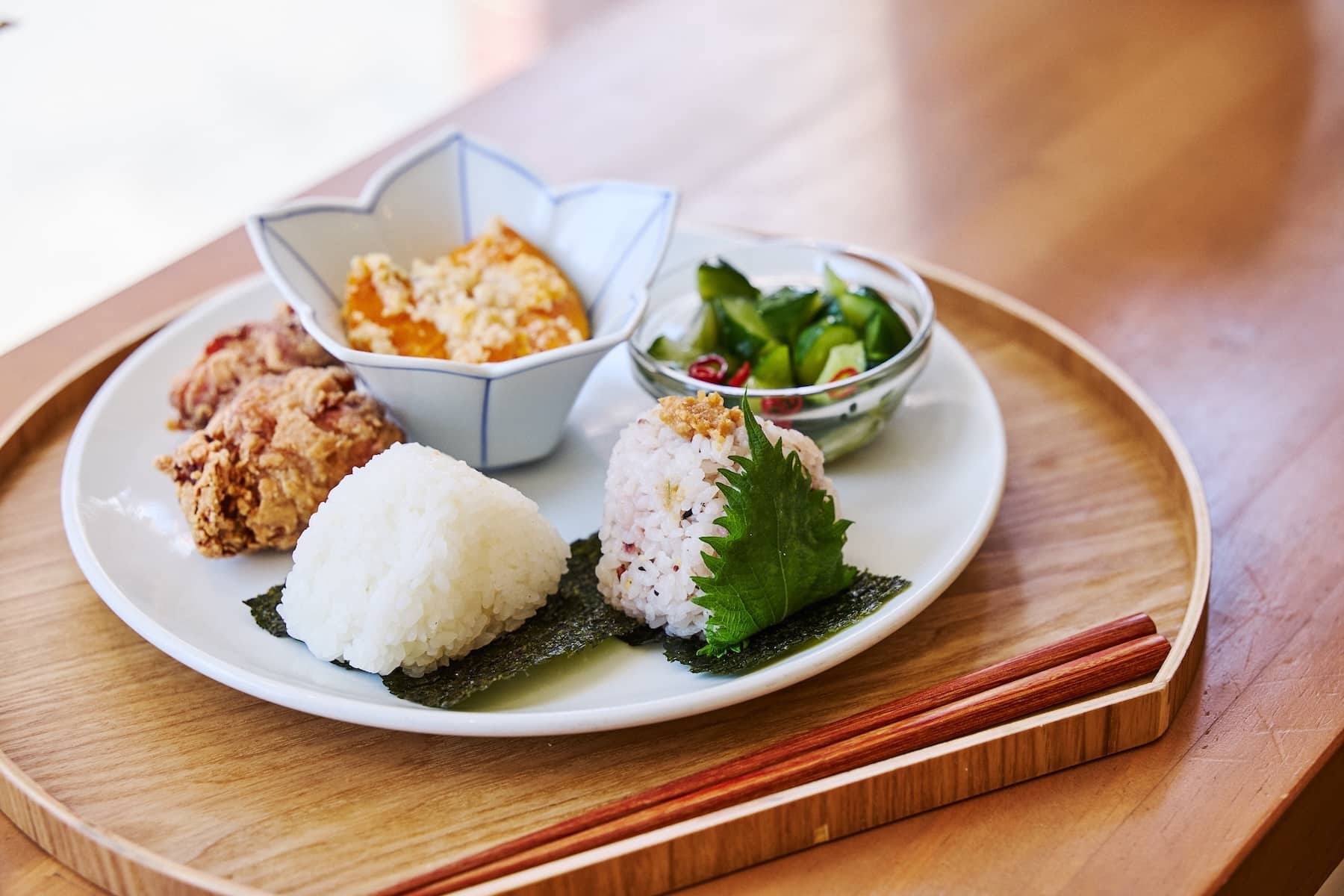
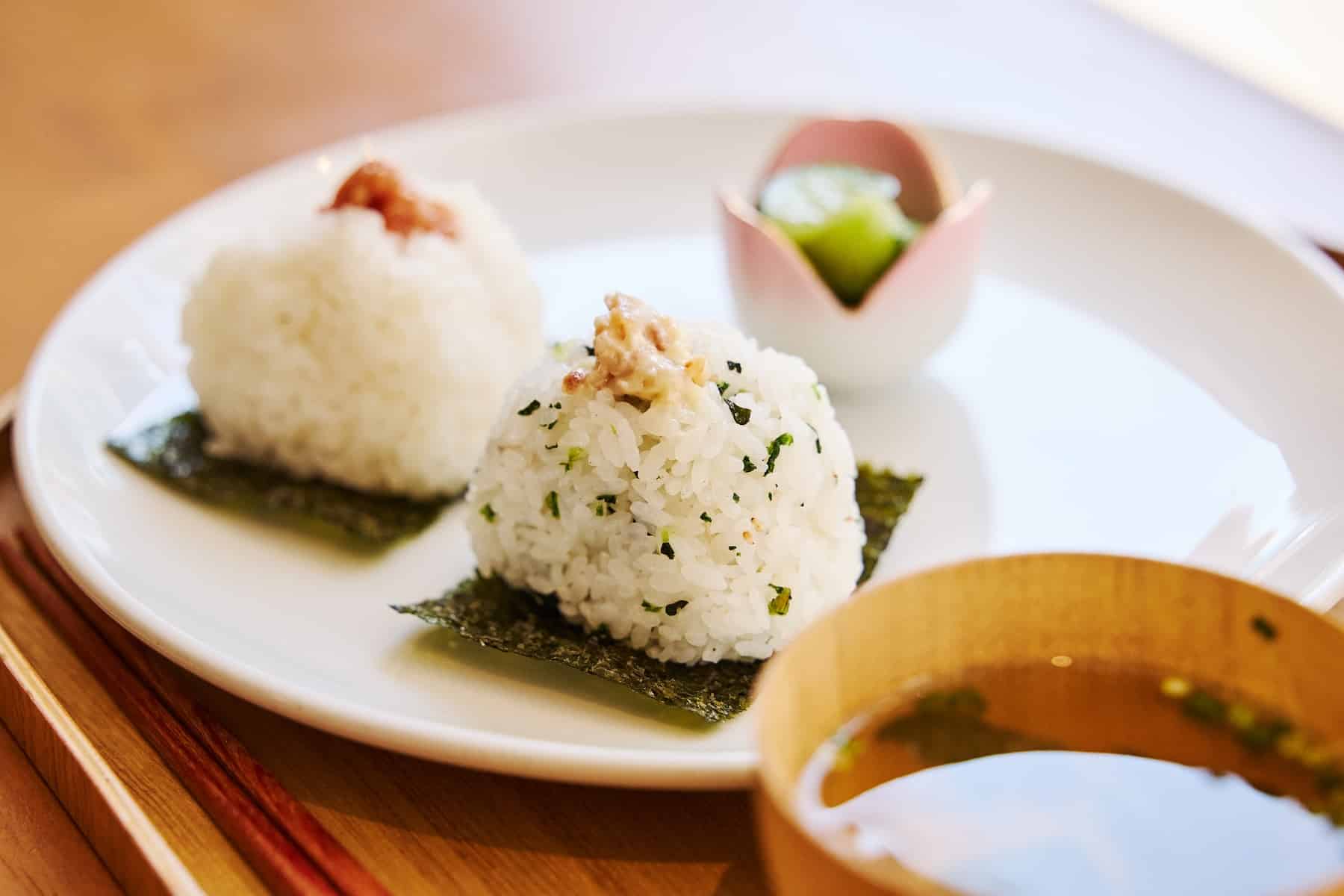
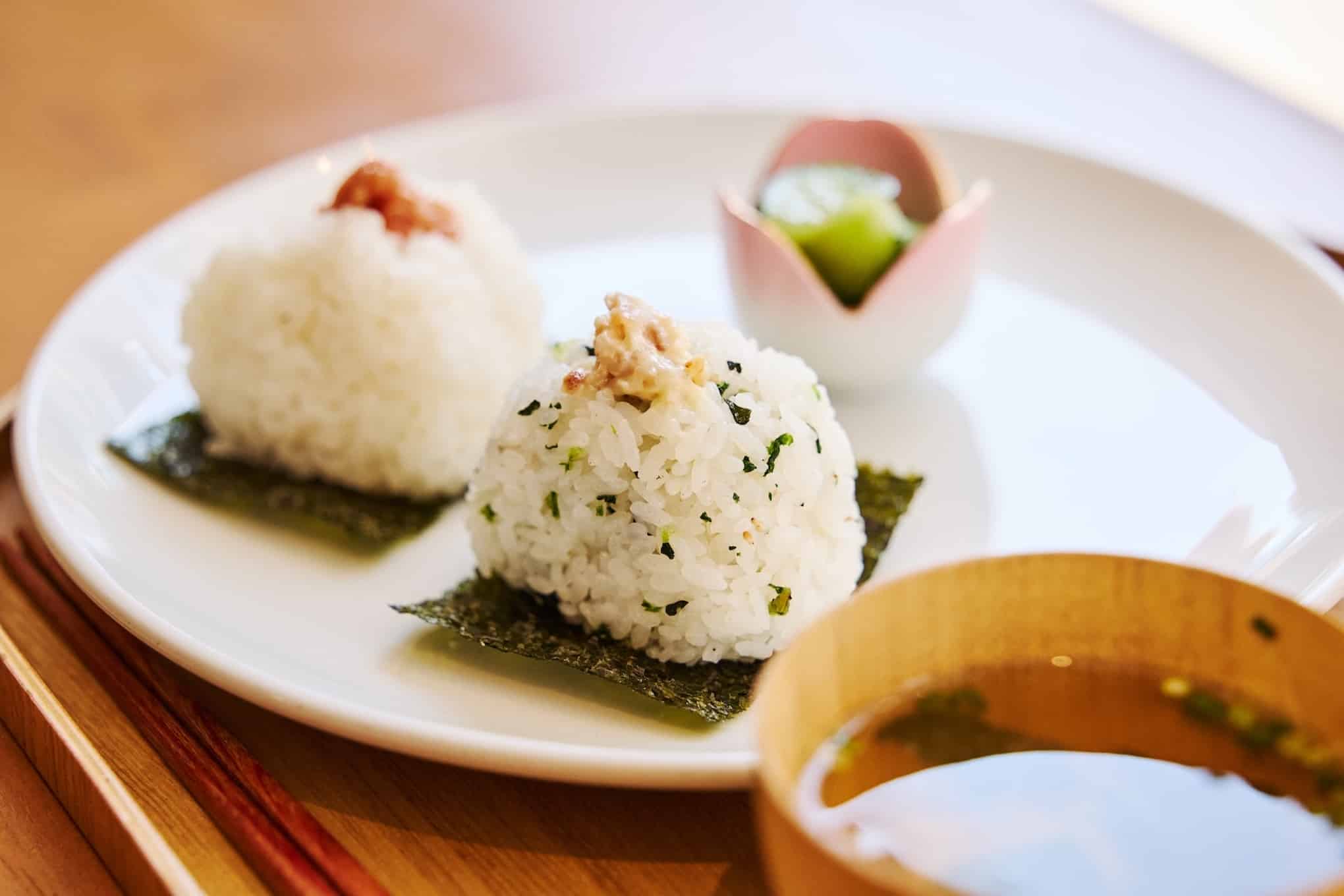
If it is your first time visiting, the signature “Yokubari Plate” is something you should definitely try in the eat-in space. It includes one plain salted onigiri, one onigiri of your choice, two pieces of karaage fried chicken, and two side dishes of your choice from the display case. For eat-in orders, the onigiri are shaped after you place your order, and because they are meant to be eaten right away in the shop, they are made even more softly than the takeout versions. The grains gently fall apart in your mouth the moment you take a bite, allowing you to fully experience the deliciousness of onigiri.
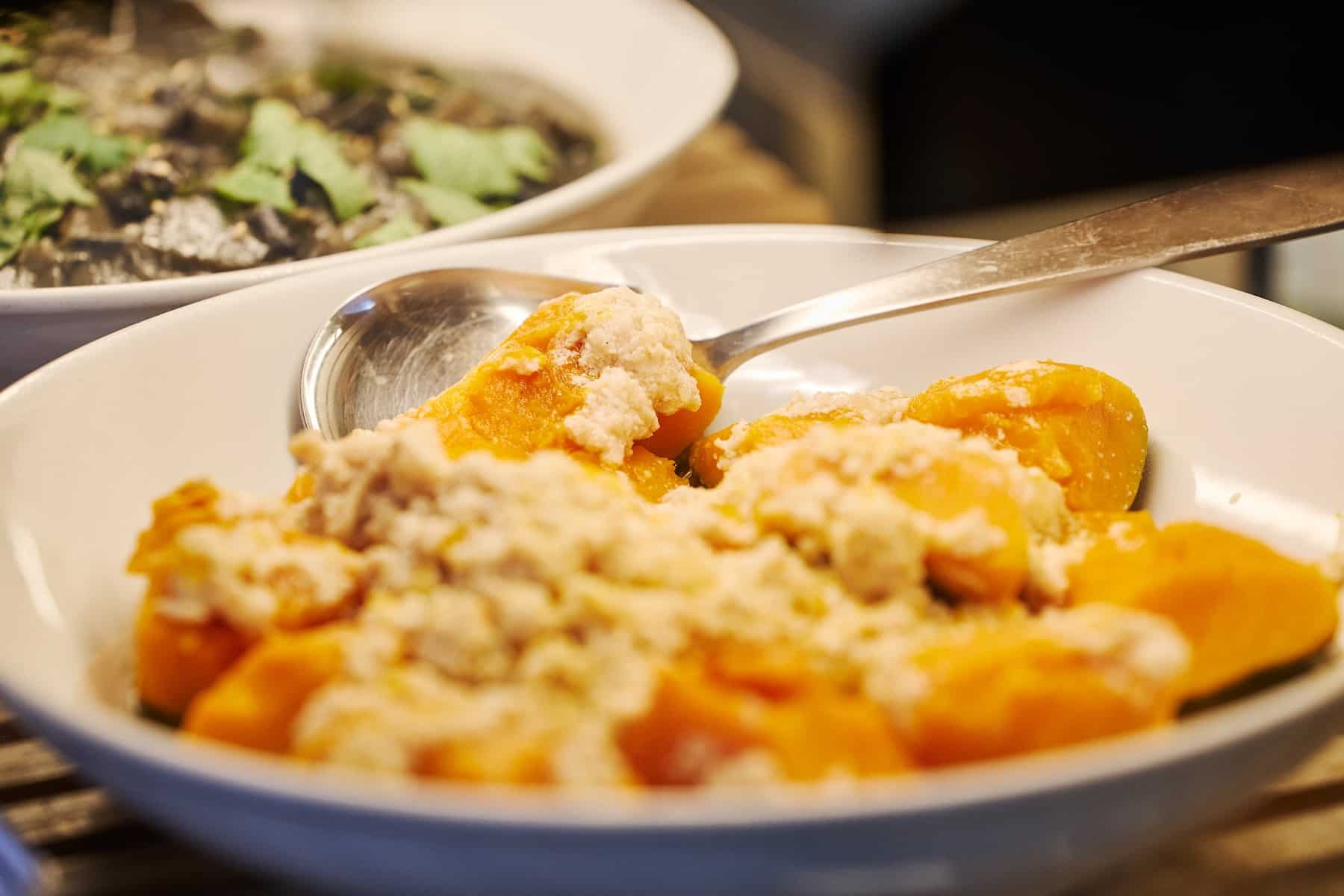
The “Yokubari Plate,” available from lunchtime, 11:30 a.m. onward, starts at ¥1,650, with an additional charge depending on the type of onigiri selected. On the left is the salted onigiri, and on the right is Negi Miso Shiso (+¥30). The side dishes on this day were the standard simmered ground meat with pumpkin and spicy cucumber.
The sweet seasoning of simmered chicken soboro and pumpkin is a classic example of Japanese home cooking. It is also low in fat, making it ideal for those who are health-conscious.
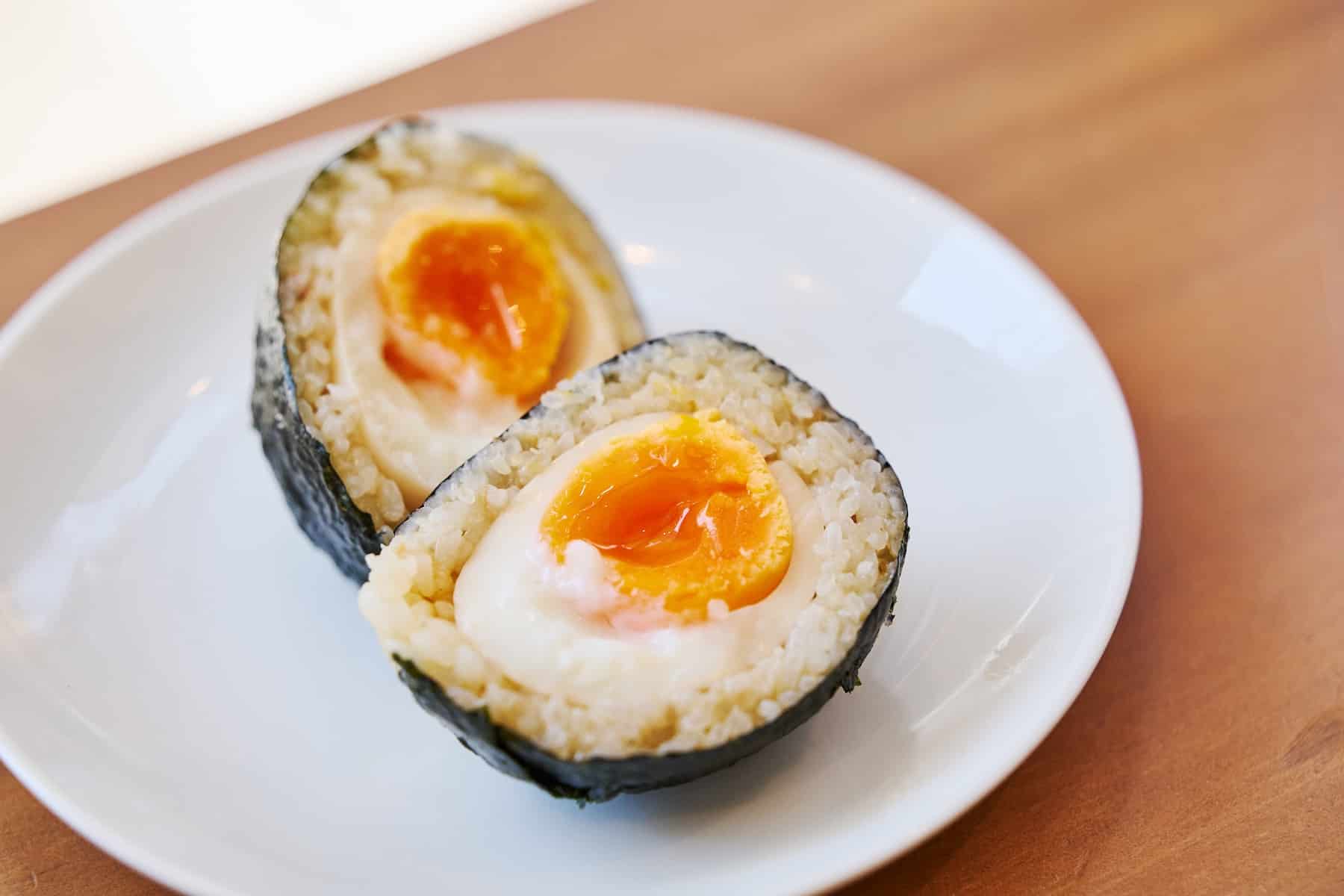
Among the many fillings, one especially popular and slightly unexpected choice is the “Seasoned Soft-Boiled Egg.” A whole jammy egg, slowly marinated overnight in a special sauce, is tucked inside. When eaten together with rice mixed with bonito flakes and soy sauce, it creates a blissful flavor much like an exceptional tamago-kake-gohan, or Japanese egg over rice.
“Seasoned Soft-Boiled Egg” ¥390. The perfectly jammy yolk beautifully recreates the feel of tamago-kake-gohan, one of Japan’s soul foods.
Alongside these more unusual options, the shop also offers simple fillings such as “Shio Nigiri,” “Ume,” and “Negi Miso Shiso,” with its lively shiso texture. The menu also includes vegan and gluten-free options, making it easy for travelers with different preferences or dietary restrictions to each find fillings that suit them. Gathered around one table, everyone can enjoy Japanese onigiri culture in their own way.
The menu price cards are color-coded: pink indicates “gluten-free,” and green indicates “vegan.”
One of the major attractions of “Onigily Cafe Yoyogi Park” is that it opens at 8:30 a.m. In Japan, surprisingly few restaurants and cafés open early in the morning, and many international visitors struggle to find somewhere for breakfast. This shop perfectly meets the needs of travelers looking for a breakfast option.
From opening until 11:30 a.m., the shop offers the “Onigiri Breakfast Set,” starting at ¥700, with an additional charge depending on the onigiri selected. It includes two onigiri of your choice and spicy cucumber, with miso soup available for an additional ¥150.
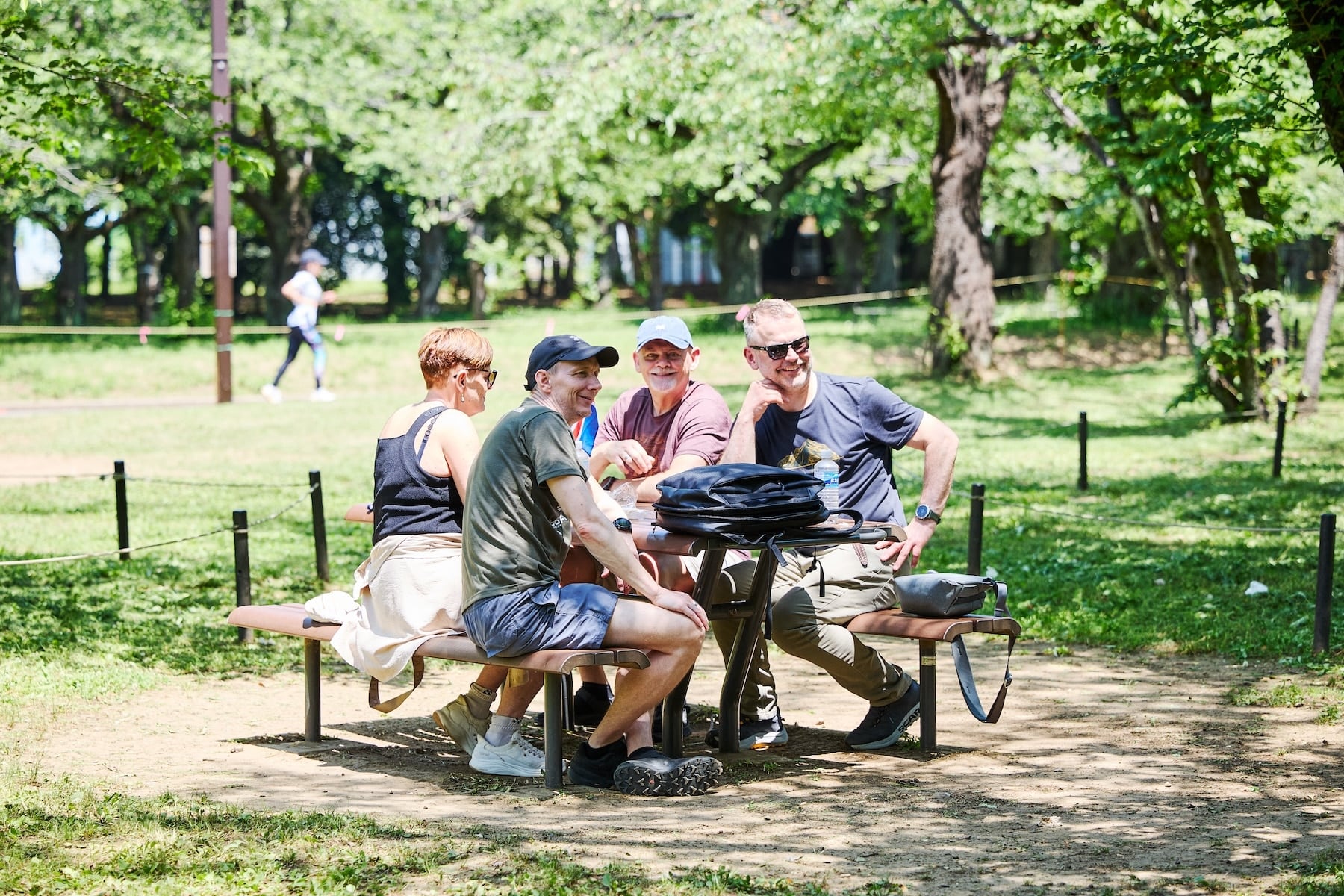
It pairs especially well with a morning run in Yoyogi Park, about a five-minute walk from the shop. After exercise, you naturally want a breakfast that is both good for the body and nutritionally satisfying, and onigiri are ideal because they are low in fat and provide carbohydrates efficiently. In fact, many runners in running wear reportedly visit the shop. Of course, even if you are not running, it is also recommended to take out onigiri and side dishes and head to the park. Enjoying a picnic of onigiri in the morning sun, surrounded by greenery, is an exceptionally healthy and local experience.
International visitors taking out onigiri and enjoying a lunch break in Yoyogi Park. There are also benches with tables, so you can relax comfortably.
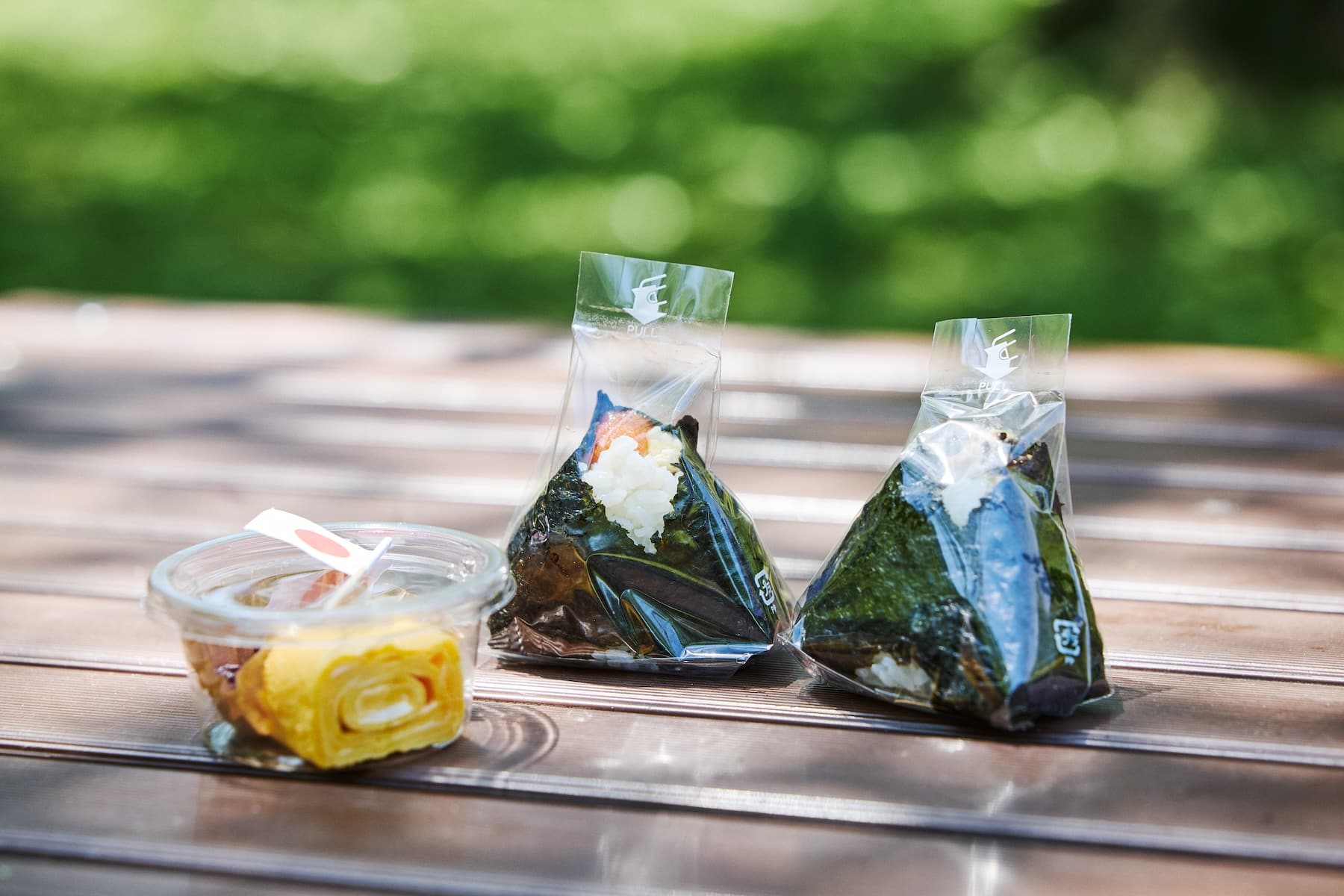
Takeout Set A starts at ¥845, with an additional charge depending on the onigiri selected. It includes two onigiri of your choice, tamagoyaki omelet, and pickles. Takeout onigiri are often shaped more firmly to keep them from falling apart, but here they are only “gently wrapped with nori.” It is part of the shop’s unwavering commitment to deliciousness.
After enjoying the satisfying comfort of onigiri, you can relax with the shop’s carefully made sweets. In fact, the café also perfectly meets the demand for after-meal desserts and afternoon café time. What is more, the cheesecakes, gateau chocolat, muffins, and other sweets made in-house are all gluten-free and made with rice flour. In recent years, demand for gluten-free sweets has continued to rise in Japan as well, and this shop’s commitment goes so far as to ensure that even seasonings such as soy sauce contain no wheat.
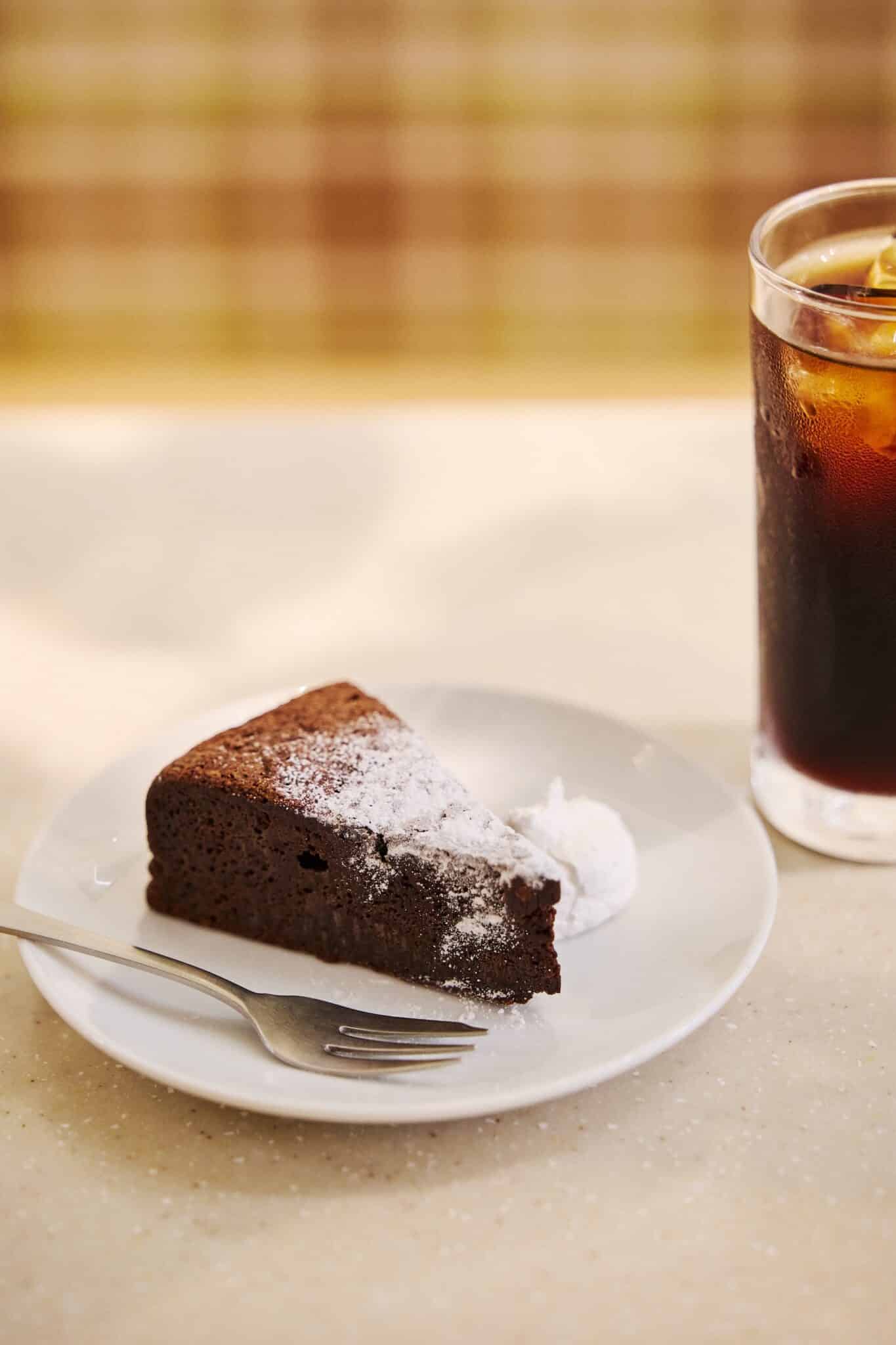
“Rice Flour Chocolate Cake,” 580 yen. Reflecting the owner’s personal preference, it has a dense, rich texture rather than a light, fluffy one. “Rice Flour Chocolate Cake,” 580 yen. Reflecting the owner’s personal preference, it has a dense, rich texture rather than a light, fluffy one. Iced coffee, 440 yen.
The eat-in space at the back of the shop. There are also sofa seats where you can relax comfortably.
The charm of “Onigily Cafe” lies in the fact that it does not end with being just an onigiri shop. It is perfect not only for stopping by to recover after a run, but also for visiting in between walks around Oku-Shibuya or Harajuku. As the perfect way to finish a Yoyogi run, be sure to experience this uniquely Japanese food culture for yourself.
The information in this article is current as of July 20, 2026 (at the time of publication).