DEEPTOKYO
magazine

EN

DEEPTOKYO
magazine
EN
2026.06.09
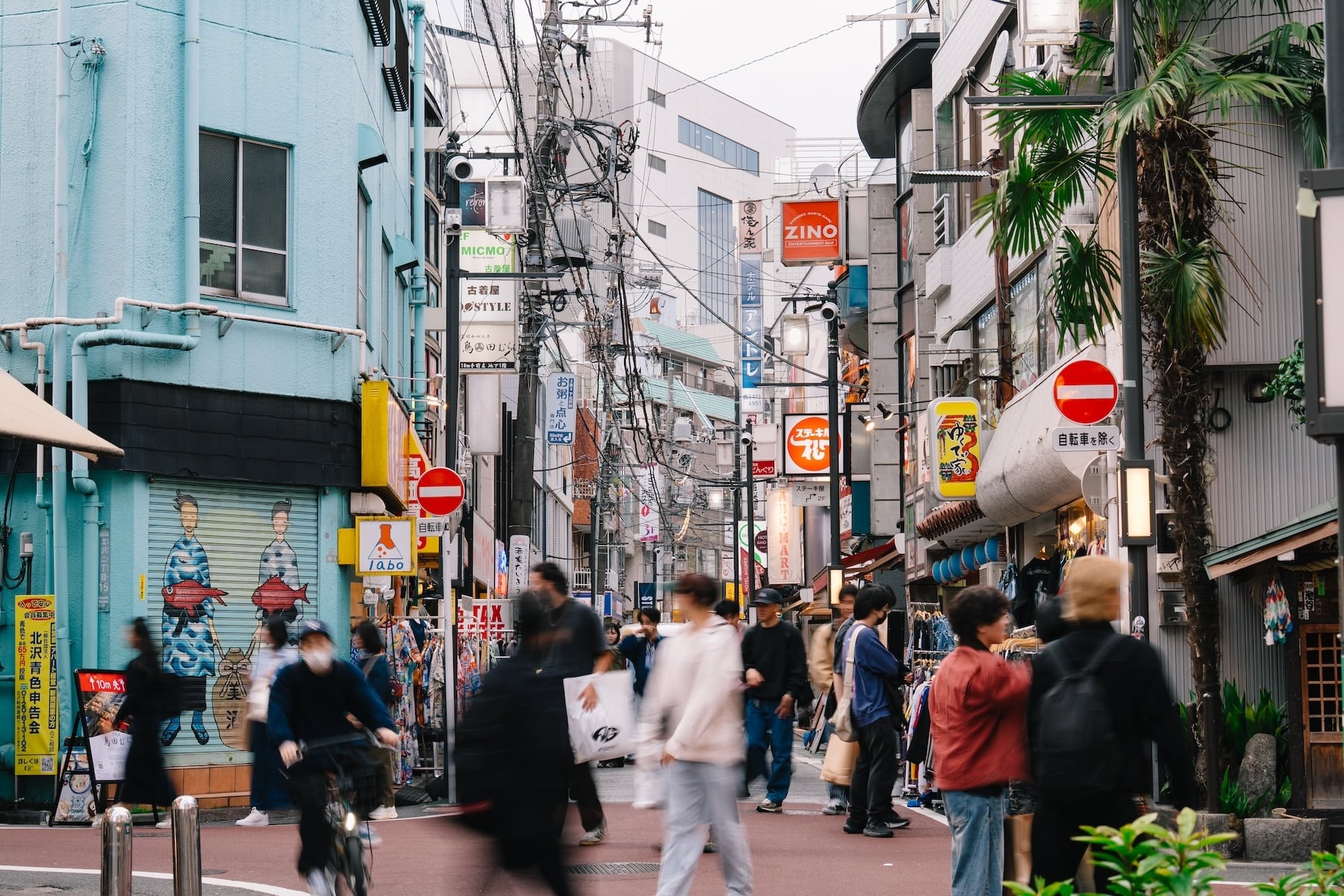
Shimokitazawa is one of Tokyo’s best-known neighborhoods for vintage clothing. Alongside the major secondhand chains, the area is also filled with independent shops that are easy to miss if you only stick to the main streets. You might find yourself climbing the stairs of an old building, slipping into a narrow side alley, or wandering deep into a quiet residential neighborhood. Sometimes you stumble upon an unexpected piece in a shop you entered on impulse. Other times, after losing your way for a while, you finally discover a store that leaves a lasting impression. Part of the appeal of vintage shopping in Shimokitazawa lies in enjoying those accidental encounters along the way.
SHARE


Just a few minutes by train from Shibuya or Shinjuku lies Shimokitazawa—often simply called “Shimokita.” Known for its long-standing live houses and small theaters, the neighborhood has attracted musicians, actors, creators, and people driven to express themselves in their own ways. Shimokitazawa remains constantly lively not simply because it is trendy, but because it continues to draw people with their own sense of style and individuality. And no discussion of the neighborhood would be complete without talking about vintage clothing.
In recent years, large vintage chains offering huge selections and affordable prices have become increasingly common. But at the heart of Shimokitazawa’s vintage culture is something far more personal: the shop owners’ passions, unique sense of style, and deeply individual taste in clothing. Even today, many stores in the neighborhood are built entirely around what their owners genuinely love.
Part of what allows that culture to thrive is Shimokitazawa’s openness toward different forms of expression—music, theater, fashion, and beyond. Different cultures overlap here without trying to erase one another’s differences. Instead, those differences are often embraced as part of what makes the neighborhood interesting. That atmosphere has allowed independent stores and creators to continue doing things their own way, helping shape Shimokitazawa’s uniquely personal vintage culture.
Shimokitazawa is centered around the Odakyu Line and the Keio Inokashira Line, with shopping streets and narrow alleys spreading out in every direction from the station. The neighborhood’s tangled layout of side streets and backstreets is part of what gives it its distinctive atmosphere. Unlike major shopping areas such as Shibuya or Harajuku, quiet residential neighborhoods appear just a short walk away from the busy streets. The energy of the shopping districts and the rhythms of everyday life exist side by side here.
Within this landscape, many of Shimokitazawa’s most distinctive vintage stores are tucked away down side streets, inside older buildings, or hidden within quiet residential neighborhoods. If you are exploring vintage shops here, it is best to wander without too much of a plan. You may come across an unexpected item in a store you happen to step into, or discover the perfect piece after losing your way for a while. Those chance encounters are much of what makes vintage shopping in Shimokitazawa so enjoyable.
As you wander through the neighborhood, live music venues and small theaters appear around almost every corner. They are part of the cultural fabric that has shaped Shimokitazawa for decades. As you explore its vintage stores, take time to enjoy that side of the neighborhood as well.
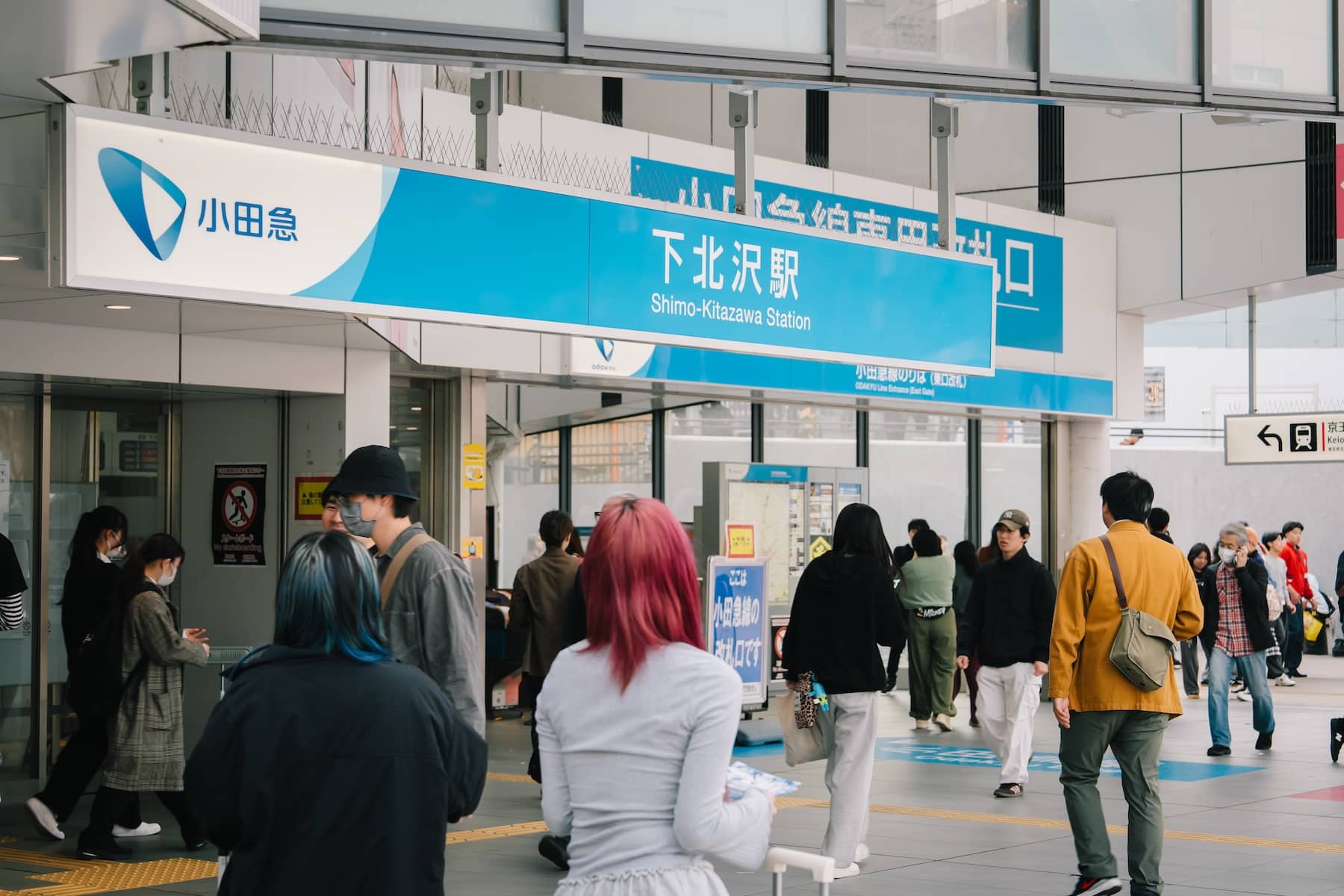
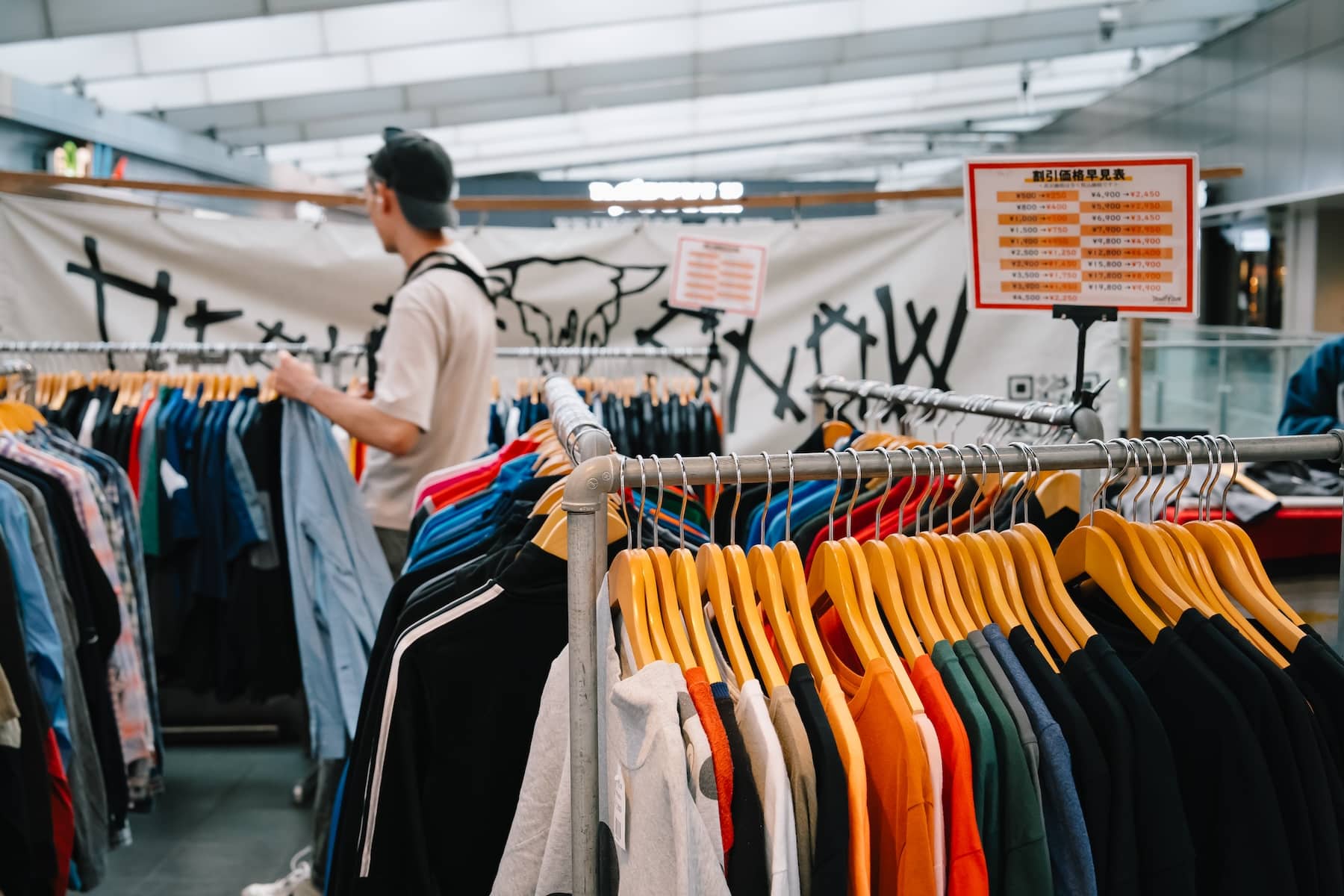
Start from the East Exit of Shimokitazawa Station. Around the station, people carrying shopping bags from vintage stores move through the crowds, and on some days, a vintage market is even held in front of the station. You immediately get a sense of why Shimokitazawa is known as one of Tokyo’s premier neighborhoods for vintage clothing.
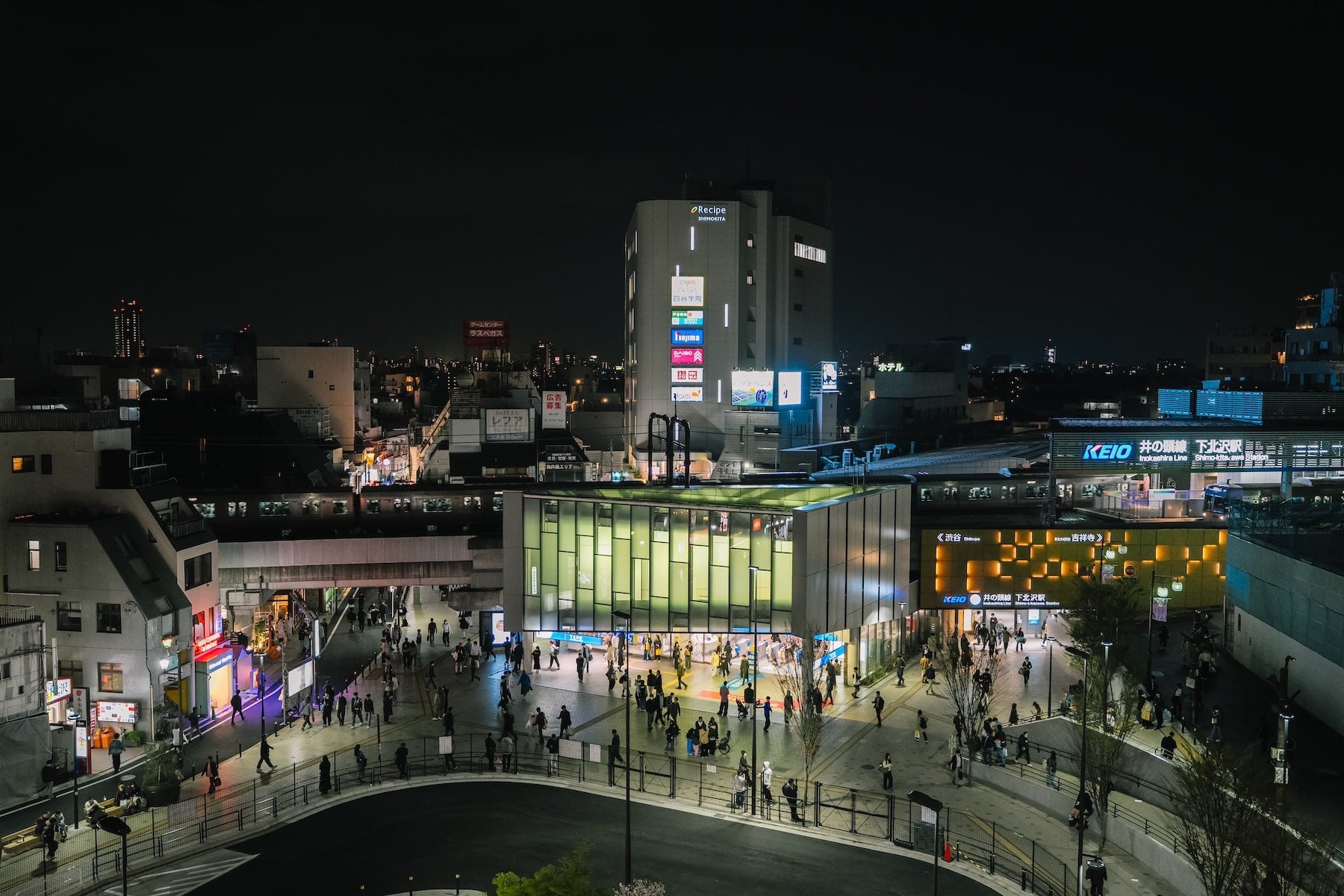
The East Exit of Shimokitazawa Station. Shimokitazawa Station is served by both the Odakyu and Keio Inokashira lines, and it can be surprisingly easy to exit through the wrong gate. The blue signs indicate the Odakyu Line, while the pink signs indicate the Keio Inokashira Line.
“Shimo-Kita-Eki-Ue,” the commercial complex directly connected to the station. Alongside its many restaurants and cafés, the space occasionally hosts vintage pop-up events.
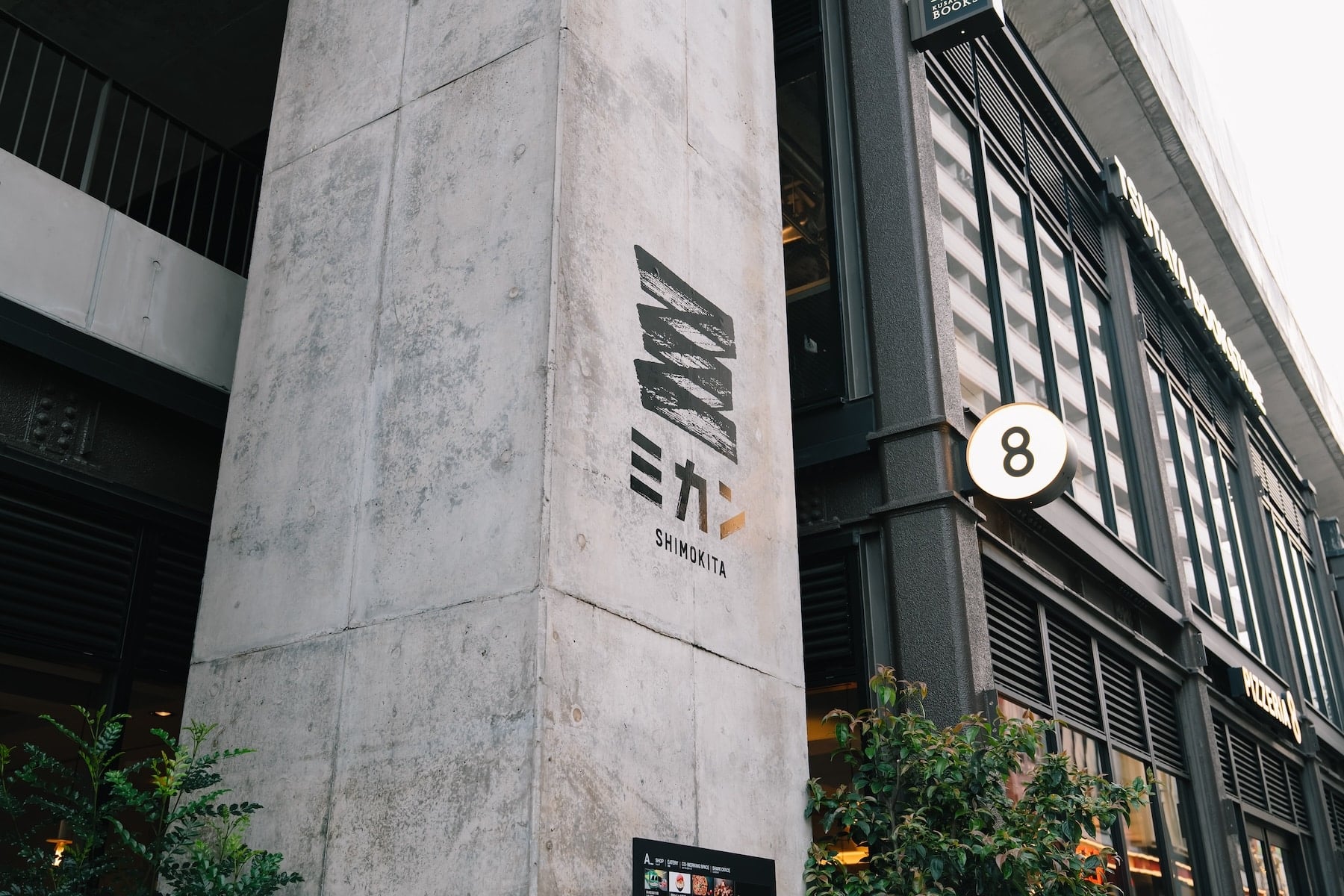
“Mikan Shimokita,” a commercial complex that opened in March 2022. Although newly built, it retains some of the eclectic atmosphere that once defined Shimokitazawa, when independent shops were packed tightly together. Perhaps because of that, it has been embraced by many local residents as well.
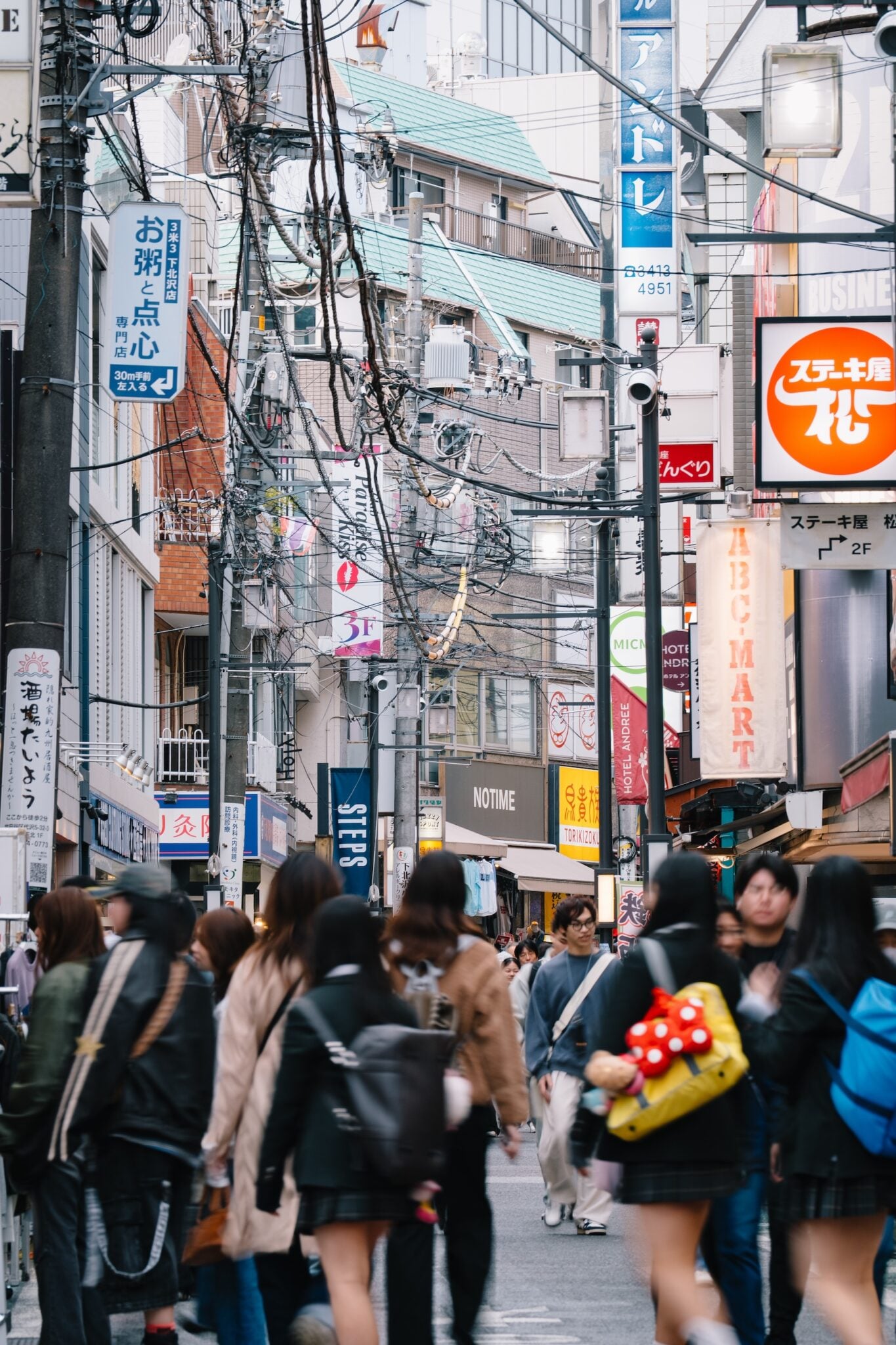
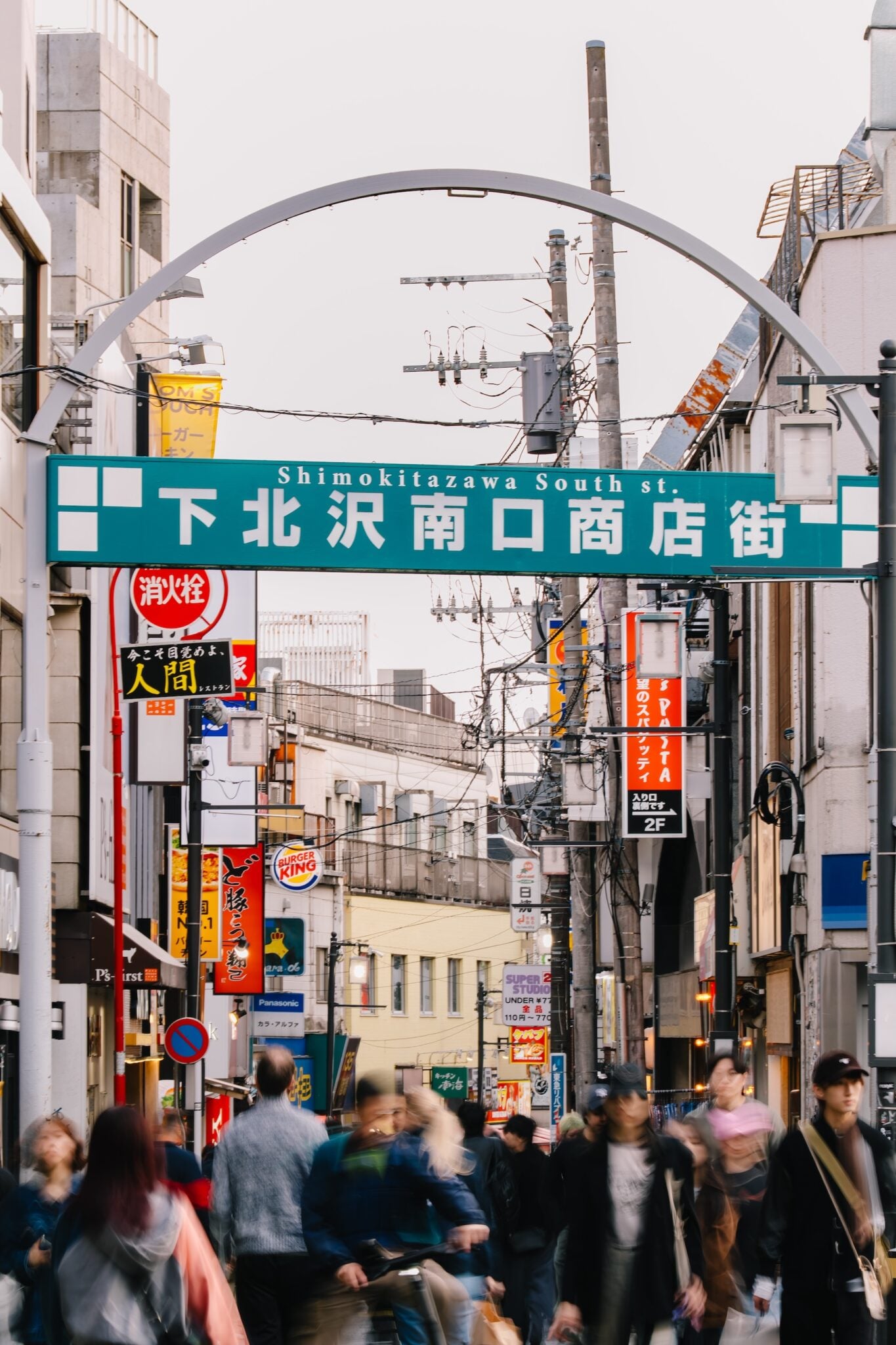
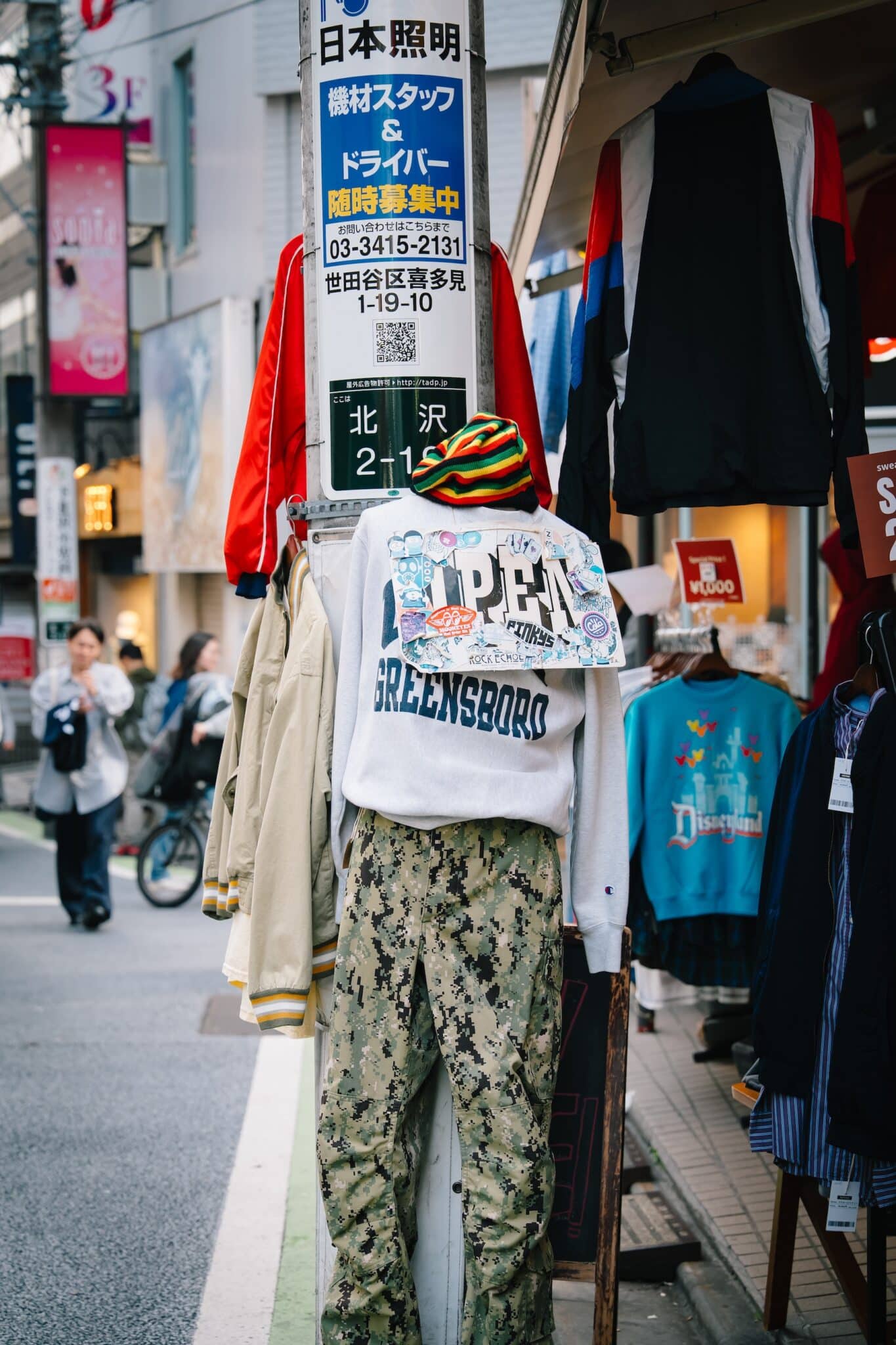
Turn right after leaving the East Exit, and you will soon arrive at the Shimokitazawa South Exit Shopping Street. Look for the green entrance sign and follow the flow of people. Lined with everything from fast-food chains to large vintage stores, this is one of the busiest areas in Shimokitazawa. Clothing racks and mannequins from budget vintage shops spill onto the sidewalks, adding to the lively atmosphere that defines the neighborhood.
The busy Shimokitazawa South Exit Shopping Street, crowded with young people and tourists. The green sign at the entrance is one of the area’s most recognizable landmarks.
Mannequins and clothing racks outside vintage stores catch your eye throughout the neighborhood.
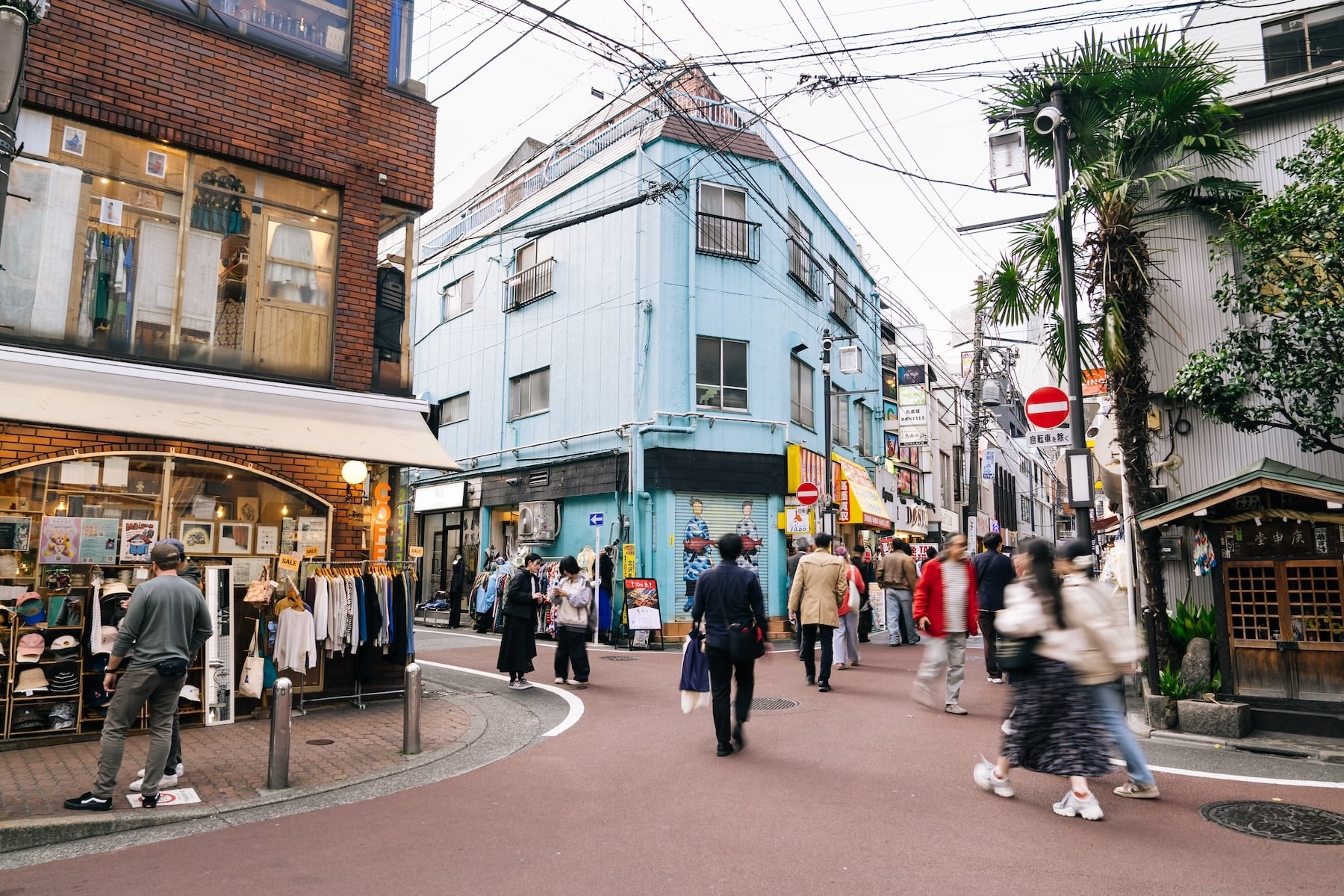
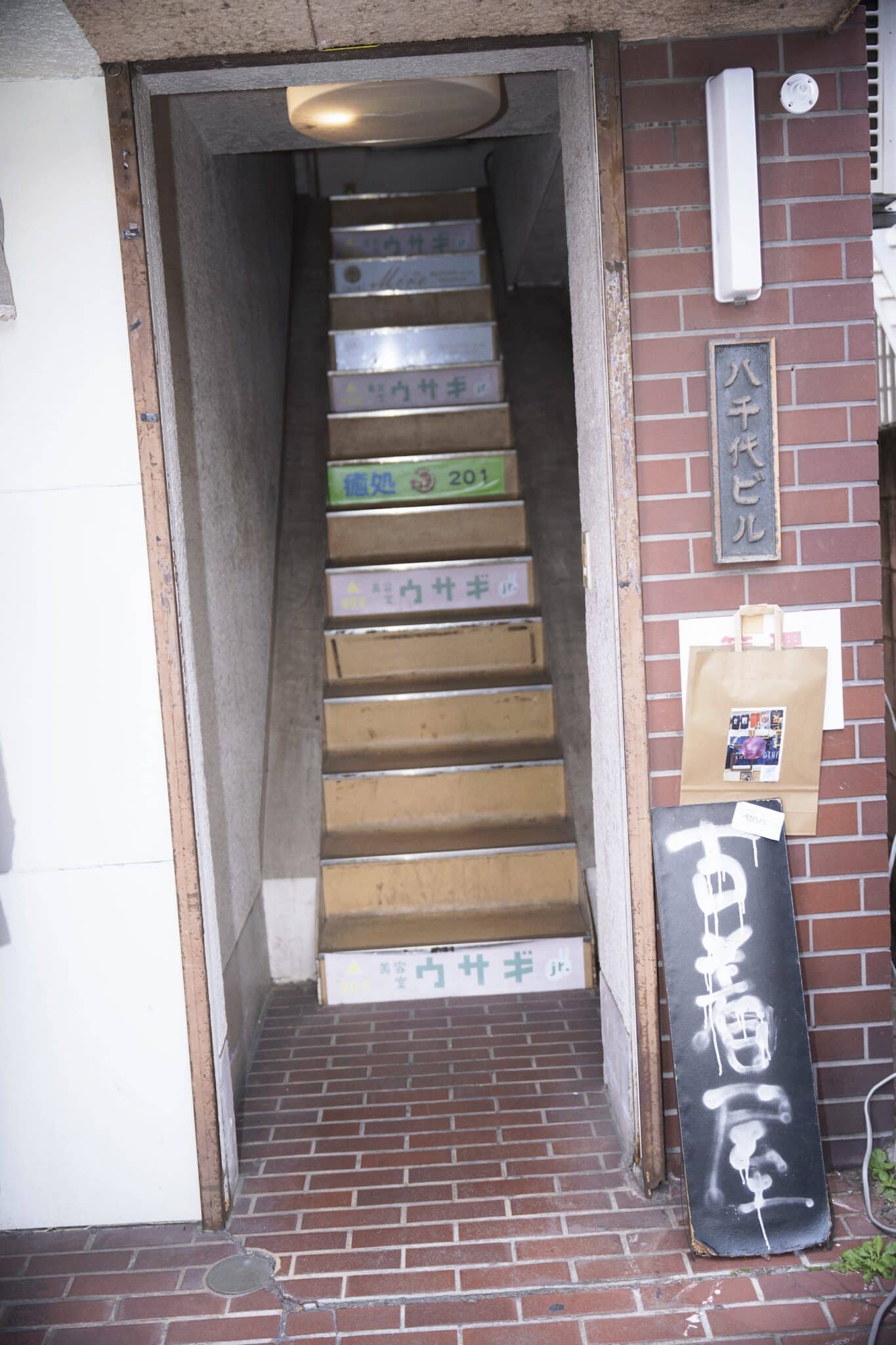
Continue straight, and the road eventually opens into a busy three-way intersection. Beyond the crowds stands the gyoza chain Gyoza no Ohsho. Across the street, an old multi-tenant building catches your eye, marked only by a standing sign with the words “furugiya” (“vintage clothing store”) scrawled in rough handwritten letters. Easy to miss if you do not know it is there, this is MIMIC.
A busy three-way intersection filled with people passing through. From here, the neighborhood slowly starts to feel different.
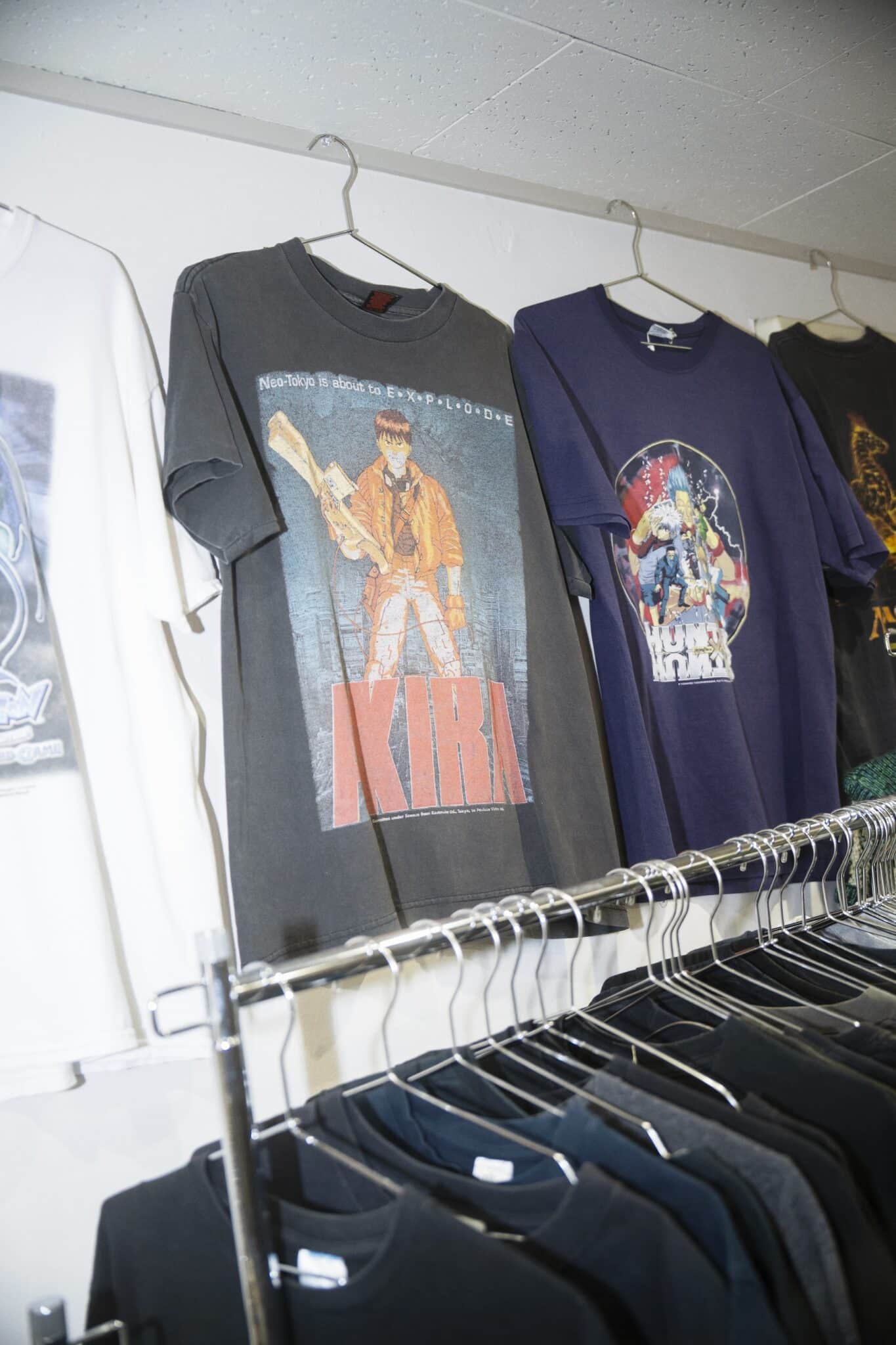
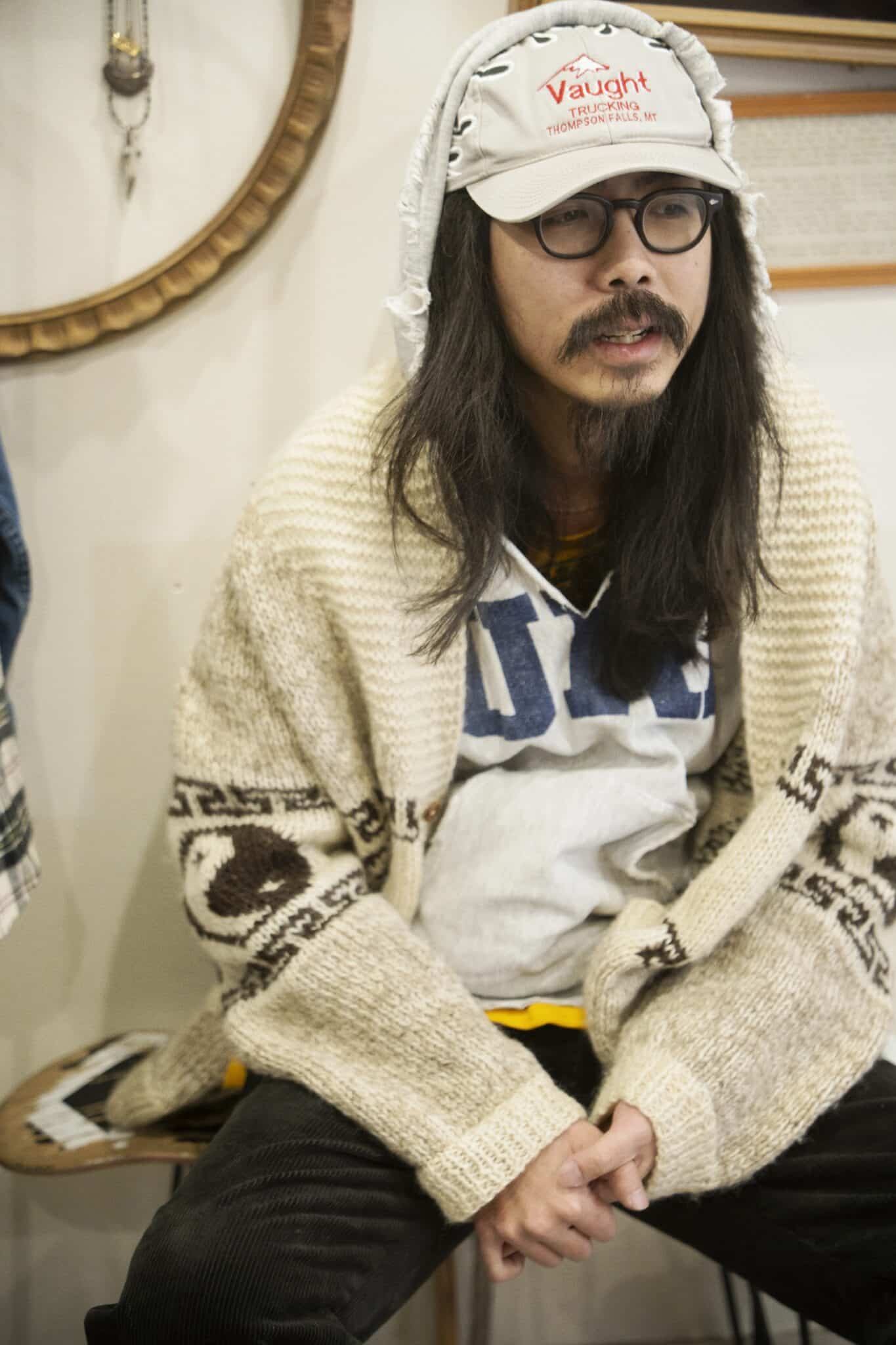
Step inside, and the shop is packed floor-to-ceiling with treasures collected by owner TAKARA, from anime T-shirts and rare designer vintage to all kinds of collector-worthy finds. Some pieces—embroidered shirts, dresses reminiscent of traditional folk costumes, and other boldly distinctive garments—may seem difficult to pull off at first glance. But as TAKARA shares the stories behind them and offers styling ideas, their appeal quickly starts to reveal itself. One of the pleasures of exploring vintage stores in Shimokitazawa is hearing directly from owners with a unique point of view.
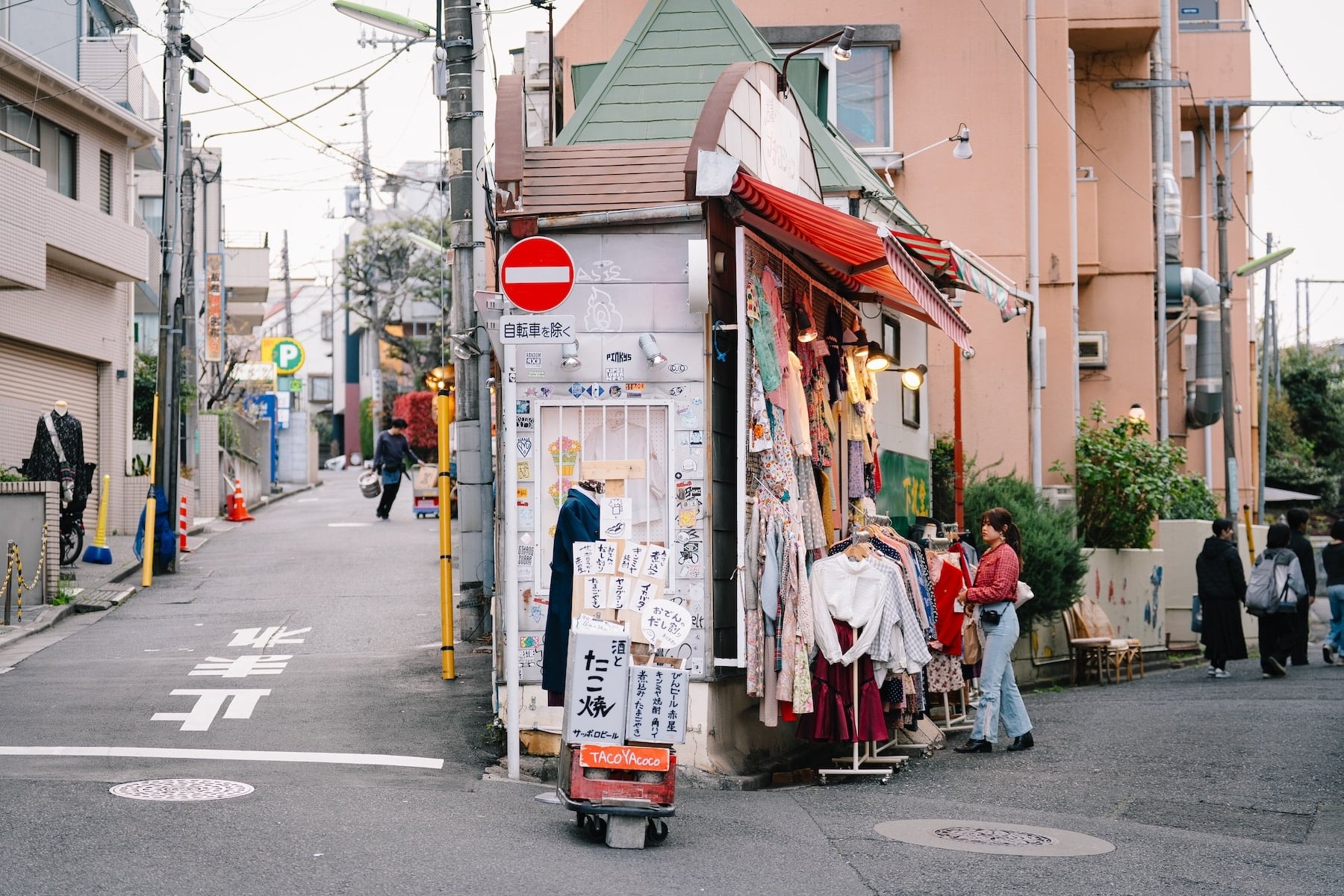
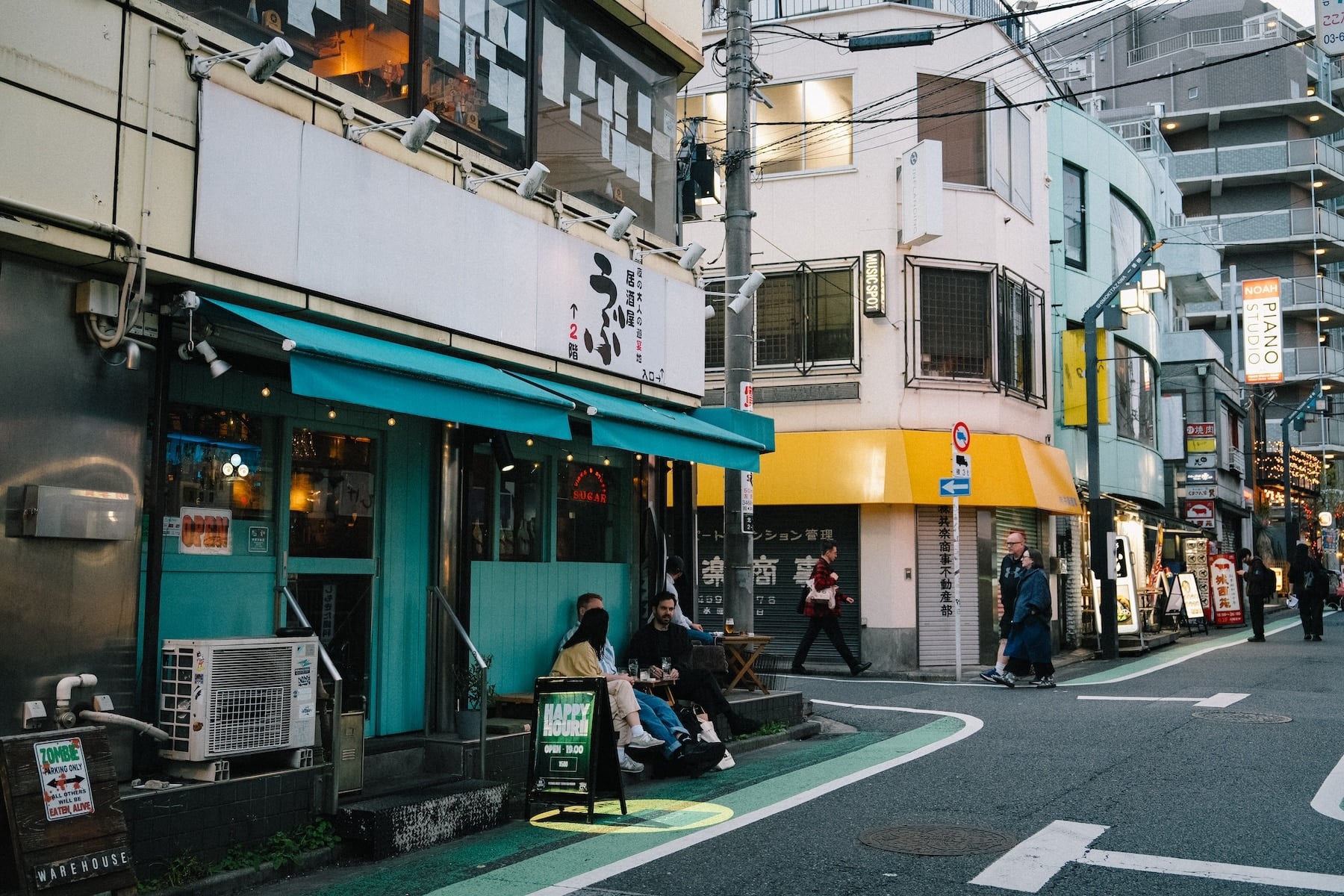
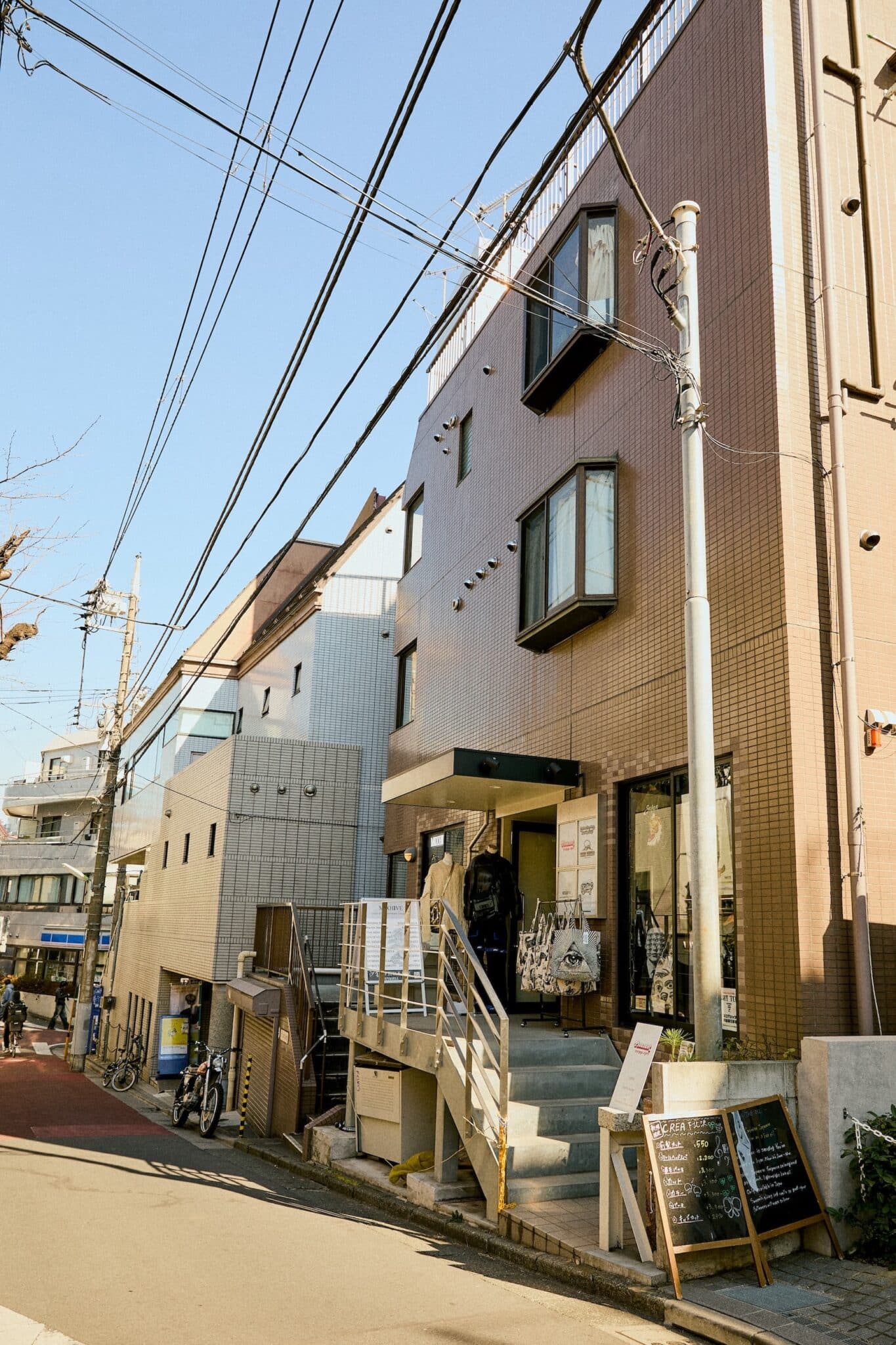
At first glance, the side streets seem purely residential, but vintage stores, curry shops, and other small independent businesses keep appearing along the way. Getting lost here is rarely a bad thing.
Leaving MIMIC behind, continue through the quiet residential side streets. As the bustle of the South Exit Shopping Street fades, Chazawa-dori comes into view—a road lined with low-rise homes, cafés, and small restaurants. After walking for a while, you will notice a glass-fronted shop displaying colorful caps and vintage vases. At first glance, it resembles a carefully curated select shop. It is actually sowhat vintage, a vintage store devoted to hats and vases.
Inside, the shop is filled with vintage caps featuring corporate logos and movie references, alongside vintage vases whose designs feel almost like works of art. The collection has been assembled by owners Taro and Kasumi Kato. With so many vintage clothing stores already in Shimokitazawa, the couple wanted to create something that felt distinctly their own. That led them to focus on caps and vases instead. The fact that a shop devoted to such niche interests can thrive here feels very much in keeping with the spirit of the neighborhood.
Around Chazawa-dori, live houses and small theaters appear one after another. Part of what gives Shimokitazawa its reputation as a neighborhood of music and theater is the way these creative spaces are woven into everyday life. Look a little closer, and you will also find record stores, music cafés, record bars, and independent cinemas scattered throughout the area. Wherever you go, traces of culture seem to linger.
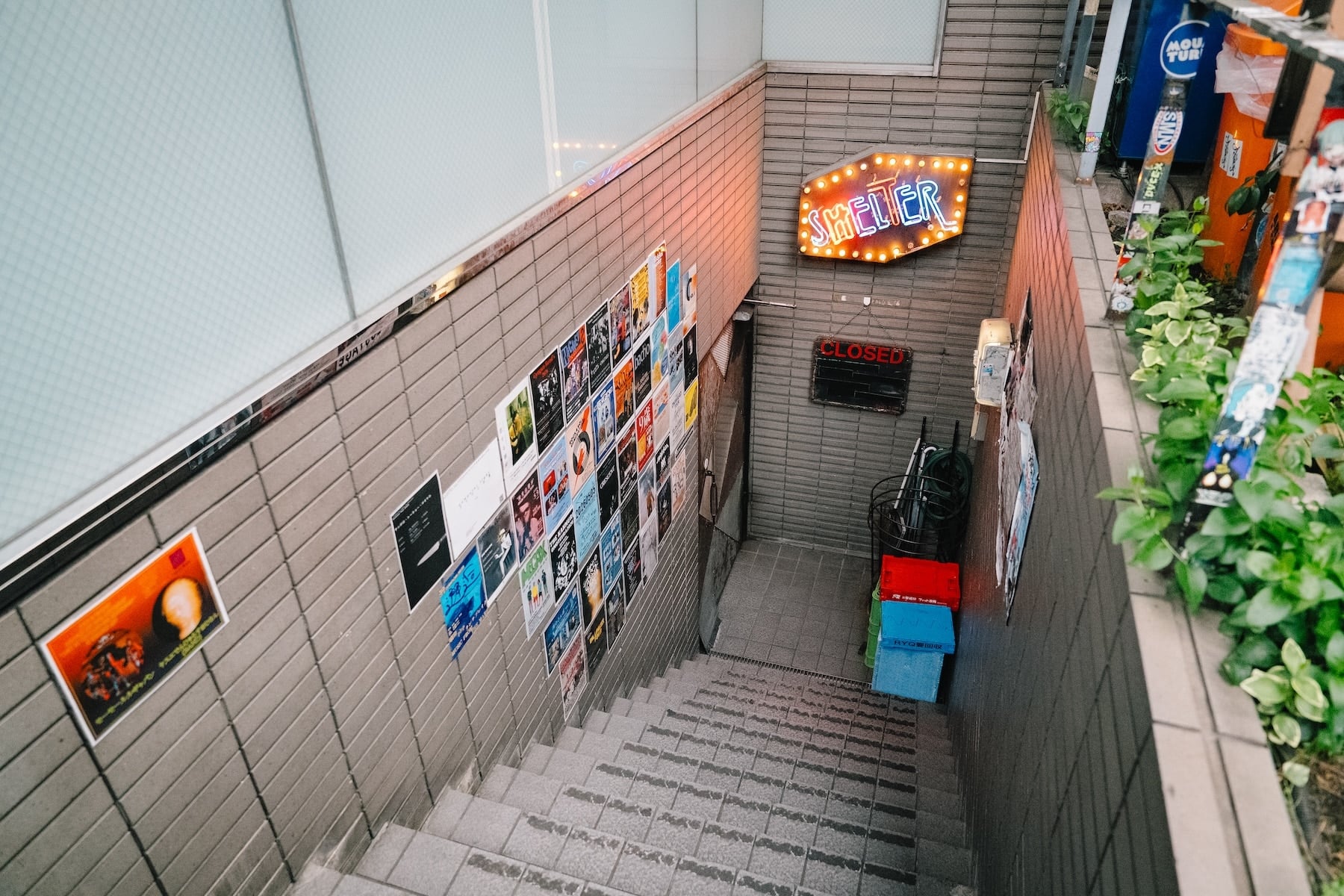
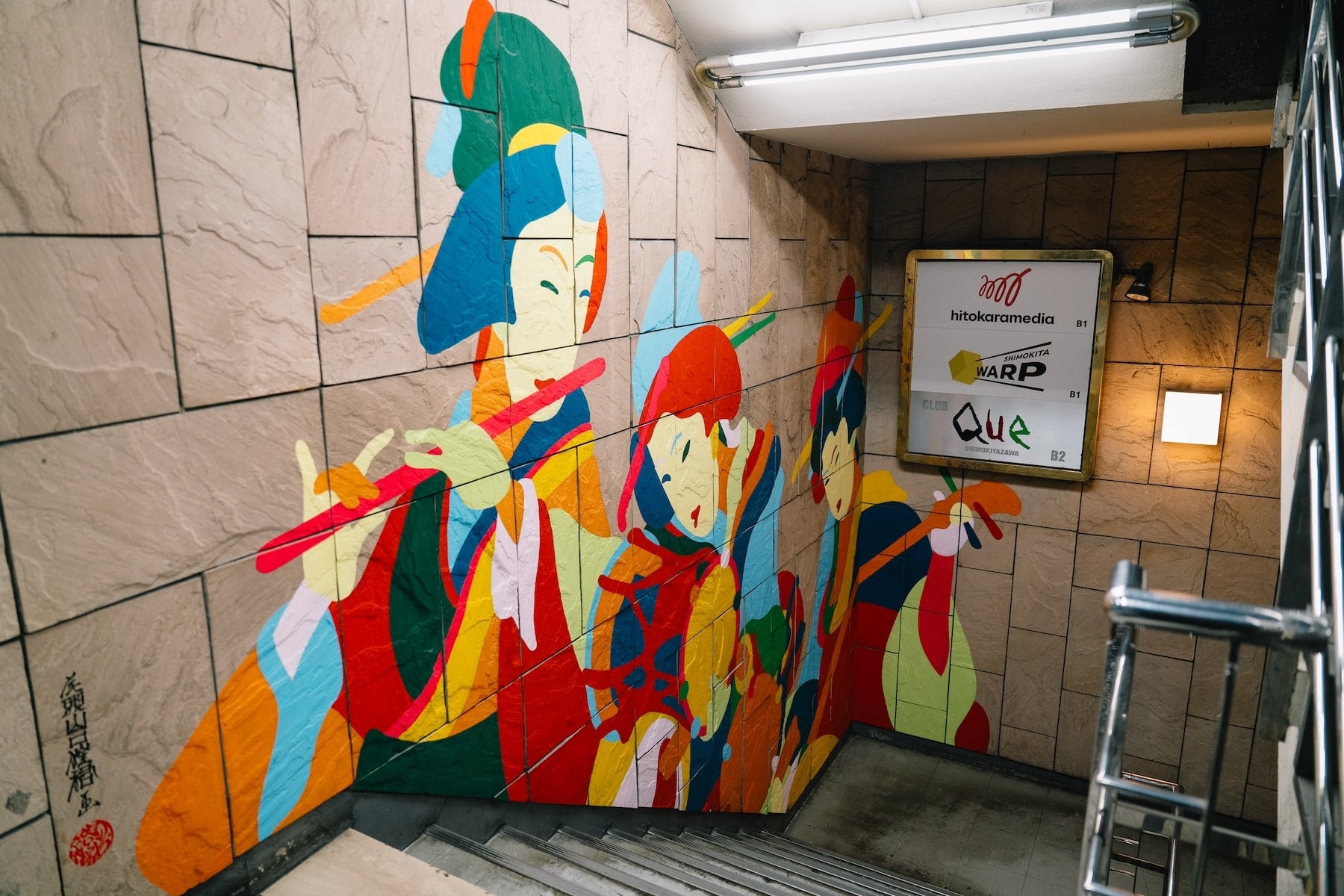
Continuing north from sowhat vintage, live houses such as Shimokitazawa SHELTER and Shimokitazawa CLUB Que begin to appear. Both have long served as launching pads for Japanese punk and rock bands and remain central to Shimokitazawa’s music scene. Shimokitazawa SHELTER in particular has also become a popular destination for anime fans after being featured as a setting in Bocchi the Rock!
The entrance to Shimokitazawa SHELTER, recognizable by its staircase leading underground and glowing neon lights.
The staircase leading to Shimokitazawa CLUB Que is decorated with ukiyo-e-inspired paintings of musicians in performance.
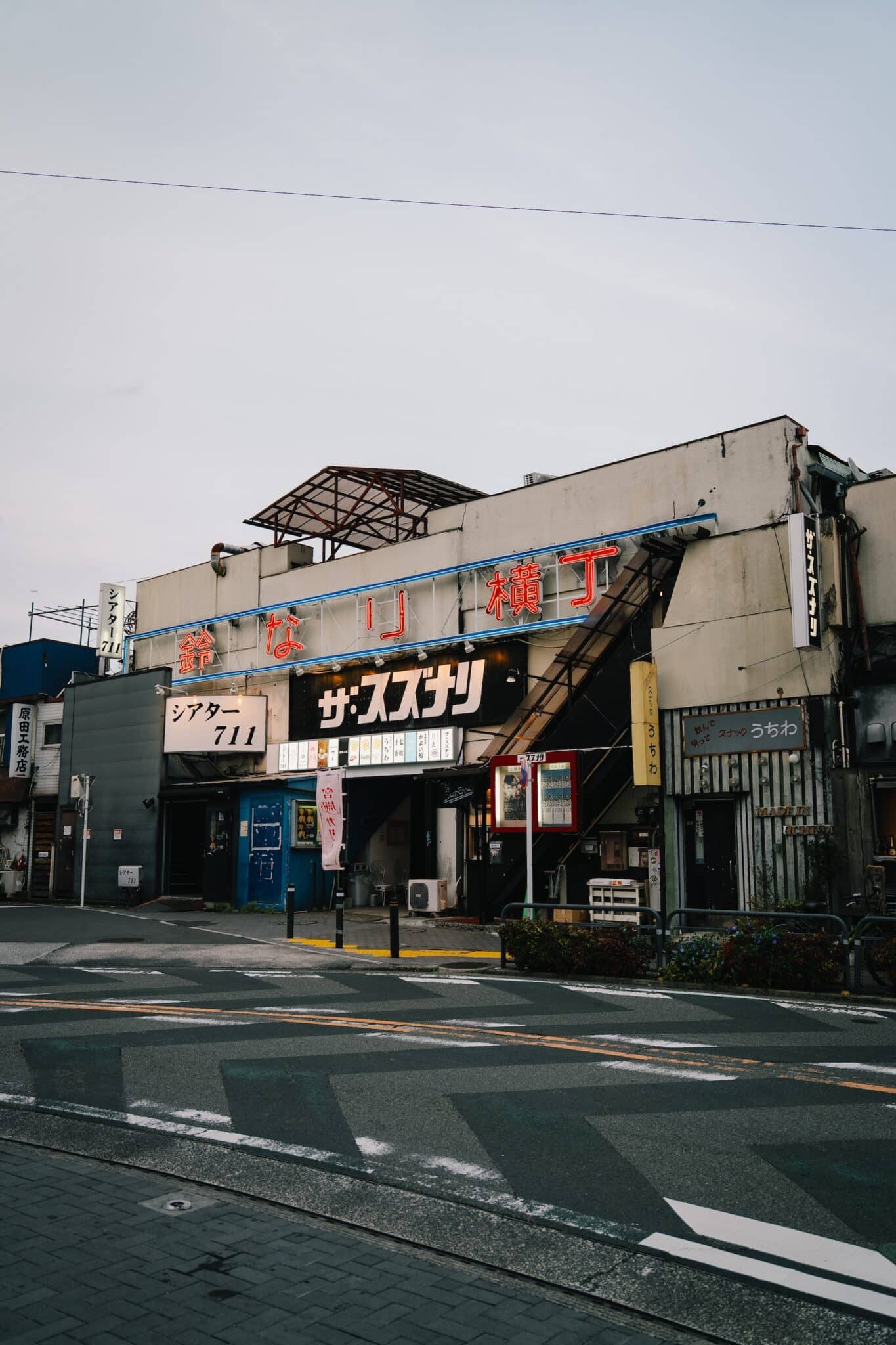
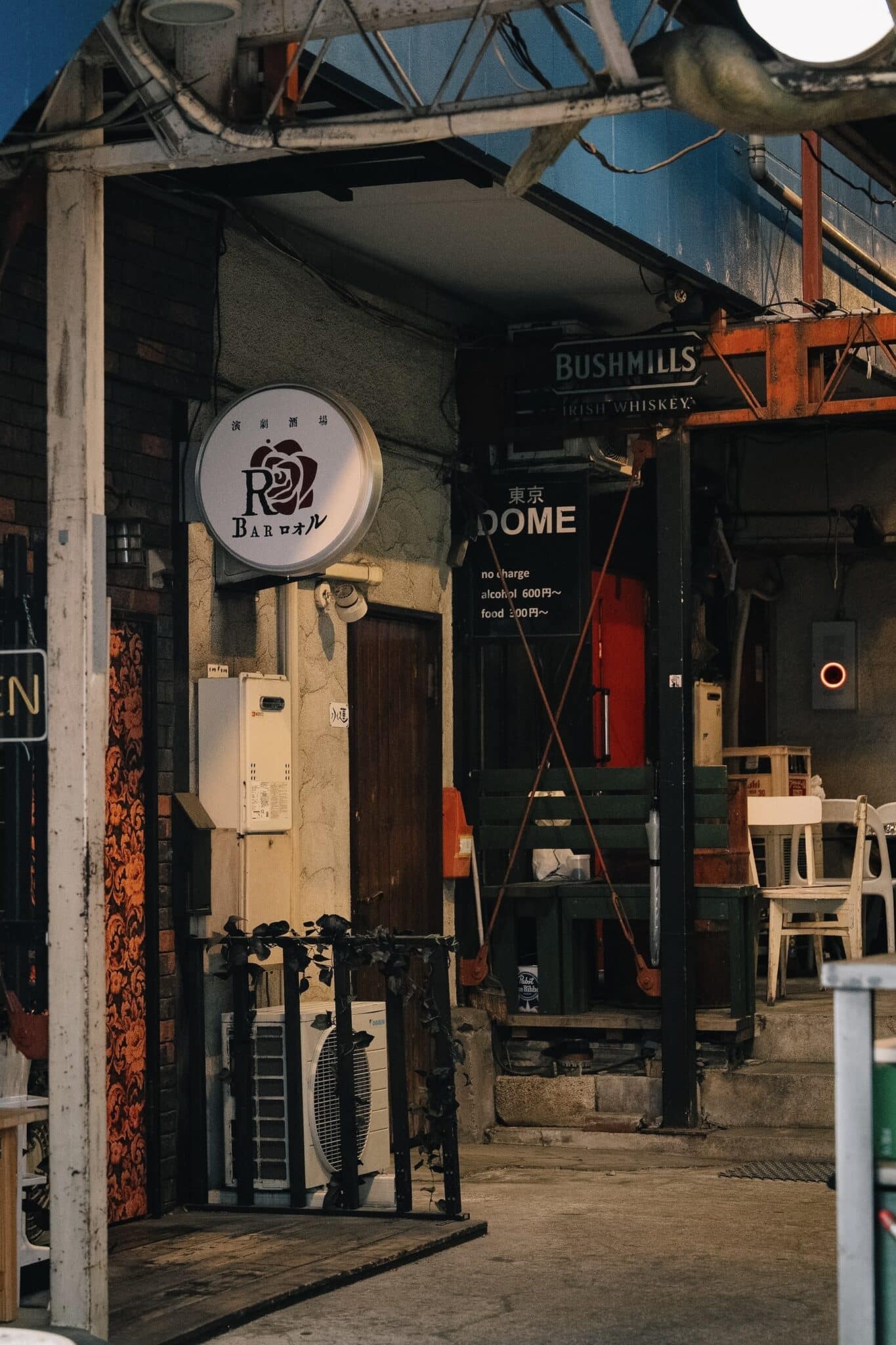
Further ahead stands Suzunari Yokocho, an area created by renovating a Showa-era apartment building known as Suzunari-so. The first floor is home to bars and snack bars, while the second floor houses The Suzunari and Theater 711, two theaters that continue to play an important role in Shimokitazawa’s theater and film culture. Fashion, music, theater—Shimokitazawa has long been shaped by the overlap of many different cultures.
Perhaps that is why the neighborhood continues to attract people creating things in their own ways, and why new cultural movements so often take root here.
Suzunari Yokocho, where bars, snack bars, and theaters all coexist within the same retro building
Since many businesses open only at night, the area remains quiet before evening.
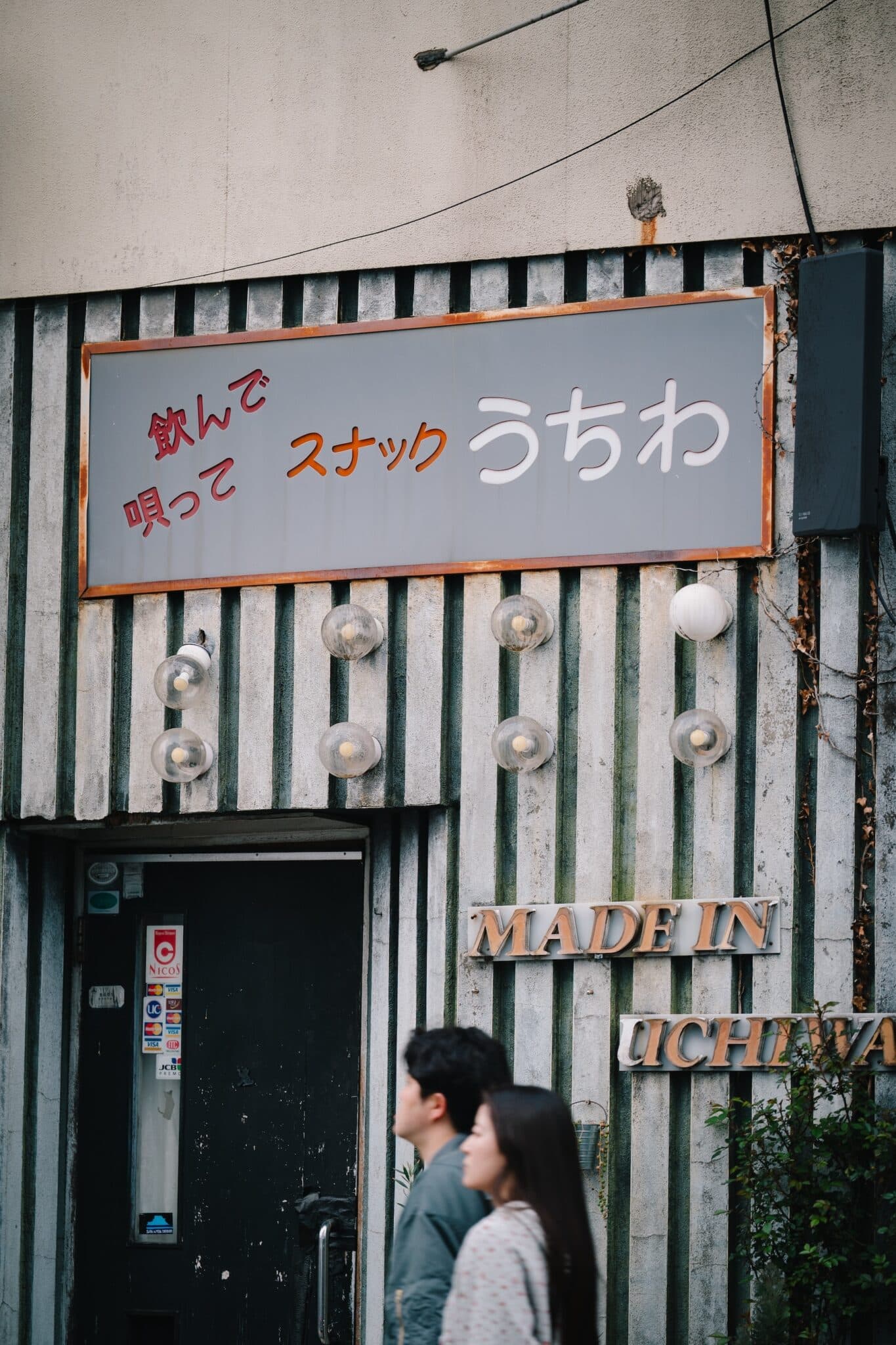
The aging facades lend the alleyway a nostalgic charm.
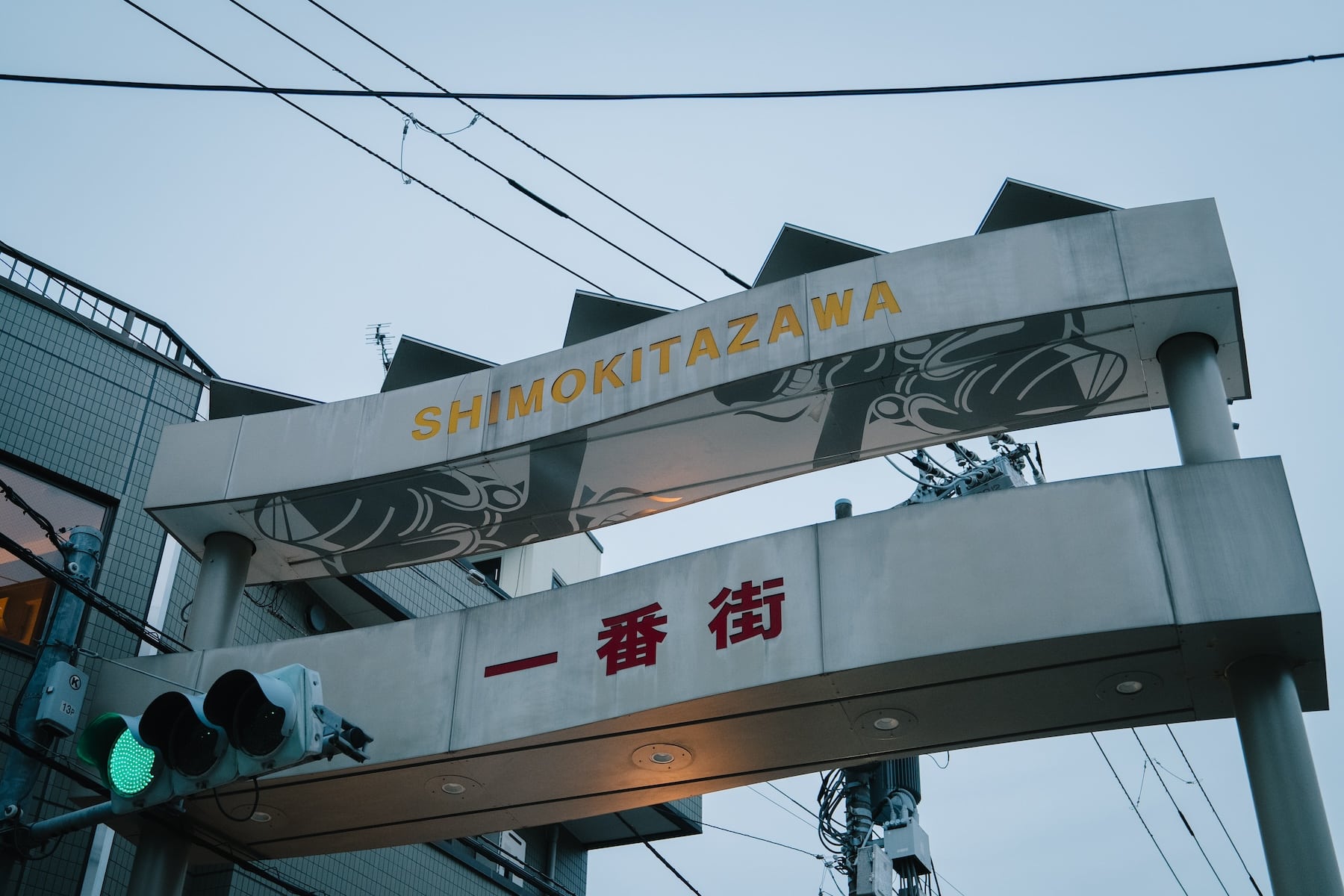
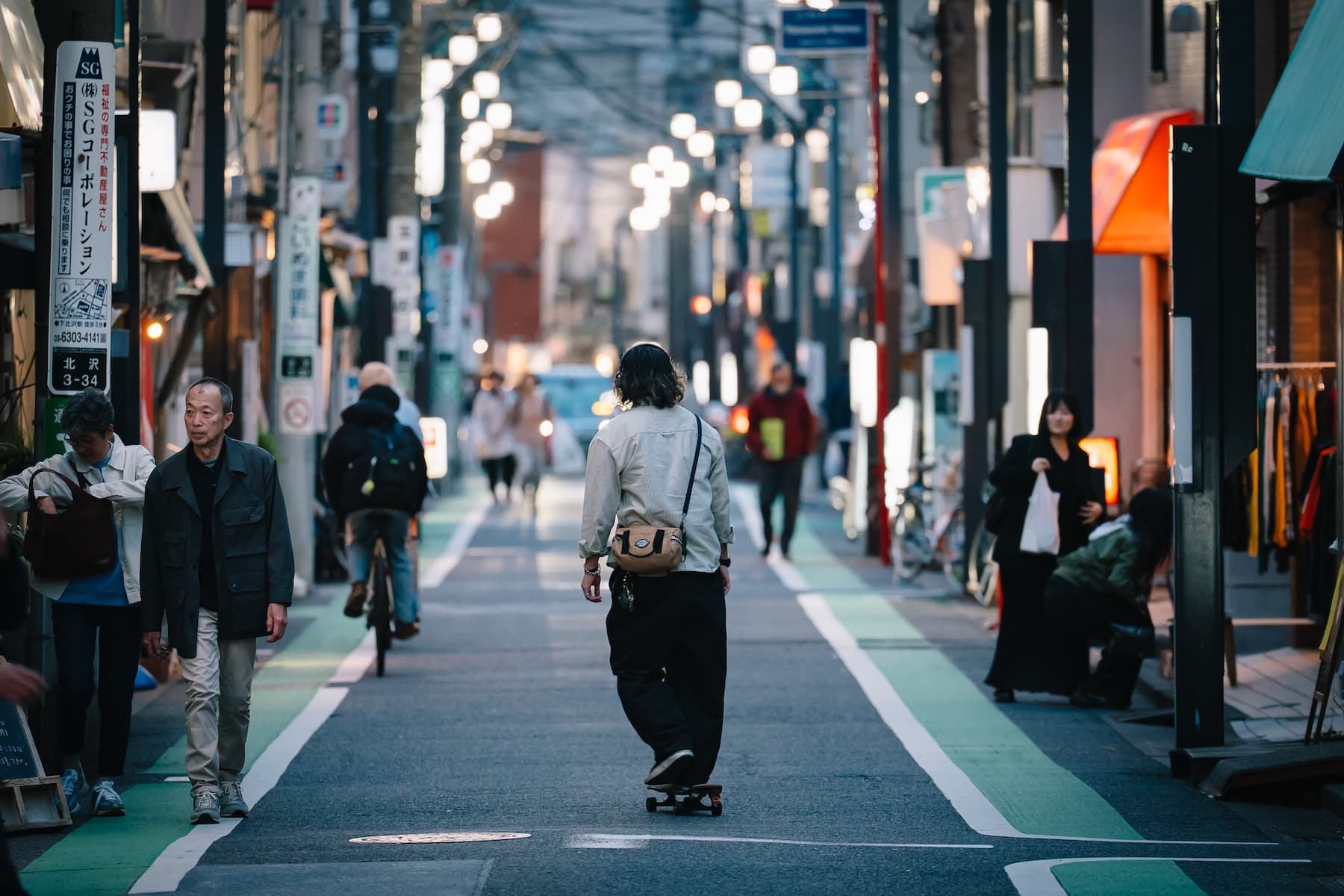
Past Suzunari Yokocho, the entrance to Shimokitazawa Ichibangai Shopping Street comes into view. The oldest shopping street in Shimokitazawa, this area is home to many long-established local businesses that have been part of the neighborhood for decades. In contrast to the bustle of the South Exit Shopping Street, locals are more noticeable than tourists here, and the pace feels noticeably slower.
Vintage stores tucked away along the side streets are common throughout Shimokitazawa, but this area is home to some of the neighborhood’s most distinctive shops. Rather than relying on foot traffic, many of them are built around whatever their owners are most passionate about.
The pace feels noticeably slower along Shimokitazawa Ichibangai Shopping Street.
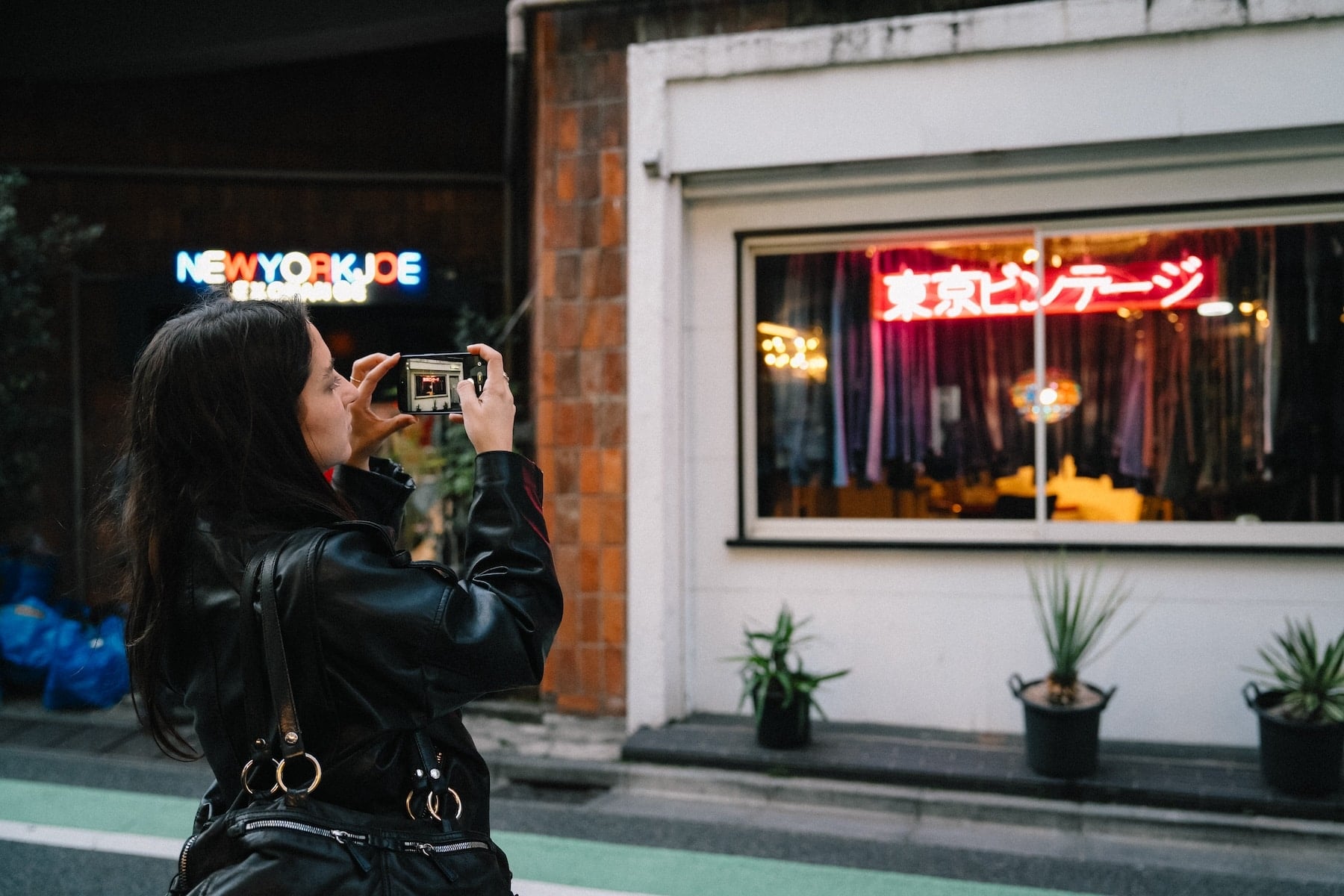
From retro restaurant façades to the neon sign of NEW YORK JOE, photo-worthy sights appear around every corner.
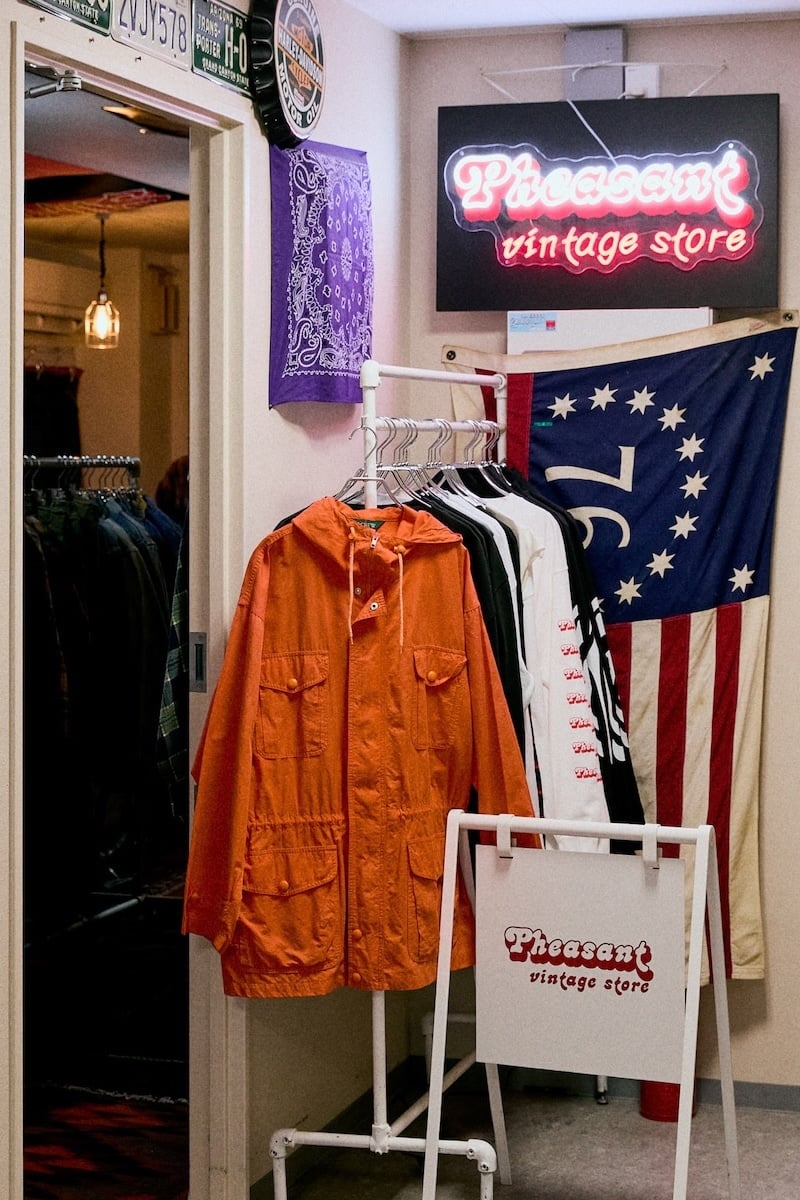
As you wander in and out of side streets, you eventually come across a corner packed with shop signs beneath an old building. Among them, the neon sign of the vintage store Pheasant catches your eye.
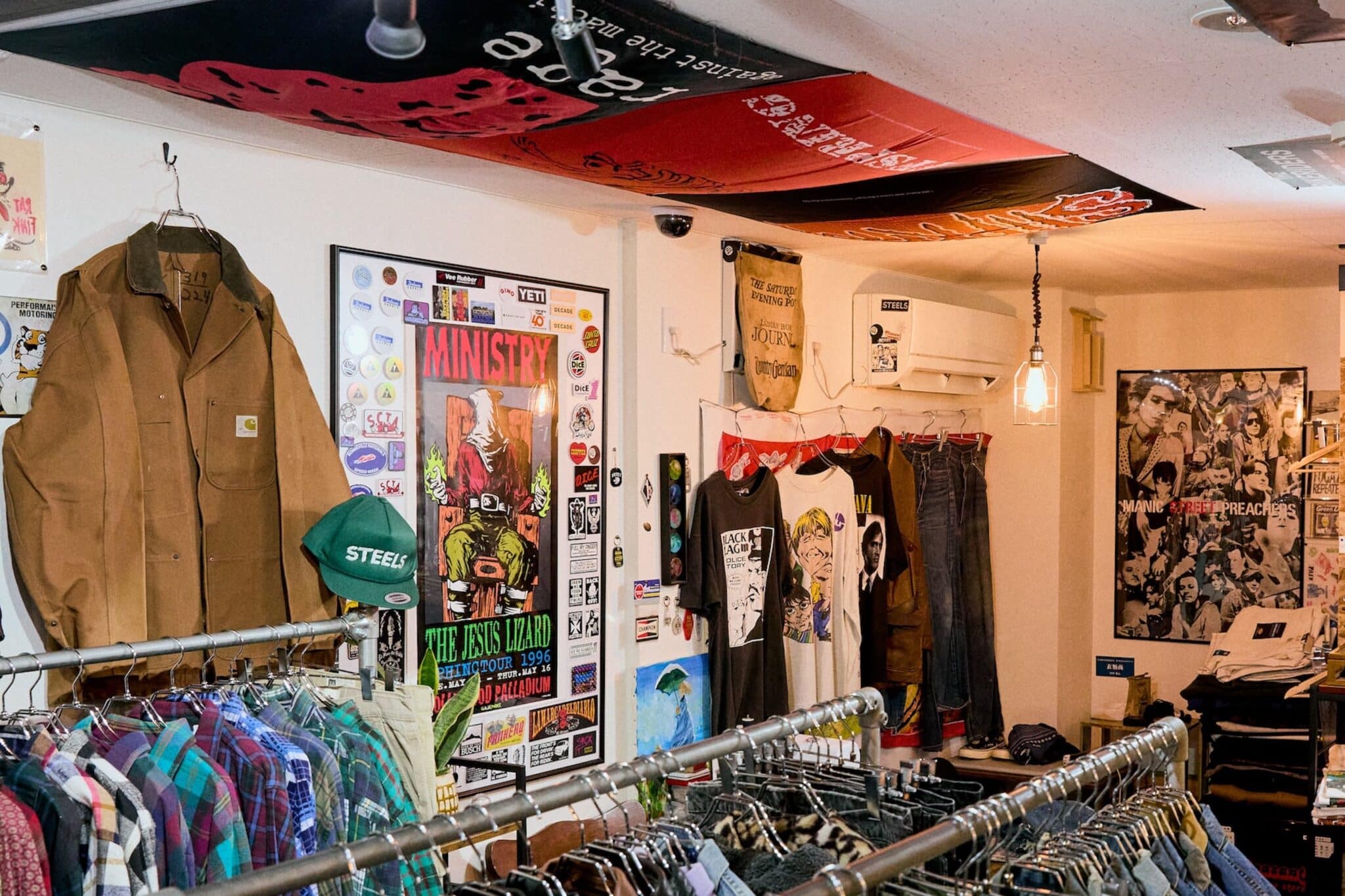
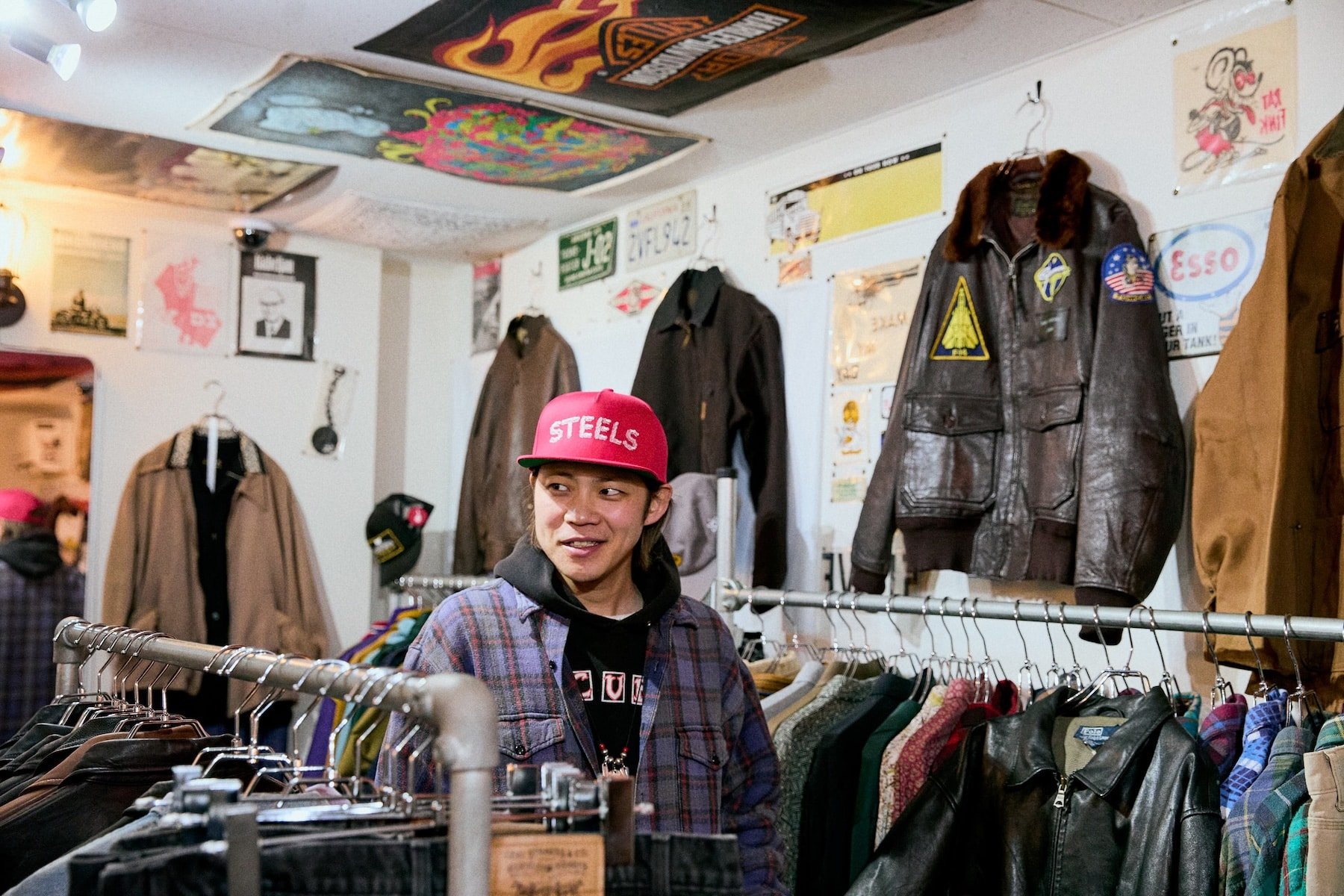
Inside, rock posters and stickers completely cover the walls and ceiling. Leather jackets, denim, and rugged workwear fill the space, all reflecting owner Tanaka’s love of motorcycles and rock culture. Rather than stocking whatever happens to be trendy or easy to sell, the store stays true to the owner’s own interests and sensibilities. Pheasant feels less like a store built around trends and more like a direct extension of its owner.
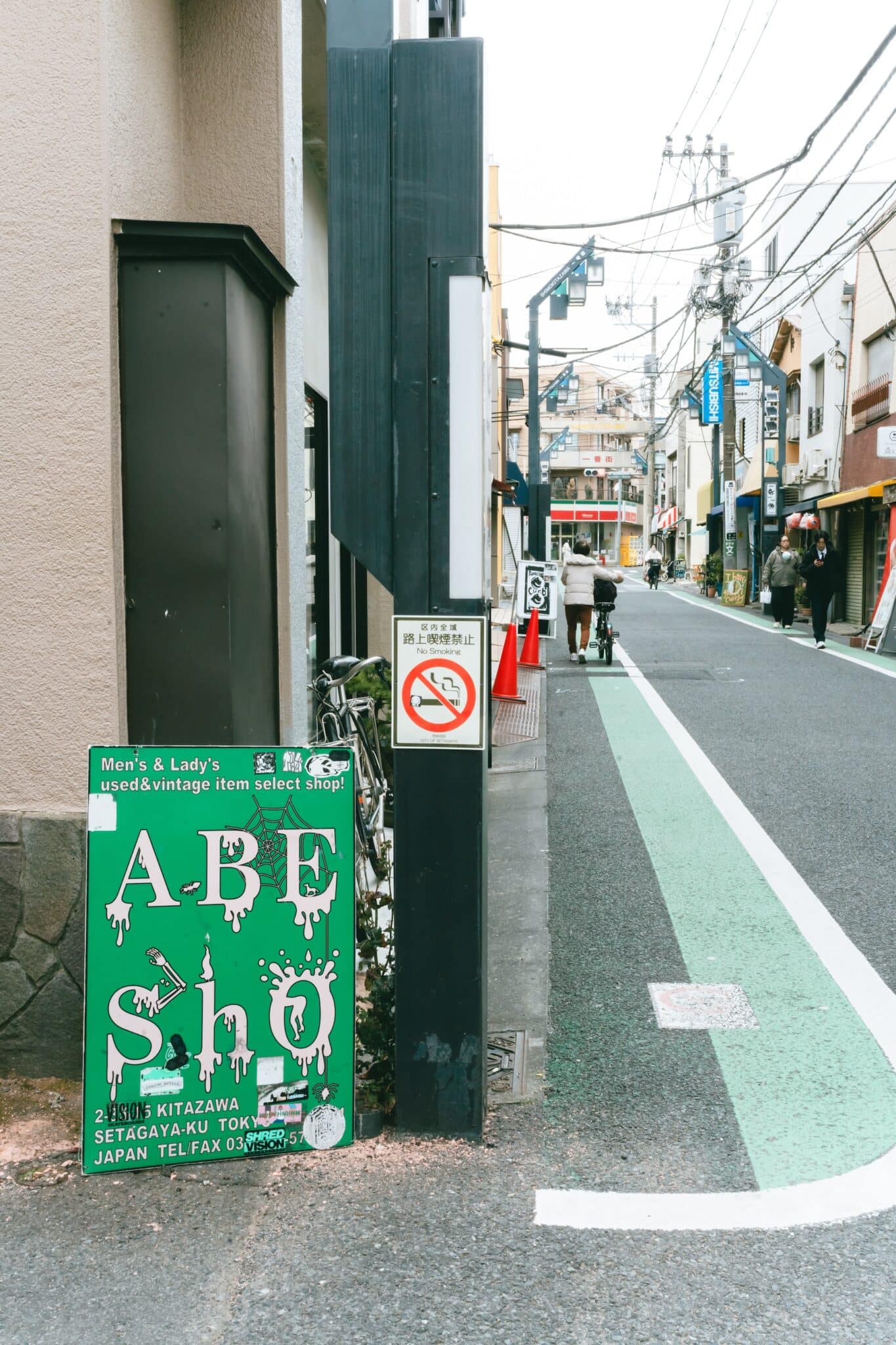
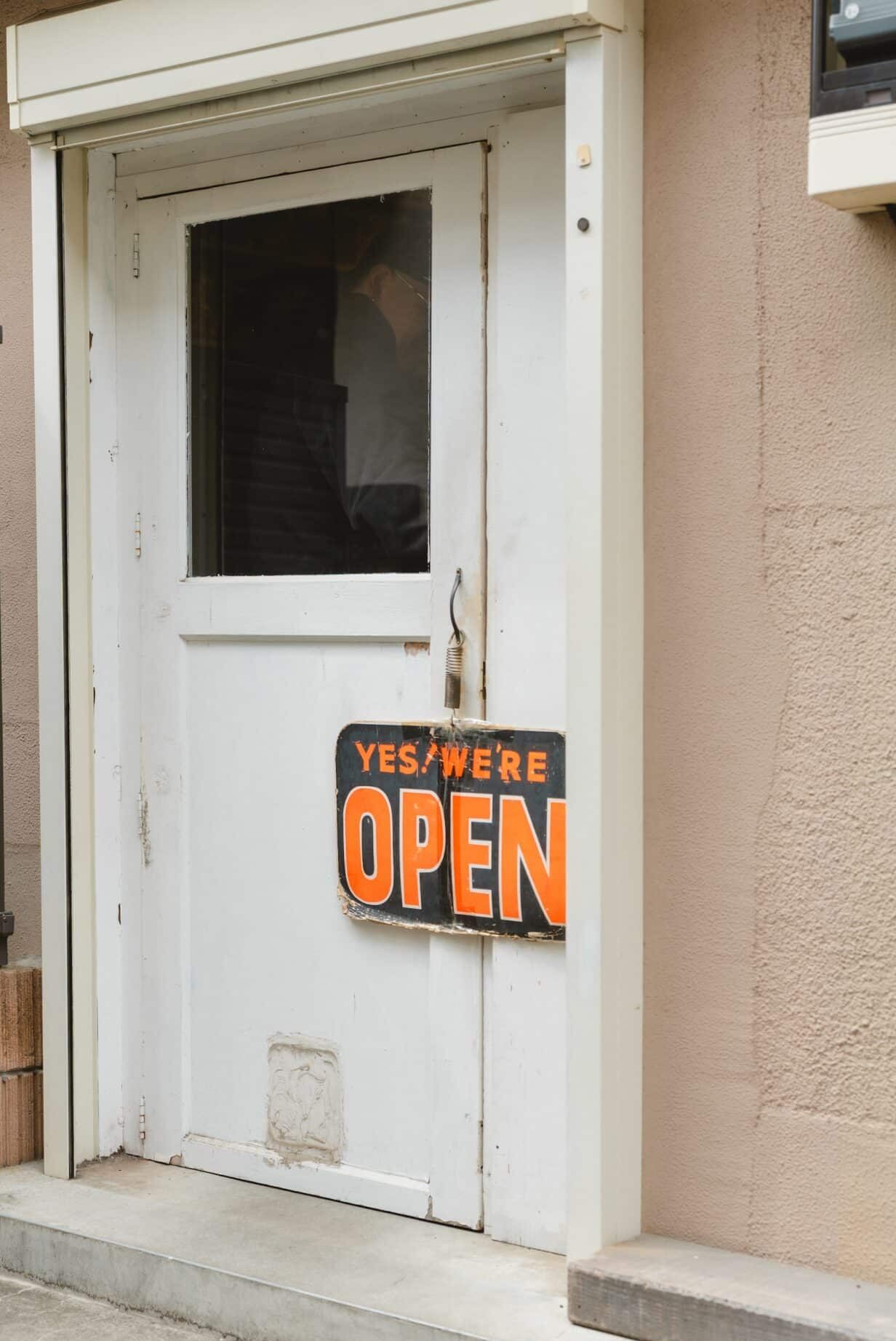
Continuing through Ichibangai, you eventually spot a green signboard along the street. Turn into the side alley, walk a little farther, and behind a white-painted door you will find Abesho 2nd, a shop filled with American vintage goods collected by owner Abe.
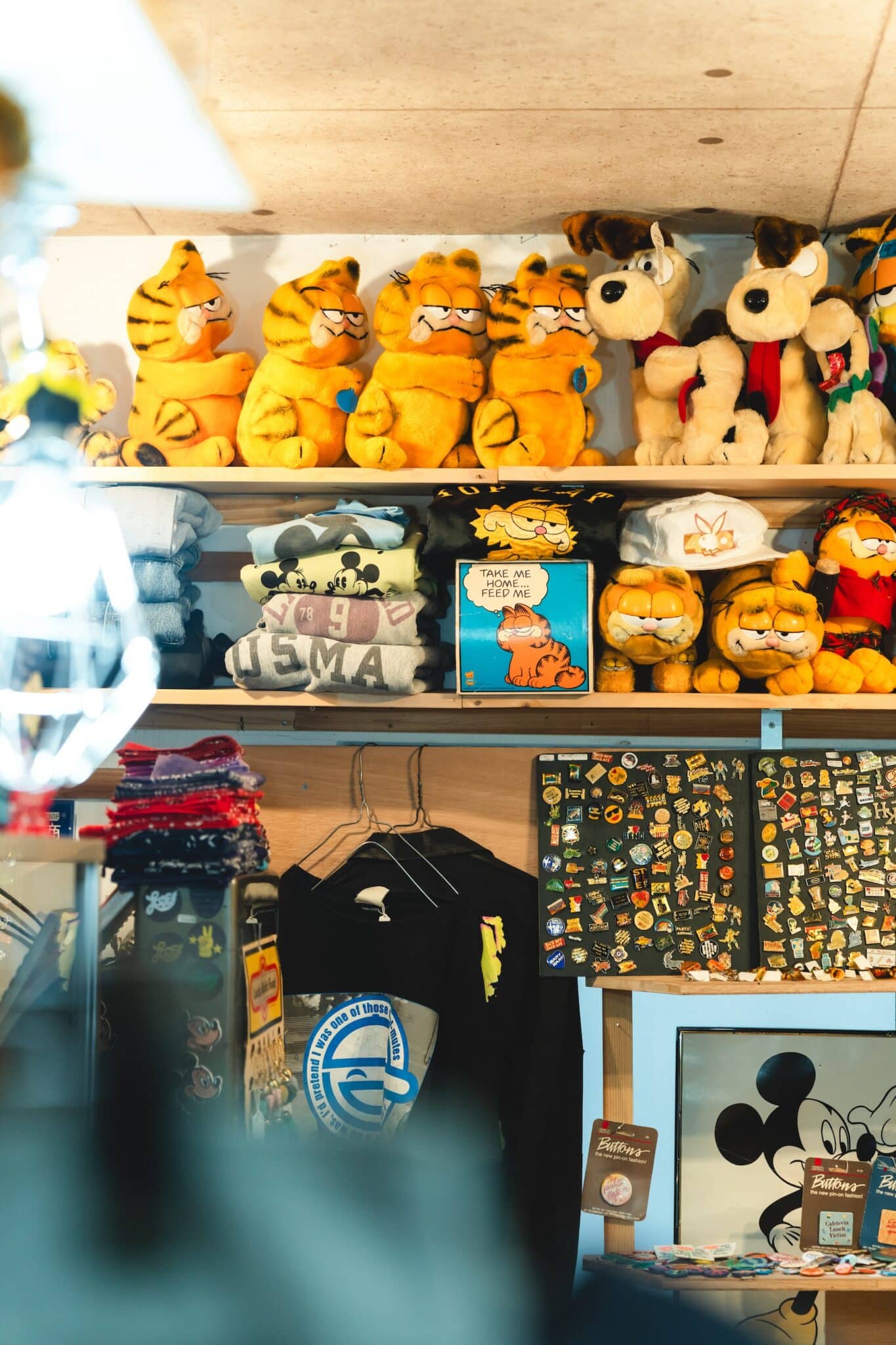
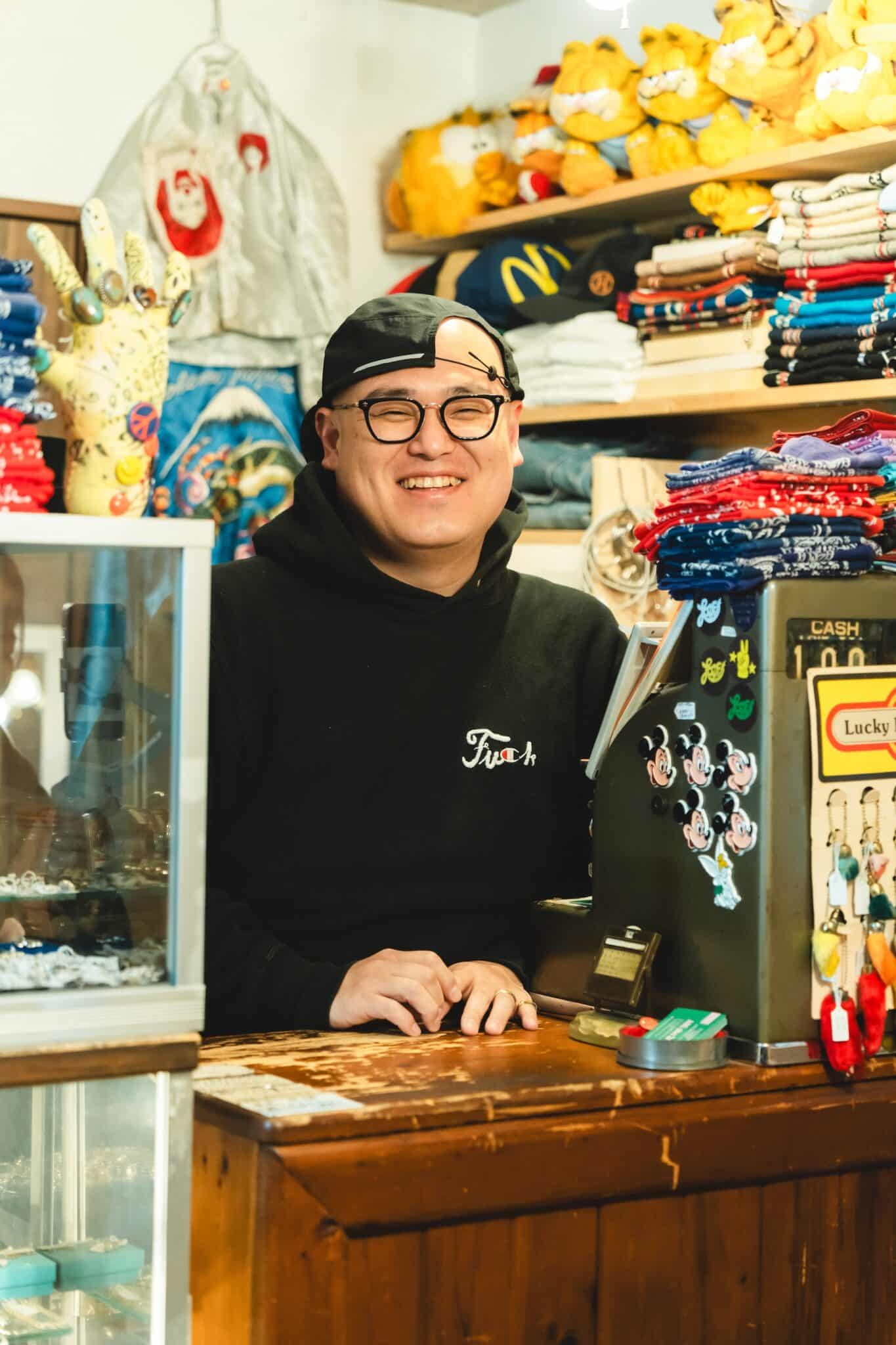
Garfield plush toys cover the entire walls. Framed paper napkins hang beside display cases filled with college rings. Spending time inside Abesho 2nd, you start to see that vintage is not just about clothing. The objects here each have their own stories, quietly expanding the way you think about vintage itself.
The archway near the end of Ichibangai Shopping Street. Look up and you will spot a painting of a tengu overhead.
After leaving Ichibangai and heading back toward Shimokitazawa Station, follow Kamakura-dori with Shimokitazawa Seitoku High School on your right. A short detour down one of the side streets leads to another cluster of vintage stores.
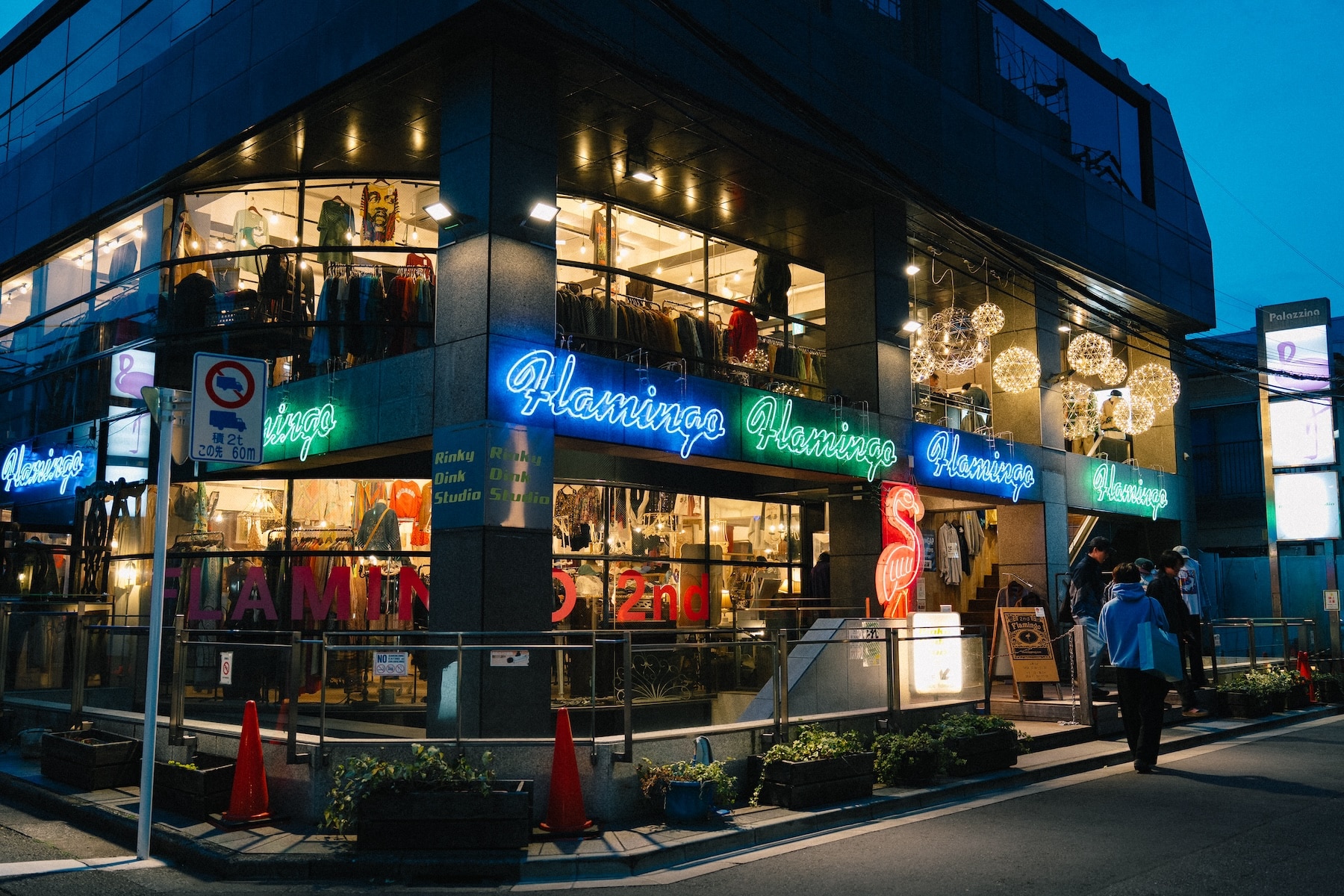
Large vintage stores line this street, including Flamingo Shimokitazawa 2nd, recognizable by its glowing neon sign.
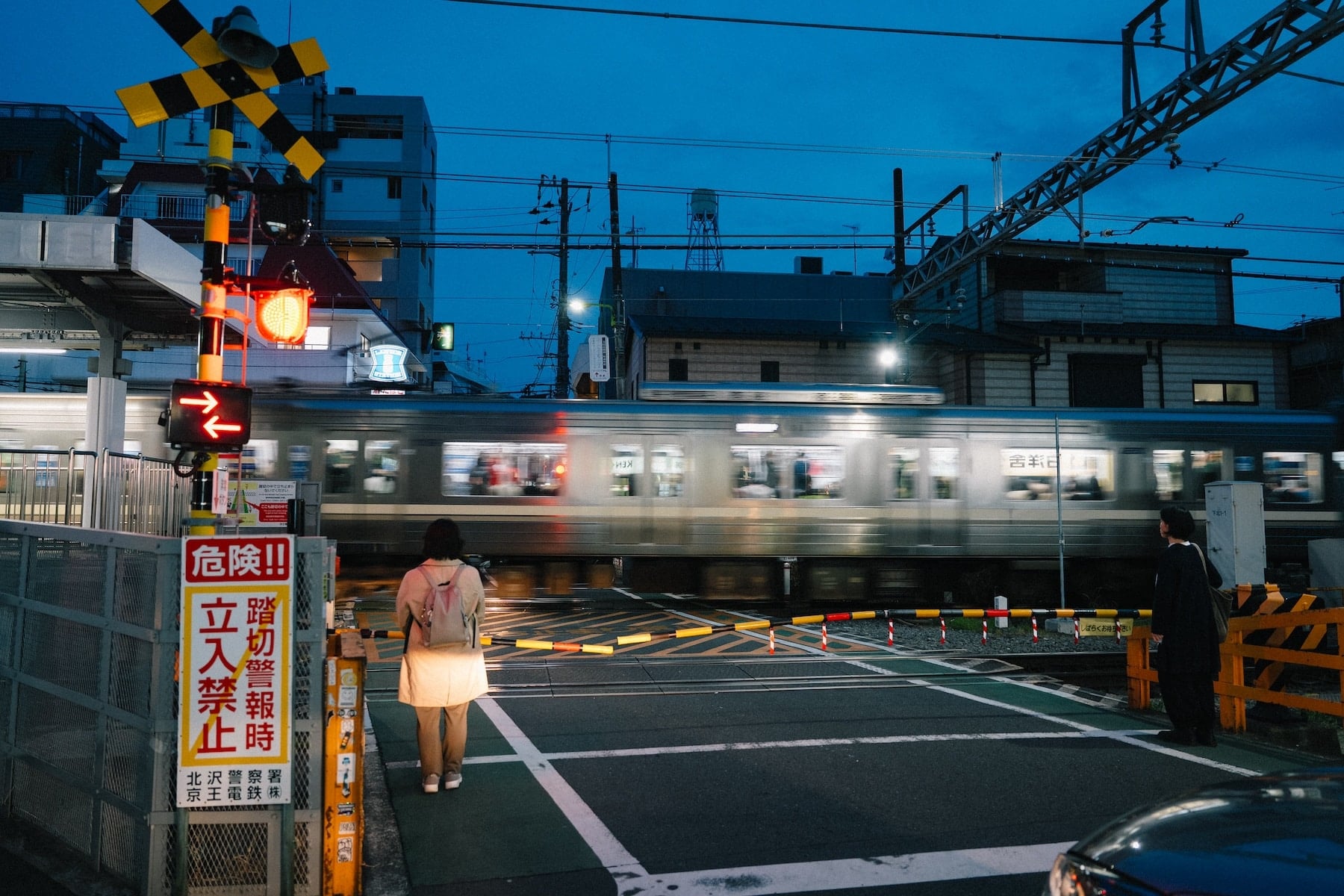
A railroad crossing along the Keio Line. As evening falls, the area grows noticeably quieter.
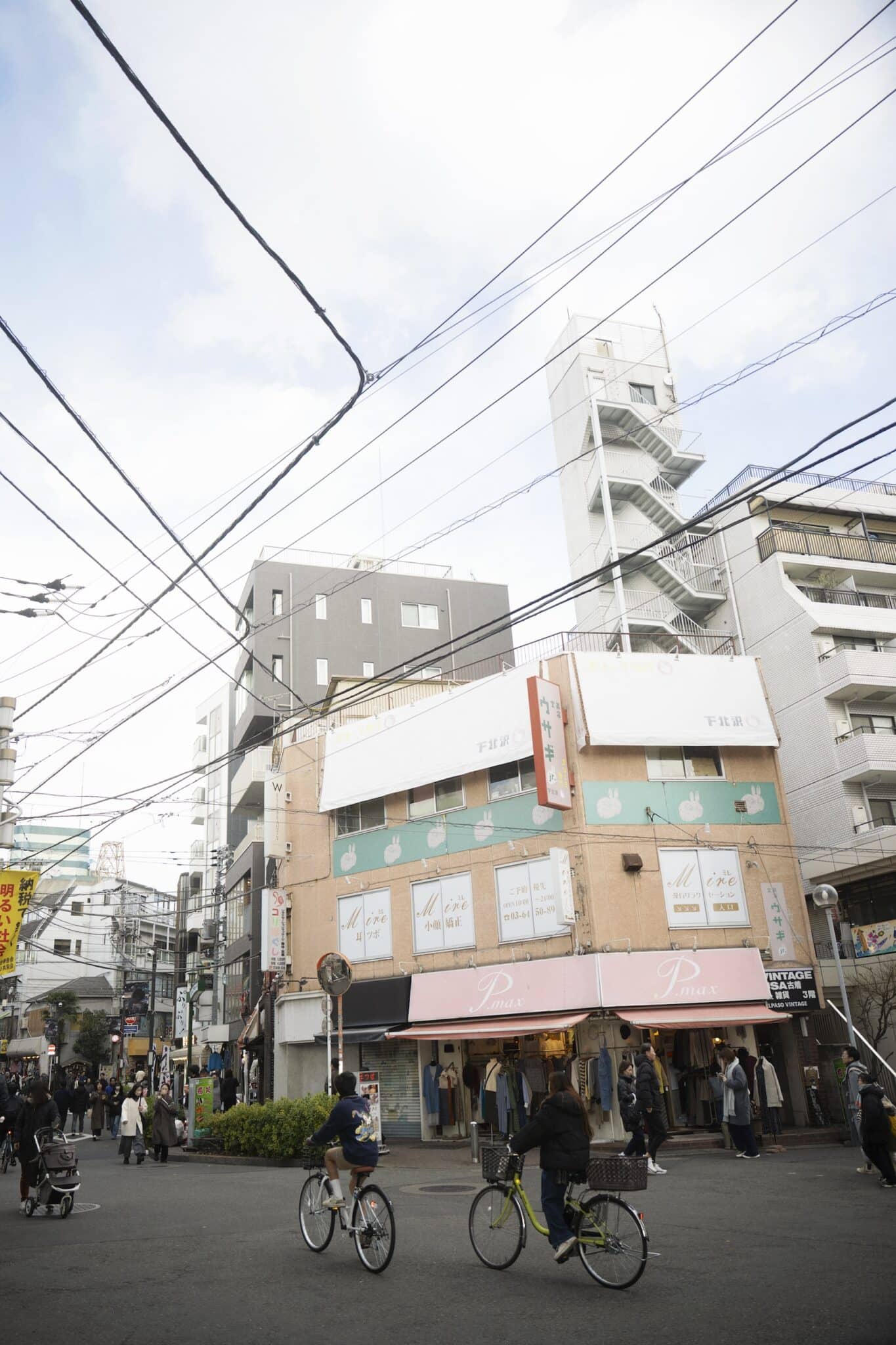
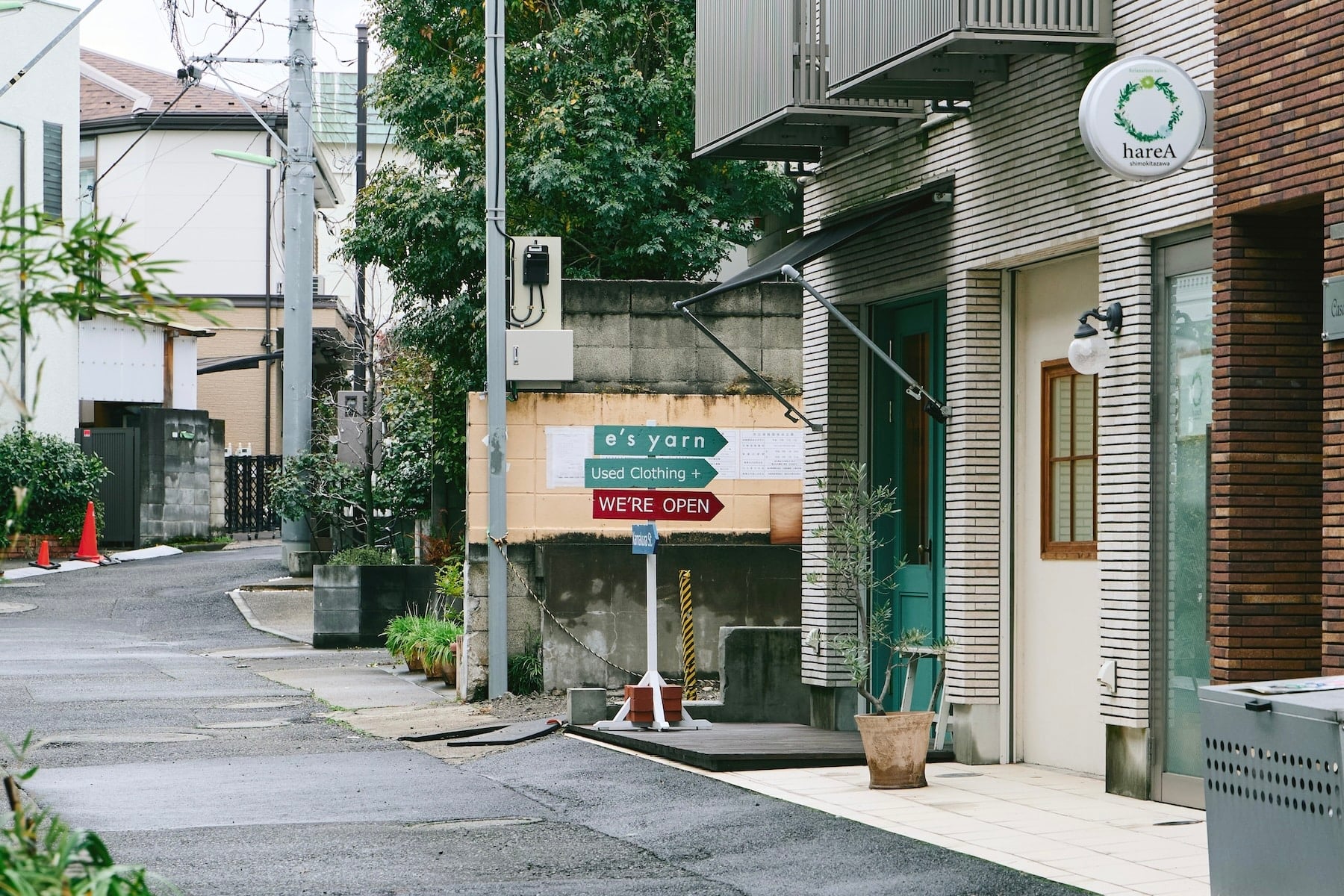
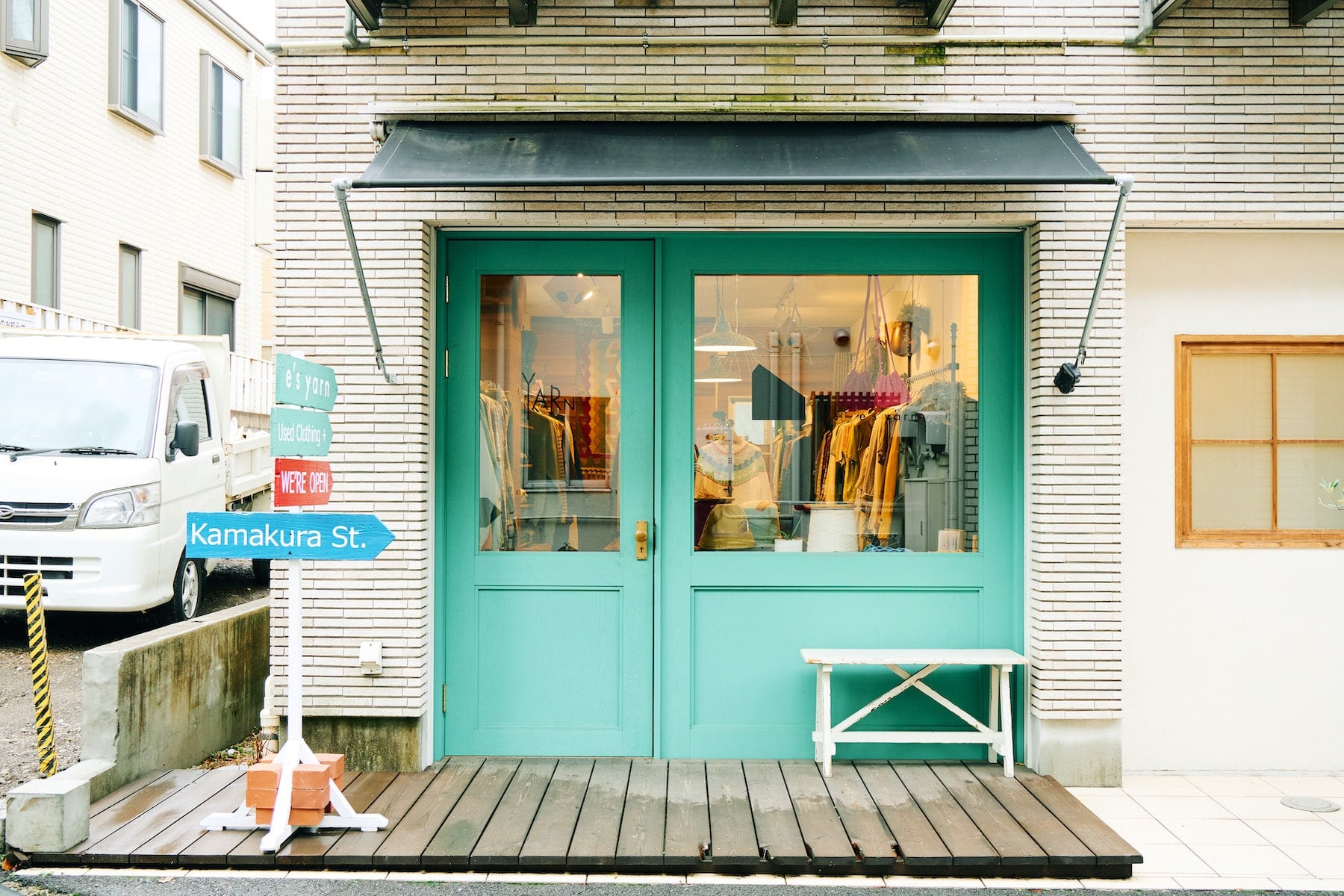
Head toward the station’s Southwest Exit and cross the Keio Line tracks into a quiet residential neighborhood. By this point, you may begin to wonder if there could possibly still be more vintage stores hidden here. Then, once again, a small sign catches your eye down a side street—this one marked “e’s yarn.”
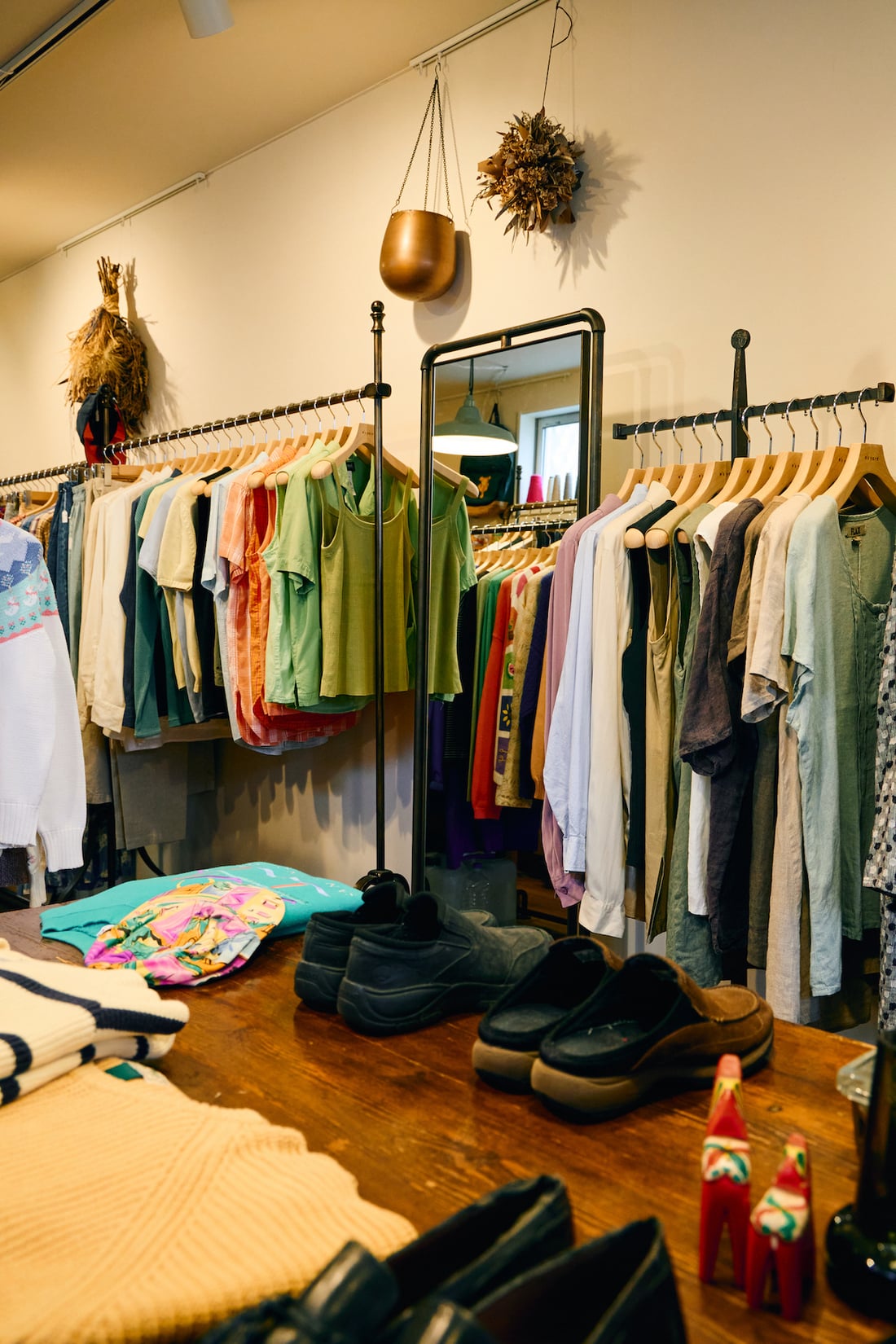
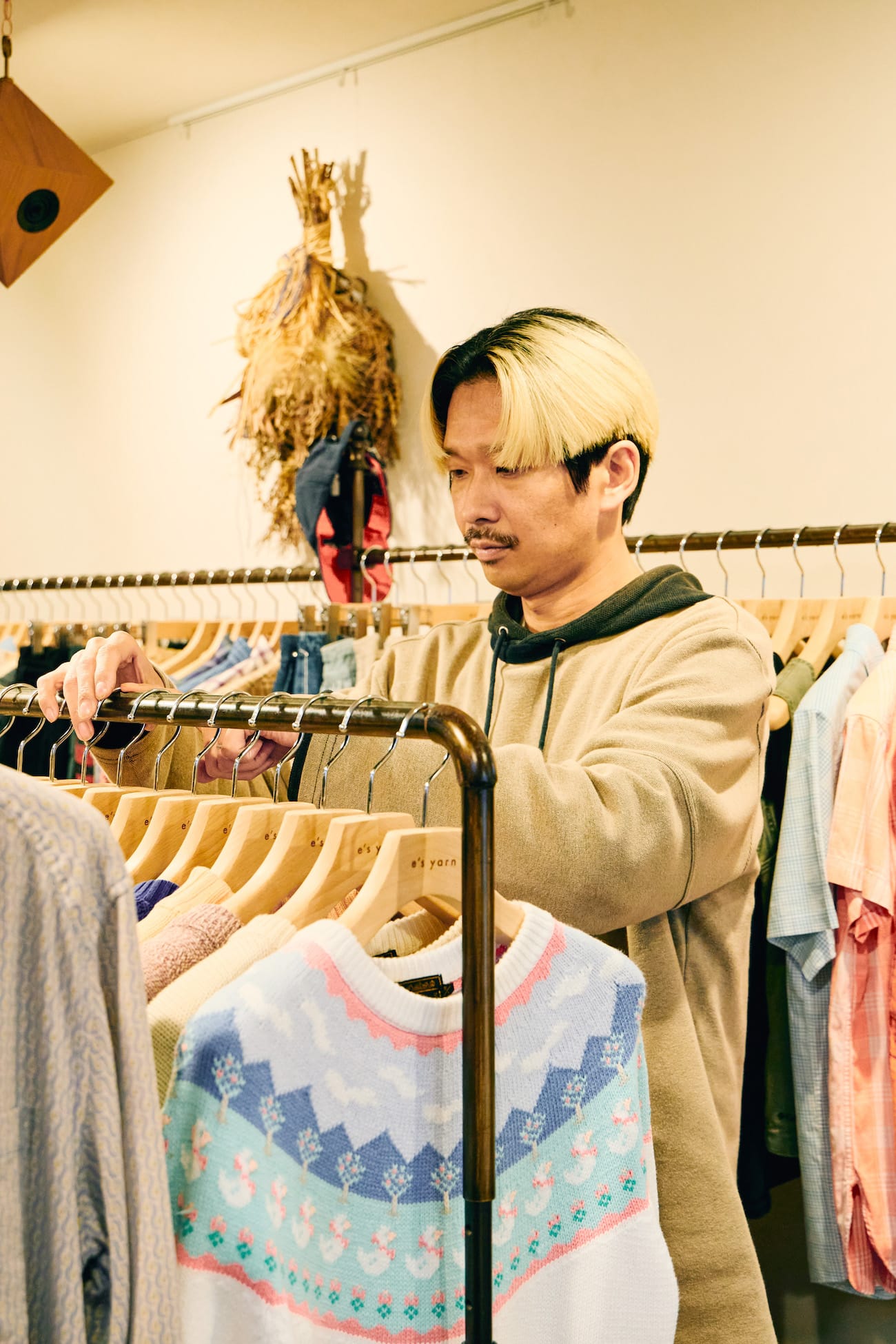
Step inside, and the first thing that catches your eye is how neatly everything is arranged. Owner Ebe previously worked at UNIQLO, and his experience is evident throughout the shop. The displays are carefully organized, and the space feels calm and easy to browse. The store focuses on classic American casual pieces that fit naturally into everyday life. With its selection of womenswear and understated vintage styles, e’s yarn is also a welcoming place for anyone who feels a little intimidated by more eccentric vintage fashion.
You notice a small sign or a faint light, step into an unfamiliar alleyway, and eventually arrive at a hidden store. Beyond the excitement of discovering rare finds, vintage shopping in Shimokitazawa is also about meeting people devoted to what they love and encountering different cultures and ways of seeing the world. Take your time, follow your curiosity, and see where it leads.




.jpg)
スマホ.jpg)