DEEPTOKYO
magazine

EN

DEEPTOKYO
magazine
EN

2026.01.20
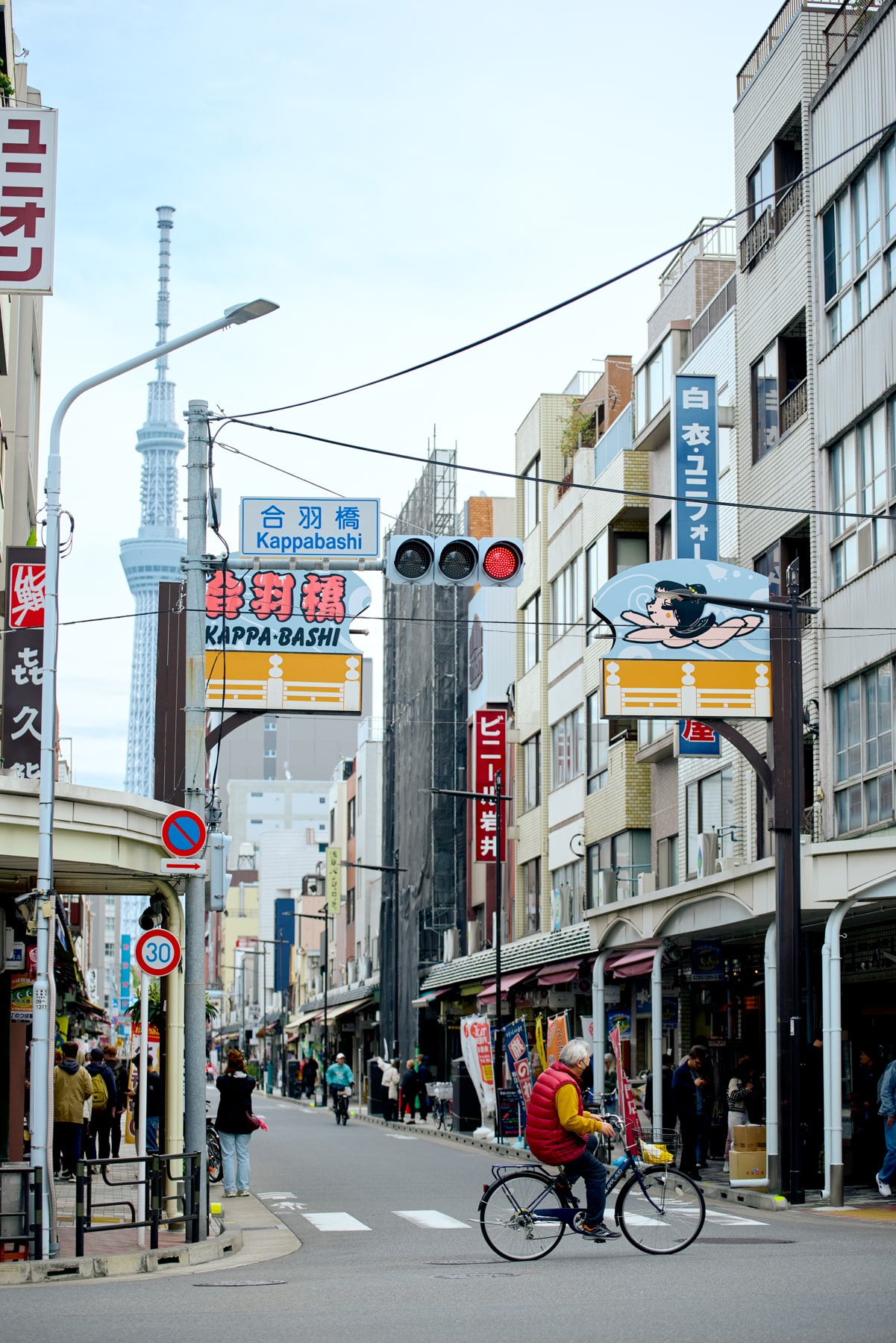
Located between Asakusa and Ueno, Kappabashi Dougu Street is a wholesale kitchenware district stretching roughly 800 meters and home to around 170 shops specializing in tableware, cookware, and kitchen tools. While culinary professionals come here in search of highly functional equipment, everyday shoppers are also drawn by the reputation of Japanese-made, high-quality goods. Today, it has become a popular destination for visitors from around the world. Let’s explore this unique street in search of Japanese craftsmanship at its finest.
SHARE


Kappabashi Dougu Street, located between Asakusa and Ueno, is said to have originated in the early Taishō era (1912–1926), when merchants dealing in secondhand goods first set up shop here. During the post–Great Kantō Earthquake reconstruction period, more stores specializing in confectionery tools appeared, gradually attracting businesses related to food and cooking. Today, it is Japan’s largest district dedicated to kitchenware, with around 170 food-related shops lining the street.
Its appeal lies not only in the exceptional quality of Japanese kitchen tools but also in the astonishing level of specialization. Tools are meticulously categorized by use, offering a wide range of options.
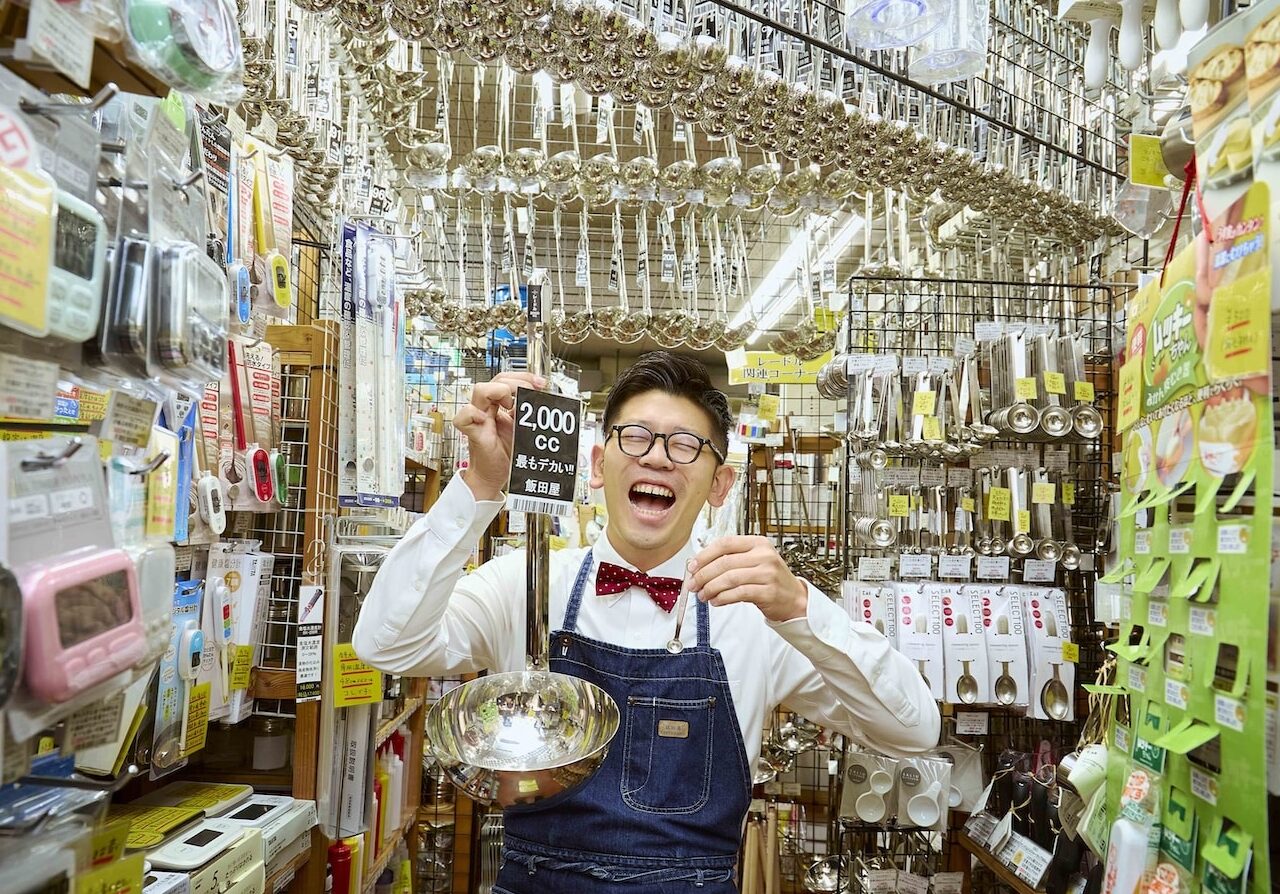
At Iidaya, a long-established kitchenware store founded in 1912, more than 8,000 different tools are currently available. “We carry around 250 types of graters, about 100 peelers, and over 1,000 varieties of ladles,” says sixth-generation owner Yuta Iida. “Even if just one person finds exactly the size they’ve been looking for, that makes us happy.”
This extraordinary commitment to meeting every possible need through sheer variety is a distinctly Japanese approach, rarely seen elsewhere in the world.
Yuta Iida, the sixth-generation owner of Iidaya, shows the smallest and largest ladles in their collection. These ladles, available in precise 1cc increments, are original Iidaya products.
The reason such an extraordinary variety of items exists is that Japan is home to countless skilled artisans who create products with meticulous attention to detail. Kappabashi Dougu Street brings together kitchen tools crafted by these craftspeople, making it Japan's largest culinary equipment district.
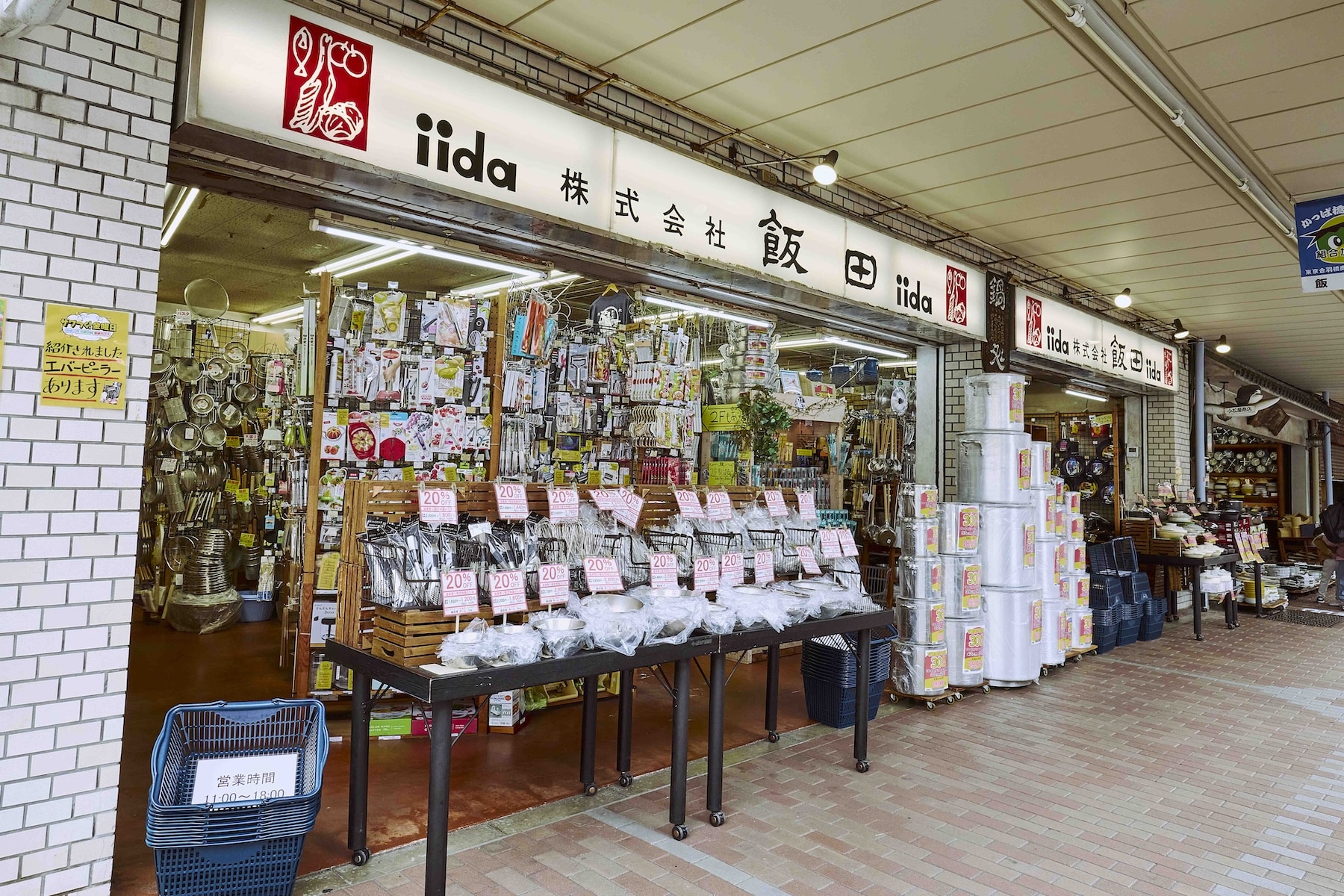
Among the many long-established shops in Kappabashi Dougu Street, Iidaya stands out as a particularly renowned kitchenware specialist. Since Yuta Iida, the sixth-generation owner, became president, the number of products has more than tripled. The store now boasts a rich lineup of in-house original items, some of which have become major hits, widely featured in the media.
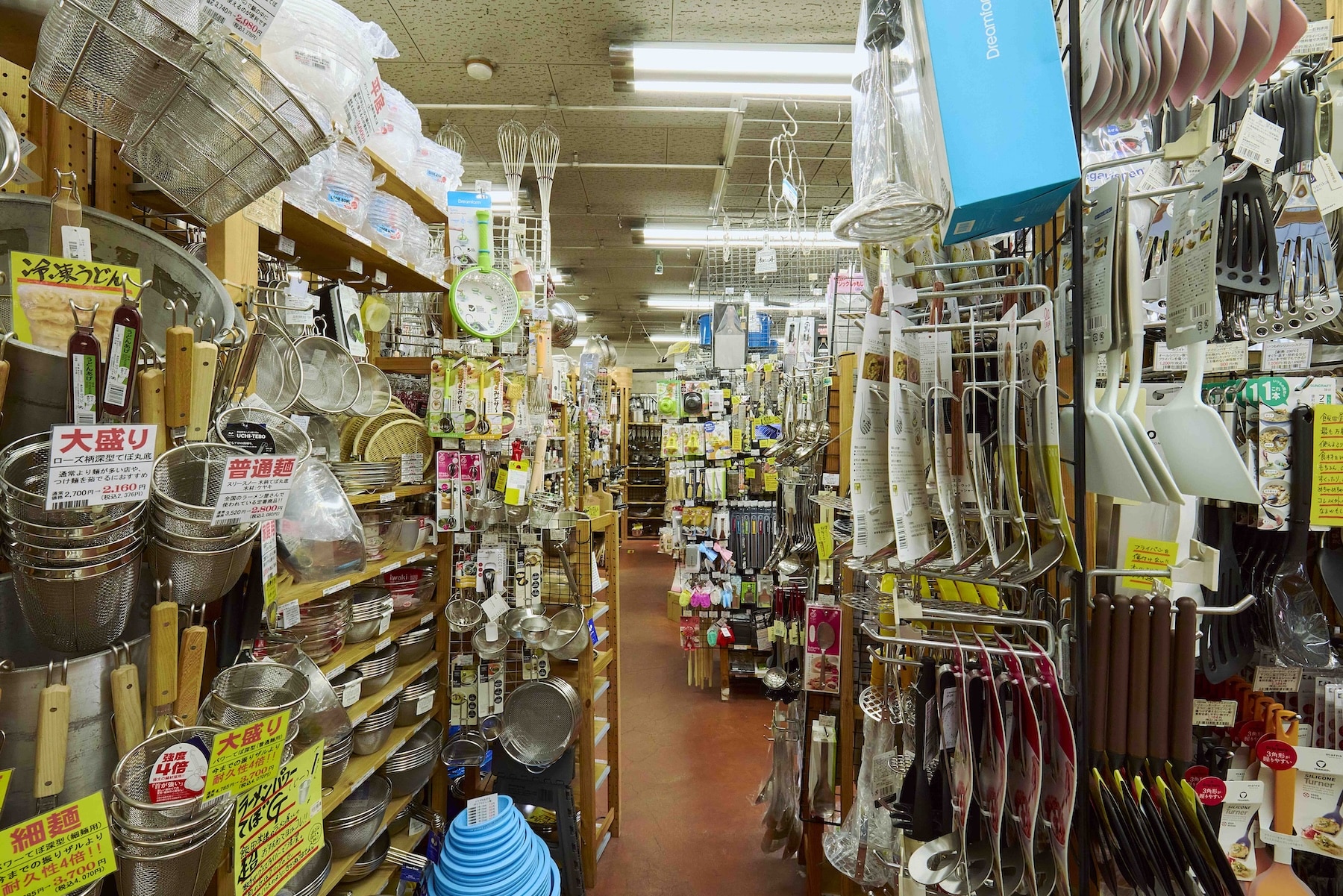
Inside, the store may appear chaotic at first glance, with a dense and somewhat mysterious layout. But this is intentional. “We want choosing kitchen tools to feel like entertainment,” says Iida. The result is a one-of-a-kind shopping experience that sparks curiosity and invites exploration.
The top three items popular among international visitors are graters, kitchen scissors, and peelers. As the sharpness and reliability of Japanese blades have become widely recognized, more visitors are coming specifically to purchase cutting tools.
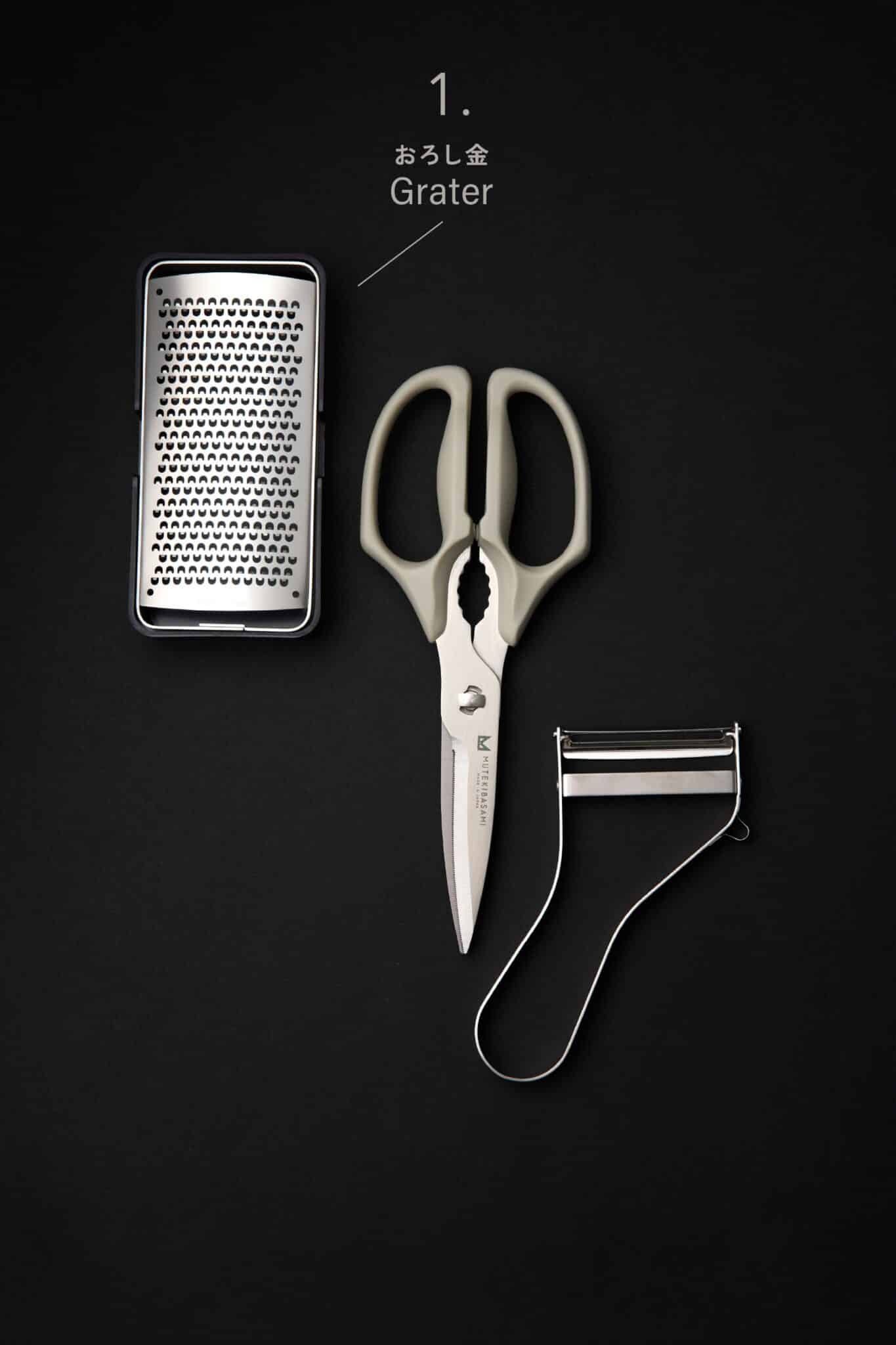
1. The Ever Oroshi grater is an original product developed with uncompromising attention to detail by Iida. “To grate ingredients into an exceptionally fluffy texture, we adjusted the blade angles down to one-hundredth of a millimeter,” he explains. Ever Oroshi, 4,180 yen
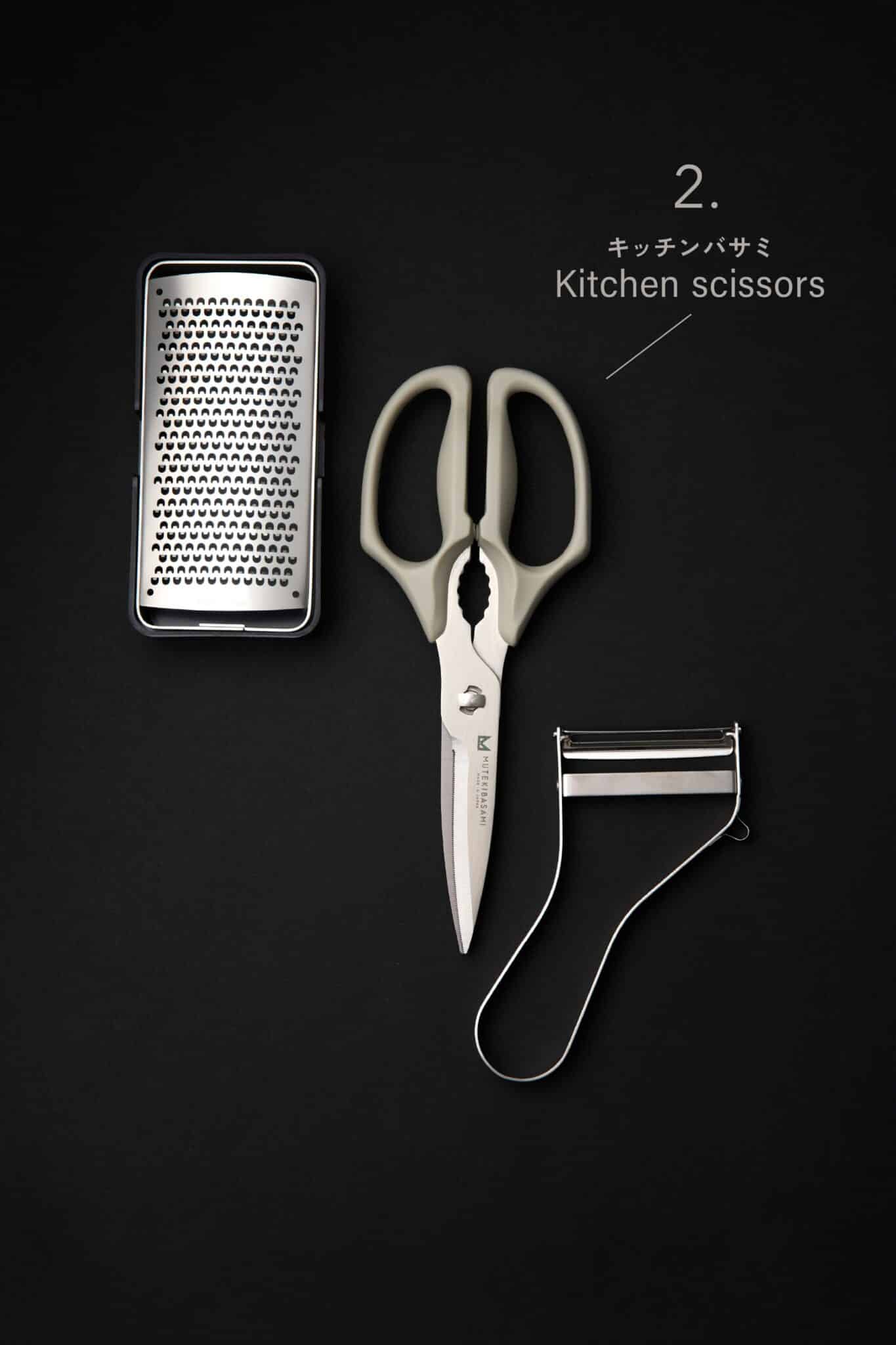
2. Ultra-fine serrated blades securely grip even hard or slippery ingredients. They are sharp enough to cut through rock-solid frozen meat directly through the packaging. Muteki (invincible) Scissors, light gray, 4,400 yen
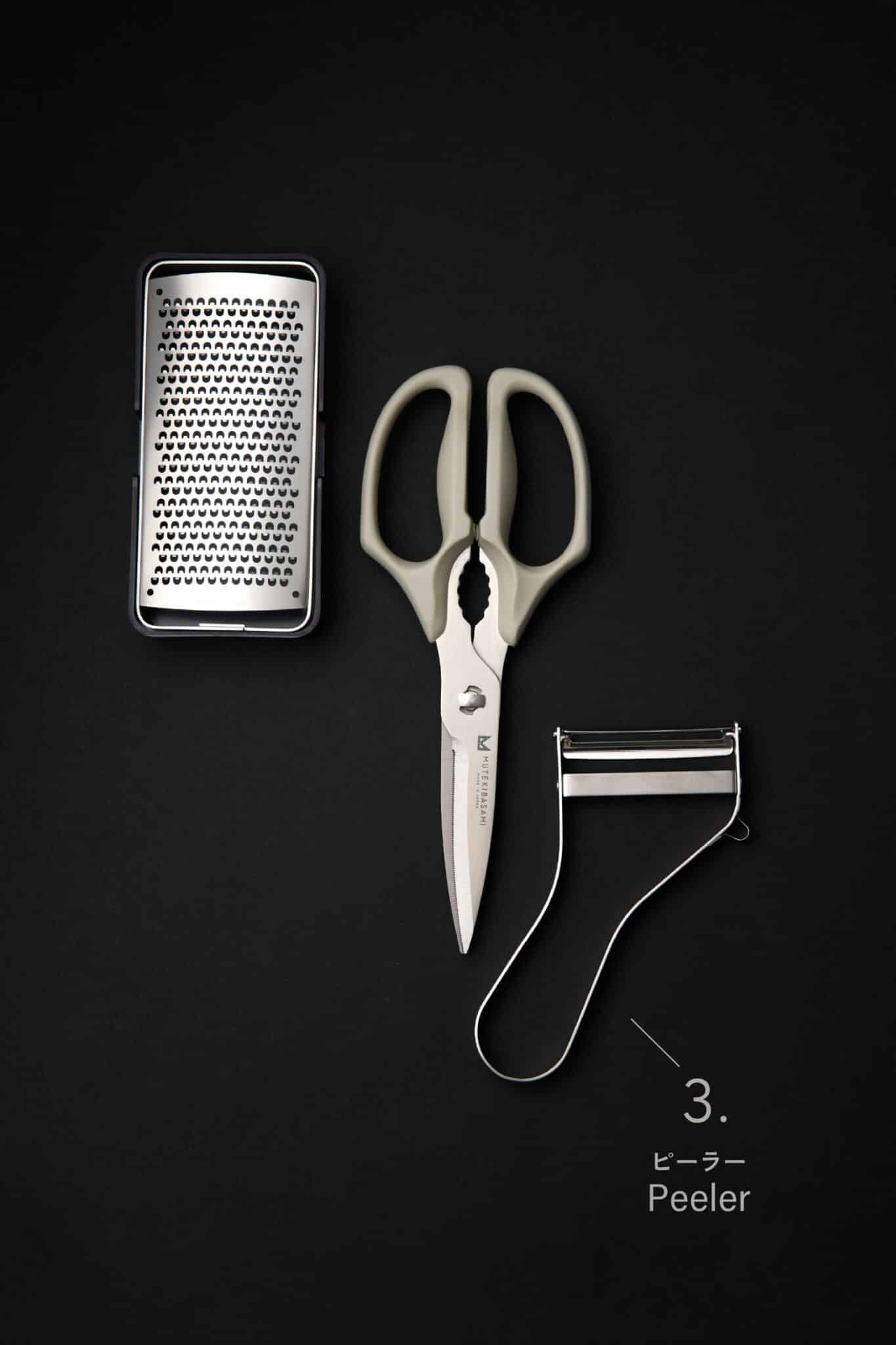
3. The Ever Peeler took five years to develop. It effortlessly peels potatoes and carrots, and can even produce the airy shredded cabbage typically served at tonkatsu (pork cutlet) restaurants. Ever Peeler for right-handed use, 3,300 yen
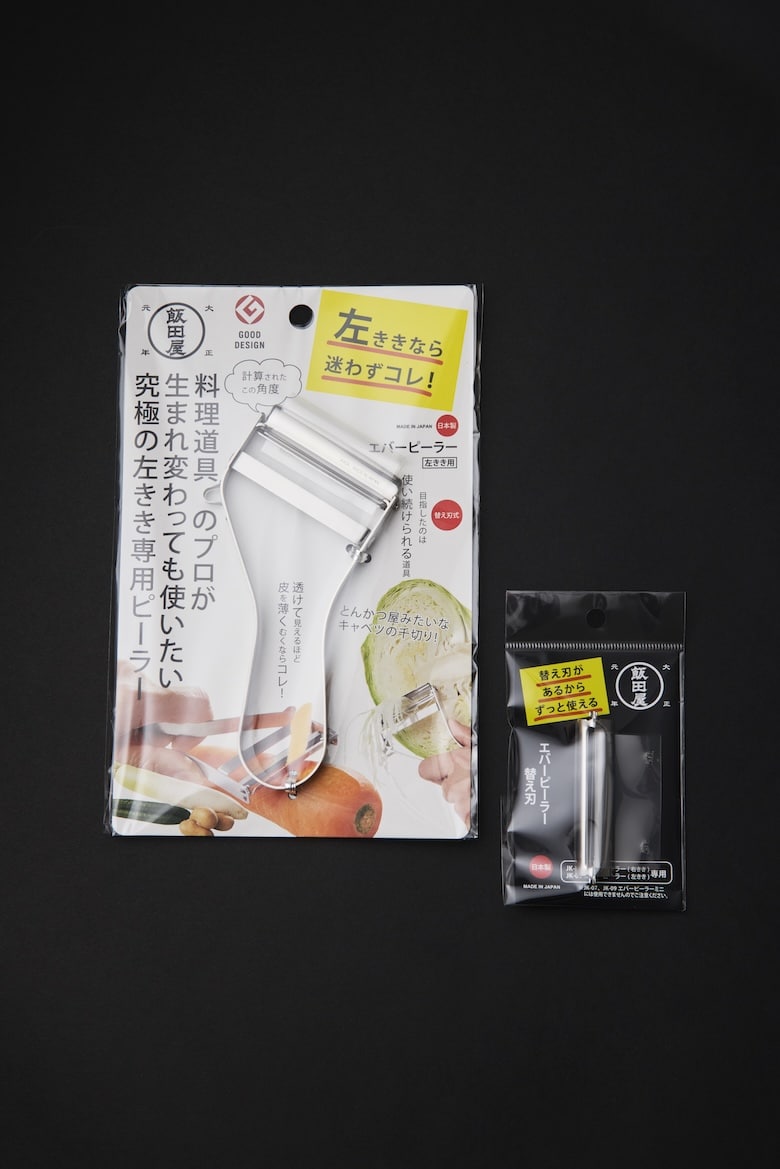
The Ever Peeler is also available in a left-handed version. Replacement blades are sold separately, allowing the tool to be used for many years—a level of consideration that reflects a distinctly Japanese approach to craftsmanship. Ever Peeler (left-handed) 3,300 yen, replacement blade 990 yen
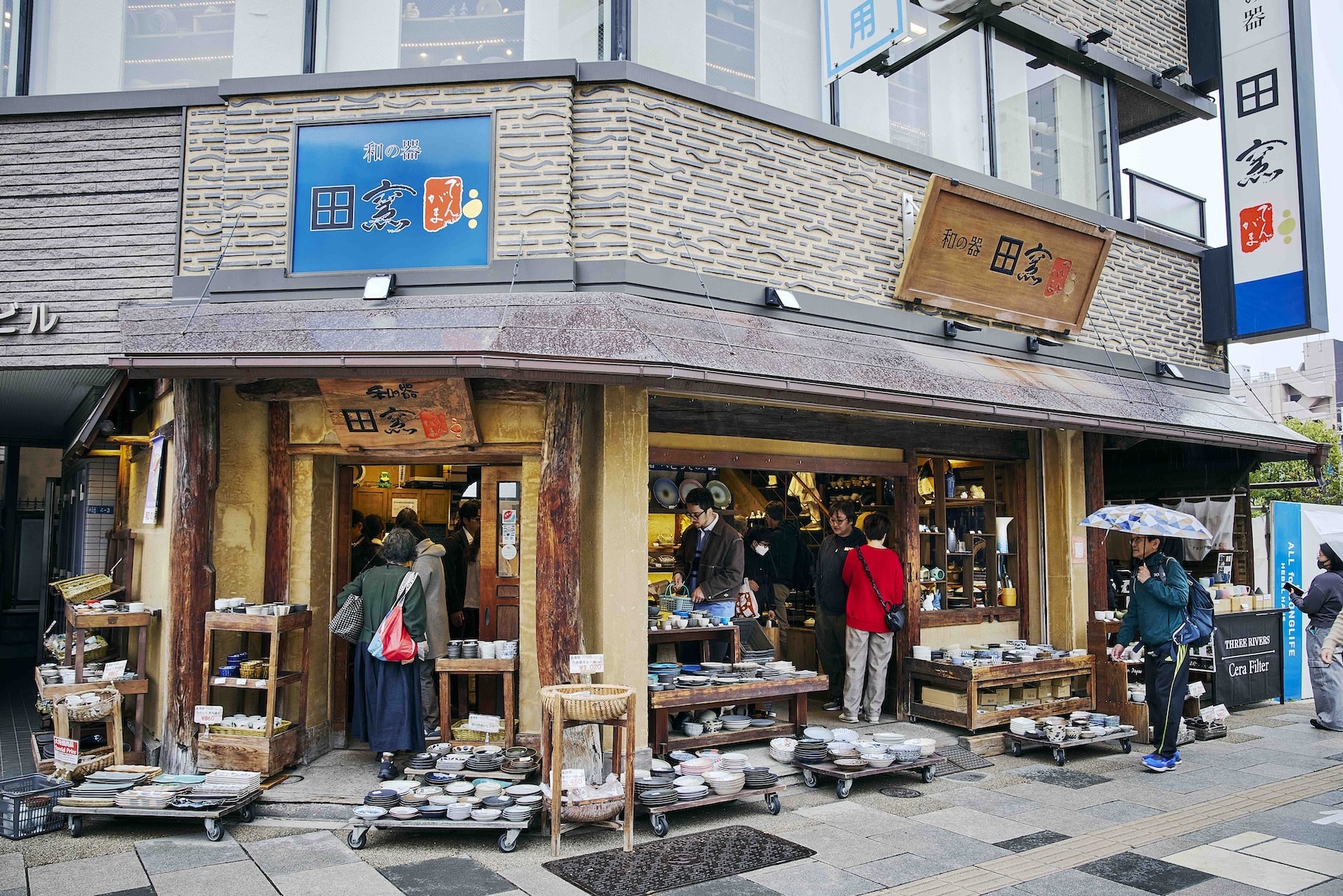
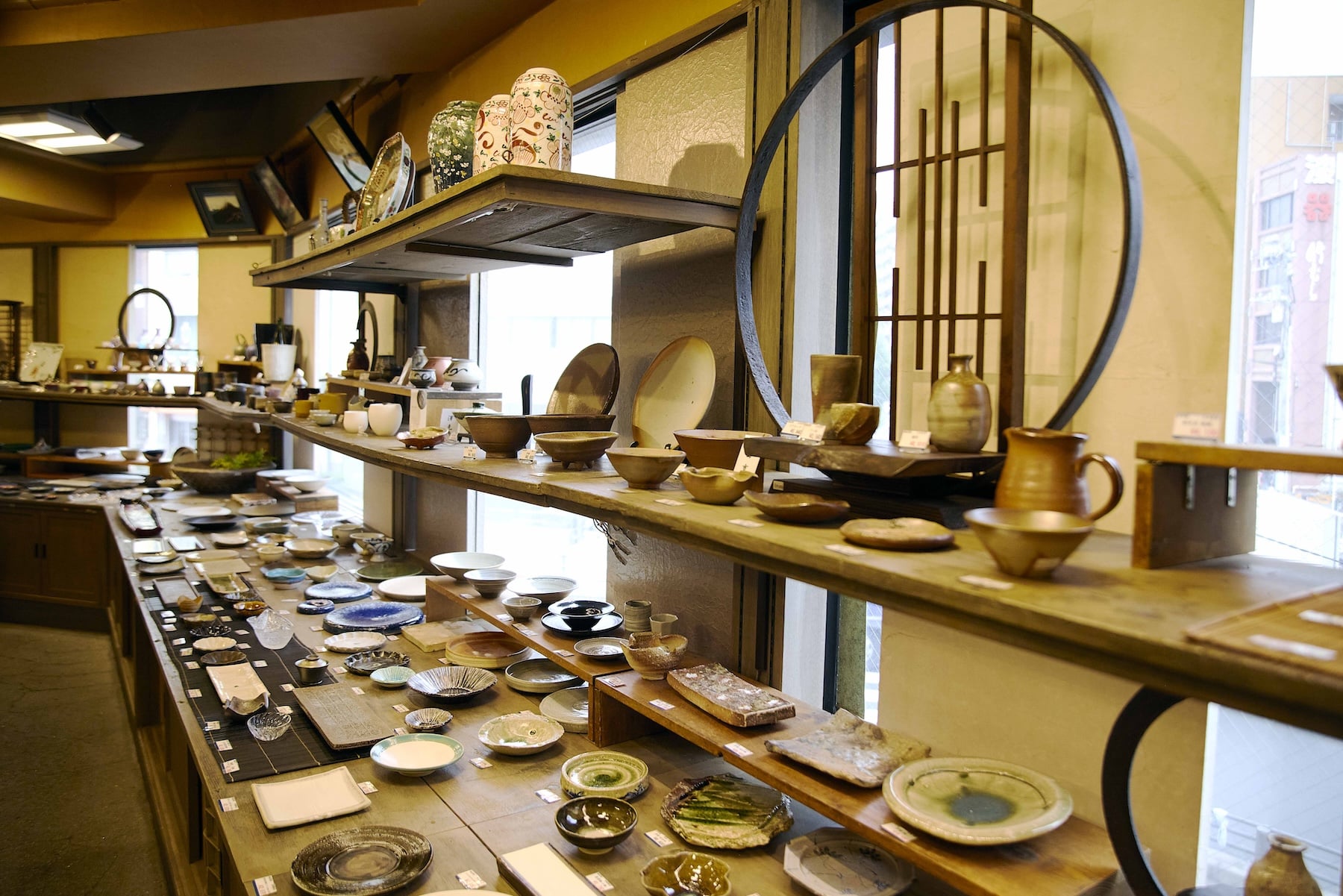
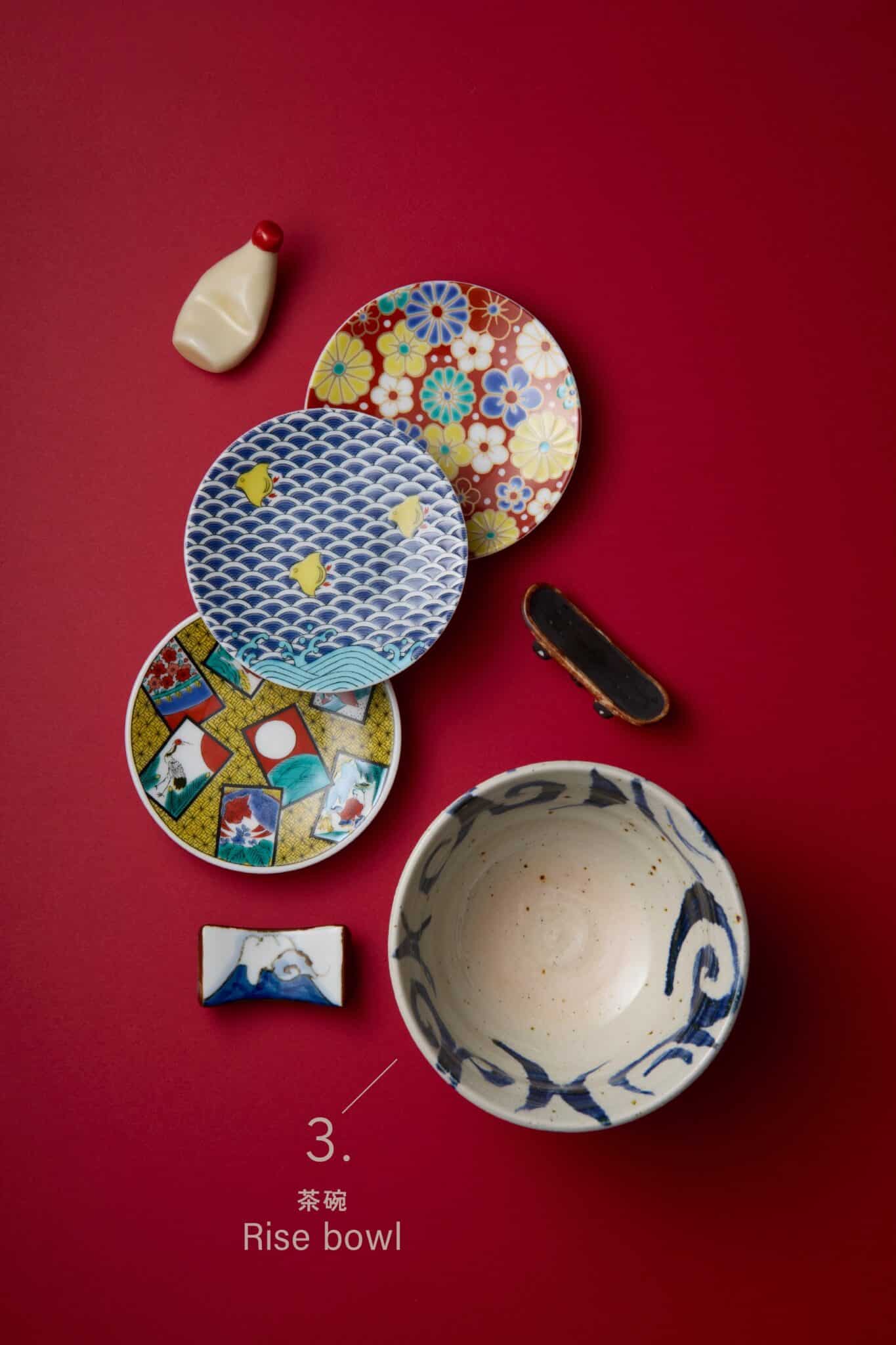
DENGAMA specializes in Japanese tableware sourced directly from kilns nationwide. Its selection ranges from affordable everyday pieces to rare, one-of-a-kind works by individual artists. From classic tablewares that preserve traditional patterns and techniques to designs that fit seamlessly into contemporary life, the shop offers a wide variety of pieces to suit different tastes and occasions.
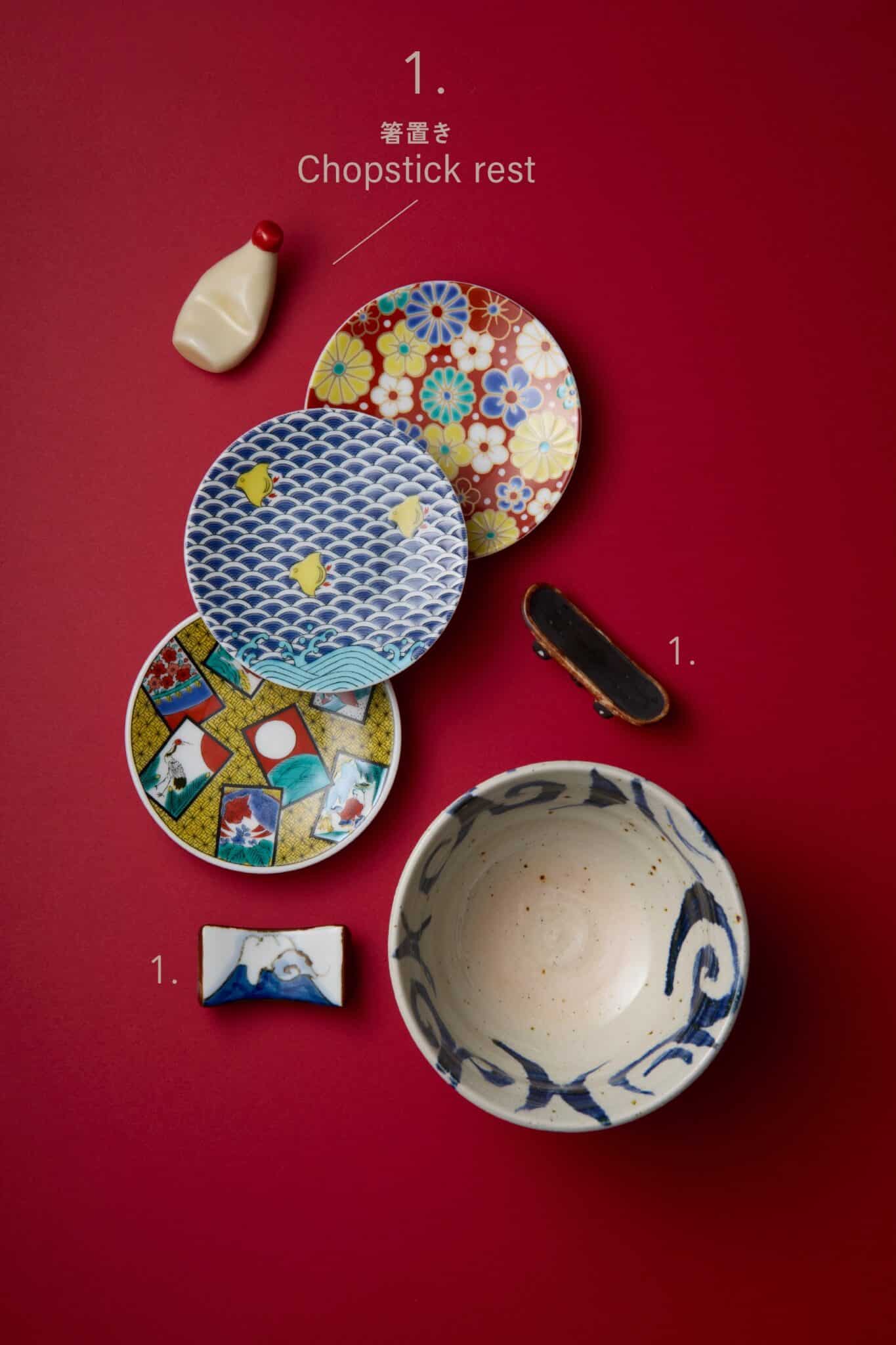
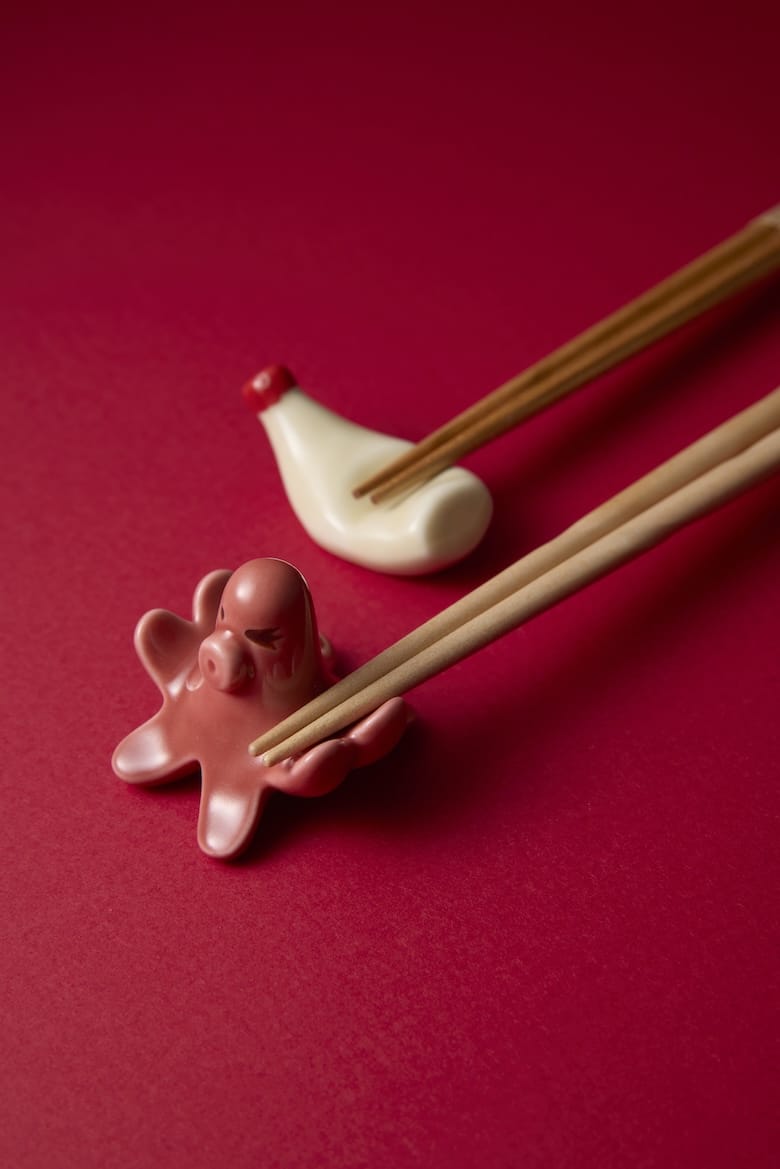
1. These charming and affordable chopstick rests are the shop’s best-selling items, making them perfect small souvenirs. Their popularity lies in the wide variety of playful designs—ranging from miniature mayonnaise bottles to skateboards—each crafted with a sense of humor and attention to detail. They are available in ceramics from different production areas across Japan, including Hasami ware, known for its clean finish and everyday usability, and Shigaraki ware, prized for its earthy textures and natural expressions. Hasami ware mayonnaise-bottle–shaped chopstick rest, 790 yen; Arita ware skateboard-shaped chopstick rest, 840 yen; Hasami ware Blue Mt. Fuji chopstick rest, 890 yen
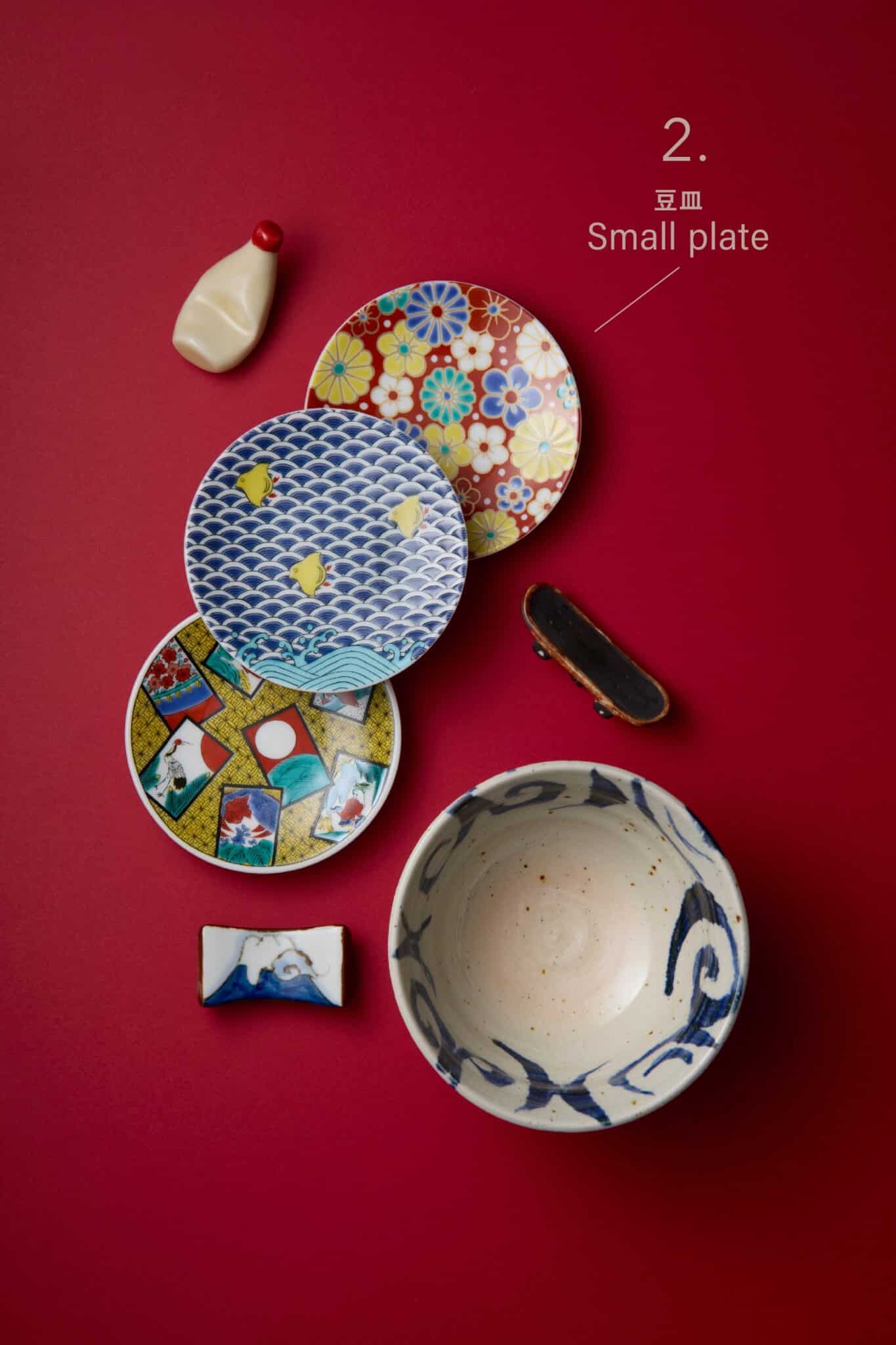
2. Kutani ware small plates adorned with vivid hand-painted designs, a style long associated with Kutani ware’s rich, colorful overglaze decoration. Pieces by Seikō Kiln, known for their bright, glassy pigments, are so popular that they often sell out by early afternoon, even if displayed in the morning. Kutani ware Masterpiece Collection small plates, 1,190 yen each
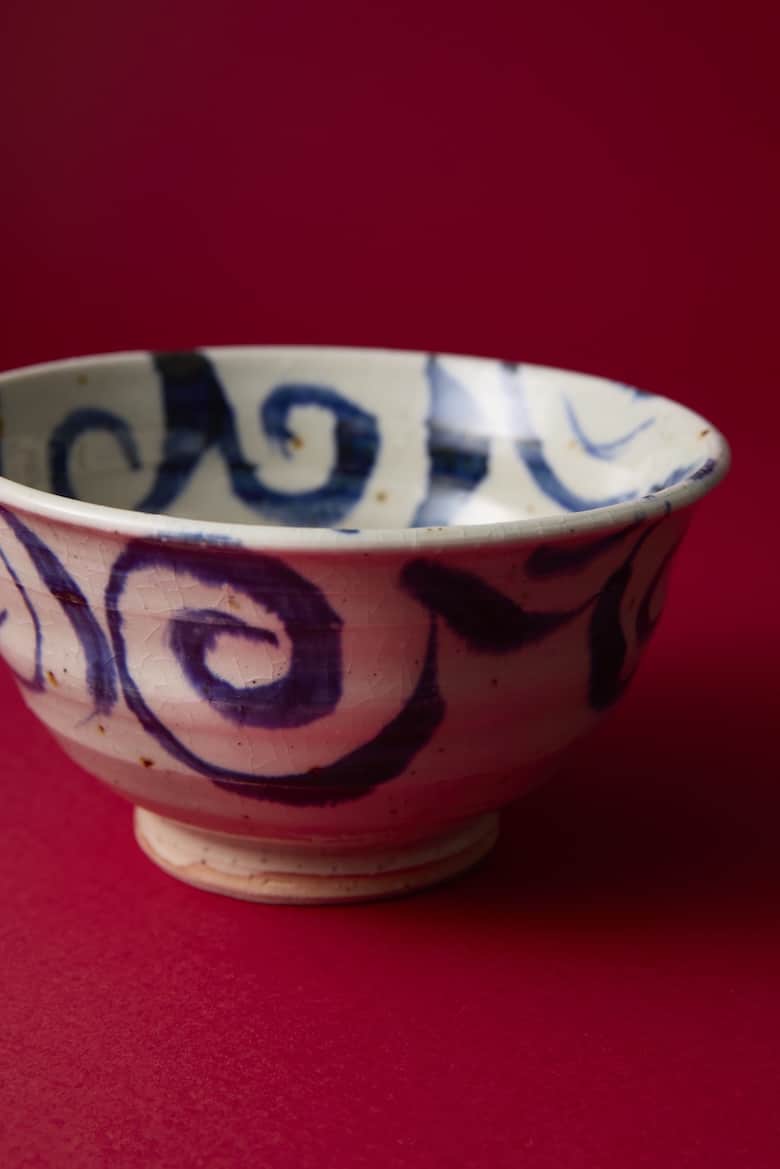
3. Rice bowls, with their unmistakably Japanese shapes, are a popular choice for gifts. The shop carries pieces from renowned production areas such as Shigaraki and Hasami. Shigaraki ware Mizunari Karakusa (blue) rice bowl, 2,570 yen
Japanese mayonnaise is affectionately known overseas as “Kewpie,” after a major brand. Beyond their intended use, many people collect these playful chopstick rests as decorative objects. Hasami ware octopus chopstick rest, 1,090 yen
A rice bowl boldly decorated with a classic karakusa vine motif. Shigaraki ware is known for its naturally formed textures and patterns, which give each piece a distinctive, earthy character.
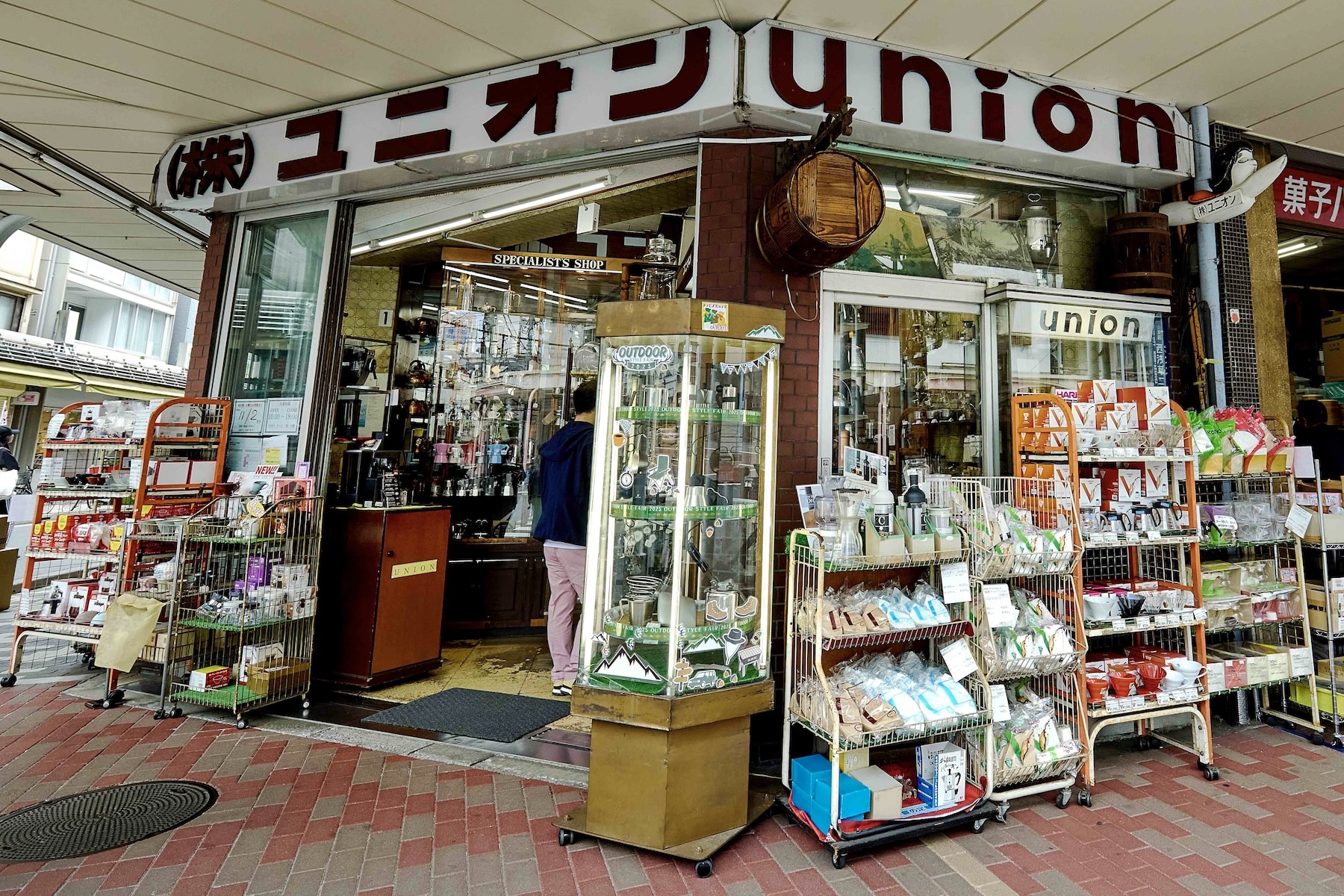
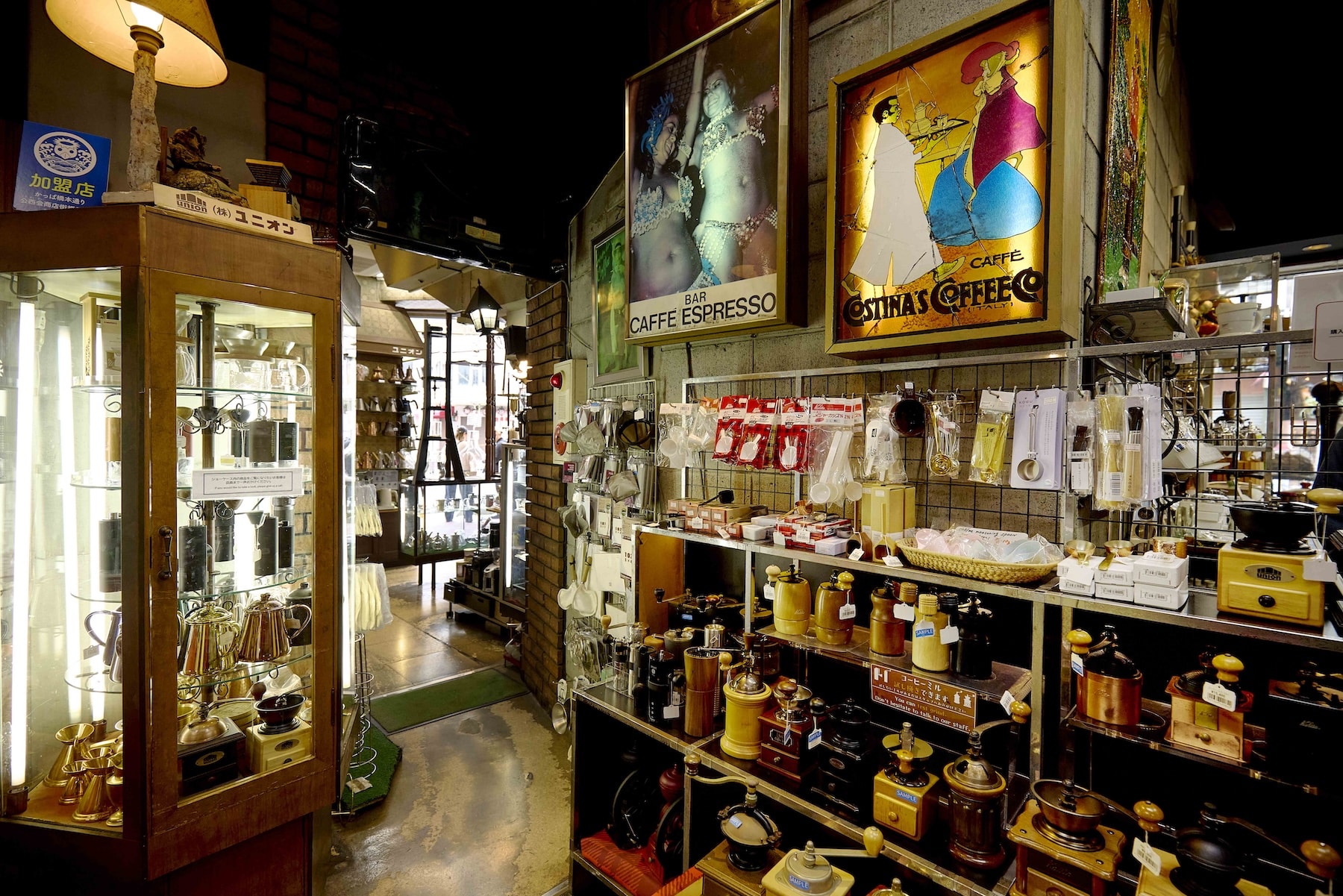
Founded in 1962, Union specializes in coffee and café equipment. Because it carries many of the tools commonly used in Japan’s classic kissaten (traditional Japanese coffee shops)—such as siphons and drippers—many customers visit after experiencing these coffee shops in Japan and wanting to recreate the same experience at home, explains Kanamori from the sales team.
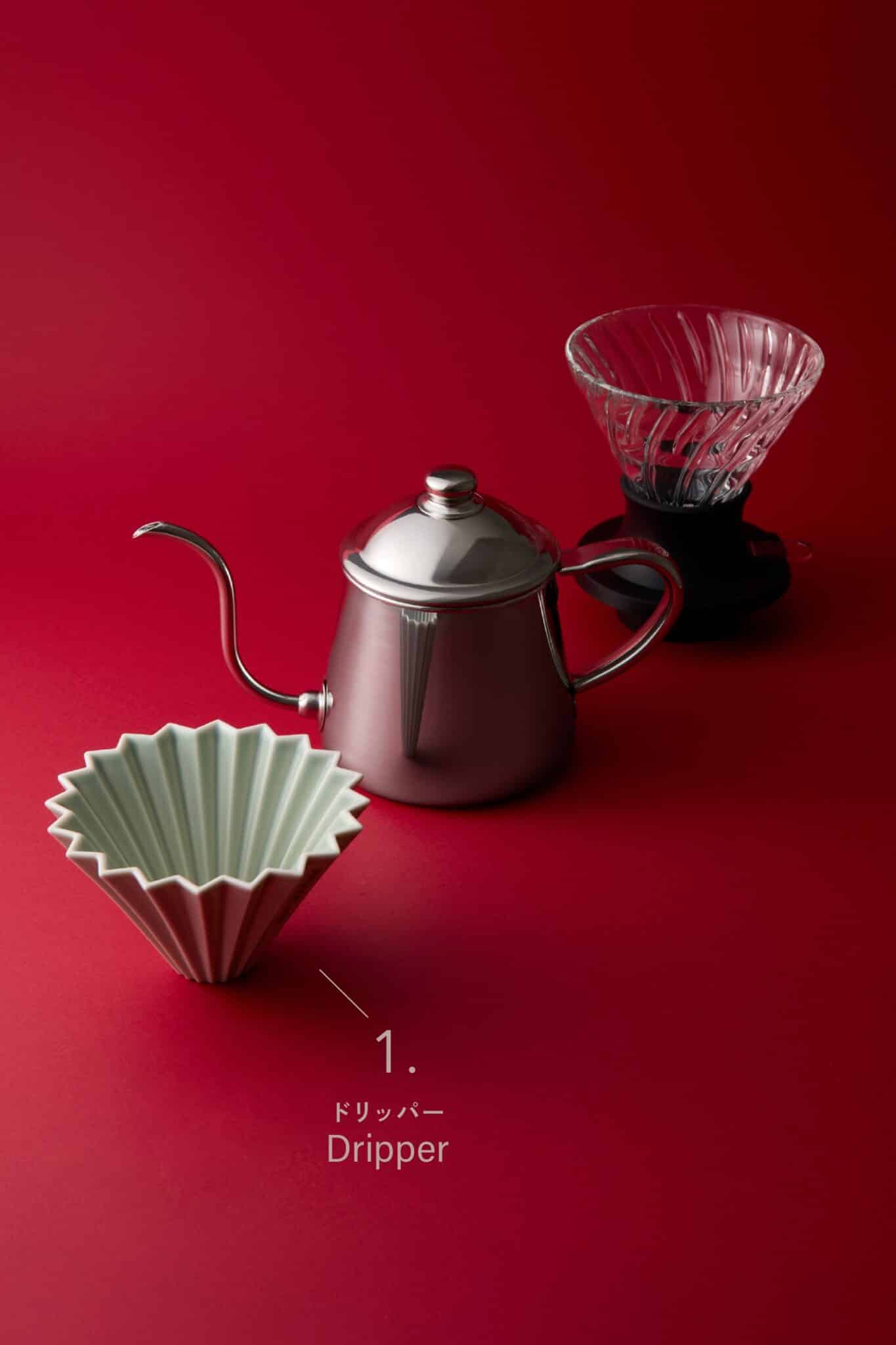
Among the most popular items are coffee drippers and drip pots. These hand-drip brewing tools, developed within Japan’s deeply rooted café culture, are especially well-received by international visitors.
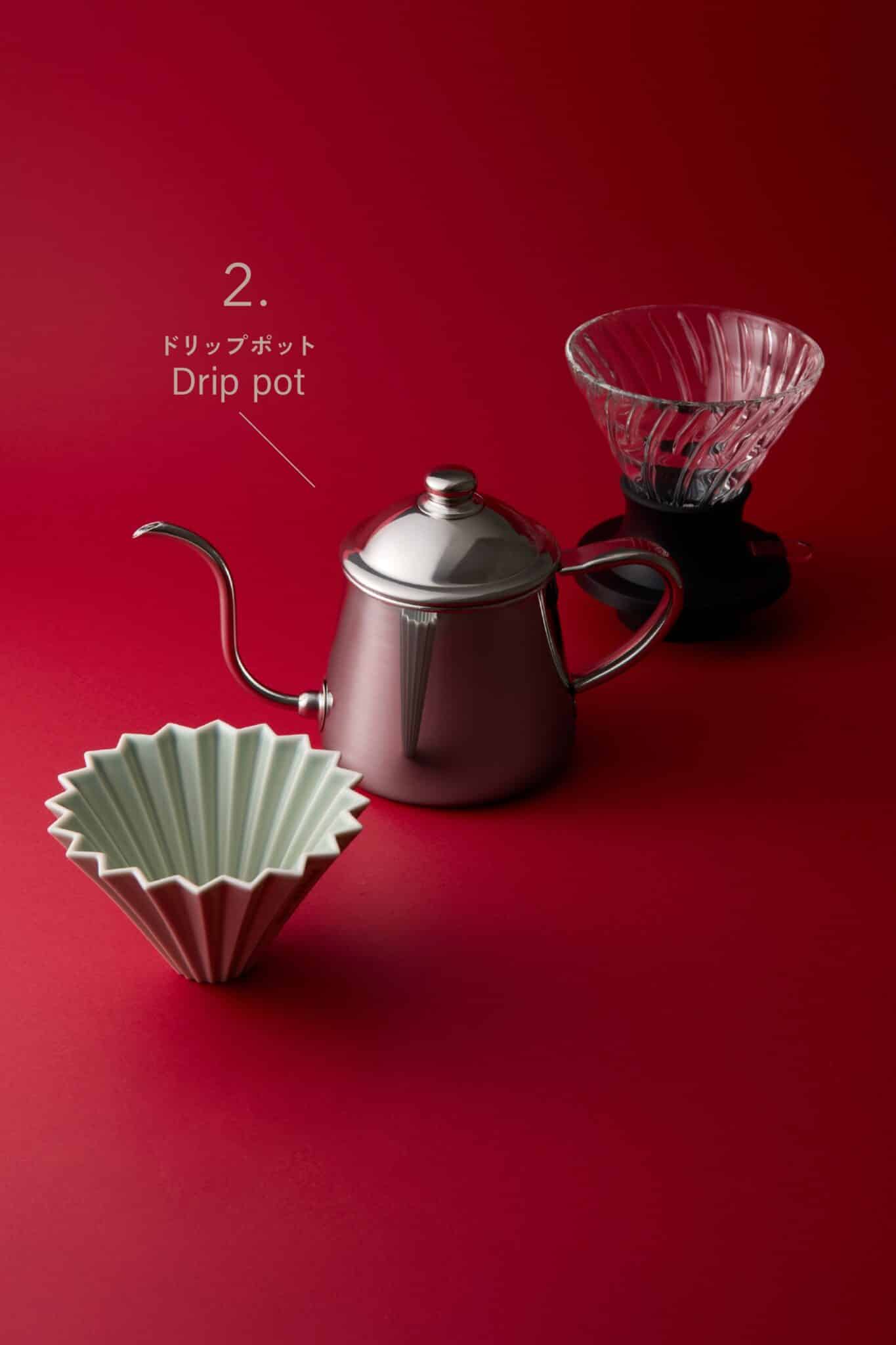
2. Made by TAKAHIRO, a long-established manufacturer based in Tsubame-Sanjo, Niigata—an area renowned for metalworking—said to have produced the world’s first drip pot. Its ultra-fine spout, crafted with Japanese precision, allows anyone to pour with a steady rhythm. Takahiro coffee drip pot, 0.5 L, Shizuku type, 14,520 yen
2. Made by "TAKAHIRO," a long-established manufacturer in Tsubame-Sanjo, Niigata Prefecture, famous for its excellent processing, and said to have created the world's first drip pot. It features an ultra-fine spout, which is the result of Japanese technology, and allows anyone to pour at a steady rhythm. TAKAHIRO coffee drip pot 0.5L drop type 14,520 yen
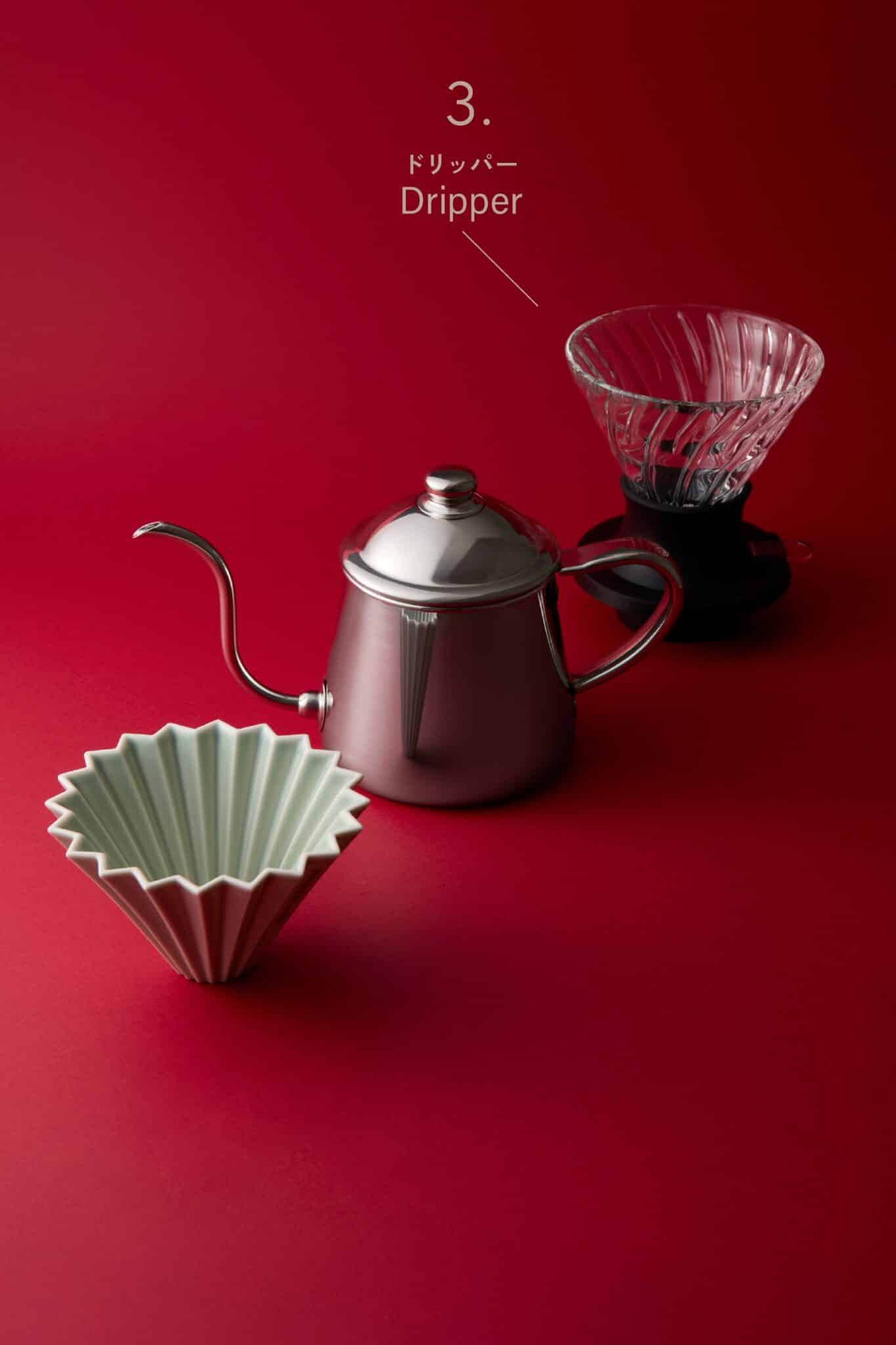
3. This immersion-style dripper by HARIO allows hot water to steep and fully extract coffee flavors before releasing the brew at the desired moment. “Because the extraction is controlled, anyone can achieve consistent results,” says Kanamori. HARIO SSD-200-B, 3,850 yen
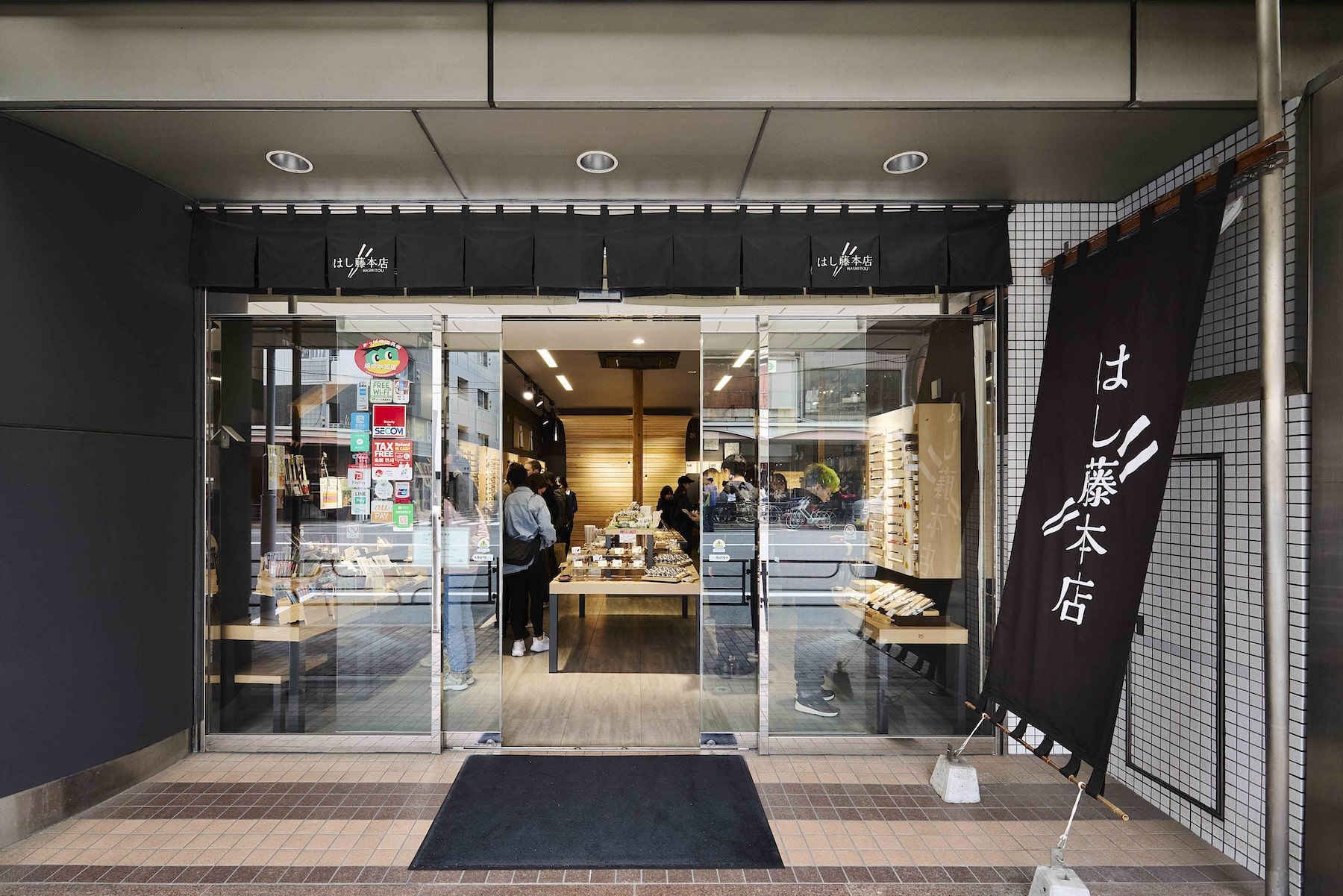
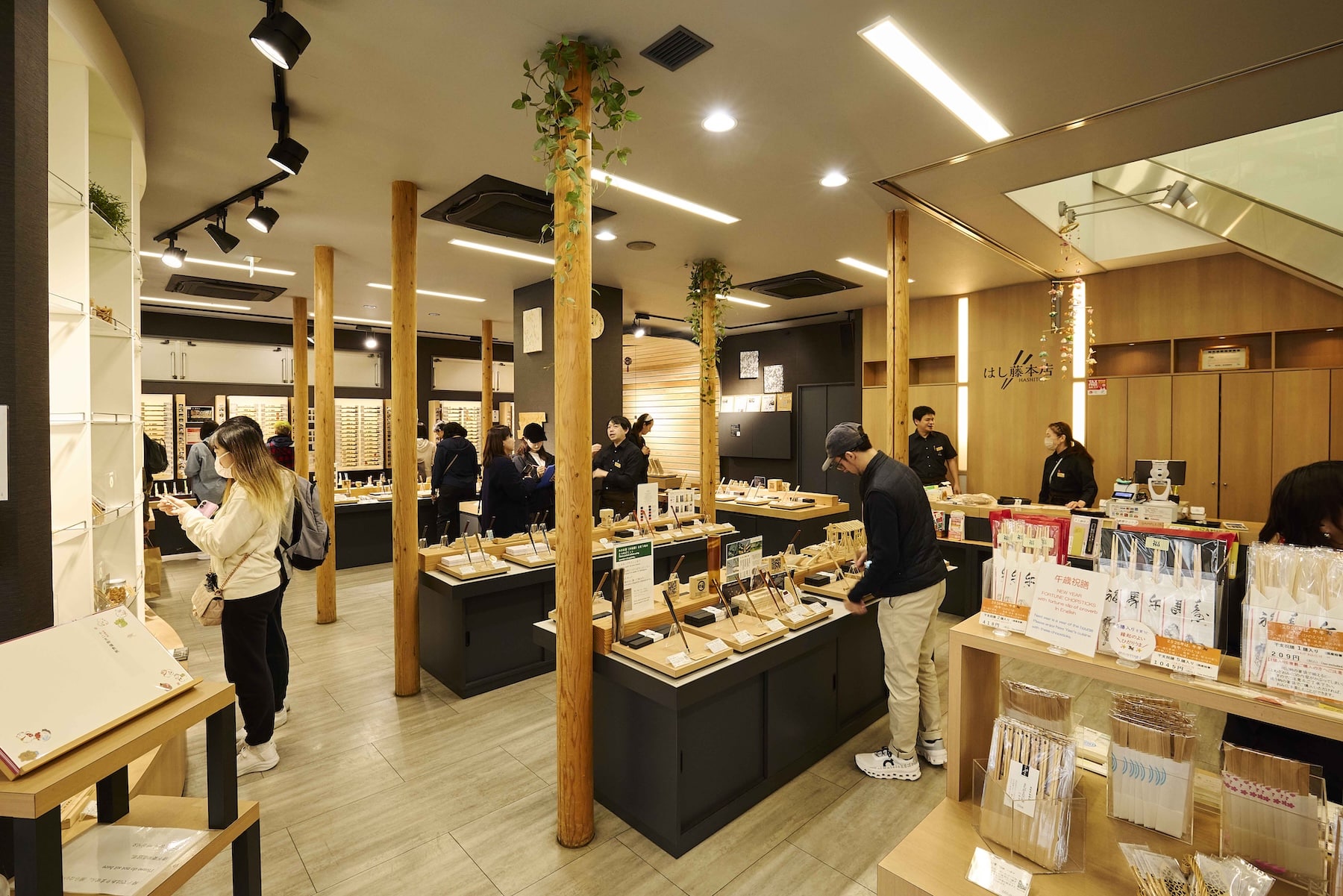
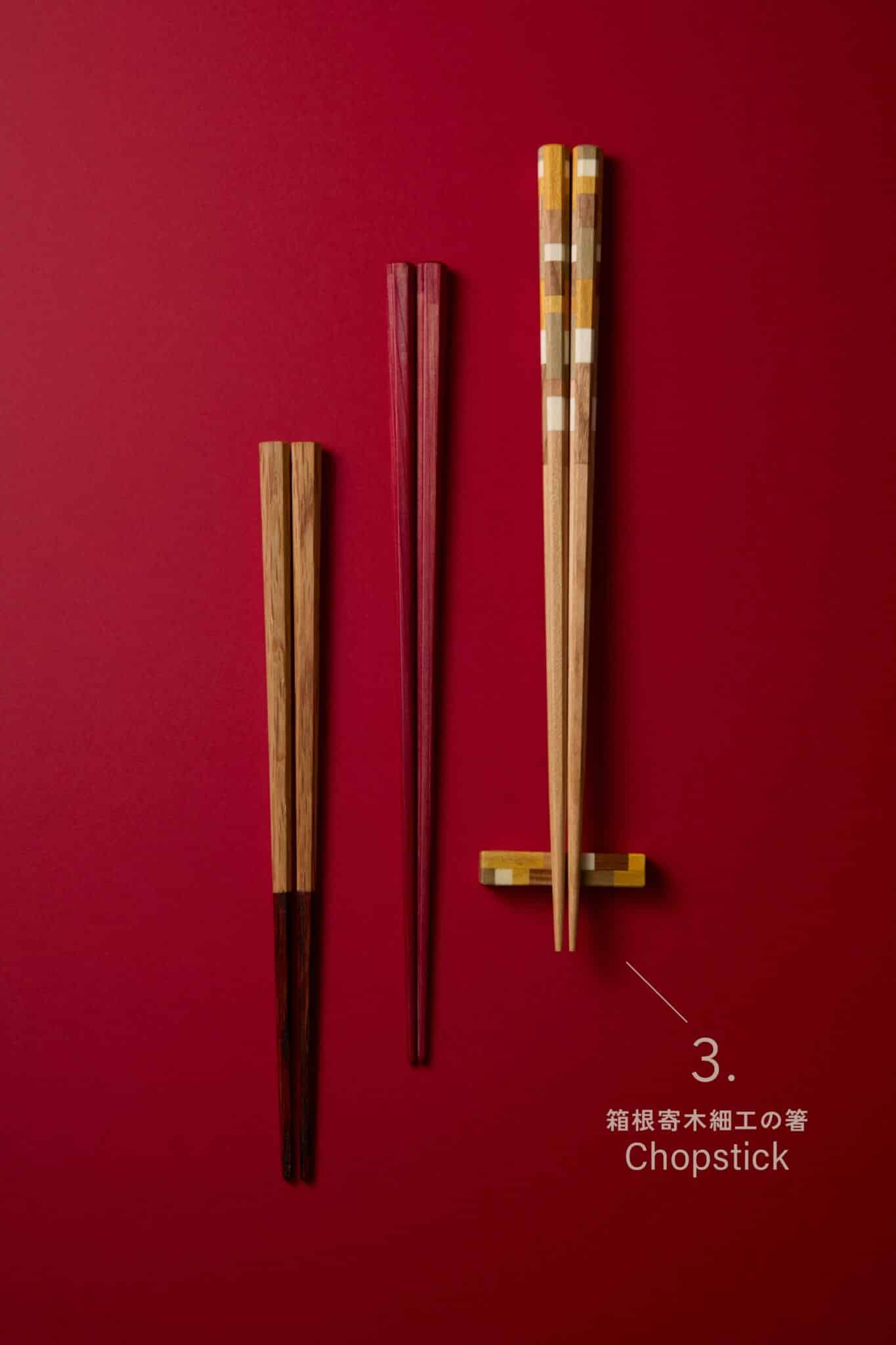
Established in 1910, HASHITOU Honten (the main store) is a specialty store offering around 500 varieties of chopsticks. Initially dealing in restaurant supplies more broadly, the shop later focused exclusively on chopsticks. “We wanted to help preserve Japan’s forestry and craftsmanship,” explains fourth-generation owner Uenaka. Inside the shop, renovated 11 years ago to highlight its wooden pillars, carefully selected chopsticks made from Japanese cedar, cypress, cherry, and other domestic woods are displayed—each finished by skilled Japanese artisans.
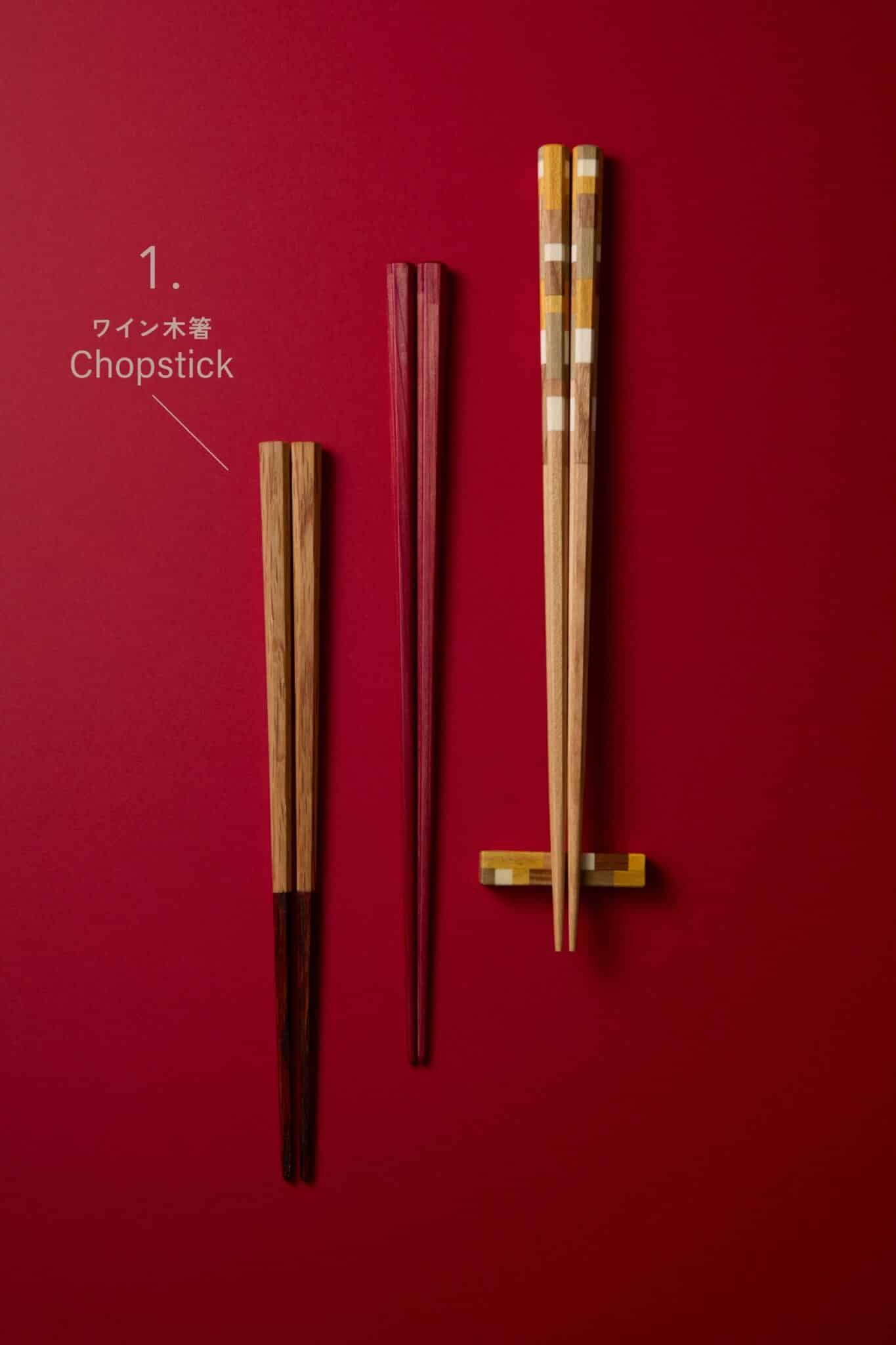
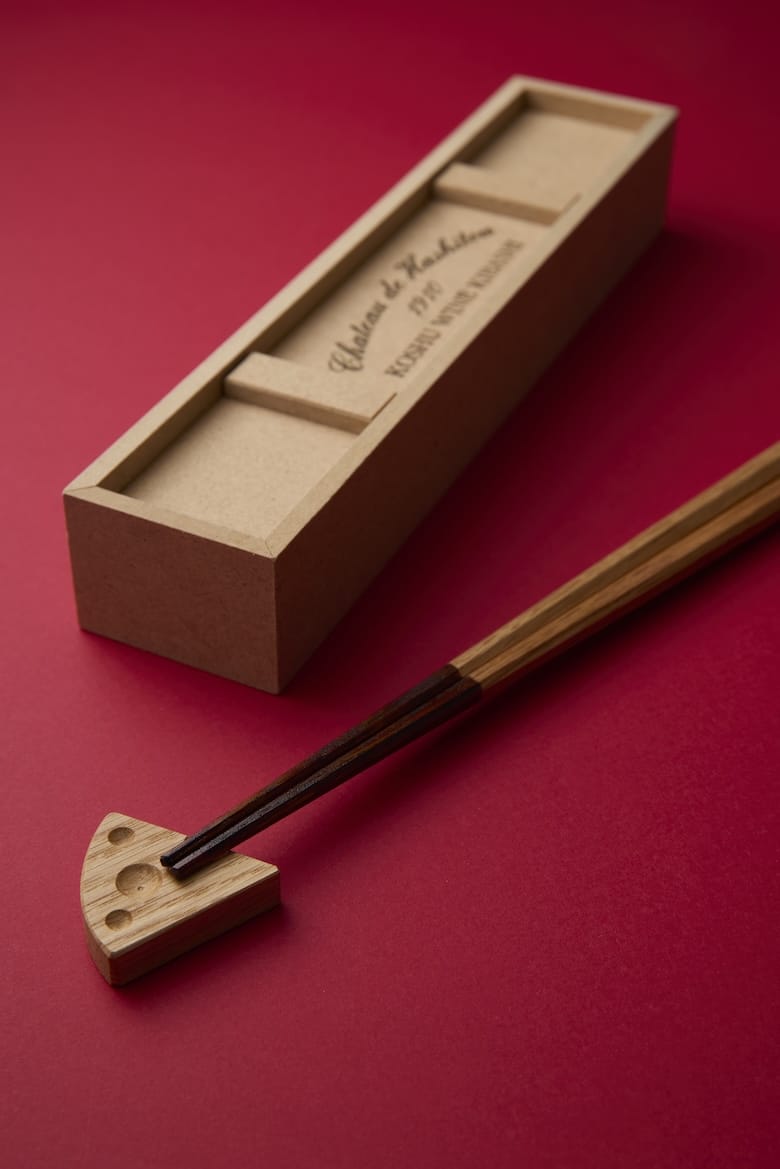
1. Chopsticks made from repurposed wine barrels that cracked at a winery in Kōshū City, Yamanashi. The oak used for wine barrels is naturally resistant to moisture. Wine barrel chopsticks, 9,240 yen
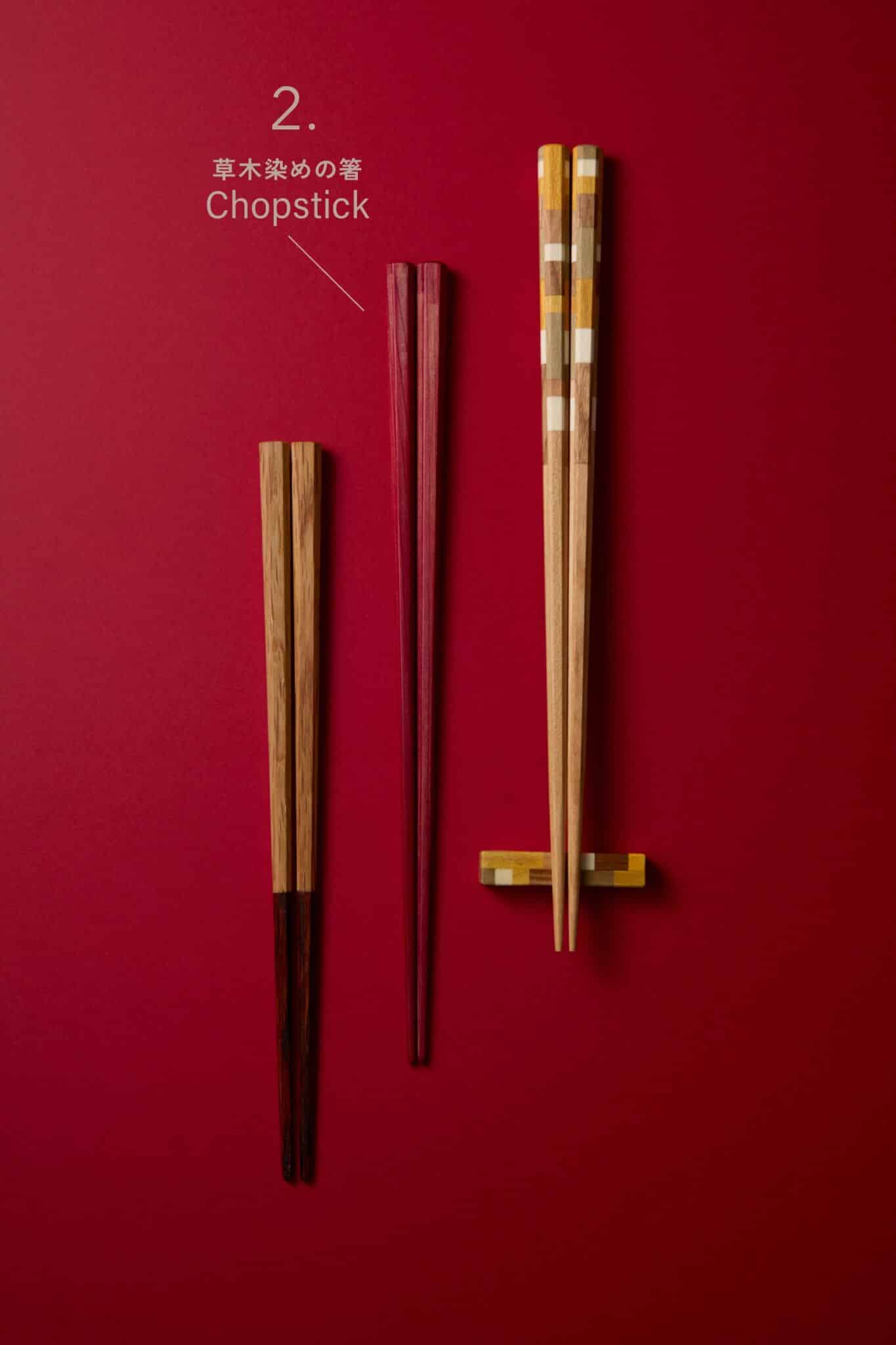
2. These Noto Hiba chopsticks are hand-carved by artisans and dyed with cochineal, a natural red pigment. Their gentle, organic color and texture make them especially popular. Plant-dyed chopsticks (cochineal), 9,600 yen
3. Hakone marquetry chopsticks crafted from patterned wood sourced in Hakone and shaped into chopsticks in Kagawa—an exceptional piece combining multiple artisanal skills. Comes with a matching chopstick rest. Hakone marquetry chopsticks, 22 cm, 11,880 yen
The wine barrel chopsticks are an original item by HASHITOU, sold with a chopstick case resembling a wine crate and a cheese-shaped chopstick rest.
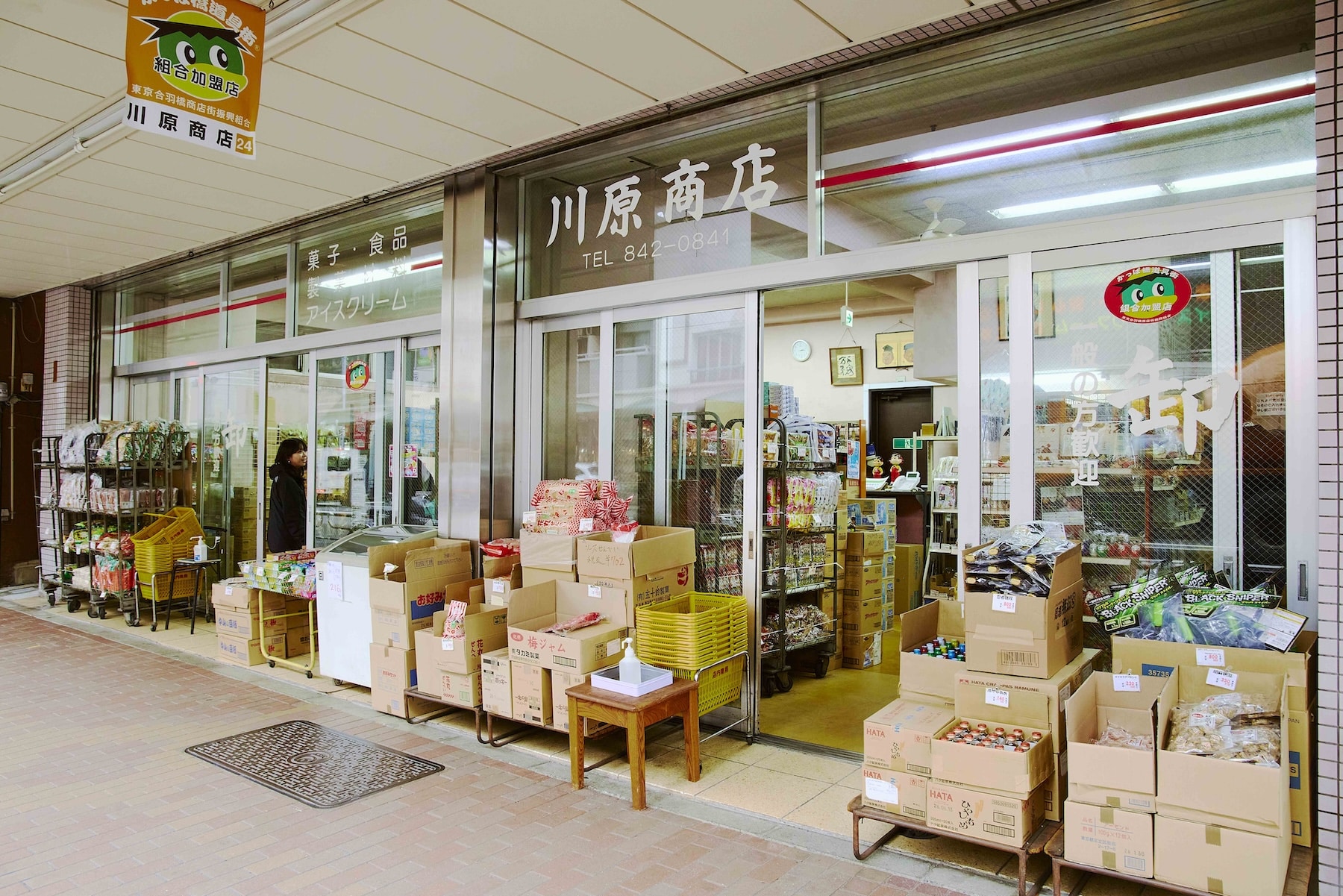
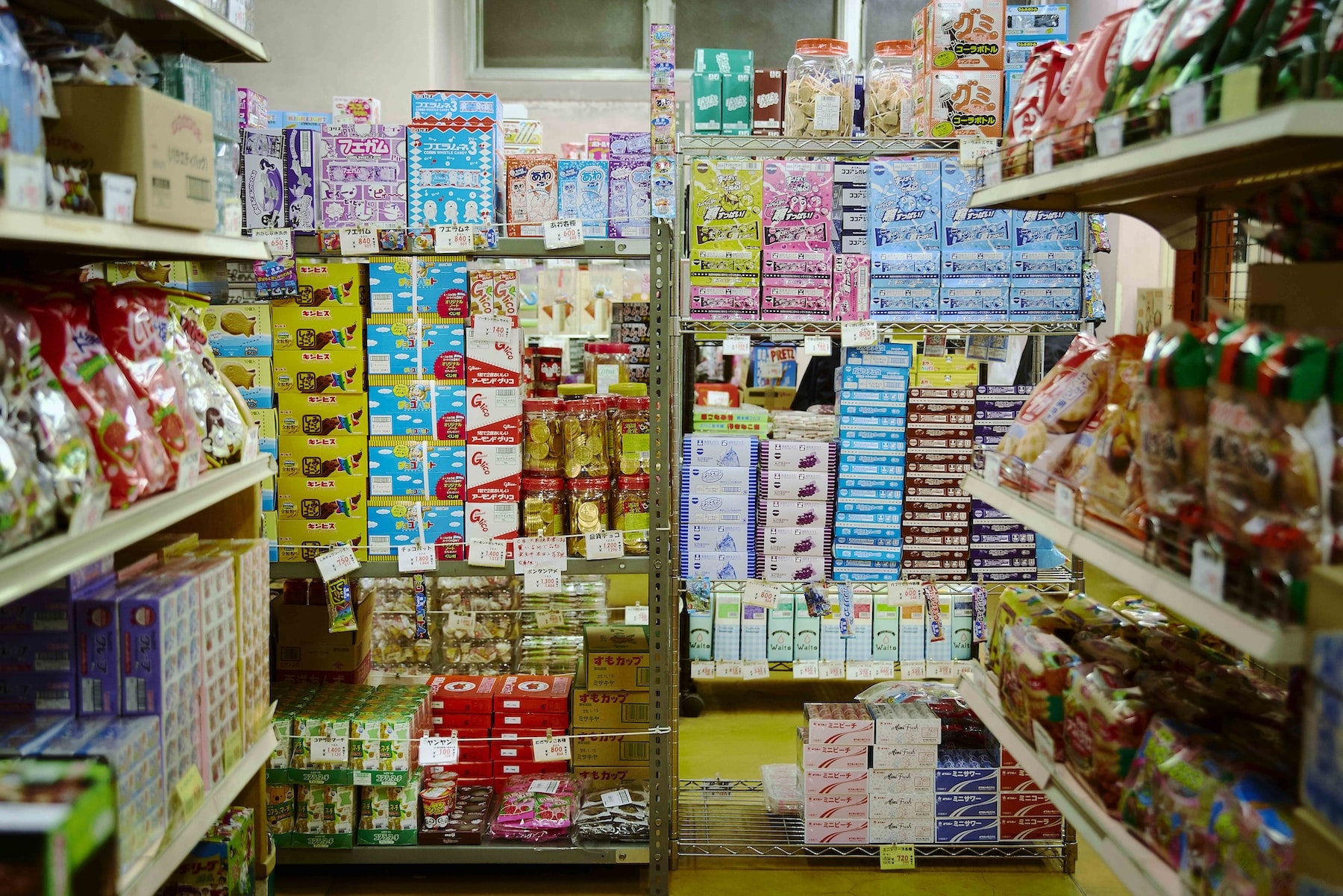
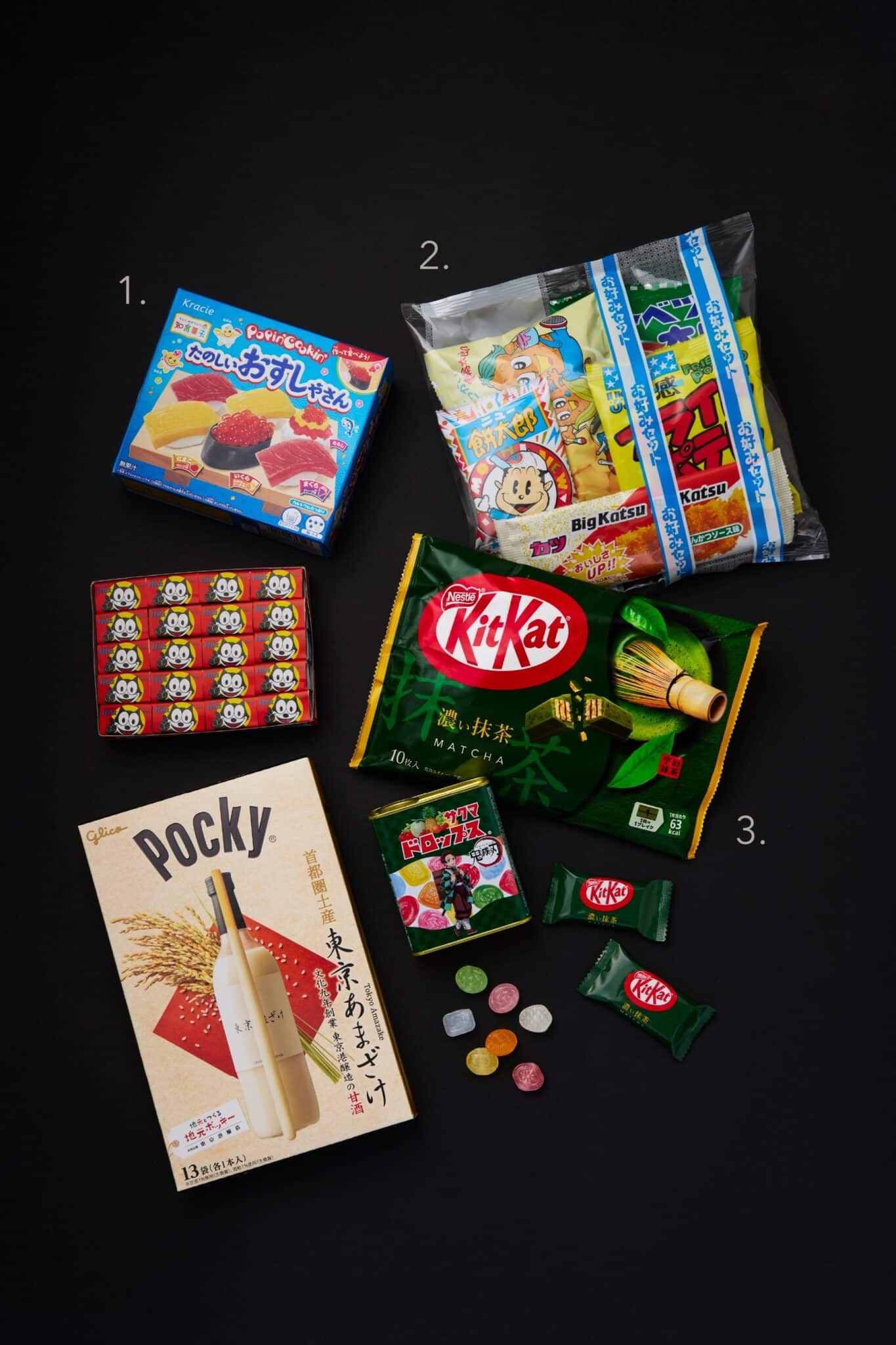
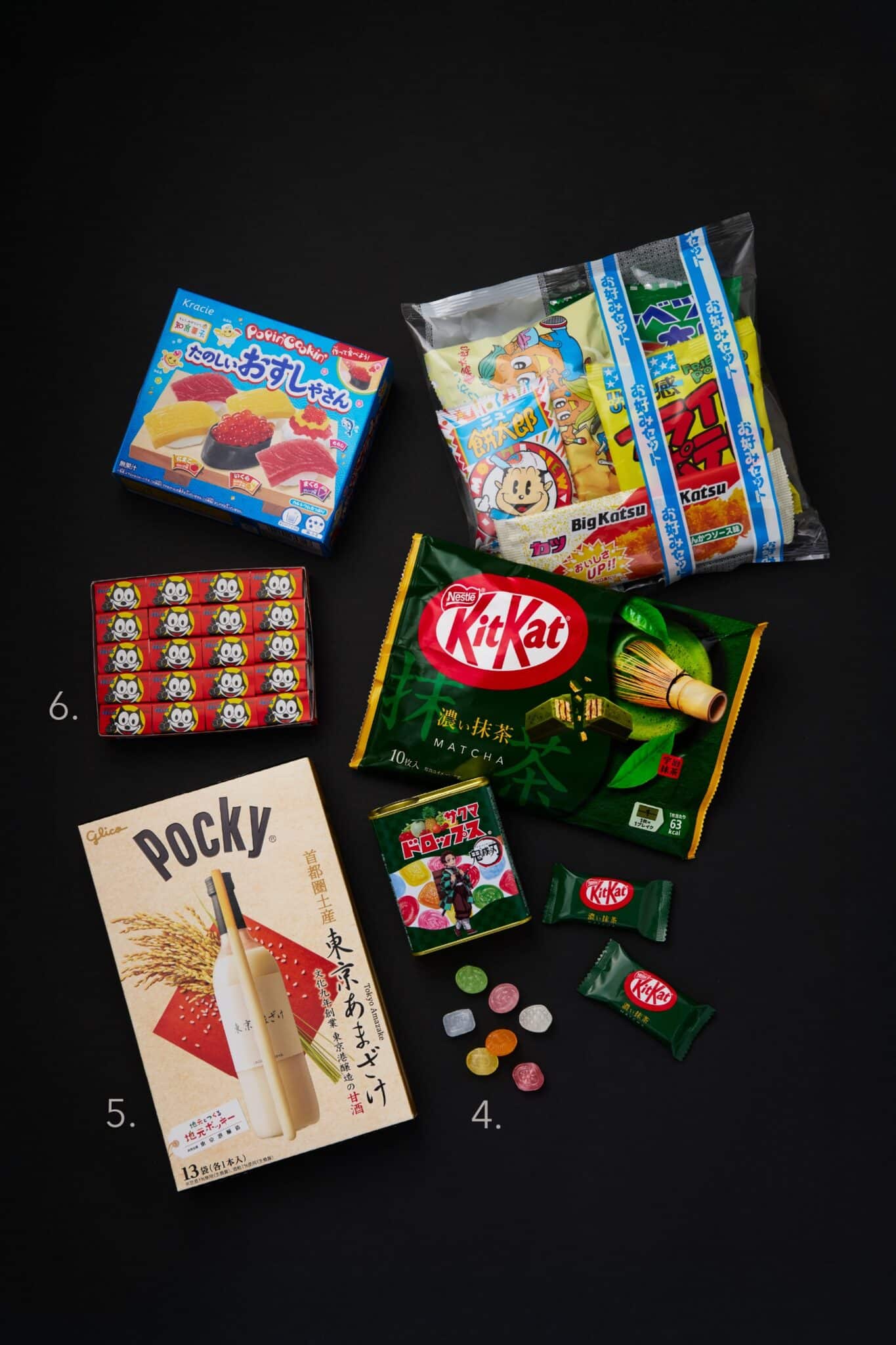
A stop well worth making between shops is Kawahara Shoten. Rare on Kappabashi Dougu Street, it specializes in food and operates as a confectionery wholesaler, warmly welcoming individual shoppers as well. Inside, shelves are lined with dagashi—nostalgic snacks that many Japanese grew up with. Items can be purchased individually or in bulk by the box. As many traditional dagashi are becoming harder to find due to declining production, this is the perfect opportunity to pick up anything that catches your eye.
1. A popular educational DIY candy kit, Popin' Cookin' Sushi, loved for its playful appearance, 302 yen; 2. An assorted snack set featuring well-known favorites, 162 yen; 3. Even classic souvenirs like KitKat are available at wholesaler prices. KitKat Rich Matcha, 475 yen
4. Sakuma Can Drops featuring Demon Slayer designs sell out quickly, 216 yen; 5. Giant Pocky in a Tokyo-exclusive amazake (sweet sake) flavor is especially popular. Giant Pocky Tokyo Amazake, 1,026 yen; 6. Even a pack of 55 pieces is surprisingly affordable. Felix Gum, 712 yen
On Kappabashi Dougu Street, professional-grade kitchen tools shaped by Japanese craftsmanship and meticulous attention to detail are readily accessible to all. The search for the right tool becomes an experience in itself—one best enjoyed by exploring the street in person.
Chopsticks Crafted from Japanese Wood and Skilled Traditional Handwork
A specialty shop offering a wide selection of coffee equipment used in Japanese Kissaten
A confectionery wholesaler open to the general public, offering even rare dagashi treats
A specialty cookware store boasting an overwhelming—and exceptionally niche—selection
A specialty shop where you can discover Japanese pottery from renowned ceramic regions across Japan



.jpg)
スマホ.jpg)