DEEPTOKYO
magazine

EN

DEEPTOKYO
magazine
EN
2026.04.20
Experience the World of the Iconic GR Camera Series


 Nearest Station


GR SPACE TOKYO is a place where visitors can experience the world of the GR series, one of the signature digital camera lines from Japanese optical equipment manufacturer RICOH. Continuously evolving in pursuit of the ultimate snap shooter, the GR series has been loved by photographers for decades—so much so that the cameras are often difficult to obtain because of overwhelming demand. In 2026, the GR celebrates its 30th anniversary. At GR SPACE TOKYO, visitors can view past models from across the series, try the latest cameras and accessories hands-on, and explore the creative possibilities unique to GR photography. The space also includes a gallery and a book café, offering multiple ways to explore and enjoy the visual world that the GR makes possible.
SHARE


The GR digital camera, one of RICOH’s most iconic products, is often described as the ultimate snap shooter: a compact camera that fits comfortably in one hand while delivering exceptional image quality. Now celebrating its 30th anniversary, the camera remains so popular in Japan that it is often sold through a lottery system.
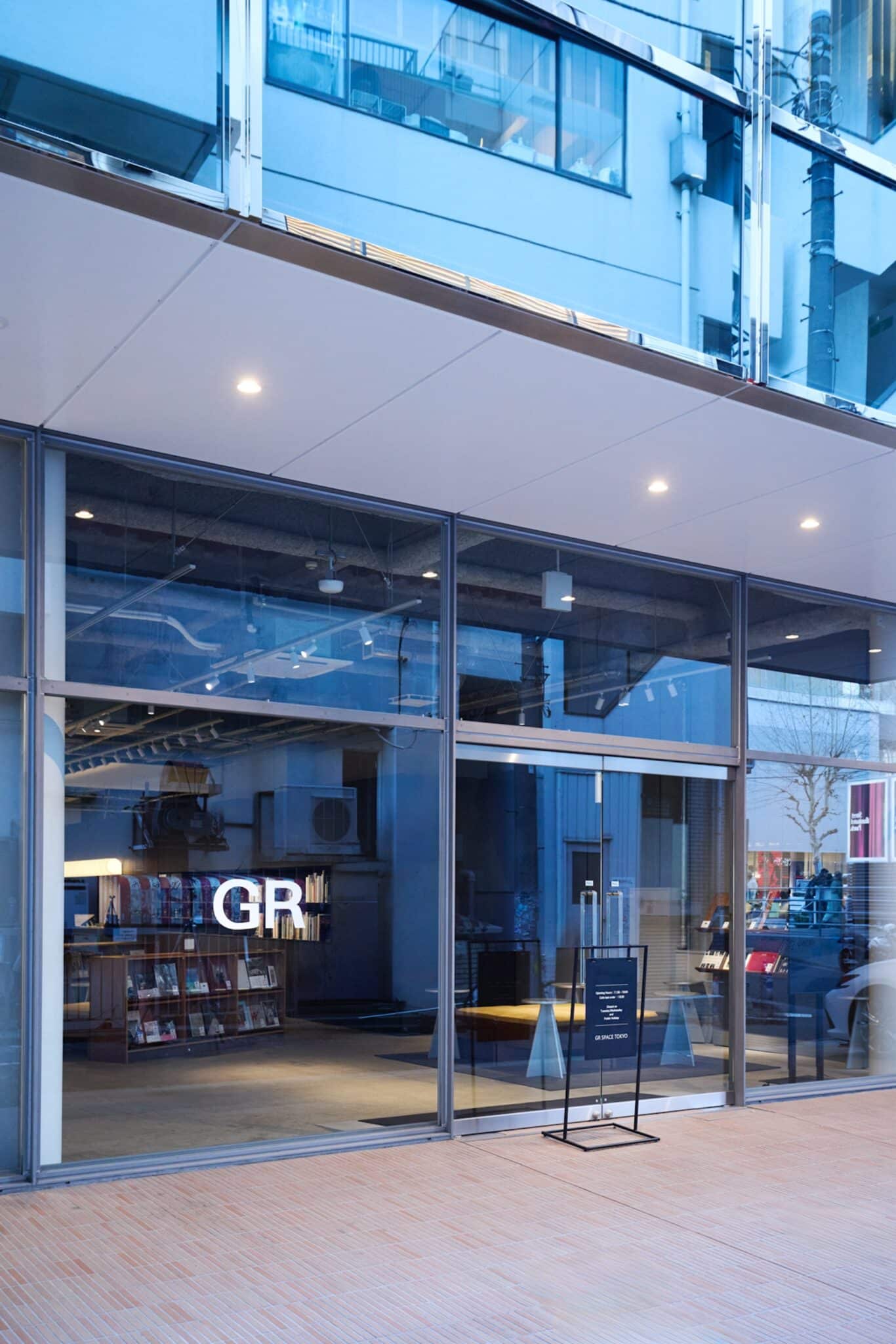
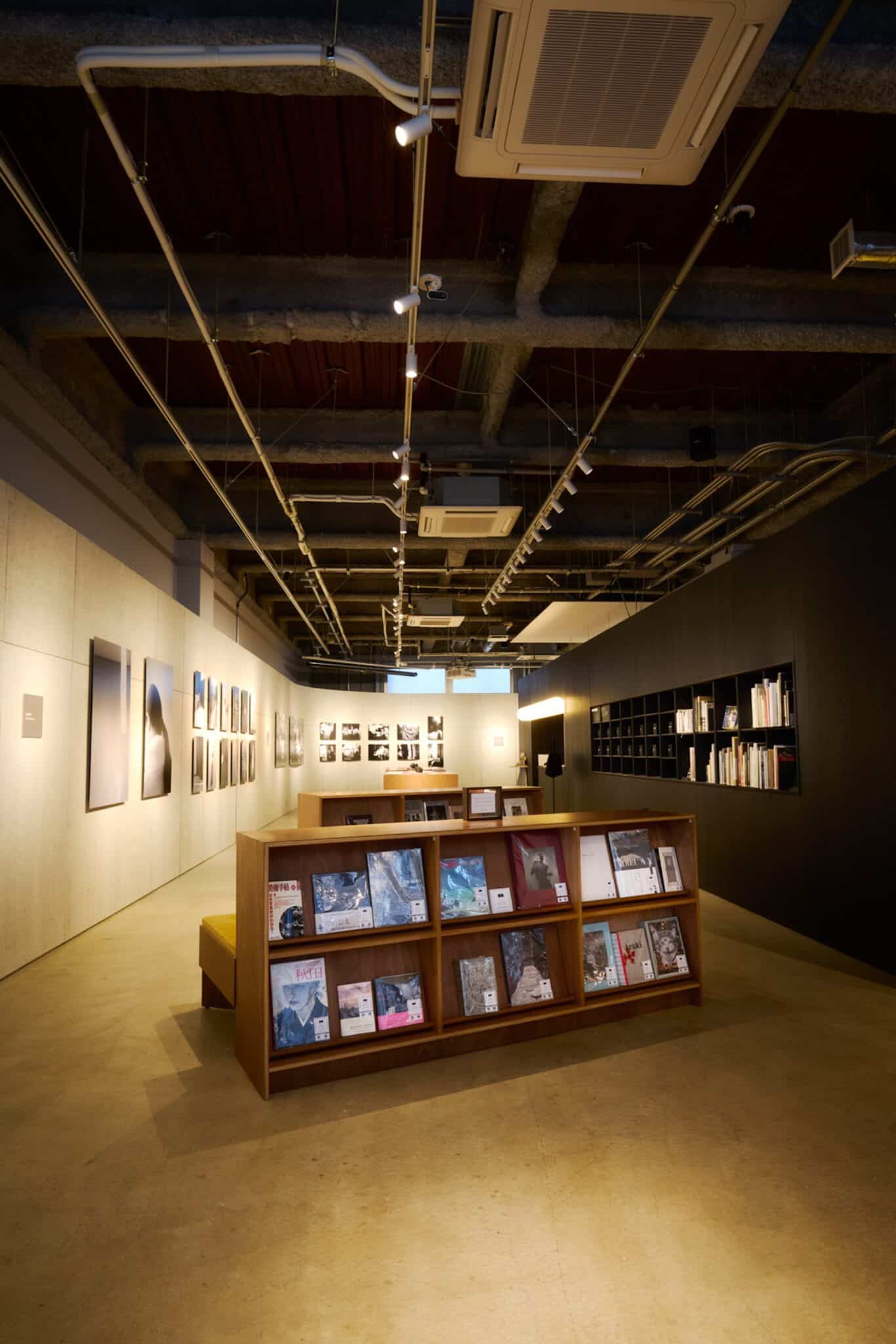
GR SPACE TOKYO was created as a communication space where visitors can experience the world of the GR series. Built around the simple idea of encouraging people to enjoy snap photography, the venue brings together several elements in one place. These include an exhibition of historical models, a touch-and-try area for the latest cameras, a gallery space, and a book café filled with photography-related titles.
Rather than functioning as a conventional showroom, the space was designed to foster interaction—between visitors and staff, and among visitors themselves.
Located in Harajuku, a district where creativity and youth culture thrive while traces of old Tokyo still remain, the space reflects the spirit of the GR concept. According to the team behind the project, Harajuku’s atmosphere naturally resonates with the philosophy of the GR
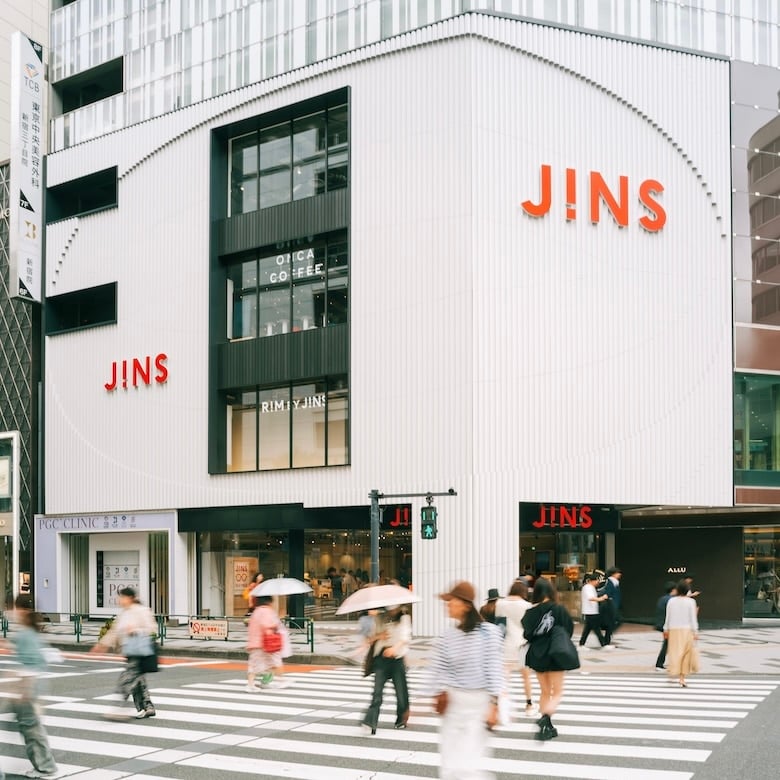
Located just a five-minute walk from Meiji-Jingumae Crossing, GR SPACE TOKYO opened in Harajuku, a neighborhood that naturally makes you want to take photos as you walk—perfectly reflecting the GR concept of enjoying snap photography.
The space was created to let visitors experience the joy of photography while encouraging connections between guests and staff—and among photographers themselves.
Visitors can take their time handling the cameras, relax while viewing the gallery, or enjoy a coffee while browsing photography books—experiencing the joy of photography and the appeal of the GR series firsthand.
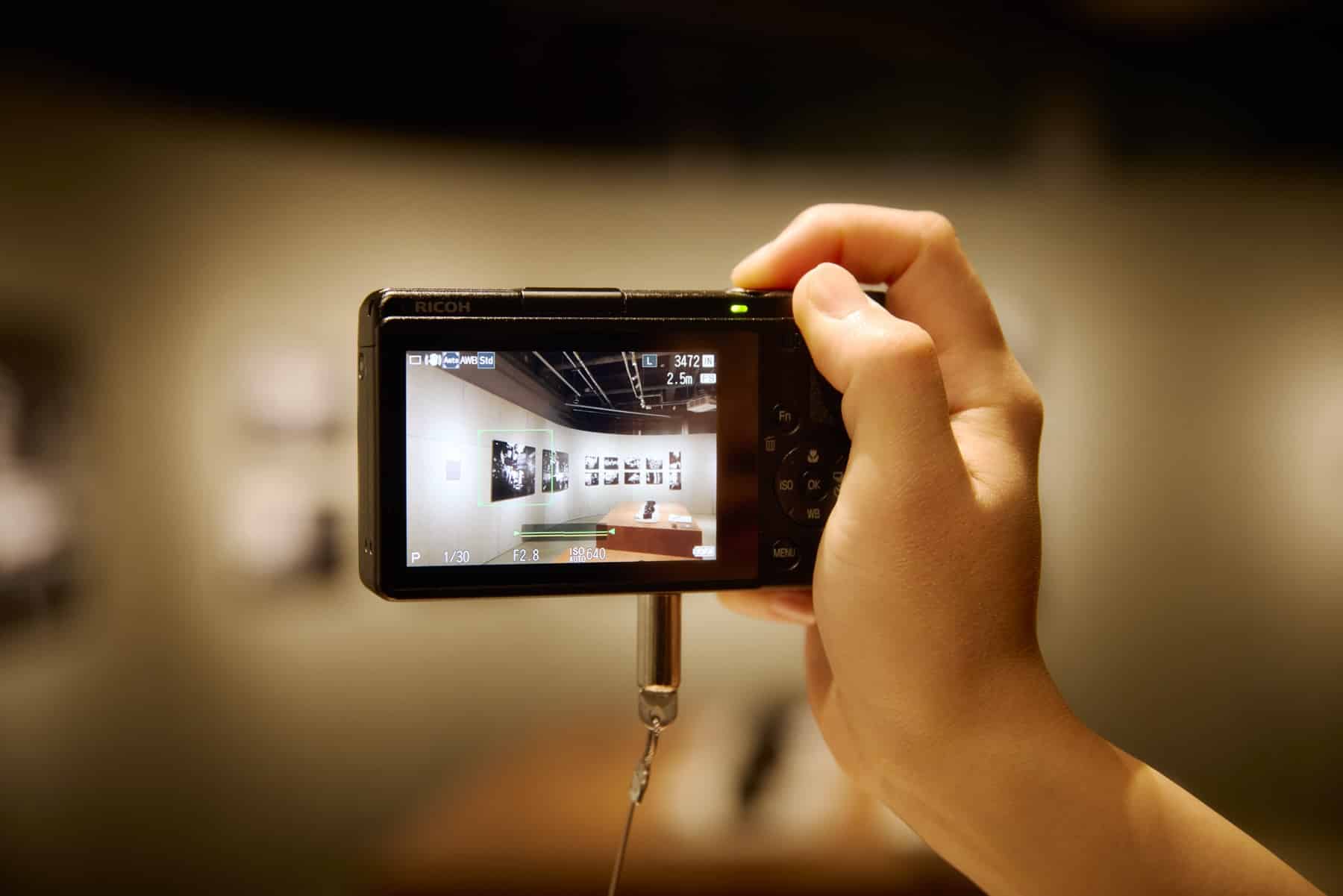
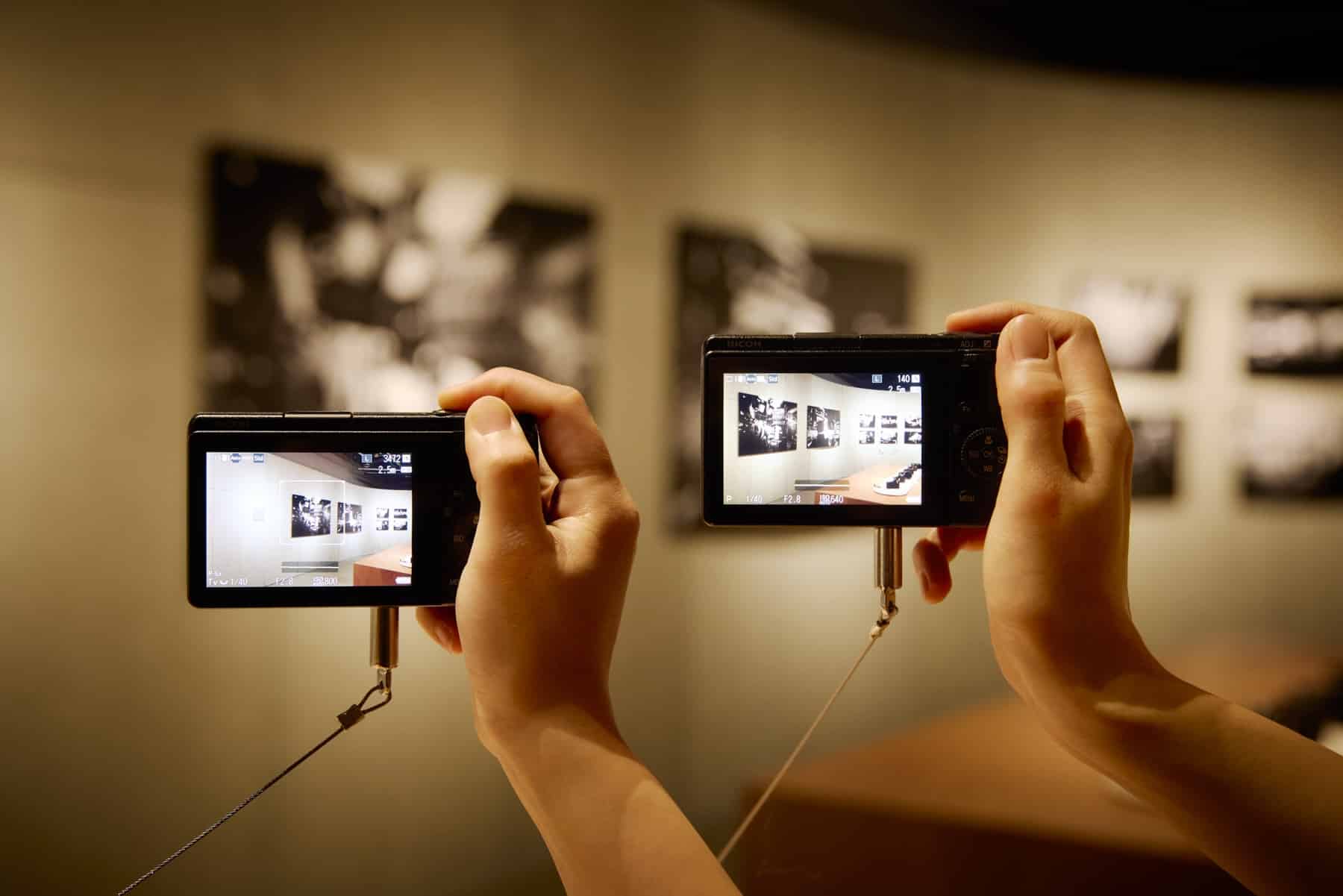
Another highlight is the chance to get hands-on with the cameras while speaking with knowledgeable staff. Currently available models include the RICOH GR IIIx series, released in 2021, and the RICOH GR IV series, introduced in 2025. Visitors can also apply for the in-store lottery to purchase a camera (limited to one entry per person per model).
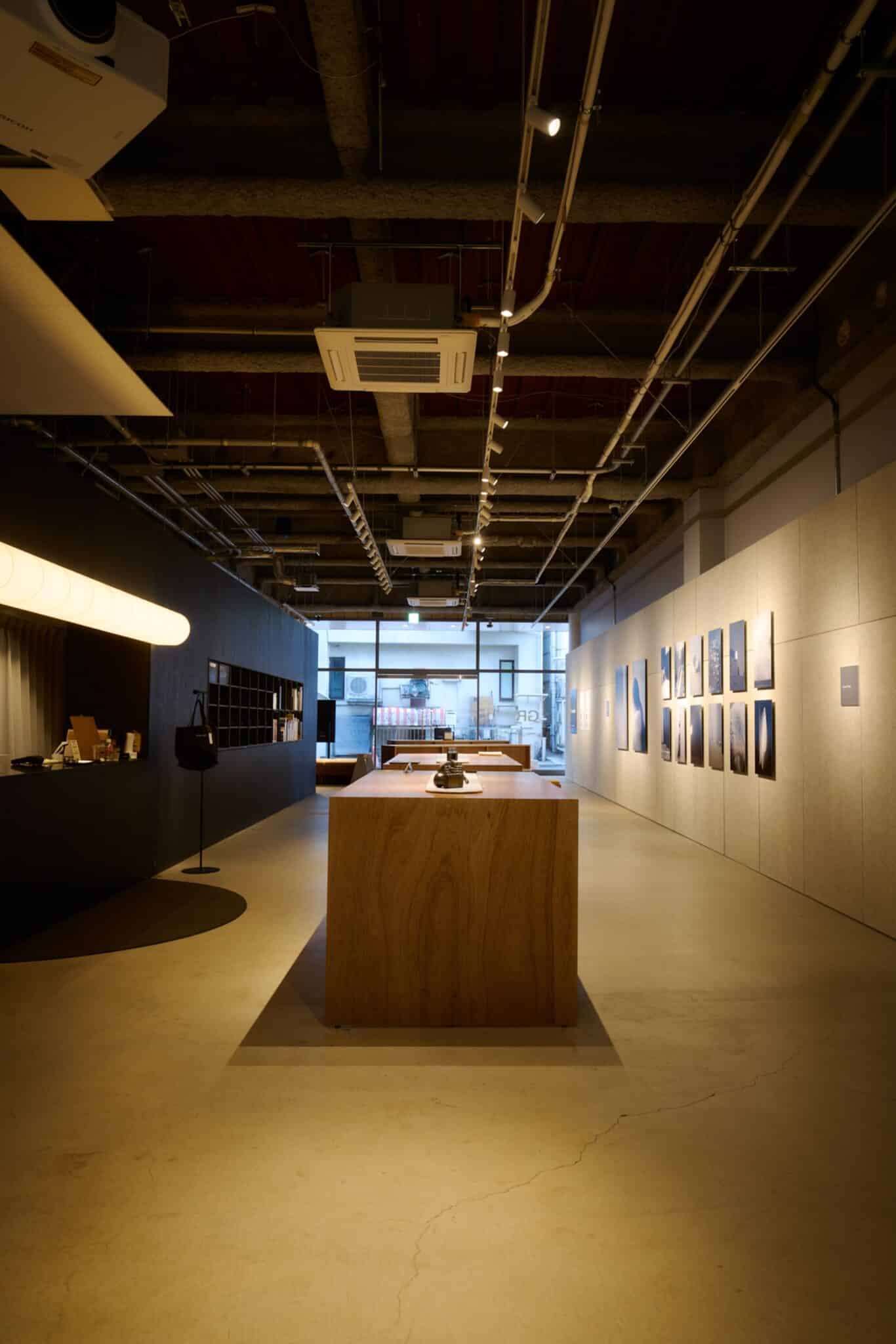
The interior design centers on the brand’s signature color, gray. The walls are finished with wood-wool cement panels, a material often used in galleries because nail marks are less noticeable. The gently curving layout of the space creates a sense of depth, inviting visitors further into the world of photography.
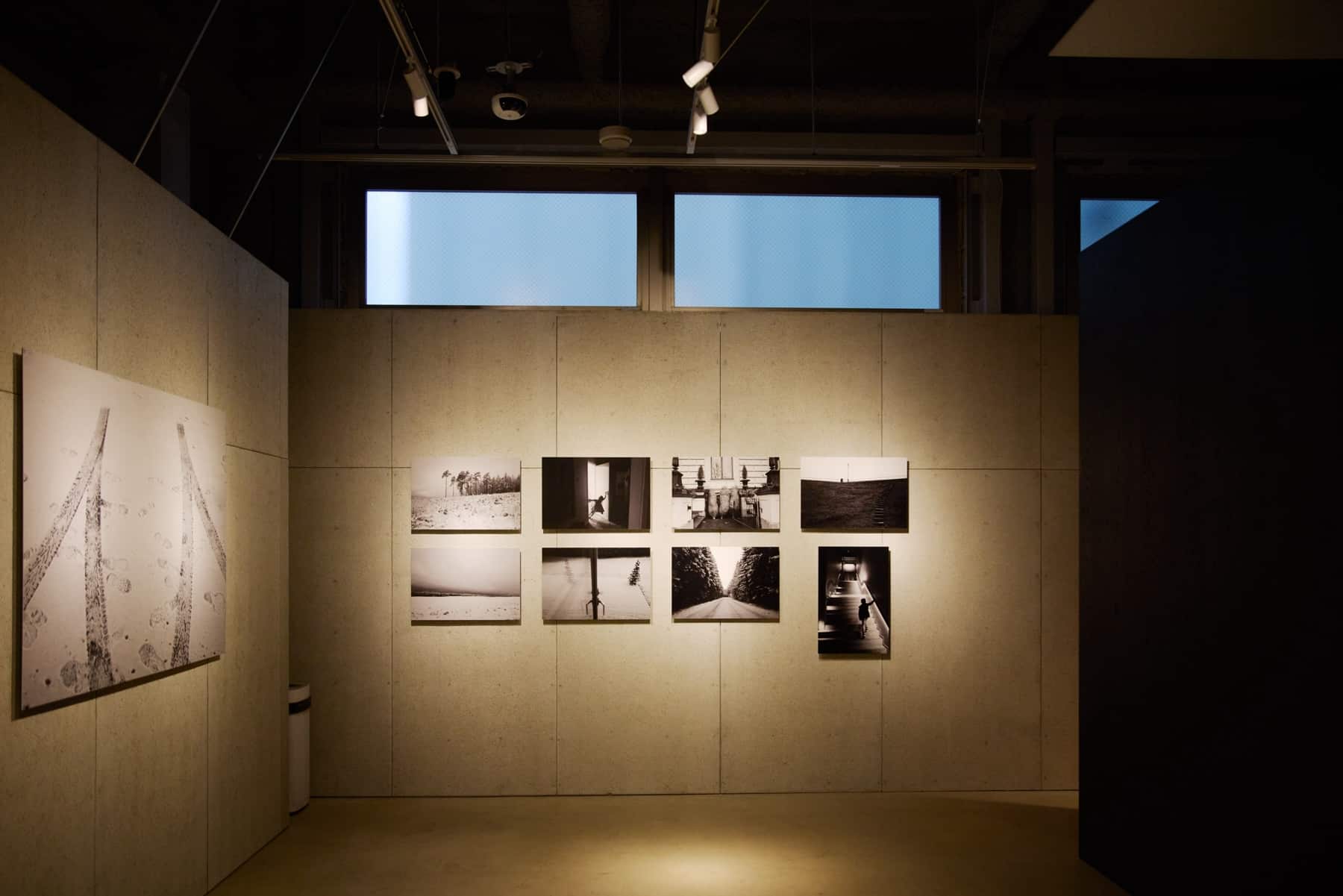
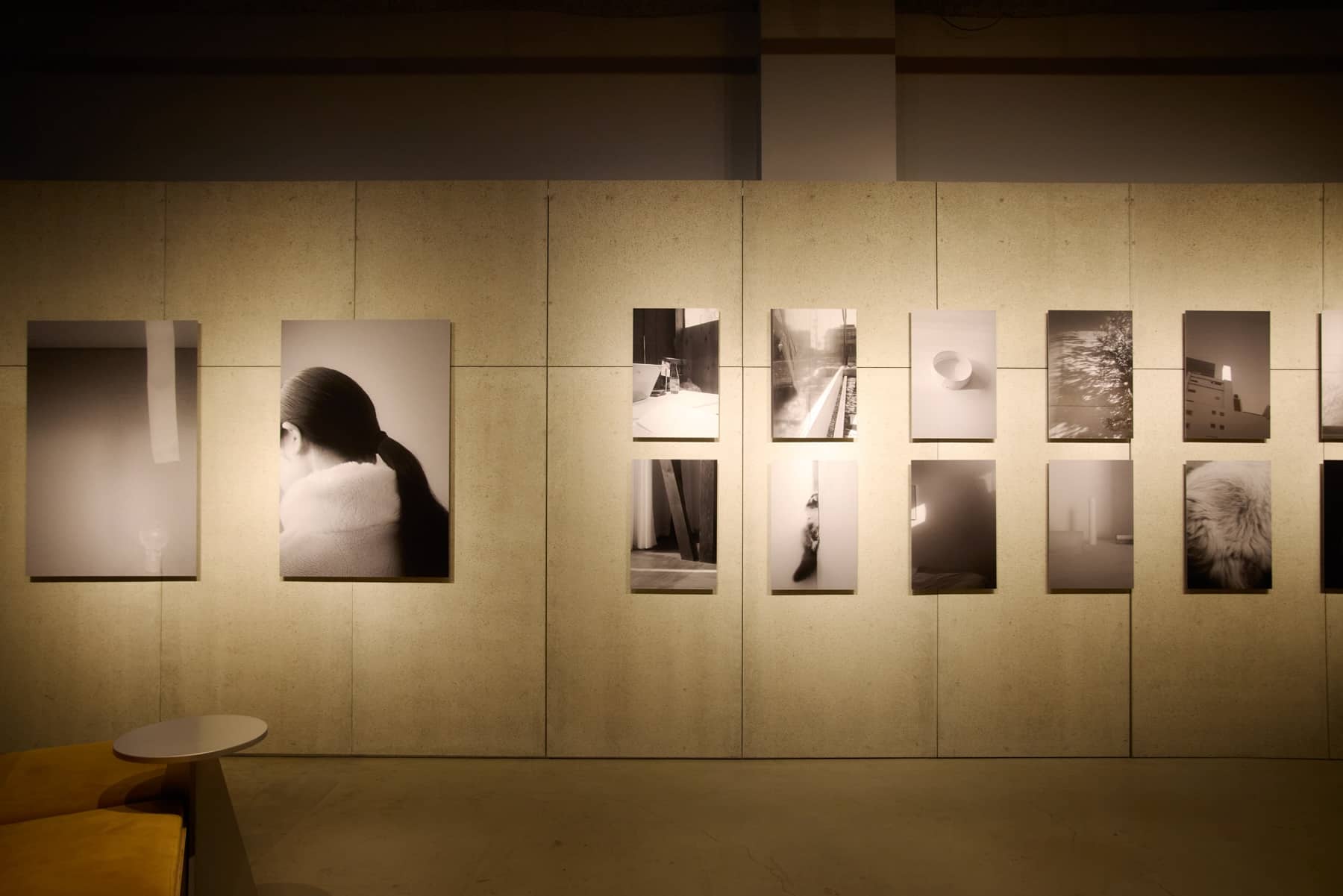
The gallery hosts exhibitions related to the GR series as well as shows focusing on individual photographers.
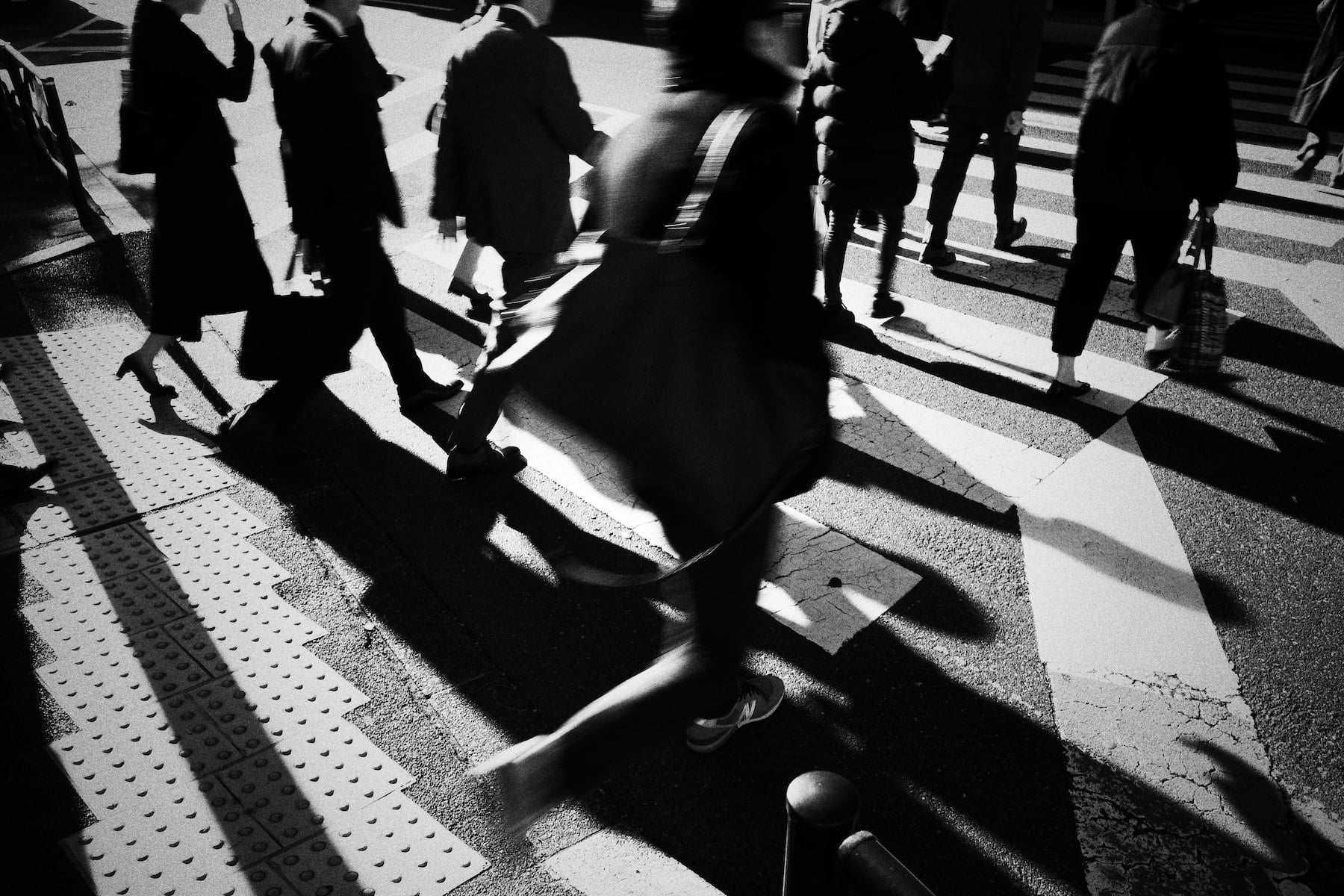
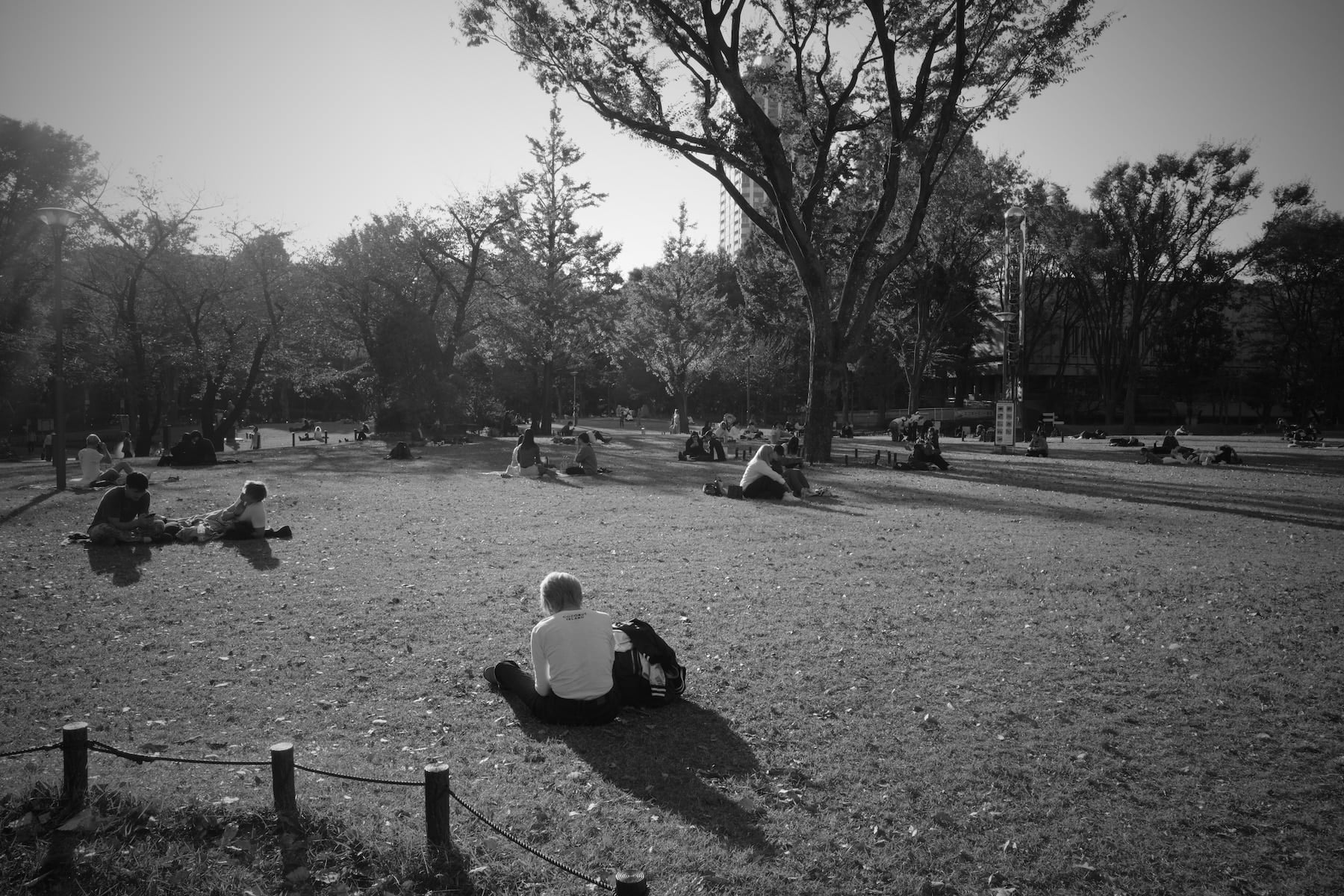
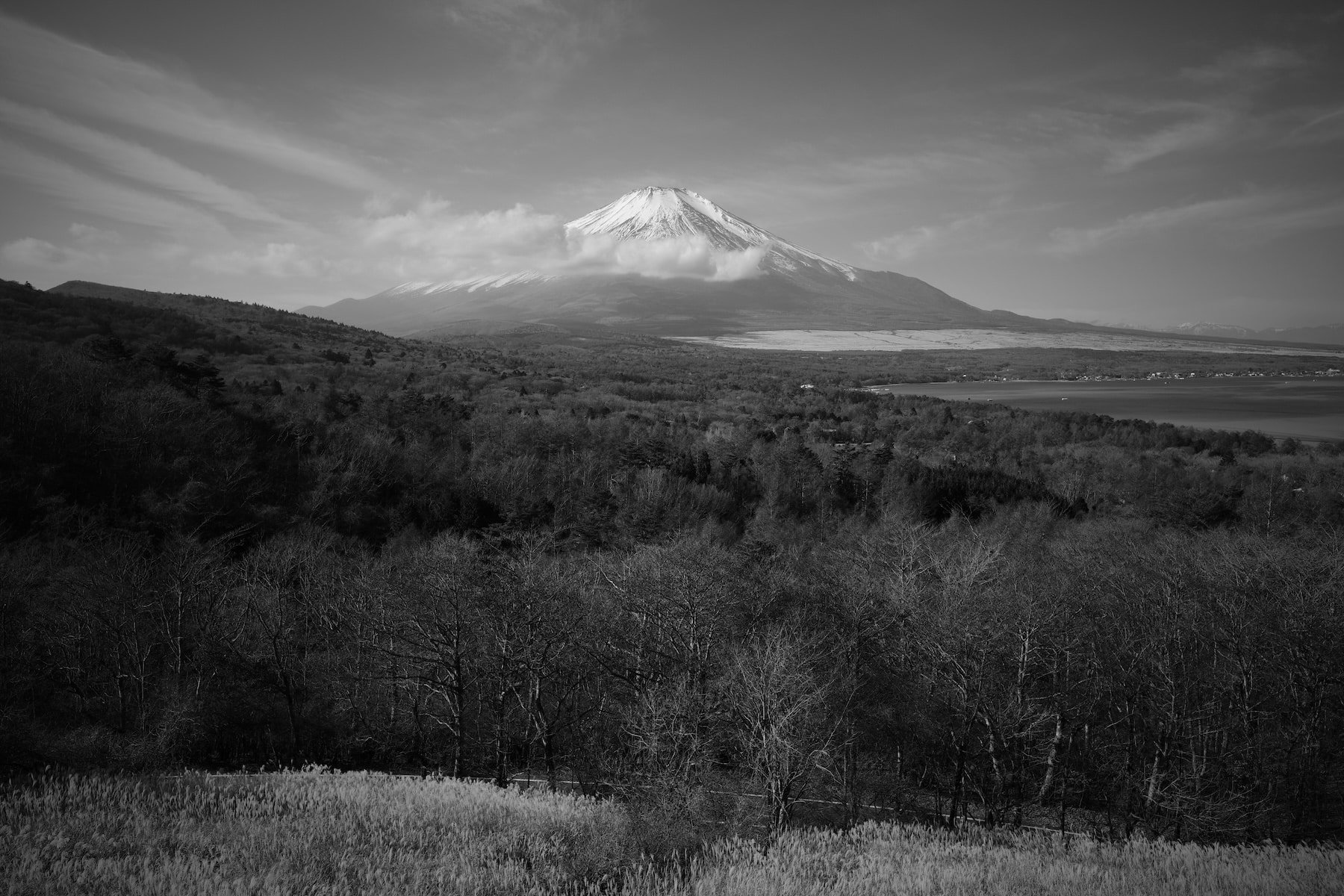
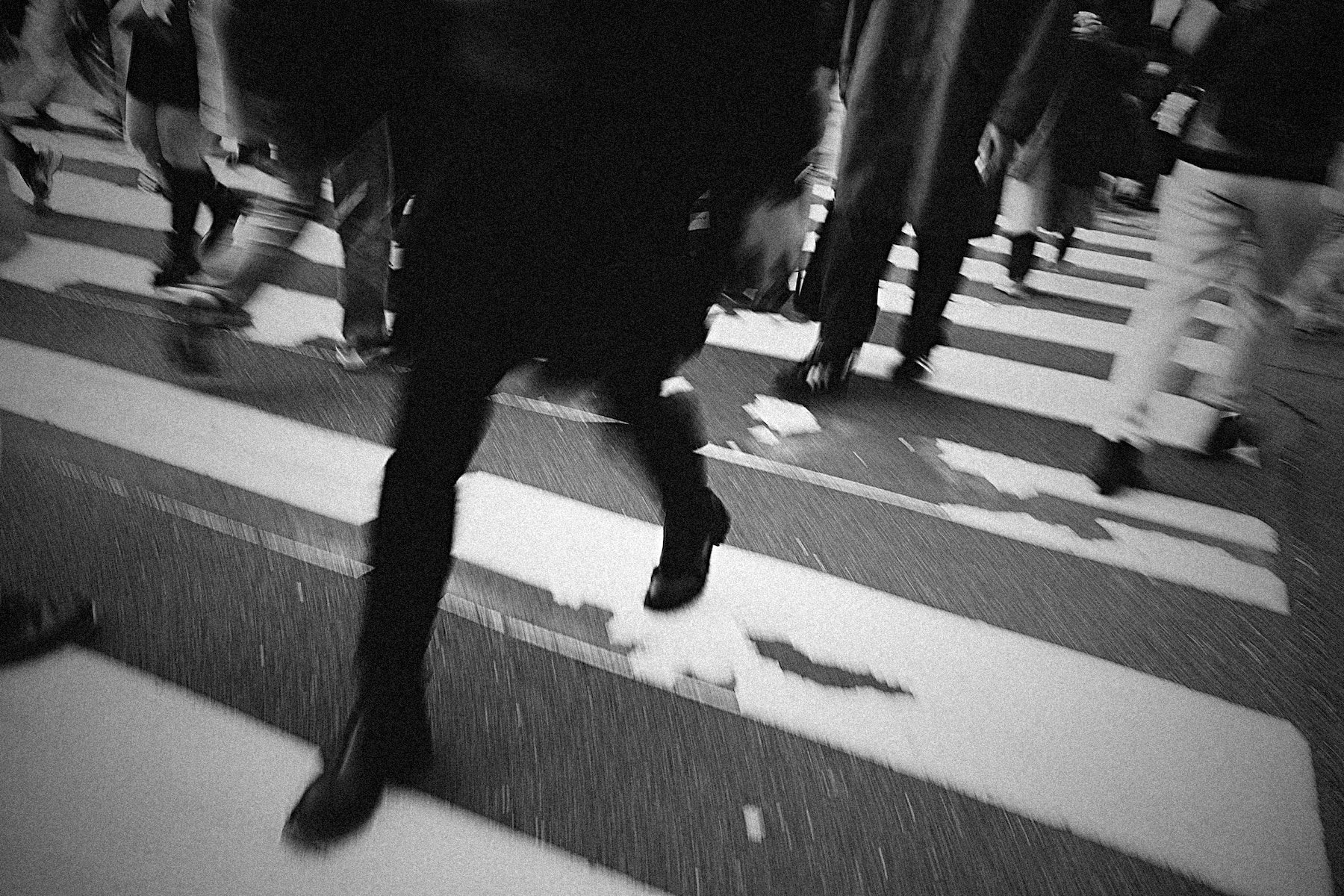
At the time of our visit, the exhibition Monochrome was on view, featuring black-and-white works by Kazuhei Kimura, Tomas H. Hara, and Rikard Landberg, all photographed with the RICOH GR IV Monochrome. (Works may be rotated during the exhibition.)
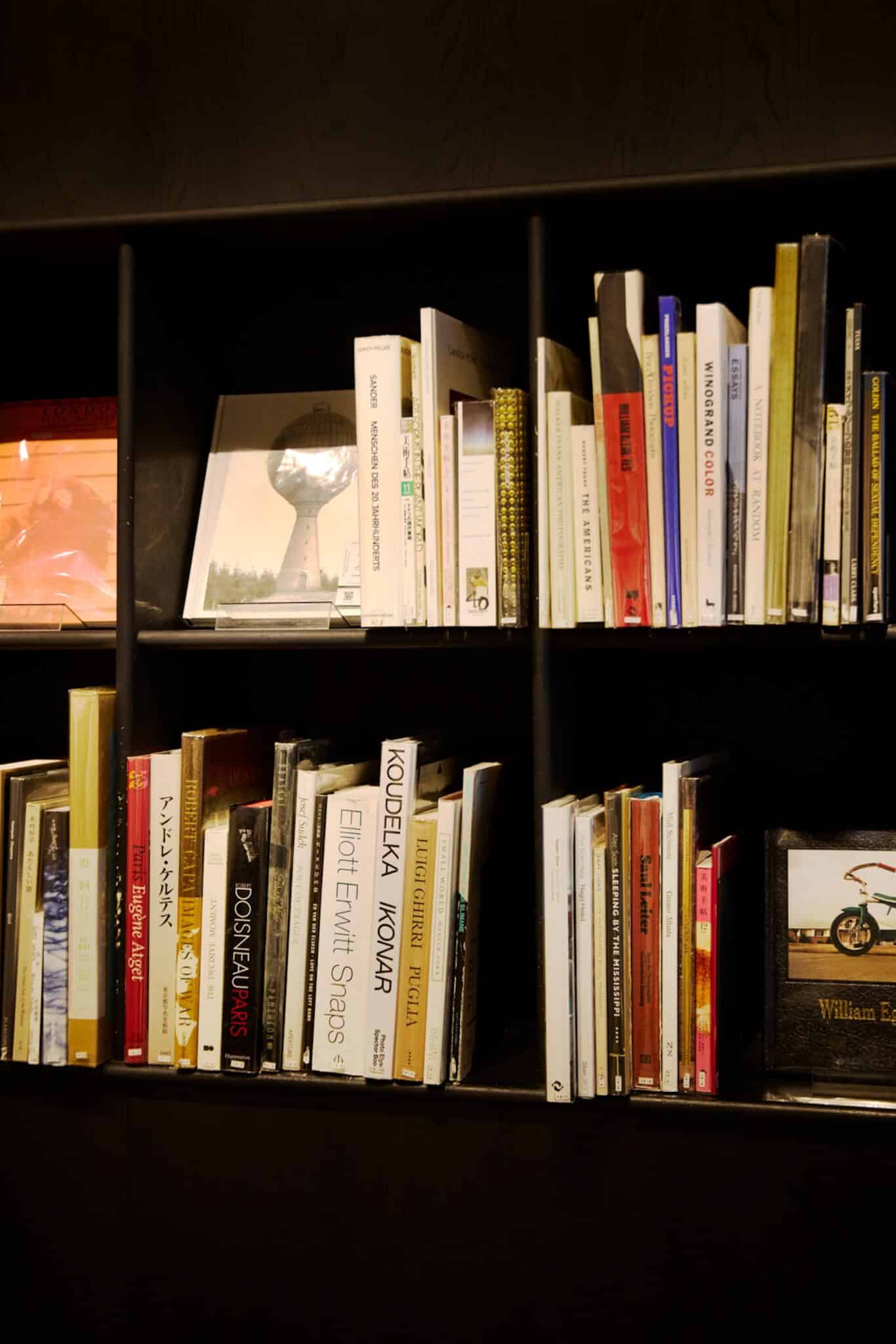
Books in the café are curated by book obscura, a photography bookshop in Kichijoji. The selection ranges from titles on Japanese photographic history to internationally acclaimed photo books and rare first editions. With free admission, visitors can take their time exploring these books—making the space especially valuable for photography enthusiasts.
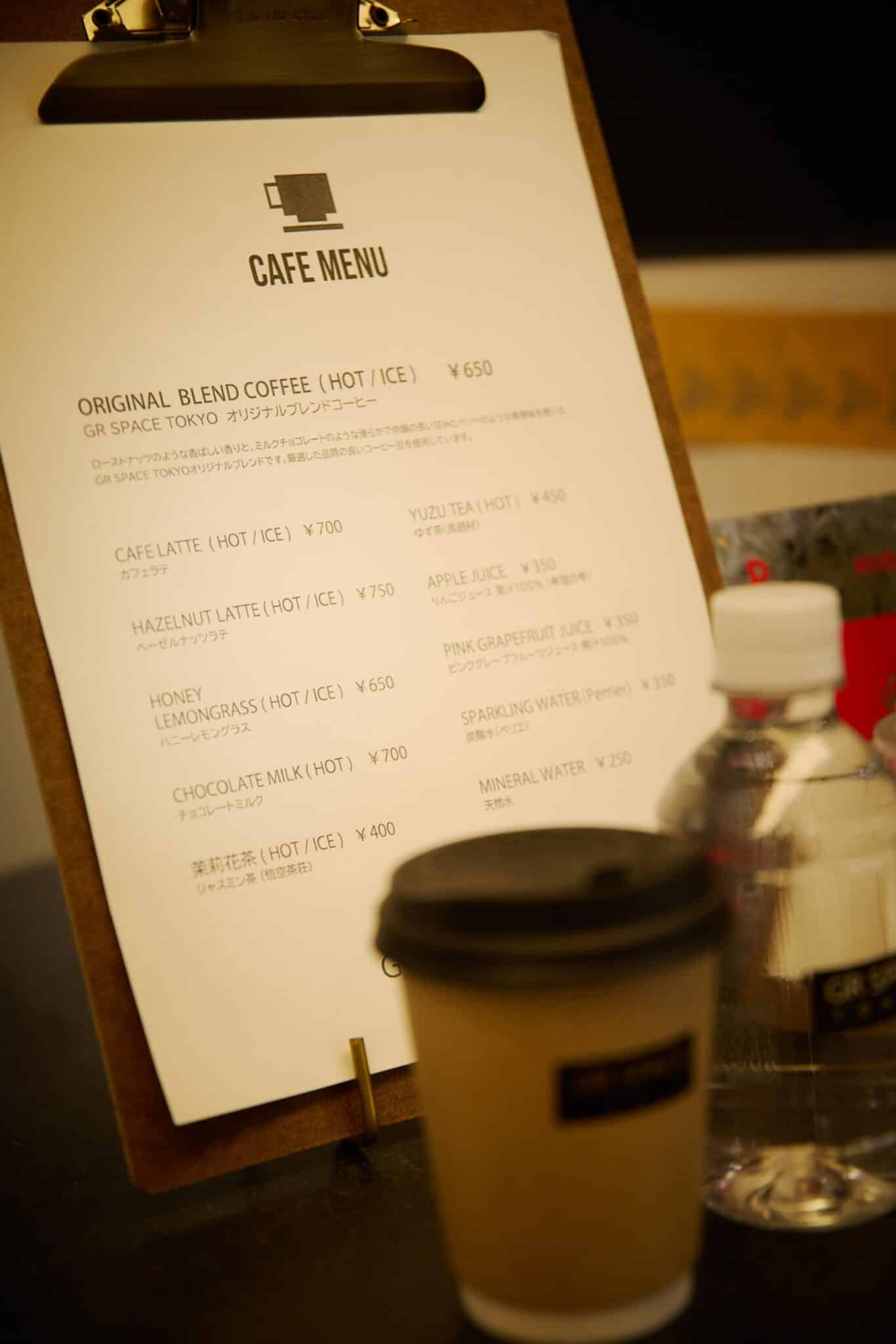
The café serves seasonal drinks as well as an original house-blend coffee (¥650). The beans are roasted by Little Darling Coffee Roasters, a roastery café in Minami-Aoyama. The coffee is light-bodied, with a gently bitter aroma that lingers.
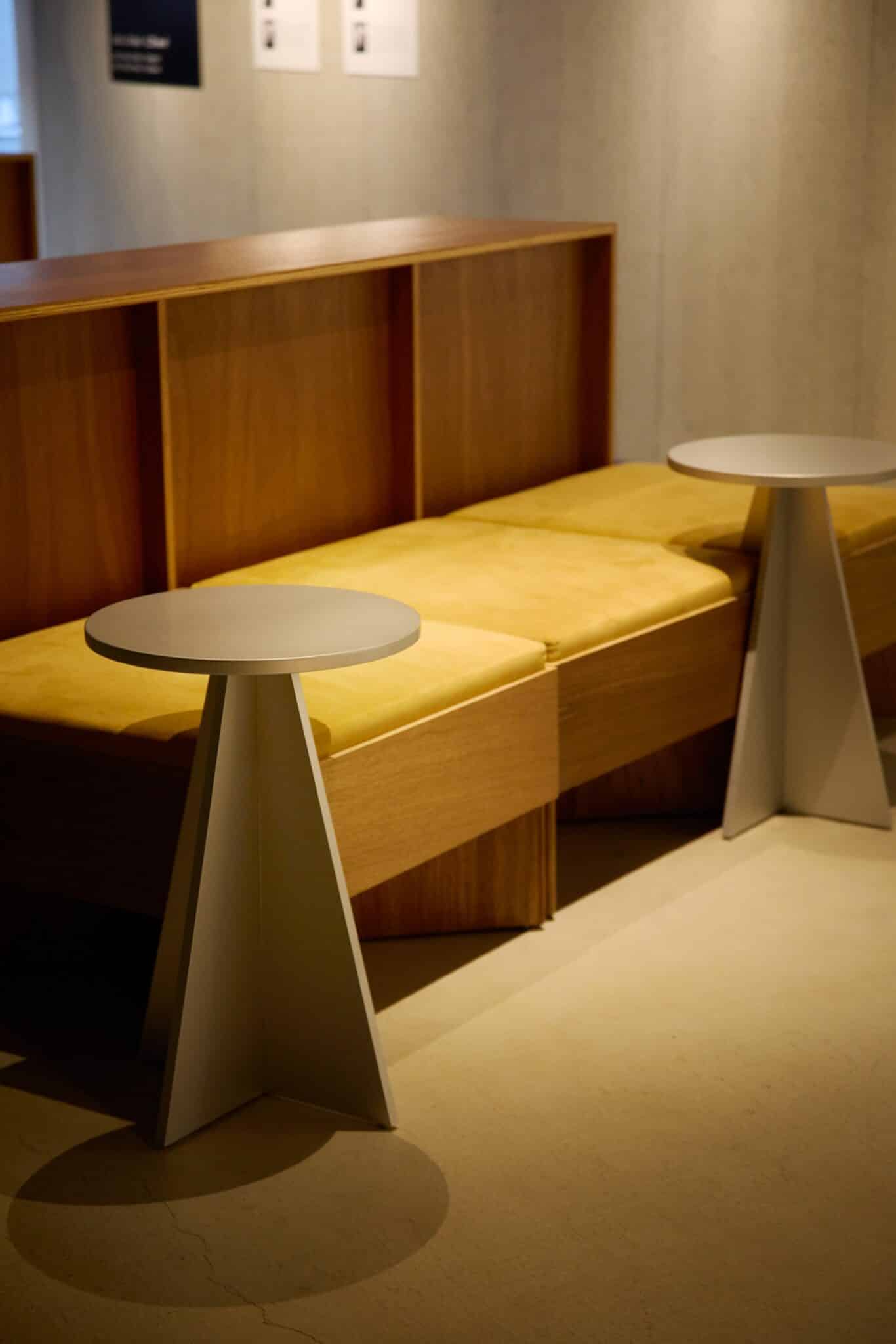
All of the furniture in the space was custom-designed, with careful attention to height and form, so visitors can comfortably enjoy the gallery while seated.
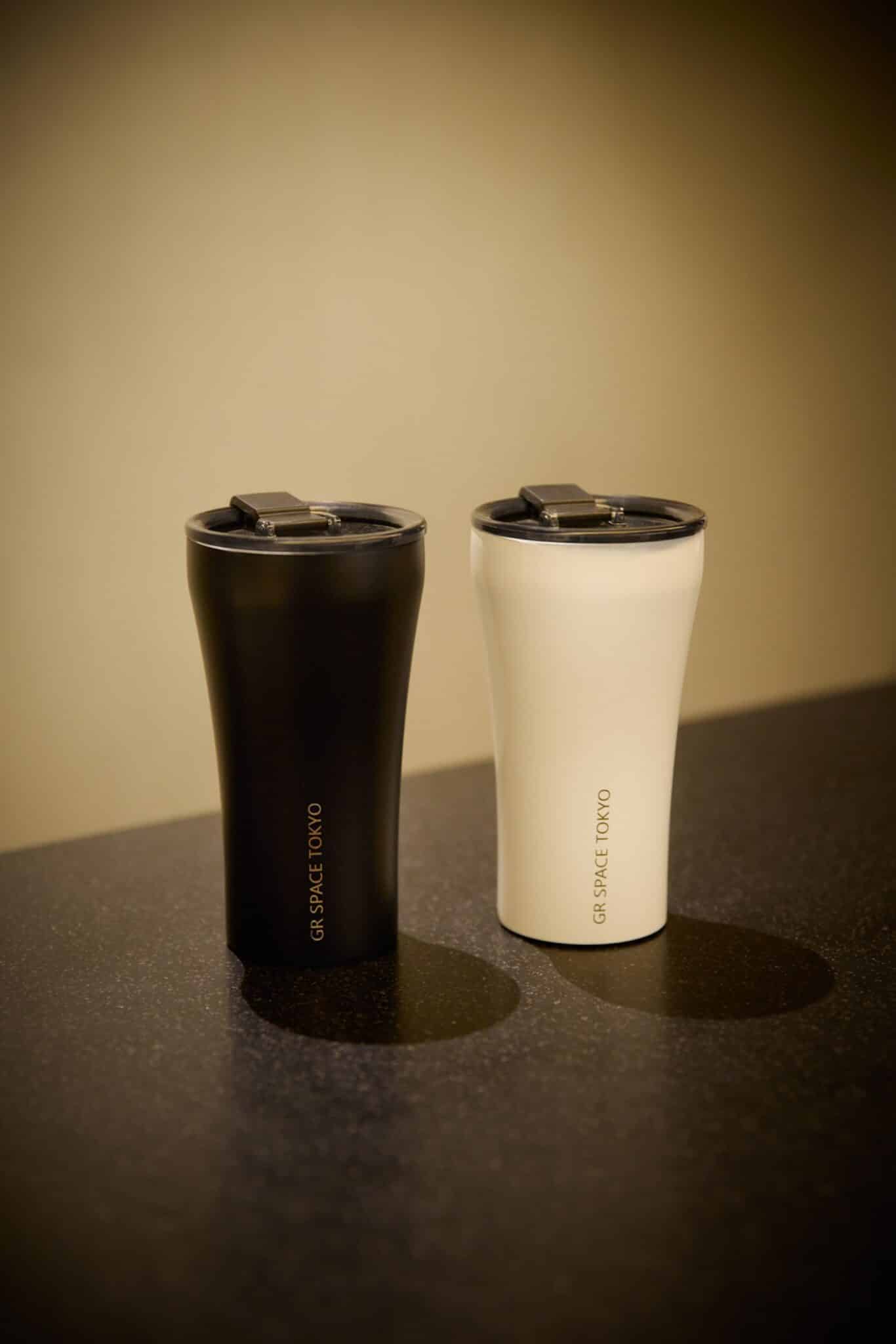
Exclusive merchandise—such as the logo-printed STTOKE tumbler (approx. 350 ml, ¥5,940)—makes the perfect souvenir, available only here.
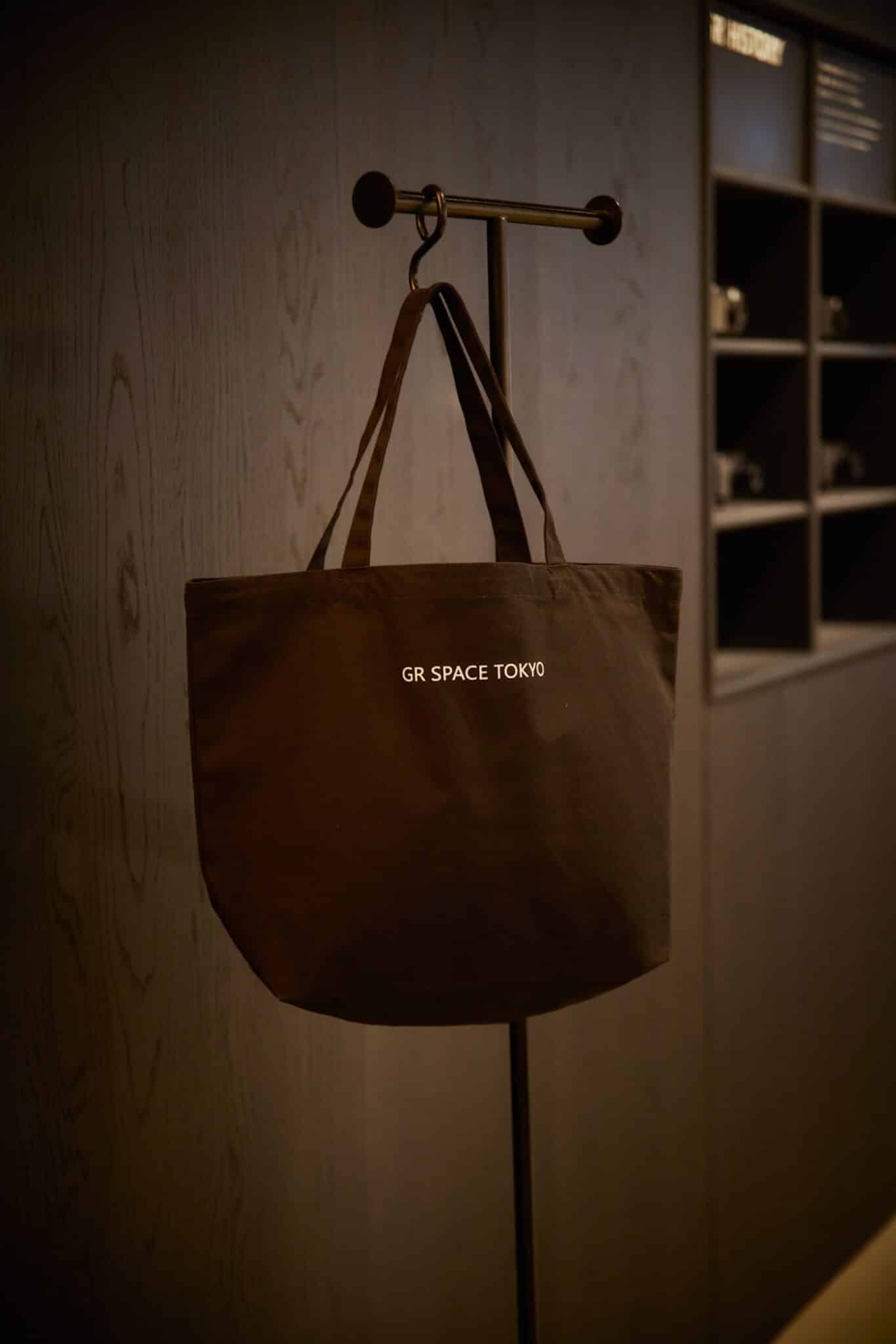
The tote bag (¥2,500), large enough to fit A3-size prints, features the minimalist design that reflects the GR aesthetic.
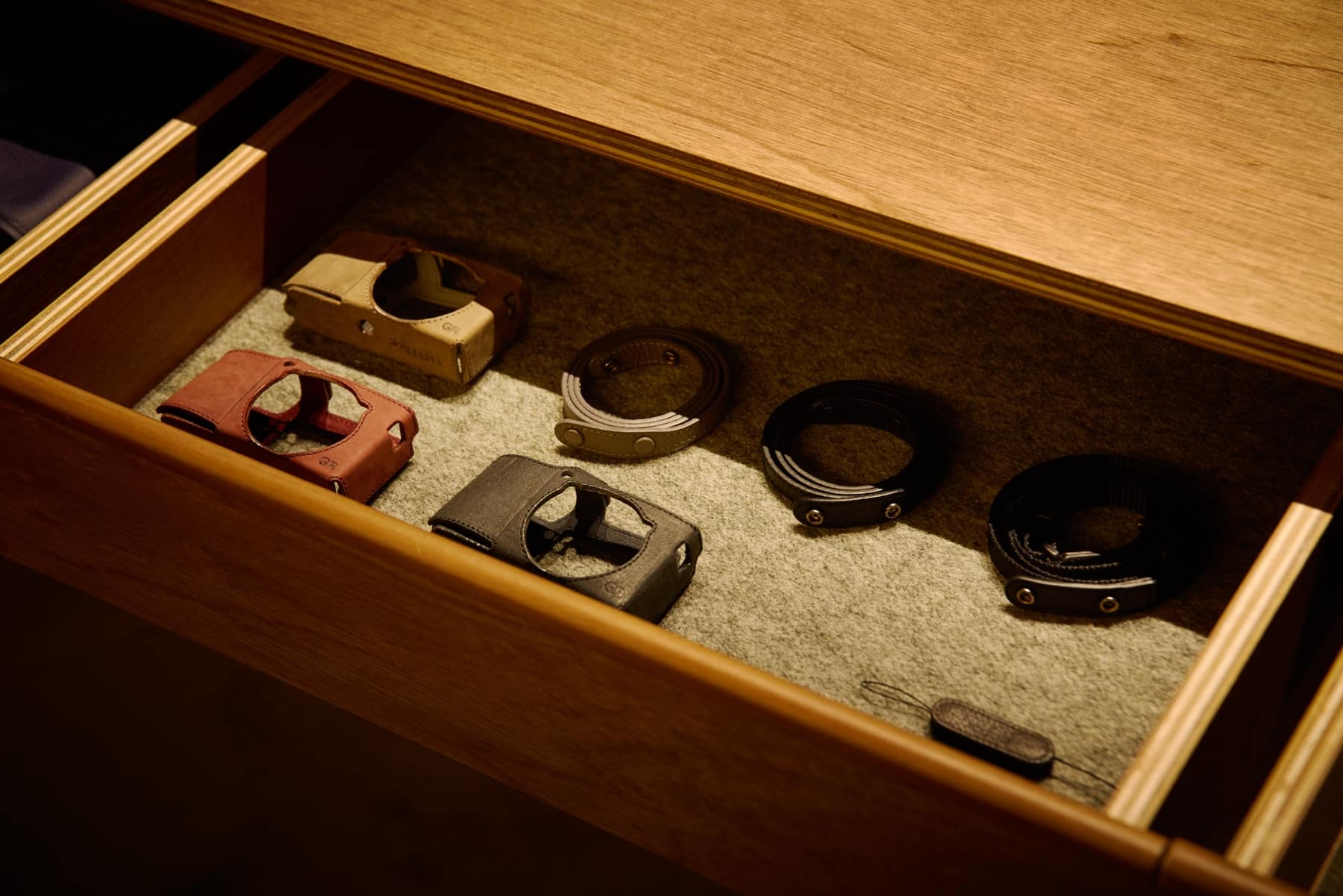
A wide range of accessories—including straps and camera covers—is also available, making it easy to personalize your GR to suit your style.
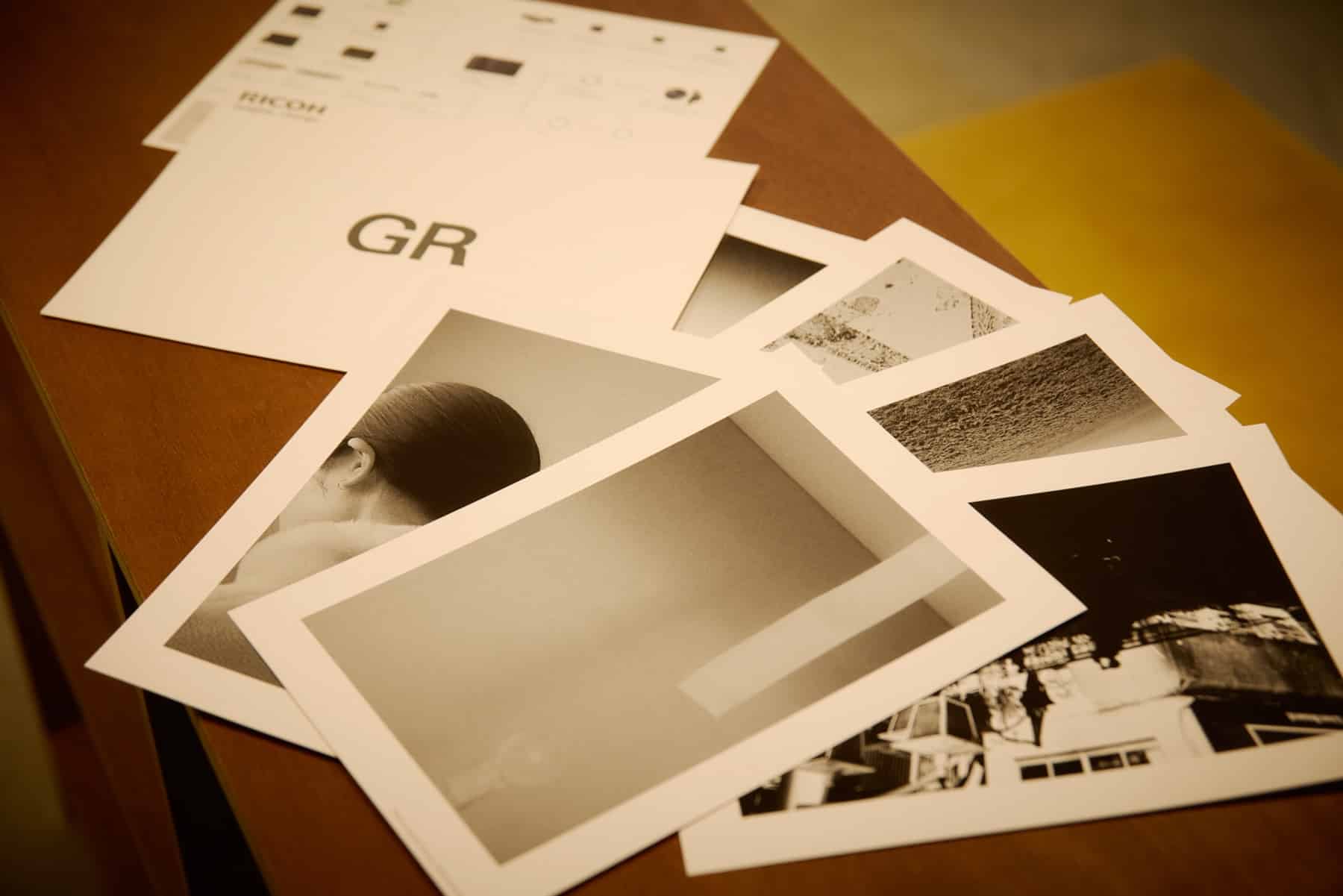
Catalogs for the RICOH GR IV & GR IIIx and RICOH GR IV Monochrome were designed to be displayed like photo books. Alongside specifications, they include printed photographs taken with each camera by professional photographers—another thoughtful touch that adds to the excitement of using a GR camera.
GR SPACE TOKYO also hosts small-group GR Lessons several times a month (advance reservation required online). The sessions range from beginner lessons covering basic operation to classes that explore specific GR features in greater depth.
Known as the ultimate snap shooter, the GR was created as a camera that allows anyone to enjoy snap photography with ease.
The story began in 1996 with the GR1 film camera. Since then, the GR has consistently maintained a compact body paired with a high-quality 28mm-equivalent lens (35mm format). Designed to faithfully capture what the photographer sees, its image rendering has earned the admiration of professionals as well as enthusiasts.
As technology evolved, the GR continued refining three core elements: portability, quick responsiveness, and intuitive operation.
After the transition to digital in 2005, the system expanded through firmware updates that added new functionality. With the release of the GR III in 2019, the built-in flash was removed in pursuit of further miniaturization, and a touchscreen interface was introduced.
The camera’s simple design—maintained since its debut—reflects the desire to create a tool that fits naturally into everyday life and remains enjoyable to use for years.
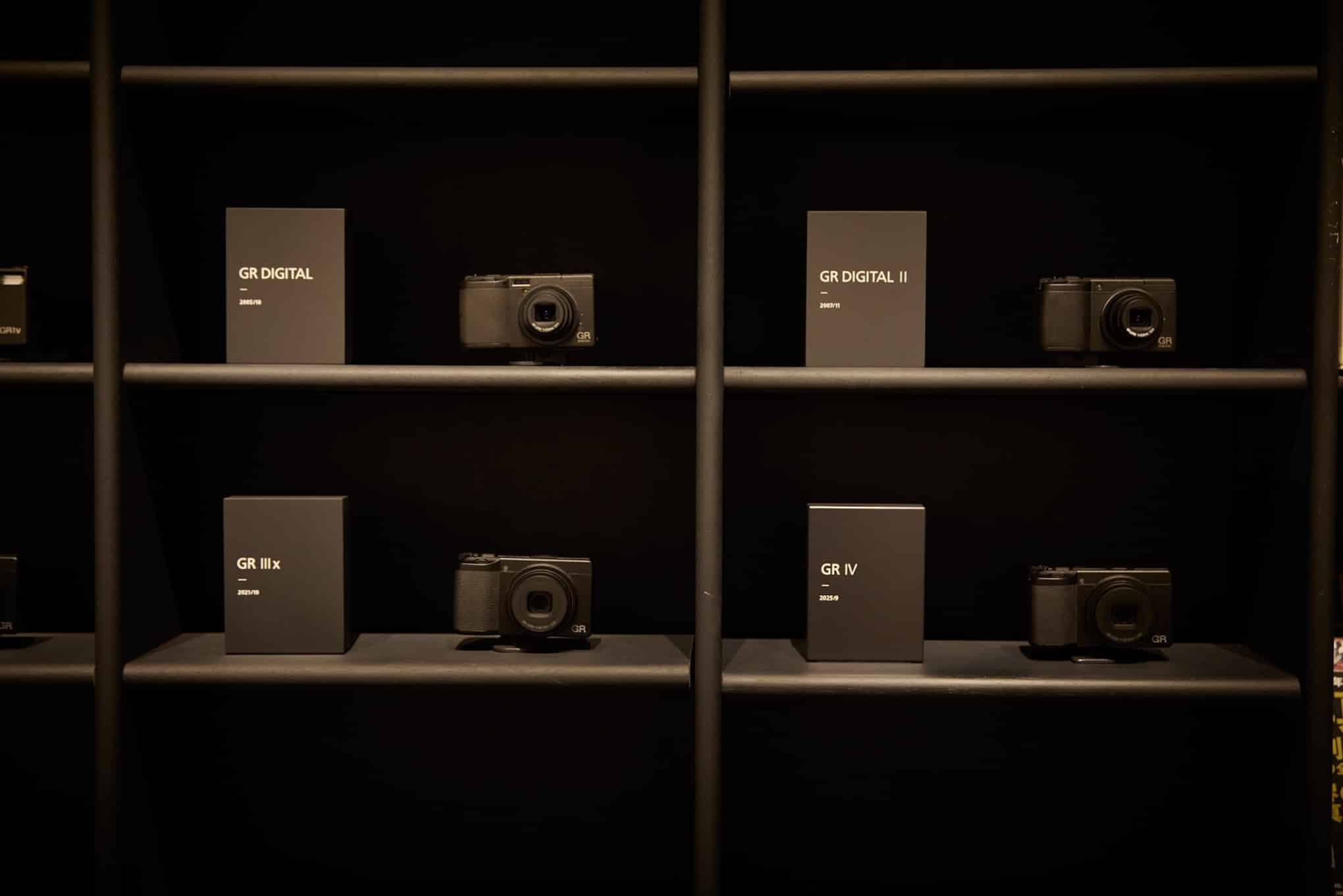
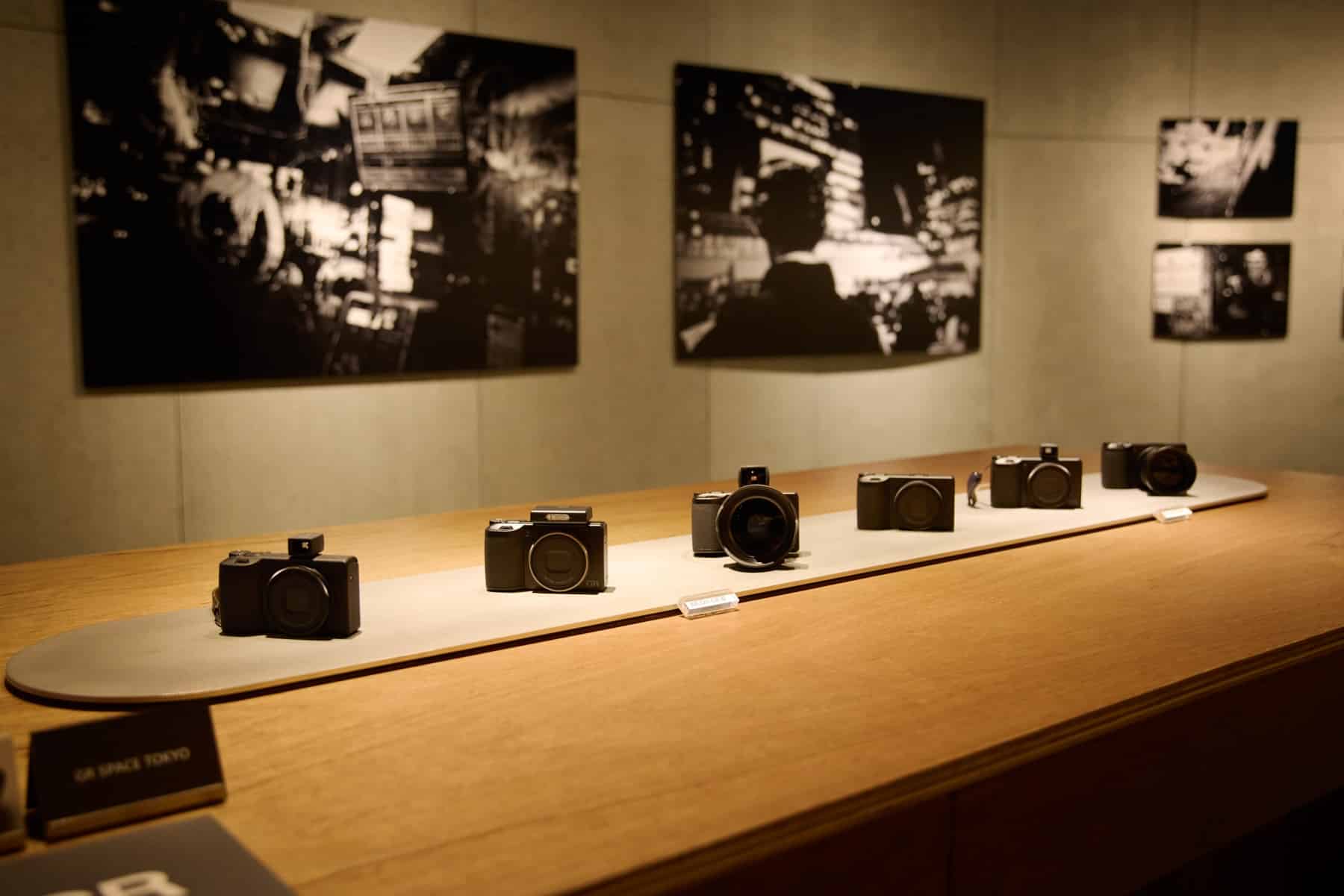
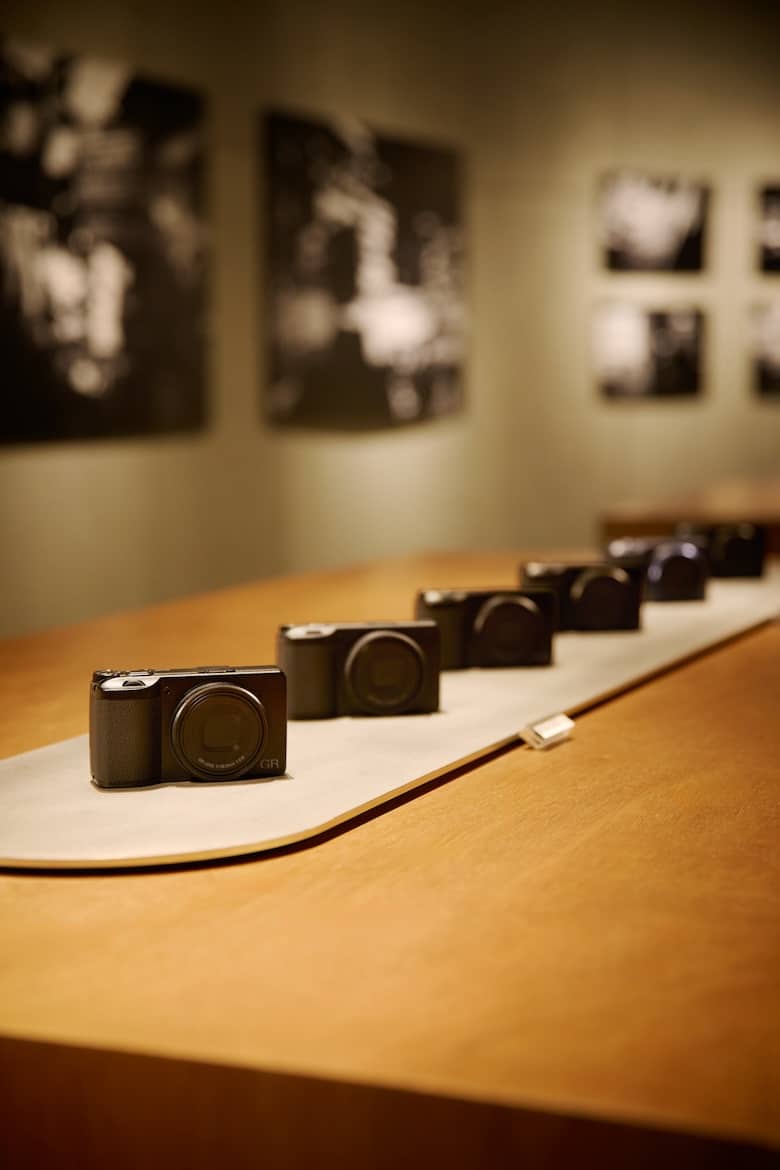
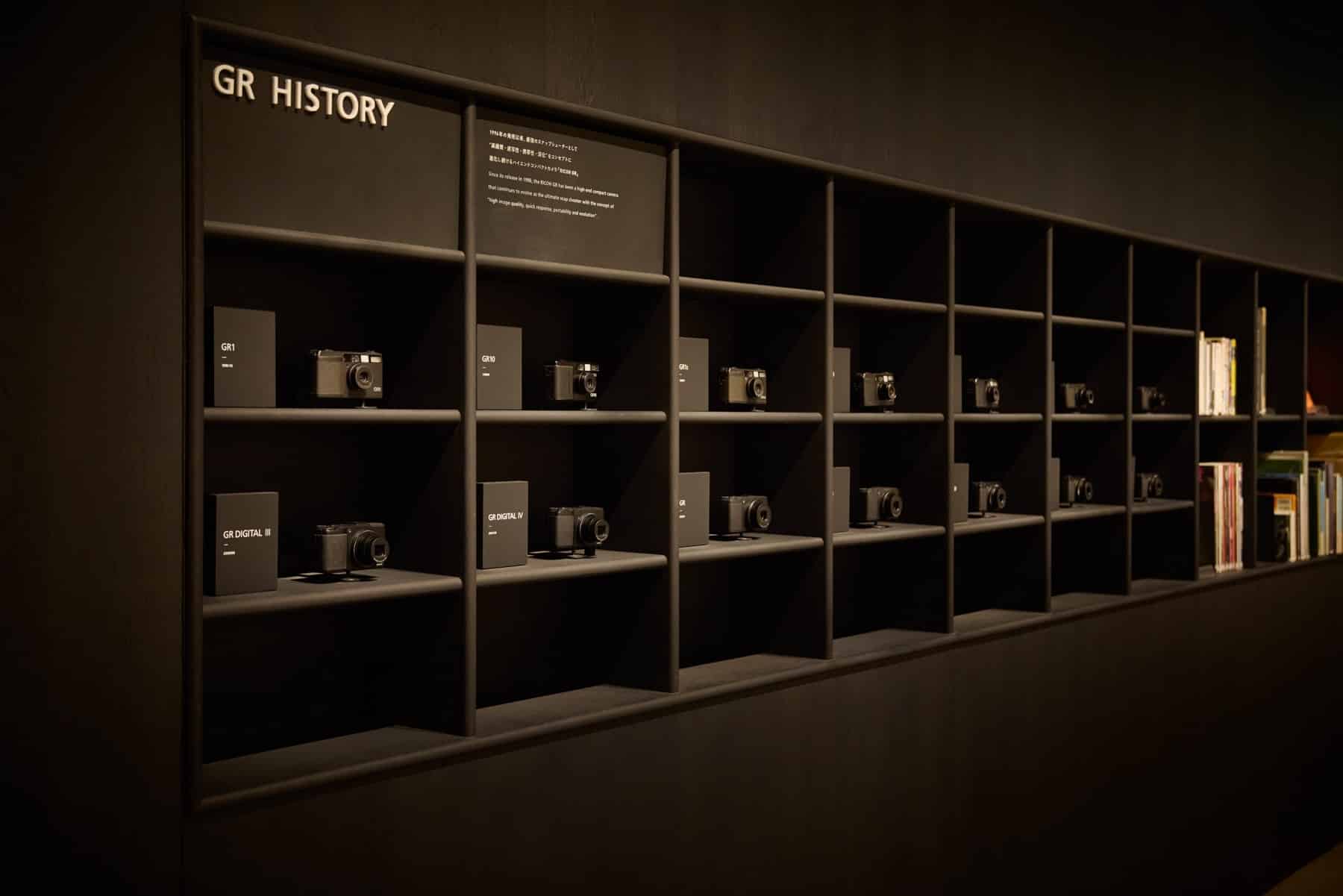
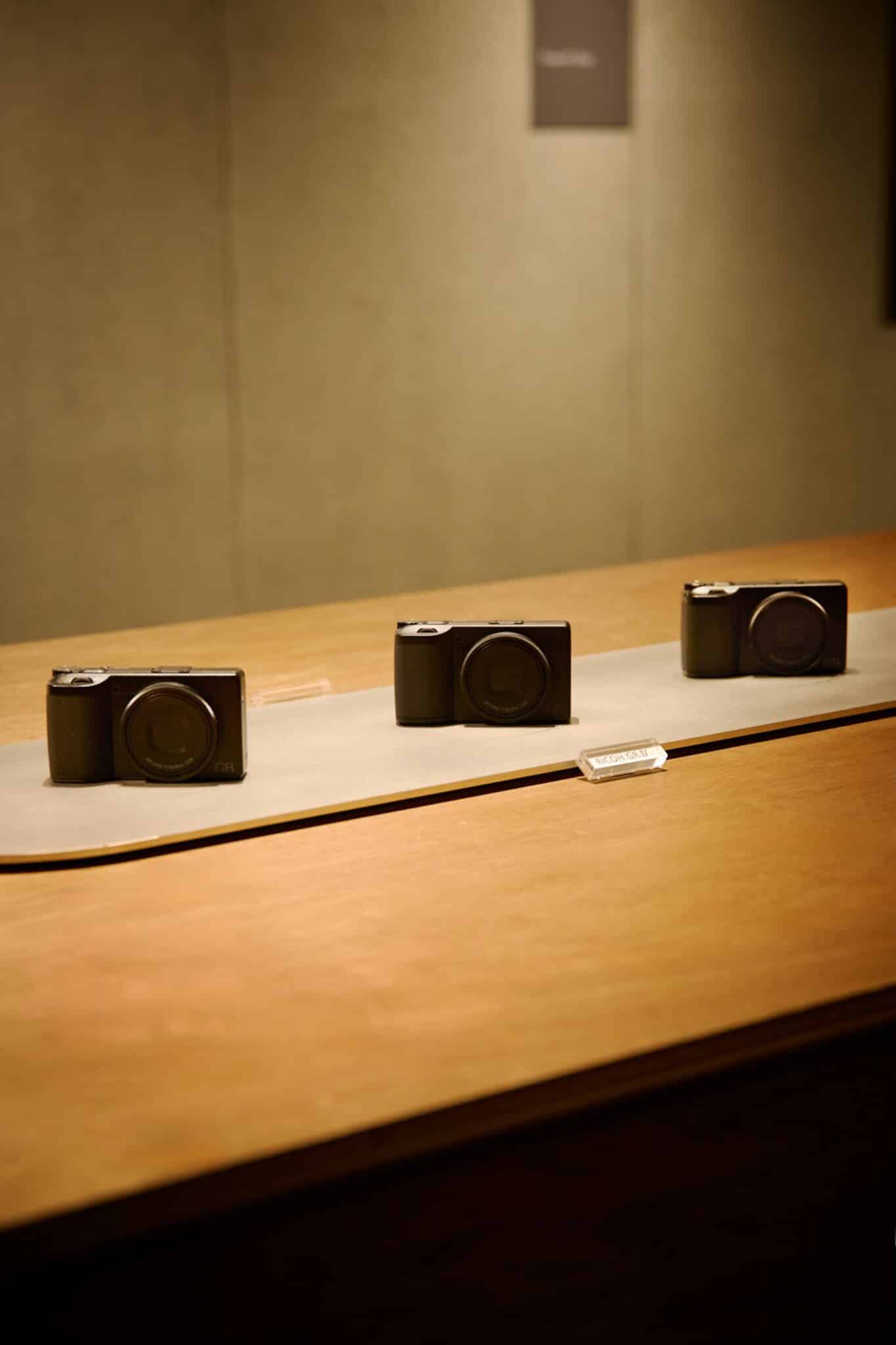
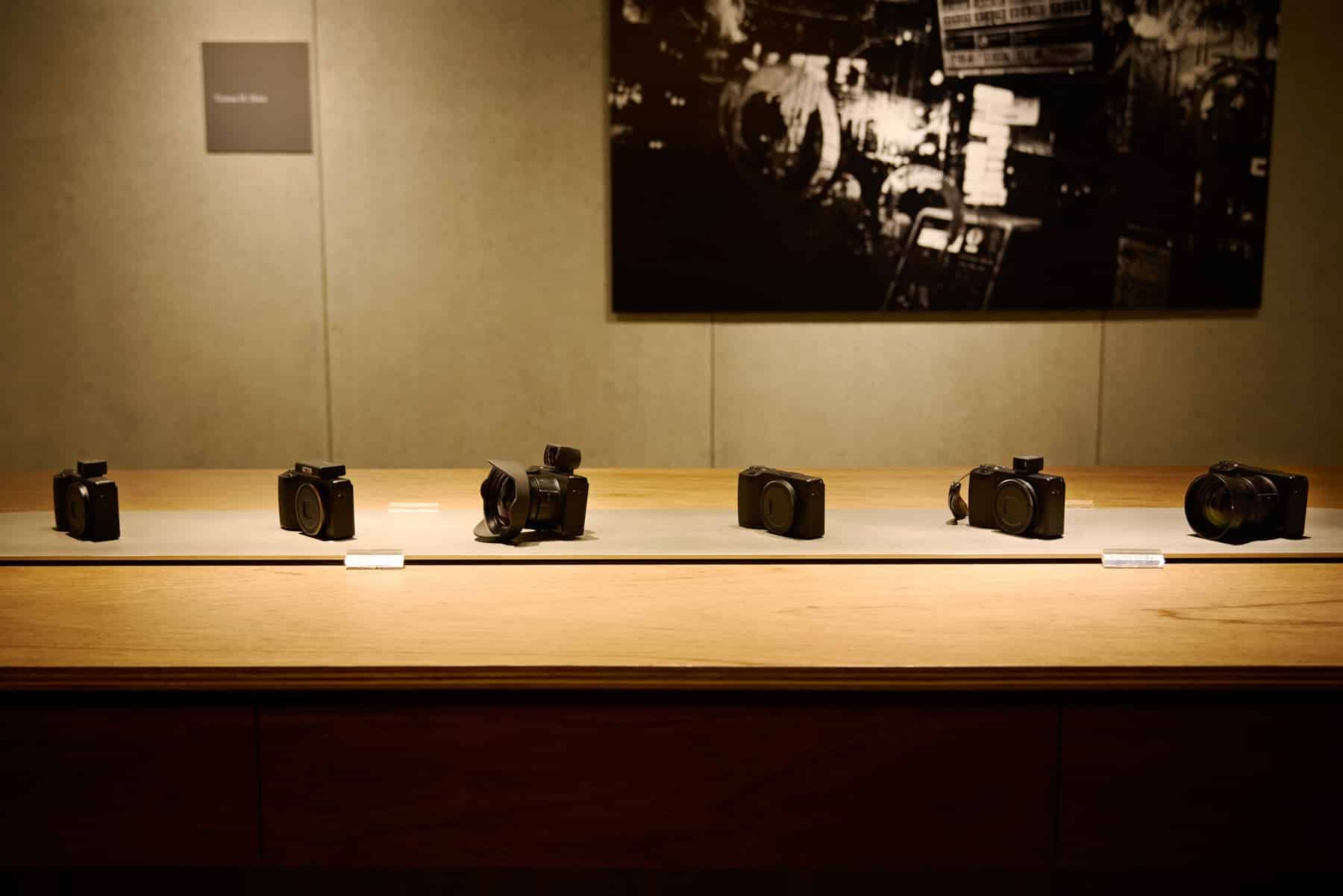
Visitors to GR SPACE TOKYO can explore this history through displays of past models that trace the evolution of the GR series.
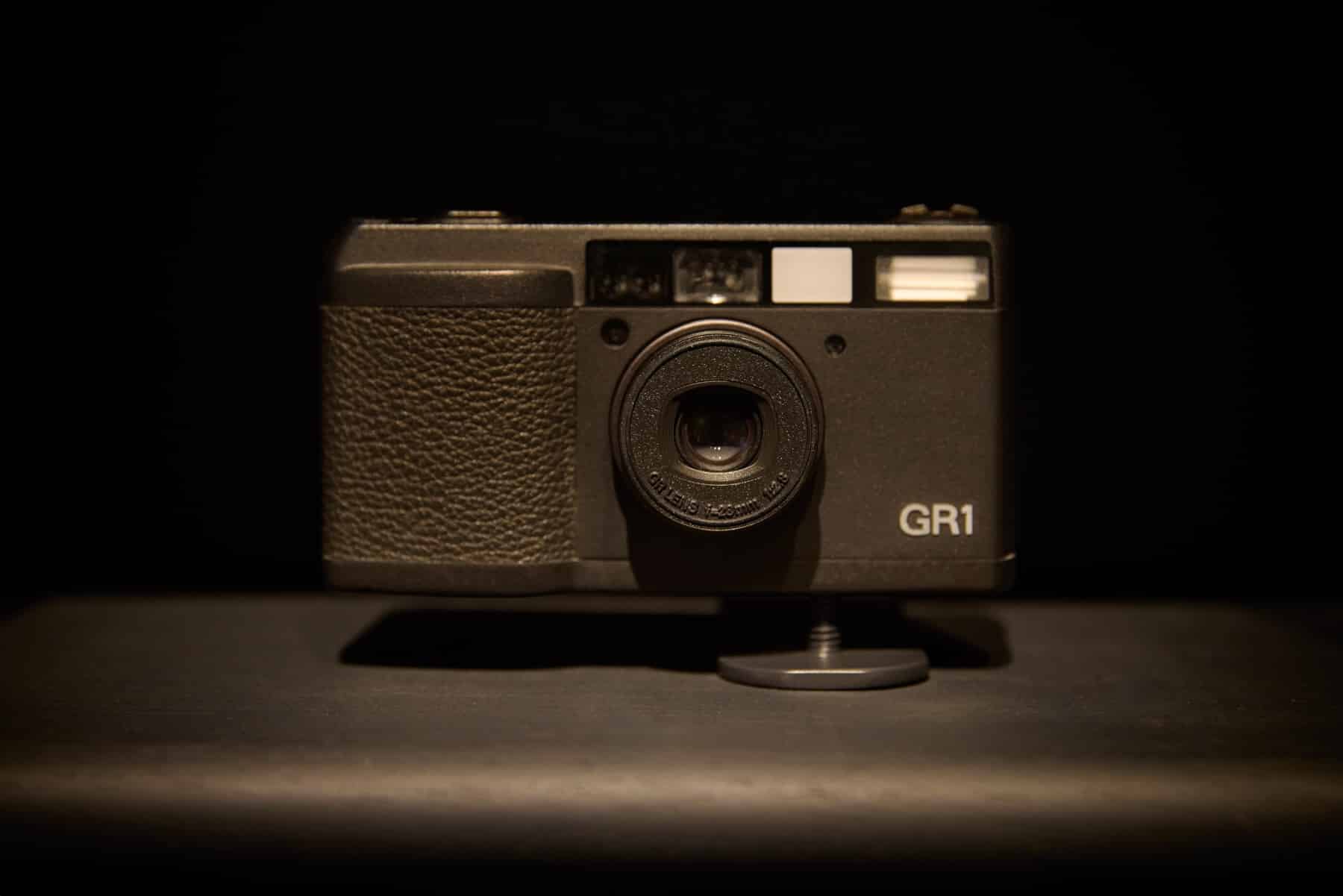
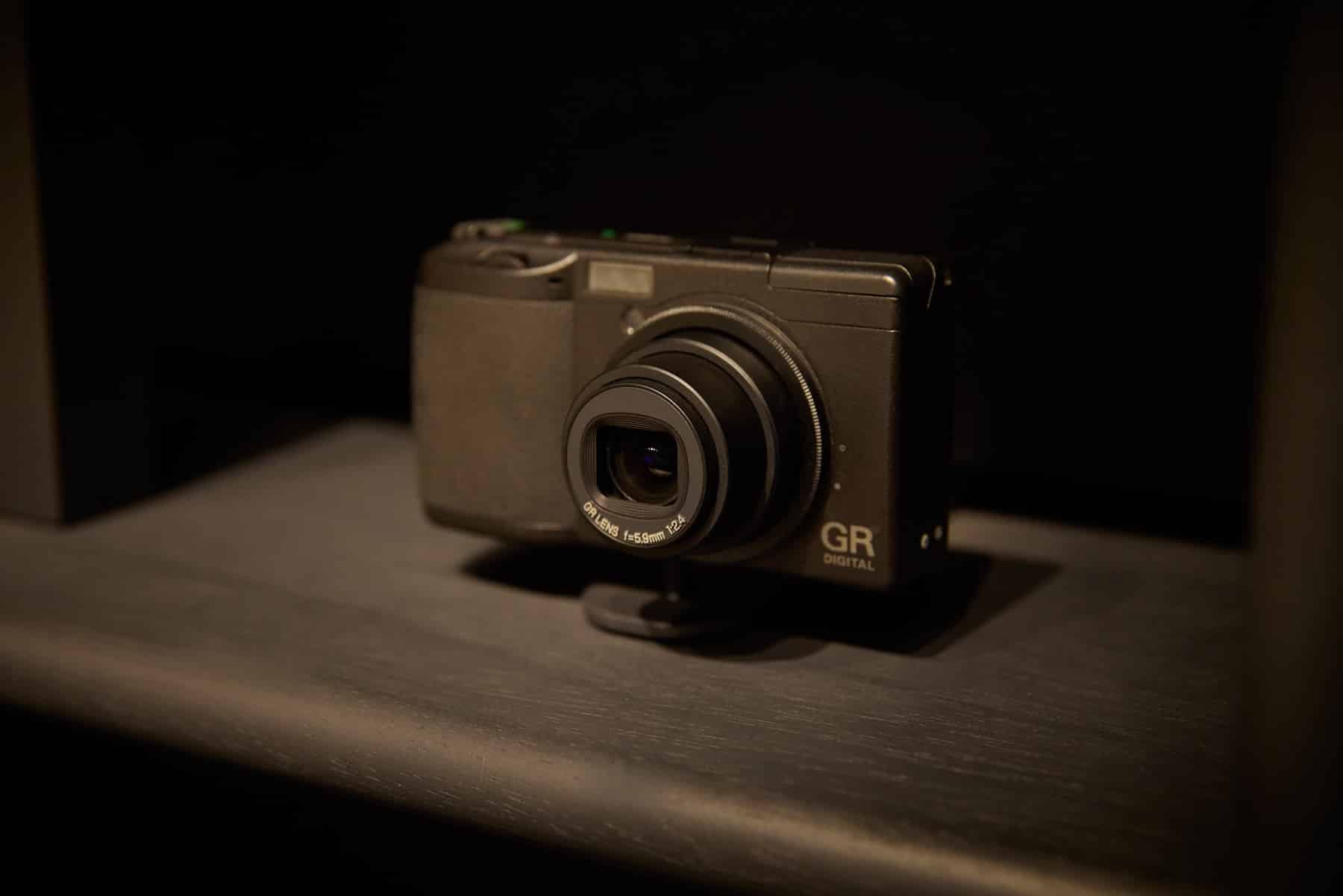
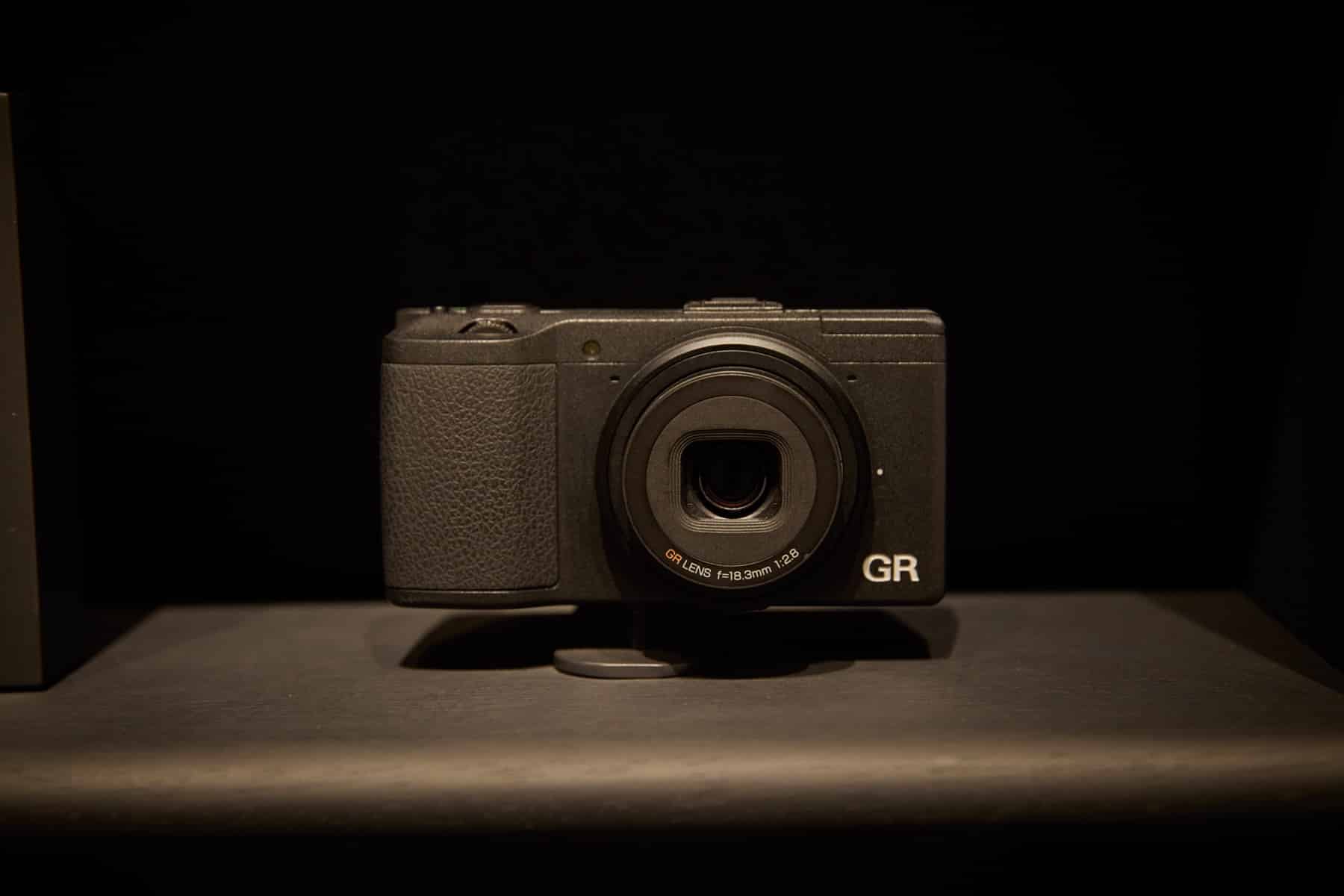
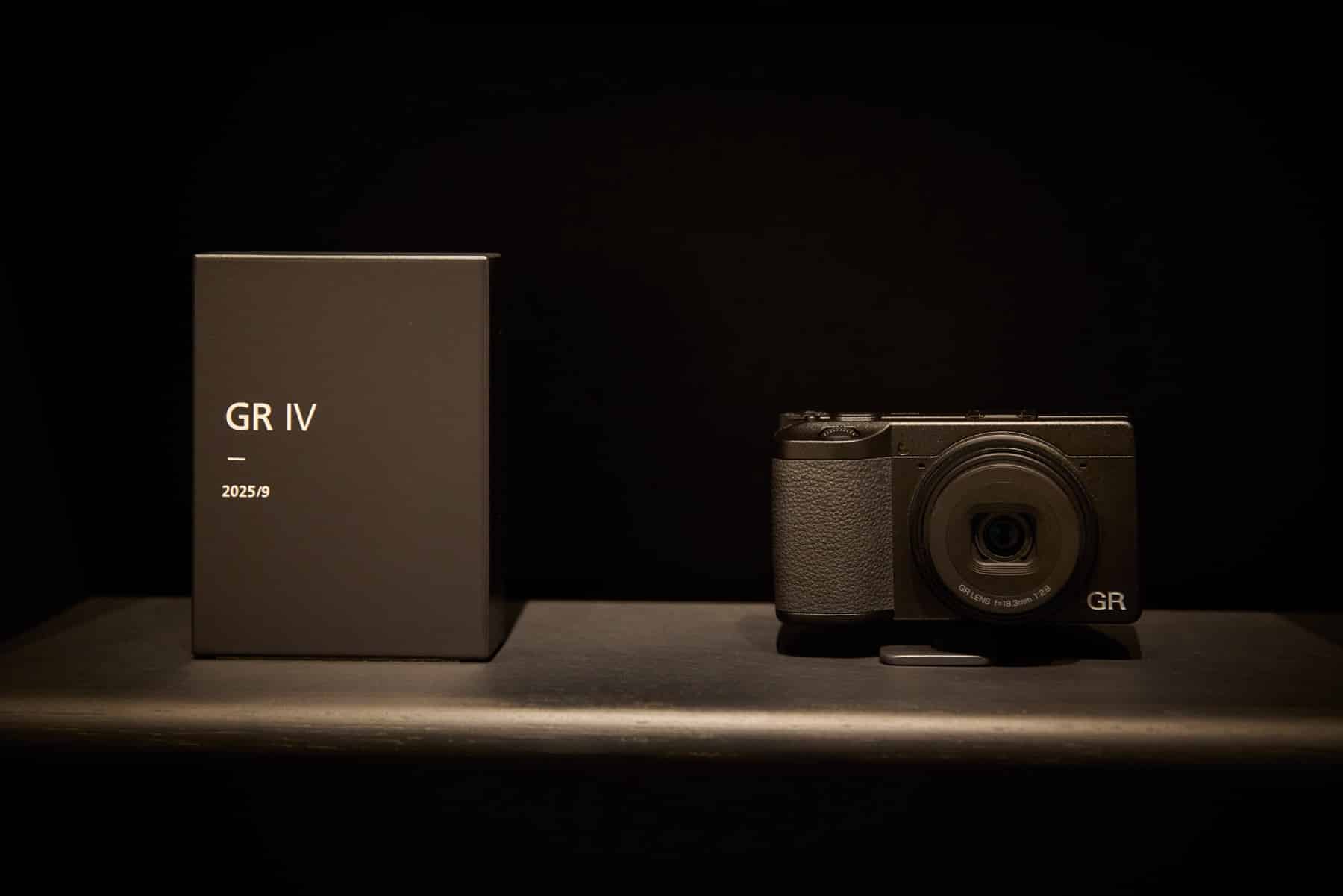
For 30 years, the GR series has pursued the refinement of portability, responsiveness, and usability. Here, models from across the decades—from the earliest cameras to the latest versions—are displayed in chronological order.
Even as zoom lenses became more common, the GR remained committed to its 28mm-equivalent wide-angle prime lens (35mm format), preserving the spirit of snap photography. Combined with its outstanding image quality, the camera has long been favored by professional photographers.
The GR1, released in 1996, was a film camera praised by photographers for delivering remarkable image quality in a compact body. The iconic form of the GR was already established in this very first model.
In 2005, the series transitioned from film to digital. Despite being priced nearly twice as high as competing cameras, it continued to earn strong support from photographers thanks to a high-quality lens that delivered natural, film-like image rendering.
In 2013, the sensor was updated, significantly improving both image quality and autofocus speed. The higher resolution made it possible to capture even finer detail.
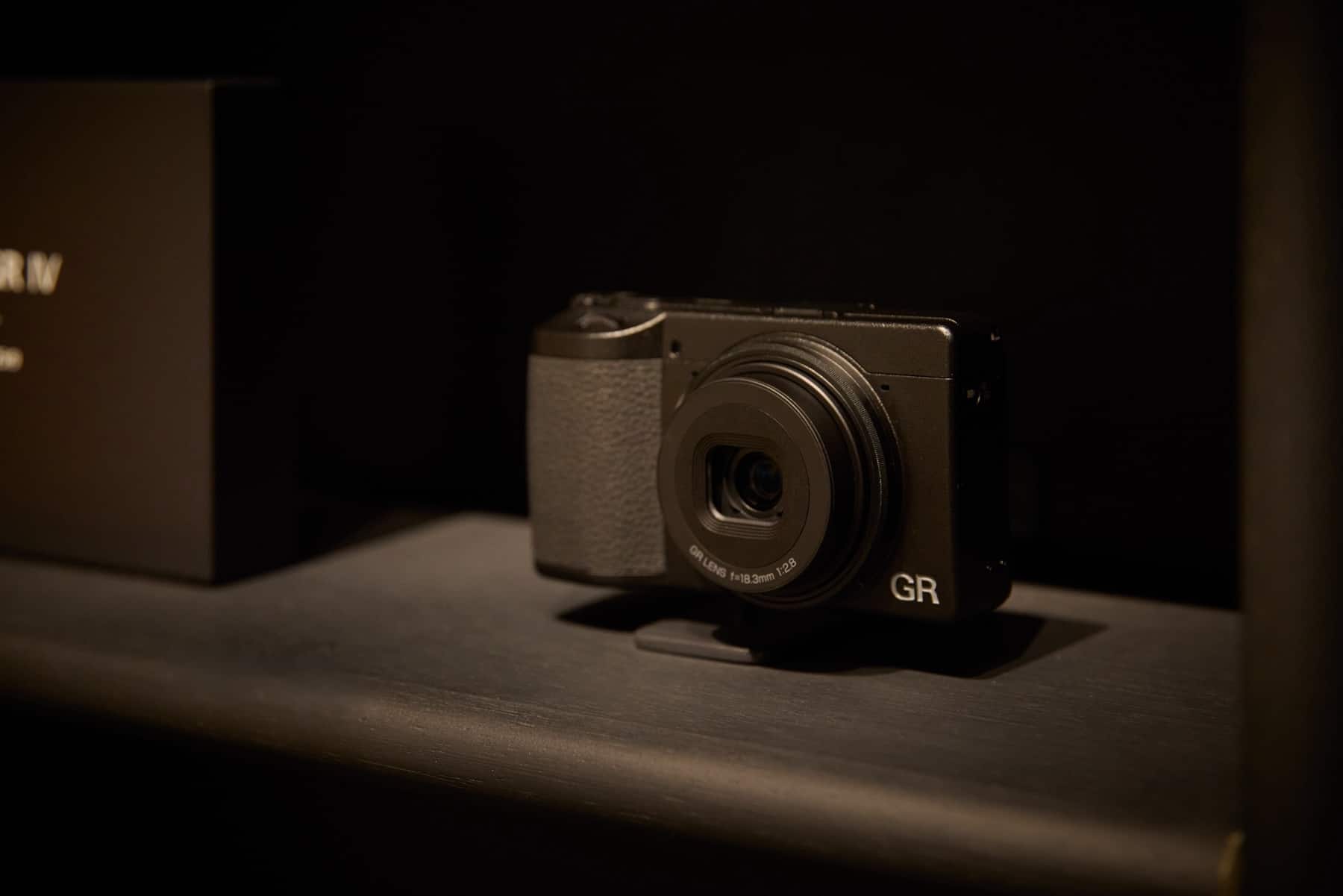
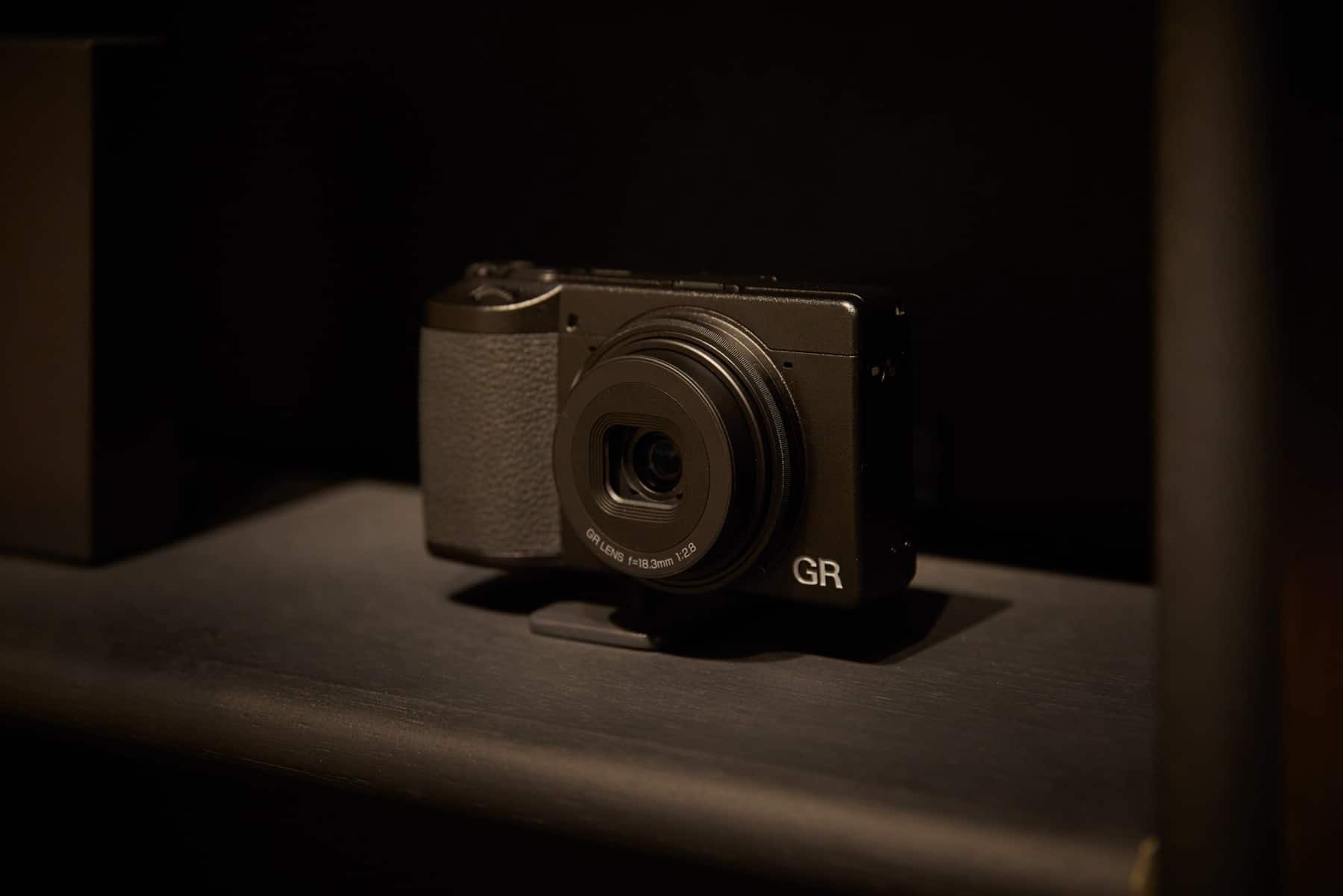
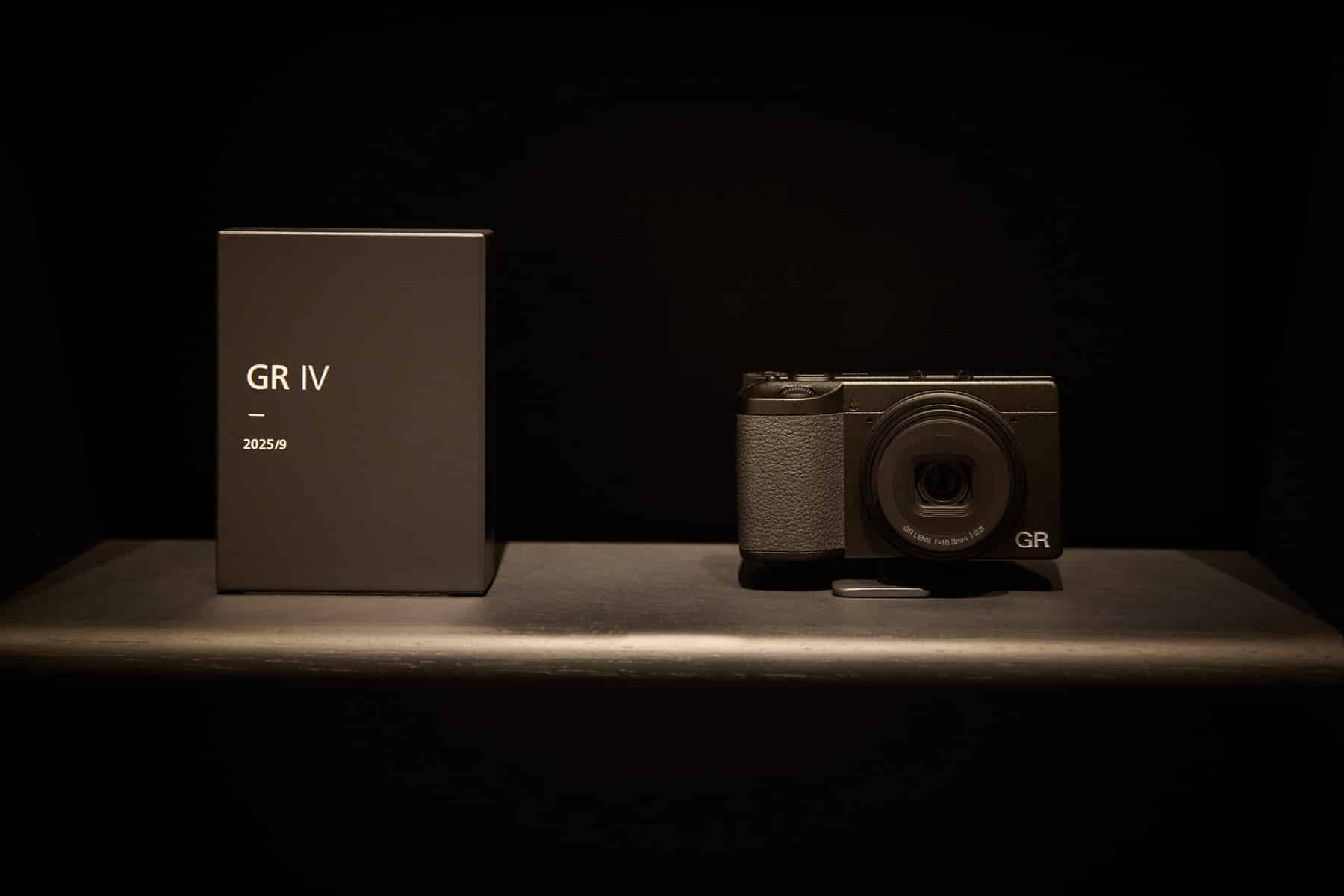
The RICOH GR IV, released in 2025, features a newly developed image sensor, image processing engine, and lens. With its quick shooting response, pocket-sized body, one-handed stability, and intuitive control layout, it remains a uniquely balanced camera that combines ease of use with exceptional image quality.
Even the latest model retains the design language established in the original. The comfortable grip and textured body finish that prevent slipping have remained largely unchanged since the first generation.
At GR SPACE TOKYO, visitors can get hands-on with the RICOH GR IV, the latest model released in 2025. Compared with previous models, the GR IV features a newly developed image sensor, image processing engine, and lens. The body has also been slimmed down to a thickness of just 32.7 mm (excluding controls and protrusions), making it 2.5 mm thinner than its predecessor. The effective pixel count has increased to approximately 25.74 megapixels, further refining the balance of portability and image quality that has defined the GR series since its debut. A newly designed battery allows approximately 250 shots per charge and up to about 240 hours of playback time. The lineup also includes the RICOH GR IV HDF, equipped with the Highlight Diffusion Filter (HDF) that enables more atmospheric and expressive imagery, as well as the RICOH GR IV Monochrome, the first monochrome model in the history of the GR series.
The RICOH GR IV features a new image sensor paired with a newly developed high-performance, slim GR LENS 18.3 mm F2.8. While maintaining the familiar 28mm-equivalent field of view (35mm format) and F2.8 aperture, edge-to-edge sharpness has been further improved.
Whether shooting in automatic mode or carefully adjusting manual settings, the camera’s intuitive controls allow photographers to capture a moment instantly with one hand—supporting both creativity and spontaneity.
From left: RICOH GR IV, RICOH GR IV Monochrome, RICOH GR IV HDF.
Photograph taken with the RICOH GR IV Monochrome. Because its dedicated monochrome sensor does not use a color filter array, it eliminates interpolation and captures more light than conventional color sensors—resulting in rich tonal gradation. Photo by Mitsuo Suzuki.
Standard mode shown here. In addition to this, new Image Control settings have been developed for the RICOH GR IV Monochrome to enhance the appeal of monochrome photography. Photo by Mitsuo Suzuki.
“Solid,” an Image Control mode that renders edges with refined clarity, creating a clean and crisp image. Photo by Mitsuo Suzuki.
“Grainy,” an Image Control mode featuring pronounced film-like grain that remains noticeable even on smartphone screens. Photo by Mitsuo Suzuki.
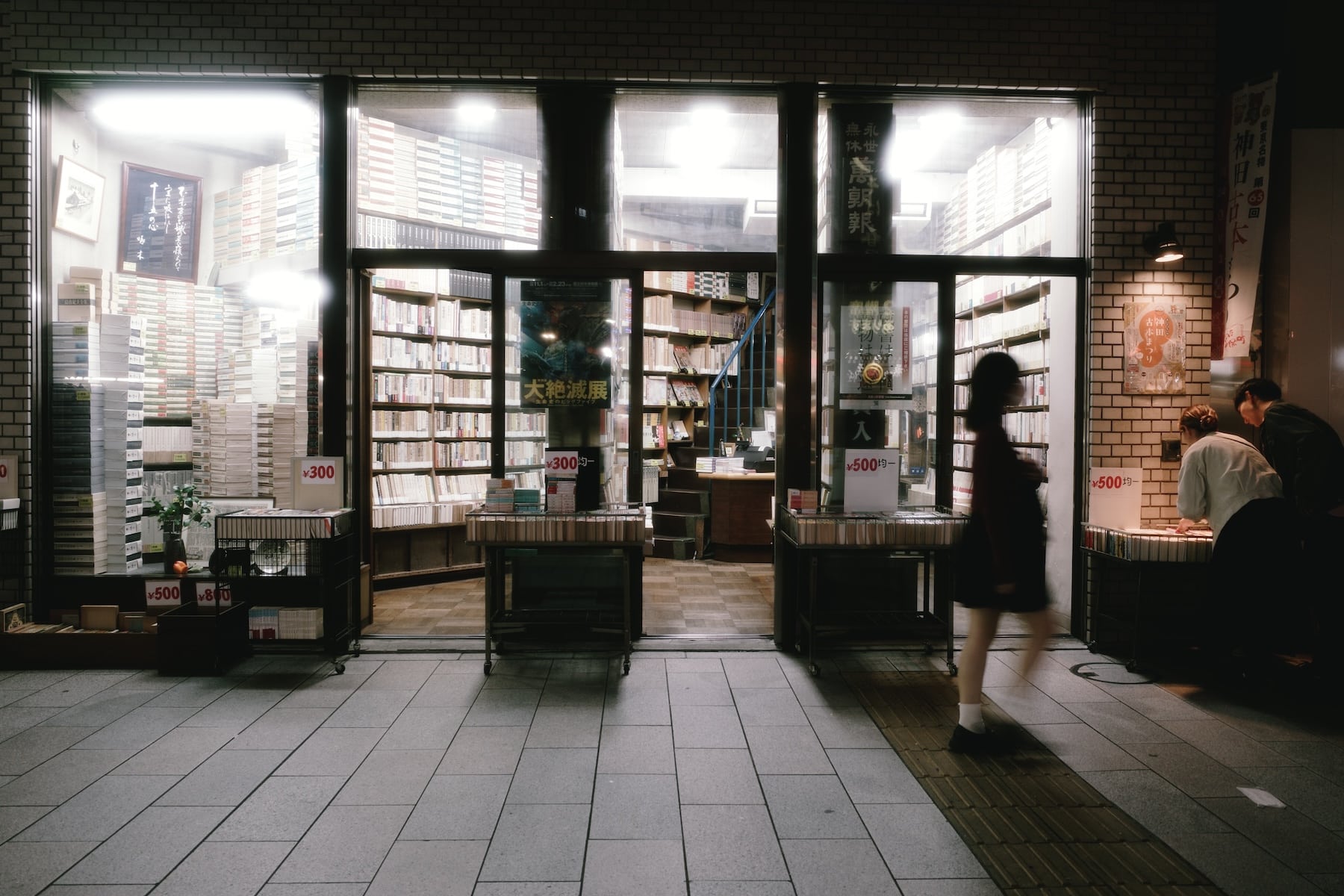
These are photographs taken with the RICOH GR IV HDF, which features the Highlight Diffusion Filter.
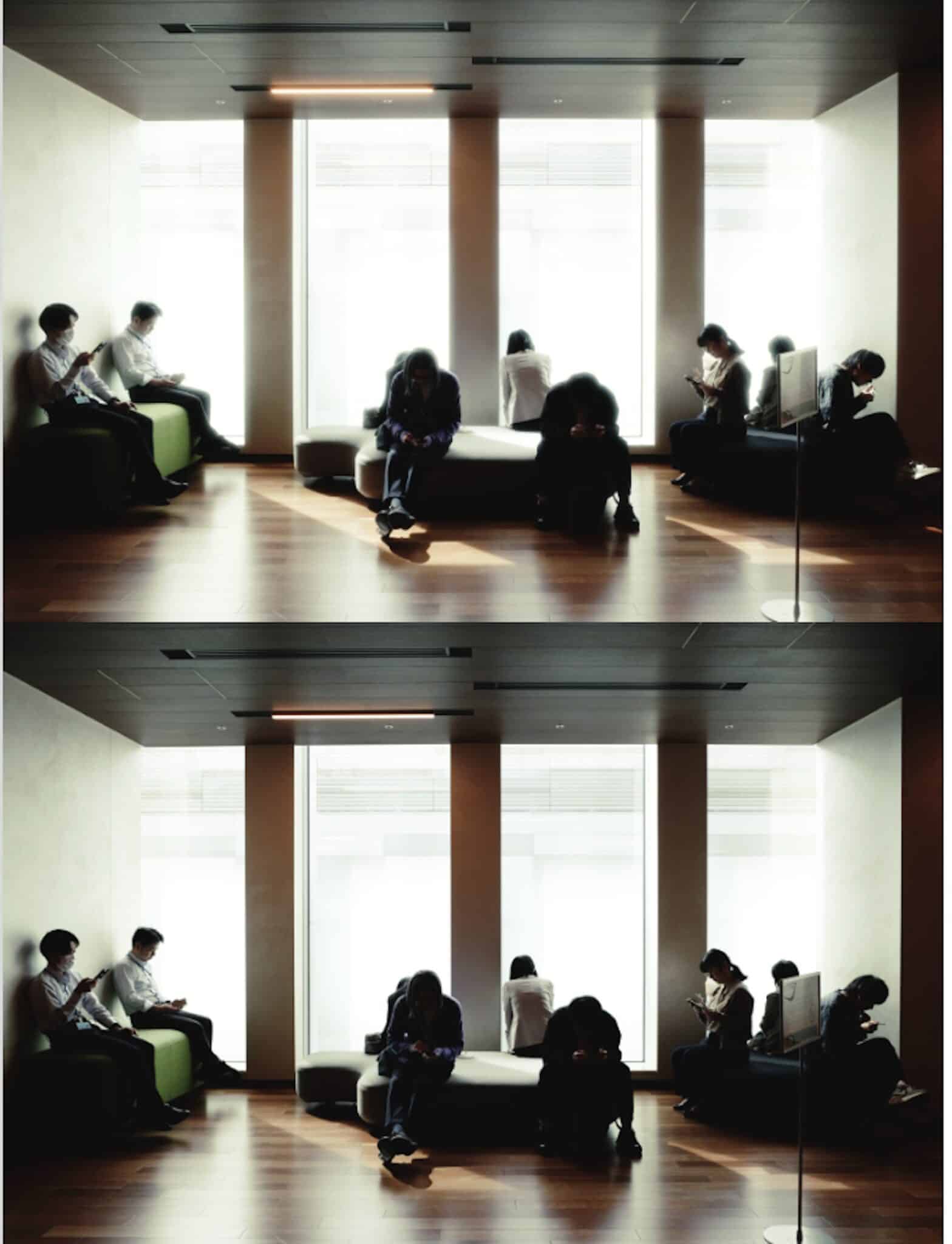
When HDF is activated, highlights bloom softly, creating a more diffused look around bright areas. Top: HDF ON / Bottom: HDF OFF. Photo by Robert Adachi.
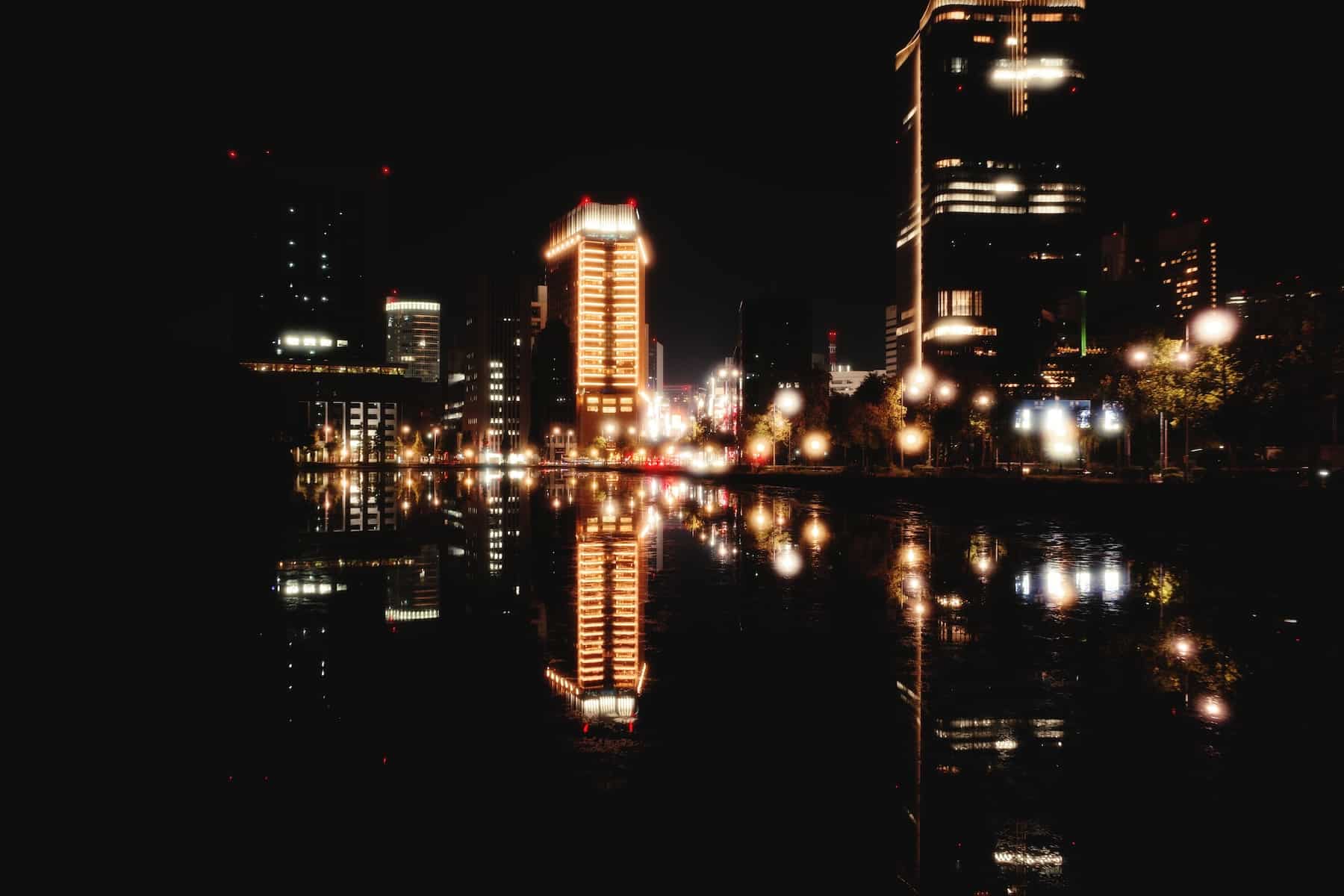
With HDF enabled, highlights bloom softly—ideal for photographing illuminations or creating a film-like atmosphere using natural sunlight. Photo by Robert Adachi.
Photo by Robert Adachi.
Accessories such as viewfinders, flashes, and wide conversion lenses for the RICOH GR IV and GR IIIx are also available, offering even greater creative possibilities.
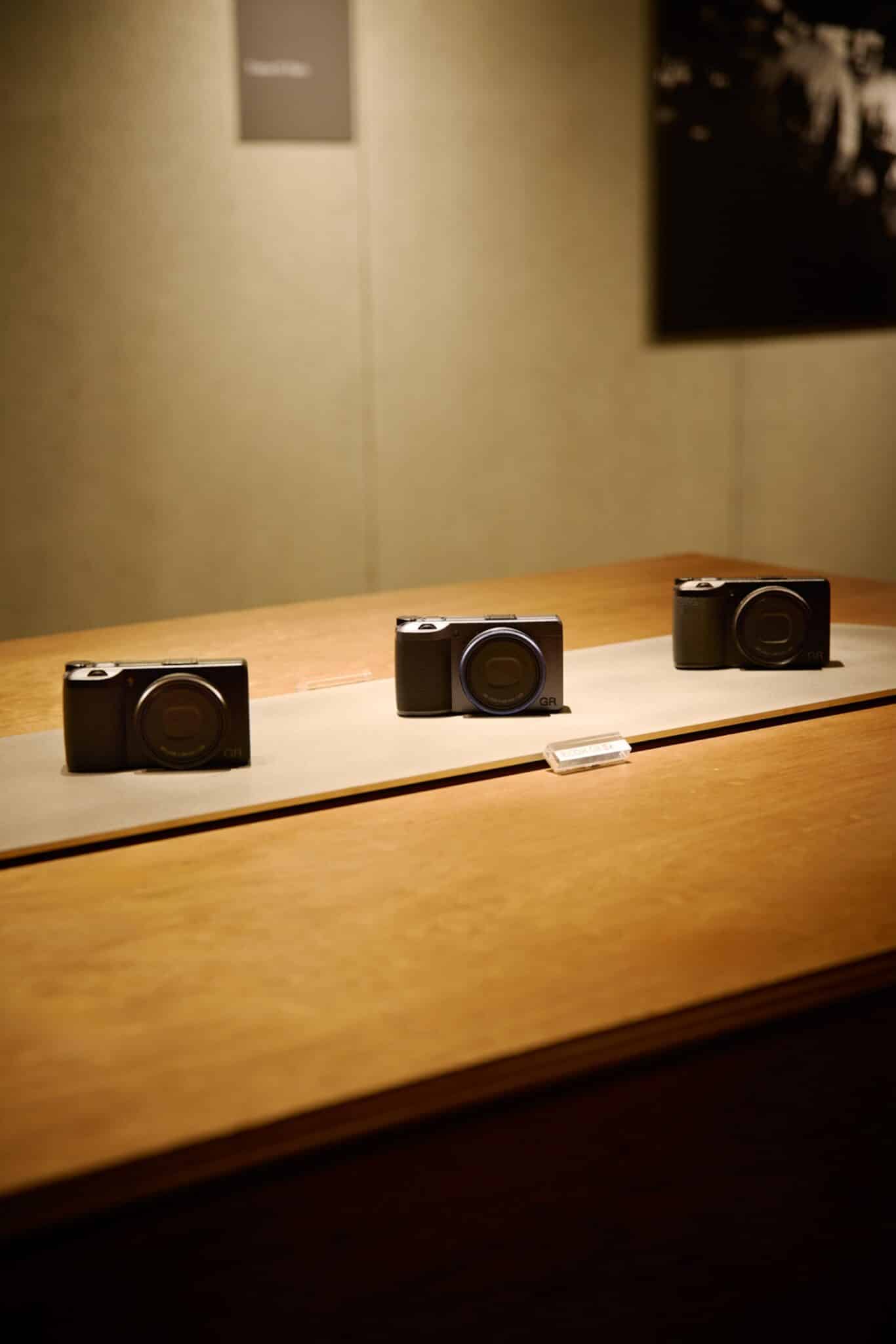
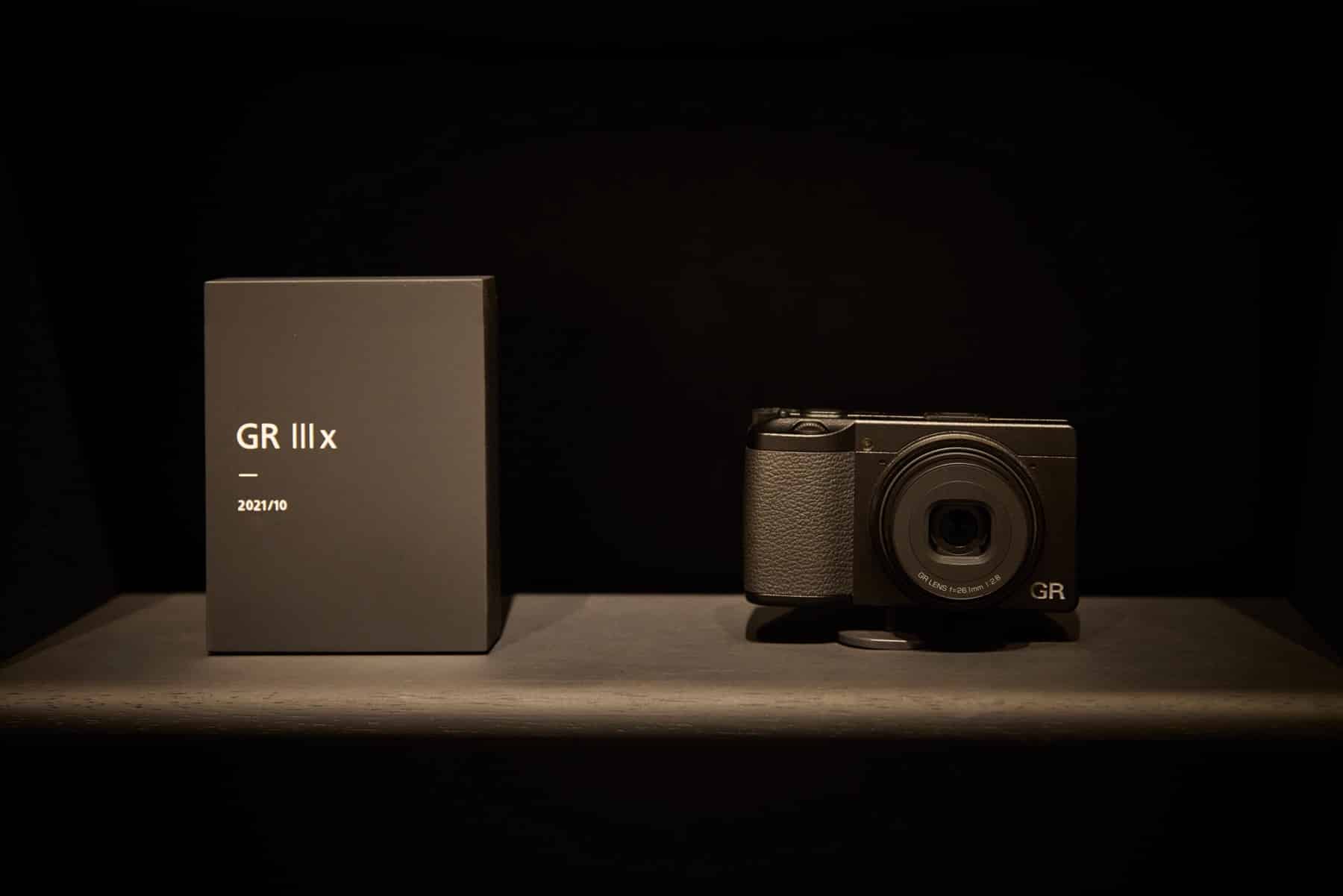
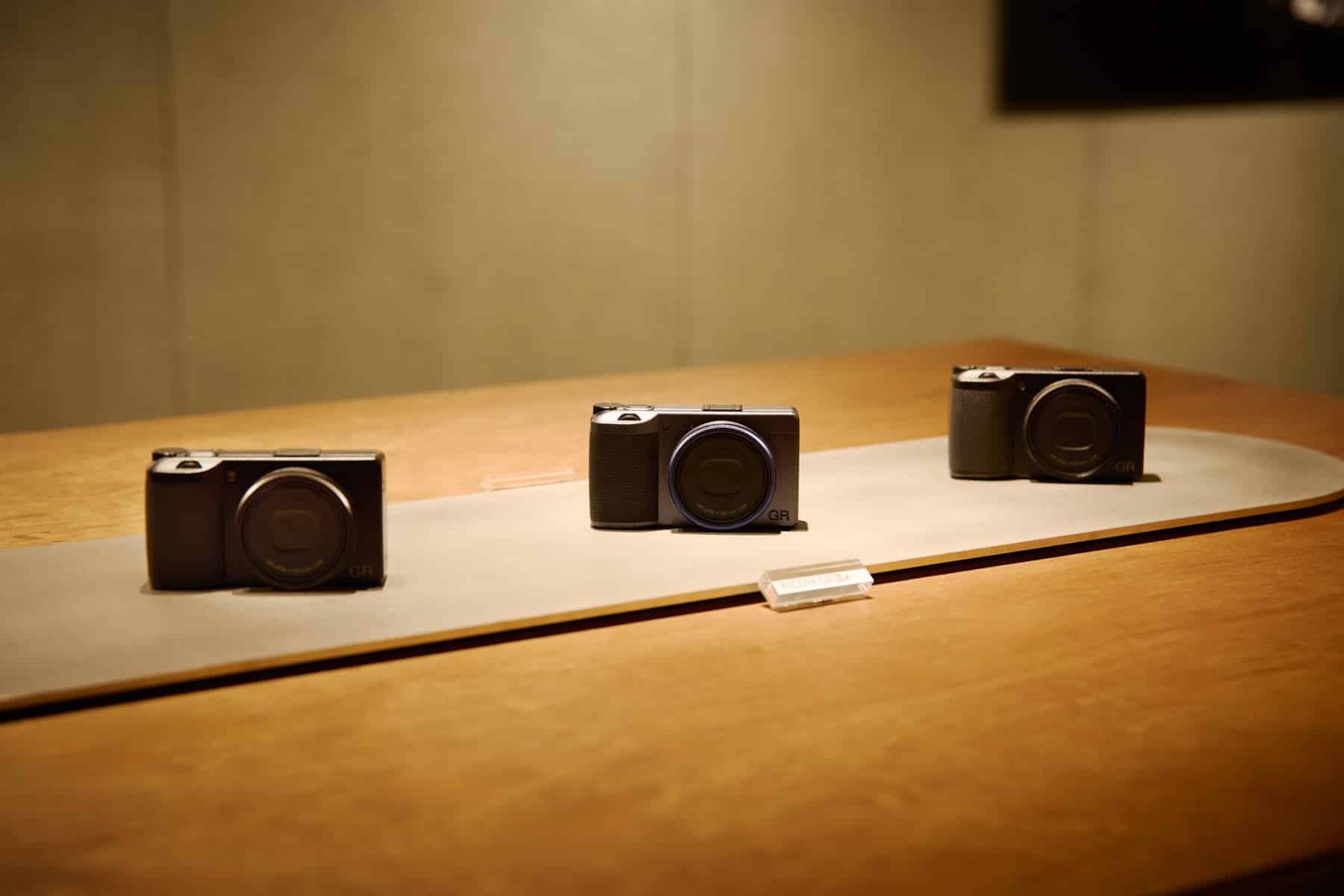
Visitors to GR SPACE TOKYO can also get hands-on with the RICOH GR IIIx, released in 2021. The most distinctive feature of the GR IIIx is its 40mm-equivalent lens (26.1mm focal length), the first in the GR series to feature this focal length. While previous GR models were known for their 28mm-equivalent lenses, this new perspective offers a different way to enjoy snap photography. The camera allows approximately 200 shots per charge and about 180 minutes of playback time. The lineup includes three versions: the standard RICOH GR IIIx; the RICOH GR IIIx HDF, equipped with the Highlight Diffusion Filter (HDF) that diffuses light to create a film-like rendering; and the RICOH GR IIIx Urban Edition, finished in metallic gray inspired by urban asphalt.
From left: RICOH GR IIIx, RICOH GR IIIx Urban Edition, RICOH GR IIIx HDF.
The standard RICOH GR IIIx, equipped with the GR LENS 26.1 mm F2.8, features approximately 24.24 effective megapixels. The body is 35.2 mm thick (excluding controls and protrusions).
Right: RICOH GR IIIx, the first GR camera to feature a 40mm-equivalent lens. Left: RICOH GR IV, equipped with the traditional 28mm-equivalent lens. The GR IIIx offers a perspective closer to human vision, allowing for more natural-looking snap photography.
The RICOH GR IIIx Urban Edition (center) features a metallic gray finish inspired by urban asphalt. Multiple layers of paint create a distinctive texture while improving grip. The navy-blue ring cap evokes reflections of deep blue skies in rain puddles and the neon lights of the city.
Note: Production of the RICOH GR III series (RICOH GR III / RICOH GR III HDF) concluded with final shipments in July 2025 due to parts supply issues. Sales also ended following the July lottery sale.
The GR SPACE TOKYO app delivers the latest information on photo exhibitions and GR Lessons, along with a variety of services depending on one of three membership tiers. Benefits include drink coupons (available to select members), One-Day Rental services for members, and invitations to exclusive events.
The information contained this article was correct as of 04/20/2026 (the time of publication)


.jpg)
スマホ.jpg)