DEEPTOKYO
magazine

EN

DEEPTOKYO
magazine
EN
2026.06.29
PRA Concept Store Where You Can Discover the Craft of Eyewear


 Nearest Station
Located between Harajuku and Shibuya—two of Tokyo's most influential fashion and cultural districts—Zoff SHIBUHARA is a concept store that offers a fresh way to experience eyewear. Rather than simply choosing a finished product, visitors are invited to discover the craftsmanship behind every pair of glasses. A fully automated in-store lens-processing robot, an industrial-inspired interior reminiscent of a factory or research laboratory, and exclusive frames crafted in Sabae each offer a different perspective on the art of eyewear making. As you gain a deeper appreciation of how eyewear is made, you may just discover the pair that feels made for you.
SHARE


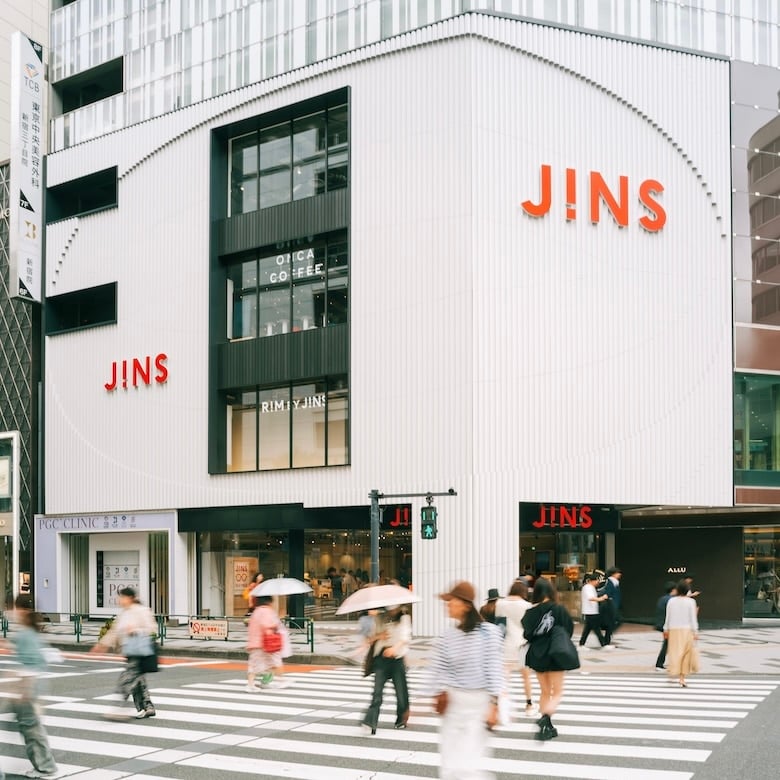
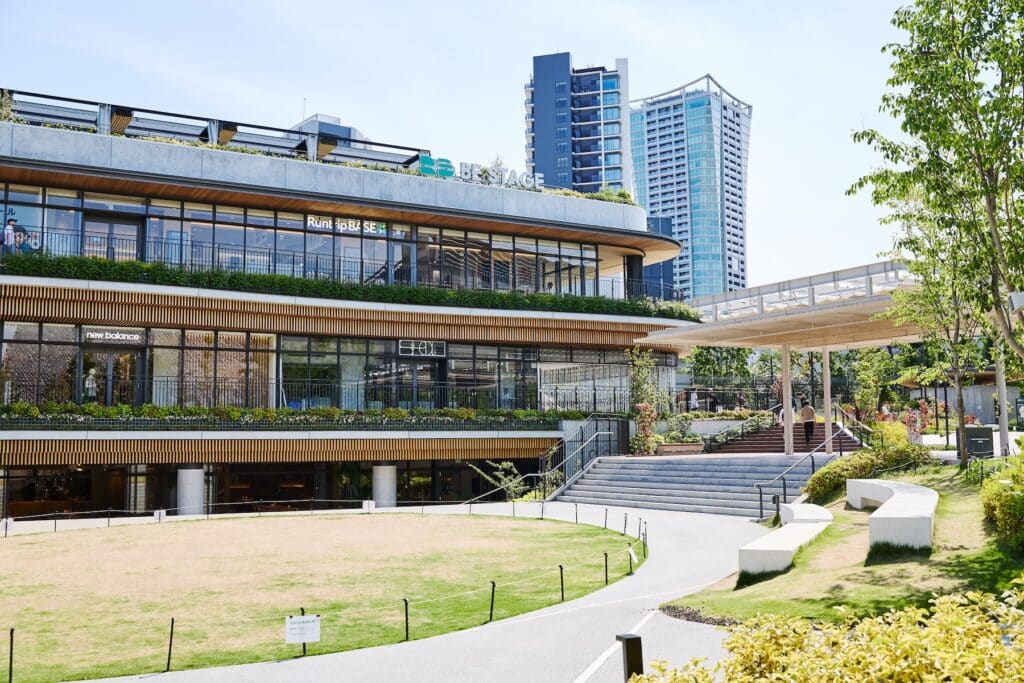
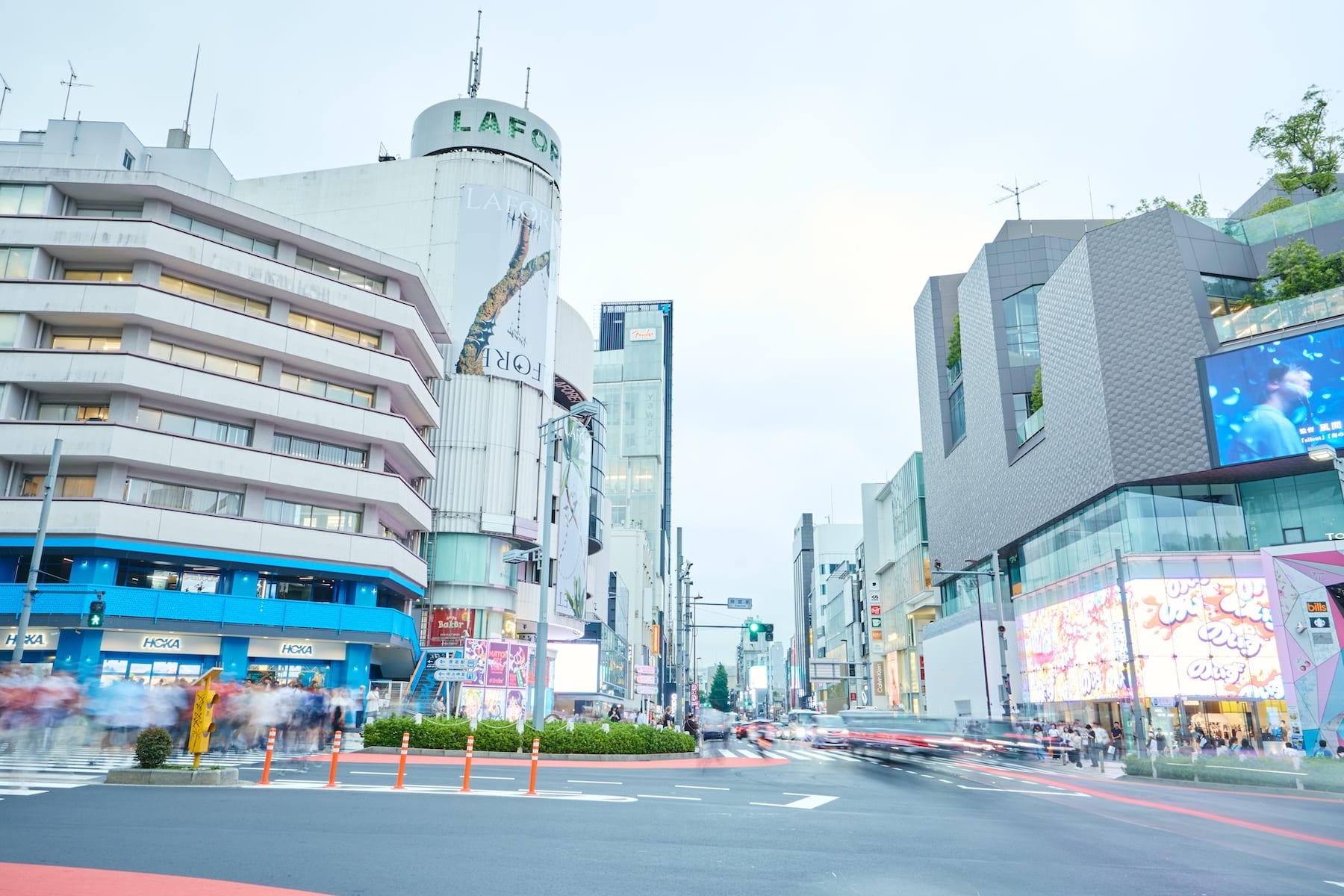
Located just a six-minute walk from Harajuku Station, Zoff SHIBUHARA opened inside Shibuhara Cross, a commercial complex on Meiji Street midway between Harajuku and Shibuya. The surrounding area is home to major shopping destinations such as Laforet Harajuku, Tokyu Plaza Omotesando "Omokado," and Tokyu Plaza Harajuku "Harakado," alongside flagship stores for outdoor brands including THE NORTH FACE Mountain, Goldwin Harajuku, and Arc'teryx Harajuku Brand Store. The neighborhood is one of Tokyo's liveliest shopping districts, where trend-conscious locals and visitors from around the world cross paths every day.
In addition to the services found at other Zoff stores, Zoff SHIBUHARA offers visitors the opportunity to explore the craftsmanship and the process behind eyewear-making. By gaining a deeper understanding of how eyewear is made, visitors can choose the pair that's right for them with greater confidence.
The stretch of Meiji Street where the store is located is always bustling with fashion-conscious locals and visitors from around the world.
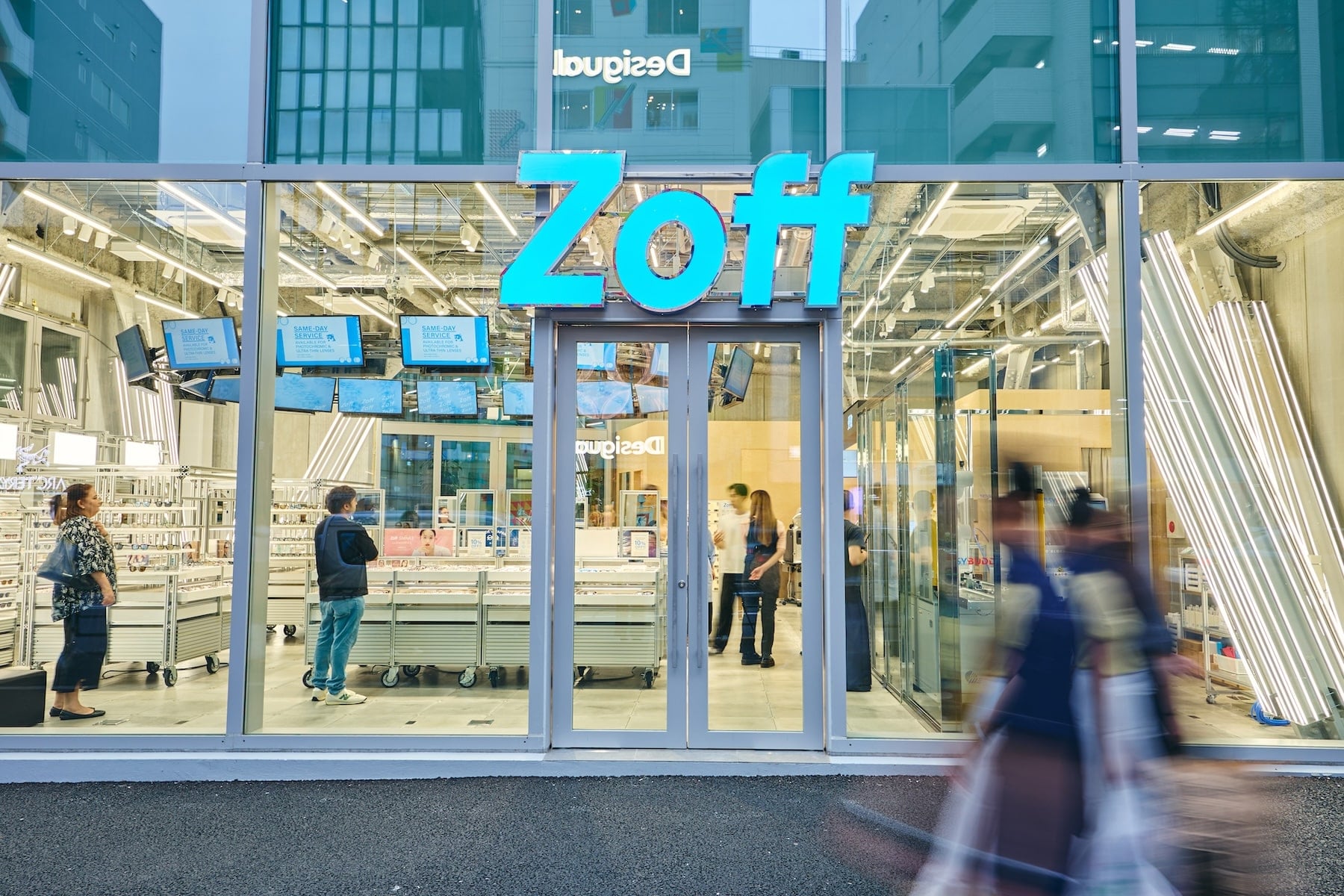
The glass-fronted exterior of Zoff SHIBUHARA stands out along Meiji Street, with striking white neon lights illuminating the interior.
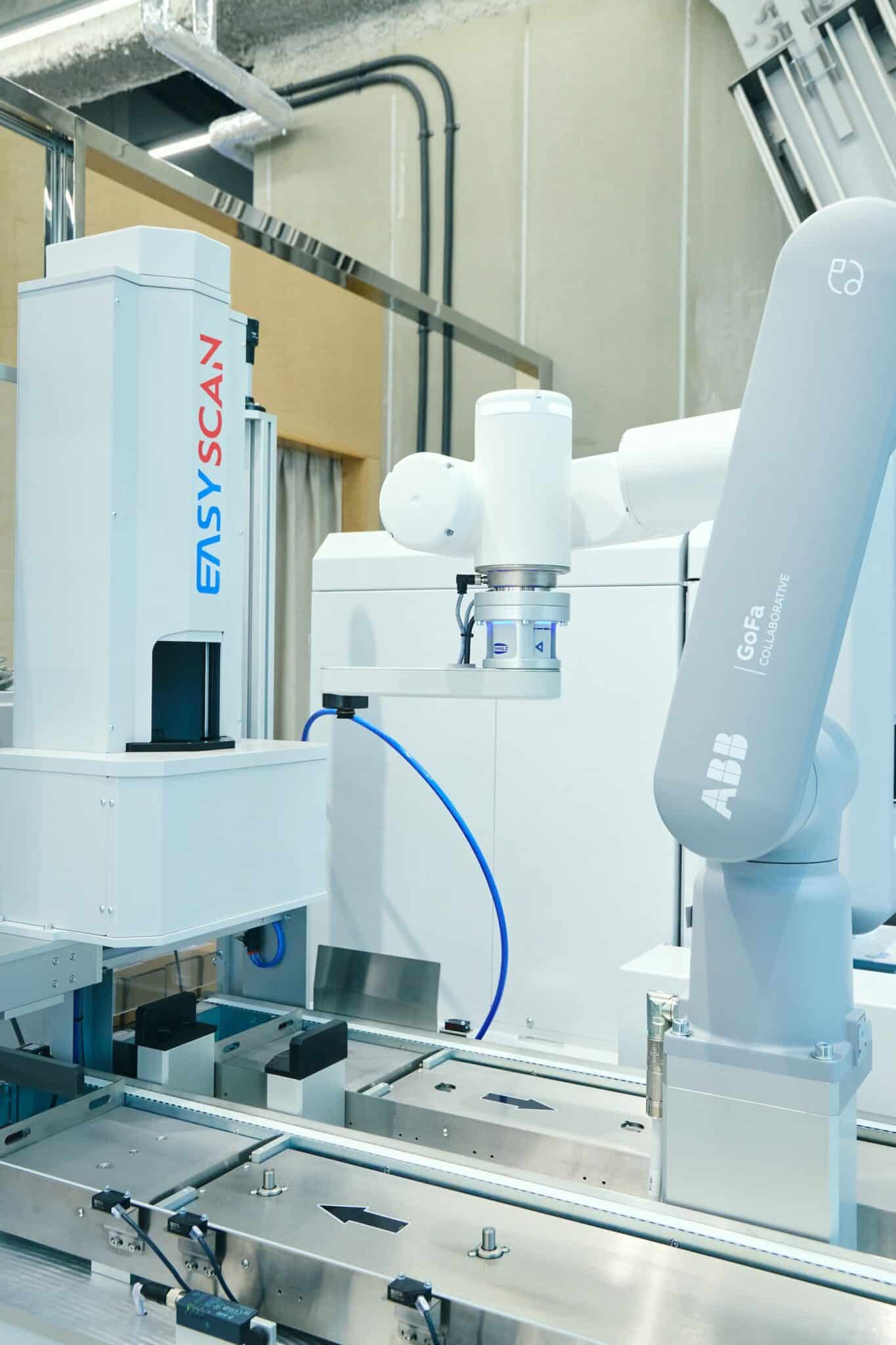
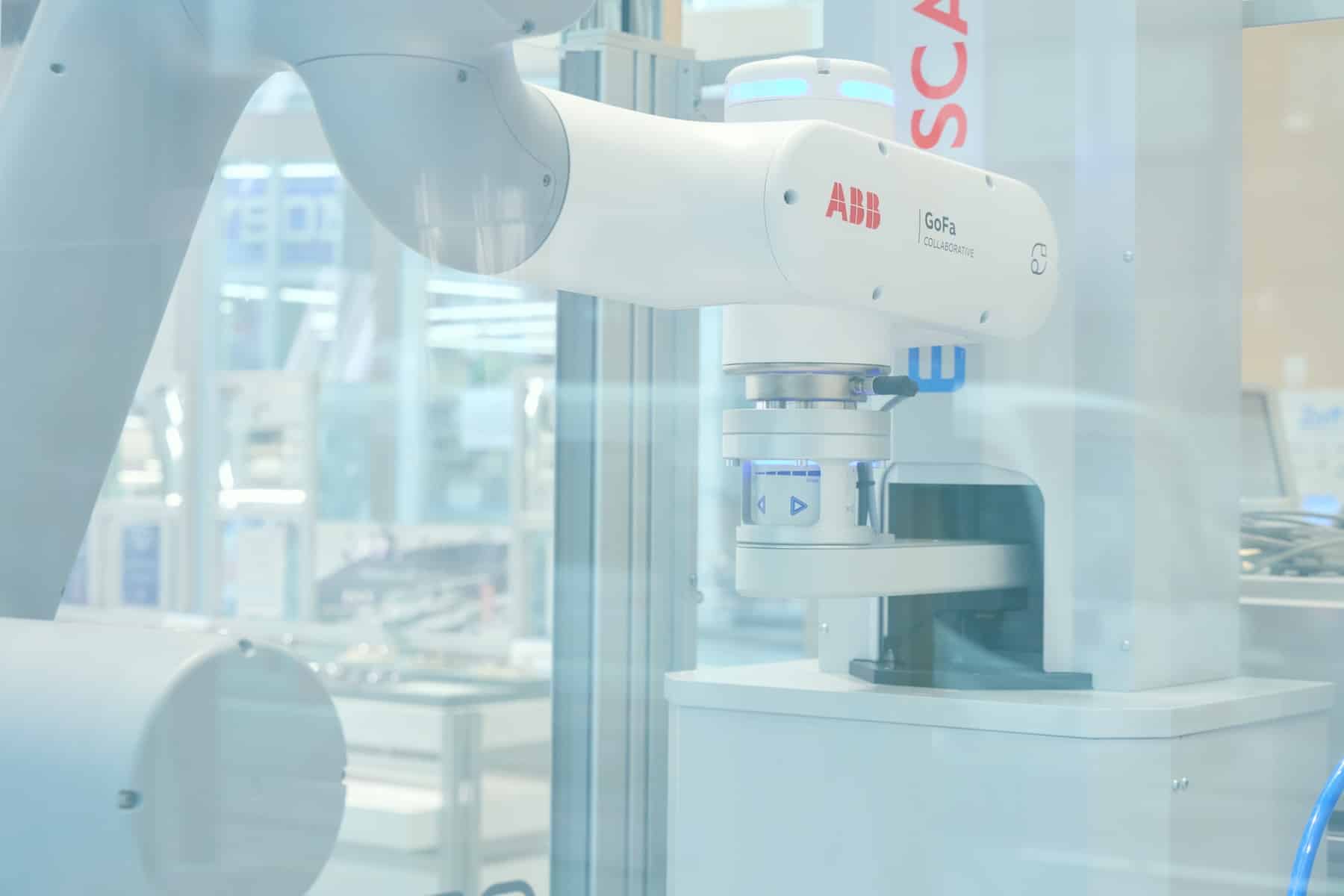
The defining feature of Zoff SHIBUHARA is its fully automated in-store lens-processing robot. Measuring approximately 2.5 meters in length, it is the first fully automated lens-processing robot to be introduced at an eyewear retailer in Japan.
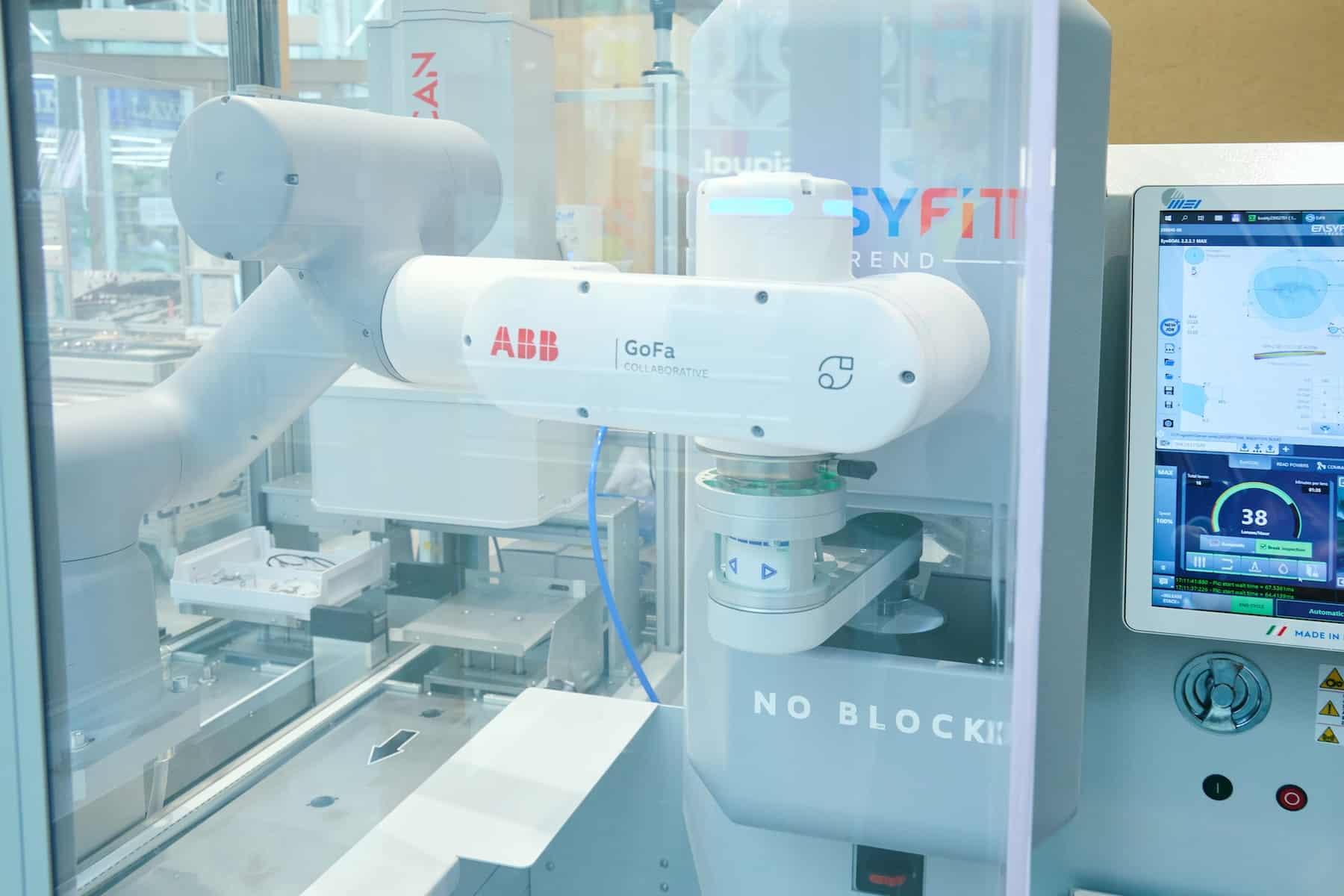
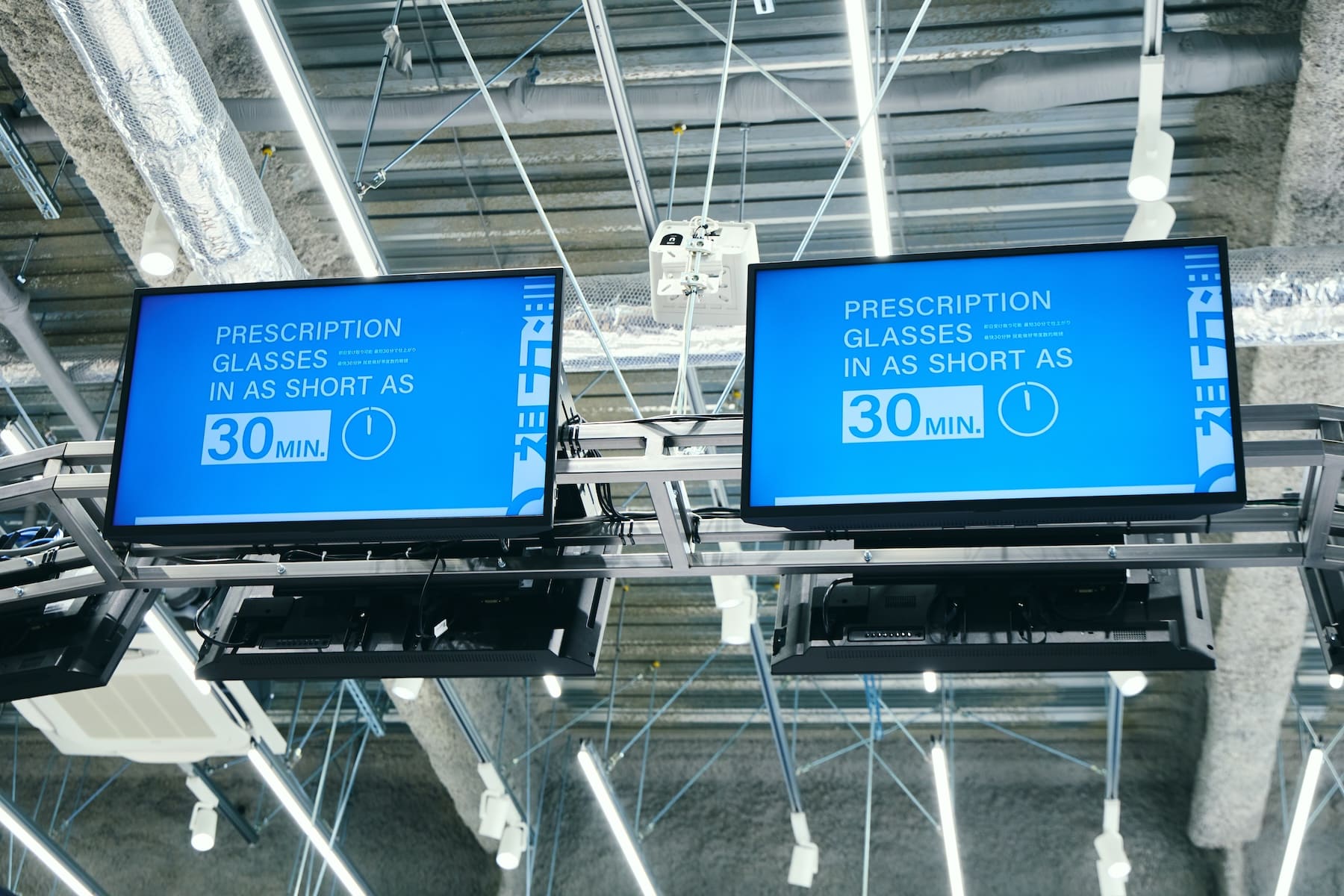
One of Zoff's signature services is its in-store lens processing. After a vision test, lenses are processed on-site, allowing most glasses to be ready in as little as 30 minutes after checkout. The quick turnaround is especially appreciated by international visitors with limited time during their stay in Japan. Previously, staff had to manually adjust factors such as cutting position and angle. The new robot automates these precise adjustments, improving both efficiency and accuracy. As a result, staff can devote more time to consultations, fittings, and other aspects of customer service, allowing them to provide more attentive service to every customer. Unlike conventional processing methods, which require large amounts of water, the robot uses a water-free processing system that helps reduce environmental impact without compromising precision.
Lens processing is usually carried out behind the scenes, so customers rarely have the chance to see it in action. Here, however, the entire process is visible through a glass wall. Watching the conveyor system and robotic arm at work is surprisingly fascinating.
Just inside the entrance stands the fully automated lens-processing robot. Visitors can watch the entire lens-processing operation through a glass wall.
Once a staff member enters the prescription data and sets the lenses and frame in place, the robot begins processing automatically.
The upper unit first scans the frame, then automatically calculates the precise cutting position and angle.
The lower unit then shapes the lenses with exceptional precision to match the frame.
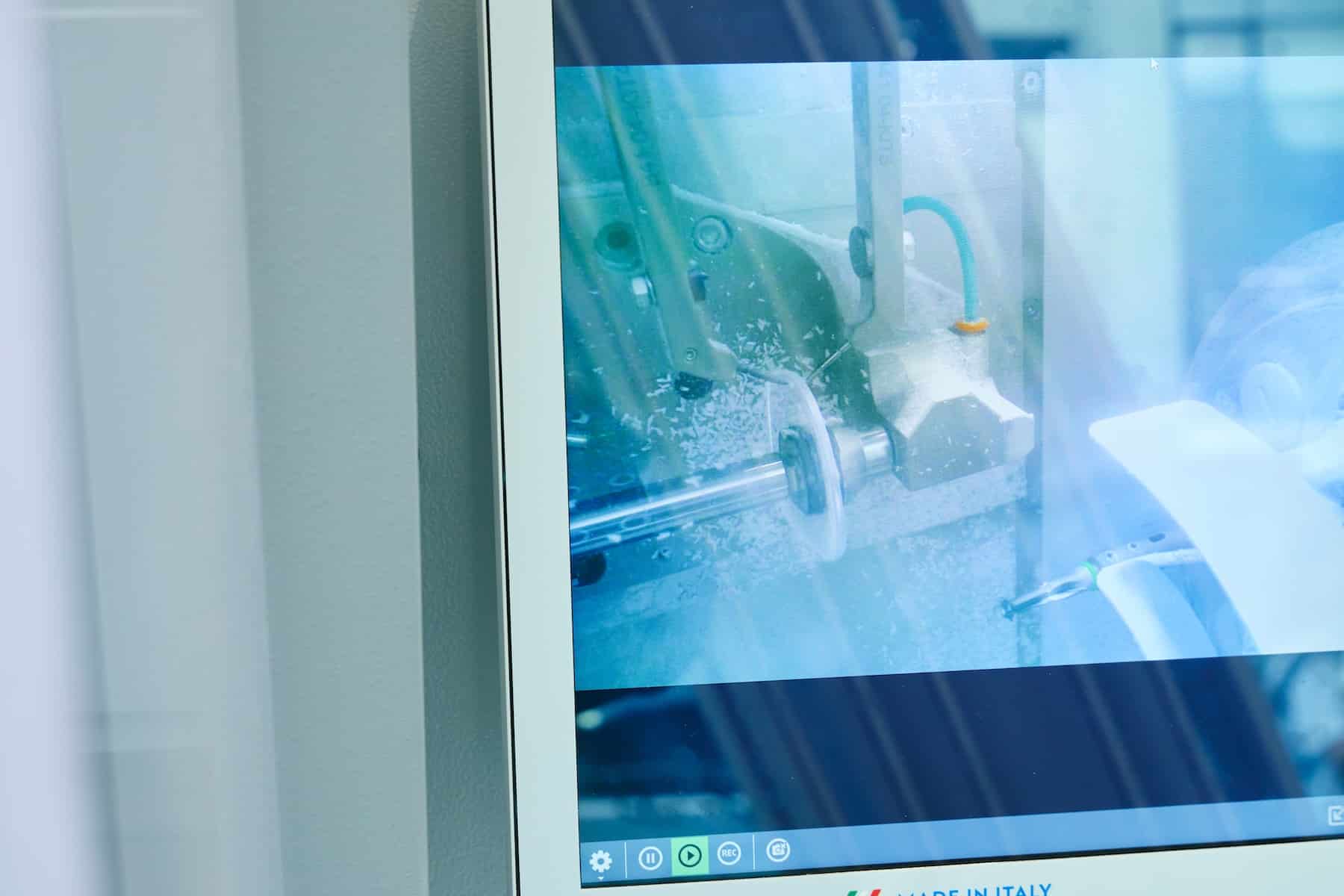
A monitor provides a live view of the lens-shaping process inside the machine.
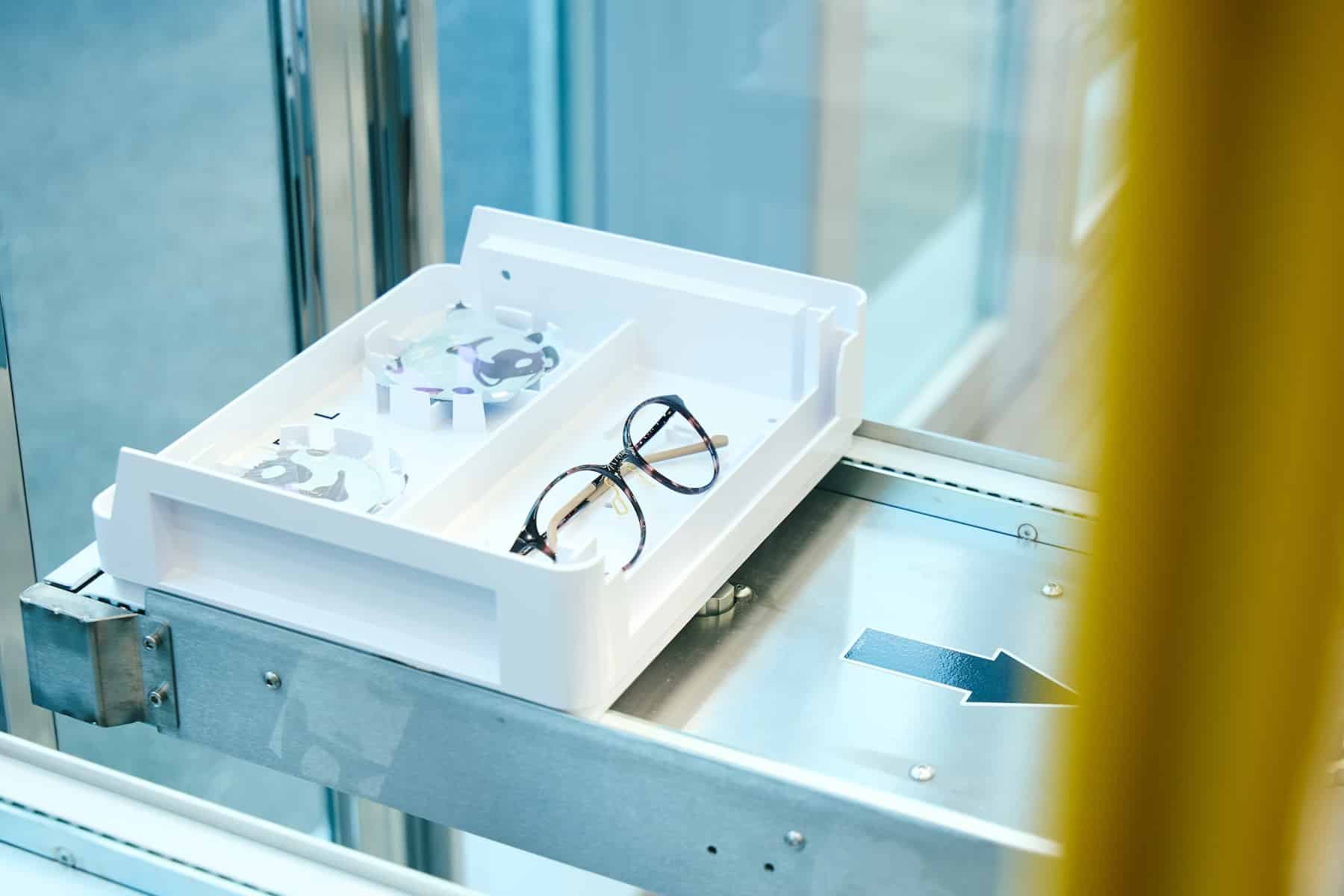
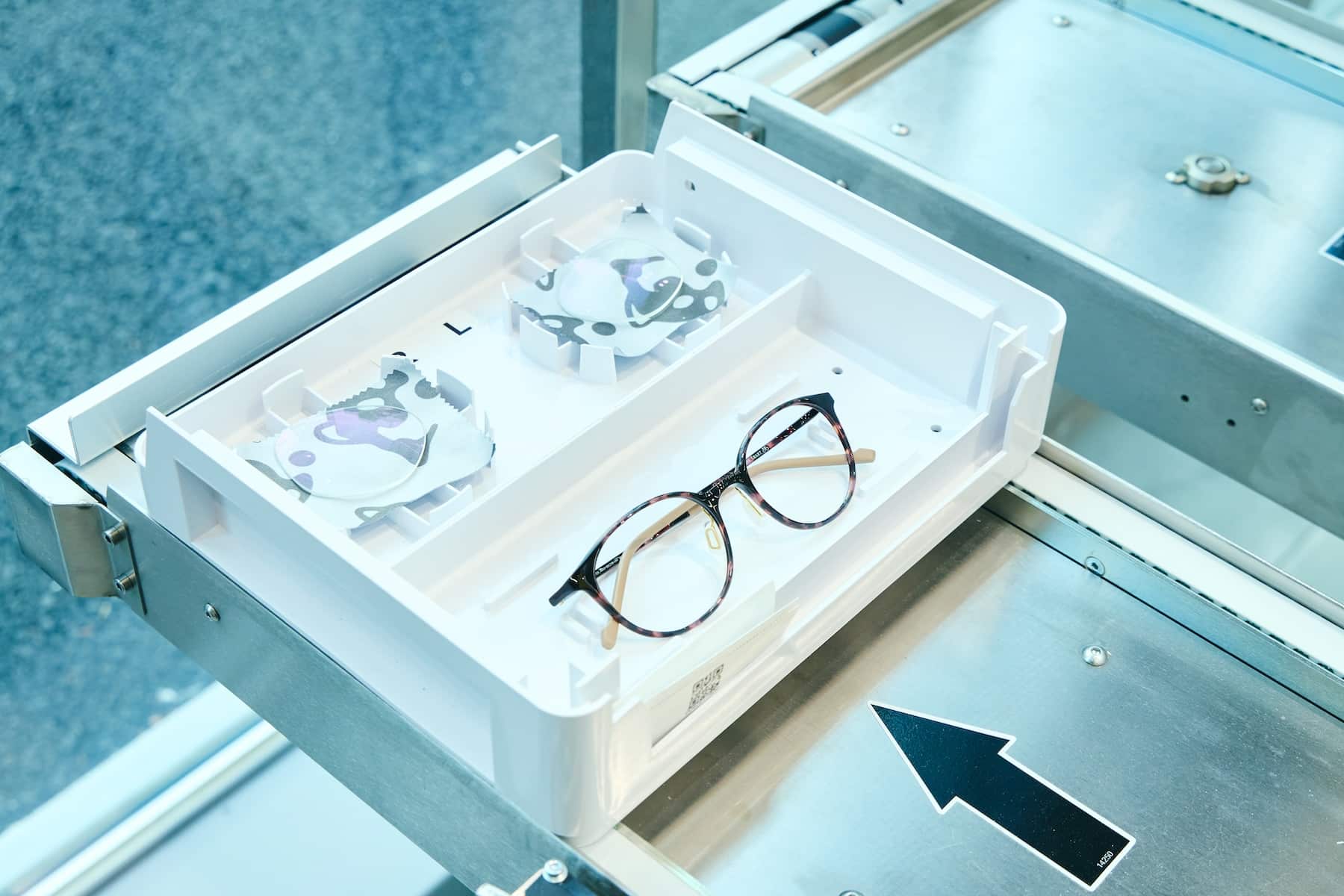
Once processing is complete, the finished lenses emerge from the machine. Final fitting and adjustments are then carried out by hand by the staff.
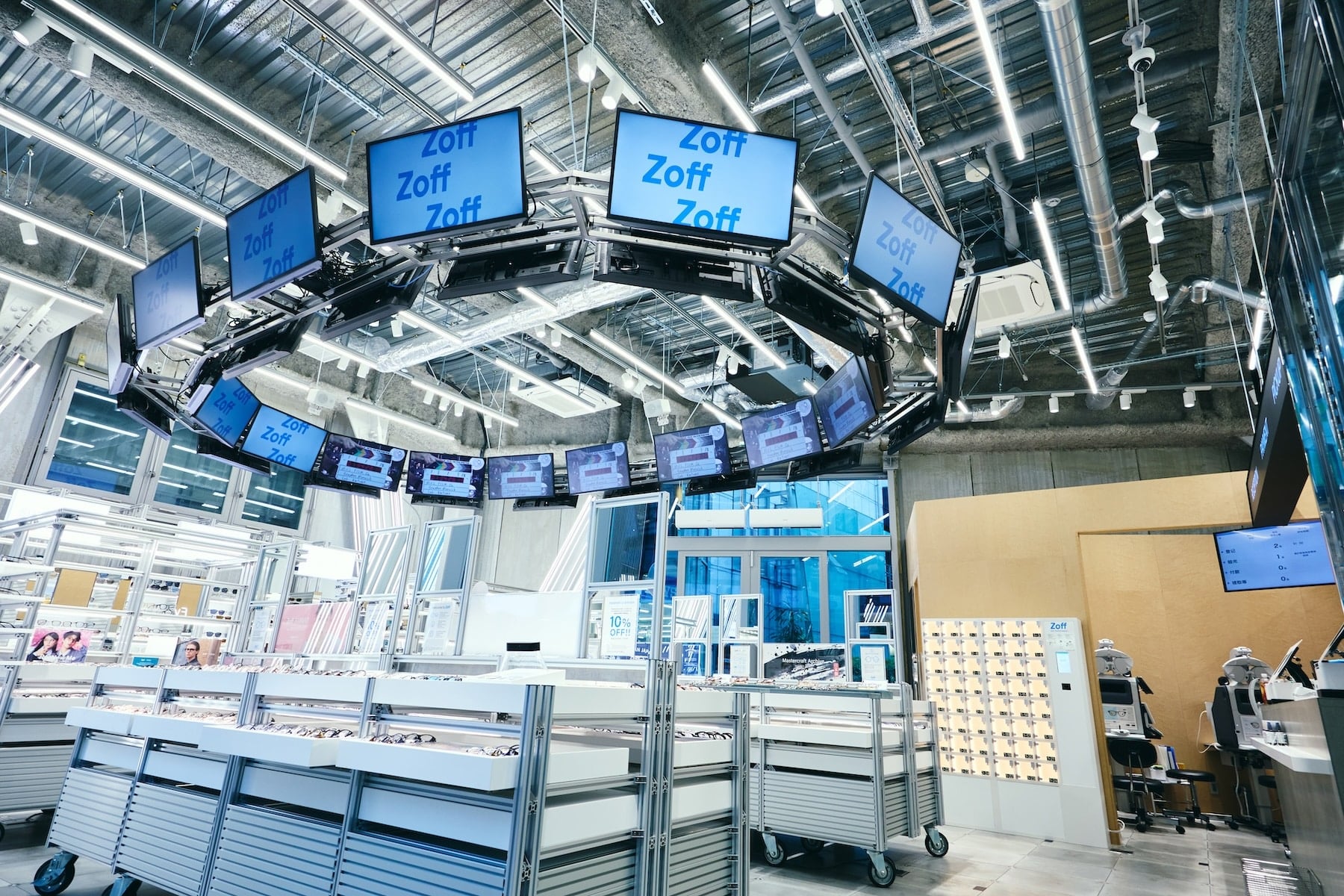
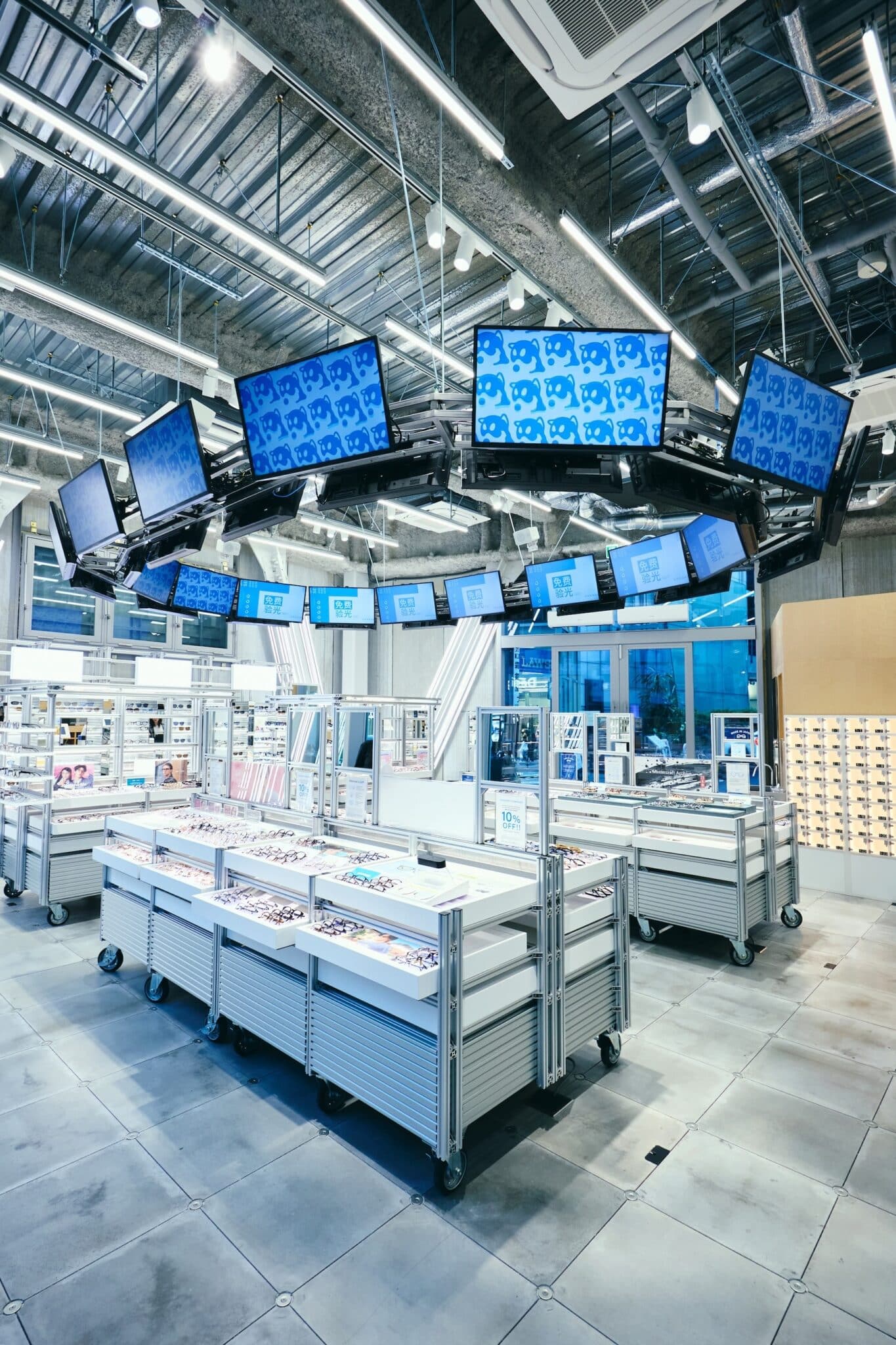
The first thing you'll notice upon entering Zoff SHIBUHARA is its spacious interior, with a ceiling nearly five meters high. Custom steel fixtures, glowing white neon tubes, and exposed ceiling fixtures evoke the atmosphere of a factory or research laboratory. Despite its industrial aesthetic, the space feels clean, refined, and surprisingly welcoming.
The interior was designed by DAIKEI MILLS, a Tokyo-based design studio known for creating retail spaces for leading fashion brands. Building on Zoff's "Laboratory" concept, the designers introduced an industrial theme unique to this store. The result is a space that blends the two into a distinctive environment.
At the center of the store, a striking installation of 32 interconnected monitors lends the space a subtle futuristic feel.
The carefully designed space makes discovering the world of eyewear making all the more enjoyable.
The nearly five-meter-high ceiling creates a wonderful sense of openness.
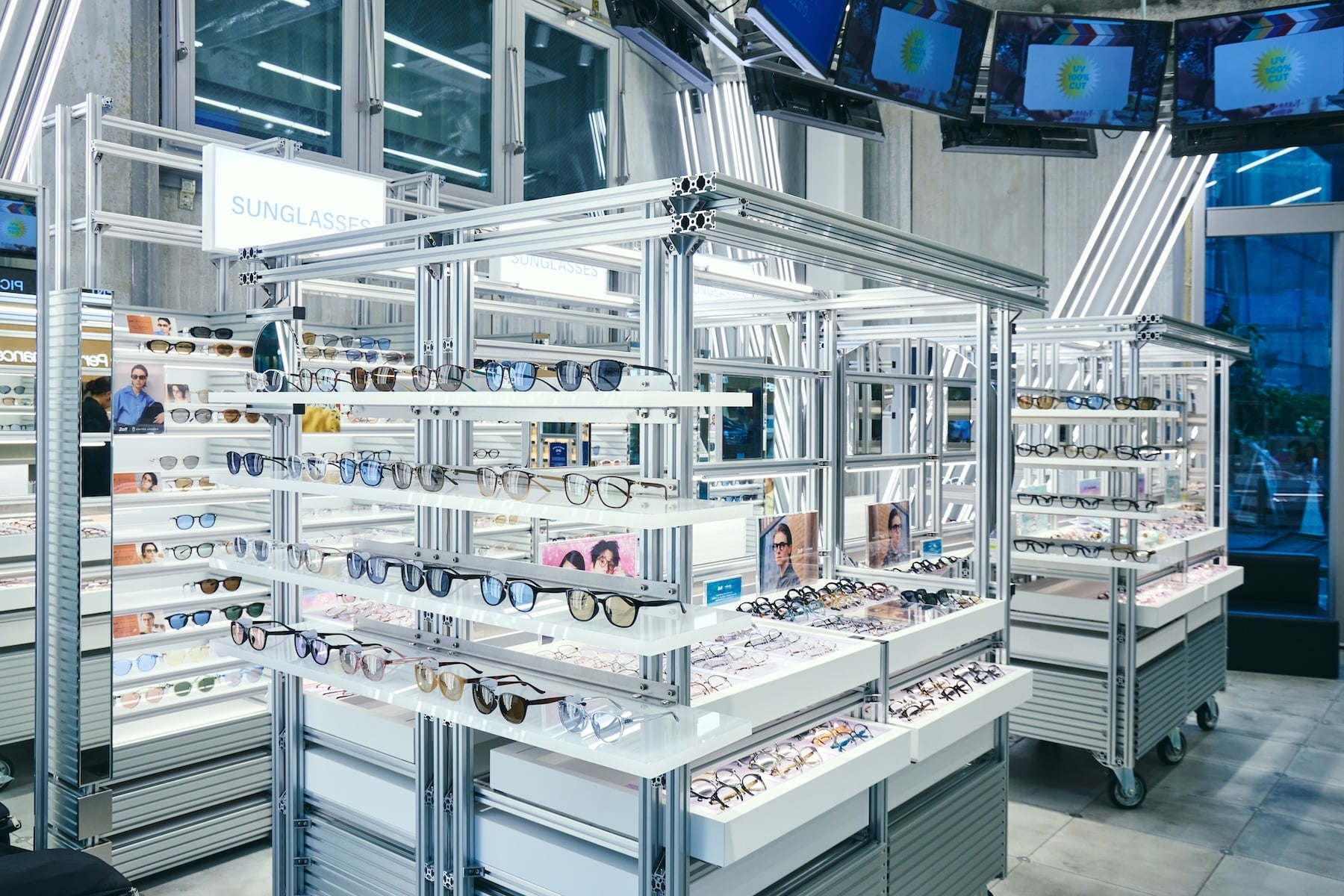
Custom steel display fixtures give the store an industrial look while maintaining a clean, open feel.
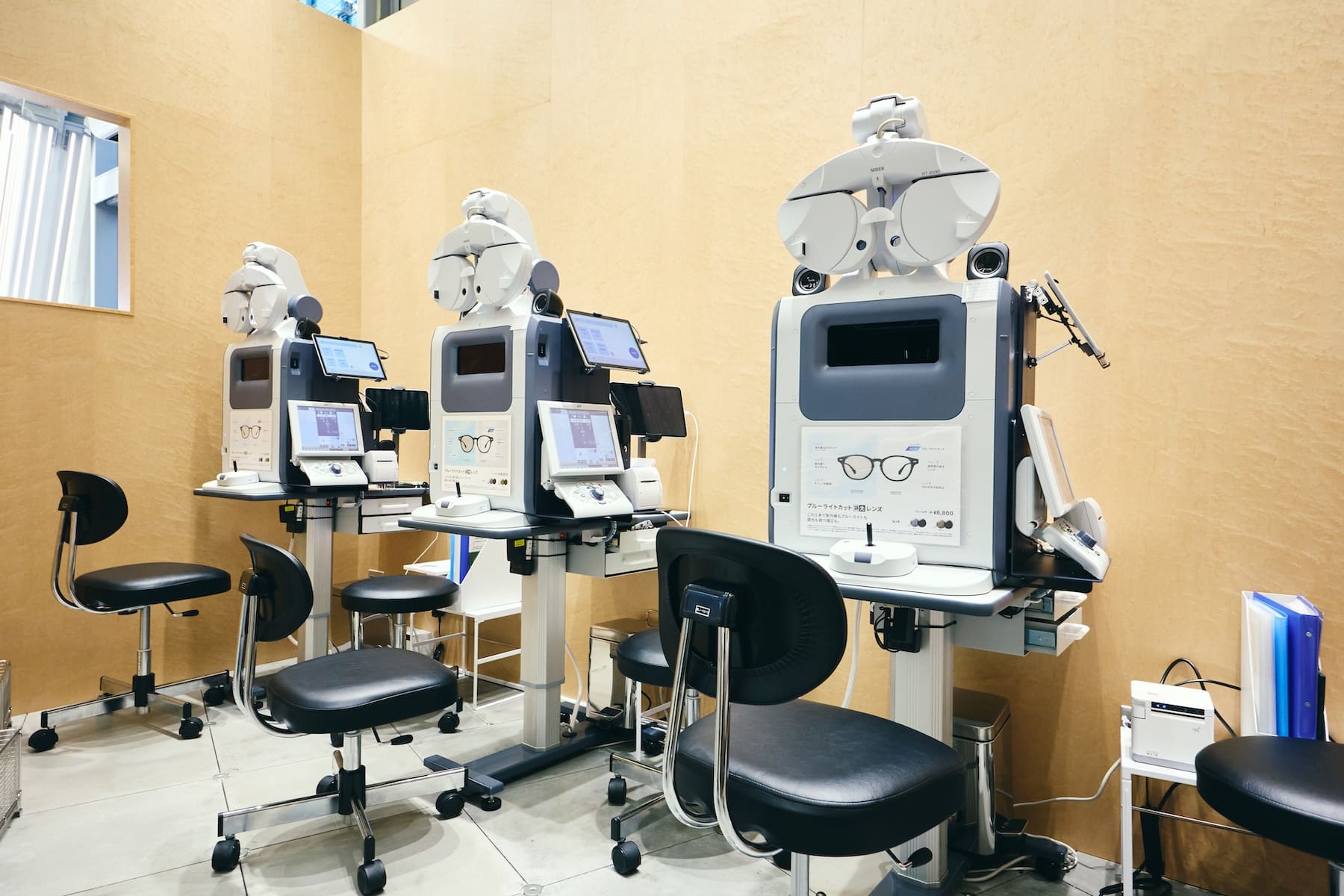
Surrounded by warm wood-paneled walls, the eye examination room offers a calm contrast to the industrial interior. Like other Zoff stores, the vision-testing equipment provides guidance in English.
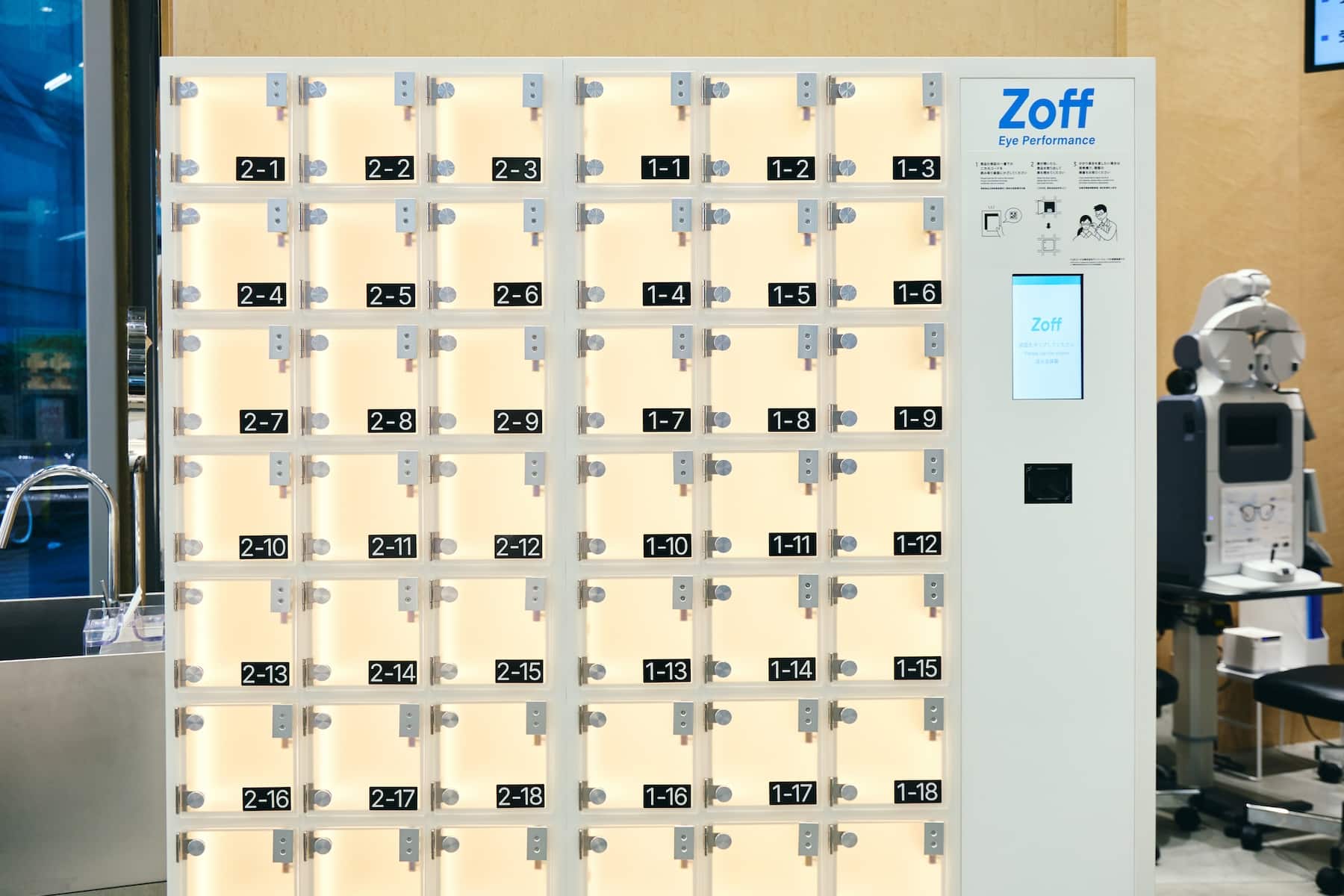
Completed orders are stored in pickup lockers and can be collected by scanning your pickup QR code after the designated pickup time.
One of Zoff's signature services is that most glasses can be ready in as little as 30 minutes after checkout. However, if specialty lenses—such as high-prescription or custom lenses—are not available in store, they may need to be specially ordered, and it can take several days before the glasses are ready for pickup.
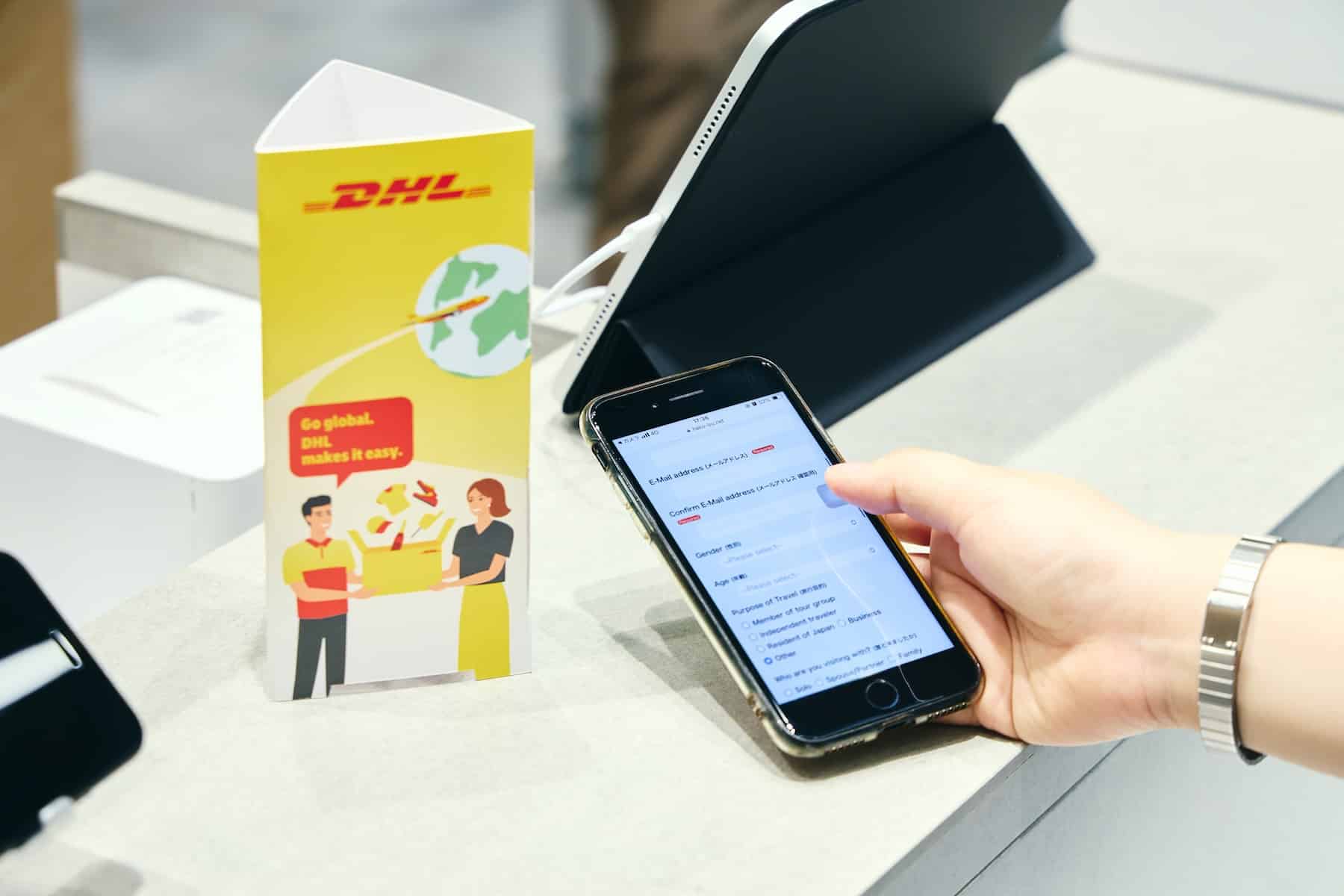
In such cases, Zoff SHIBUHARA offers a convenient international shipping service through DHL. Simply scan the in-store QR code and complete the application on your smartphone by entering the required information. Even if your glasses are not ready before you return home, they can be delivered directly to your address overseas. The service is ideal not only for travelers with limited time in Japan, but also for anyone who has purchased multiple items and prefers not to carry extra luggage home.
The entire international shipping application can be completed on your smartphone. Simply enter your name, email address, shipping destination, and other required information. Instructions are provided in both Japanese and English.
English and Chinese guidance appears throughout the store, from digital displays to in-store signs. Staff also carry translation devices, making communication easy regardless of language.
Zoff SHIBUHARA offers a wide selection of eyewear that reflects the craftsmanship of Japanese frame making.
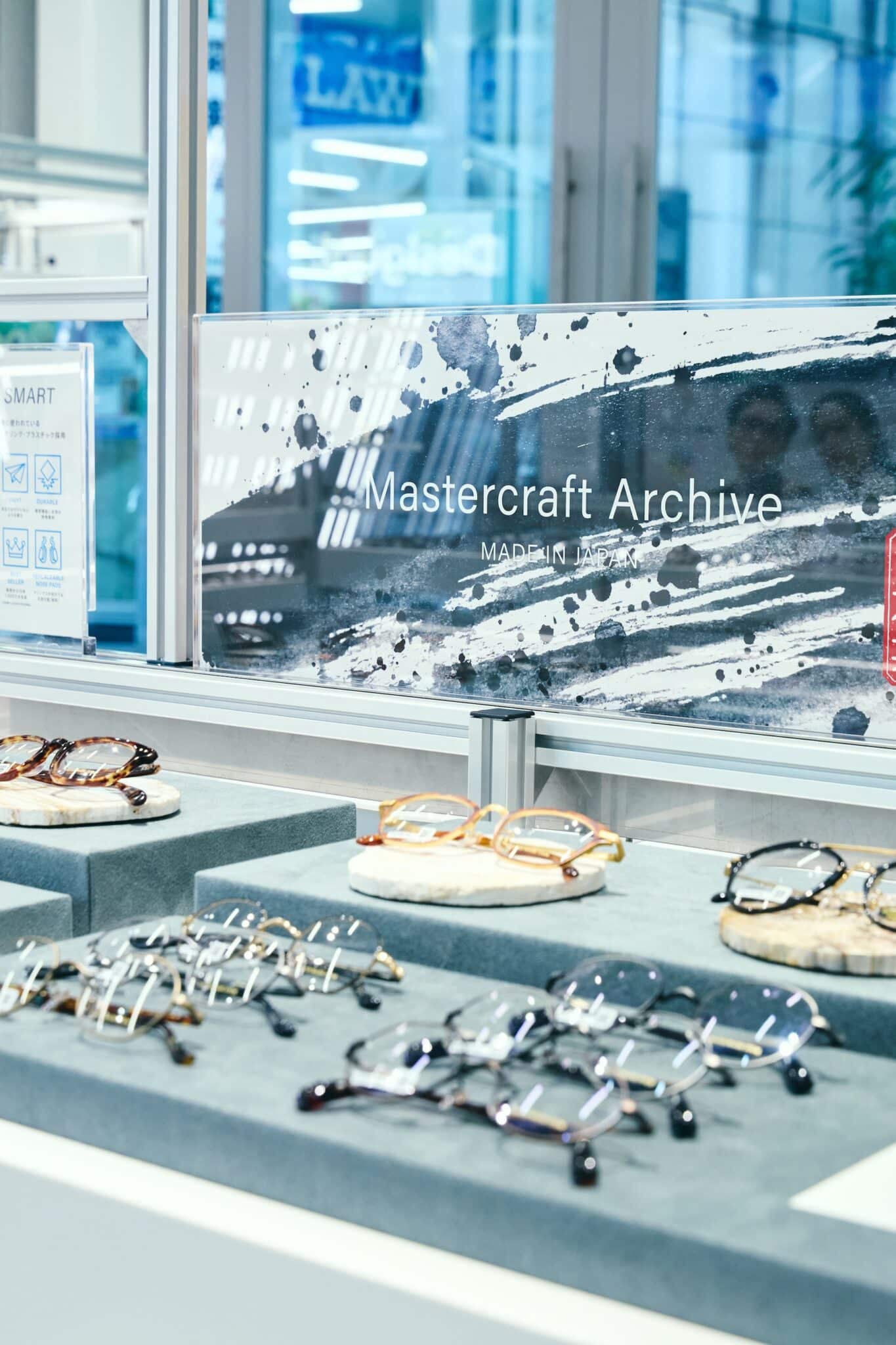
Among the highlights is the Mastercraft Archive collection. Available exclusively at Zoff SHIBUHARA, this limited series features carefully selected stock frames acquired from eyewear manufacturers in Sabae, Fukui Prefecture—Japan's leading center of frame production. Most are one of a kind, and once sold, they will not be restocked.
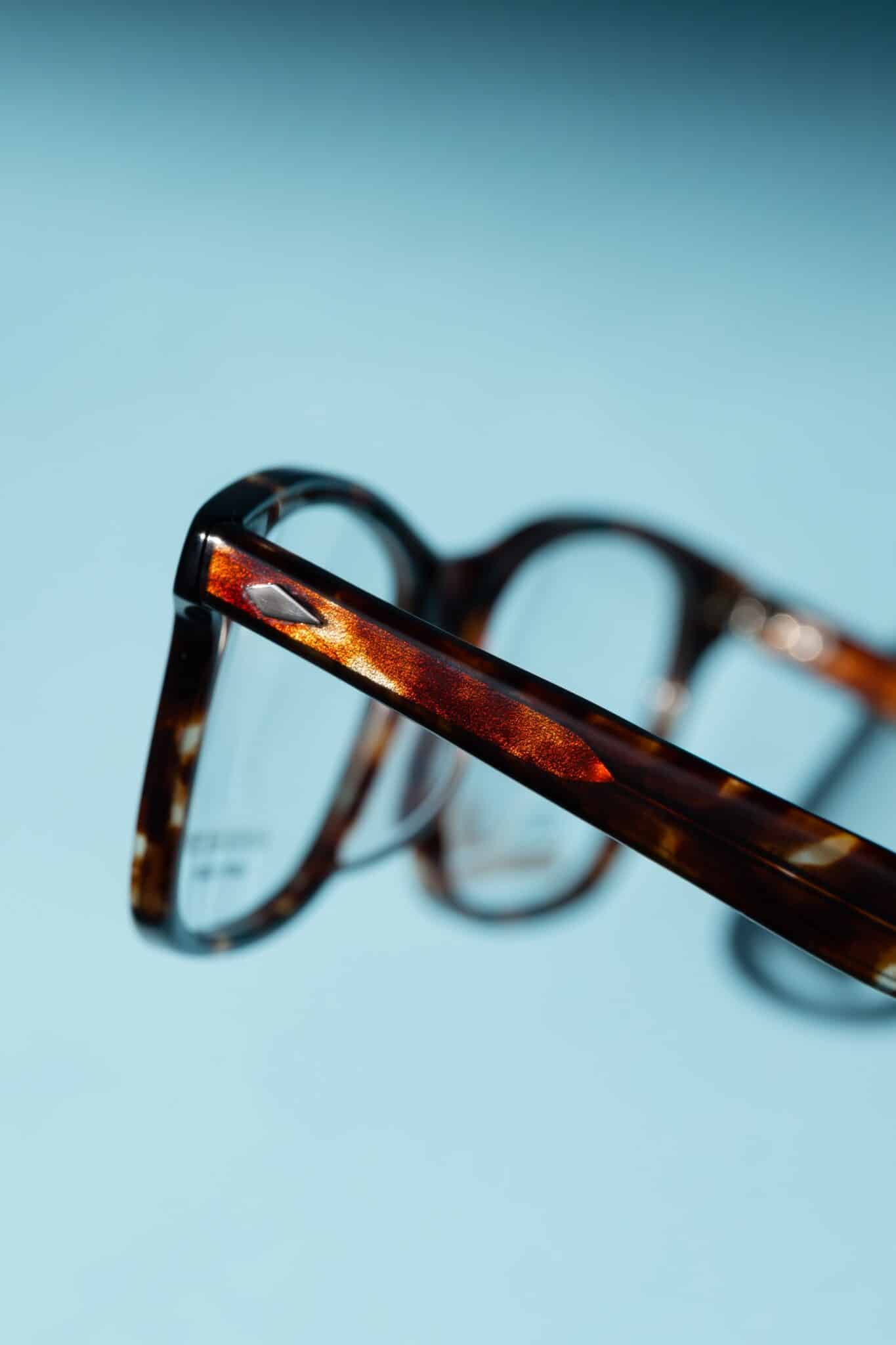
Among the highlights is the Mastercraft Archive collection. Available exclusively at Zoff SHIBUHARA, this limited series features carefully selected stock frames acquired from eyewear manufacturers in Sabae, Fukui Prefecture—Japan's leading center of frame production. Most are one of a kind, and once sold, they will not be restocked.Particularly striking are the celluloid models. Valued for their durability, flexibility, and rich natural luster, celluloid develops a unique character with age. Because it requires exceptional skill and time to work with, fewer factories and artisans continue to produce it today. Each frame offers a deeper appreciation of the craftsmanship behind Sabae's eyewear tradition.
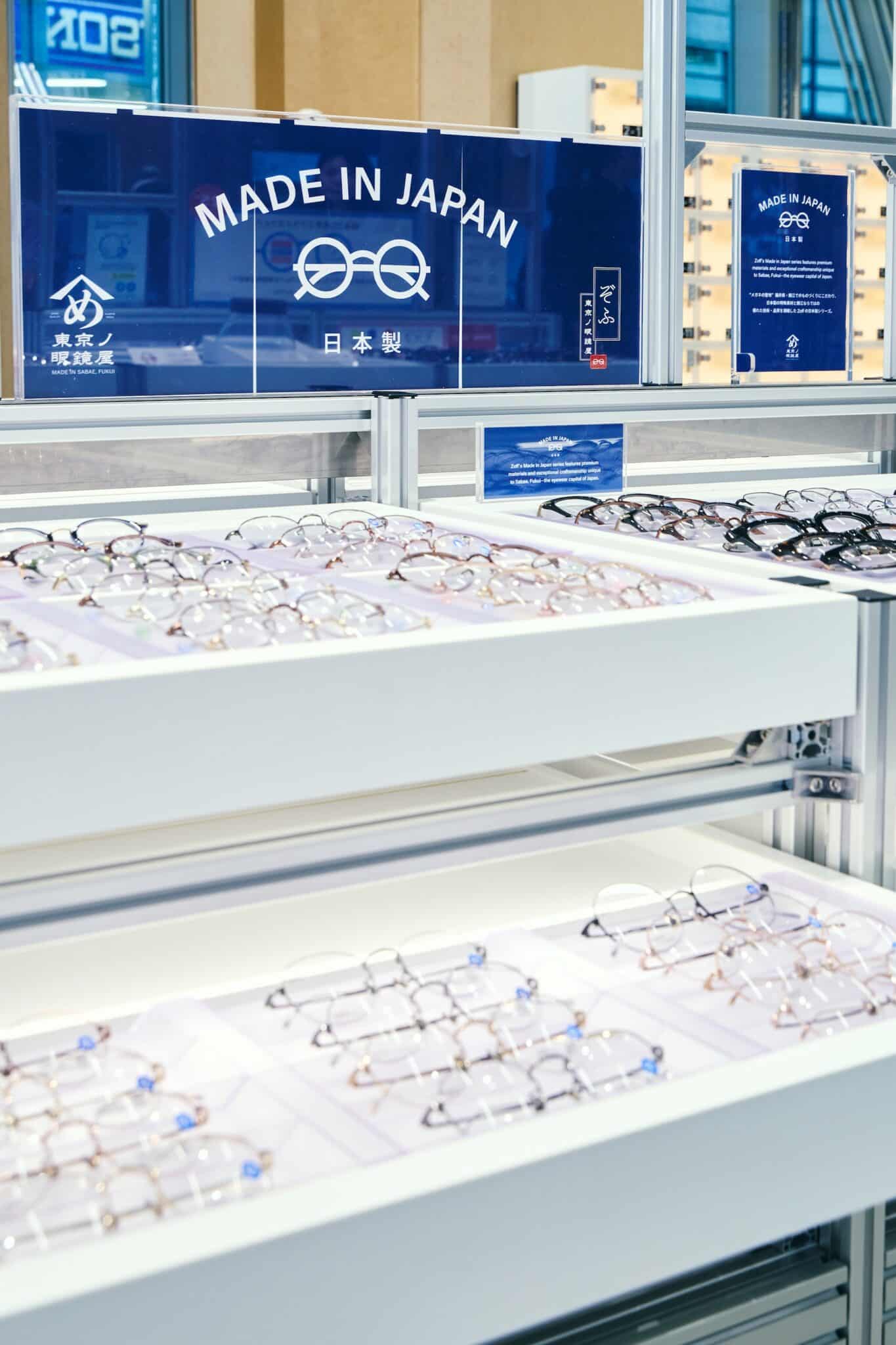
The store also carries Zoff's MADE IN JAPAN collection, designed by Zoff and crafted in Sabae, alongside eyewear accessories featuring distinctly Japanese motifs, including cases and cleaning cloths. Together, they offer visitors a chance to experience the craftsmanship and design that make Japanese eyewear unique.
A display dedicated to the Mastercraft Archive collection.
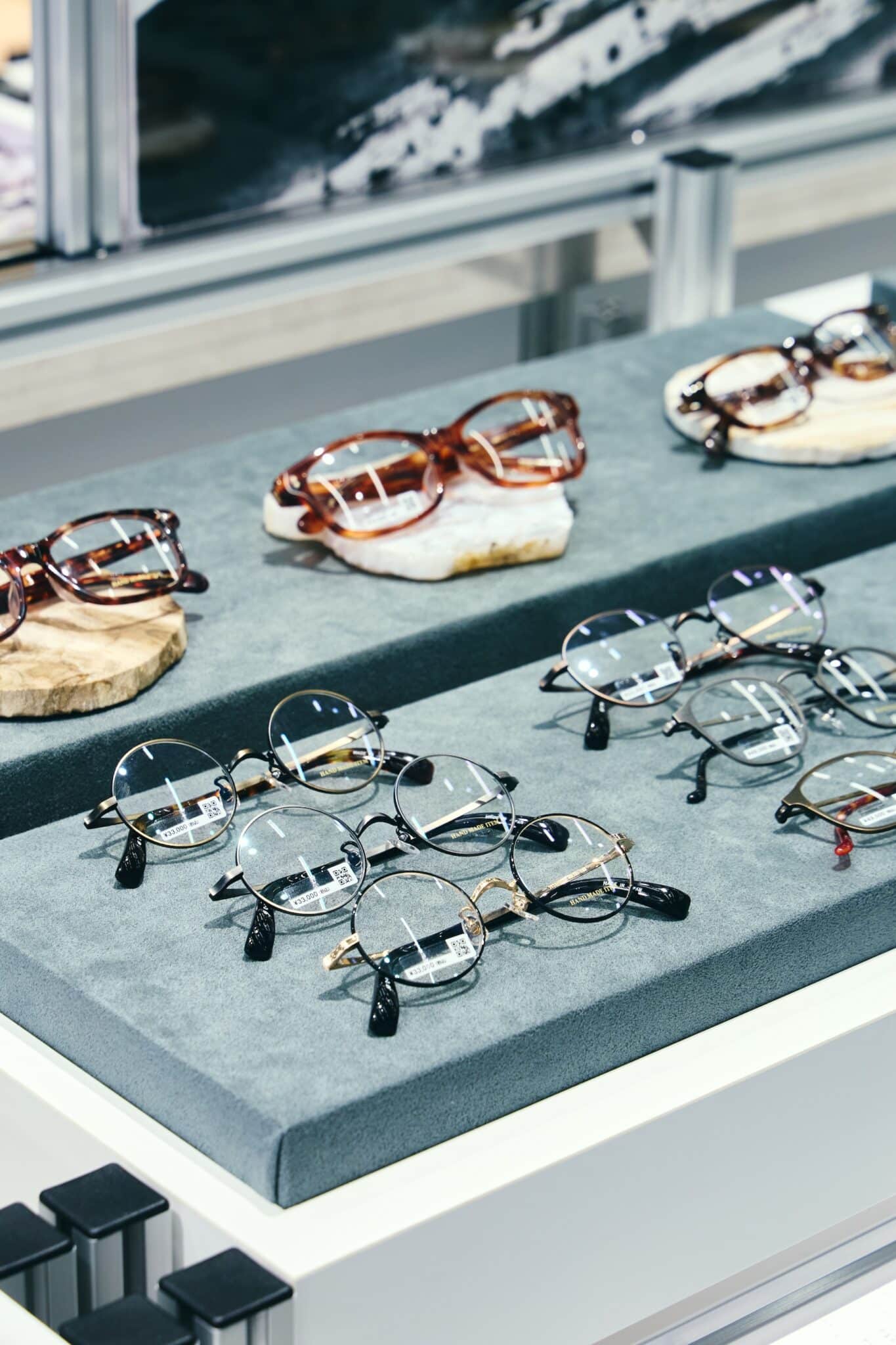
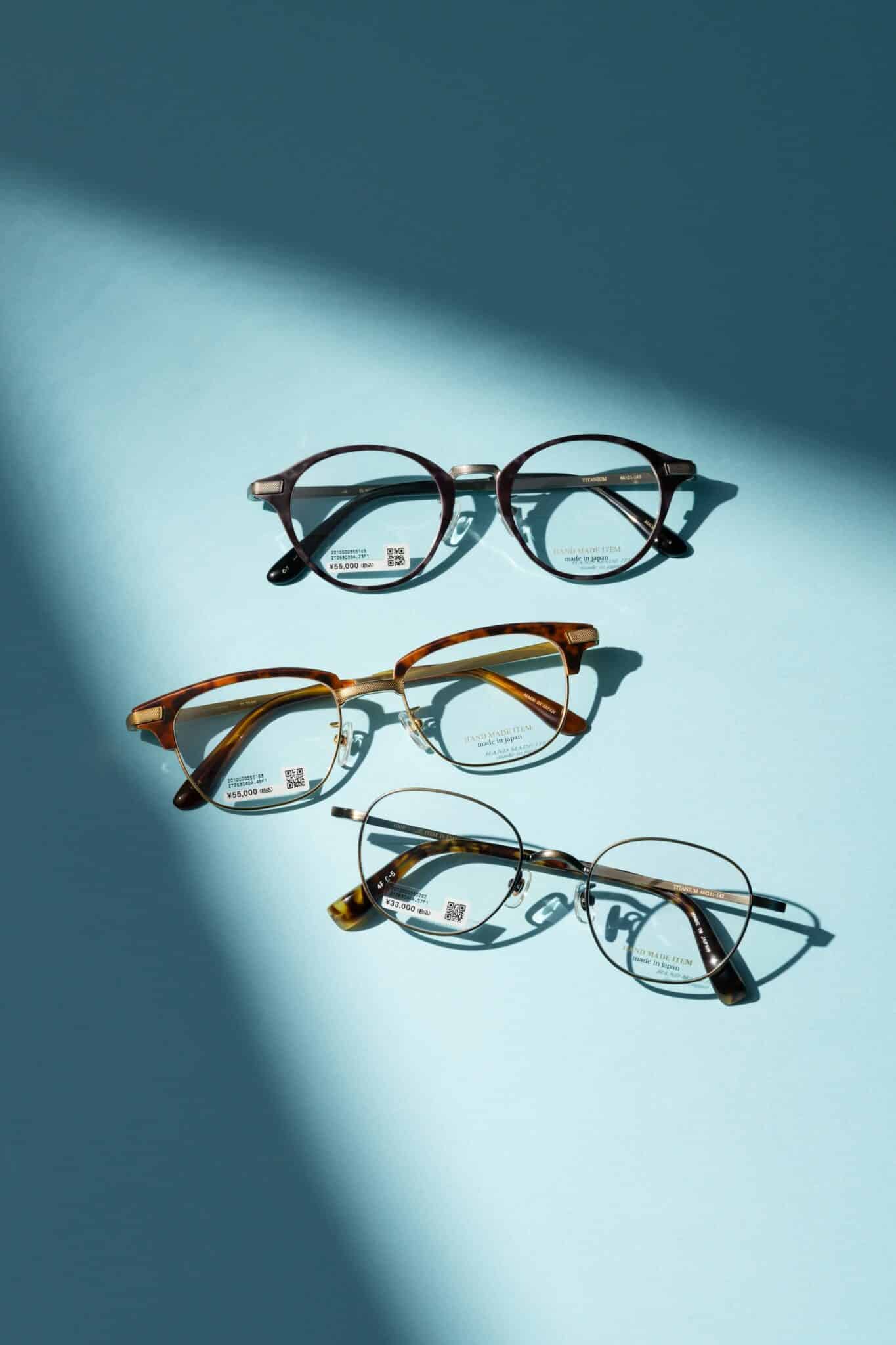
Priced between 33,000 and 55,000 yen, each frame showcases the precision and craftsmanship of Sabae's artisans.
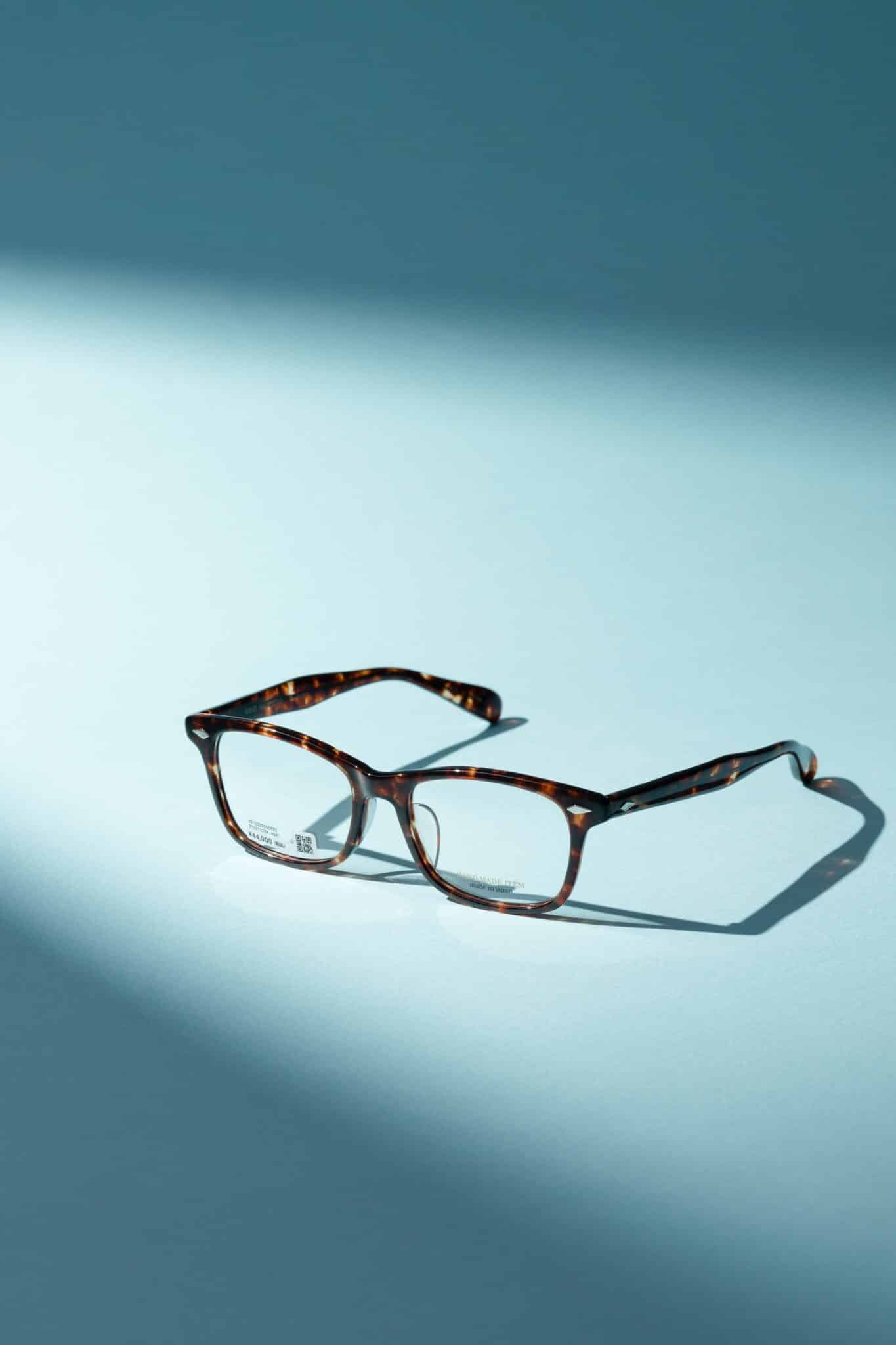
Crafted from celluloid, this model combines exceptional durability with remarkable flexibility, making it highly resistant to warping. ZT261026_49A1 44,000 yen
Celluloid is also prized for its rich luster and its distinctive, almost silky feel in the hand.
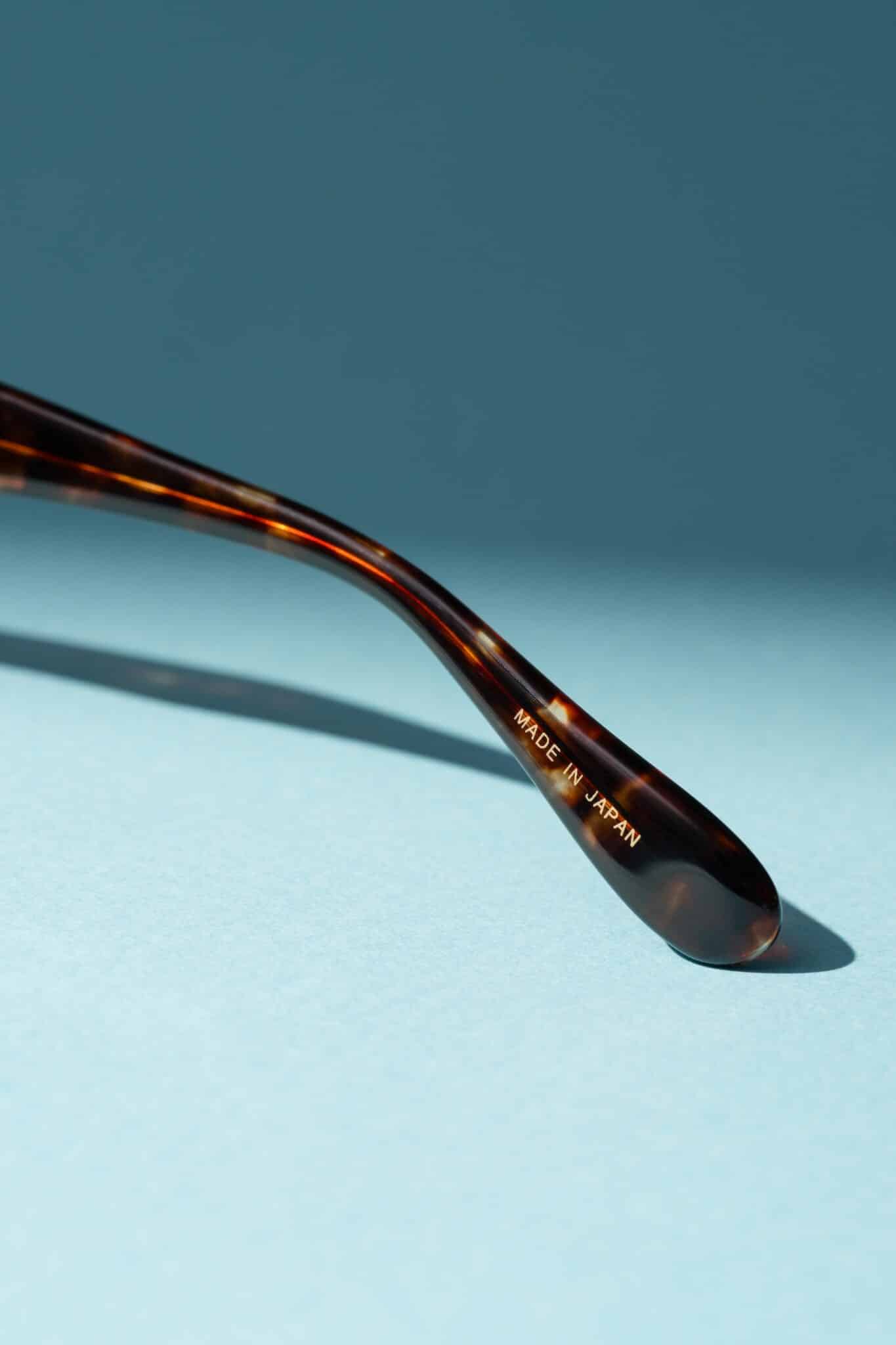
Each frame is finished with a discreet "Made in Japan" engraving on the temple.
A wide range of titanium models is also available. Some are skillfully machined to resemble acetate, showcasing the remarkable craftsmanship of Sabae's artisans. From top: ZT263039_23F1 55,000 yen, ZT263040_49F1 55,000 yen, ZT263044_57F1 33,000 yen
The store also carries an extensive selection of Zoff's MADE IN JAPAN collection, designed by Zoff and crafted in Sabae. More models are available here than at most other Zoff stores.
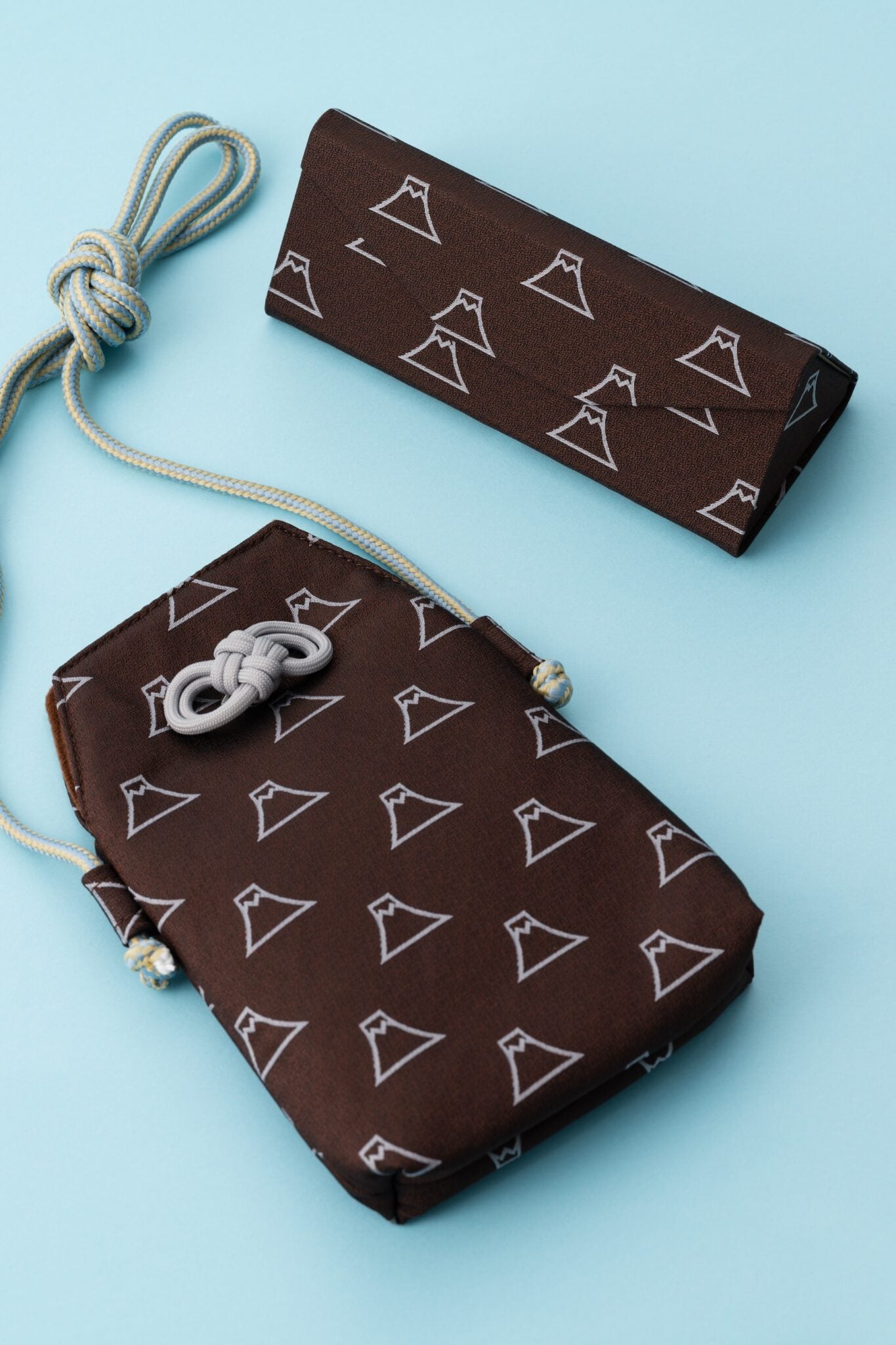
Accessories featuring distinctly Japanese motifs are also available, including a Mount Fuji eyeglass case and an omamori-inspired pouch. Eyeglass pouch: 2,750 yen, Eyeglass case: 1,980 yen.
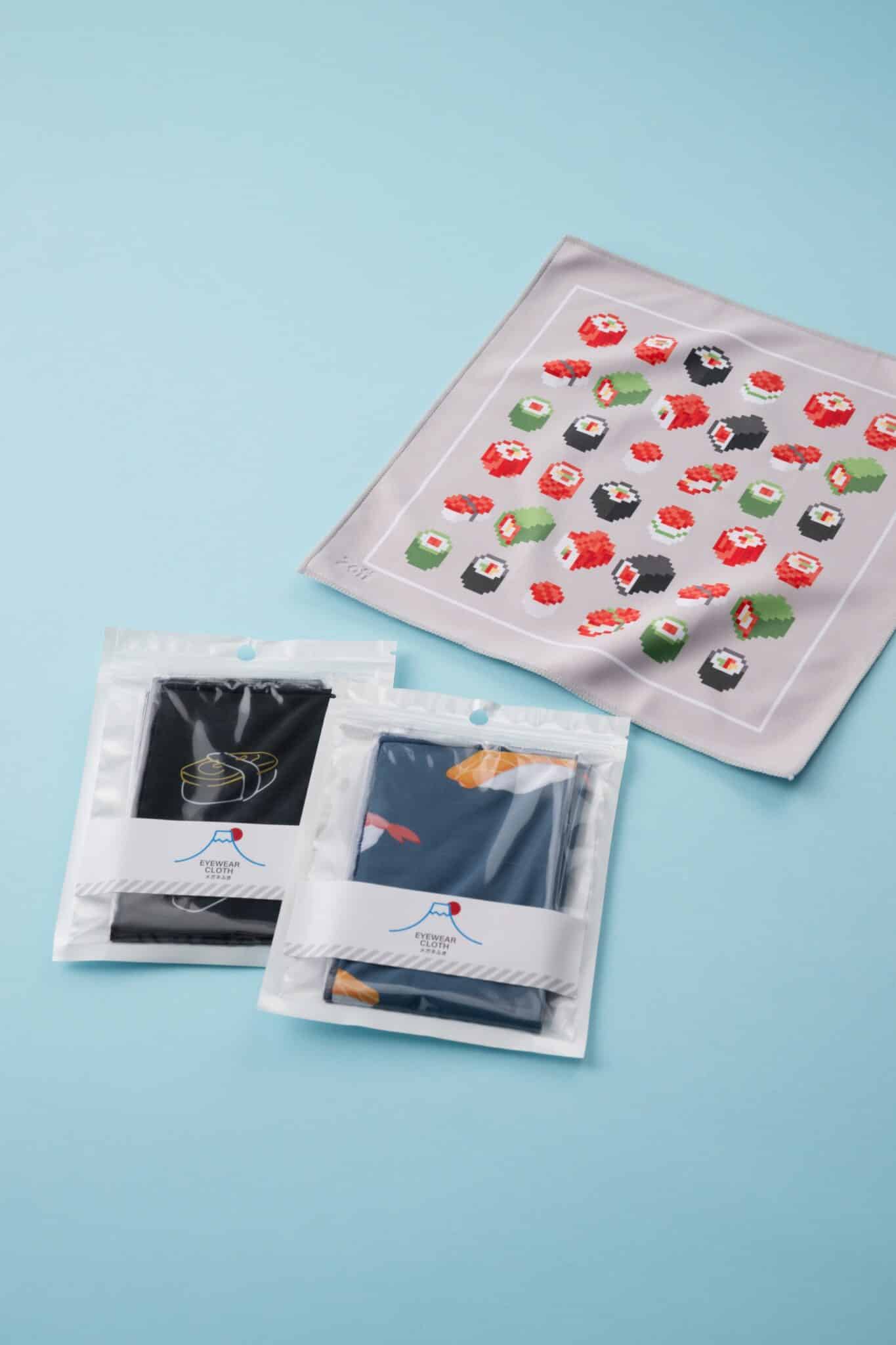
Cleaning cloths are priced under 1,000 yen, making them great souvenirs to bring home. Sushi-themed designs are especially popular. 990 yen each.
The information in this article is current as of June 29, 2026 (at the time of publication).


.jpg)
スマホ.jpg)