DEEPTOKYO
magazine

EN

DEEPTOKYO
magazine
EN

2026.04.17
Experience the World of Onitsuka Tiger in Ginza


 Nearest Station


Located in Ginza 4-chome, “Onitsuka Tiger GINZA RED CONCEPT STORE” is a concept store built around the brand’s signature color, red. Centered on the basement-level “MEXICO 66 STORE,” the space is designed so visitors can compare and explore the brand’s standard models across variations. The store also carries the “NIPPON MADE” series, allowing visitors to examine differences in materials and finishing in detail.
SHARE


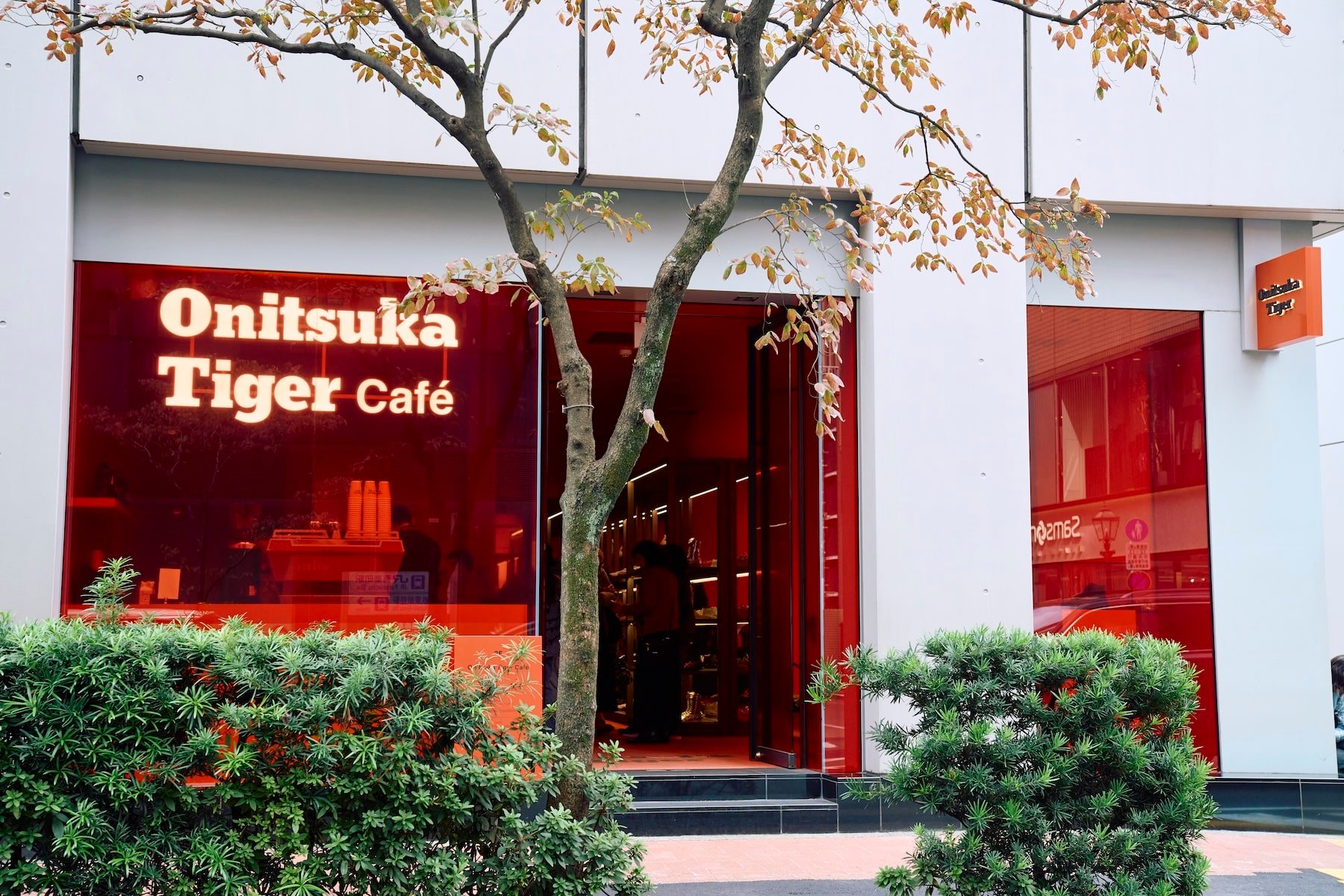
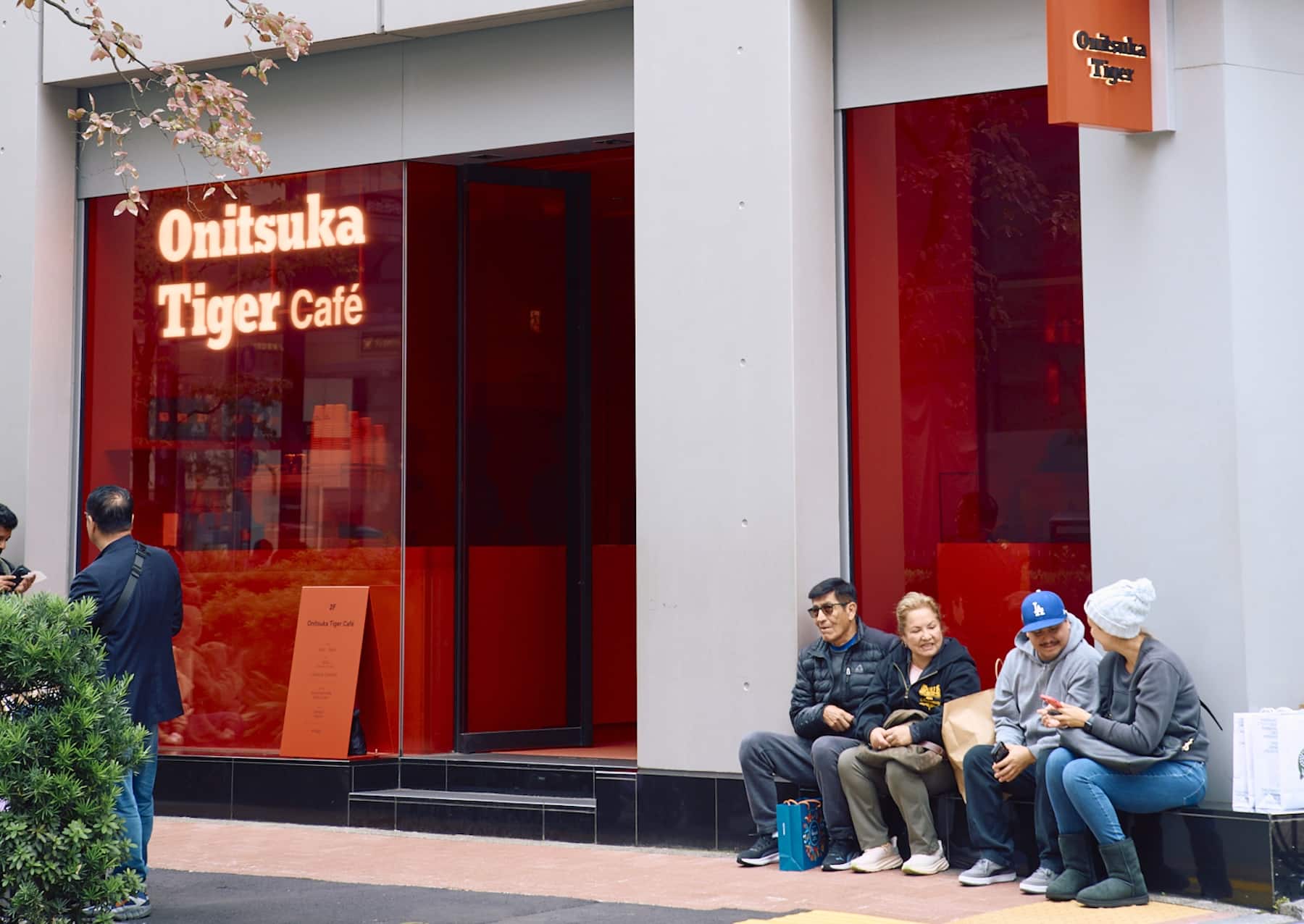
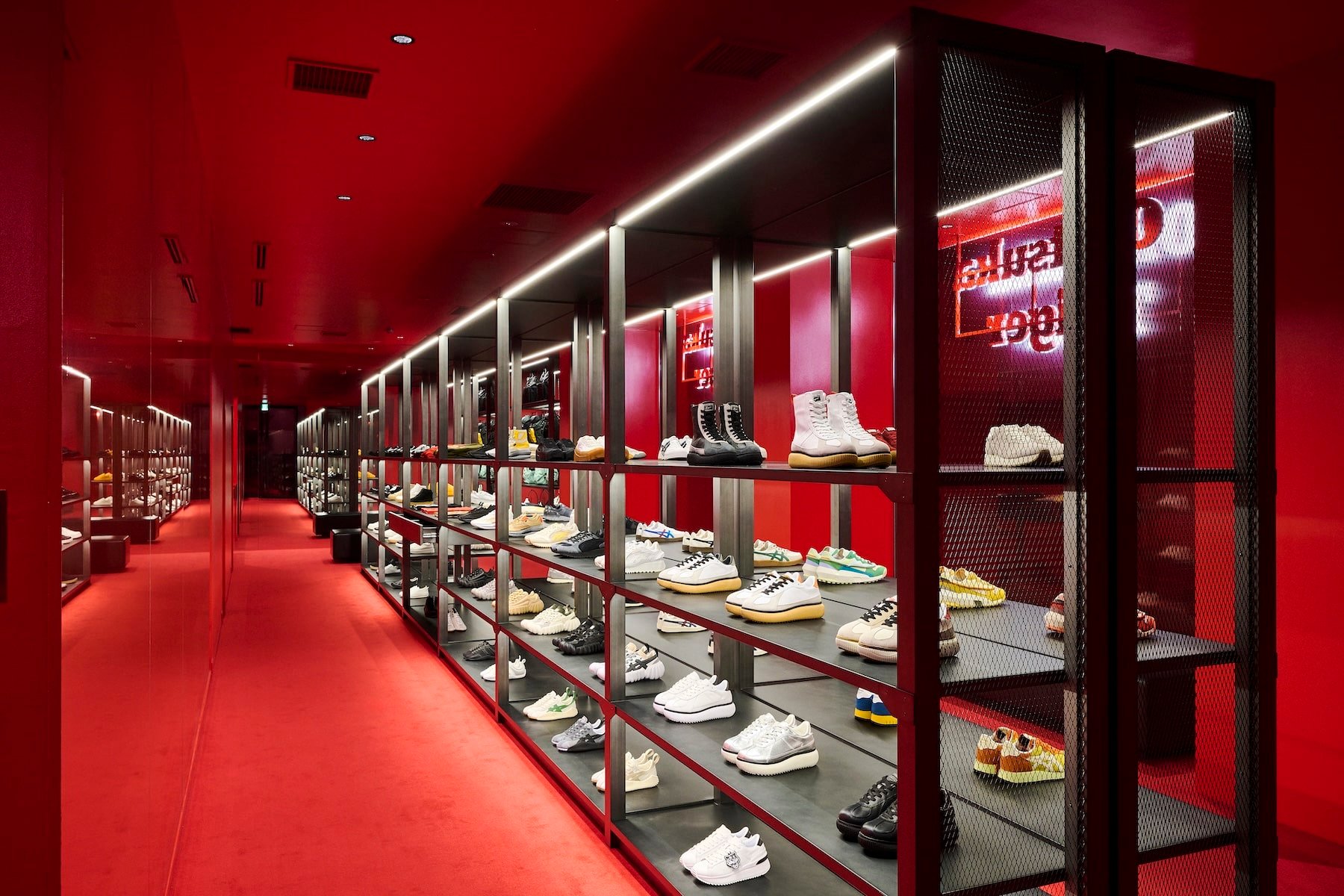
In Ginza 4-chome, just steps from the historic Wako clock tower, “Onitsuka Tiger GINZA RED CONCEPT STORE” stands out with a striking presence. Housed within the Kyo Bun Kan / Bible House Building, a noted work designed by Antonin Raymond, the store contrasts with the building’s solid stone exterior. Inside, a dazzling, vivid red space unfolds. This is not merely a sneaker shop. From fixtures to ceiling and flooring, the entire interior is unified in the brand’s signature color. The space allows visitors to experience, through all five senses, both the energy of Onitsuka Tiger and its pride in Japanese craftsmanship.
The exterior features a red glass façade, expressing the brand color throughout the design.
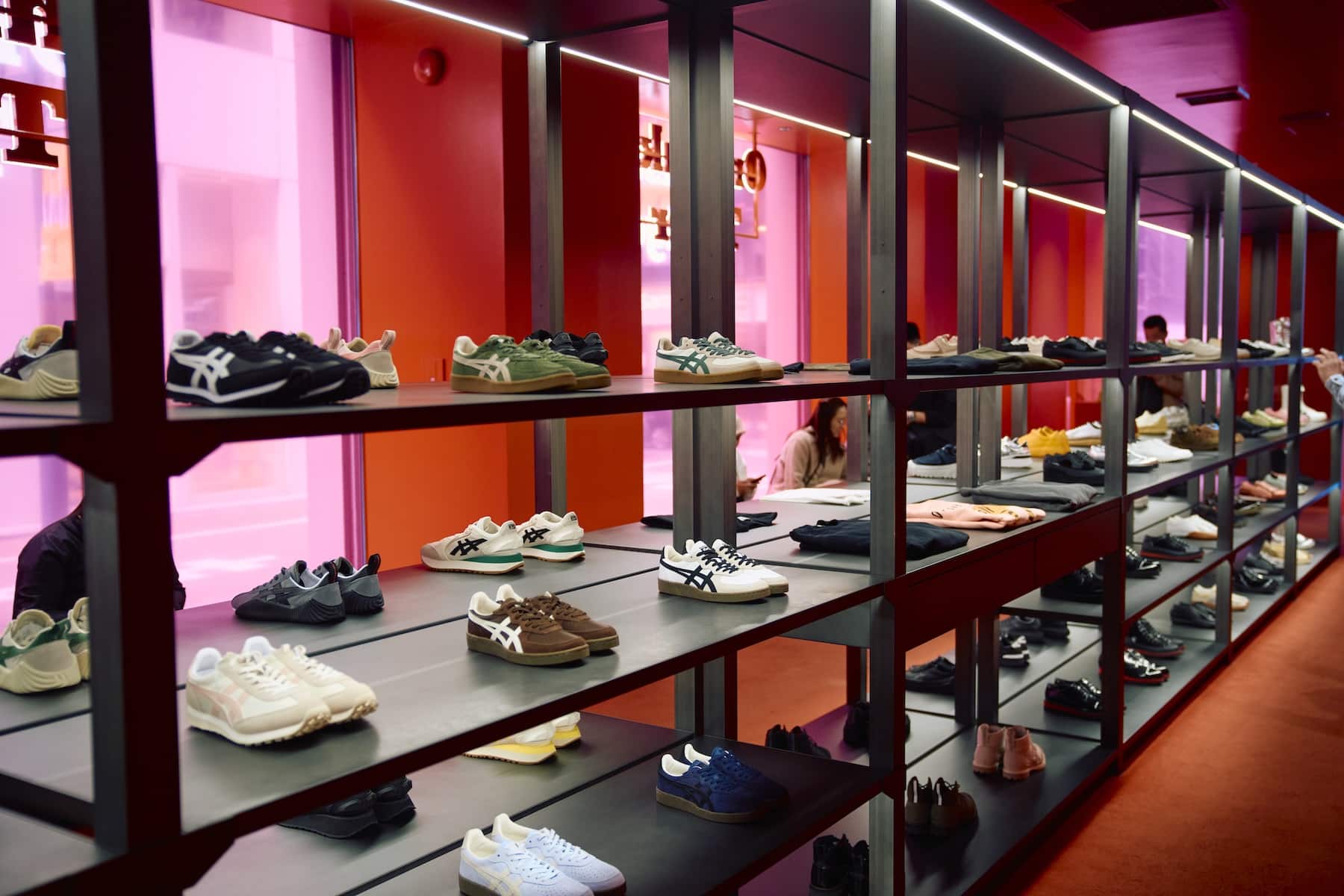
The first-floor space displays new arrivals. Centered on the iconic “MEXICO 66,” models in various materials and colors are arranged, offering an overview of the lineup.
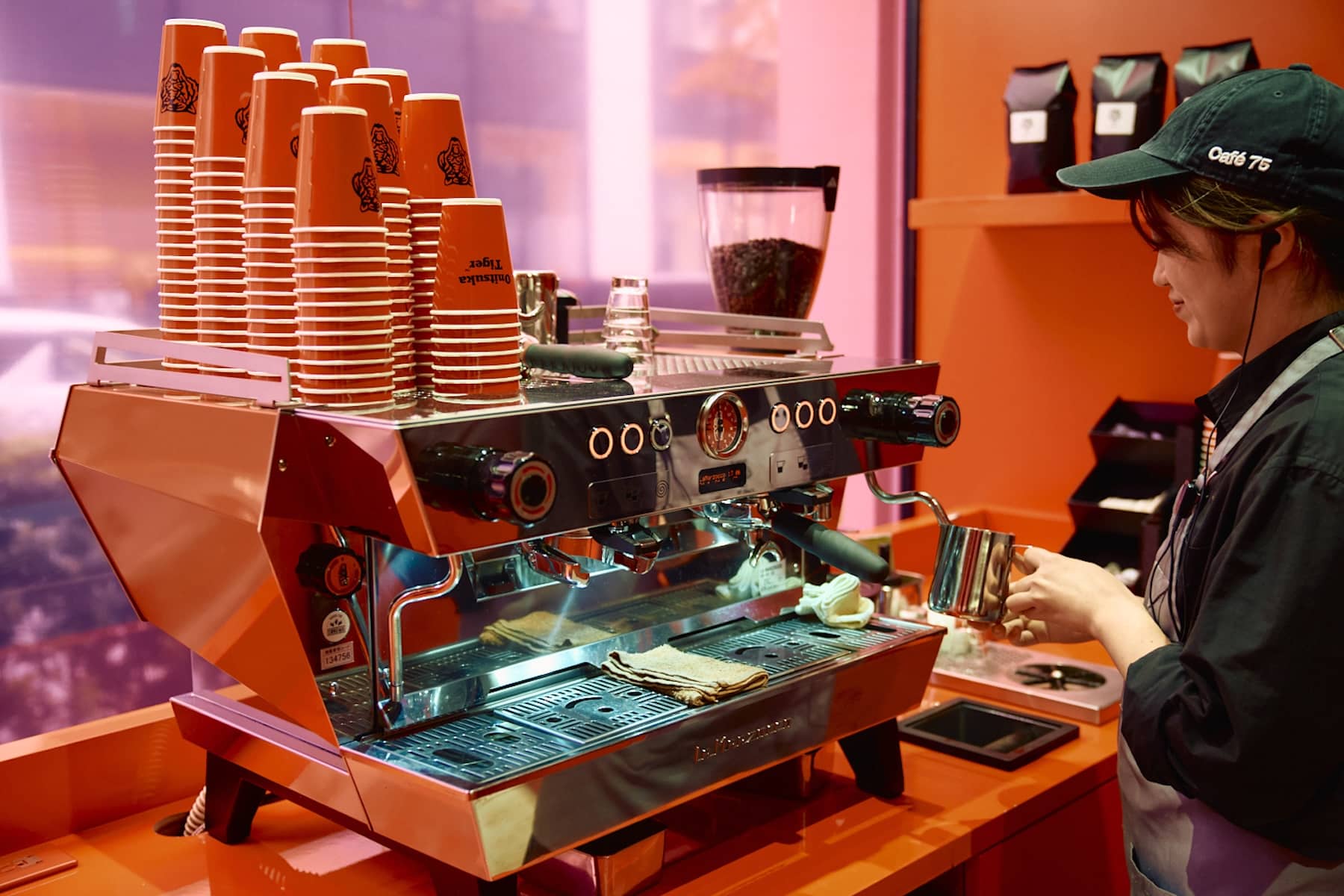
A café is also located on the first floor. Visitors can take coffee or smoothies to go and step directly out into the streets of Ginza.
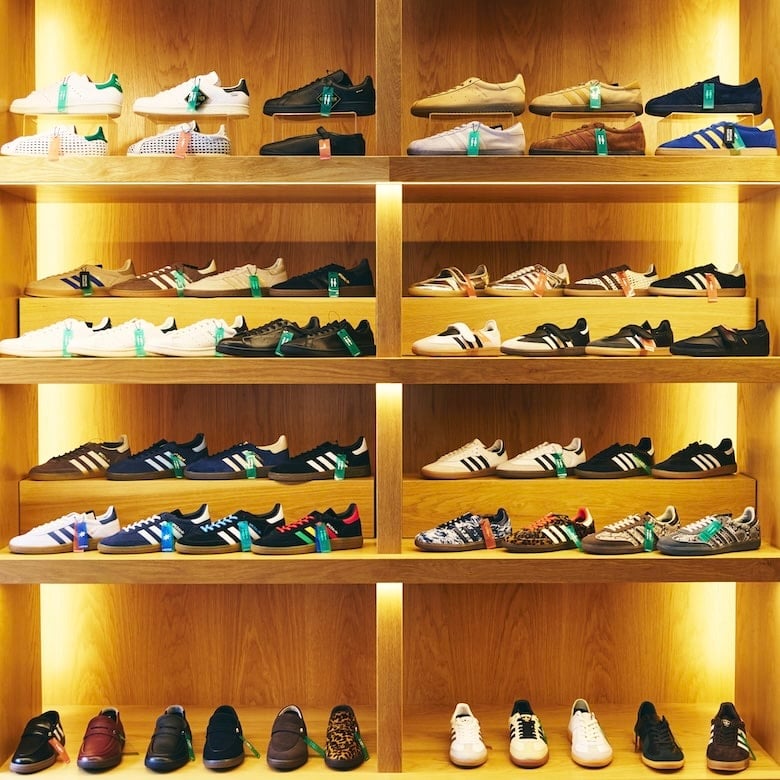
As you descend the stairs and step into the basement floor, what comes into view is an archive of over 100 pairs of “MEXICO 66.” From the standard tricolor models to past seasonal colors no longer available, as well as exclusive editions, the variety is simply overwhelming.
The roots of “MEXICO 66” trace back to training shoes from the 1960s. By carefully comparing the archived models, visitors are reminded of how refined its design is—the thin sole silhouette and the signature cross-reinforced heel have remained unchanged for over half a century.
Examining subtle differences in leather texture and variations in stitching across different eras is also part of the unique experience offered on this floor.
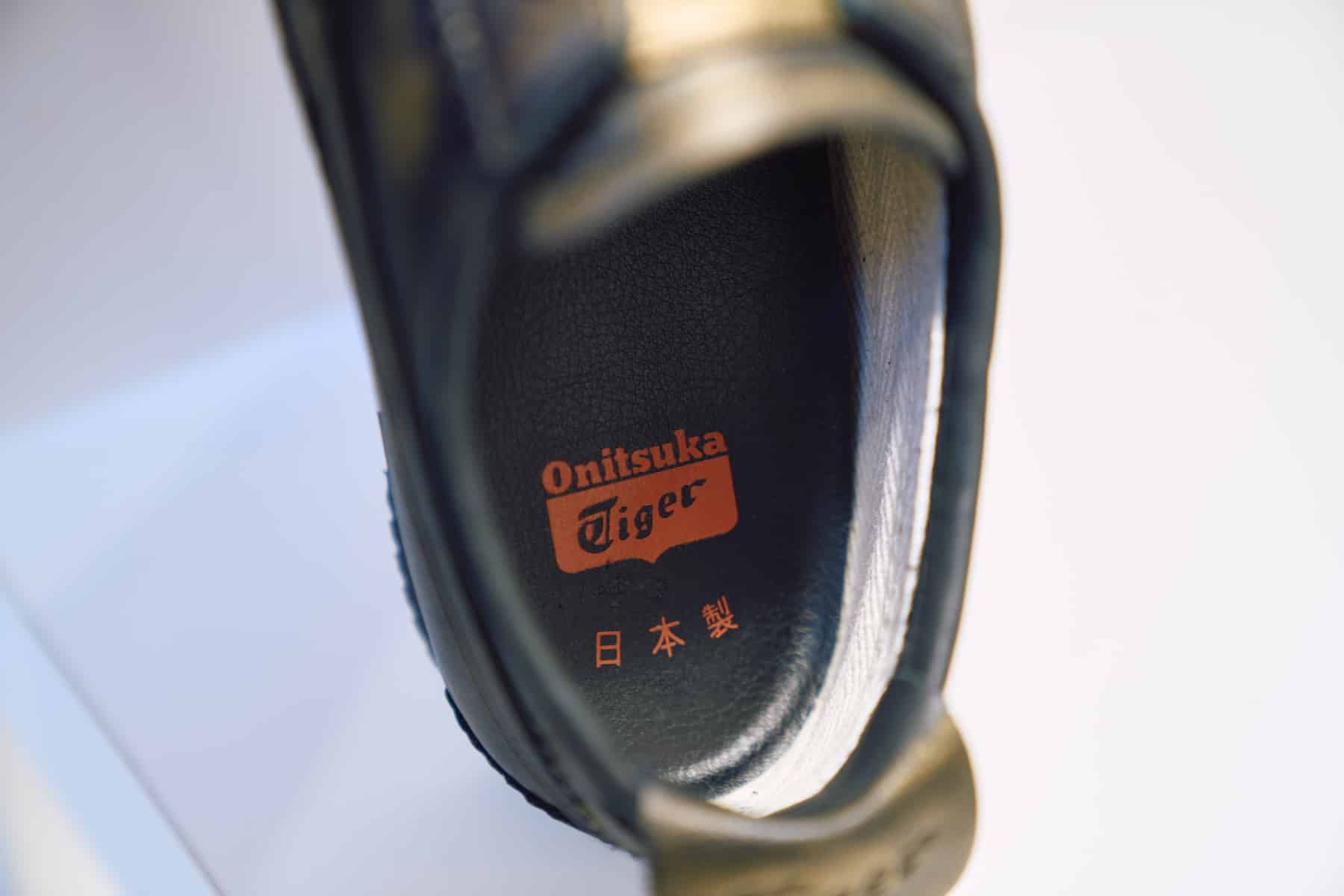
Among the offerings at “Onitsuka Tiger GINZA RED CONCEPT STORE,” the “NIPPON MADE” series stands out with a particularly distinctive presence. Launched in 2008, this line was born from the brand’s desire to once again share the excellence of Japanese craftsmanship with the world. Its defining characteristic is not simply that the products are made in Japan, but that each pair is individually finished by artisans through processes such as washing and dyeing. The intentionally retained irregularities and subtle variations unique to handwork reflect a traditional Japanese aesthetic—one in which beauty deepens with use over time.
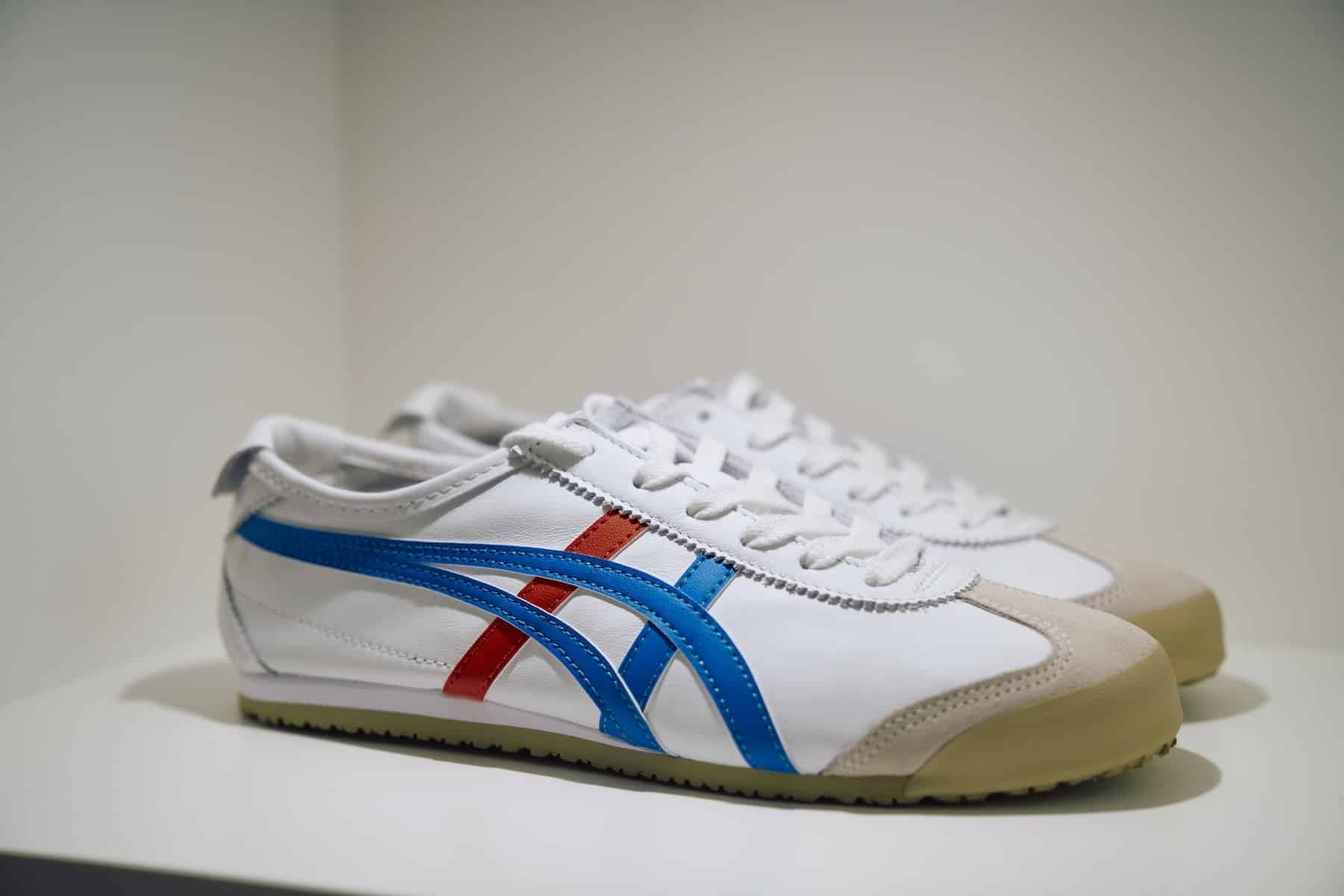
“MEXICO 66,” known as a signature model of Onitsuka Tiger. Characterized by its thin sole and slim silhouette, it is often chosen as an entry model into the brand. MEXICO 66 (¥16,500)
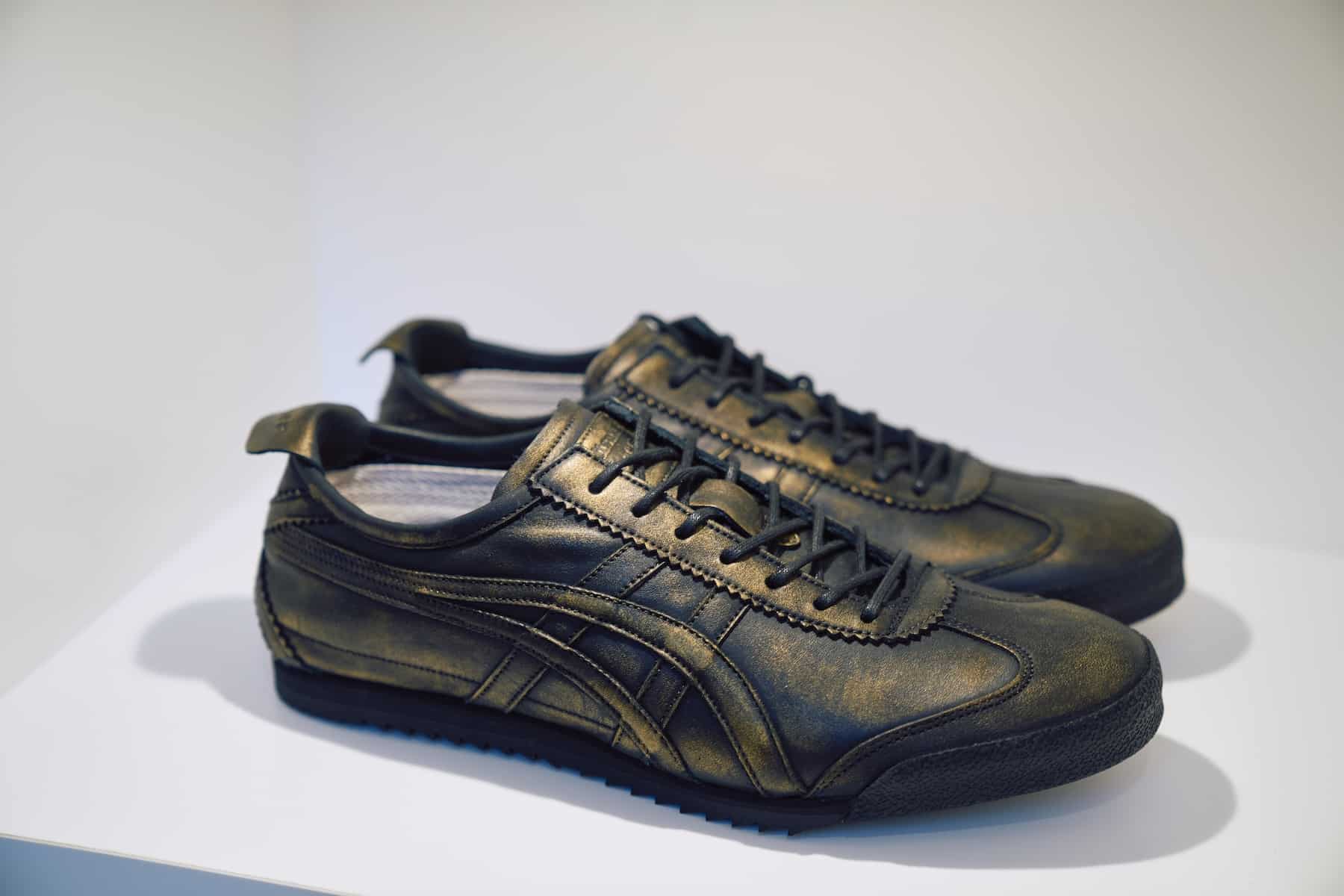
Finished with a lacquer-inspired treatment based on traditional Japanese urushi techniques, creating a deep, antique-like color. The upper is made from Japanese cowhide leather, offering a softness that adapts to the foot with wear. Based on a standard model, this pair allows enjoyment of differences through materials and finishing. MEXICO 66 DELUXE (¥40,700)
The information contained this article was correct as of 04/17/2026 (the time of publication)


.jpg)
スマホ.jpg)