DEEPTOKYO
magazine

EN

DEEPTOKYO
magazine
EN
2026.07.23
A Kissaten in Kameido's Residential Neighborhood Where You Can Enjoy Music Through Handmade Vacuum Tube Amplifiers


 Nearest Station
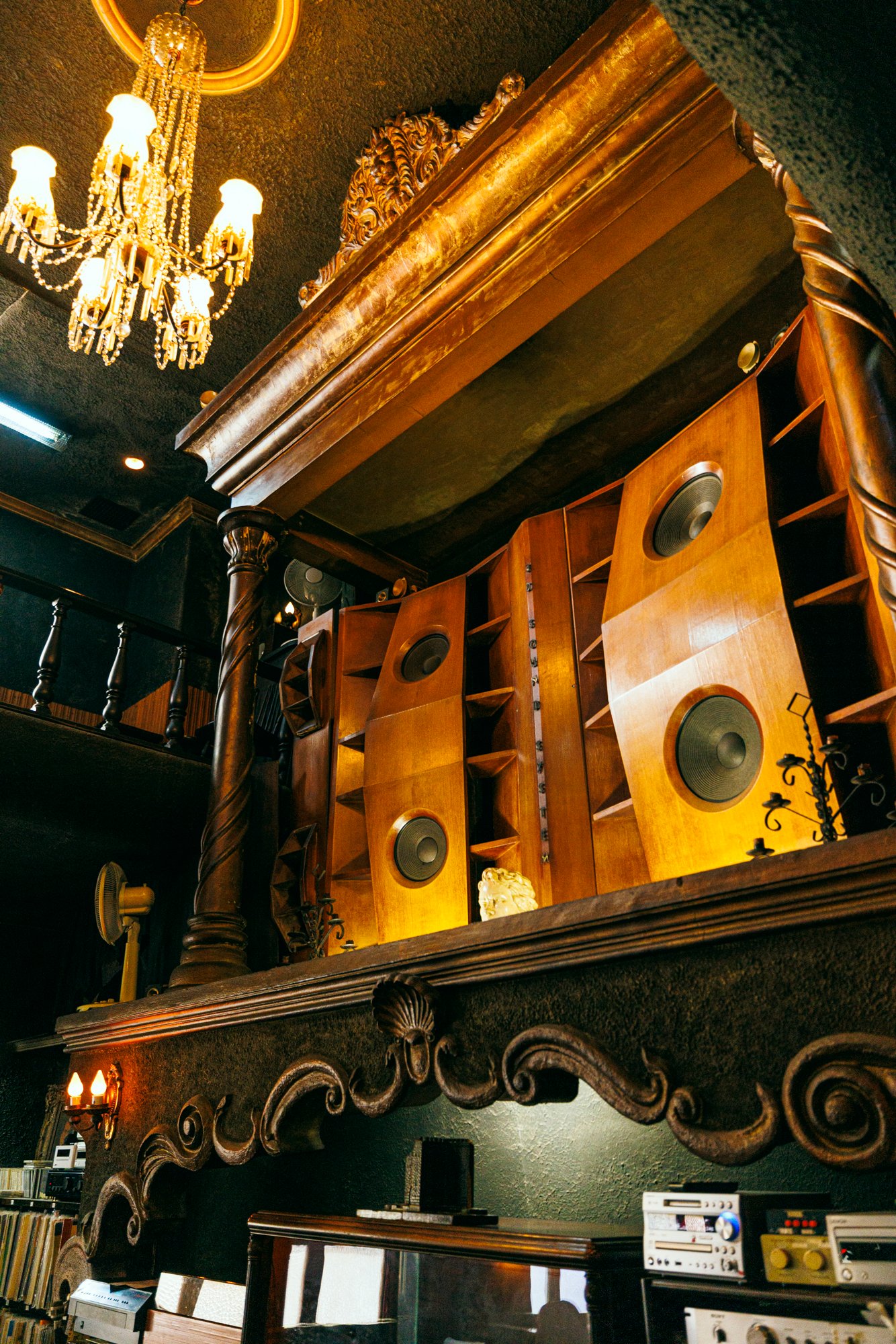
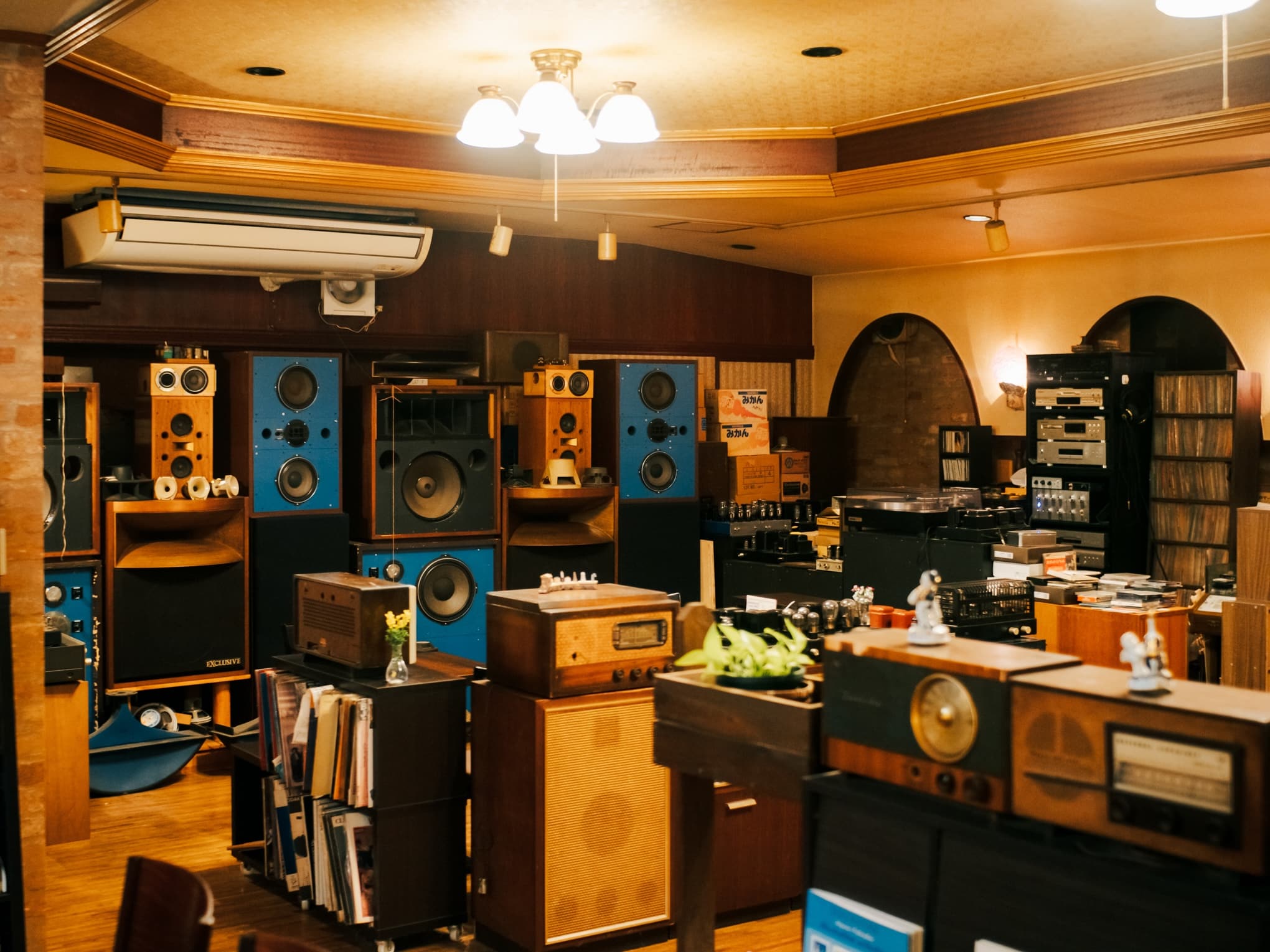
Nestled in a quiet residential neighborhood of Kameido, Tokyo, "Crescend" is a kissaten (a traditional Japanese coffee shop) unlike any other. Step inside, and you'll find an impressive space filled with handmade vacuum tube amplifiers and speakers, reflecting the owner's deep passion for high-quality audio. Softly playing oldies and Showa-era Japanese pop songs, the shop still retains traces of its past as a dance hall. Rather than simply serving as background music, the music here invites visitors to slow down, enjoy a cup of coffee, and spend time truly listening.
SHARE


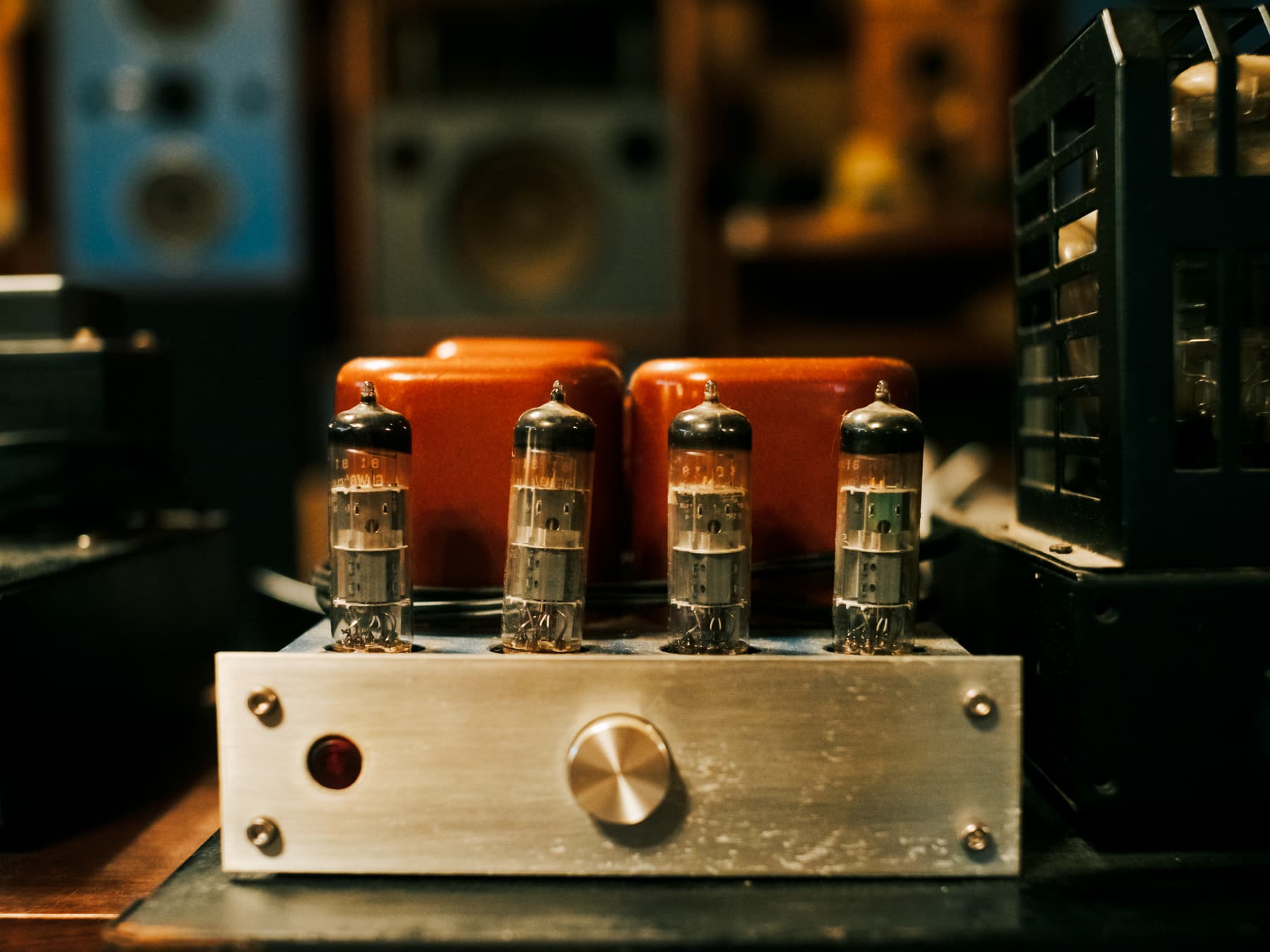
"Crescend" is a one-of-a-kind kissaten where visitors can enjoy music through handmade vacuum tube amplifiers and speakers built by its owner, Shizuo Kanamori, whose passion for sound is reflected in every detail.
A kissaten is a traditional Japanese coffee shop where people come not only to enjoy a cup of coffee but also to sit back and listen attentively to music, rather than simply having it played as background music. As one example of this uniquely Japanese coffeehouse culture, "Crescend" offers visitors the chance to experience it in a quiet residential neighborhood of Kameido.
The site where "Crescend" now stands was once home to a dance hall run by Kanamori's parents. Even after it became a kissaten, the original floor layout was preserved. The cozy 23-seat interior still retains a relaxed atmosphere with a nostalgic feel.
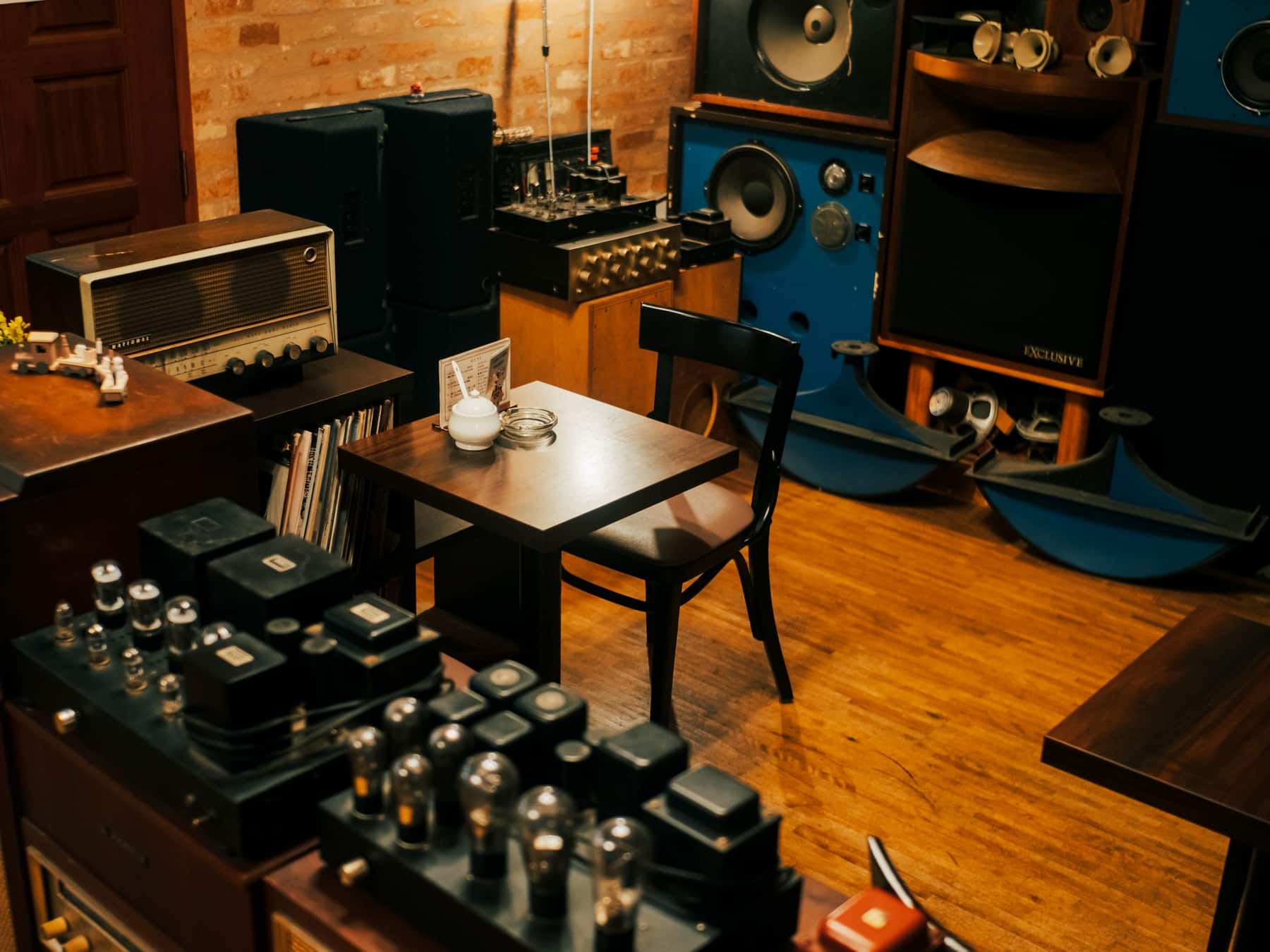
"I wanted to listen to music in this spacious room." That simple wish inspired the creation of the shop. Inside, Kanamori's handmade vacuum tube amplifiers and speakers are prominently displayed. With a cup of coffee in hand, visitors can spend time listening closely to music reproduced through a sound system that reflects the owner's passion for high-quality audio.
A corner of the shop is filled with handmade speakers and vacuum tube amplifiers—an impressive sight.
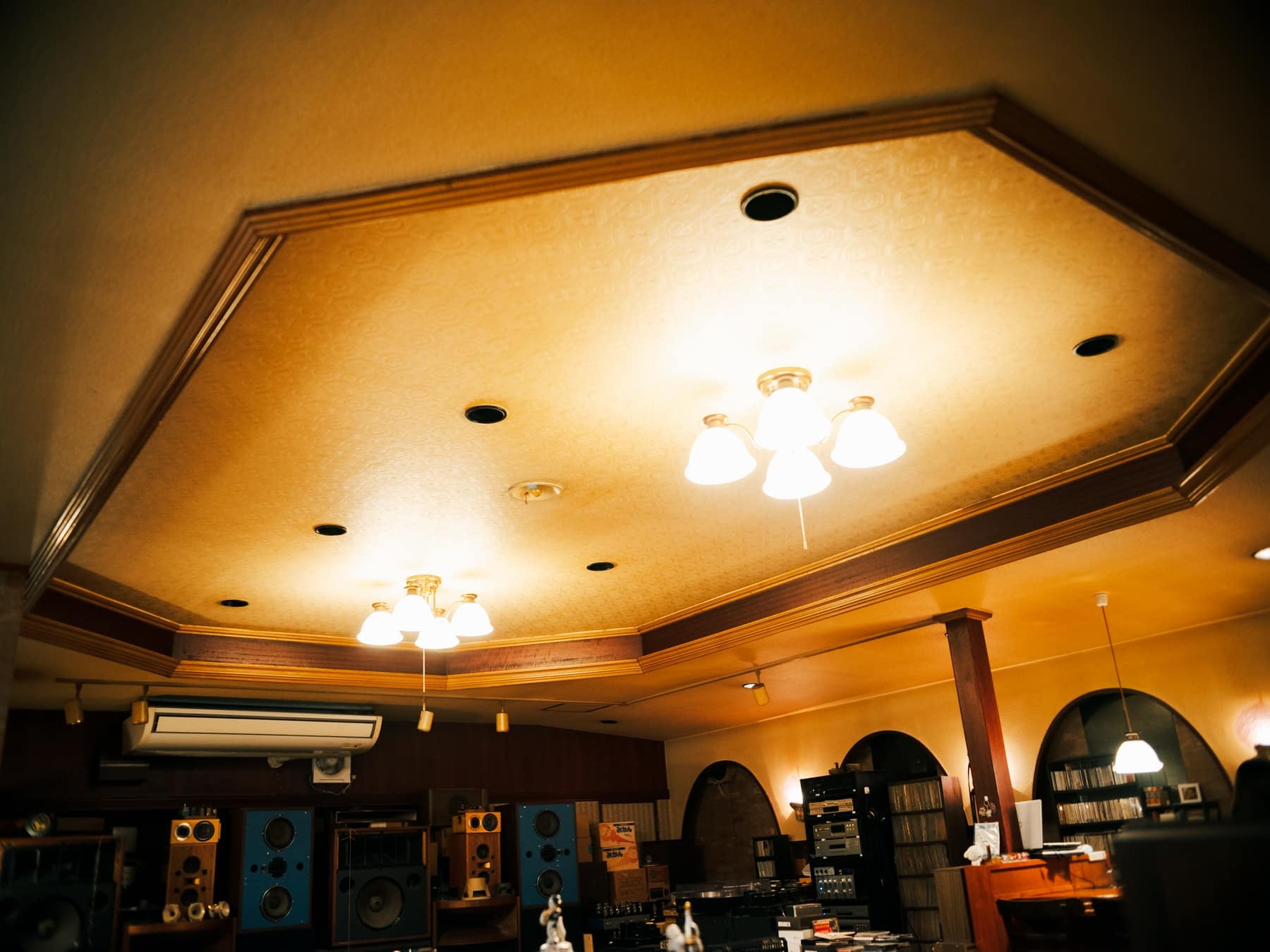
The ceiling still retains traces of the building's days as a dance hall, with its distinctive rounded design.
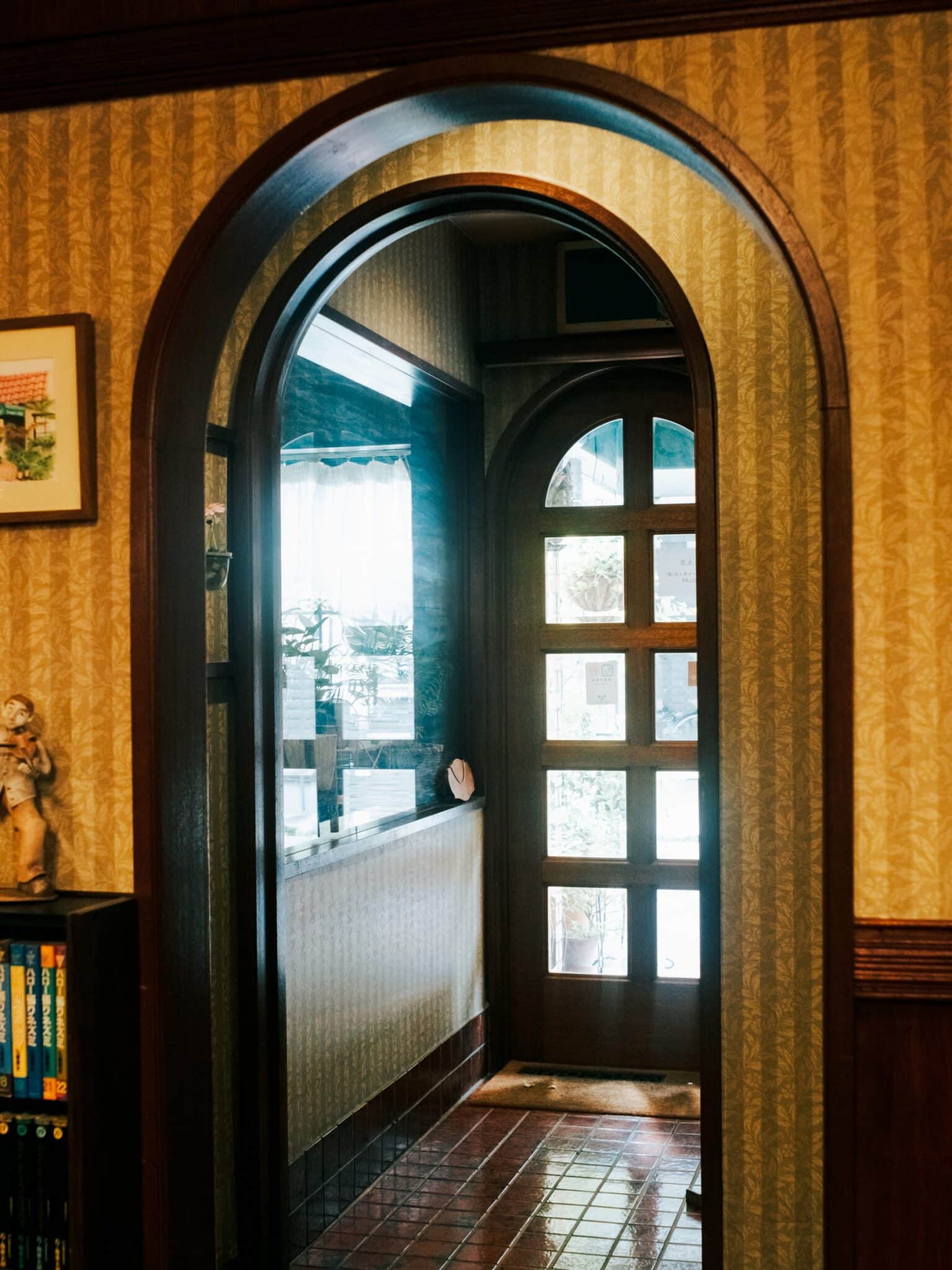
The circular entrance, distinguished by its graceful arches, is another reminder of the building's former life as a dance hall.
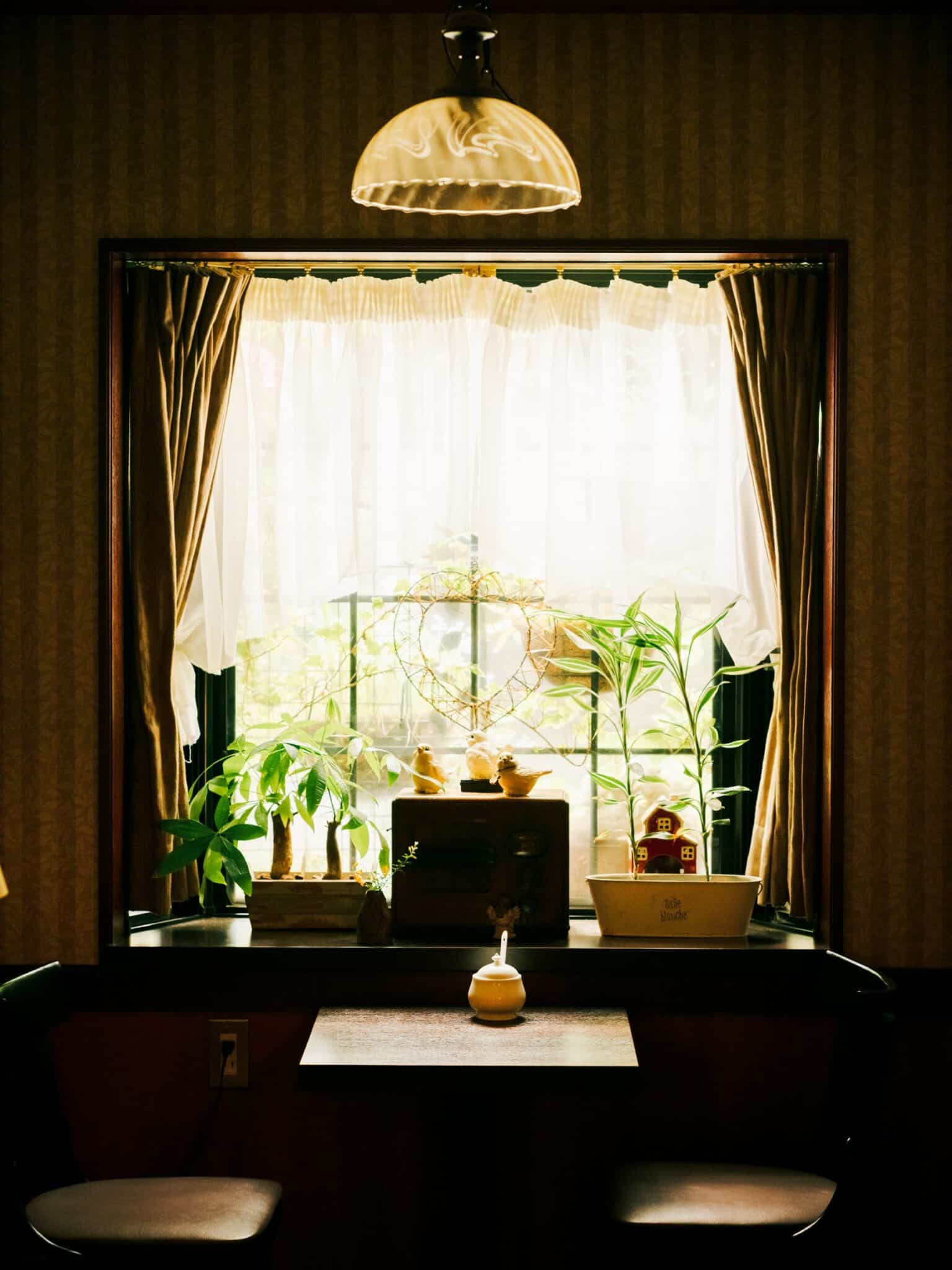
The window seats on the right after entering the shop are designated as a non-smoking area.
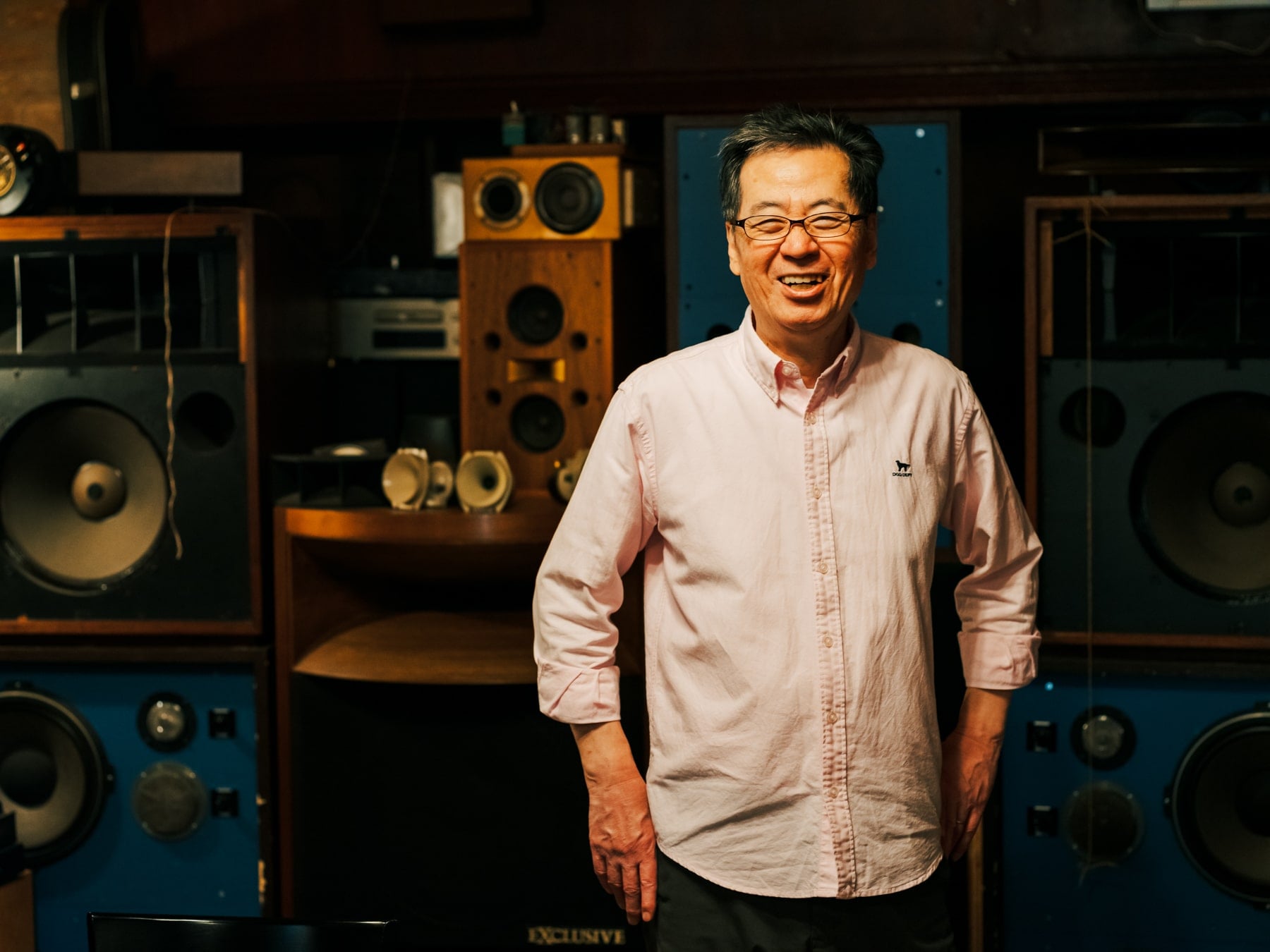
Owner Shizuo Kanamori, surrounded by his handmade vacuum tube amplifiers and speakers. His dedication to sound quality is reflected throughout the shop.
Kanamori's greatest passion is, without question, vacuum tube amplifiers. Although he once suffered the heartbreaking loss of around 500 treasured records in a fire, his pursuit of better sound has never stopped. To date, he has built approximately 30 vacuum tube amplifiers by hand.
His love of music began when he was in the third year of junior high school. One night, he fell in love with Daniel Vidal's "Pinocchio," which he heard on a late-night radio program. At the time, he didn't even own a record player. Determined to hear the song whenever he wanted, he bought the record first, then taught himself how to build an amplifier using a radio circuit diagram printed at the back of his school's home economics and industrial arts textbook. In an era before the internet, it was something made possible purely by passion.
Many of the vacuum tubes and electronic components that Kanamori purchased in Akihabara during Japan's audio boom of the 1970s and 1980s are still carefully stored today—enough, he says, to build another 20 amplifiers. Driven by a desire to put those parts to good use, he continues to handcraft about one new amplifier each year.
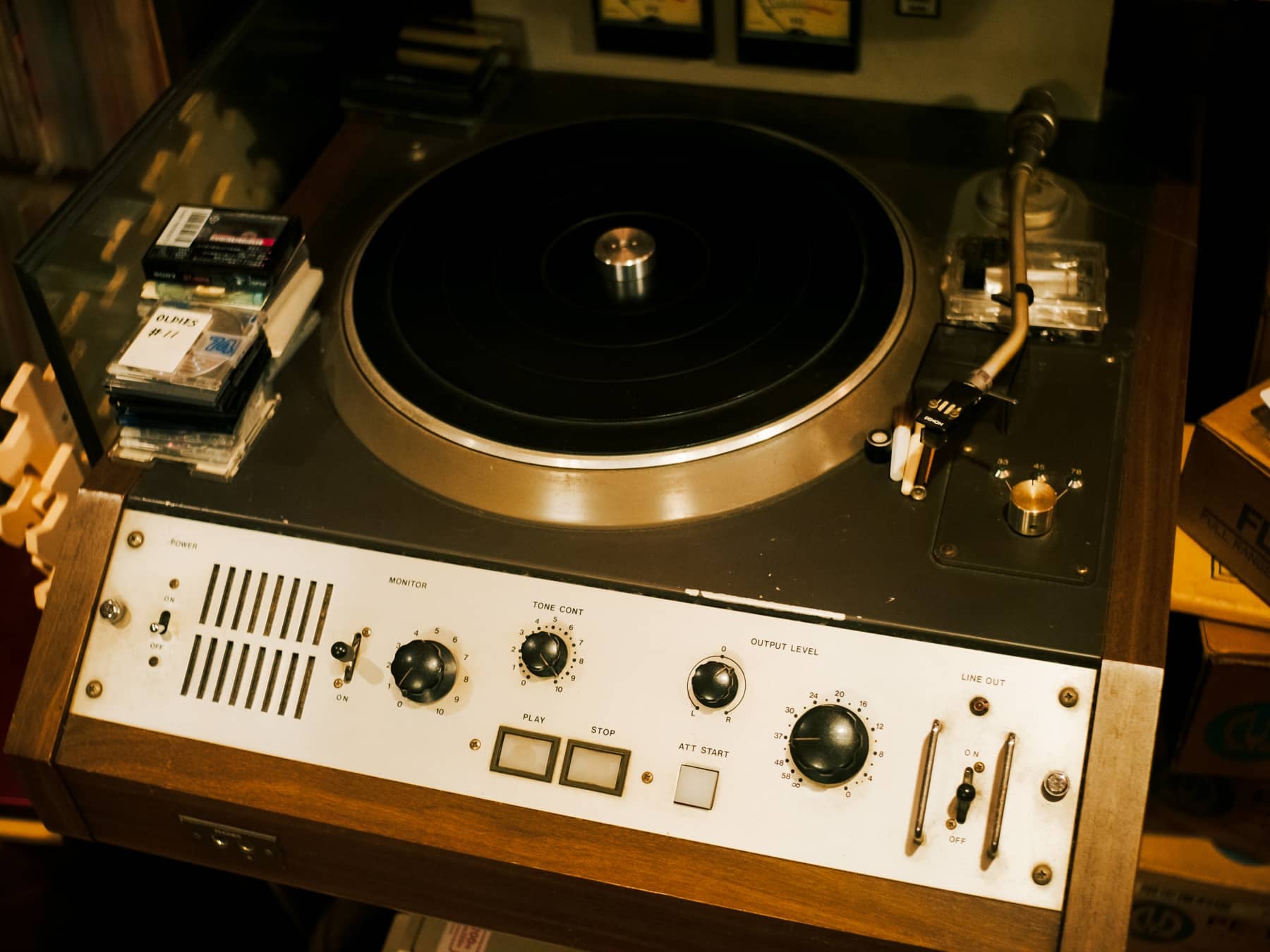
Kanamori selects different amplifiers and speakers depending on the audio source—such as records or CDs—as well as the genre of music being played.
Seats surrounded by speakers and amplifiers are among the most popular in the shop.
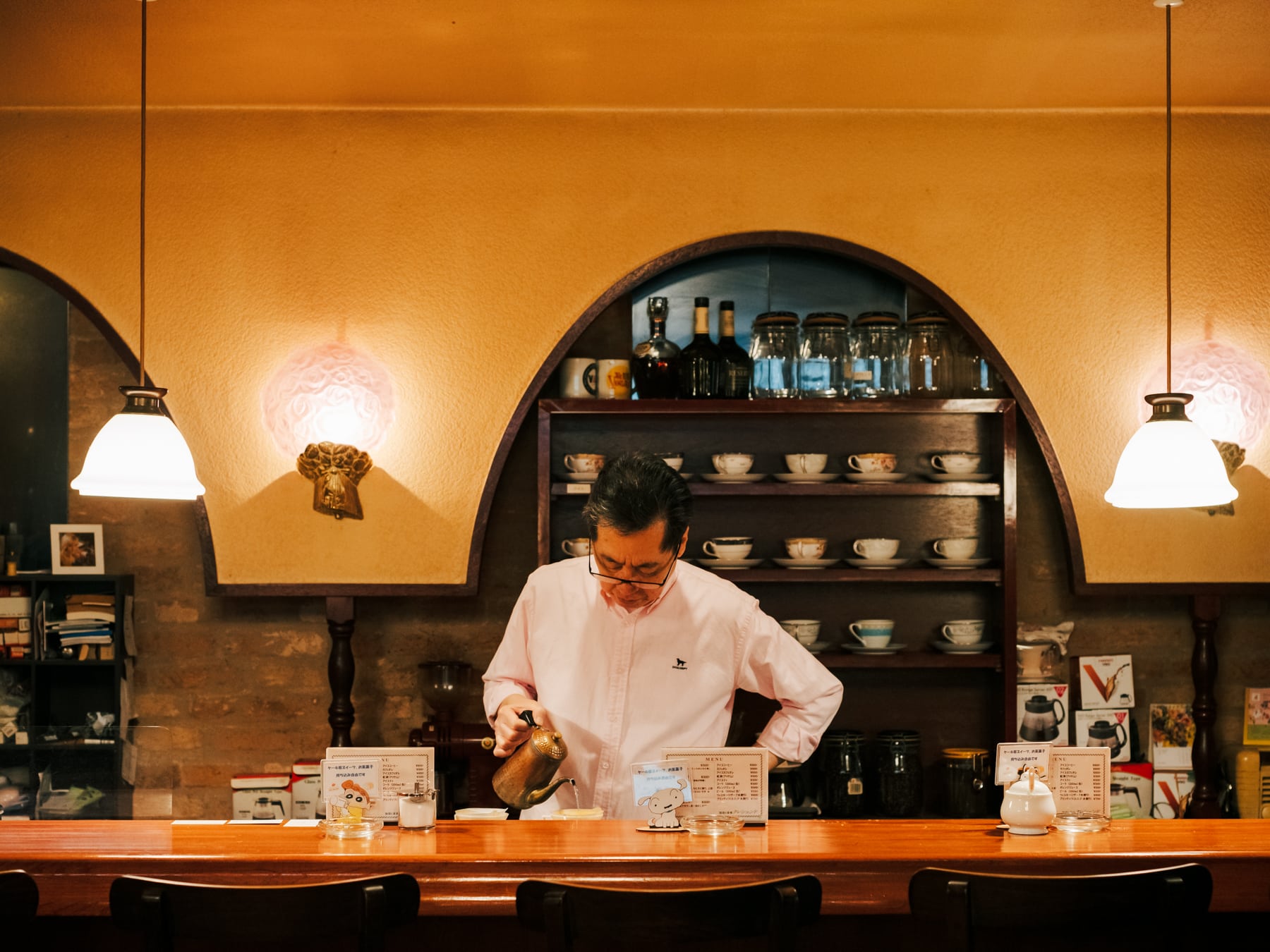
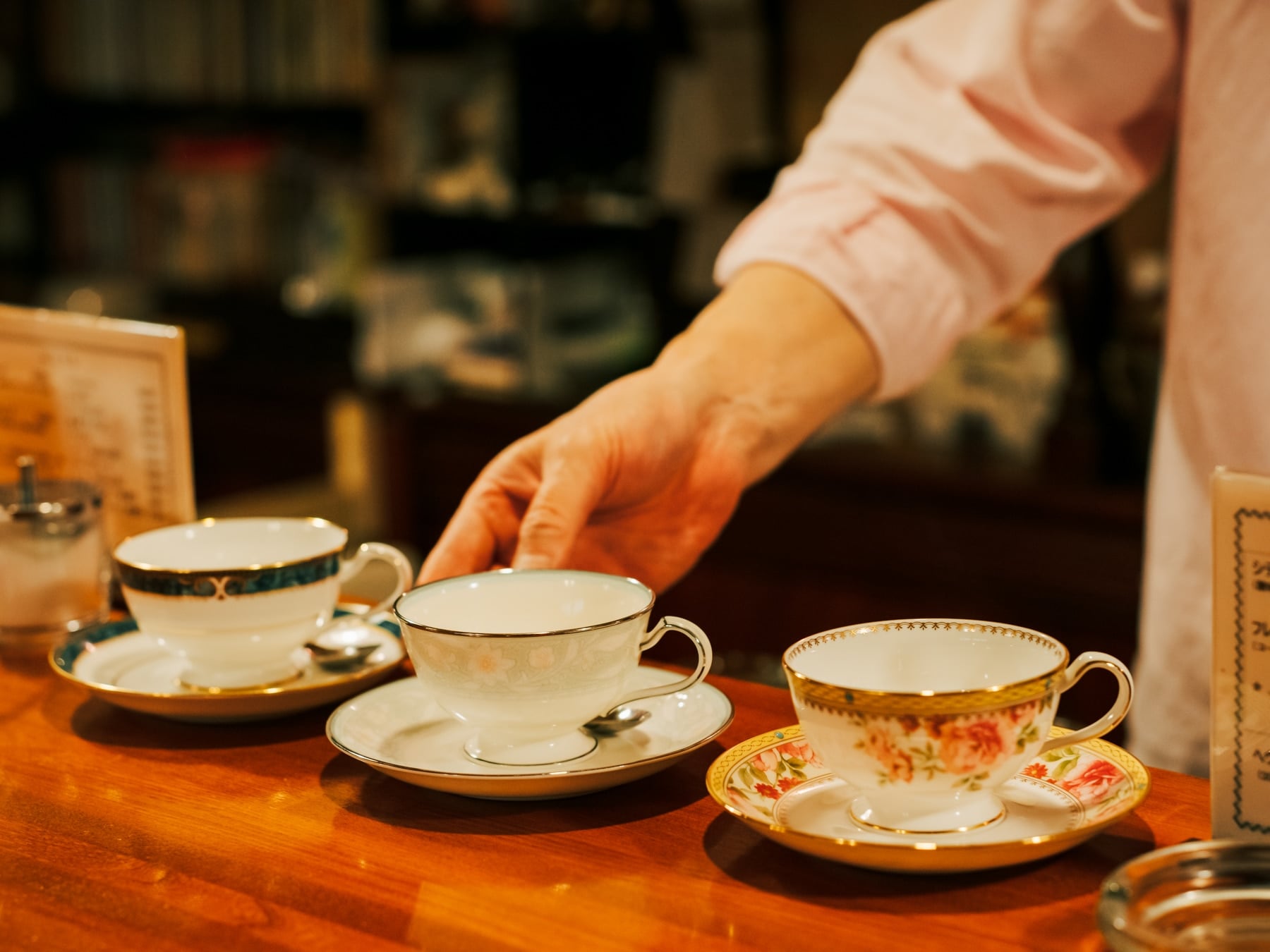
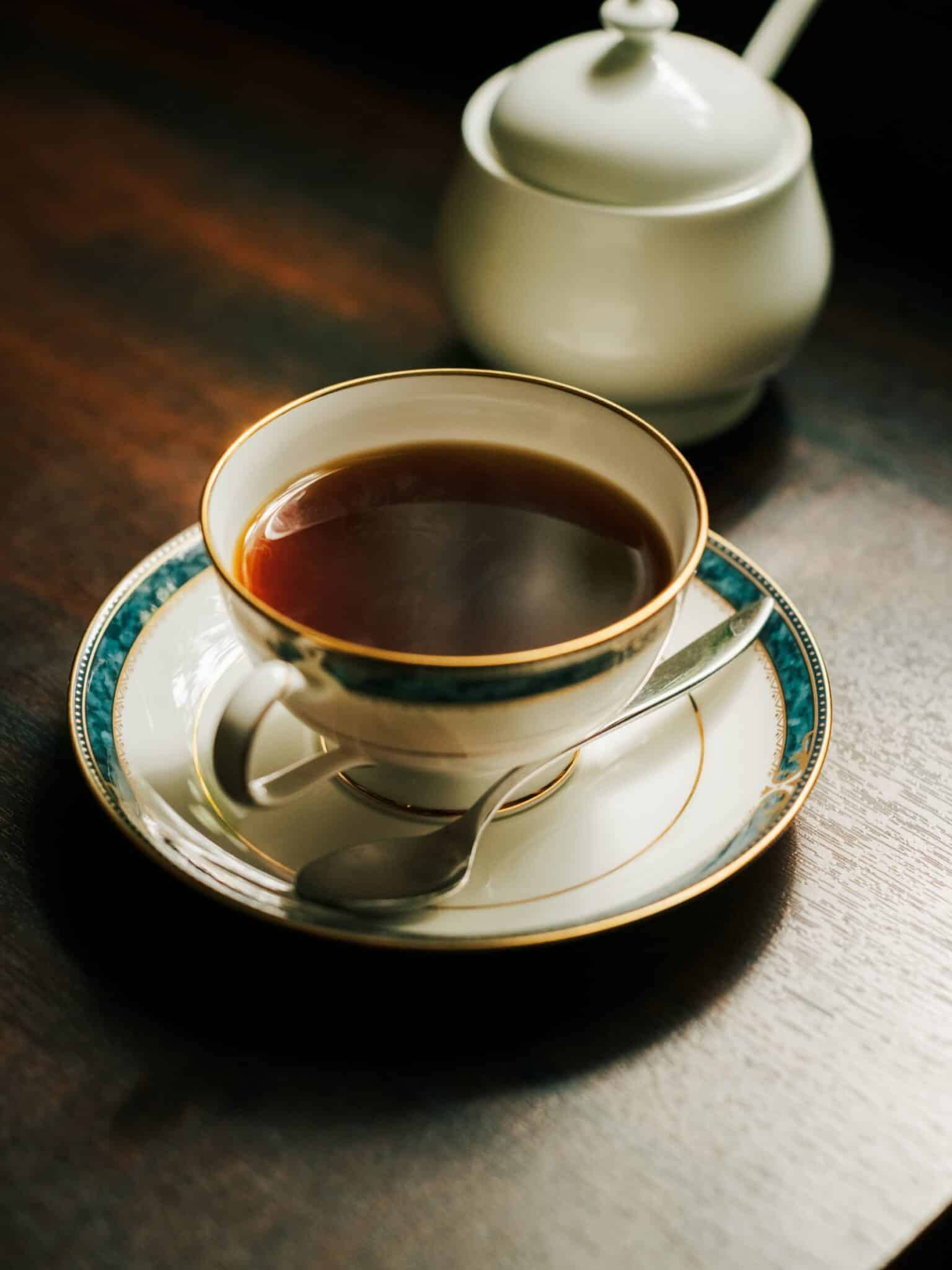
The menu and even the tableware reflect the distinctive character of "Crescend." The shop's signature coffee is brewed using beans from "Horiguchi Coffee," a renowned coffee roaster in Chitose-Funabashi. Sharing the roaster's philosophy that "coffee is a fresh product and should always be fresh," Kanamori carefully brews each cup by hand using his own single-hole dripper. Guests can choose from several blends, including the dark-roasted French and City, as well as Heavy, a hot coffee brewed as richly as iced coffee. Much of the coffee is served in cups and saucers made by "Noritake," one of Japan's leading ceramic tableware manufacturers.
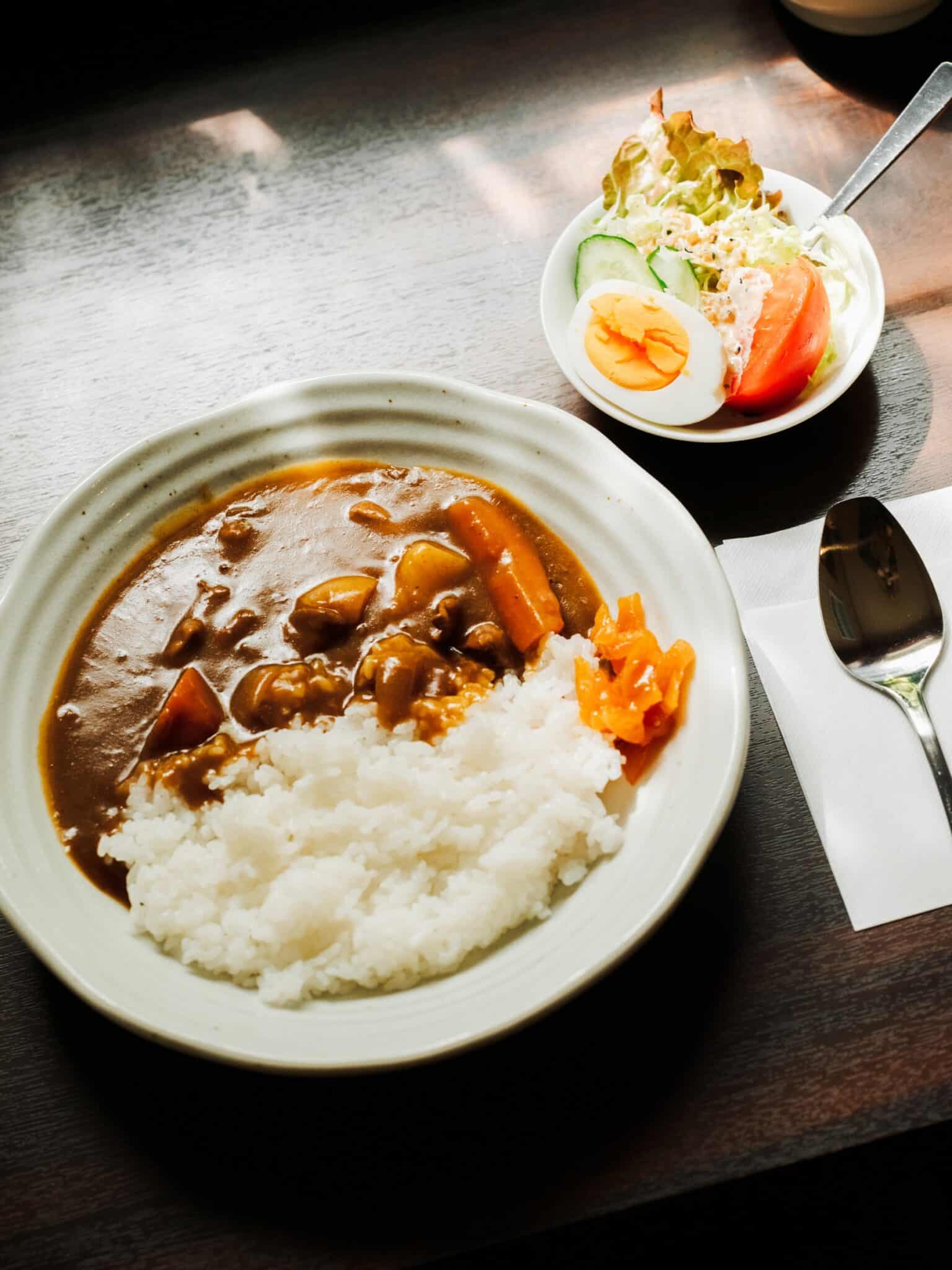
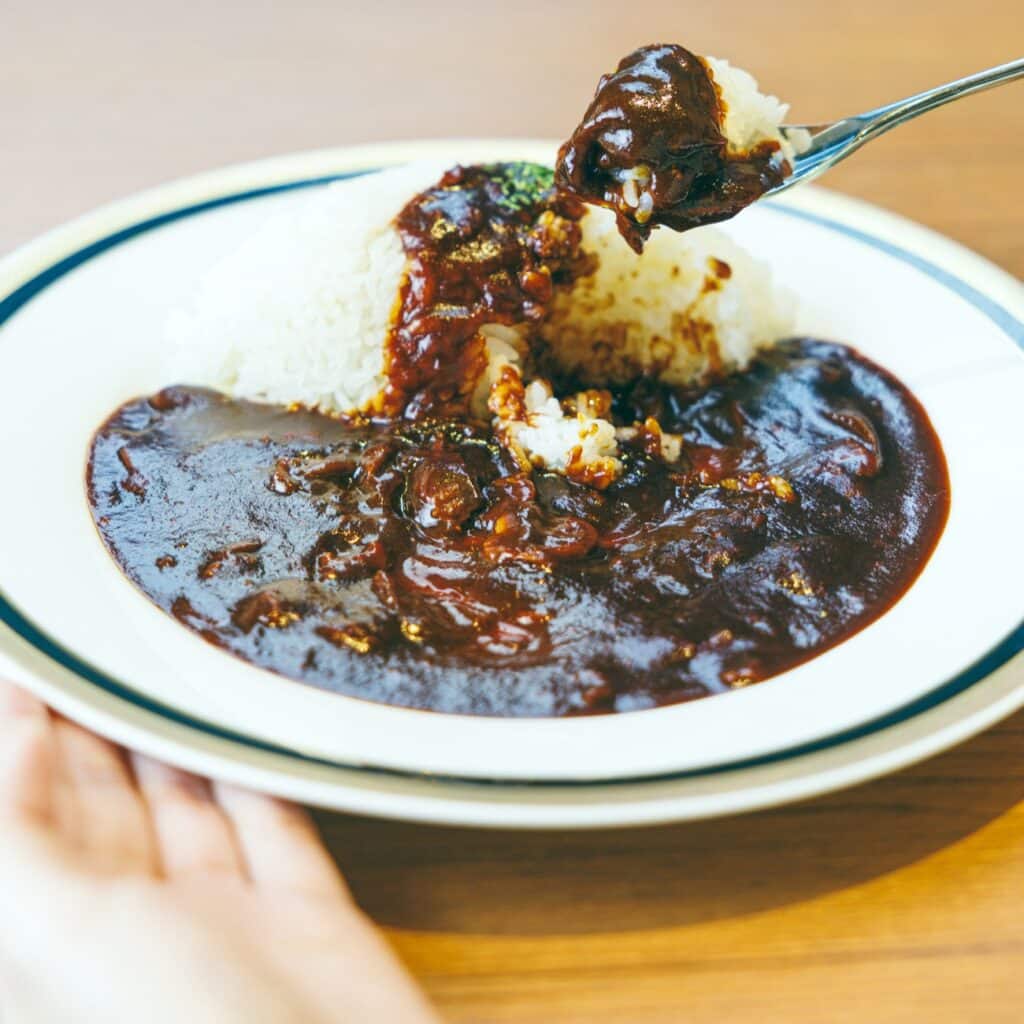
The shop's popular curry is homemade by Kanamori's wife. Rather than aiming for exactly the same flavor every time, each batch has its own subtle differences, giving it the gentle, comforting taste of home cooking that many regulars have come to love.
Another unique feature is the shop's bring-your-own-dessert policy. Guests are welcome to bring cakes or other sweets to enjoy alongside Kanamori's hand-drip coffee and his wife's homemade curry, spending their time however they like.
Kanamori carefully brews each cup of coffee by hand using a single-hole dripper from "Horiguchi Coffee."
"Most coffee cups are designed so that even if you fill them to the brim and spill some into the saucer, they won't overflow," Kanamori says with a smile, happily sharing one of his favorite coffee facts.
City Blend (500 yen) has a light, clean taste and is recommended for those who enjoy American-style coffee.
Heavy Blend (600 yen) is brewed with extra coffee grounds for a rich, full-bodied flavor.
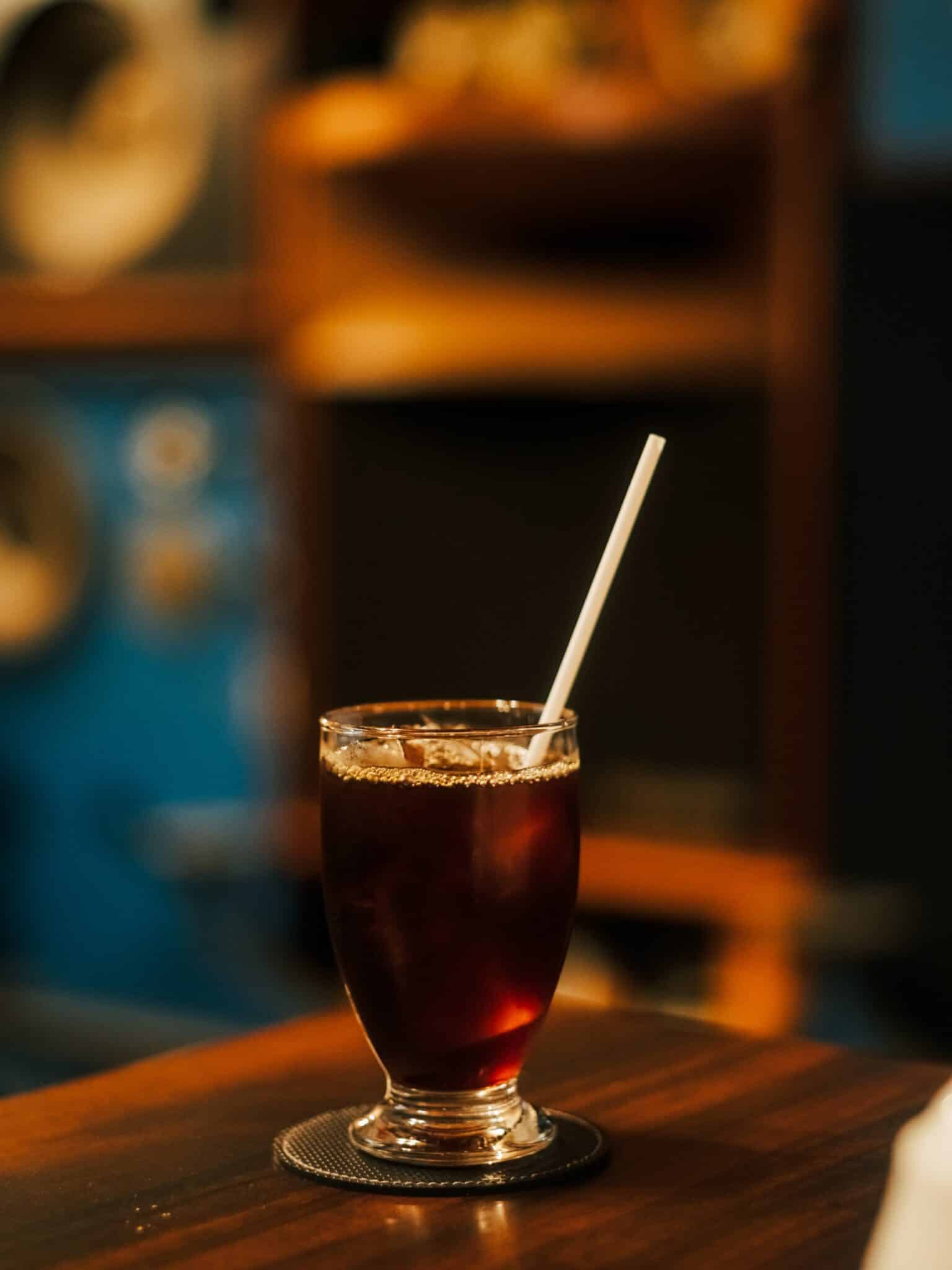
Even the iced coffee (600 yen) is brewed one cup at a time, reflecting Kanamori's dedication to hand-drip coffee. True to its crystal-clear appearance, it has a crisp and refreshing taste.
The homemade curry (750 yen), prepared by Kanamori's wife, is available in limited quantities—about five servings on weekdays and ten on weekends. If you're lucky enough to get one, don't miss the chance.
When "Crescend" first opened, the music selection focused mainly on oldies. However, things changed in 2019, when the shop was used as a filming location for a television drama, attracting more younger visitors. Kanamori welcomed the change with open arms, saying, "It's always a good thing when more people come." Wanting younger guests to enjoy themselves, he has since begun playing more Showa-era Japanese pop songs and is sometimes happy to take requests. Through the warm, rich sound of his vacuum tube amplifiers, timeless classics continue to fill the shop, bringing together listeners of all generations.
Kanamori is also quick to express his gratitude to his wife, saying, "This shop wouldn't have lasted without her." As the number of international visitors has grown in recent years, he warmly welcomes them as well, making an effort to communicate so that everyone can enjoy their time at the shop.
"I'll keep doing this until I lose the motivation," Kanamori says with a smile. If you're looking for a place to enjoy exceptional sound and a carefully brewed cup of coffee, "Crescend" offers both in a warm and welcoming setting.
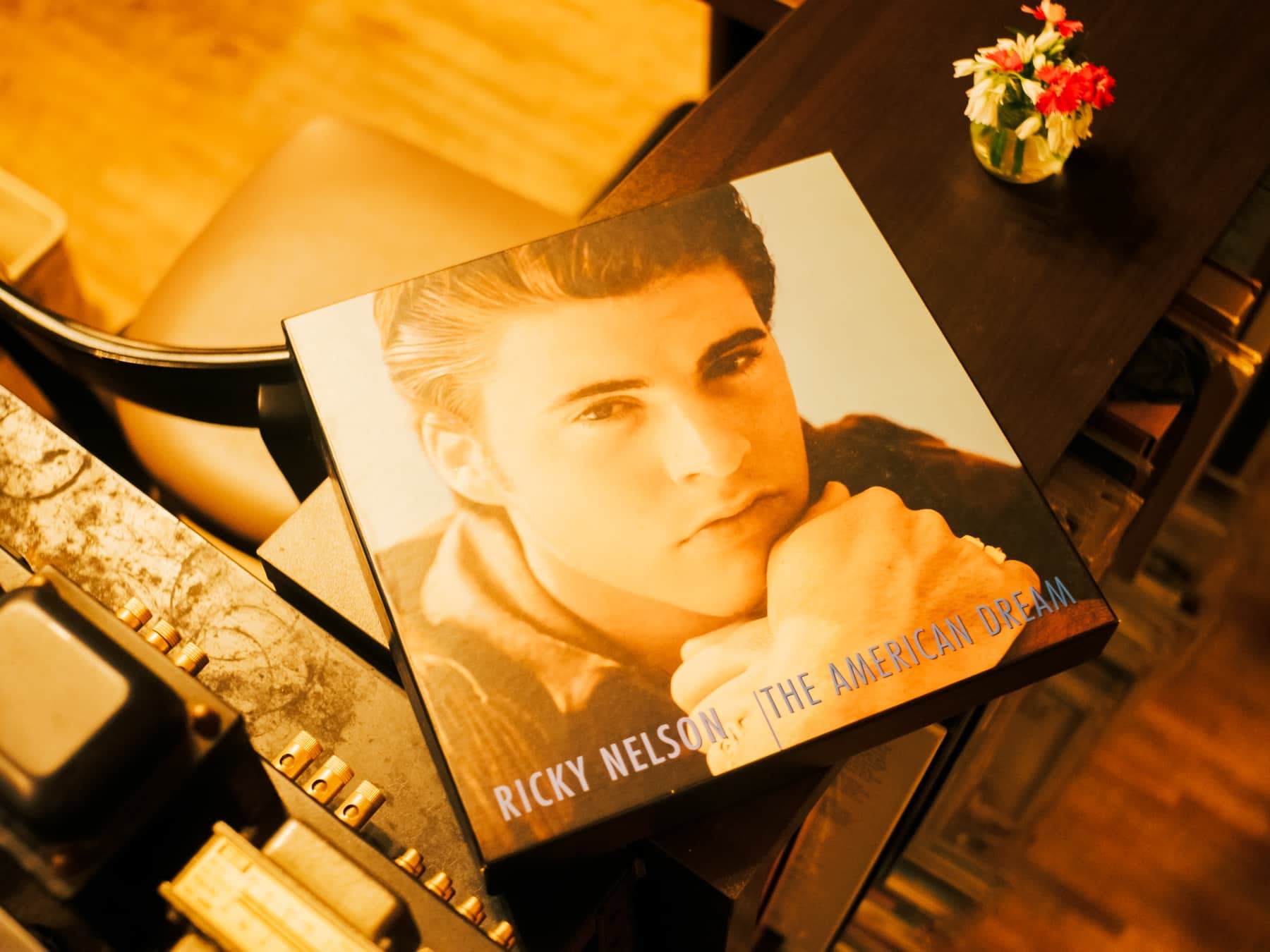
Kanamori owns around 400 to 500 records. His favorite artist is American rock-and-roll singer Ricky Nelson, and when the shop is quiet, he often finds himself putting on one of Nelson's records.
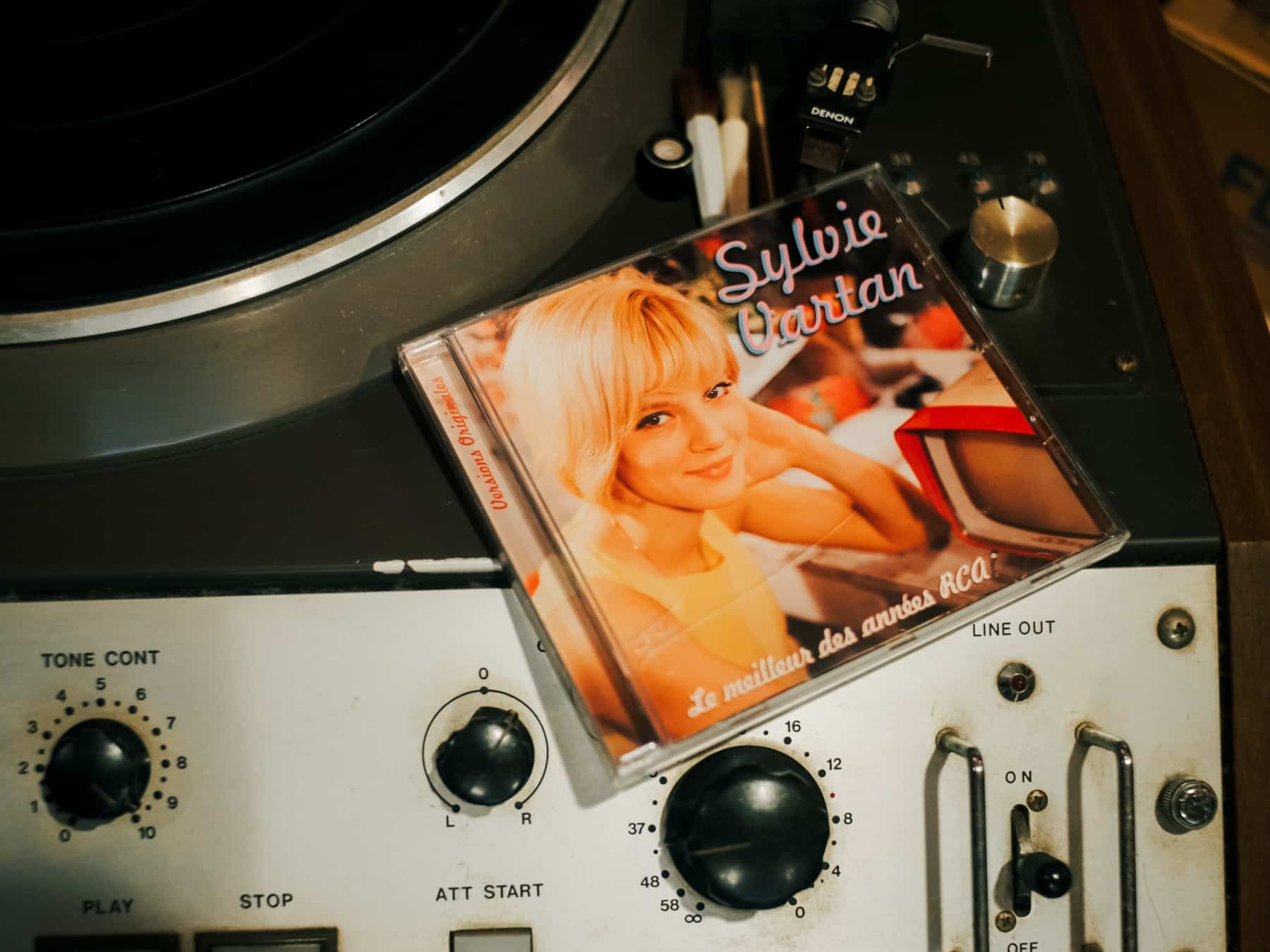
In addition to records, CDs can also be enjoyed through Kanamori's handmade amplifiers and speakers.
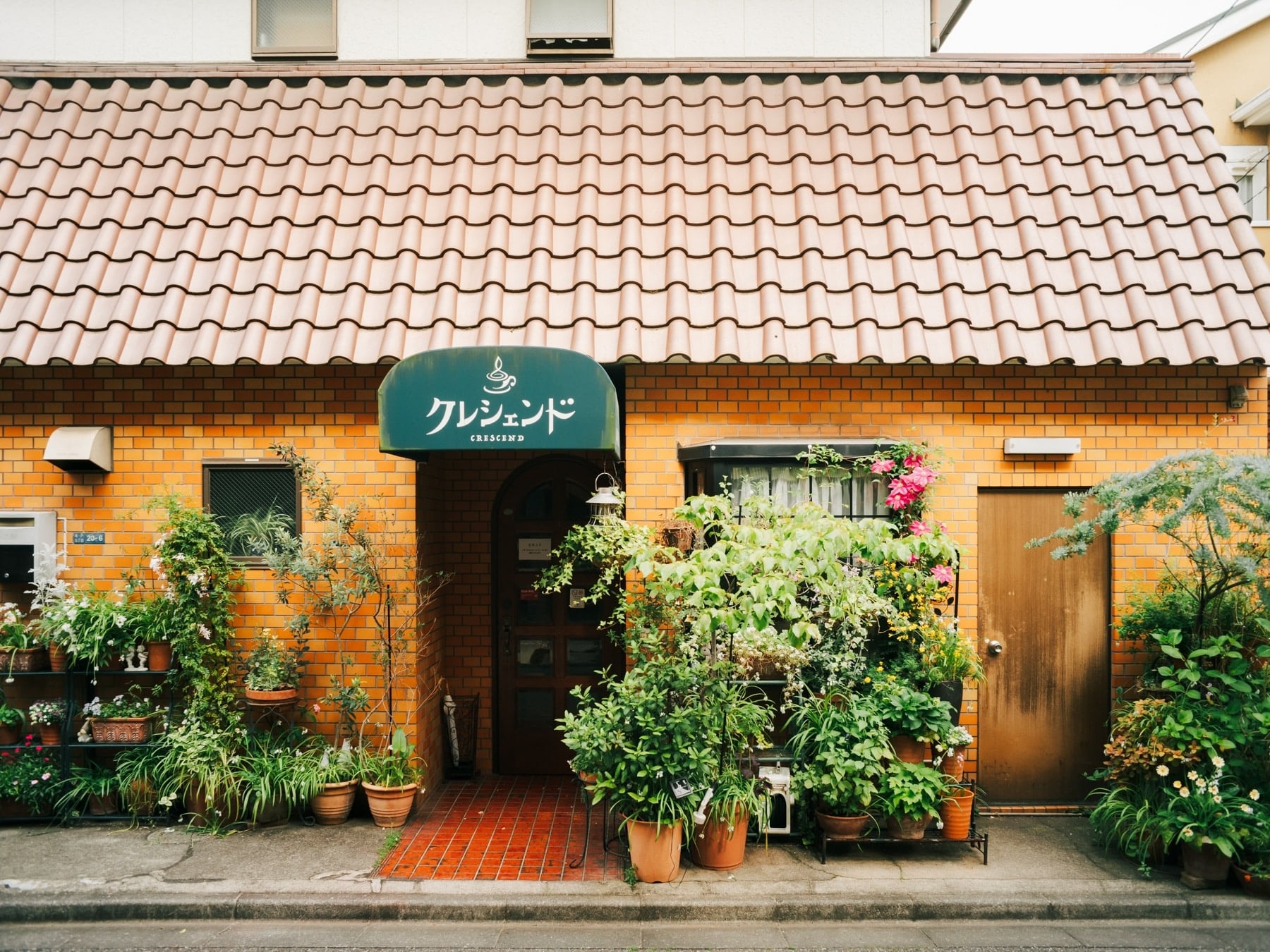
Behind the shop's quiet exterior, which blends naturally into the surrounding residential neighborhood, lies an impressive space filled with handmade amplifiers and speakers.
Second-generation director of the Tokyo Kissaten Research Institute. Fascinated by the lingering influence of the Showa era, she came to see kissaten—cultural landmarks in their own right—as ever-changing personal sanctuaries, akin to having a different “room of one’s own” each day. She spends her time visiting kissaten and sharing their charm with others. She has authored 15 books on jun-kissaten, including her latest title, “Jun-Kissaten Lunch,” published by Kawade Shobo Shinsha.
The information in this article is current as of July 23, 2026 (at the time of publication).