DEEPTOKYO
magazine

EN

DEEPTOKYO
magazine
EN
2026.05.14
A long-established “machisoba” shop serving soba, ramen, and katsudon
 Nearest Station
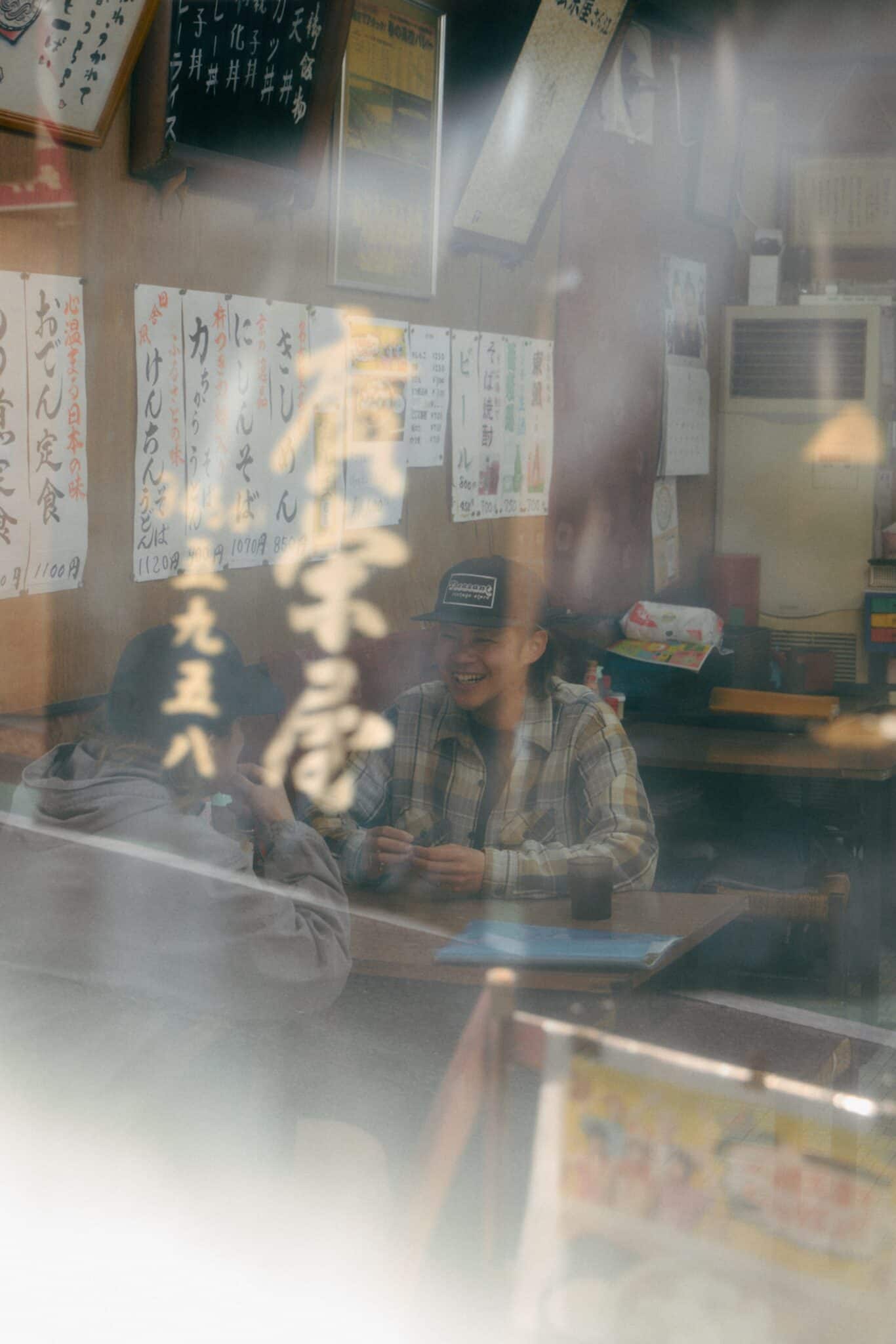
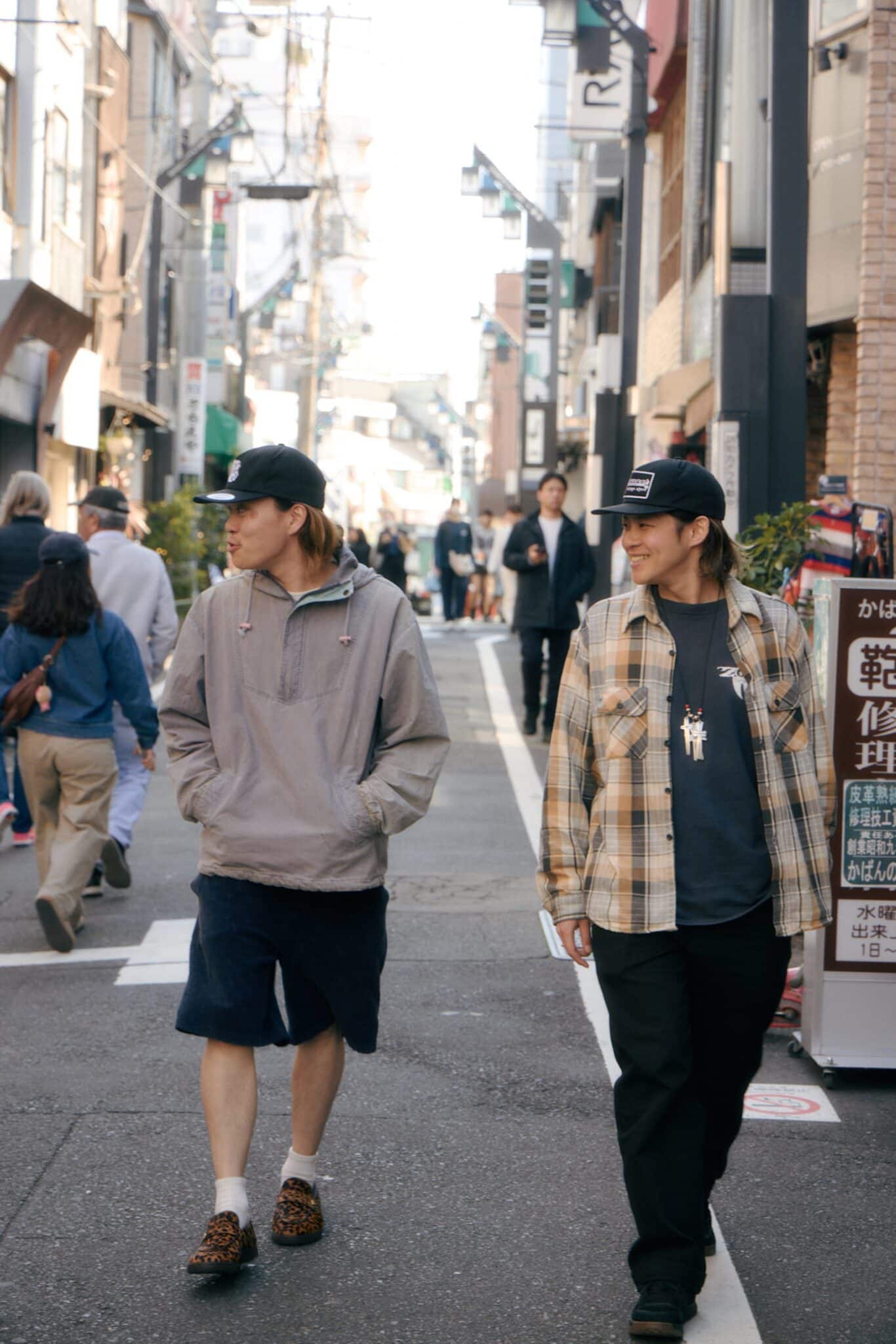
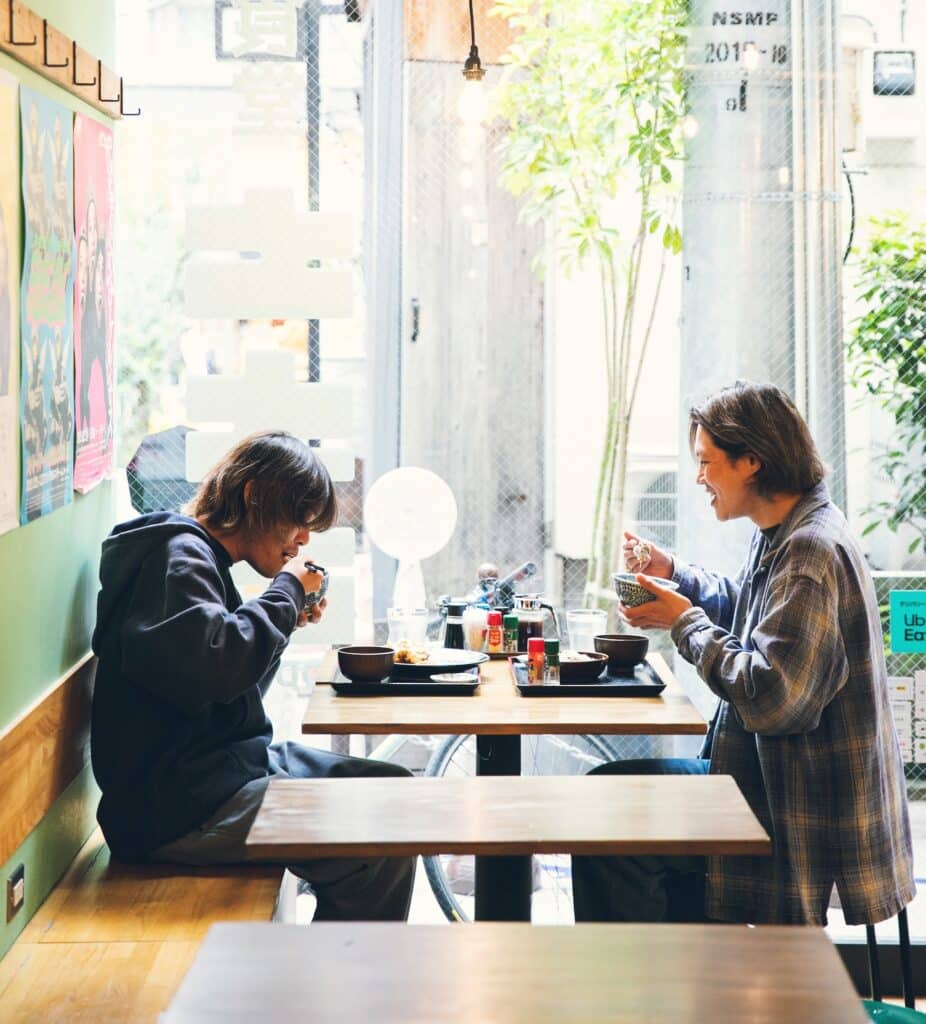
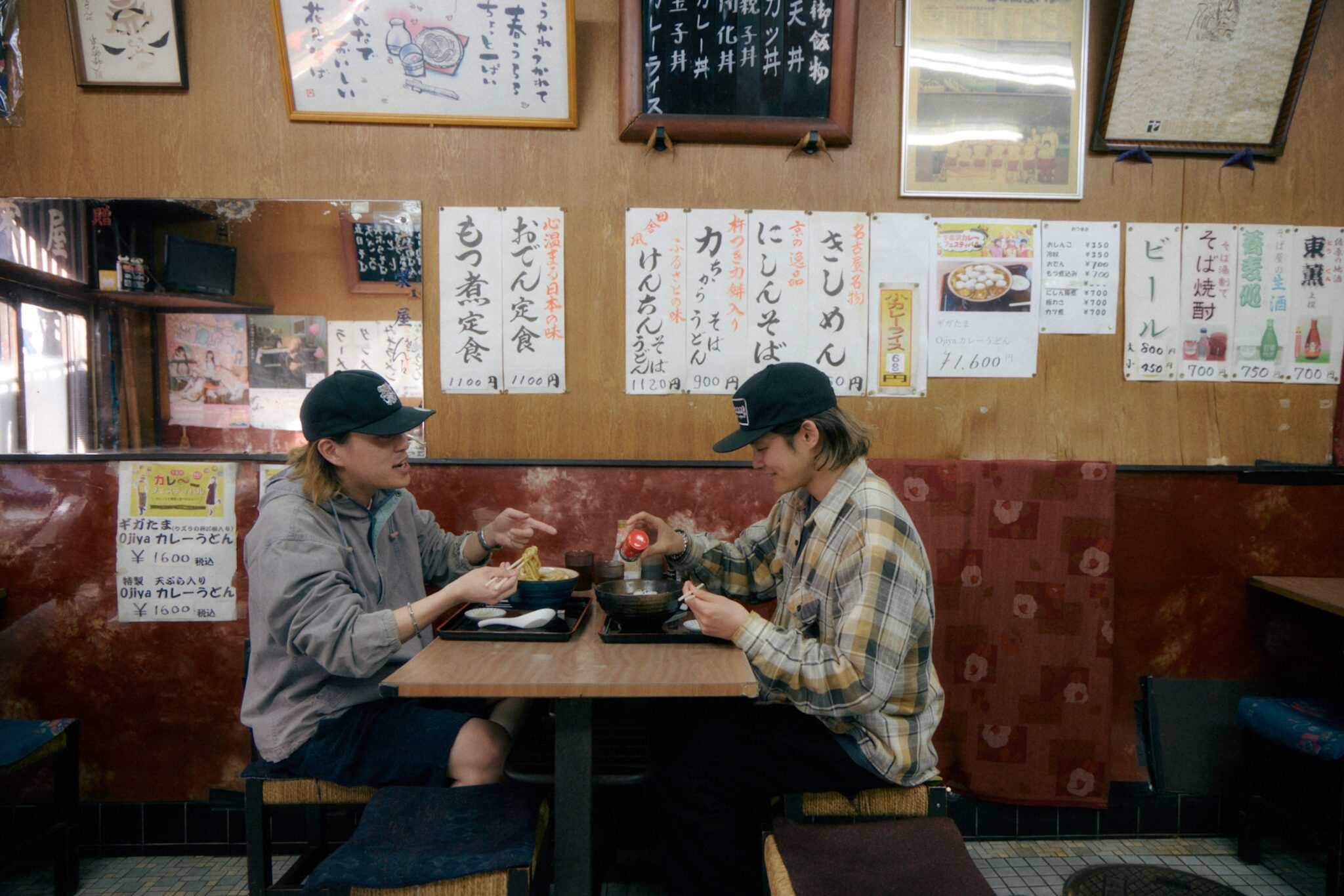
Founded in 1960, “Hiroeya” is one of the oldest soba restaurants in Shimokitazawa and still retains the strong atmosphere of a traditional “machisoba” shop. “Machisoba” refers to a casual, family-run soba shop rooted in the local community, offering not only soba and udon but also ramen (Chinese-style noodles), rice bowls, and set meals. With its reasonable prices and wide-ranging menu, “Hiroeya” has long been loved as a neighborhood diner. This restaurant, which offers house-made soba and udon along with dishes such as katsudon and ramen, was recommended by the staff of the vintage clothing shop “Pheasant” in Shimokitazawa. It is a familiar place for them, where they often visit during breaks or before work, and we visited the restaurant together.
SHARE


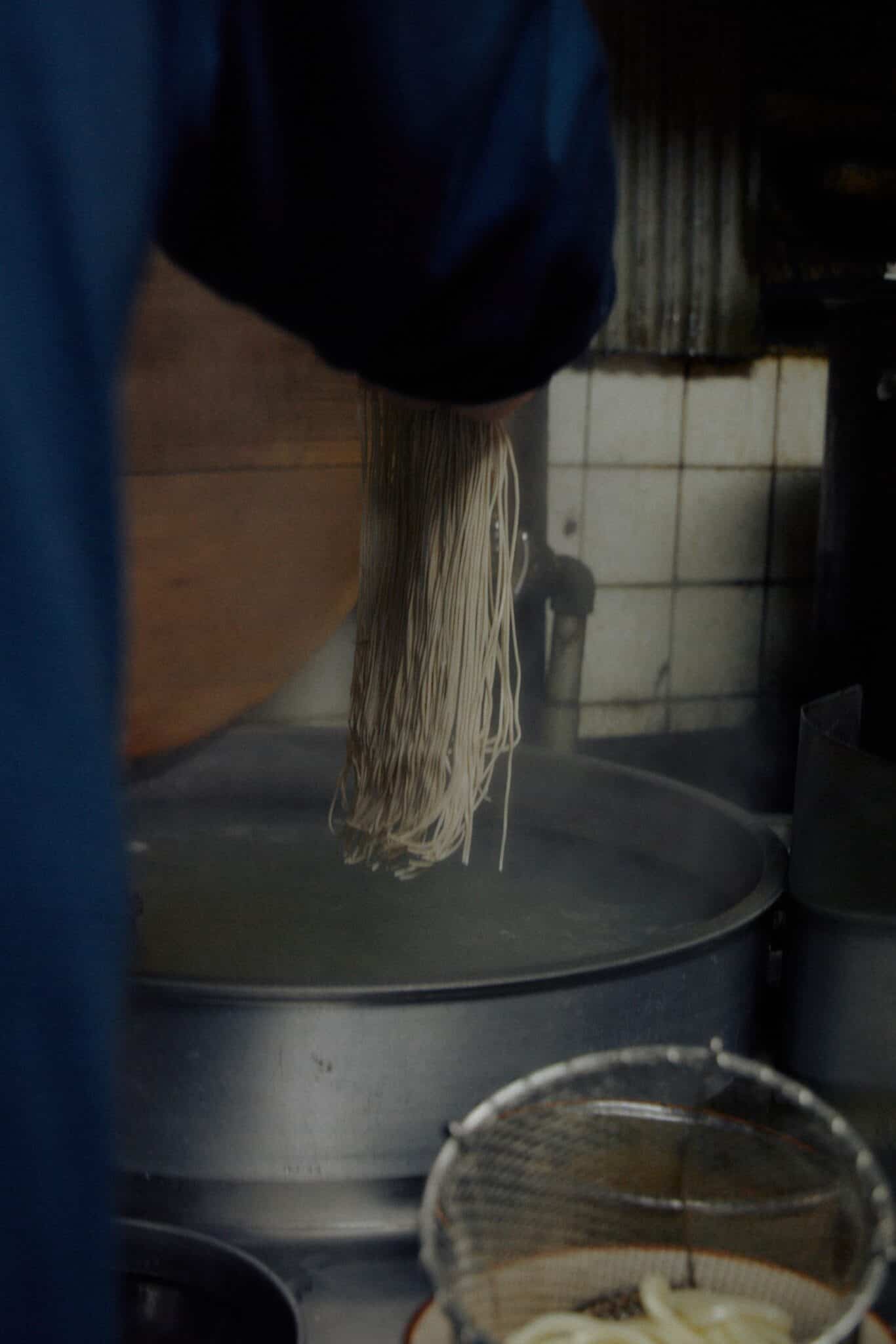
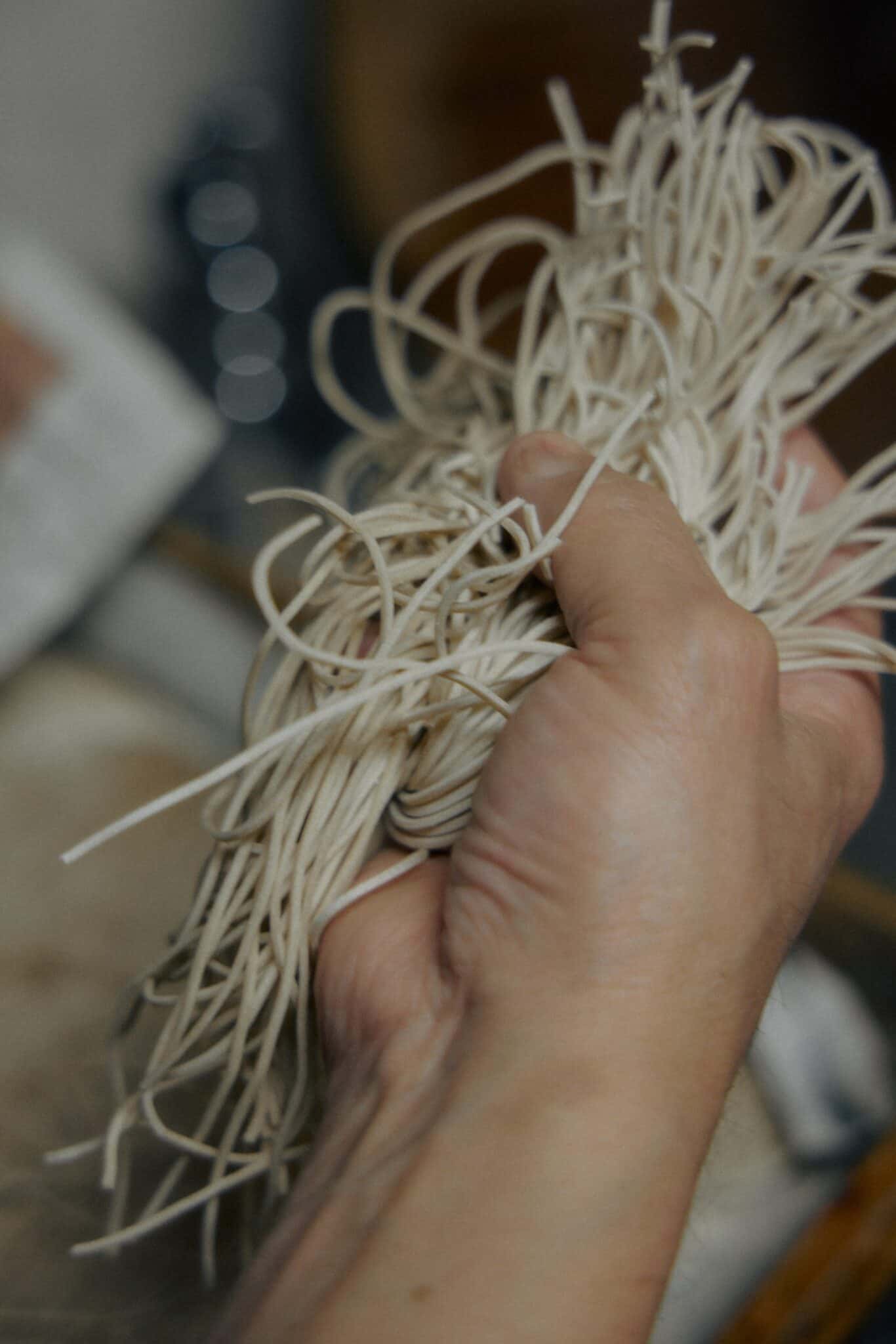
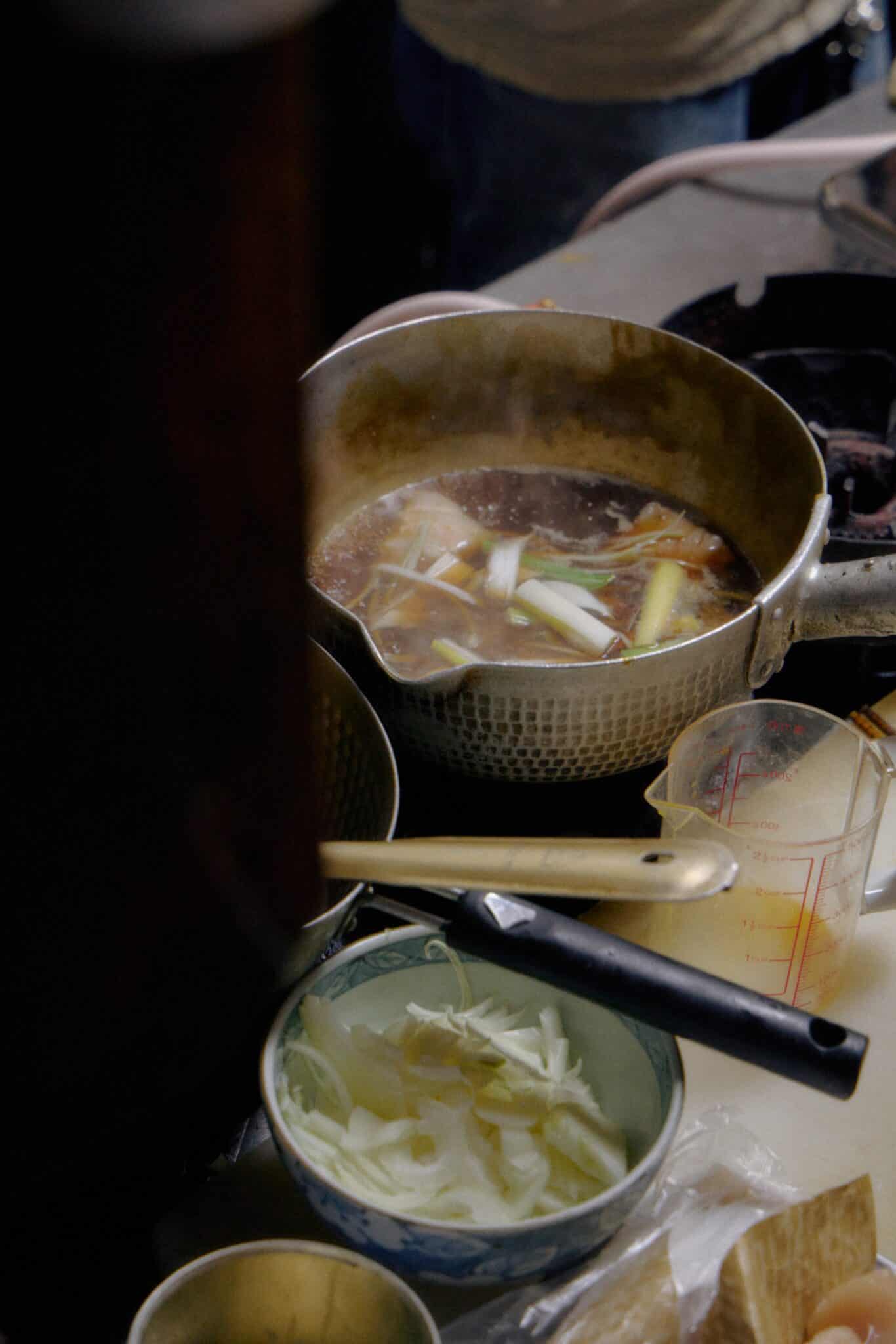
At “Hiroeya,” house-made noodles have been prepared daily since its founding in 1960. The thin soba noodles are “nihachi soba” (made with 80% buckwheat flour and 20% wheat flour), using carefully selected domestic buckwheat. They are characterized by a supple firmness and a light, smooth texture. Preparation continues every day without fail, even after business hours, preserving the unchanged taste since the shop first opened. The broth is made using a unique method: bonito-based dashi is prepared, and seasoning is added each time to finish it. Instead of using the standard “kaeshi” (a base made by aging soy sauce, mirin, and sugar), the broth is adjusted for each serving, resulting in a flavor that is slightly sweet yet light and easy to enjoy.
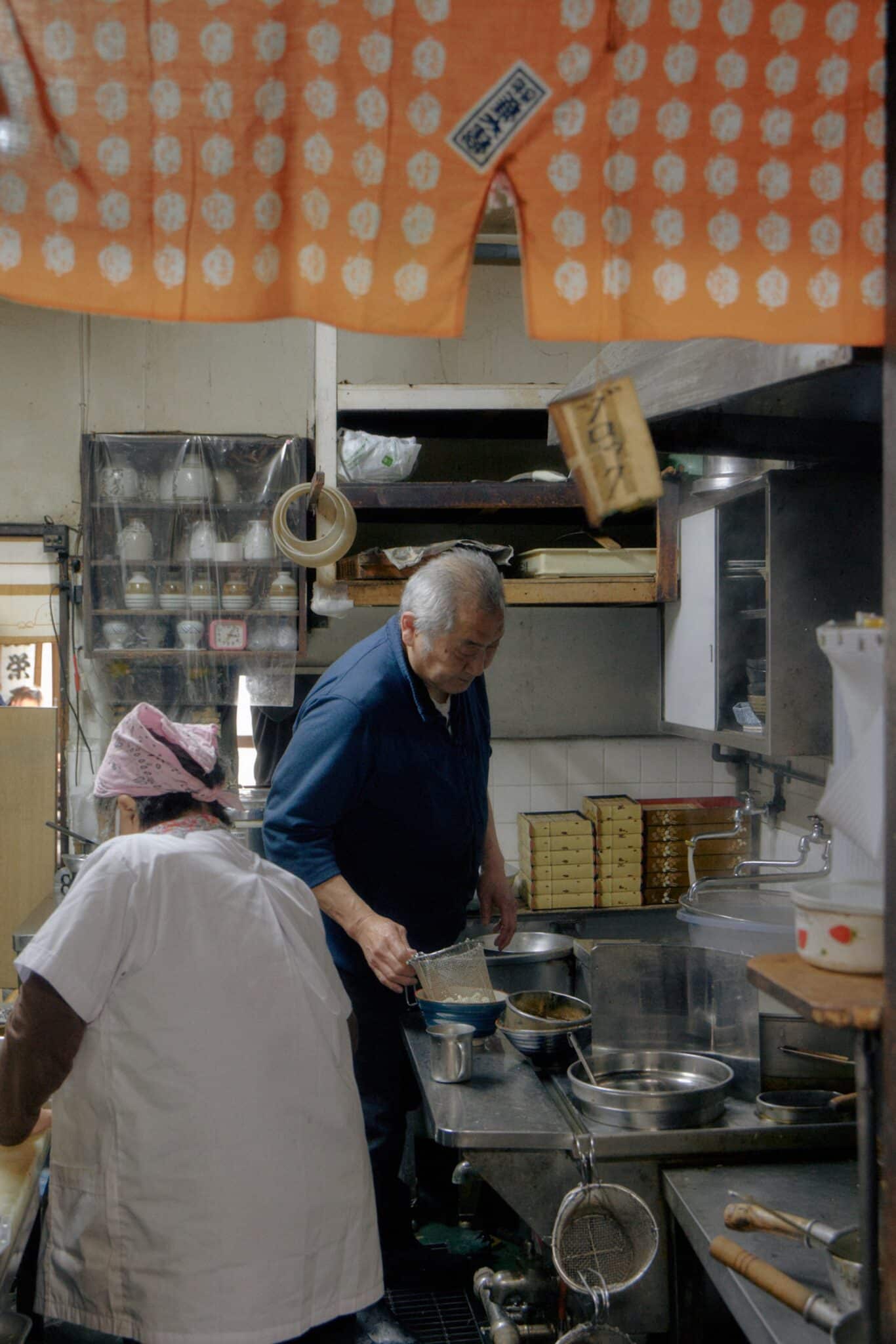
The house-made noodles are boiled for each order and are ready in about one minute, allowing for quick service.
Nihachi soba made with buckwheat and wheat flour from Nagano Prefecture.
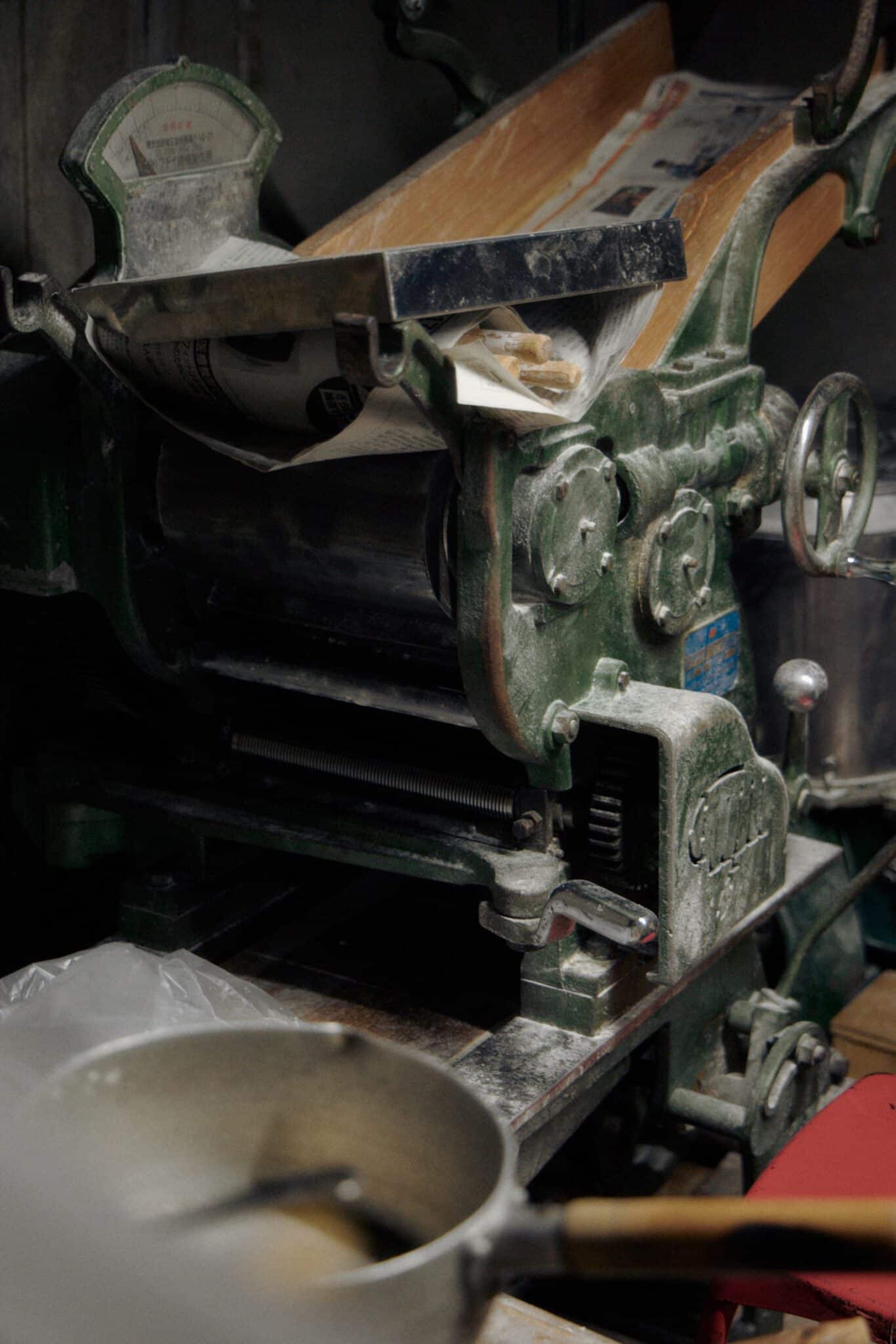
Instead of using standard “kaeshi,” seasoning is added directly to the bonito dashi for each serving. A noodle-making machine is located in the back of the kitchen, where noodles have been made daily since the shop’s founding.
There is also a noodle-making machine in the back of the kitchen. Noodles are prepared here every day, as they have been since the establishment of the company.
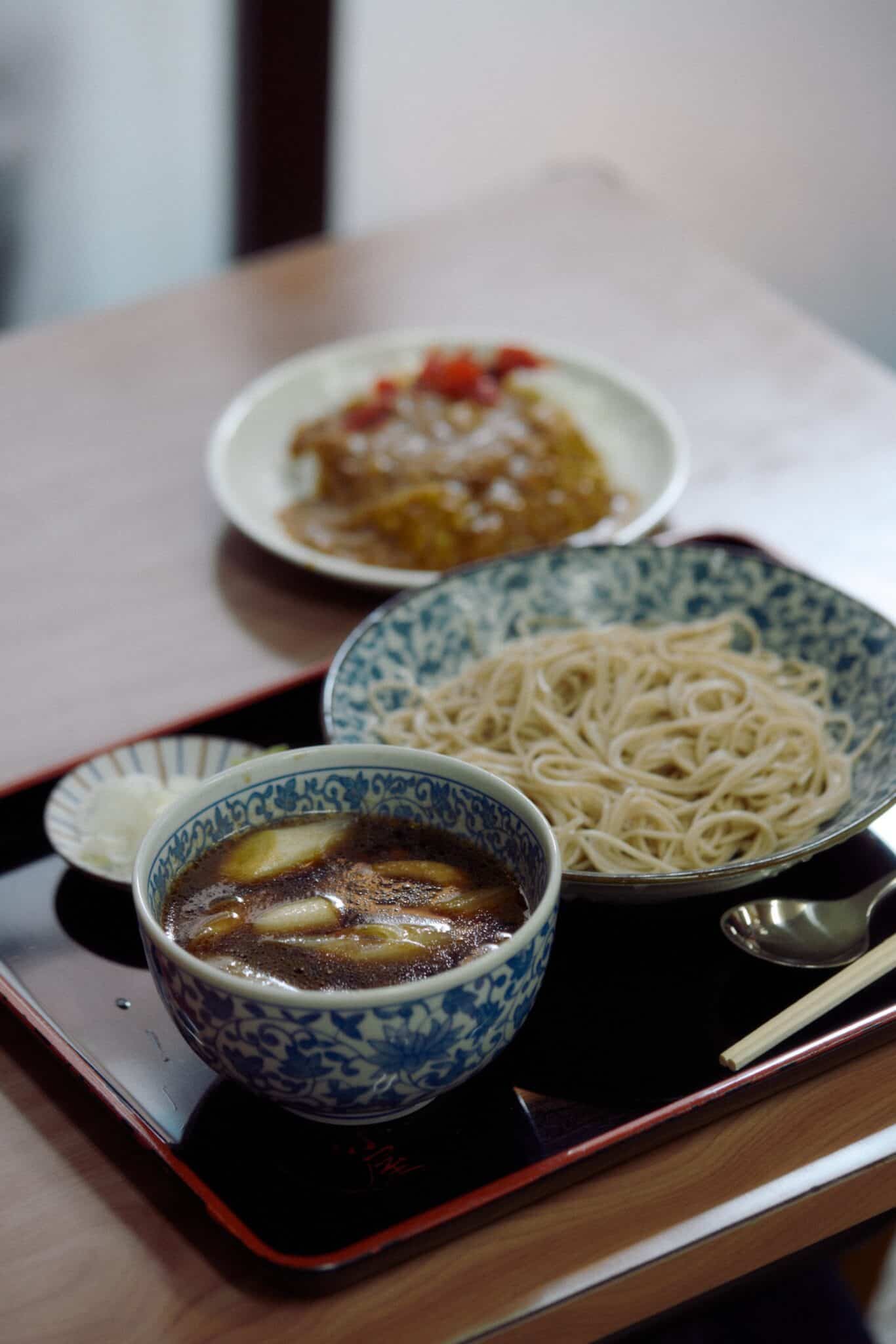
The kamo seiro (cold soba with hot duck dipping broth, ¥1,300) is a popular recommendation. It features thick, juicy duck meat and plenty of green onions, paired with cold thin soba and rich, hot broth.
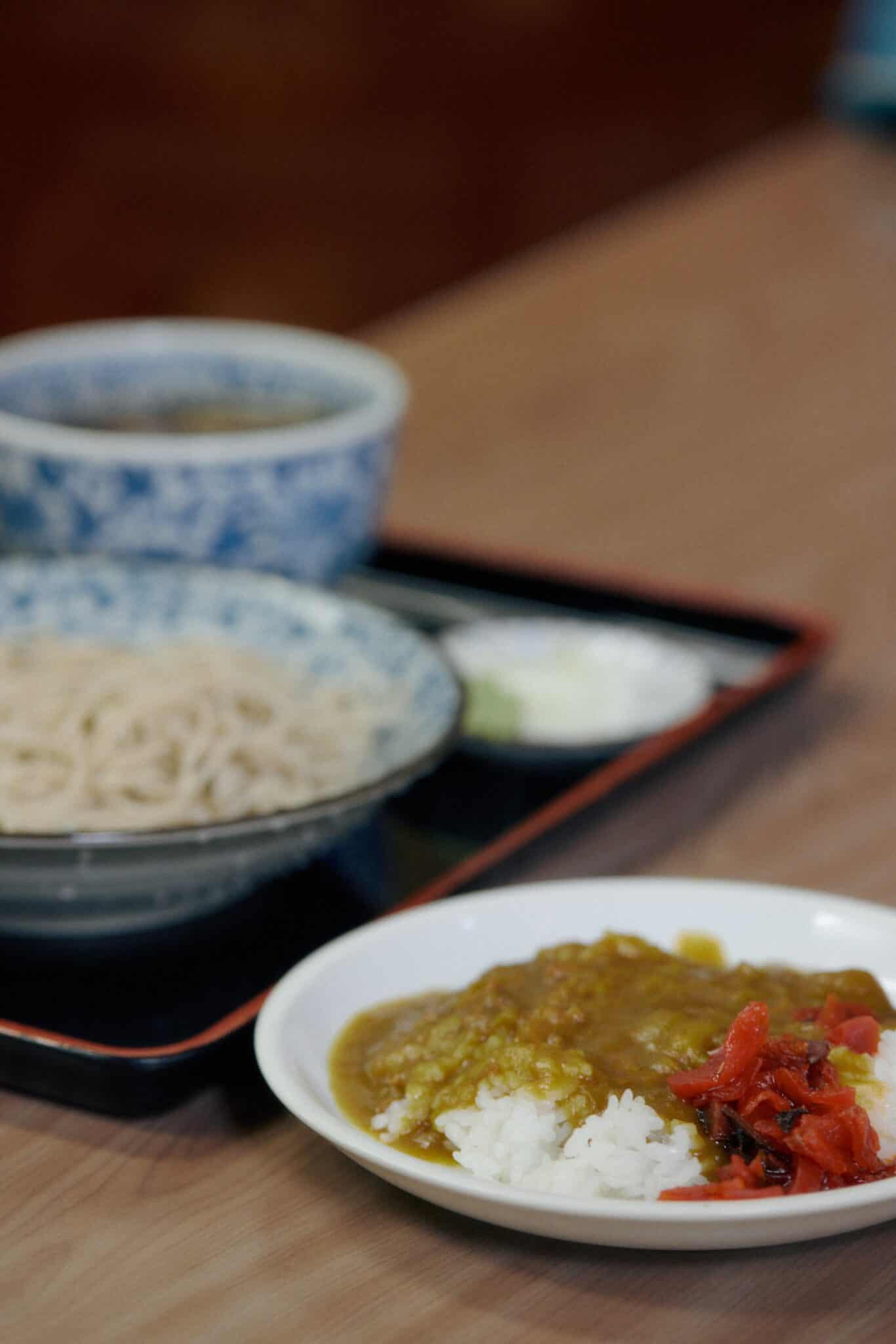
Customers who order soba can add a small curry for ¥300. It has a home-style flavor and is served with fukujinzuke pickles. The portion is just right, making it a popular add-on.
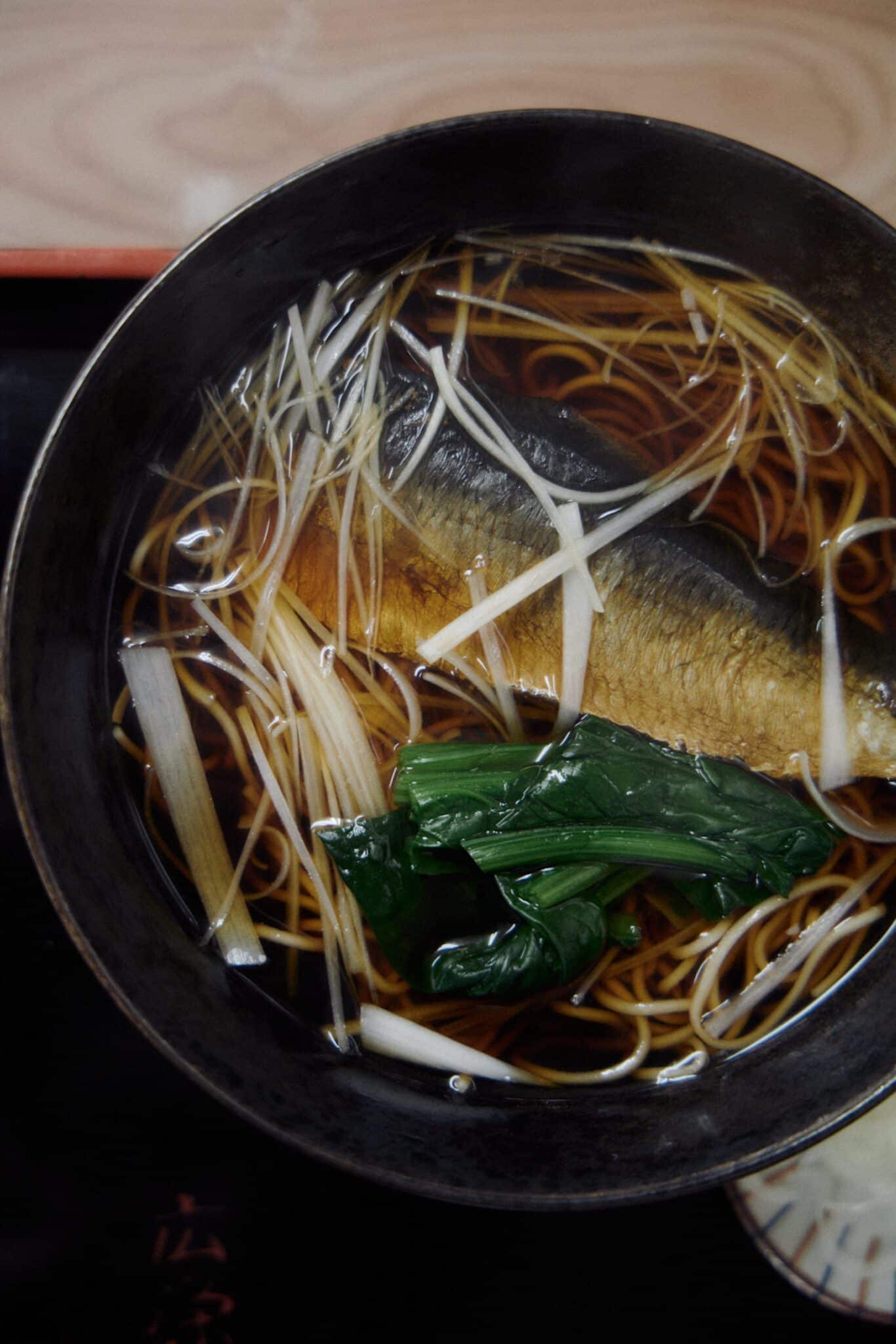
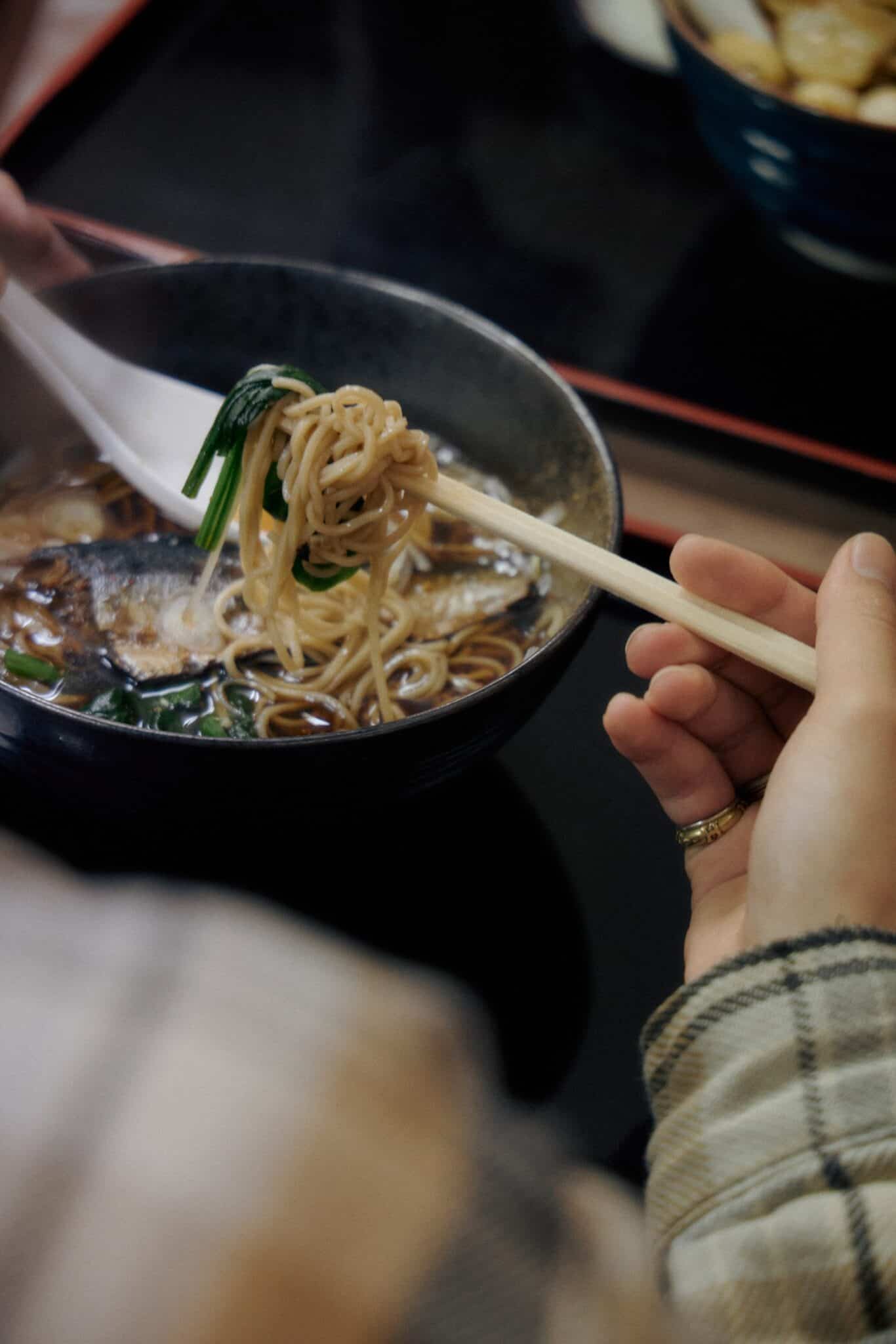
Hiroto Tanaka of “Pheasant” recommends the herring soba (¥1,070), topped with simmered herring, finely shredded white green onions, and spinach.
“The large, sweet-and-savory simmered herring is excellent. Its flavor blends into the rich broth, creating a deeply satisfying bowl,” says Tanaka.
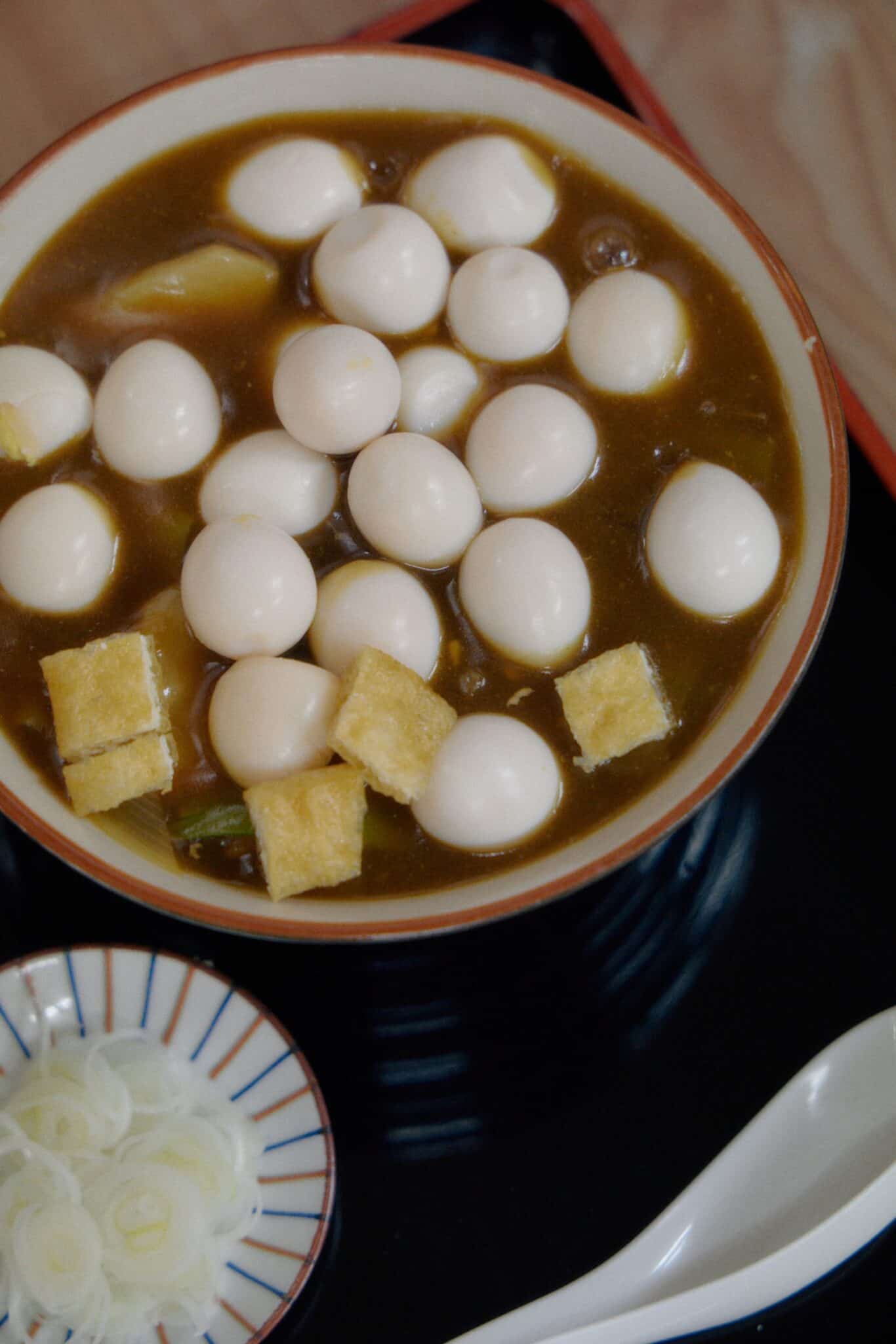
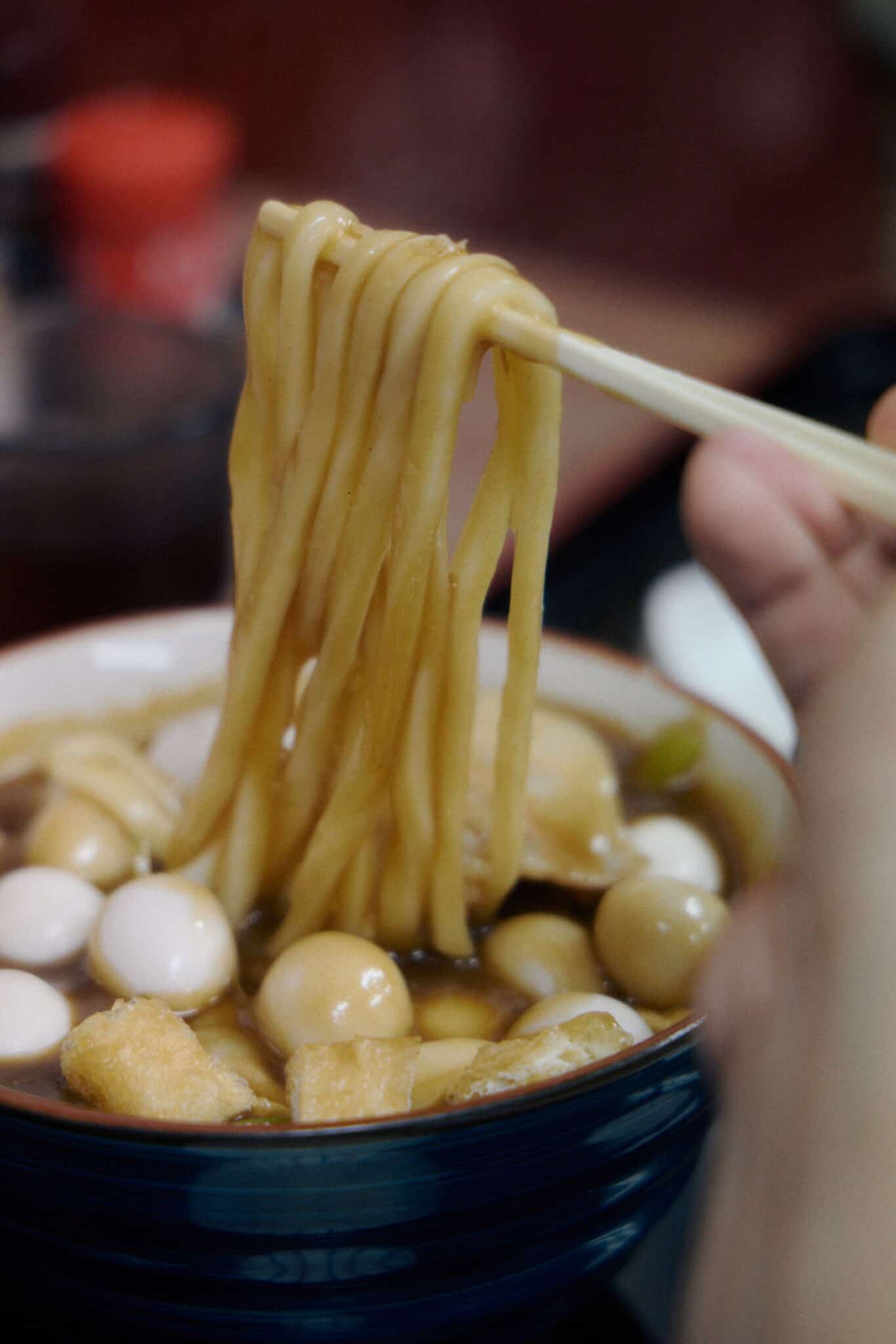
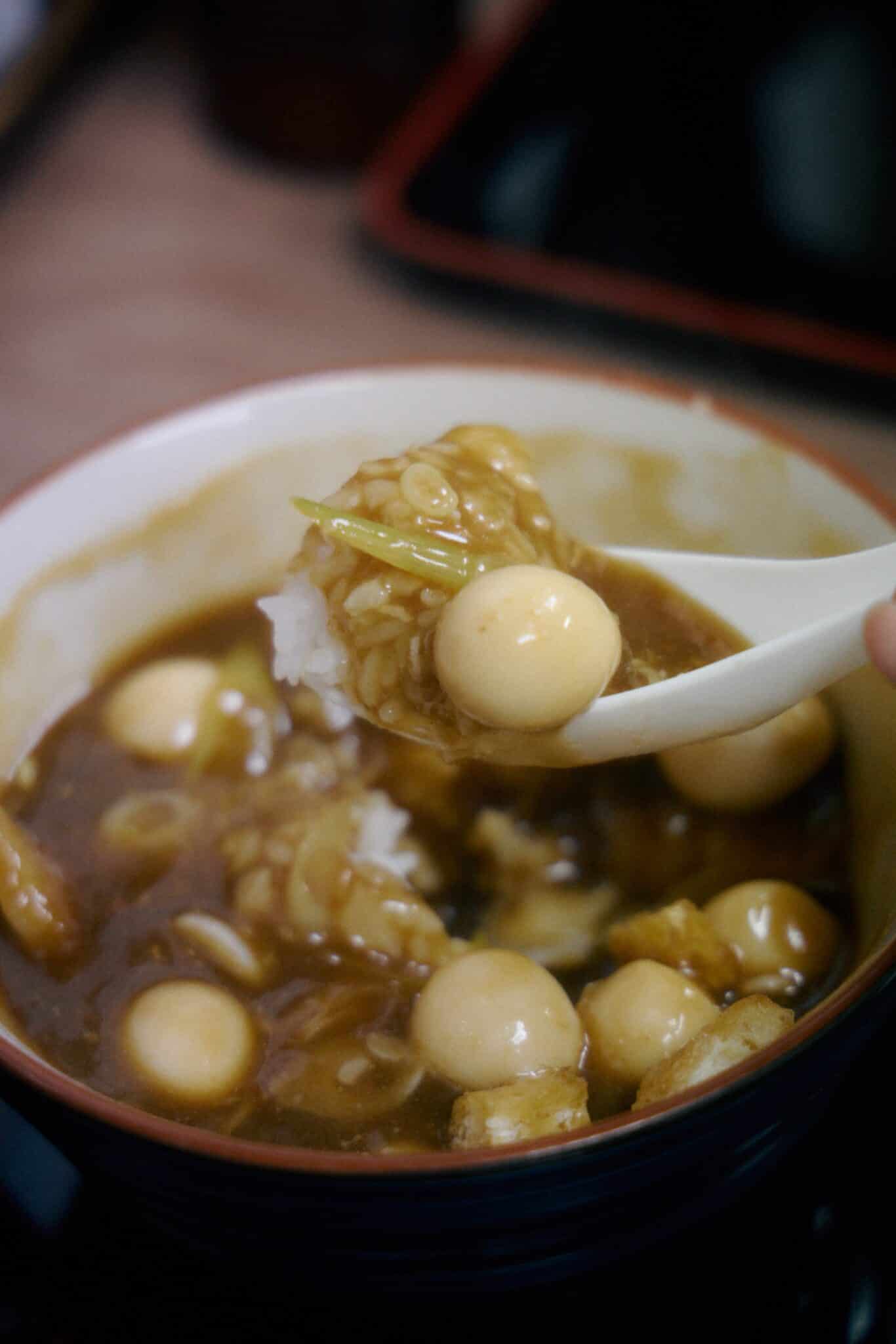
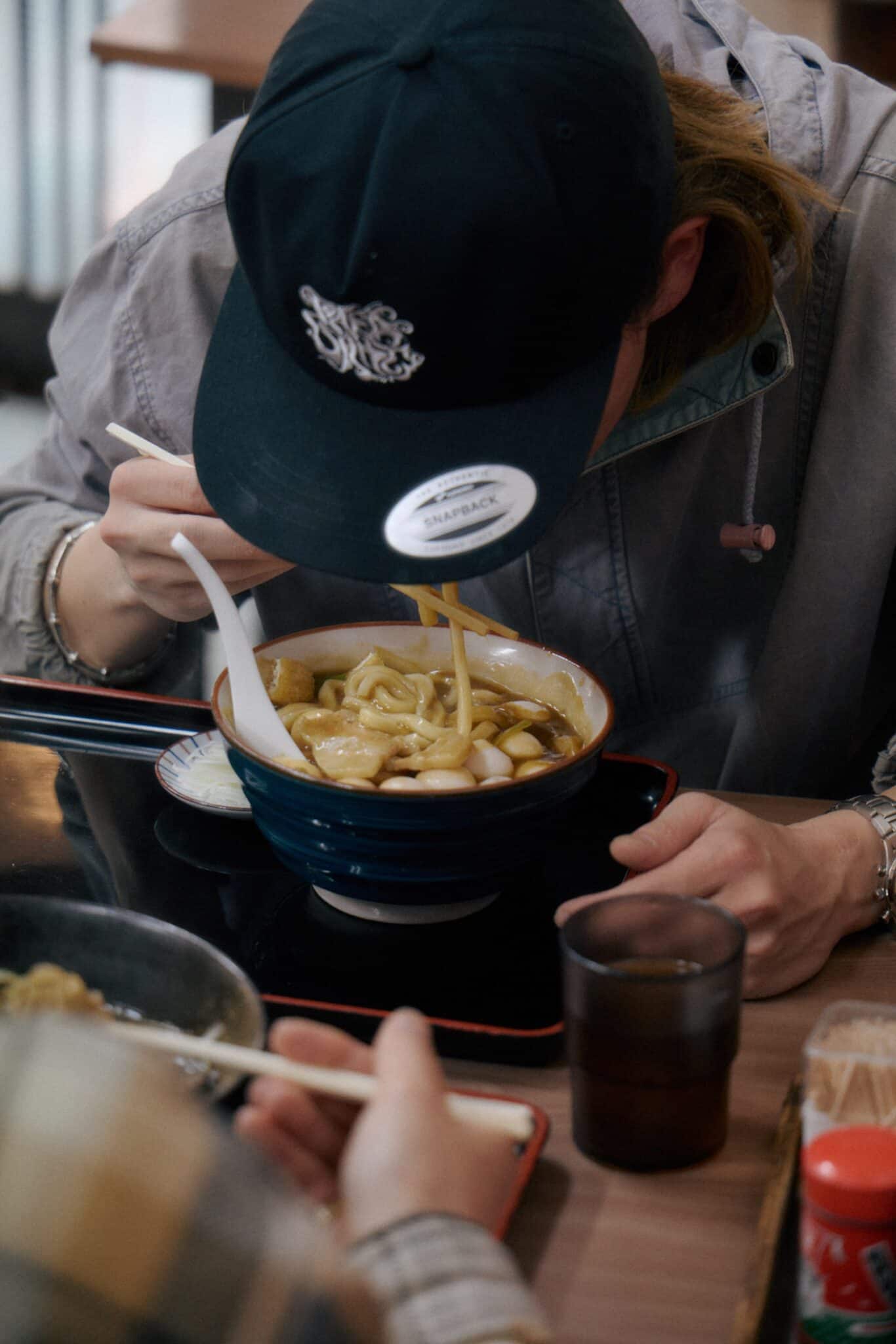
Among the classic menu items, one dish stands out: the “Giga-tama Ojiya Curry Udon.” This dish was created as part of the annual Shimokitazawa Curry Festival. It features curry based on soba broth combined with house-made udon noodles, topped with 20 quail eggs for a visually striking presentation. Beneath the udon, grated yam and rice are hidden, allowing diners to enjoy a texture similar to “ojiya” (a rice porridge-like dish) as they continue eating. The quail eggs are sourced from Toyohashi in Aichi Prefecture, one of Japan’s leading production areas, reflecting the restaurant’s attention not only to presentation but also to ingredients.
“Giga-tama Ojiya Curry Udon” (¥1,600), a signature dish of “Hiroeya,” was inspired by Toyohashi curry udon encountered during a shopping street study trip to Aichi.
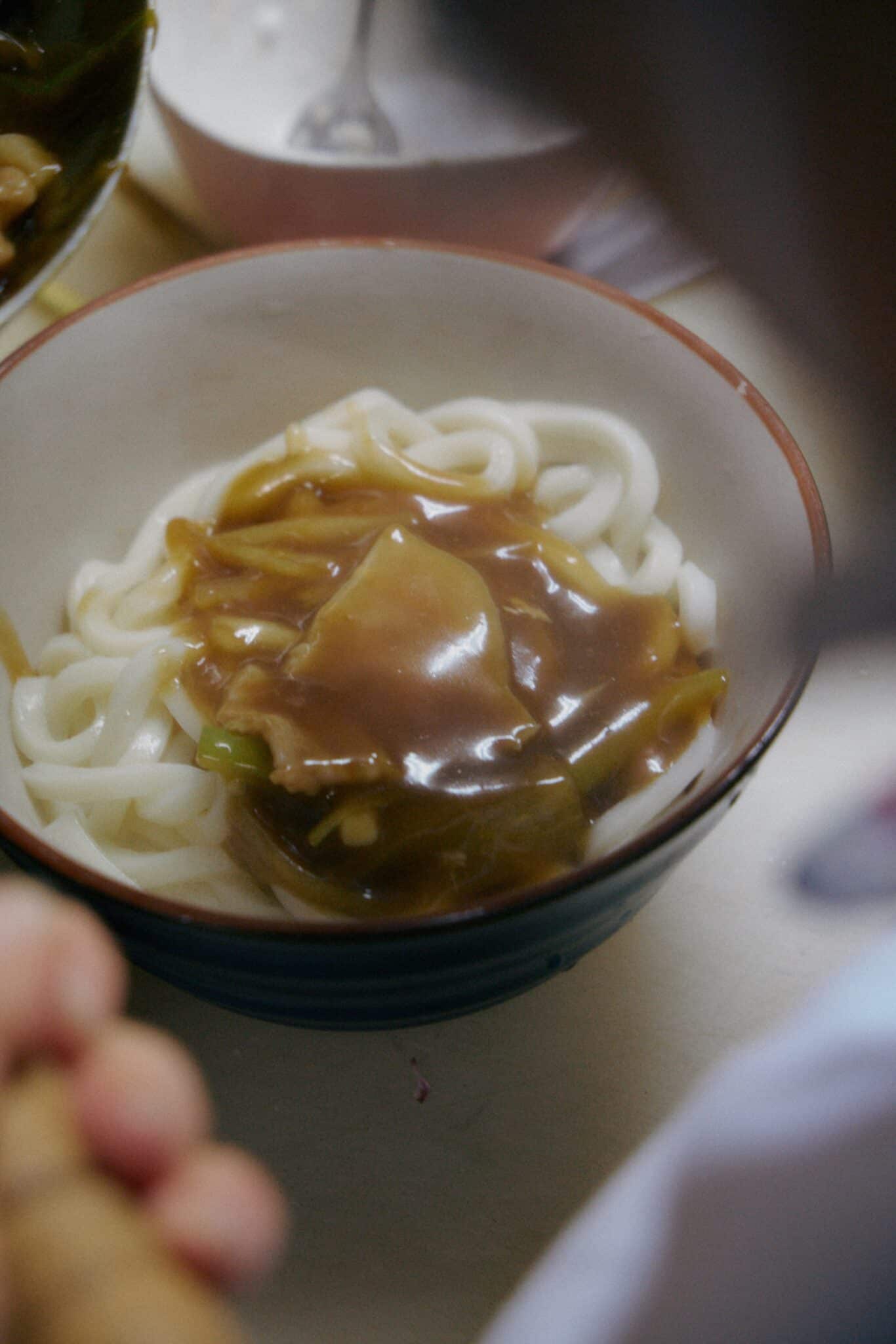
The curry, thickened with curry powder and starch and based on soba broth, coats the udon noodles well. It has a strong dashi flavor and mild spice, making it easy to eat.
It also includes generous ingredients such as pork belly and green onions.
As you continue eating the udon, the ojiya appears. Two types of grated yam are blended, based on sticky yam from Tako Town in Chiba Prefecture, to create a texture that mixes well with the noodles, broth, and rice.
“It’s like a luxurious two-stage dish. It’s filling and impressive both visually and in taste,” says Hotaka Saito of “Pheasant.”
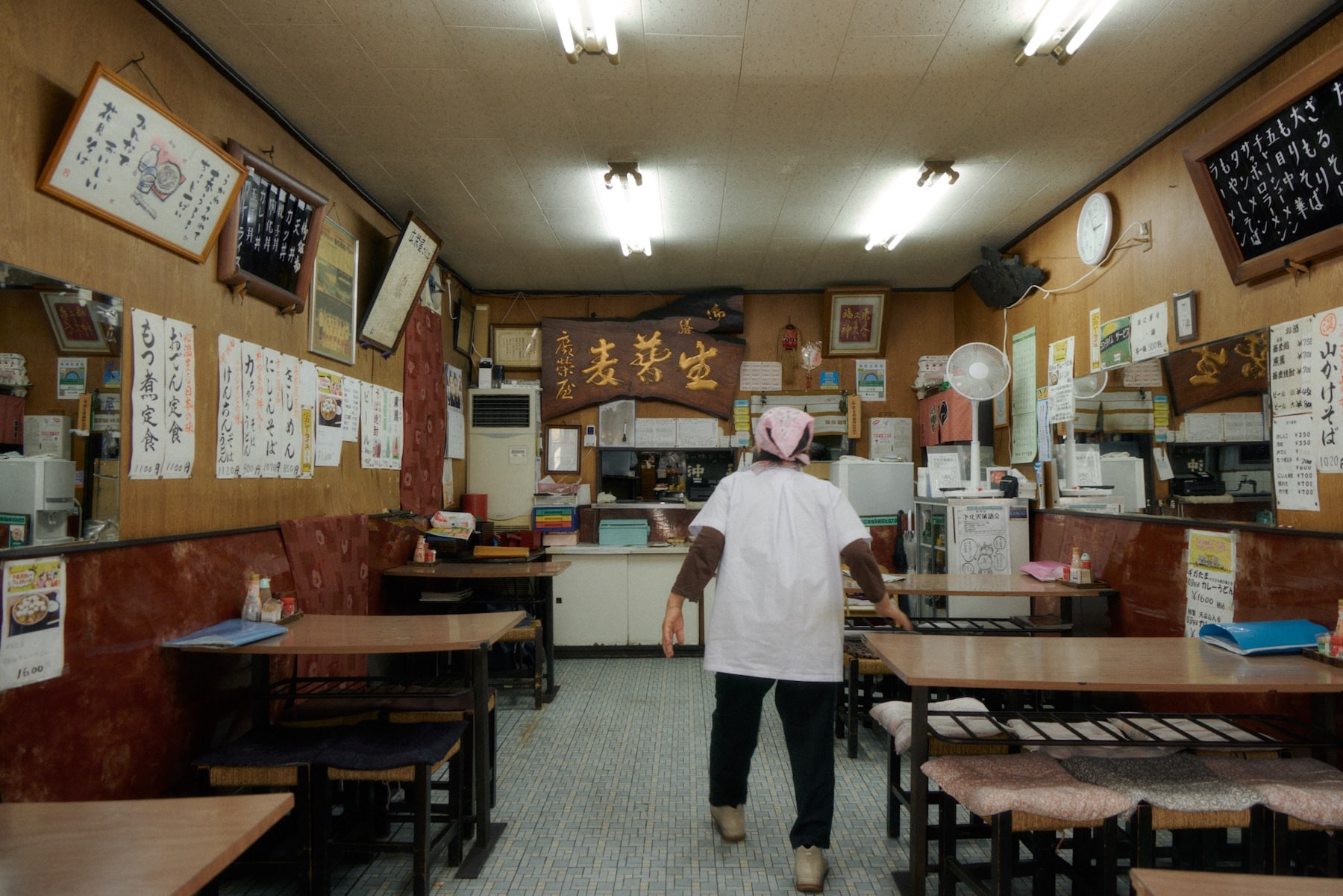
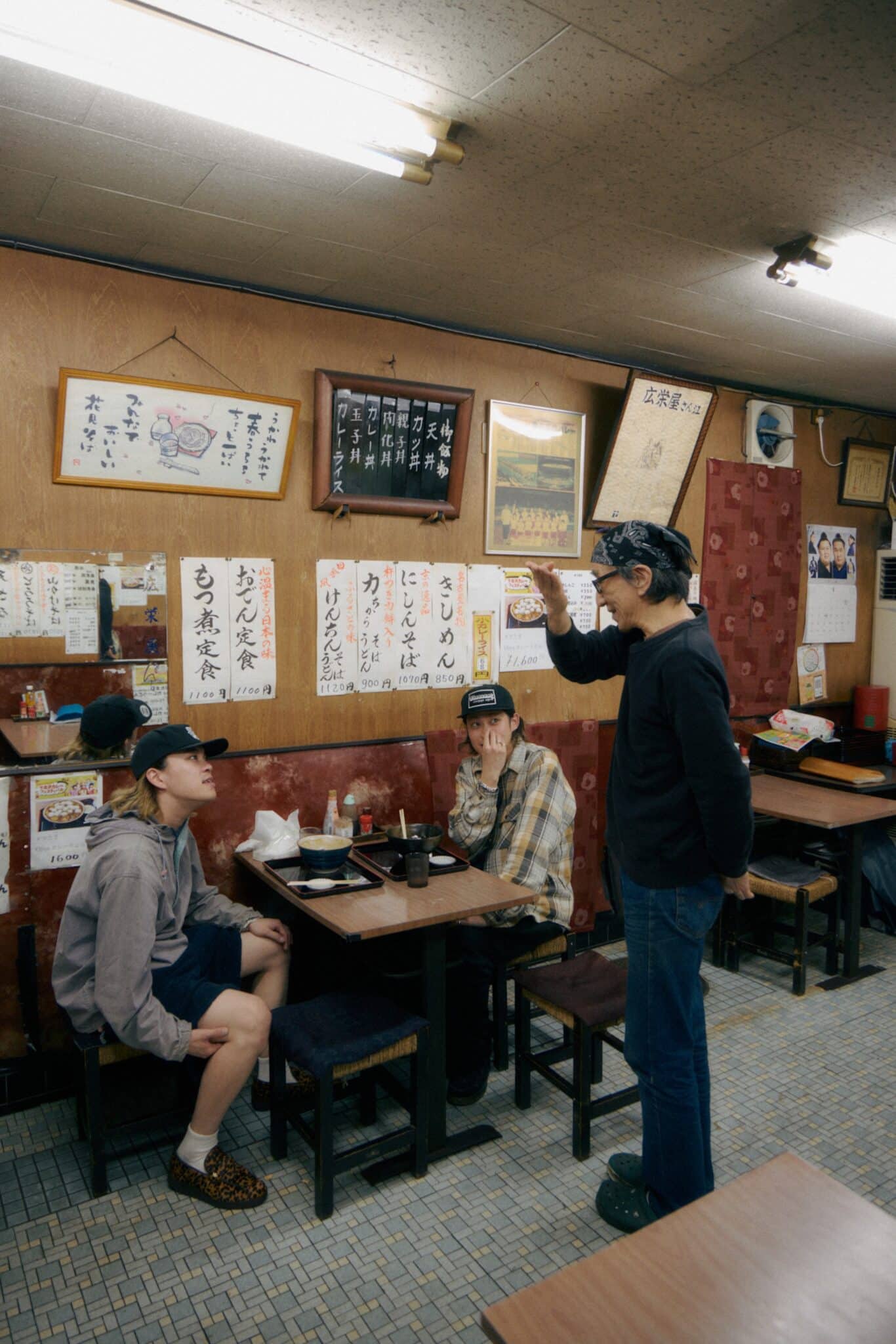
The appeal of “Hiroeya” lies in how it still preserves the atmosphere of a traditional “machisoba.” Inside the restaurant, regular customers who have visited for years, local workers, and younger generations who enjoy vintage fashion all gather, creating a distinctly Shimokitazawa local scene.
The restaurant has about 28 seats, including tables for four and six people, making it suitable for groups and families.
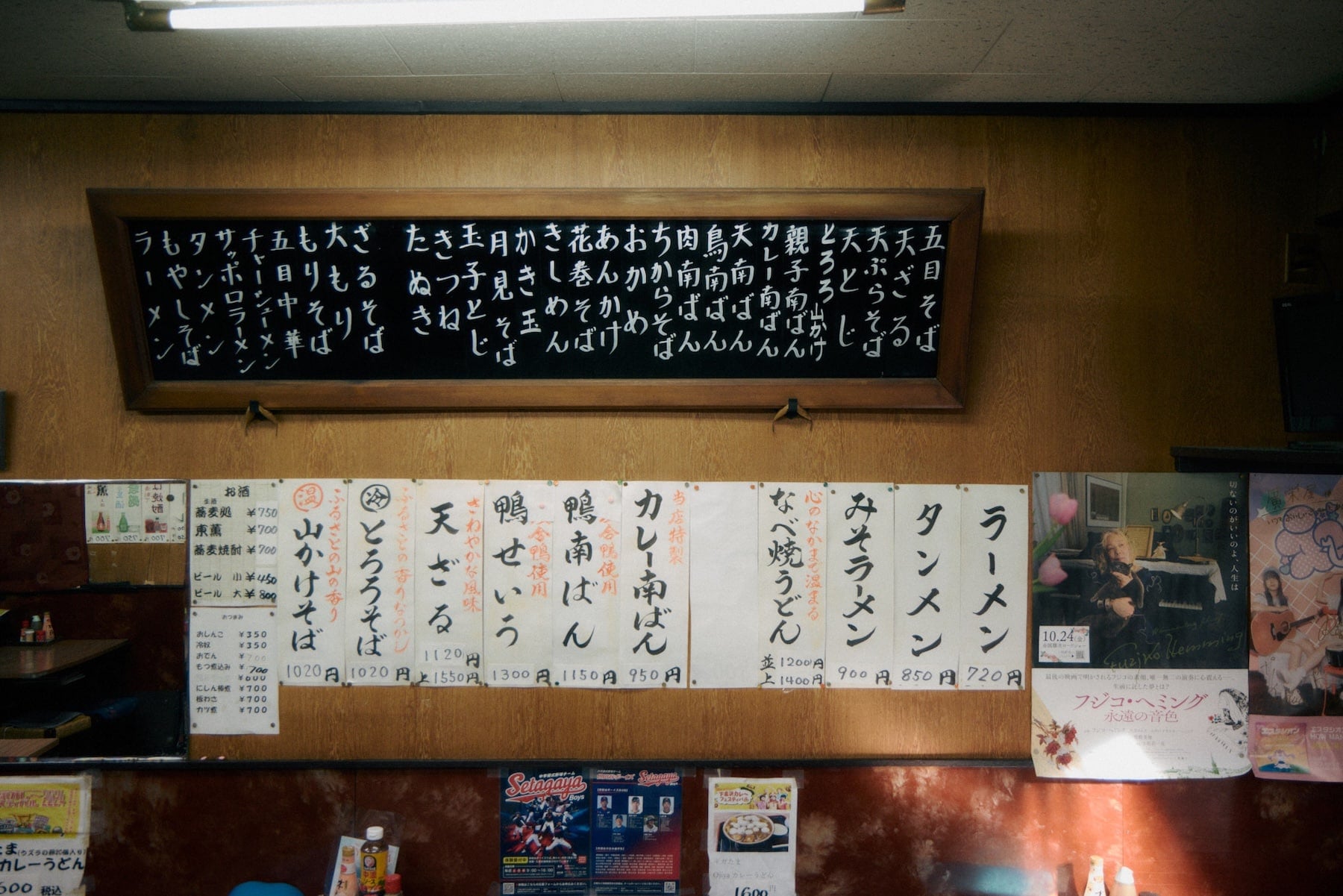
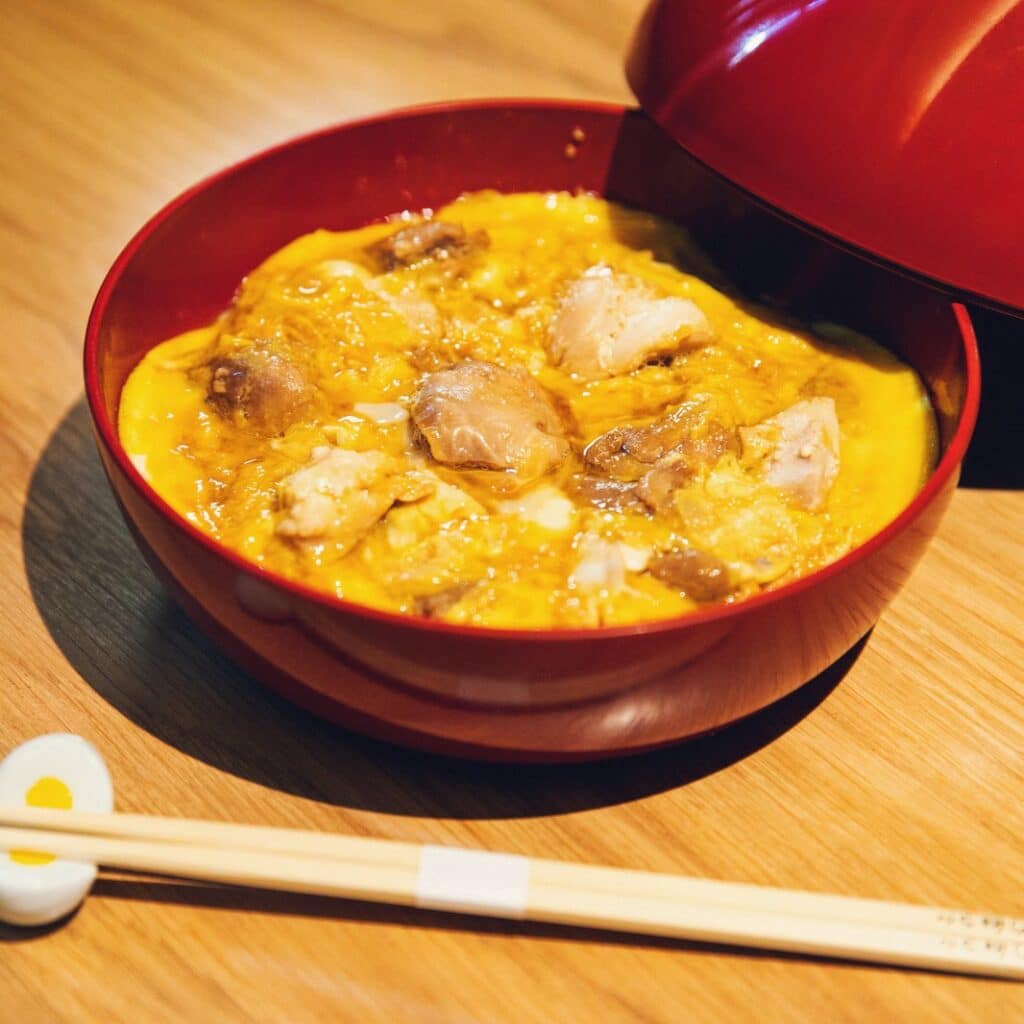
In addition to soba and udon, the menu includes ramen, tanmen, and gomoku chuka, as well as rice bowls such as tendon and oyakodon.
“The interior has a nostalgic feel, and I can sense the old Shimokitazawa atmosphere that I like. Within the traditional setting, there are also young people, and that mix of old and new feels very much like present-day Shimokitazawa,” says Tanaka.
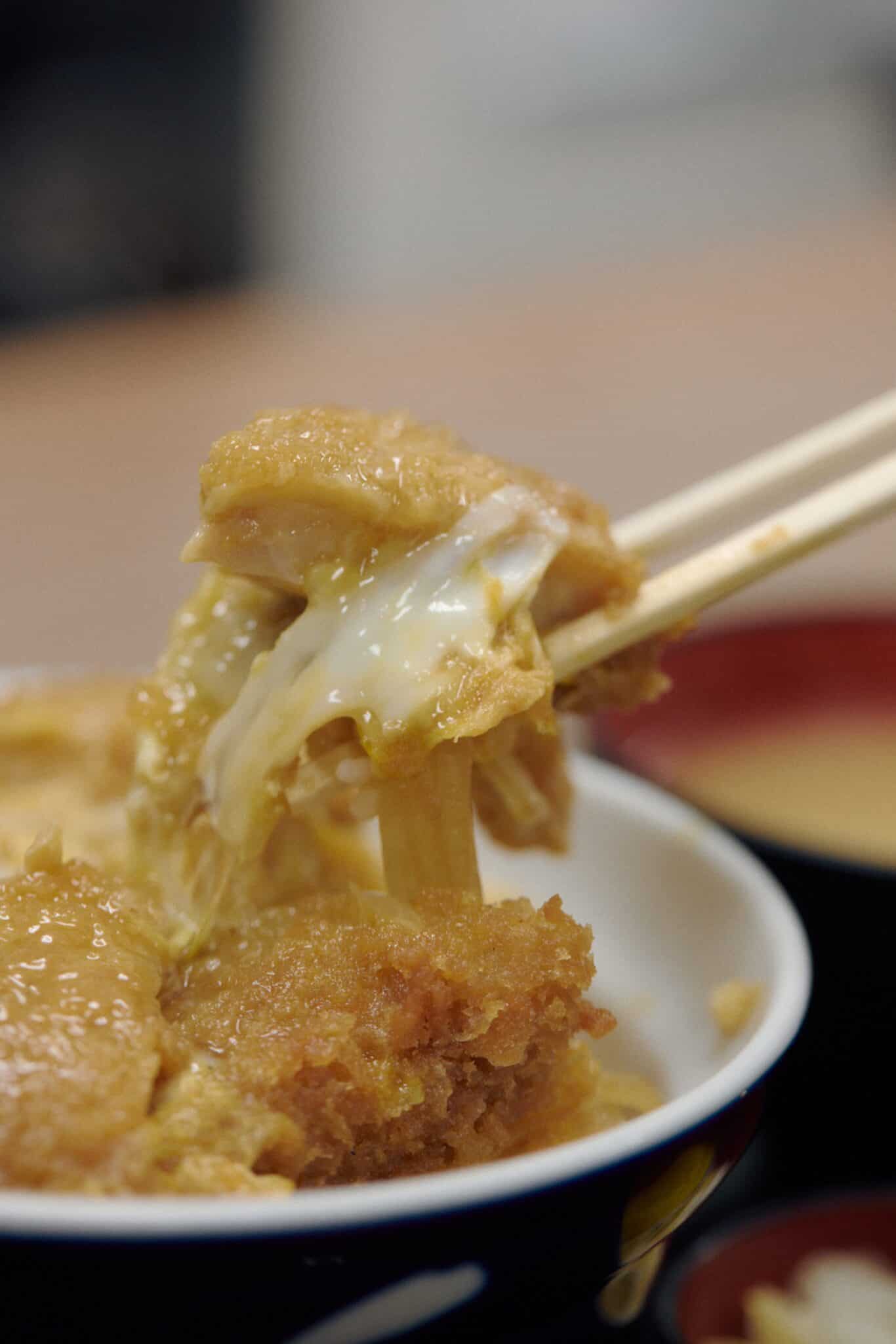
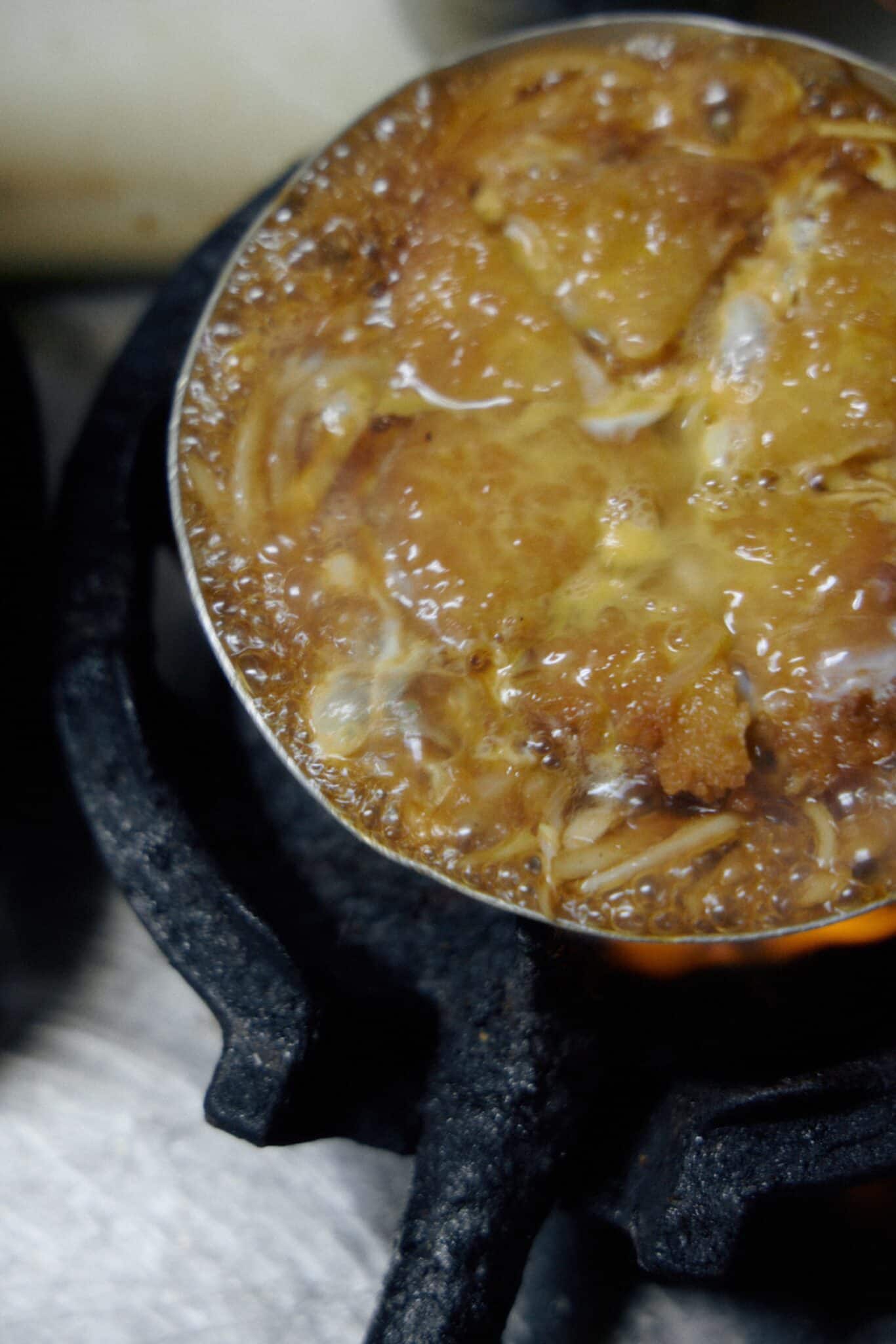
When it comes to soba shops, katsudon is a must-try. The katsudon at “Hiroeya” is a hidden favorite, popular among regular customers. Katsudon (¥1,180).
The seasoning, made with bonito flakes and mackerel dashi, is deeply absorbed into the dish and pairs well with the soft, semi-cooked egg and onions. While the cutlet is typically sliced vertically, at “Hiroeya” it is cut radially, like a pizza.
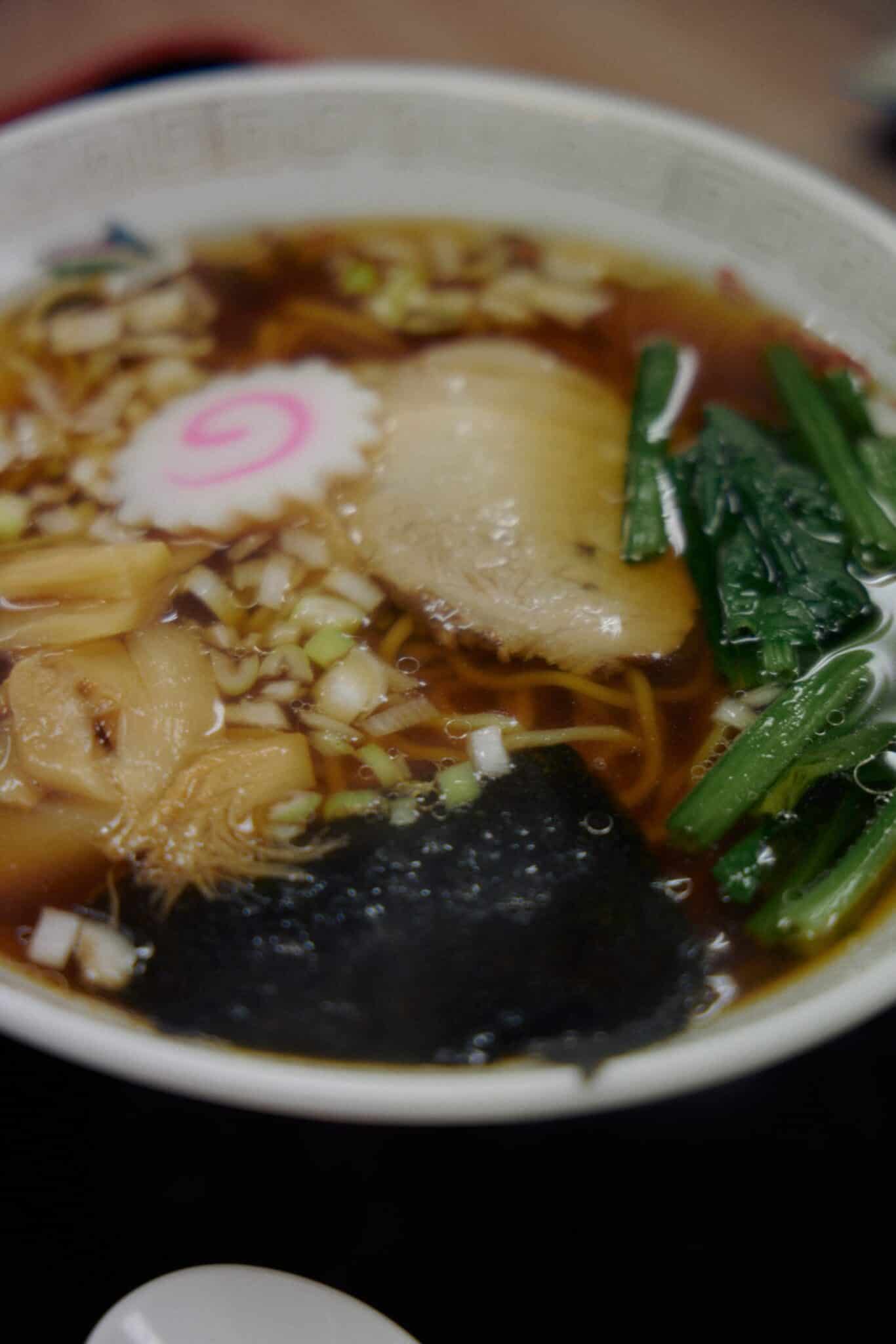
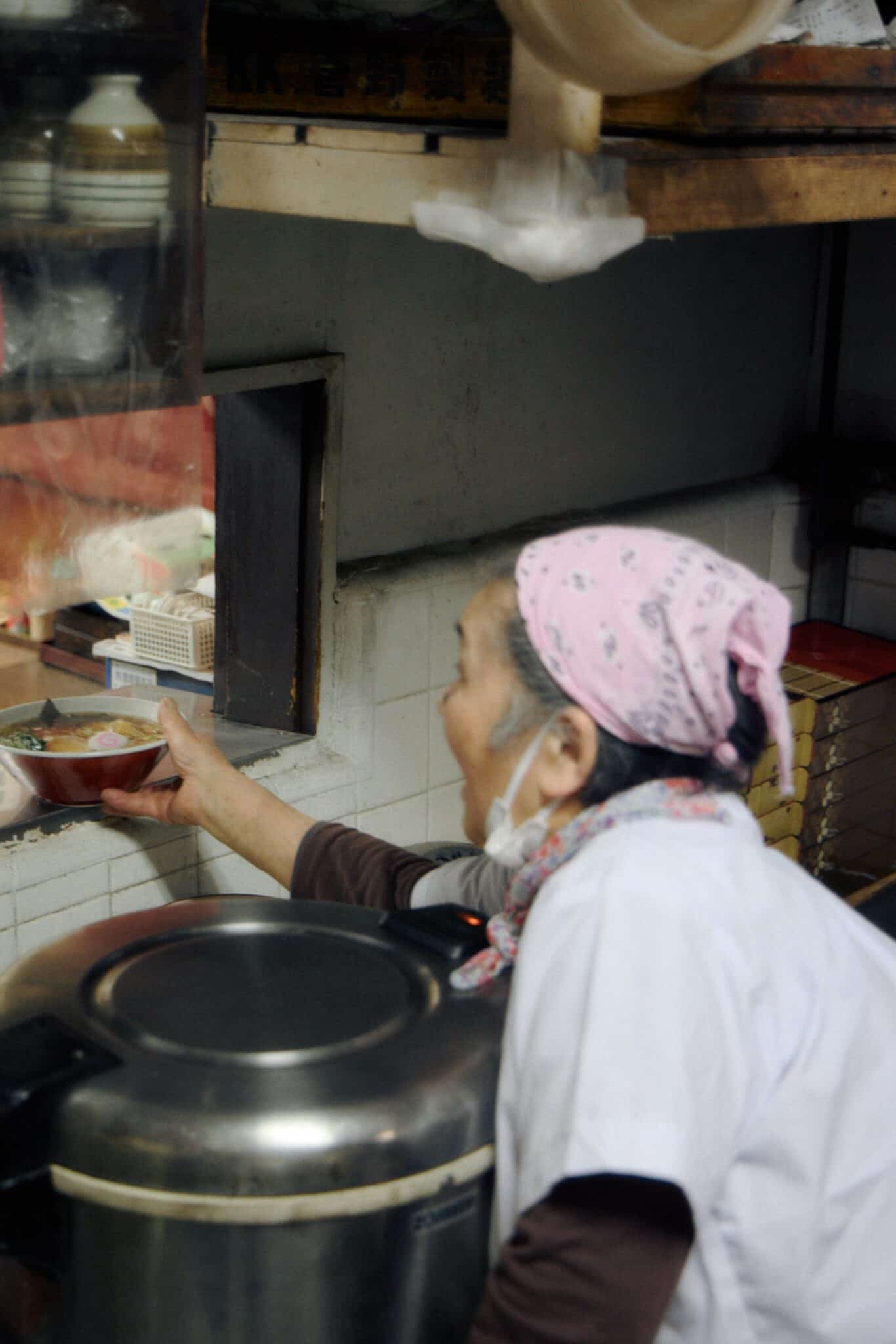
The ramen (¥720) is also made in-house. It is served in a classic soy sauce-based soup with chashu pork, bamboo shoots, and traditional spiral naruto fish cake.
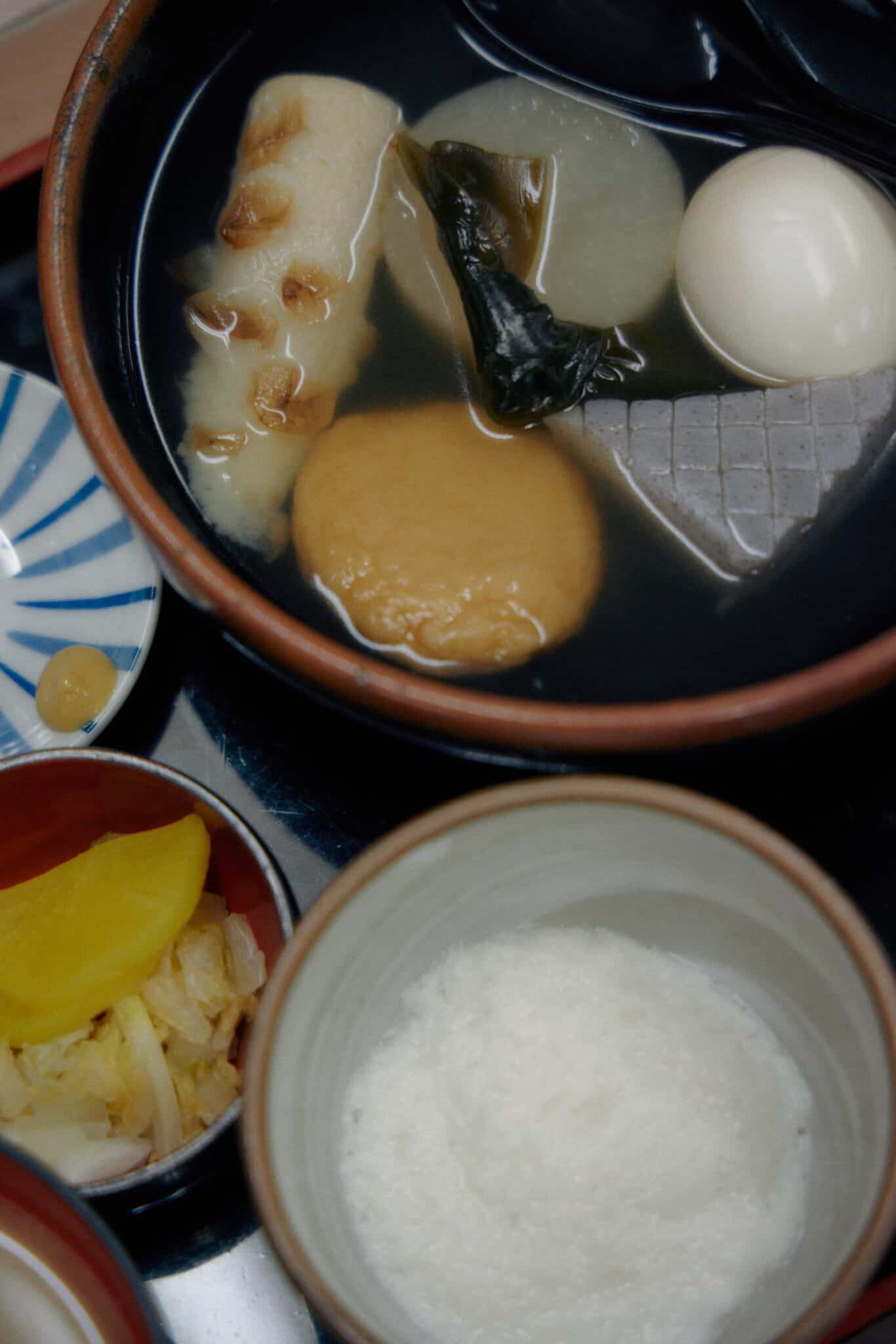
The oden set meal (¥1,100) includes six ingredients simmered in kombu dashi, offering a gentle, comforting flavor. The set also comes with grated yam.
The original “Hiroeya” is a long-established soba shop in Hasunuma, Ota Ward, Tokyo, with a history of over 100 years. The Shimokitazawa branch was created through a noren-wake (a traditional method of branching a business) and has been passed down within the family. The philosophy inherited from the previous generation—“to provide delicious food at affordable prices that anyone can enjoy casually”—combined with the close coordination among family members from preparation to serving, supports both the taste and atmosphere of the shop. As Shimokitazawa continues to change through redevelopment, “Hiroeya” remains as it has since its founding. The sense of continuity and reliability may be why so many customers keep returning.
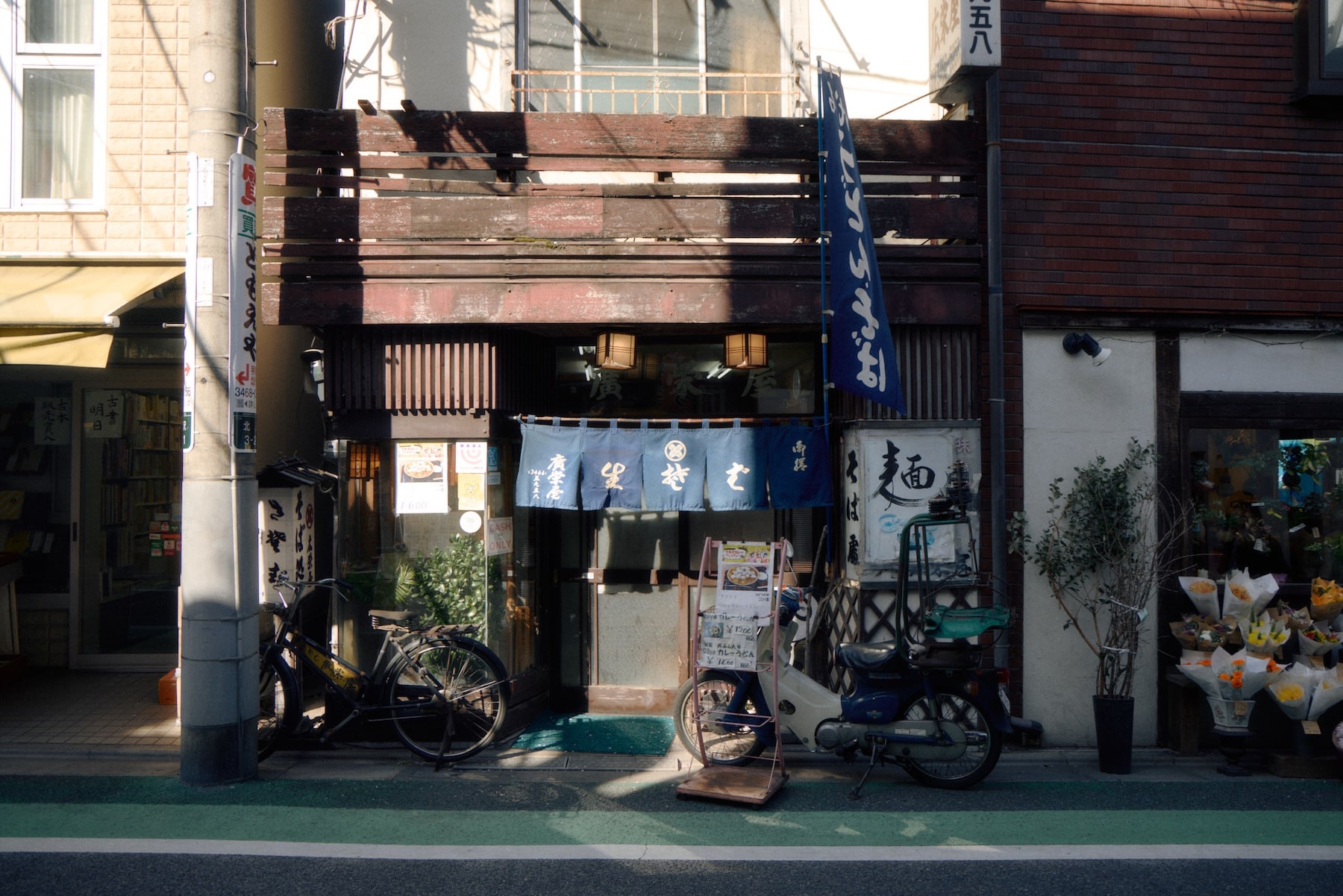
“Hiroeya” has been located in the Shimokitazawa Ichibangai shopping street for over 65 years. In an area that once had many soba shops, it now remains as one of the oldest.
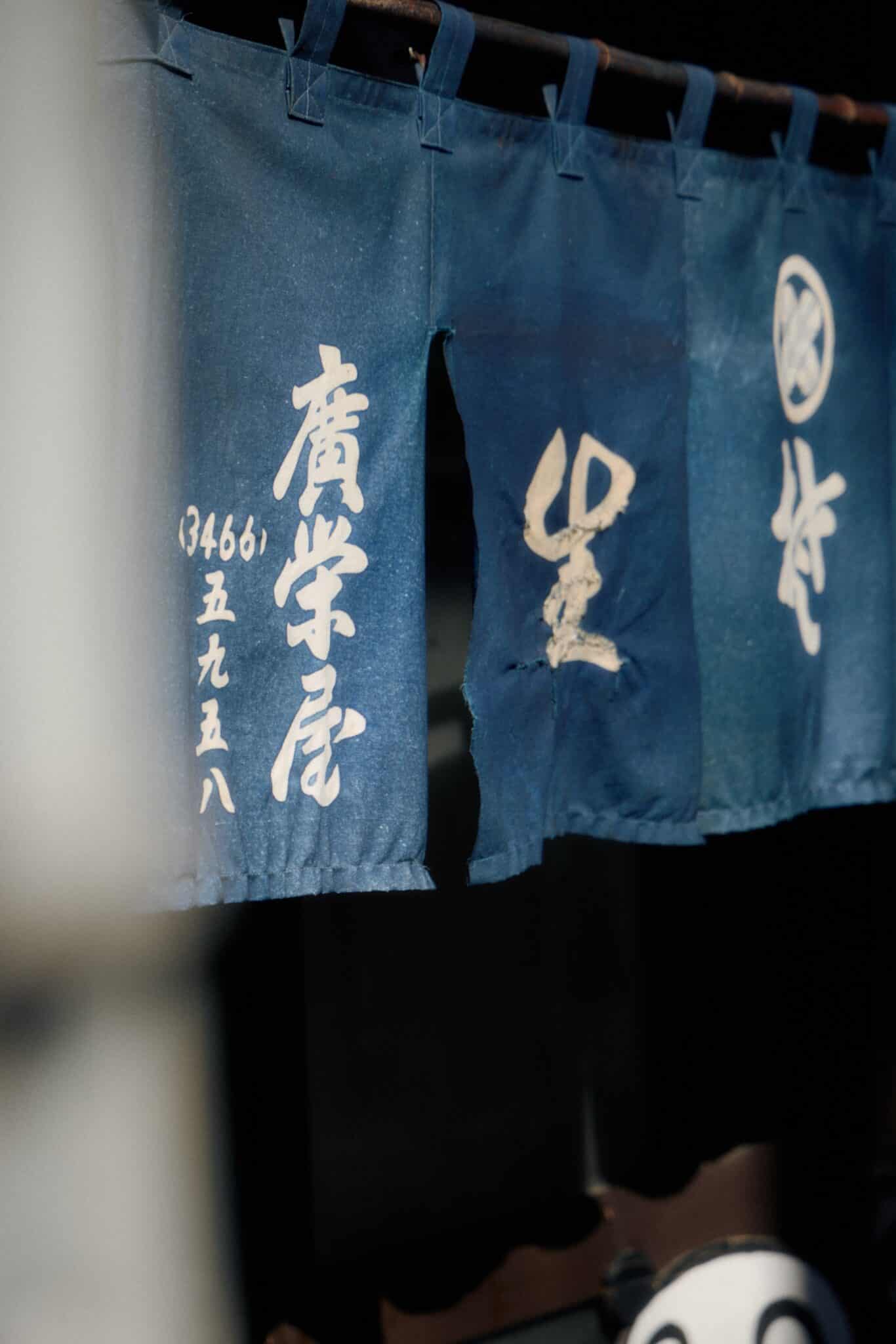
The noren curtain that has been used since the time of the shop’s founding still retains its original appearance today.
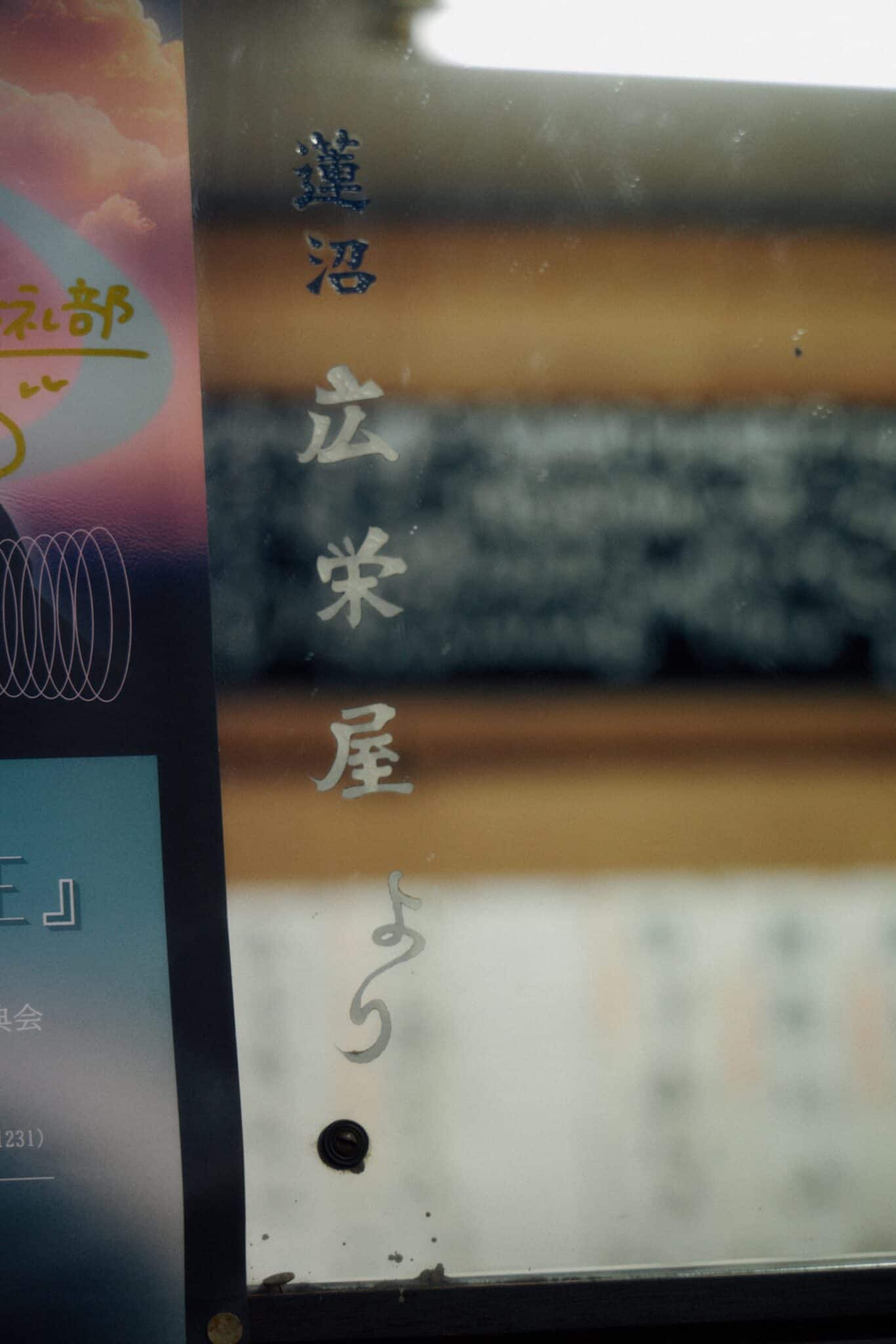
A commemorative mirror, gifted by the main store at the time of the founding, is displayed on the wall inside the shop.
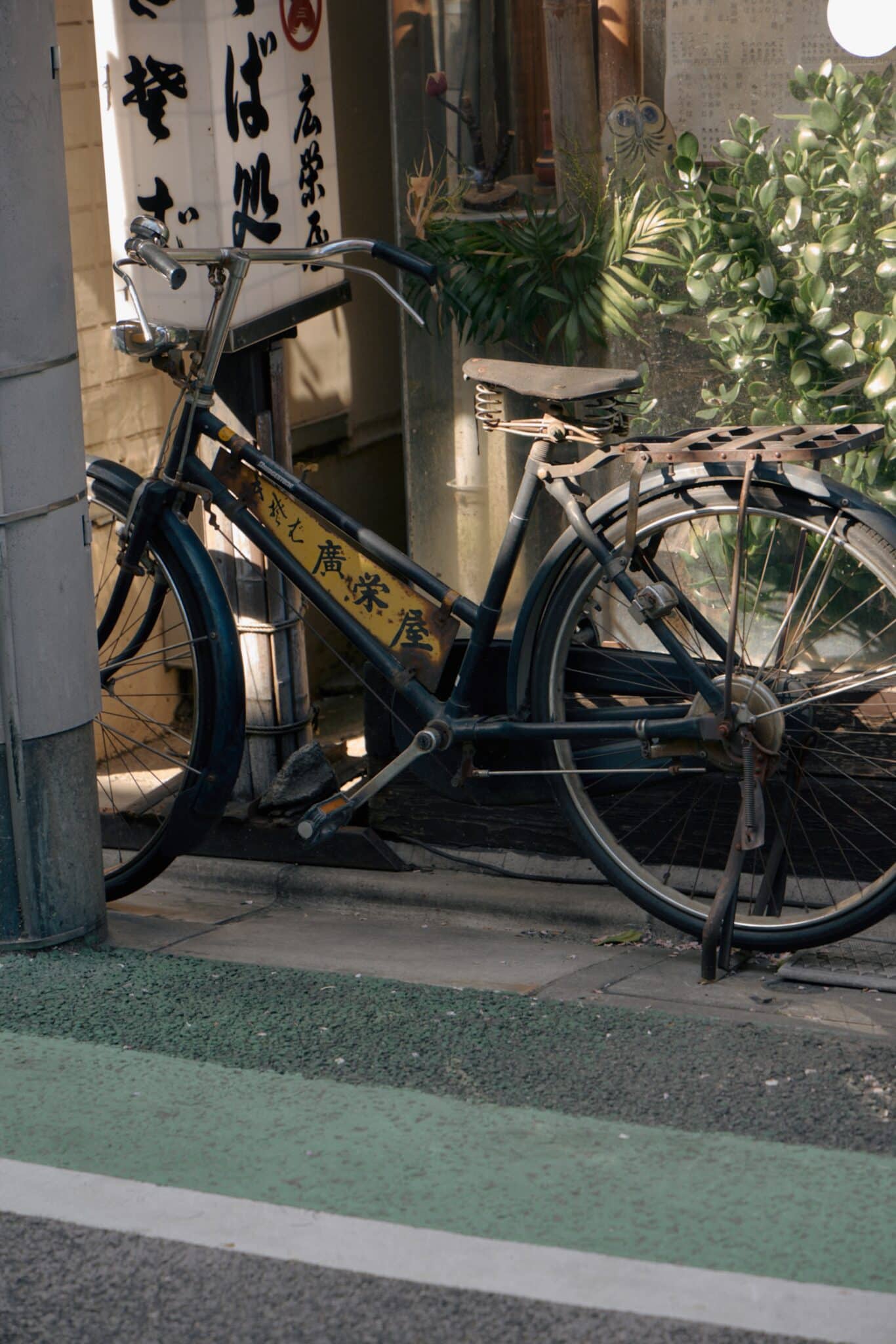
A bicycle that was once used for delivery is also preserved. In the past, delivering soba by stacking trays high and riding one-handed was a common sight in Tokyo.
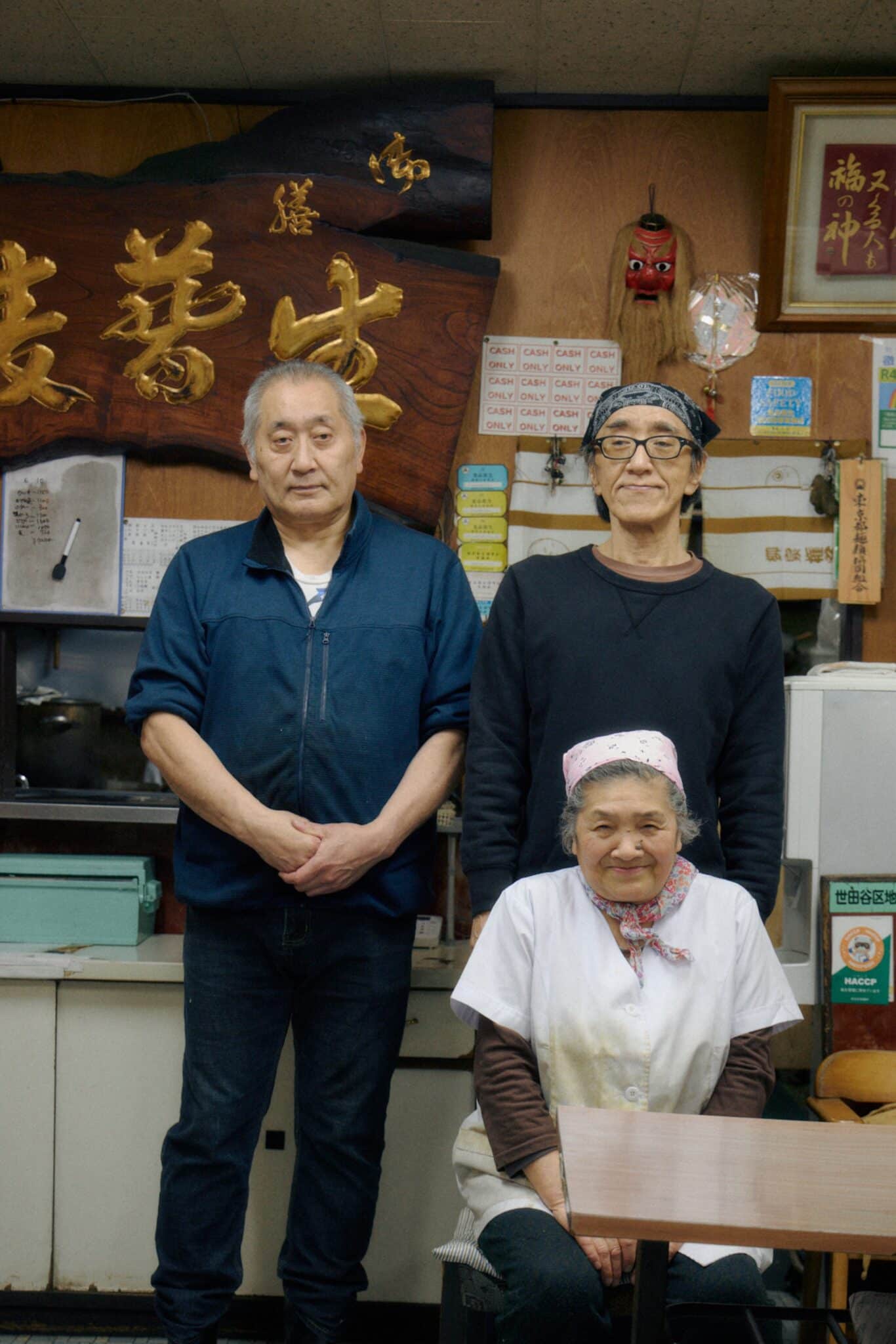
The shop is run by three people: Eiichi Kumakiri, Masayoshi Kumakiri, and Yaeko Ogane. Eiichi and Masayoshi are brothers, and Yaeko is their aunt.
Cooking is mainly handled by Yaeko and Eiichi, and their long-practiced coordination keeps the kitchen running smoothly.
When dishes are ready, Yaeko’s lively voice echoes through the restaurant, creating a warm atmosphere. Known for her friendly and charming personality, she has long been regarded as a motherly figure in the neighborhood.
They warmly welcome both regulars and first-time customers without distinction.
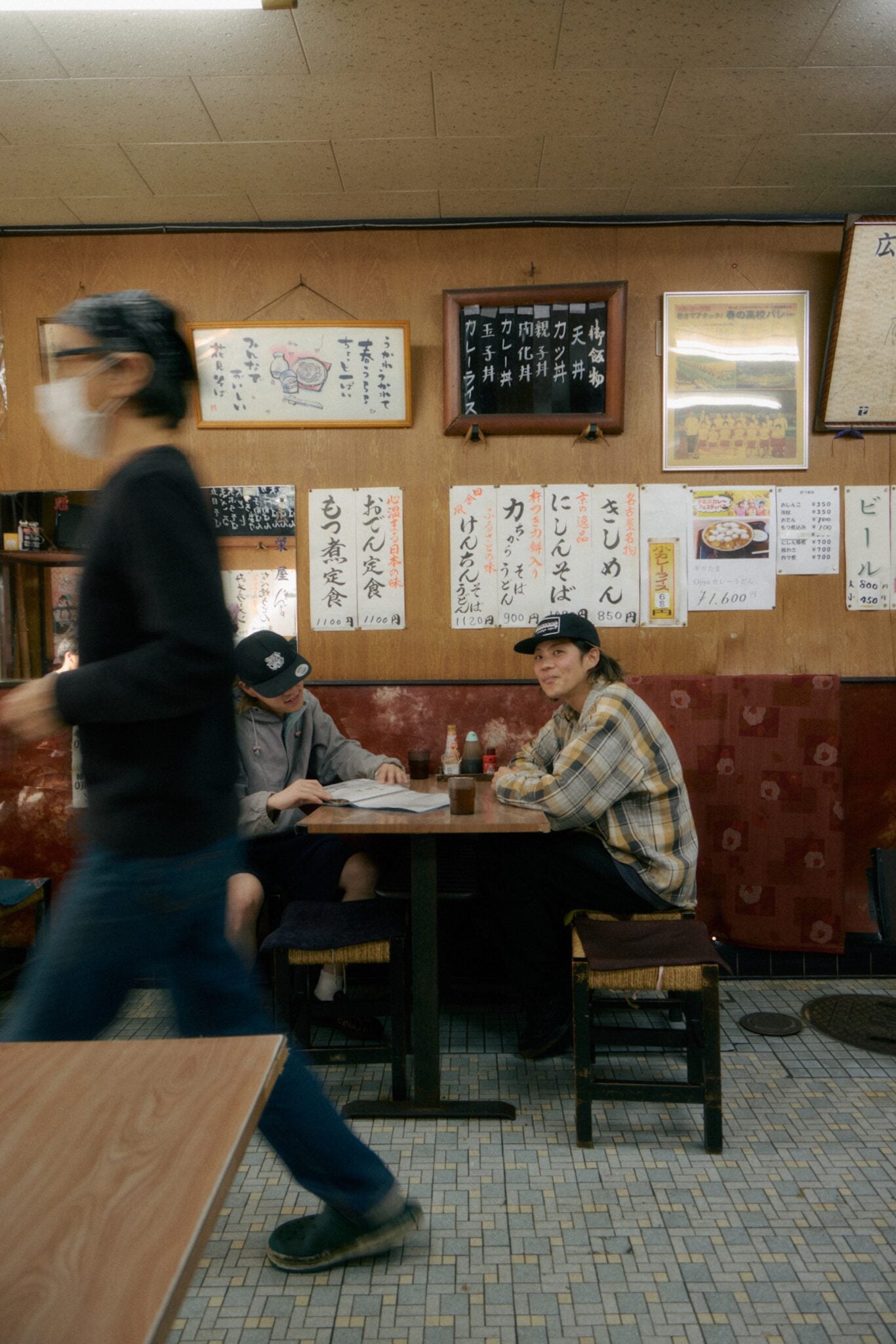
Hiroto Tanaka (right) and Hotaka Saito (left), owners of Pheasant
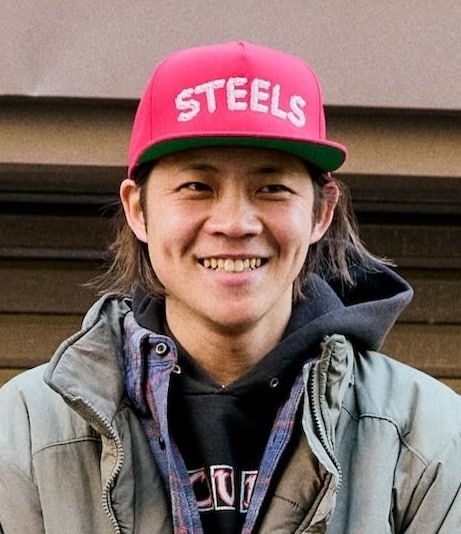
I recommend 'Hiroeya' because you can enjoy the old-fashioned local atmosphere, which is rare in Shimokitazawa these days! I often visit before work with my juniors and friends because the menu offers a wide variety of dishes that are not only tasty but also satisfying and hearty."
The information contained this article was correct as of 05/14/2026 (the time of publication)