DEEPTOKYO
magazine

EN

DEEPTOKYO
magazine
EN
2026.04.15
A yakitori izakaya under the railway tracks where you can soak up the atmosphere of the Showa era
 Nearest Station


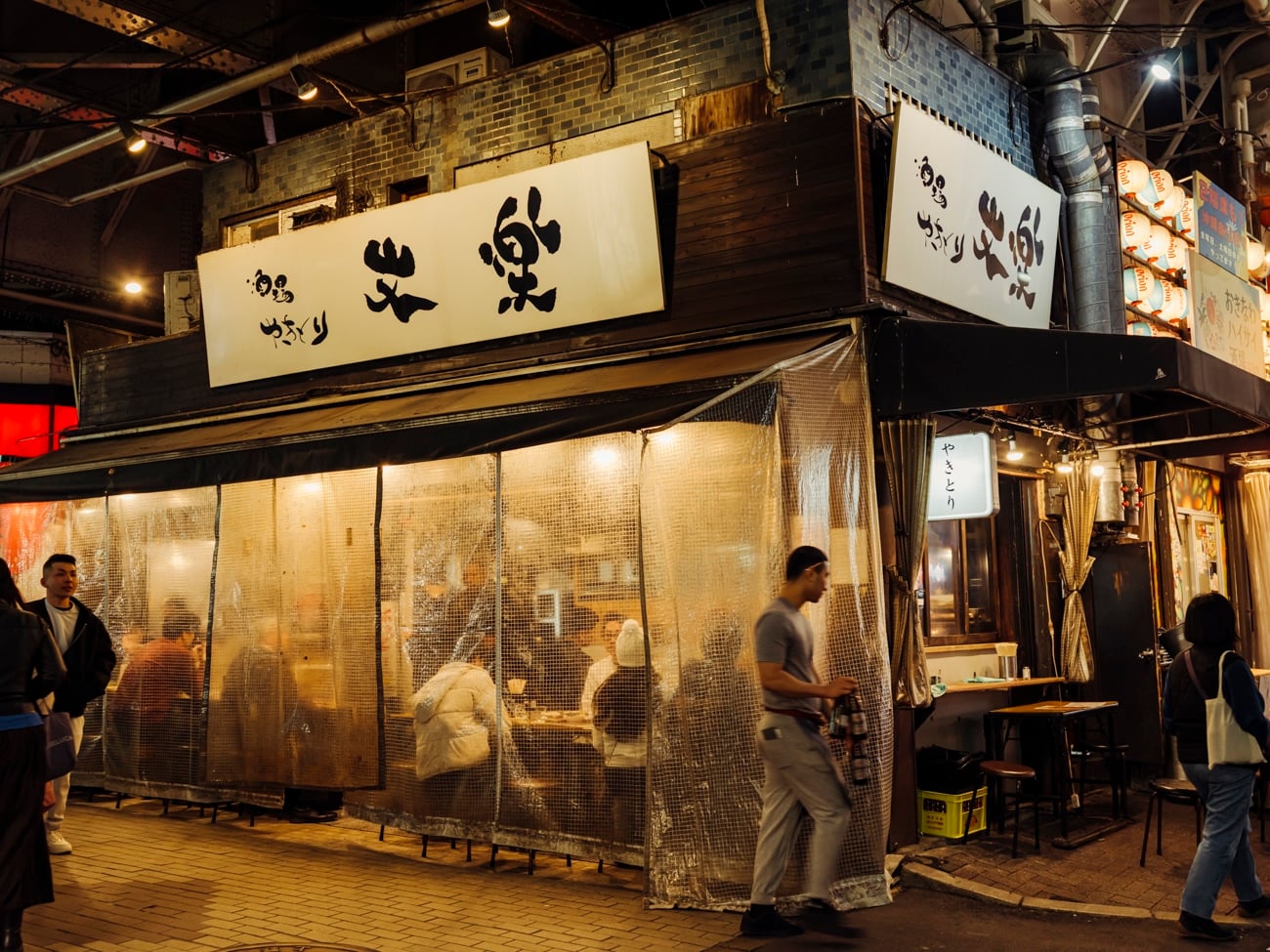
Just a two-minute walk from Ueno Station, Yakitori Ueno Bunraku is a long-established yakitori restaurant now in its 68th year. It first opened shortly after World War II, when there were still very few places to eat or drink in front of Ueno Station, and it has remained a beloved local fixture ever since. Even now, with nearby Ameyoko (Ameya-Yokocho) having grown into one of Tokyo’s best-known shopping districts, the shop continues to draw customers. under the railway tracks, you can still feel the lingering atmosphere of the Showa era while enjoying fresh yakitori and drinks at reasonable prices from lunchtime onward.
SHARE


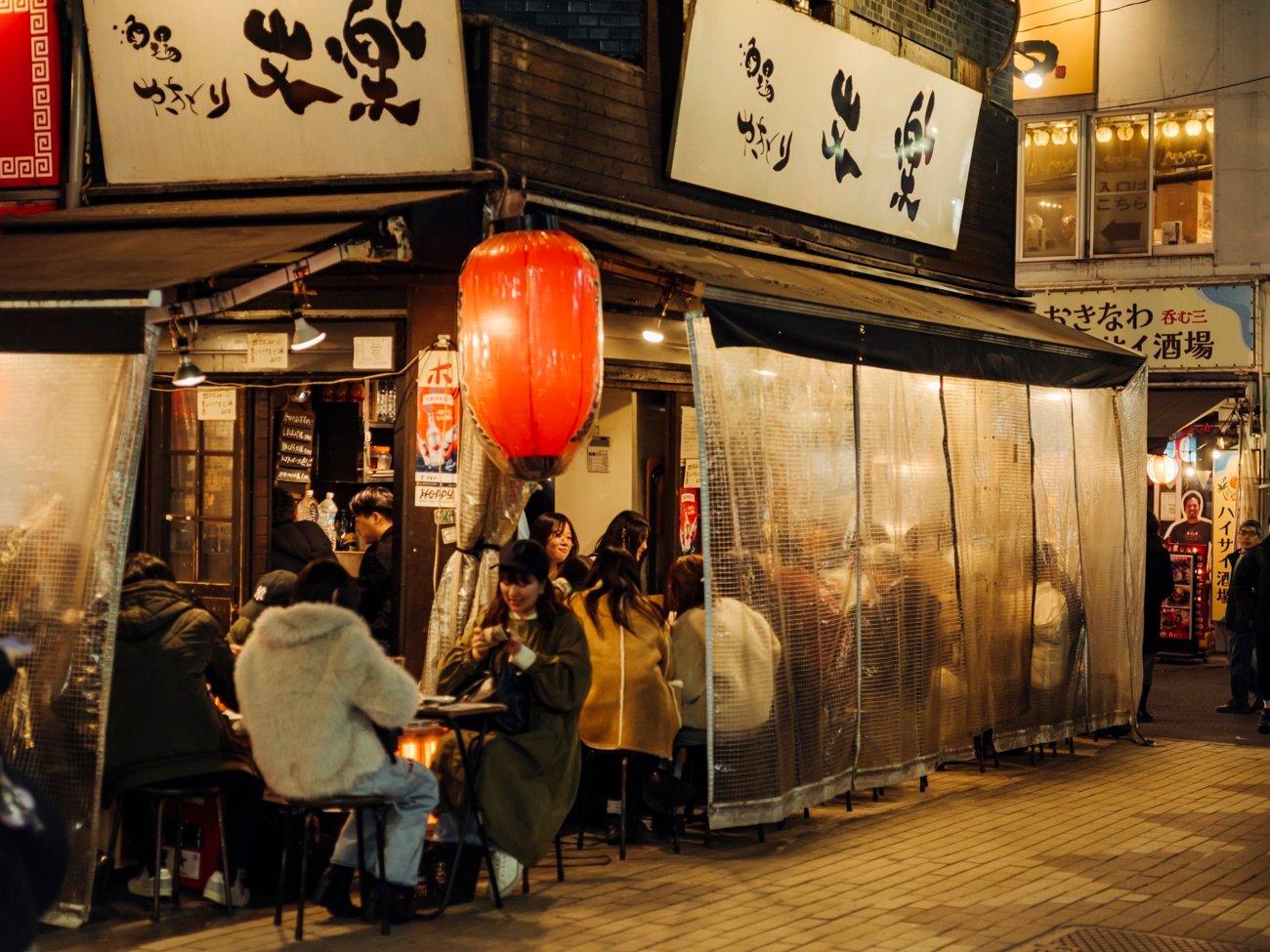
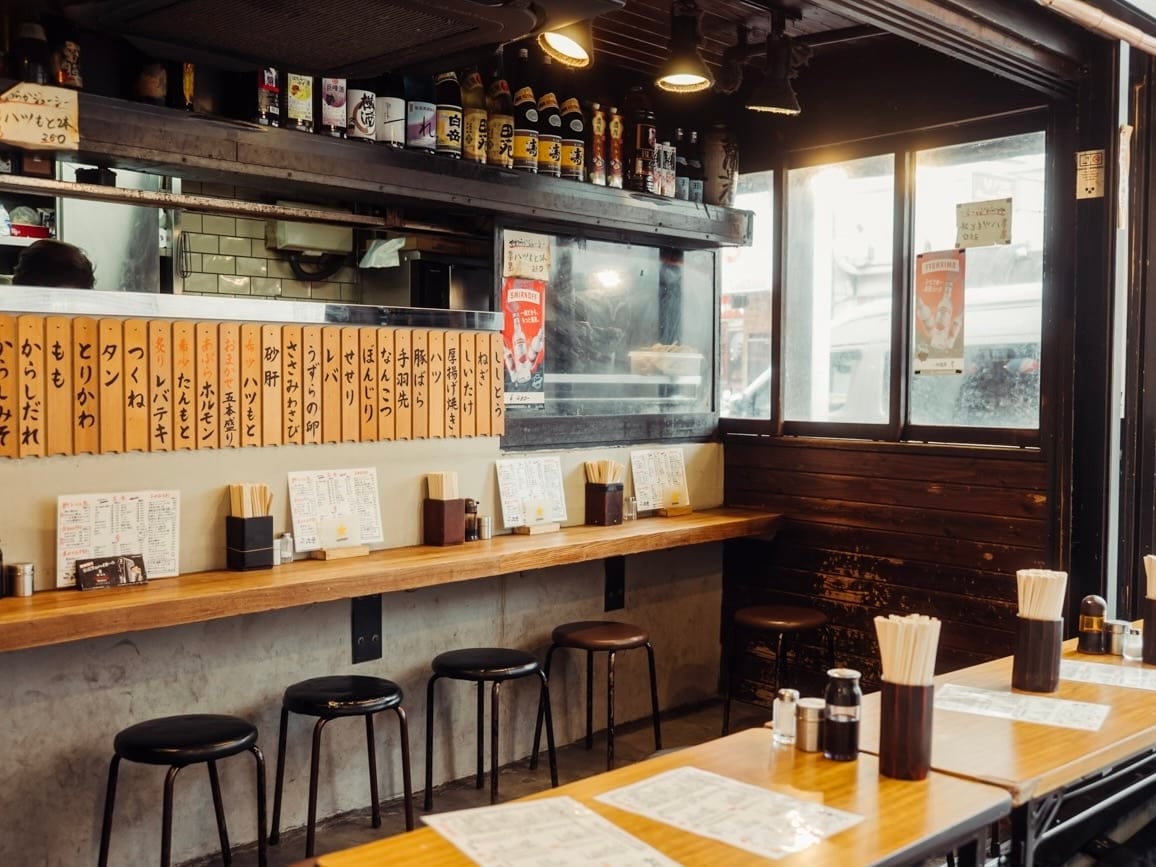
Yakitori Ueno Bunraku is a yakitori izakaya founded in 1948 beneath the railway tracks near Ueno Station. With its red paper lantern hanging out front, rows of menu strips covering the walls, and simple tables and chairs arranged so that the seats are close together, it is an old-school izakaya that vividly preserves the atmosphere of the Showa era. After World War II, as the city was rebuilding, many eateries sprang up under the railway tracks, where people naturally gathered. That is why this area still has old-school izakaya that feel almost as if they have slipped through time from the Showa period, and they continue to be loved to this day.
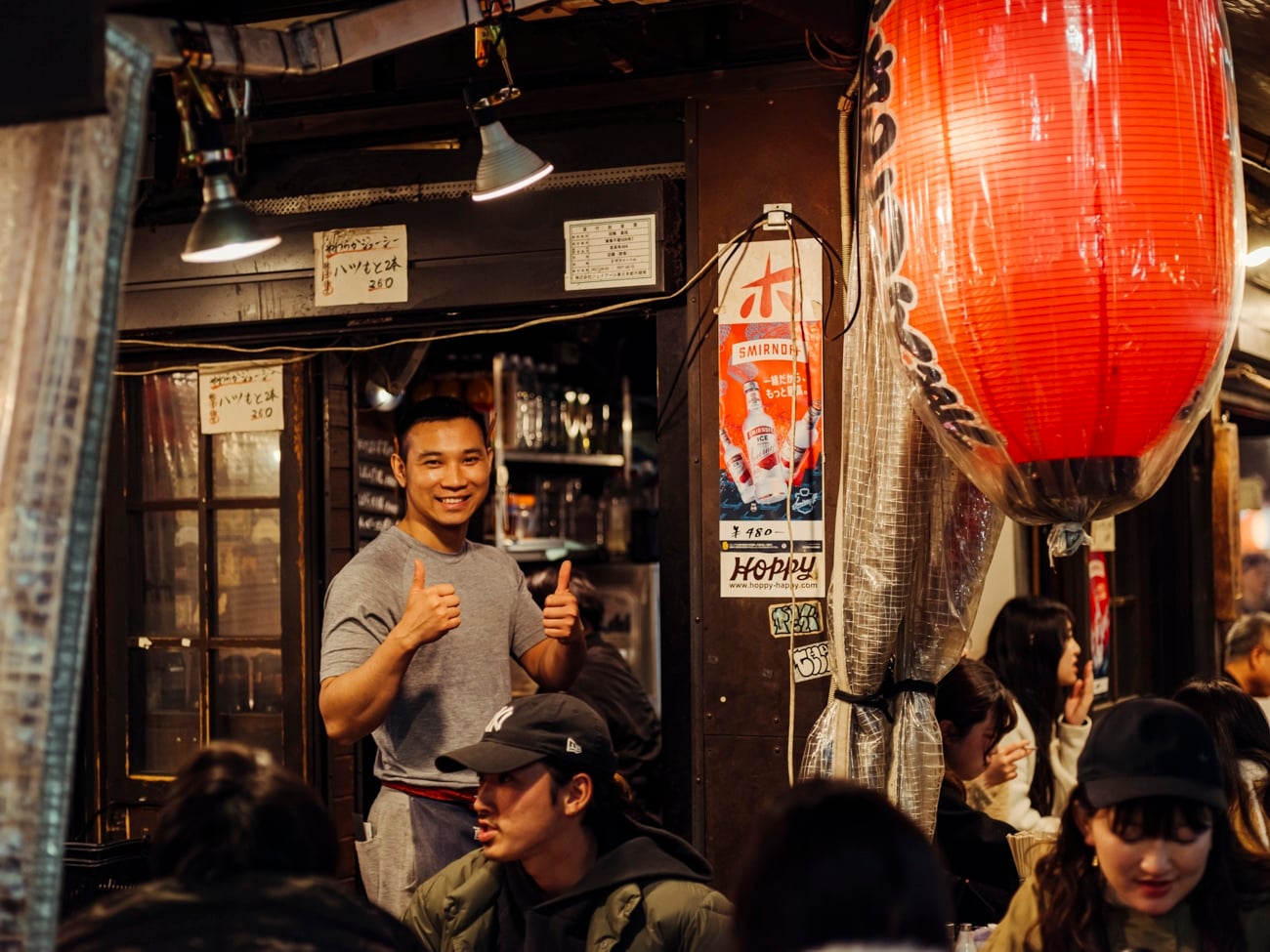
One of Ueno Bunraku’s biggest charms is its open, bustling atmosphere, with tables spilling right out toward the street. The fragrant smell of yakitori on the grill, the cheerful hum of conversation, and the sight of people drinking shoulder to shoulder are so inviting that even passersby often find themselves stopping in their tracks.
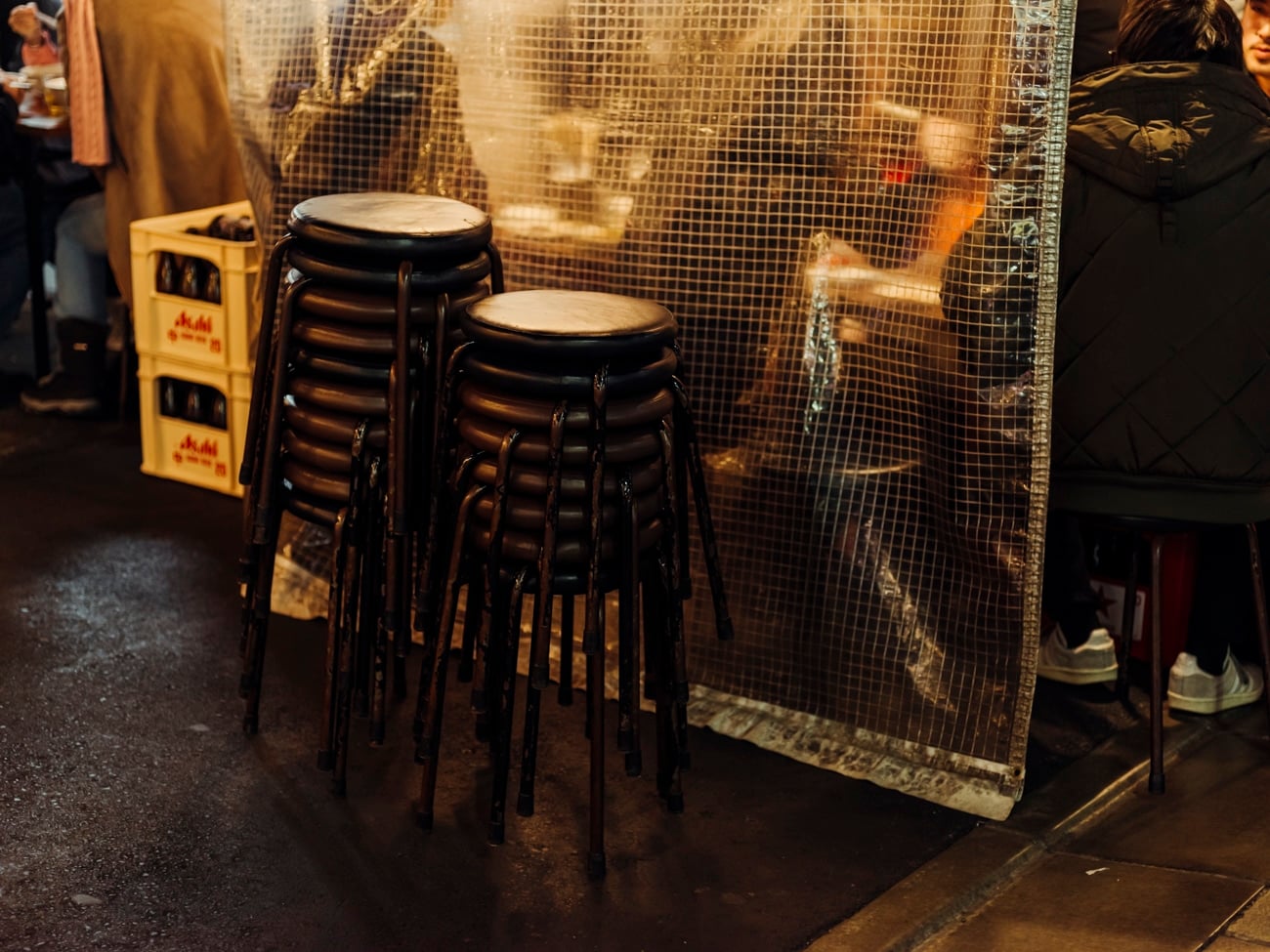
The atmosphere is lively, and even the seats extending out toward the street fill up with customers. On cold days, curtains are hung to keep out the wind.
The shop has around 30 seats in total, including counter seats backed by rows of menu strips and long communal tables. The tables are close together, and you may sometimes end up sharing a table with other customers, which can lead to unexpected conversations with the people around you.
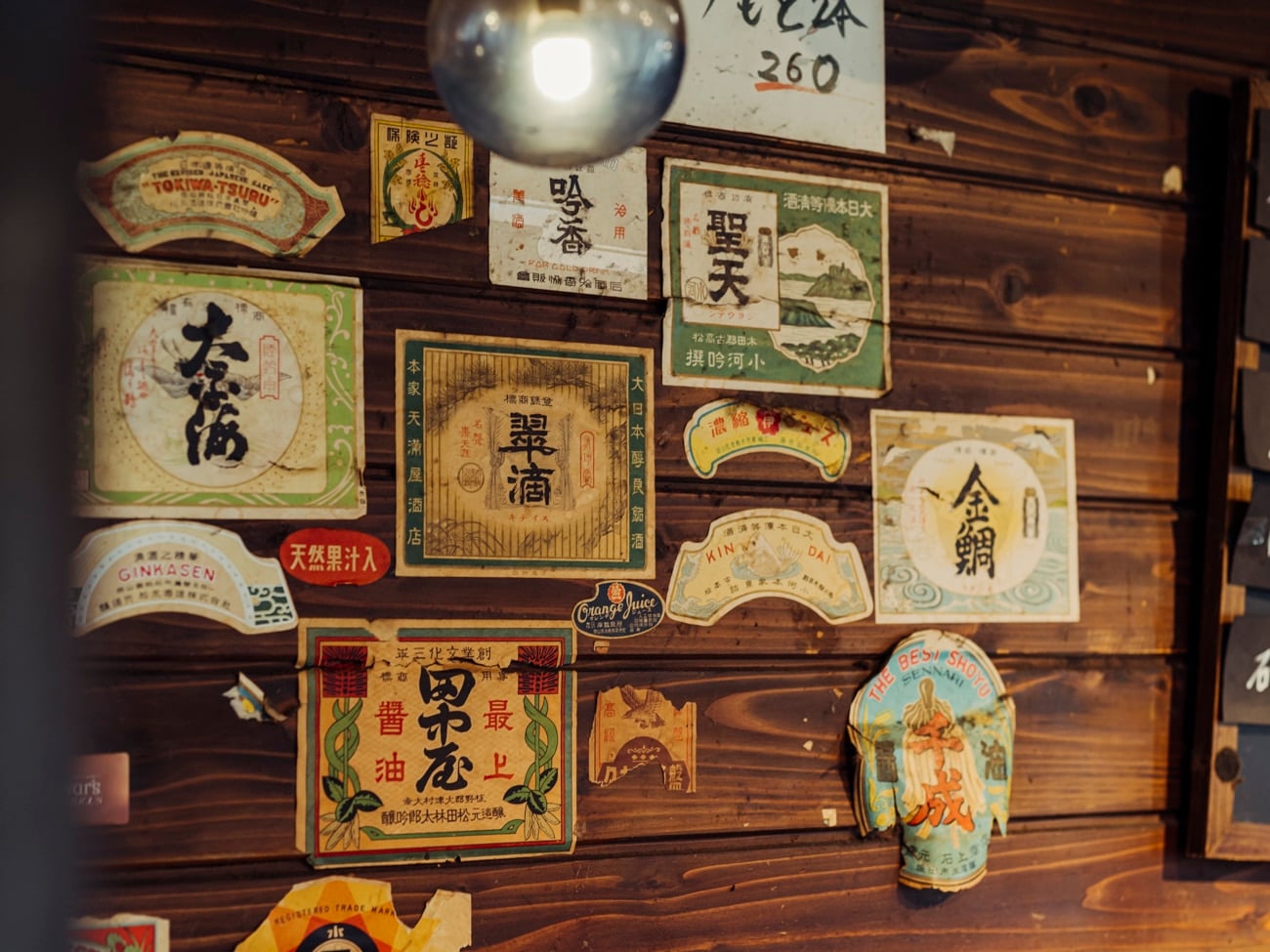
Labels from sake, soy sauce, and other bottles cover the walls, their faded look hinting at the shop’s long history.
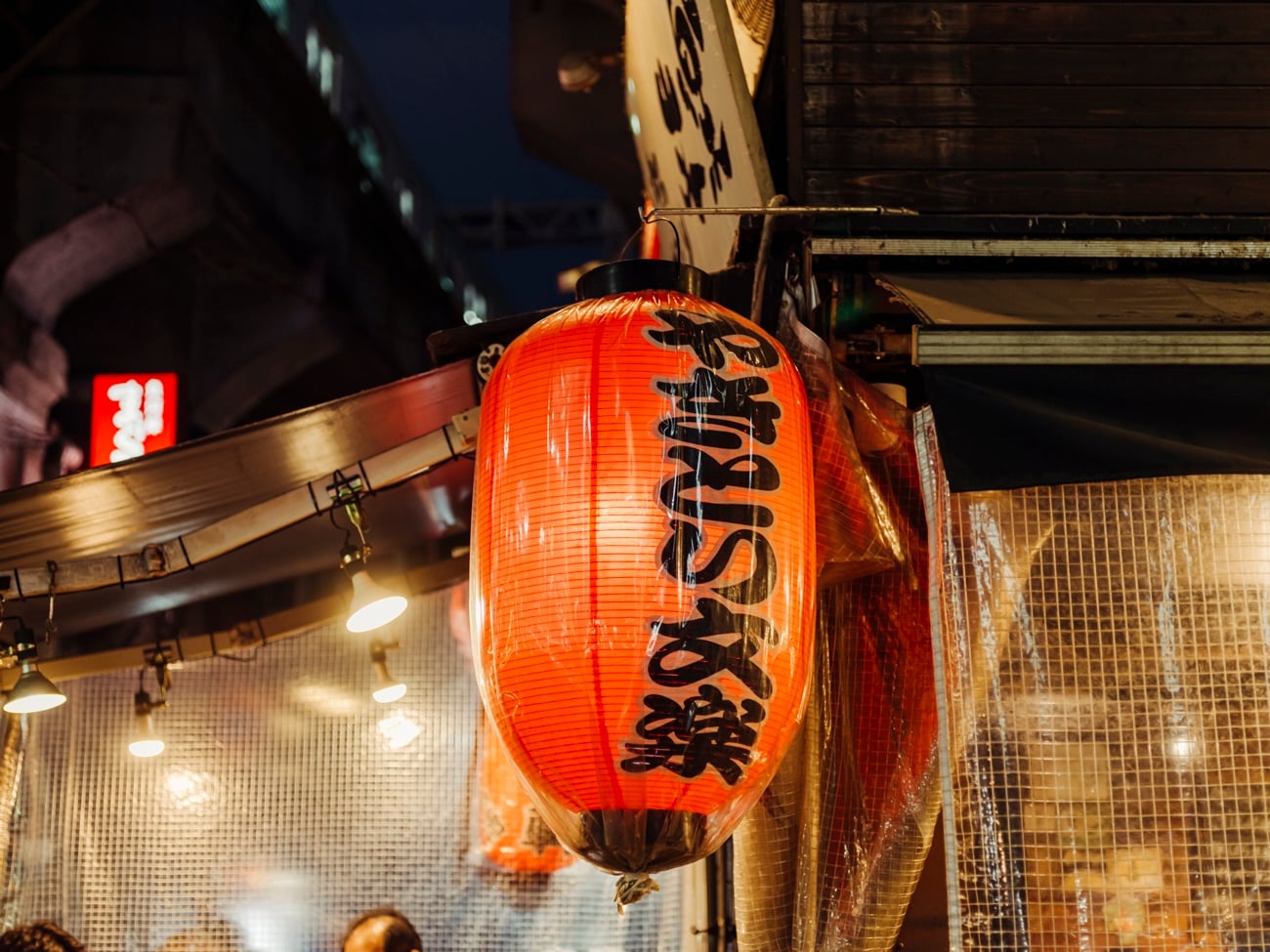
The large red paper lantern out front is the landmark.
The folding chairs that can be brought out whenever extra seating is needed are also part of the distinctive scenery here.
One of Yakitori Ueno Bunraku’s defining commitments is that the chicken purchased that day is used up that very same day. No frozen meat is used, so you can always enjoy fresh yakitori whenever you visit. The shop is also particular about using domestic chicken, and for the thigh skewers in particular it uses Daisen chicken, a well-known branded chicken from Tottori. Rich in flavor and juicy in texture, it is available either simply salted or with the shop’s secret sauce, both for a very reasonable 380 yen for two skewers. That great value is part of what makes Ueno Bunraku such a beloved old-school izakaya. Some regulars even order several portions of the well-priced thigh skewers.
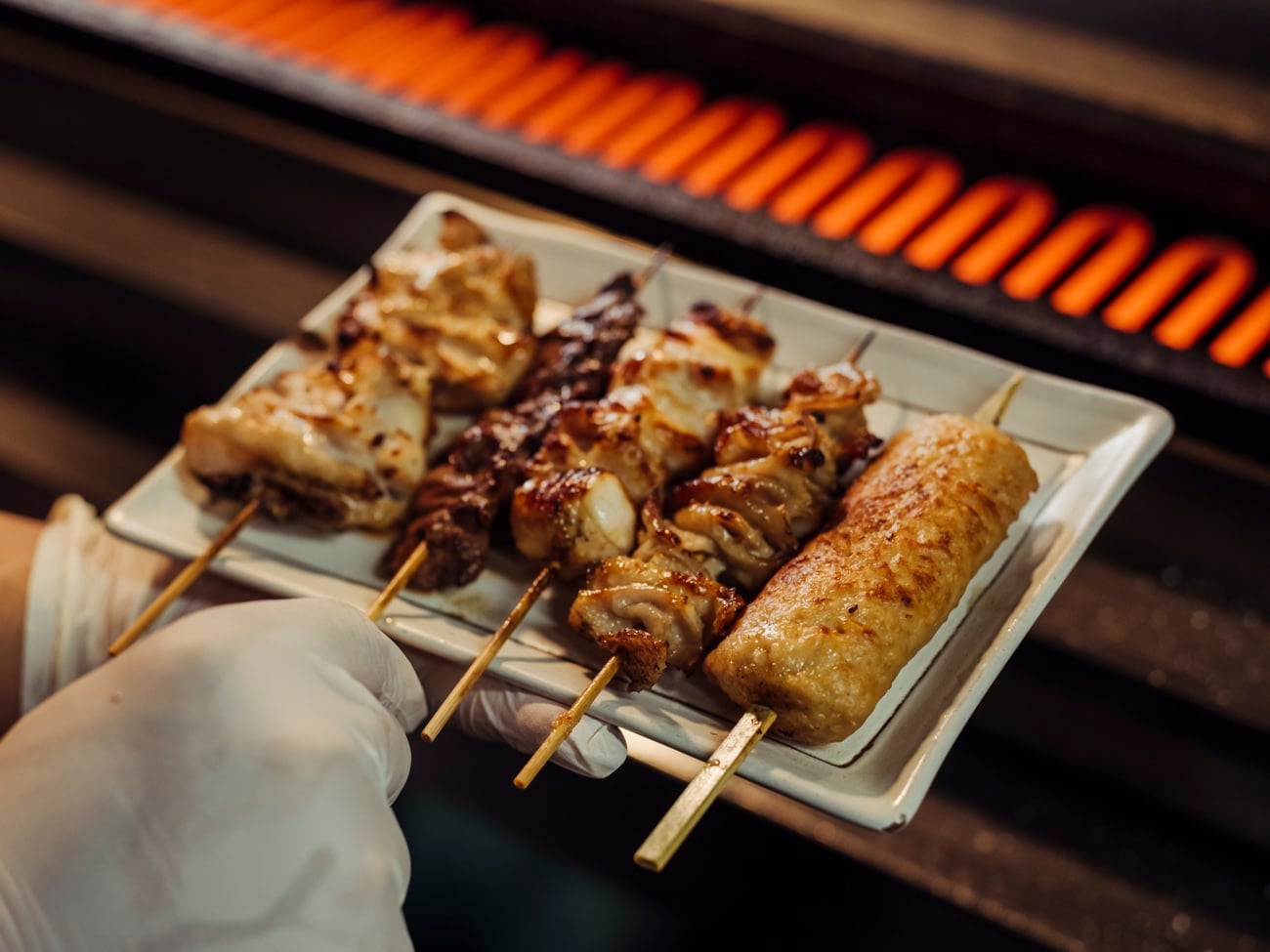
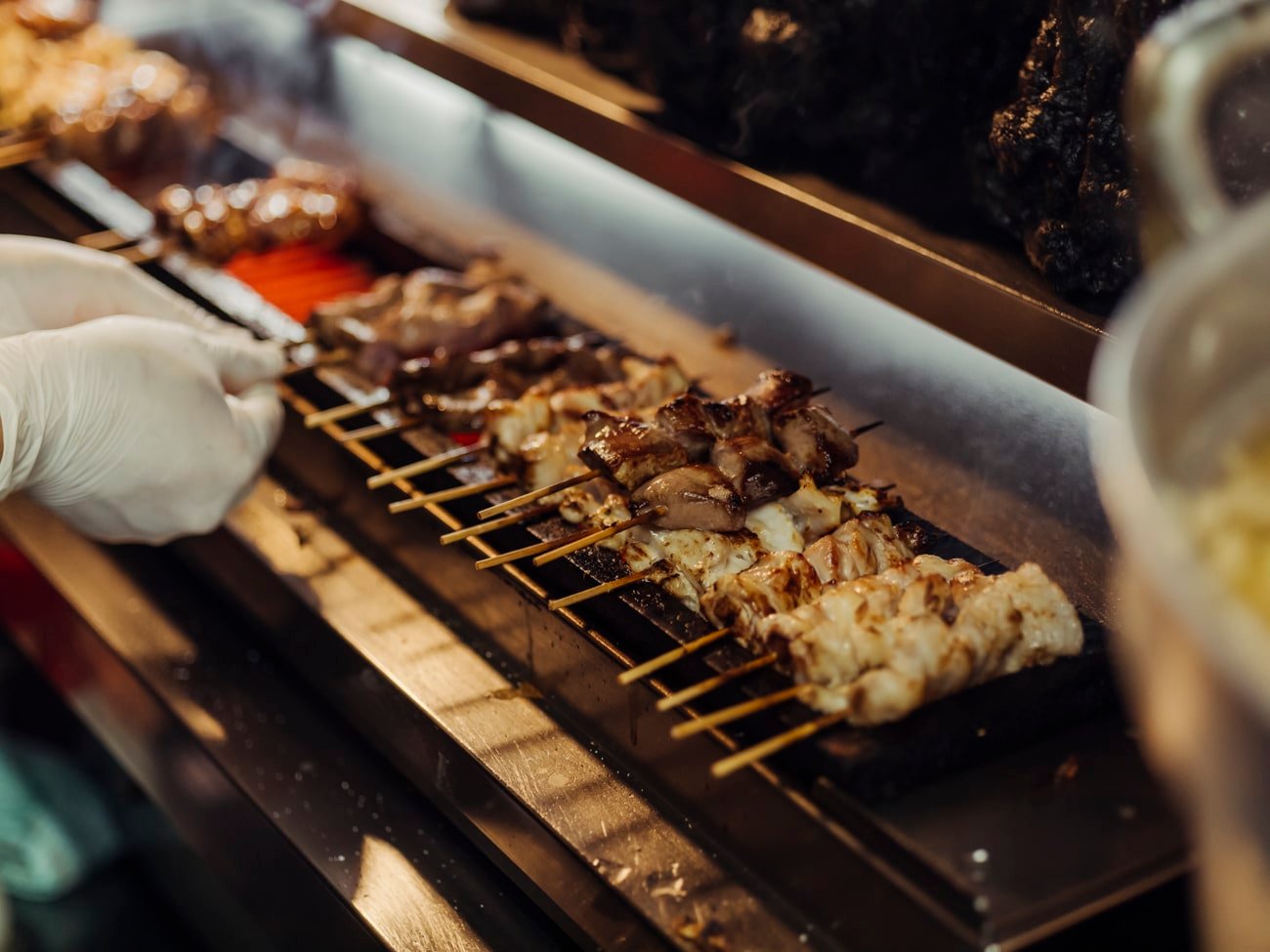
The Chef’s Choice Five-Skewer Platter (1,150 yen), which includes thigh meat made with Daisen chicken, is a great first order. The selection changes from day to day, but on this occasion, from left to right, it included cartilage, heart, thigh, skin, and tsukune. One of the shop’s long-standing points of pride is that even the cartilage skewers come with plenty of meat on them, making them especially satisfying.
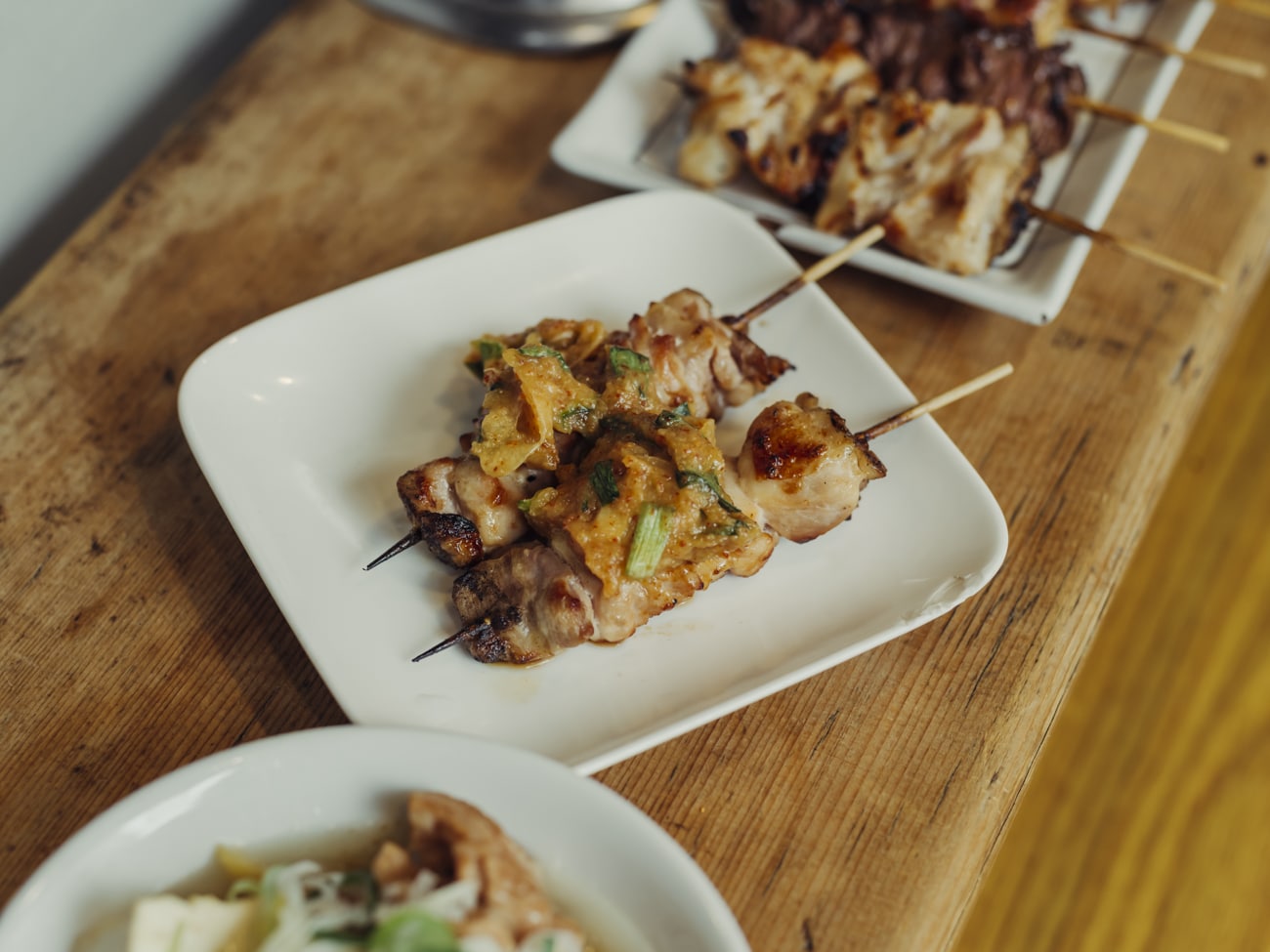
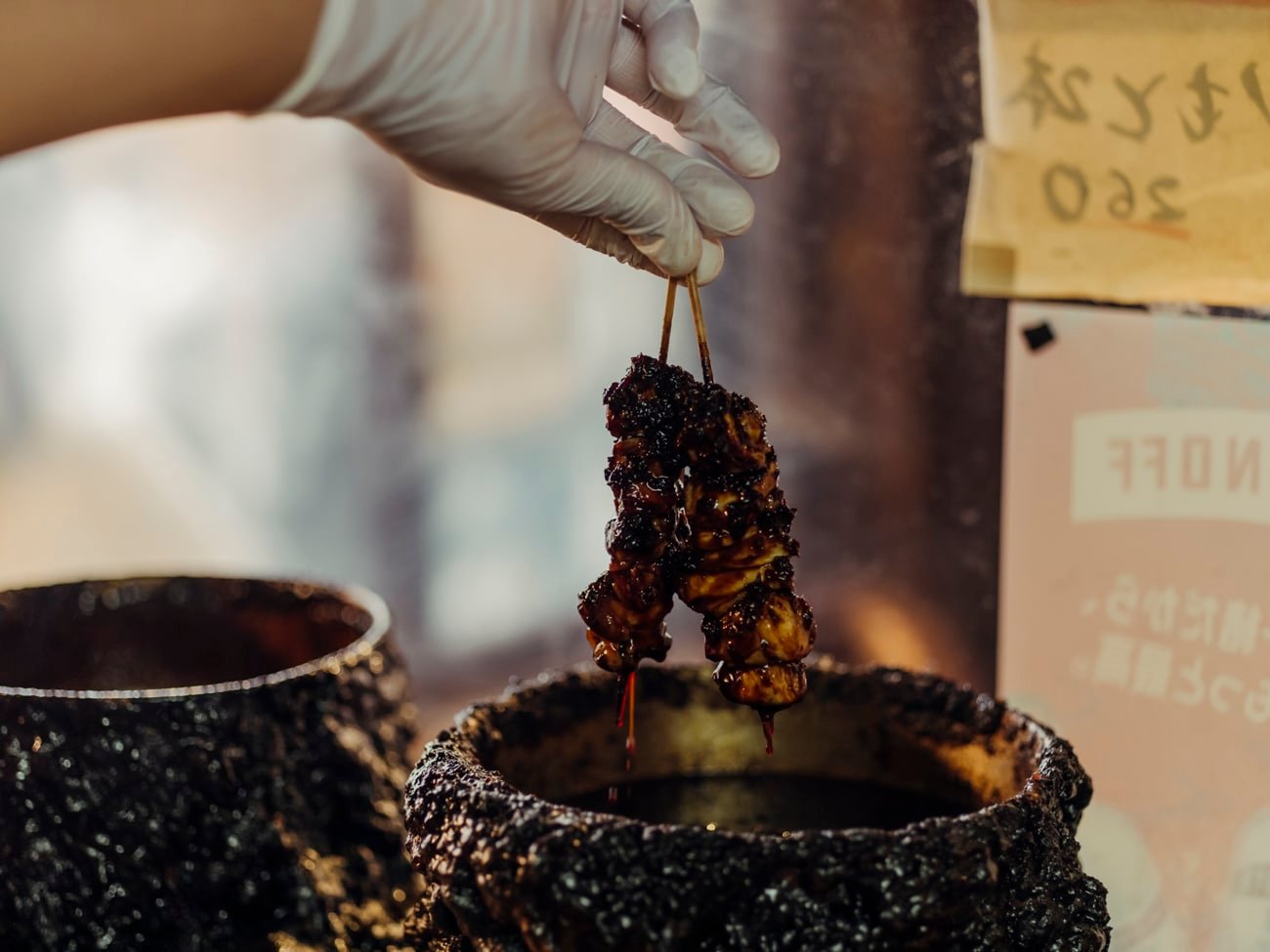
The house specialties recommended by the shop also use thigh meat from the same Daisen chicken. One is Miso Garlic (400 yen for two skewers), in which the thigh meat is generously coated with a special miso mixed with lots of garlic. The other is Garlic Sauce (400 yen for two skewers), in which freshly grilled thigh meat is dipped in a garlicky sauce. Both have an unforgettable impact, with the aroma of garlic hitting you the moment you take a bite. They are so punchy that some people joke, “I can’t possibly meet anyone after eating these.” But that bold flavor is exactly what has made them local favorites.
Miso Garlic (400 yen for two skewers), with a generous coating of the shop’s punchy special miso.
Garlic Sauce (400 yen for two skewers), dipped in the shop’s dark, rich secret sauce.
With practiced skill, the skewers are grilled one after another—beautifully browned on the outside and juicy within.
Another appeal of Yakitori Ueno Bunraku is its early opening hours. It opens at 12:00 p.m. on weekdays and at 11:00 a.m. on weekends and public holidays. Since it opens during the day, you can of course start drinking from lunchtime. Sightseers stopping by between stops, people coming in after work, and local regulars all gather here from early in the day. The menu centers on yakitori and small plates meant to be enjoyed with drinks. Since there are no rice dishes or other hearty finishing items, it is also ideal for bar hopping—stopping in for a quick drink and a few bites before heading to the next place. There can sometimes be a line, but turnover is relatively quick, so it is worth waiting rather than giving up.
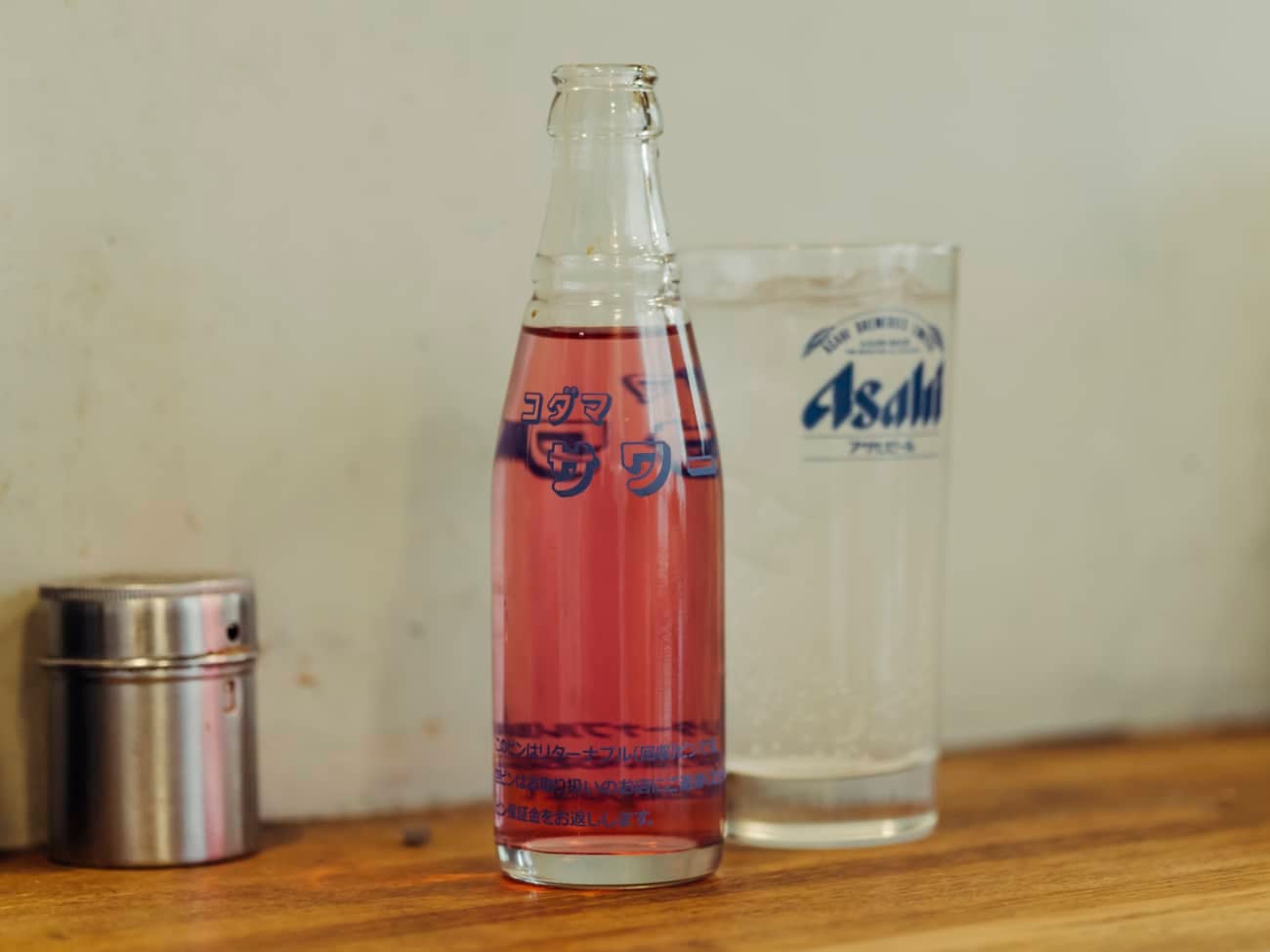
You can also enjoy “Vice Sour” (460 yen), served the traditional “Naka–Soto” way: shochu in one glass, the vividly pink shiso-flavored mixer served separately for you to pour yourself. Its crisp, refreshing taste pairs perfectly with the rich garlic flavors of the yakitori.
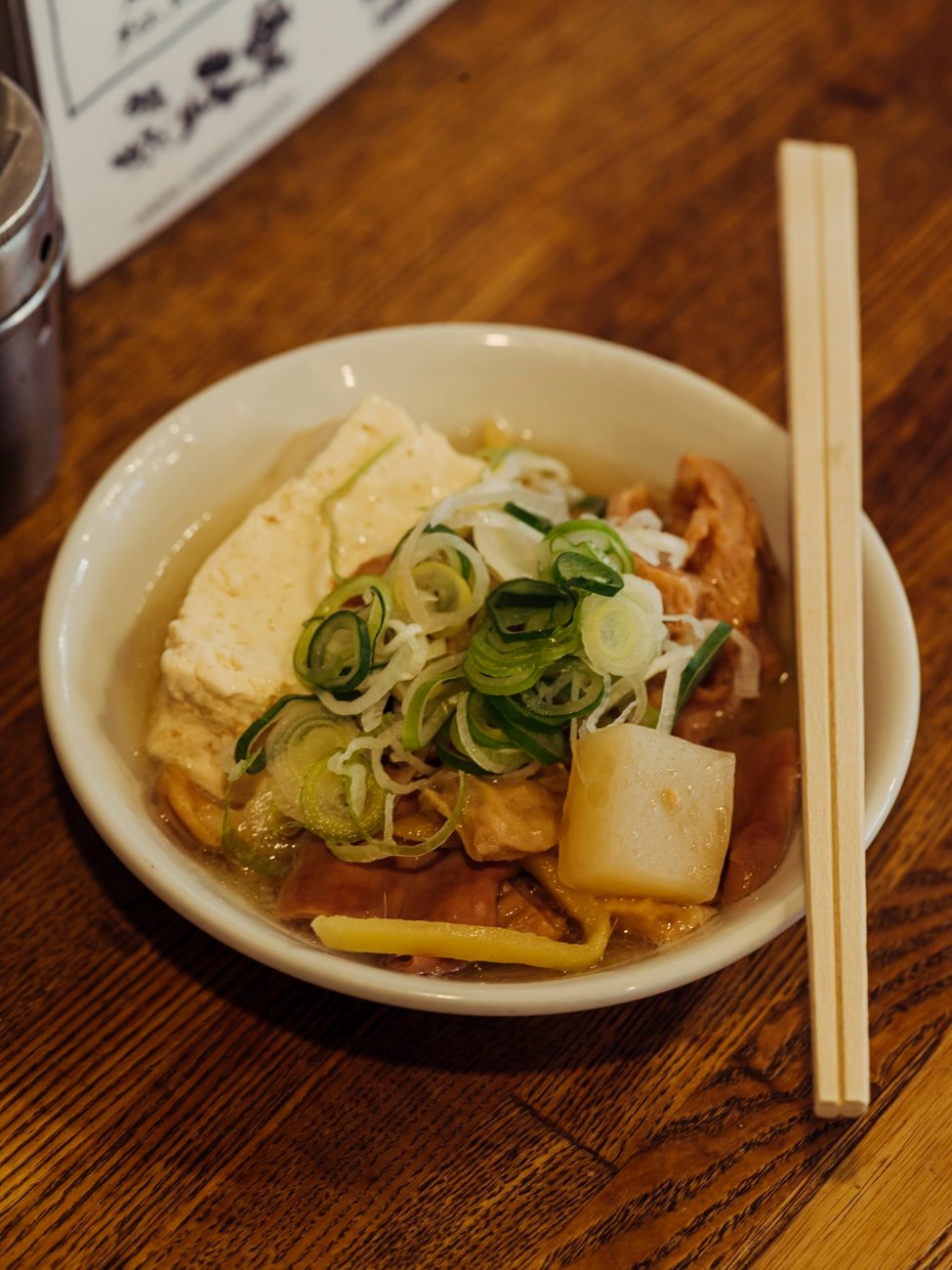
Another must-order dish besides the yakitori is “Motsuni” (Beef Offal Stew) (490 yen). The broth is light and salt-based, but the beef offal is simmered until meltingly tender, making for a deeply satisfying dish.
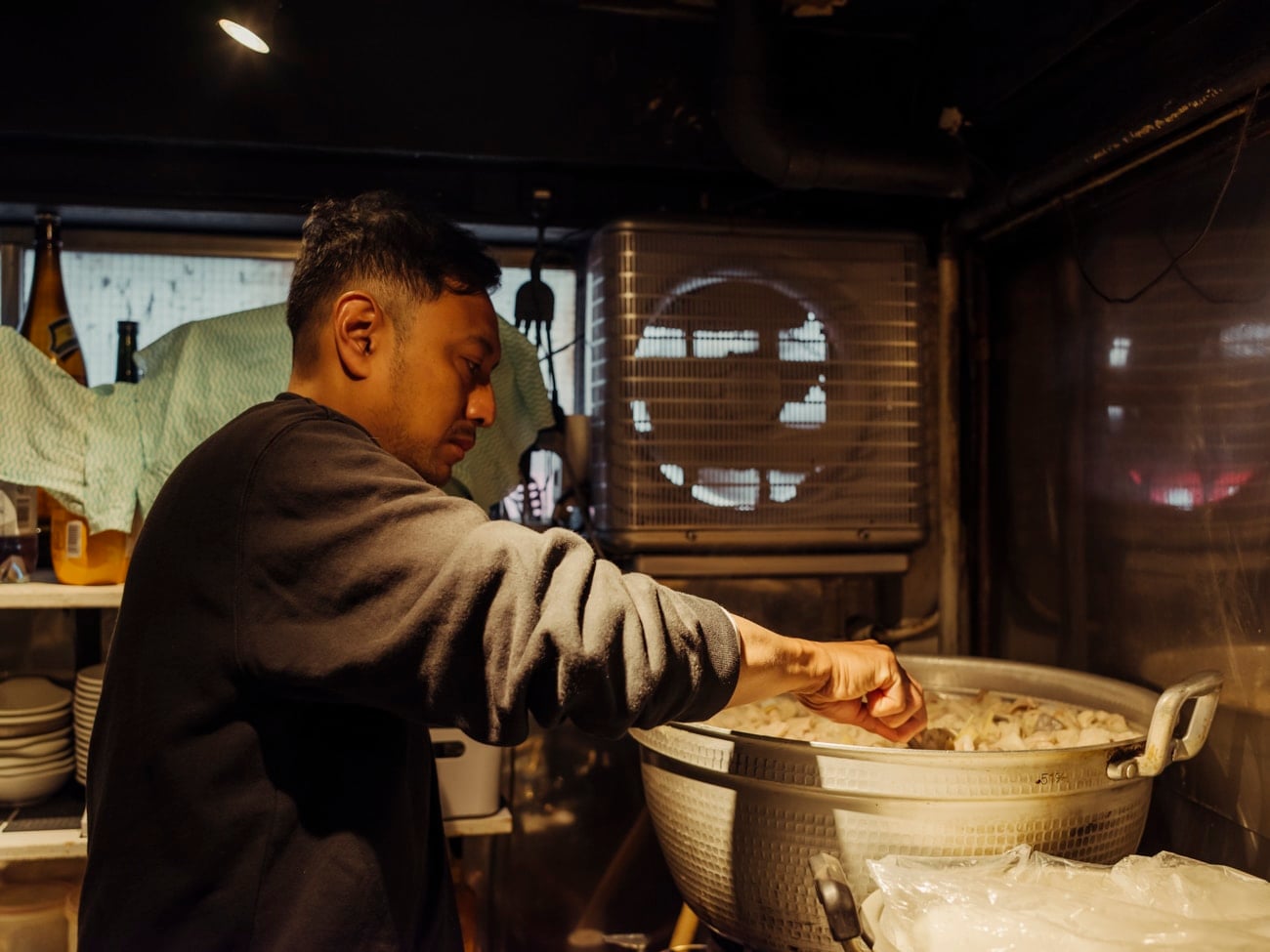
“Motsuni” (Beef Offal Stew) is slowly prepared in a large pot by the manager, Mr. Asami. He worked part-time at Ueno Bunraku when he was a student, later returned after repeated encouragement from the shop, and now serves as its manager.
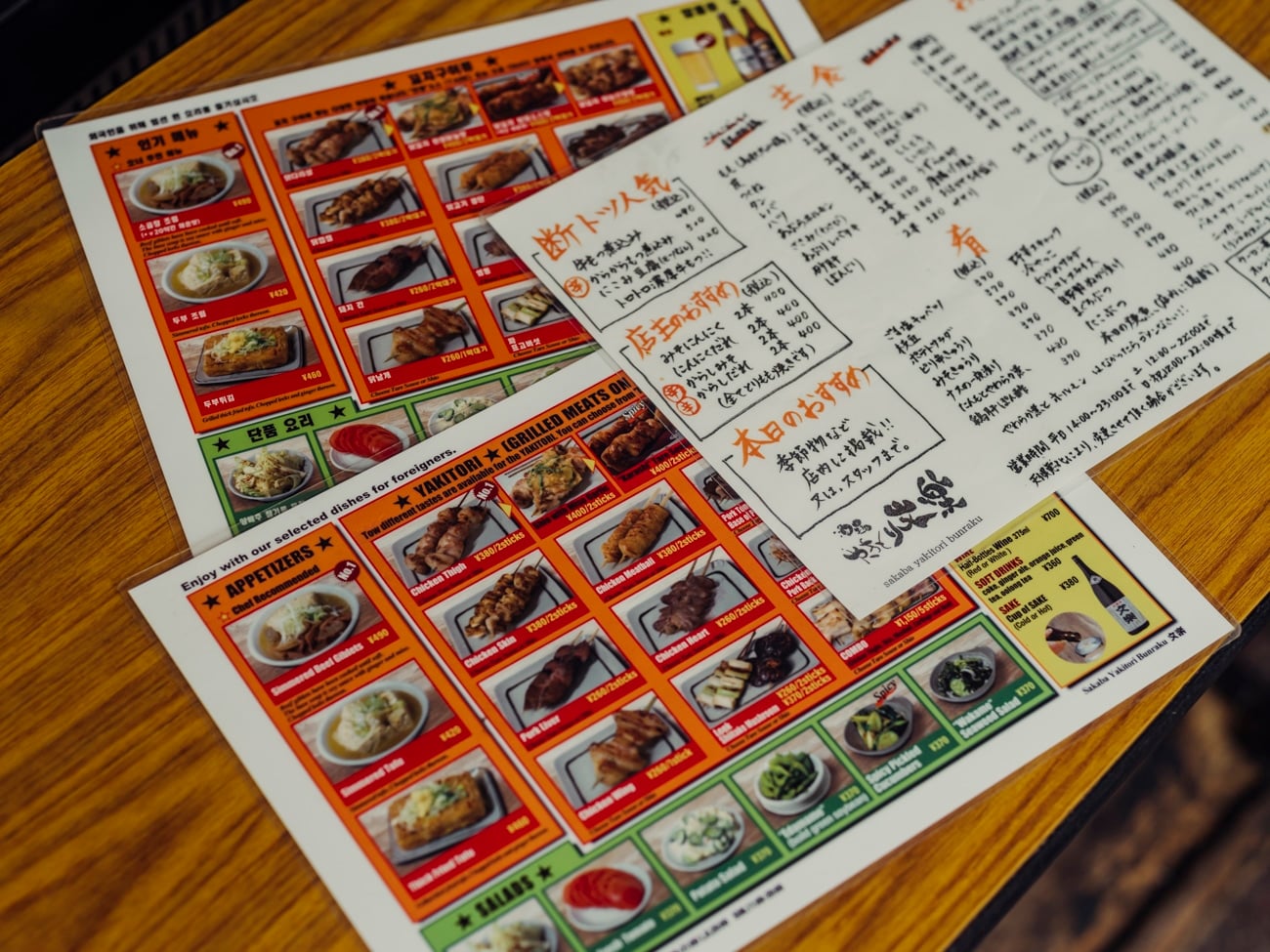
Fitting for Ueno, which sees many international visitors, the shop offers not only an English menu but also a Korean one.
You will be welcomed by a cheerful, international staff.
The information contained this article was correct as of 04/15/2026 (the time of publication)