DEEPTOKYO
magazine

EN


AREA
DEEPTOKYO
magazine
EN
AREA
Roppongi has become a vibrant hub for art and design, bringing together creators from Japan and around the world. Tokyo Midtown has played a key role in shaping this creative scene and hosts the annual autumn design event TOKYO MIDTOWN DESIGN LIVE. The theme for 2026 is Mitsumeru (“see, imagine, discover”), encouraging visitors to explore how design can enrich everyday life through exhibitions, music, food, books, and more.
SHARE


Home to museums and design institutions, Roppongi is a neighborhood that sparks intellectual curiosity.
Since opening, Tokyo Midtown has embraced "Design & Art" as a defining part of its identity, establishing itself as a cultural hub that fosters creativity and new ideas. With institutions such as 21_21 DESIGN SIGHT and Tokyo Midtown Design Hub, it promotes the value and potential of design while nurturing the next generation of creative talent and ideas.
As part of these efforts, Tokyo Midtown held Tokyo Midtown DESIGN TOUCH 17 times between 2007 and 2024, giving visitors opportunities to discover and engage with design. In 2025, the event was relaunched as TOKYO MIDTOWN DESIGN LIVE, building on its predecessor's vision while placing greater emphasis on the role of design in everyday life.
Returning for its second edition in 2026, the event once again welcomes graphic designer Taku Satoh, known for his work as general supervisor of the popular NHK E-Tele program Design Ah!, as creative director. Design journalist Takahiro Tsuchida serves as curator of DESIGN LIVE EXHIBITION.
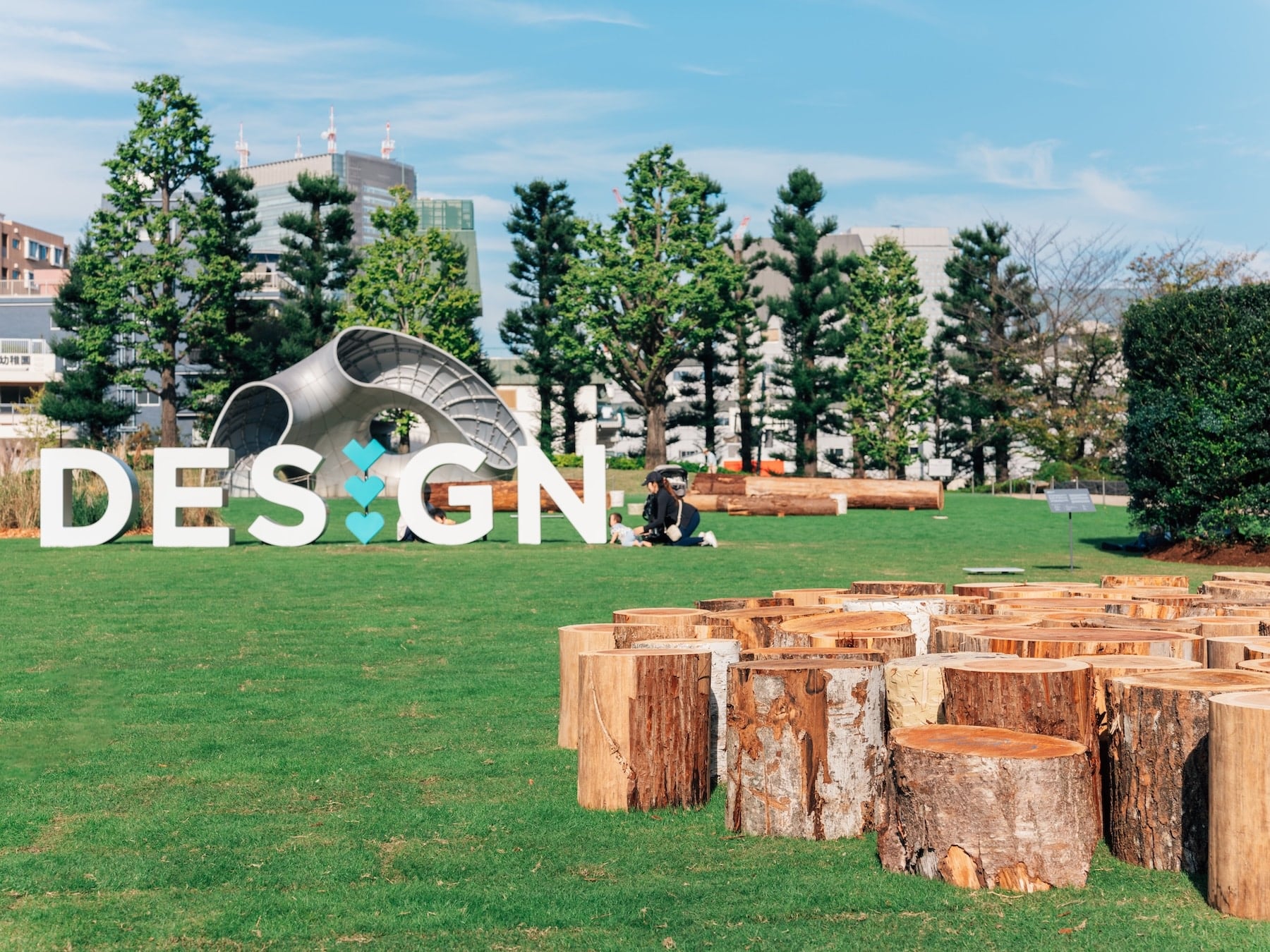
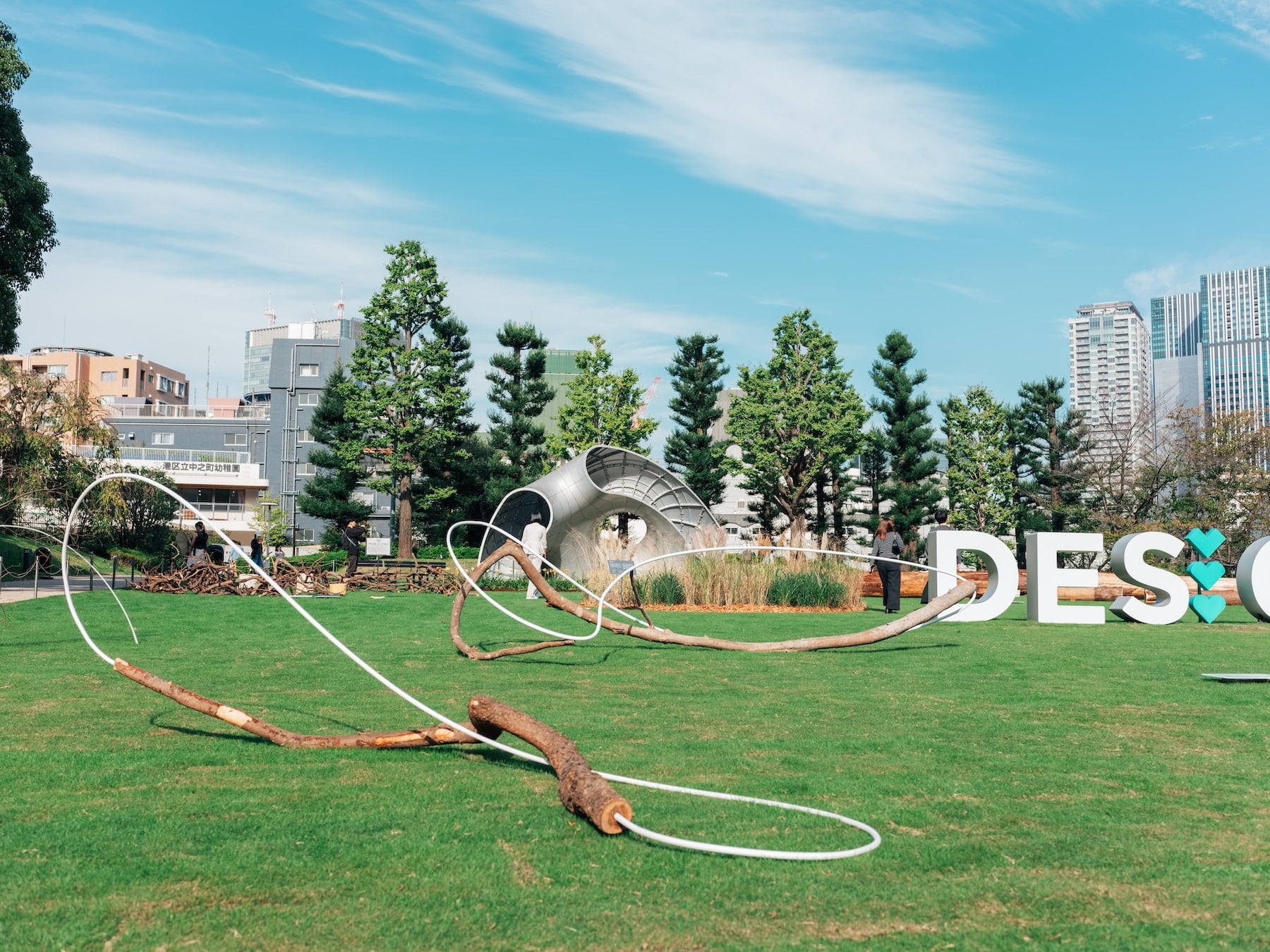
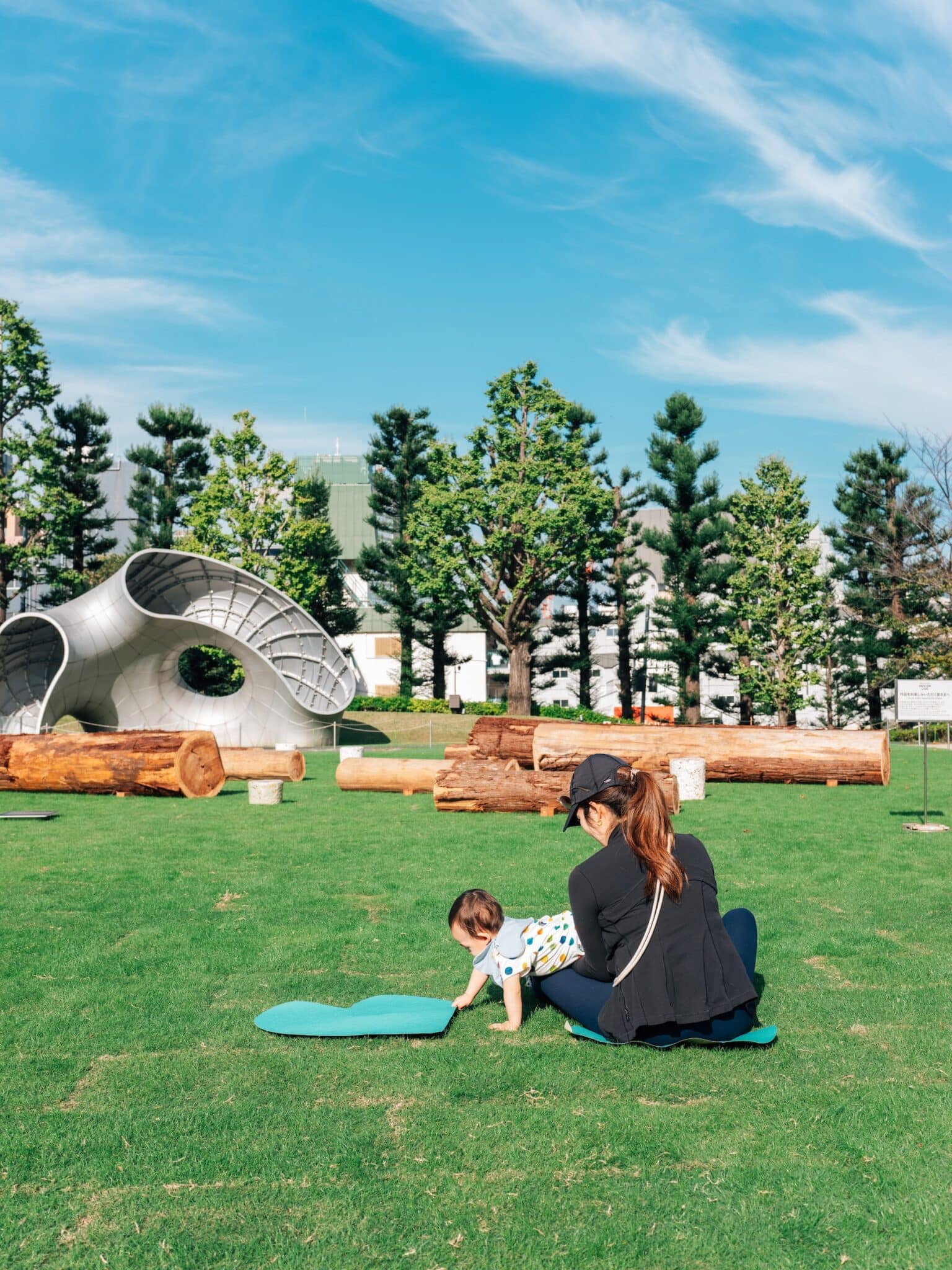
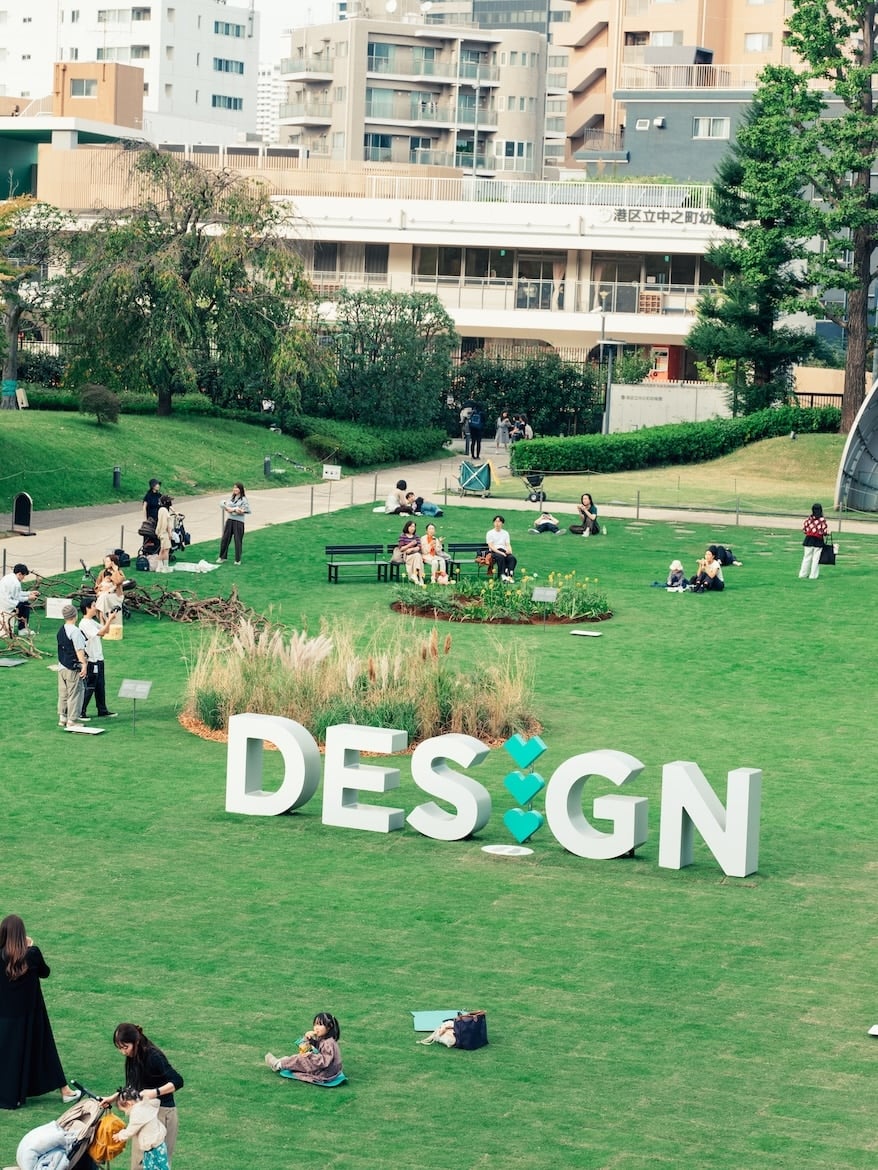
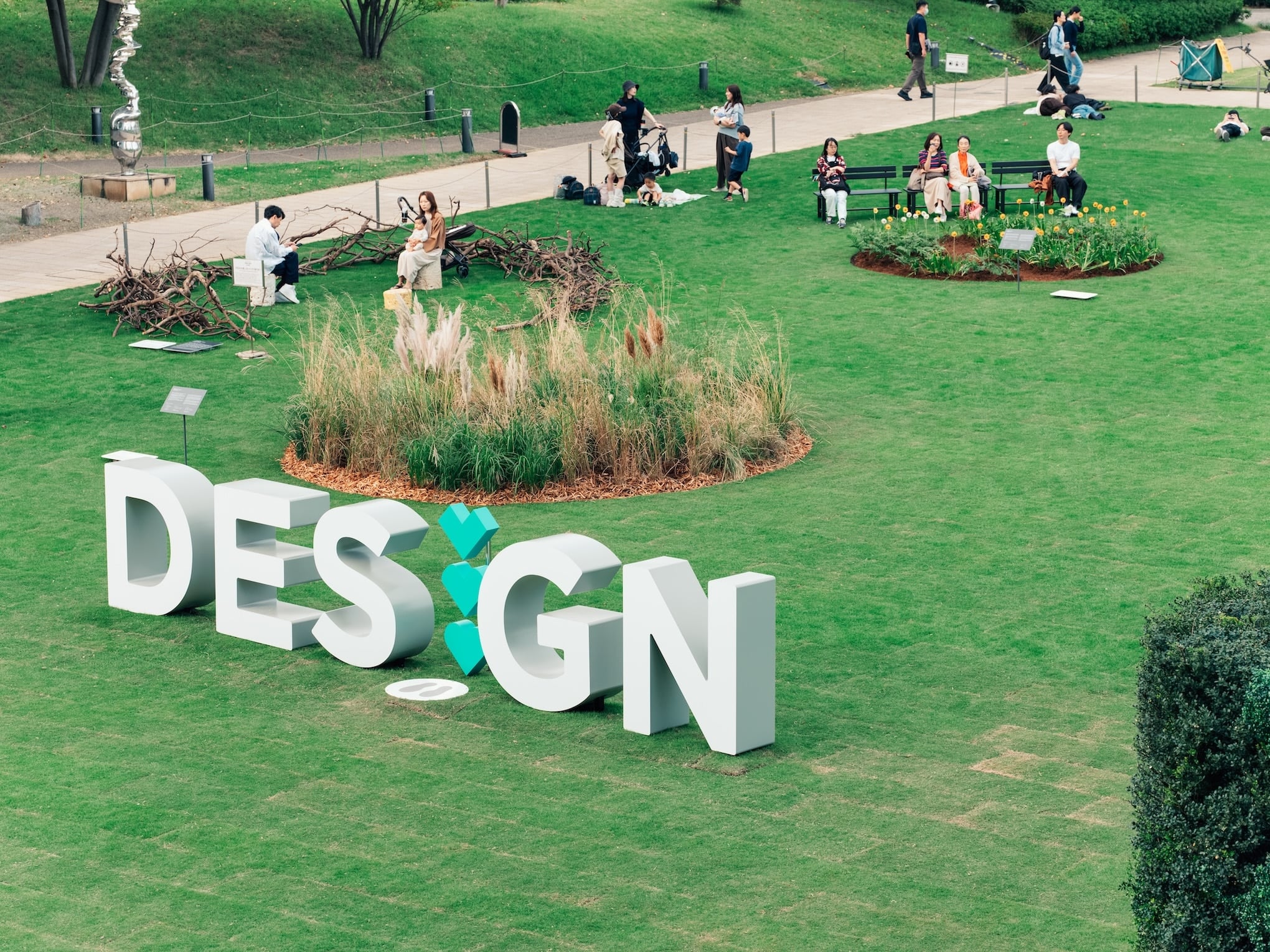
DESIGN LIVE EXHIBITION features works by three groups of artists on the Grass Square, where visitors can explore the installations in the gentle autumn sunshine, almost as if enjoying a picnic.
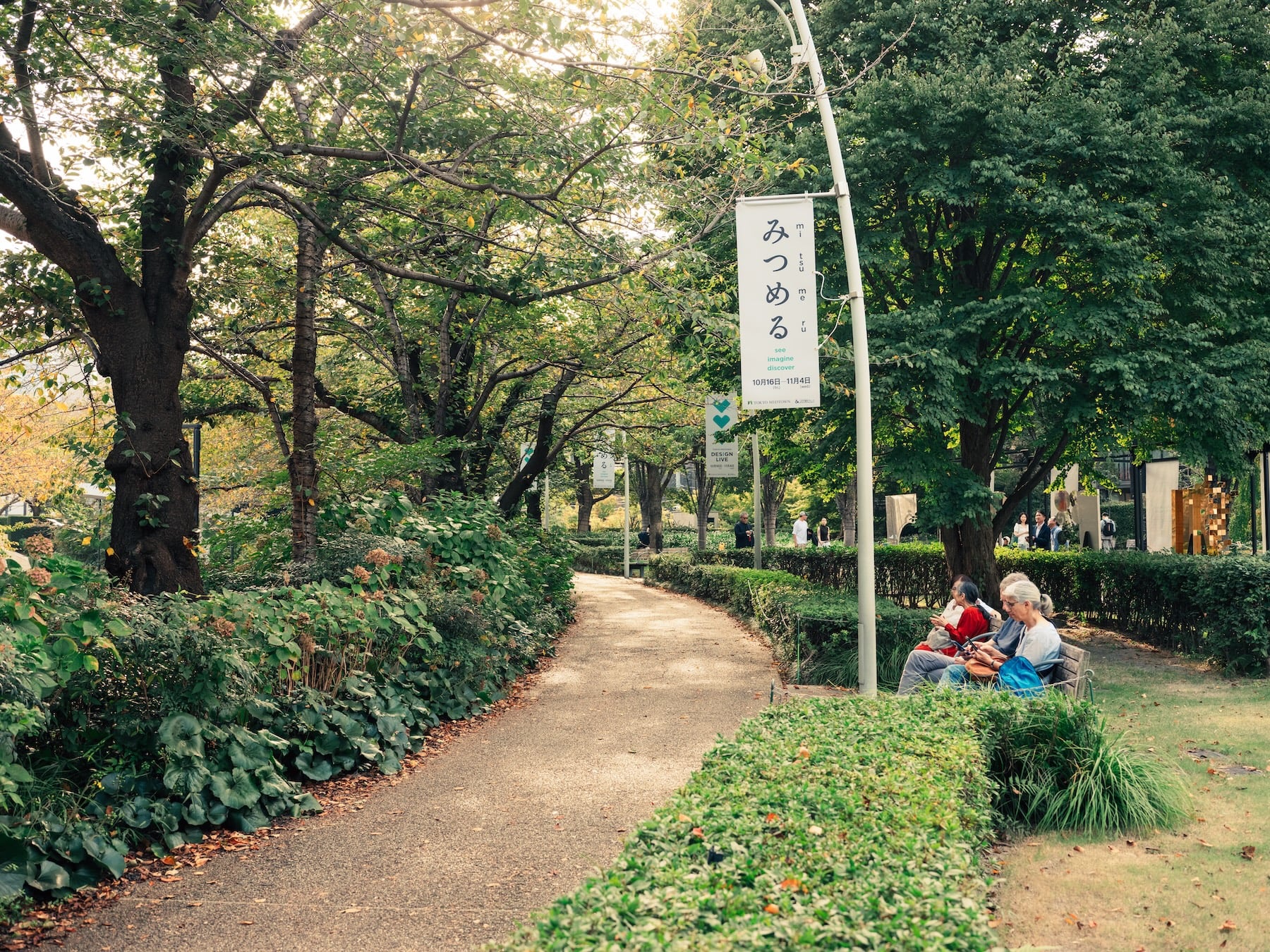
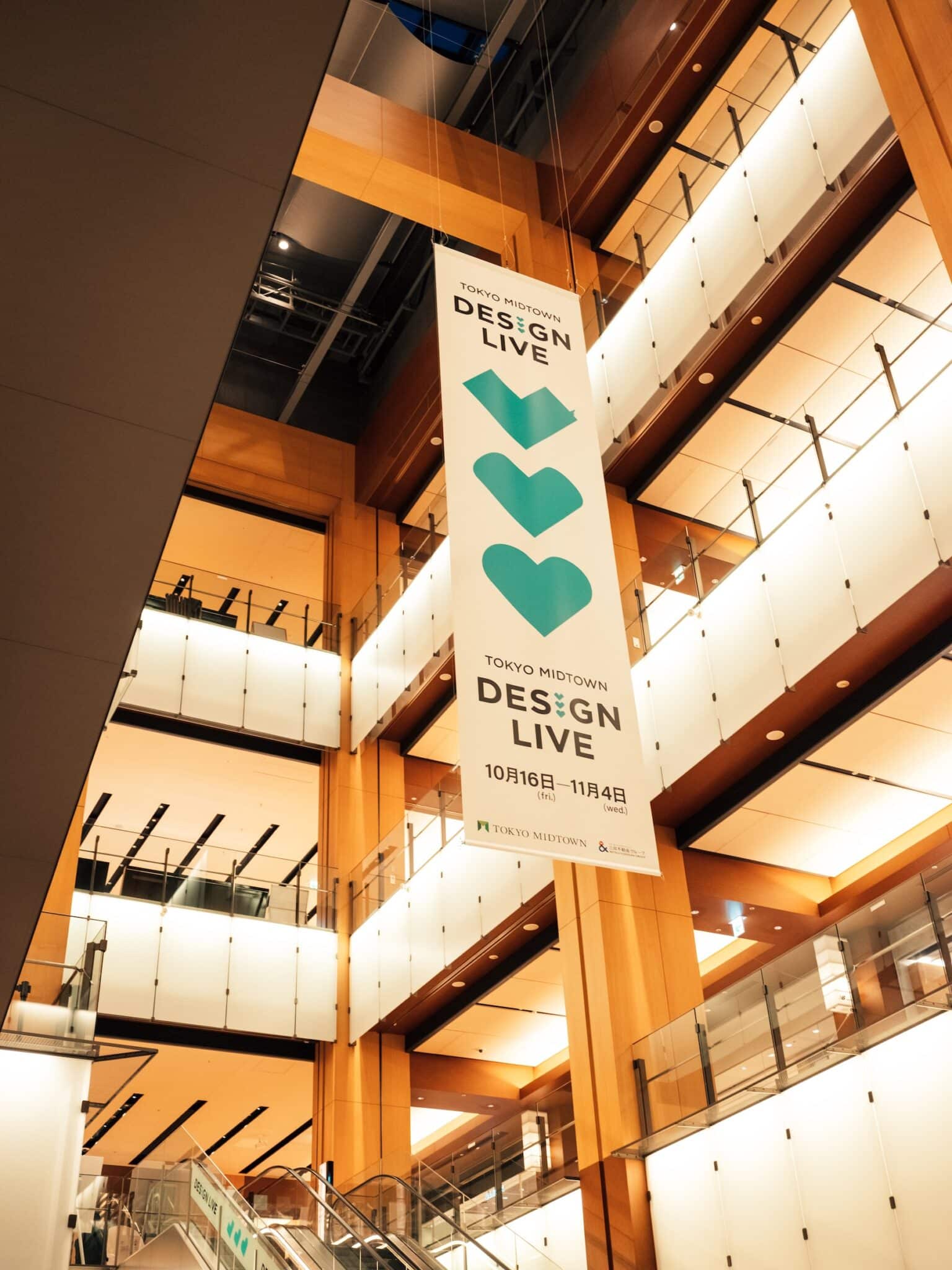
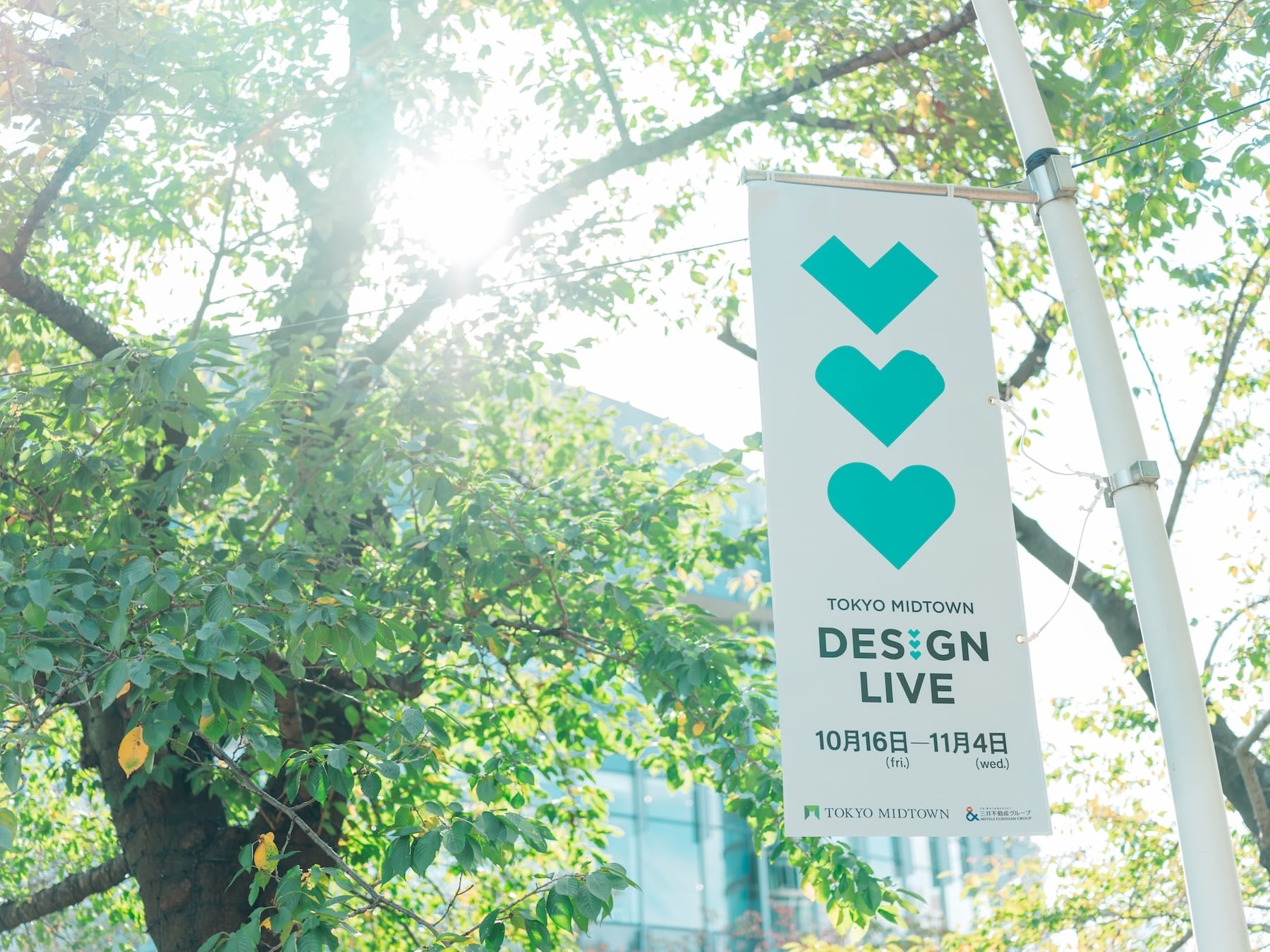
Flags displaying this year's theme, “Mitsumeru,” can be seen throughout the venue.
“Design plays a part in our everyday lives in countless ways, but most of it goes unnoticed. If we paid just a little more attention, wouldn't daily life become more interesting? Today, we're surrounded by so much information that we seem to have less and less time to focus on any one thing. I hope this event gives people a chance to enjoy taking a closer look at the world around them.” — Taku Satoh
“As curator, I selected creators whose work fits this year's theme, ‘Mitsumeru.’ Design isn't limited to what we can see. By looking closely rather than simply looking, we can gain a deeper understanding of what lies behind the work. I believe the pieces in this exhibition offer that kind of experience, and I hope visitors will take their time enjoying them.” — Takahiro Tsuchida
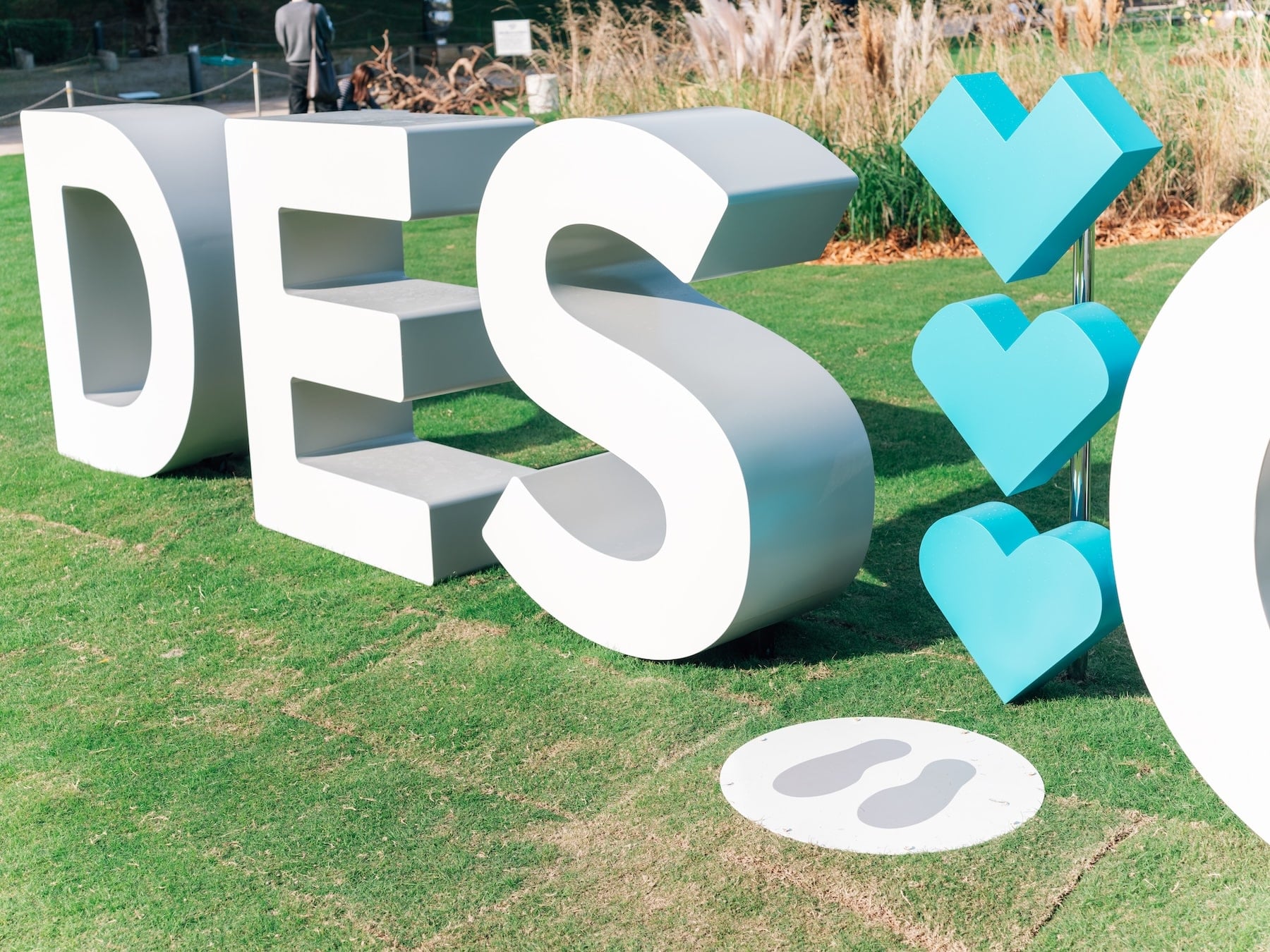
The event's symbol consists of three vertically arranged hearts. Combining sharp edges with softer forms, it expresses the idea of design as something that connects different things in meaningful and appropriate ways.
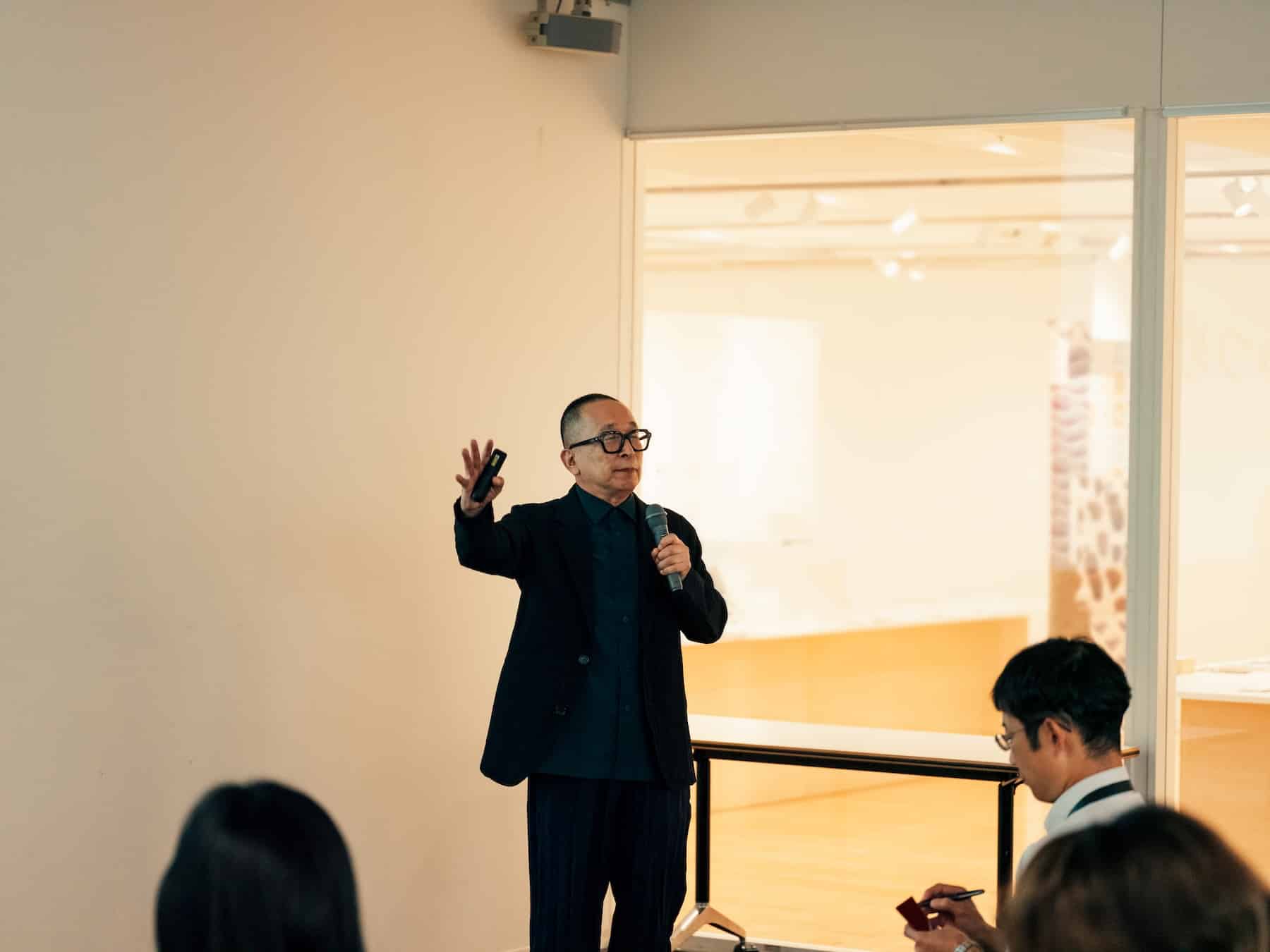
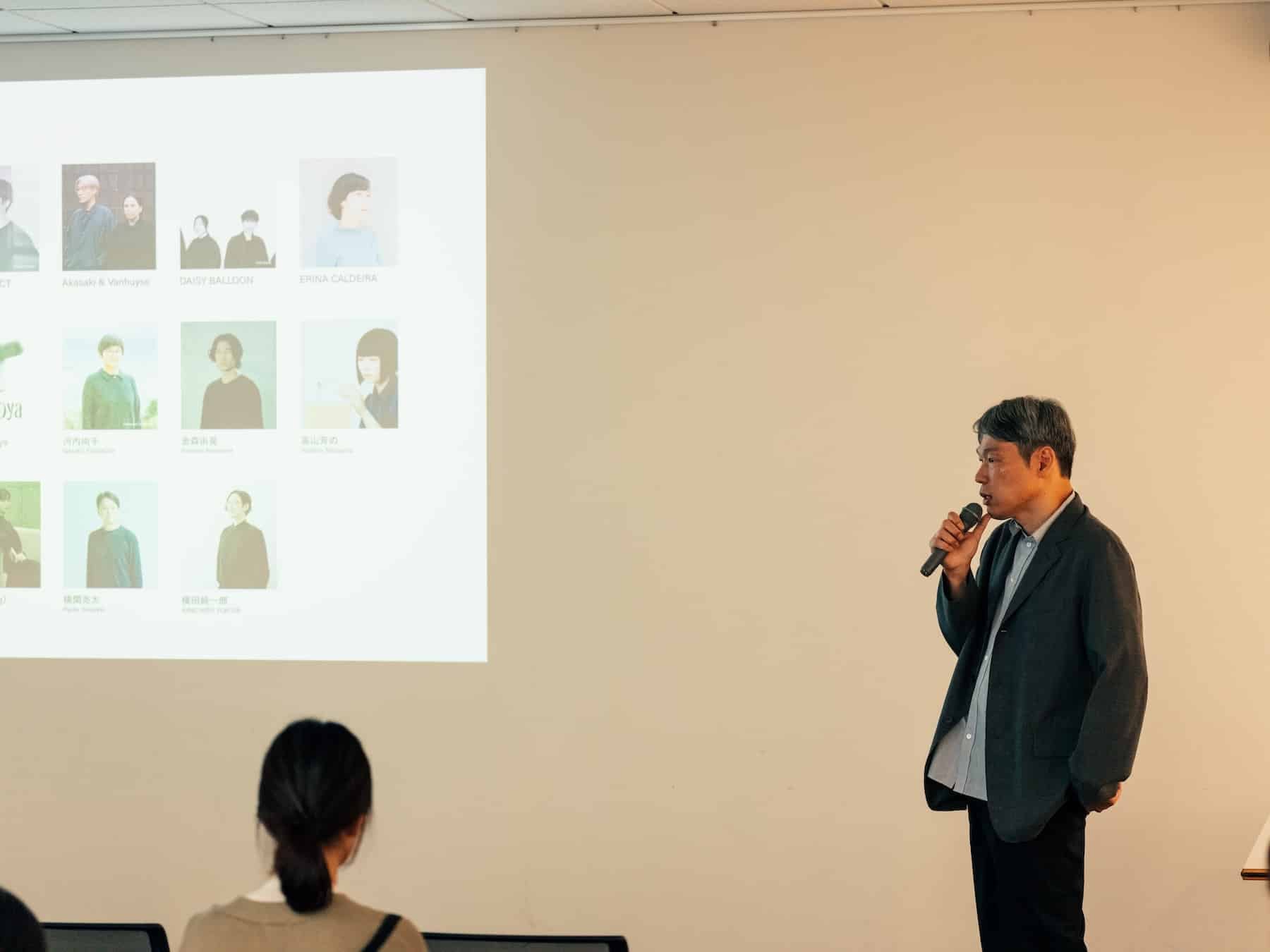
Takahiro Tsuchida, Curator of DESIGN LIVE EXHIBITION
DESIGN LIVE EXHIBITION Curator Takahiro Tsuchida
Under the slogan "A Design Event That Makes Everyday Life More Interesting," TOKYO MIDTOWN DESIGN LIVE 2026 invites visitors to rediscover the appeal and value of design in everyday life through exhibitions, music, books, and other programs. One of the event's defining features is the freedom to engage with the works in Tokyo Midtown's open spaces. Visitors can get up close, step back for a wider view, or even touch certain pieces. They are free to explore the works from different distances and angles, taking their time to look closely in whatever way suits them.
At the heart of the event is DESIGN LIVE EXHIBITION, a showcase of works by designers and artists active in Japan and internationally. Featuring 19 creators and groups, including emerging artists, the exhibition brings together works that encourage visitors to notice things they might otherwise overlook. Centered on the theme "Mitsumeru," the installations are displayed across the Grass Square and inside the Galleria.
One of the key elements of this year's exhibition is the way materials are used. Among the highlights is ForestBank | Made in TOKYO MIDTOWN, a collection of works by designer Yuma Kano displayed on the Grass Square.
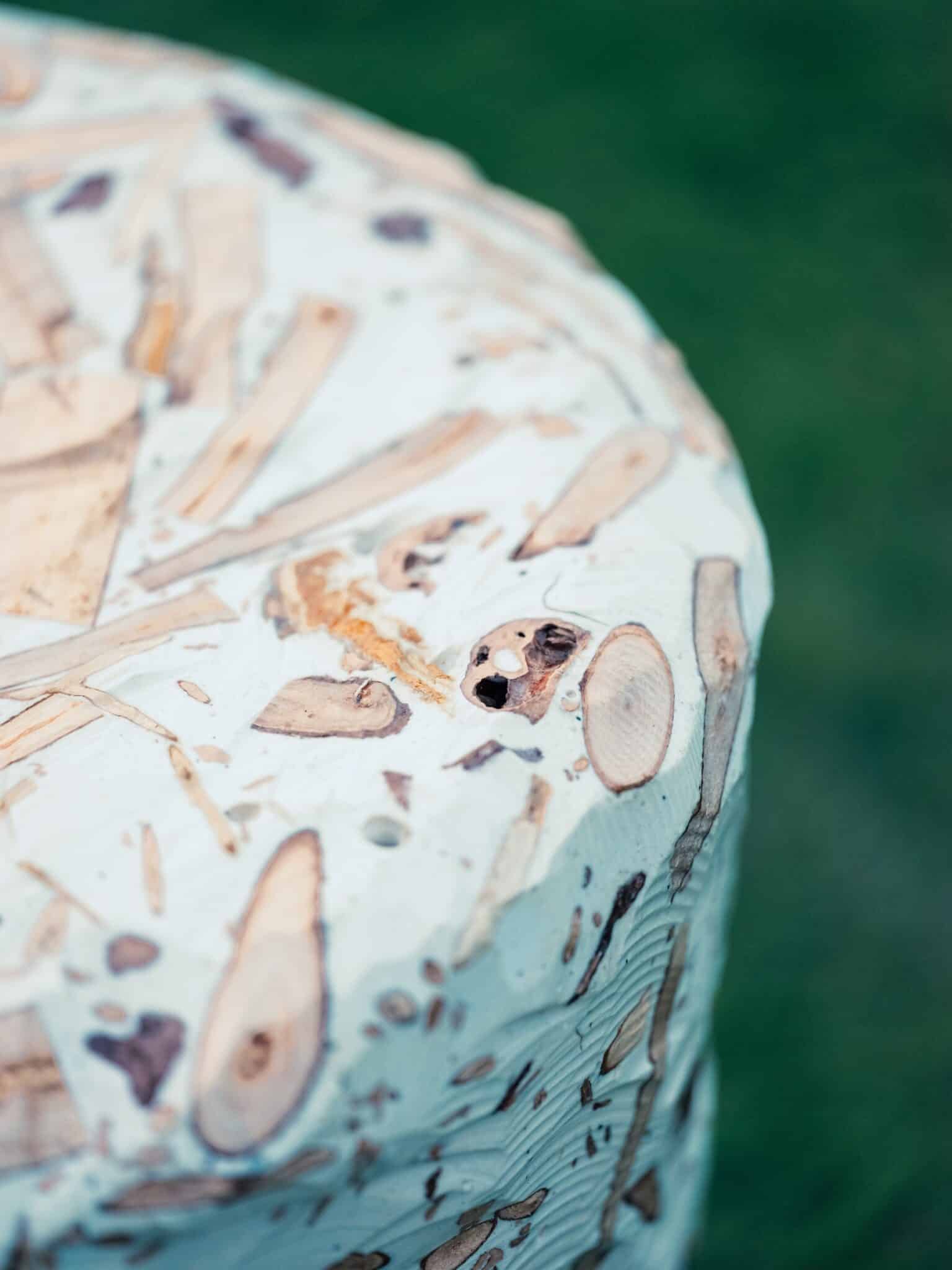
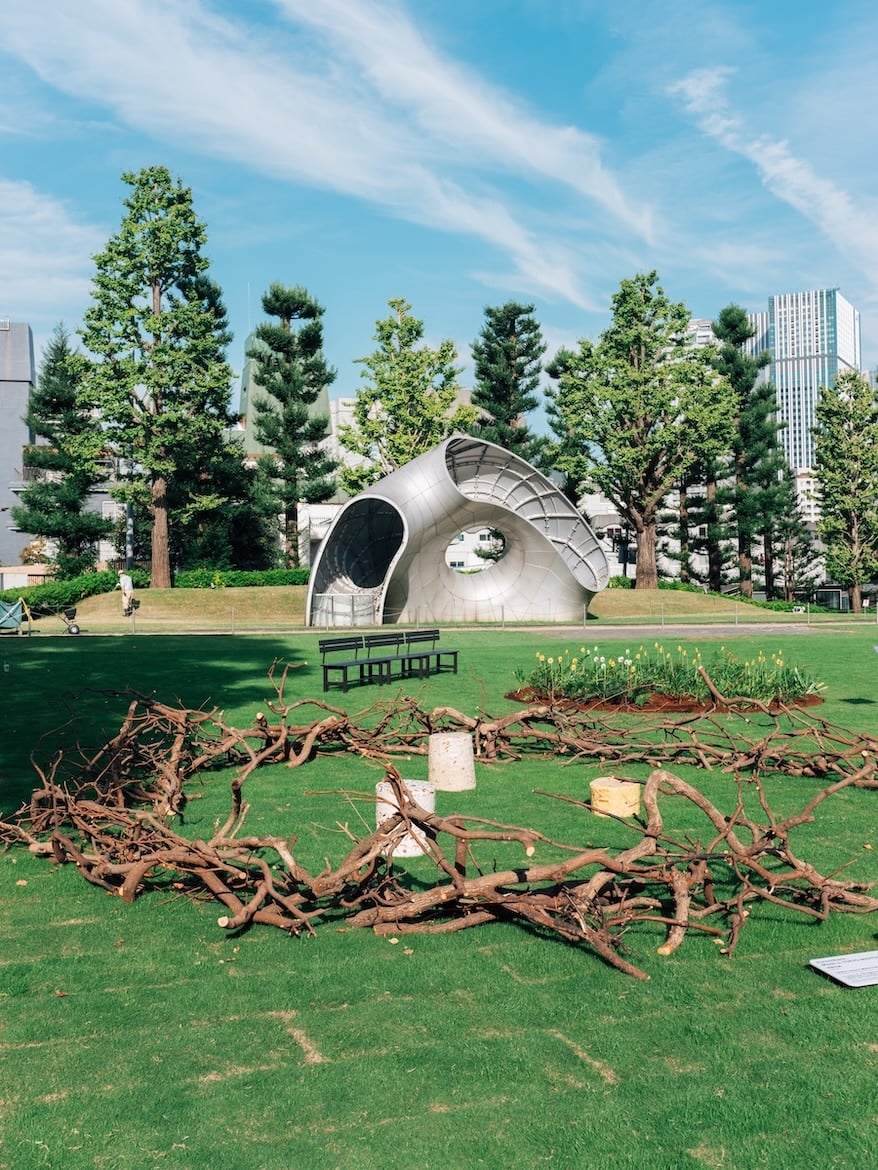
ForestBank is an emerging material attracting attention for its use of tree branches and leaves that would otherwise be discarded, combined with water-based acrylic resin. By displaying it alongside logs in their natural state, Kano encourages visitors to think about trees in both forests and urban environments, and to see the nature around them from a different perspective.
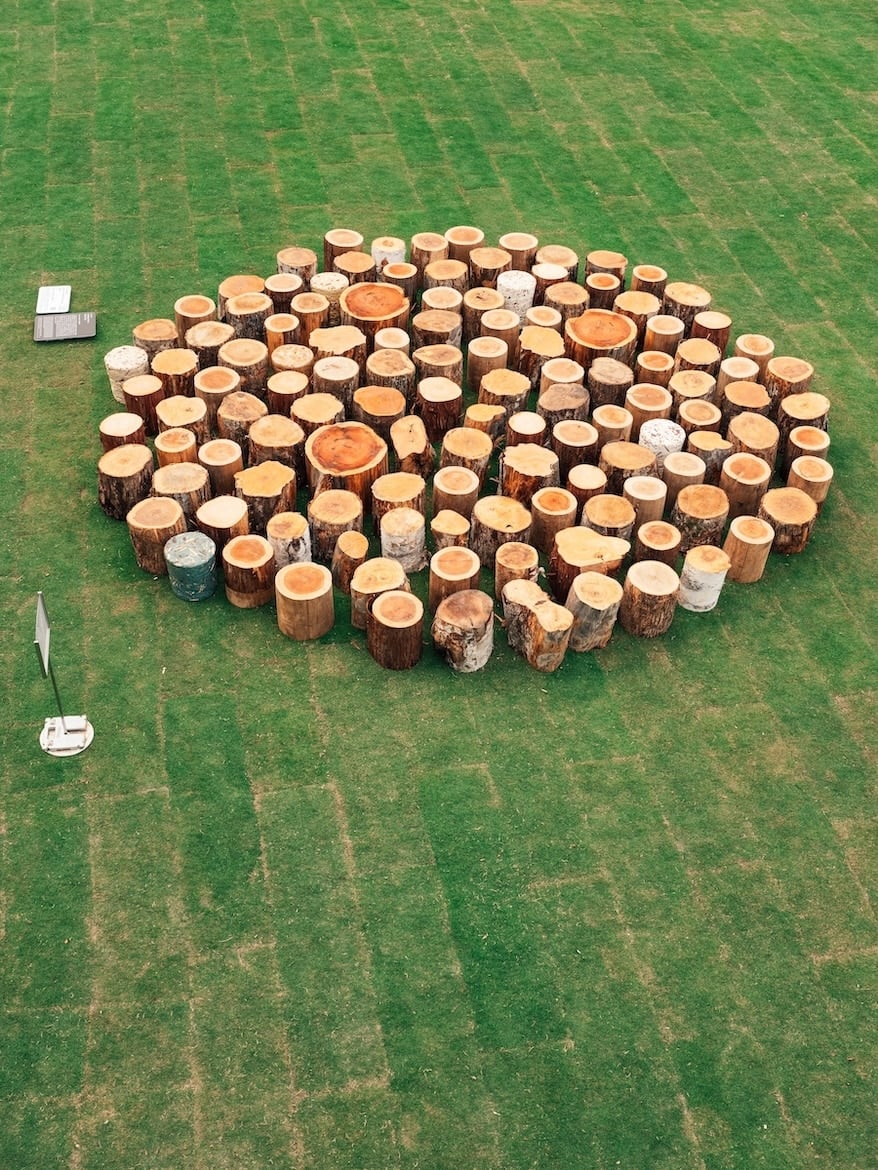
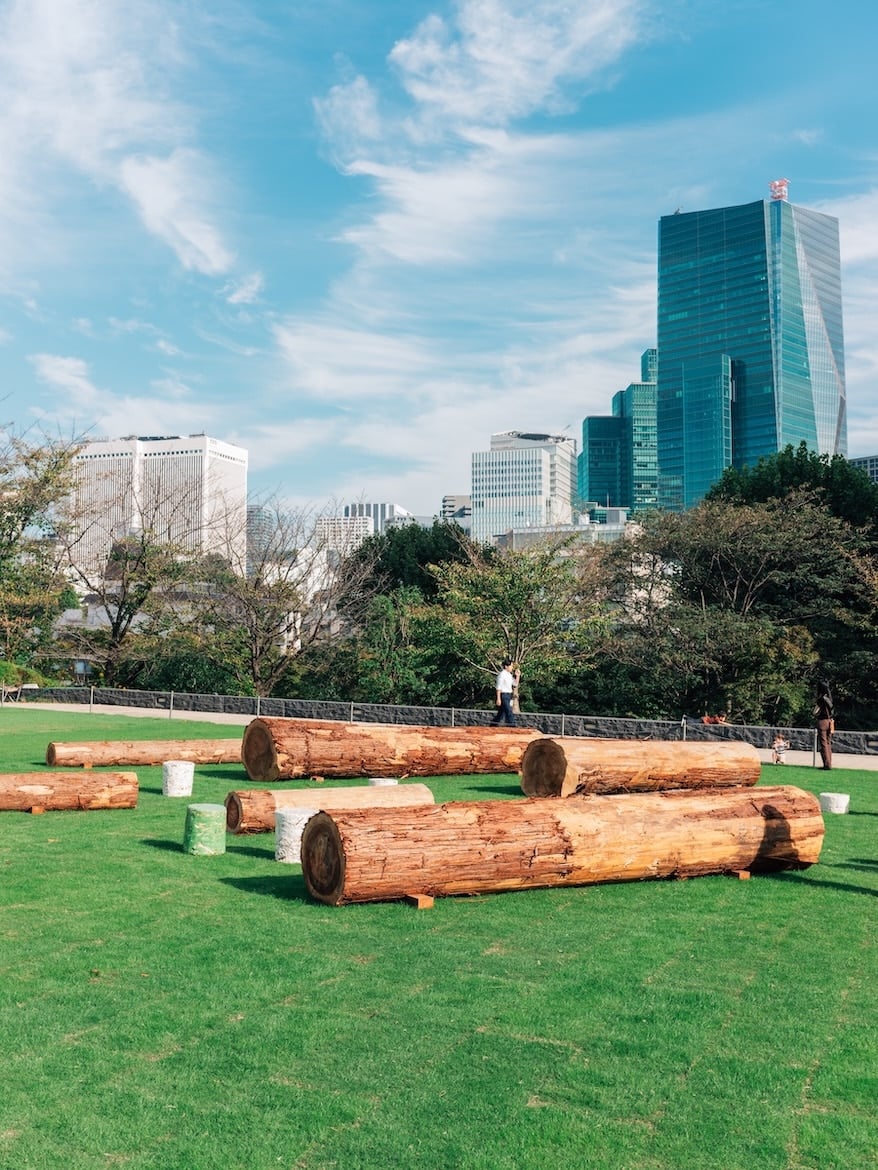
"Time in Trees" by Yuma Kano features 100 pieces made from natural logs and ForestBank. The installation brings together coniferous wood from Mitsue Village in Nara Prefecture, hardwood from Hida-Furukawa in Gifu Prefecture, and Kano's original ForestBank material, inviting visitors to notice the differences among them.
Visitors can touch, move, and even sit on the pieces, experiencing the weight and texture of each one firsthand.
ForestBank is Kano's original material, made by binding various branches and leaves together with acrylic resin. Some of the material also comes from trees pruned on the Tokyo Midtown grounds.
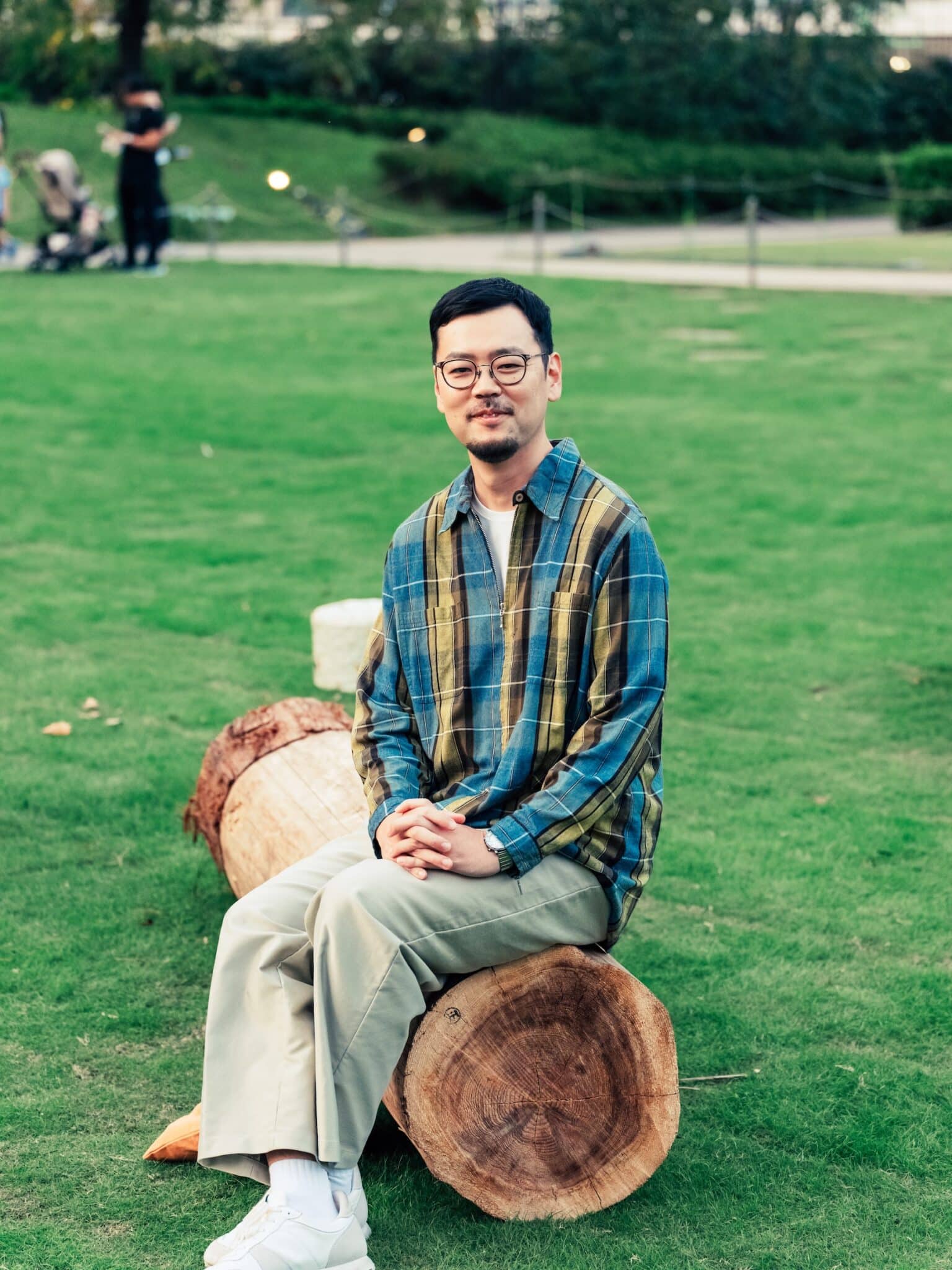
Yuma Kano studied interior architecture at Tokyo Zokei University. His work offers a distinctive perspective on product and interior design. For this exhibition, he says he challenged himself to "look closely at trees."
In "Logs as They Are", Kano arranges rough, unprocessed logs from Mitsue Village in Nara Prefecture within an urban setting. Their natural forms bear traces of the environments in which the trees grew and the passage of time. Kano hopes visitors will experience "trees as they are."
"Looking at Trees", another work by Kano, is made entirely from branches collected during tree pruning at Tokyo Midtown. Part of the experience is imagining the passage of time and the environments that have shaped each branch.
Also on display outdoors are "Observing the Behavior of the World " by ecosystem design unit veig and Sae Honda, and "Lesson in Relations – Dialogue with Trees " by design studio TAKT PROJECT.
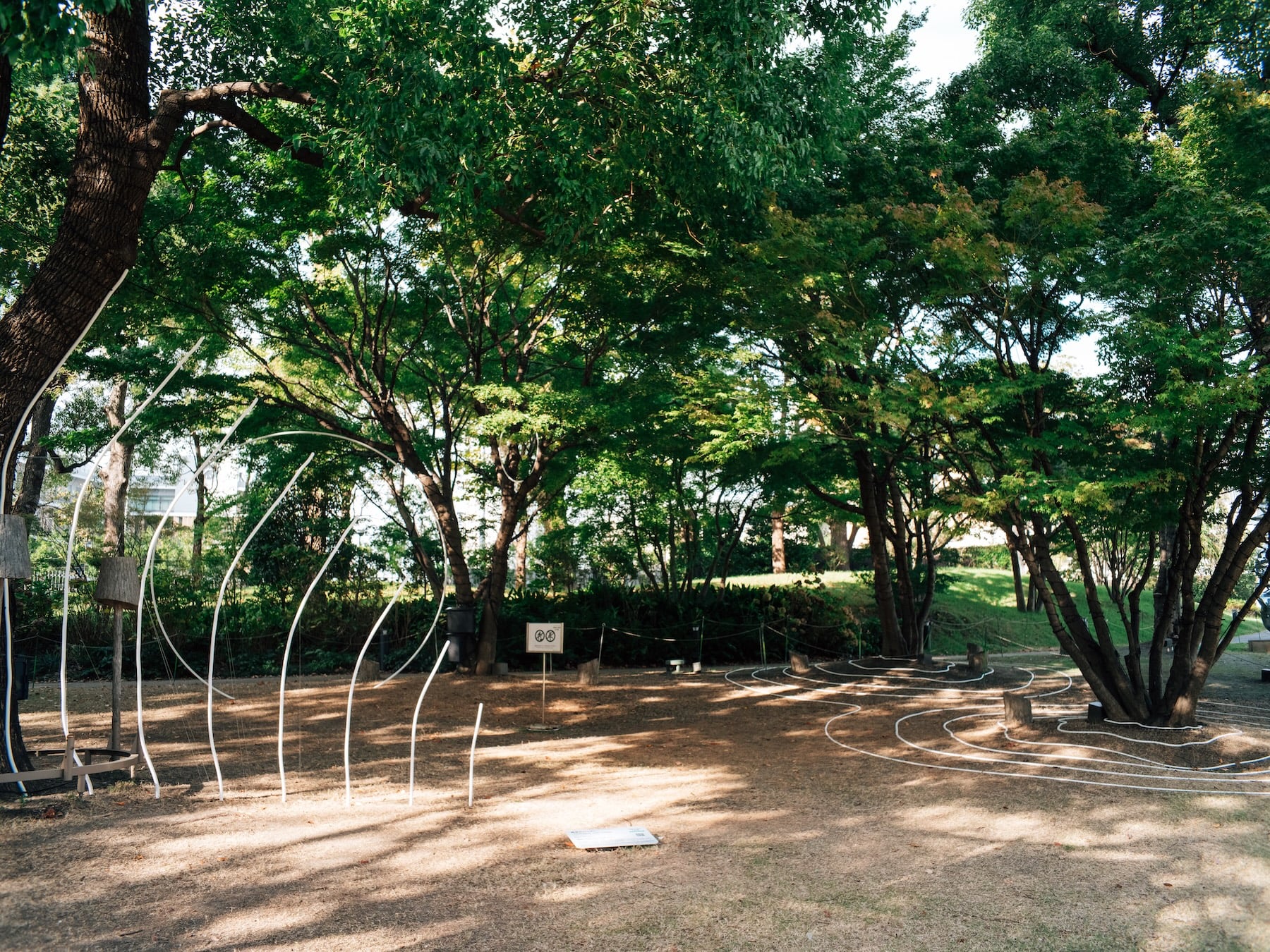
As visitors explore the works with the soft grass beneath their feet, their attention naturally turns to the surrounding trees and landscape. The installations encourage them to look beyond the works themselves and become more aware of the environment around them.
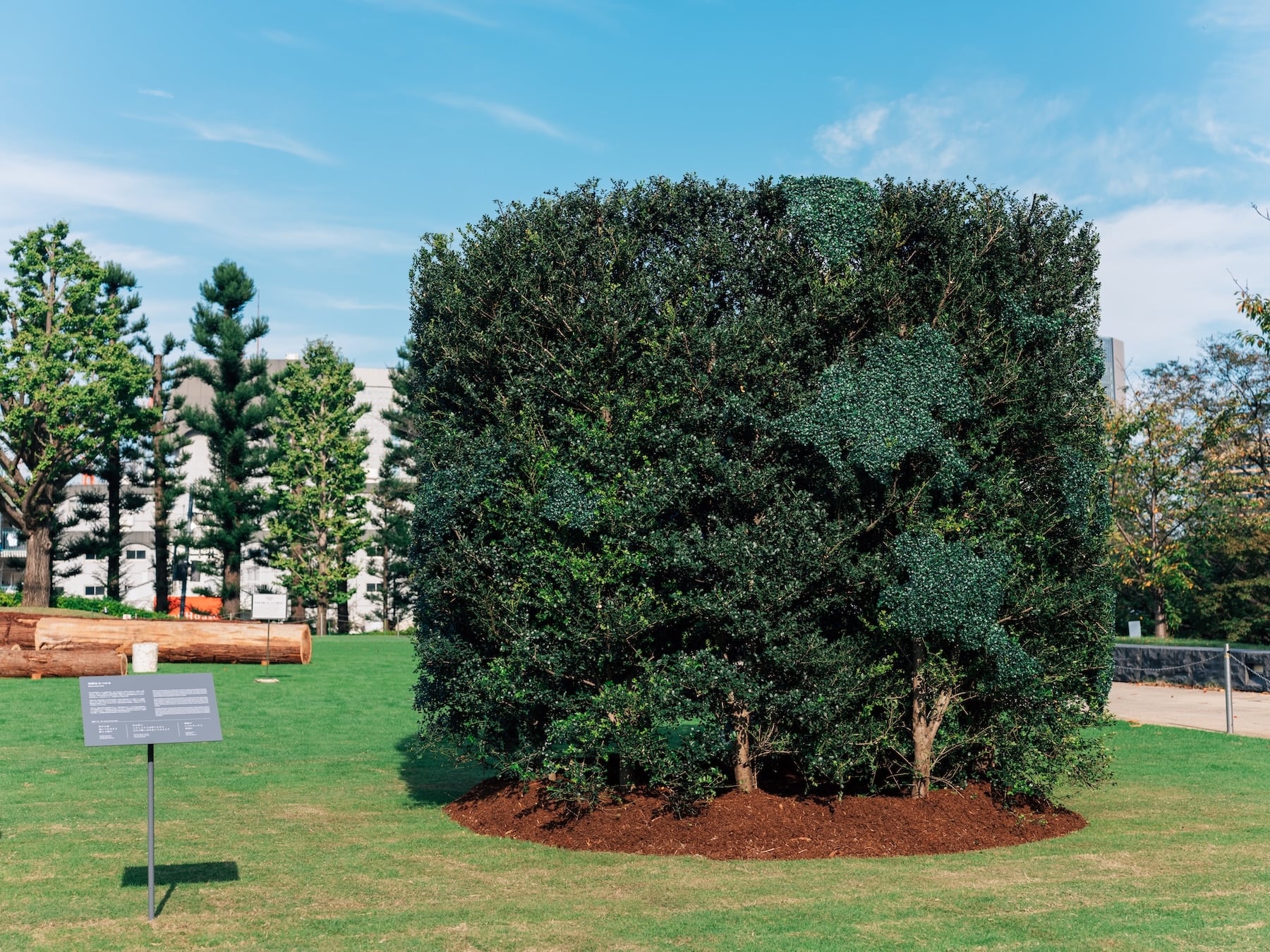
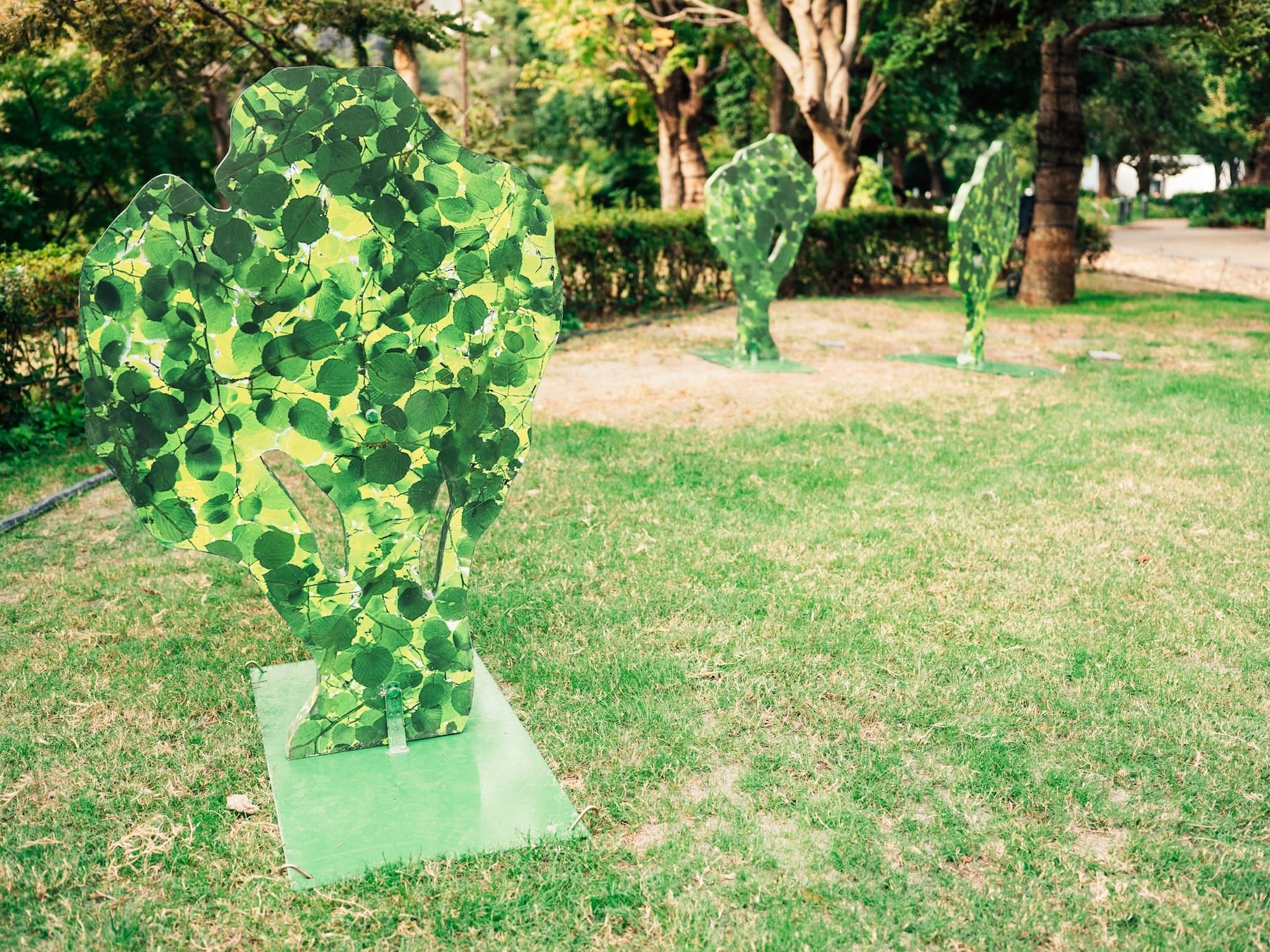
"Observing Time " by ecosystem design unit veig and Sae Honda questions how we perceive nature and the world around us. By adding artificial leaves and branches to a hedge, the artists fill gaps that would otherwise close naturally as the plants grow, drawing attention to subtle differences within the landscape.
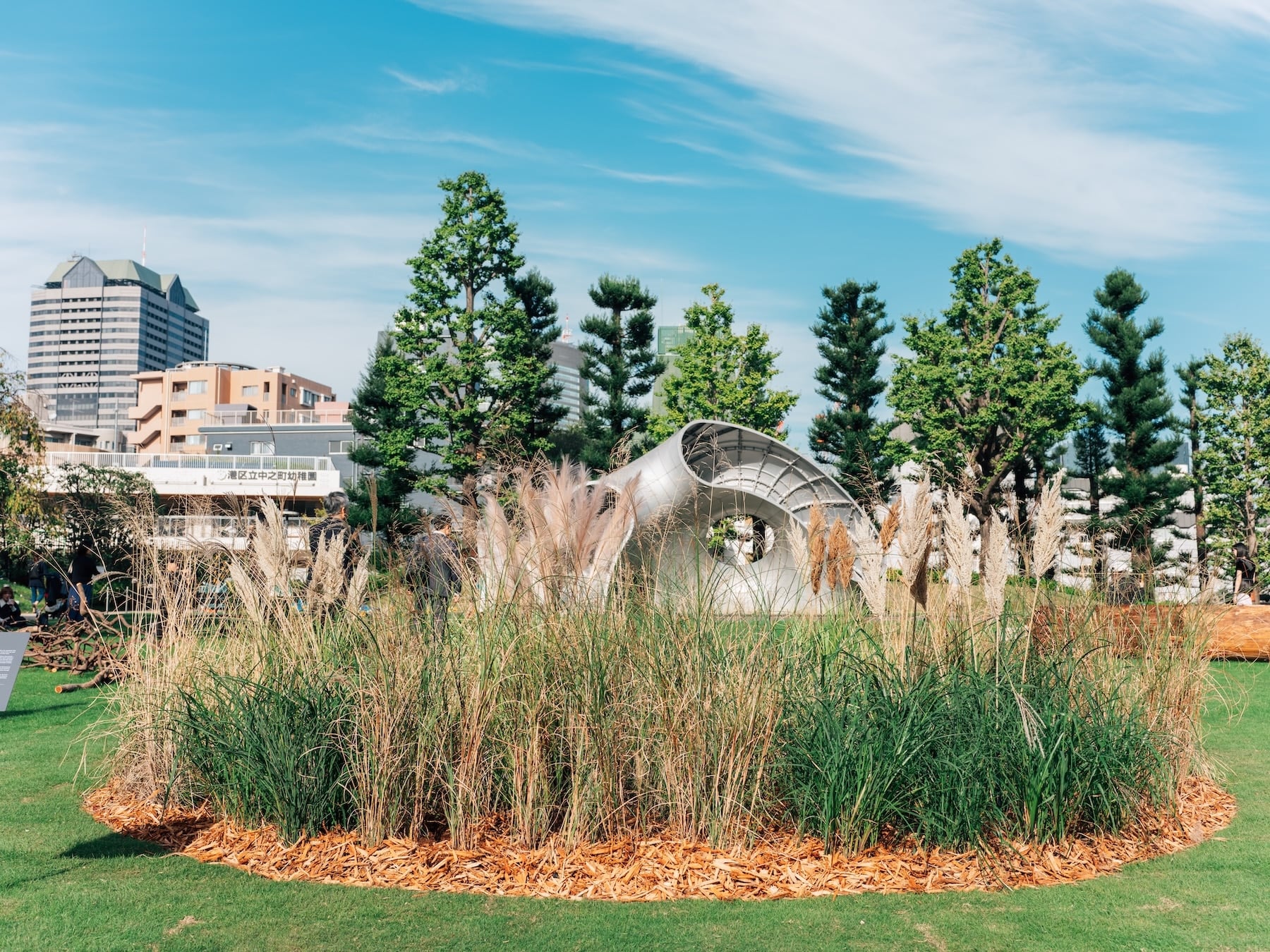
In "Observing Behavior", artificial leaves and Japanese silver grass are mixed with real plants. The work explores the difference between human and natural timescales, as well as the human arrogance of believing that nature can be controlled at will.
"Observing the Subject" imagines what it would be like if plants turned toward people who looked at them. Artificial plants are arranged to face the viewers.
Drawing on the imagination of childhood, these works explore how we relate to the environments around us. "I hope they encourage people to reconsider the relationship between nature and man-made objects," says Satoshi Yoshiizumi.
A collection of works that translates the imagination of childhood into design and explores how we interact with our immediate surroundings. “I hope this serves as an opportunity to reexamine the relationship between nature and man-made objects,” says Satoshi Yoshizumi.
A wide variety of works are also displayed on the B1 and 1F levels of the Galleria, offering visitors a chance to discover how different creators approach materials, forms, and production methods.
Visitors can experience TOKYO MIDTOWN DESIGN LIVE 2026 throughout the Galleria.
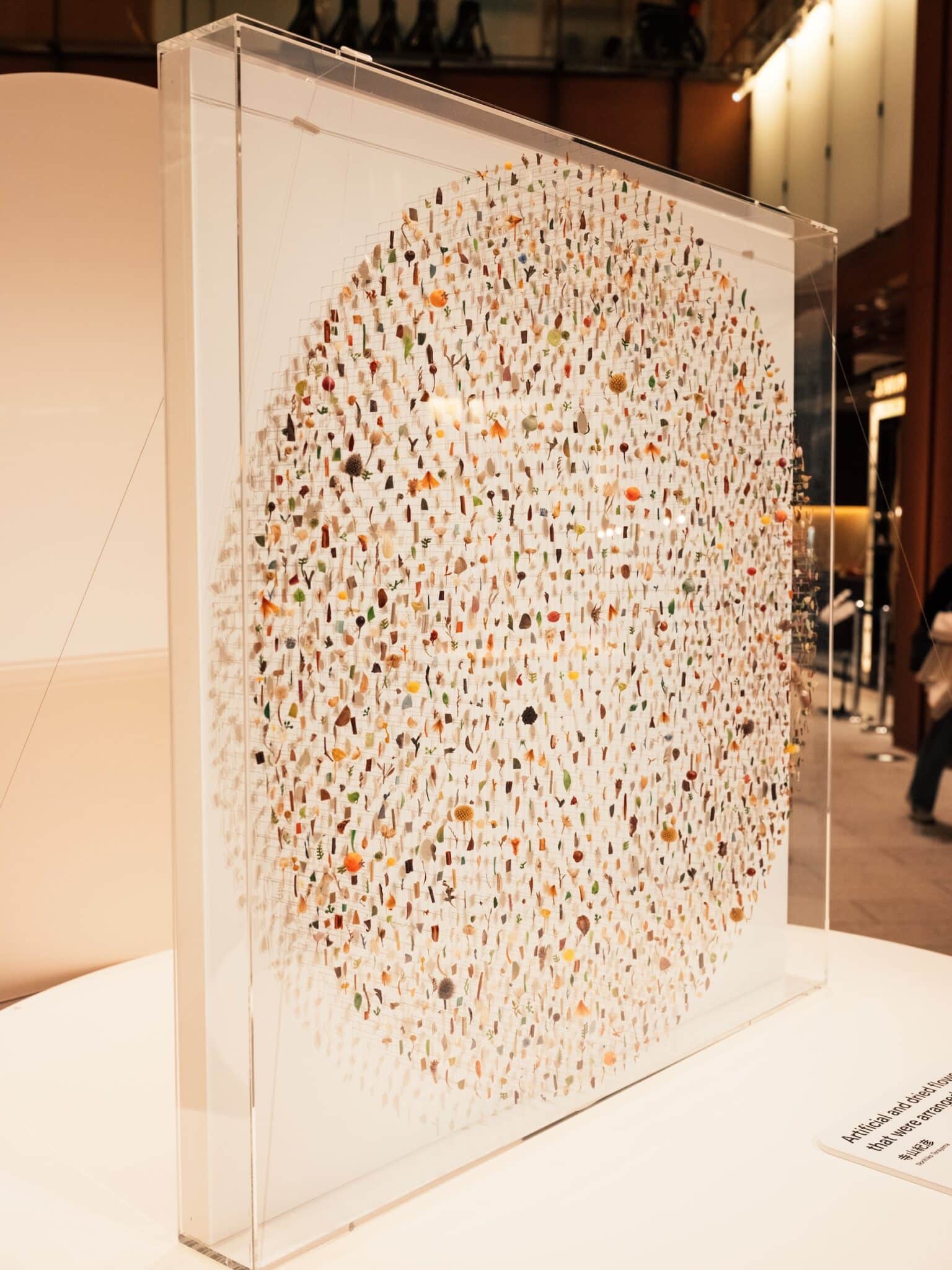
"Artificial and dried flowers that were arranged" is a work by Norihiko Terayama, a designer and artist. Real and plastic plants are arranged in a regular pattern, creating a strangely comforting feeling for those who take a closer look.
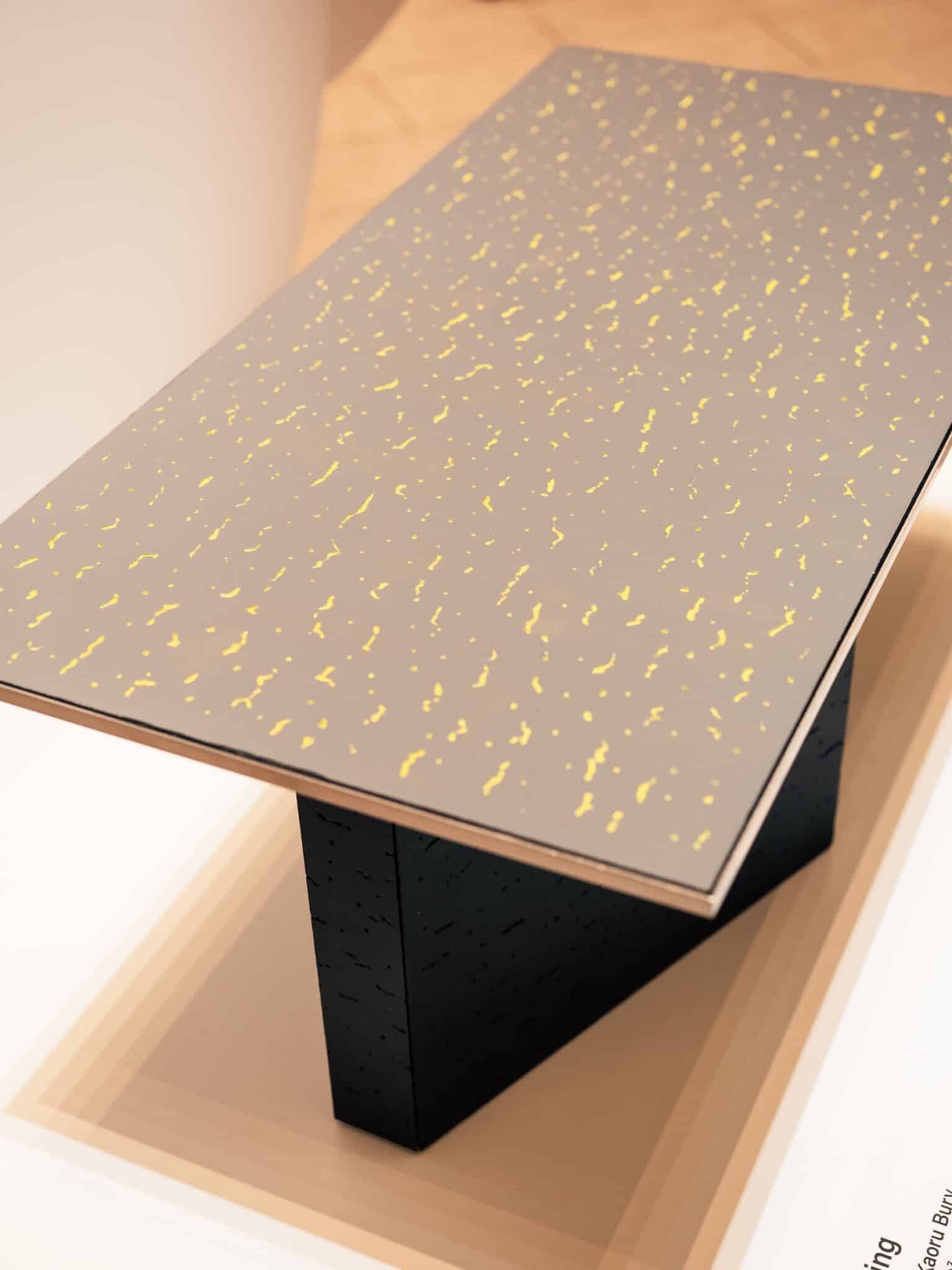
Gypsum board is widely used for ceilings in offices and schools, but much of it is discarded once it has served its purpose. In "Ceiling", product designer James Kaoru Bury gives this familiar material new life through the use of vibrant colors. Going beyond conventional recycling or reuse, the work encourages viewers to look more closely and discover new beauty and value in an everyday material.
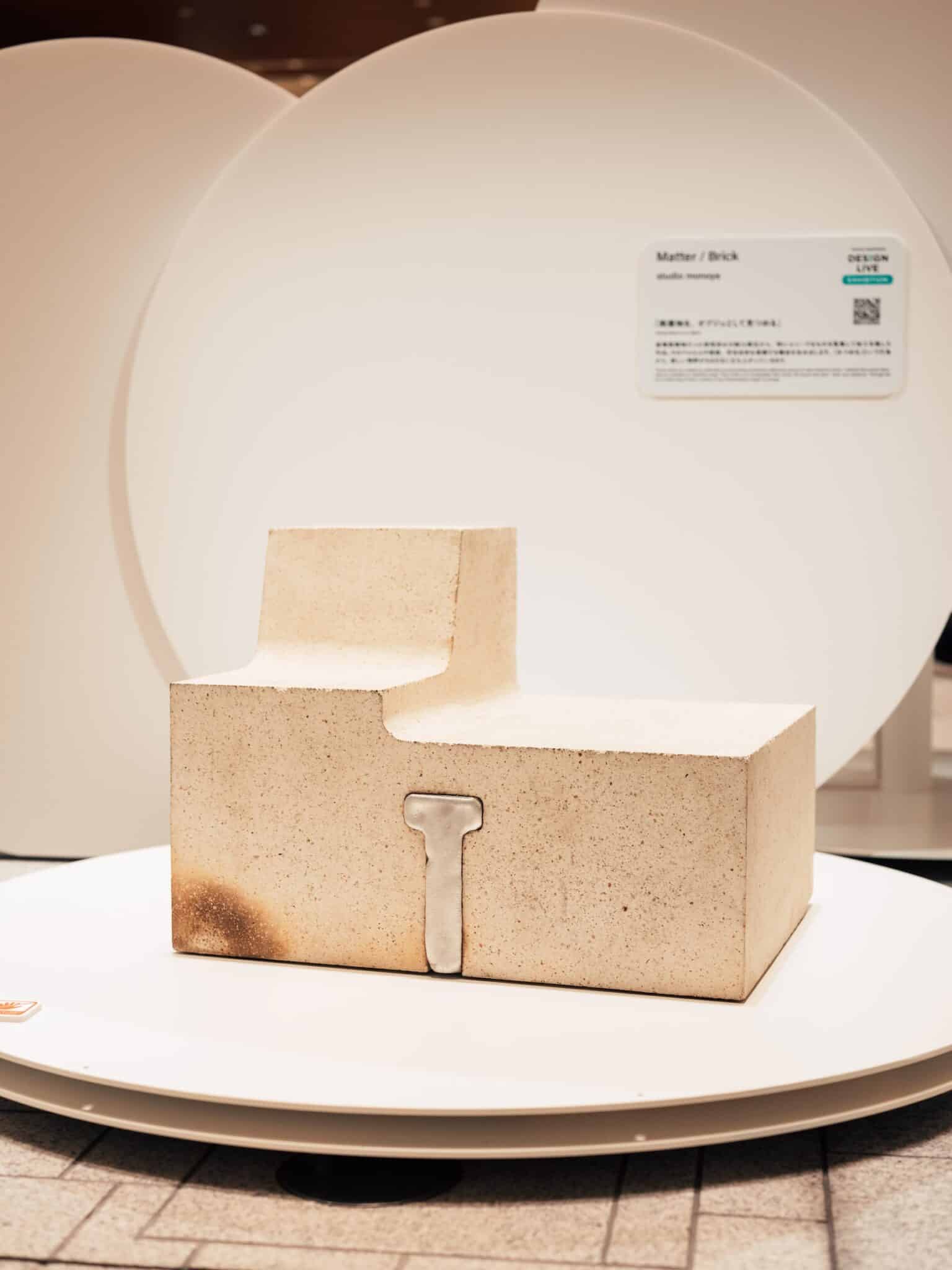
Based in Kyoto, studio monoya is a three-person creative collective that operates both a tool shop and a design studio. Their work "Matter/Brick", which they brought to Tokyo by car, makes use of discarded industrial firebricks, preserving their original shapes and marks while joining them with poured aluminum. The result encourages viewers to take a fresh look at the material itself.
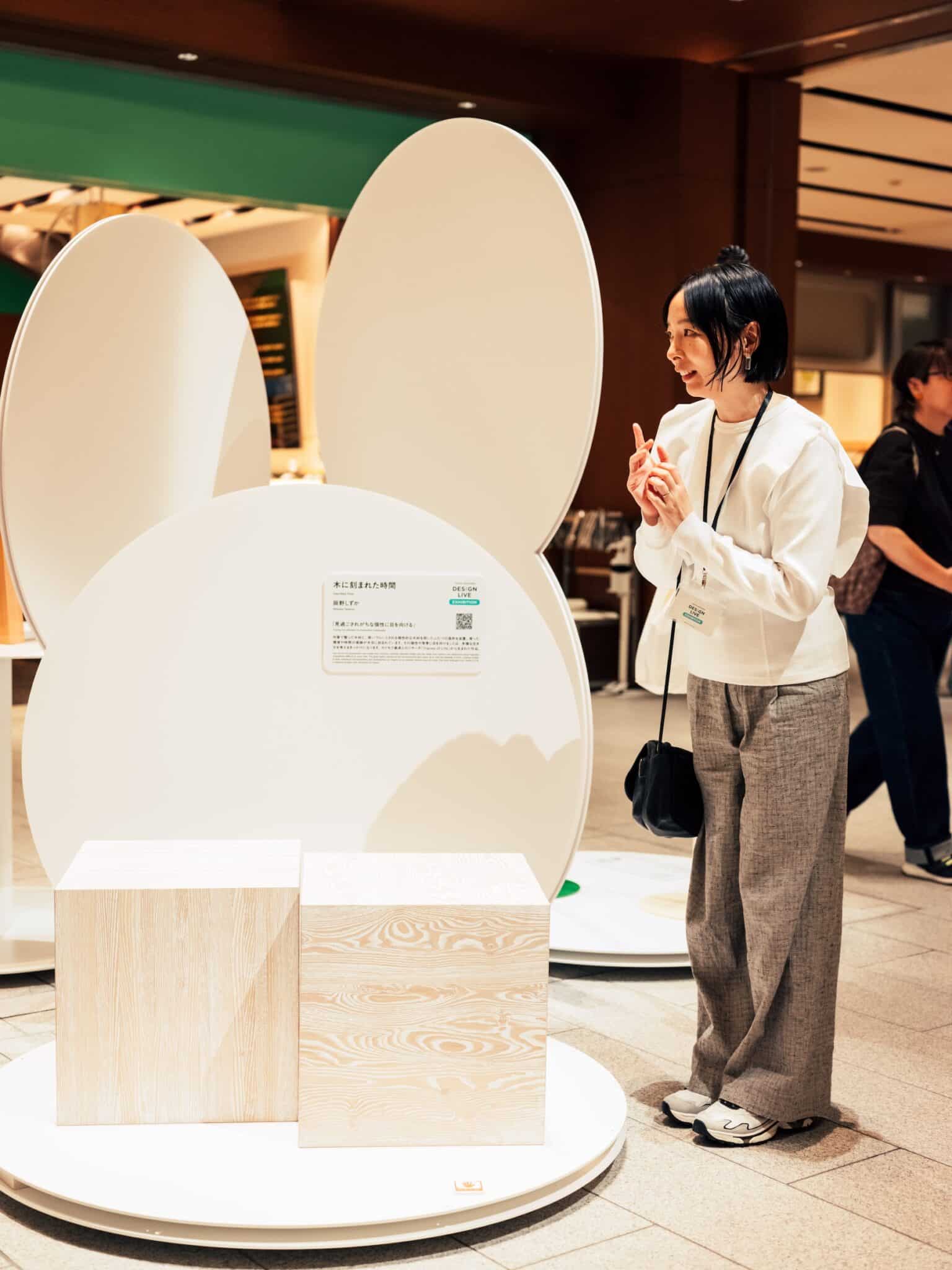
Shizuka Tatsuno, who studied product and furniture design at Kingston University in London, presents "Inscribed Time". By shaping both irregular wood, often considered difficult to work with, and more uniform timber into cubes, she highlights their distinct characteristics and invites viewers to reflect on different ways of living.
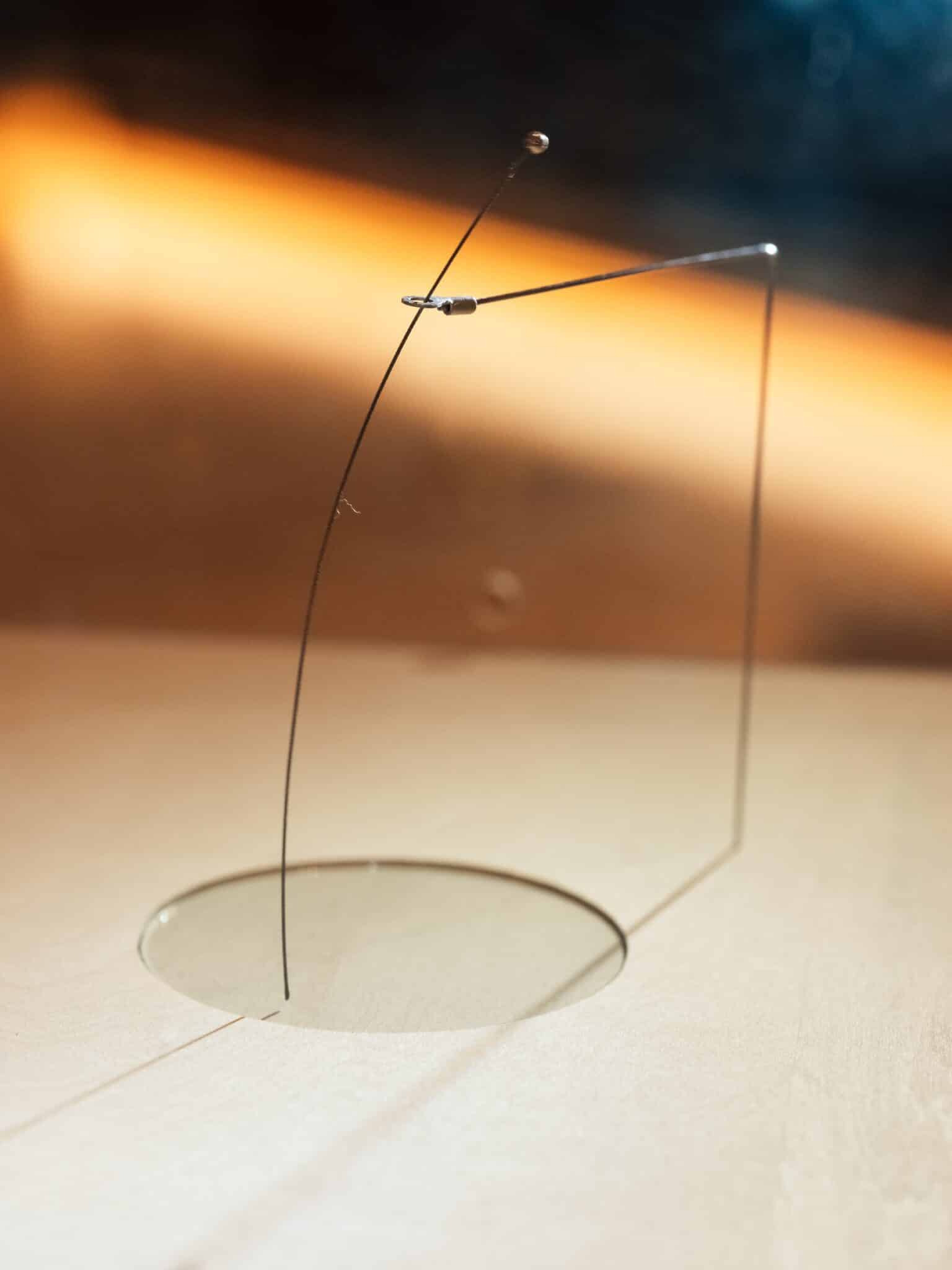
Designer Yoshino Takayama creates devices based on simple circular movements that somehow keep viewers watching. Her work "Pippin" is, she says, the most mysterious of them all. Take a moment to observe its unusual movements and see if you can unravel the mystery while discovering something of the complexity and richness of the world around us.
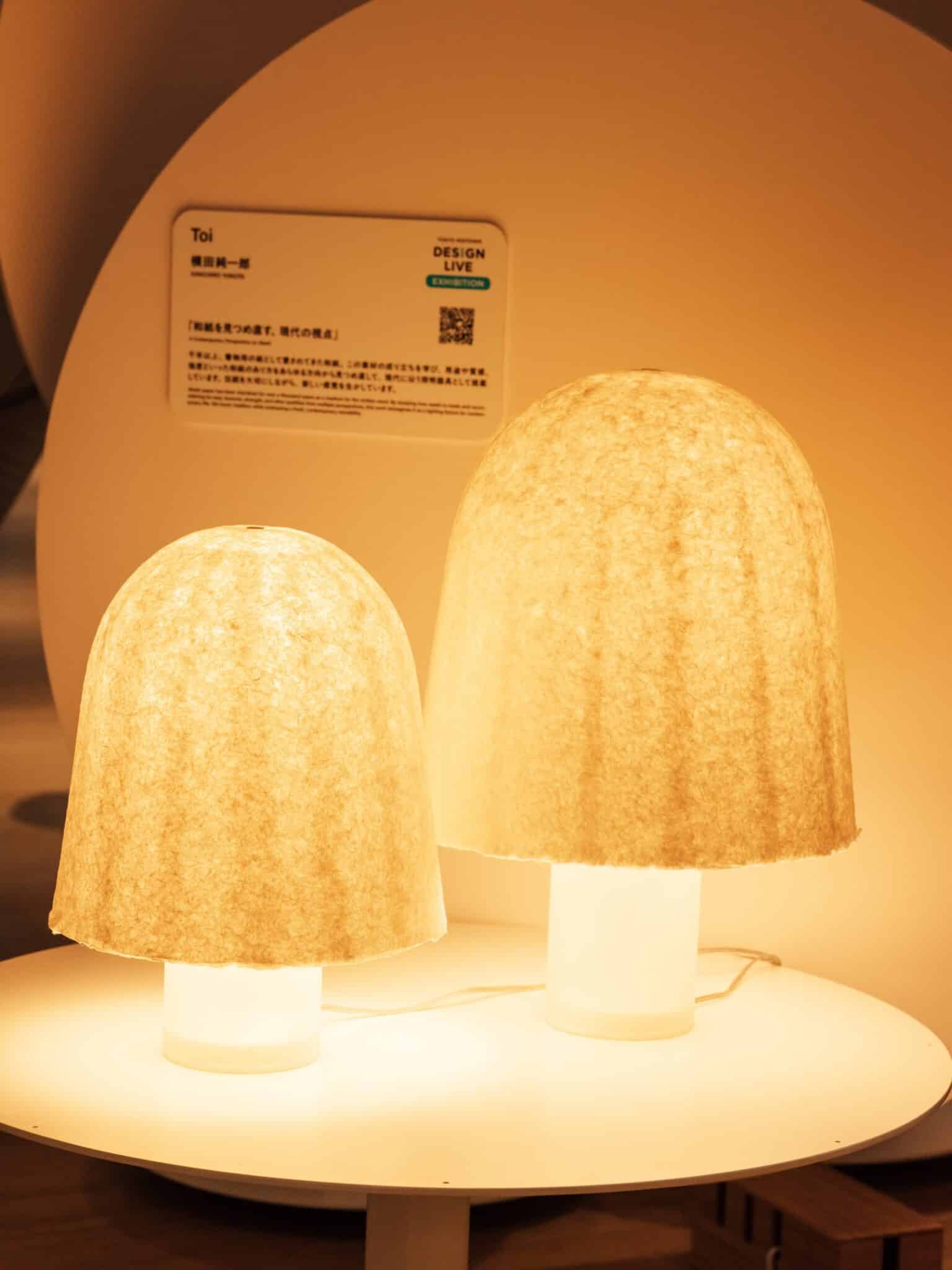
"Toi" by industrial designer Junichiro Yokota reimagines washi, traditional Japanese paper with a history of more than 1,000 years in bookmaking, as a contemporary lighting fixture. By exploring the material's soft texture and strength, Yokota brings out its unique qualities in a design that combines tradition with a modern sensibility.
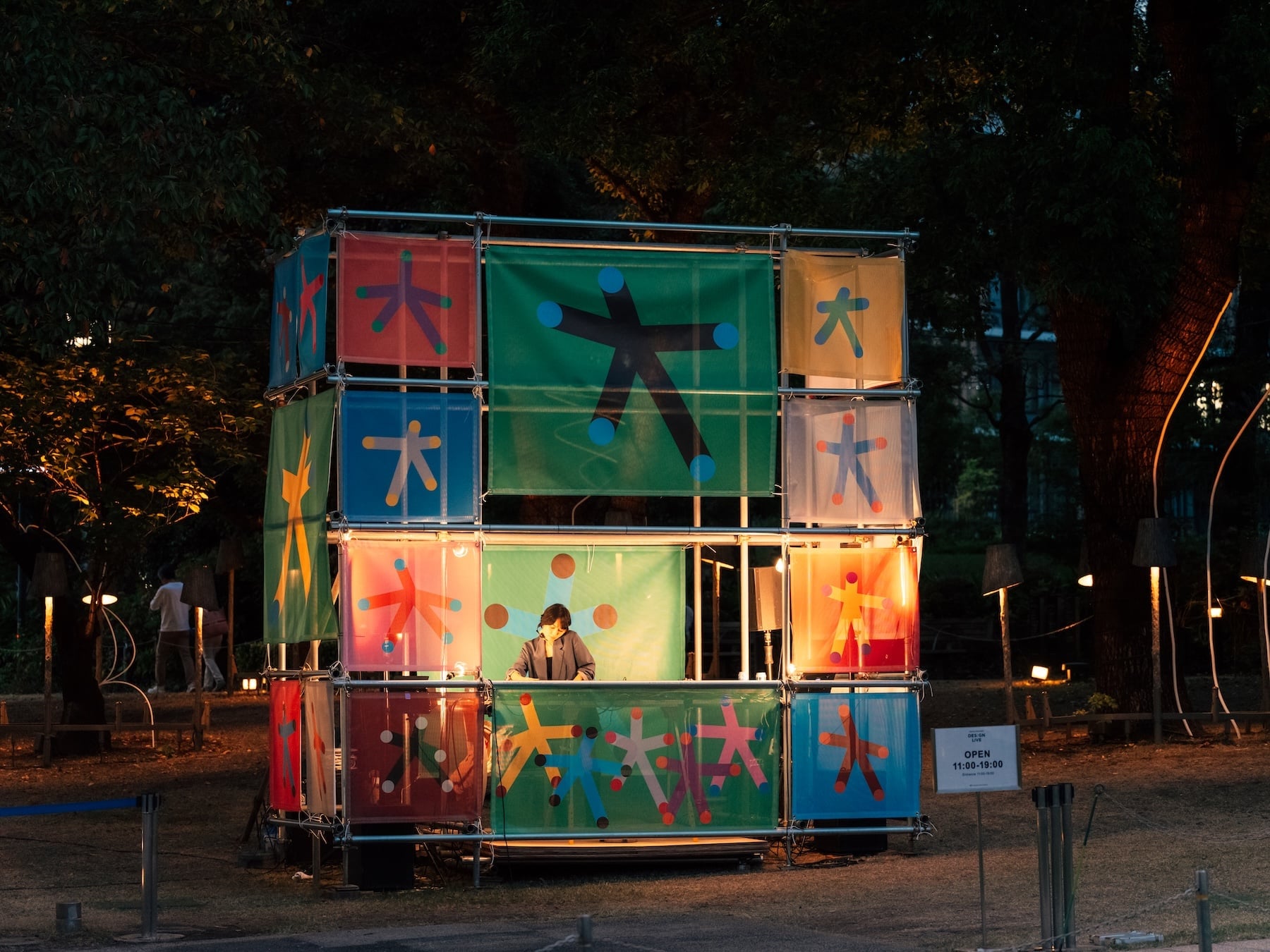
DESIGN LIVE MUSIC brought music and design together on the Grass Square over the weekend. Graphic designers Ryuichi Kawajiri and Akira Yamaguchi created DJ and performance booths featuring bold graphic designs. Visitors could do more than simply listen to live music. They could take in the visual surroundings and take photos, experiencing the connection between music and design through multiple senses
A total of 12 acts performed over two days, October 17 and 18. The lineup included FPM (Fantastic Plastic Machine), the solo project of music producer Tomoyuki Tanaka, and Ayaka Tatamino, vocalist and guitarist of the alternative rock band Homecomings, along with other musicians known for their expressive performances.
The DJ booth designed by graphic designer Ryuichi Kawajiri features five dots that evoke both the human body and the five senses. The design expresses the instinctive emotional response that music can stir in us, beyond reason or explanation.
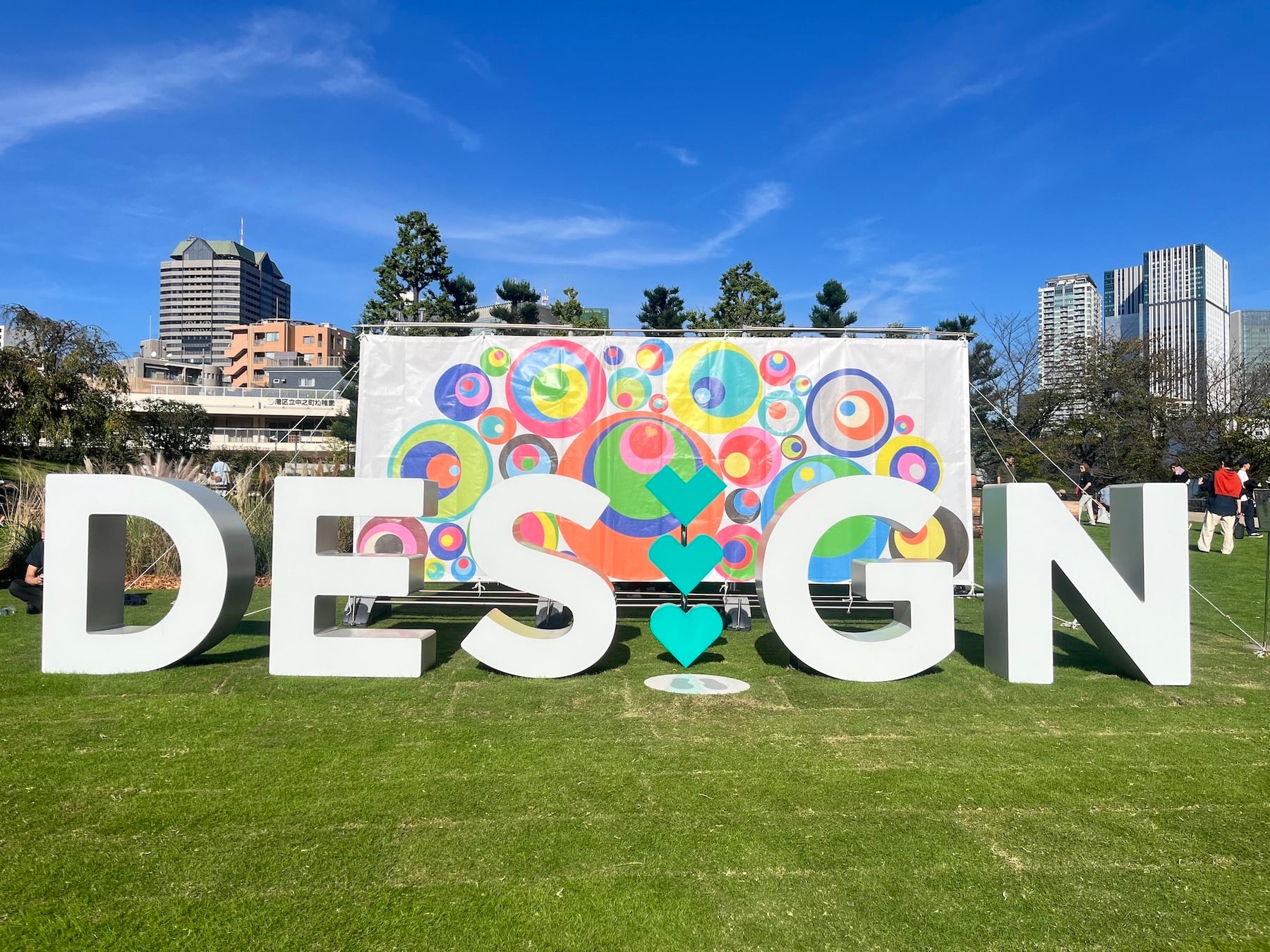
During DESIGN LIVE MUSIC, visitors could also enjoy a graphical photo booth created by art director Akira Yamaguchi. Inspired by the theme "Mitsumeru," the installation features circles of different sizes resembling eyes, designed to spark curiosity.
Food trucks offered food and drinks, while heart-shaped "Mitsumeru" mats were available to borrow free of charge, allowing visitors to sit on the grass and enjoy the performances. Relaxing on the lawn, enjoying a meal, and listening to music at their own pace—these different ways of spending time at the event were themselves part of its design.
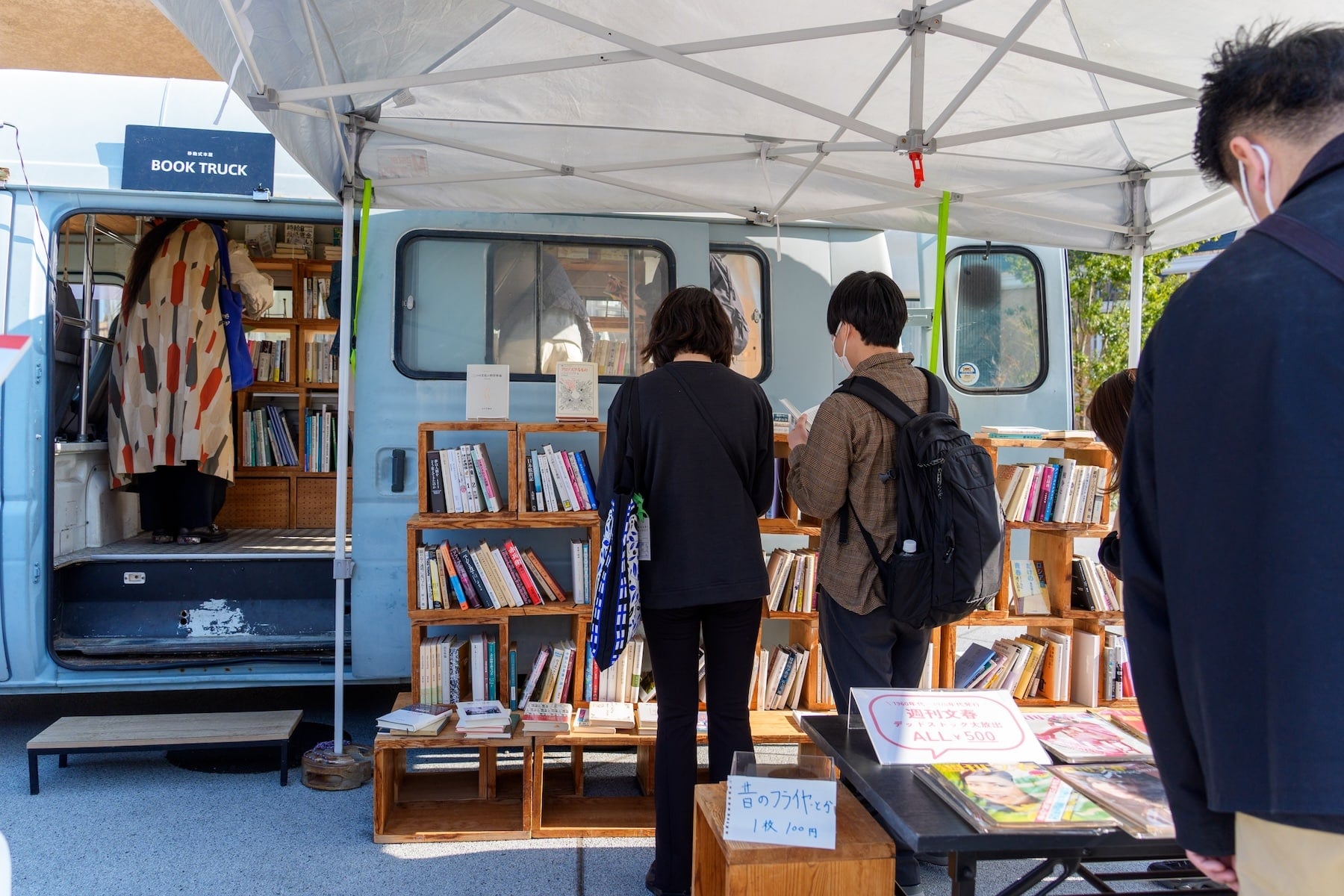
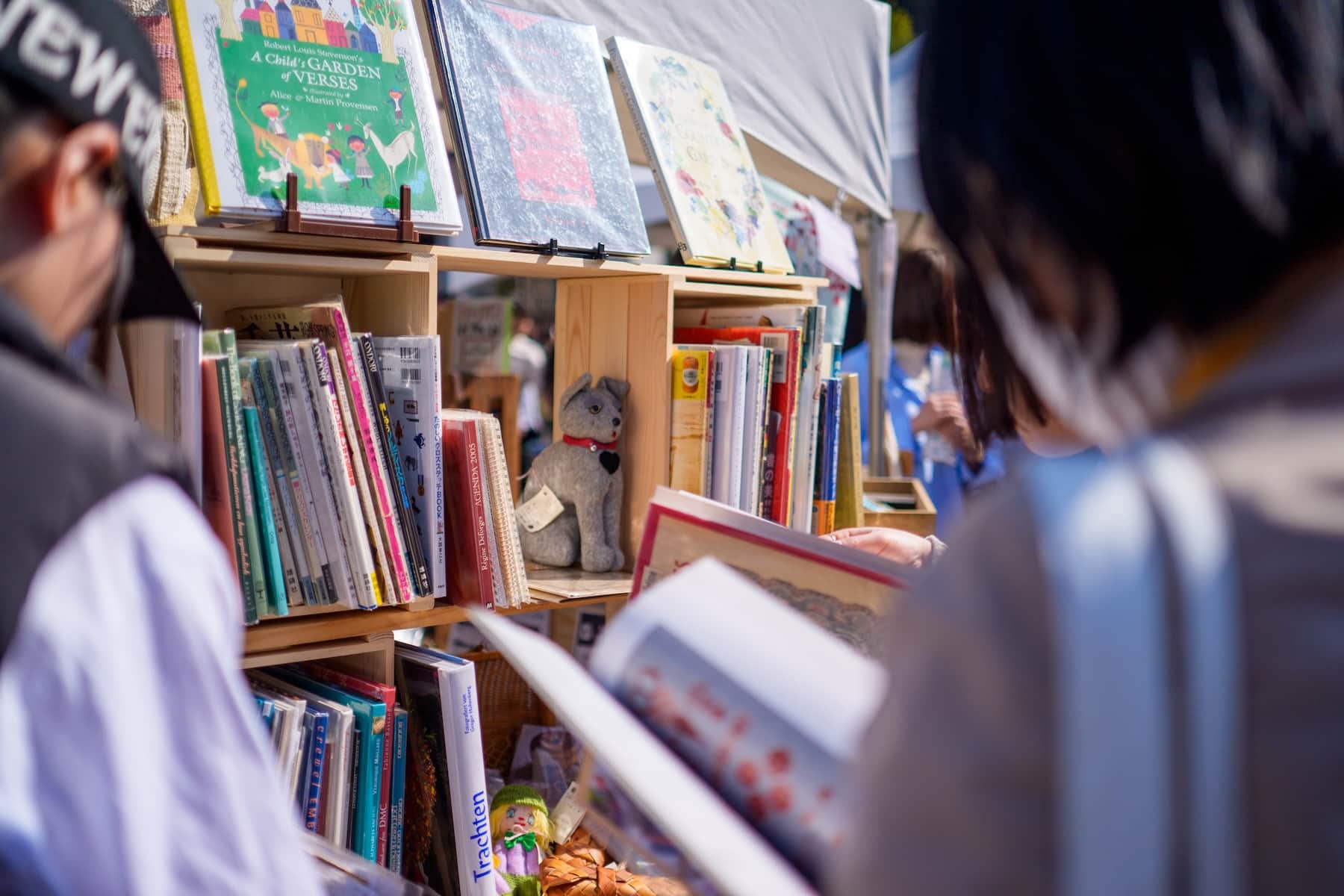
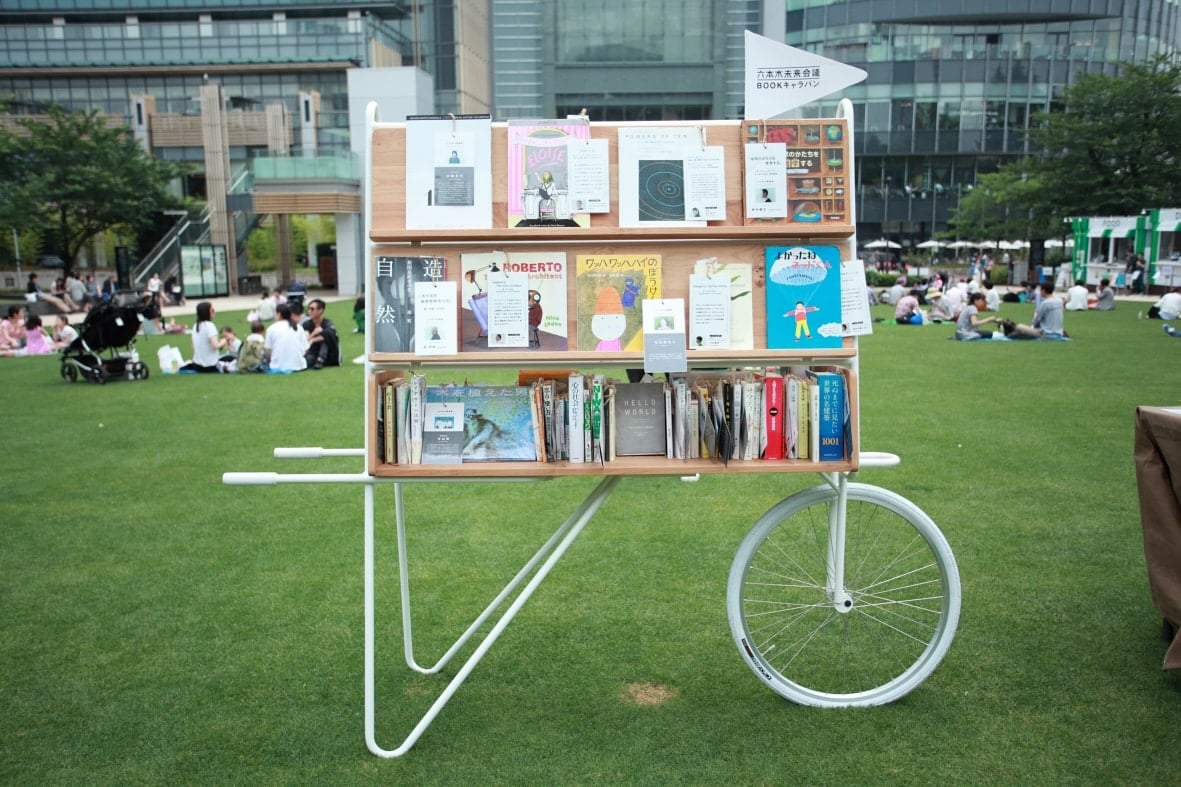
From cover design to typography and page layout, design plays an essential role in making books appealing. At the same time, books themselves can open the door to new ideas and perspectives. DESIGN LIVE MARKET by Yomi no Ichi, taking place on October 24 and 25, explores this relationship between books and design. The market will bring together 38 bookshops and stationery stores from across Japan, offering new and secondhand books, stationery, and opportunities to discover unexpected interests.
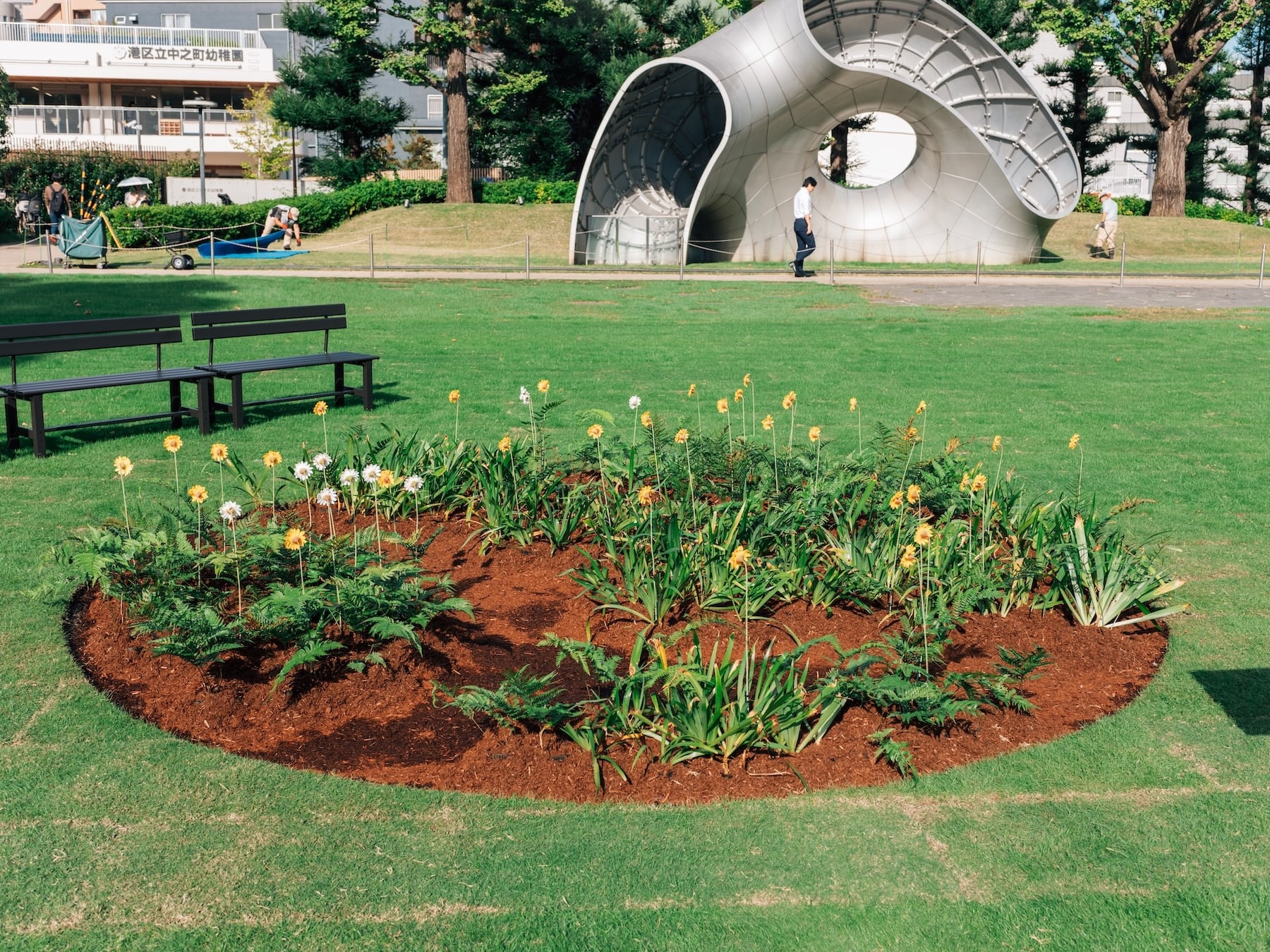
*Image for illustrative purposes only.
*Image for illustrative purposes only.
*Image for illustrative purposes only.
Among the participating shops are Futago no Lion-do, which holds around 200 book discussion events a year; Chapters, offering personalized book recommendations at its pop-up stand; and THINGS 'N' THANKS, specializing in vintage stationery and paper goods. Browsing the shelves and chatting with shop owners may help visitors discover interests they never knew they had.
A special attraction is Ohisama Children's Bookshop, where only children are allowed to shop. Rather than having their parents choose books for them, children can talk with the staff and select books for themselves, while adults observe and respect their choices. The event will also feature live picture-book readings accompanied by singing and dancing.
Tokyo Midtown sees design as something that connects different things in meaningful and appropriate ways. With "Mitsumeru" as its theme, TOKYO MIDTOWN DESIGN LIVE 2026 encourages visitors to pay attention to the design all around them through exhibitions, music, books, and more.
The materials and shapes of artworks, the spaces where we listen to music, the covers of books—when we begin to notice details we usually overlook, everyday life can start to look a little different. What you discover about design at Tokyo Midtown might make everyday life a little richer. Why not take some of that inspiration home with you?
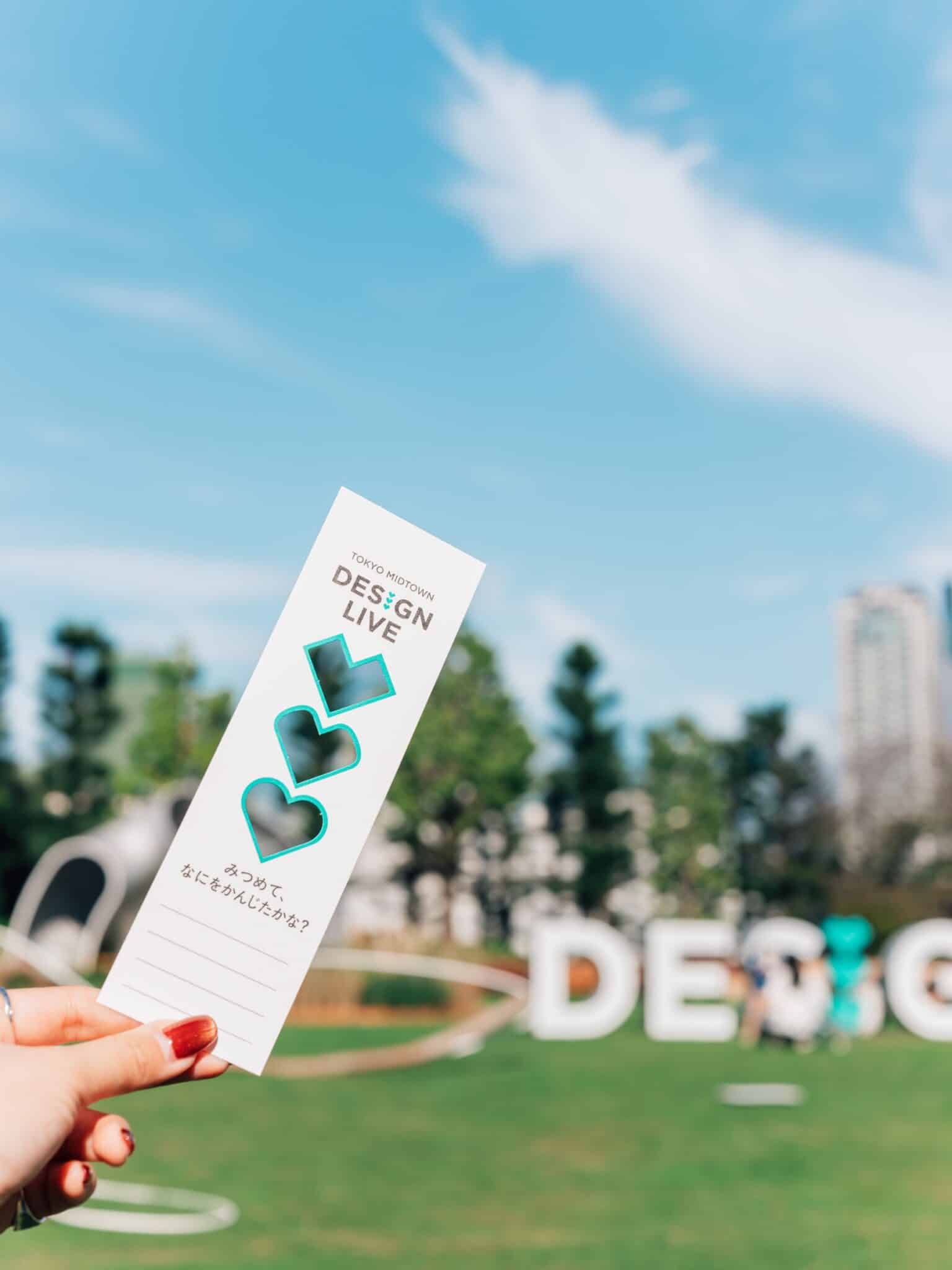
Throughout the event, visitors can experience the "Mitsumeru" theme in different ways, from relaxing on the grass and viewing the surroundings from new perspectives to taking home specially designed items. Free bookmarks with heart-shaped cutouts let visitors frame the scenery in their own way. Available while supplies last.
Visitors can borrow heart-shaped Mitsumeru mats free of charge and relax on the Grass Square while viewing the artworks. Availability is limited, and lending may be suspended depending on weather conditions.
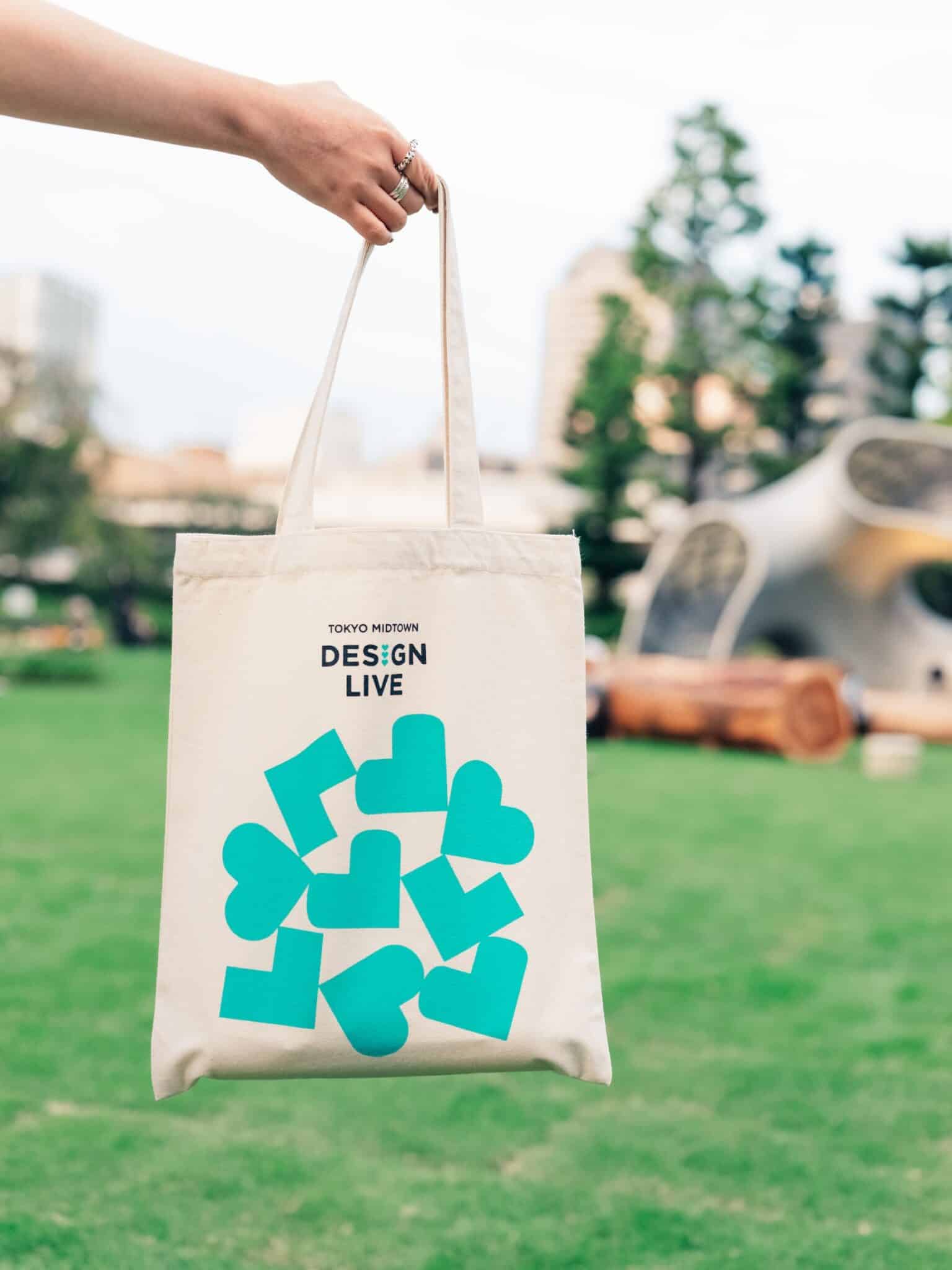
The first 500 visitors who present a receipt showing a purchase of 5,000 yen or more (including tax) at an interior or design store in Tokyo Midtown will receive an original tote bag designed by Taku Satoh.
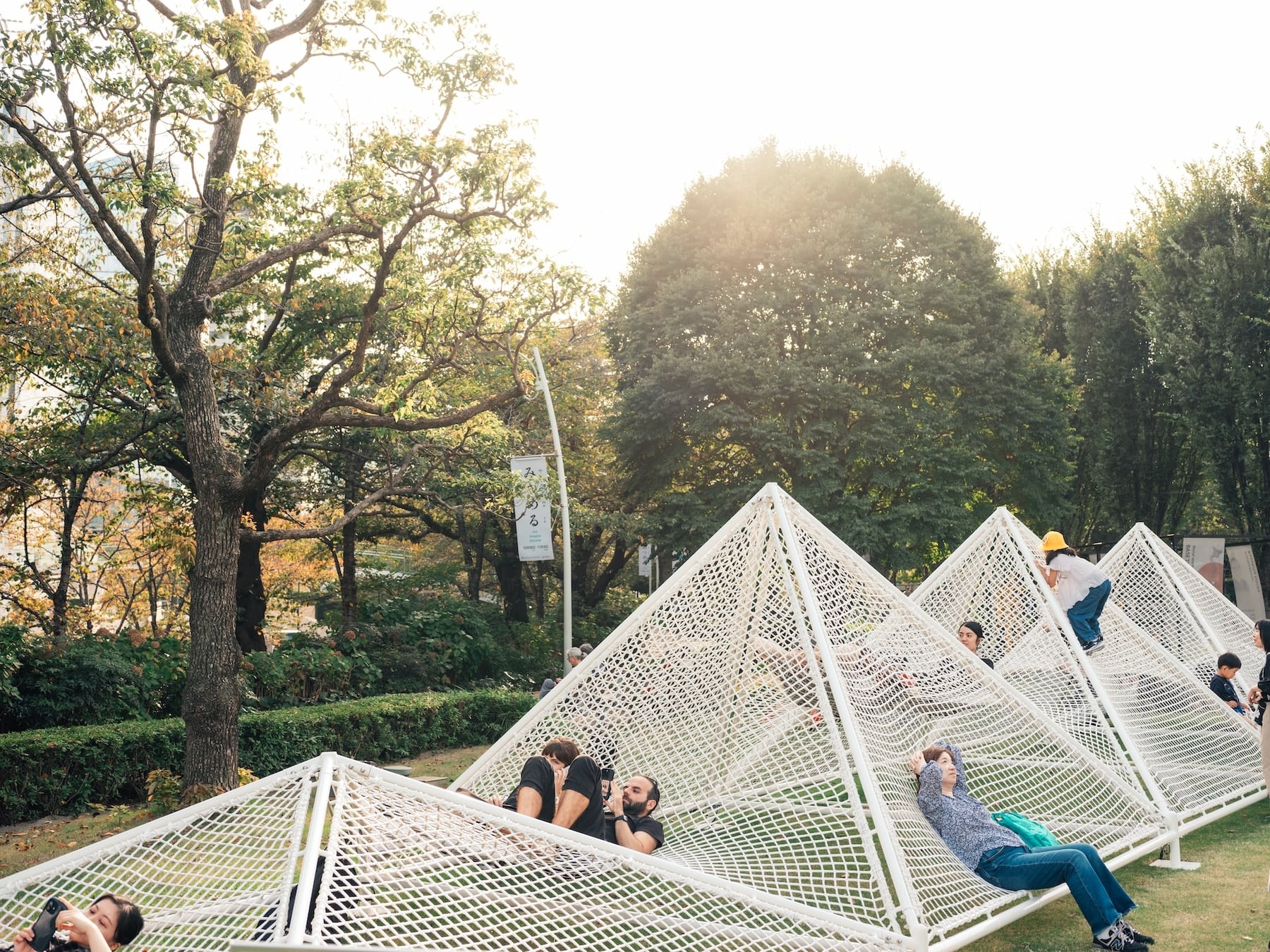
The event also features installations by participating companies that make use of Tokyo Midtown's open spaces. "Sea hammock", a large-scale installation by architect Yuko Nagayama, returns for the first time in four years after its debut at Tokyo Midtown DESIGN TOUCH in 2022. The hammock and canopy are made using nylon yarn upcycled from discarded fishing nets.
As part of a collaboration with Roppongi Art Night, which returns to an all-night format for the first time in three years, artist Mao Shibata's "Camouflage Prints" is on display at the entrance to Midtown Garden.
It’s a pleasant experience to spend time on the lawn, exploring the art in your own way.
We also recommend enjoying the designs while taking a stroll.
Venue: Various locations throughout Tokyo Midtown
Location: 9-7-1 Akasaka, Minato Ward, Tokyo
Dates: October 16 (Fri) – November 4 (Wed), 2026 (Open daily throughout the event)
Admission: Free
Contact: Tokyo Midtown Call Center
Phone: +81-3-3475-3100 (11:00 AM – 8:00 PM)
https://www.tokyo-midtown.com/jp/event/designlive/