DEEPTOKYO
magazine

EN


AREA
DEEPTOKYO
magazine
EN
AREA
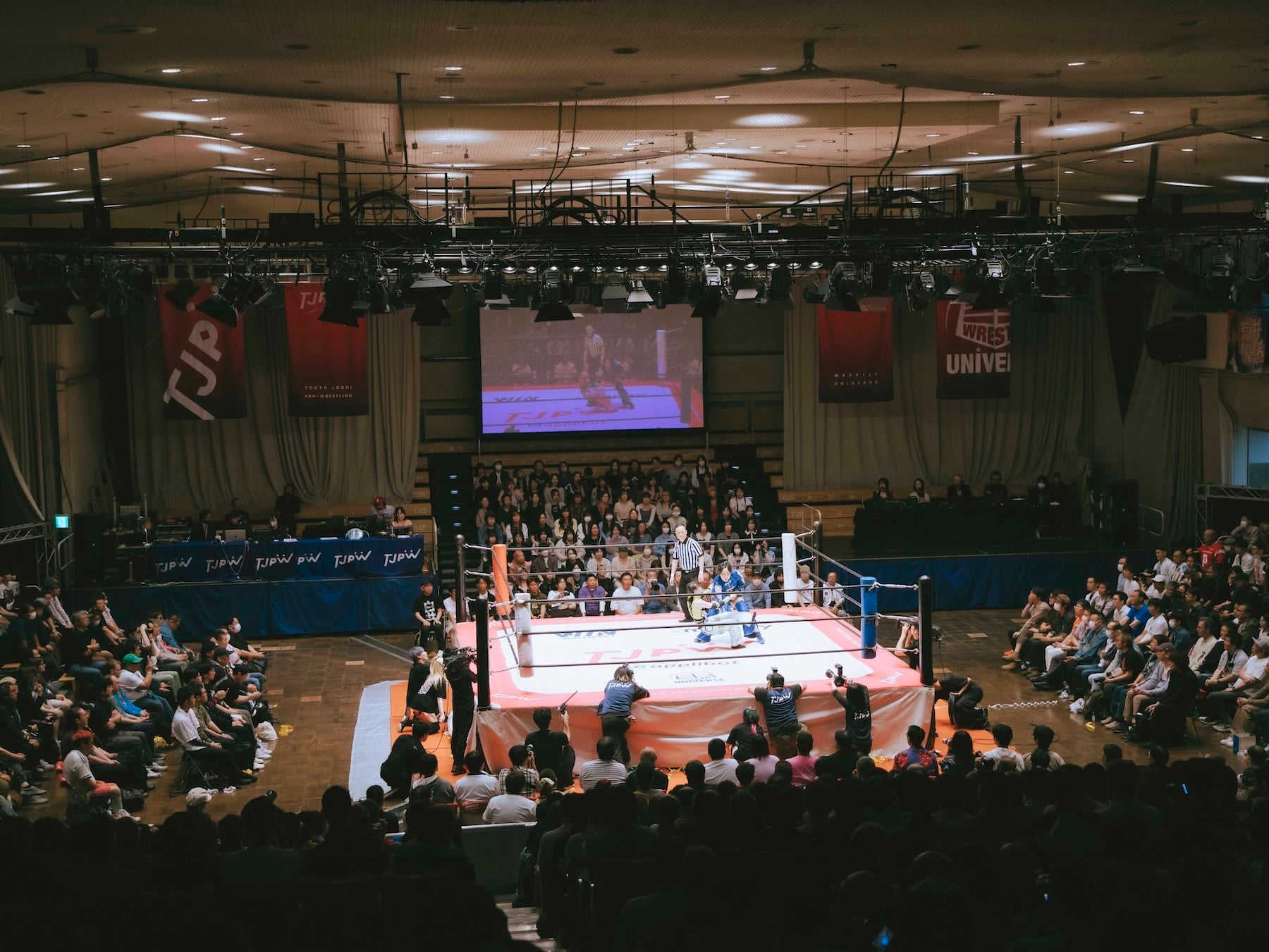
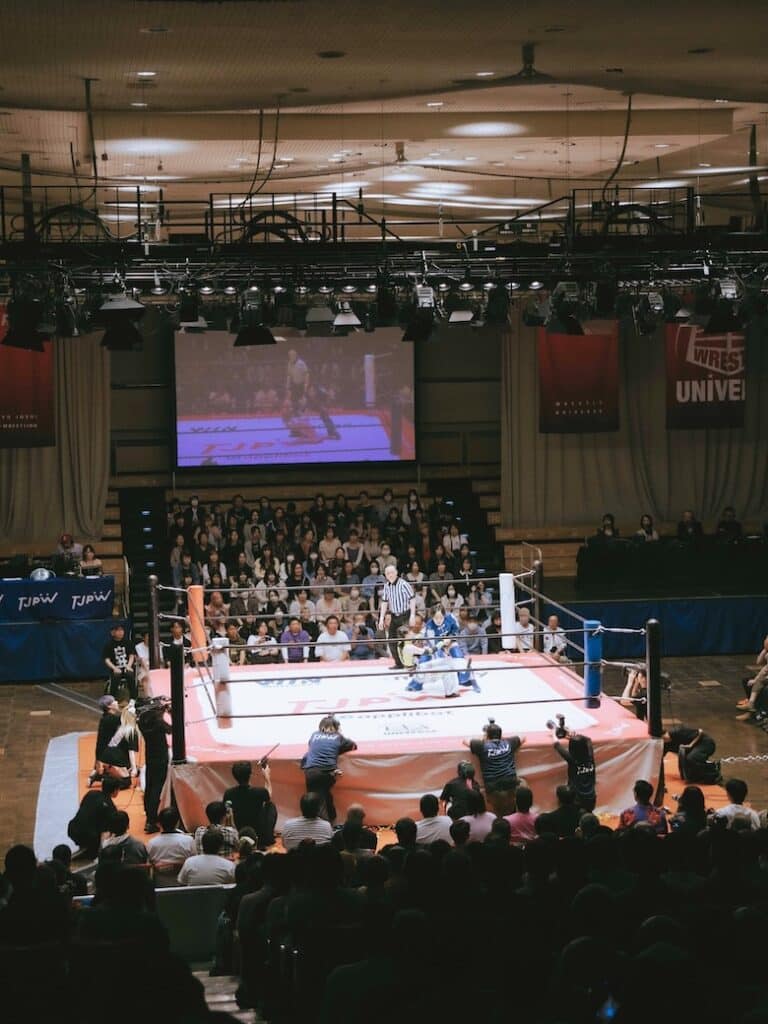
Colorful, eye-catching costumes like those of Japanese idols. Larger-than-life personalities. But once the bell rings, the ring comes alive with hard-hitting moves and fierce competition. This is JOSHI PRORESU, a form of professional wrestling that has evolved into a culture all its own in Japan. Part sport, part entertainment, and even part “oshi-katsu”—the culture of supporting a favorite performer—it is now attracting a growing following overseas. We went to Korakuen Hall for a Tokyo Joshi Pro-Wrestling (TJPW) event to experience it firsthand. With TJPW now holding events overseas as well, we explore the appeal of JOSHI PRORESU, where “KAWAII” and “STRONG” share the same ring.
SHARE


JOSHI PRORESU—joshi meaning “women” in Japanese—is a form of professional wrestling in which female wrestlers bring their strength and hard-earned skills into the ring. But the appeal goes beyond powerful moves and hard-fought matches. Distinctive personalities, colorful costumes, the drama that unfolds in the ring, and the energy shared between wrestlers and the crowd are all part of the experience. Blending sport and entertainment, JOSHI PRORESU has developed into a distinctive form of live culture in Japan.
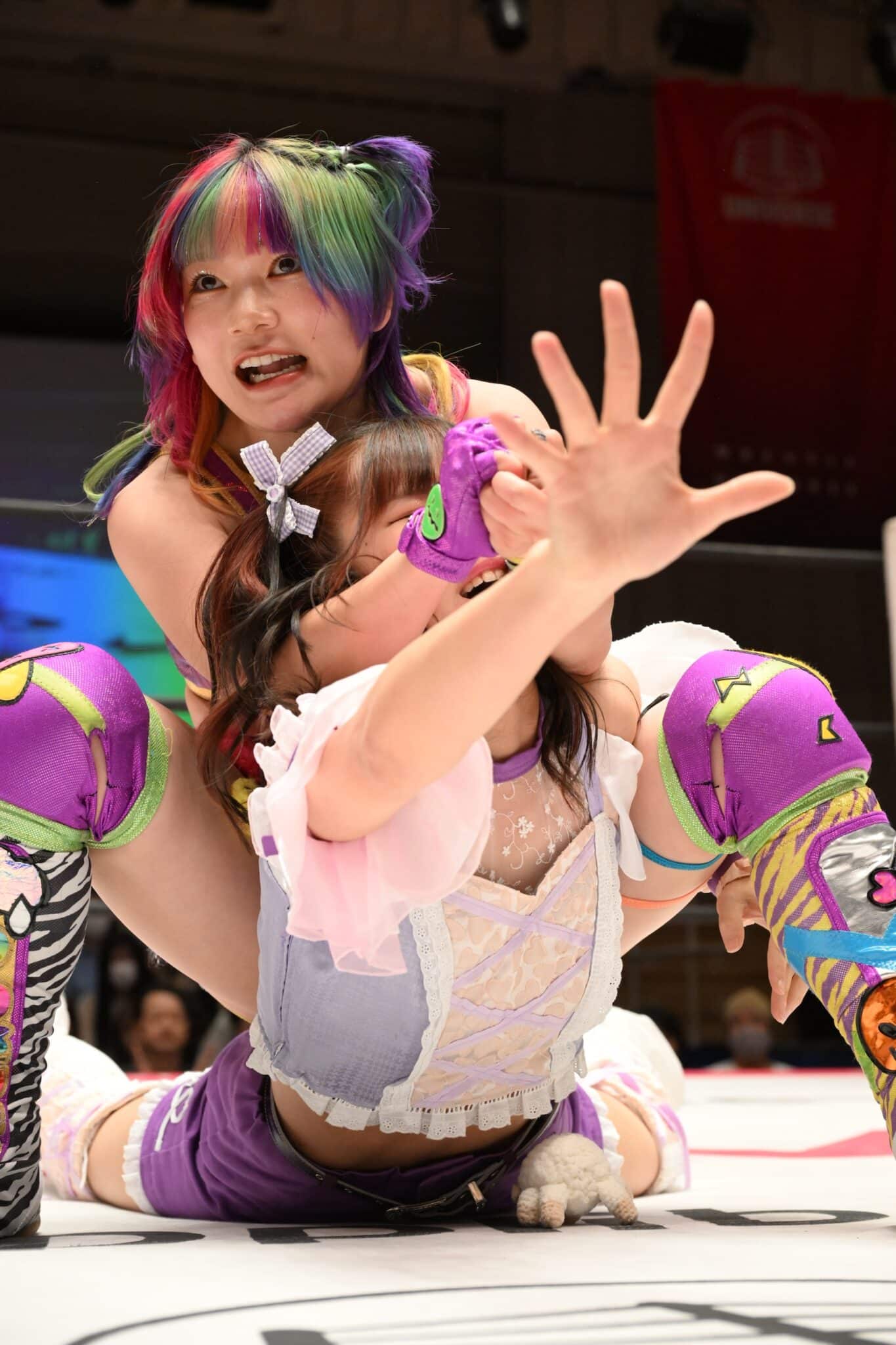
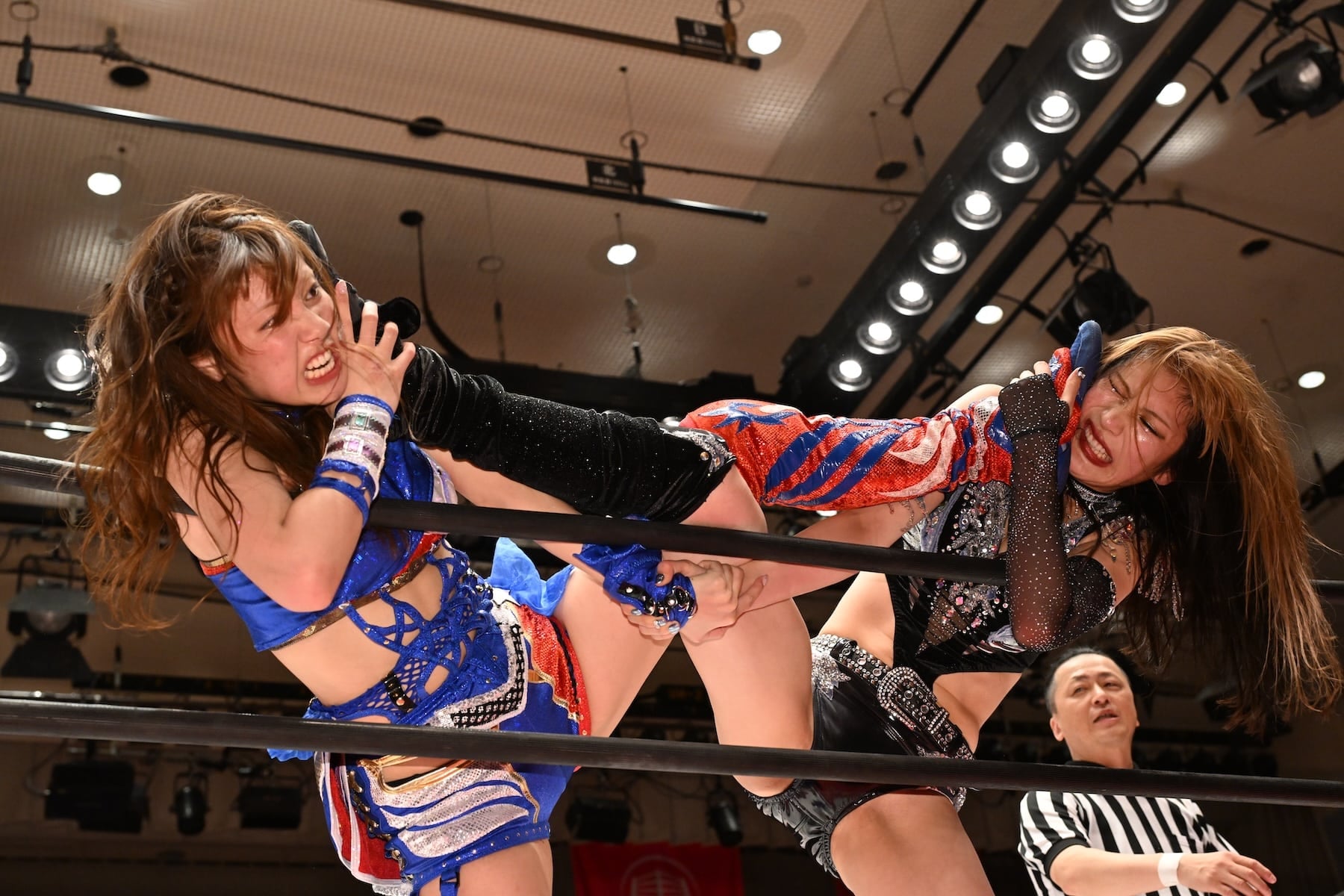
The crowd cheers on wrestlers struggling to escape punishing submission holds and erupts as opponents are slammed onto the mat with powerful throws, counting along with the referee as wrestlers go for a pin.
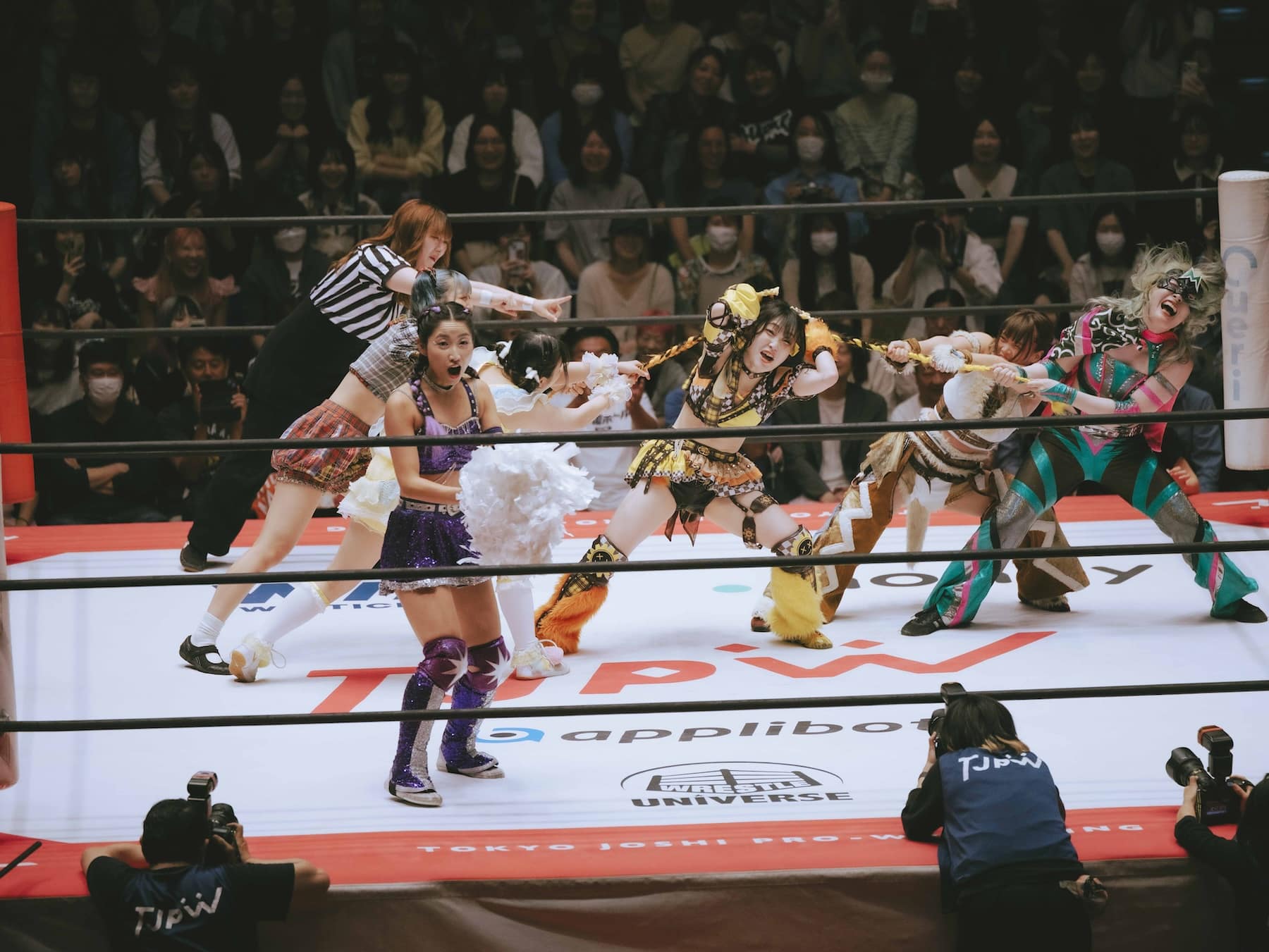
A 3-way tag team match produces comical moments like this, with wrestlers pulling on an opponent’s super-long hair as if they were playing tug-of-war. Each wrestler brings her own distinctive character into the ring.
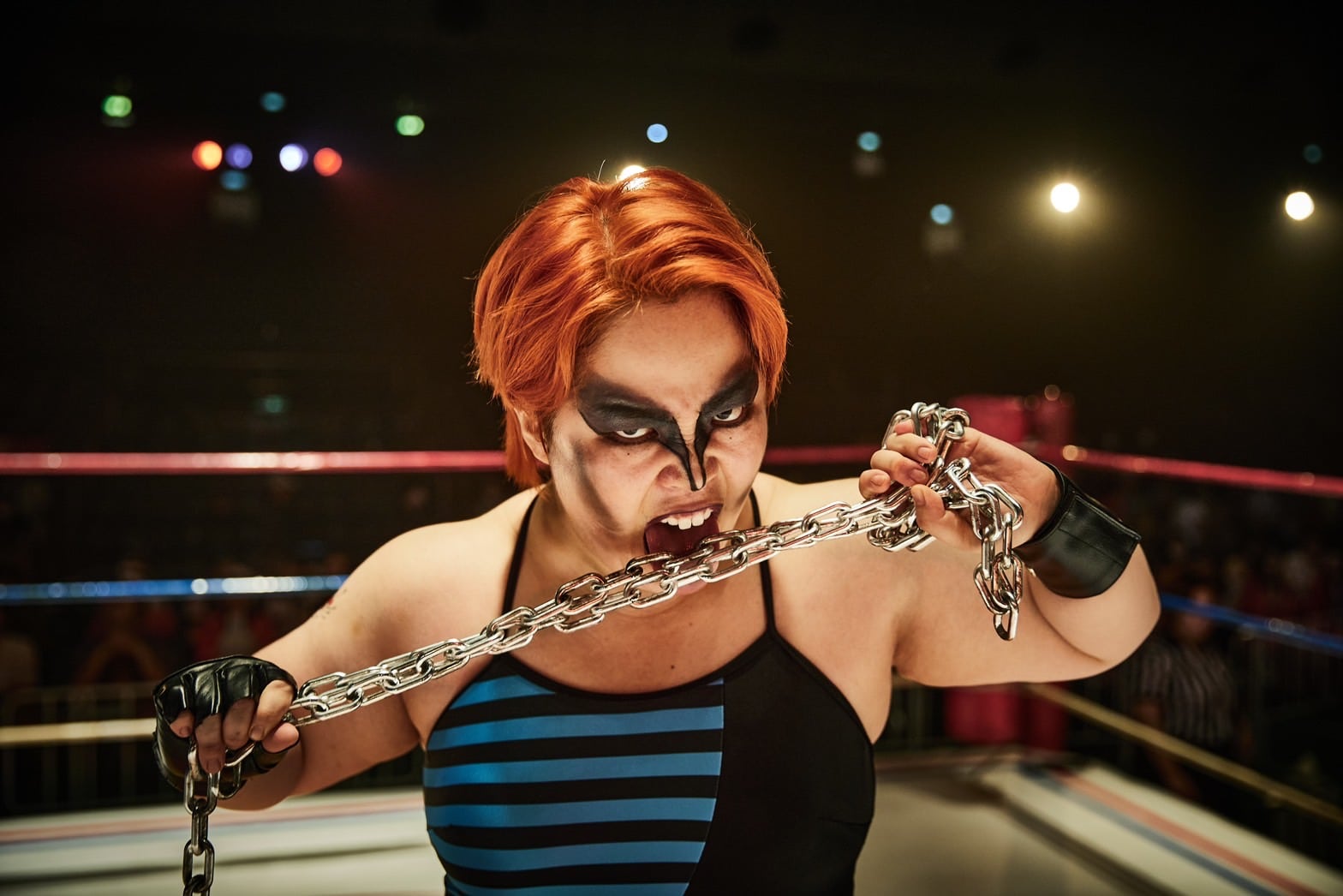
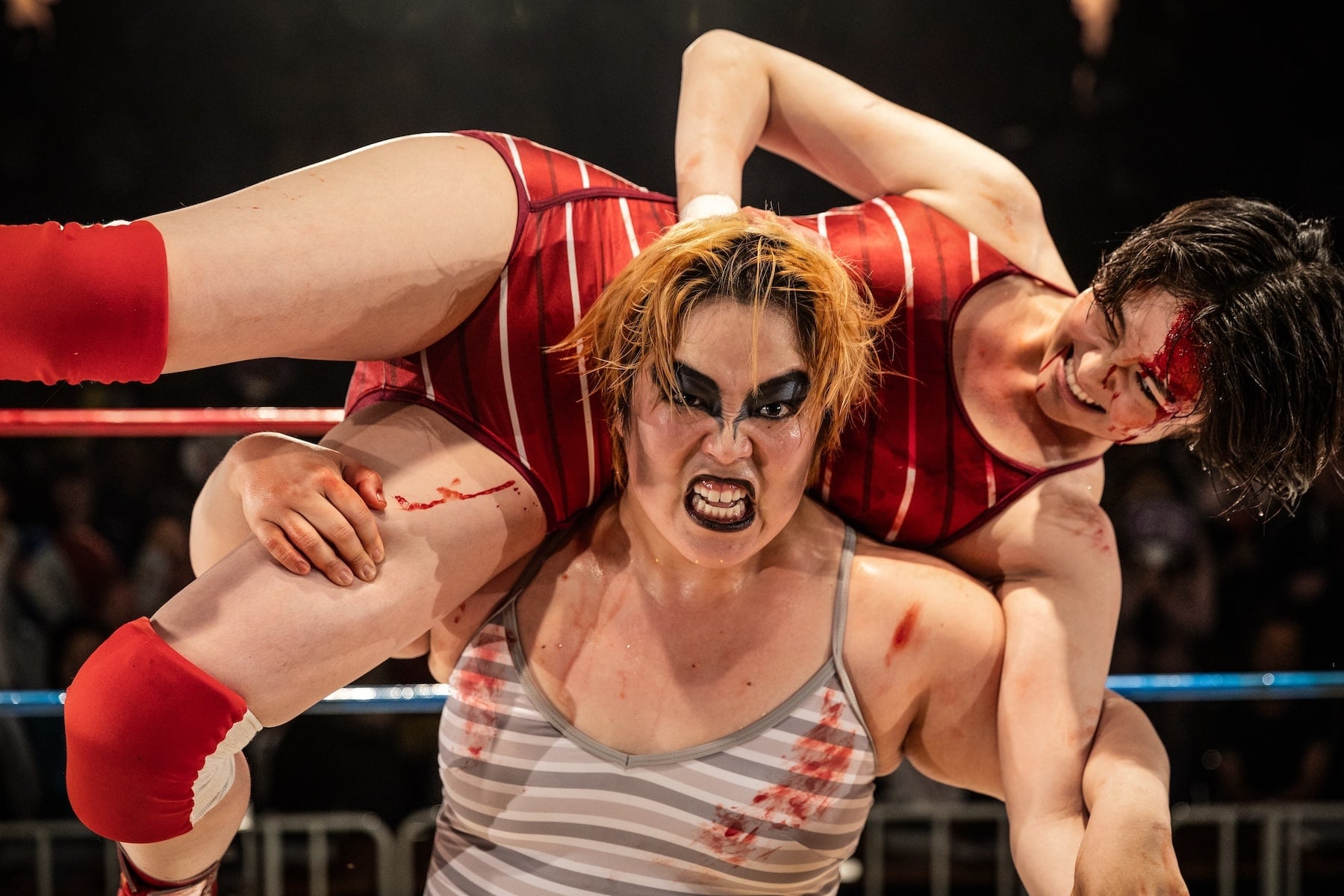
JOSHI PRORESU in Japan dates back to the late 1940s. In the late 1960s, All Japan Women’s Pro-Wrestling was established and would go on to lead the scene for decades, gaining widespread popularity through television broadcasts. In the 1970s, the tag team Beauty Pair became idol-like stars and also found success as singers. That momentum continued into the 1980s with the emergence of the Crush Gals, a tag team that became national stars, particularly among young women. Meanwhile, their greatest rival, Dump Matsumoto, emerged as one of the era’s most fearsome heels. Their fierce rivalry captivated the country, turning JOSHI PRORESU into a cultural phenomenon. This is the very era portrayed in the hit Netflix series The Queen of Villains.
The Netflix series “The Queen of Villains” portrays the life of Dump Matsumoto, one of the most feared villainous wrestlers who symbolized the women's professional wrestling boom of the 1980s. It follows her transformation from a young girl into a villainous wrestler who became so notorious that she was dubbed “the enemy of the entire nation.” “The Queen of Villains” is streaming exclusively on Netflix.
The series also depicts her fierce rivalry with the Crush Gals, a wrestling duo who debuted in the same year as Matsumoto and enjoyed immense popularity as idols.
Today’s JOSHI PRORESU builds on that history while adding new dimensions to its appeal—from “kawaii” aesthetics and idol-like qualities to the close relationship between wrestlers and their fans. It continues to evolve as a distinctly Japanese form of pop culture.
Known as a mecca for combat sports, Korakuen Hall also holds a special place in professional wrestling. Since opening in 1962, it has been a stage for generations of wrestling history.
Over the years, different promotions have developed their own distinctive styles and identities, giving rise to a modern culture in which fans enjoy not only the wrestling itself, but also the wrestlers’ personalities and costumes, as well as opportunities to interact with them. Tokyo Joshi Pro-Wrestling (TJPW), which we visited for this feature, is one promotion that embodies this new way of experiencing JOSHI PRORESU.
Tokyo Joshi Pro-Wrestling (TJPW) emerged from a different lineage than Japan’s established JOSHI PRORESU promotions. Its roots lie in the men’s wrestling promotion DDT Pro-Wrestling, which has developed a distinctive style by keeping professional wrestling at its core while incorporating entertainment through unconventional match formats and bold, imaginative concepts. TJPW inherited that same spirit of creative freedom and built a culture of its own from the ground up.
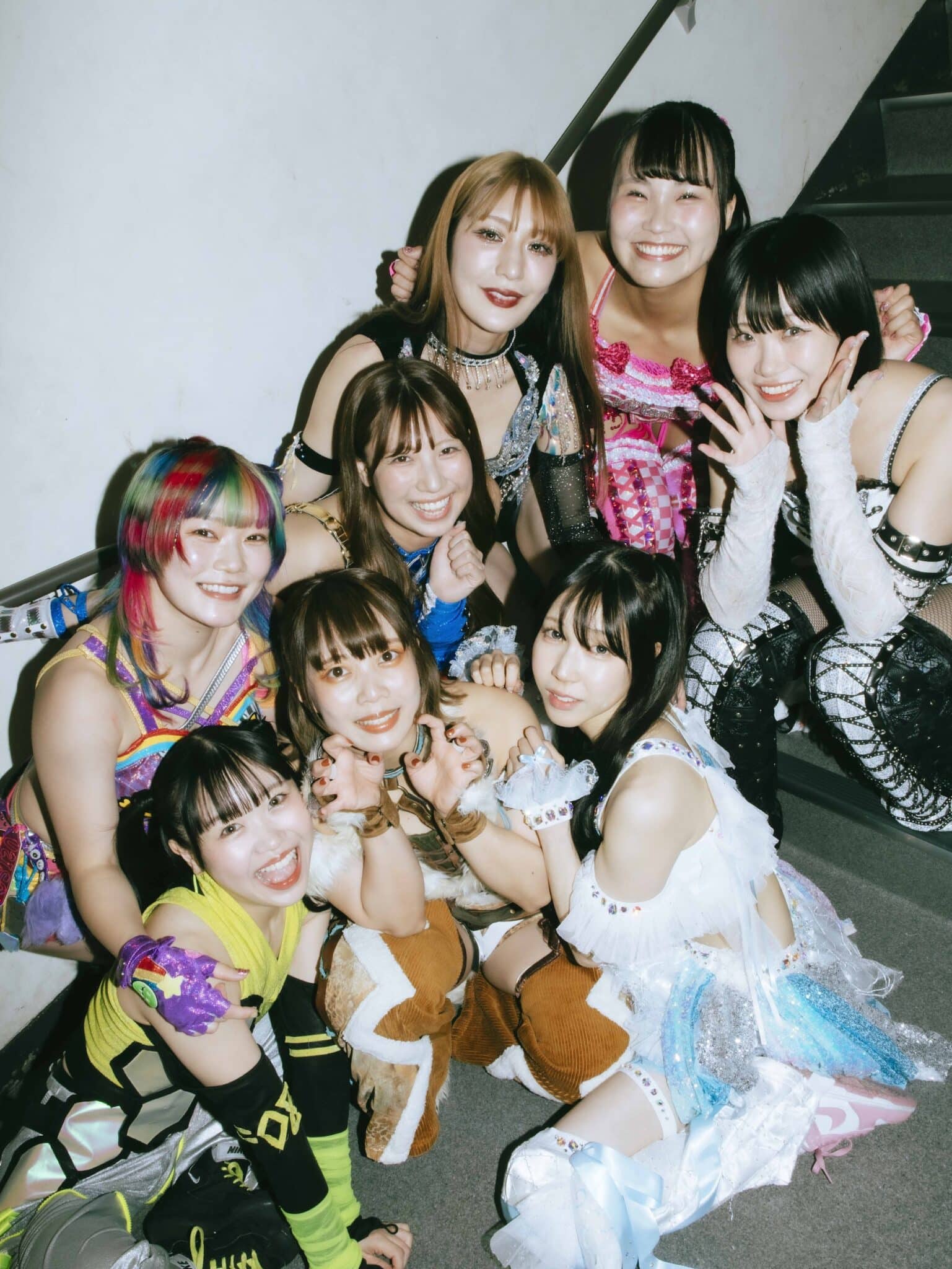
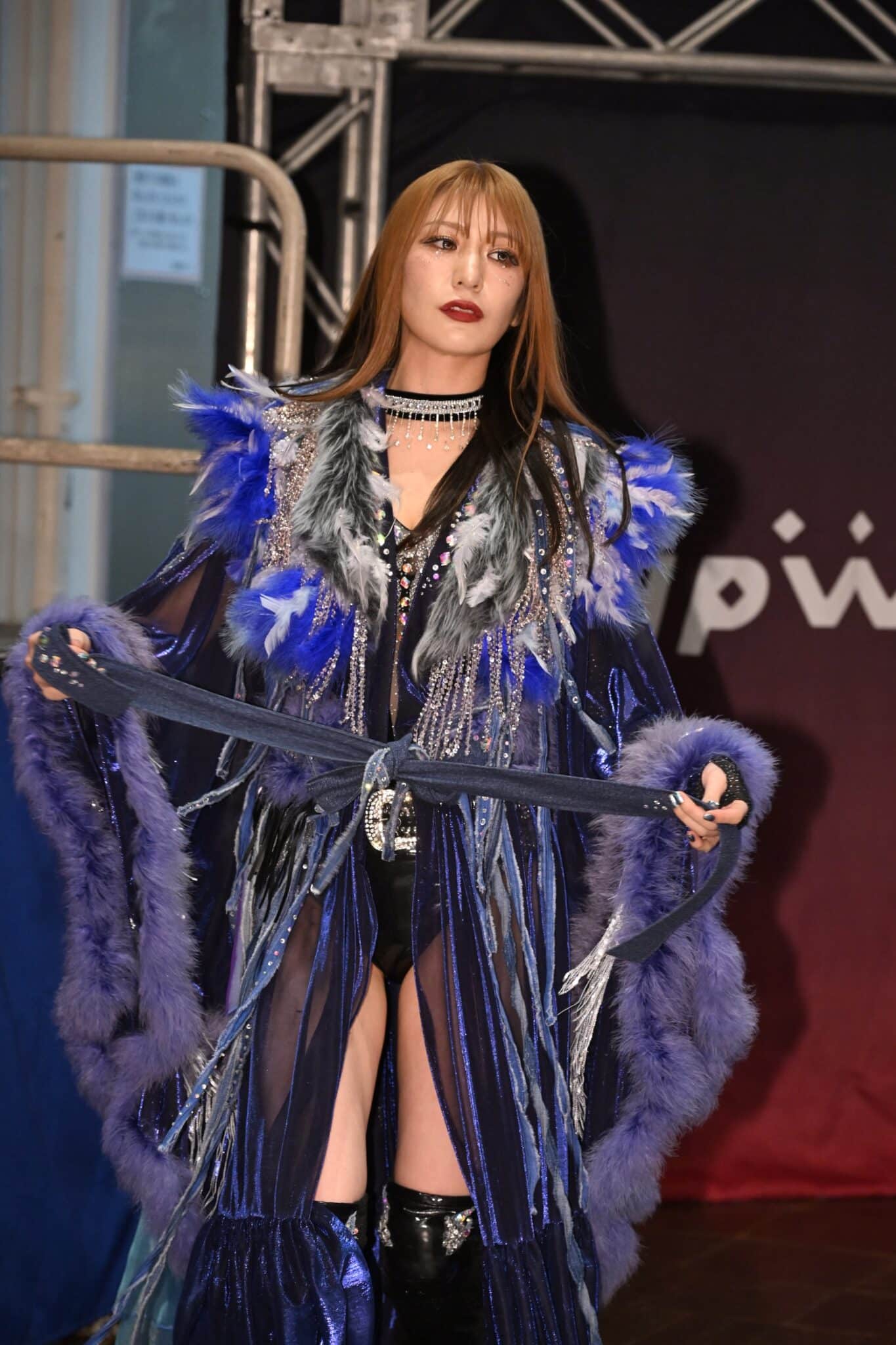
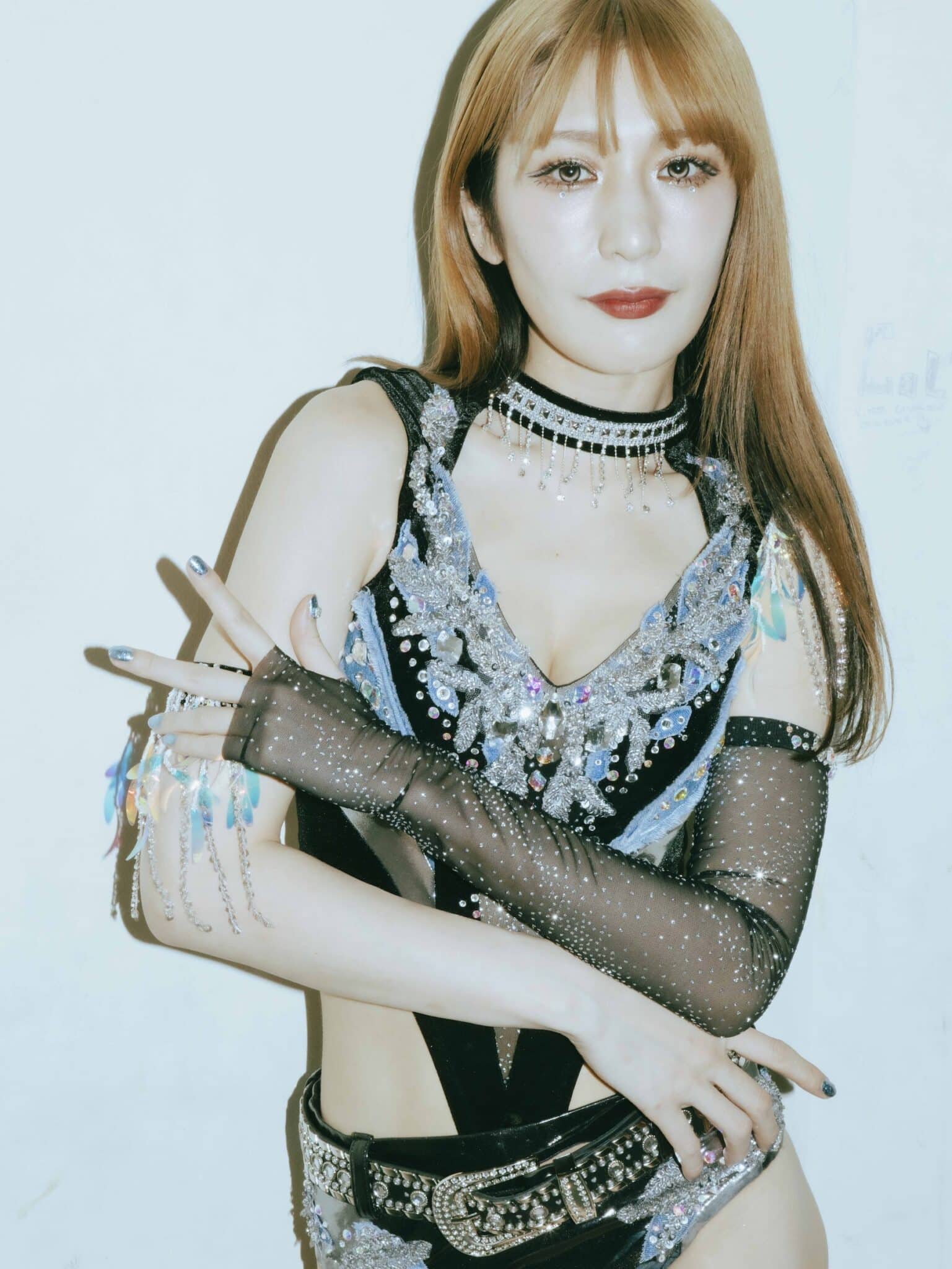
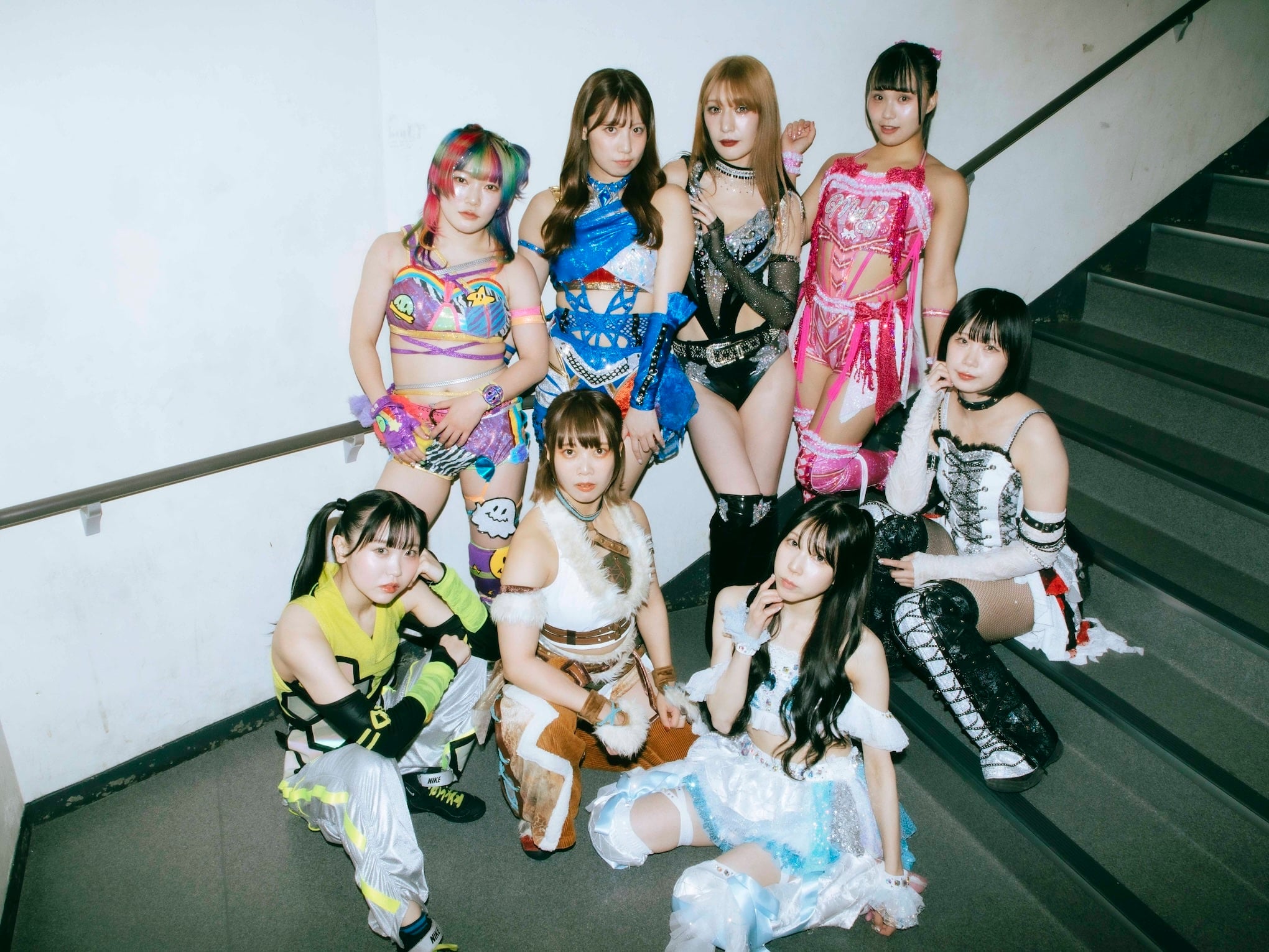
Some of TJPW’s popular wrestlers. From costumes to makeup and hairstyles, each has a distinctive look that reflects her personality. Another defining feature of TJPW is that there are no heels, and rivalries and conflicts are not a major focus.
One of TJPW’s defining features is that it has no heels—the villains of professional wrestling. Matches do not leave behind bitter animosity or conflict, and TJPW does not emphasize feuds or hold rivalry matches against other promotions.
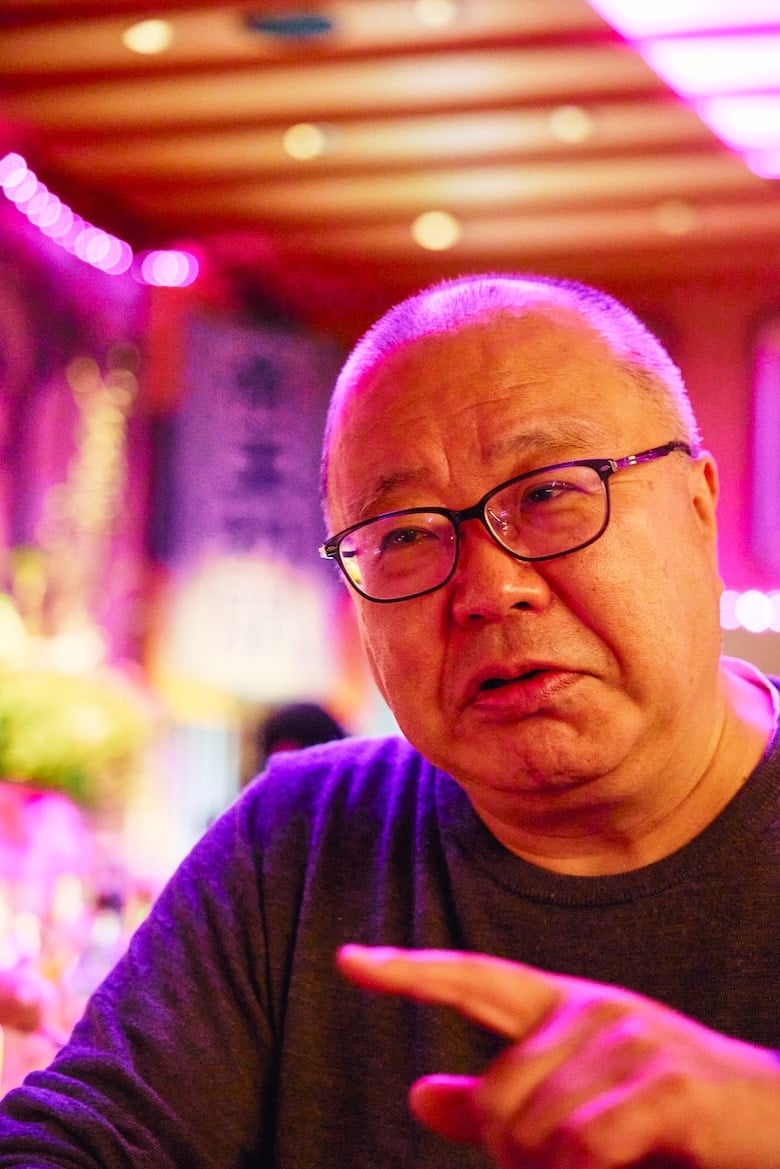
“Fans often tell us that they leave our shows feeling happy,” says Takahashi, who oversees TJPW’s business operations. “Even if the wrestler they were rooting for loses and they’re disappointed, what they feel even more strongly is, ‘I want to see her keep trying next time.’ They also tell us that every wrestler who steps into the ring shines.”
Behind this is an idea inherited from DDT: bringing out what makes each individual unique. Rather than defining a wrestler solely by her physique or athletic background, TJPW uses professional wrestling as a stage for bringing out each person’s character and what she wants to express.
“Some of our wrestlers say that the TJPW ring is a place where they can become the person they want to be. Putting on a costume that’s completely different from what they normally wear allows them to express their individuality or a side of themselves they don’t usually get to show. I think the audience picks up on that too,” says Takahashi.
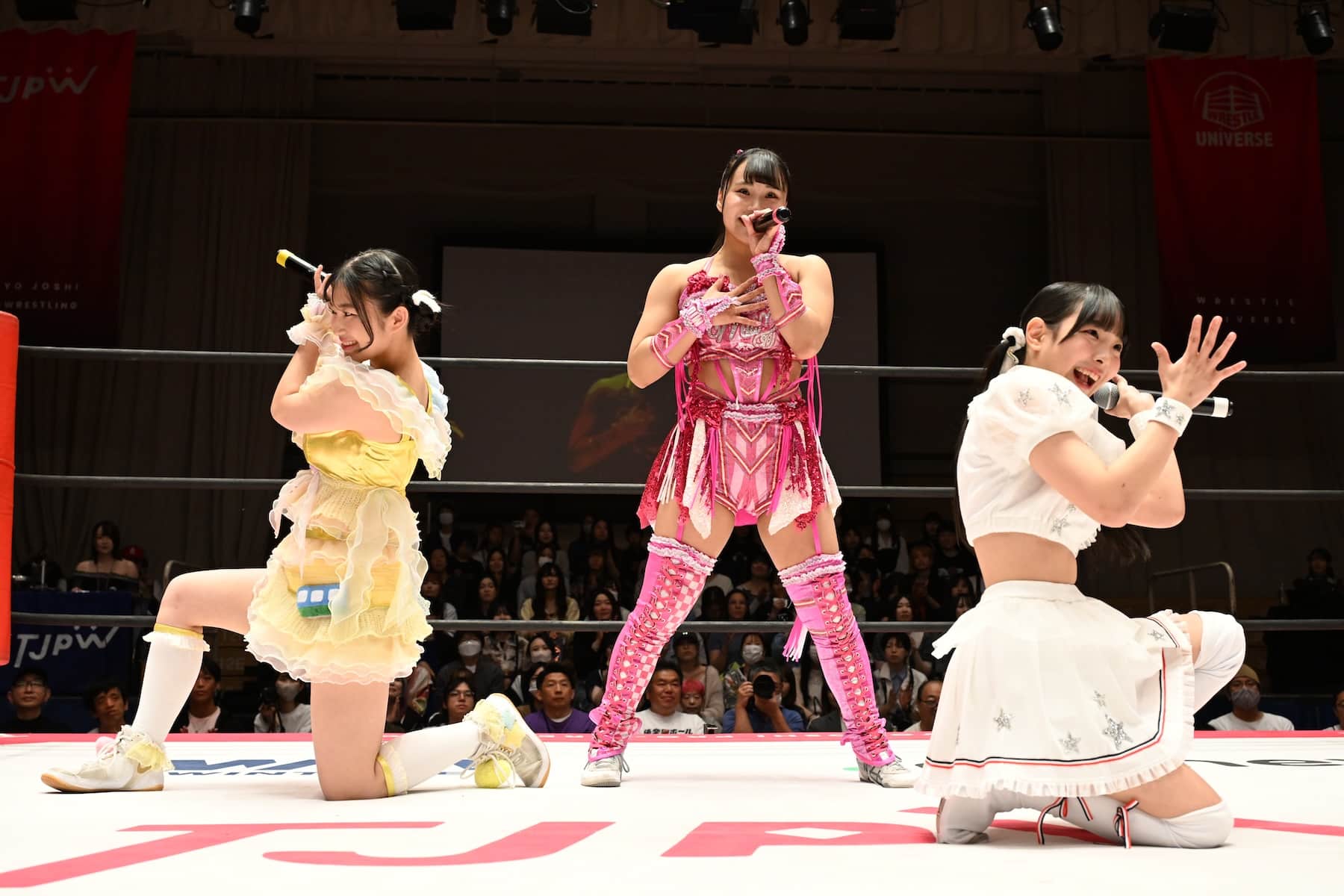
The event opens with a live performance by UP UP GIRLS kakko PROWRESTLING, TJPW’s own idol unit. Aiming to become the ultimate idols who can “sing, dance, and fight,” their performance is a scene unique to TJPW.
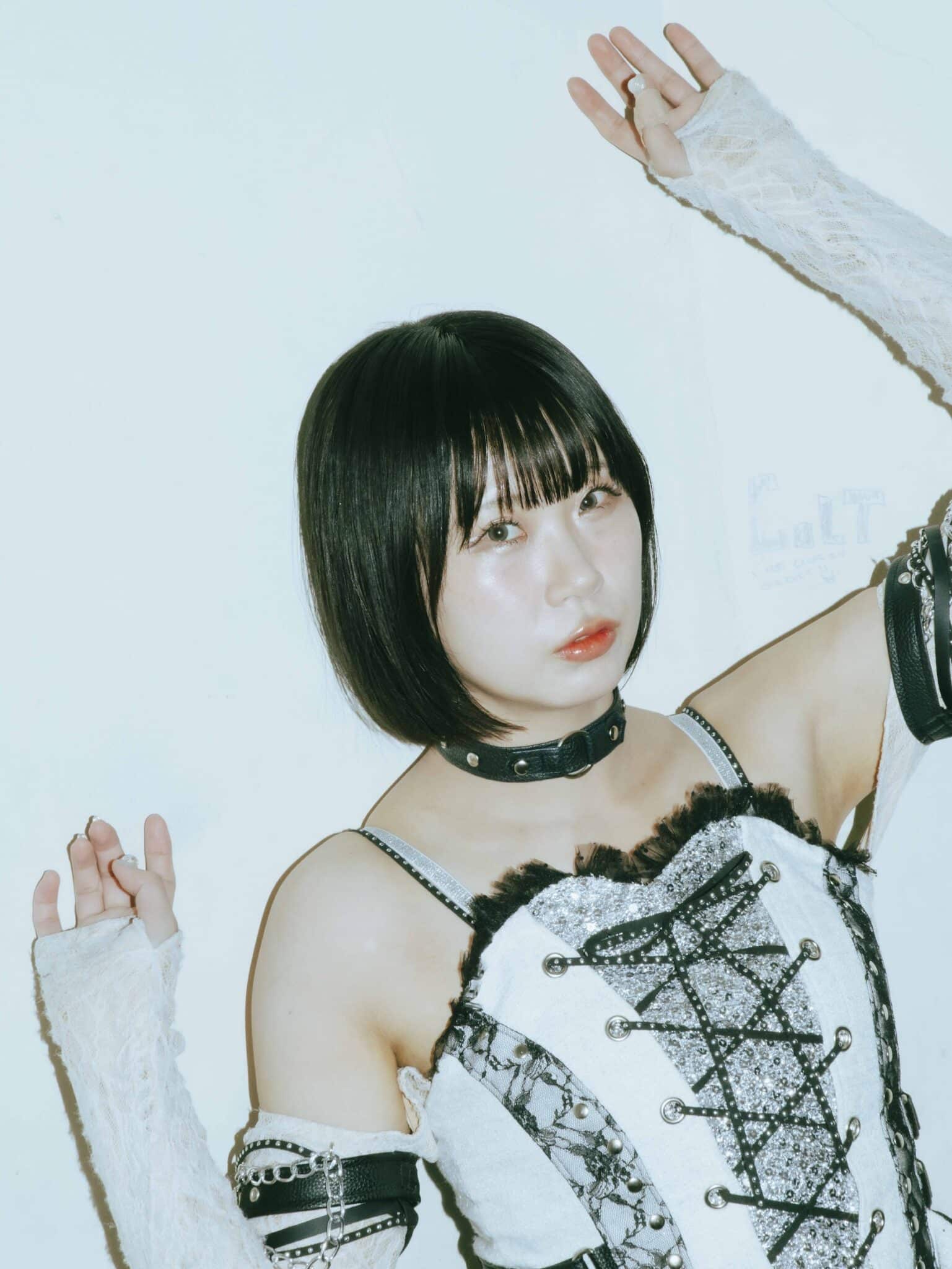
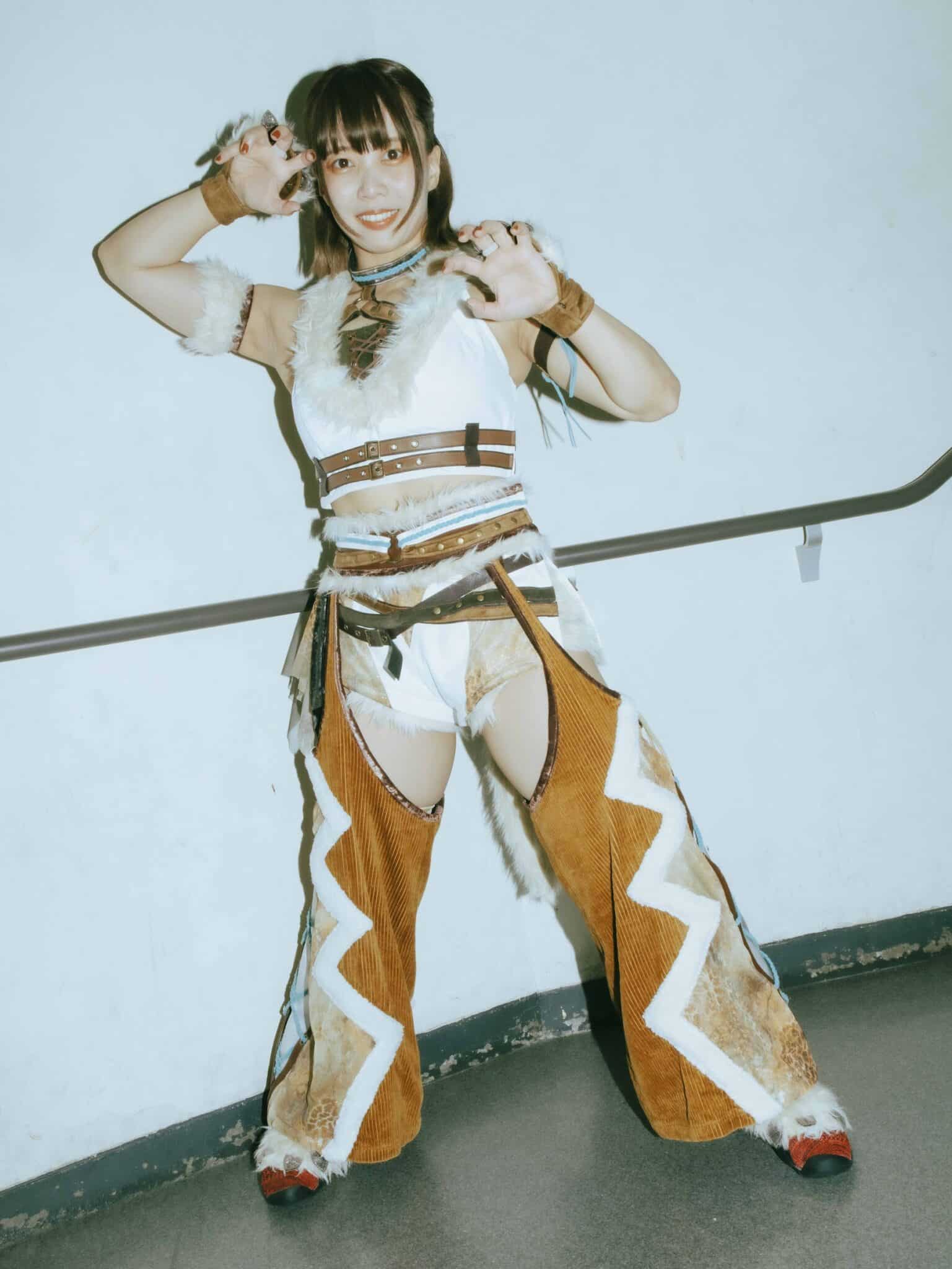
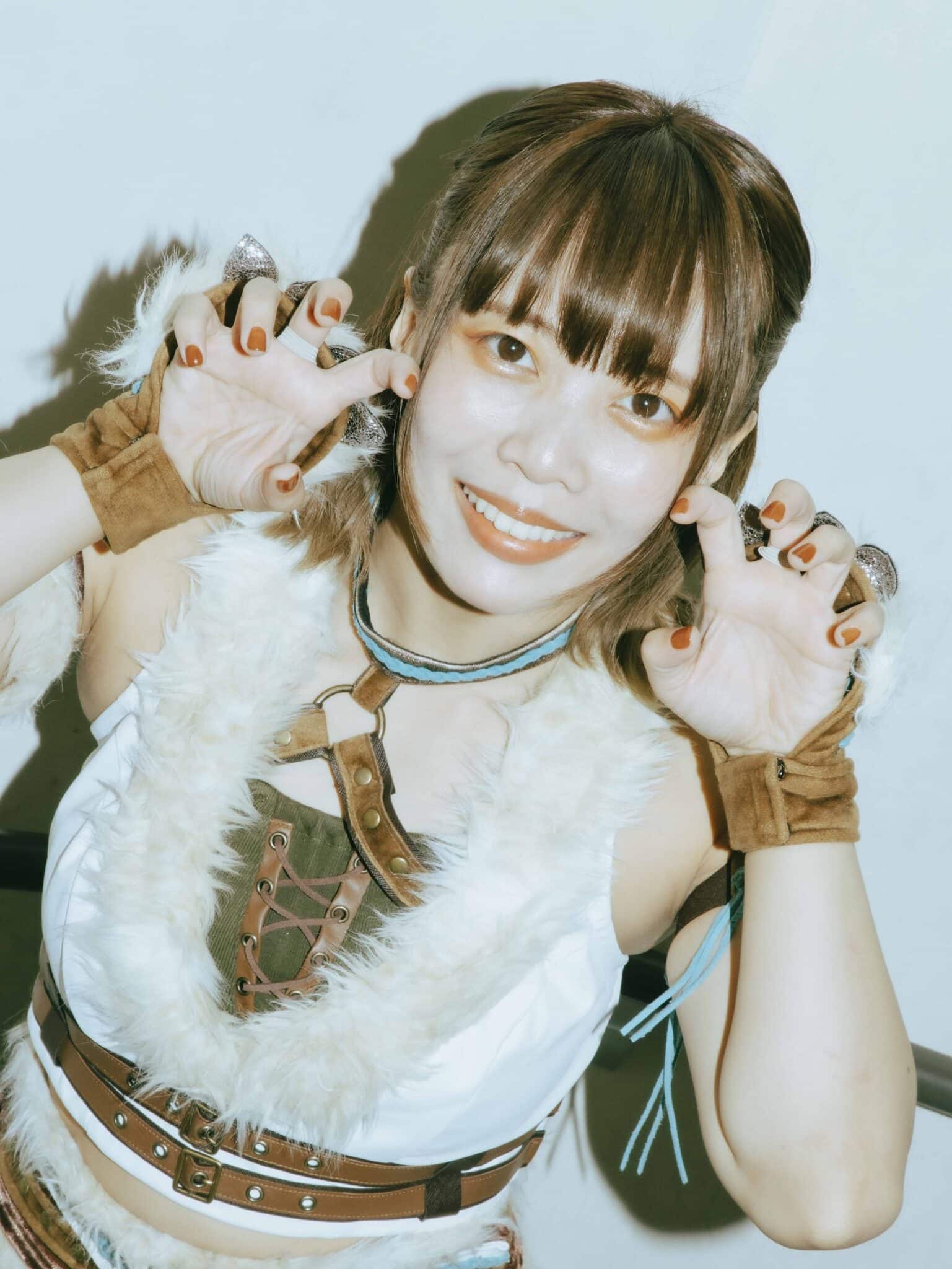
The moment a Tokyo Joshi Pro-Wrestling (TJPW) wrestler steps into the ring, one of the first things you notice is her colorful costume, designed to express her personality. The wrestlers generally come up with their own costume concepts, from colors to silhouettes, and also have a hand in creating their overall look, including their makeup and hairstyles.
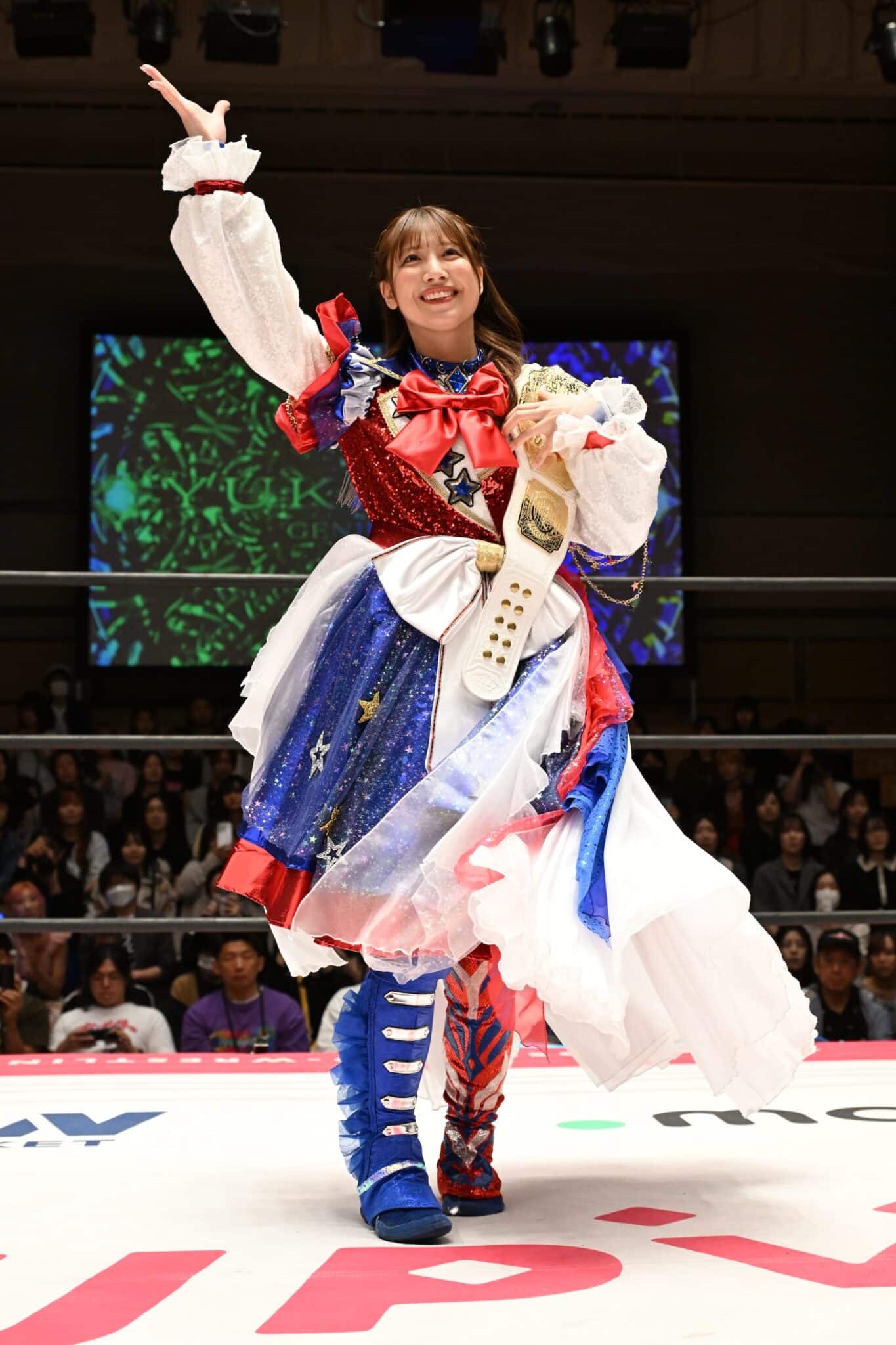
Even the entrance gowns worn over their costumes are spectacular.
Each design further highlights the wrestler’s unique personality.
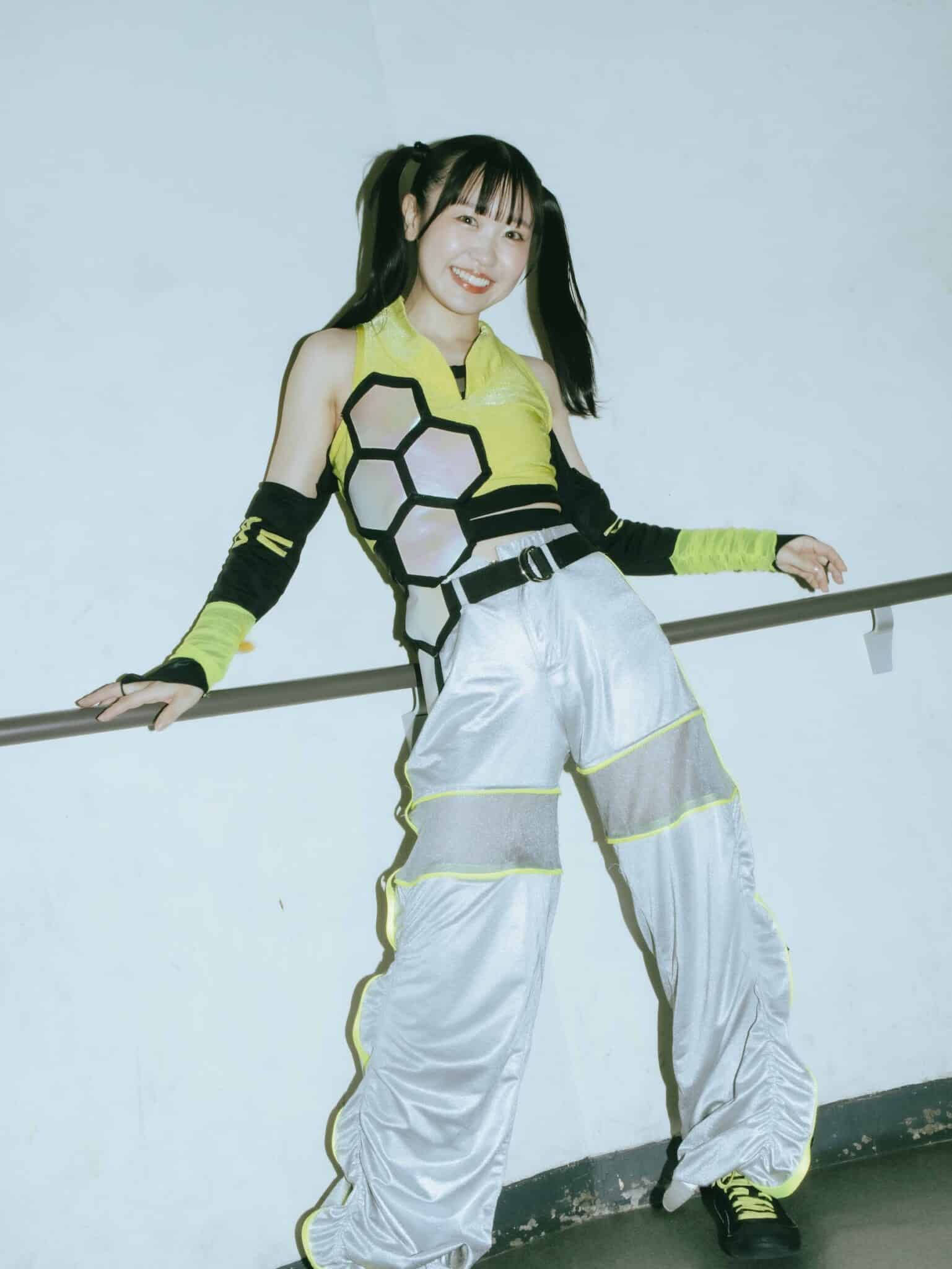
“Costumes are incredibly important. When you see a wrestler for the first time, you may not know her name yet, but you might remember her as ‘the one in the yellow frilly costume that I liked.’ Color and shape can help a wrestler stand out in people’s minds. I think that’s also how children start to recognize the wrestlers,” says Takahashi.
The colorful costumes, hair, and makeup are more than decoration. They are an important way for wrestlers to express who they want to be and the characters that feel true to them. Even before you know a wrestler’s name, her costume can tell you something about who she is at a glance—almost like a second introduction.
Takahashi says that TJPW’s colorful aesthetic is sometimes compared to Pretty Cure, the long-running Japanese magical-girl anime franchise.
As the wrestlers appear, each with her own distinctive look and character, it feels as though Japanese pop culture has been condensed into the ring.
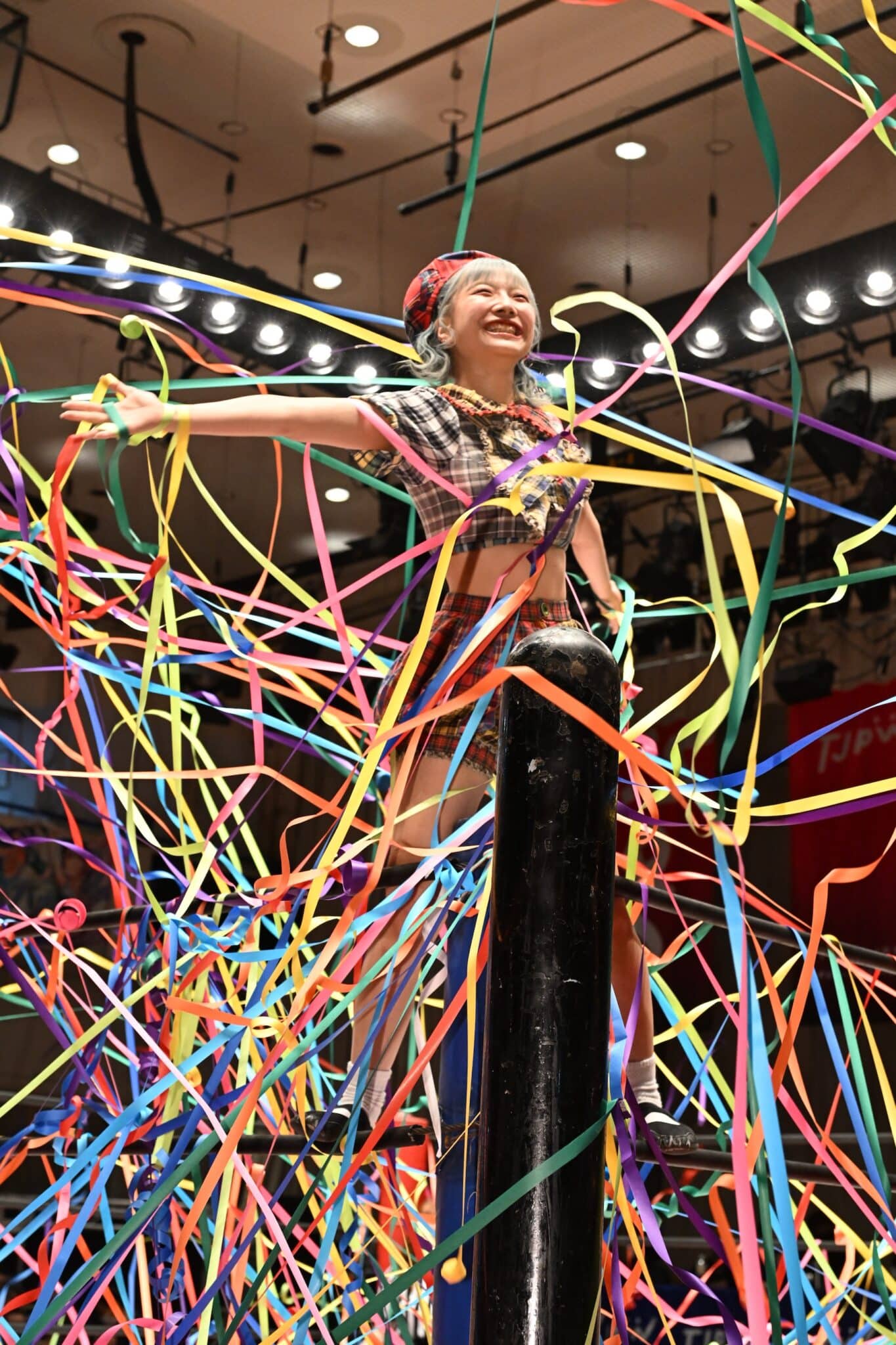
Pom Harajuku calls herself “born and raised in Harajuku” and wears a checked costume reminiscent of Lolita fashion. Her bright, comical personality has made her a fan favorite.
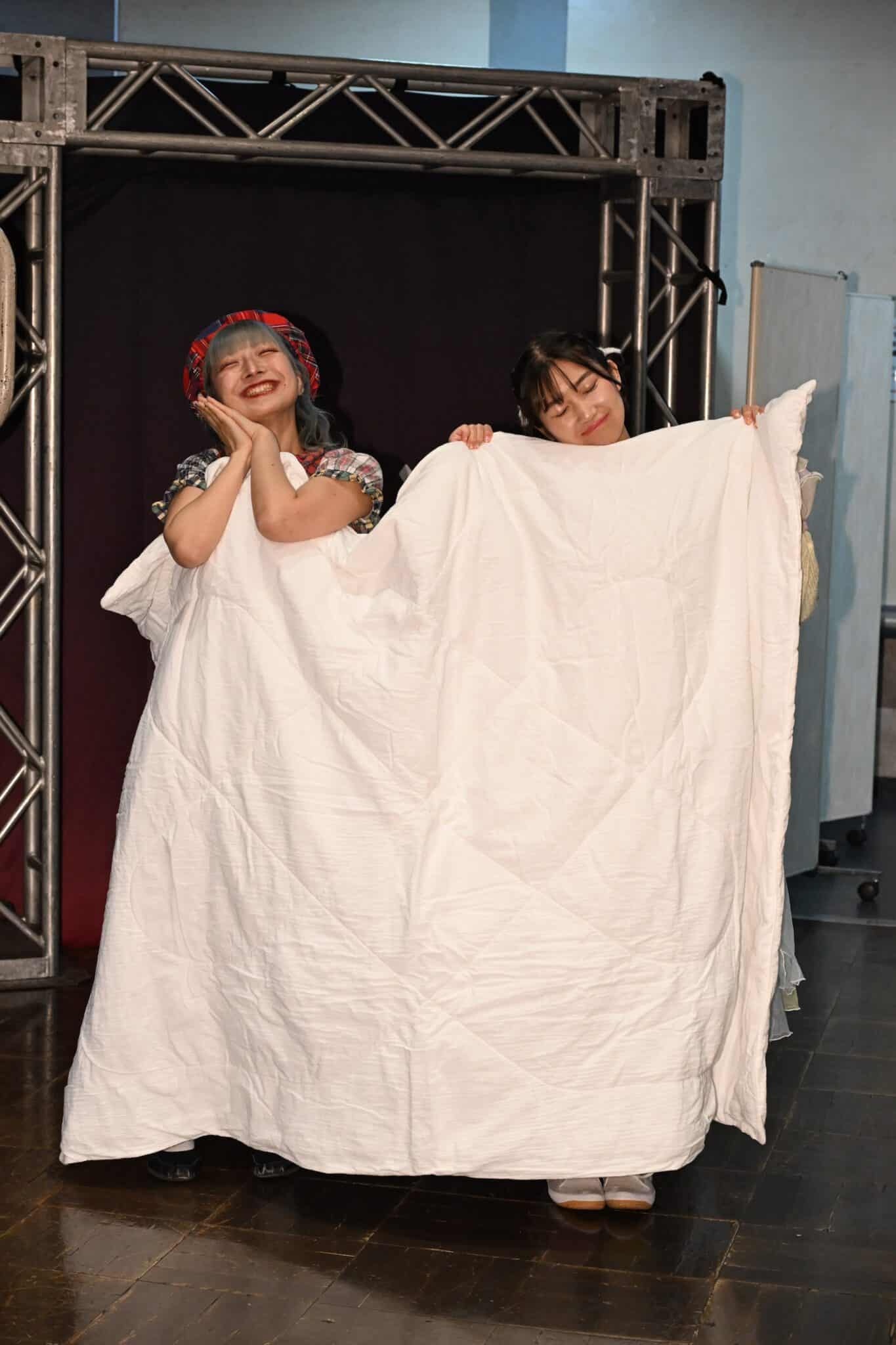
The tag team of Pom Harajuku and Raku makes its entrance carrying a futon, inspired by their popular move “Oyasumi Express.” Their playful characters make them stand out even within TJPW.
It is easy to be drawn in by the colorful costumes and distinctive personalities of Tokyo Joshi Pro-Wrestling (TJPW). But once the wrestlers step into the ring, the intensity is real. Frills and elaborate costumes no longer matter as they grimace in pain but keep getting back up and fighting on. Before long, you may find yourself cheering them on with everything you have.
“We place a lot of importance on thoroughly mastering the fundamentals of professional wrestling, from taking falls to basic movement,” says Takahashi. “Even when we do something a little different or entertaining, I think people can enjoy it because those fundamentals are solid. Many of our wrestlers also come up with moves that suit their own characters.”
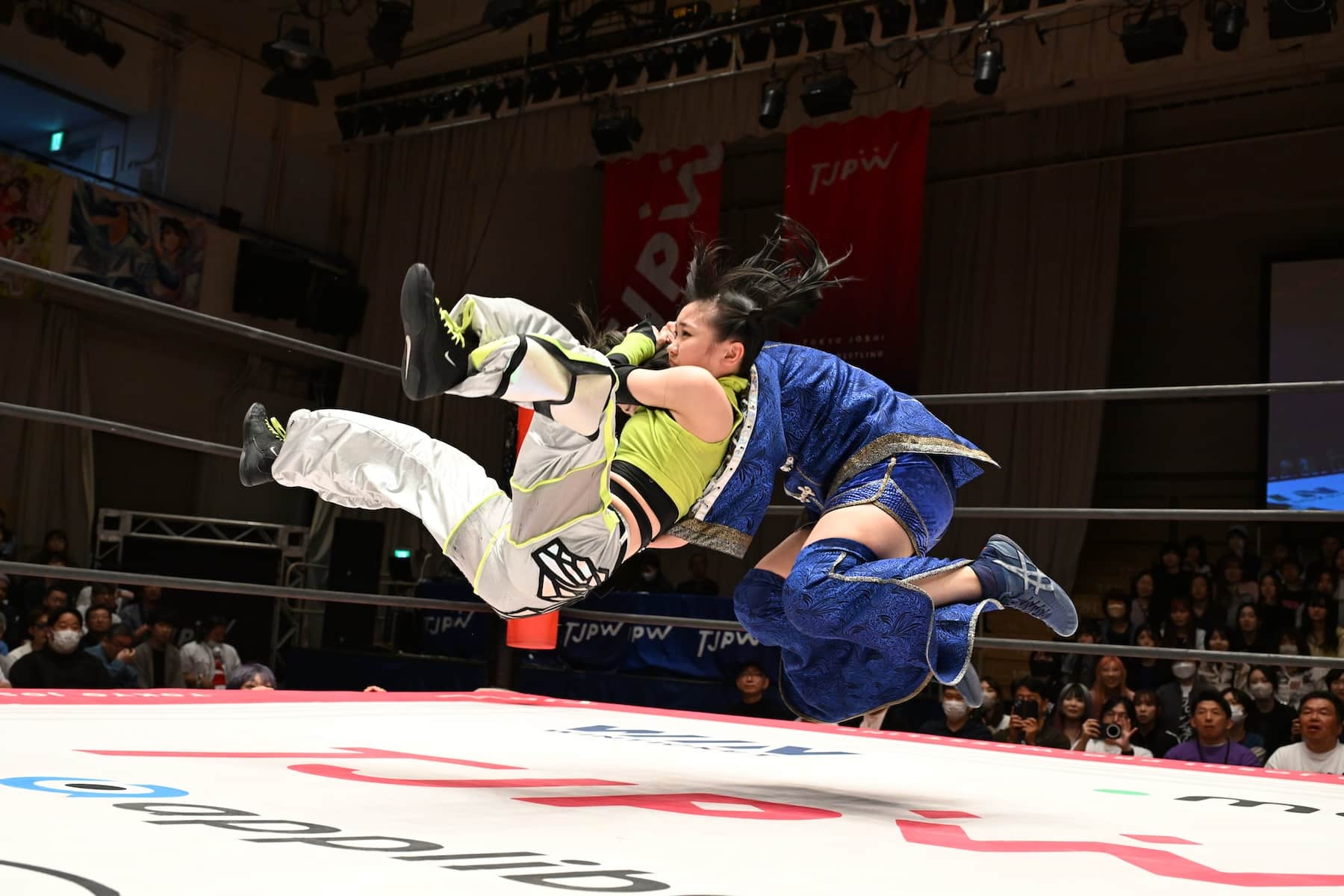
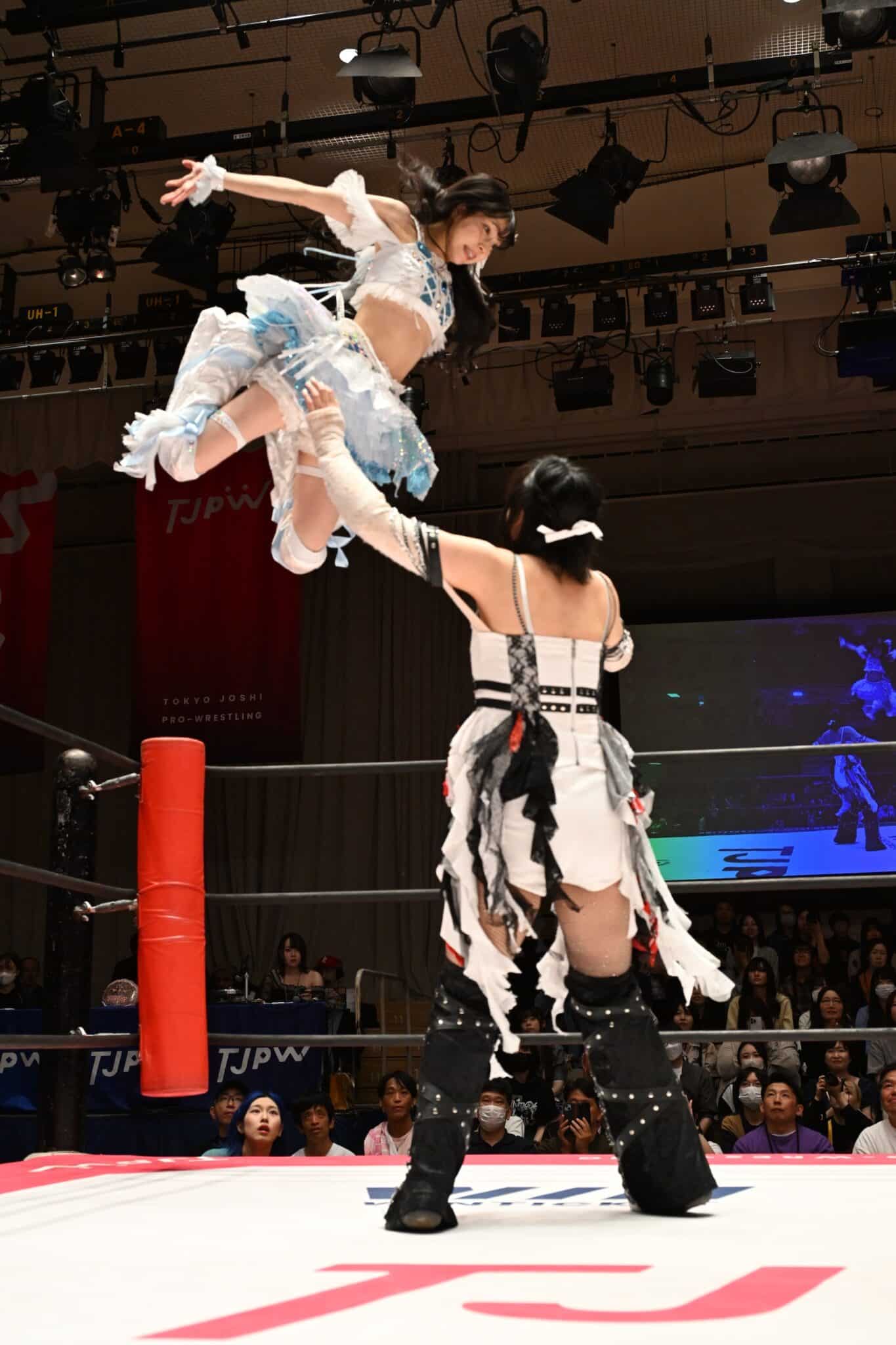
The crowd erupts as a wrestler soars through the air and sends her opponent crashing onto the mat.
Neither wrestler is willing to give an inch. Watching them battle back and forth in a test of determination is enough to keep you on the edge of your seat.
TJPW’s slogan is “KAWAII × DREAM × STRONG — Pro Wrestling That Makes You Look Forward to Tomorrow.” The wrestlers are not only “KAWAII”—they are “STRONG” too. And here, “STRONG” means more than physical strength.
“I think standing out as an individual is also a kind of strength,” says Takahashi. “It might be the strength of your character, or the mental strength not to give up. If you asked each wrestler, ‘What is your strength?’ I think every one of them would have a different answer.”
What you see in the ring, then, is more than well-honed wrestling technique. Each wrestler brings her own kind of strength. “KAWAII” and “STRONG” may seem like opposites, yet both exist naturally in the same ring. That combination is at the heart of what makes TJPW what it is.
Diving from the corner in a frill-covered costume that looks straight out of a magical-girl anime—this is “KAWAII” and “STRONG” in one.
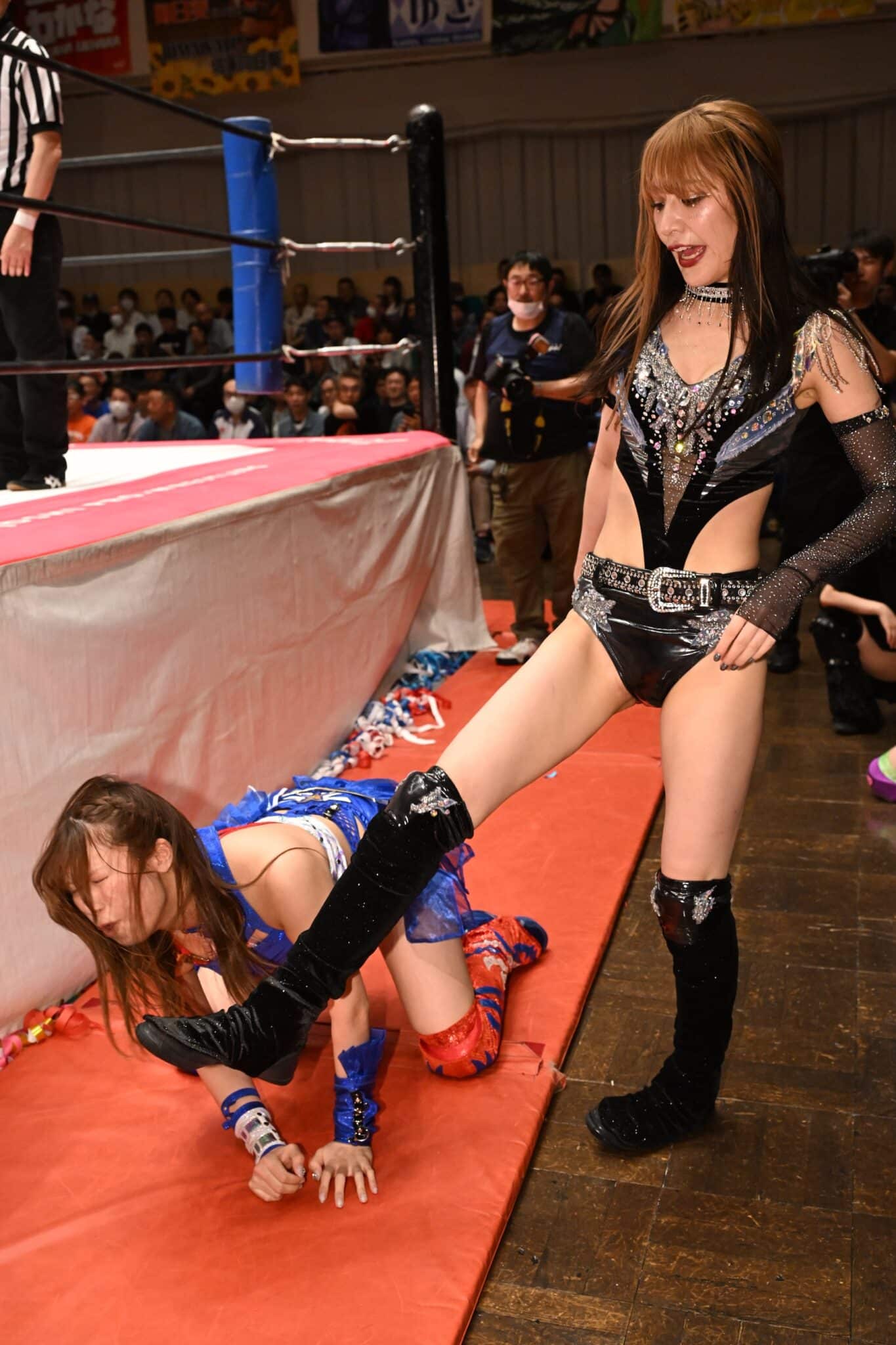
Sometimes the action spills outside the ring. Fans in the front rows move out of the way while keeping their eyes on the match.
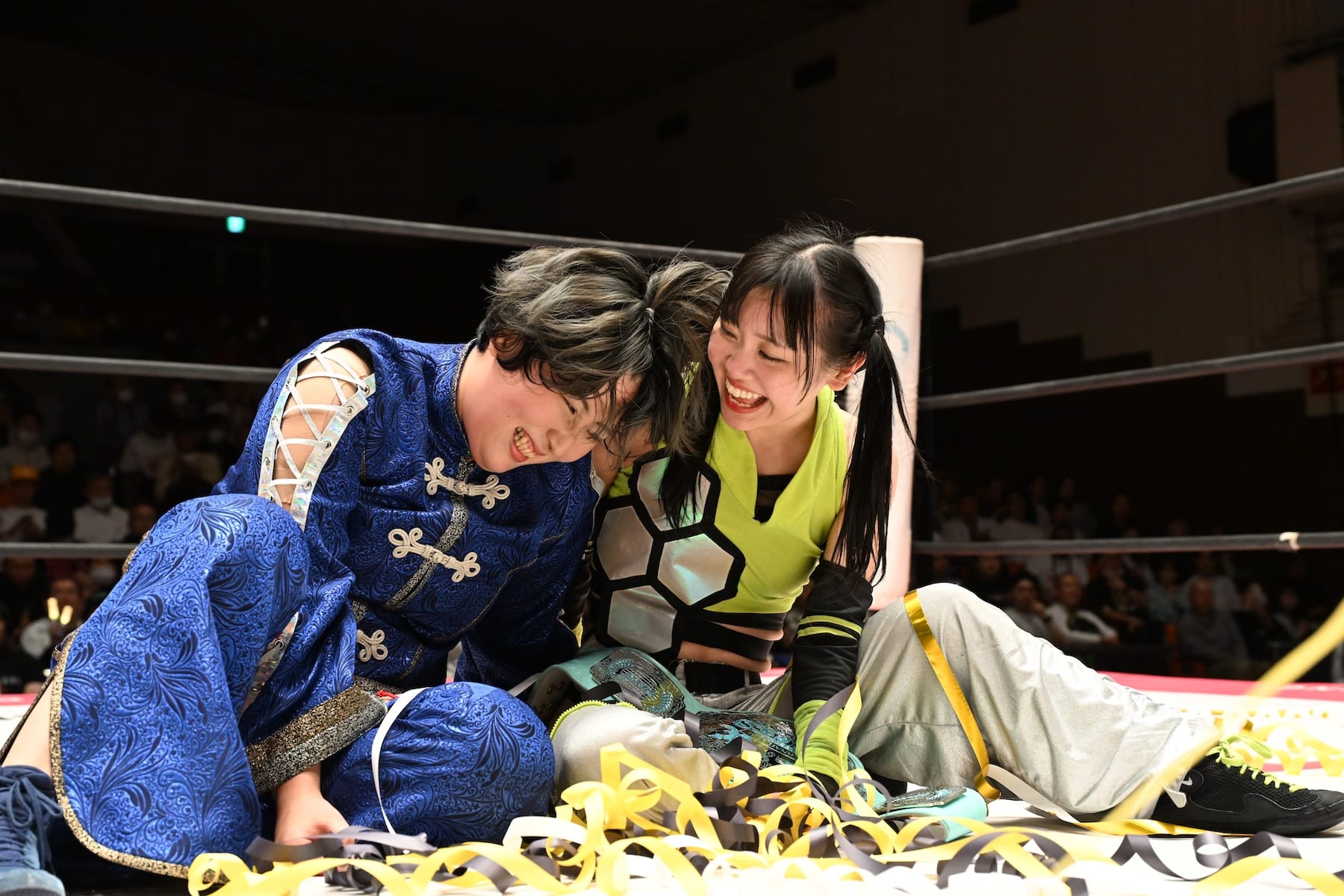
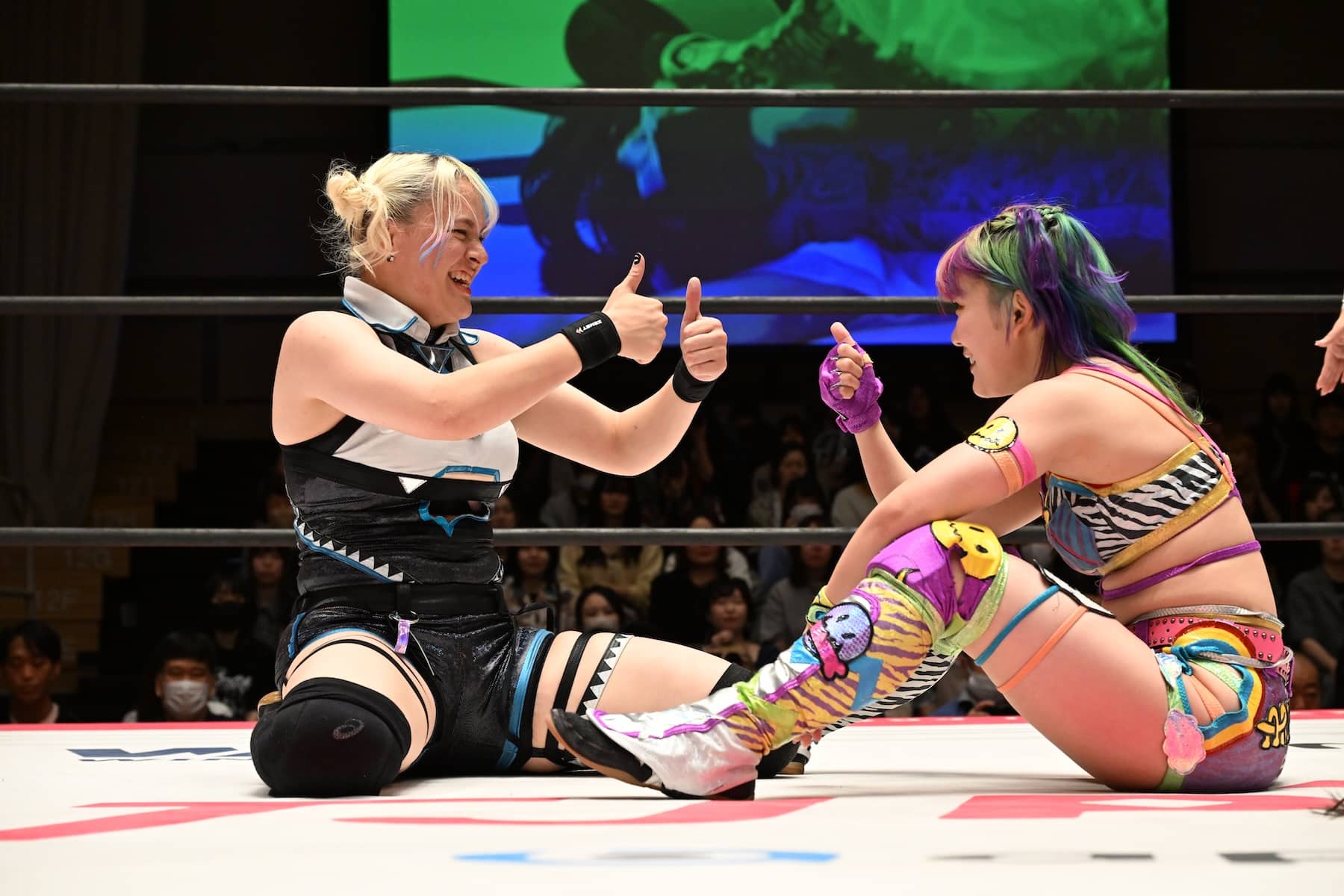
Once the match is over, it is “no side”—a concept associated with rugby in Japan, meaning that once the contest ends, there are no longer allies or opponents. The same spirit can be seen in TJPW.
With no lingering grudges or conflicts between them, the wrestlers embrace, smile, and show their respect for one another.
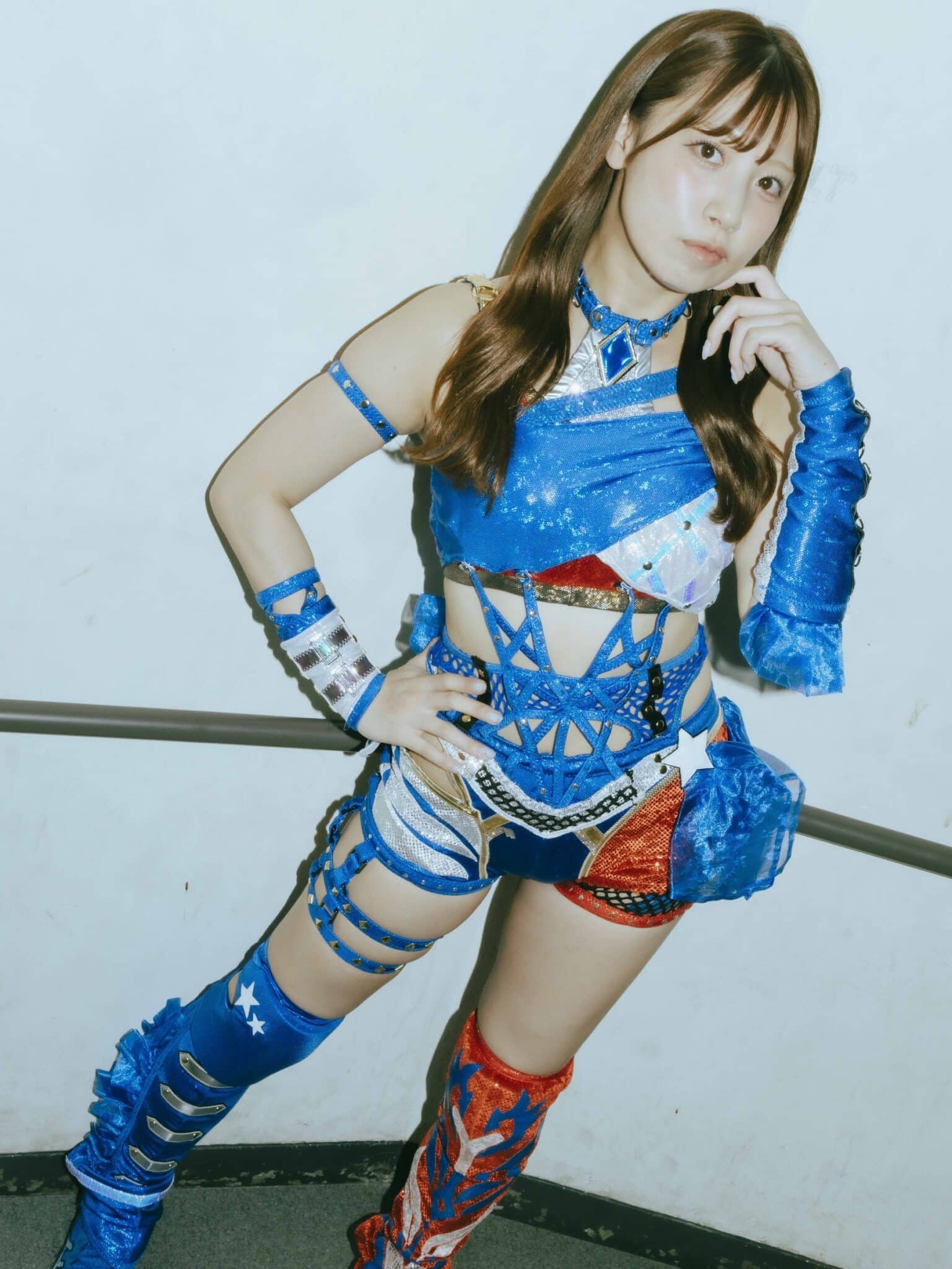
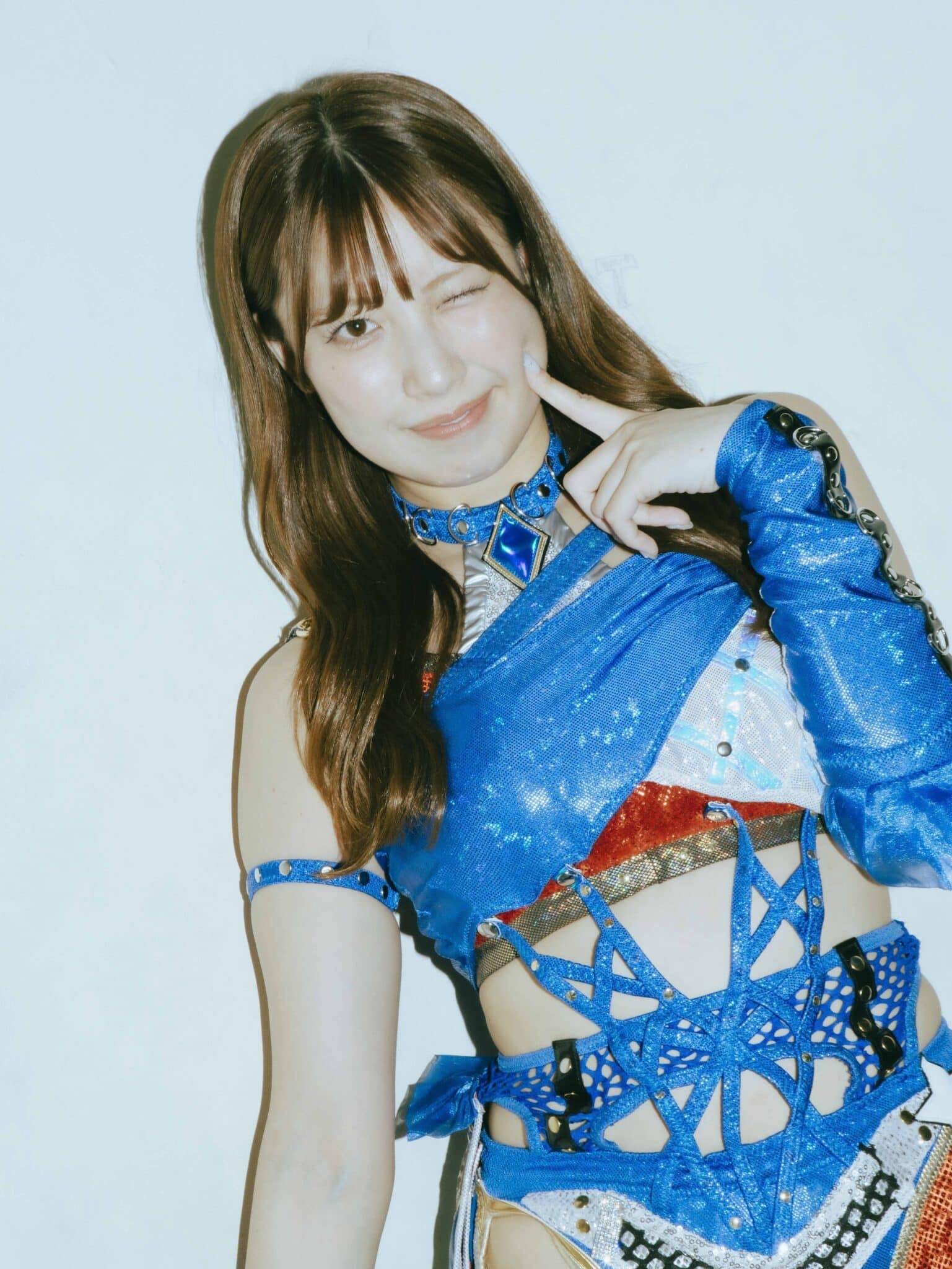
Yuki Arai
After performing as a member of the idol group SKE48, Yuki Arai made the transition to professional wrestling. Her cute appearance contrasts with the hard-hitting moves and all-out intensity she brings to the ring. She says she especially wants fans to pay attention to her facial expressions. She even styles her hair so that her face remains visible while she wrestles, saying, “I want people to see the expression on my face when I’m giving it everything I have.”
“When I’m in the ring, I’m completely focused on myself. I’ll think, ‘I did that move better than last time,’ or ‘I can finally pull off that move now.’ It makes me happy when I can feel that kind of progress myself.”
“I get so caught up in the match that sometimes my drawn-on eyebrows completely disappear [laughs]. But that’s part of it too, so I hope people will watch closely.”
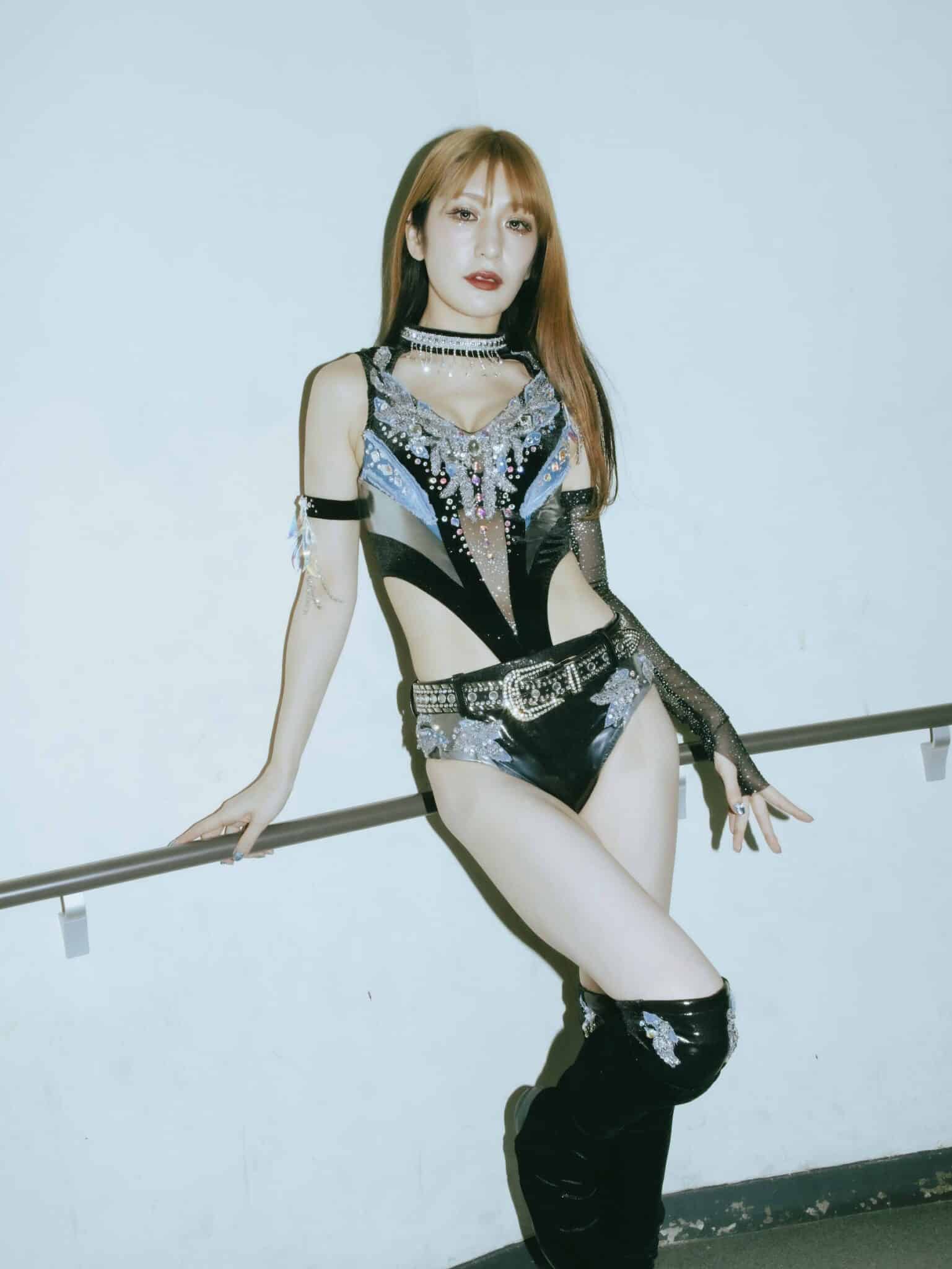
Yuki Kamifuku
Often described as “Japan’s most beautiful wrestler,” Yuki Kamifuku entered professional wrestling after working in the entertainment industry. Known for her striking figure, she has also appeared in gravure photo shoots. Her cool costumes and makeup are part of her signature look, and she has built a strong following among female fans as well. Kamifuku has announced that she will retire from professional wrestling on December 26, 2026.
“I don’t really want my costumes to look too much like typical wrestling gear. I make sure they really show off the lines of my body—I intimidate people with my figure [laughs].”
“Not everyone at the venue is there because they like me. There are probably people who don’t. But if someone who didn’t like me sees my match today and comes away liking me, that would make me happy. I hope people can see how much I put into what I do.”
Suzume
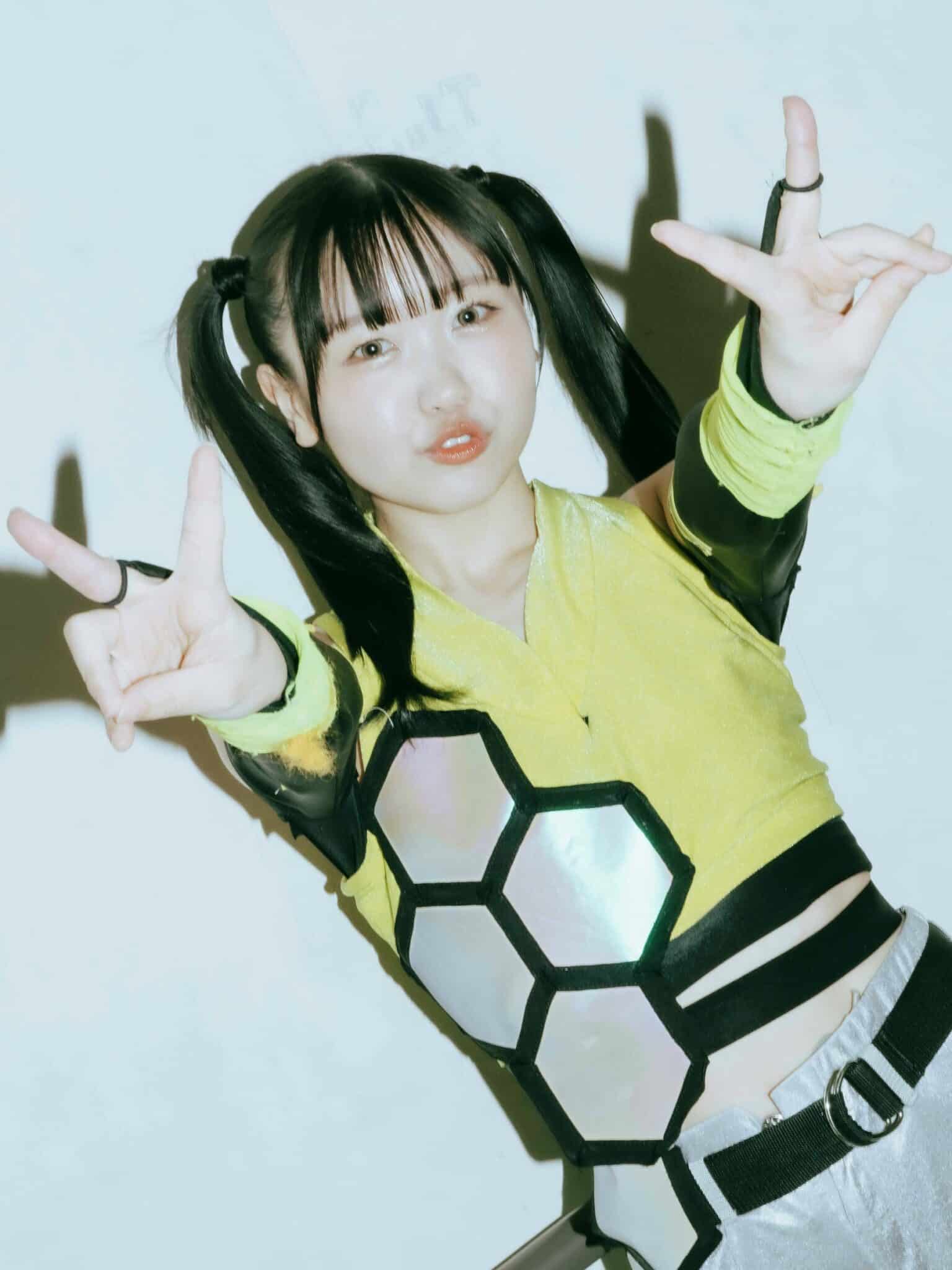
Suzume first discovered TJPW when a friend invited her to a show. She became a fan—and eventually a TJPW wrestler herself. At 152 cm tall, she makes the most of her smaller frame with a fast, energetic wrestling style. Her cheerful smile is another part of her appeal. Her motif is the hornet, and her costume features her signature color, yellow.
“I come out smiling during my entrance, but once the match starts, I don’t try to control my expressions at all. I’m fighting with everything I have, and that’s what I want people to see. I think I shine brightest when I’m in the ring.”
“When I was a TJPW fan, I loved being able to show the wrestlers my support directly. Now I’m the one receiving that support. The fans are happy when I win and disappointed when I lose. Feeling like they’re fighting alongside me is what keeps me going.”
Rika Tatsumi
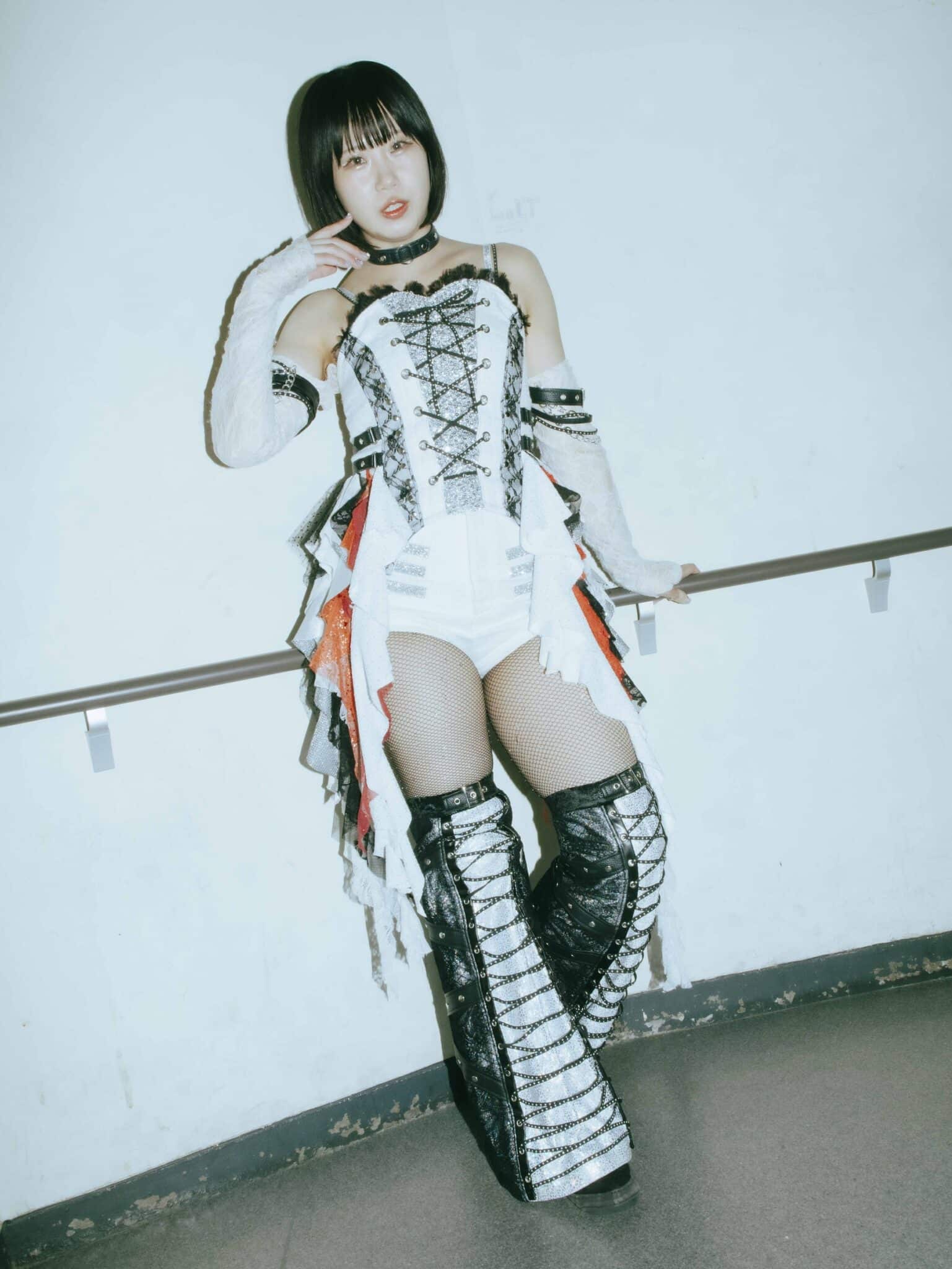
Rika Tatsumi is known for her wild, almost unhinged wrestling style, which she calls “Crazy Fight.” Once she enters the ring, she seems to transform into a completely different person. She sometimes enters the ring in a wildly eccentric persona given to her by Cookie!, a Japanese comedian she admires. Her catchphrase, “This is White Dragon,” plays on the tatsu (“dragon”) in her surname.
“My main color is white, and I’ve incorporated punk-rock elements into my costume because I love the style. I use white eyeliner for my makeup too.”
“Of course, I want you to watch my signature moves, but every movement I make during a match has meaning. From the moment I make my entrance, don’t look away. Watch everything.”
Shoko Nakajima
Shoko Nakajima trained at the comedy school run by entertainment company Yoshimoto Kogyo and worked as a comedian before joining TJPW. One of the promotion’s original members, she stands just 147 cm tall, yet uses her finely honed strength to send much larger opponents flying. That contrast between her bright personality and powerful wrestling style is part of what makes Nakajima who she is.
“When I get to talk to fans face-to-face, I can really feel that they’re supporting me. And when I can tell that they genuinely love professional wrestling too, that makes me even happier.”
“I think TJPW feels very Japanese. Like Japanese anime and manga, every wrestler has her own distinctive character. You can look at someone’s costume and immediately get a sense of what kind of character she is. Their personalities and individuality are reflected in their costumes too, so it’s almost like watching an anime—you can find a wrestler you connect with and start rooting for her. I think that’s a big part of the appeal.”
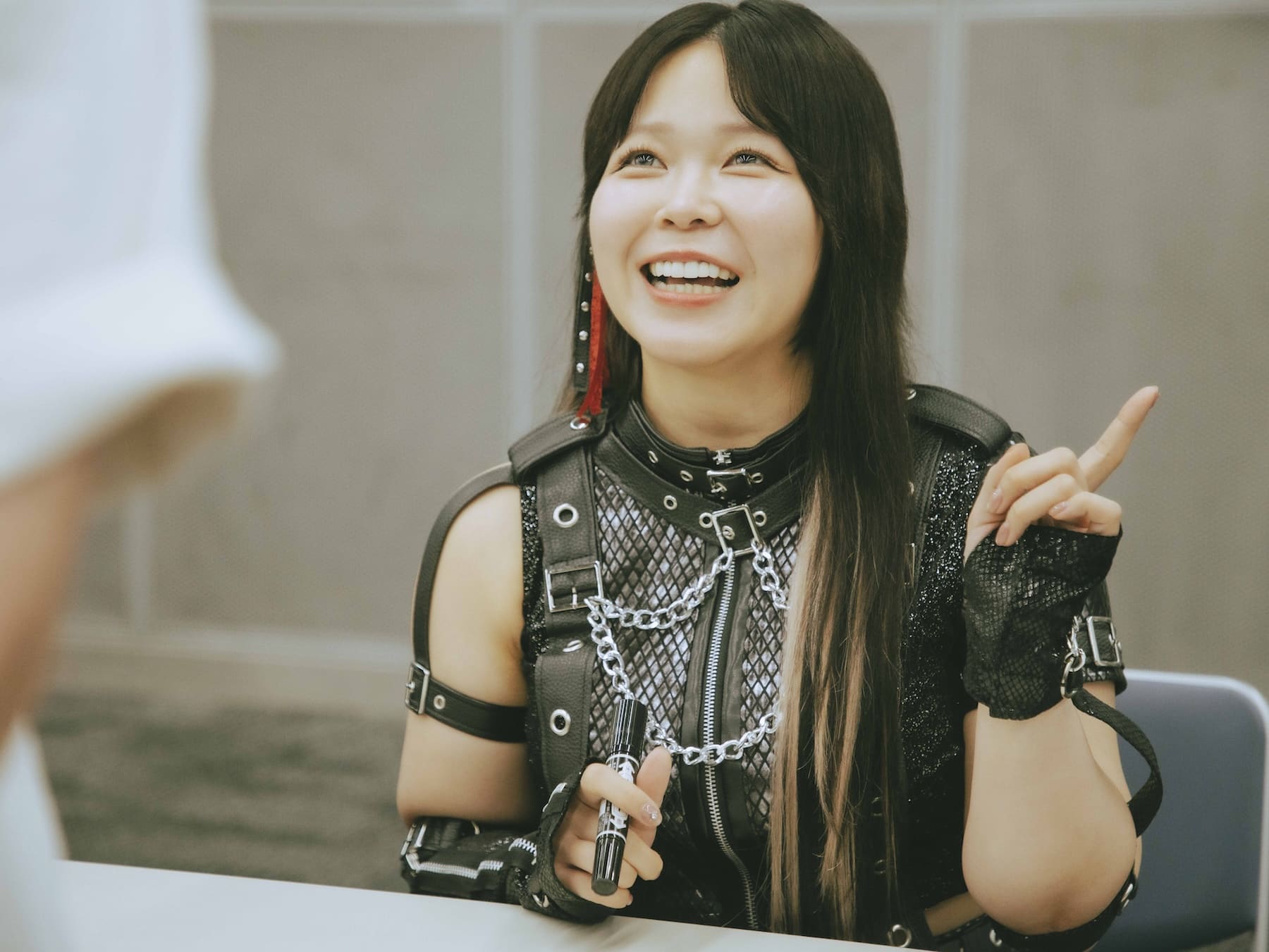
Even after the final bell rings, the TJPW experience is far from over. Many events are followed by fan meet-and-greets where visitors can interact directly with the wrestlers, and that sense of closeness with your “oshi”—the wrestler you support—is a major part of TJPW’s appeal.
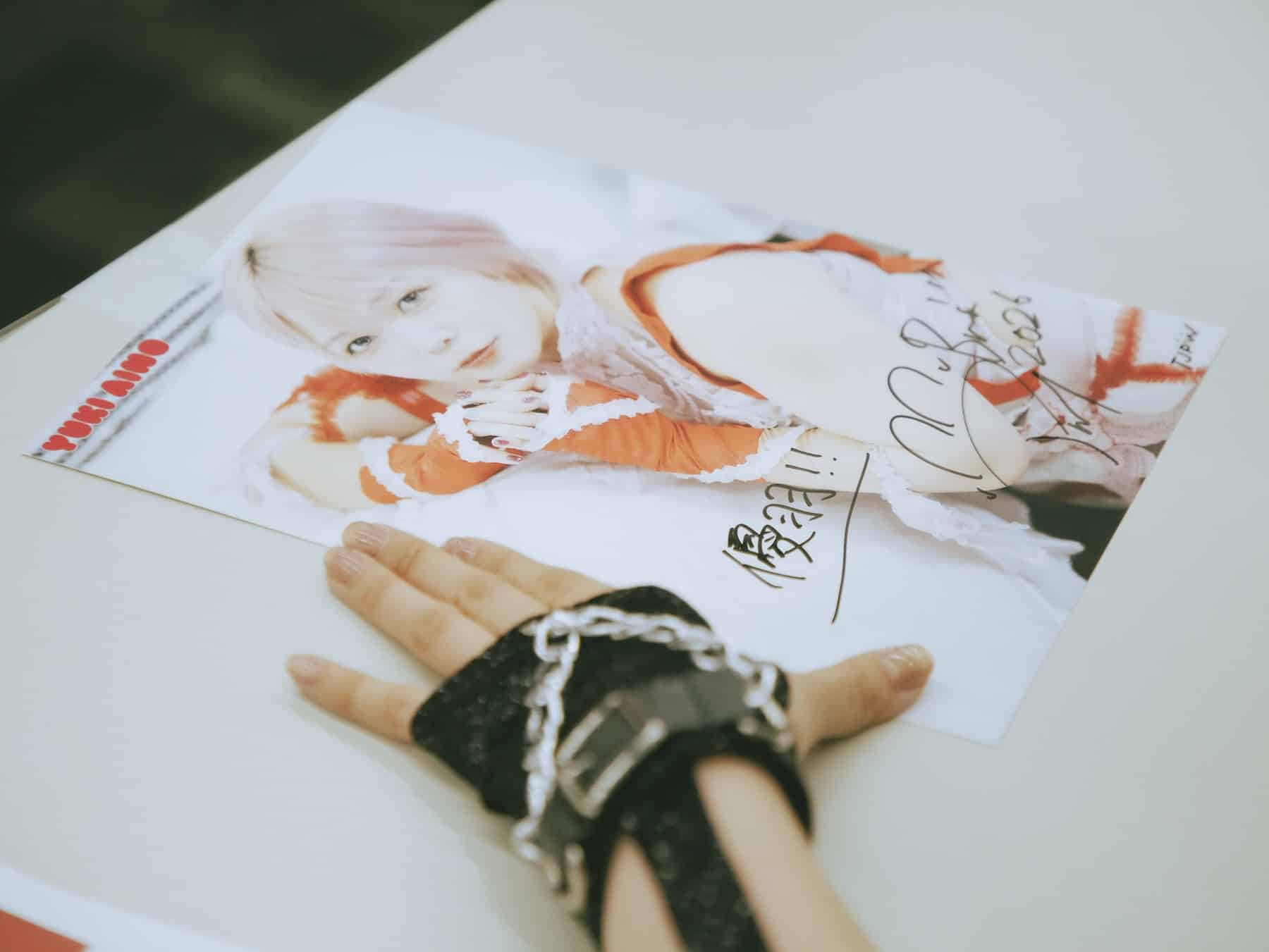
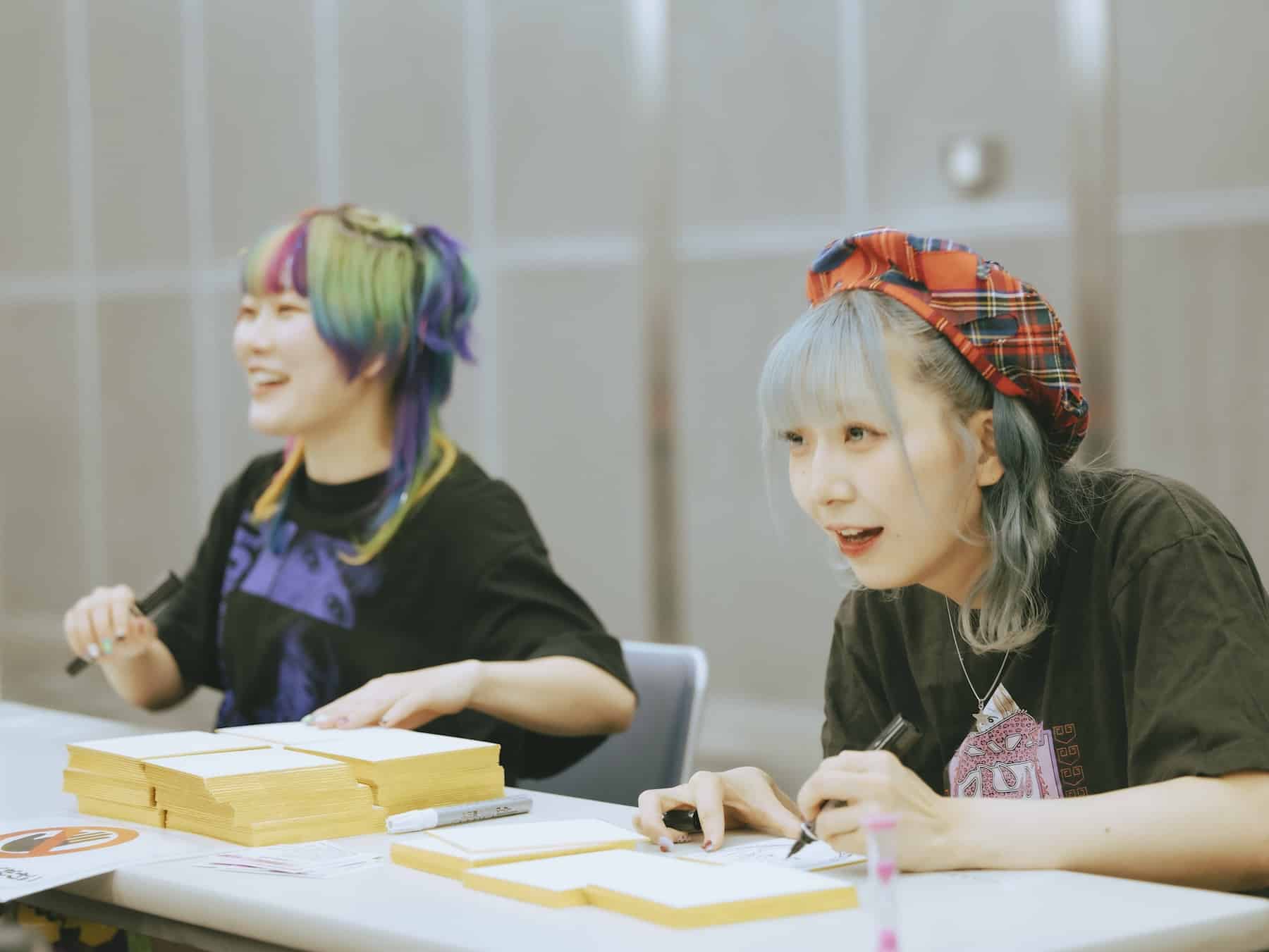
Typically, fans can purchase a wrestler’s portrait and have it signed, then take a solo photo of the wrestler with their own phone. Some events also offer two-shot photo sessions, where fans can pose with a wrestler. And in one of TJPW’s more unusual fan events, wrestlers even draw portraits of their fans.
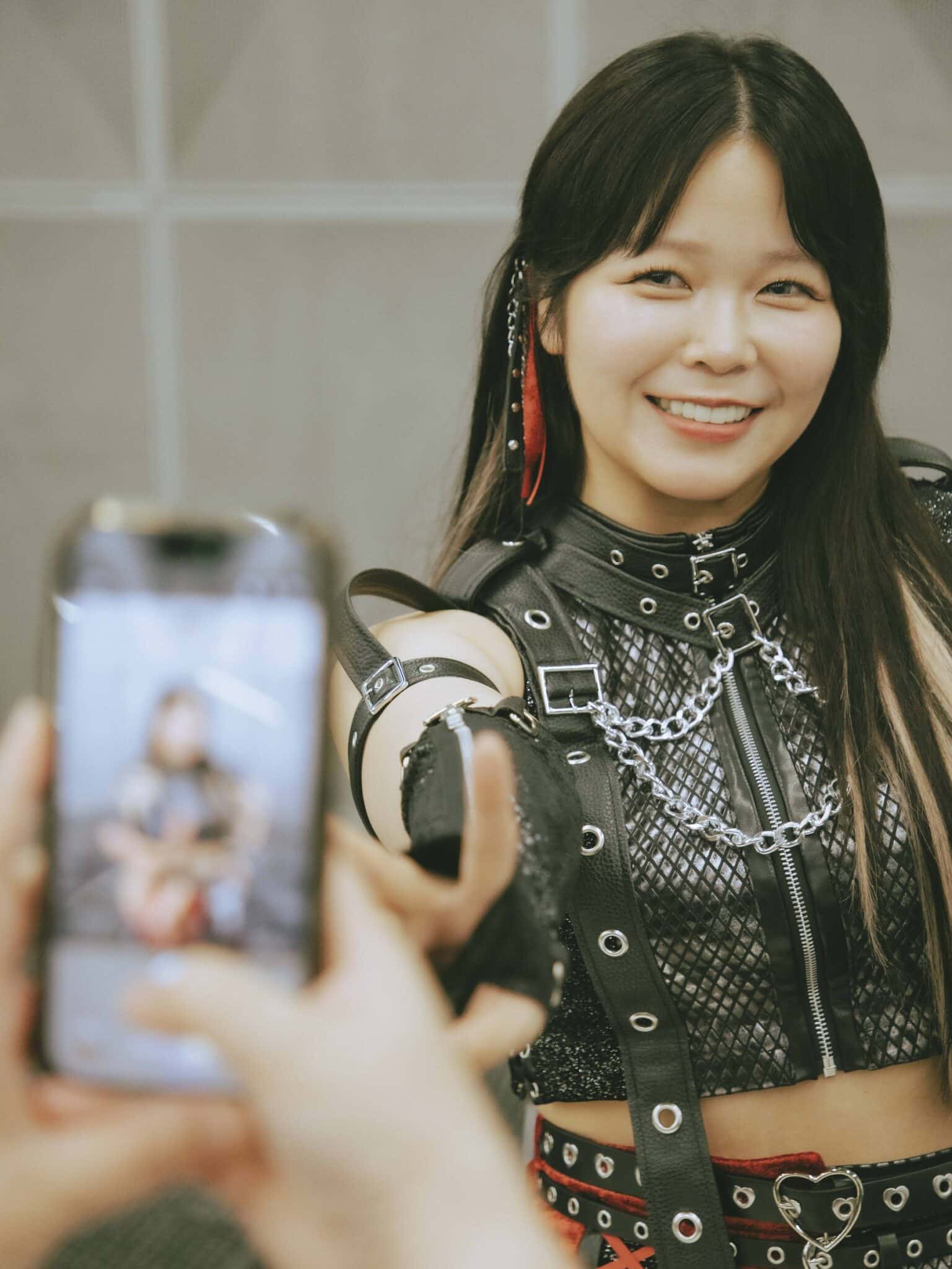
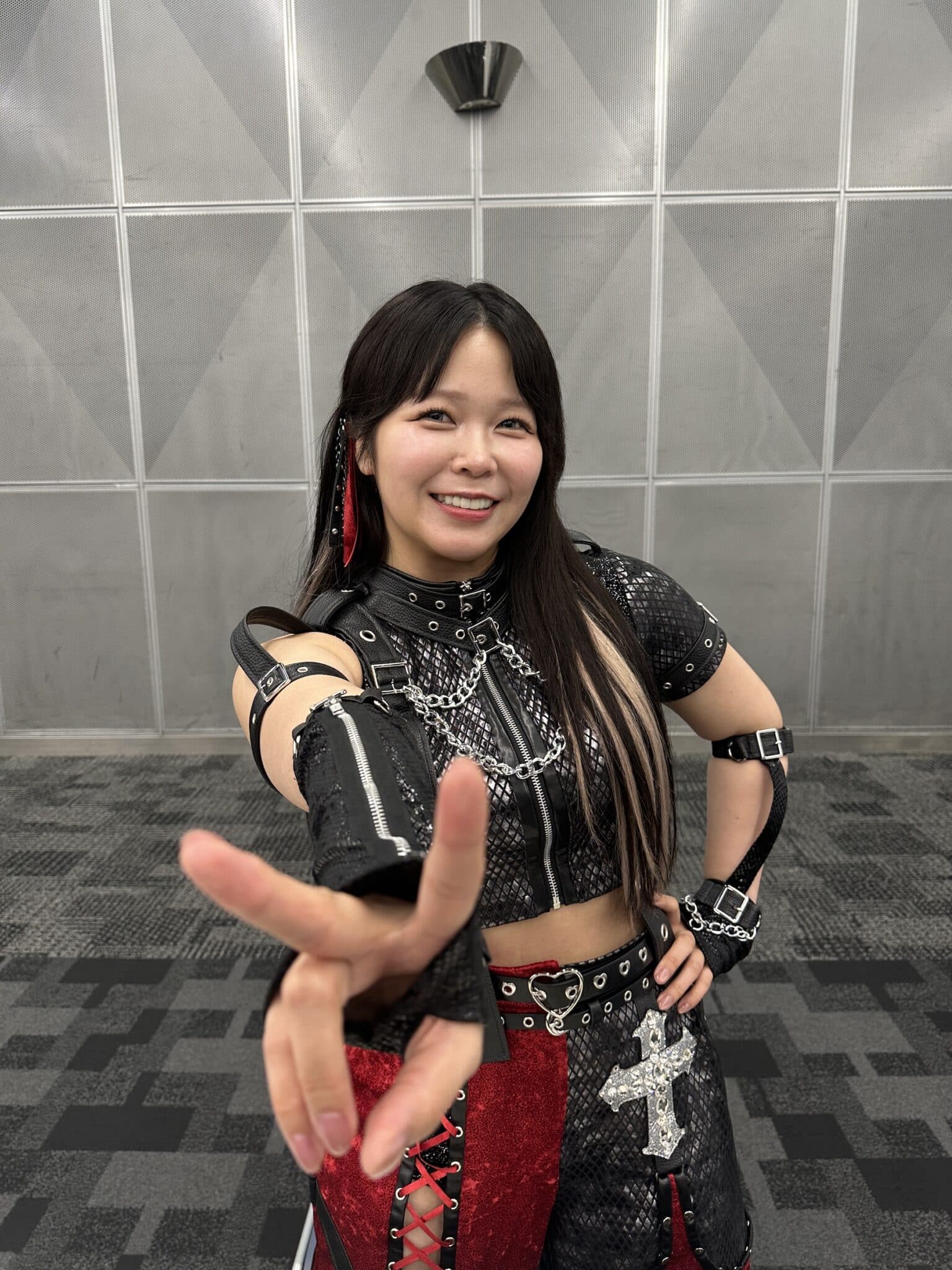
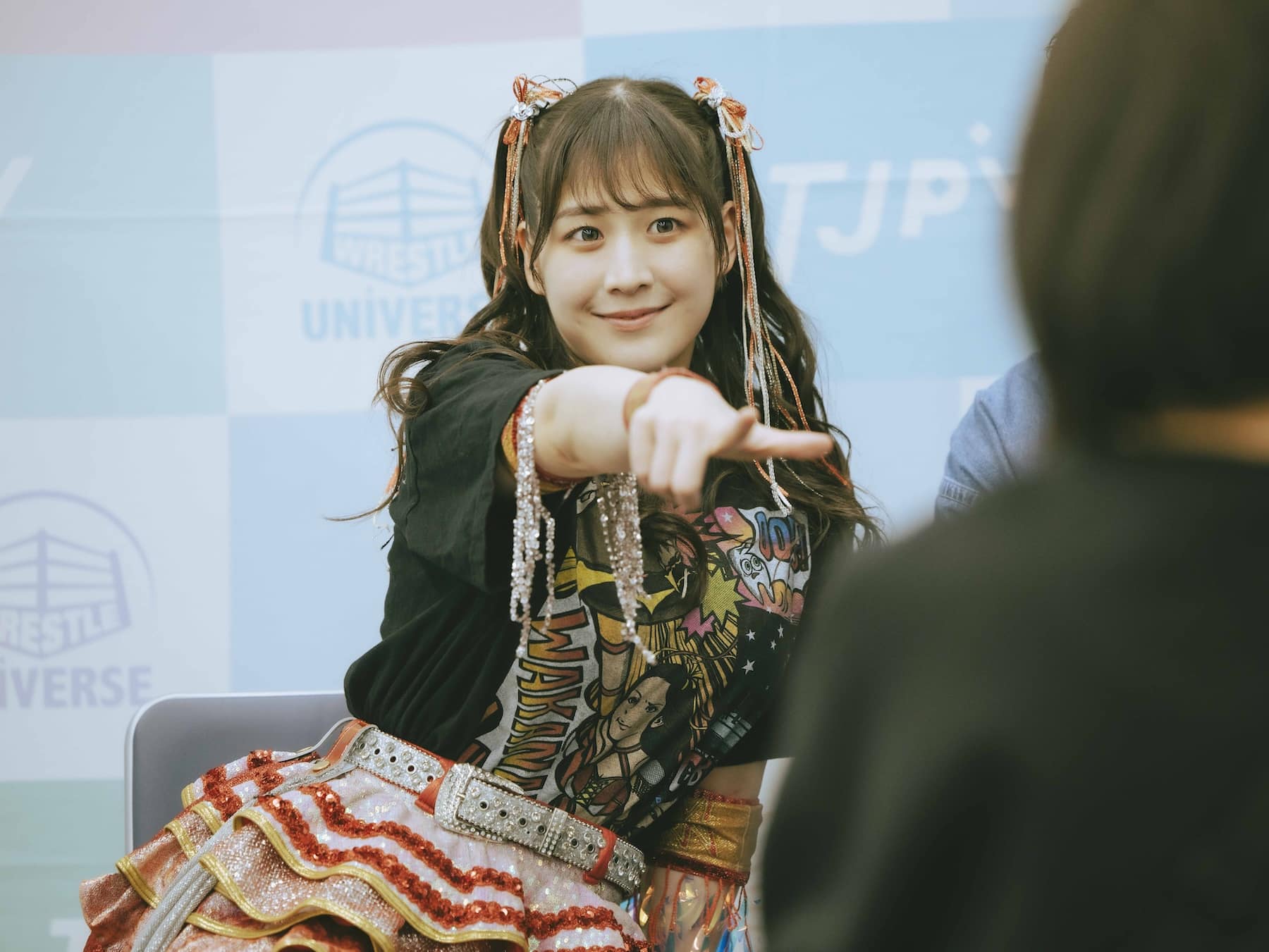
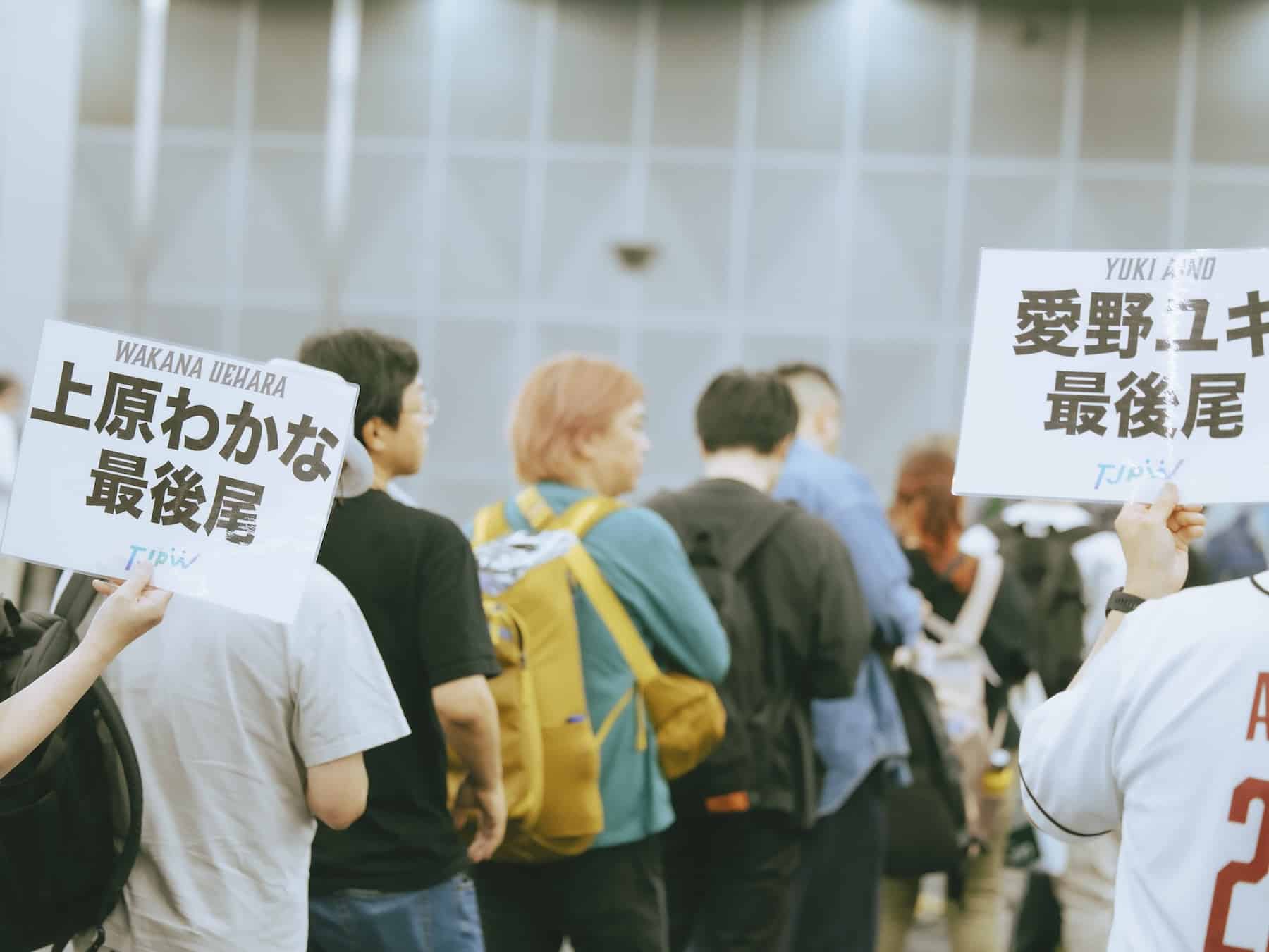
We joined the line for Yuki Aino’s autograph session. While she signs, fans can tell her what they thought of the match or simply share a message of support. Aino answered with a smile while looking us right in the eye—which made us more than a little nervous! Meeting a wrestler this close and seeing a more relaxed, natural side of her makes for a special memory. We could see how an experience like this could make you like a wrestler even more.
Aino signs a portrait purchased at the venue, adding a name or nickname of up to 10 characters on request.
At the end, you can take a solo photo of the wrestler with your own smartphone.
Here’s the shot we took. She strikes a pose just for you, making it perfect for your phone’s lock screen.
TJPW has also brought these fan events to its overseas shows, where they have been warmly received.
“We didn’t try to change things or localize them just because we were overseas. We simply brought over what we do in Japan, just as it is,” says Takahashi. “A lot of people came because they were genuinely looking forward to taking part. It gave us confidence that the culture of JOSHI PRORESU could resonate overseas without having to change what it is.”
Some of the wrestlers are even studying English so they can communicate with international fans. And at events in Japan, growing numbers of visitors from overseas are not only coming to watch the matches, but also lining up for the fan meet-and-greets.
Fans can do more than cheer for their favorite wrestler from the stands—they can tell her directly how they feel after the match. That sense of closeness is one reason people want to keep coming back.
At the drawing sessions, your favorite wrestler spends one full minute looking closely at your face while drawing your portrait—a dream moment for a fan. You can chat with her while she draws, too. These sessions are not held regularly, making them a special treat when they do take place.
At two-shot photo sessions, fans sit beside a wrestler while a staff member takes a photo using the fan’s own smartphone.
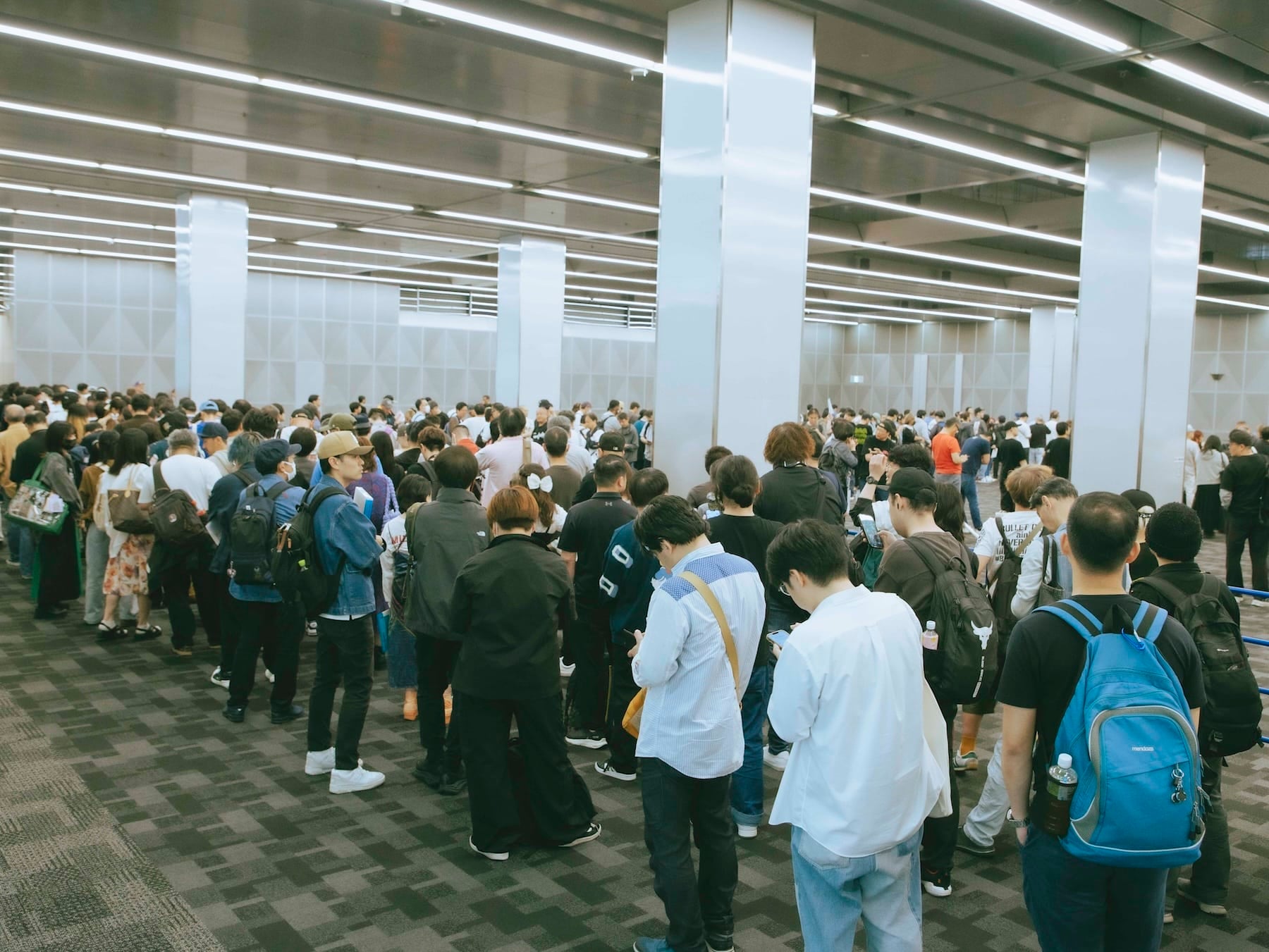
Fans line up for the wrestler they have come to see, with long lines sometimes forming for the most popular wrestlers.
The fan at the end of each line holds a sign with the wrestler’s name on it, then passes it to the next person who joins. Everyone follows the system and quietly waits their turn.
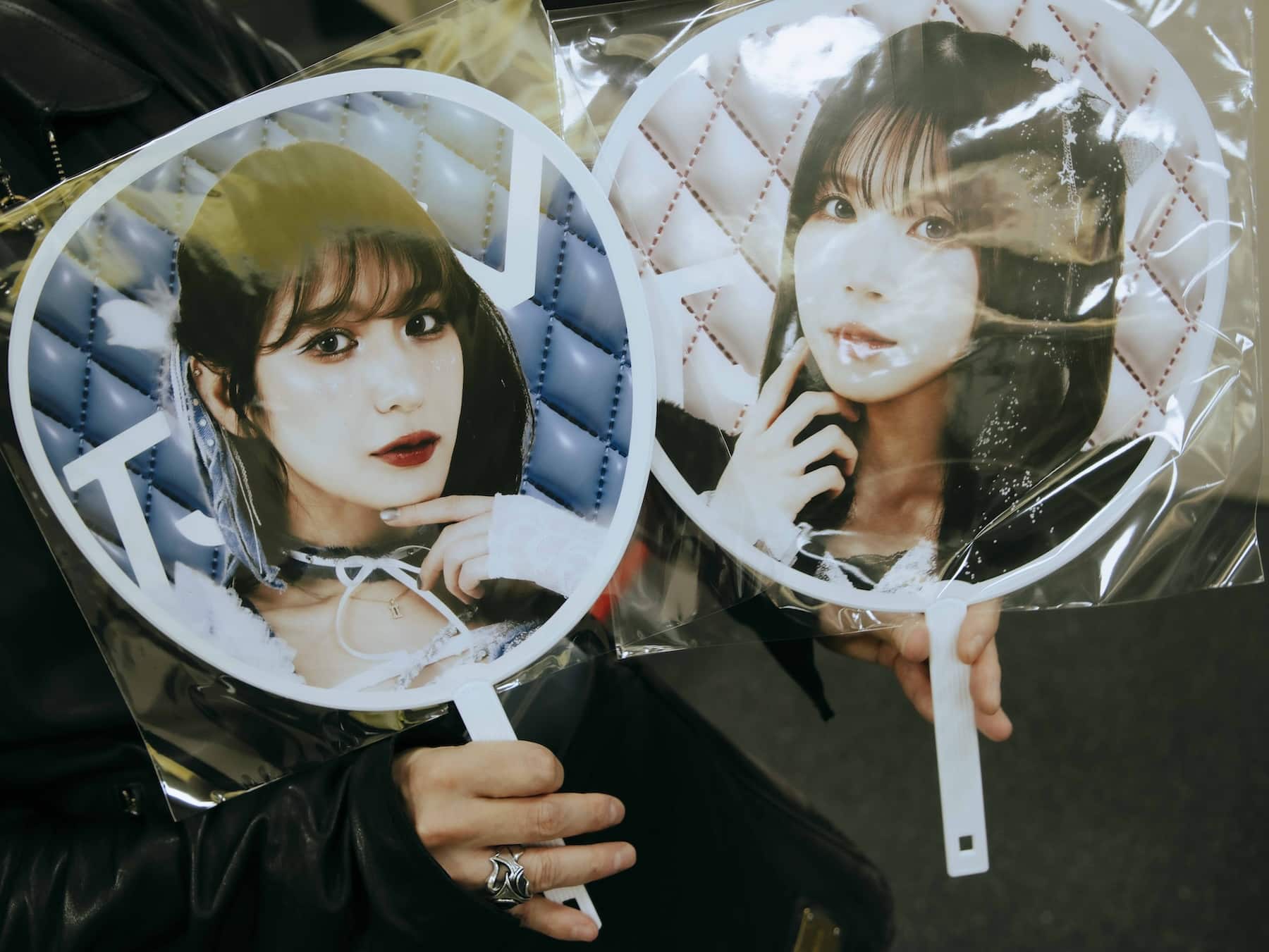
Before the matches at Korakuen Hall, many fans arrive carrying handmade uchiwa fans dedicated to their favorite wrestlers—a scene that reflects the idol-like side of contemporary JOSHI PRORESU. Another notable trend is the growing number of female fans.
“KAWAII,” “STRONG,” and “oshi-katsu”—the appeal of JOSHI PRORESU lies in finding all three in the same place. Unlike anime or manga, this is a form of pop culture whose stories continue to unfold in real time. If you get the chance, experience the energy of JOSHI PRORESU at a live event for yourself.
See the results from the event we attended!
Official URL:https://www.tjpw.jp/results/6a23bbbcfac1ea000213baa8