DEEPTOKYO
magazine

EN


AREA
DEEPTOKYO
magazine
EN
AREA
2026.08.23
Just a short walk from Shibuya and Harajuku, there’s a running course where you can run on dirt—many people might find that surprising. “Yoyogi Park” is a downtown park known for its expansive lawns and tree-lined paths, but if you venture off the paved roads, you’ll find trails (unpaved paths) dotted throughout the park, surrounded by trees. There, you can enjoy cross-country running that makes the most of the natural terrain. A special running experience awaits—one where you can feel the earth beneath your feet, right in the heart of the city.
SHARE


Spreading out right beside the bustle of Harajuku, the lush greenery of “Yoyogi Park” is often seen as an urban oasis. At the same time, it is also a special place deeply marked by Tokyo’s modern and contemporary history.
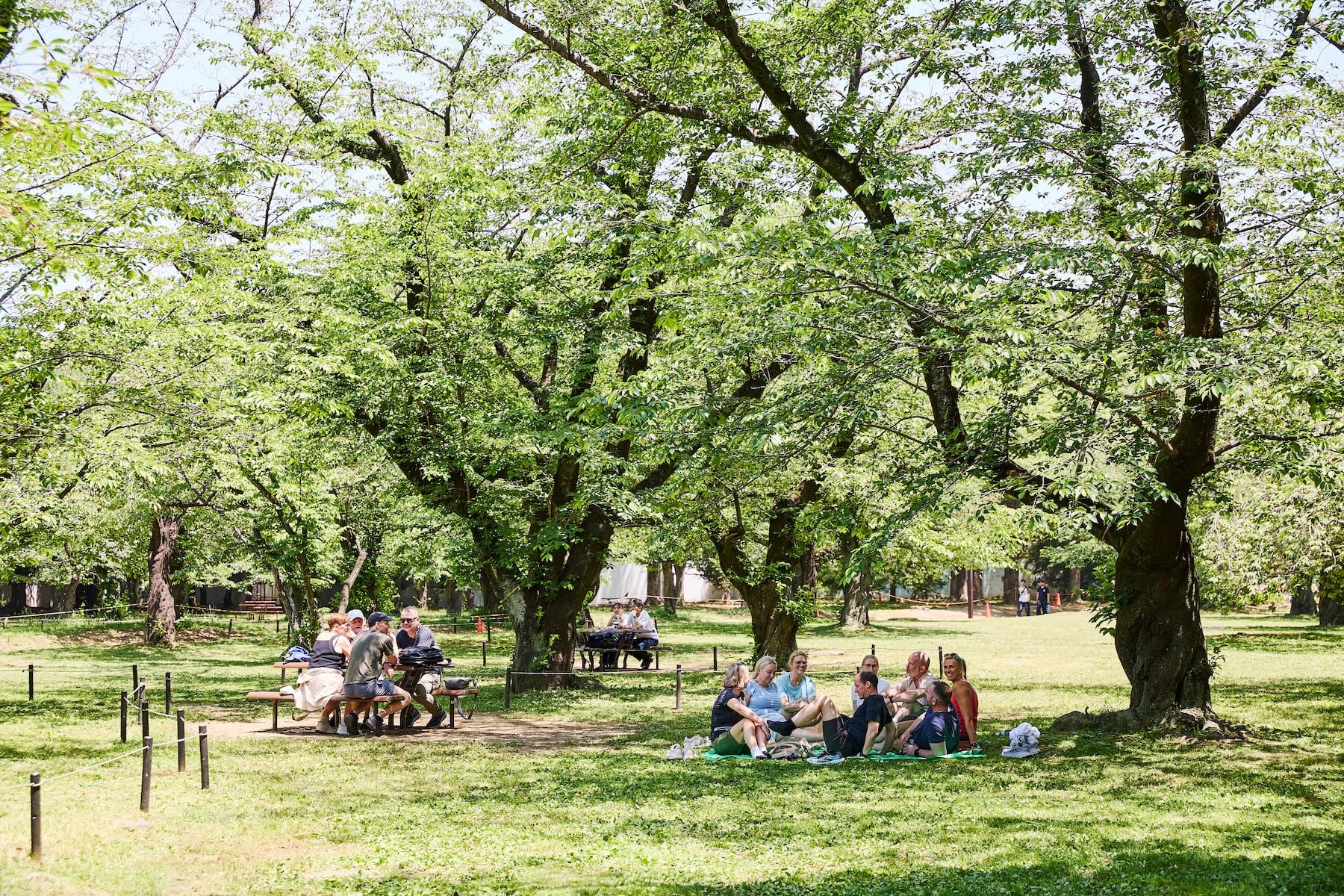
On both weekdays and weekends, many people enjoy picnics in the shade of the trees.
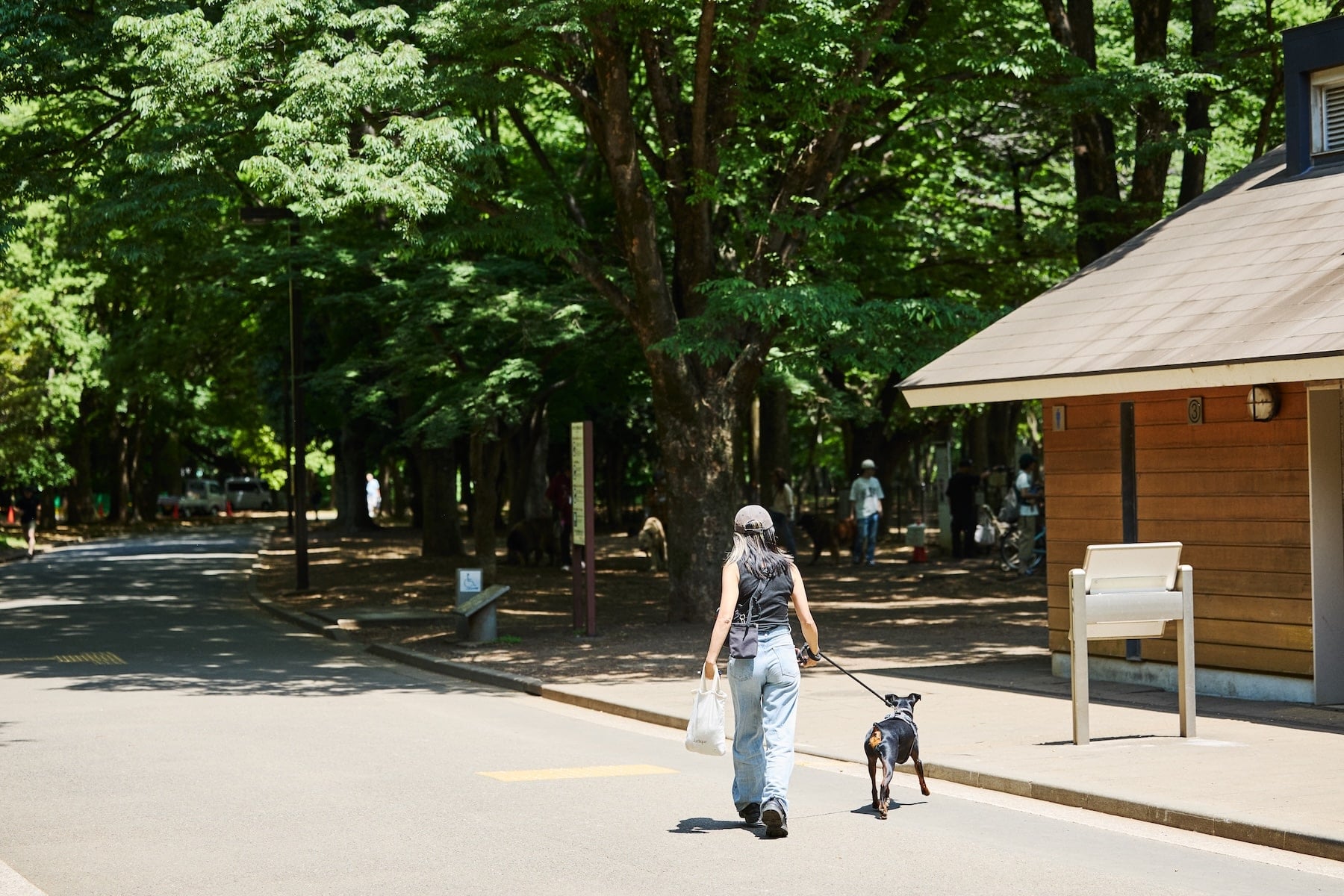
Many dog walkers also pass through the park.
“Yoyogi Park” opened as a public park in 1967, but the history of this land goes back to 1909. Once a vast area of farmland, it was later converted into military land. Developed as a training ground, this site became the place where Japan’s first successful airplane flight took place in 1910.
After the end of World War II, the area became a U.S. military-related facility, bringing American lifestyles into the neighborhood. Shops catering to Americans opened nearby, greatly influencing the fashion and culture of Harajuku. Later, during the 1964 Tokyo Olympics, the site was used as the Olympic Village. After the Games, it was redeveloped into the present-day “Yoyogi Park.”
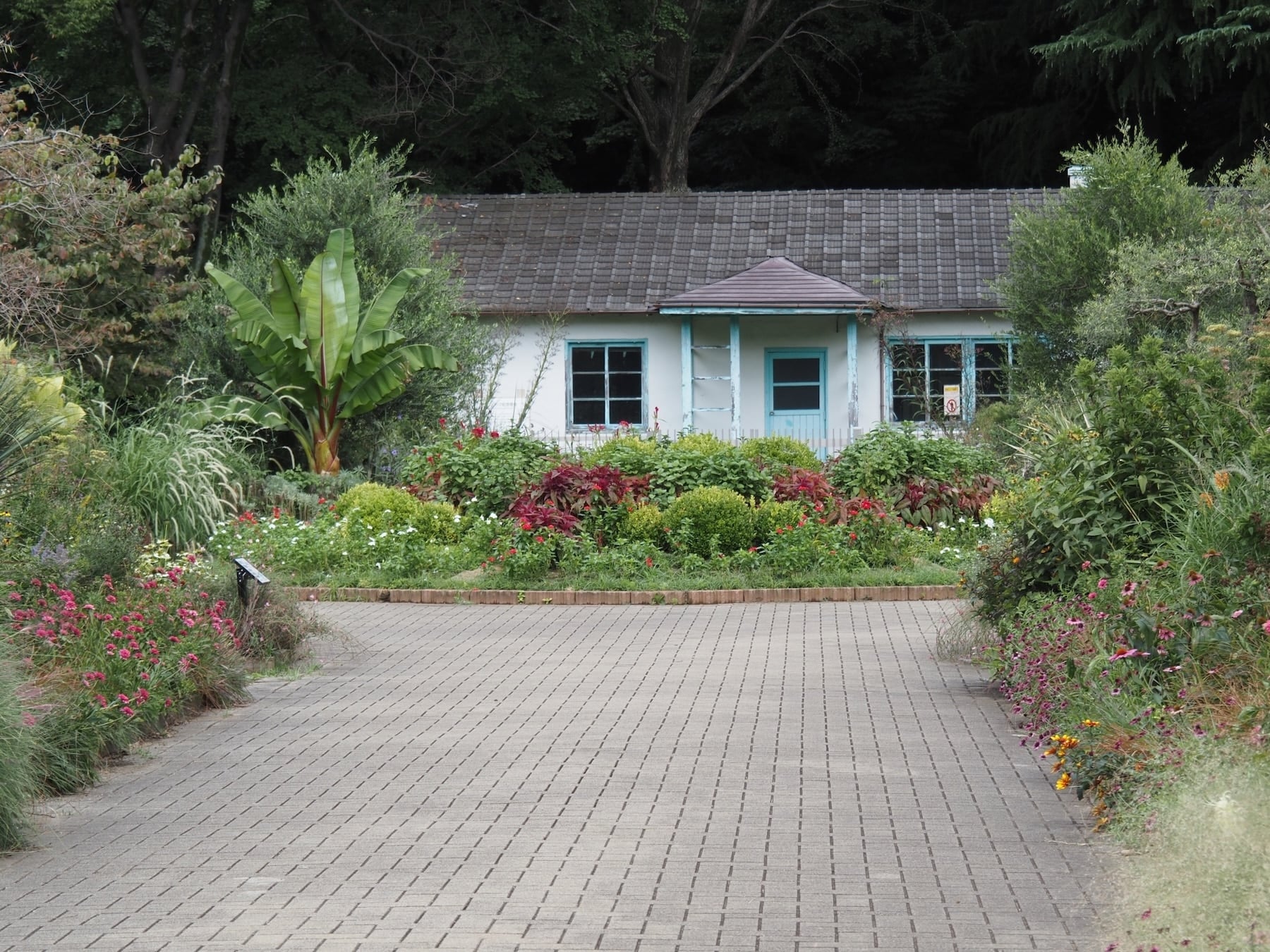
The Olympic Memorial Dormitory, built more than 70 years ago. Today, it has become a relaxing spot for park visitors, with benches and other features added.
With this background of many different cultures intersecting, “Yoyogi Park” today is filled with a calm atmosphere, somewhere between a sense of international openness and a free-spirited mood. On the broad lawns, people of many nationalities enjoy picnics. Musicians practice their instruments in the shade, and dog walkers come and go in every direction. On weekends, festivals from countries around the world are often held in the event plaza. The fact that the park’s culture continues to evolve beyond running is one of its great charms.
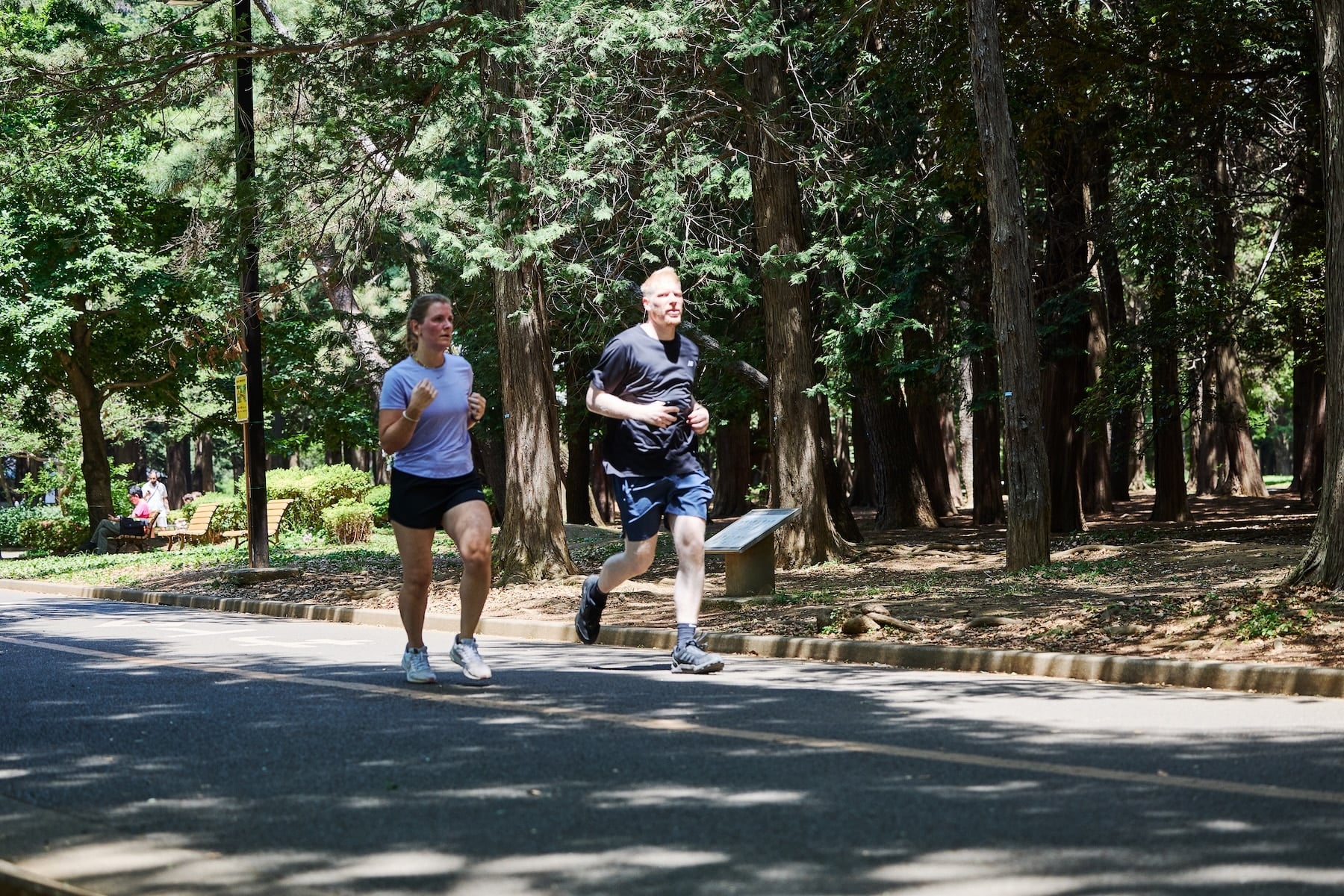
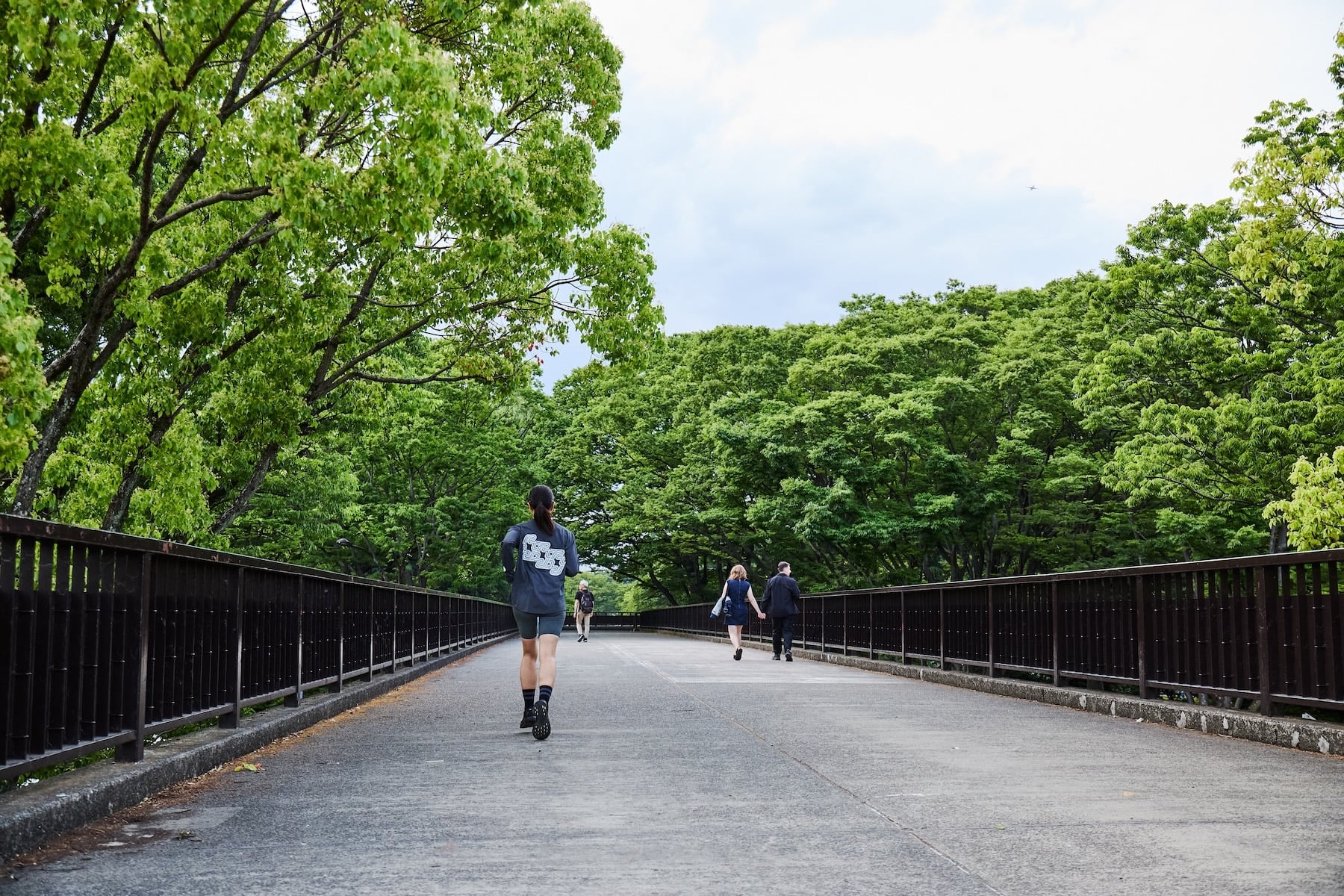
The standard running course is about 1.2 km per lap. It is entirely paved and wide enough to run without stress.
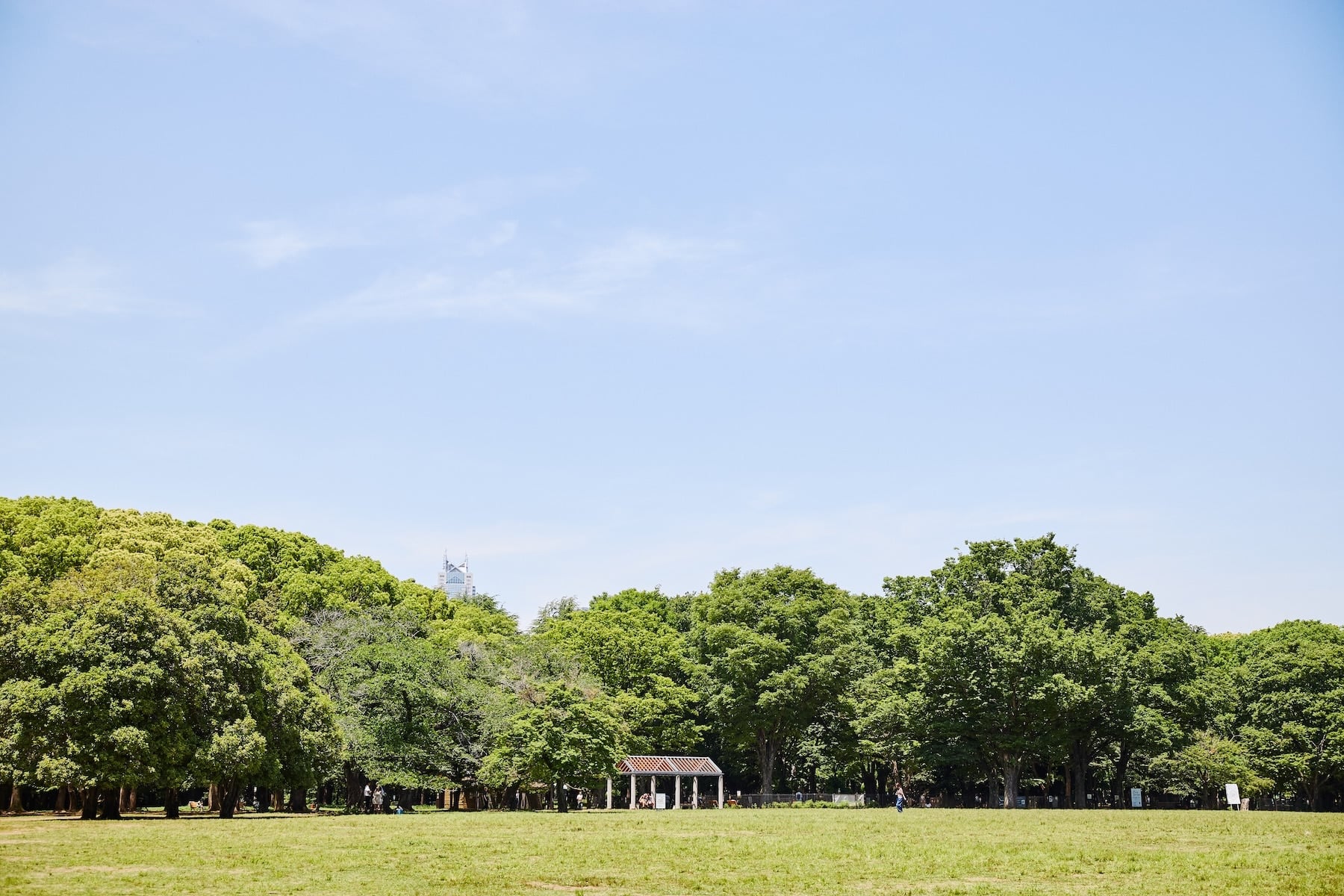
The Central Plaza offers a wide, open sky that feels especially precious in central Tokyo. In the distance, you can also see the buildings of Shinjuku.
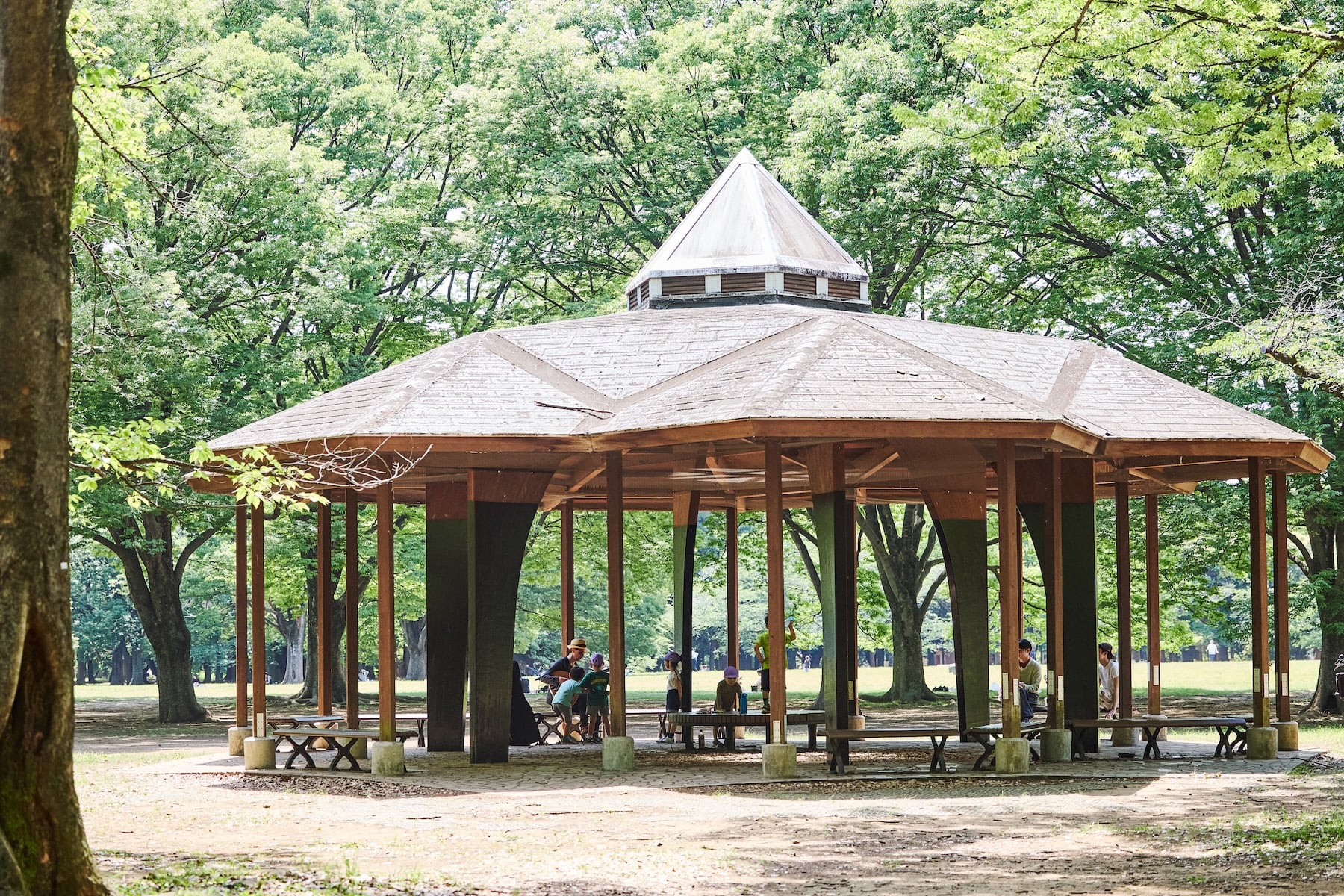
Musicians playing music and children nearby. A peaceful moment unfolds.
Trail running usually involves running over mountain paths or natural trails with larger changes in elevation and more technical terrain. Cross-country running, on the other hand, is a style of running on relatively well-maintained dirt paths, such as those found in parks. The course at “Yoyogi Park,” easily accessible from Shibuya and Harajuku, can truly be described as urban cross-country, where you can casually enjoy nature in the city.
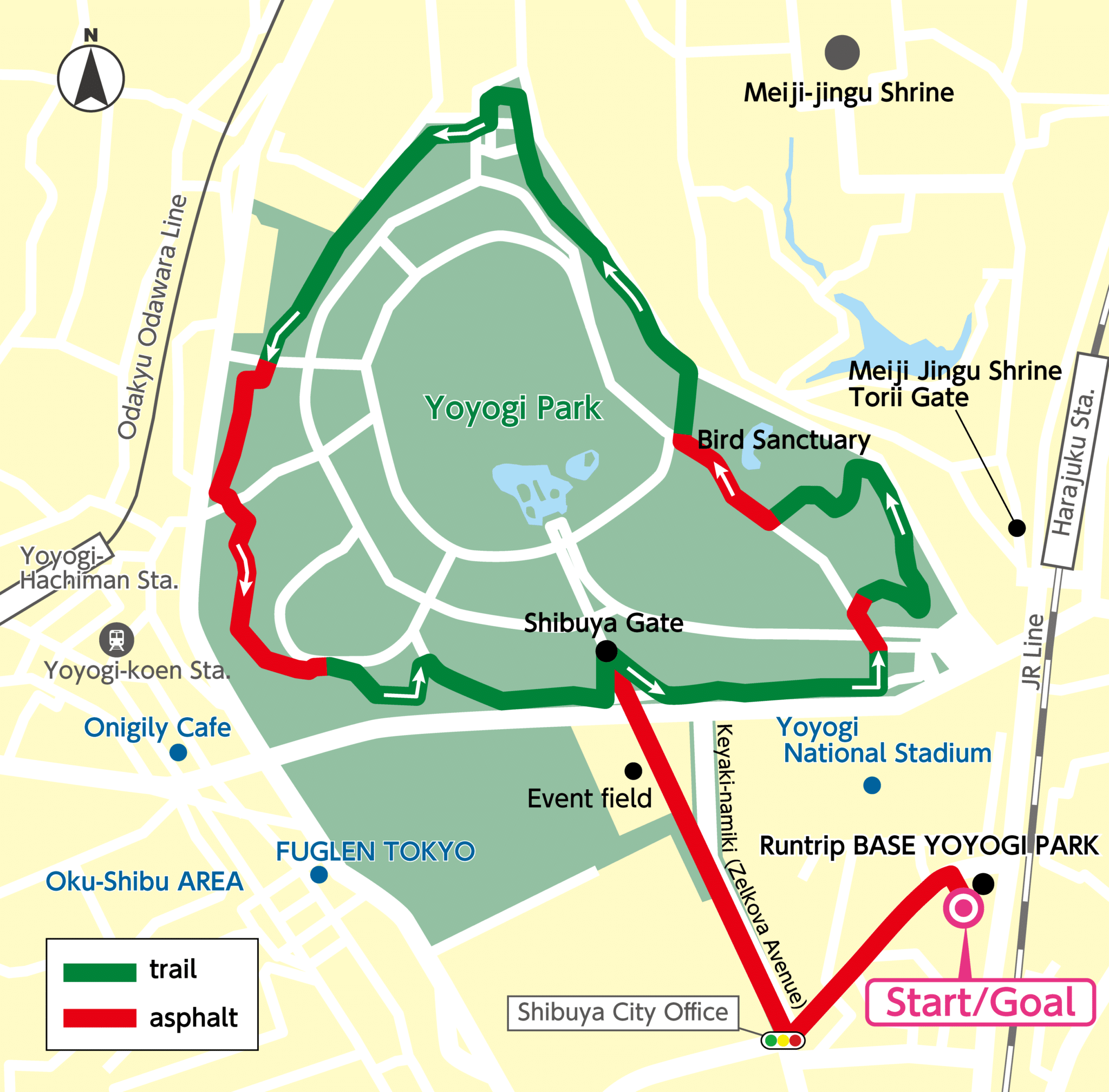
When people think of the running course at “Yoyogi Park,” the standard route is usually the loop around the Central Plaza. But if you want to fully appreciate the park’s potential, we recommend a cross-country course that skillfully connects the uneven ground and trails around the park’s outer edges, letting you enjoy the natural terrain and dirt paths. By deliberately avoiding paved roads and linking sections that weave between the trees, you can create a course where roughly 70–80% of the route is on unpaved ground—something you would hardly expect in the heart of a major city.
Renovation work is currently underway at Yoyogi Park on the Oike Fountain and Water Corridor, as well as work to renew the track and field stadium’s official certification. As a result, running is prohibited on certain park paths and detour routes. Important Notice for Runners: Restricted areas may change depending on the progress of the construction work. Be sure to check the “Yoyogi Park Construction and Usage Changes” page for the latest information before you go running.
Course Profile
Start / Goal: “Runtrip BASE YOYOGI PARK”
(Starting from any point inside the park is also possible.)
Distance: Approx. 5 km (Pace / Time: Approx. 35–40 minutes at 7–8 min/km)
Elevation: Approx. 40 m cumulative elevation gain
Surface: Trail / asphalt. The trail ratio inside the park is around 70–80%.
Night running: Not recommended, as there are few lights and it becomes very dark at night.
Convenience stores / shops: Yes, with shops inside the park.
Traffic lights: Yes, though there are none inside the park.
Toilets: Available in several locations.
Recommended time of day: Morning ○ / Daytime ○ / Night ×
The run starts at the running station “Runtrip BASE YOYOGI PARK.” From the Shibuya City Office intersection, you pass along Yoyogi Park Keyaki Namiki Street and through the event plaza, then enter the park from Shibuya Gate.
The route from the starting point to the intersection in front of the Shibuya Ward Office is a gentle uphill climb. We recommend starting out at a slow pace.
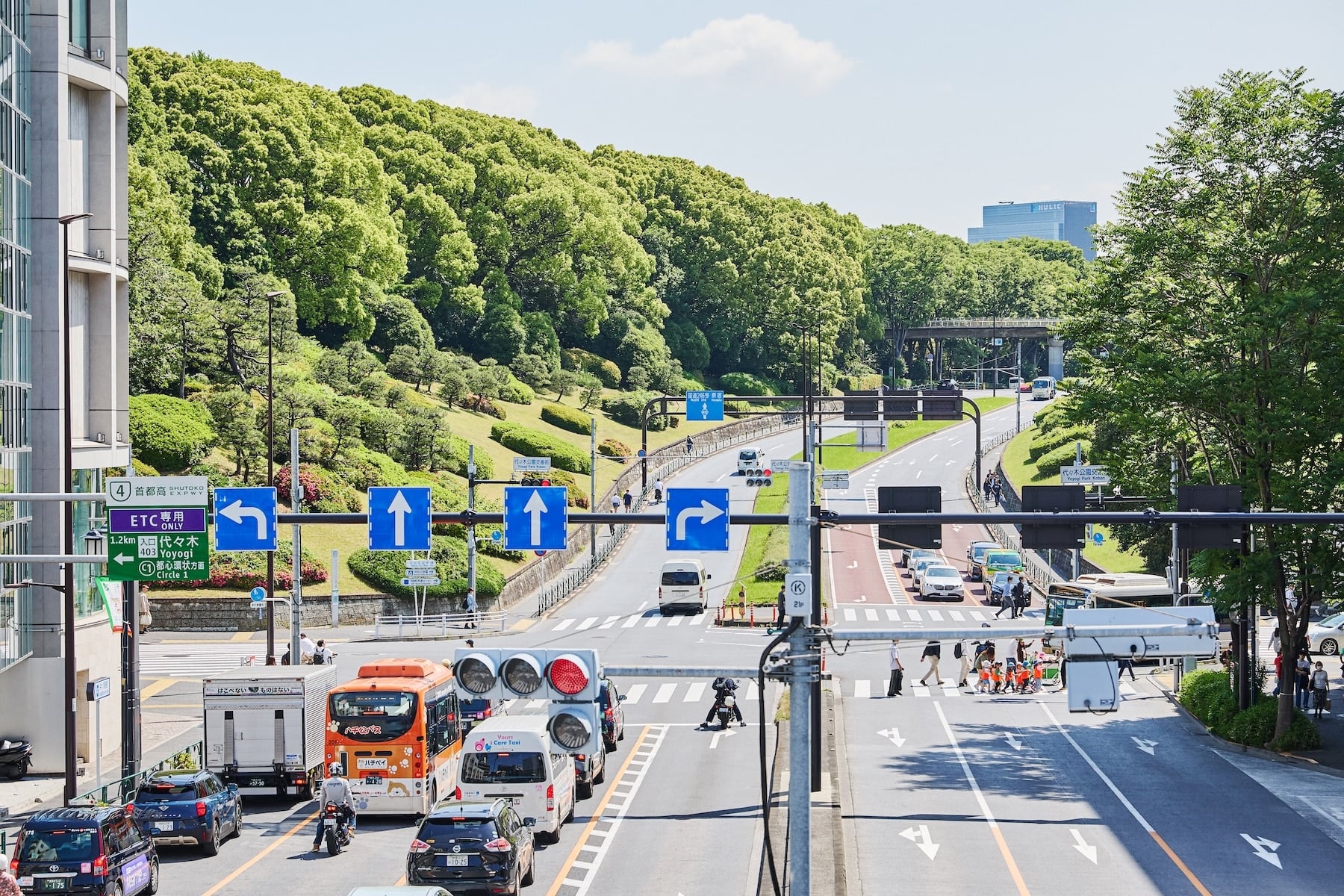
Using the pedestrian bridge allows you to cross over Yoyogi Park Street and enter the park without worrying about traffic lights.
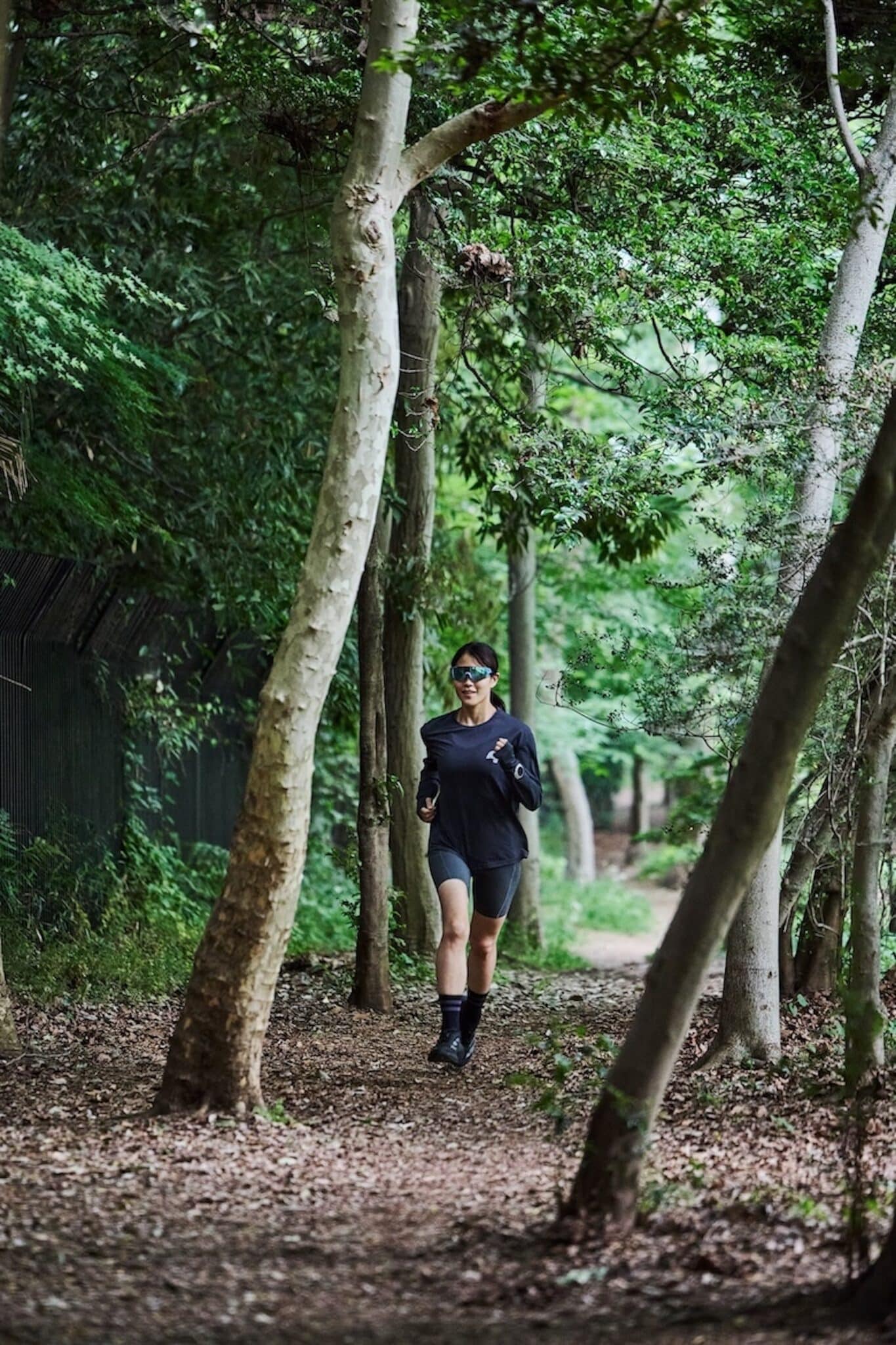
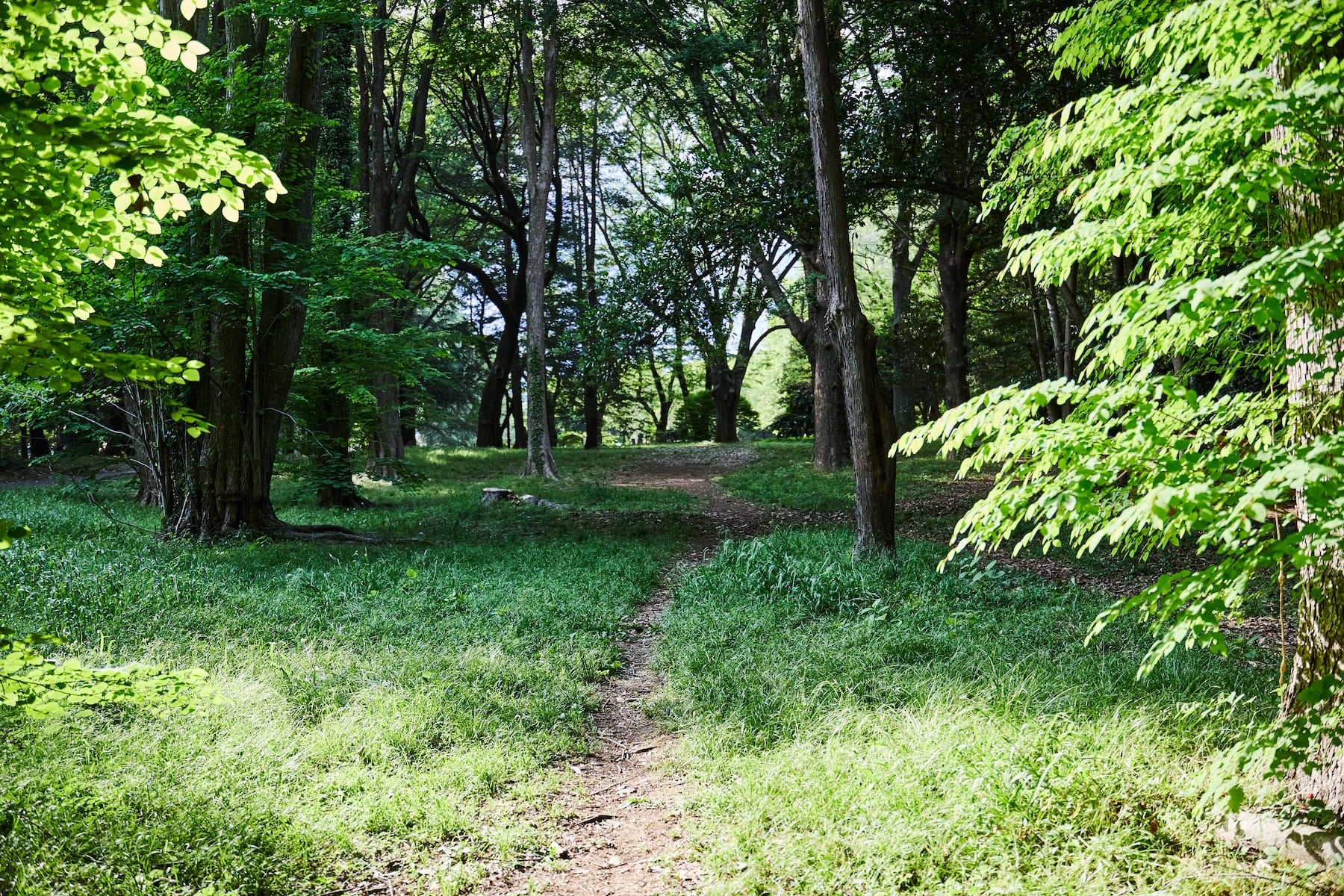
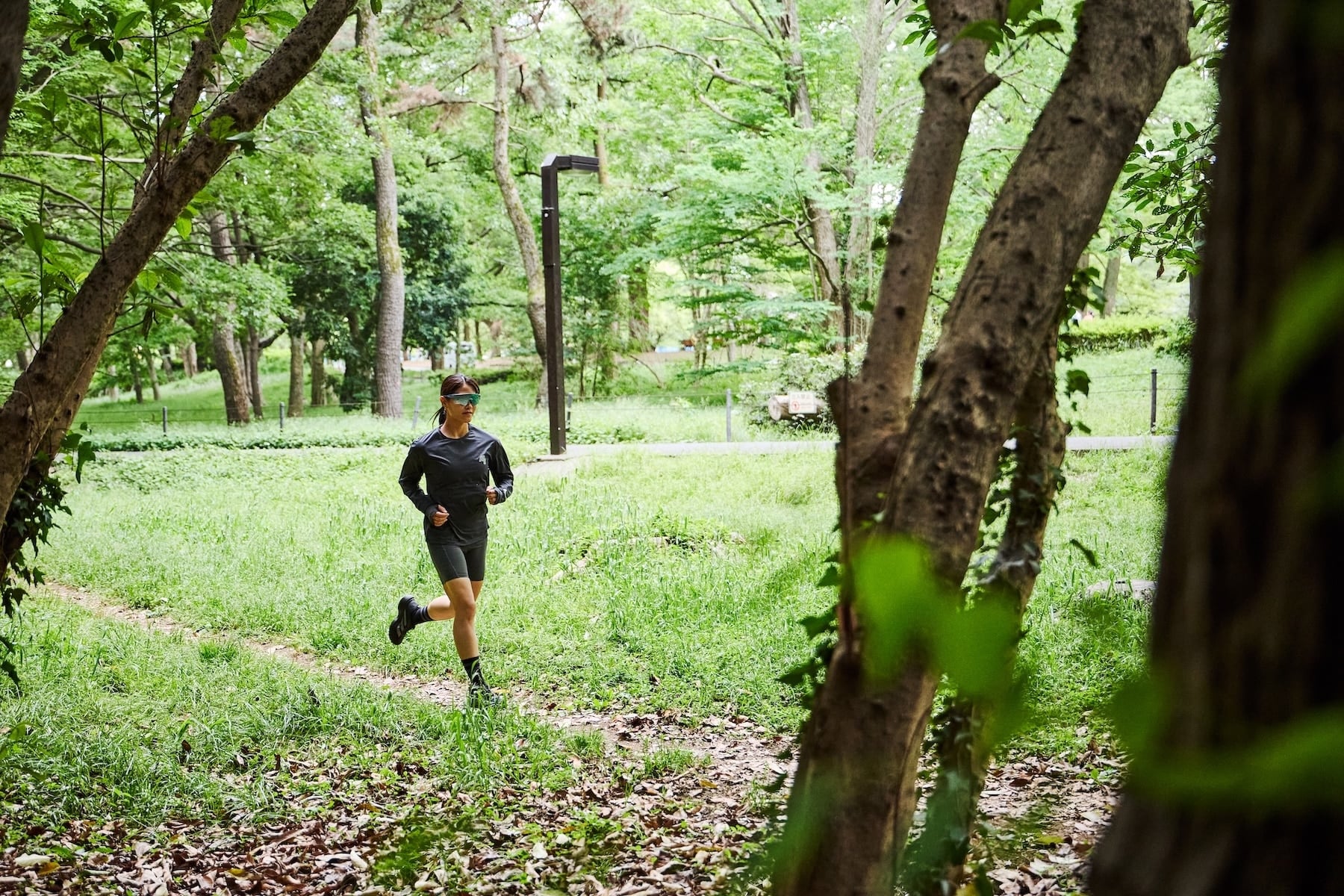
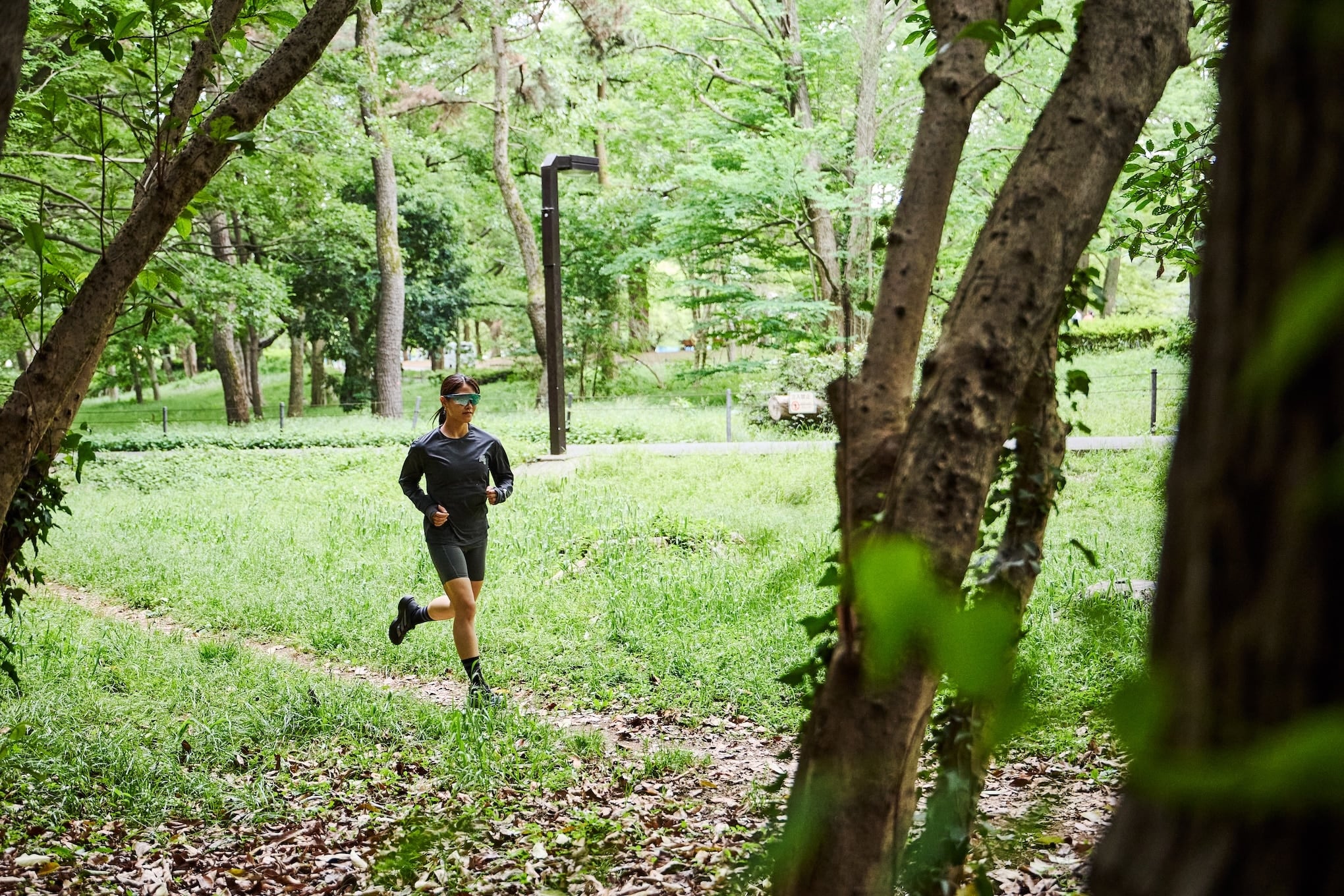
Once you step off the main park path and into the surrounding greenery, the trail begins, weaving through the trees. Much of the course is covered by deep greenery, allowing you to run through beautiful sunlight filtering through the leaves while avoiding direct sunlight even in summer.
In the shade, it is also recommended to stop and do some light stretching. You can run at a comfortable pace while feeling the difference between the dirt underfoot and a paved road.
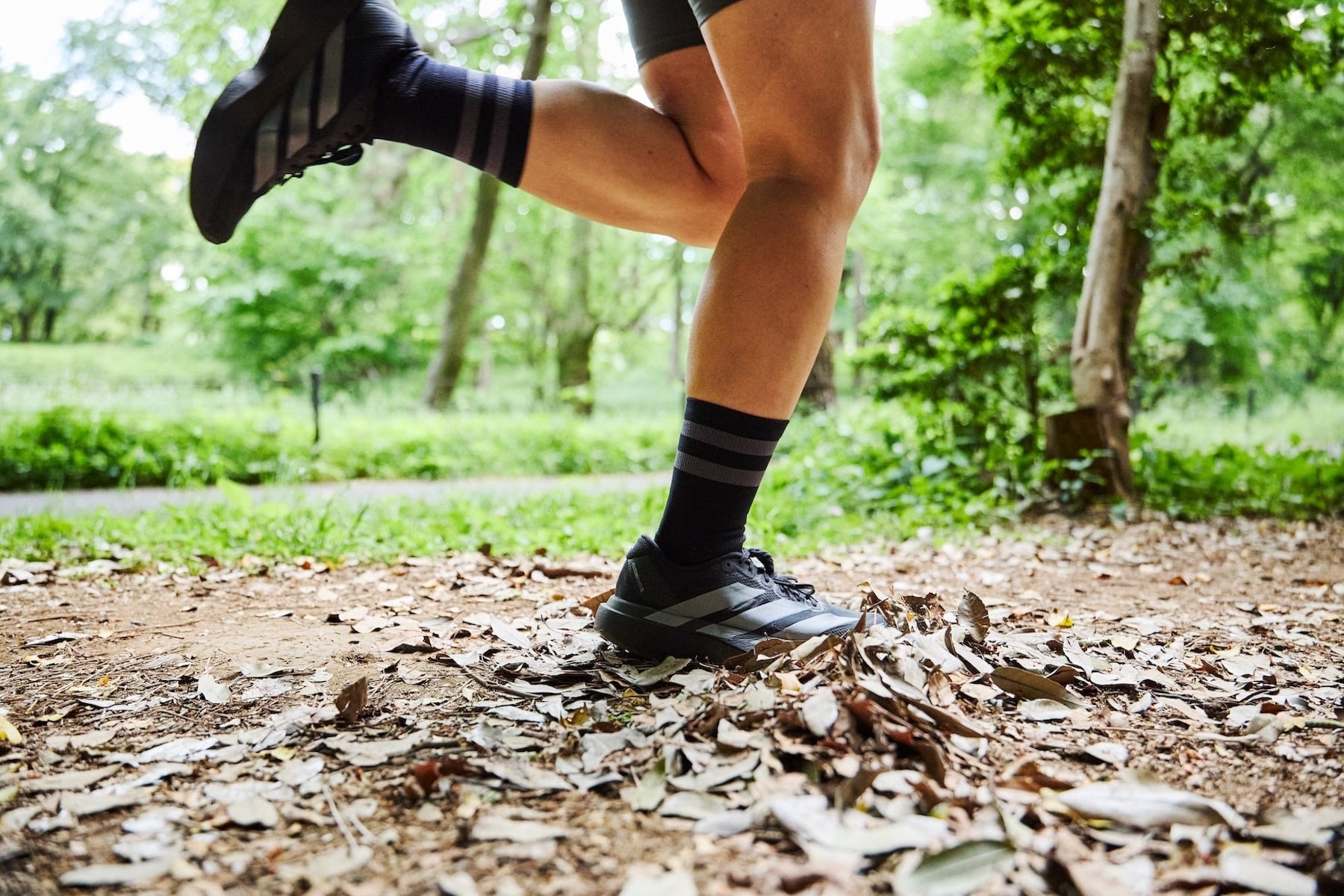
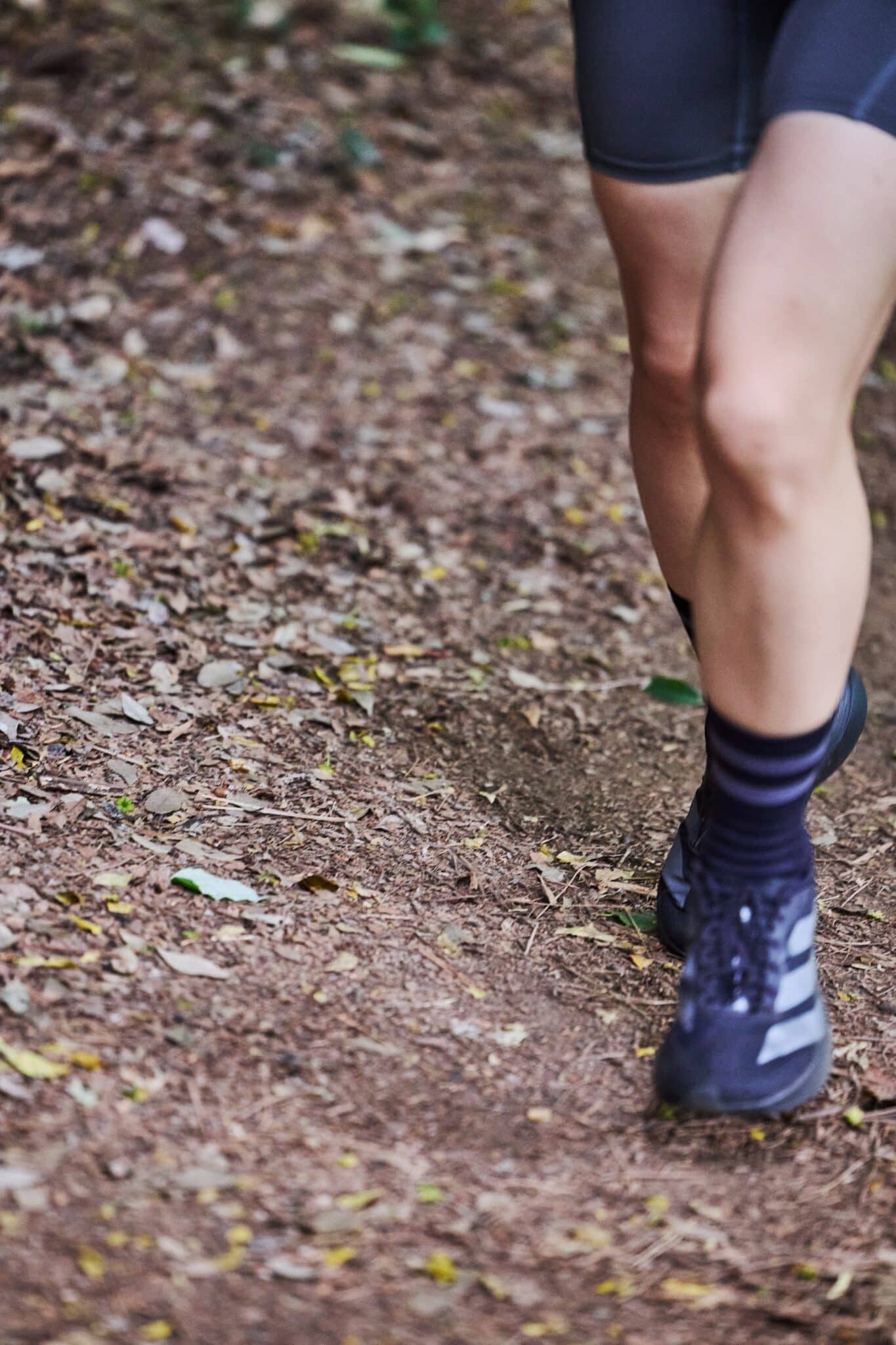
Depending on the season, there are many areas where fallen leaves have gathered, giving you a gentle cushioning underfoot that hardly feels like central Tokyo.
The narrow dirt path running between the trees is a highlight that captures the character of this course. You can move forward while enjoying the changing surface underfoot and the gentle ups and downs that paved roads cannot offer.
The soil in “Yoyogi Park” is mainly red earth rich in organic matter, well suited to maintaining the landscape and protecting vegetation. Over the park’s long history, layers of fallen leaves have accumulated, nurturing the soft soil.
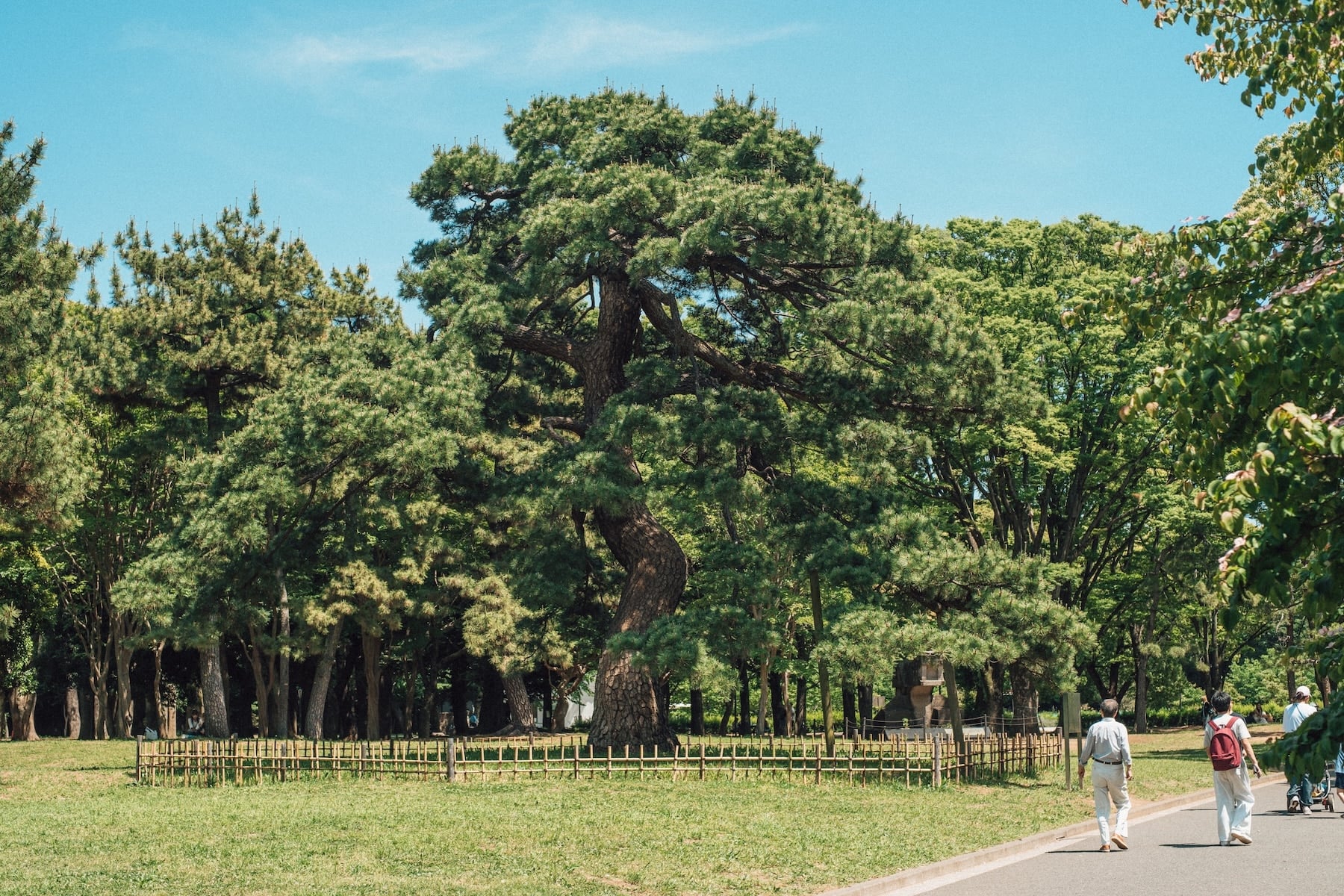
An impressive Japanese black pine stands along the route. It appears in documents from the Taisho era (1912–1926) and the early Showa era (late 1920s–1930s), suggesting that the tree is more than 100 years old.
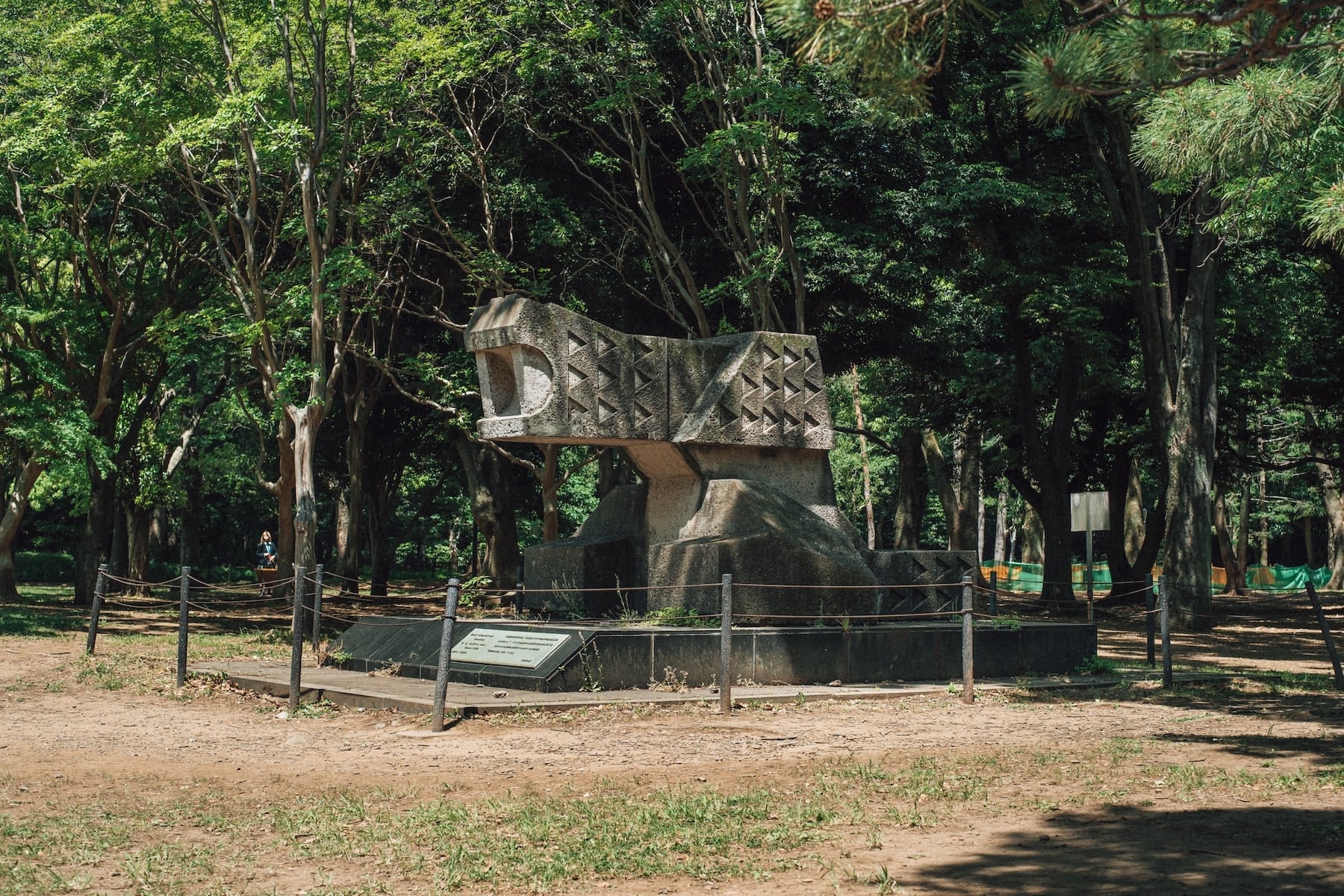
A statue of Quetzalcoatl, given to Tokyo by Mexico as a symbol of friendship when the wife of the Mexican president visited Japan in 1990.
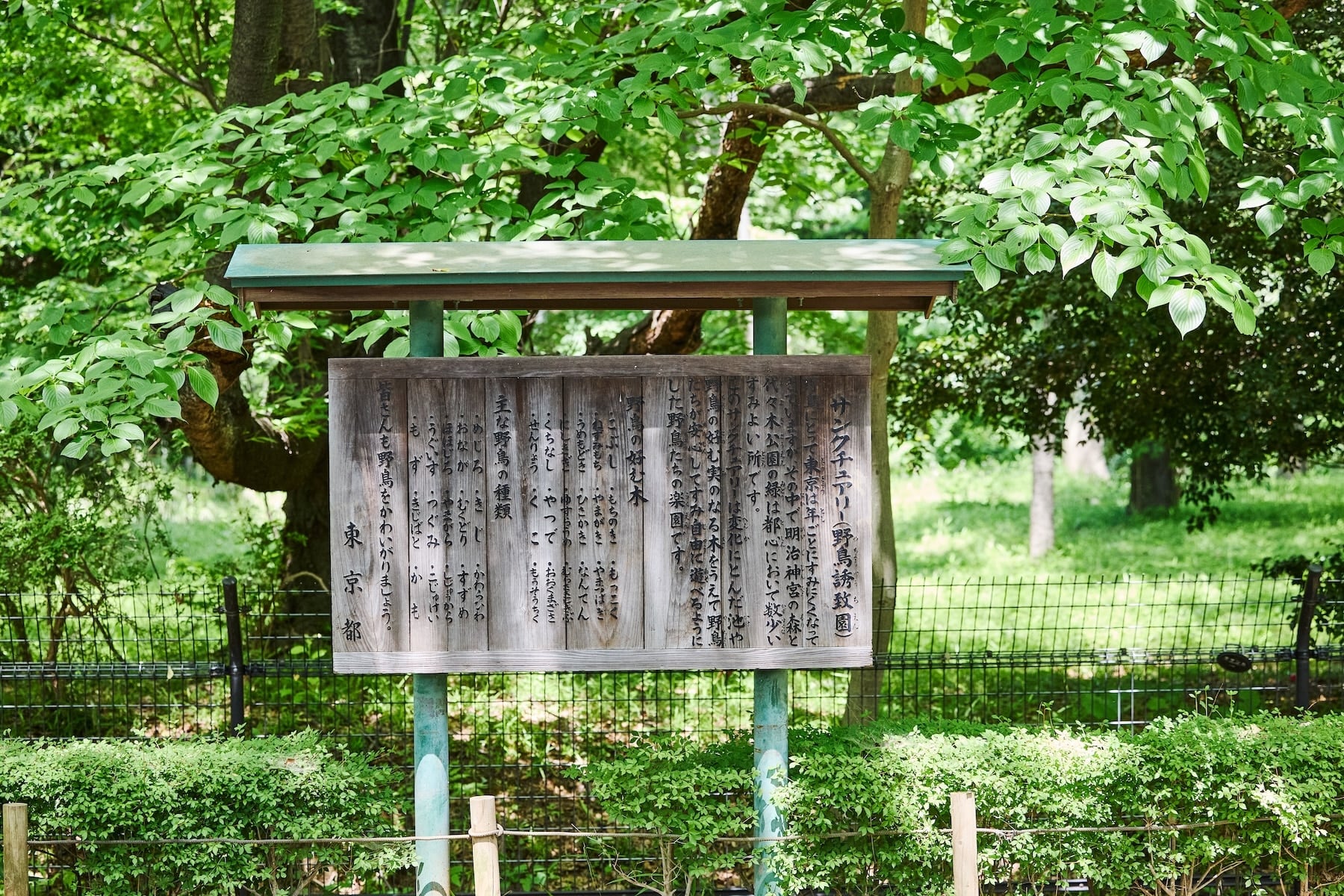
As you continue, you reach the area around the “Bird Sanctuary,” where wild birds fly about. The main section that follows alongside the cycling course includes gentle rises over small hills, adding a pleasant accent to the run.
The Bird Sanctuary is one corner of the park where an especially quiet atmosphere drifts through the air.
You can enjoy the feeling of running through nature while sensing birdsong and the presence of the trees.
Because the course veers away from the main park paths where many pedestrians and cyclists pass, you can focus on your run at your own pace without the stress of crowds.
There is no fixed route on this cross-country course that you absolutely have to follow. Its appeal lies in the freedom to shape your run according to your mood that day—“Maybe I’ll go behind that tree,” or “Maybe I’ll go over this small hill.” With cherry blossoms in spring, deep greenery in early summer, and soft fallen leaves in autumn, this is a course that makes you want to run it again and again while experiencing the changing scent of the earth and the expressions of the plants with all five senses.
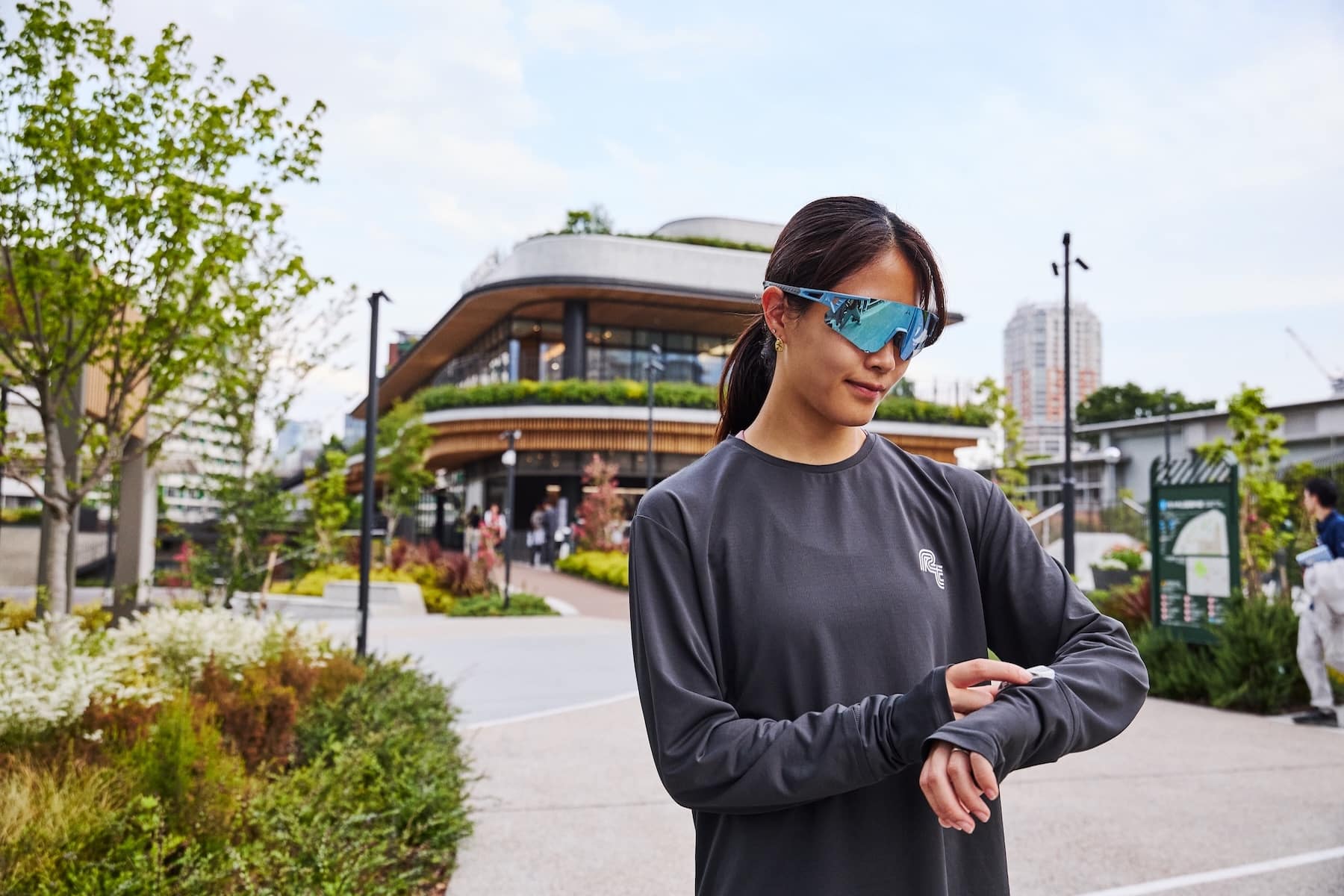
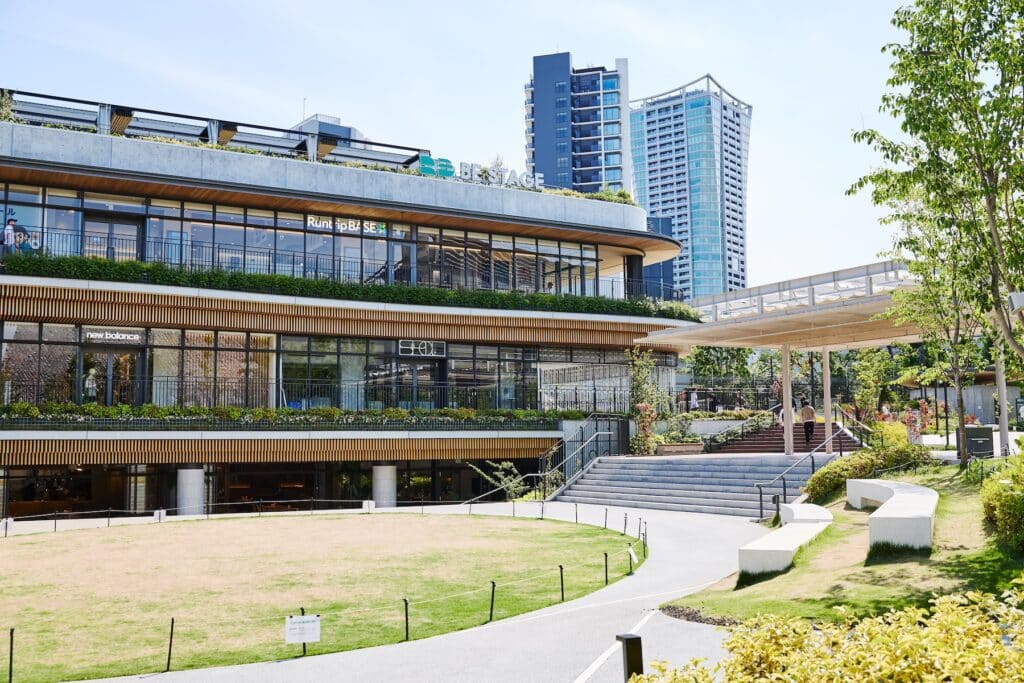
“Runtrip BASE YOYOGI PARK” is one of Tokyo’s leading running spots. Opened right in front of “Yoyogi Park,” it is a clubhouse-style running station. Operated by “Runtrip,” a service that makes running freer and more enjoyable through tools such as its smartphone app, the facility proposes new encounters with the city and its scenery through running. Going beyond the simple functions of lockers and showers, it serves as a third place where people can share the joy of running and where new communities can emerge.
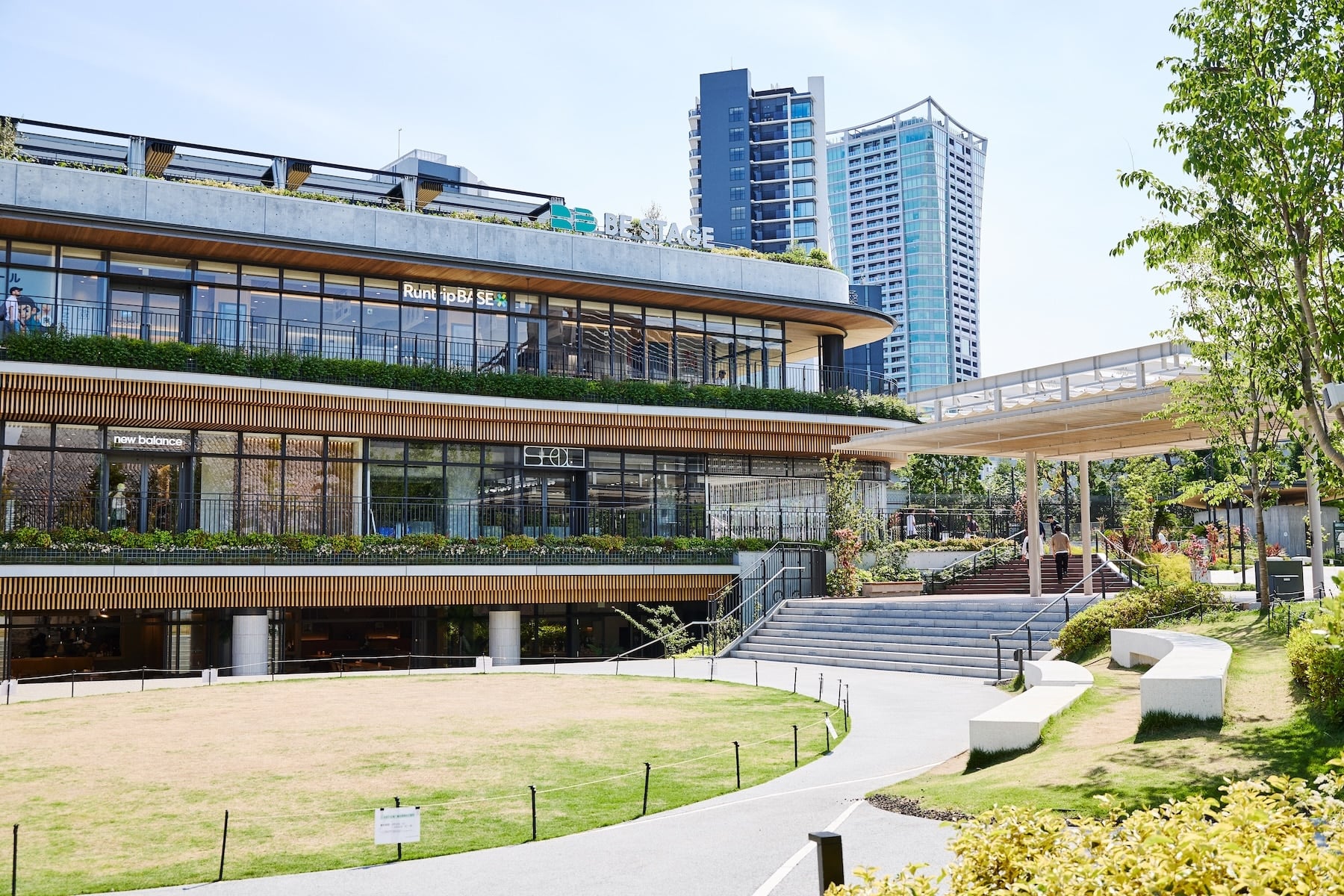
Conveniently located just an 8-minute walk from Harajuku Station. It is on the 3rd floor of the “Yoyogi Park BE STAGE” shopping complex.
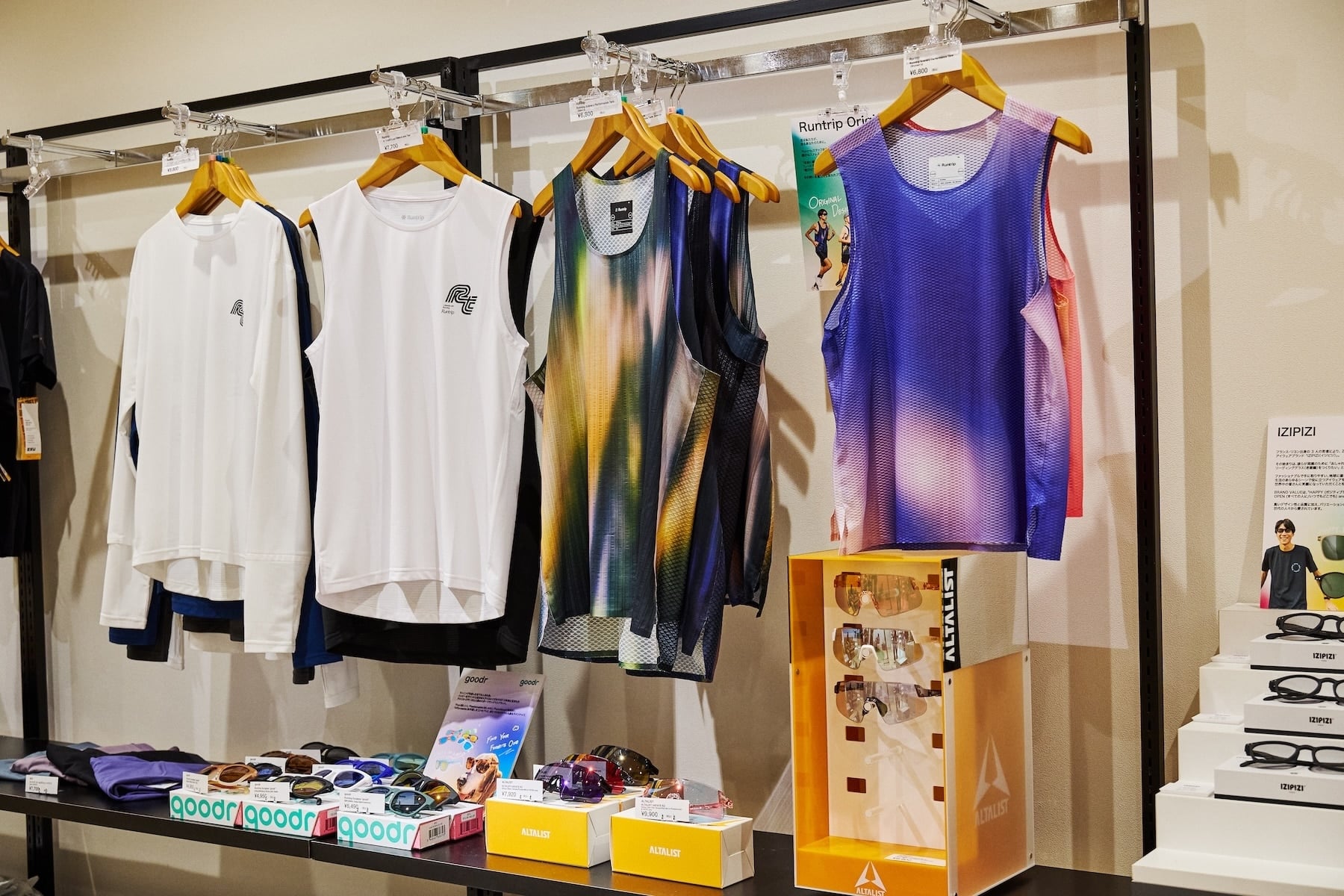
The facility also has an attached shop space where you can buy running apparel, shoes, and accessories, so you can find almost anything you might need.
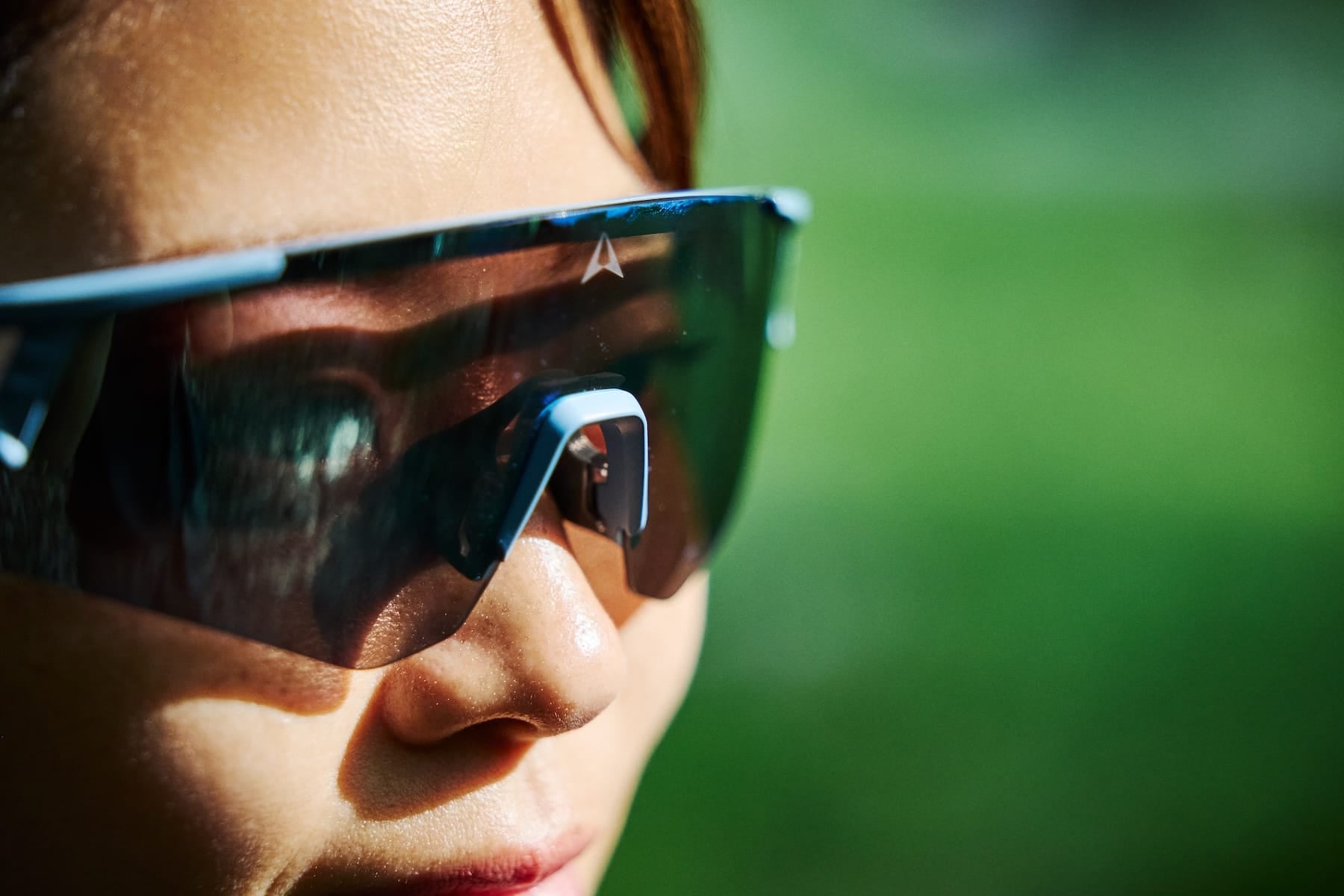
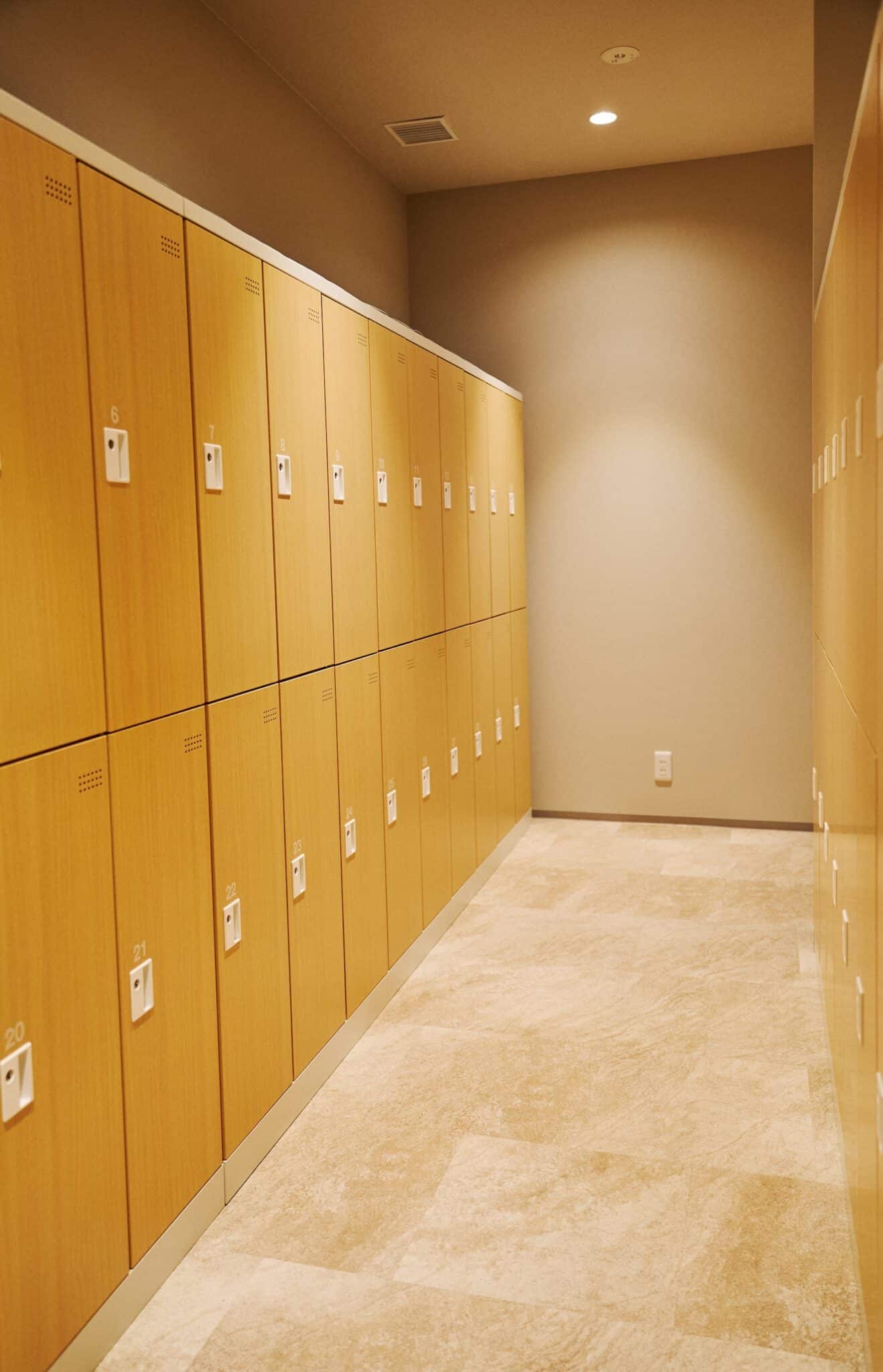
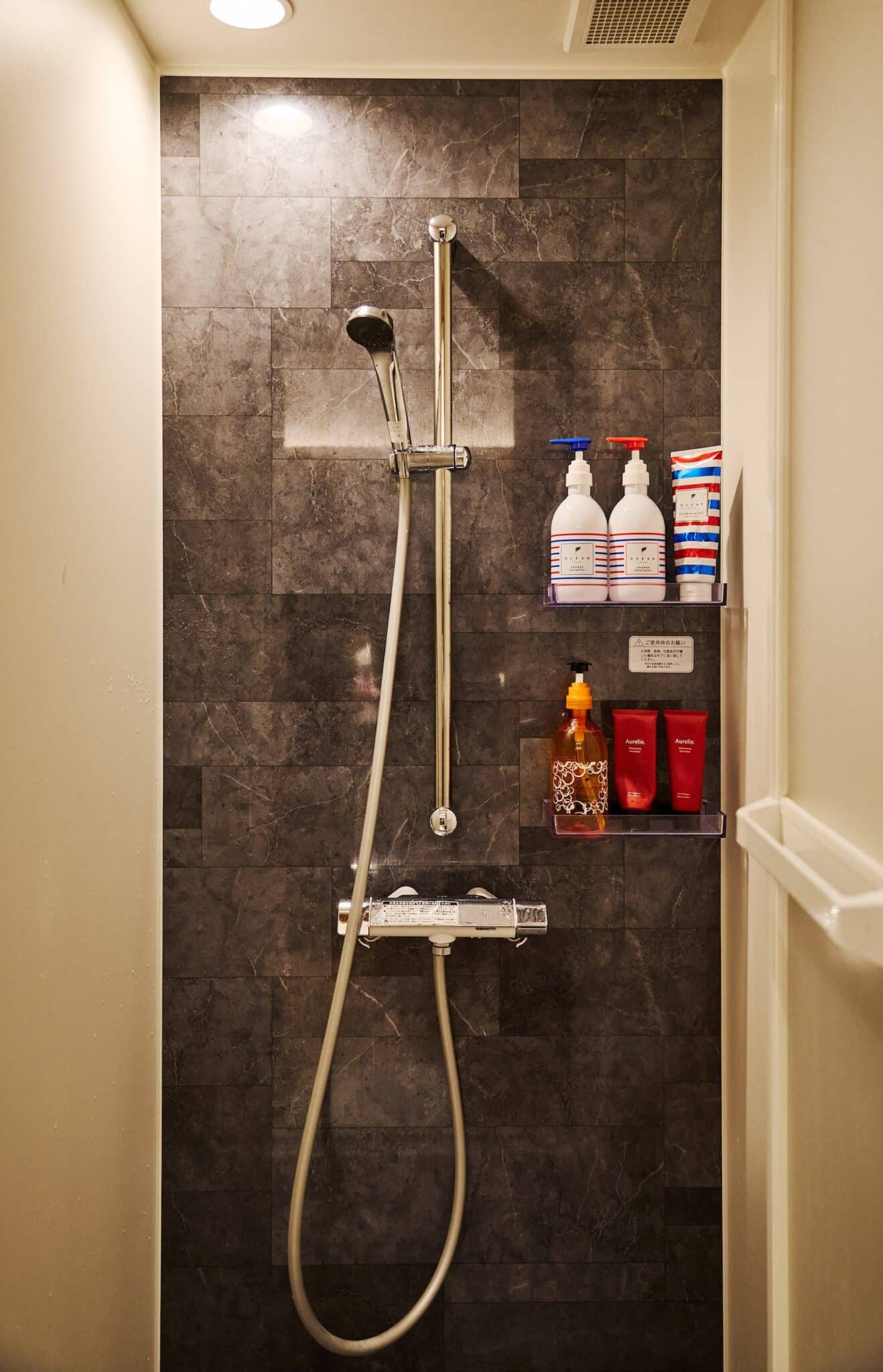
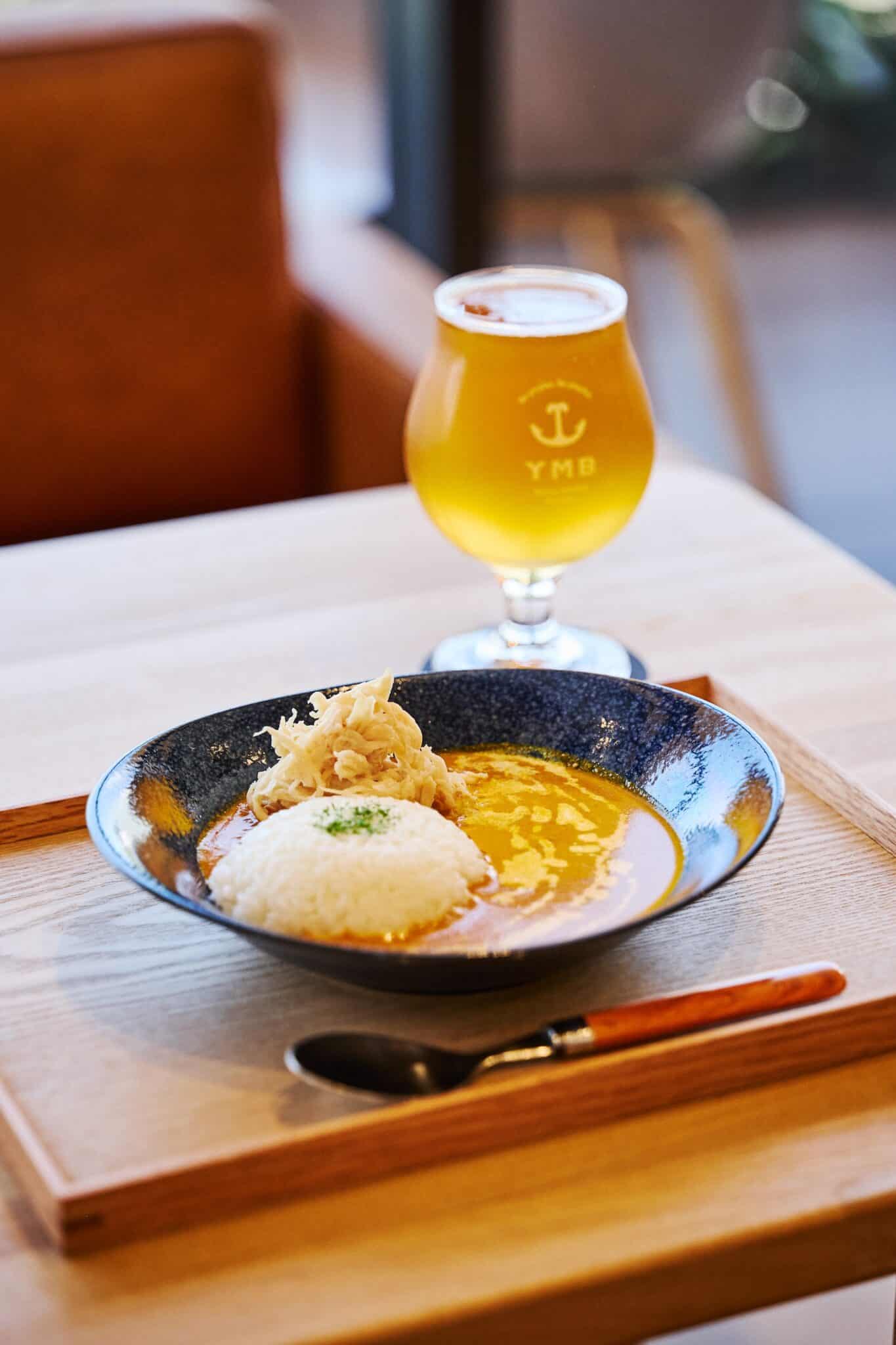
Inside the facility are clean locker rooms and shower booths, along with a full range of amenities, including “KINUJO” hair dryers and high-quality skincare items. Shoes and sunglasses can be rented for free, making it easy to start running even while traveling. At the attached café bar, you can find rewarding post-run food and drinks, from craft beer by Yokohama’s “YMB” to high-protein “Coconut Chicken Curry,” fully supporting recovery after your run.
A spacious locker room.
A shower booth. Shampoo, body soap, cleansing products, and other essentials are all provided.
Around the dresser area, there is a full selection of skincare by “Aurelie.” and haircare items by “OCEAN.” These popular items are apparently well regarded, with many inquiries from women.
The healthy “Coconut Milk Curry,” made without butter, ¥1,200, and “KAIZOKU,” YMB’s standard pilsner created for people who love running, size L ¥1,540. For beer-loving runners, four taps are always in operation.
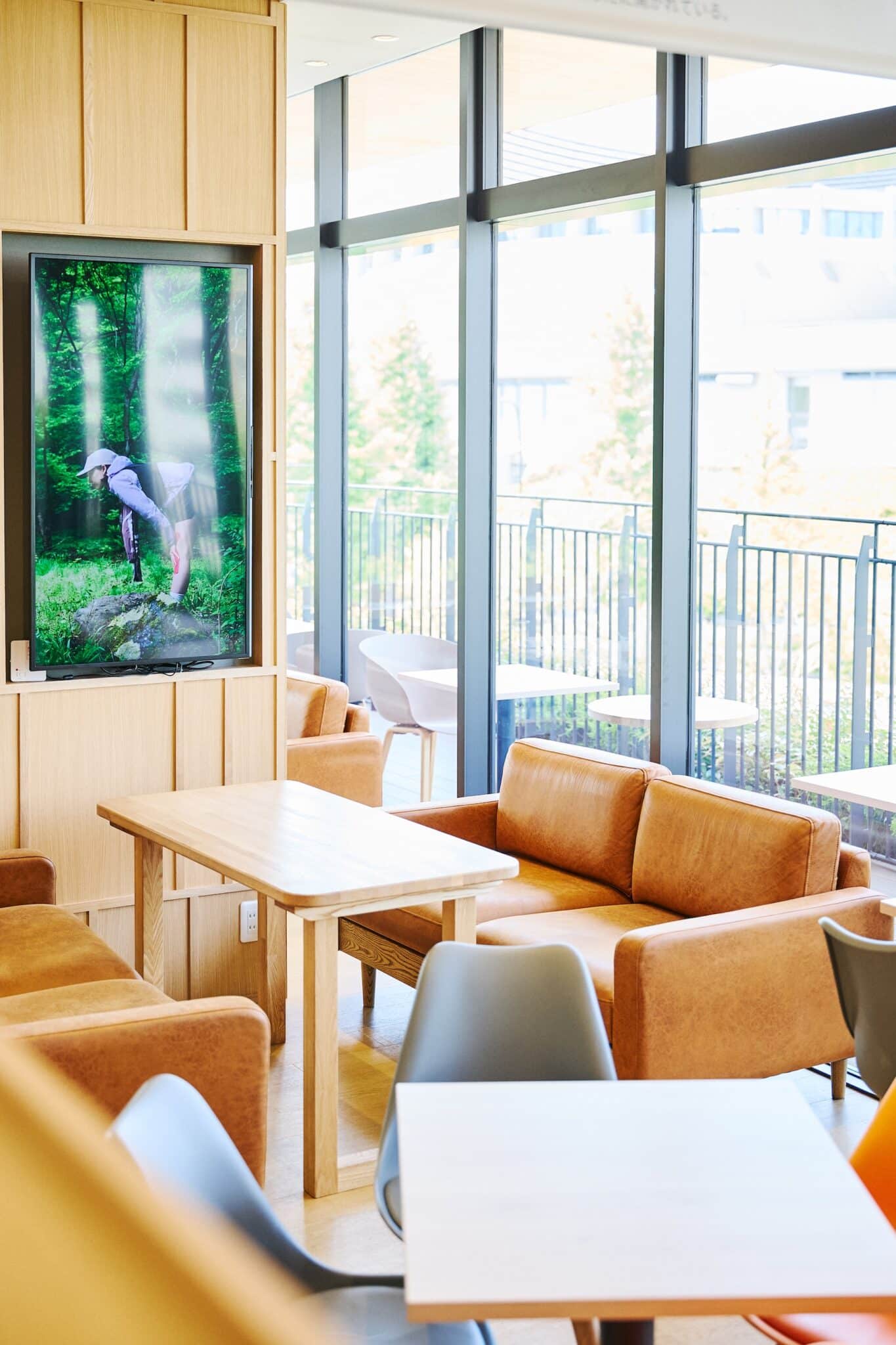
The café space has a bright atmosphere with natural light streaming in.
In addition, the facility is linked with the smartphone app “Runtrip,” offering a reward system that appeals to runners: once you complete 30 km of running, you receive a coupon that can be exchanged for beer or coffee. With well-equipped facilities, delicious rewards, and a place where you can naturally connect with people who share the same interest, this next-generation base makes running in Tokyo richer, more fulfilling, and more stylish.
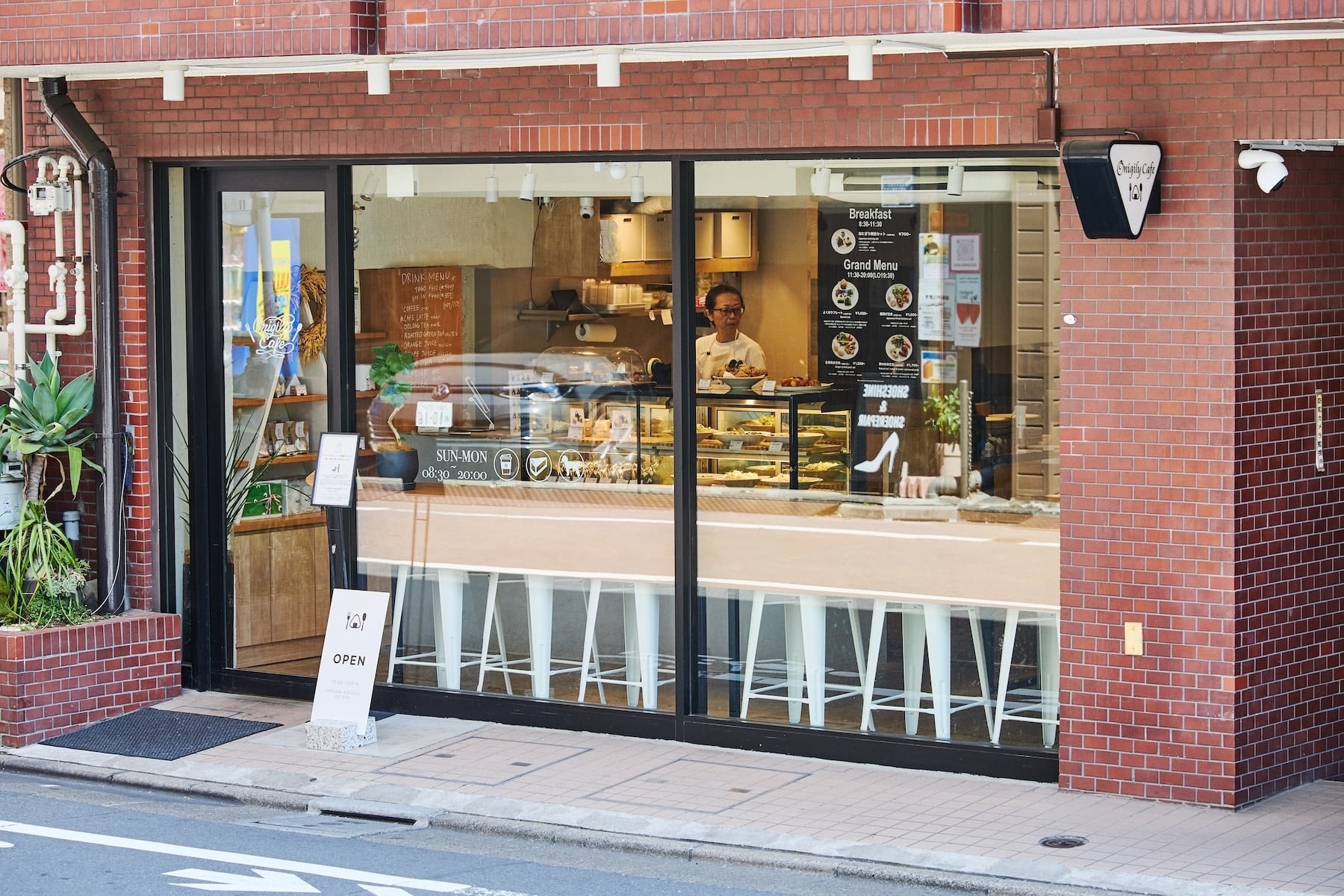
Located near Yoyogi Park, “Onigiri Café Yoyogi Park” is a spot where you can casually enjoy “onigiri”—a beloved Japanese staple—in a modern café setting. It opens at 8:30 a.m. and is frequented by many runners from Yoyogi Park.
The nearest station is Yoyogi-koen Station on the Tokyo Metro Chiyoda Line, about a two-minute walk away. It is also about a five-minute walk from Yoyogi Park.
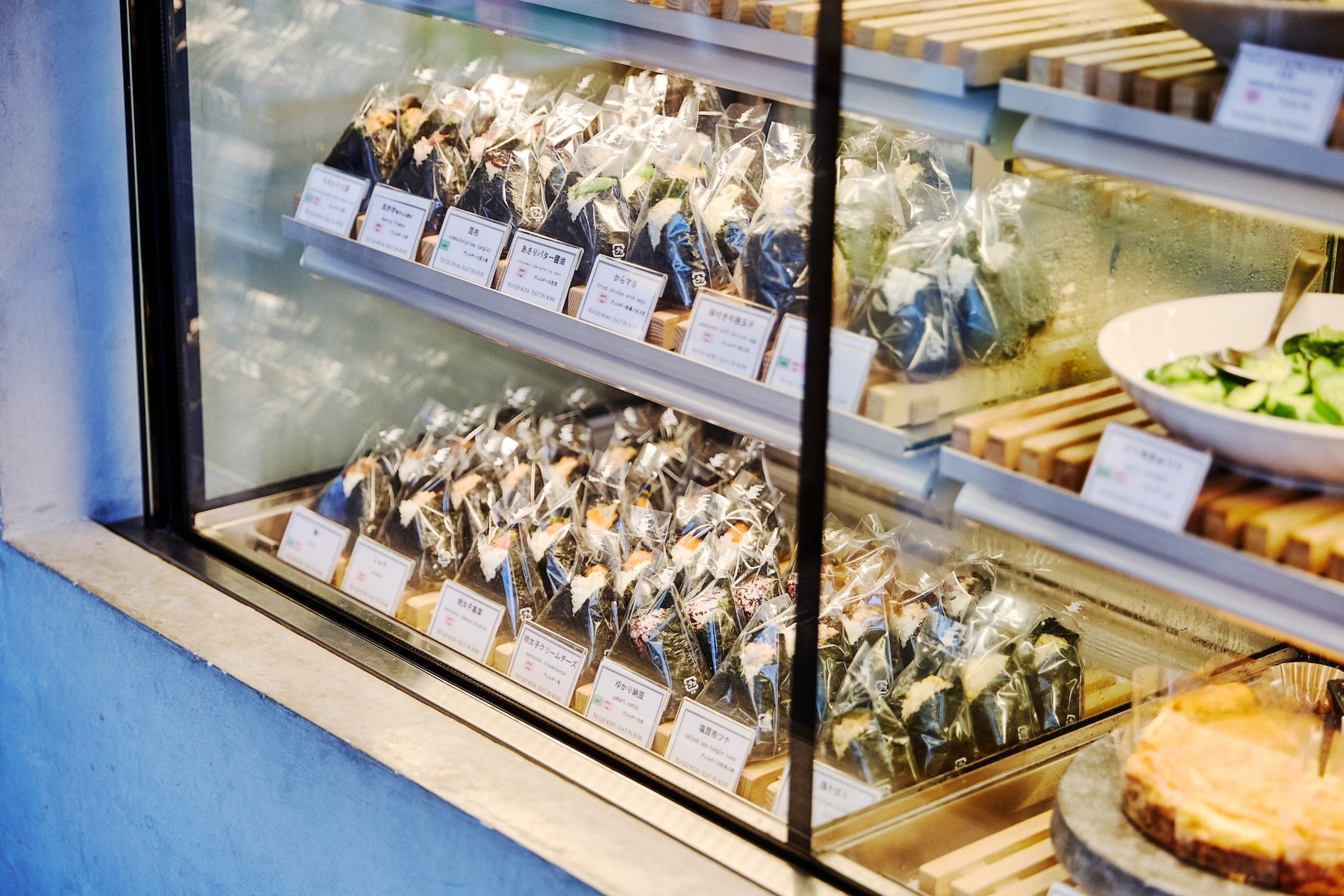
Onigiri and side dishes are lined up in the display case. Even if they are sold out, the staff will make them fresh right away if you order.
For the rice—the foundation of the dish’s deliciousness—we use Special A-grade Koshihikari from Saku, Nagano Prefecture, which has a chewy texture and holds its shape well even after sitting for a while. The display case features a selection of small, easy-to-eat rice balls weighing about 90g each, offering a wide range of options—from standout fillings like our “seasoned soft-boiled egg” with its perfectly soft-boiled texture to vegan and gluten-free options. There are also handmade gluten-free sweets made with rice flour, ensuring you can enjoy a satisfying café experience. With such a diverse selection available, everyone can choose their favorite items and casually enjoy Japan’s unique food culture.
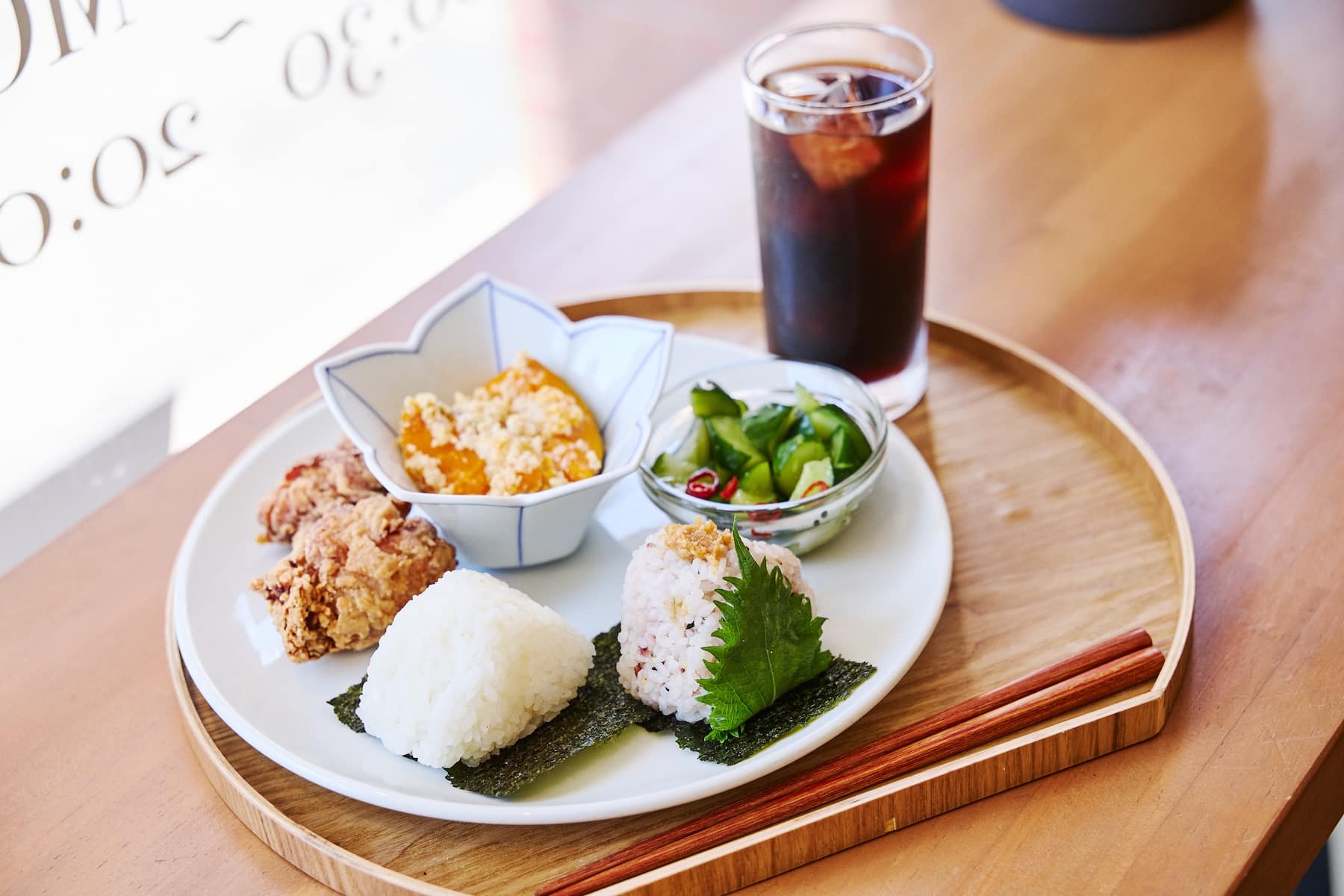
The signature “Yokubari Plate,” available from lunchtime, 11:30 a.m. onward, starts at ¥1,650, with an additional charge depending on the type of onigiri selected. The set includes one salted onigiri, one onigiri of your choice, two pieces of karaage fried chicken, and two side dishes of your choice from the display case. Drinks are available for an additional ¥220.
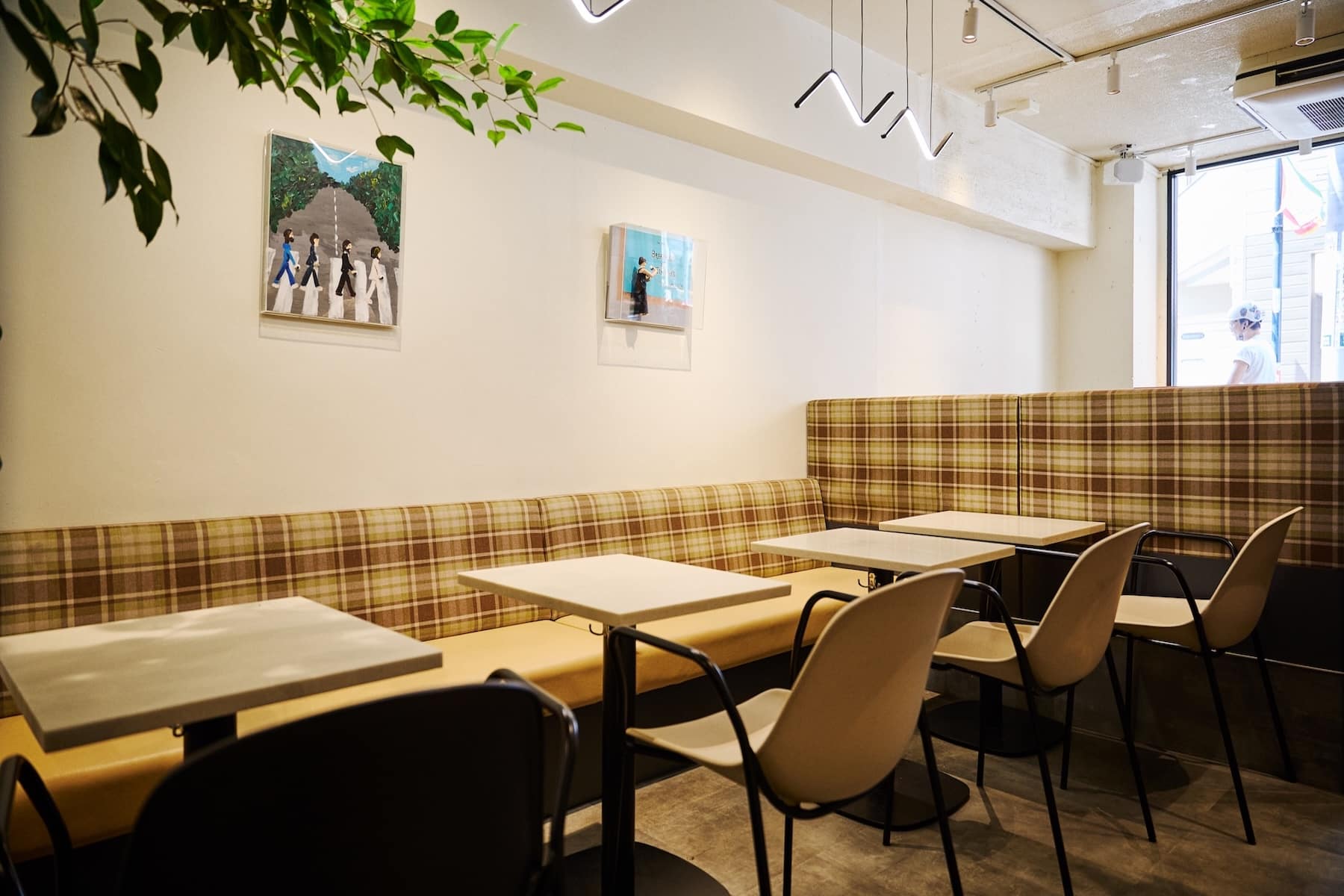
The shop has about 30 seats. It can also be used as a café, making it suitable for different occasions from morning to evening.
You can stop by after running in “Yoyogi Park” and relax inside, or take your order out and enjoy a morning meal in the park. Try using it flexibly like a local, depending on the situation.
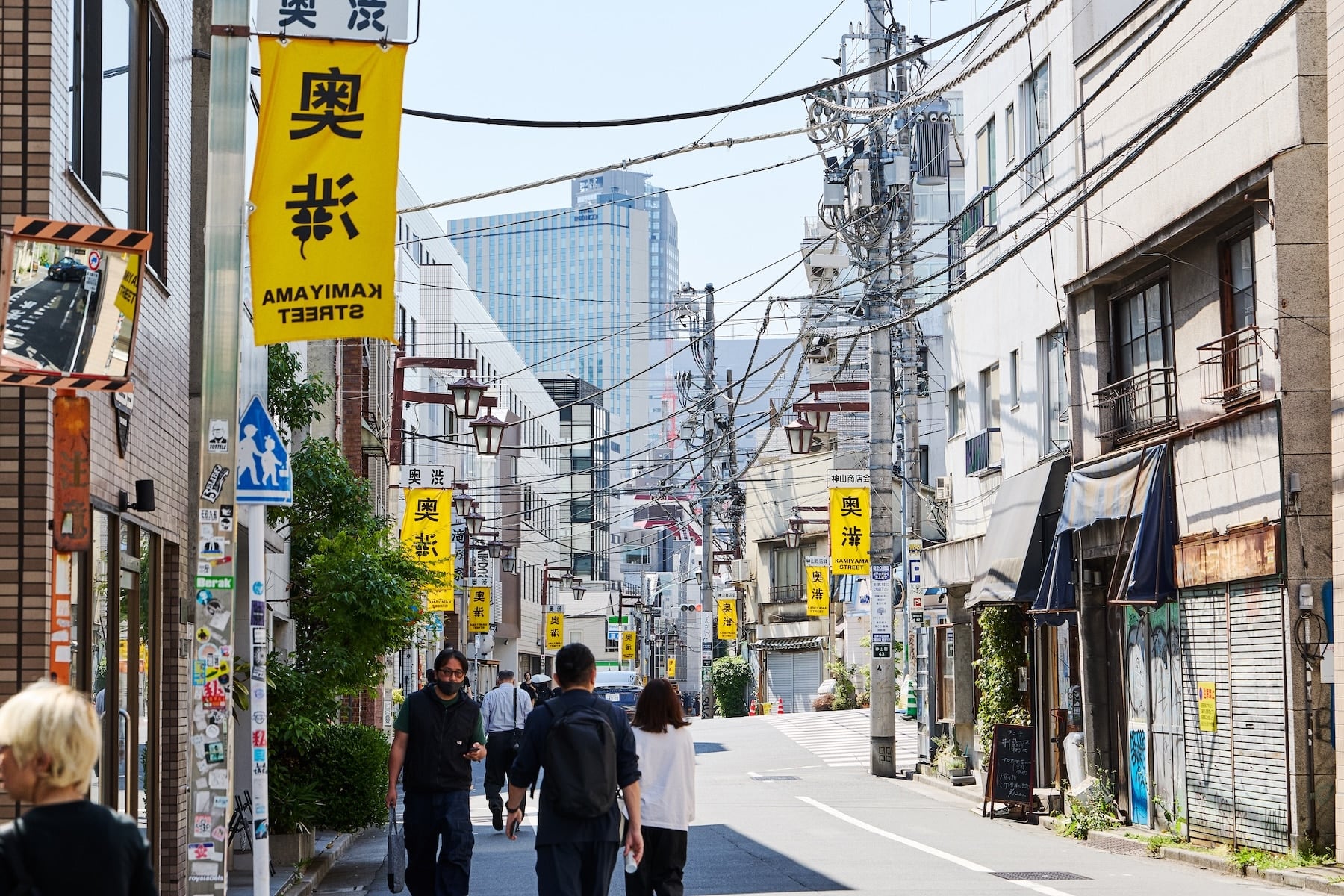
After your run, if you want to enjoy a little more time walking around the city, head to “Oku-Shibu.” This area, spreading west of “Yoyogi Park,” is dotted with independent cafés, bistros, and bookstores, and has a calm atmosphere that feels almost unlike Shibuya.
A shopping street with flags reading “Oku-Shibu.” This road leads from Yoyogi Park toward Shibuya Center-Gai.
Yoyogi Park can be seen in the background. The Oku-Shibu area is on the right.
Compared with the lively Center-Gai area, the atmosphere changes completely, even though it is still Shibuya. Along the quiet, calm streets are independent roaster cafés with a strong point of view, sophisticated bistros, and stylish bookstores and lifestyle shops, all rooted in a local culture loved by neighborhood residents.
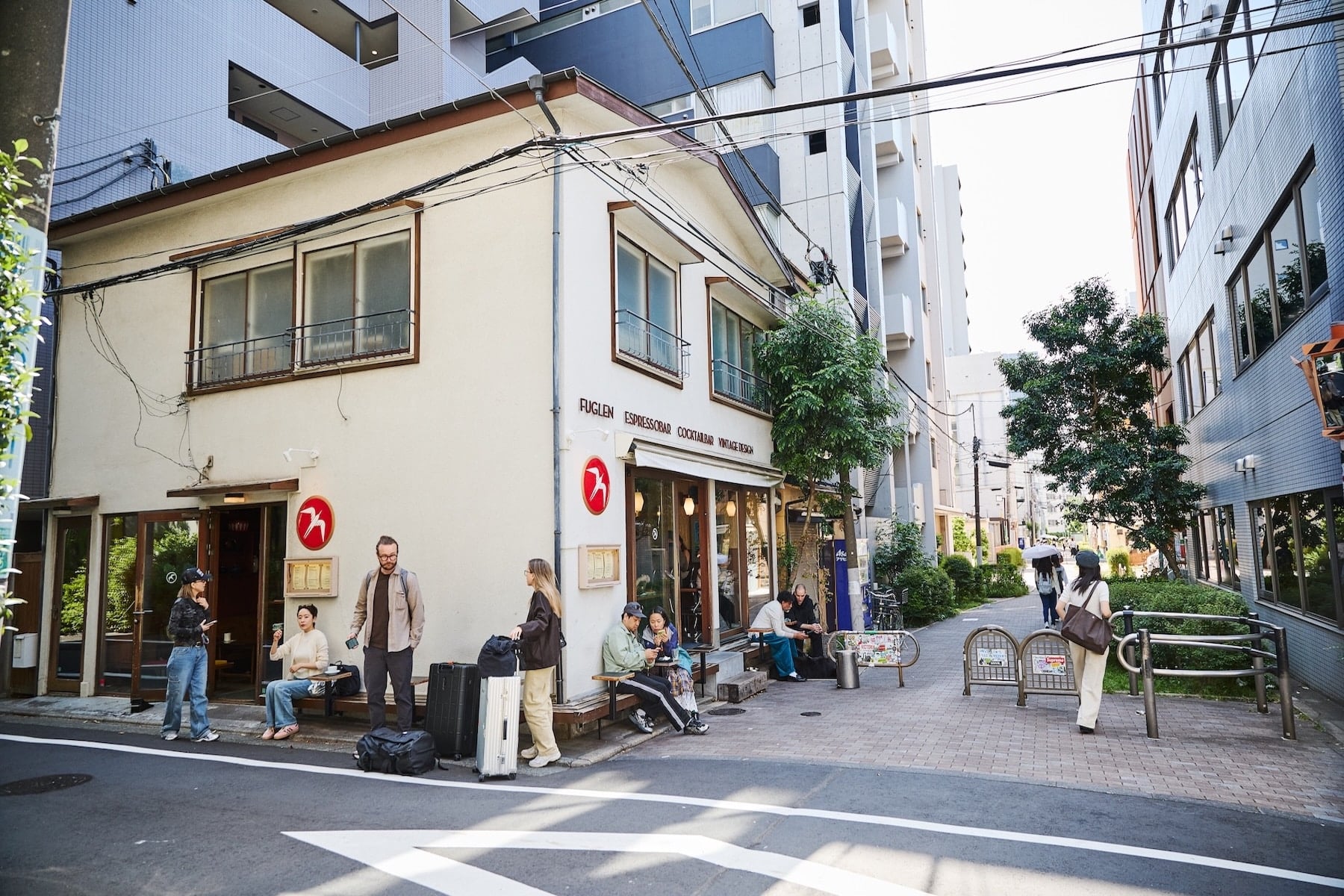
“FUGLEN TOKYO,” the first overseas branch of “FUGLEN,” a coffee shop from Oslo, Norway. The presence of such highly curated shops is part of the appeal of Oku-Shibu.
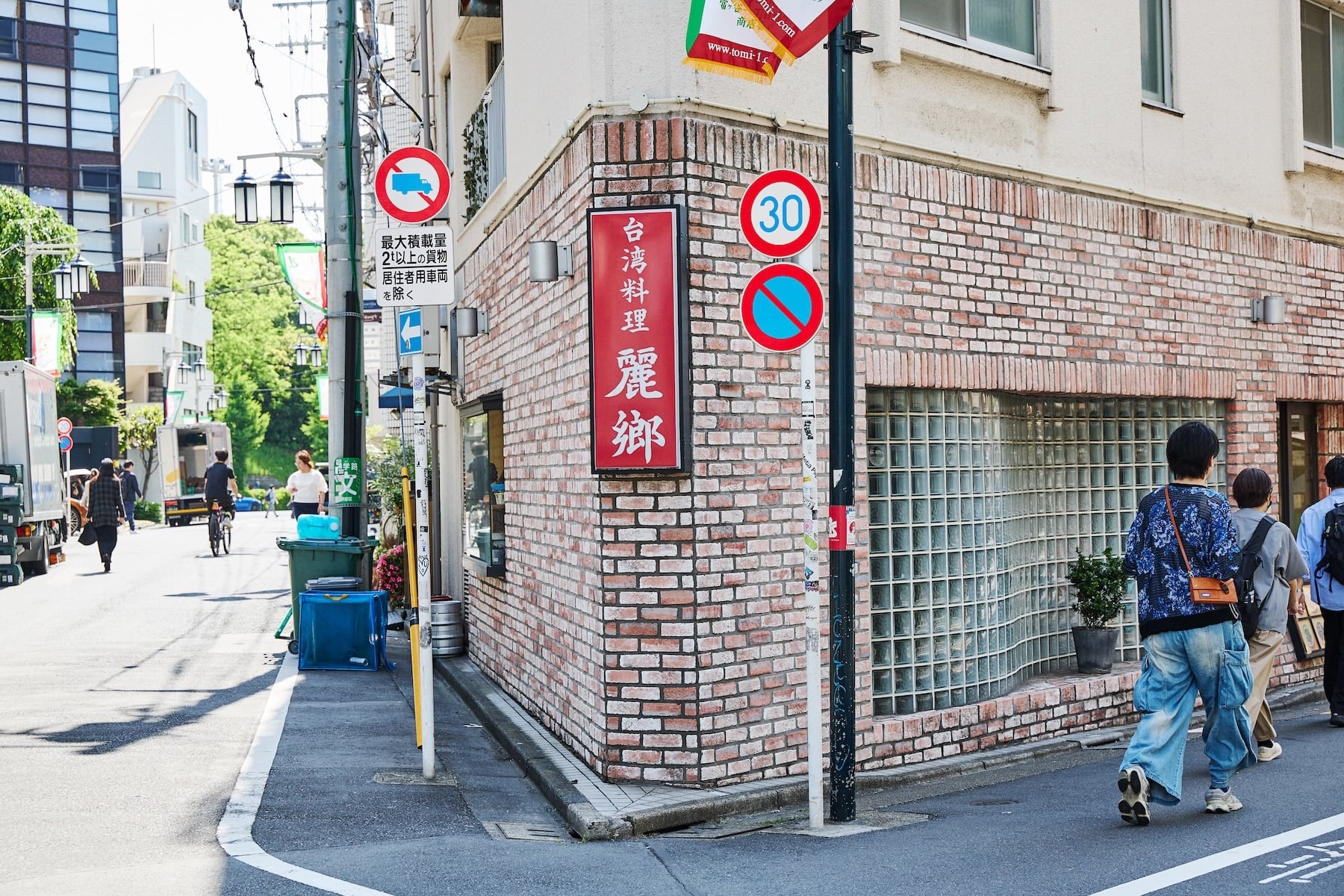
A branch of “Reikyo,” a long-established Taiwanese restaurant with its main location in Hyakkendana, Shibuya, is also popular in this area. It is a hidden spot where you can enjoy authentic Taiwanese food without the crowds of the main restaurant.
The greenery of “Yoyogi Park” and the refined streetscape of “Oku-Shibu” are best enjoyed together. “After my run, I’ll stop by that café for a good coffee before heading home.” Having that kind of reward waiting can make you even more motivated to run. It is also an area with just the right kind of comfort for visiting in relaxed clothes after a run.