DEEPTOKYO
magazine

EN

DEEPTOKYO
magazine
EN
2026.08.24
A Specialty Shop for Folding Fans and Uchiwa That Captivated Edo Townspeople


 Nearest Station


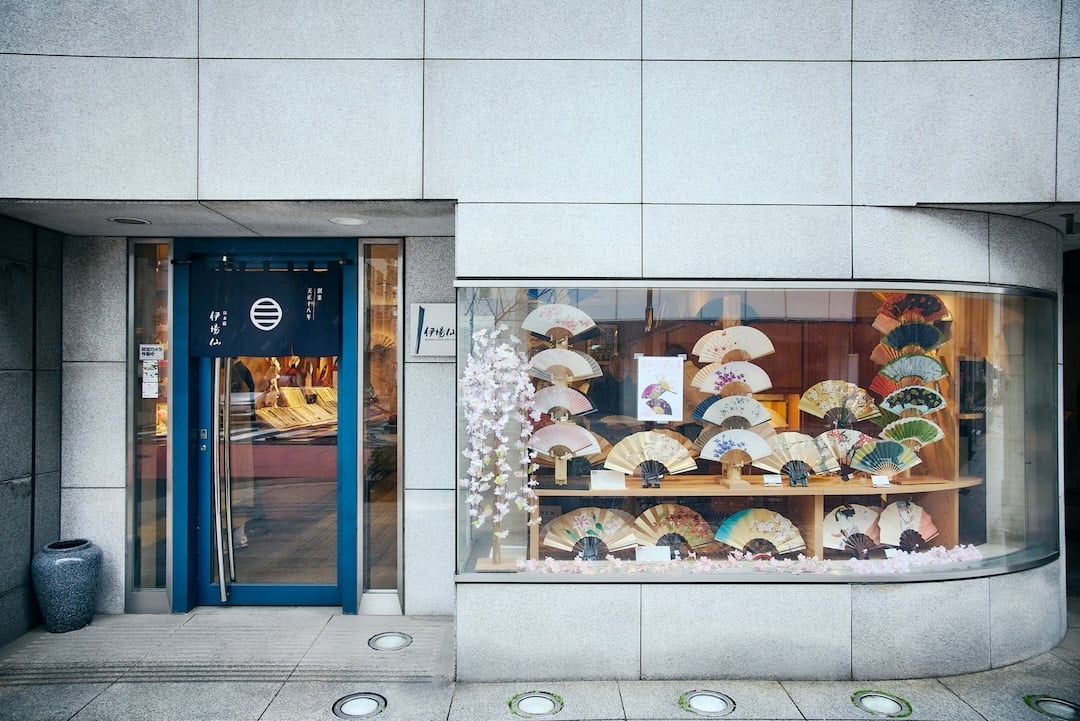
“Ibasen,” a long-established shop specializing in folding fans and uchiwa, once served as a purveyor to the shogunate, supplying washi paper and bamboo materials to the shogun. Drawing on its history as an ukiyo-e publisher, the shop now offers about 300 designs, including ukiyo-e motifs and traditional Japanese patterns. Visitors can also take part in workshops, including one where they can paint their own folding fans.
SHARE


The history of “Ibasen” dates back more than 400 years to the Edo period. Its founder, Ibaya Kanzaemon, originally worked in civil engineering in Hamamatsu, Shizuoka. He later moved to Nihonbashi in Edo, now Nihonbashi in Tokyo, to take part in development work in the castle town surrounding Edo Castle. After the work was completed, Ibaya Kanzaemon became a purveyor to the shogunate and is said to have eventually begun manufacturing and selling folding fans and uchiwa. In the late Edo period, as folding fans and uchiwa became widespread among ordinary people, “Ibasen” used the woodblock-printing techniques that were flourishing at the time and incorporated designs by popular ukiyo-e artists into its products. The business involved deciding which artist to commission, what kind of design to have created, and how to turn that design into a product and bring it to market. In modern terms, this role was similar to that of a publishing producer who works with writers and creators to generate trends through products and media. For Edokko—the townspeople of Edo—uchiwa were indispensable everyday tools used to keep cool in summer, brush away insects, and help start fires. At the same time, an uchiwa also served as a small medium that reflected its owner’s tastes and the fashions of the day. “Ibasen” became widely known as an ukiyo-e publisher that used uchiwa as a medium for introducing new trends.
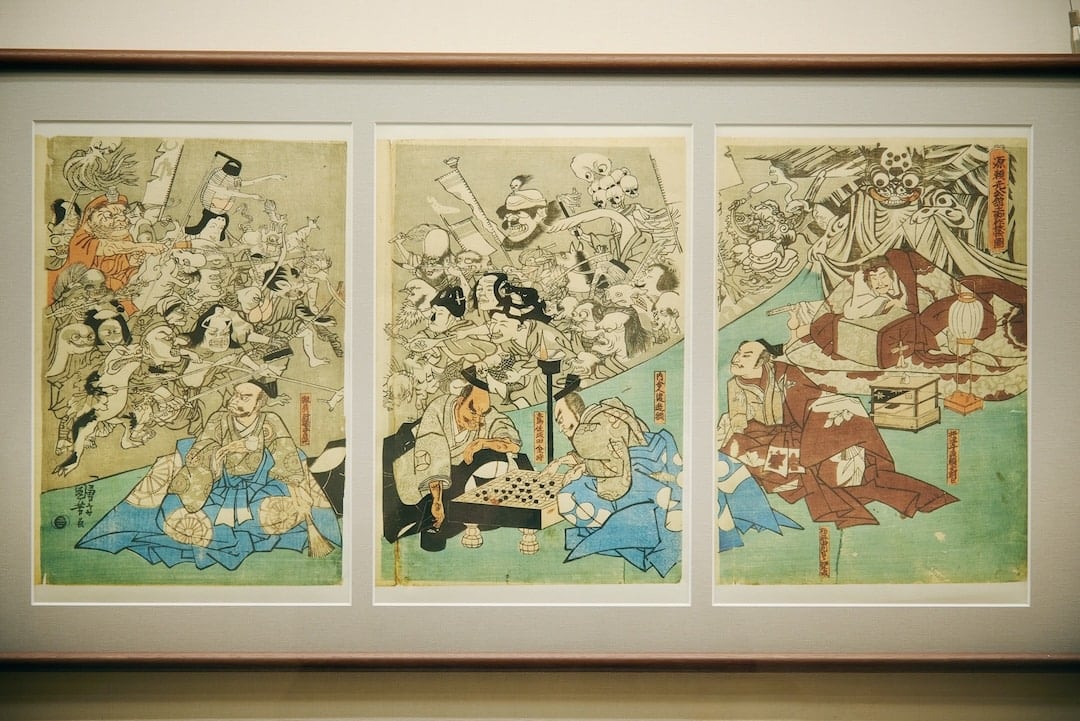
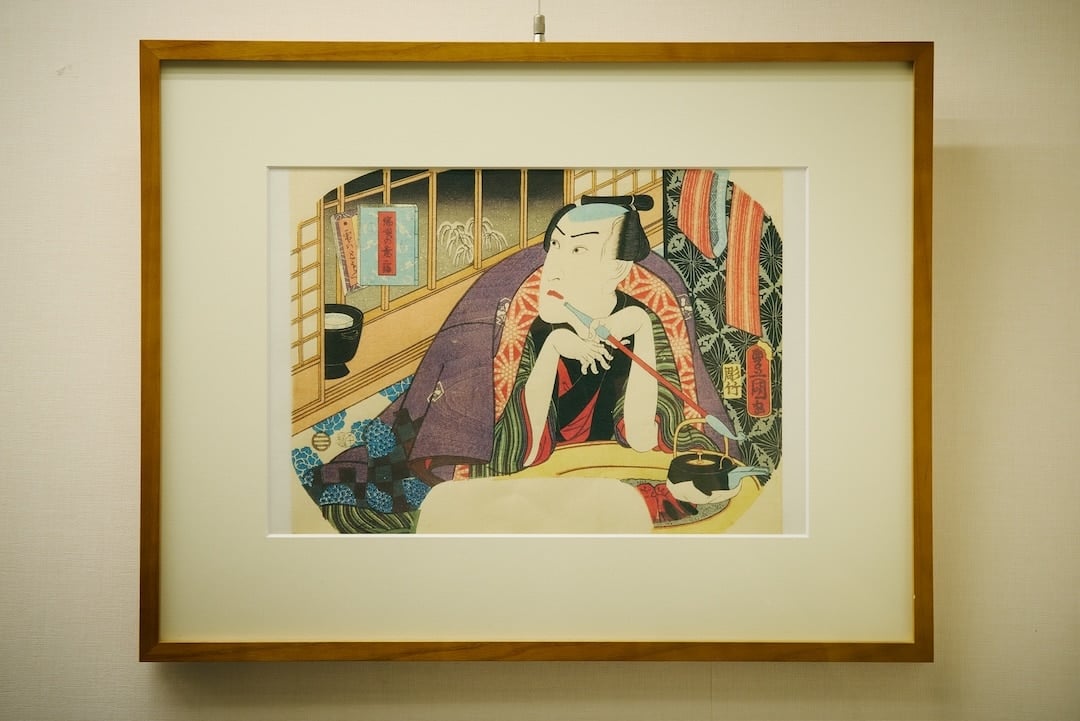
The ukiyo-e museum attached to the shop displays prints that “Ibasen” sold 150 to 200 years ago, including works by the popular ukiyo-e artist Utagawa Kuniyoshi.
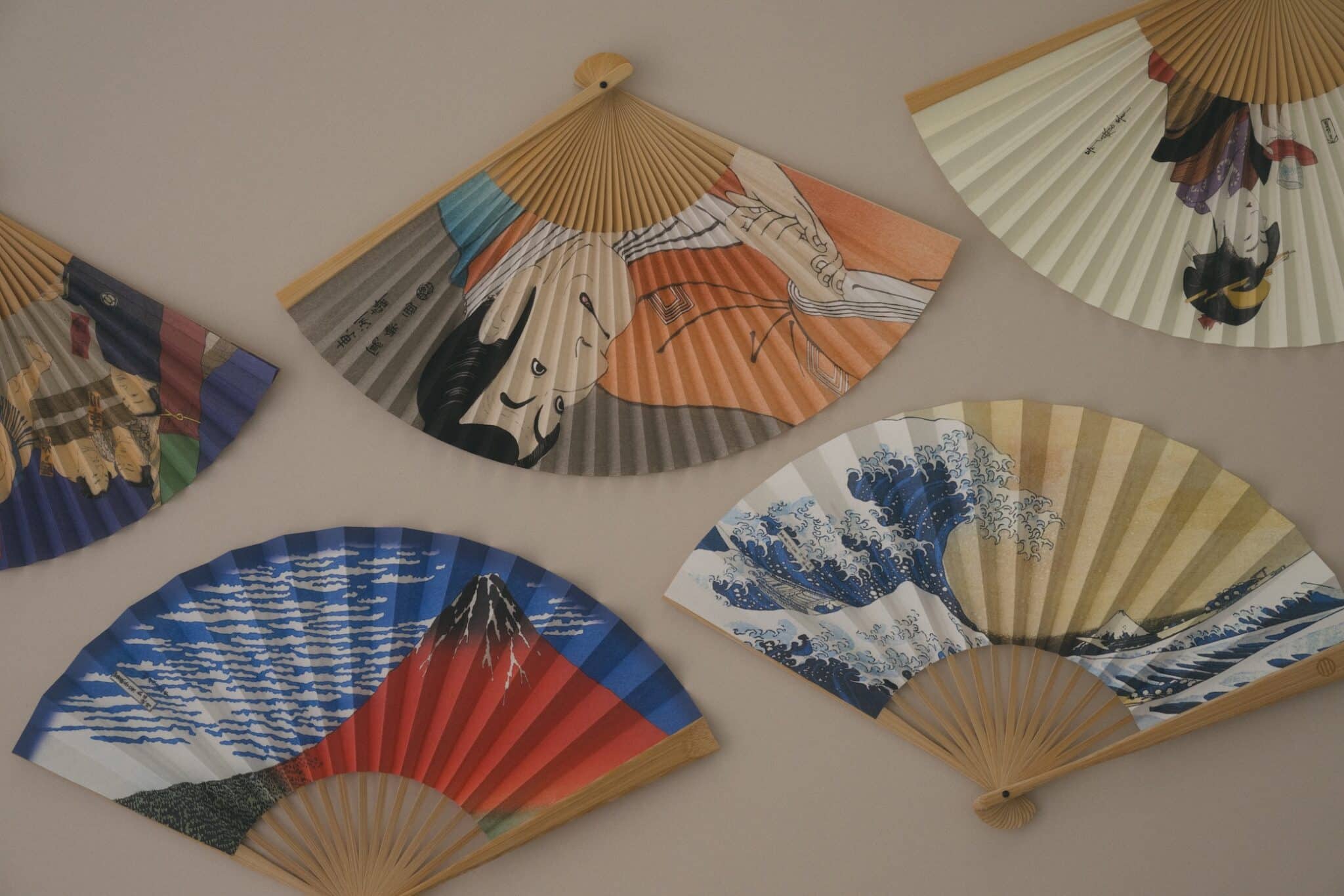
A replica of a uchiwa design sold during the Edo period. Designs reflecting contemporary society were especially popular. This work depicts a scandal involving a kabuki actor of the time and is said to have become a major sensation.
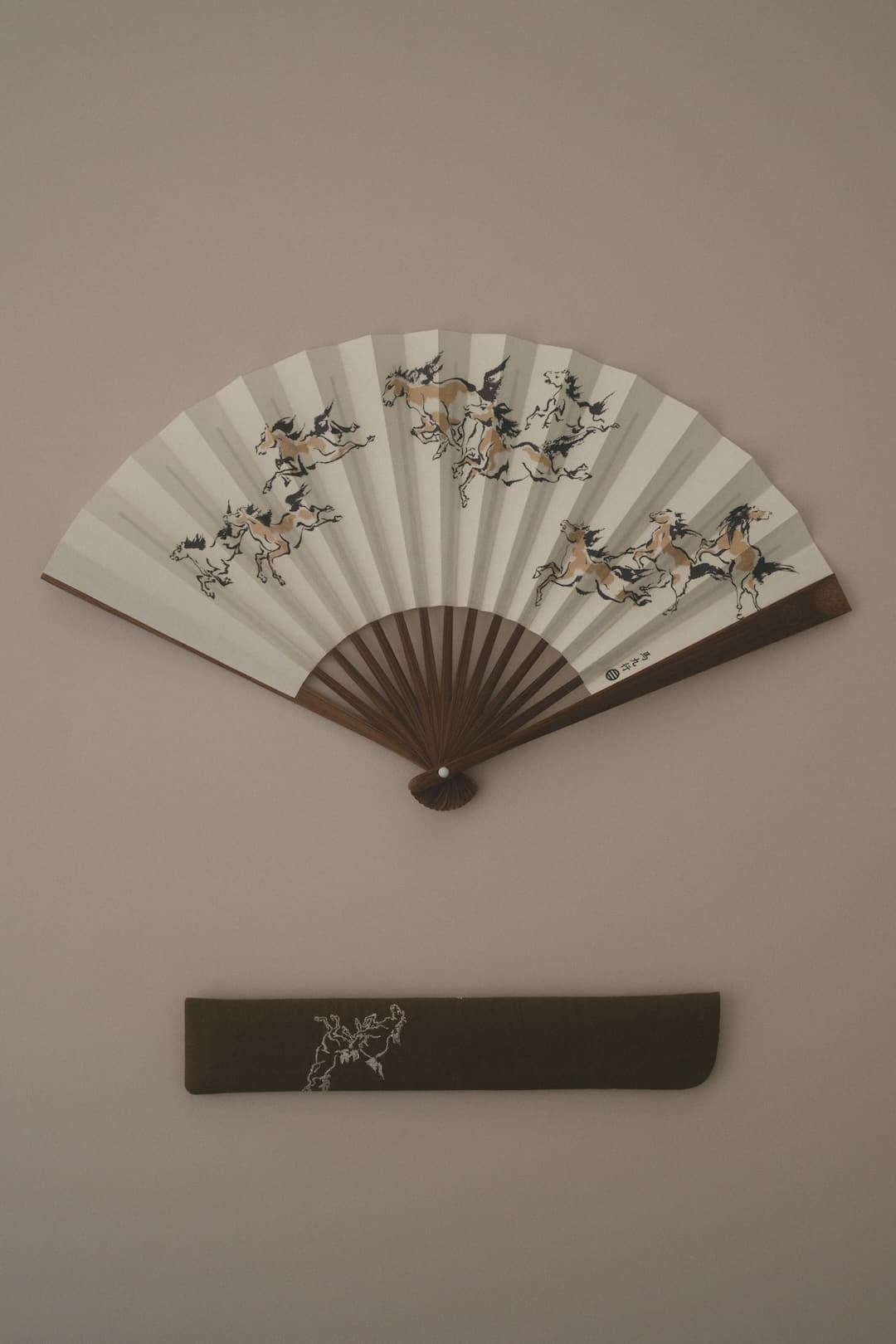
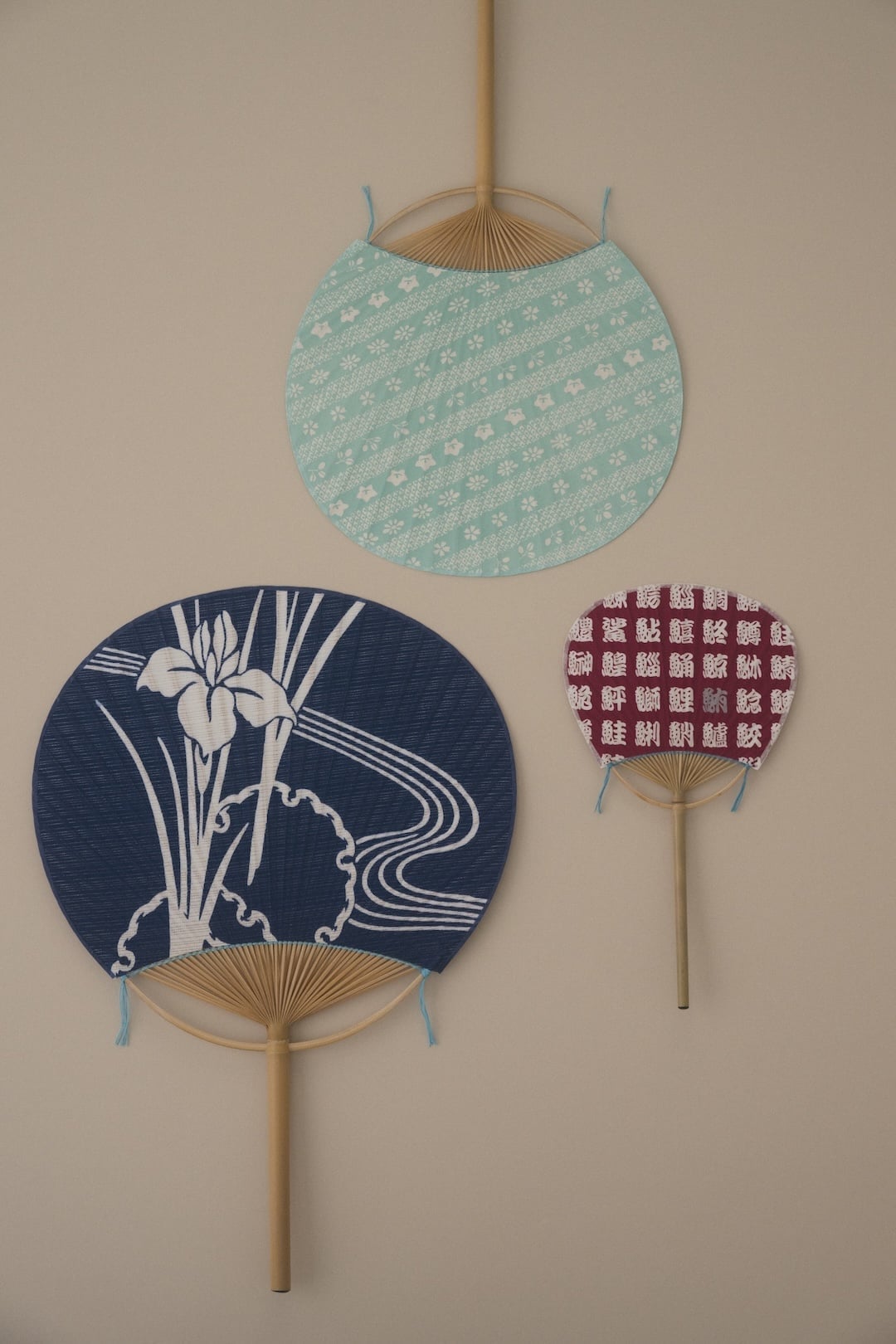
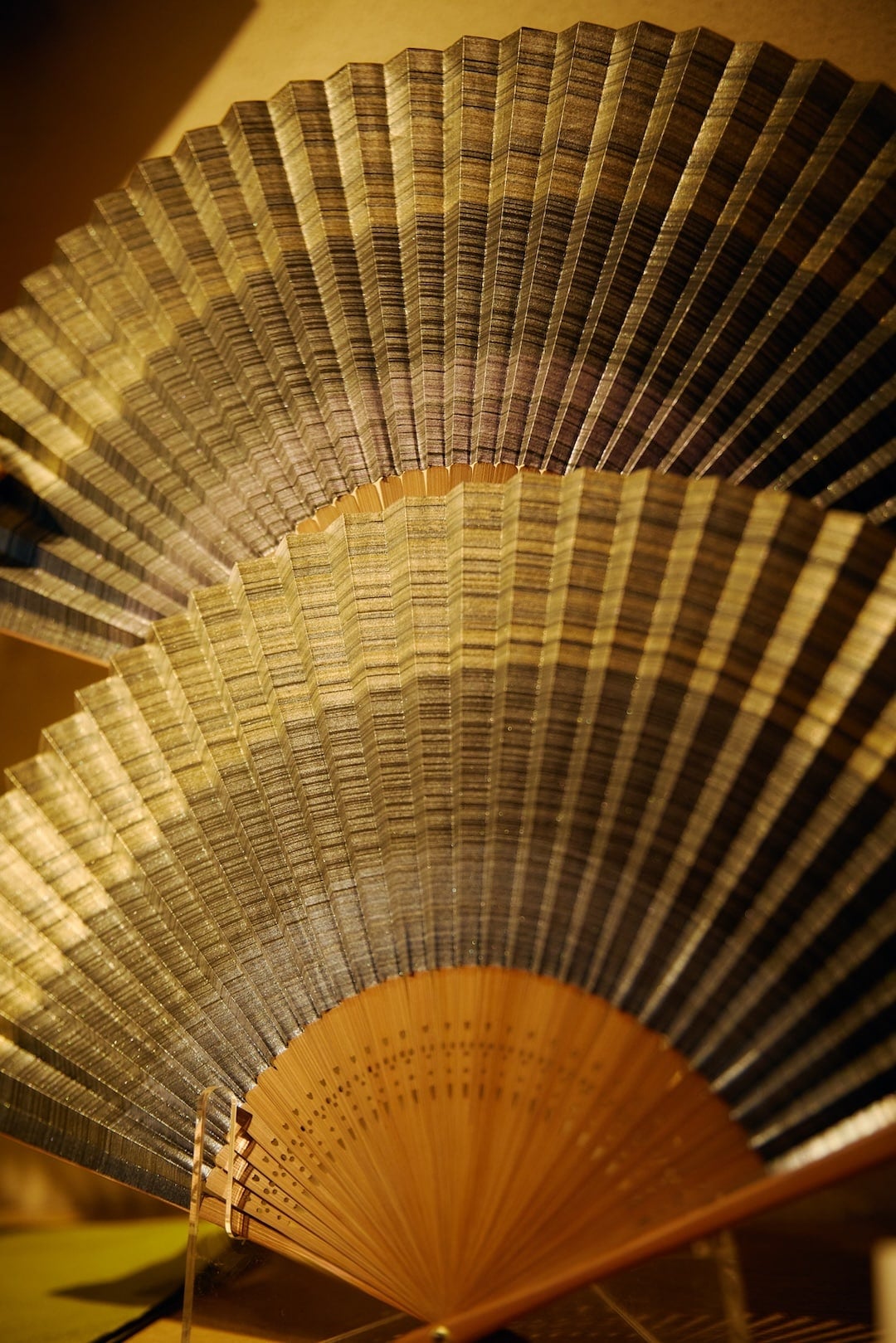
The core of the shop’s selection is Edo sensu folding fans and Edo uchiwa. Edo sensu have fewer ribs than Kyoto-style folding fans, which gives the folded washi paper wider pleats. This also allows bold designs to be arranged more dramatically when the fan is opened. Unlike typical Kyoto uchiwa, an Edo uchiwa is made by finely splitting a single piece of bamboo so that the handle and the fan section form one continuous structure. The shop also offers a wide variety of other folding fans and uchiwa: pieces that showcase the distinctive character of handcraftsmanship; durable items made with kakishibu, a traditional Japanese coating made from astringent persimmons; products suitable for gifts; and decorative pieces for display. Altogether, the shop carries about 300 varieties.
Edo sensu are characterized by having fewer ribs than typical Kyoto-style folding fans. This popular model features nine horses. Comes with a fan case. ¥11,330.
Edo uchiwa are light and durable because the handle and fan section are made from a single piece of bamboo. (Left) Iris design, 41 cm high, ¥3,850. (Top) Small-flower design, 37 cm high, ¥2,200. (Right) Kanji design, 25 cm high, ¥660.
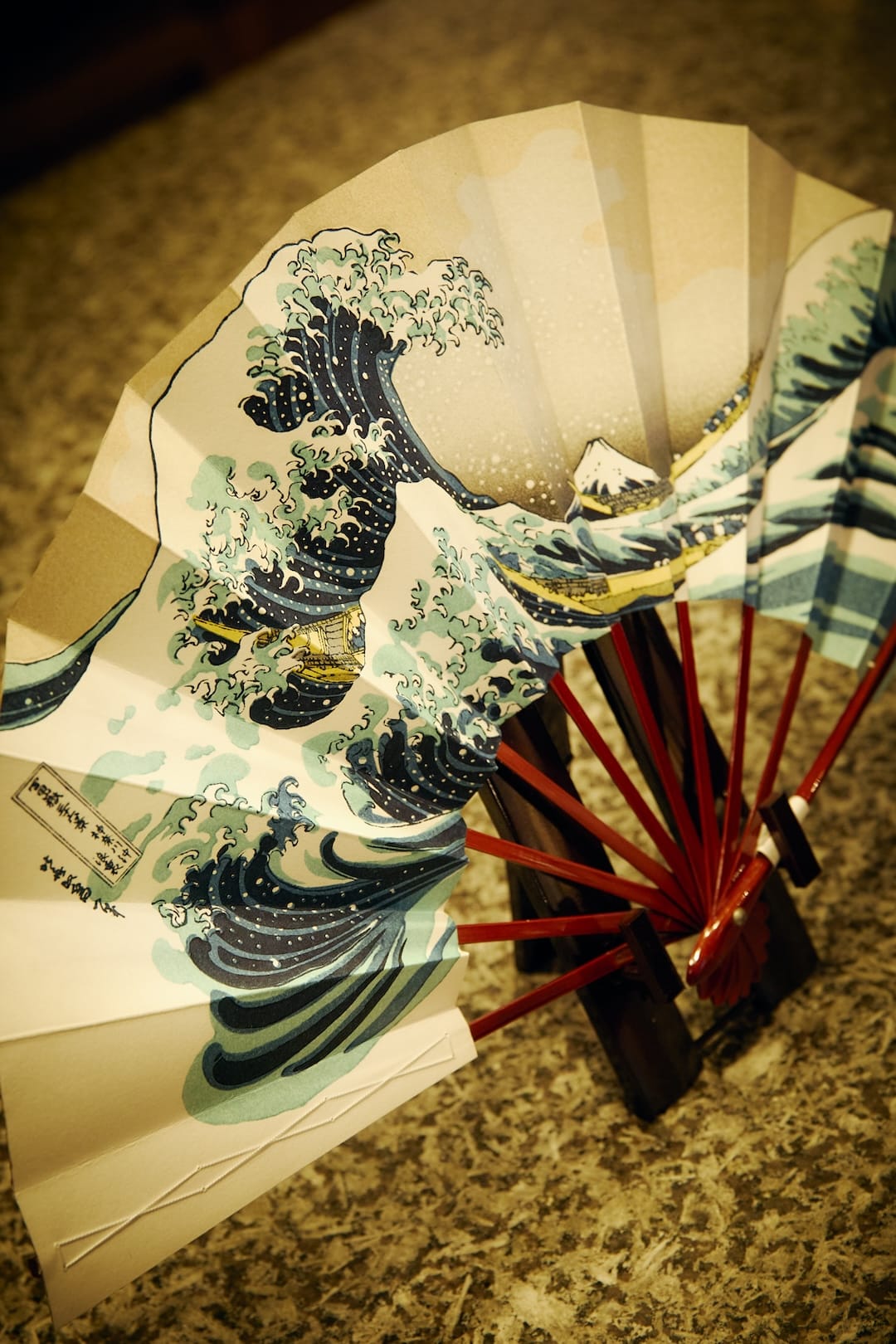
A decorative folding fan featuring Katsushika Hokusai’s masterpiece “Under the Wave off Kanagawa,” also known as “The Great Wave,” from the series “Thirty-six Views of Mount Fuji.” ¥33,000.
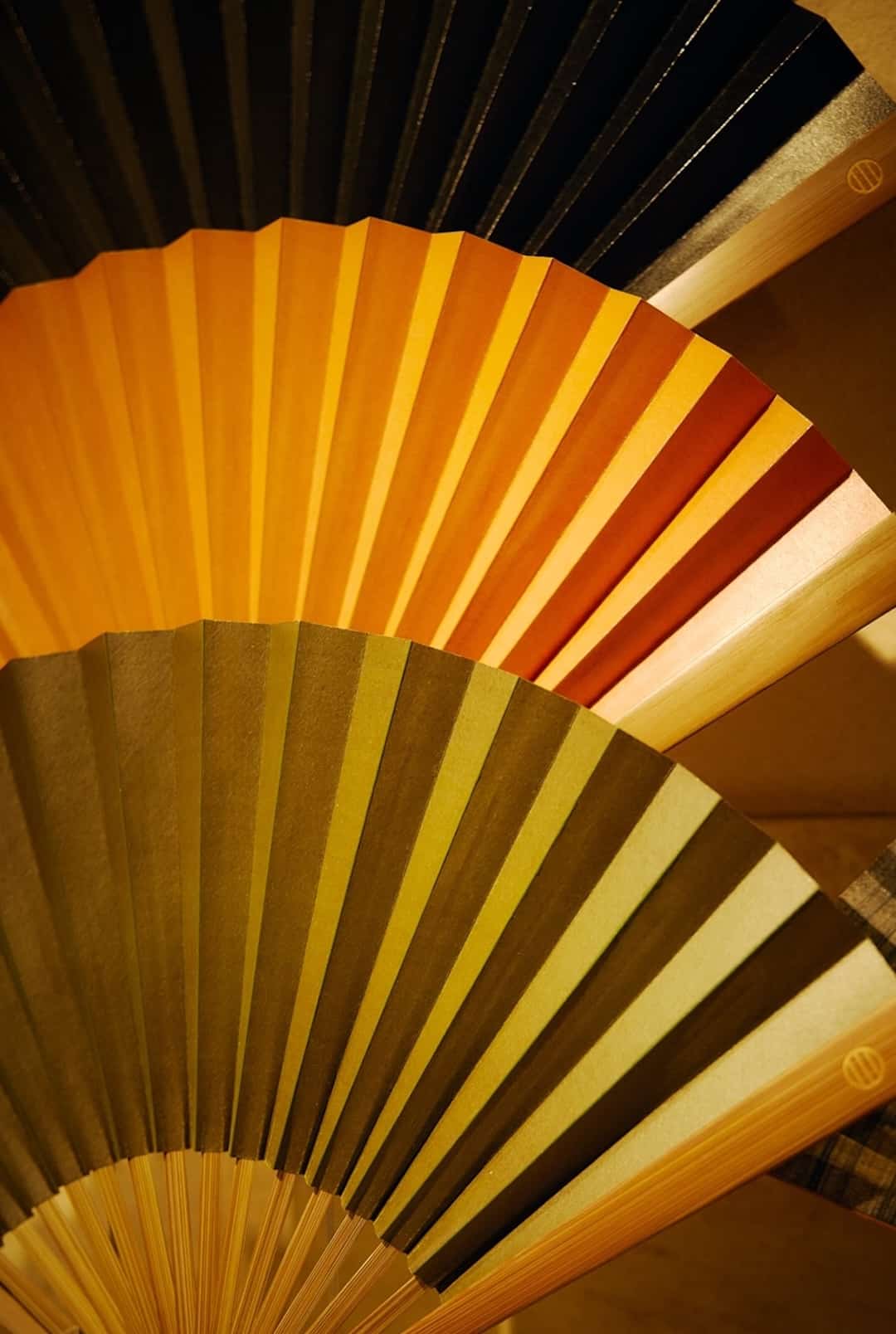
The fan surface is made from washi paper coated with kakishibu, a traditional Japanese coating made from astringent persimmons. The coating further reinforces the already durable washi paper and improves its durability. ¥9,900 each.
A folding fan decorated with fine lines painted using a special comb-shaped brush. The delicate craftsmanship is evident in the finished design. ¥13,200 each.
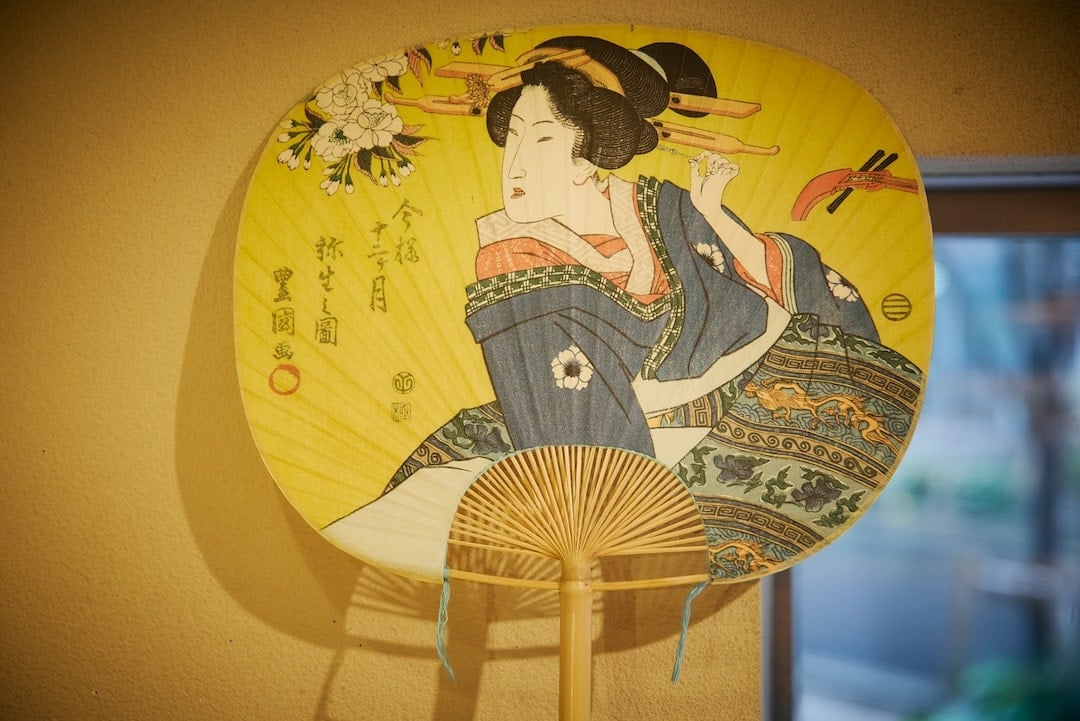
This design depicting a woman of the Edo period is by the popular ukiyo-e artist Utagawa Toyokuni. It has been recreated based on the original design from the period. Uchiwa, ¥7,700.
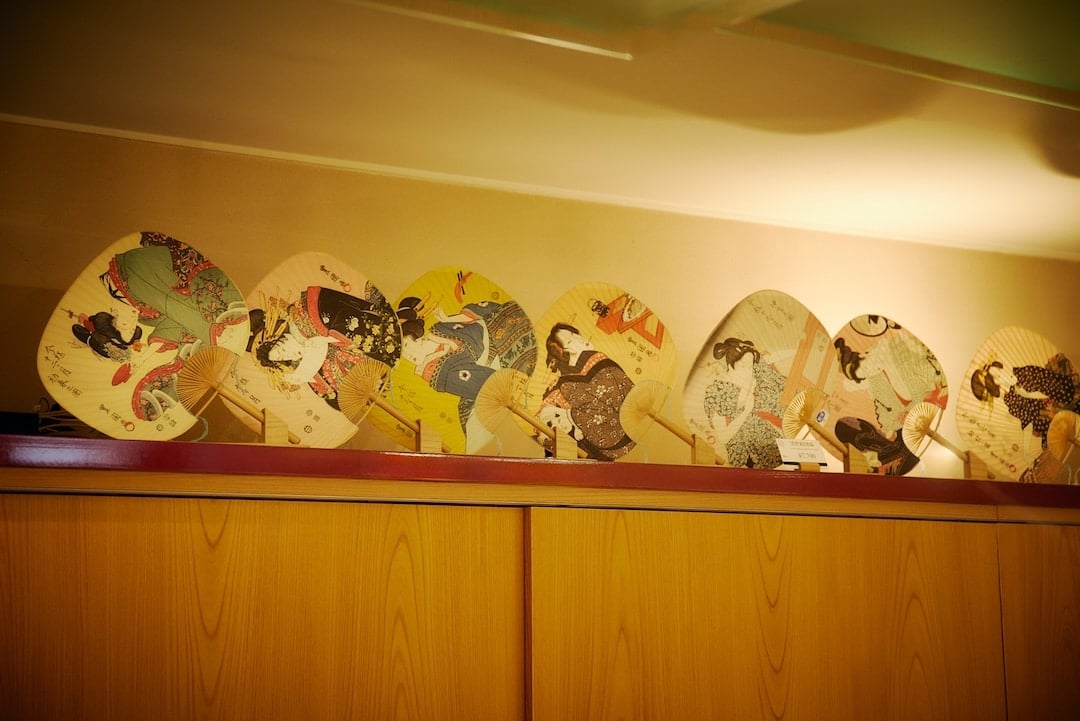
A series depicting people’s lives through the seasons. There are 12 designs in total, one for each month from January to December.
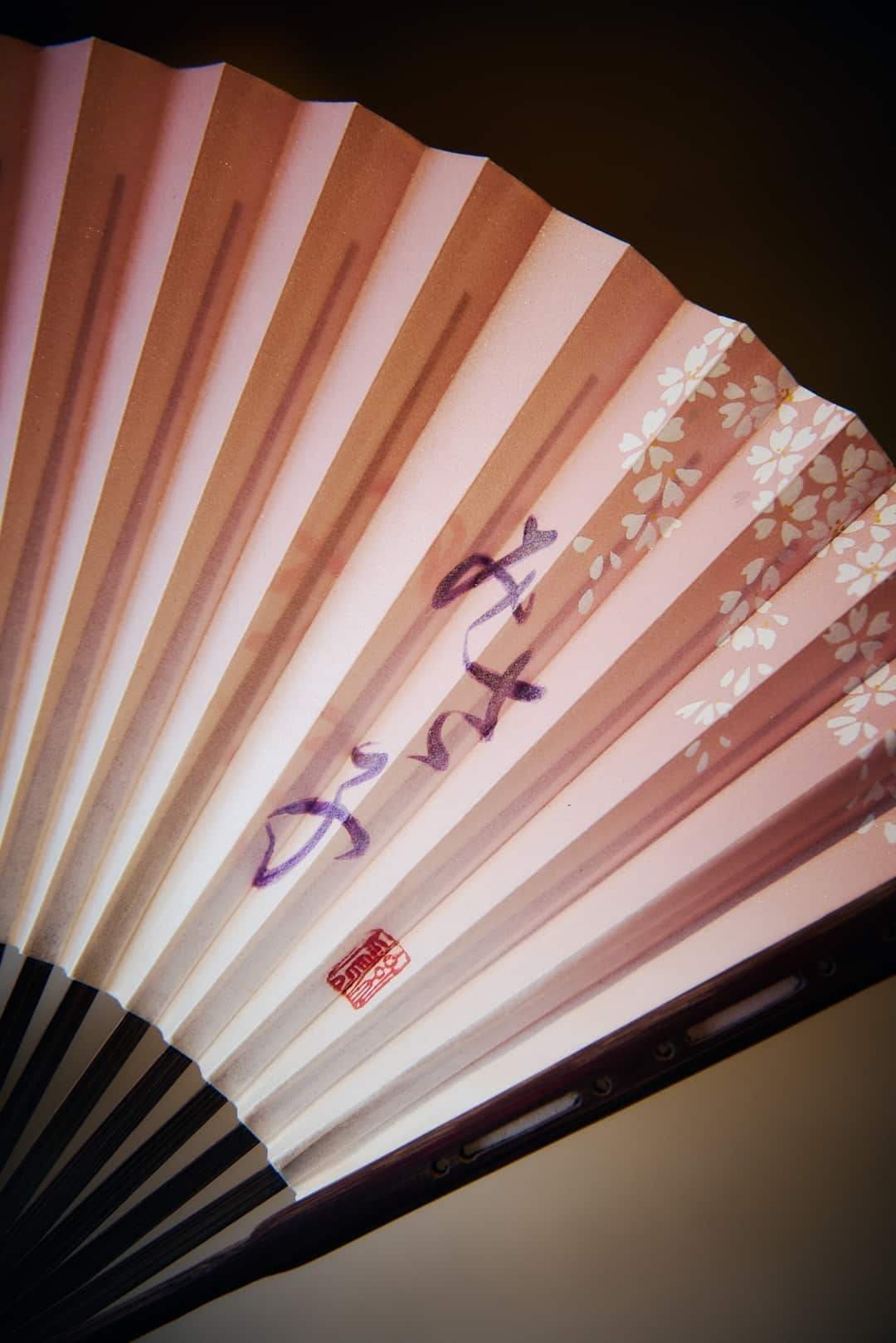
A personalized folding fan with calligraphy, popular as a gift. Customers can choose from about 100 folding fans and specify the desired lettering and color. Orders can be placed in advance through a website available in English, German, and French, then picked up at the shop about two weeks later. The personalization fee is ¥4,400 in addition to the price of the fan.
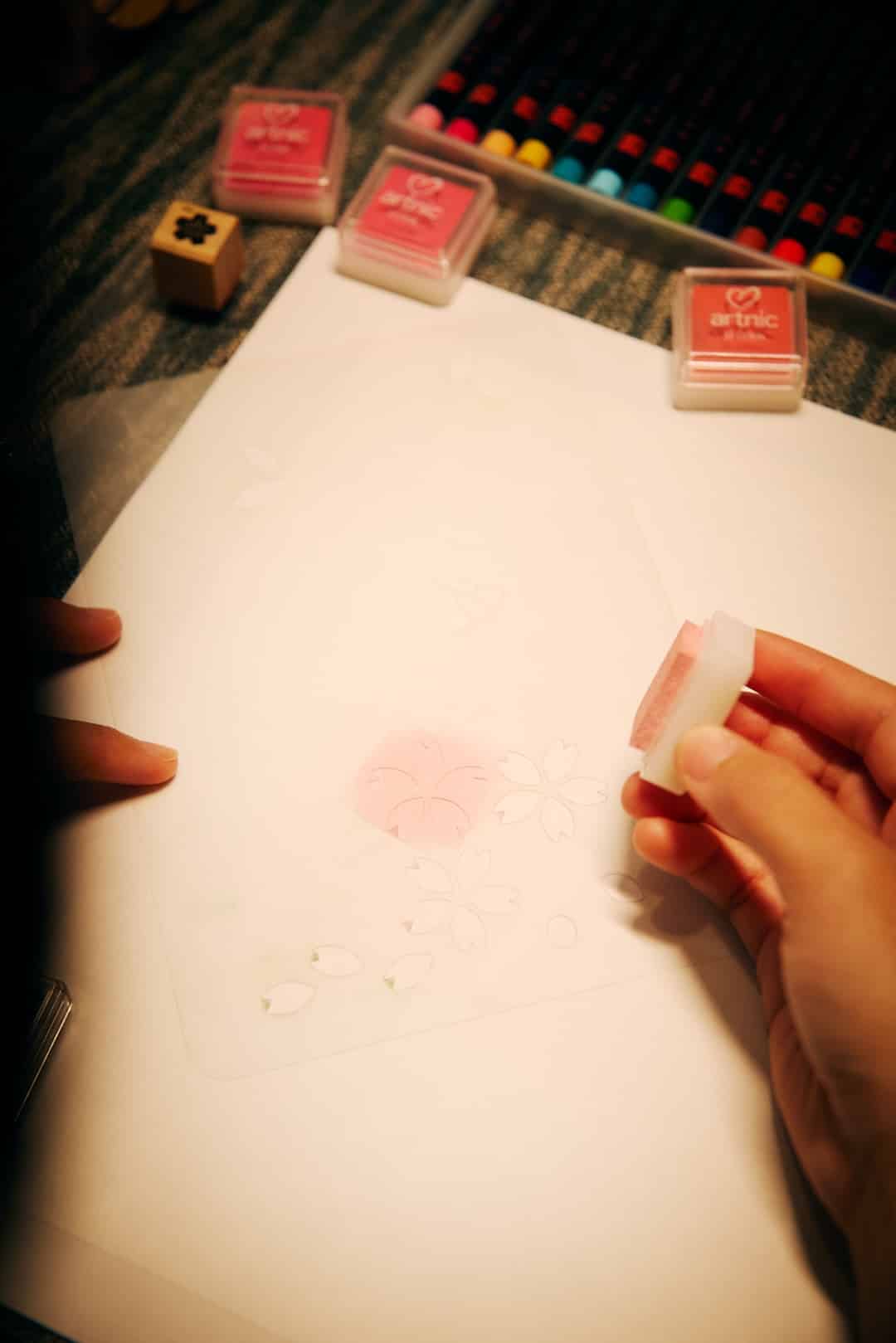
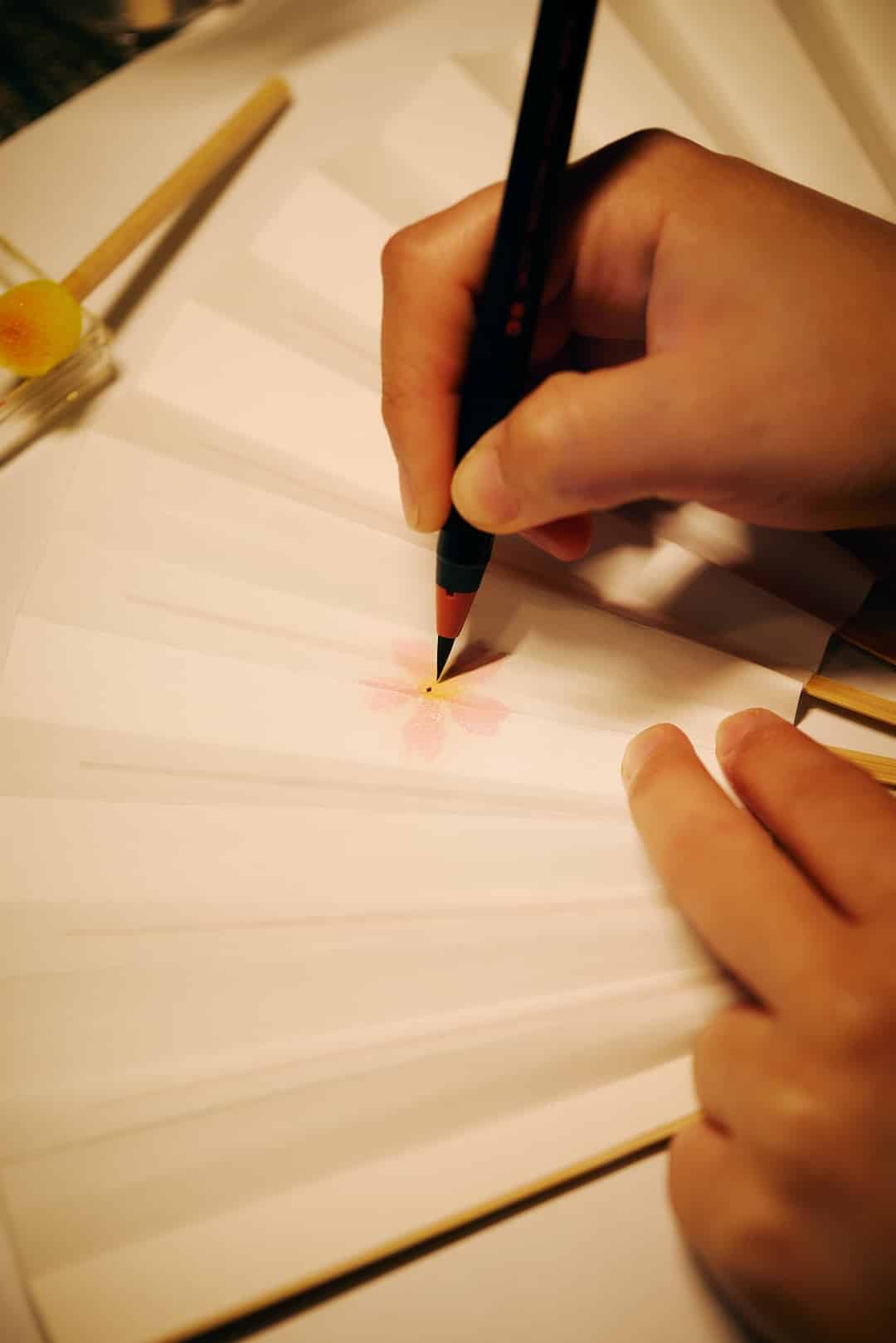
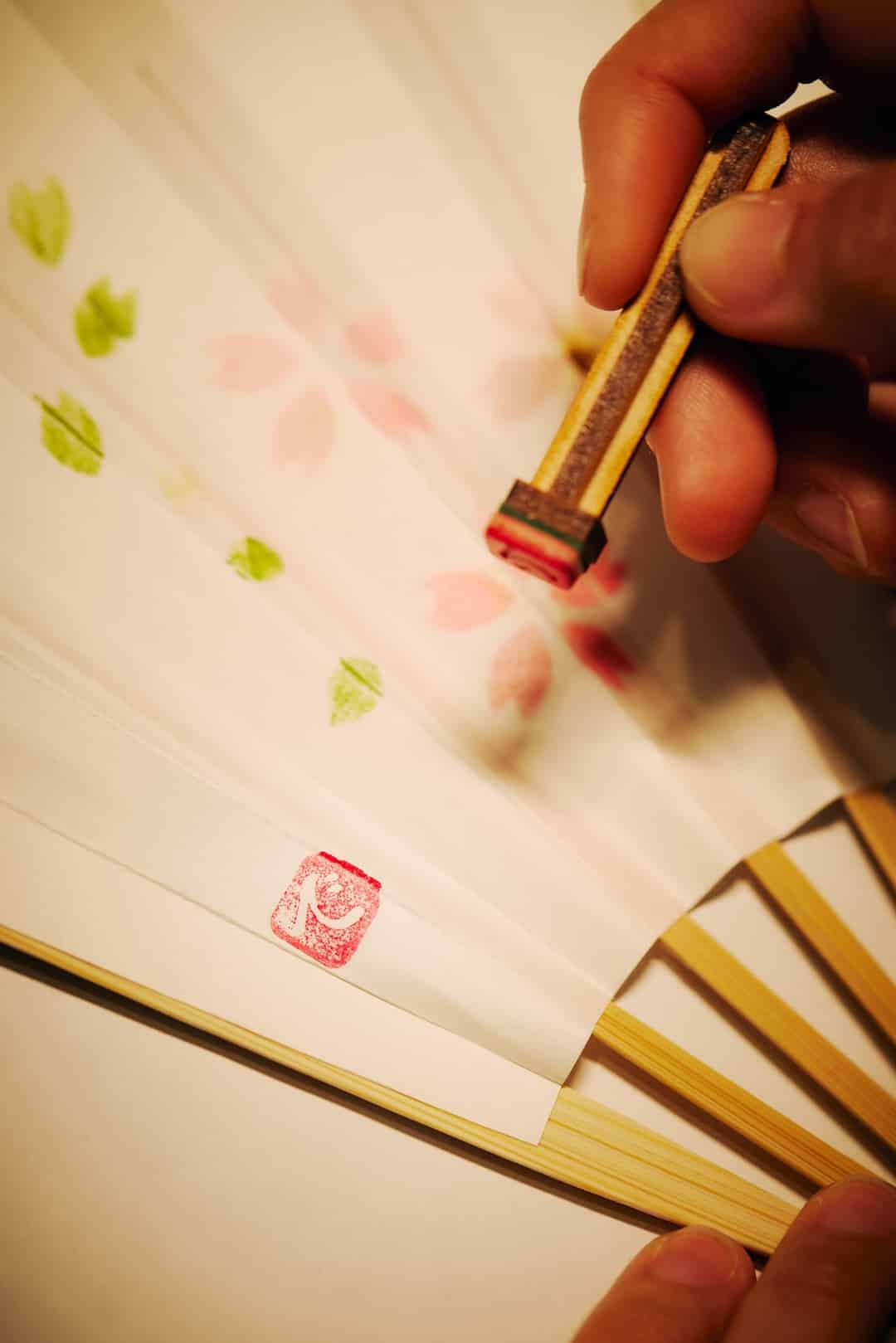
With an advance reservation, visitors can take part in a folding fan-making workshop. First, participants sketch on a blank sheet of paper to decide on the overall design. They then freely create their design using brush pens, stamps, and stencils. During the workshop, staff also explain the history of folding fans and how they are made. The workshop takes about two hours.
Before working on the actual fan surface, participants practice on blank paper. A wide variety of stamps is available, making it easier even for those who are not confident in their drawing skills to create a polished design.
Next, participants draw their design on the actual fan surface. Drawing and stamping on the ridged surface of a folding fan is more difficult than working on flat paper.
Finally, participants stamp the initial of their name to indicate that they are the creator, completing the fan.
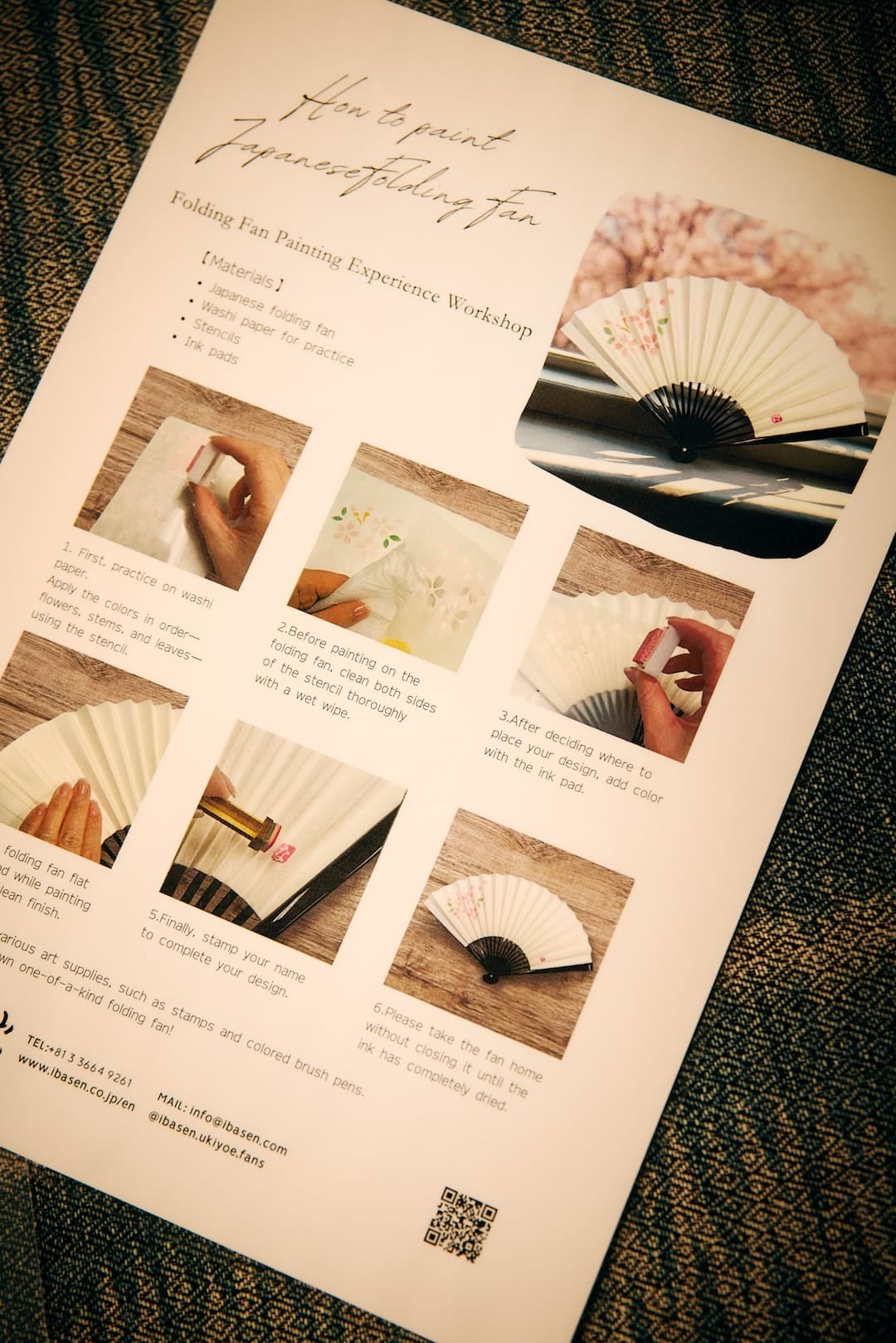
An instruction sheet with the steps written in English. Staff provide explanations in English for international visitors. Workshop fee: from ¥4,400, including materials.
The information in this article is current as of August 24, 2026 (at the time of publication).


.jpg)
スマホ.jpg)