DEEPTOKYO
magazine

EN


AREA
DEEPTOKYO
magazine
EN
AREA
2026.05.05
Authentic Taiwanese Food for Late-Night Dining in Shimokitazawa


 Nearest Station
Shintaipei is a Taiwanese restaurant that has long been loved in Shimokitazawa. This restaurant, where you can enjoy the spirit of Taiwanese street-stall culture at affordable prices, is a spot where you can experience the distinctly Shimokitazawa atmosphere—where various cultures intersect—through both sight and taste. Because it stays open late into the night, it is convenient not only for stopping by after vintage shopping, but also as part of a night of bar hopping. The person who recommended this restaurant was Abe, the owner of the vintage shop Abesho 2nd on Shimokitazawa Ichibangai Shopping Street. He says he often visits with friends because many of the dishes pair well with alcohol.
SHARE


Shimokitazawa is known as a vintage-clothing district, but it is also a “theater town” with many playhouses. Among them, Shintaipei, a Taiwanese restaurant founded 37 years ago, stands right near Honda Theater, one of the area’s most iconic venues. With its convenient location just a two-minute walk from the station, it is lively every day with actors after performances, students, and local regulars.
The appeal of this place lies in its style, which feels as if it has brought Taiwan’s street-stall culture of “eating what you like cheaply and generously” straight into Tokyo. You can enjoy local dishes here that are difficult to find in Japan. Because it stays open until 2:00 a.m. at dinner time, it is dependable not only after vintage shopping but also as a second or third stop on a night out drinking.
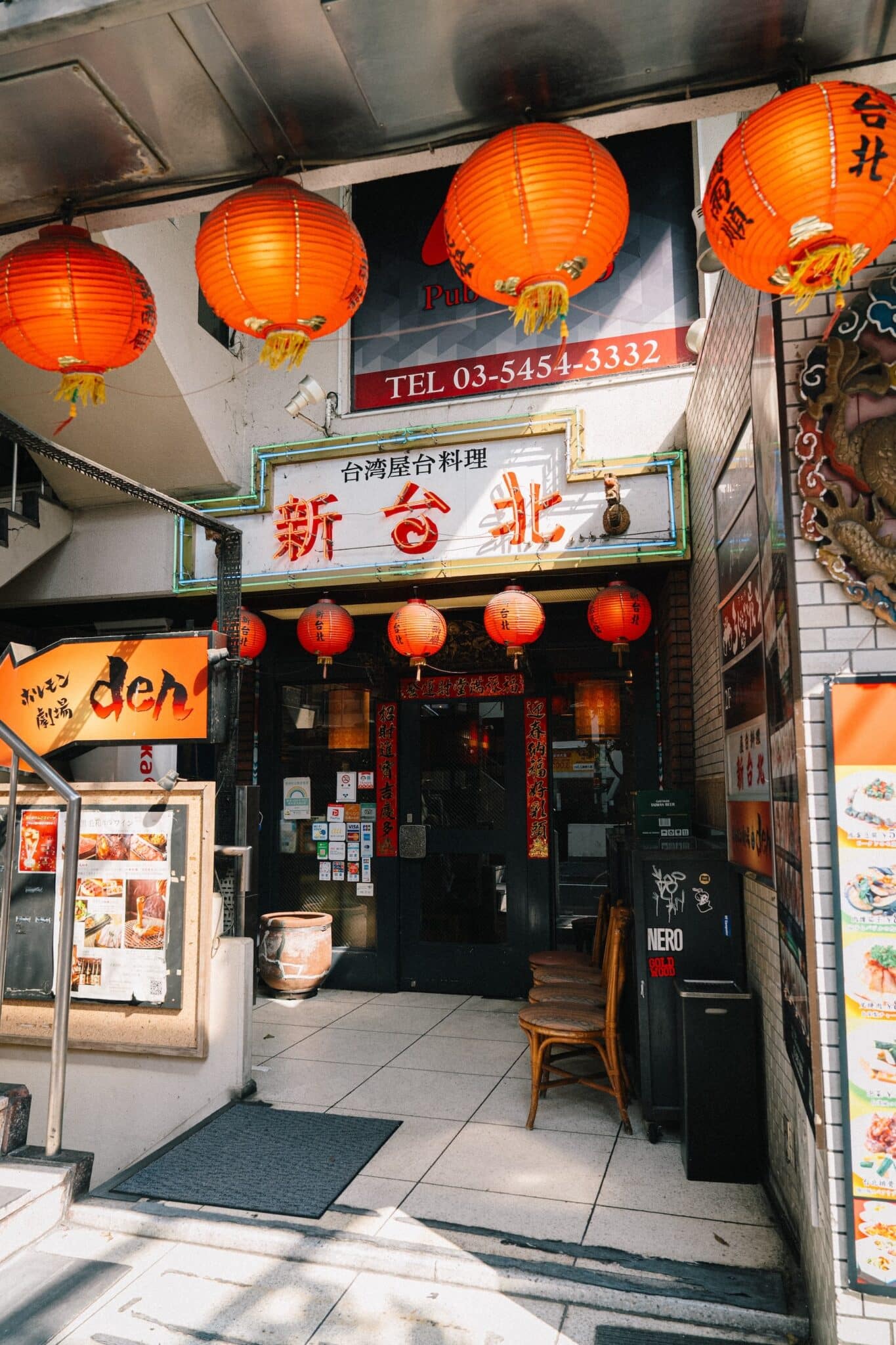
Shintaipei, located on the first floor of a multi-tenant building, is marked by its red lanterns and neon sign.
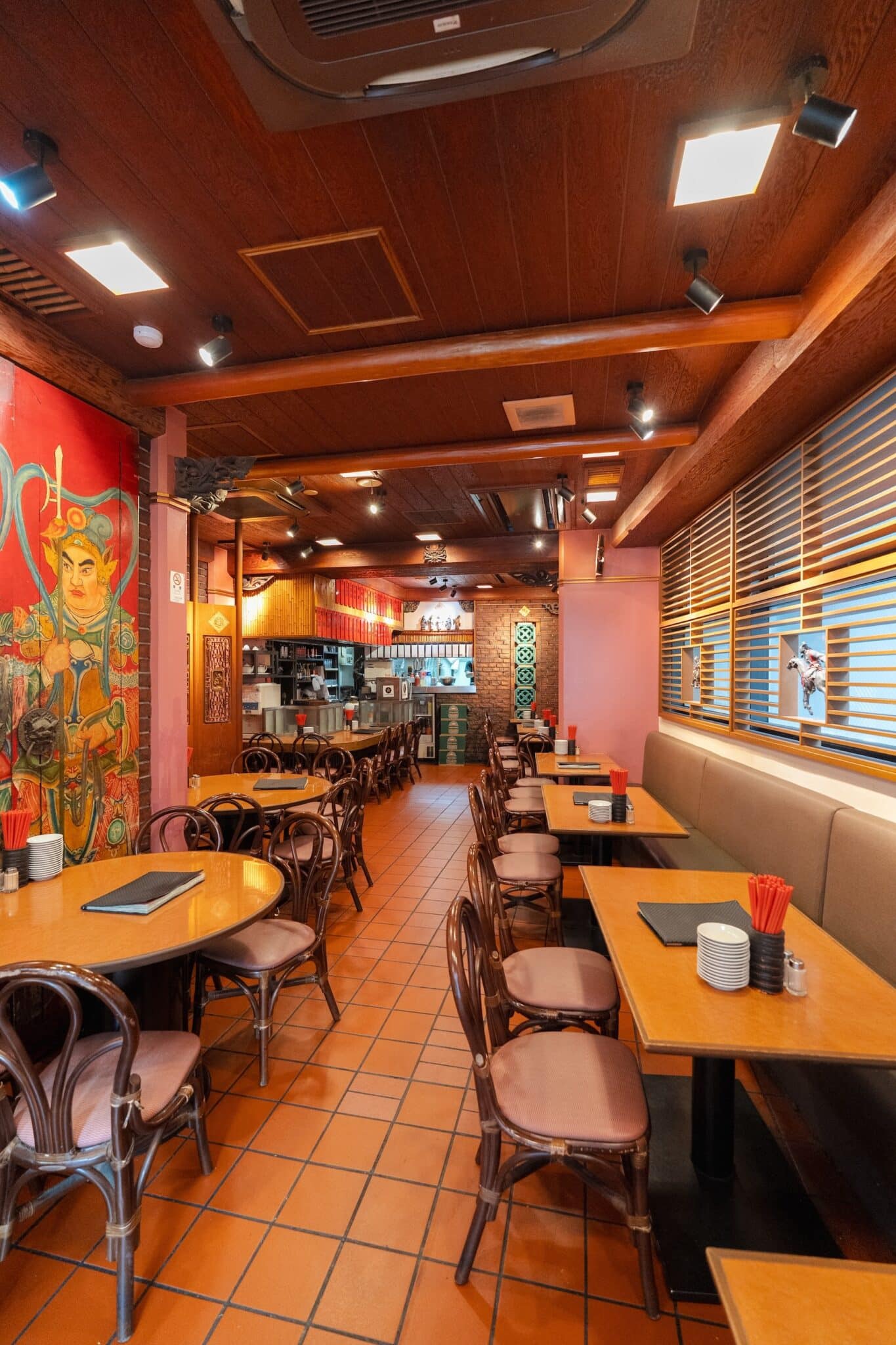
There are table seats near the front of the restaurant and counter seats in the back, making it easy to stop by whether you are alone or in a group.
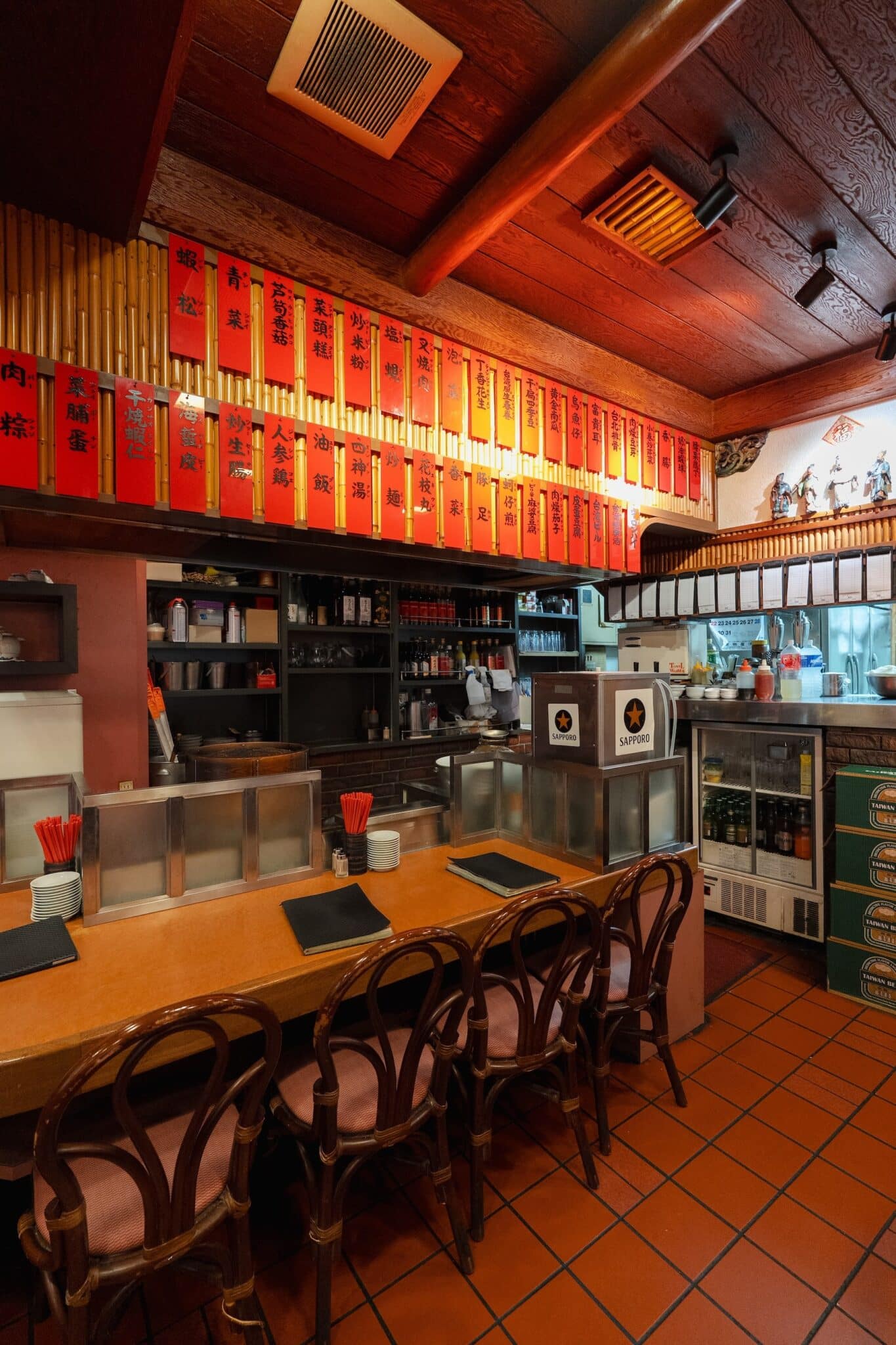
Red strip menus line the space above the counter, creating a distinctly Taiwanese atmosphere.
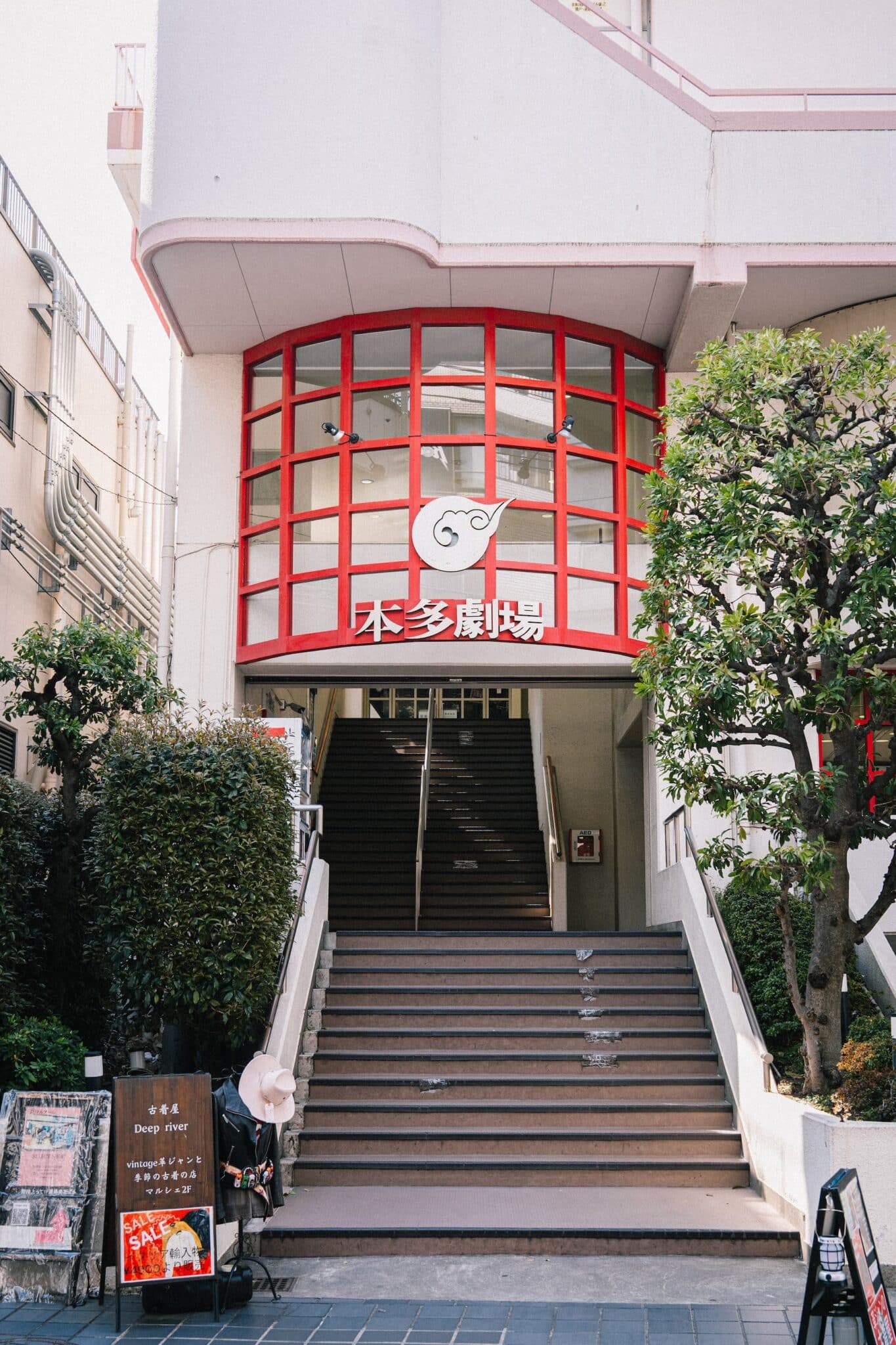
Directly across from Shintaipei stands Honda Theater, one of the symbols of Shimokitazawa.
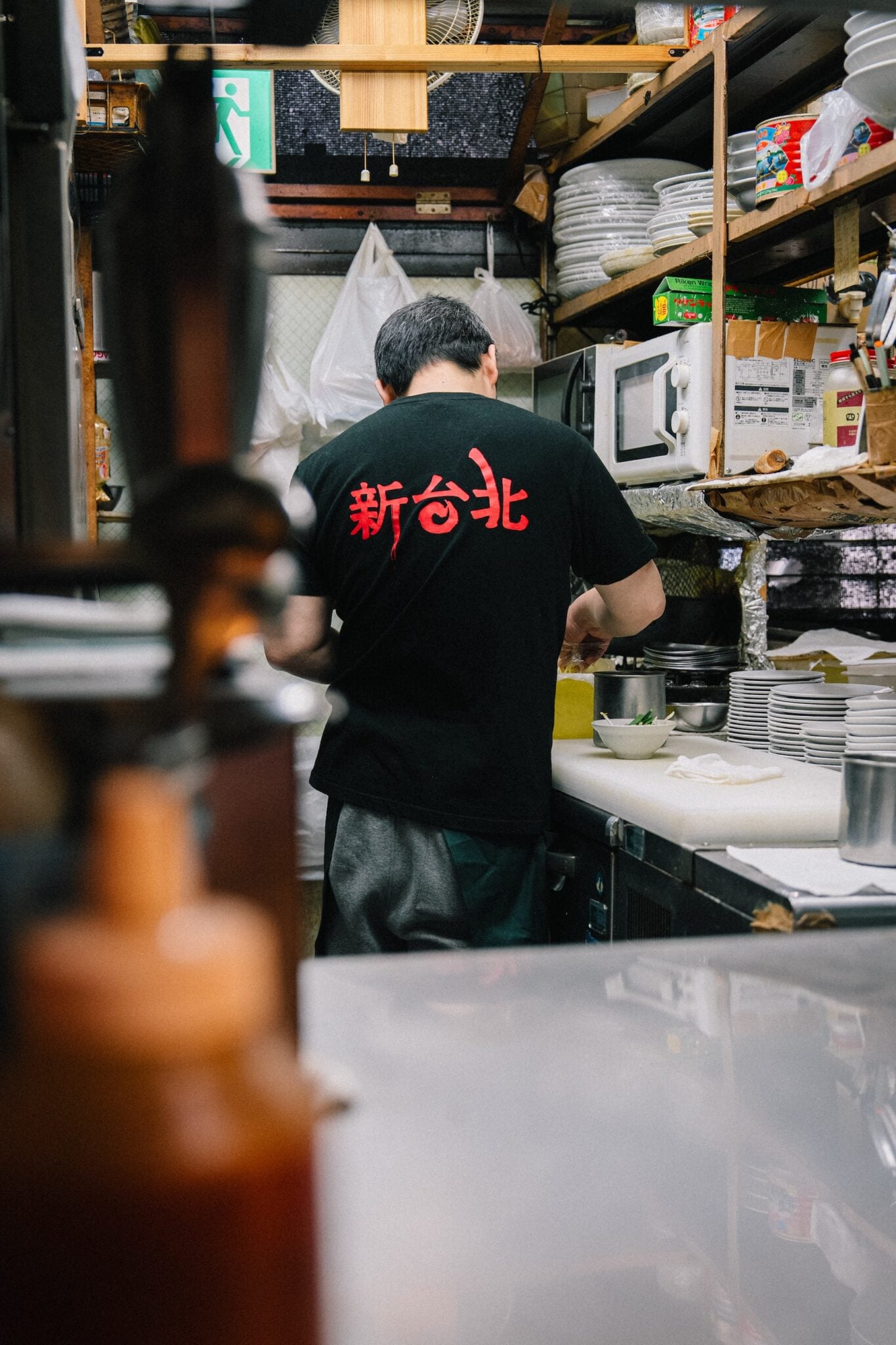
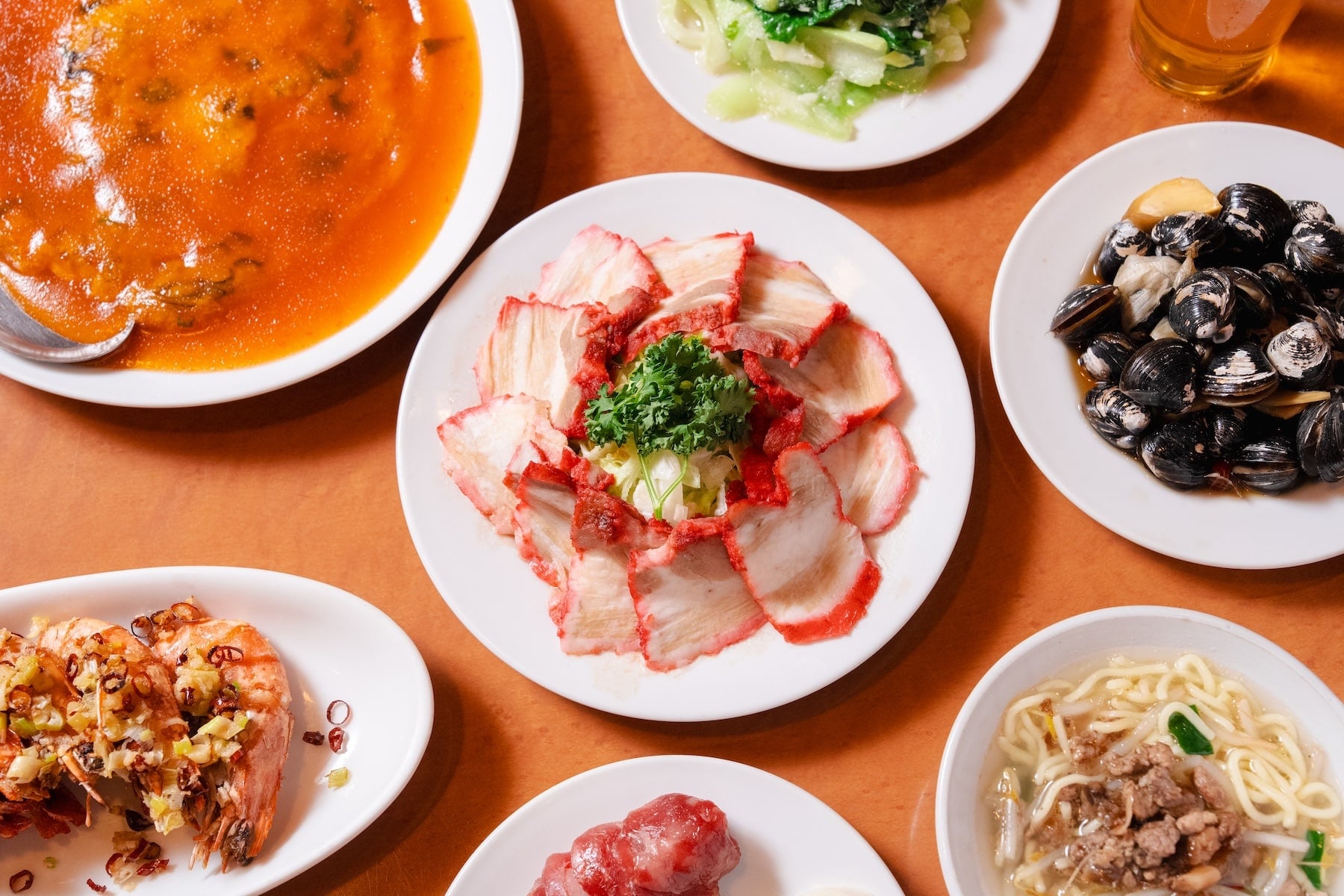
In the kitchen are chefs with 20 to 30 years of experience who trained in Taiwan. The flavors are based on local Taiwanese cuisine, but the saltiness and spiciness are slightly toned down to suit Japanese tastes. Even so, the food is authentic enough to be highly praised by Taiwanese people living in Japan. The dishes are served on small plates and arrive one after another with the speed of a street stall. Another appeal is being able to enjoy them quickly while they are still piping hot and freshly made. Some ingredients, such as clams, are imported from Taiwan, and there is also a rich selection of house-made snacks such as char siu and Taiwanese sausage. The restaurant is deeply committed to serving dishes that can only be found at Shintaipei.
In the kitchen, chefs from Taiwan wearing Shintaipei T-shirts show off their skills.
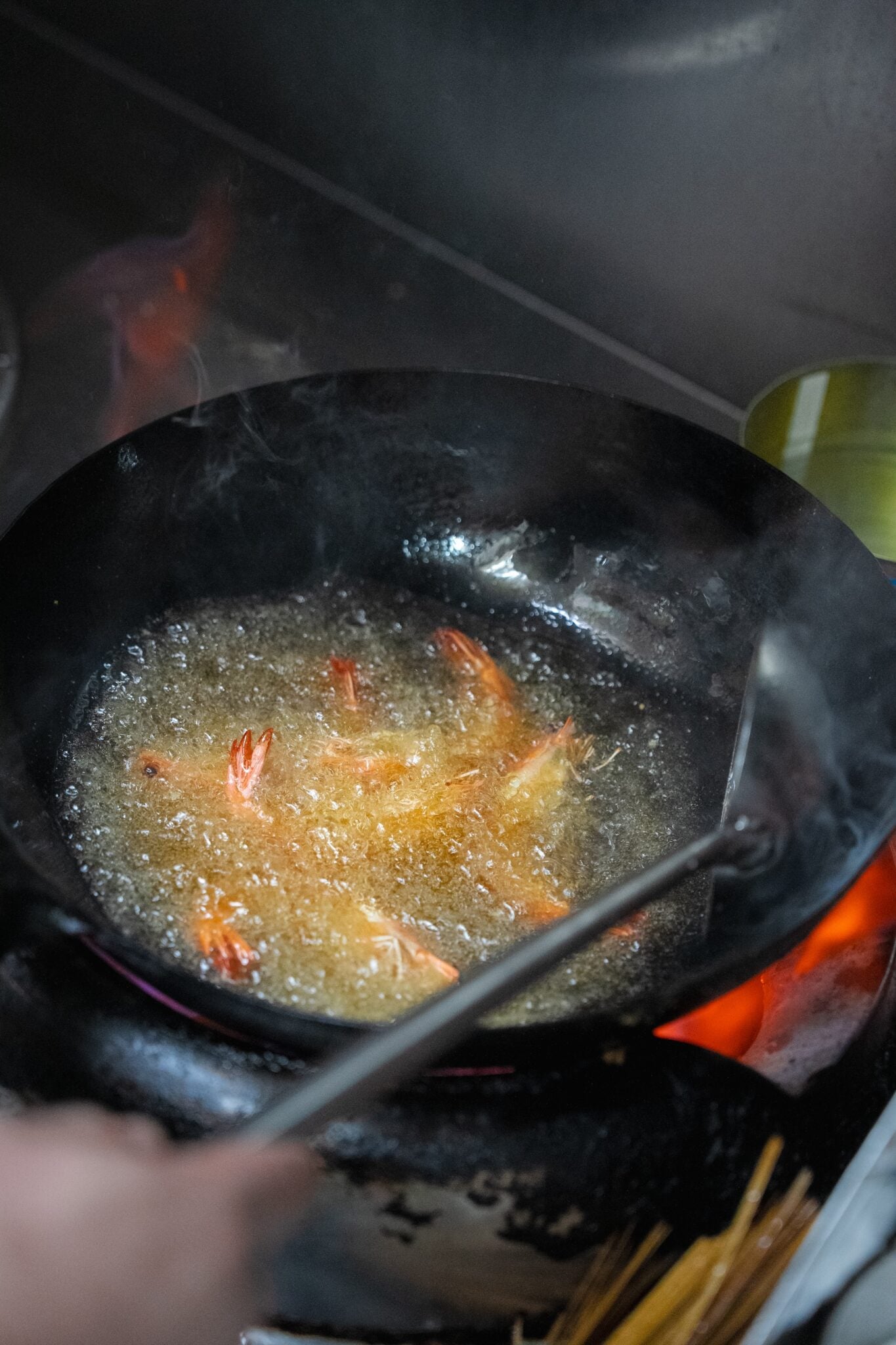
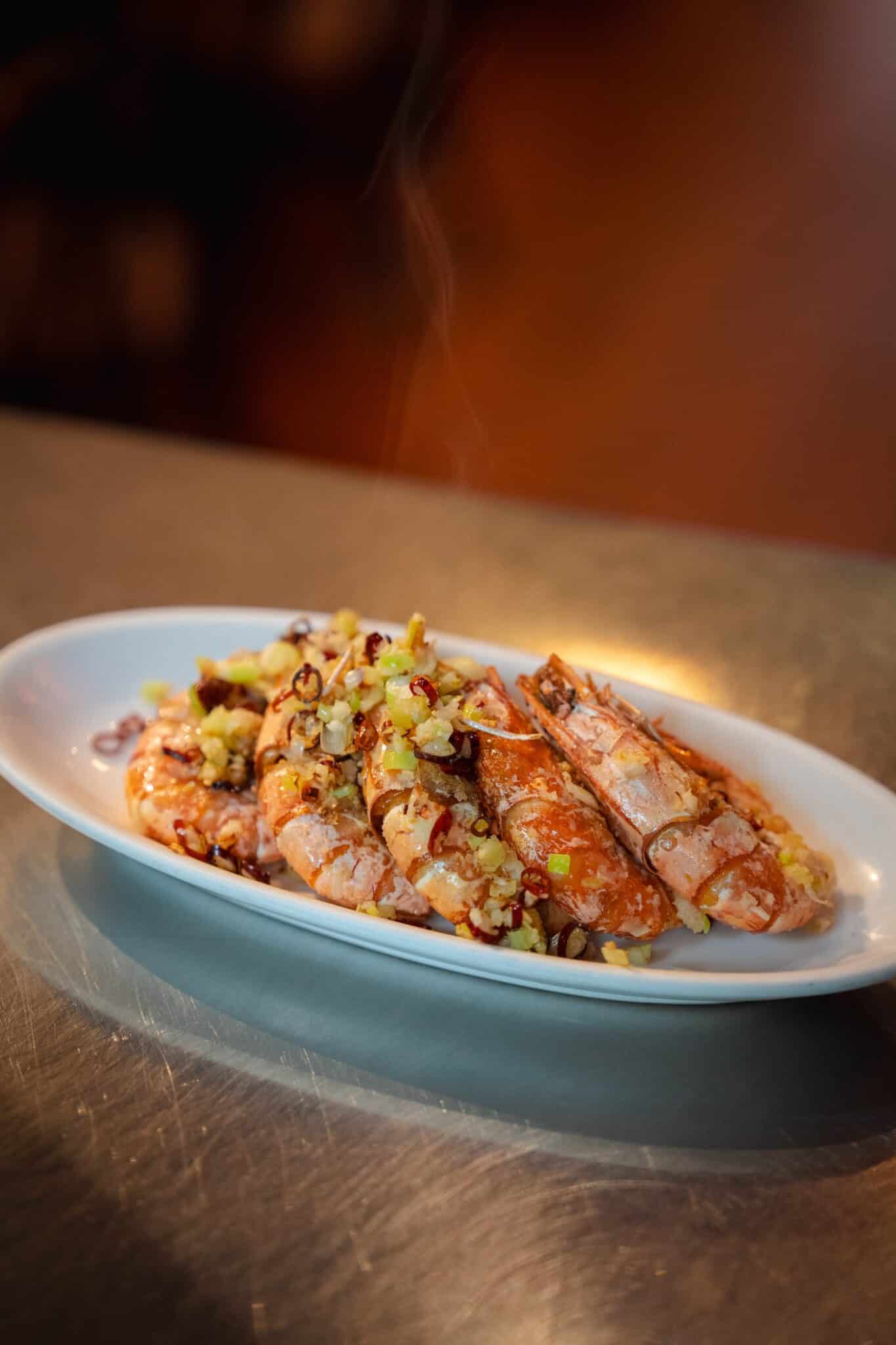
The Taiwanese-style fried shrimp dish “塩酥蝦(Salt & Pepper Shrimp)” is made by deep-frying fresh shrimp whole, shells on, in high-temperature oil.
After seasoning the fried shrimp, green onions, garlic, and chili peppers are added and stir-fried to finish the dish. It can be eaten shell and all, and its crispy texture and savory flavor make it irresistible.“塩酥蝦(Salt & Pepper Shrimp)” ¥1,320.
Including desserts, the menu offers 75 dishes.Every dish is seasoned without heaviness, allowing the natural flavor of the ingredients to stand out.Dishes seasoned with spices unique to Taiwanese cuisine, such as star anise and five-spice powder, pair especially well with beer and Shaoxing wine.
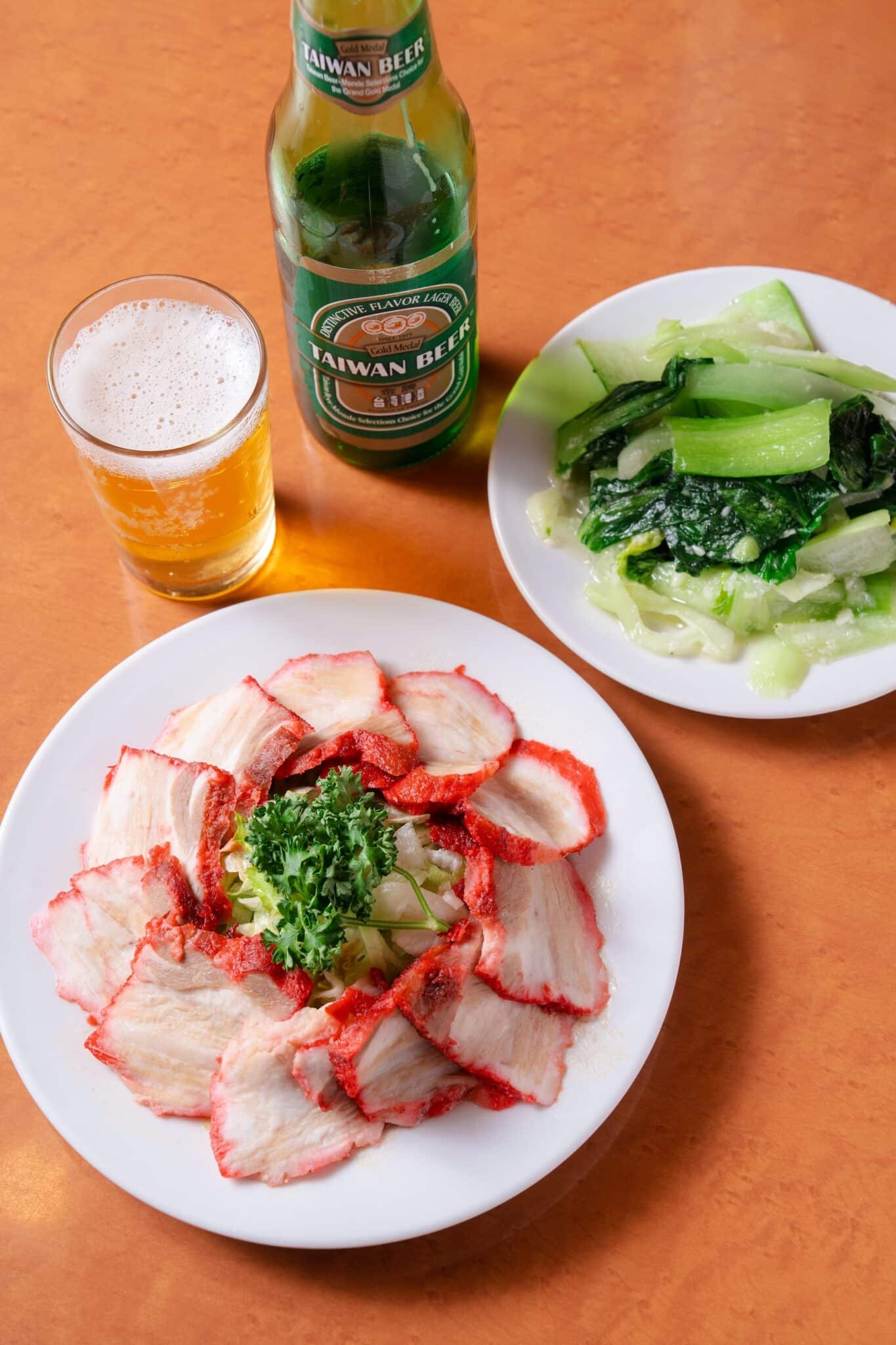
Abe, the owner of Abesho 2nd who recommended this restaurant, says the dishes he always orders are the house-made char siu “叉焼肉(Roasted Pork)” and stir-fried seasonal Chinese greens such as water spinach and bok choy with garlic. Abe says the following.
“The char siu tastes properly meaty, but the seasoning is light, so you can keep eating it. Between richer dishes, I eat it almost like a palate cleanser. The stir-fried greens are full of garlic, so they go really well with beer.”
Abe’s recommended house-made char siu, “叉焼肉(Roasted Pork)” is ¥968. The pink color on the surface of the meat comes from wine lees contained in the marinade. Stir-fried greens are priced between ¥770 and ¥1,100 depending on the type of Chinese vegetable used. One bottle of Taiwanese beer is ¥726.
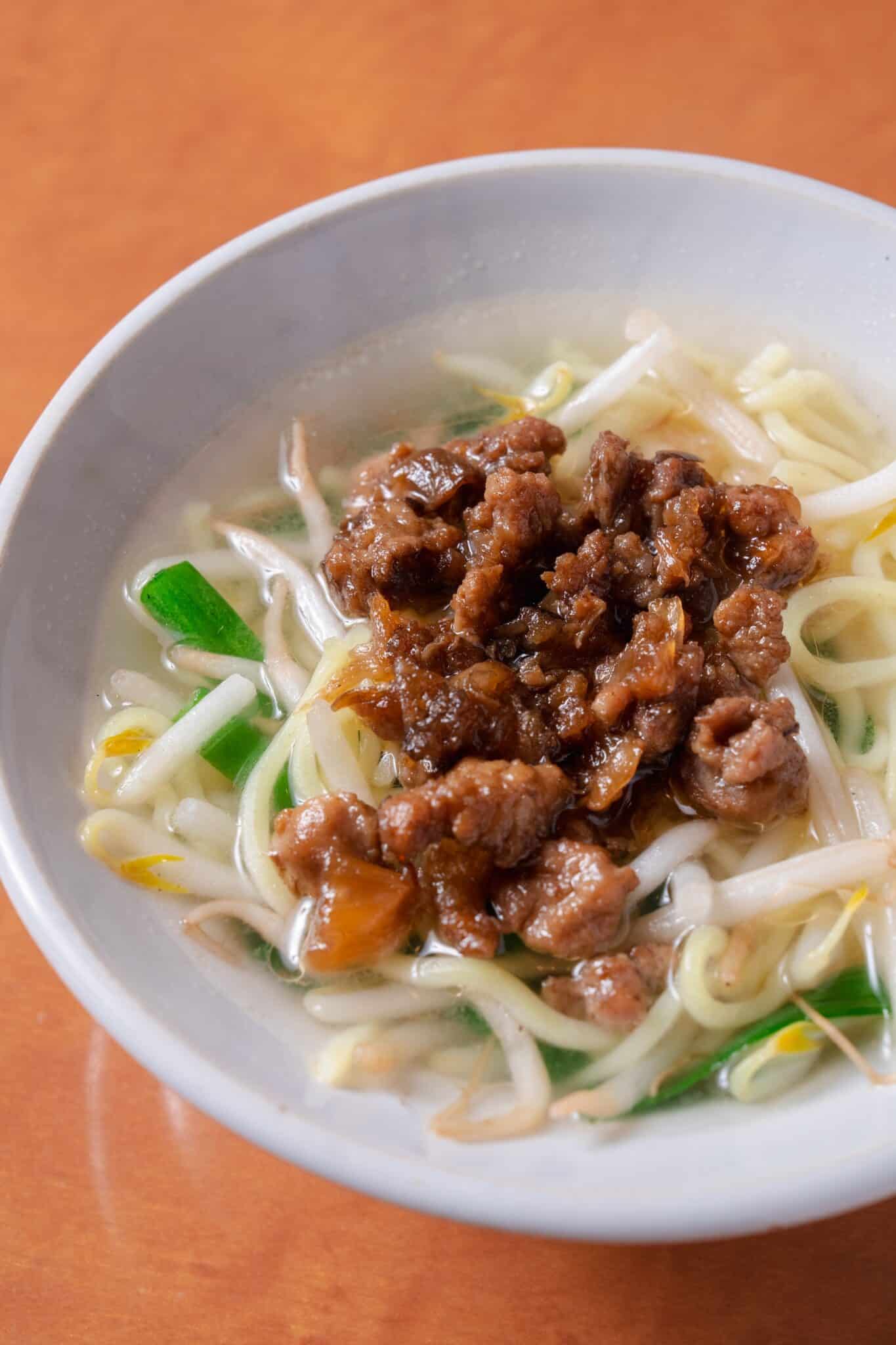
Another dish that almost every customer orders is the soup noodle dish “担仔麺(Small Bowl Noodle Soup)”, which costs the surprising price of ¥286. It is served in a small bowl for one person, and the gently flavored soup with a seafood-based broth and smooth thin noodles makes it easy to eat and just the right amount to finish after drinking.
Because of the affordable pricing and the small-plate style, it is easy to order too much. However, all unfinished dishes can be taken out. It is also recommended to enjoy them slowly later after returning home or to your accommodation.
“担仔麺(Small Bowl Noodle Soup)” uses Chinese-style noodles. At the same price, “坦米粉(Small Bowl Rice Vermicelli Soup)” made with rice vermicelli instead of Chinese noodles is also available. ¥286 each.
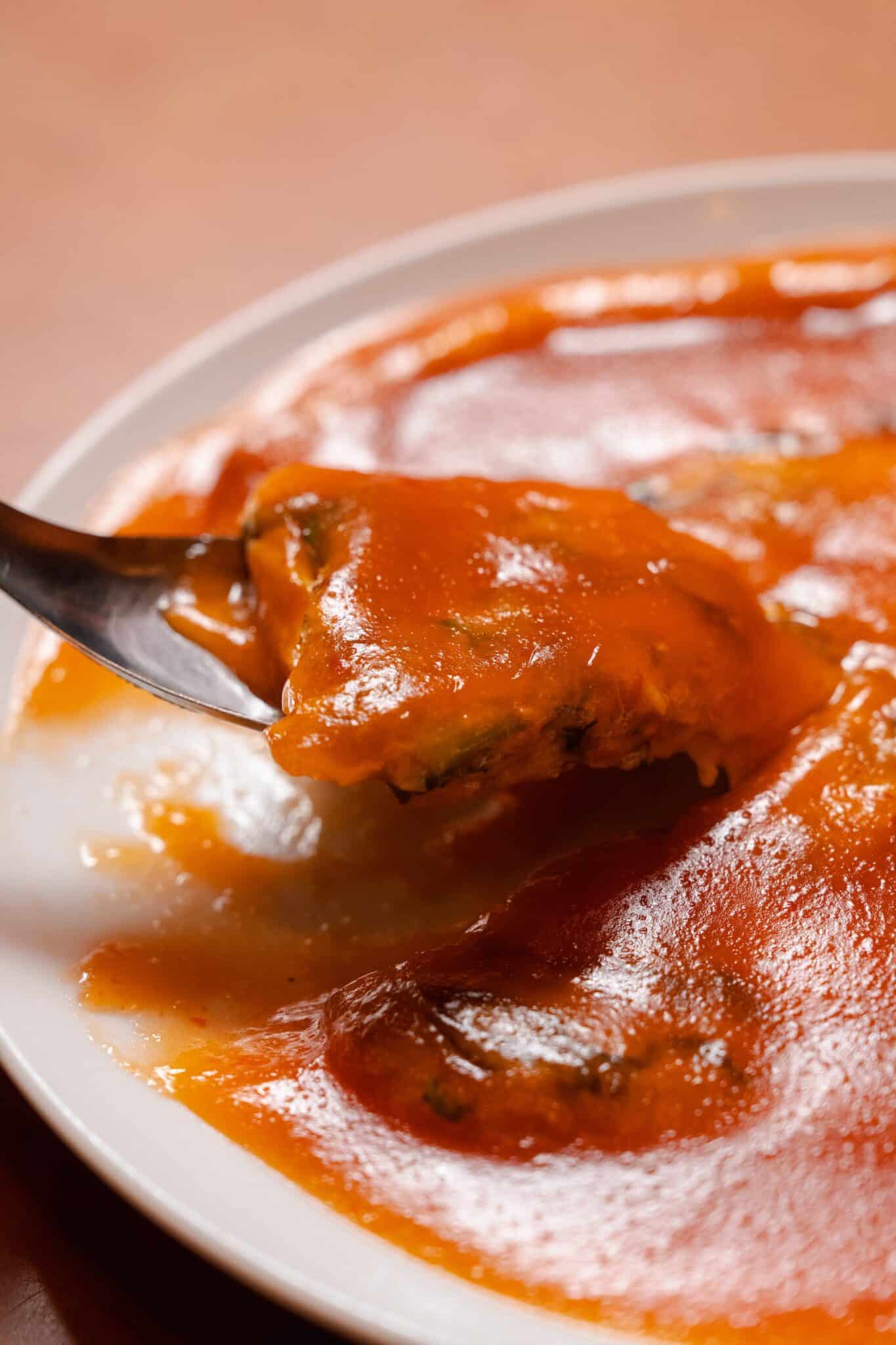
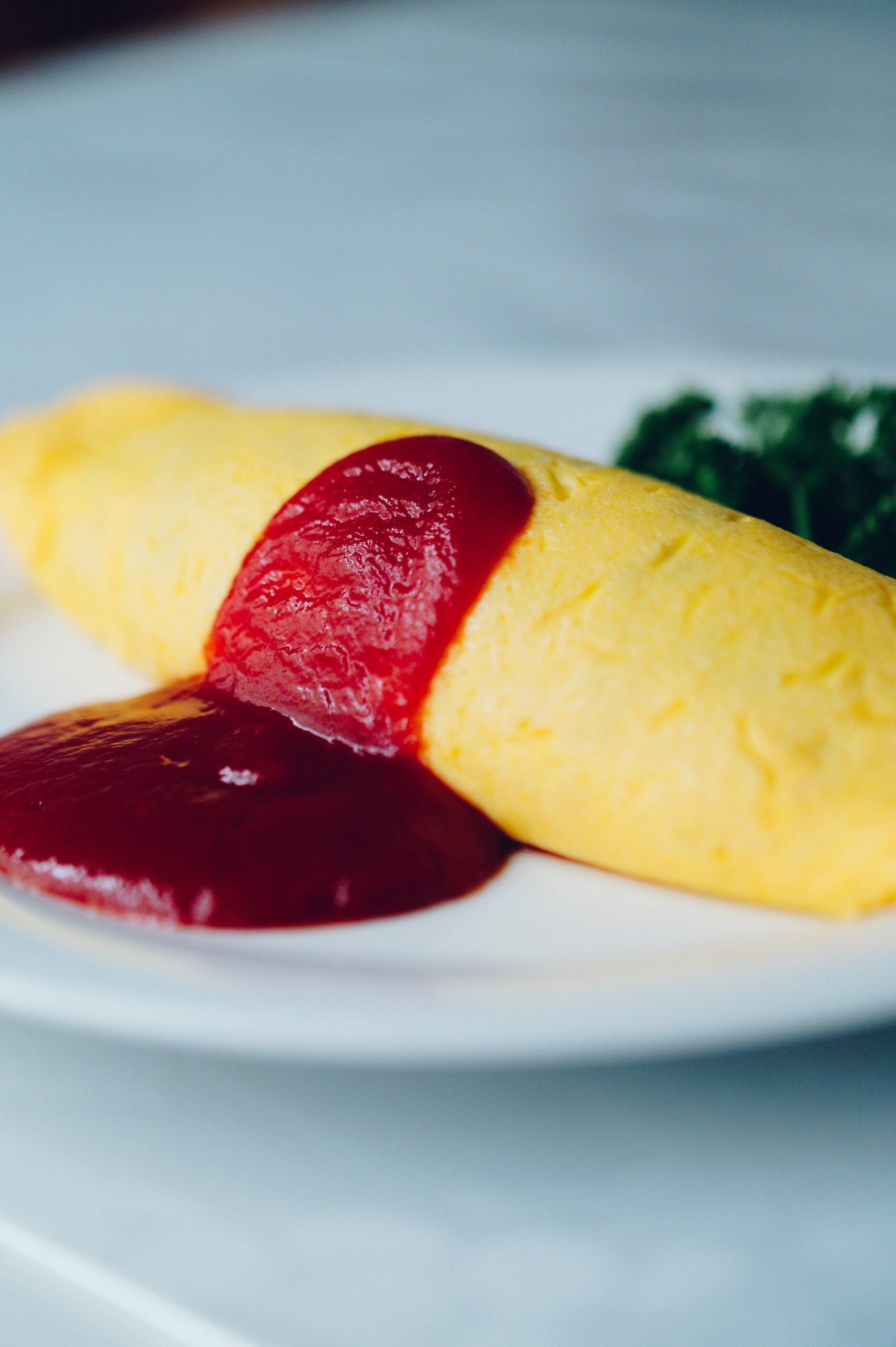
A signature dish of Taiwanese street stalls is “蚵仔煎(Oyster Omelet)”. Soft egg, plump oysters, and vegetables combine in texture, while a sweet and savory special sauce ties the dish together. ¥1,078.
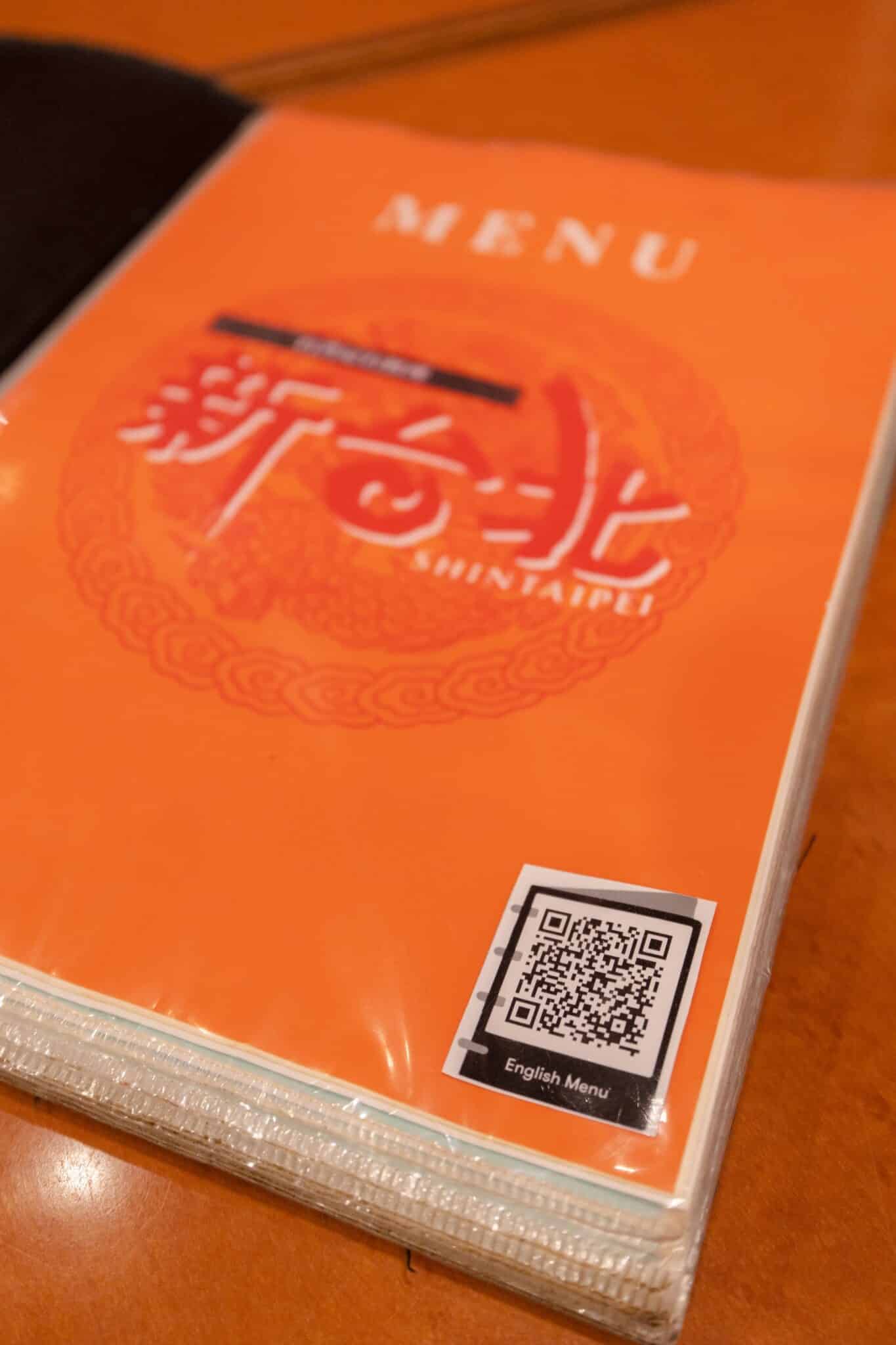
By scanning the QR code on the menu cover, you can view the English version of the menu.

“I like Shintaipei because it has the atmosphere of an authentic Taiwanese street stall. Unlike Chinese chain restaurants in Japan, it doesn’t feel overly adapted to Japanese tastes, so it’s a place I often take friends to when they come to visit Shimokitazawa.”
This article was written on 05/05/2026 (at the time of publication)