DEEPTOKYO
magazine

EN

DEEPTOKYO
magazine
EN
2026.04.22
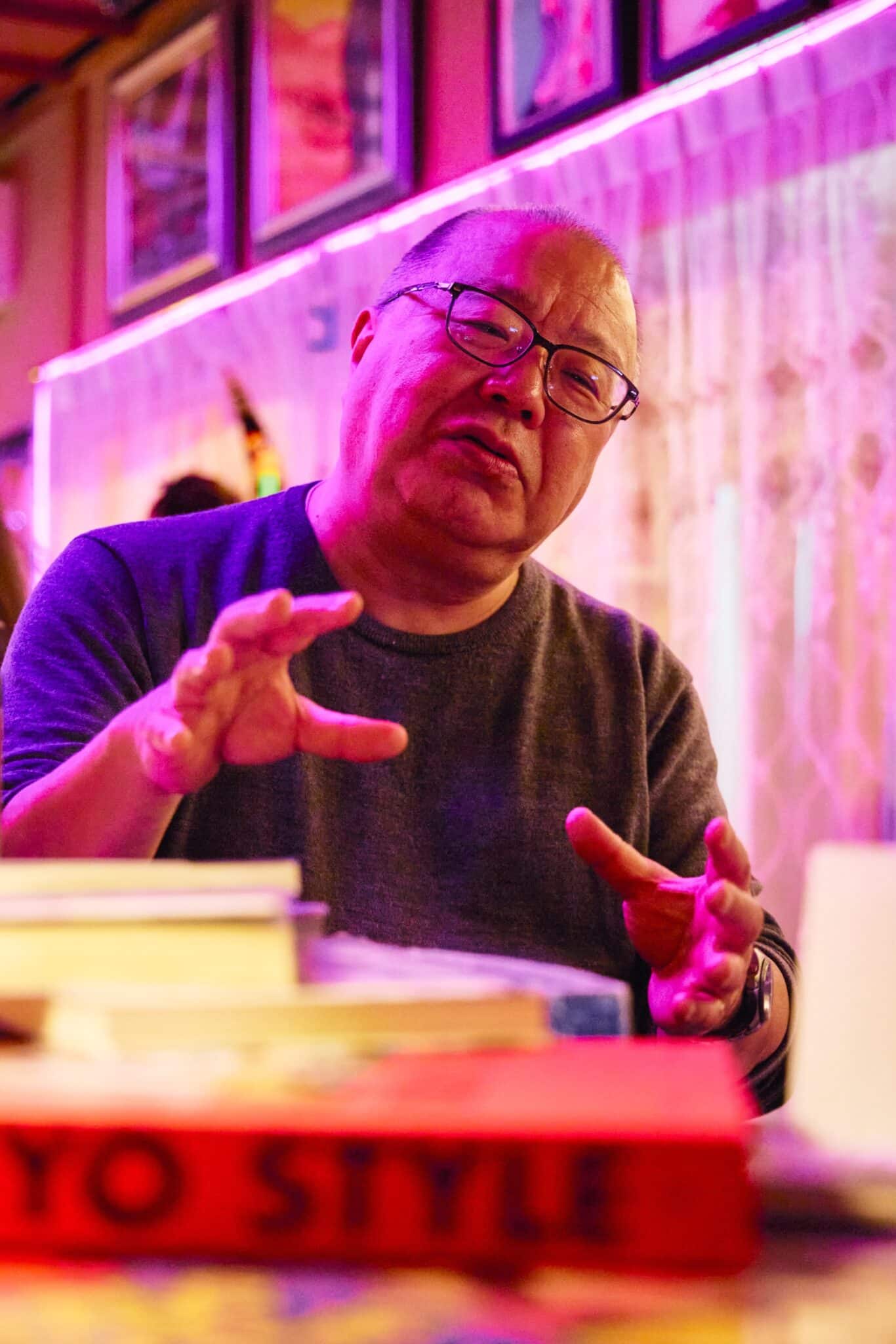
Since the 1980s, Kyoichi Tsuzuki has been active as an editor, journalist, and photographer. His photo book TOKYO STYLE, first published in the 1990s, captured the everyday lives of ordinary people living in Tokyo. Widely praised abroad, the book continues to attract readers today. “I’ve always been interested not in what is major, but in what represents the majority,” Tsuzuki says. What kind of city is Tokyo through the eyes of someone who has spent decades observing the city?
SHARE


Since the 1980s, Kyoichi Tsuzuki has been active as an editor, journalist, and photographer. His photo book TOKYO STYLE, first published in the 1990s, captured the everyday lives of ordinary people living in Tokyo. Widely praised abroad, the book continues to attract readers today. “I’ve always been interested not in what is major, but in what represents the majority,” Tsuzuki says. What kind of city is Tokyo through the eyes of someone who has spent decades observing the city?
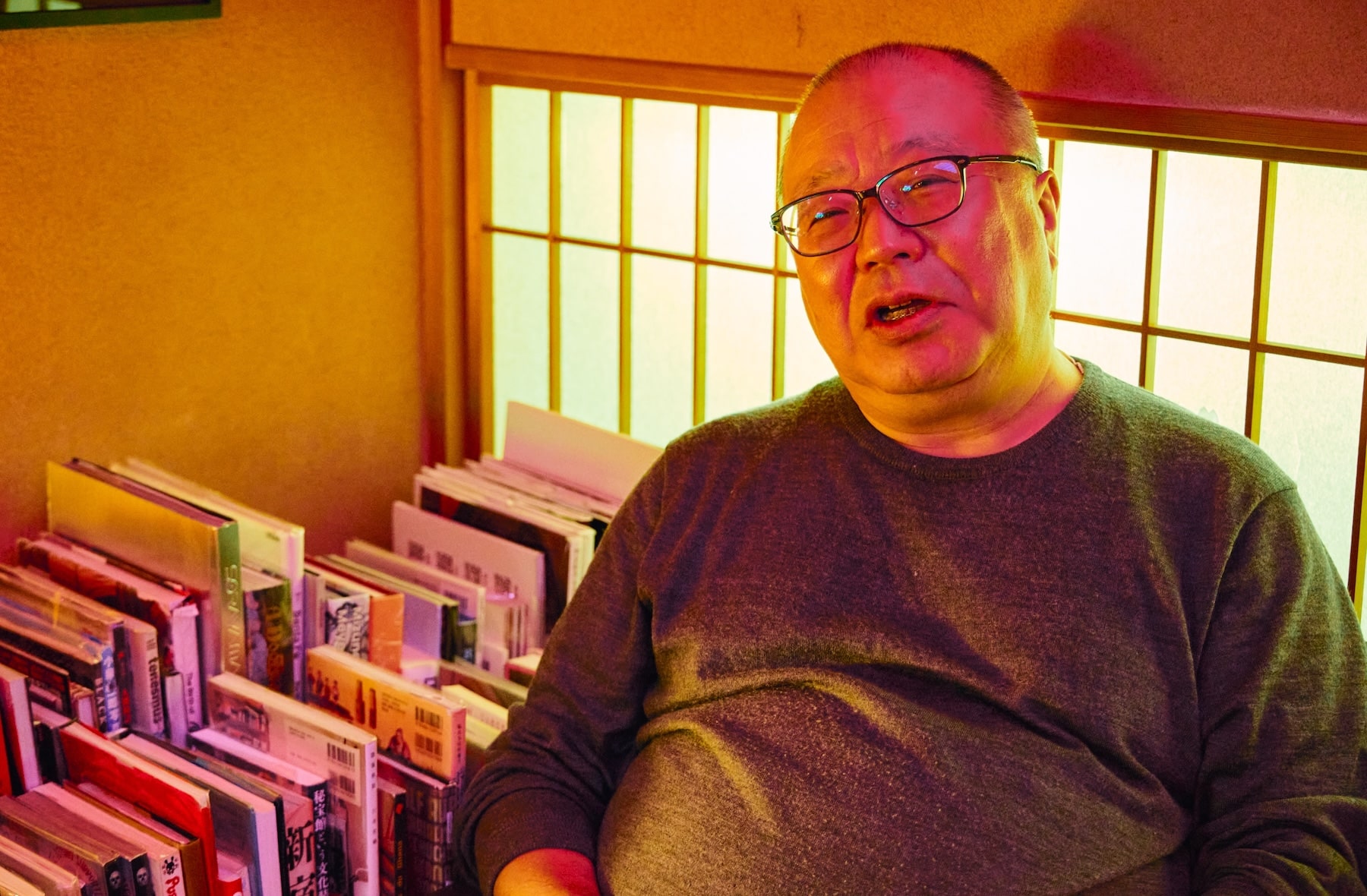
Photographed at Daido Geijutsukan (Museum of Roadside Art), a museum curated by Kyoichi Tsuzuki.
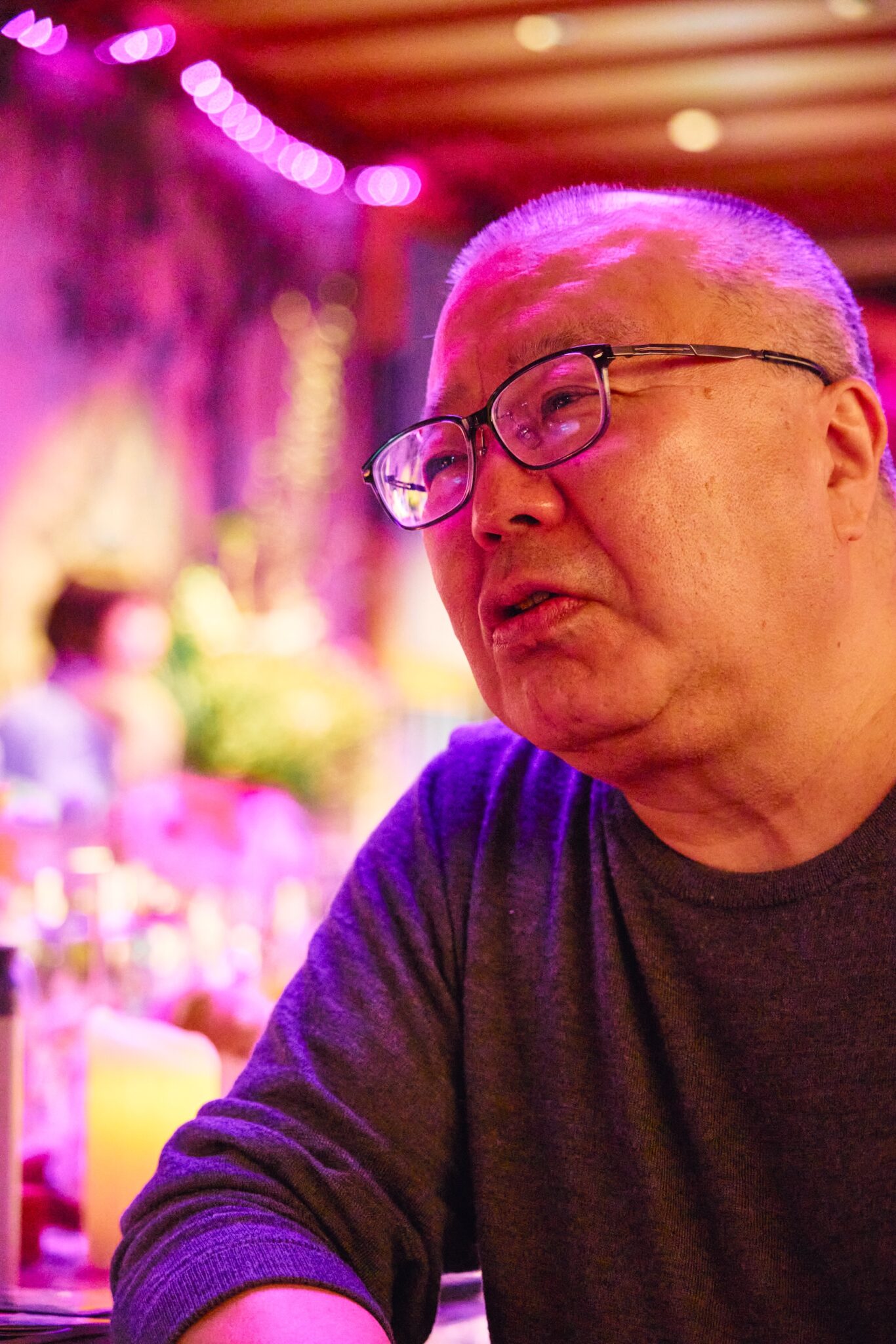
Kyoichi Tsuzuki (Tsuzuki)
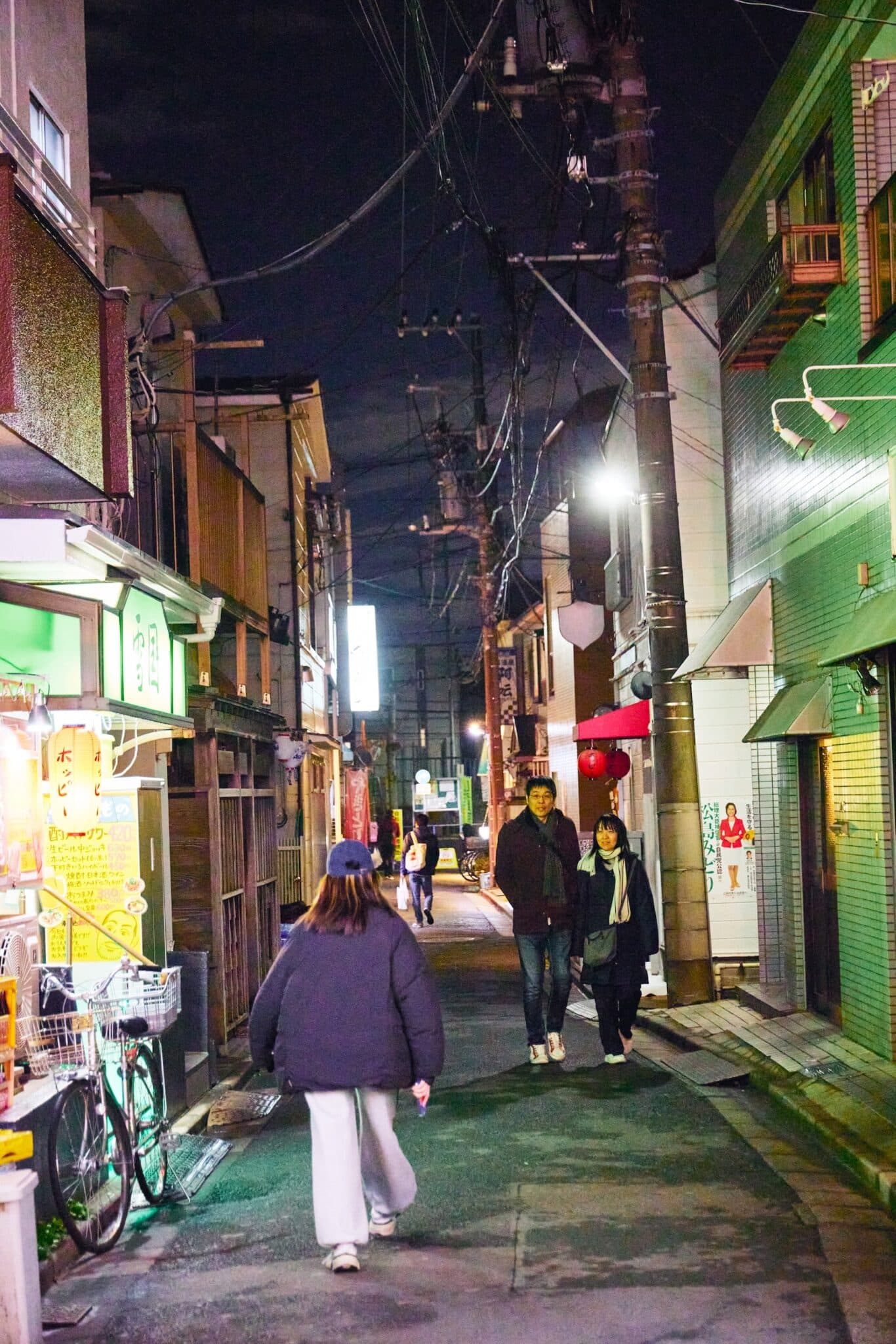
“I don’t really see Tokyo as a single metropolis. It feels more like many small towns scattered across a larger city. Someone who lives in Setagaya probably doesn’t go to Adachi very often, and the reverse is also true. Many people live their lives almost entirely within their own area. So distinctions like ‘mainstream’ and ‘underground’ don’t seem all that relevant. In fact, surprisingly few people have visited all 23 wards of Tokyo. There are actually many people who don’t know the city all that well.”
For that reason, Tsuzuki says the places he finds interesting are always changing.
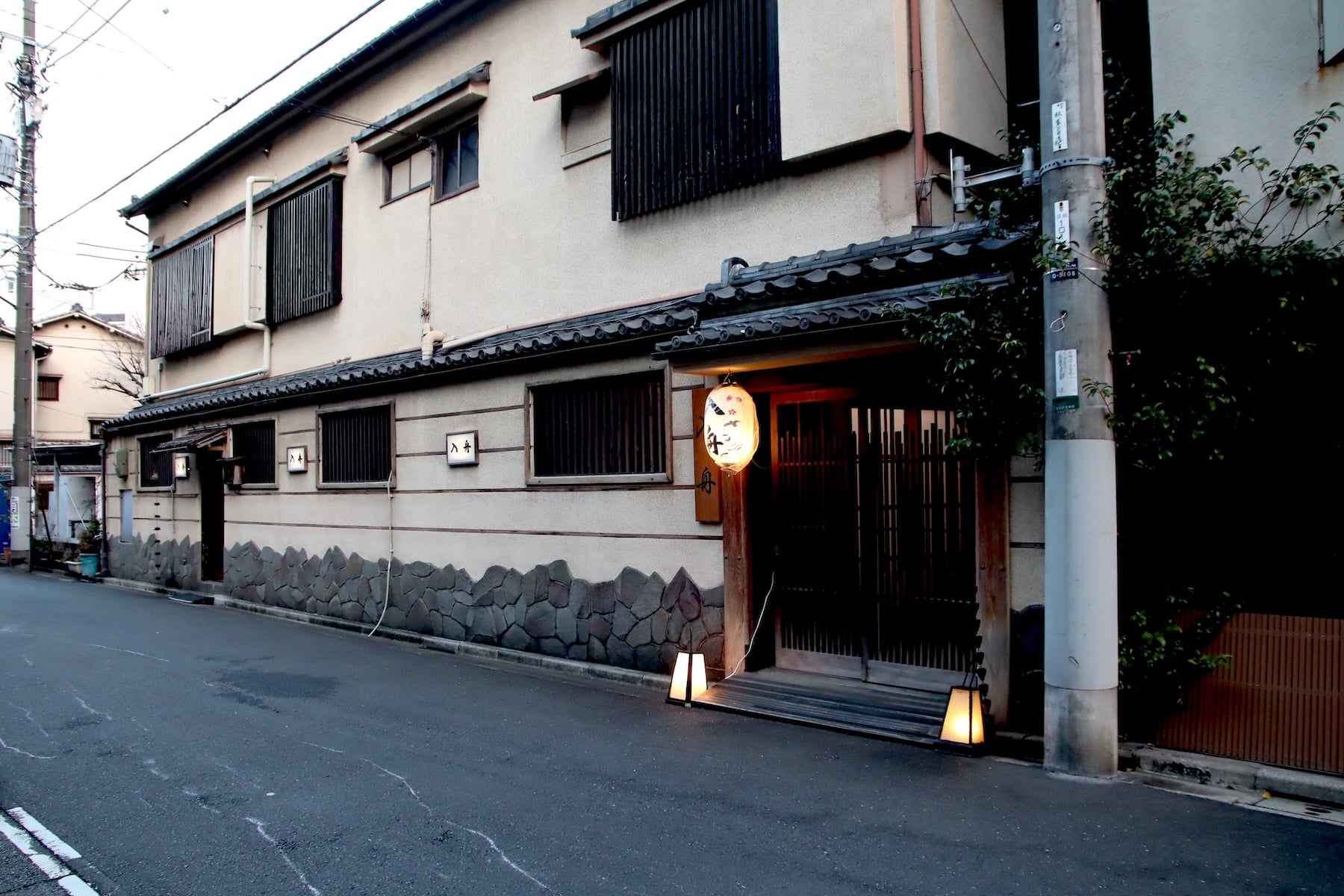
Mukojima, in Tokyo’s old downtown area, is a historic hanamachi—a traditional geisha district—where ryotei restaurants still remain amid quiet residential streets.
Tsuzuki
“Tokyo is always in flux—it’s constantly changing. I think it’s a city that shifts along with rent prices. Places with lower rents attract people with ideas but not much money. If someone wants to open a new shop, for example, Omotesando might be too expensive now, so they might go somewhere like Mukojima instead.”
Across the Sumida River from Asakusa lies Sumida Ward. It’s a historic area, yet there’s something casually comforting about its atmosphere.
Tsuzuki
“This happens everywhere in the world. Ideas flow into places with lower rents, and once those places begin to generate money, both the people and the energy move elsewhere. If you keep saying, ‘This is the cool place,’ your senses can gradually become dull without you even realizing it, and things start to feel out of sync. That’s why, if you want to find something interesting, it’s more fun not to stay in one place but to go around and explore different areas.”
In the 1980s, Tsuzuki worked as a magazine editor focusing on art and culture both in Japan and abroad. In the early 1990s, after beginning his career as a photographer, he published TOKYO STYLE, a photo book documenting the apartments of young people living in Tokyo. Rather than portraying affluent lifestyles, the book focused on modest, lived-in spaces—an approach born from what Tsuzuki describes as a sense of unease.
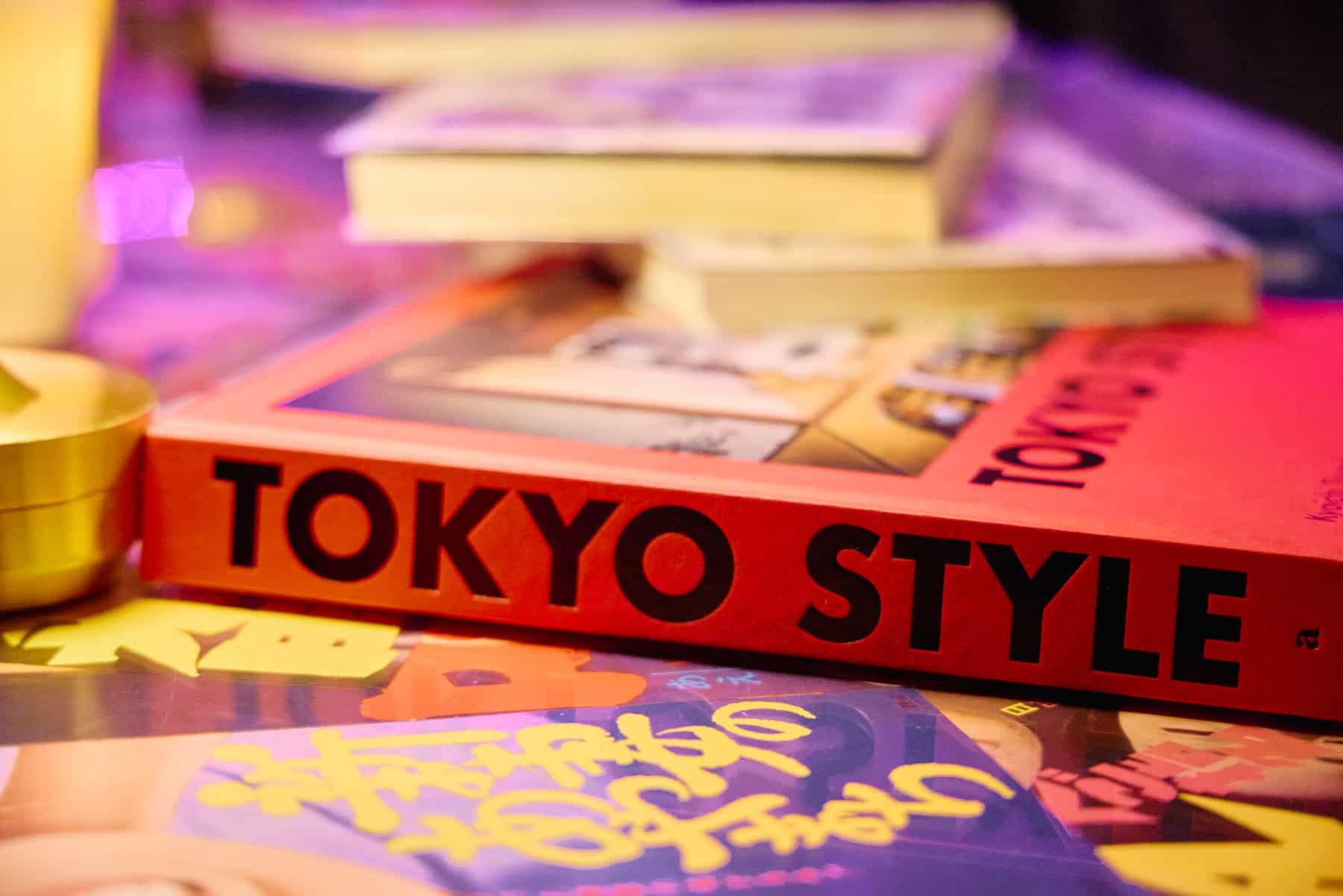
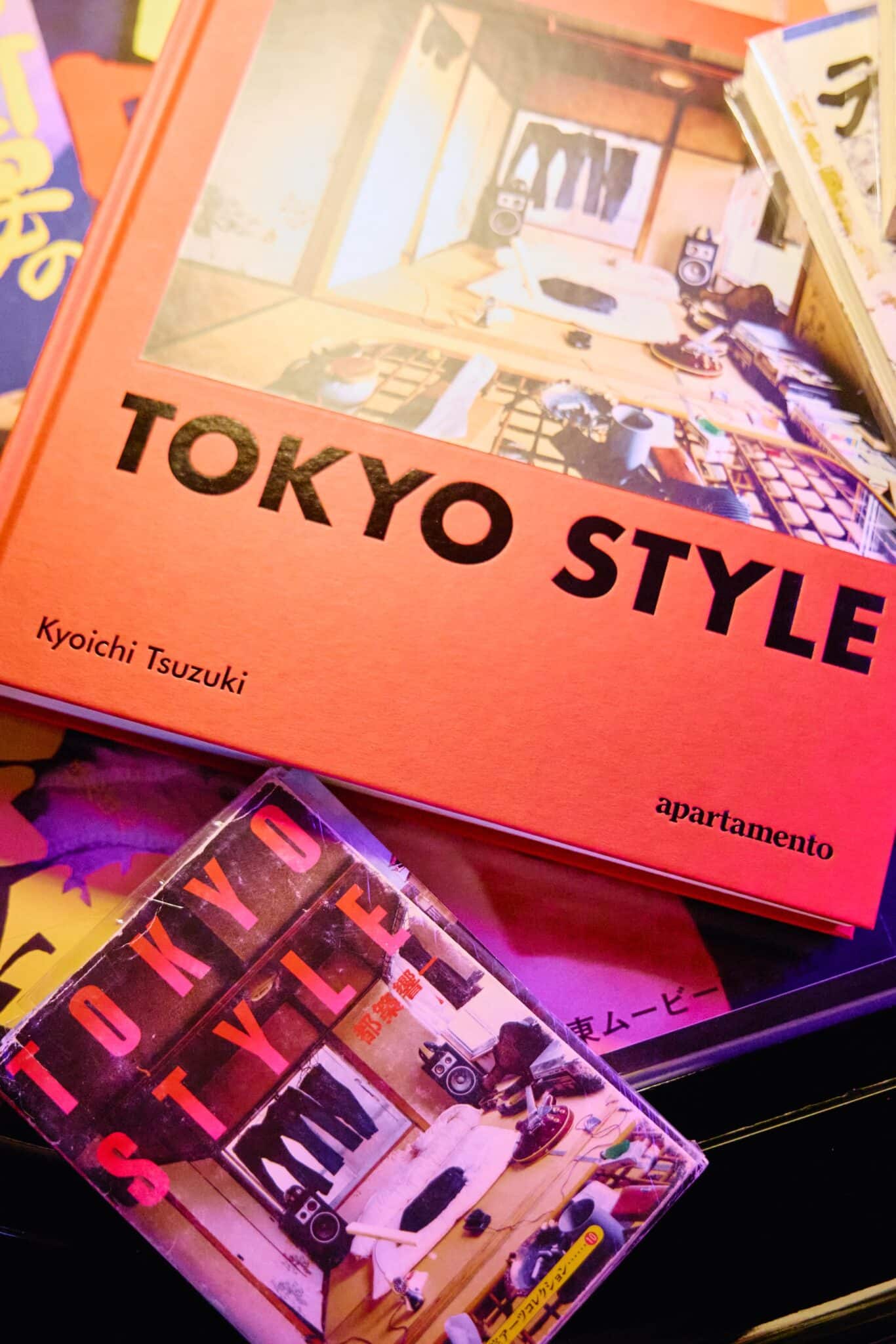
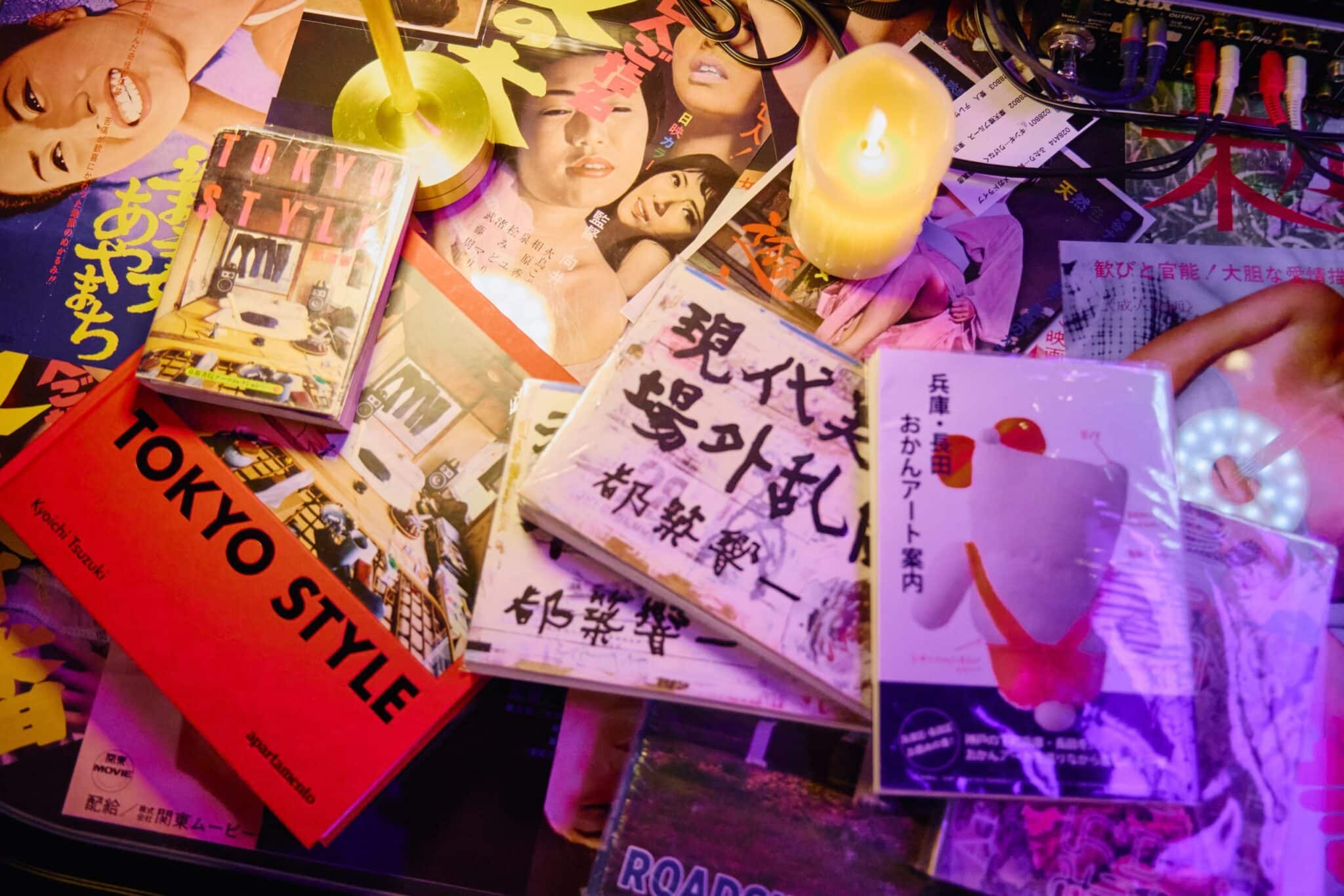
TOKYO STYLE, first created by Kyoichi Tsuzuki in the early 1990s, became widely popular around the world and was reissued in a deluxe edition by Apartamento in 2024.
Tsuzuki
“At the time, American publishers were putting out a series called ‘○○ Style,’ and it was hugely successful—books like Paris Style and Santa Fe Style. In a similar vein, there was a plan to publish a book called JAPANESE STYLE, introducing beautiful, stylish homes in cities like Tokyo, Osaka, and Kyoto. I helped scout locations for it, but as we worked on the project, I started to feel that calling this ‘style’ didn’t quite make sense.”
“So I thought it might be interesting to create a Tokyo version with the same design—one filled only with the rooms of people living on very little. Almost like a small prank, where someone might buy it by mistake.”
The original 1993 edition of TOKYO STYLE. Its compact, pocket-sized format is part of its charm.
Tsuzuki
“Most people don’t live in architect-designed apartments or houses with tea rooms. The majority live in places like this instead.
Smaller rooms mean cheaper rent, and everything is within arm’s reach. You can even crawl home from the bar. If your rent is around 30,000 yen, working part-time two or three days a week is enough to get by.
That leaves time to paint, make music, or do whatever you like. It’s a pretty easygoing way of living.”
Meeting young people living this way made Tsuzuki realize that there were many different ways to live.
“As long as you have a small place to sleep and a city filled with bookstores, cafés, coffee shops, and bars you like, that’s enough. One of the great things about Tokyo is that you can treat the whole city as an extension of your tiny room.”
The book also happened to coincide with the unique historical moment of Japan’s bubble economy.
Tsuzuki
“At the time, many major Western cities were going through economic downturns and weren’t in very good shape. Japan, meanwhile, was in the middle of the bubble economy. There was plenty of money, and regulations around design and architecture were relatively loose. Zoning restrictions were also less strict, which meant large and expensive projects could easily be realized. But the people appearing in TOKYO STYLE had nothing to do with the bubble economy. They were simply living in apartments that cost around 50,000 yen a month. Right next to people making huge profits—or losing everything—there were people quietly living in rooms that cost 30,000 or 50,000 yen a month, saying, ‘Nothing really changes for us.’ I found it fascinating that both worlds existed side by side in the same city.”
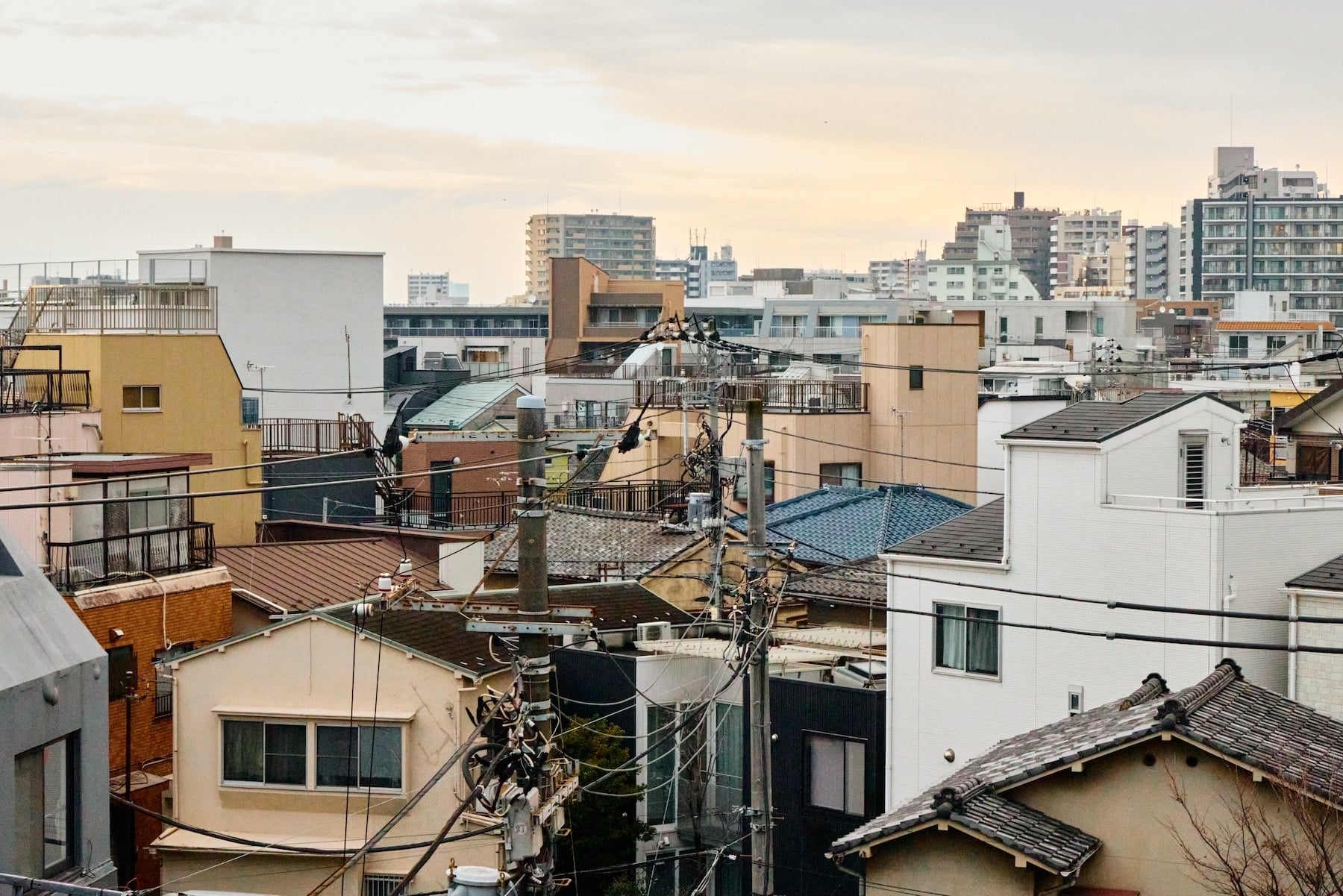
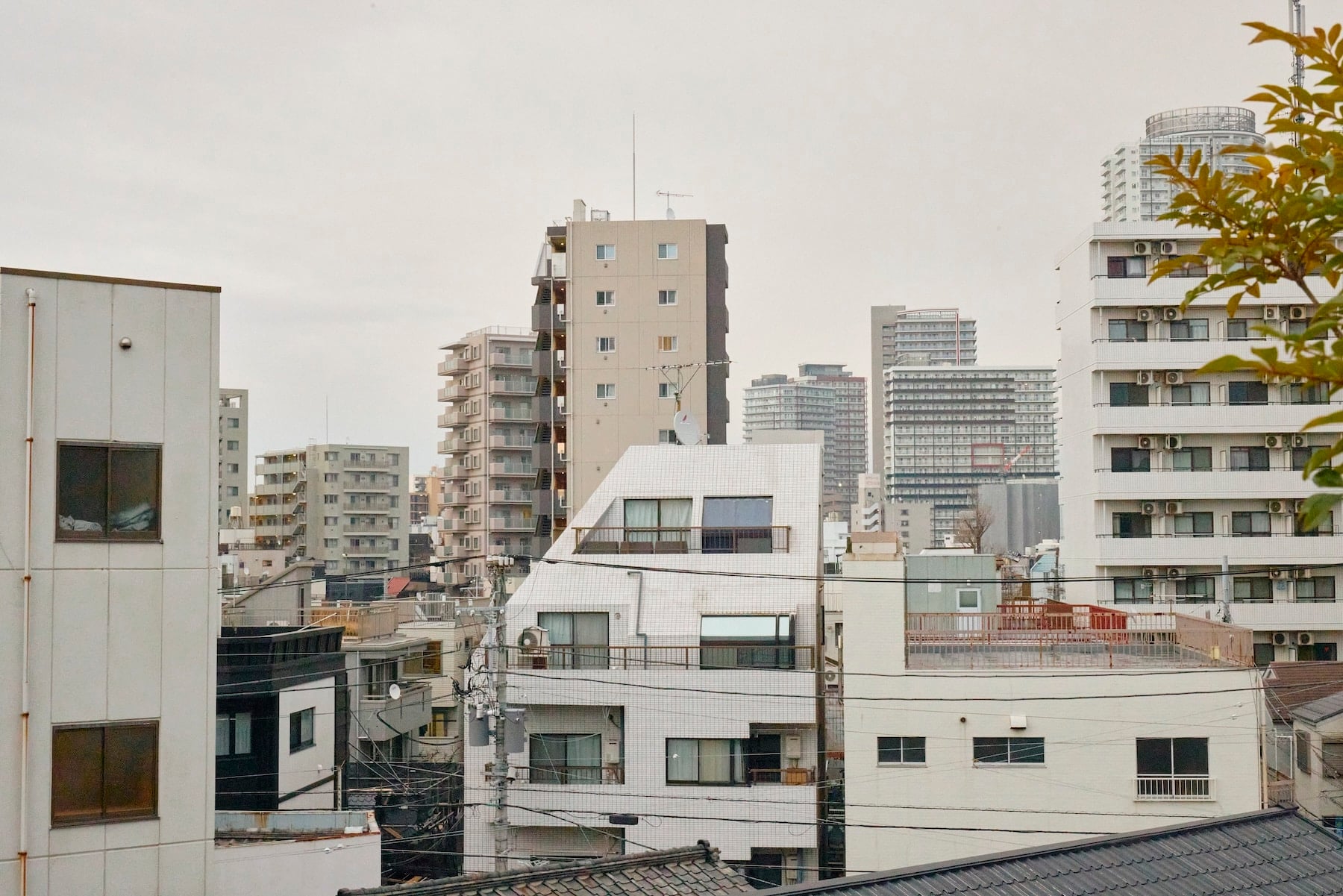
The view of Mukojima from the rooftop of Daido Geijutsukan. Apartment buildings stretch across the skyline, yet the sky still feels wide.
Tsuzuki
Even today, you can still find old wooden houses that refuse to give way, standing between modern high-rise buildings. Tsuzuki believes this is a sight rarely seen in cities like New York, London, or Paris. “In many Western cities, neighborhoods for the wealthy and neighborhoods for everyone else are clearly separated. Each area has its own distinct character. Tokyo is different. Those boundaries are much more blurred, and everything mixes together. It’s often hard to tell at a glance who is wealthy and who isn’t—and that ambiguity is part of Tokyo’s charm.”
The photo book TOKYO STYLE captures these majority lives in Tokyo. Widely praised abroad, it continues to attract readers even today—perhaps because Tokyo still retains that sense of everything being mixed together.
Since 2022, Tsuzuki has been curating Daido Geijutsukan (Museum of Roadside Art) in Mukojima. Tucked away in the quiet neighborhood where local residents go about their daily lives, the museum nevertheless attracts visitors from around the world.
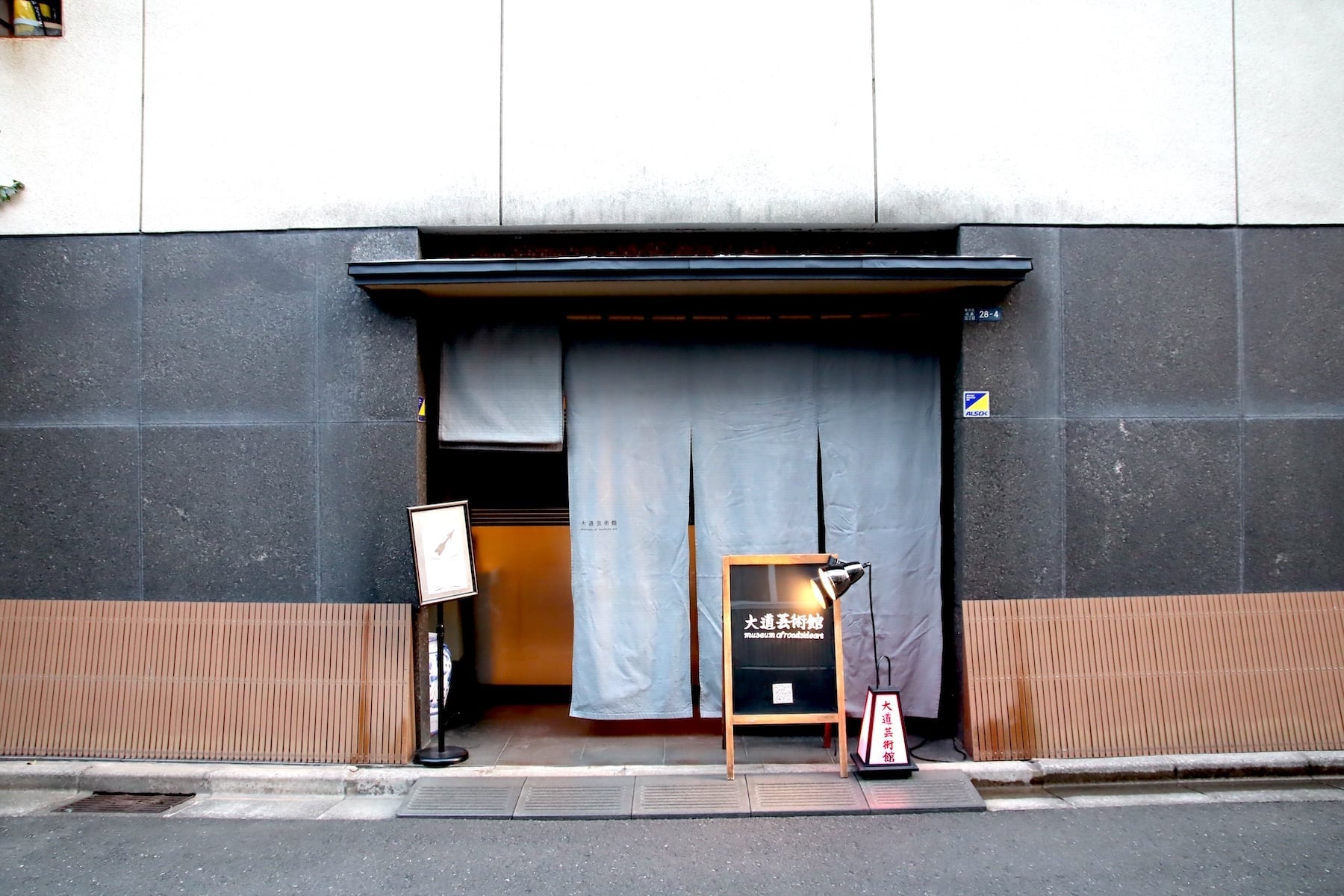
The Daido Geijutsukan, created by renovating a former traditional restaurant.
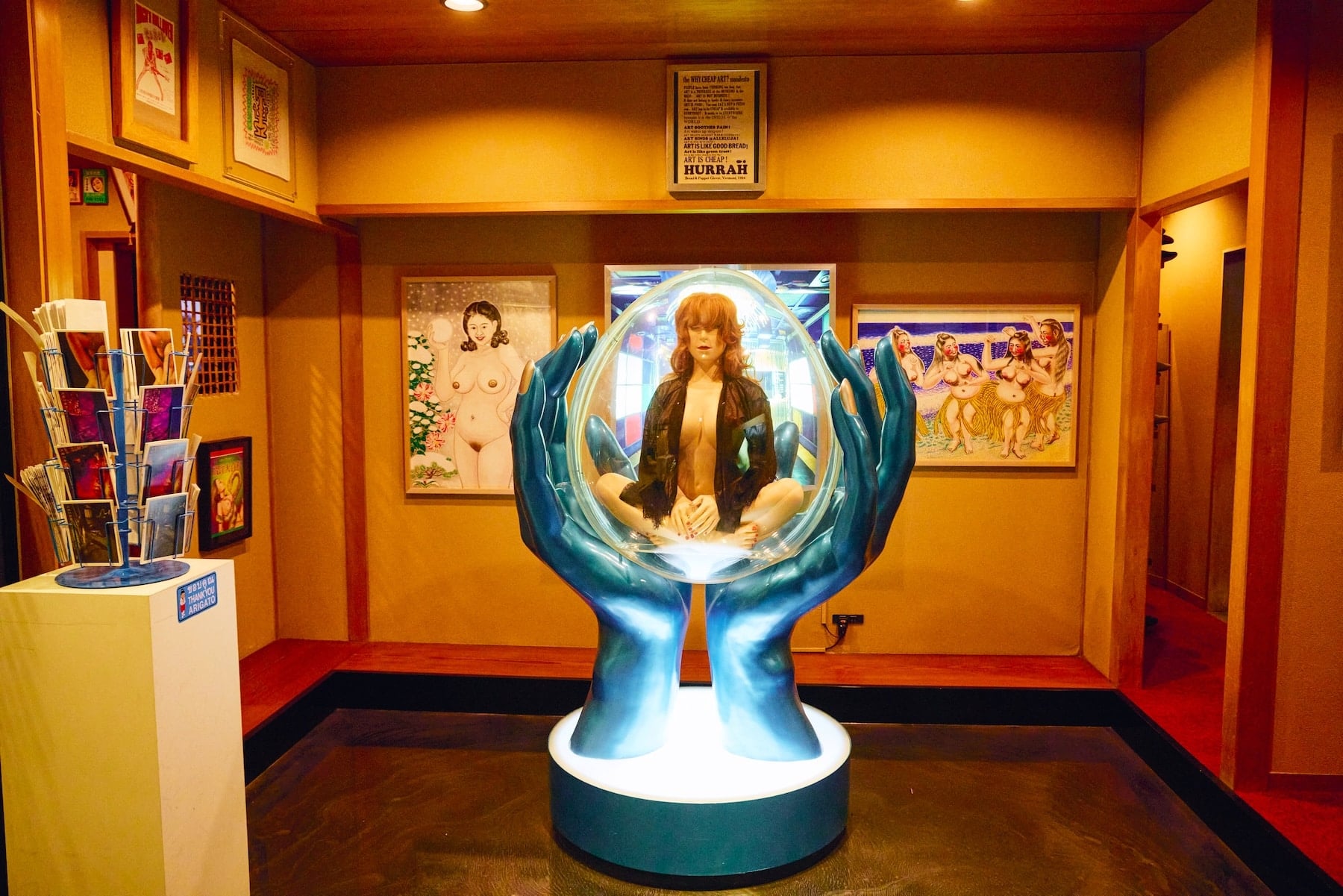
At the entrance, visitors are greeted by objects once displayed in the erotic museum SF Mirai-kan.
Tsuzuki
“The idea originally came up when we were talking about making capsule toys based on hihōkan—Japan’s erotic museums. It was around the time of COVID, and all kinds of unusual properties were becoming available—things like entire soapland buildings in Yoshiwara. So we thought, ‘Why not go take a look?’ and visited a few places. Then we found this one, and the rent was surprisingly cheap. So we thought, ‘Why not give it a try?’ I also happened to have some sets from erotic museums, so we figured we could simply make a place where people could have a drink while looking at them.”
A hihōkan is a type of entertainment facility centered on erotic-themed exhibits for adults. They were once common in tourist destinations—particularly hot spring towns—and were especially popular during the Showa era.
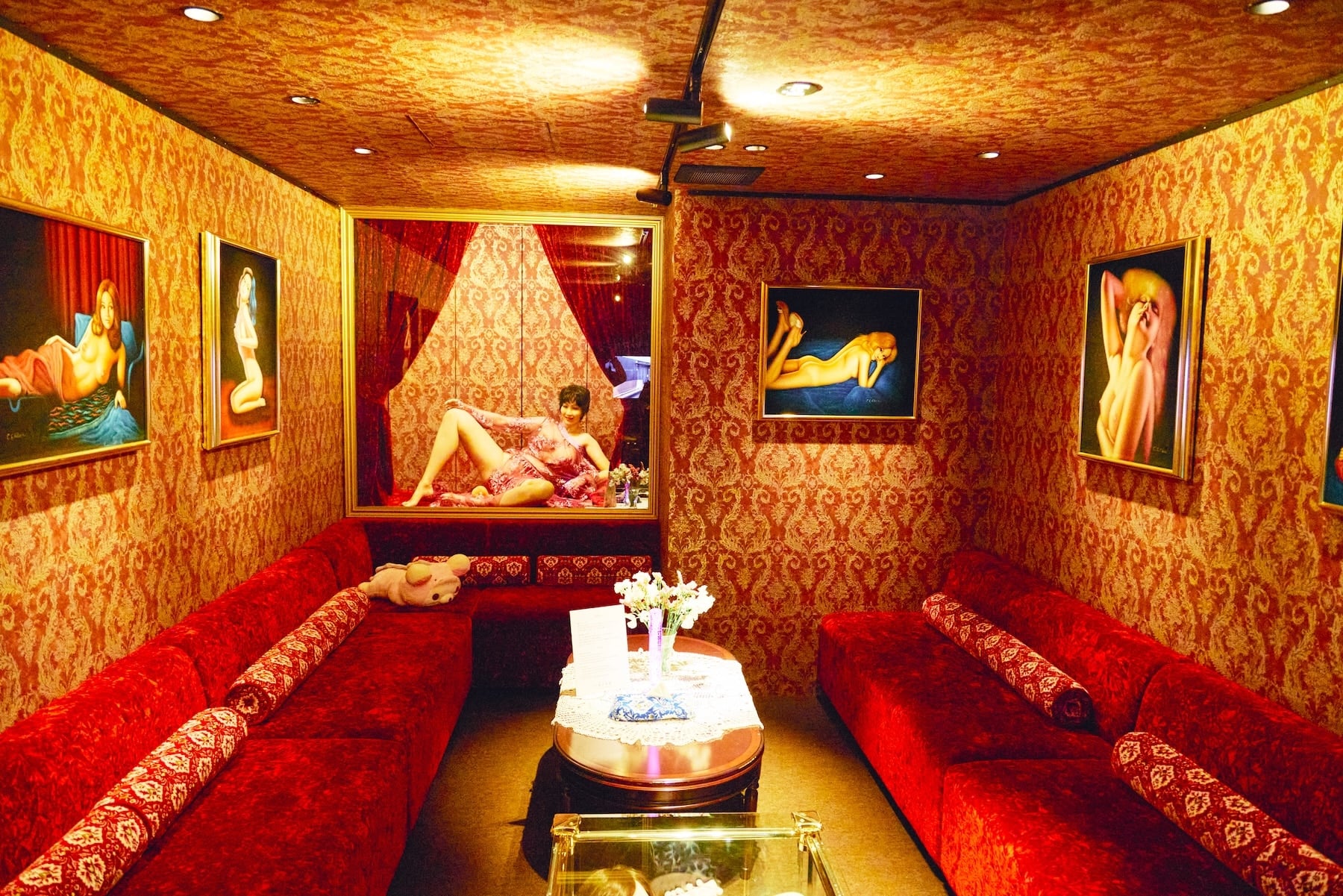
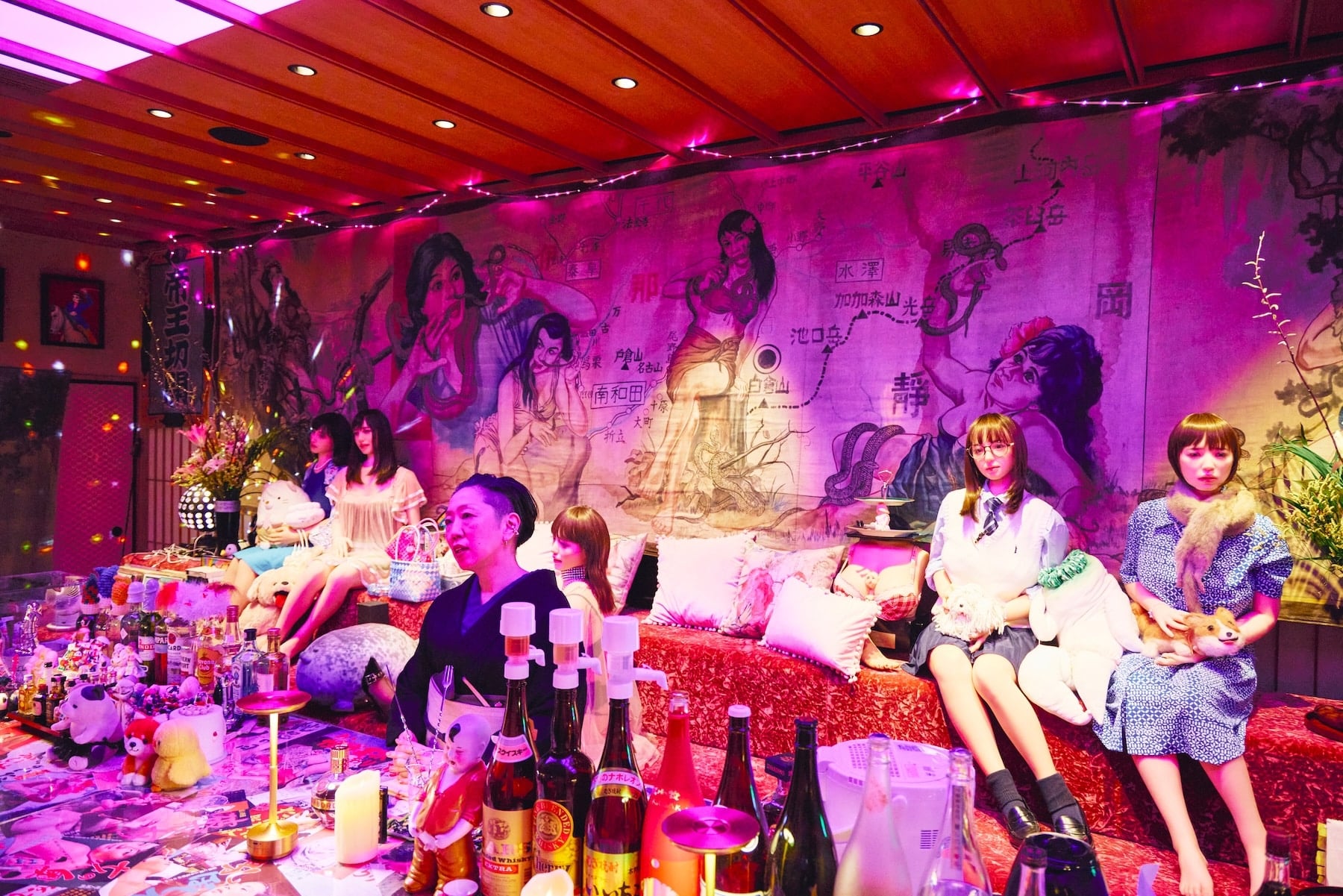
The museum has three floors, including a room designed like a cabaret where parties can be held, and a bar called Cha to Sake Wakame displaying love dolls.
Tsuzuki
“Hihōkan were basically part of the era when group tours were popular. They did deal with erotic themes, but they weren’t places only men visited. In fact, women often stayed longer—laughing together and enjoying the exhibits before buying souvenirs like tenugui hand towels on the way out. They were really more like roadside attractions.” Over time, however, these museums gradually fell out of step with the times, and many closed across Japan. “I don’t necessarily think they all need to be preserved forever. But I did feel that at least their history should be recorded.”
Many of the exhibits at Daido Geijutsukan document aspects of Japan’s erotic culture from the Showa era—something that is possible precisely because the museum is in Tokyo. In many Western countries, regulations around sexual or violent material are much stricter, and Tsuzuki says people often react by saying, “I can’t believe you can show something like this.”
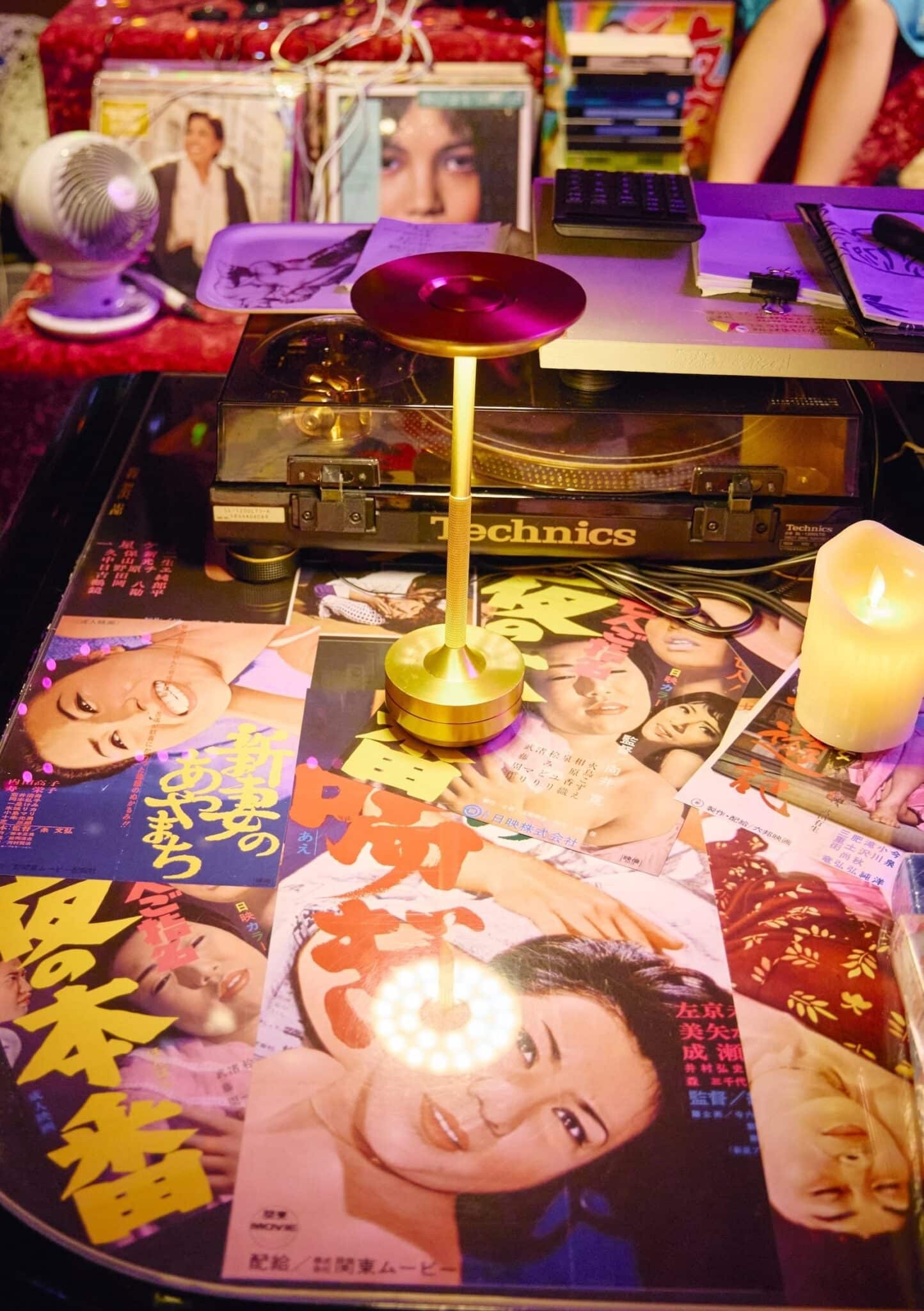
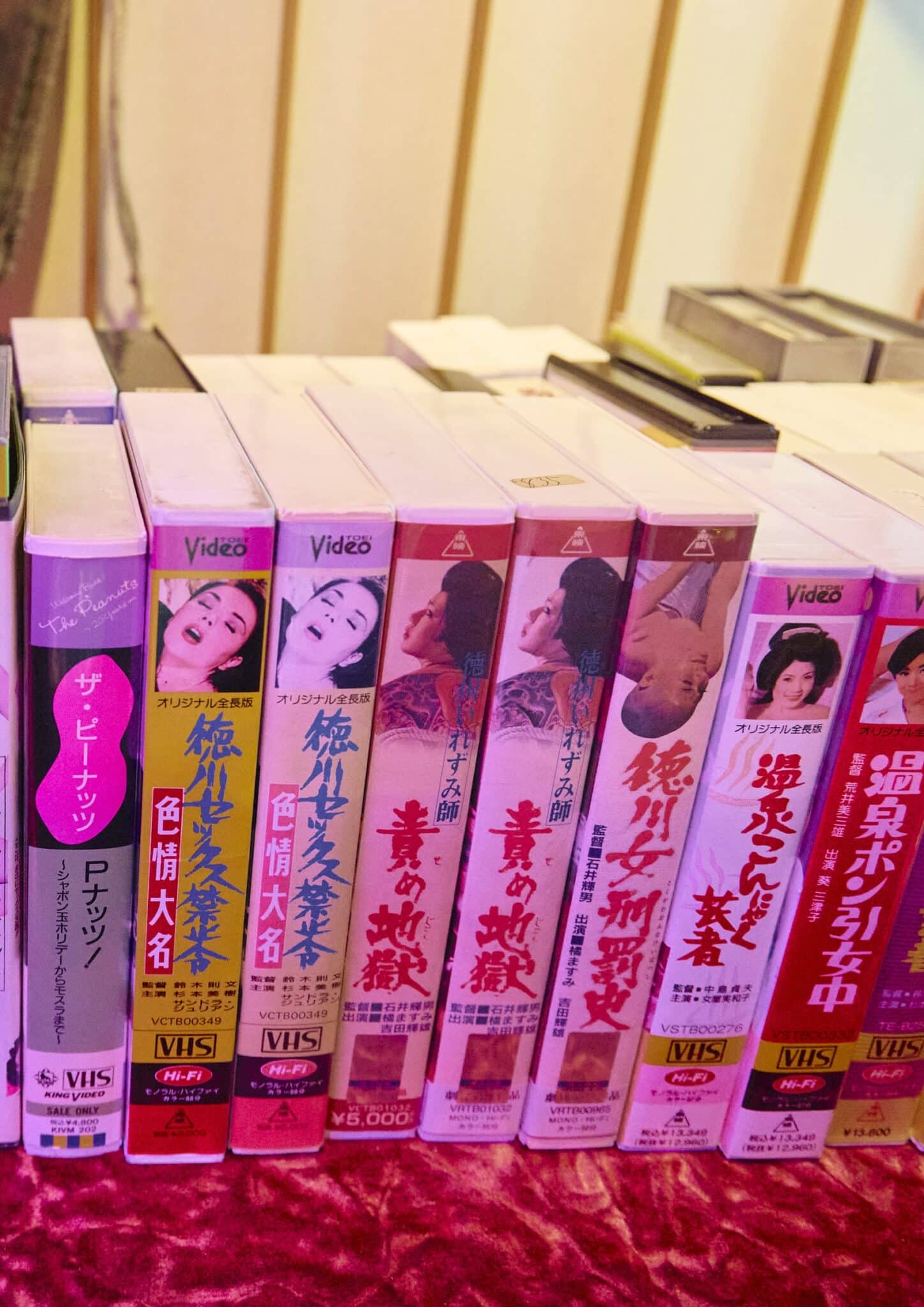
Posters from pink films of the 1950s and 60s and VHS footage of pornographic films from the 1970s to 90s are also displayed.
Tsuzuki
“In many other major cities, regulations are so strict that a place like this couldn’t really exist in public. But the posters and artworks displayed here—things like posters from adult films—were items I collected while reporting on different subjects. Many of them were things I bought during interviews, or objects I obtained while researching places I wanted to write about. As for the materials from the erotic museums, I had hoped that one day they might be taken in by institutions such as local history museums or places like the National Museum of Ethnology. But that hasn’t really happened. Even the sideshow banners we have here were things that were going to be thrown away, so we simply took them in. That’s how the collection gradually grew. And not everything here is what you might call ‘erotic,’ either.”
Tsuzuki says he has always pursued the “majority,” not the “major.” And that perspective is different from simply looking for what is “deep” or obscure.
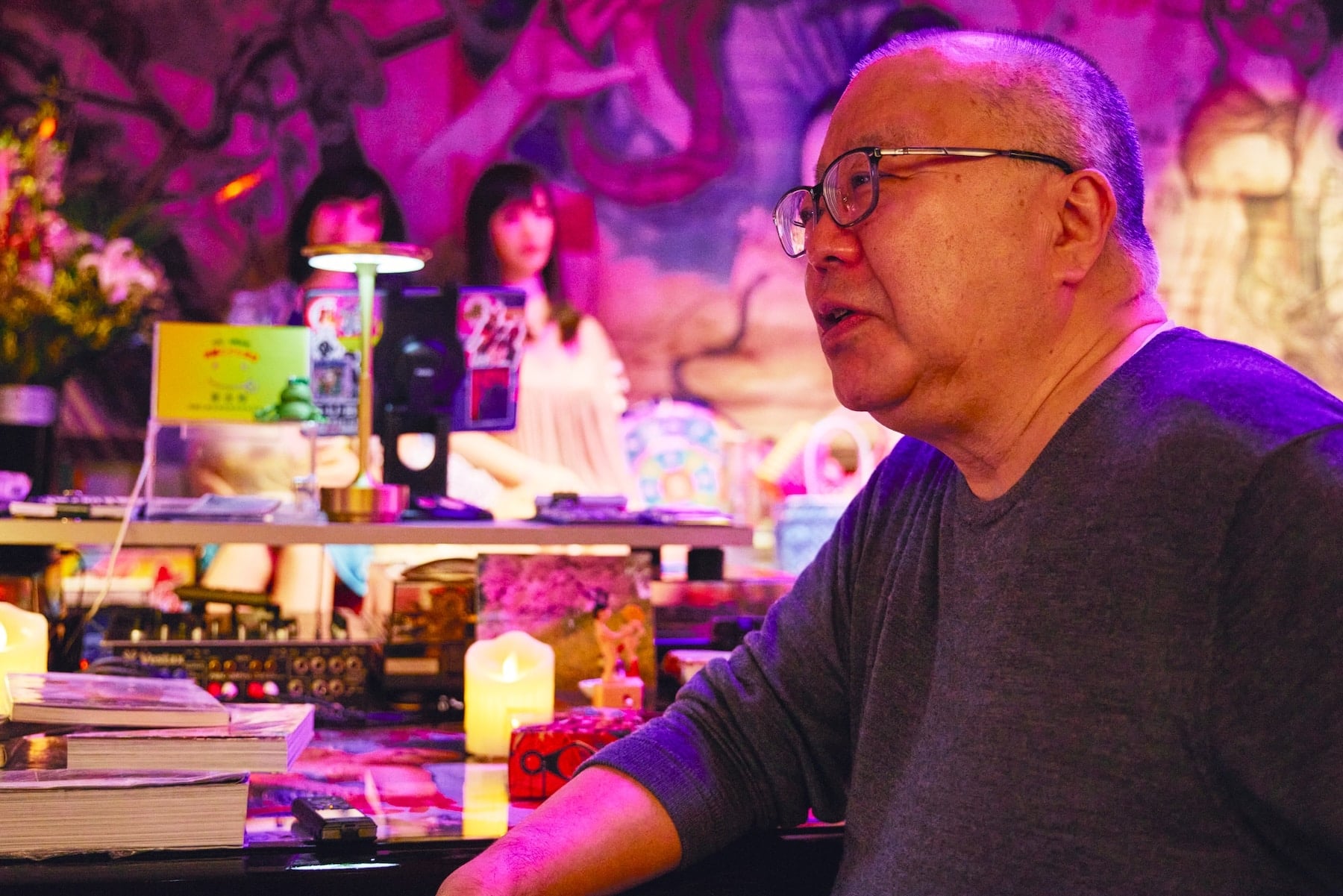
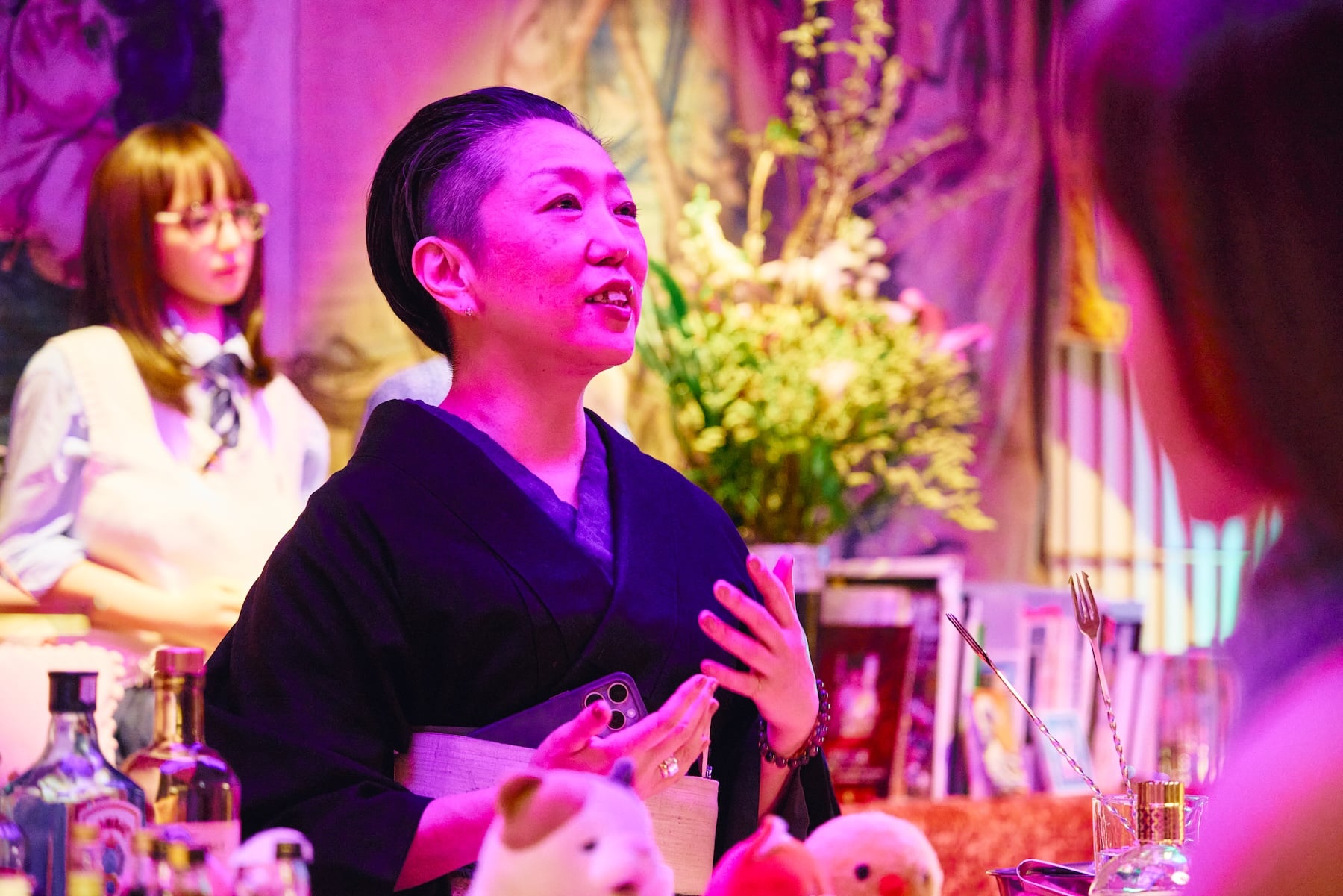
Kyoichi Tsuzuki, curator of the “Daido Art Museum” (first photo), and Atsuko Imada, the proprietress (second photo)
Tsuzuki
“I’m interested in expressing the majority, so I’ve never really thought about what ‘deep’ means.
There are two things I never do when creating something. One is writing proposals—I’ve never written one in my life. The other is holding editorial meetings. When people sit around sharing ideas and decide, ‘This is good,’ it’s almost always based on something that already exists. If someone says, ‘This is what’s trending right now,’ and shows examples, then it’s already a copy of something else. That’s why I don’t do market research either. The moment you start doing that, it’s over.”
“For example, if you’re trying to launch a new magazine and you start thinking, ‘Our target readers are working women in their early thirties with this level of income…’—that’s the moment it’s finished.” At Daido Geijutsukan, visitors range from people in their twenties to people in their eighties, regardless of gender. Marketing doesn’t really persuade anyone. Everyone has different tastes. But if you create something based only on your own instincts, what you make will probably seem like a minority interest to the wider world. That’s why people call it ‘weird.’”
Projects like TOKYO STYLE and Daido Geijutsukan (Museum of Roadside Art) are Tsuzuki’s way of putting this idea into practice—focusing not on what is major, but on what represents the majority. Tsuzuki says he hopes younger people might copy this way of creating “interesting things” and make it their own.
Even today, whenever something catches his interest, Tsuzuki travels around the world to research it firsthand.
Tsuzuki
“Sometimes I think it would be wonderful if we could create a branch of Daido Geijutsukan, something like the Louvre Abu Dhabi. At the same time, I also hope younger people will start creating places like this themselves.
People often talk about it and say it’s interesting, but very few actually try to do something similar. When I published TOKYO STYLE, I also thought, ‘It would be great if someone followed that path,’ but in the end, no one really did.”
“If you want to open a stylish place, you can hang works by Warhol or Basquiat, and no one will complain. But when it comes to something like a hihōkan, some people will love it while others may feel offended and react against it.
There’s always the fear that people might think you’re not intellectual—especially in the age of social media. But unless you can turn even criticism into energy, nothing truly interesting will come out of it. I really believe that.”
The places Tsuzuki has documented are not special destinations, nor the lives of a select few. They represent the majority rather than the major. What continues to draw people from around the world is this perspective. The Tokyo Tsuzuki sees is not a neatly organized metropolis. It is a city that remains mixed together—a place constantly changing in a kind of vibrant disorder. And perhaps within that mix lies a side of Tokyo’s fascination that has yet to be fully discovered.
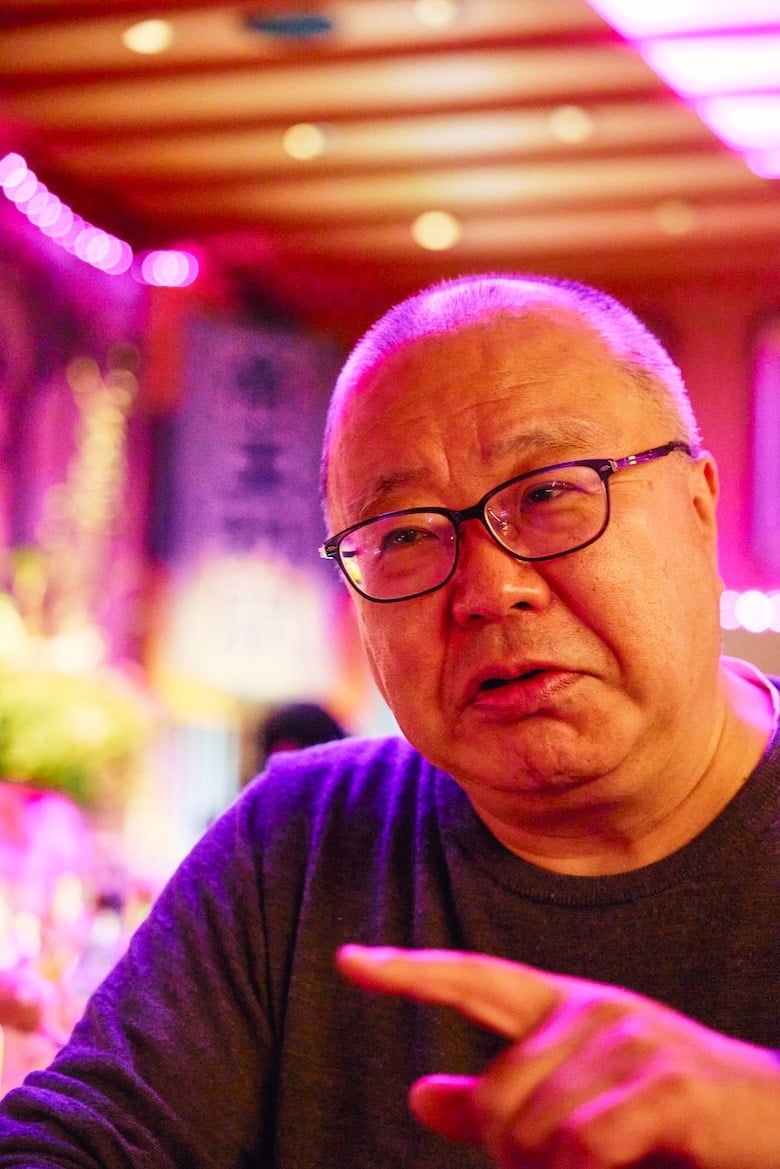
Born in Tokyo in 1956. Writer, editor, journalist, and photographer. He began his career in the 1980s as an editor for magazines such as POPEYE and BRUTUS. In 1998, he received the 23rd Kimura Ihei Award for his photography book ROADSIDE JAPAN: A Journey Through Strange Japan (Chikuma Shobo). Through his distinctive perspective, he has documented a wide range of outsider art, fashion, and folk culture from around the world. His major publications include TOKYO STYLE, ROADSIDE JAPAN, Happy Victims, and Love Hotels. Since 2012, he has published the web magazine ROADSIDER’s weekly. He has also served as curator of Daido Geijutsukan (Museum of Roadside Art) since 2022.