DEEPTOKYO
magazine

EN

DEEPTOKYO
magazine
EN
2026.02.09
Experiencing Field Philosophy in the City


 Nearest Station

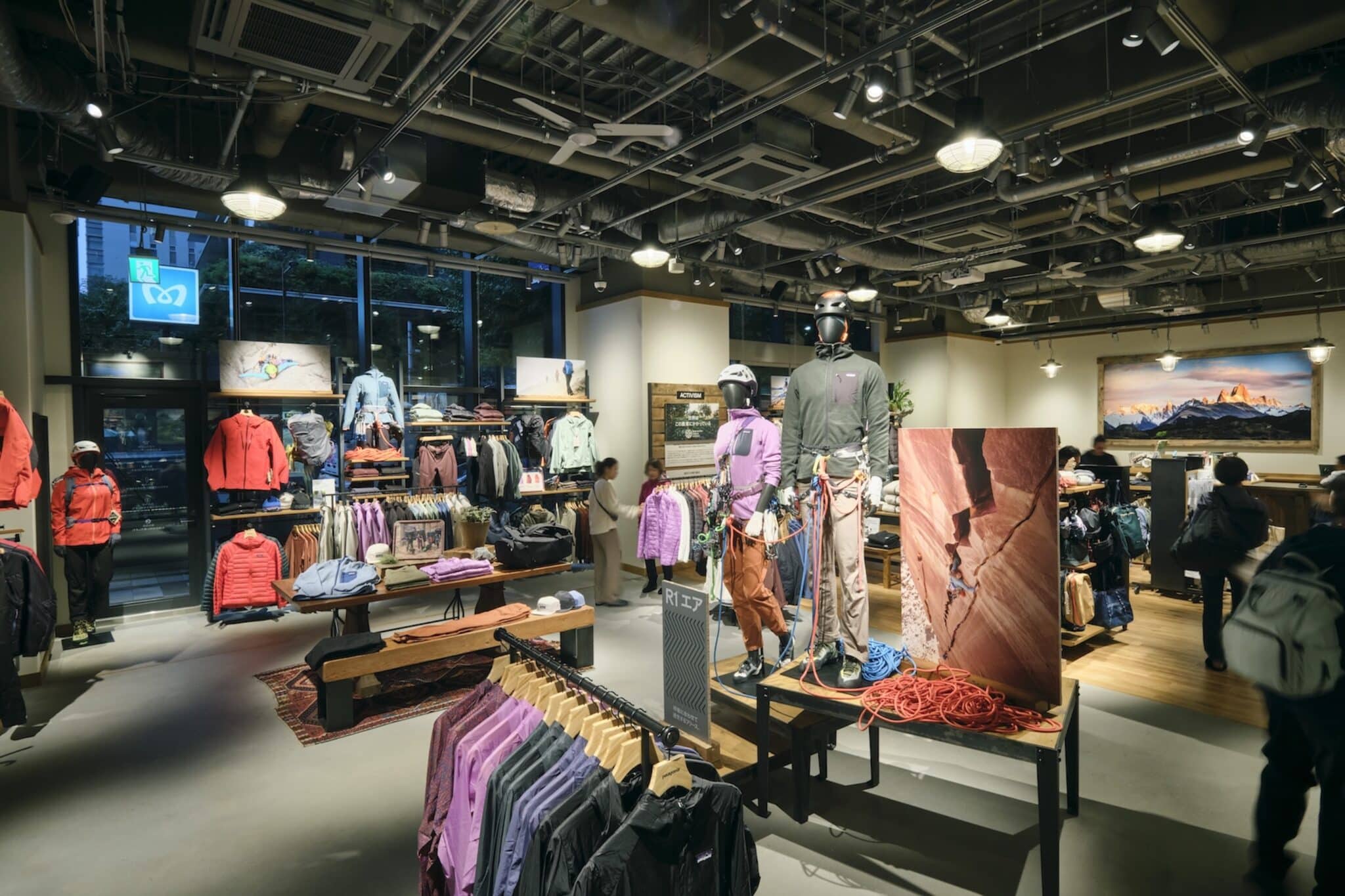
“patagonia Tokyo Kyobashi” is a brand experience store that officially opened on September 11, 2025, becoming the third Patagonia location in Japan. Designed to go beyond simply selling products, the store communicates—through the space as a whole—the ideas behind the brand, as well as the choices that support long-term use. Located in Kyobashi, an area where people in business suits pass through the streets on weekdays, the store naturally encourages conversations not about what to buy, but why something should continue to be used over time. Sales floors, exhibitions, events, and conversations with staff are not treated as separate elements but are designed to function as a continuous experience, allowing visitors to encounter the brand’s values as an extension of shopping. This is a place for those who want to see outdoor activities not as something special or extraordinary, but as an extension of everyday life.
SHARE


The interior is clearly organized into a two-level structure: the first floor is designed as the “on” scene, while the second floor functions as the “off” scene. Products designed for real field use—such as hiking, climbing, and trail running—are displayed with actual conditions in mind, naturally giving rise to practical conversations with staff about material choices and approaches to layering. Throughout the sales floor, subtle design elements can be seen, including details inspired by climbing tape. These touches were created by Patagonia’s Japanese visual merchandising team and reflect a careful attention to detail throughout the space.
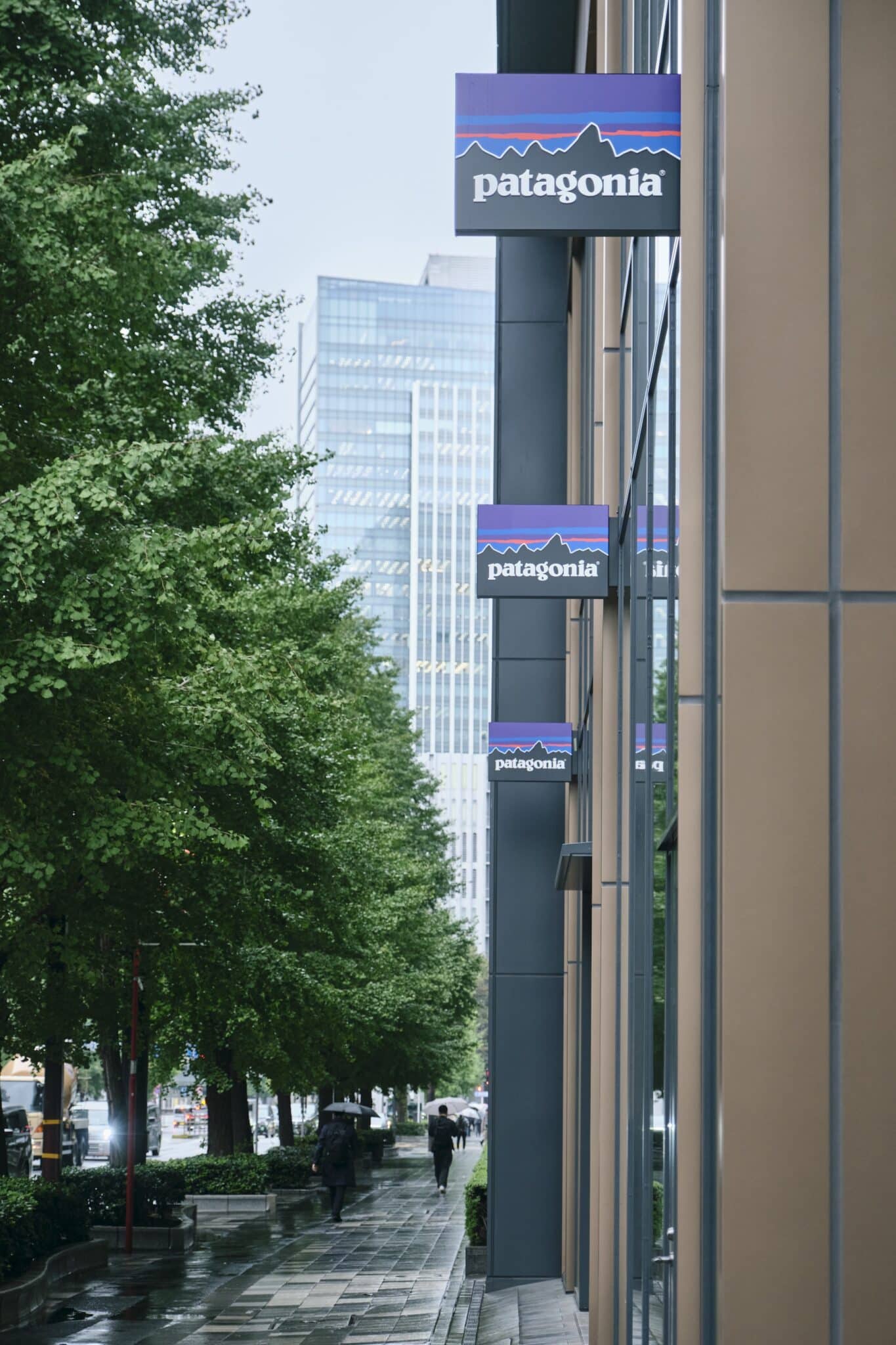
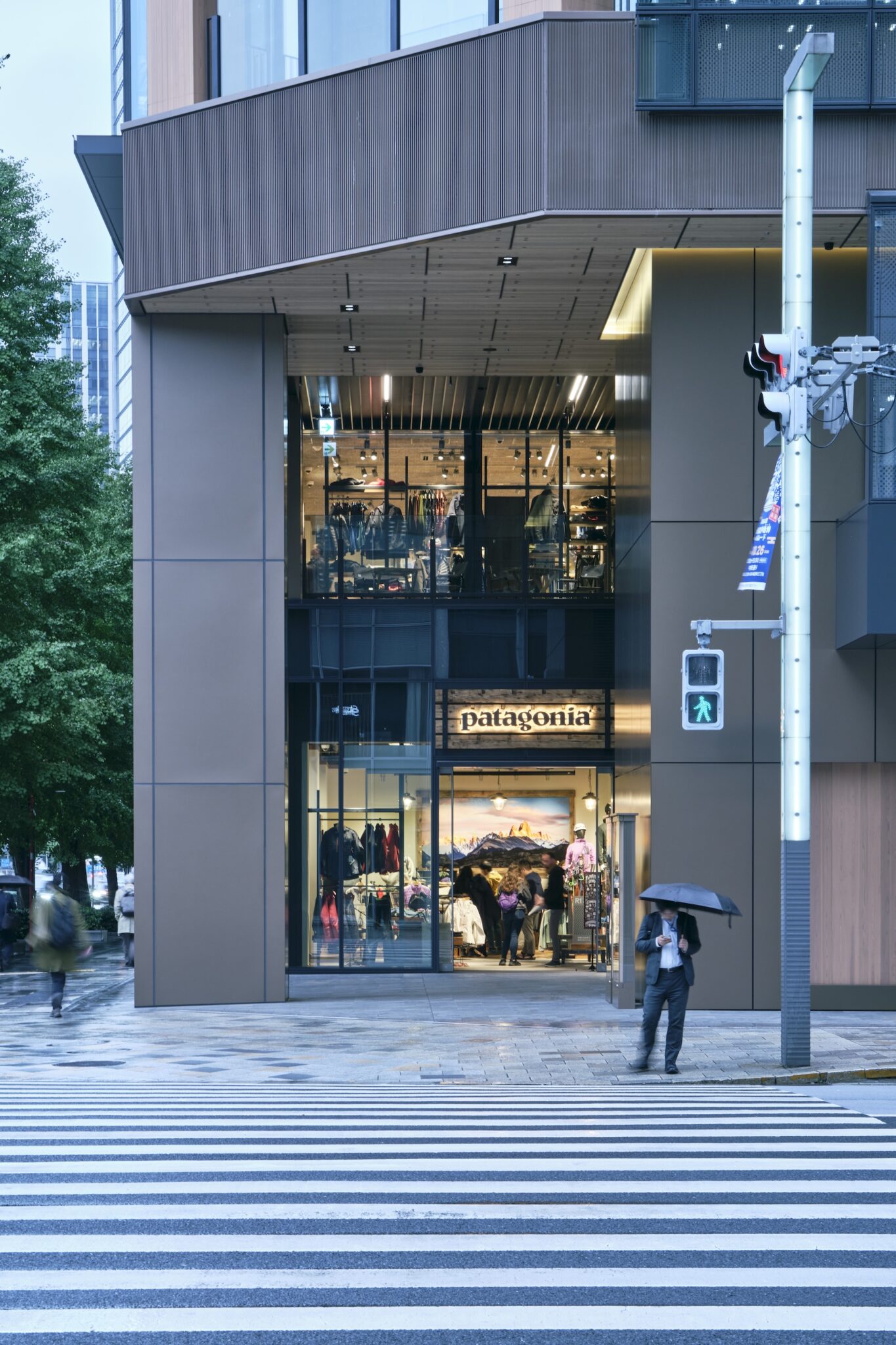
Exterior facing the streets of Kyobashi.
Although located along the everyday flow of a business district, the entrance is designed as a threshold that encourages preparation for entering the field.
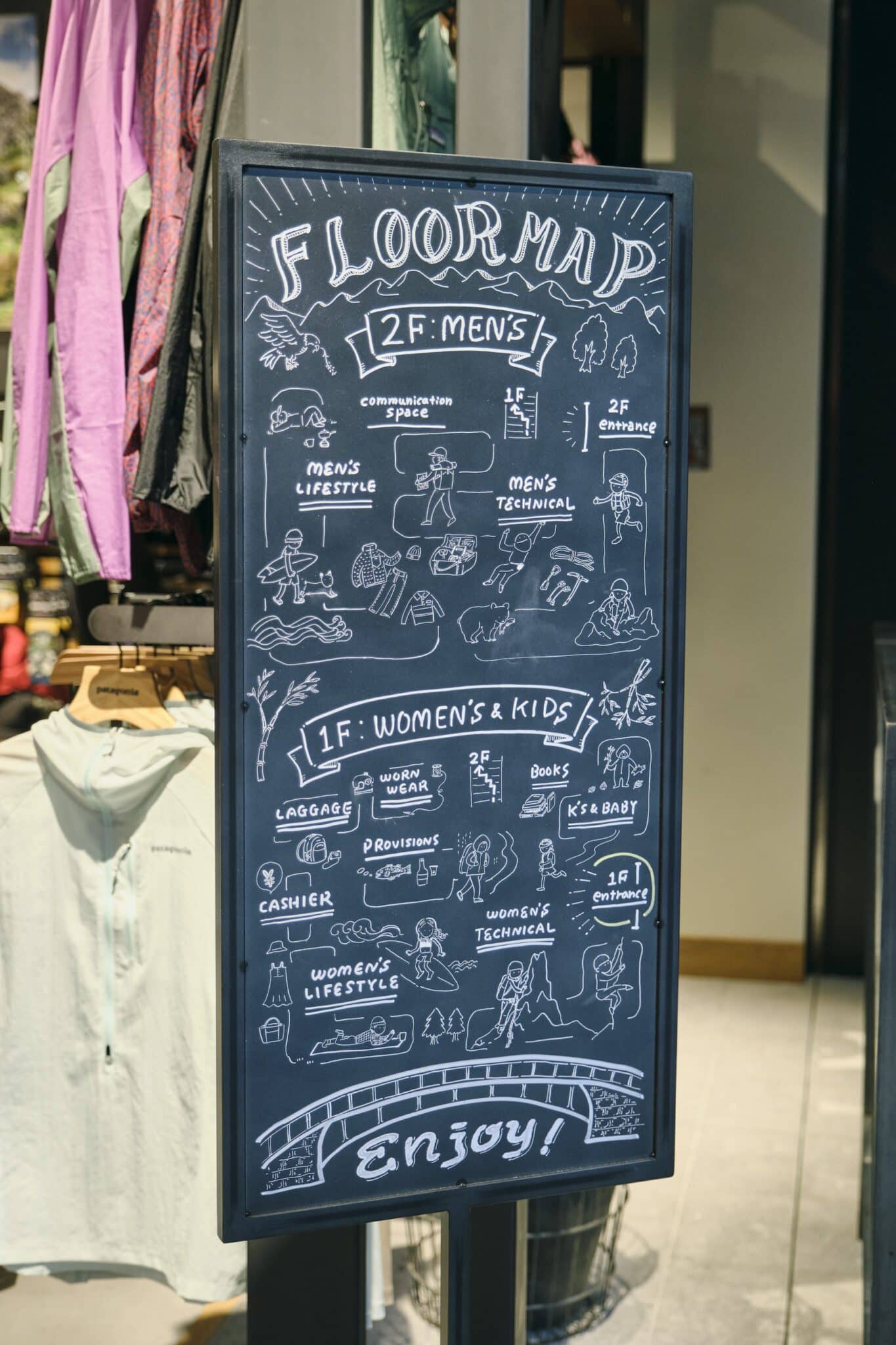
A hand-drawn floor map created by staff is installed near the entrance.
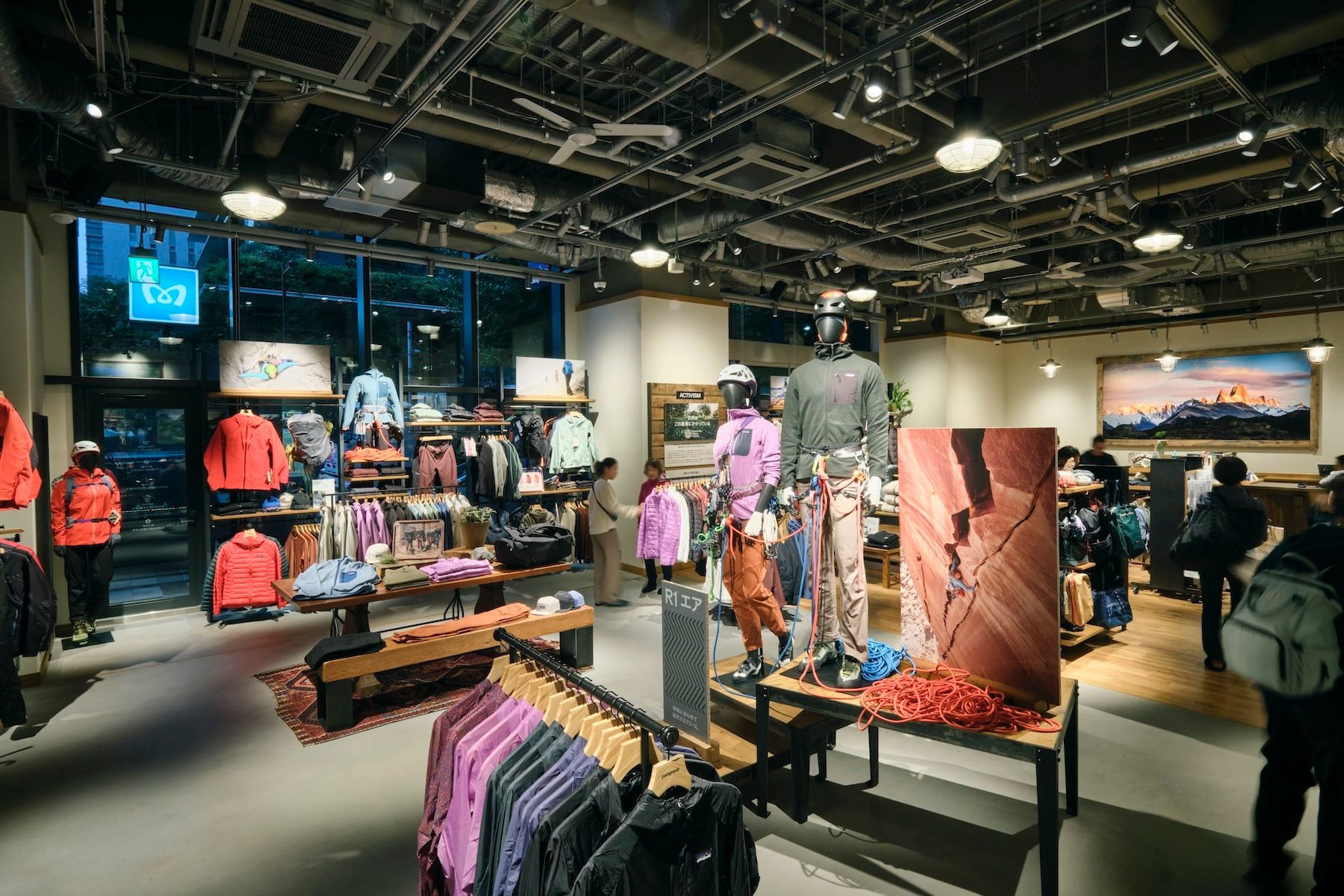
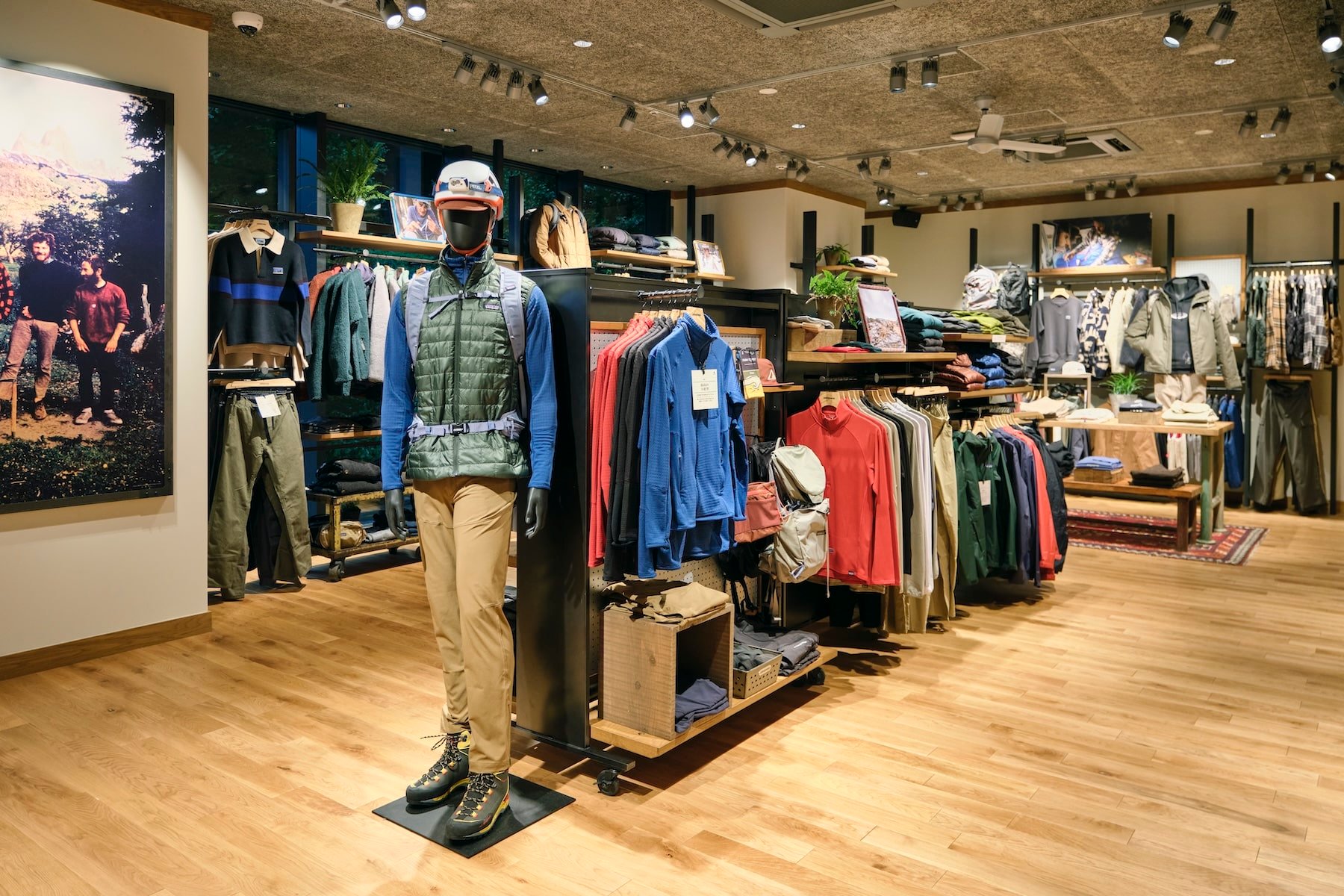
The store spans approximately Approx 330 m² across the first and second floors combined. The first floor is dedicated to preparing for field use within an urban setting.
The second floor features an interior centered around wood materials.
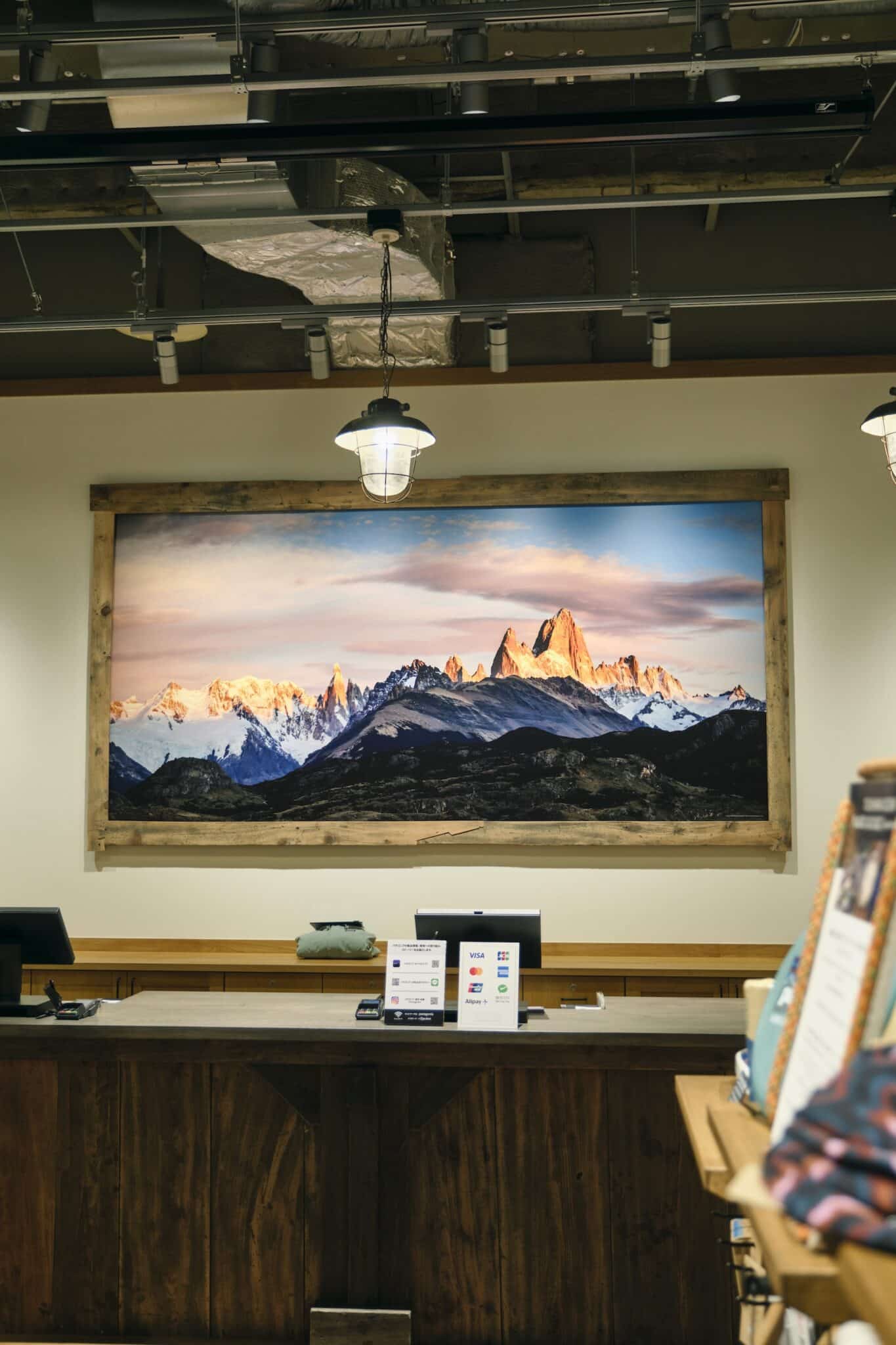
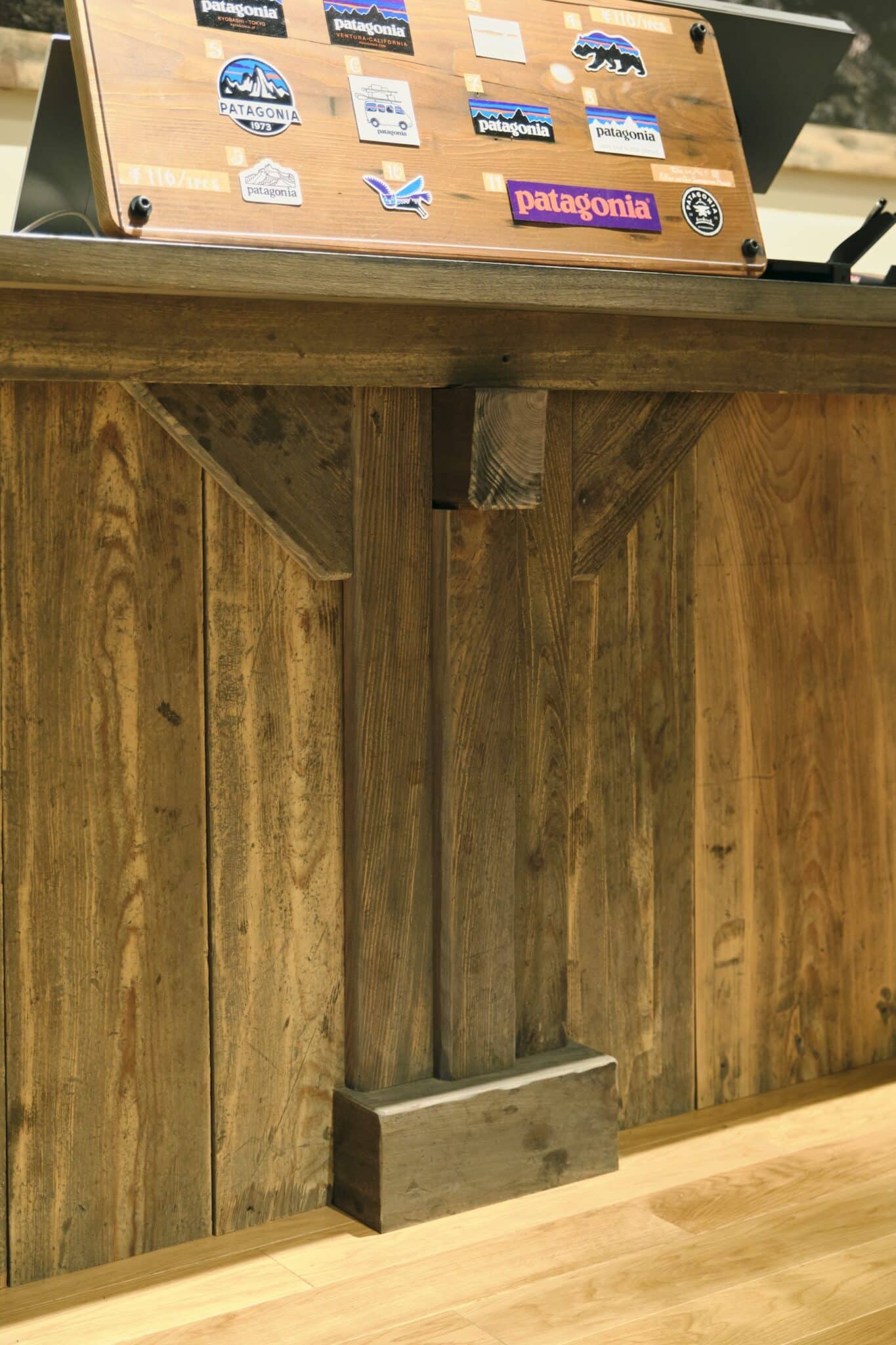
The first-floor register counter, designed with a unique story specific to this store.
Wooden construction inspired by the piers of Kajibashi Bridge.
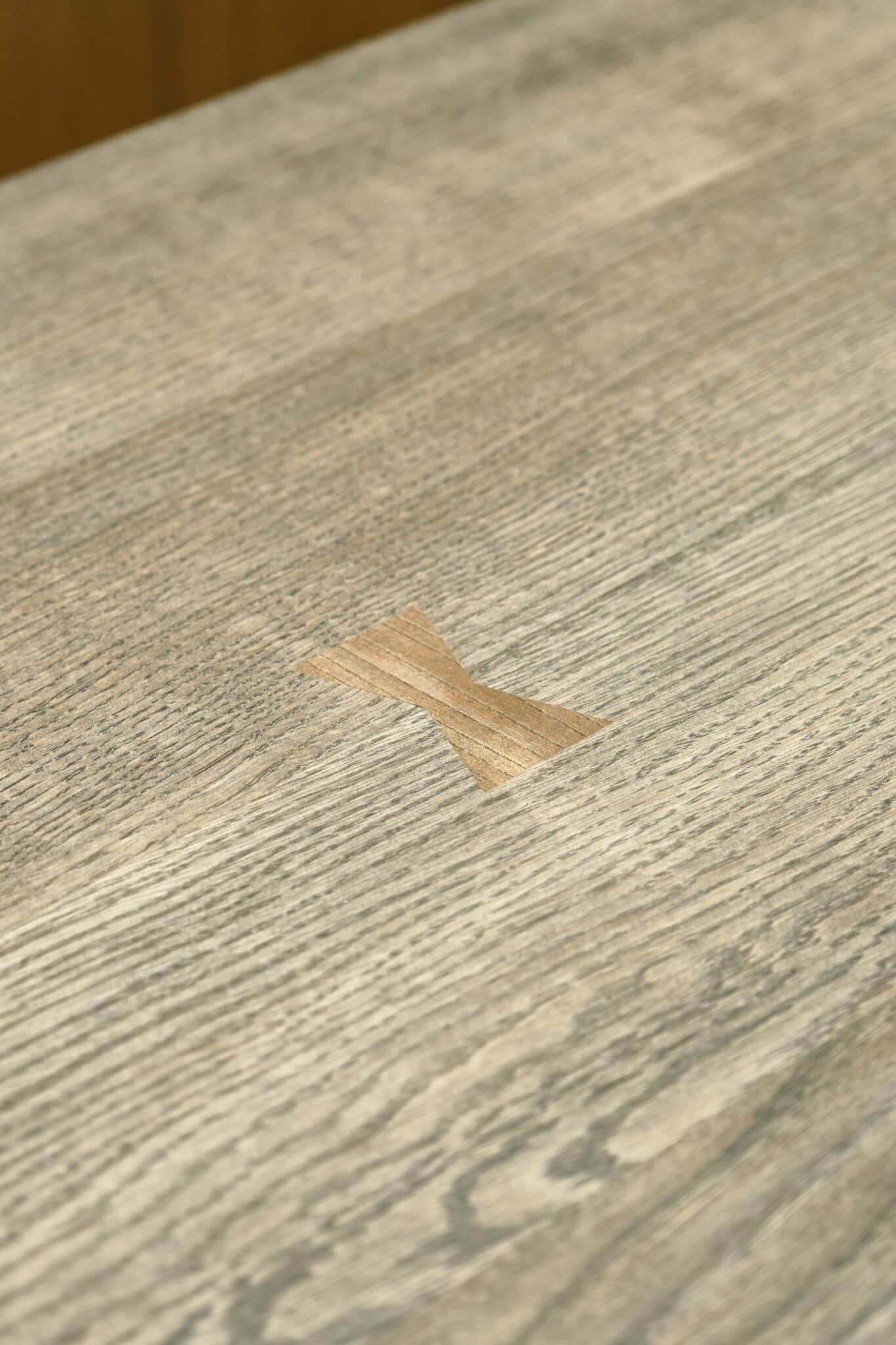
Built using traditional techniques employed by miyadaiku, master temple carpenters in Japan, assembled without the use of nails.
Custom fixtures incorporating details inspired by climbing tape appear throughout parts of the sales floor. The meticulous design by the Japanese visual merchandising team helps bridge the distance between the city and the field.
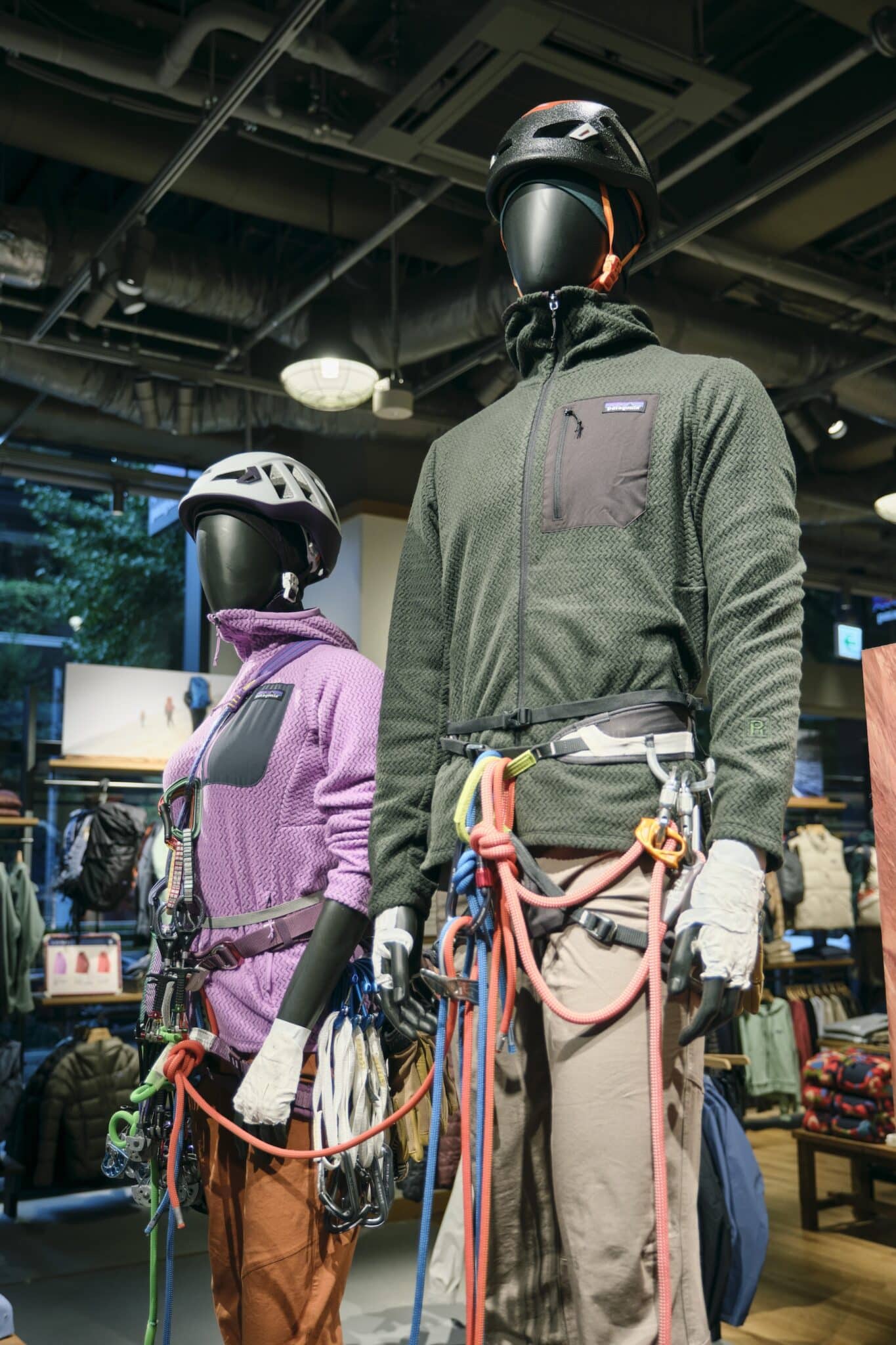
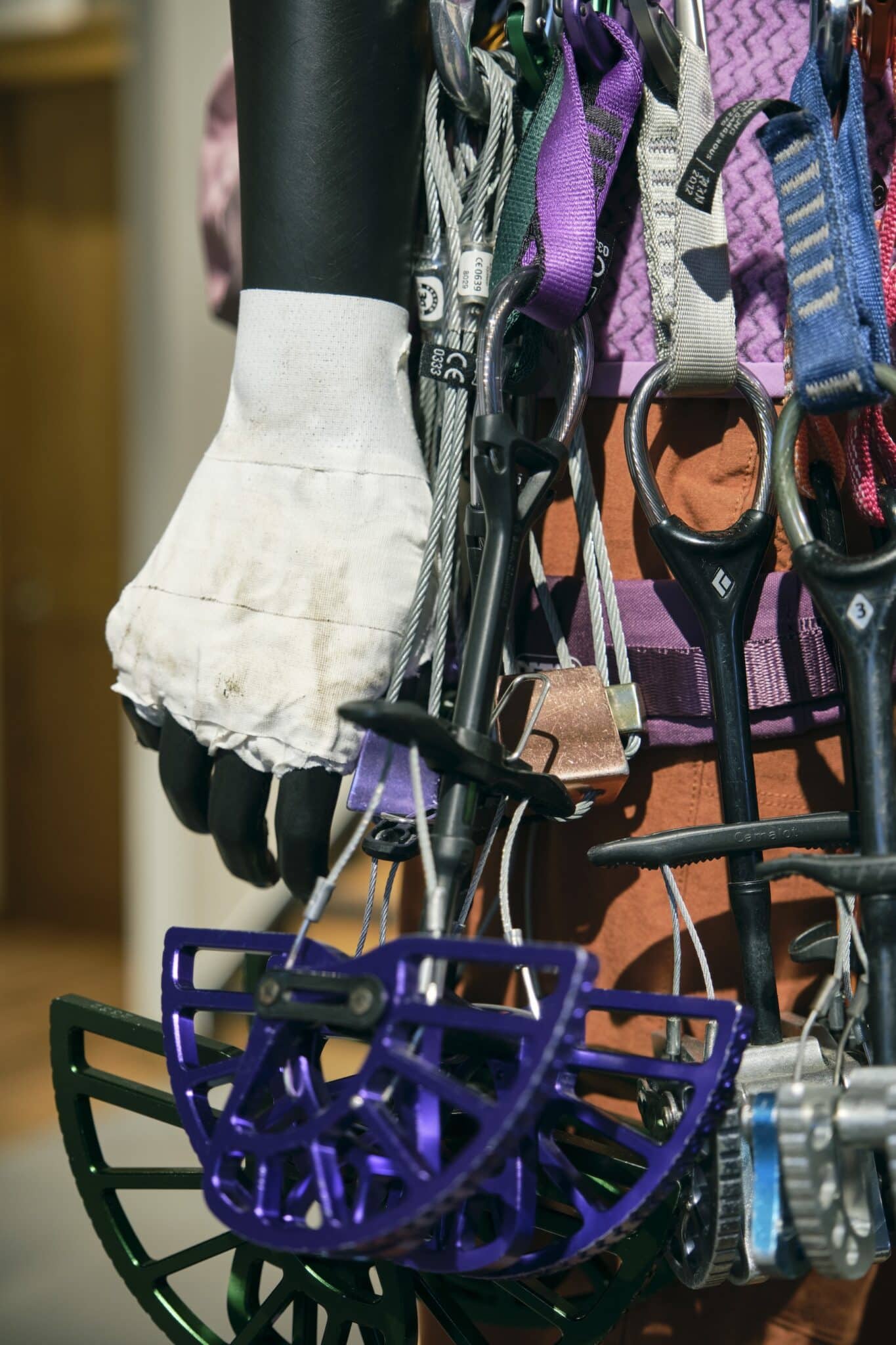
The displays themselves present fully equipped, field-ready styling.
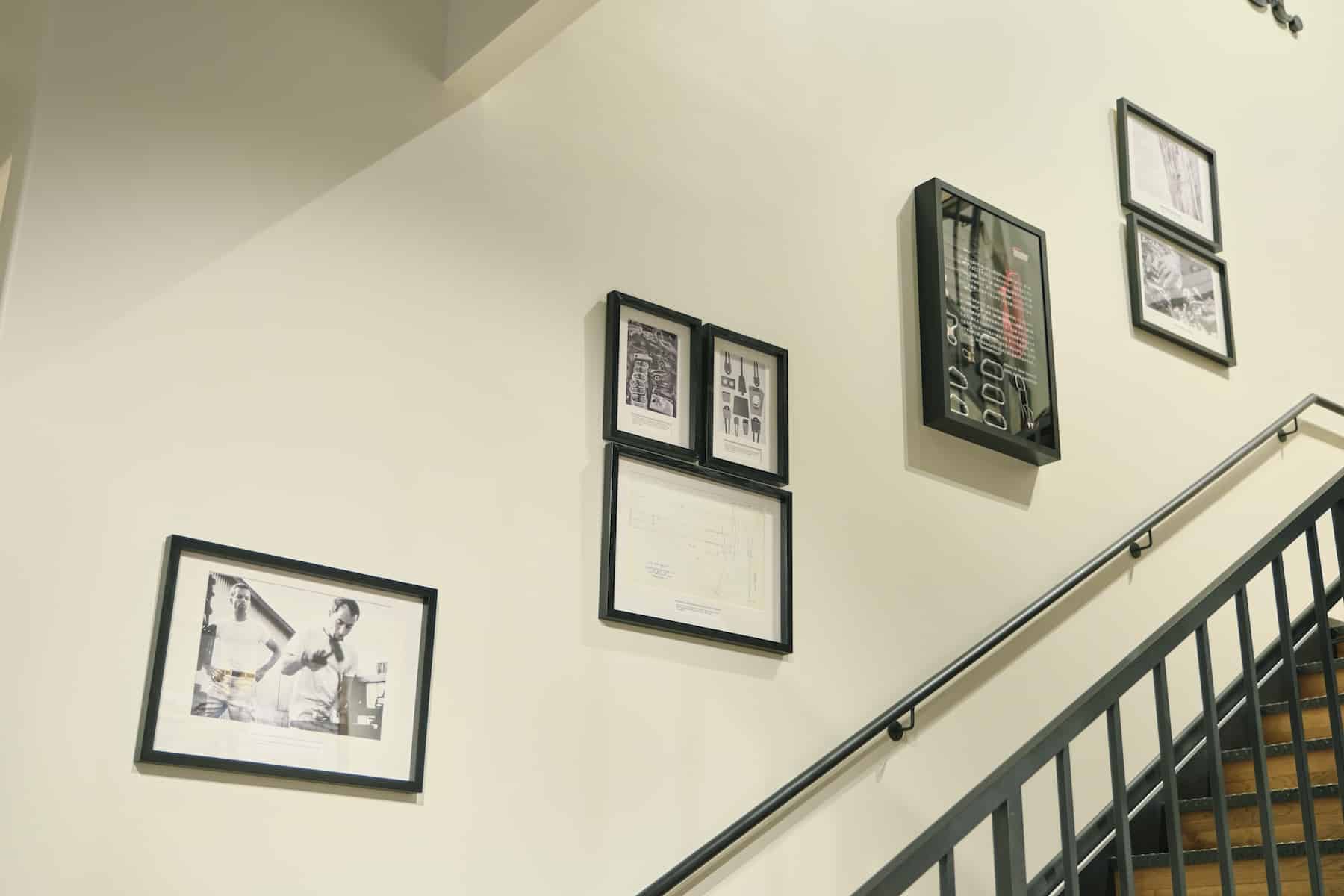
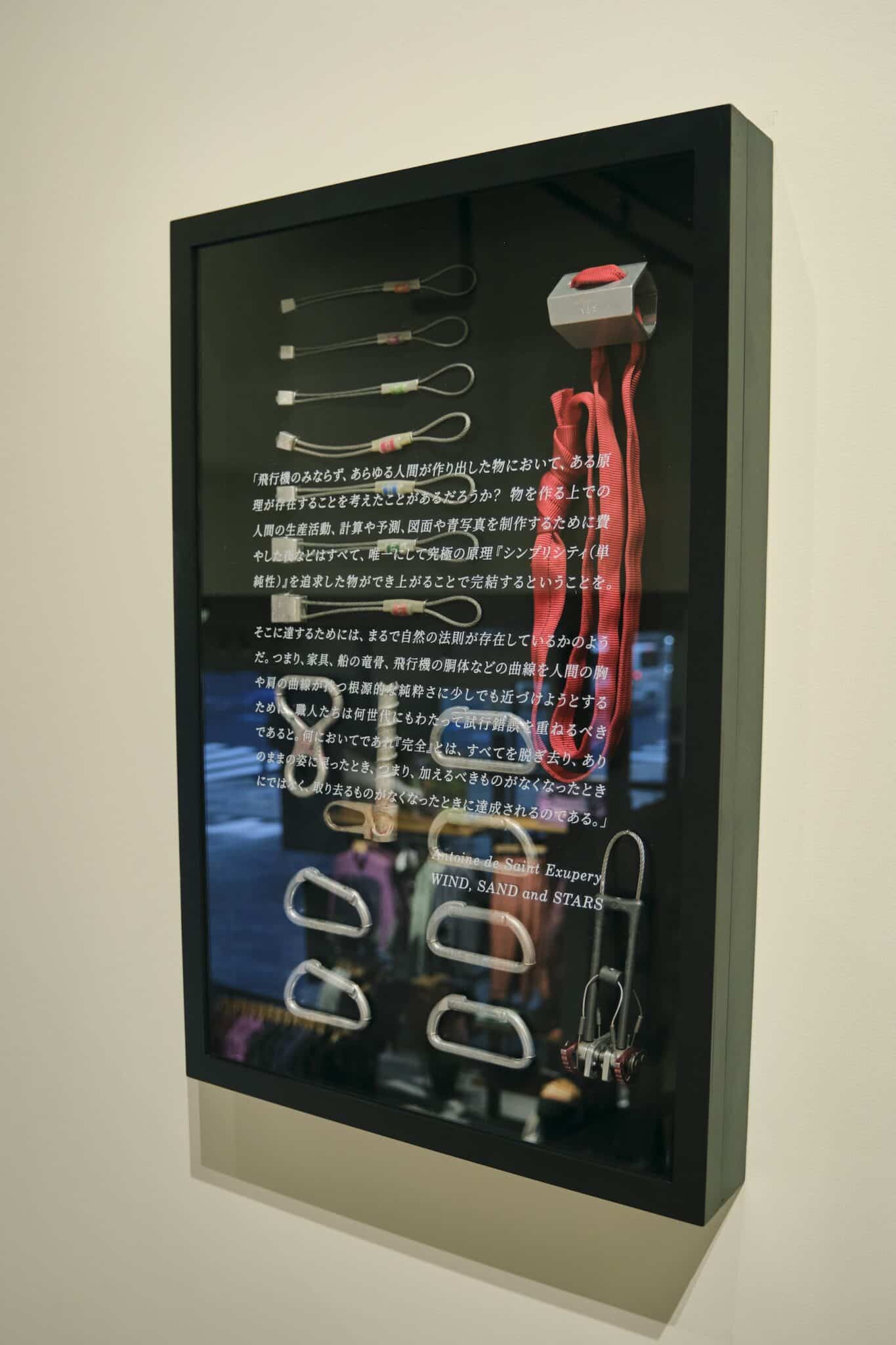
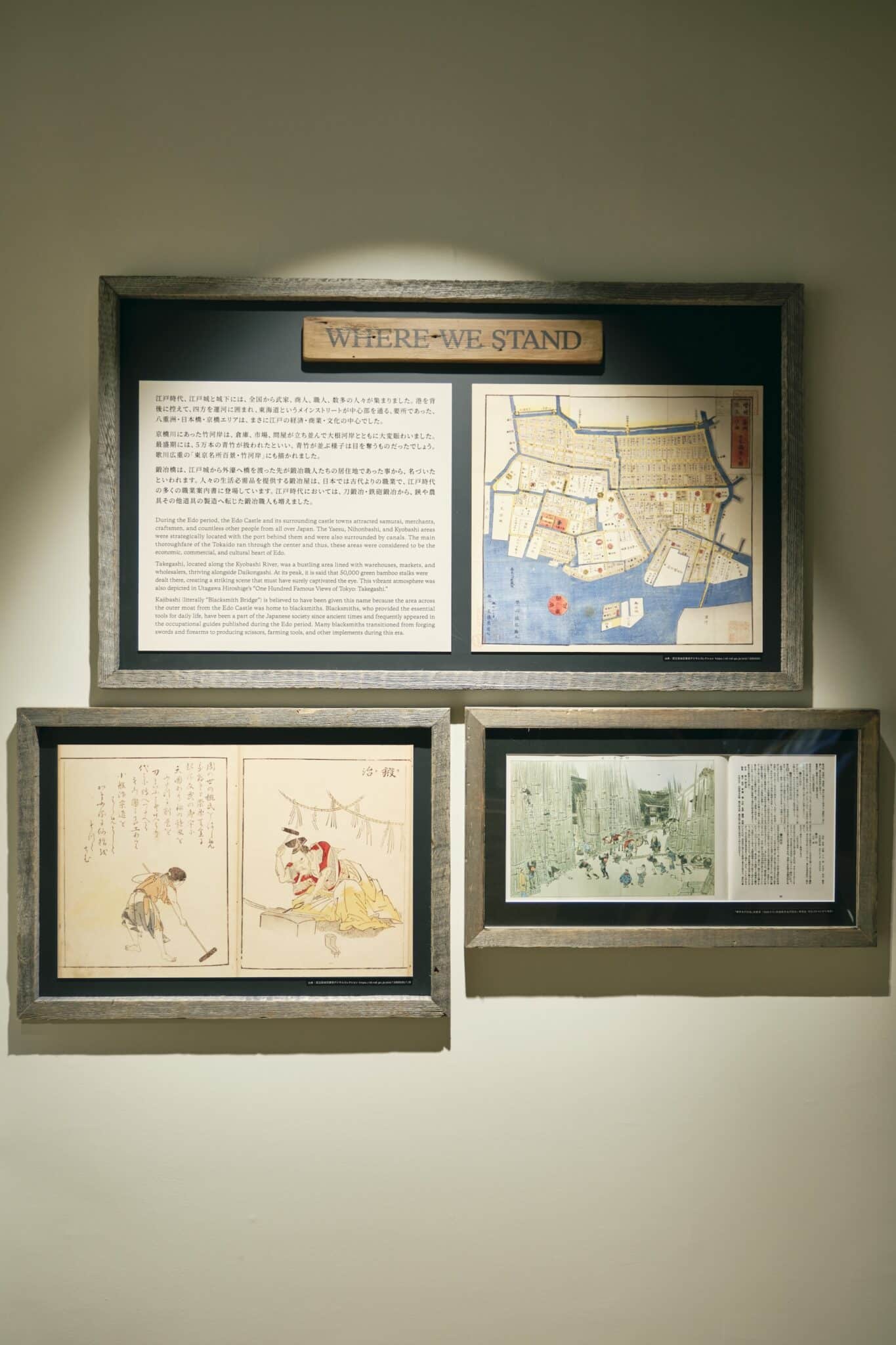
Throughout the store, displays convey the origins of patagonia. The brand’s founder, Yvon Chouinard, began his career as a blacksmith, hand-forging climbing pitons. This background—rooted in metalworking and climbing culture—overlaps with the history of Kyobashi, an area once home to the Kajibashi Bridge, where blacksmiths were part of the urban landscape.
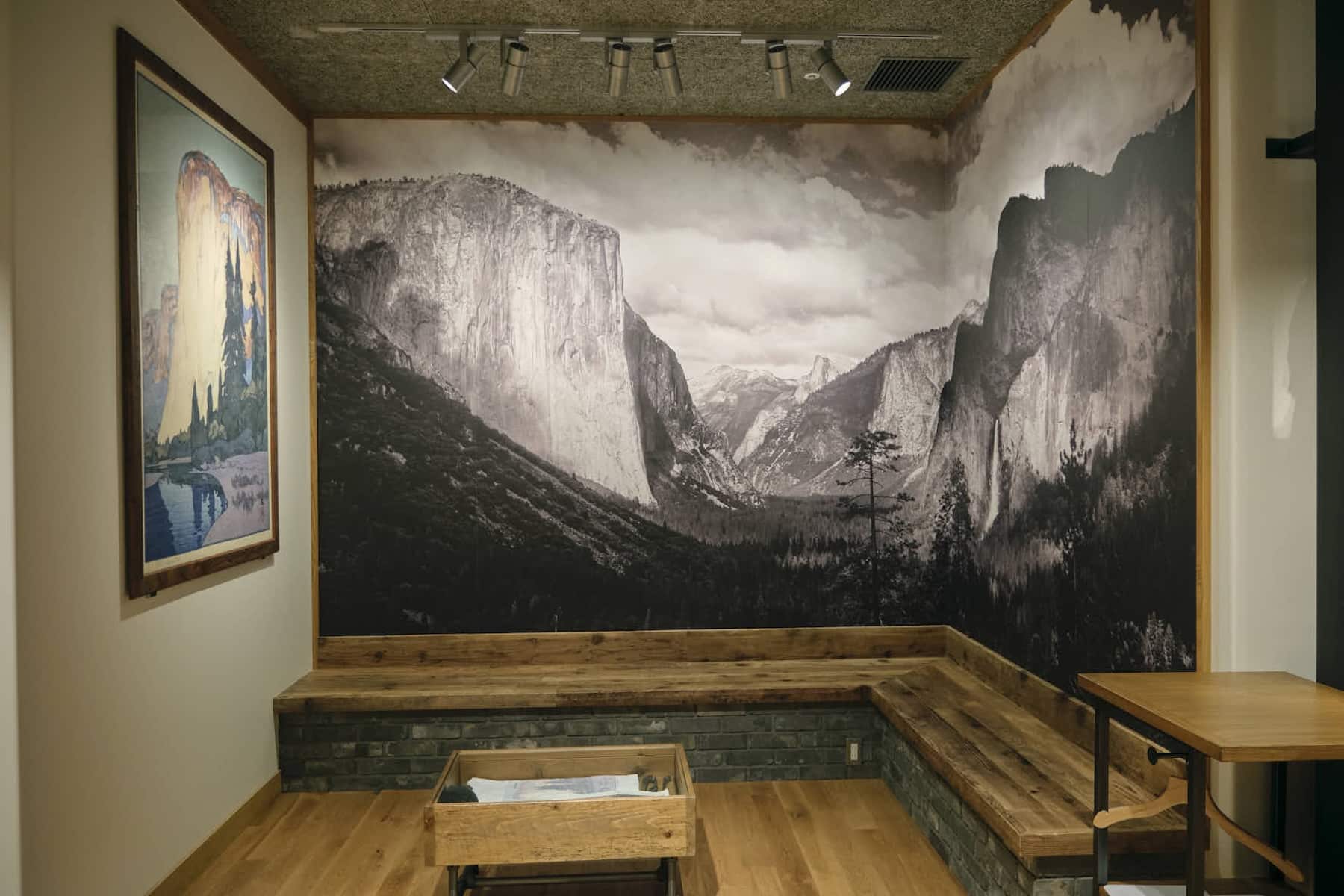
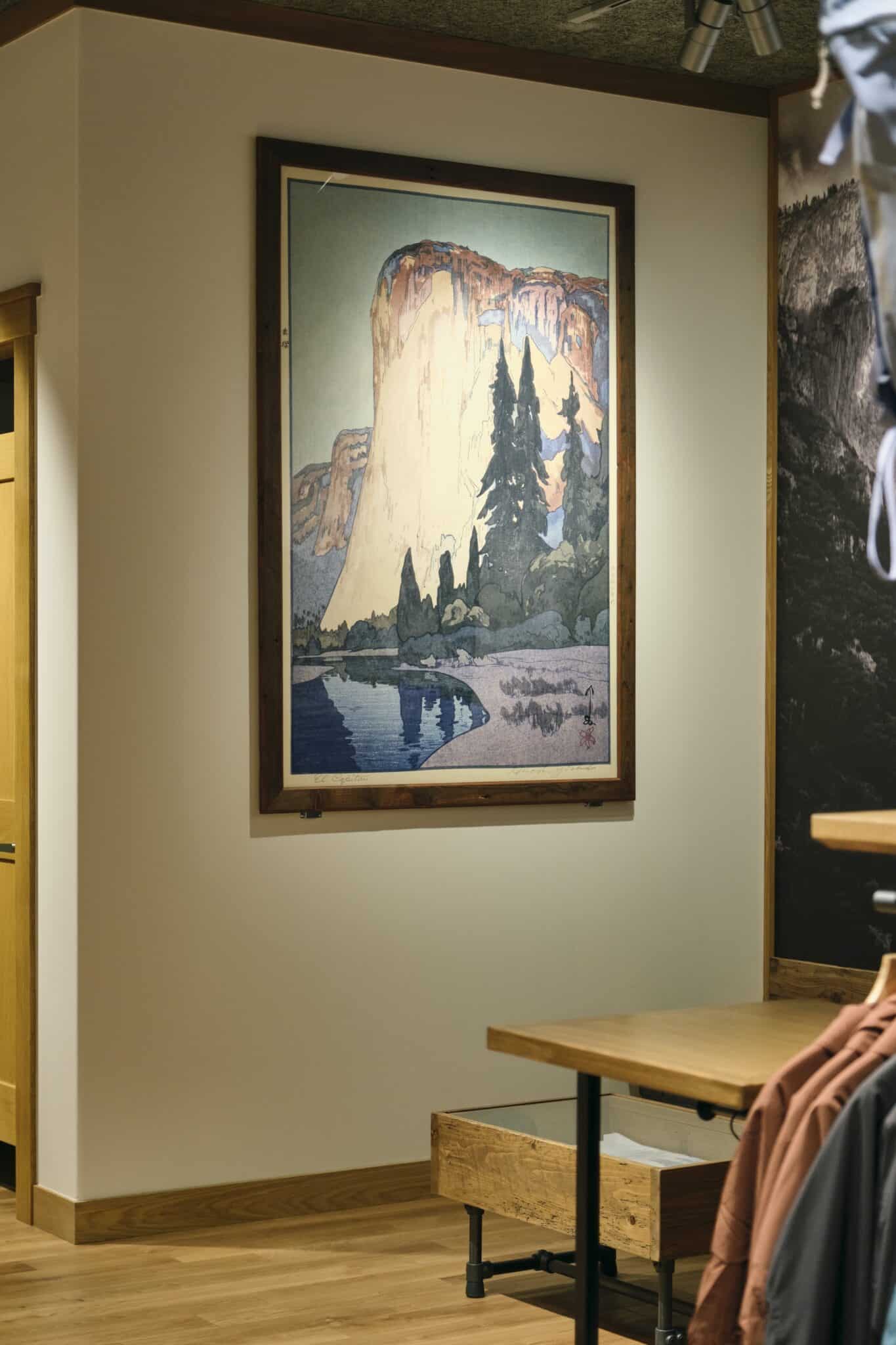
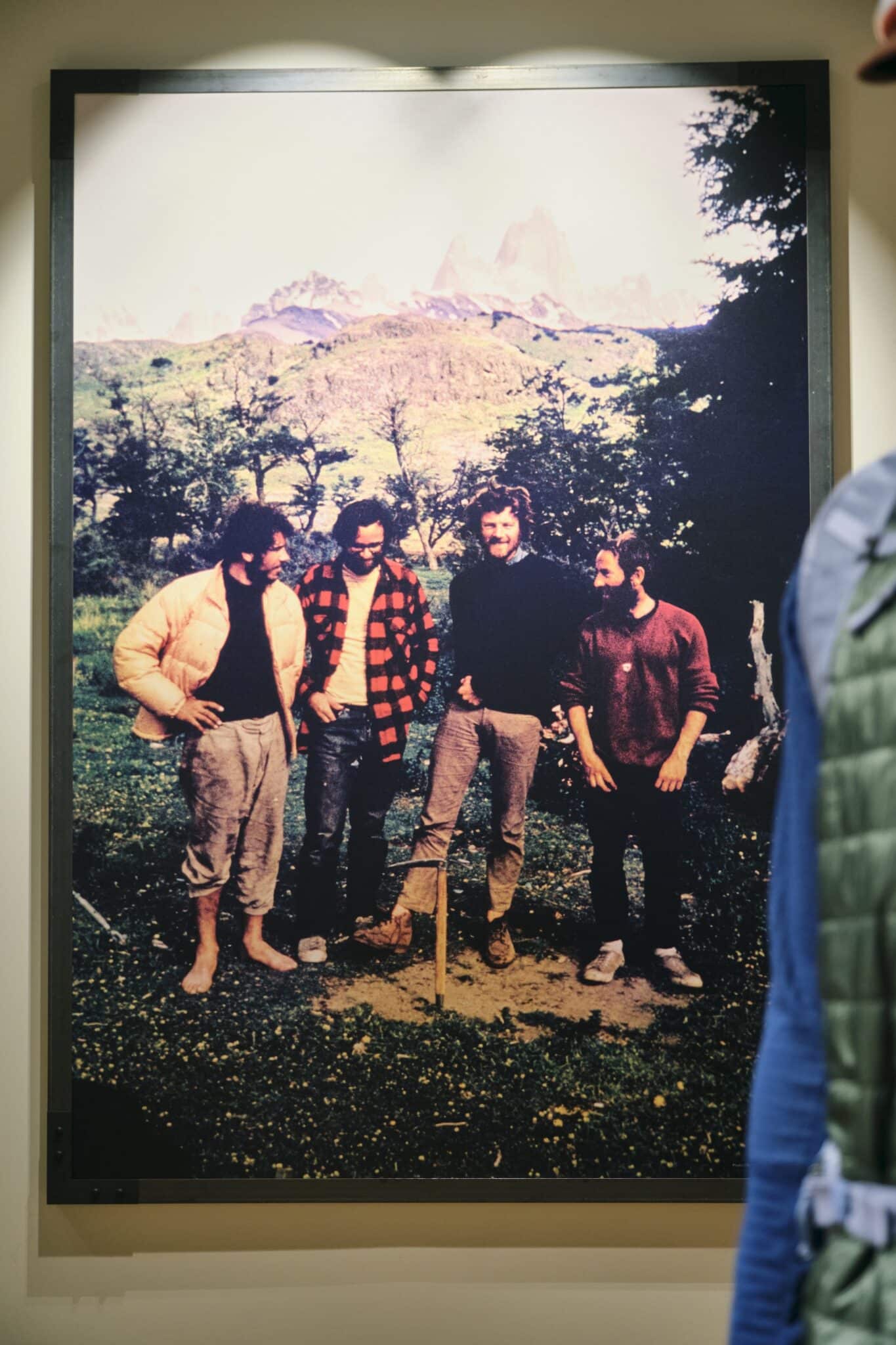
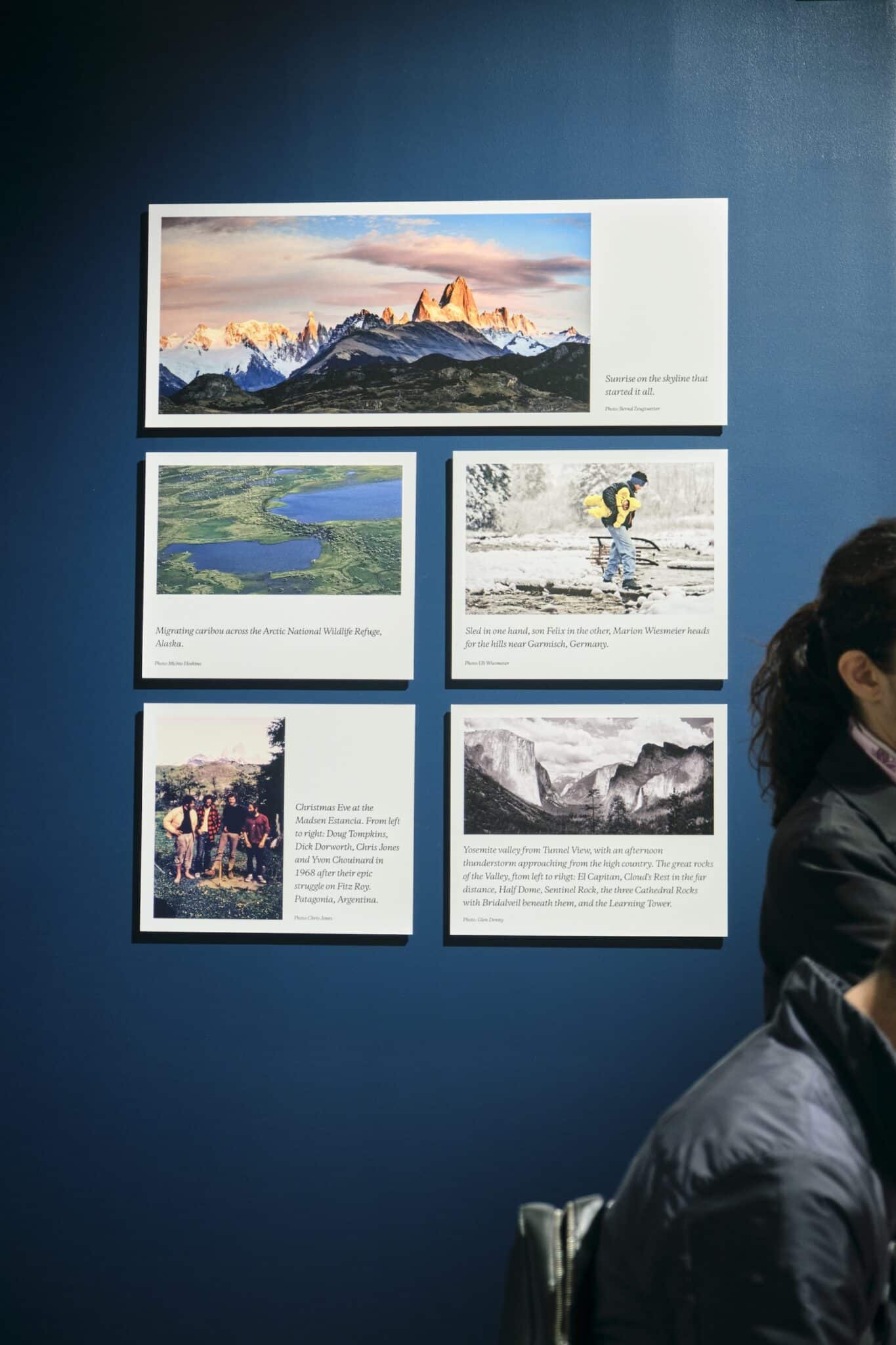
Also on view are photographs documenting the legendary road trip that Yvon Chouinard and others embarked on in 1968; works by Glen Denny, known for his iconic climbing photography; prints by Hiroshi Yoshida depicting El Capitan in Yosemite; and photographs by Michio Hoshino, a master photographer who devoted his career to capturing the relationship between nature and humanity. Together, these works offer a glimpse into the spiritual world that underpins the brand’s products.
An exhibition in the stairwell conveying the overlap between the history of Kyobashi—once home to the Kajibashi Bridge—and patagonia’s origins as a brand founded by a blacksmith.
The “WHERE WE STAND” corner displays old maps of Japan, offering insight into the history of this area.
The mission statement displayed along the stairway wall, painted using traditional Japanese lacquer.
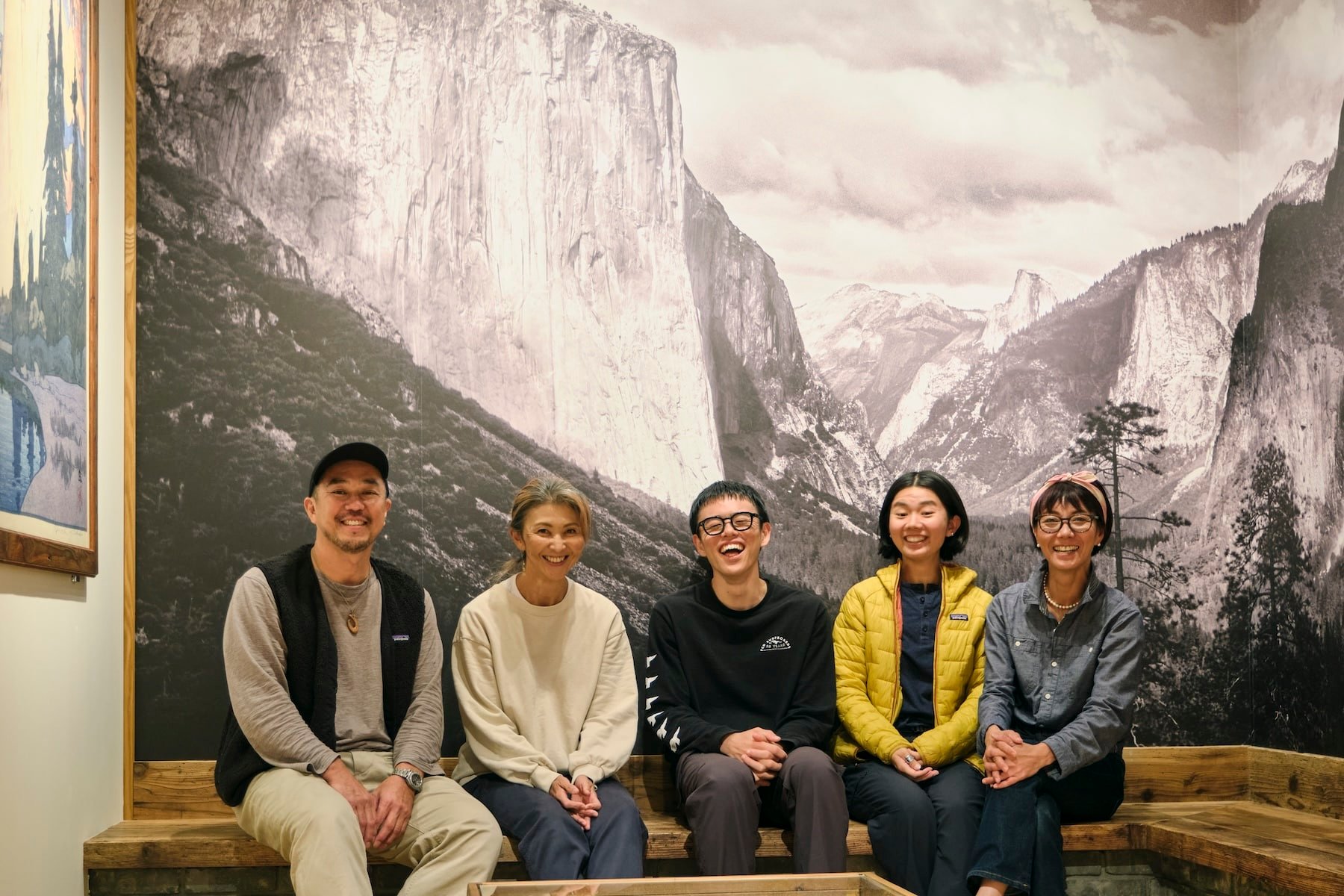
The Yosemite corner on the second floor. Yosemite is considered one of patagonia’s foundational landscapes and original sources of inspiration.
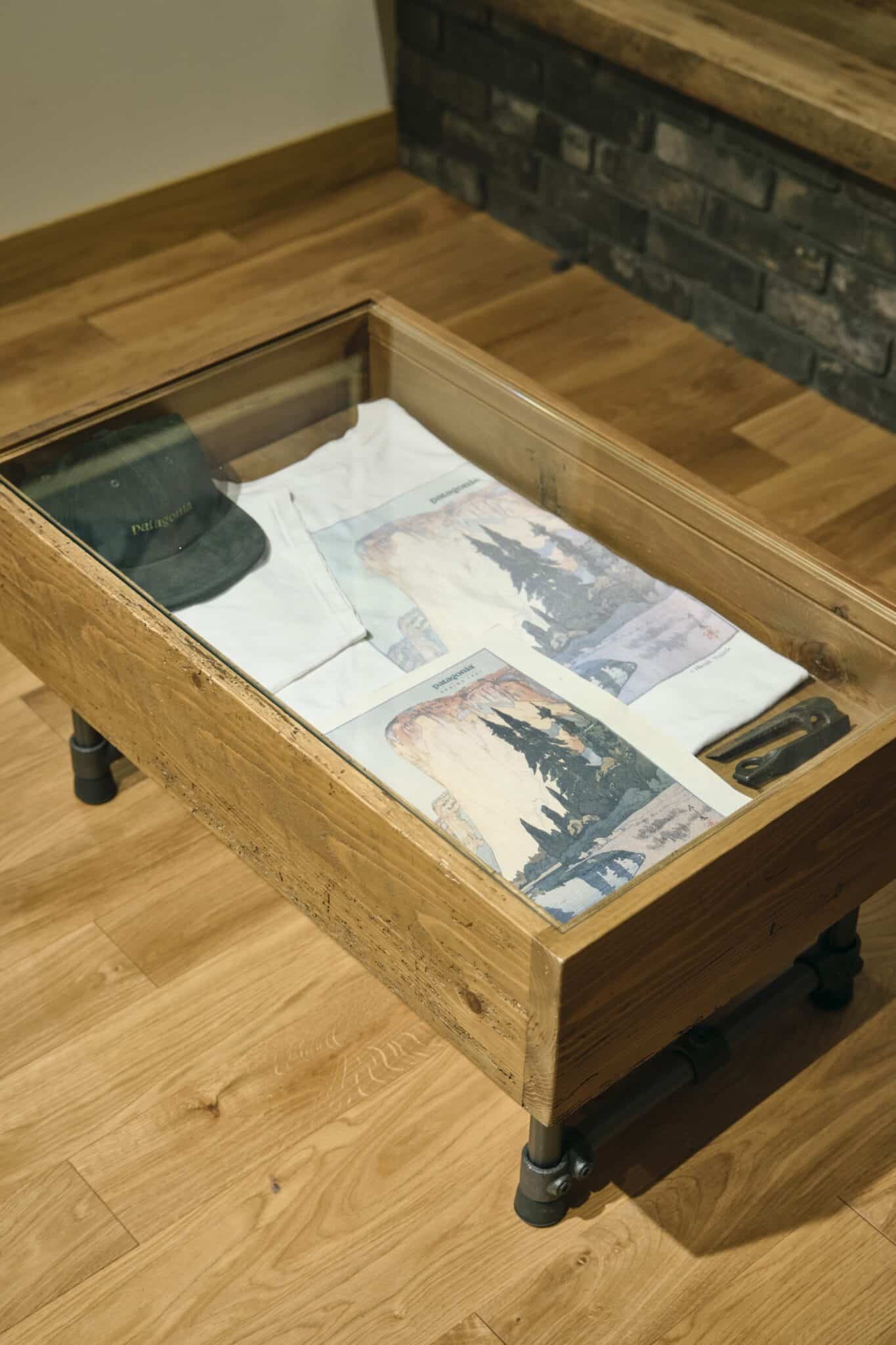
Displayed to the left of the Yosemite corner is a print of El Capitan by Hiroshi Yoshida.
This work was also used on the cover of the patagonia catalog in 1991.
“Mountain of Storms,” a film documenting the road trip undertaken by founder Yvon Chouinard and others. Produced in 1974, this documentary captures a legendary climbing expedition to Alaska’s Saint Elias Mountains.
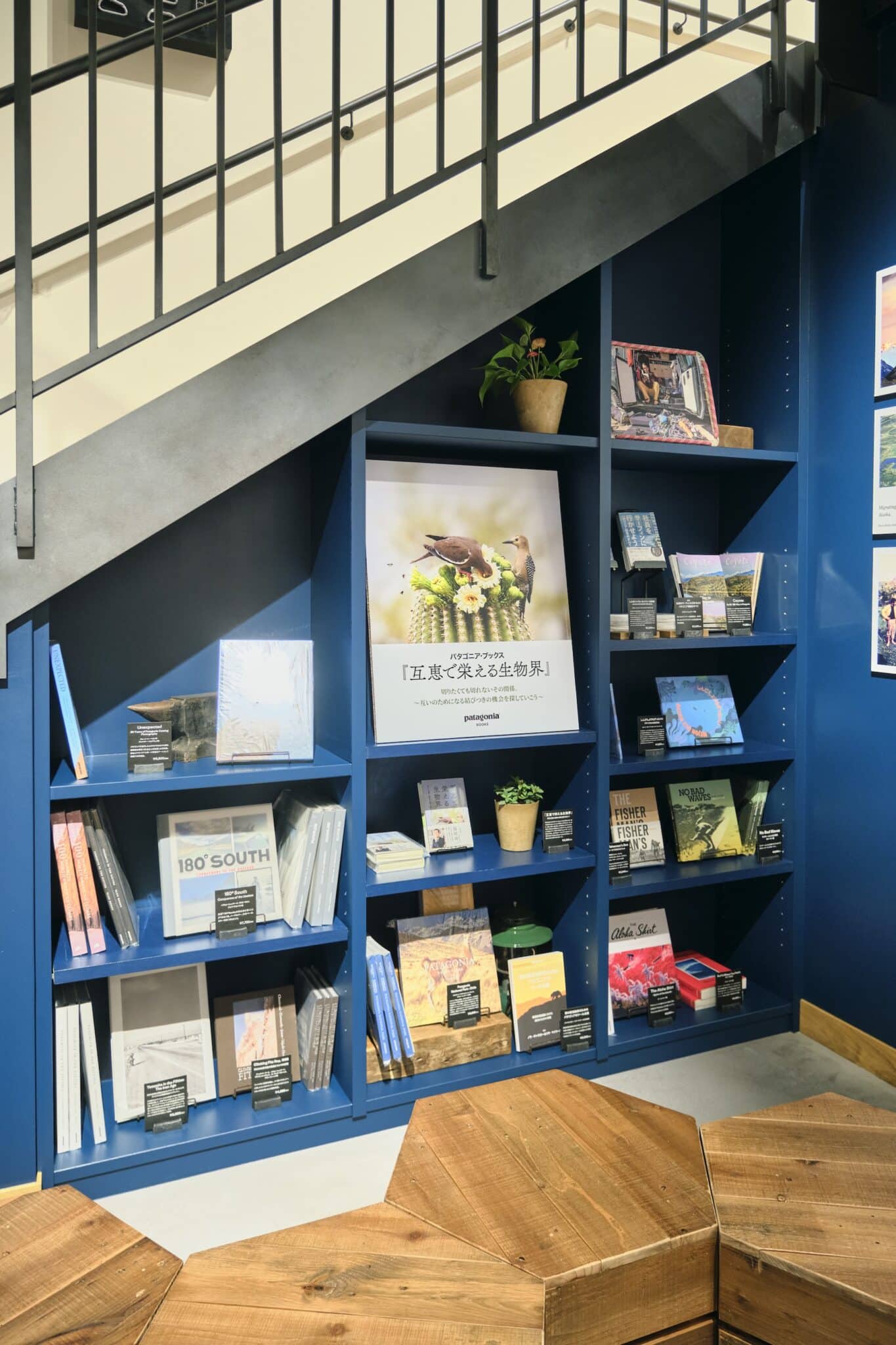
The library corner beneath the staircase houses a collection of books published by patagonia over the years.
Each photograph on display is accompanied by explanatory text, offering clues to its background and context.
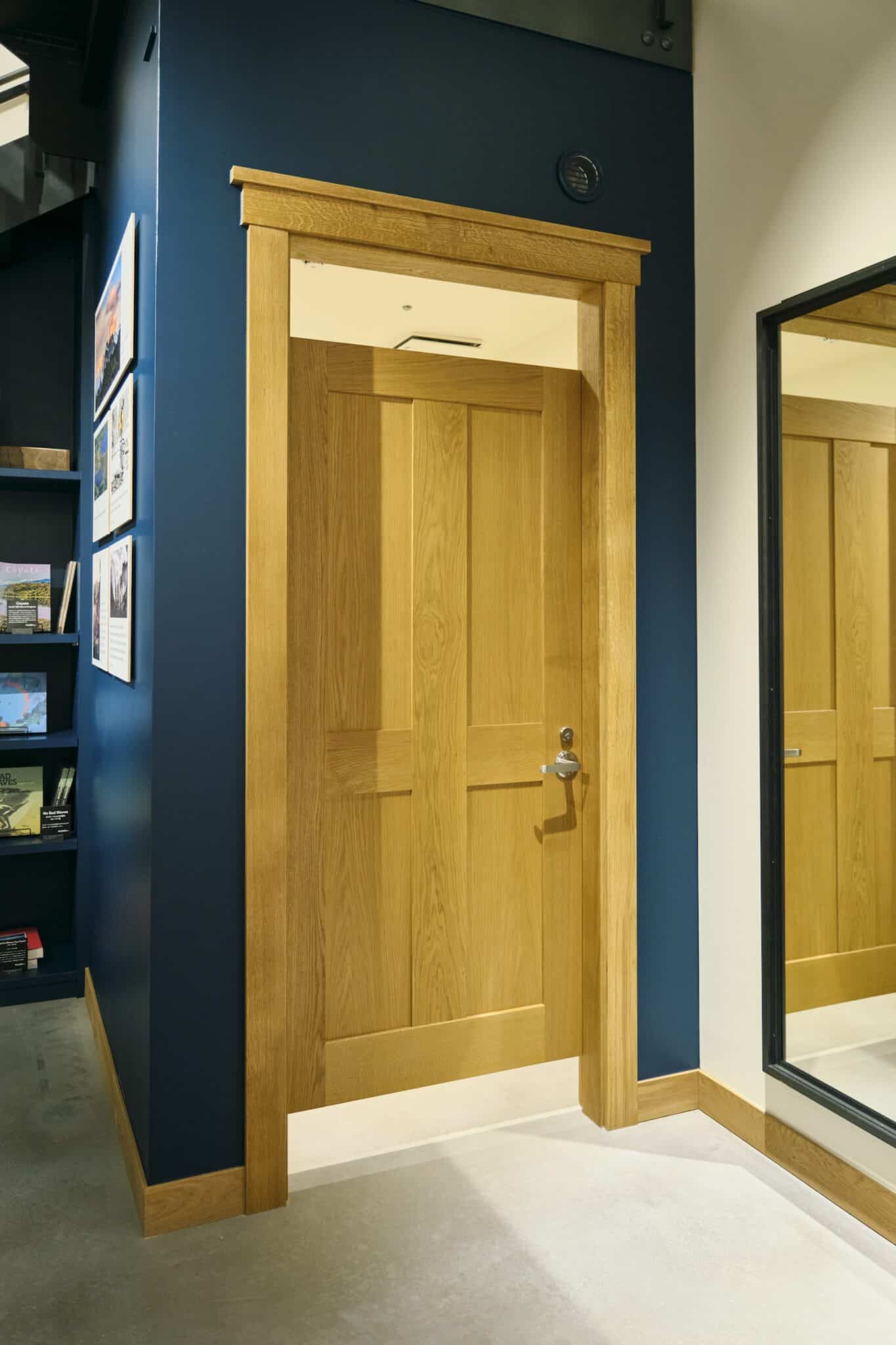
The fitting room next to the library is designed to the same dimensions as those found in patagonia's headquarters office and stores in Ventura, California.
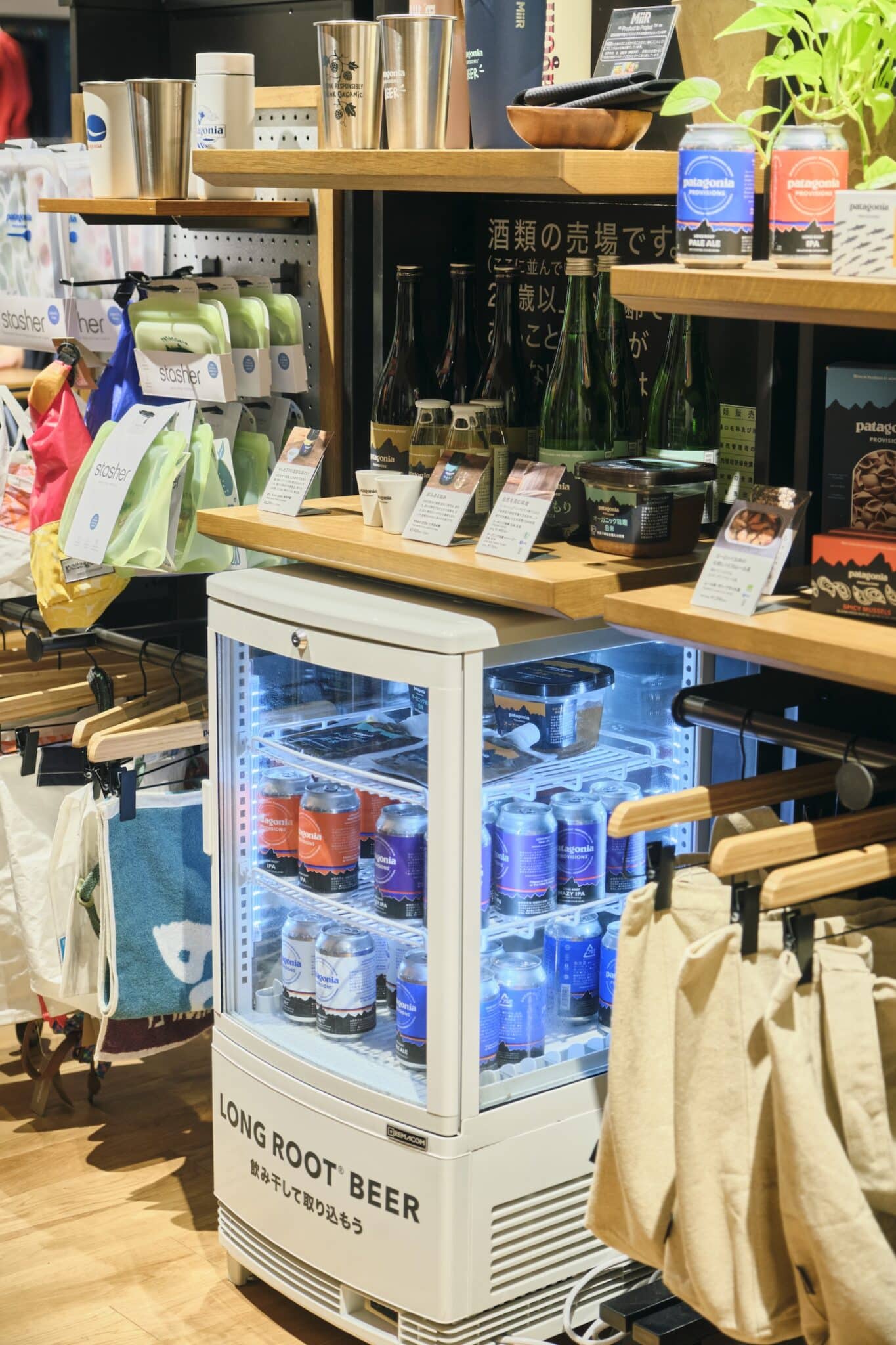
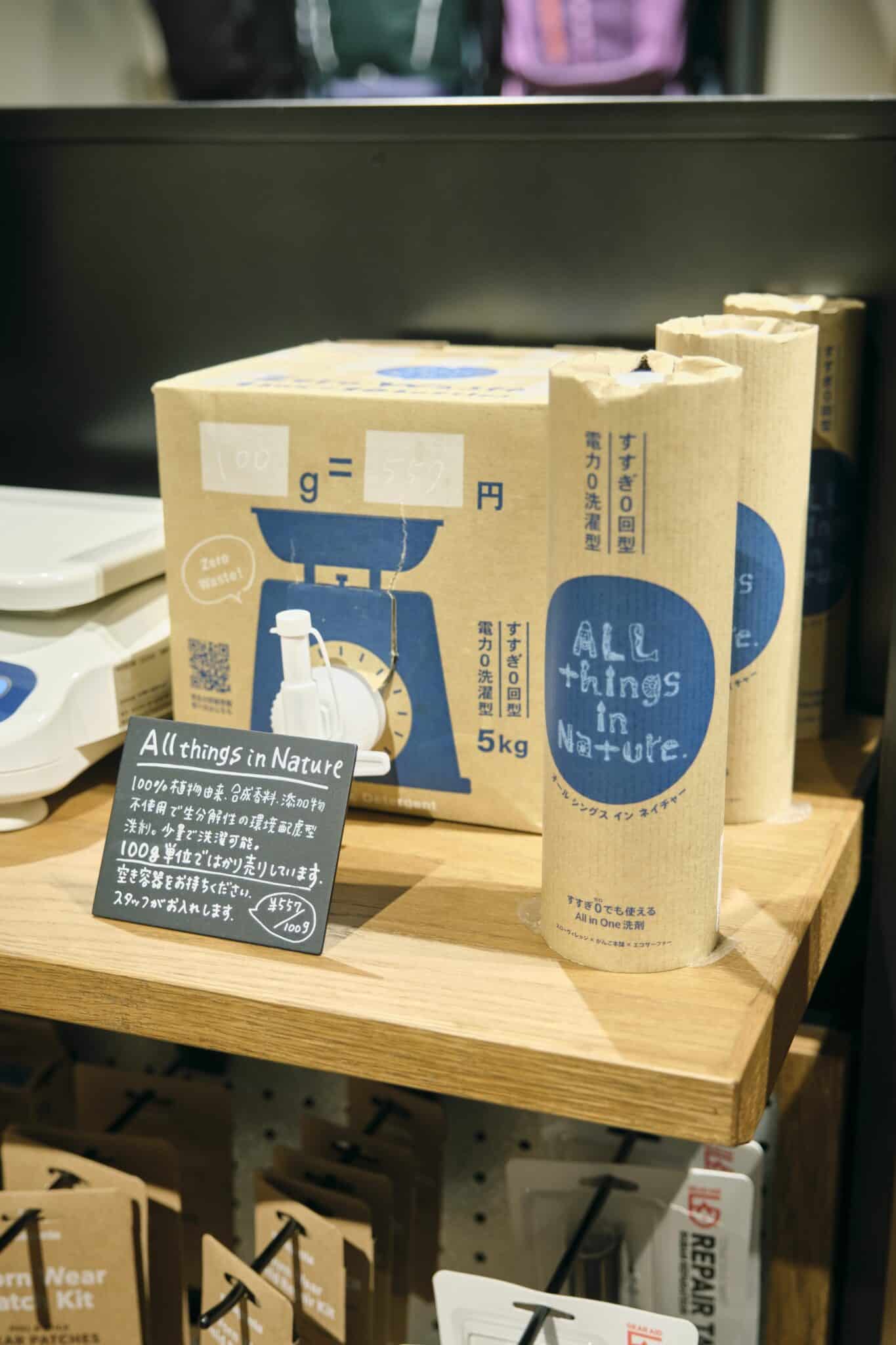
At “patagonia Tokyo Kyobashi,” the offering extends beyond outdoor apparel and gear to include items such as miso, sake, and detergents sold by weight. This is not a display intended to emphasize environmental awareness, but rather a proposal to reconsider everyday patterns of consumption. By selecting only what is needed and using it all, visitors can experience these choices within the context of everyday urban life.
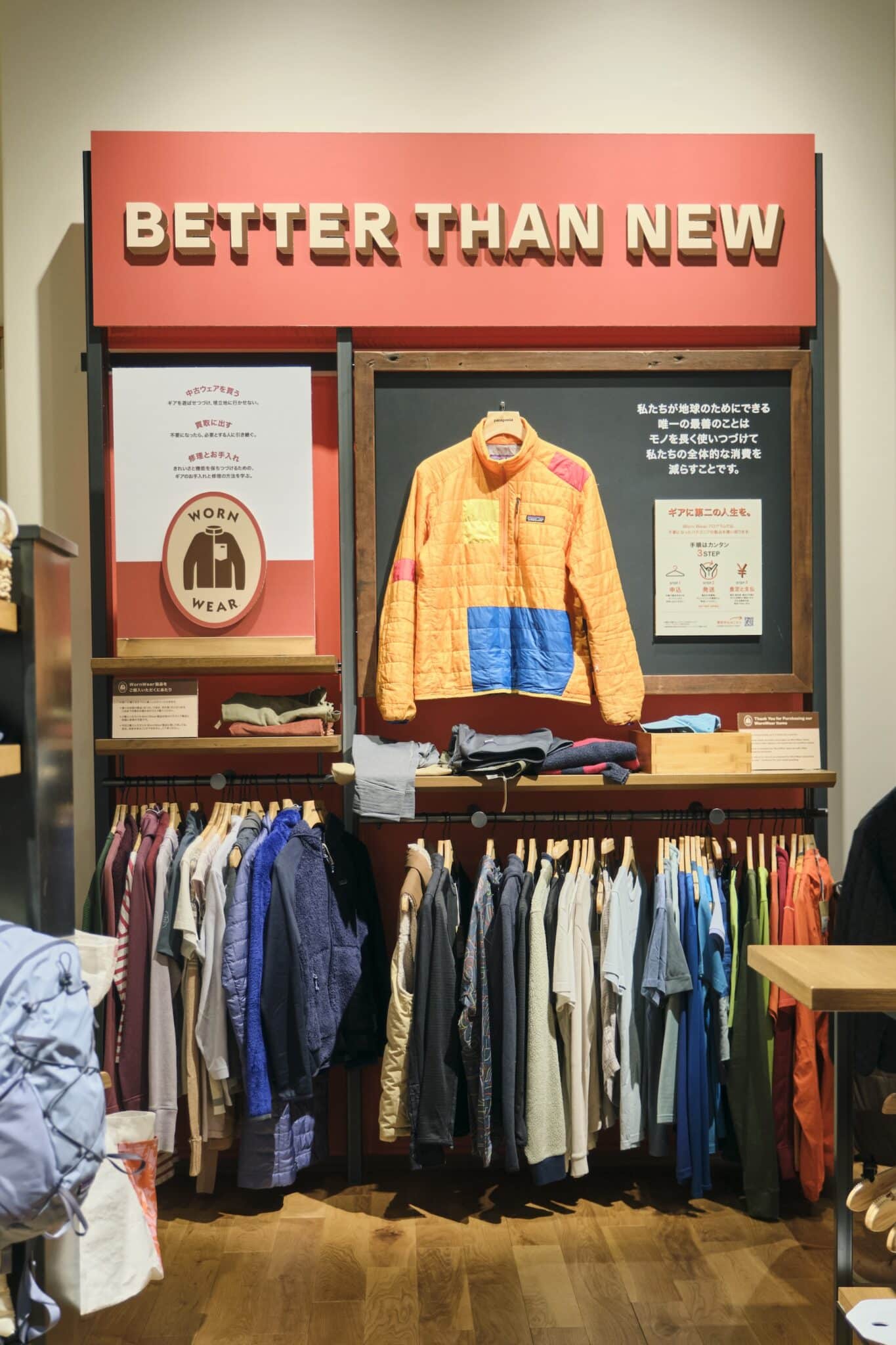
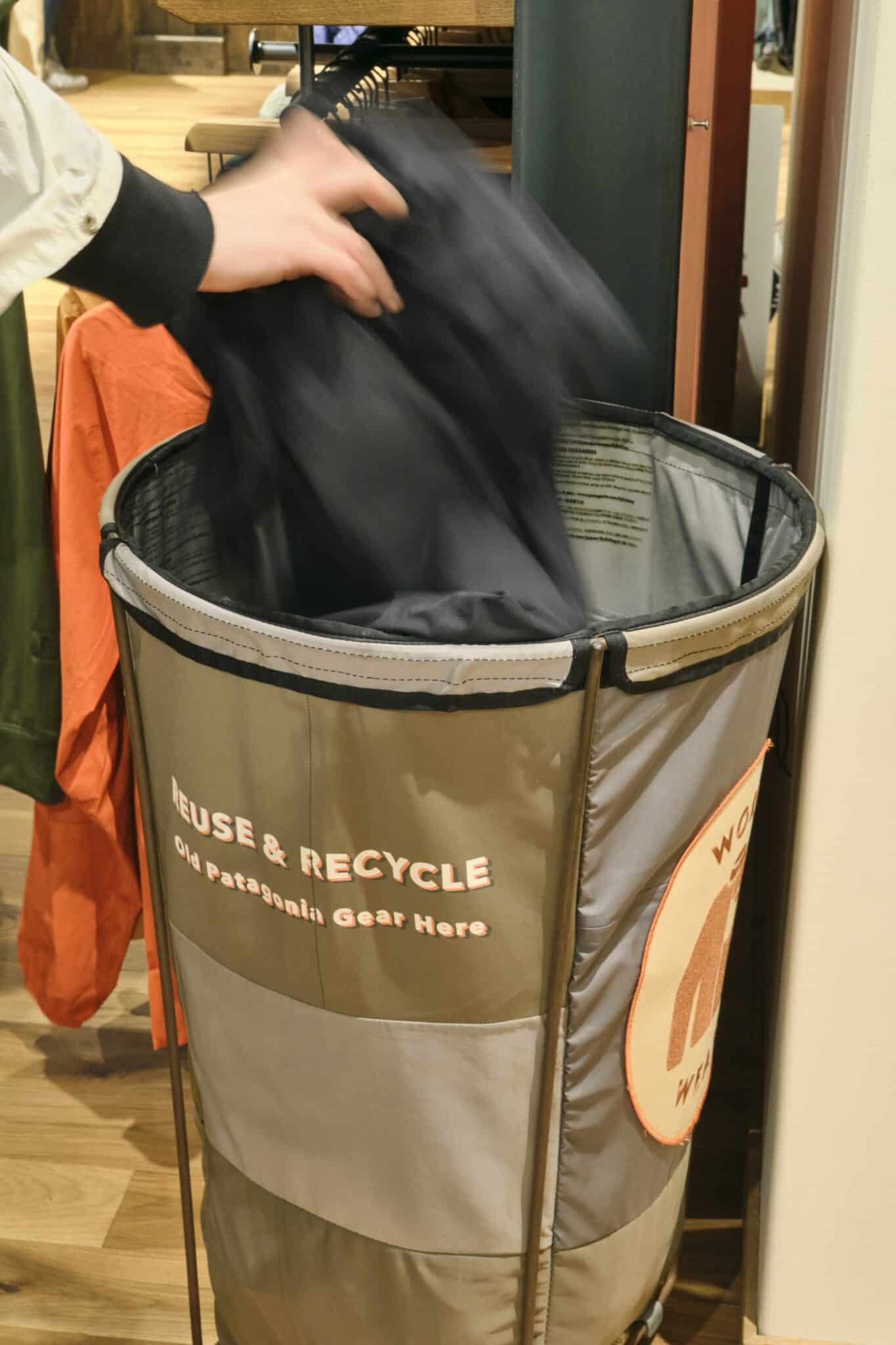
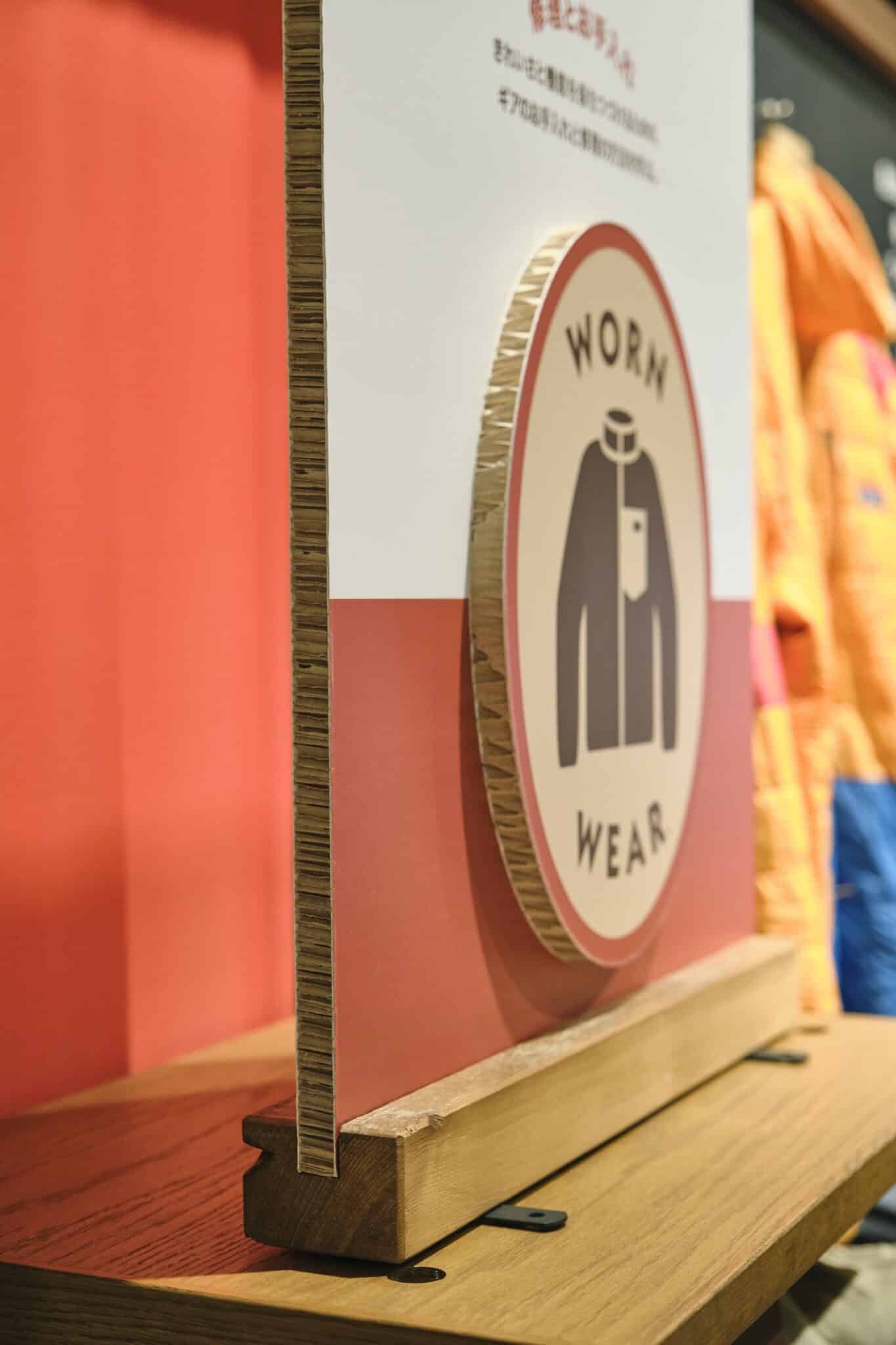
The store also features a permanent “Worn Wear” corner, the first of its kind in the Kanto region. Unwanted Patagonia products are collected, repaired, and resold, presenting a system designed to extend the life of each product. Rather than replacing items once they break, the space makes visible an alternative choice: repairing and continuing to use what one already owns, right in the heart of the city.
In addition to high-quality apparel and gear, the store offers a wide range of lifestyle items, including food products from patagonia Provisions.
A detergent refill station. Choosing only the amount needed allows visitors to experience this practice as an extension of everyday life.
The permanent “Worn Wear” corner located on the first floor.
By collecting, repairing, and reselling unwanted patagonia products, the store presents a system that extends product lifespans within an urban setting.
Fixtures made from recycled cardboard. Environmental considerations are reflected not only in the products, but in the sales floor itself.
What “patagonia Tokyo Kyobashi” emphasizes most is that the in-store experience leads to action. The staff on the sales floor have firsthand field experience in activities such as hiking, climbing, and trail running. Rather than following a scripted approach to customer service, they act as storytellers, sharing the background and philosophy of each product through conversations grounded in their own experiences. The store also continues to serve as a hub for the trail running community carried over from the former Marunouchi store, with activities such as monthly group runs held on a regular basis. By treating the urban environment around Kyobashi as a field in itself, these initiatives continue to explore and redefine the relationship between outdoor activities and everyday life.
Staff members with field experience serve as storytellers, conveying the background and use of products through conversation. Community activities based at the Kyobashi store, including monthly trail running events, continue to be held.
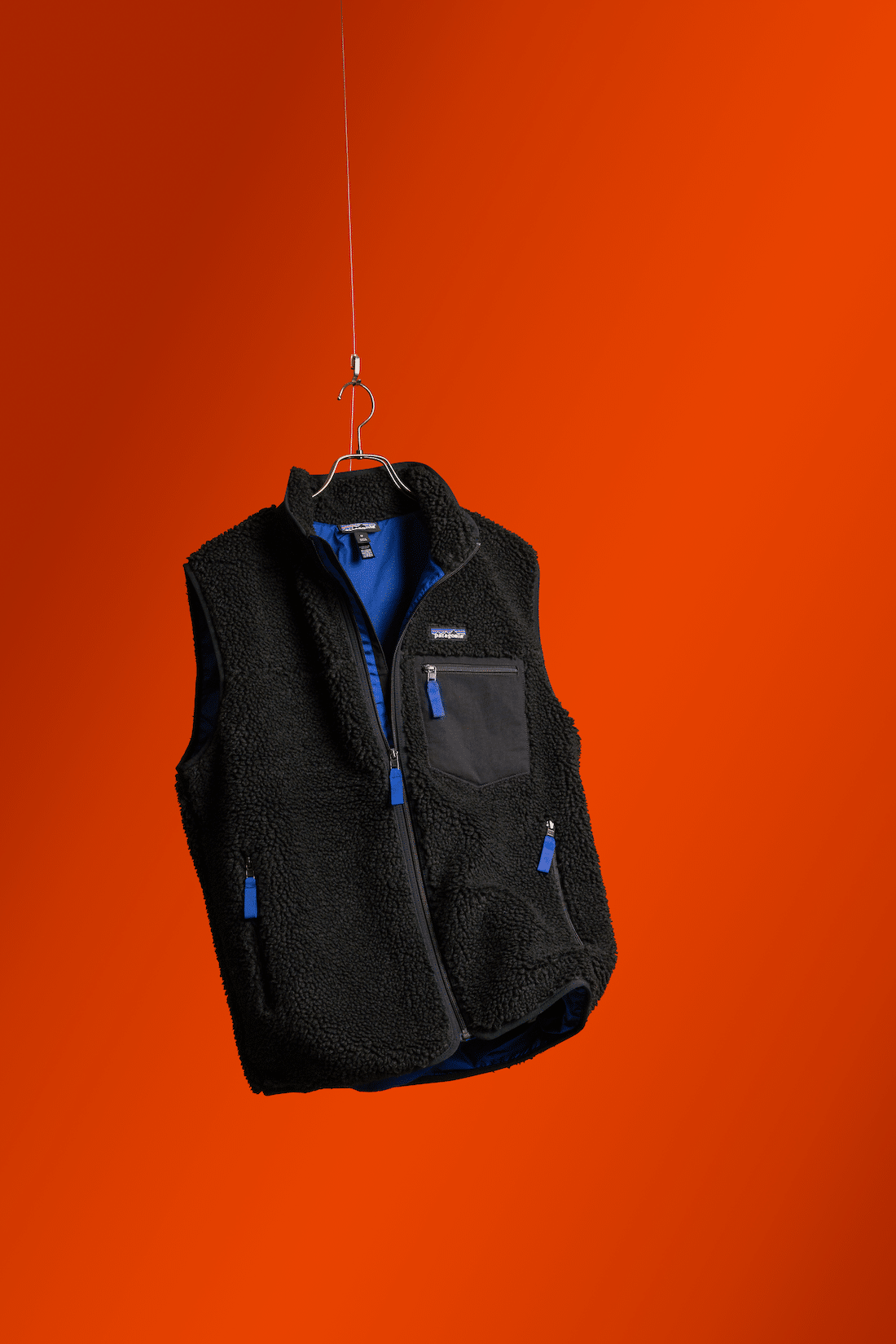
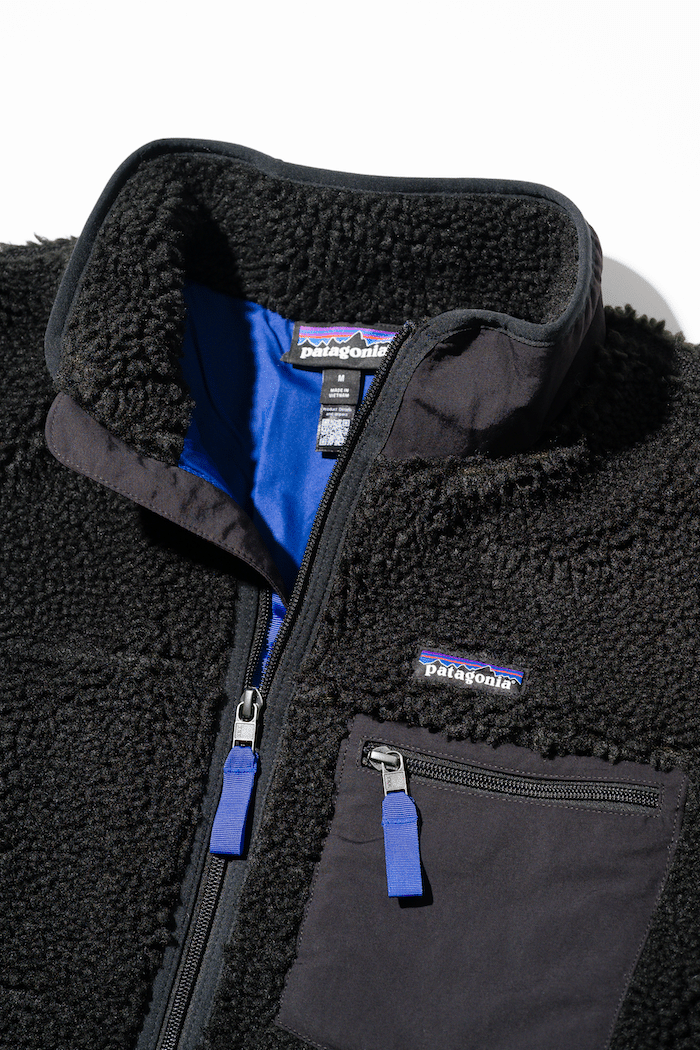
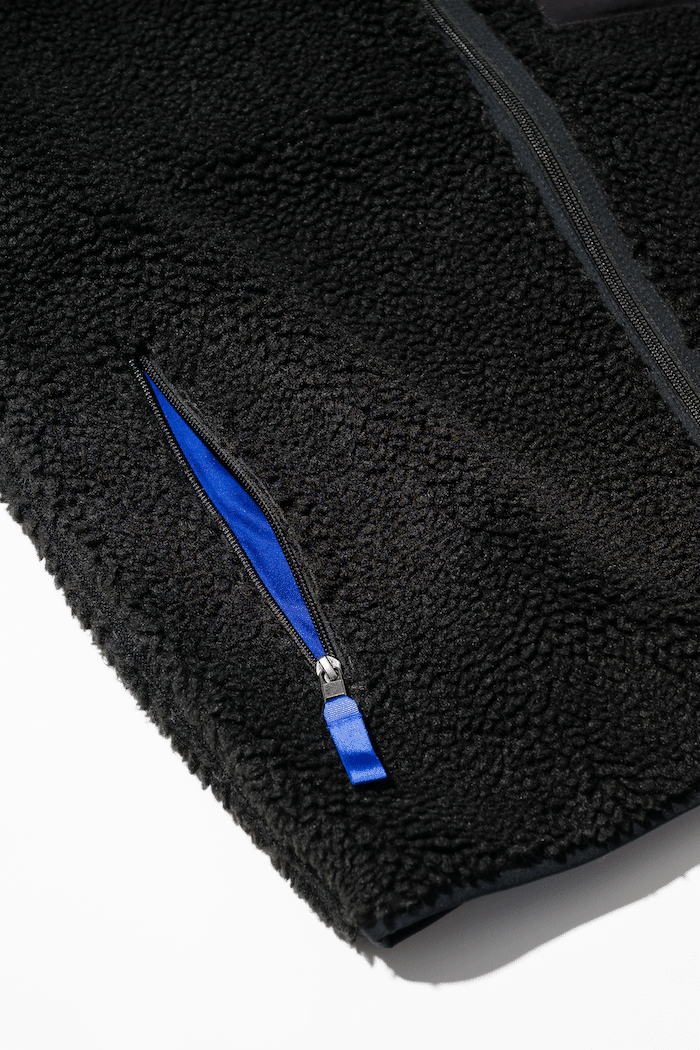
“Retro-X Vest” is one of patagonia’s signature fleece vests, combining thick pile fleece with a windproof barrier layer. By laminating a polyester windproof membrane to the reverse side of the fleece, it blocks cold wind while efficiently retaining body heat. M’s Classic Retro-X Vest ¥27,500
A two-layer construction featuring long-pile fleece and an internally laminated windproof membrane. The design balances the soft feel of fleece against the skin with effective wind resistance and thermal insulation.
Zippered pockets are placed at the chest and on both sides. The design features zipper pulls that are easy to operate even while wearing gloves, along with lined pockets that help reduce the transfer of cold.
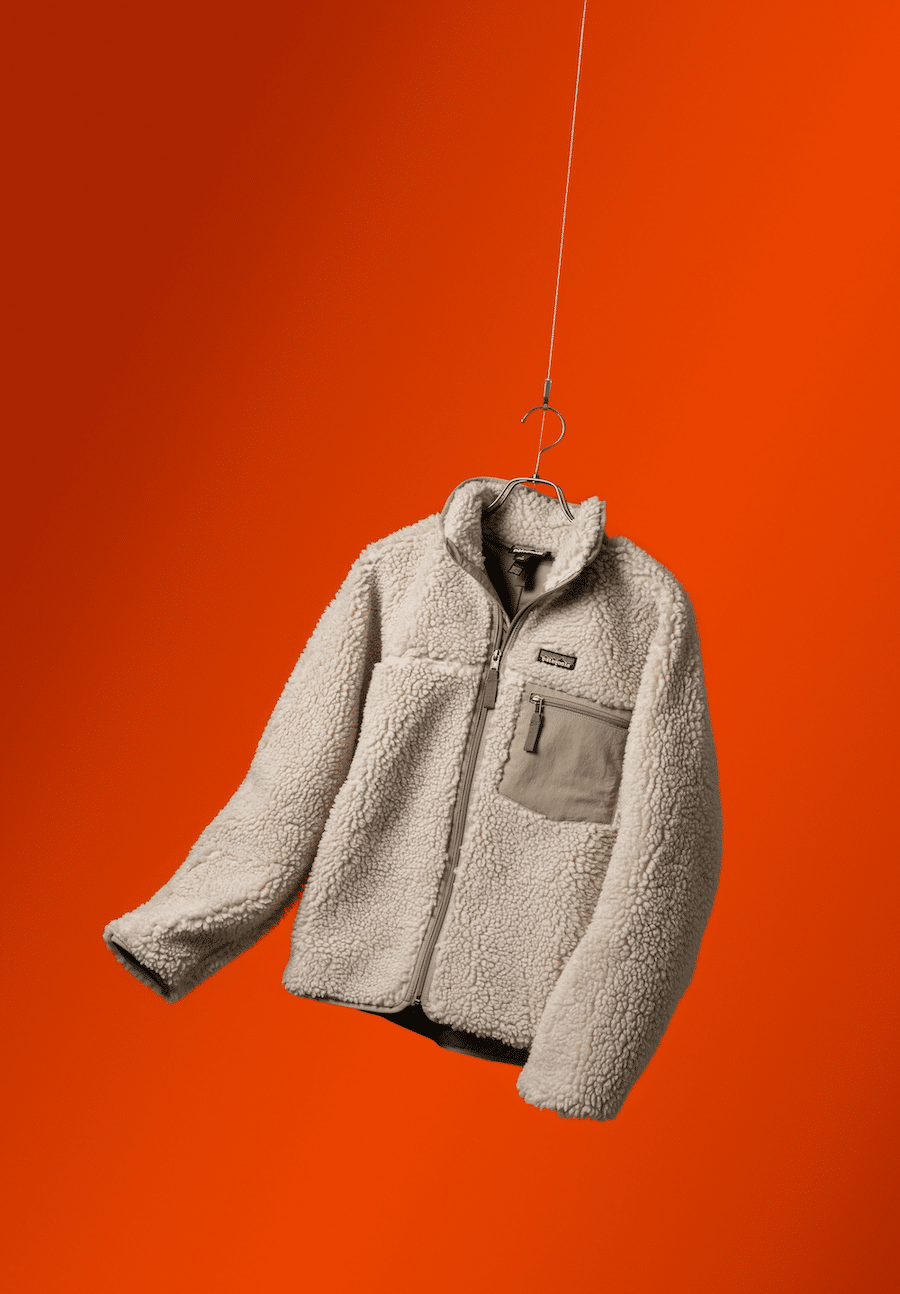
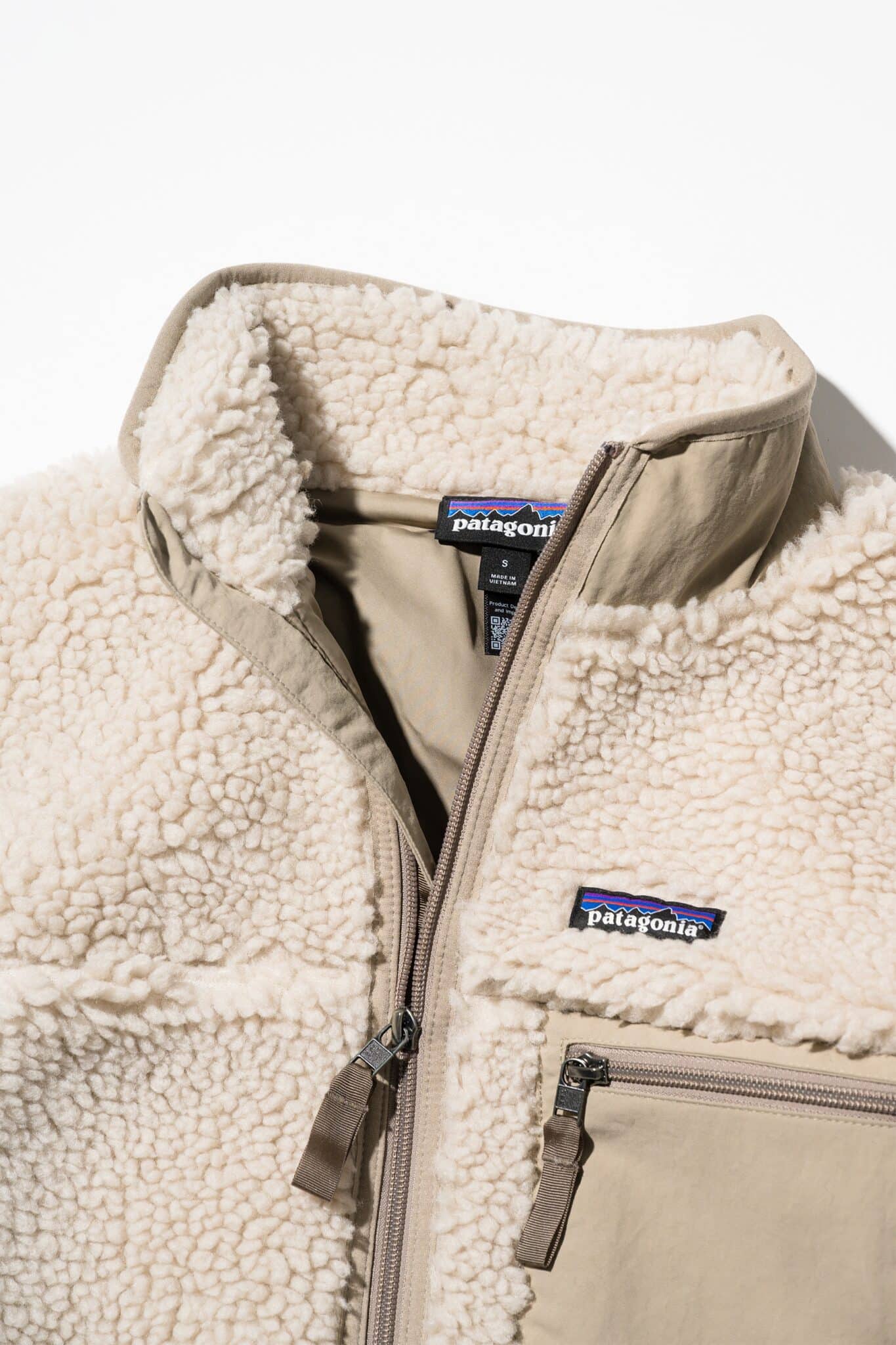
“Retro-X Jacket” is one of patagonia’s most iconic windproof fleece jackets. Its full-zip construction allows for easy temperature regulation depending on weather conditions and activity level. W’s Classic Retro-X Jacket ¥37,400
A two-layer structure combining classic-look pile fleece with an internal windproof membrane. Designed to function both as an outer layer and as a midlayer.
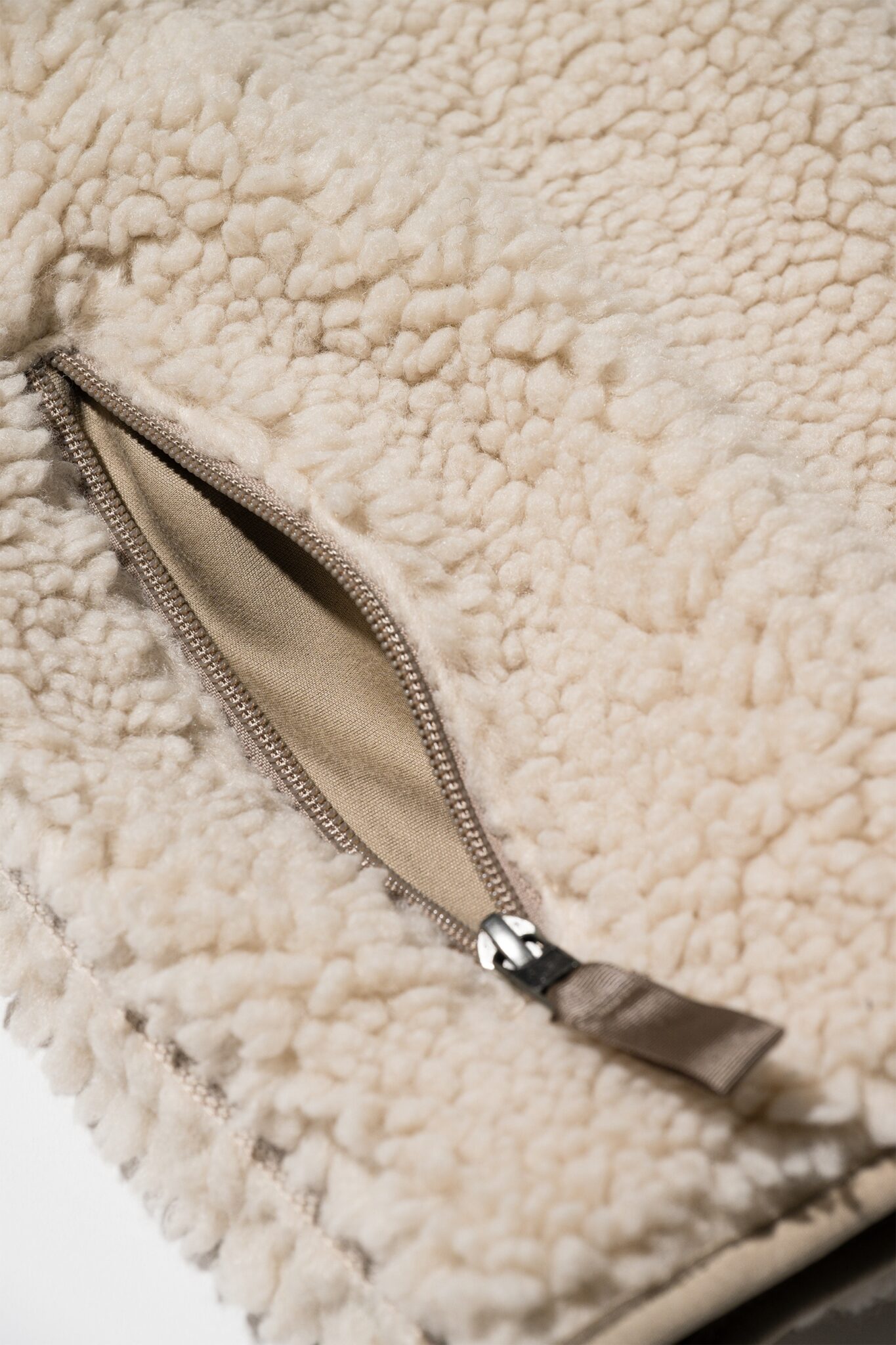
The chest pocket and handwarmer pockets are zippered to help prevent items from falling out. A mesh lining on the inside enhances breathability.
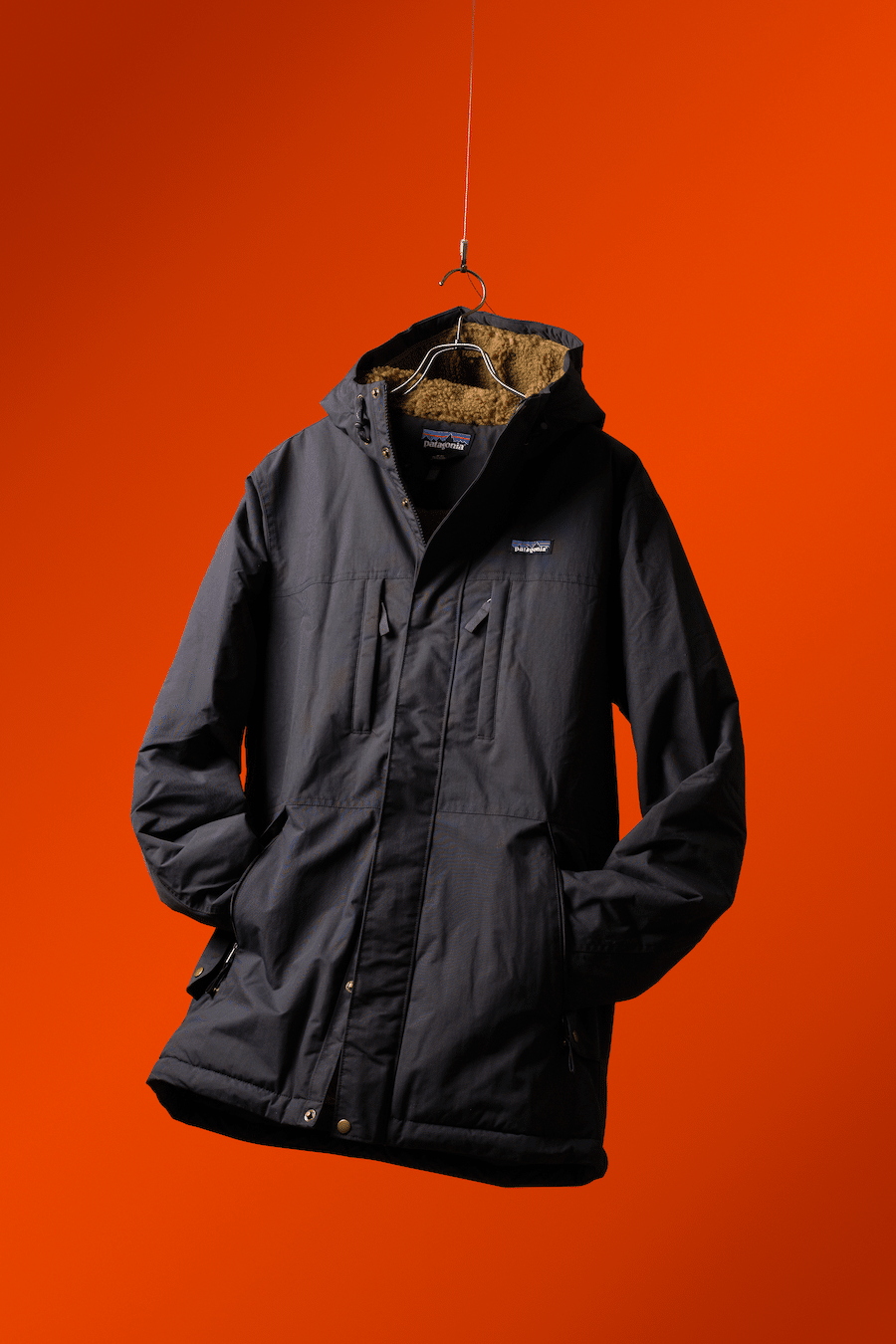
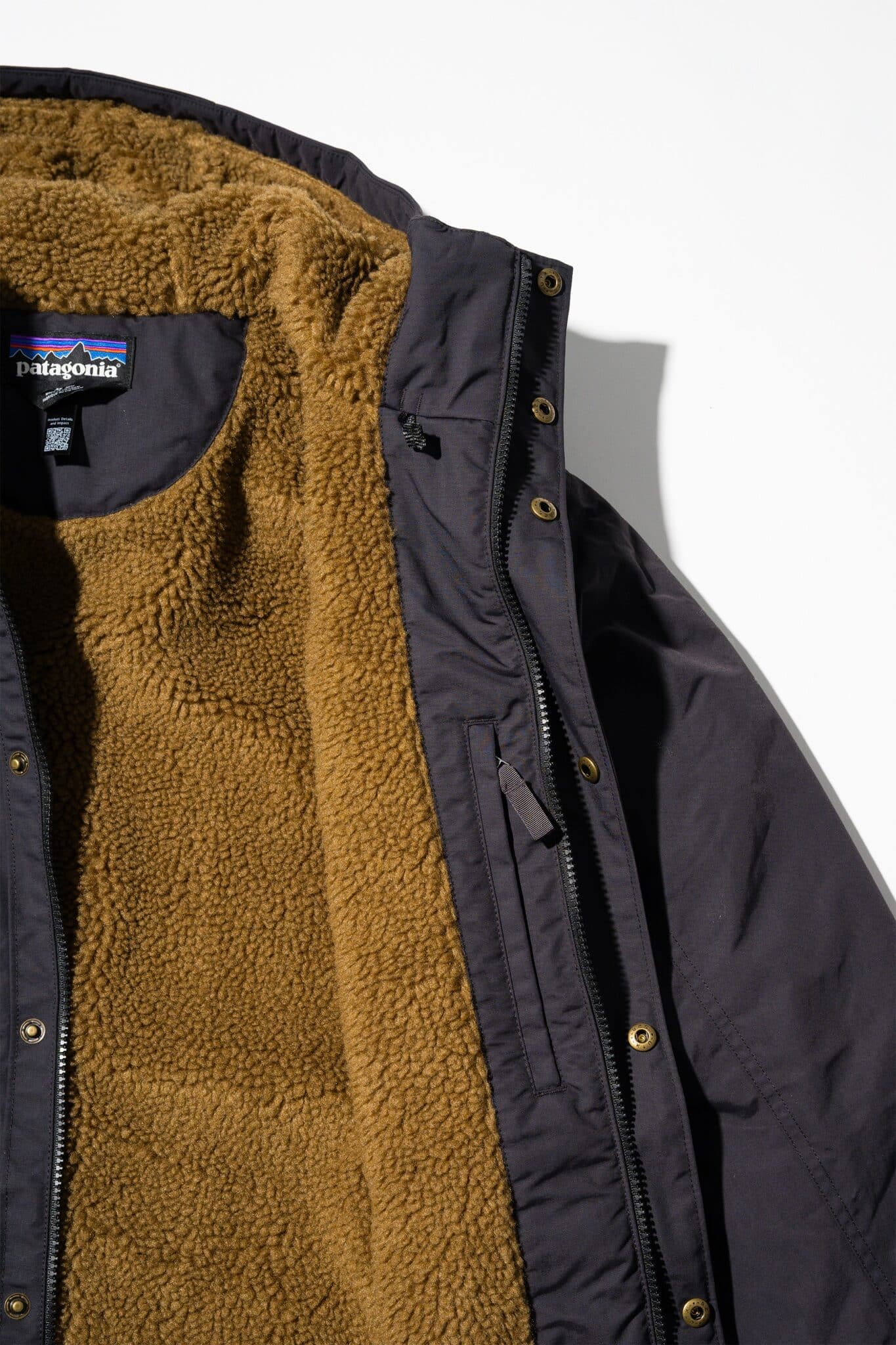
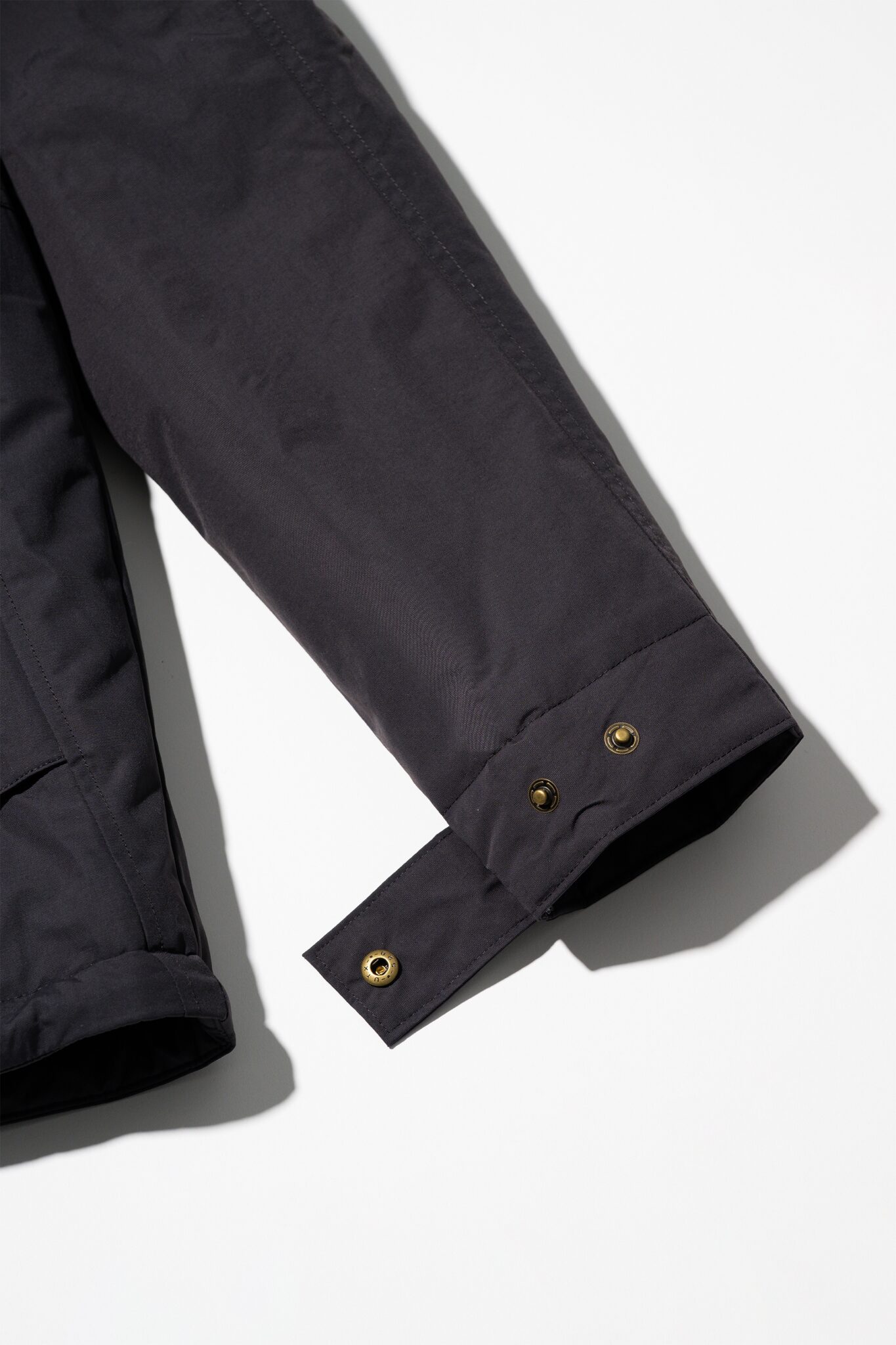
“Isthmus Parka” is a hooded parka made from recycled nylon. Rather than being designed as a waterproof shell, it functions as an outer layer that prioritizes wind resistance and durability for both outdoor use and everyday wear. A fleece lining on the inside blocks cold wind while providing moderate warmth. M’s Isthmus Parka ¥41,800
The interior features a brushed fleece lining. Combined with the nylon outer fabric, it helps retain warmth while protecting against wind.
Snap-button cuffs allow the fit to be adjusted. The design minimizes wind intrusion while accommodating layering.
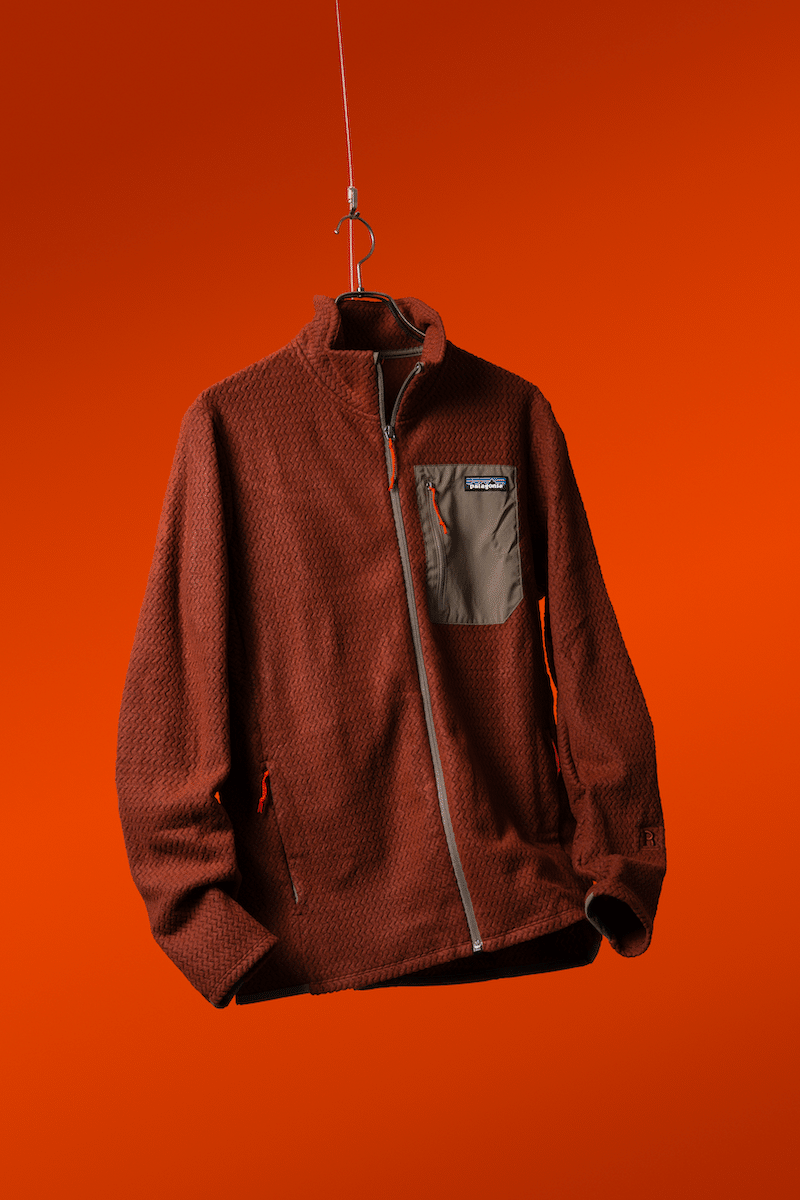
“R1 Air Jacket” is a technical fleece jacket designed to retain body heat while reducing moisture buildup during active use. It uses patagonia’s proprietary R1 Air fleece—a zigzag knit structure made with hollow-core yarns—achieving an excellent balance of lightweight construction, breathability, and quick-drying performance. Ideal for high-output activities such as hiking and trail running. M’s R1 Air ¥23,100
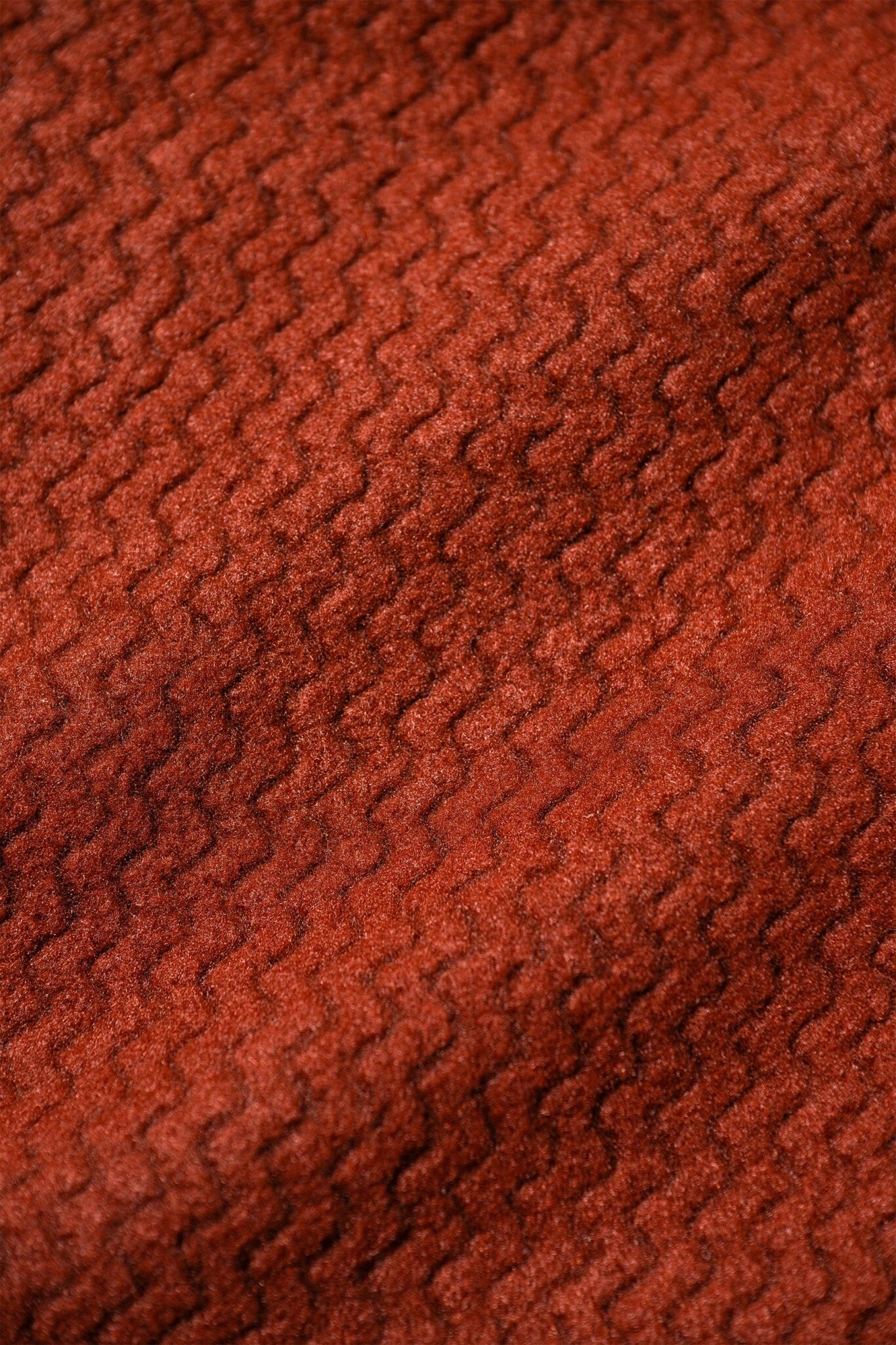
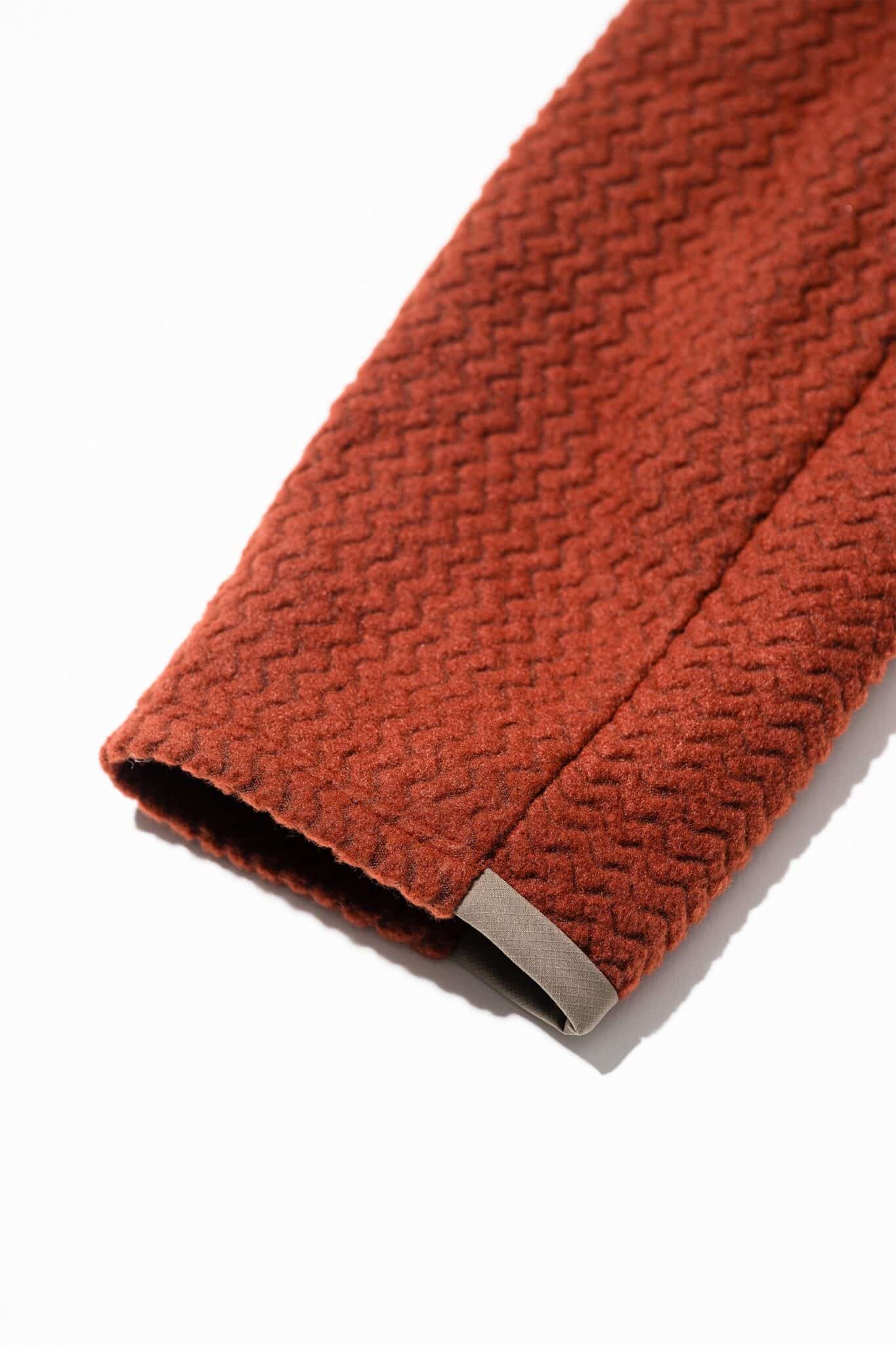
The distinctive zigzag knit structure of R1 Air fleece efficiently traps warmth while allowing moisture to escape quickly.
Stretch cuffs fit closely around the wrists. The design minimizes bulk when layering and does not restrict movement.
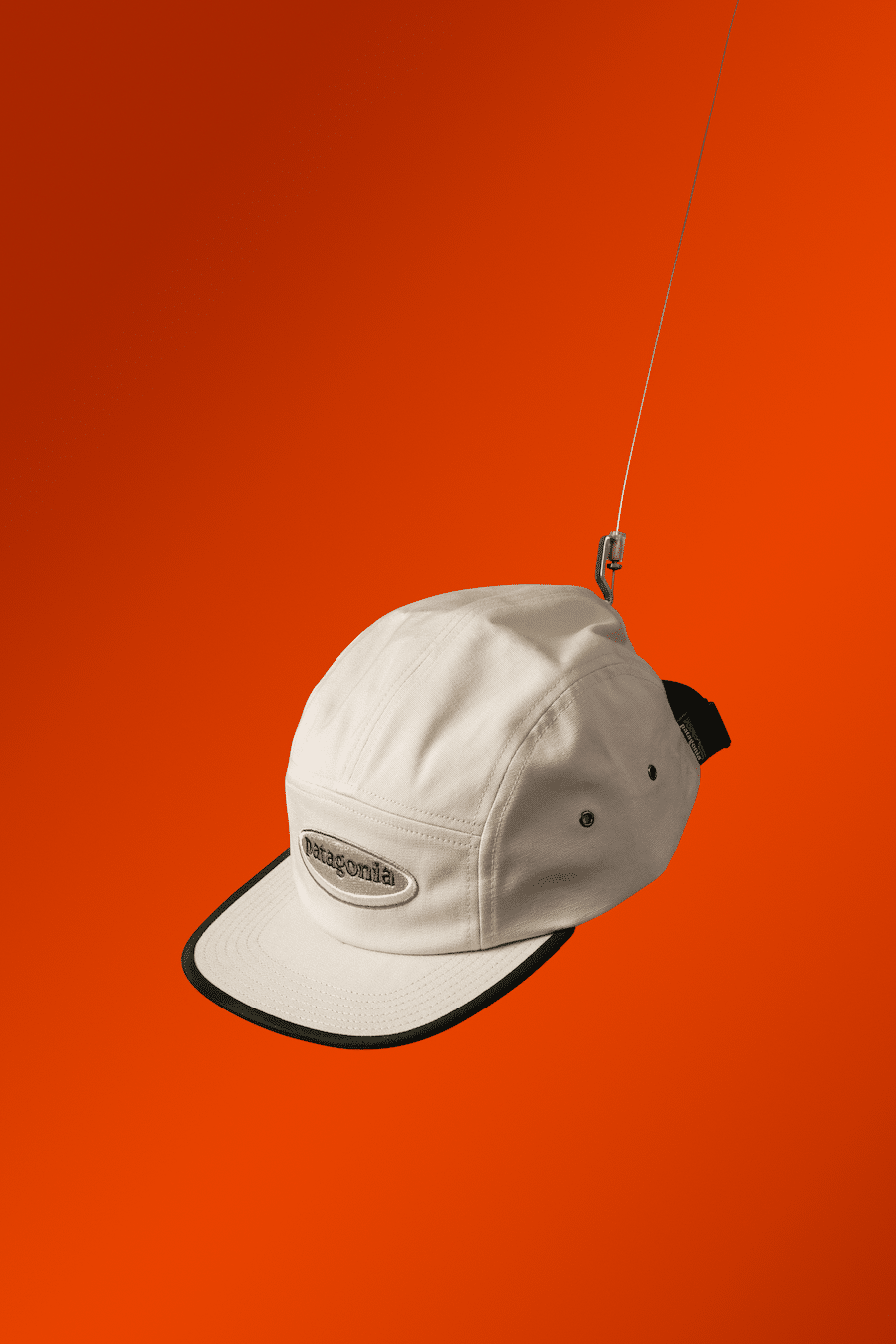
“Graphic Maclure Hat” is a camp-style cap featuring patagonia’s graphic logo. Made from lightweight yet durable twill fabric using recycled materials, it is suitable for a wide range of uses, from everyday wear to outdoor activities. Graphic Maclure Hat ¥7,150
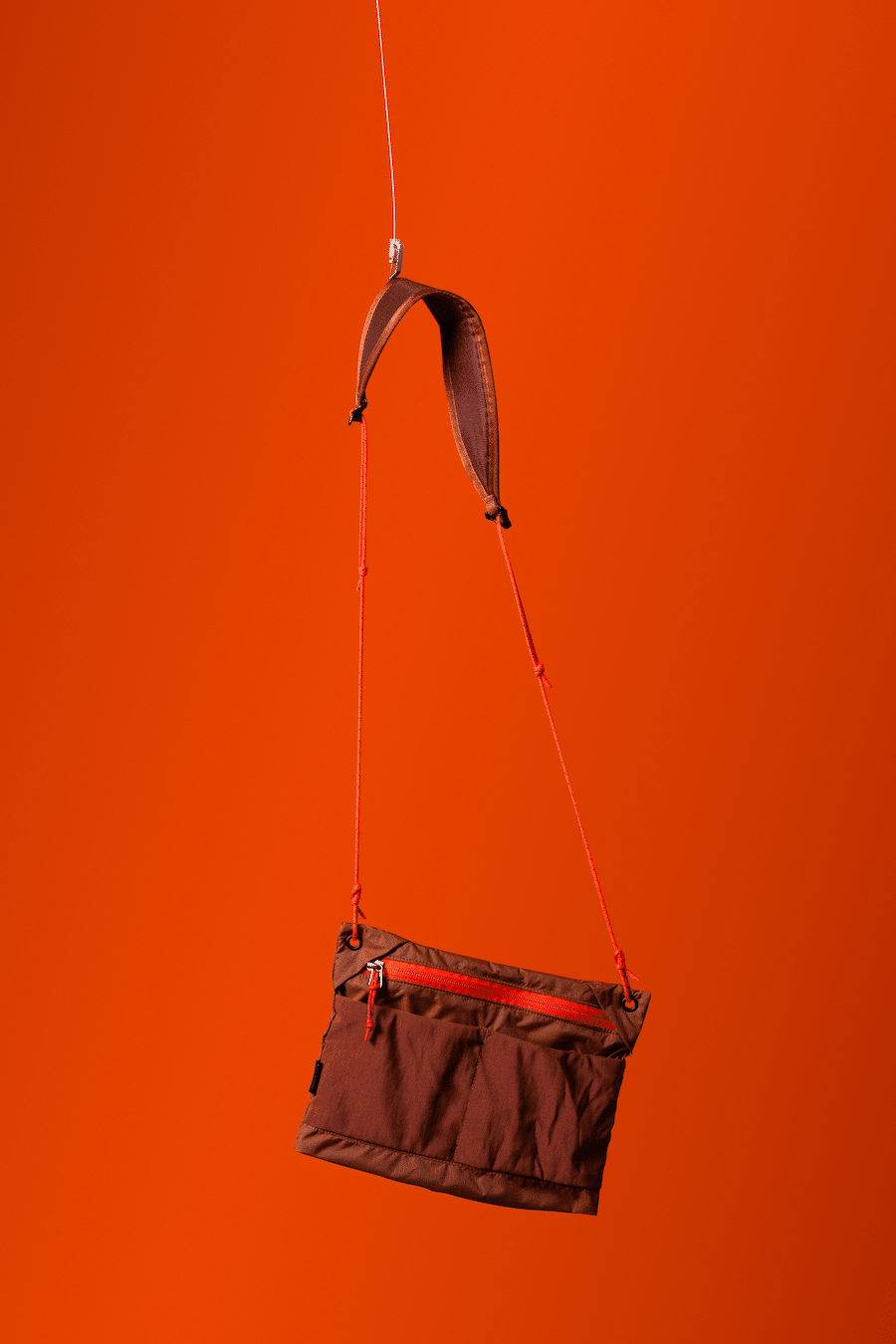
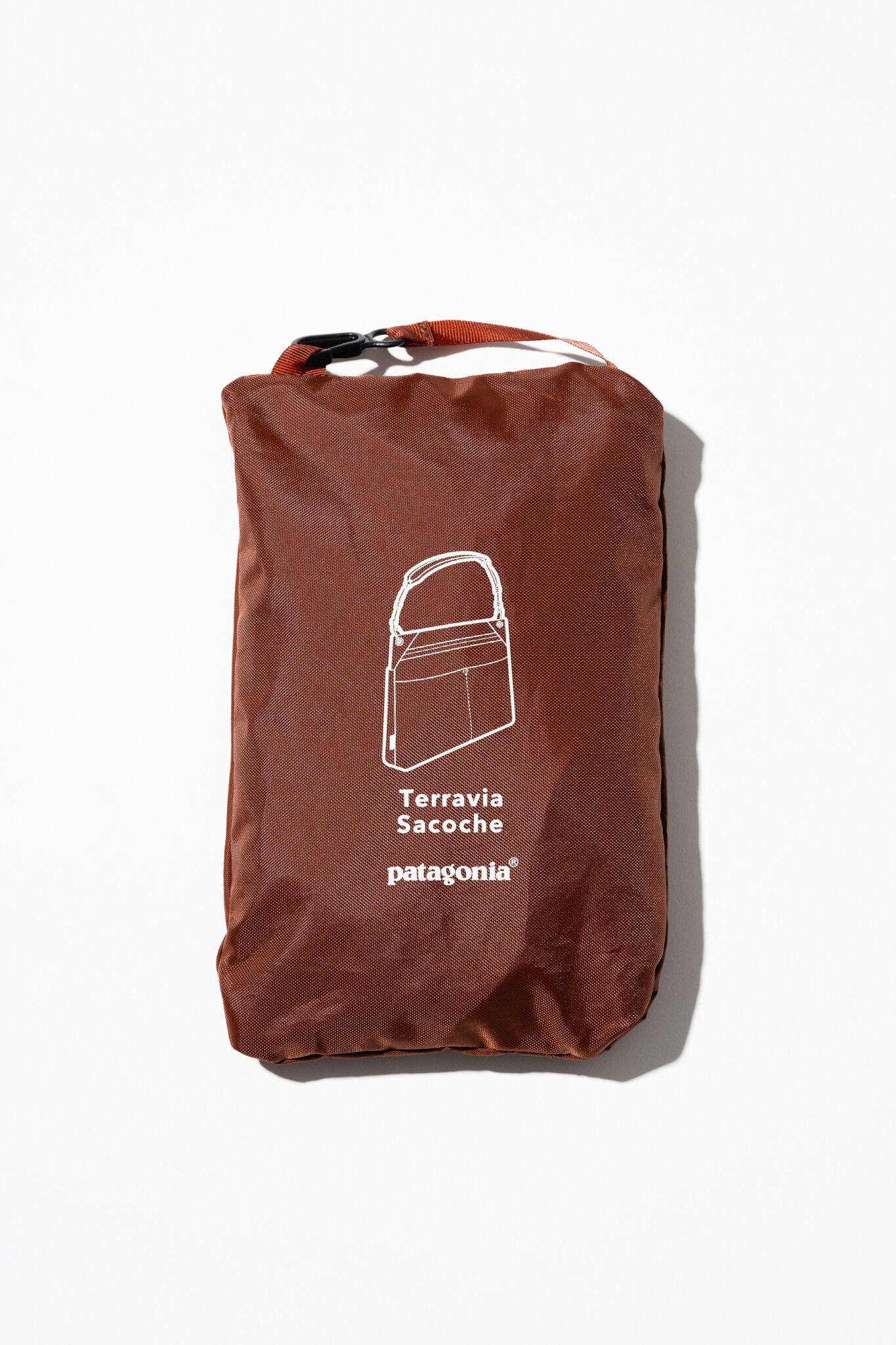
“Terravia Sacoche 3L” is a sacoche-style bag with a 3-liter capacity, made from lightweight recycled nylon. It features a packable design that allows the bag to be folded into its own internal pocket, making it useful as a travel or outdoor sub-bag. Terravia Sacoche 3L ¥7,260
The main body can be folded and stored in the internal pocket. It remains compact when packed into a backpack or suitcase, offering excellent portability when packed.
The information contained this article was correct as of 02/09/2026 (the time of publication)