DEEPTOKYO
magazine

EN

DEEPTOKYO
magazine
EN
2026.01.21
A New Flagship Store Connecting the City and Nature


 Nearest Station

Opened along Meiji Street in Harajuku, Tokyo, “COLUMBIA TOKYO FLAGSHIP” is the largest flagship store in Japan and a base where visitors can gain a clear understanding of Columbia’s design philosophy through both its spatial design and product lineup. Founded in Oregon, USA, in 1938, Columbia has continued to create gear designed for use in natural environments—beginning with fishing equipment and addressing challenges such as rain, cold temperatures, and long hours of activity. Proprietary technologies such as the waterproof-breathable material Omni-Tech™ and the heat-reflective insulation Omni-Heat™ were developed to respond to specific, real-world needs encountered in the field. This flagship store is designed as a place that accurately conveys those field-driven technologies and the ways of thinking behind them within an urban context.
SHARE


“COLUMBIA TOKYO FLAGSHIP” is a two-floor store.
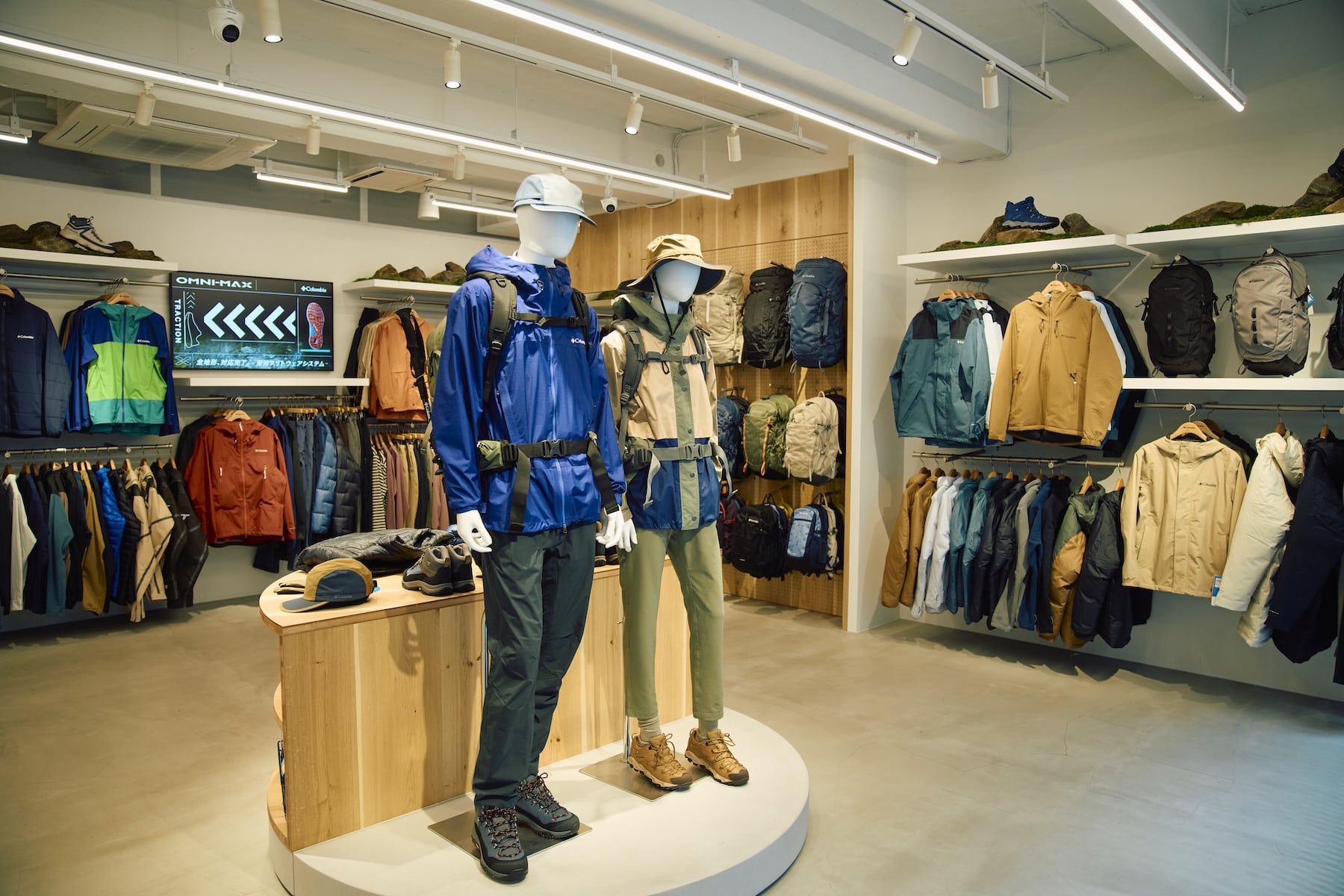
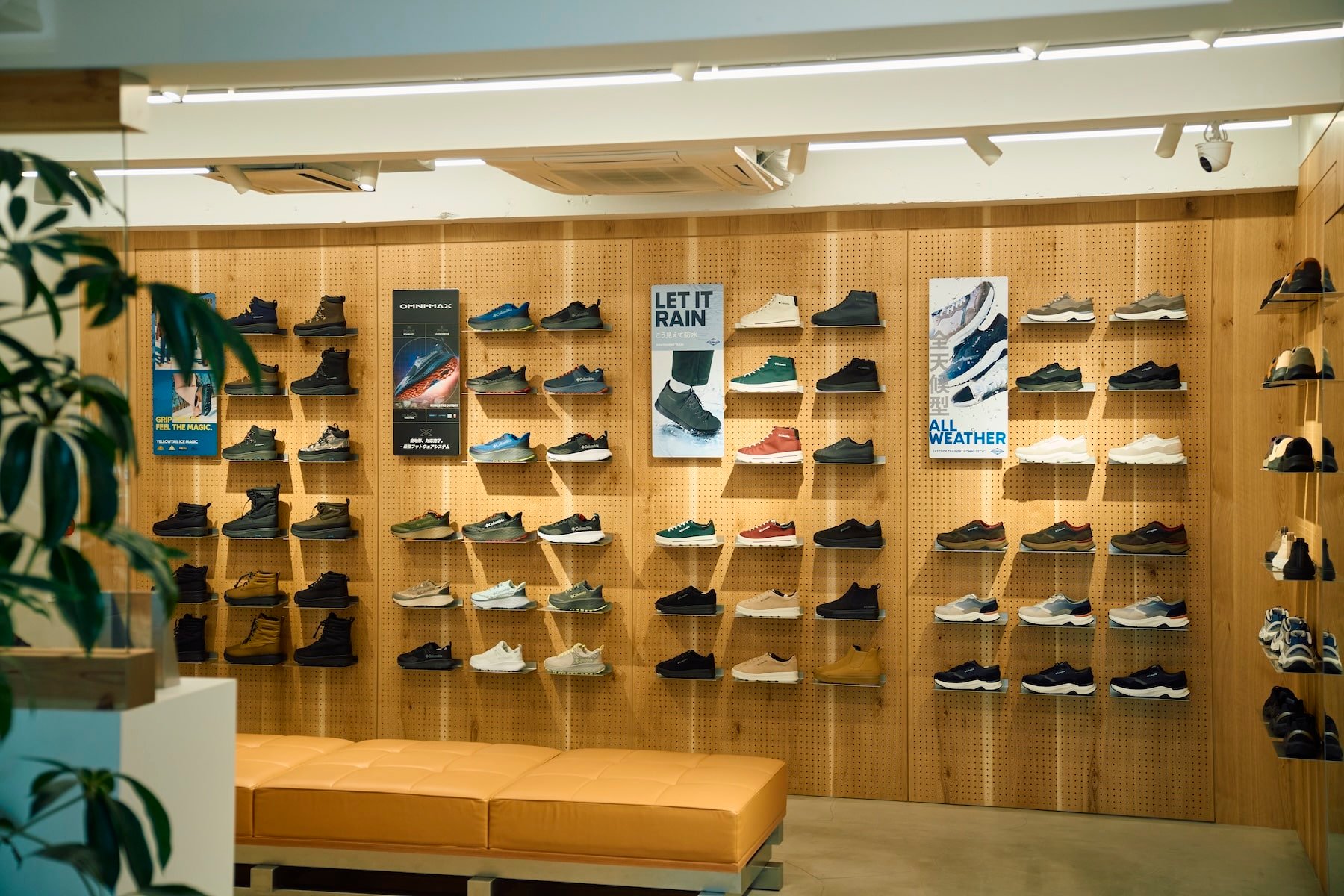
The first floor focuses on categories such as hiking and footwear, all designed with actual field use in mind. The second floor centers on lifestyle-oriented items and proposals, including “COLUMBIA BLACK LABEL,” a Japan-exclusive collection line. The store’s fundamental design connects outdoor equipment and everyday wear in a seamless, natural flow.
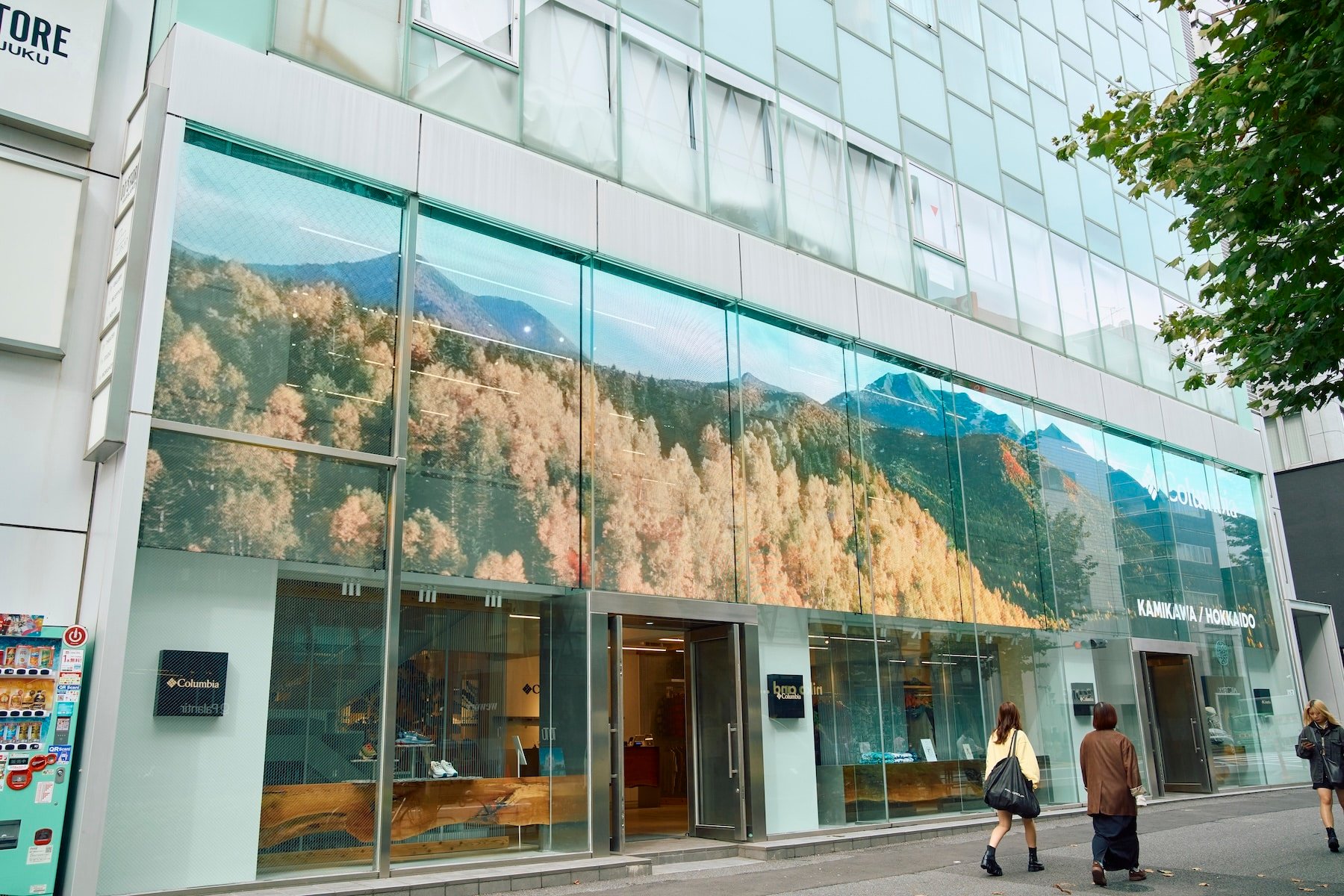
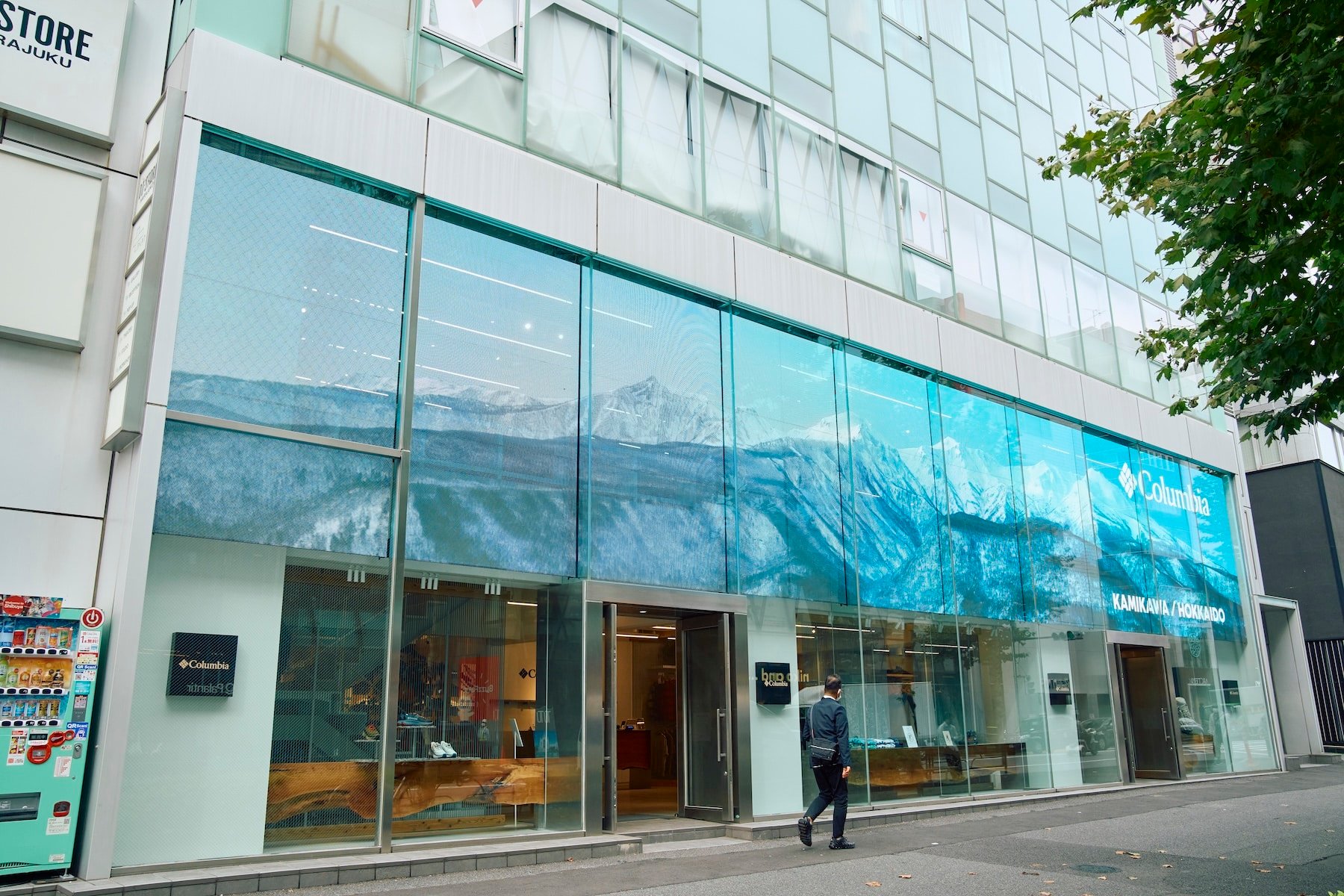
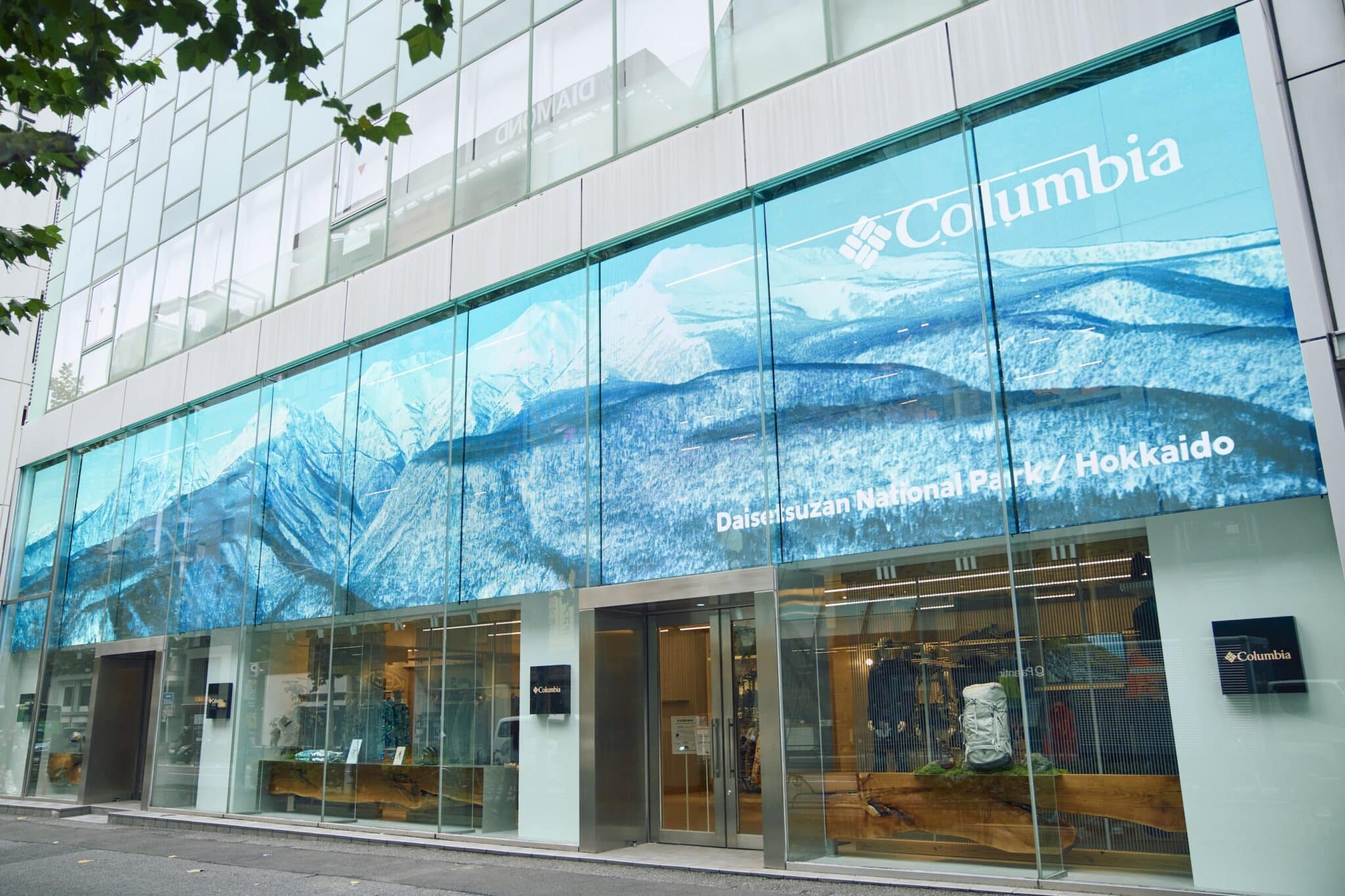
A large vision screen installed on the façade displays not only footage of Oregon’s natural landscapes, but also scenes from Japanese outdoor fields and brand technology promotion videos. Rather than emphasizing nature in isolation, the screen presents environments, seasons, and technologies simultaneously—demonstrating Columbia’s consistent identity as a brand that creates tools meant to be used in real-world settings.
The exterior of “COLUMBIA TOKYO FLAGSHIP” facing Meiji Street.
A large vision screen spans the entire façade, visually expressing the brand message “UNLOCK THE OUTDOORS FOR EVERYONE”—expanding access while maintaining a clear focus on performance and philosophy within the urban landscape.
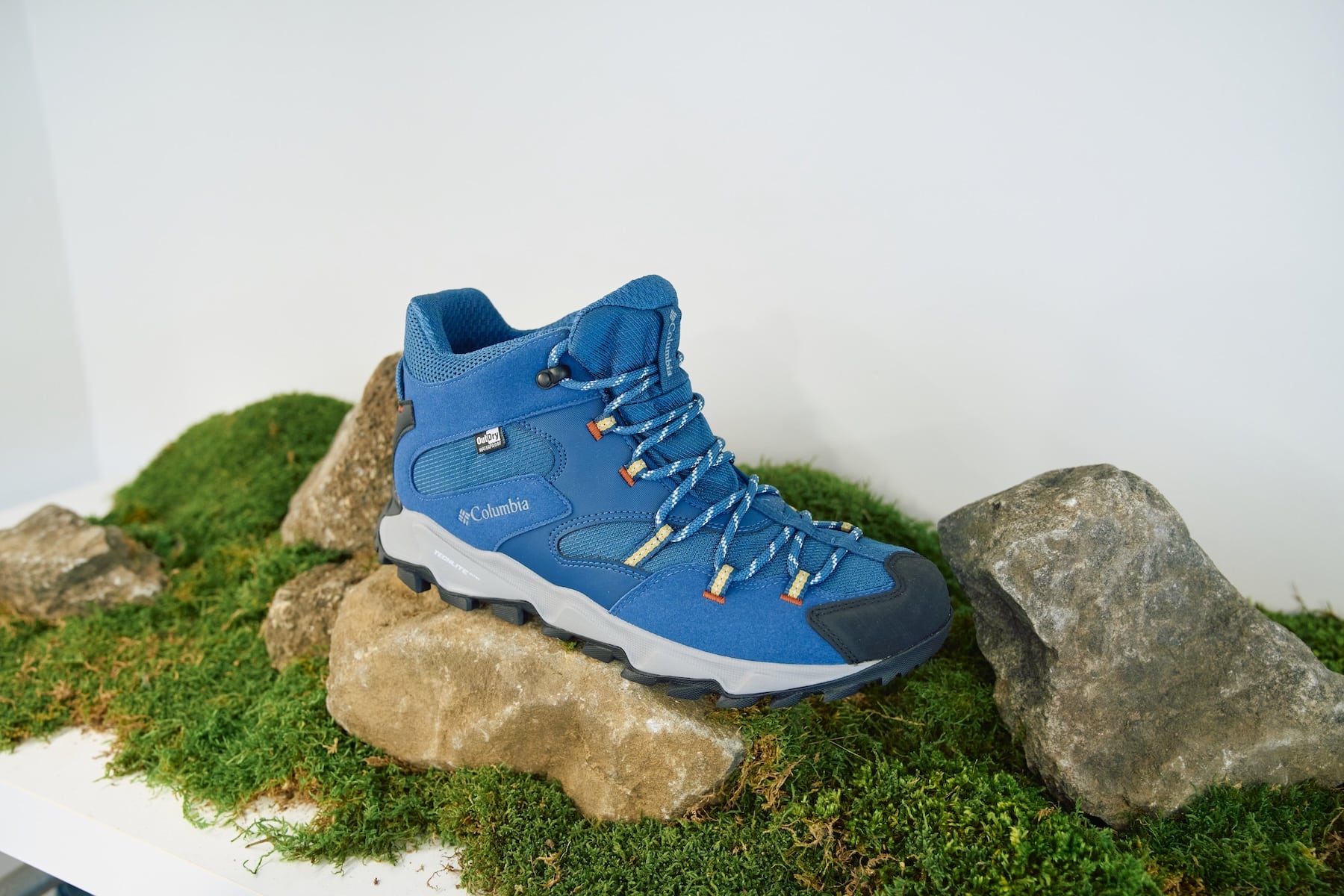
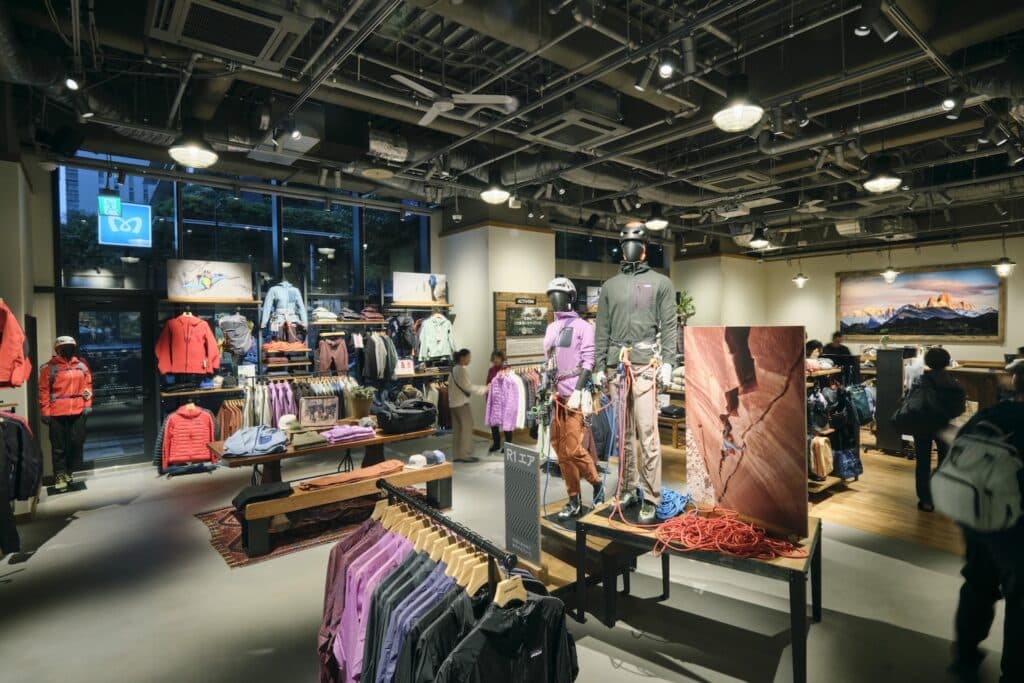
The first-floor hiking and footwear categories.Items designed for real field use are arranged in a layout that makes it easy to compare products by purpose.
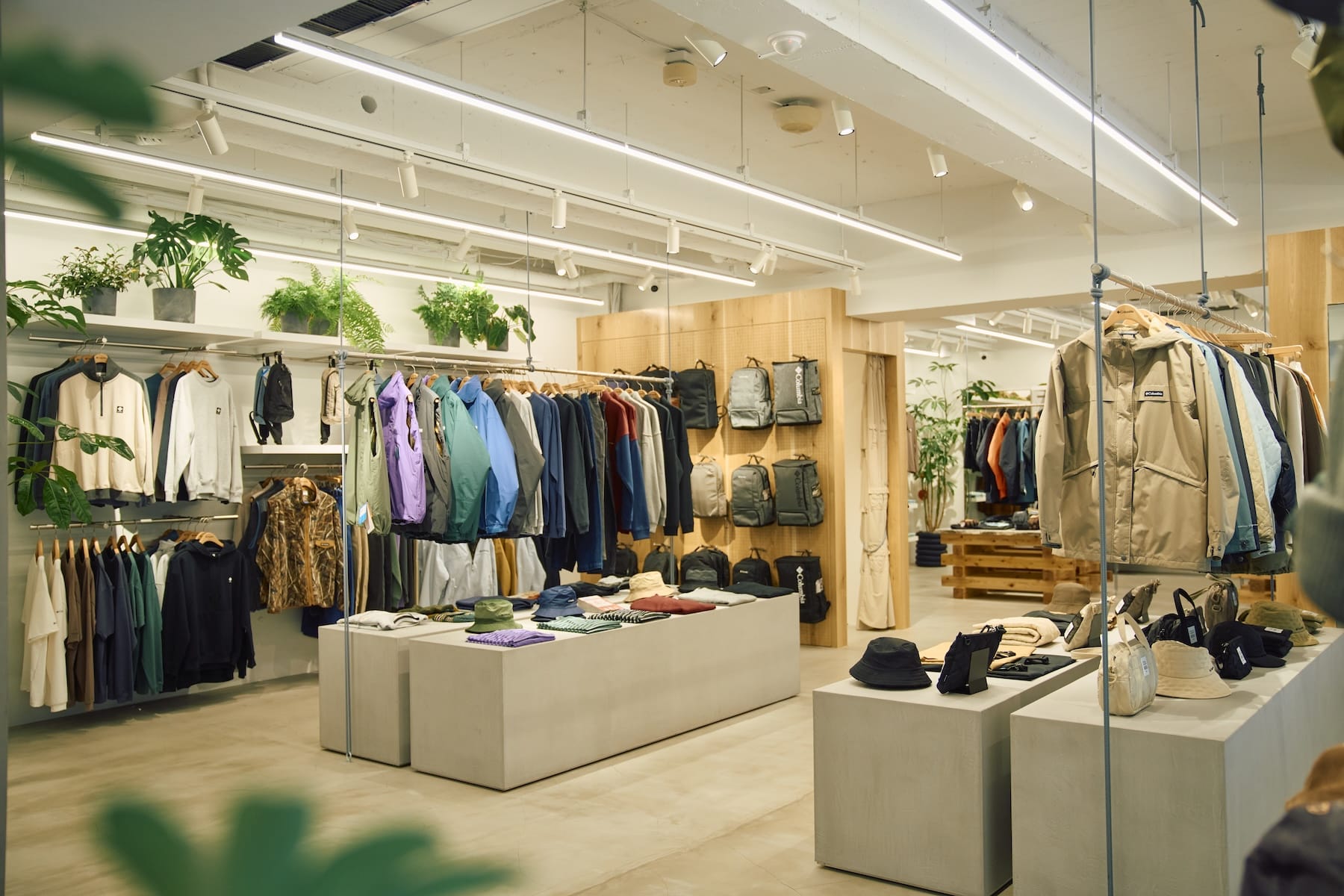
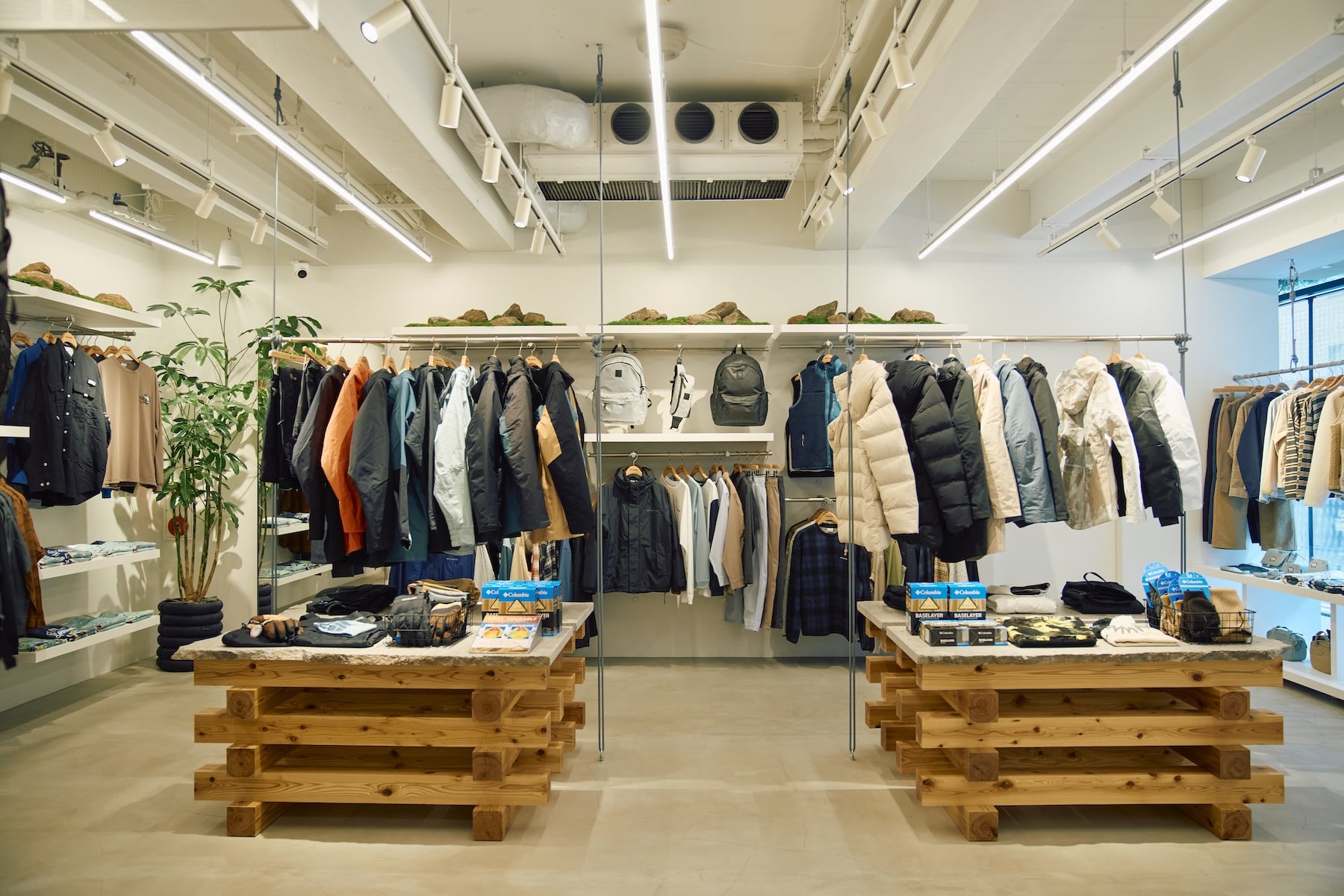
Fixtures arranged to evoke outdoor environments such as mountains and forests, allowing visitors to select products while imagining actual field use.
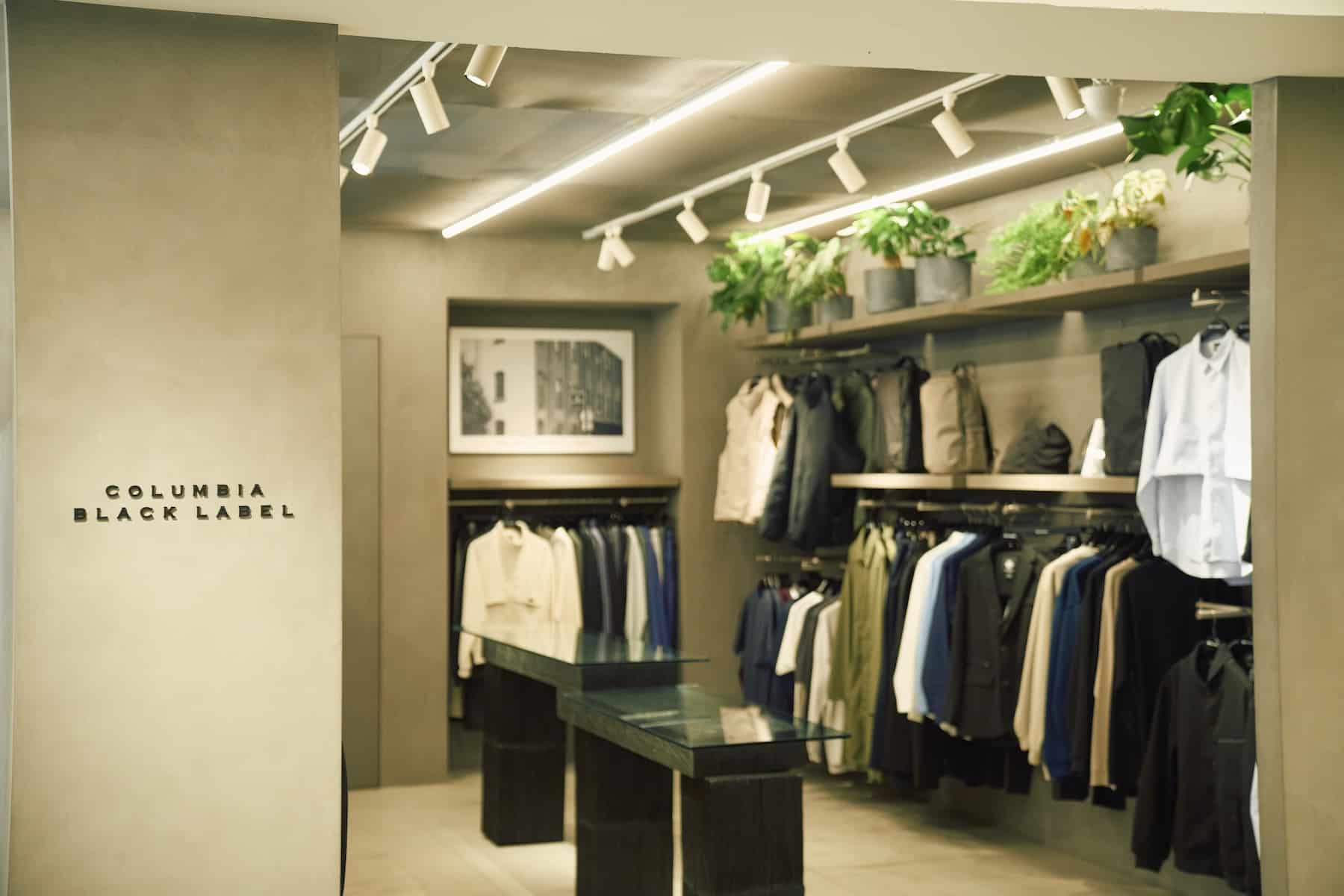
The second-floor area featuring “COLUMBIA BLACK LABEL” and lifestyle proposals, presenting how field-tested functionality can be adapted for urban activity.
An outdoor field zone designed around specific use scenarios, enabling easy comparison based on purpose and environment.
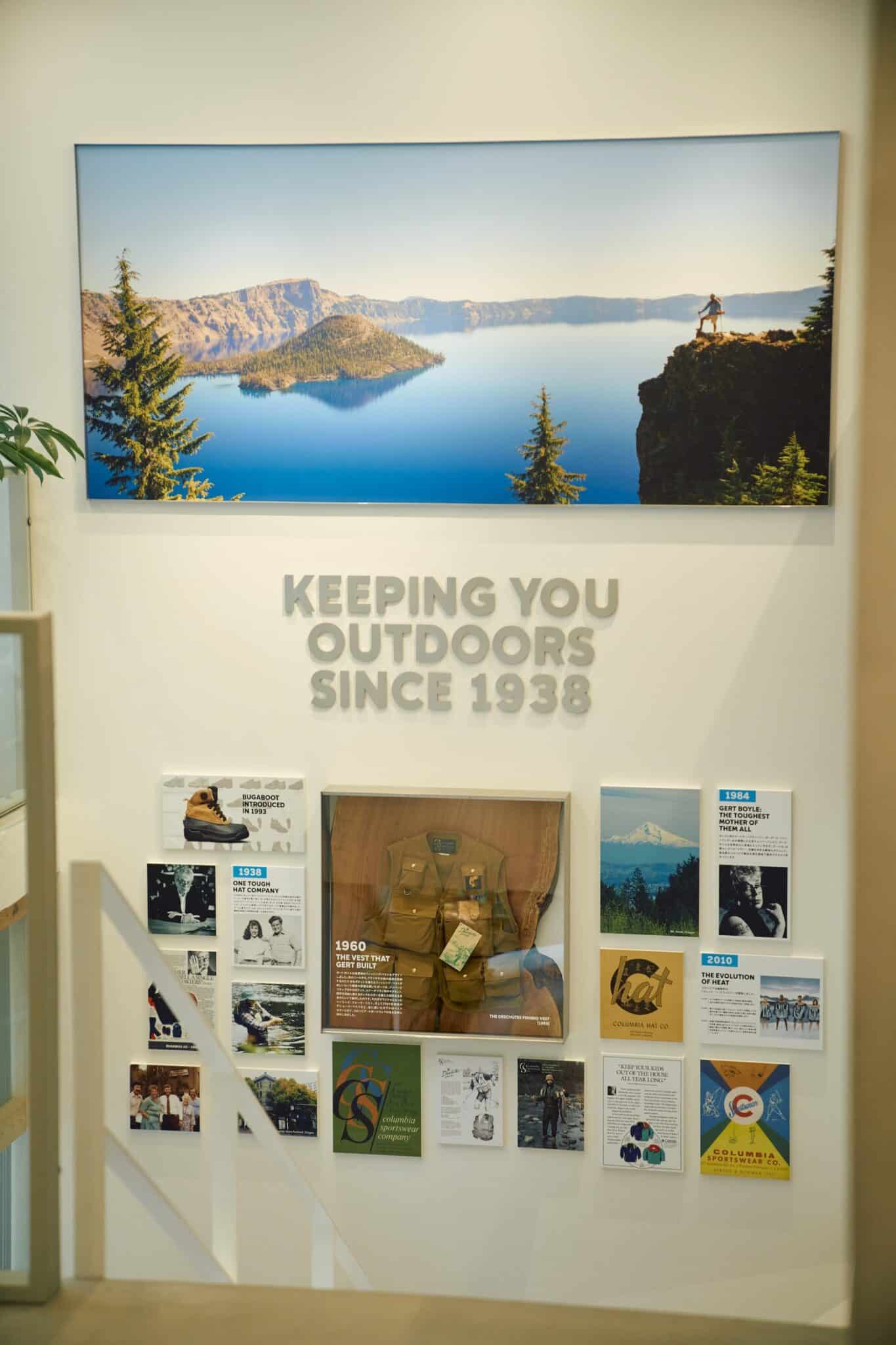
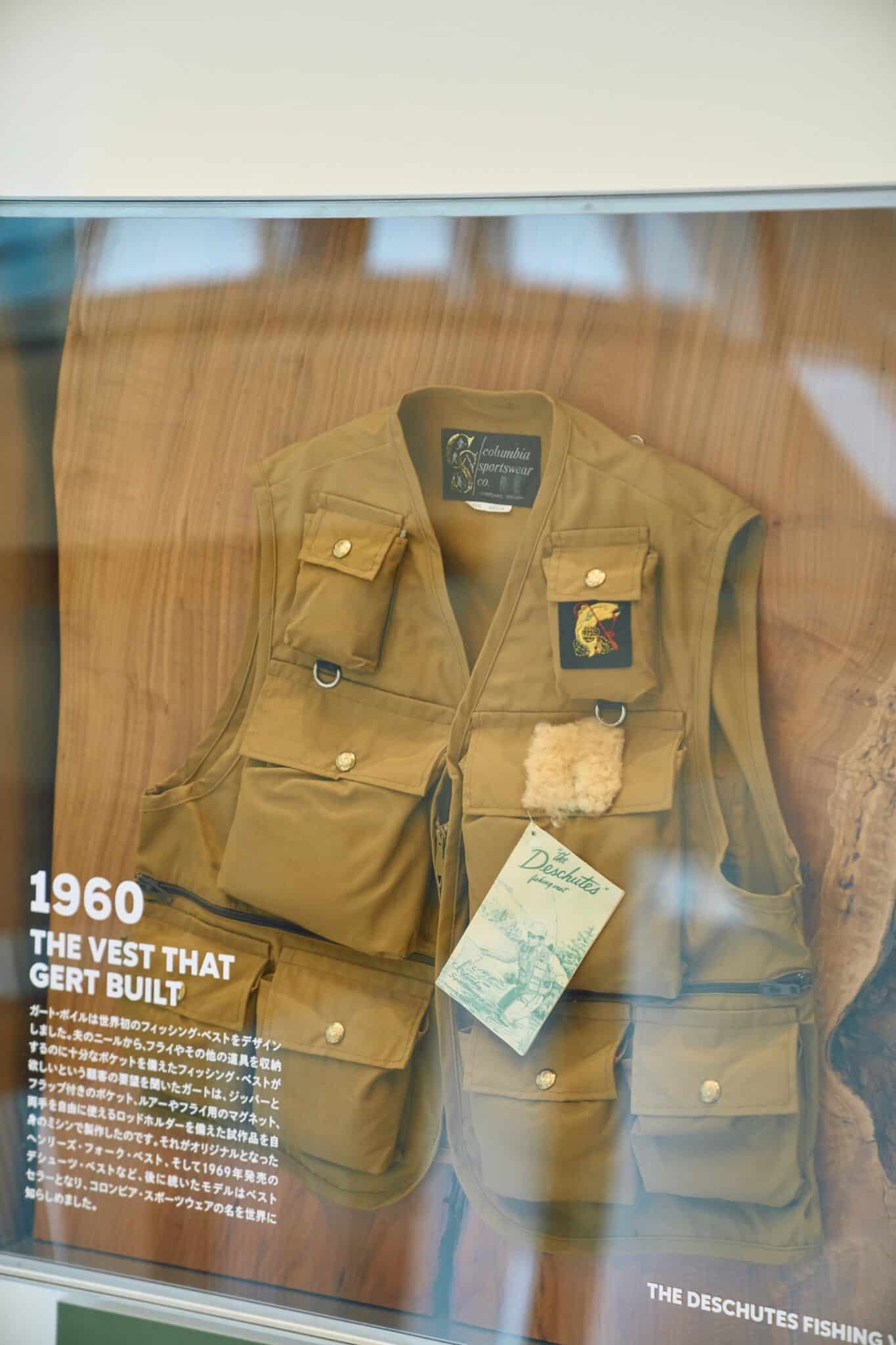
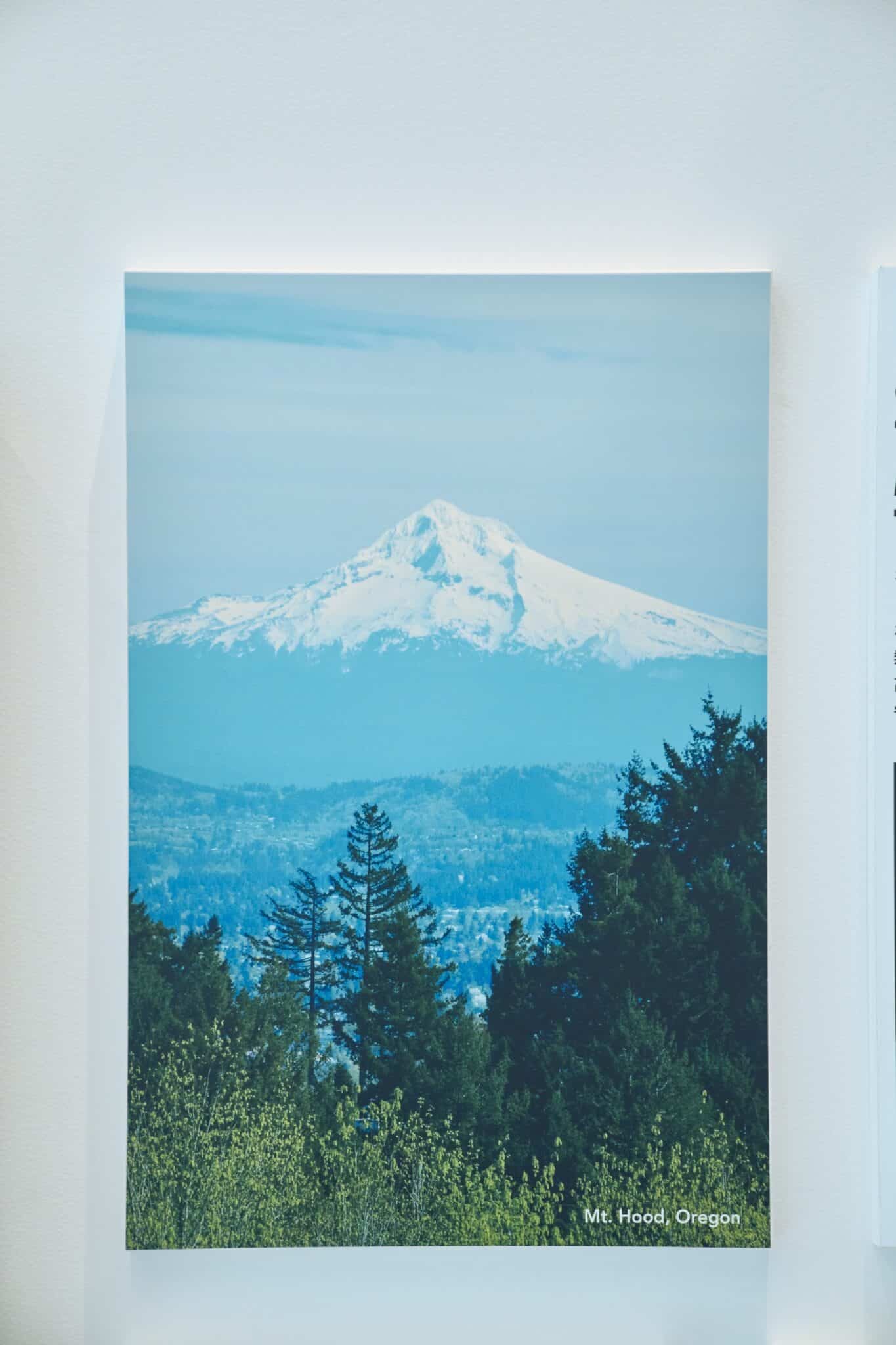
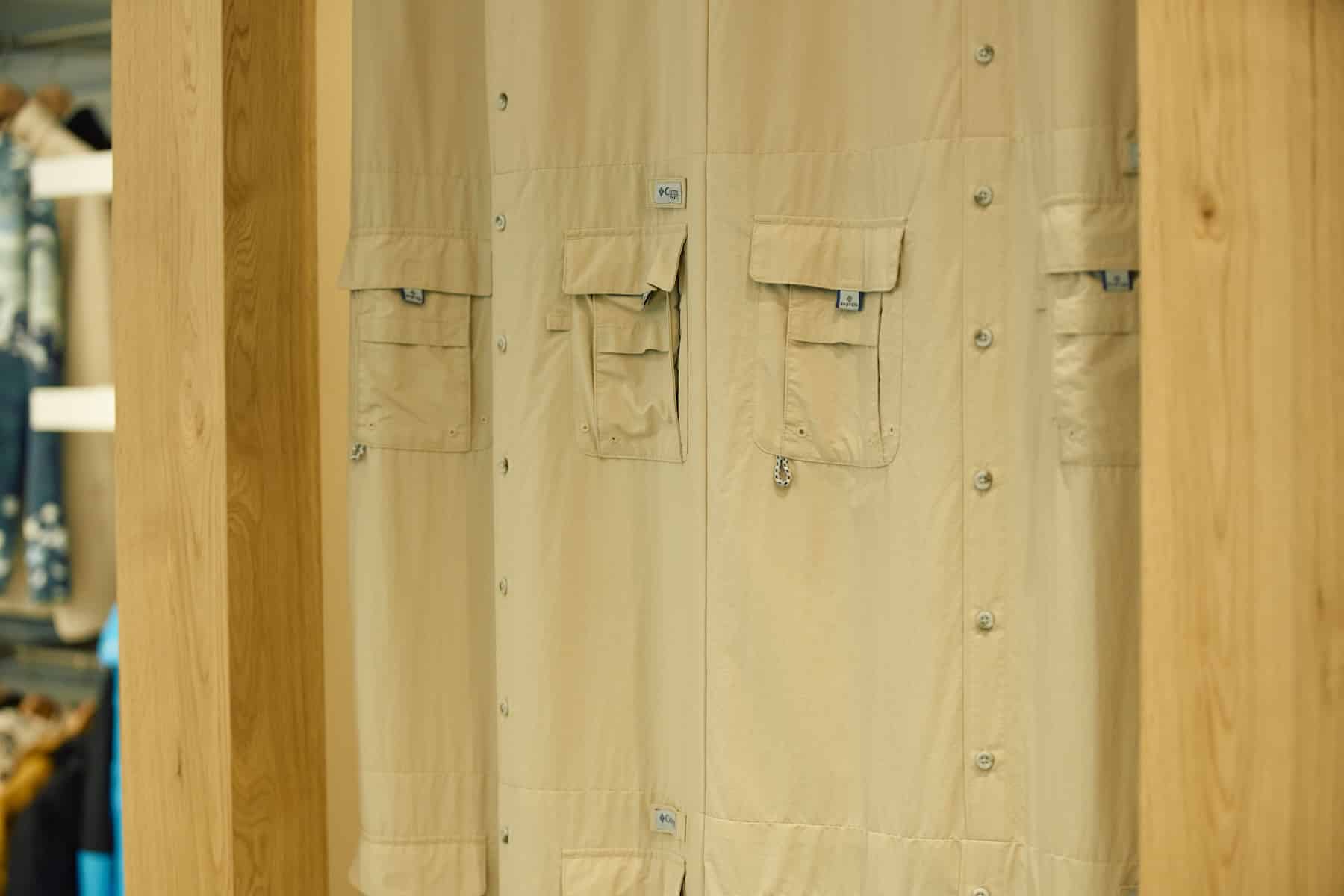
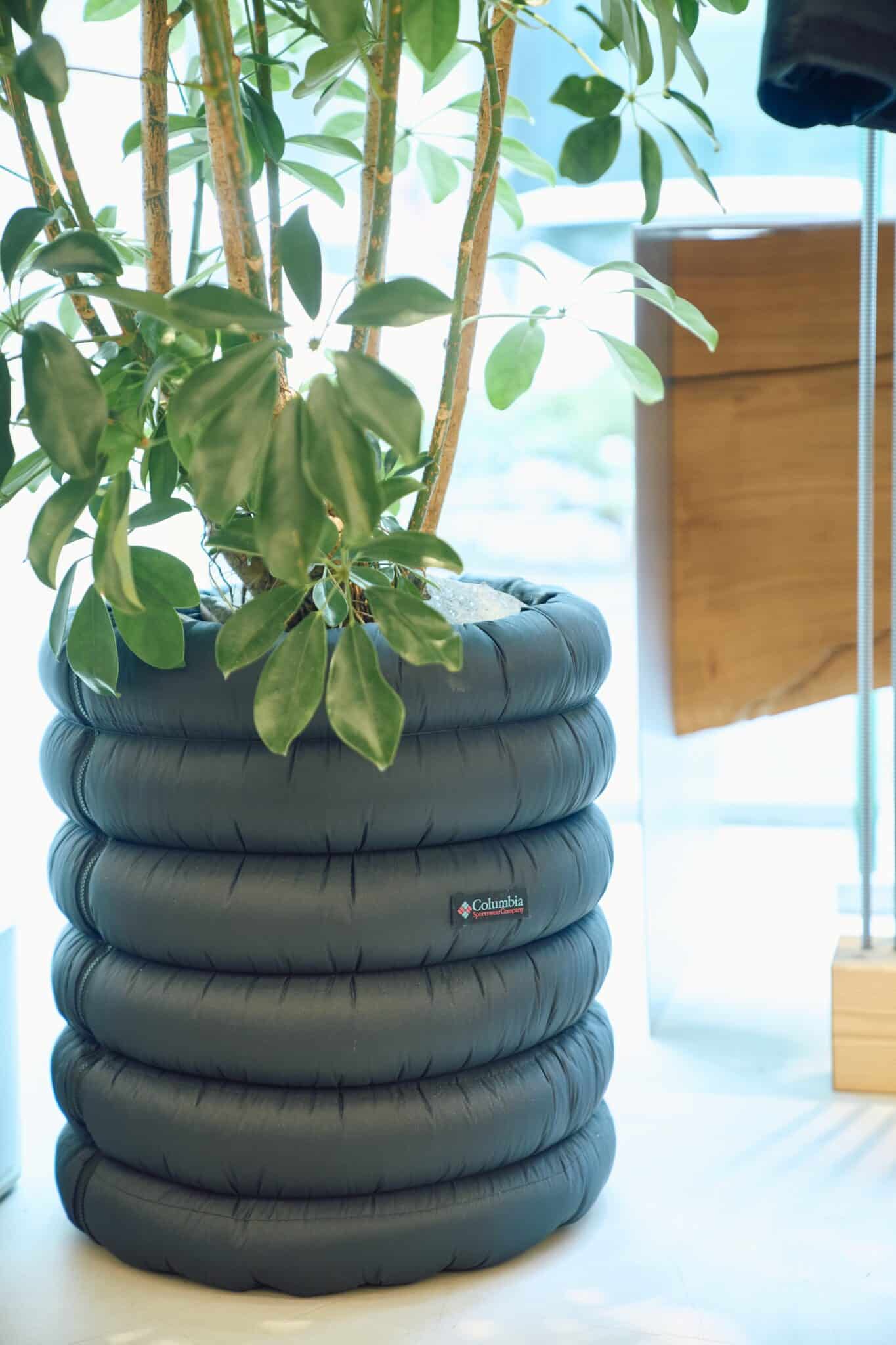
One defining feature of this store is the way archives and reused materials are employed not as decoration, but as tools for explaining the brand. Displays such as 1960s fishing vests, photographs of Mount Hood in Oregon (Columbia’s birthplace), and introductions to Gert Boyle—one of the brand’s iconic figures—clearly communicate the environments in which Columbia has built its history. Curtains made from reused Bahama shirts and planter covers crafted from down jackets follow the same approach. Rather than promoting sustainability as a concept, these elements are integrated into the space as expressions made possible by an outdoor brand deeply familiar with materials and functionality.
A historical wall displaying 1960s fishing vests. The exhibit conveys Columbia’s origins as a maker of field-ready tools and the philosophy of Gert Boyle, a figure synonymous with the brand.
An archive display of products developed through fishing and outdoor field experience, illustrating that Columbia’s craftsmanship is rooted in practical use rather than trends.
A photographic display of Mount Hood in Oregon, symbolizing Columbia’s roots in natural environments rather than urban settings.
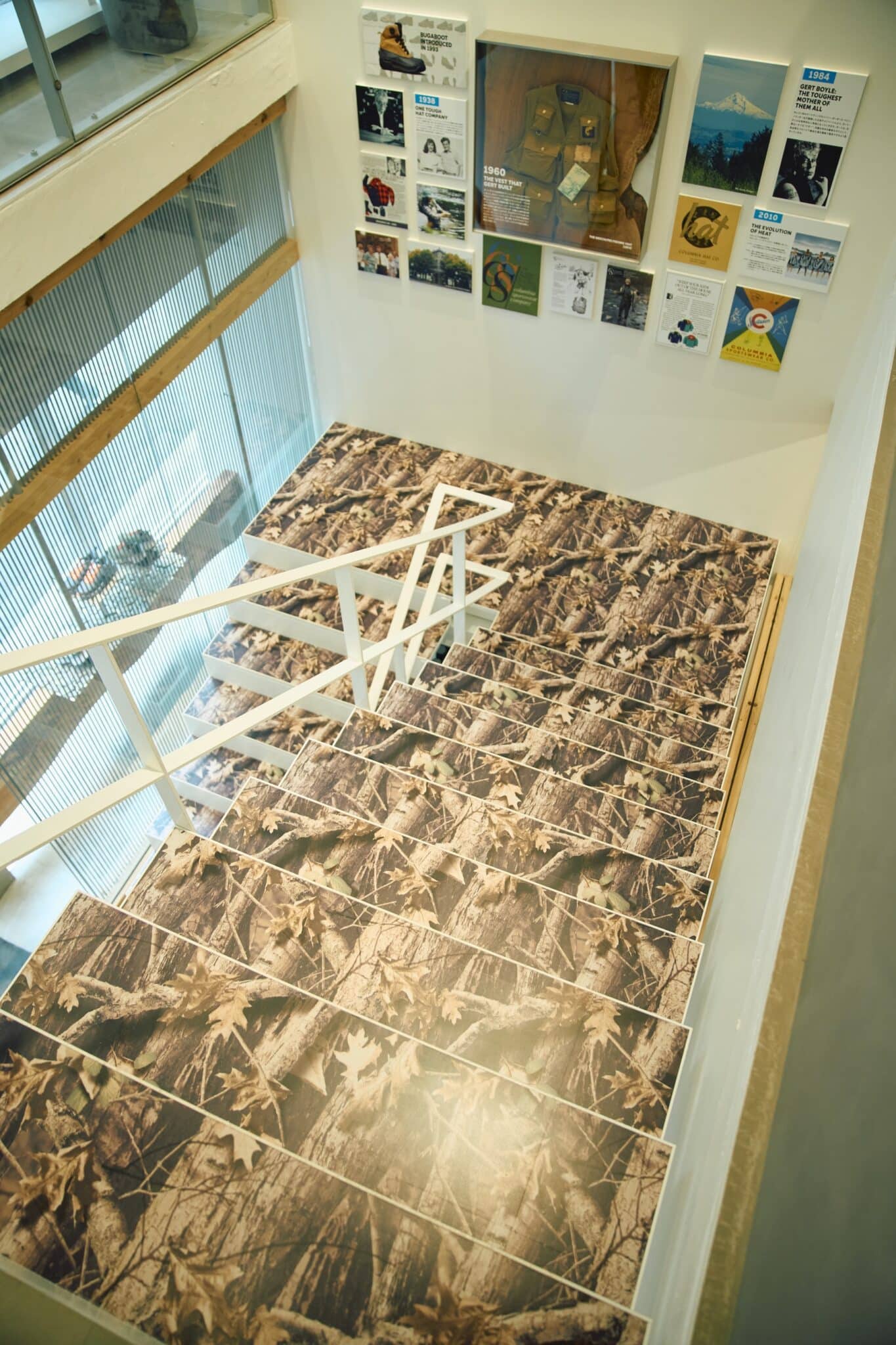
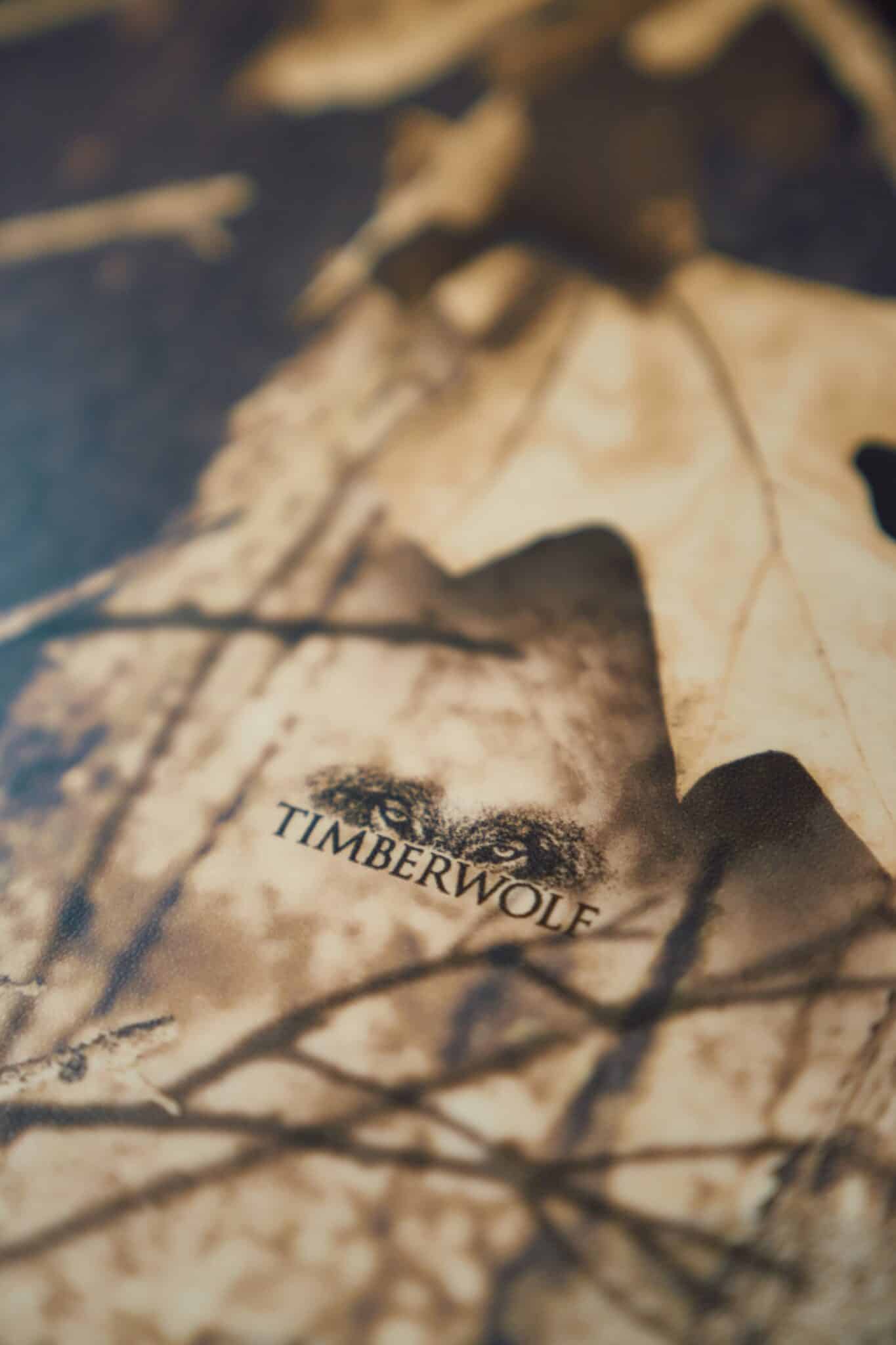
Staircase featuring the original camouflage pattern “Timberwolf.” Graphics developed for outdoor fields are extended beyond products into spatial design.
Details incorporating patterns and graphics used in Columbia's outdoor field into the store space's design elements. This reflects the approach of how to present field-inspired design within an urban setting.
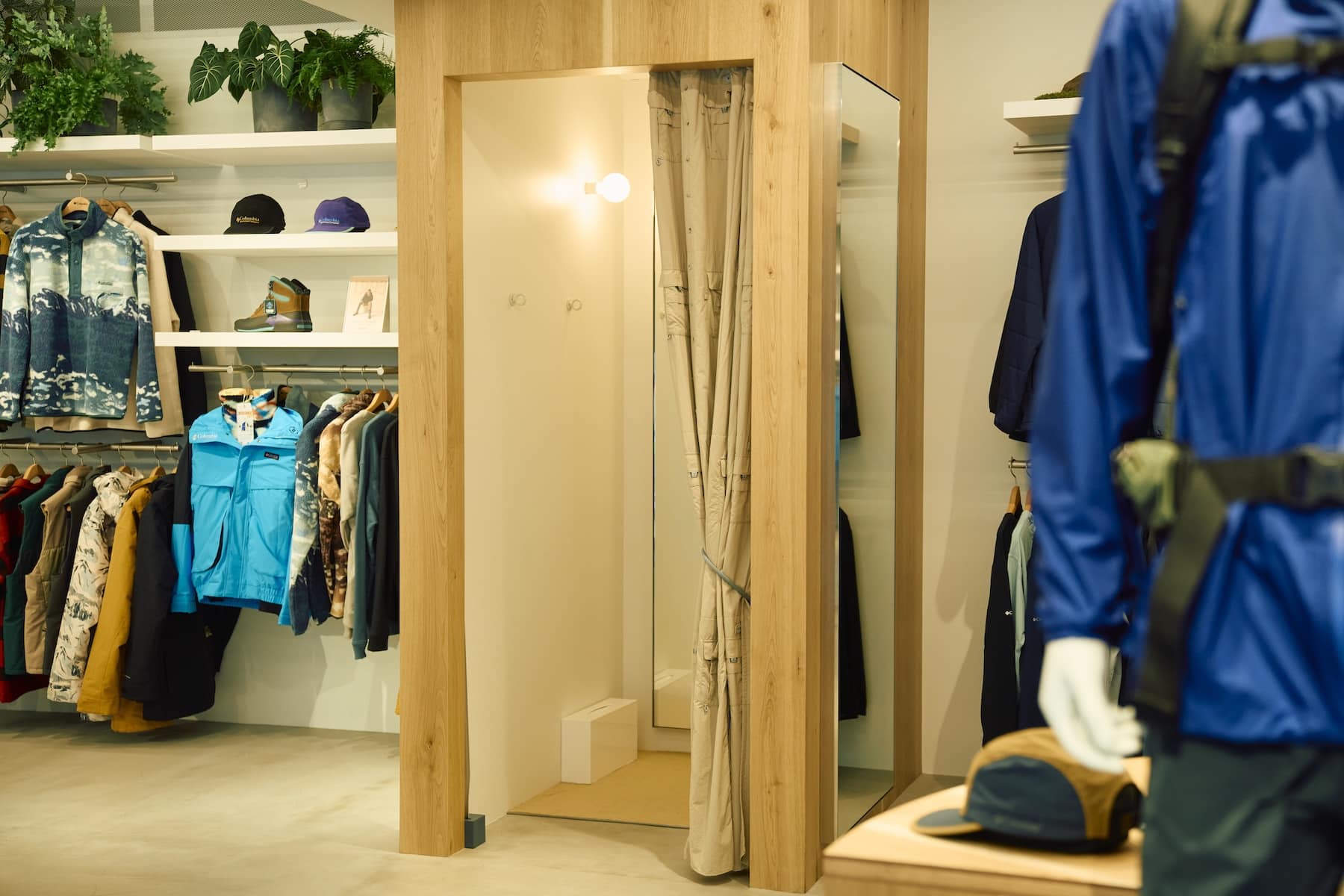
Fitting room curtains made from reused Bahama shirts, repurposed with an understanding of the fabric’s lightness and breathability.
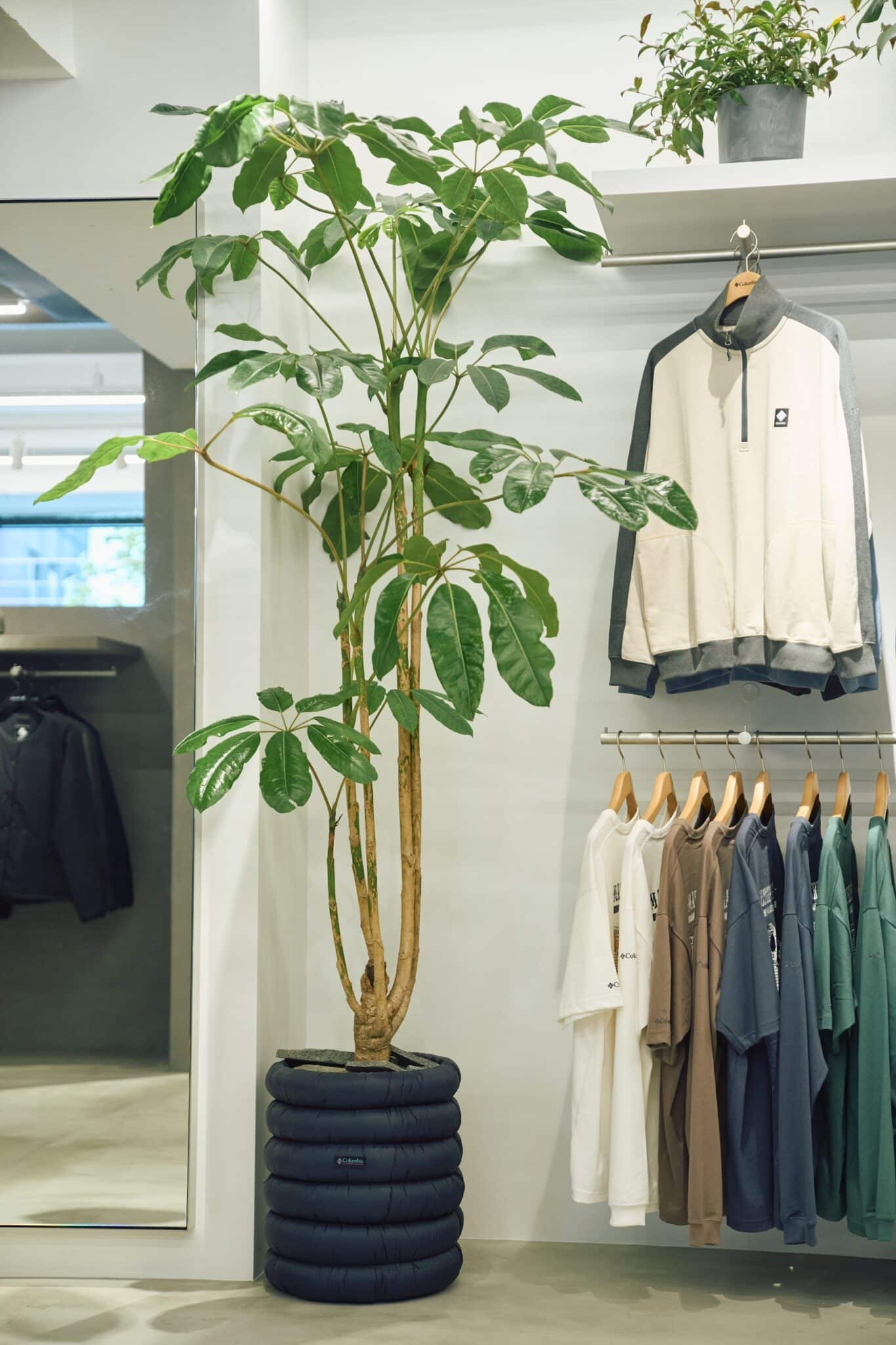
Planter covers created from down jackets, repurposing insulating materials as interior design elements.
“COLUMBIA BLACK LABEL” is a Japan-planned collection line launched in 2016.
While designed for urban wear, it maintains Columbia’s core outdoor performance—such as waterproofing, durability, and mobility—without compromise. Rather than simplifying functionality, this line deliberately removes decorative elements and visual noise. Minimal logo expression is not intended to emphasize fashion, but to avoid limiting usage scenarios, allowing the garments to adapt to business, travel, daily life, and light outdoor activities.
The fact that Black Label is available exclusively in Japan and draws attention from overseas buyers and visitors reflects a value system cultivated in the Japanese market: using outdoor wear rationally within urban environments.
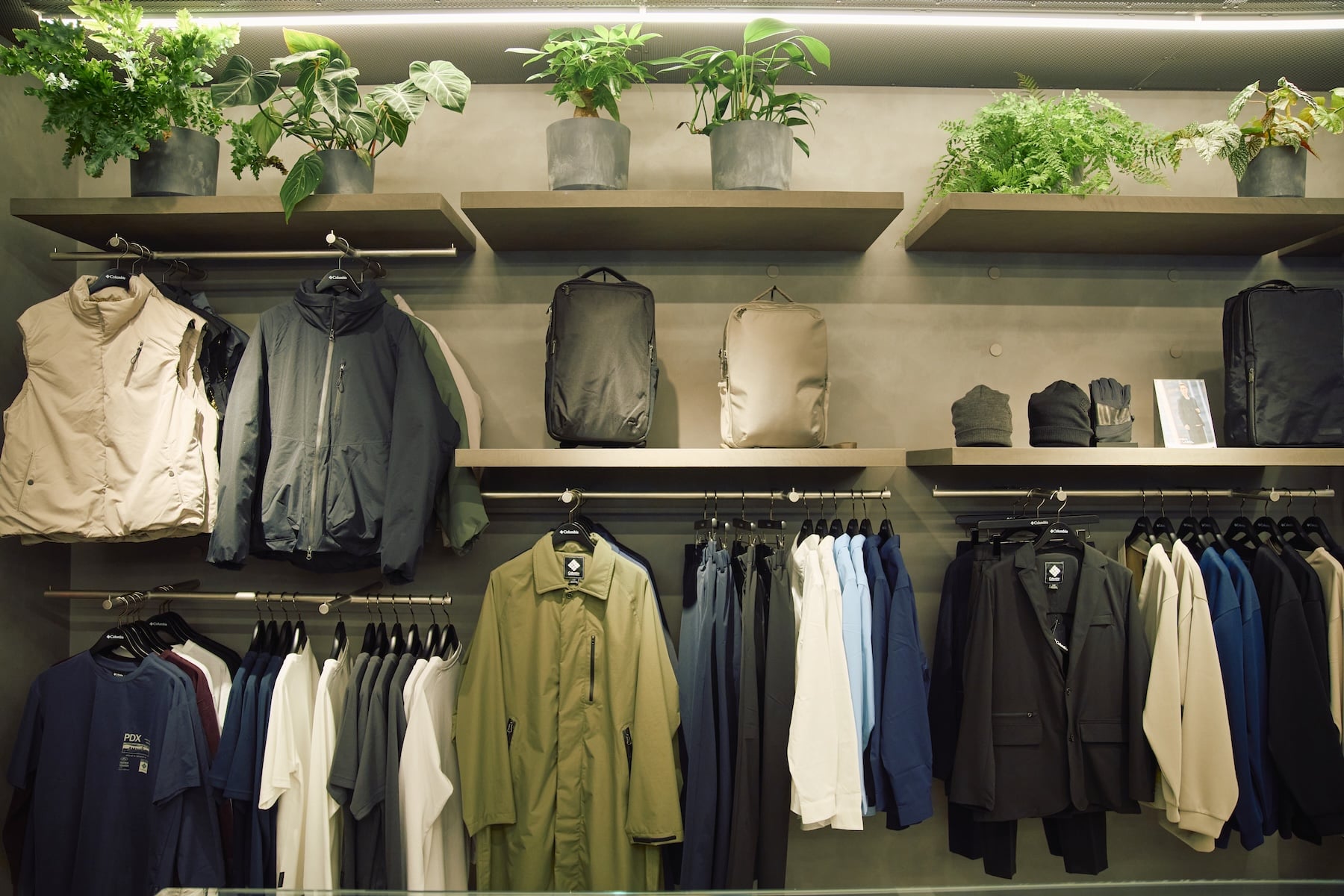
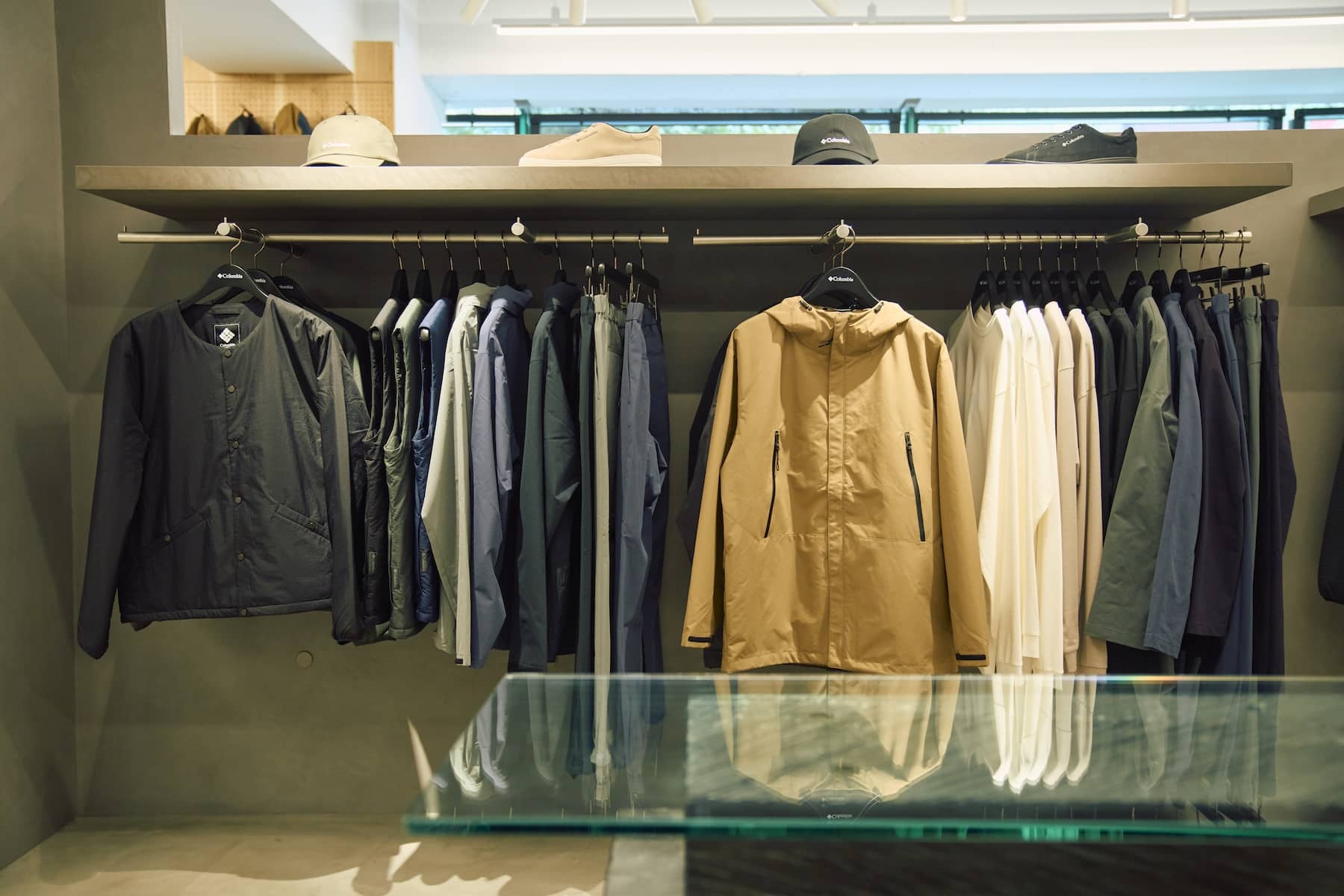
The “COLUMBIA BLACK LABEL” section, featuring a Japan-exclusive collection designed for urban wear while retaining field-based performance.
Minimal logo expression reflects a design philosophy prioritizing versatility across environments and usage scenarios.
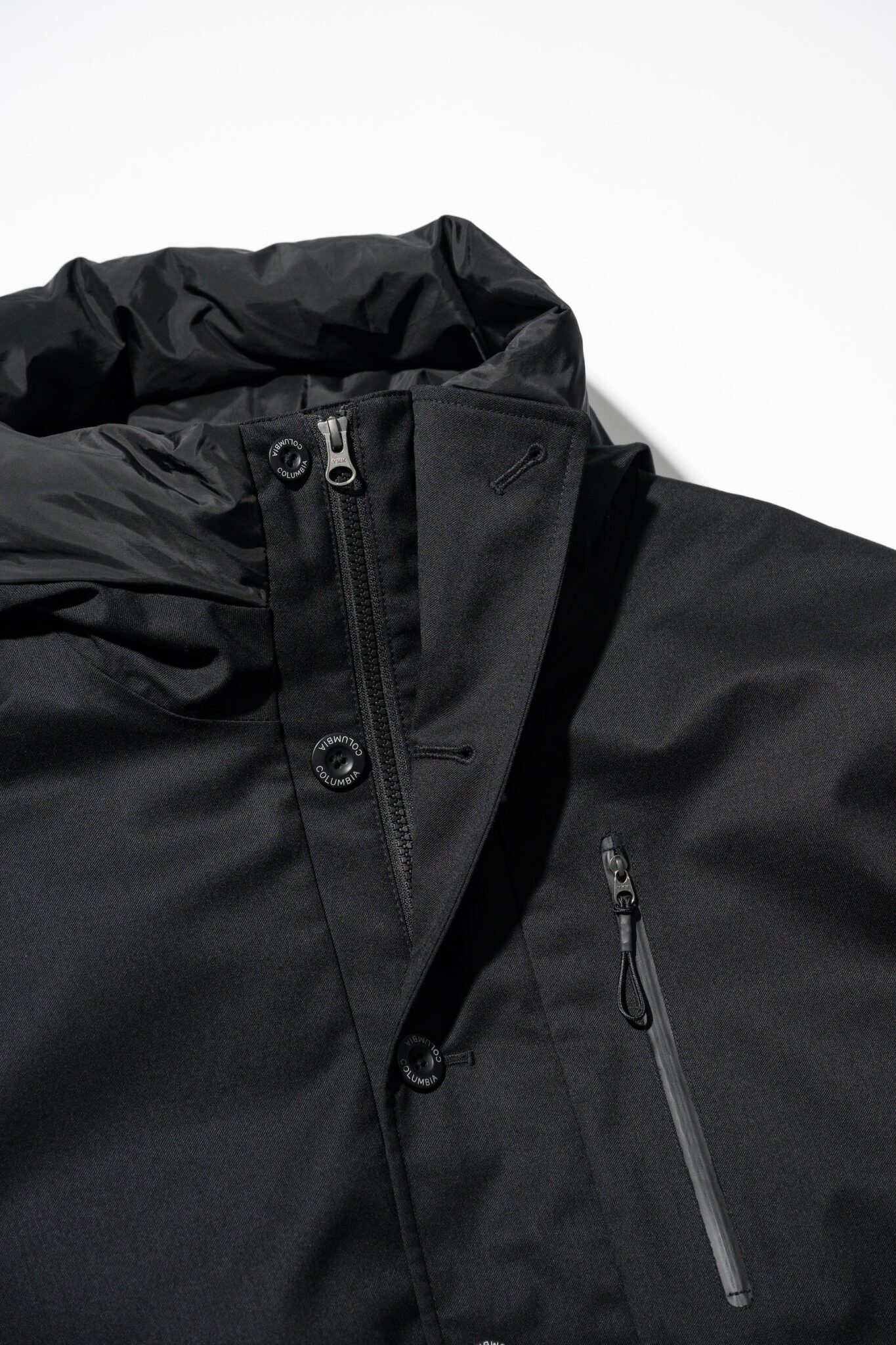
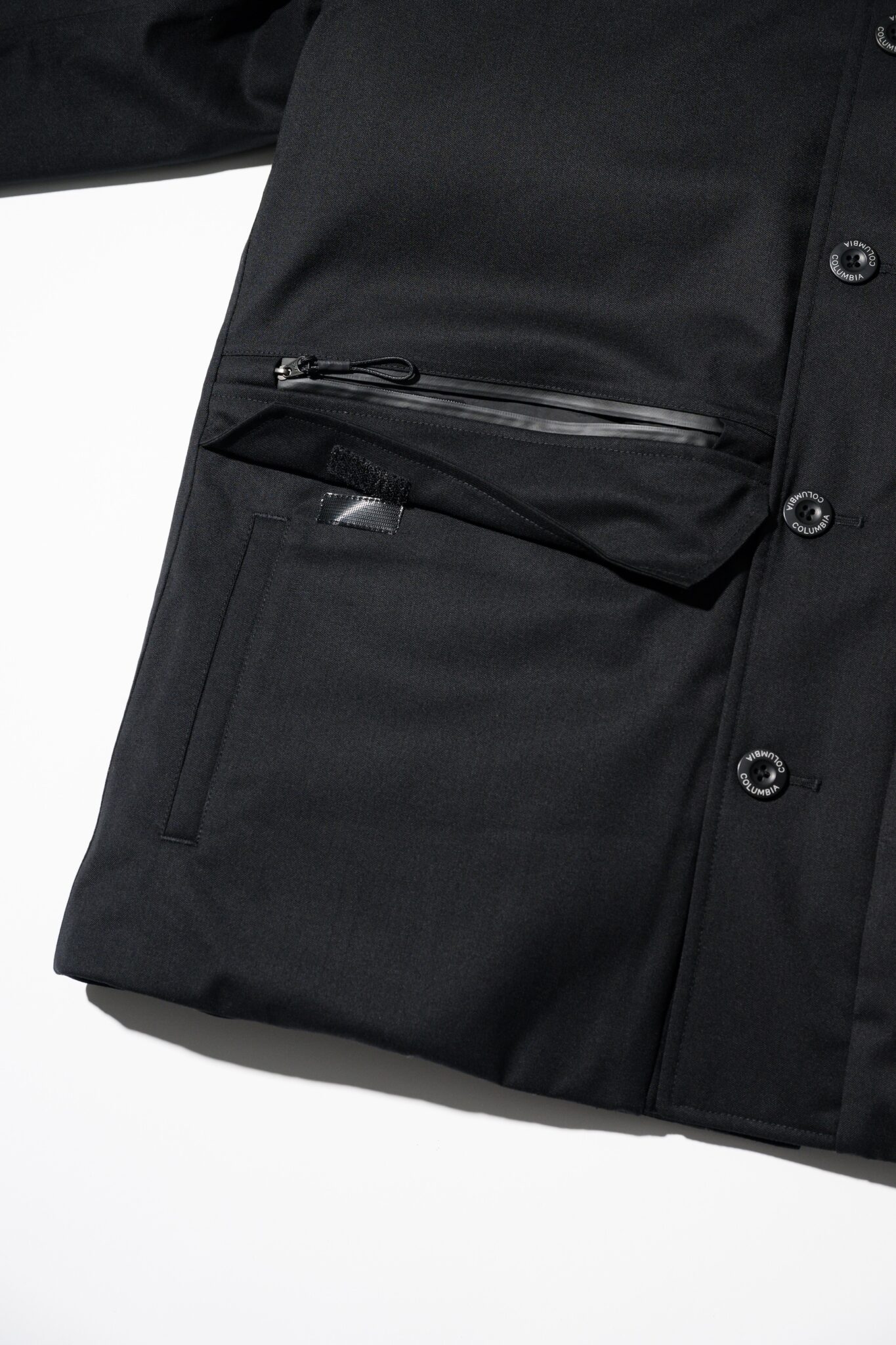
“COLUMBIA BLACK LABEL” Cedar Bend Jacket — ¥69,850 A rain jacket made with waterproof-breathable material. Designed for rainy field conditions while maintaining a silhouette and details suitable for urban wear.
A hood structure designed for rainy conditions, covering the neck and providing essential shell-jacket performance.
Pockets positioned for easy access during movement, reflecting field-oriented design.
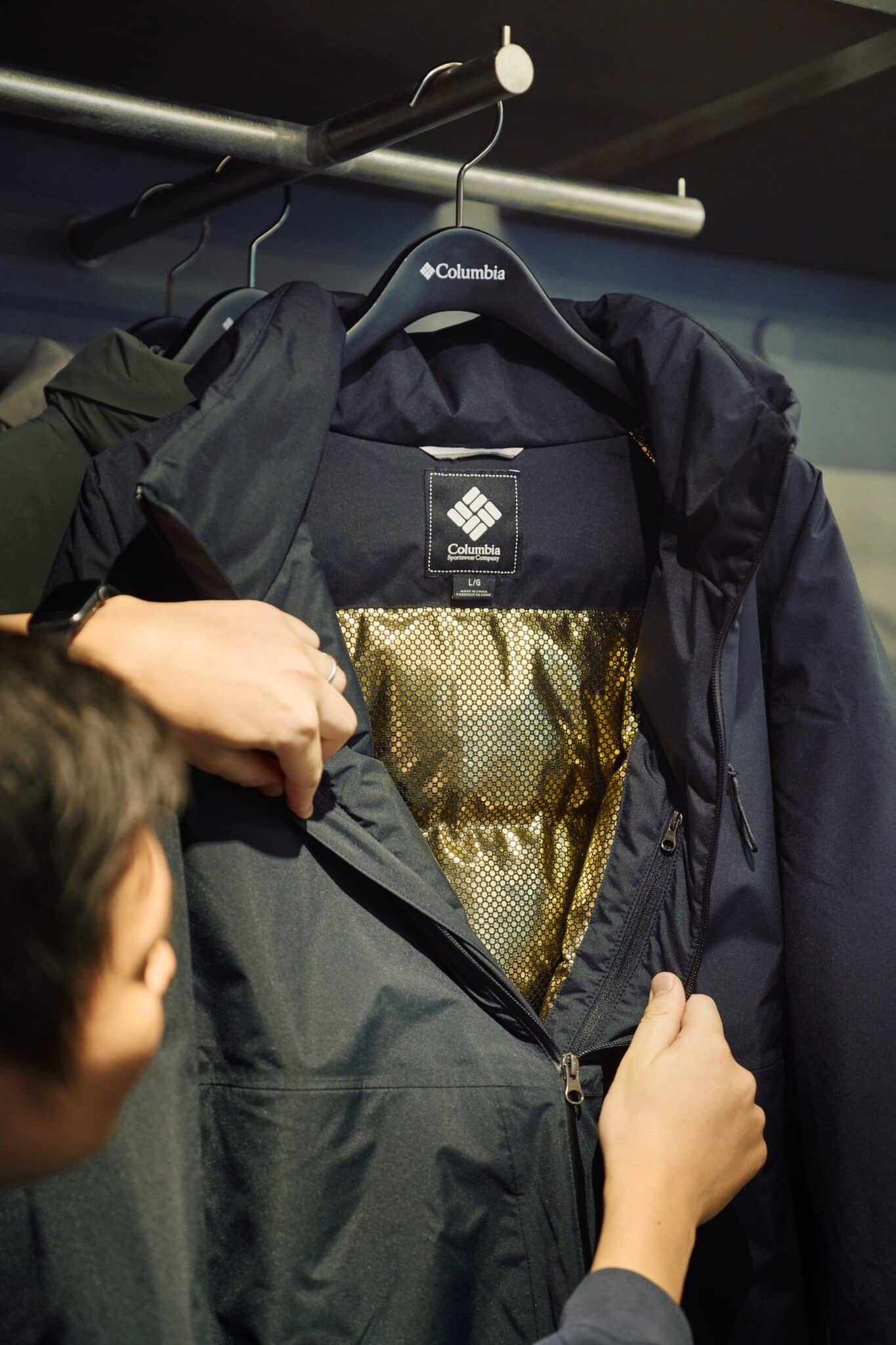
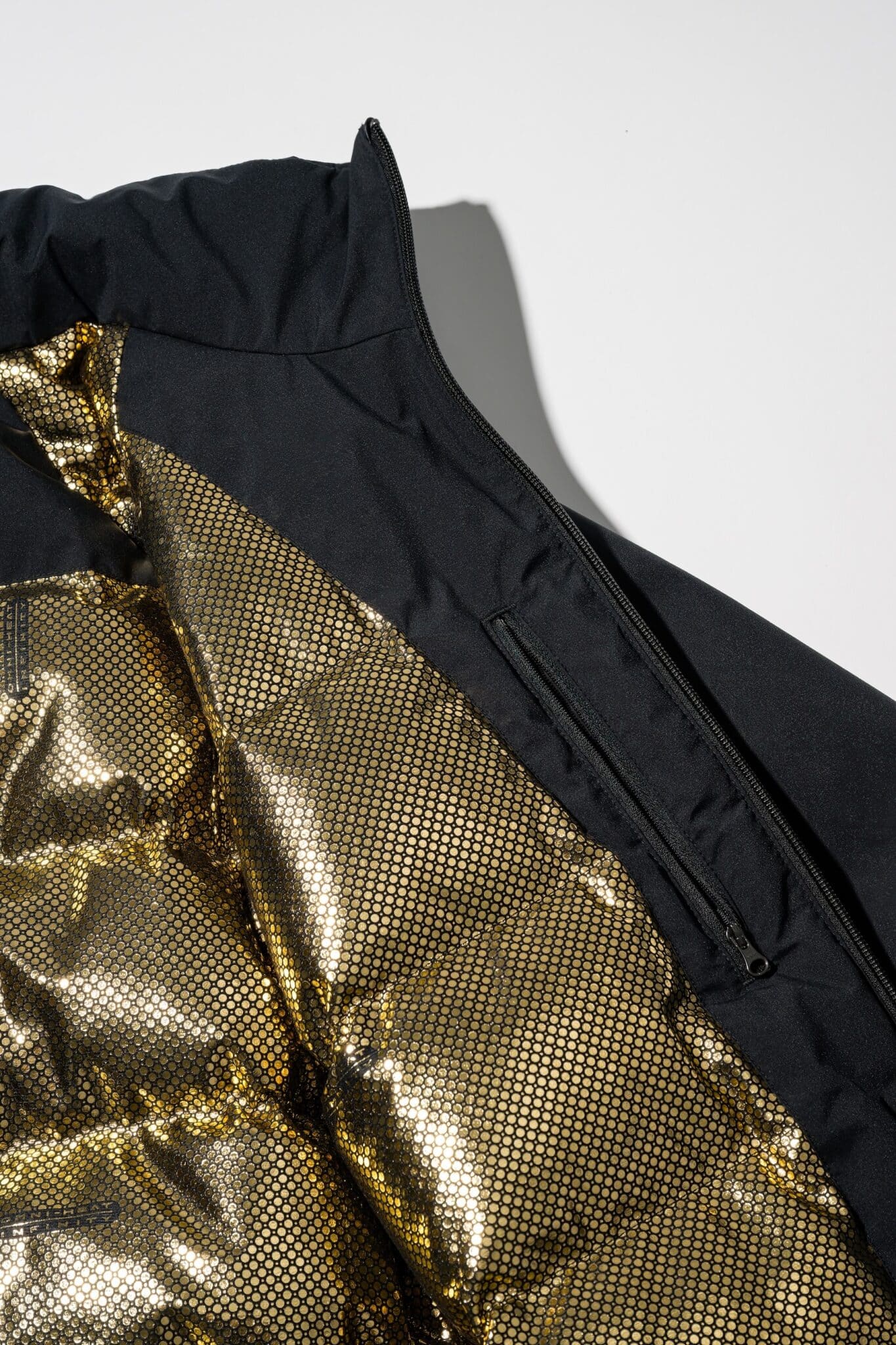
“COLUMBIA BLACK LABEL” Cove to Dome Jacket — ¥55,550 An outer shell designed to handle wind and cold. Based on outdoor-derived functionality, it supports easy layering and adapts to daily life as well as active situations.
Uses Omni-Heat™ heat-reflective lining to enhance warmth by reflecting body heat.
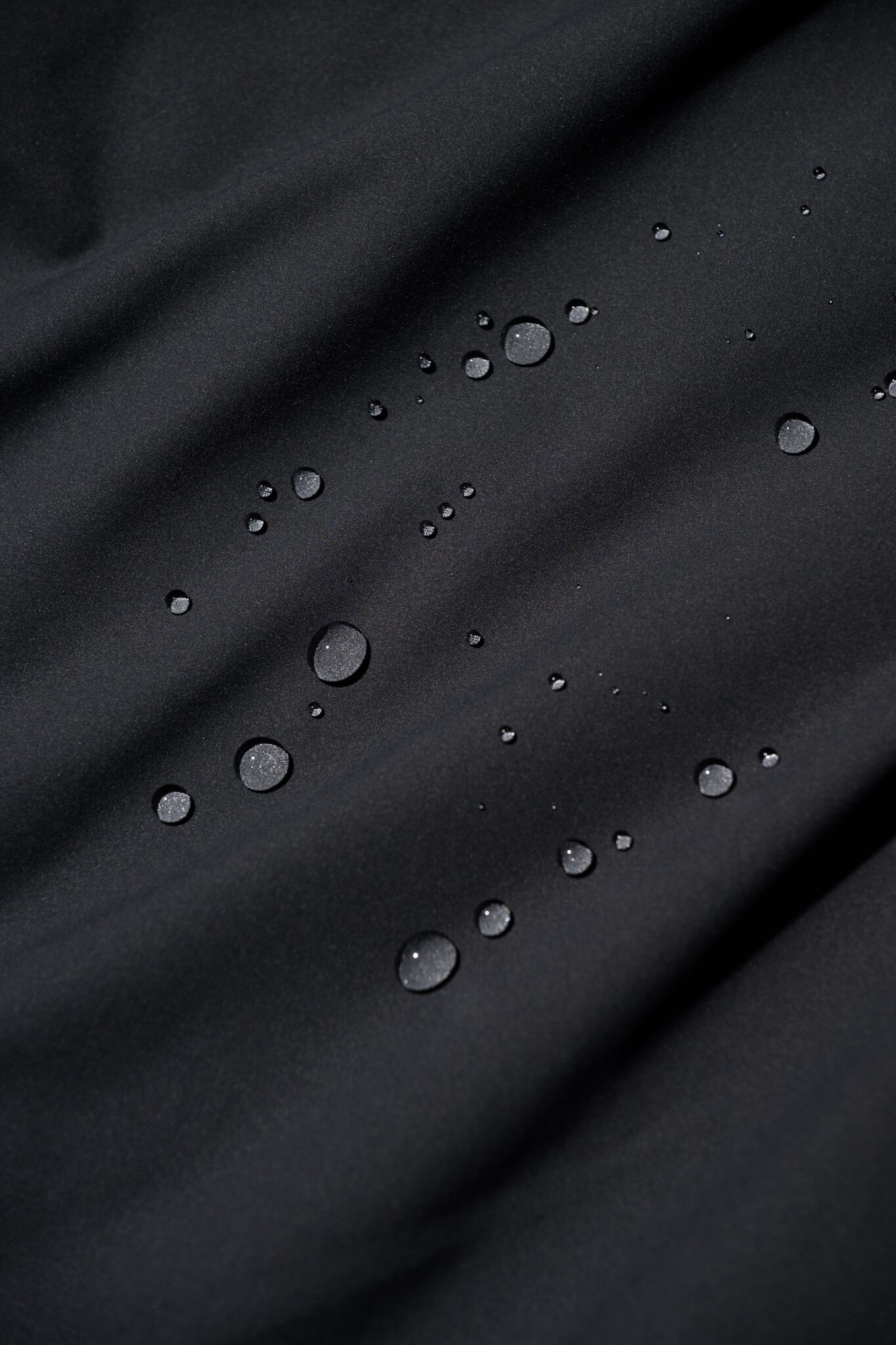
Features a water-repellent finish suitable for light rain or snow, incorporating waterproof-breathable Omni-Tech™functionality.
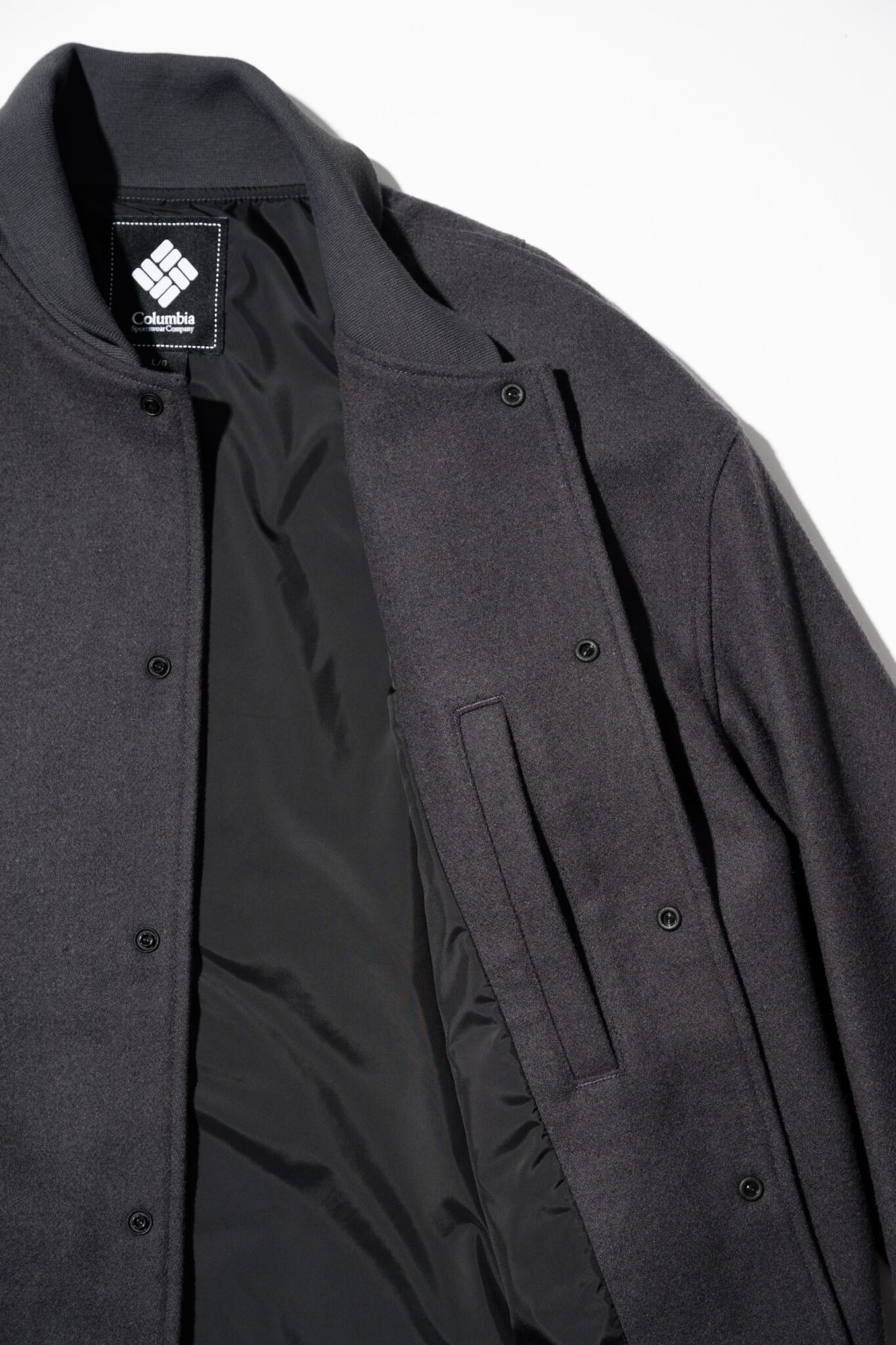
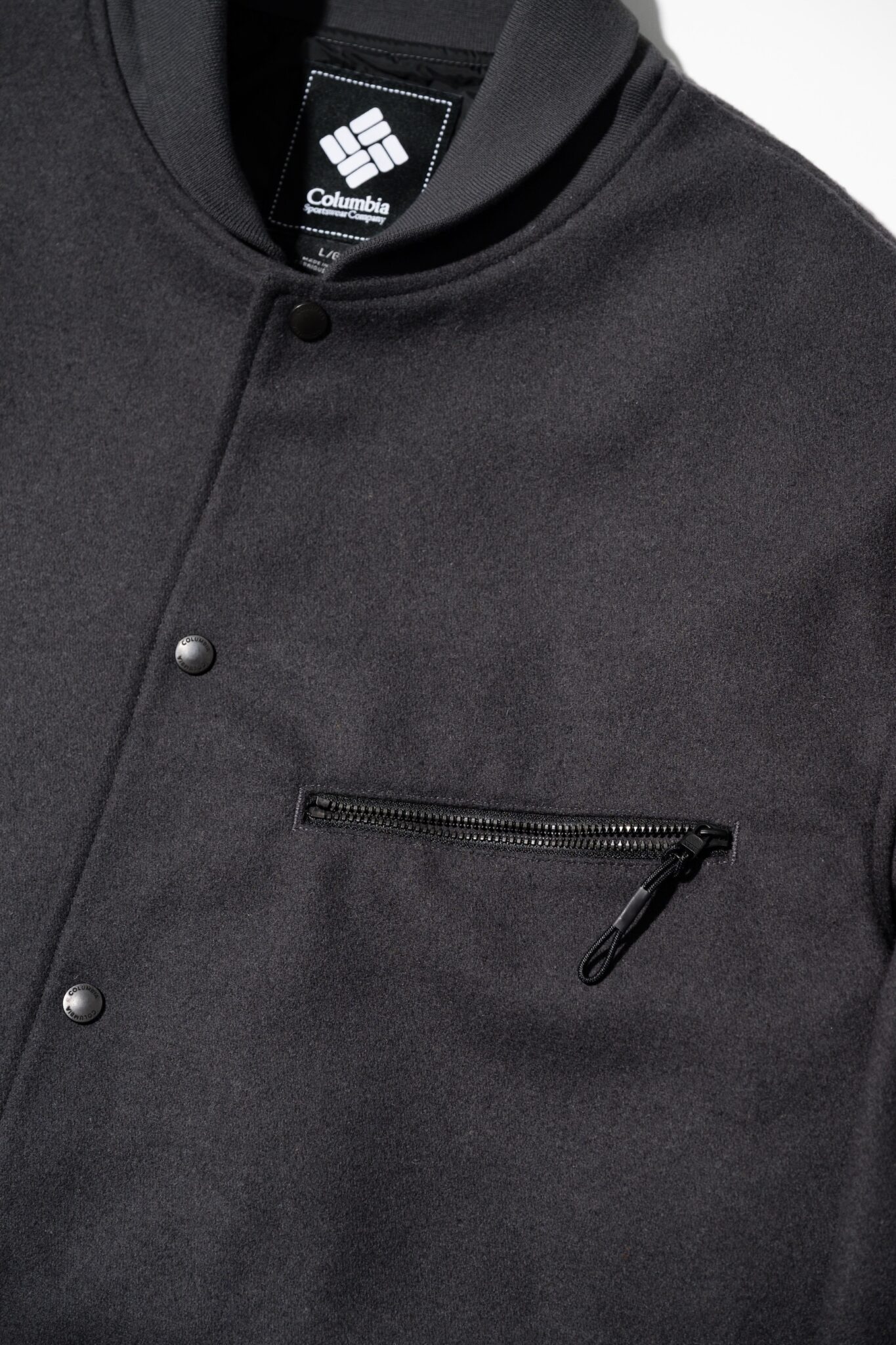
“COLUMBIA BLACK LABEL” Greybrush Jacket — ¥31,900 Designed for ease of movement during activity, combining outdoor mobility with a minimalist design that blends naturally into urban settings.
Materials selected for durability and ease of handling, based on outdoor use.
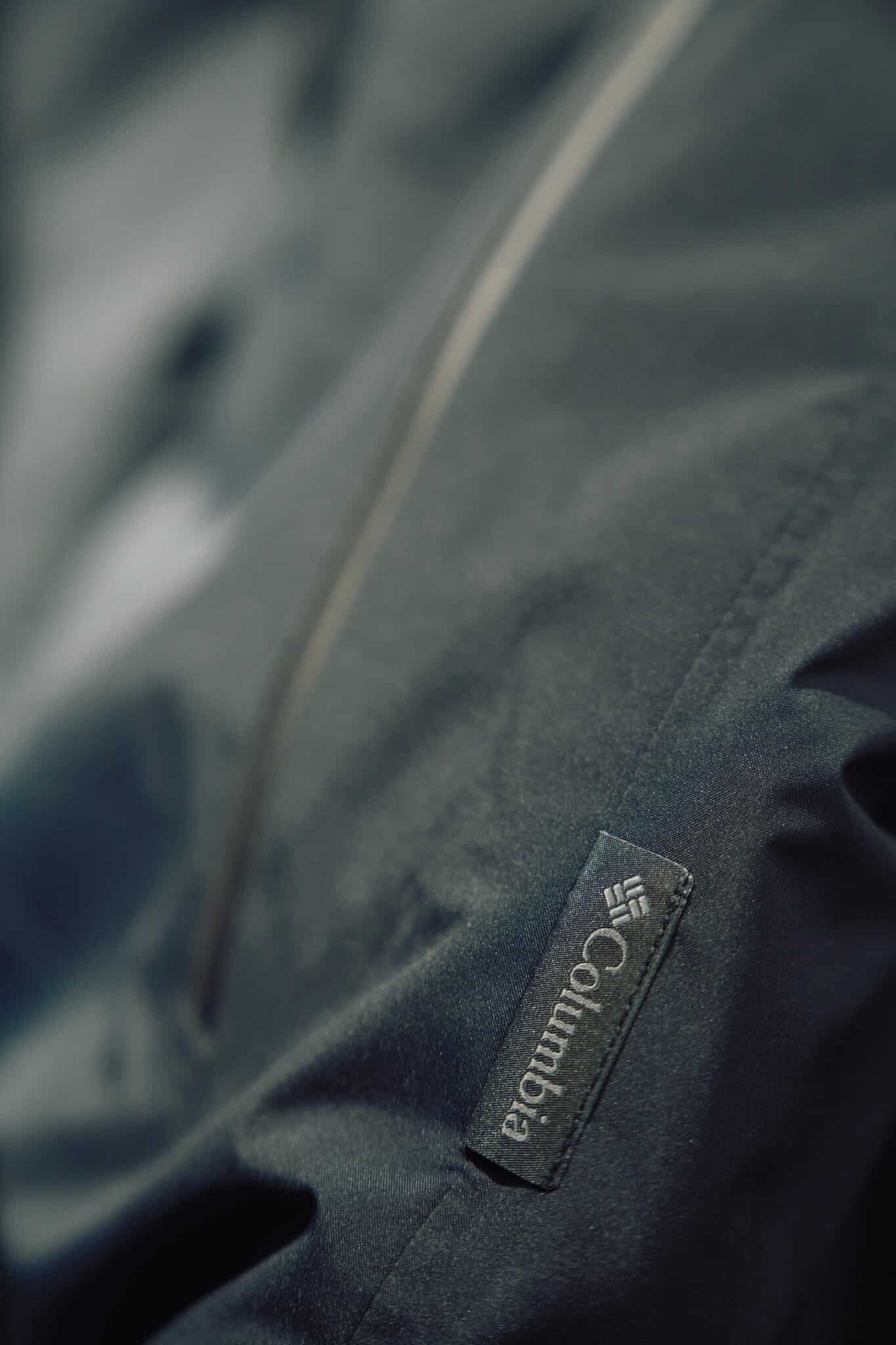
Minimal logo expression, designed to avoid limiting usage scenarios.
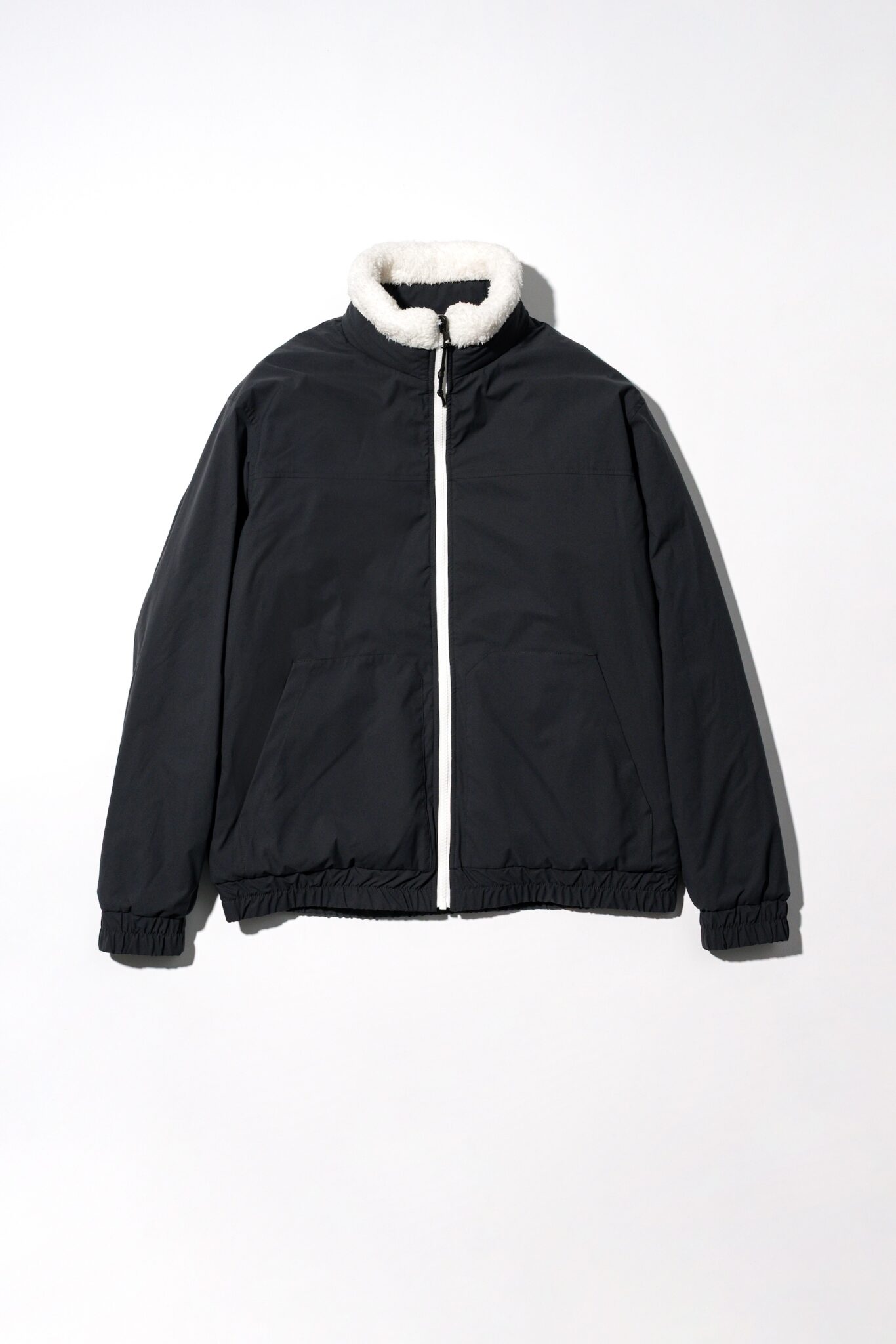
“COLUMBIA BLACK LABEL” Hooker Bowl Jacket — ¥28,600 An outer layer designed for layering, balancing warmth and lightness. Suitable for active use and urban life that moves between indoor and outdoor spaces.
A reversible design offering two different looks depending on environment and style.
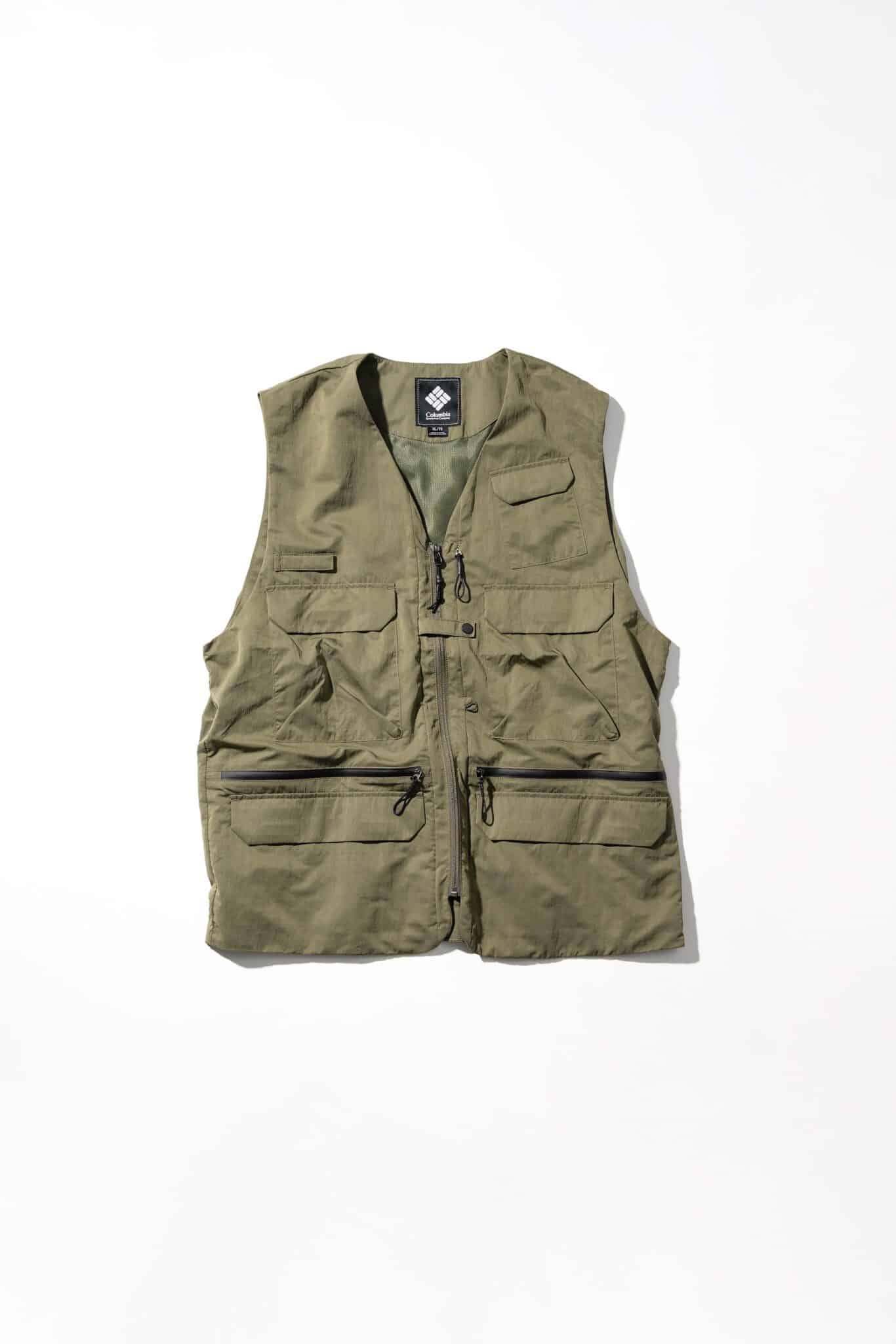
“COLUMBIA BLACK LABEL” Log River Black Vest — ¥26,400 A vest designed for layering, providing core warmth while allowing free arm movement. Reconstructs outdoor-derived functionality into a form suited for urban life.
Designed to minimize interference when layered with jackets.
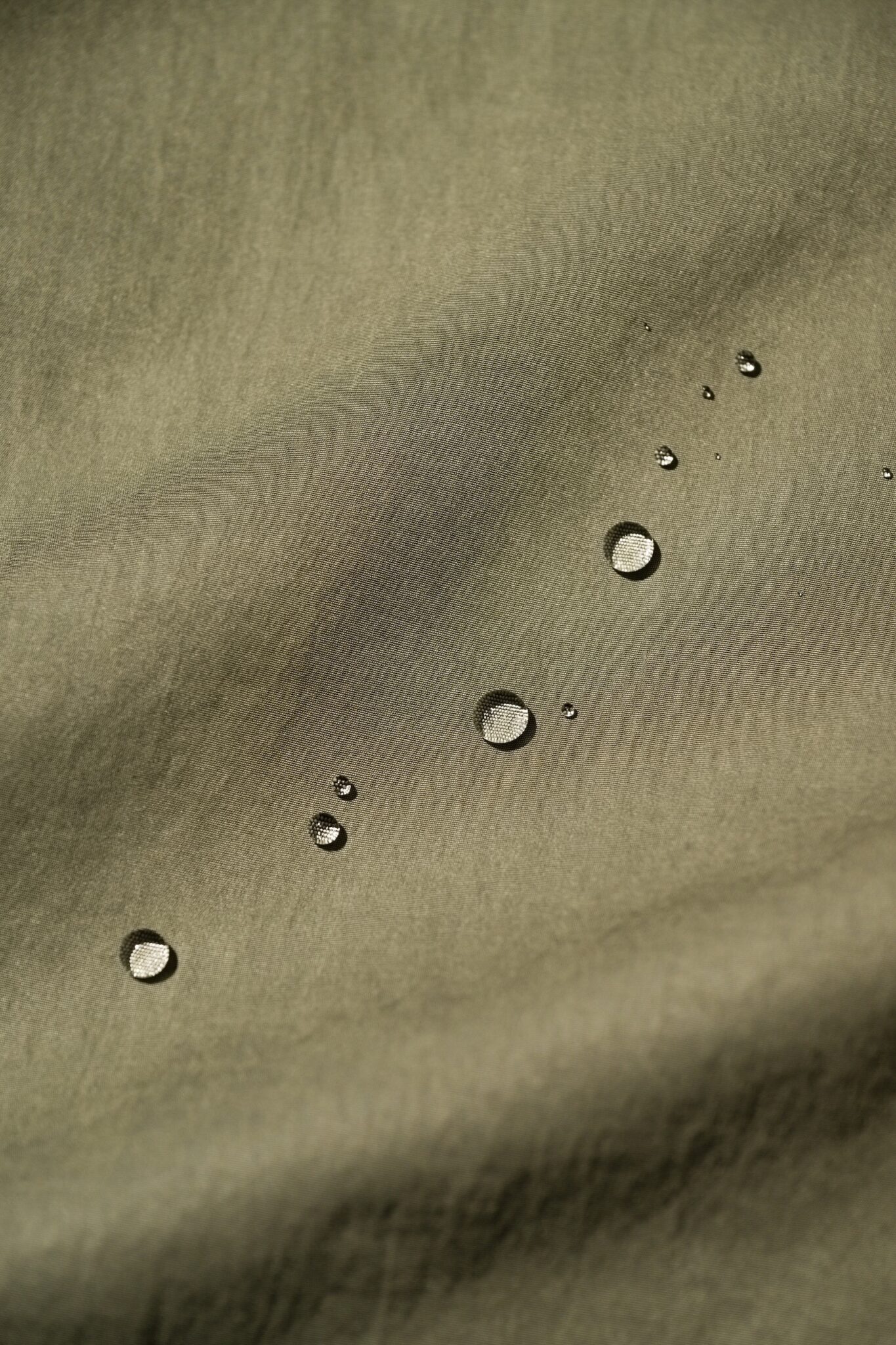
Water-repellent outer fabric that maintains material texture while remaining easy to handle.
This article was updated on January 21, 2026 (at the time of publication)