DEEPTOKYO
magazine

EN

DEEPTOKYO
magazine
EN
2026.01.14
Chopsticks Crafted from Japanese Wood and Skilled Traditional Handwork


 Nearest Station

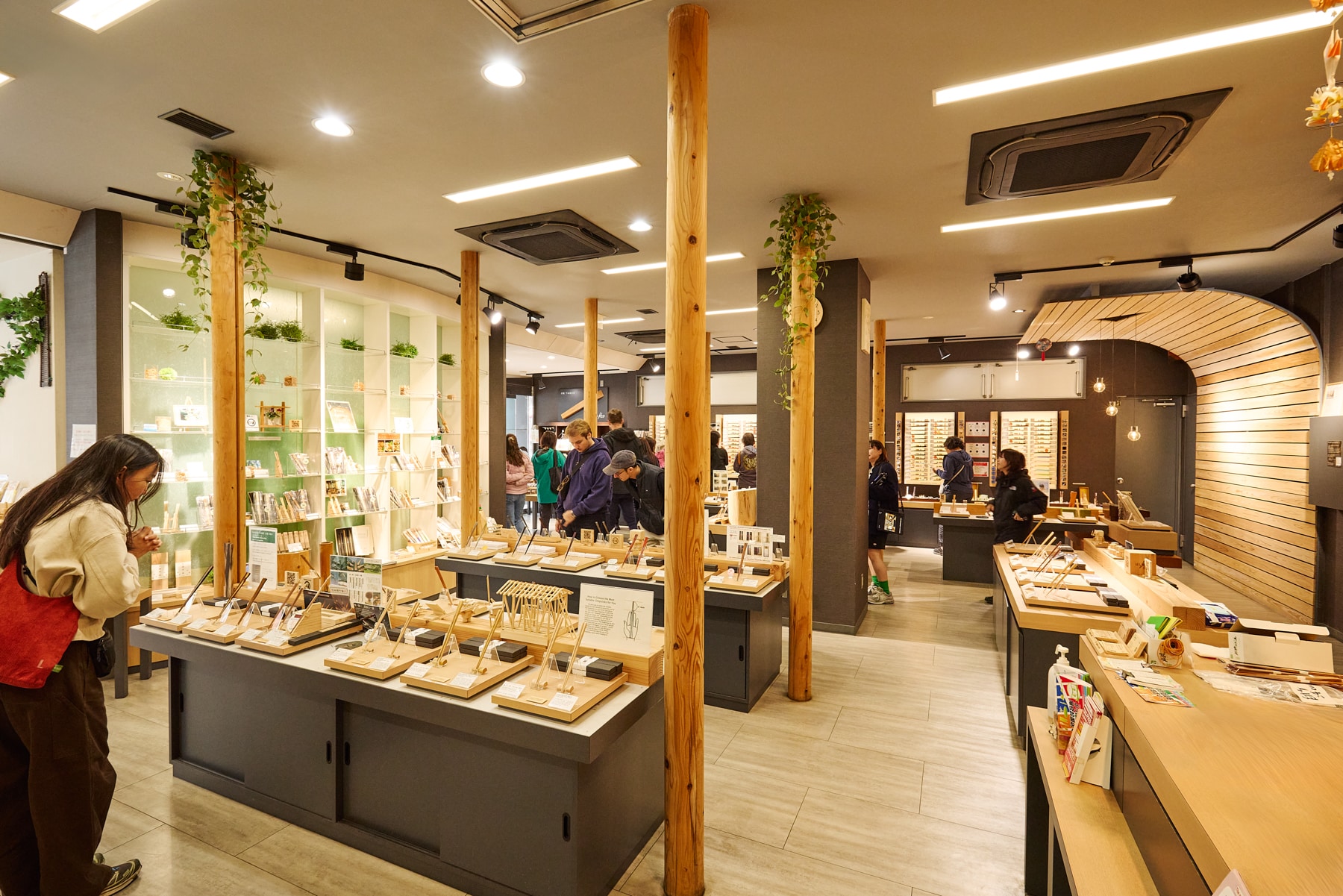
Located in Kappabashi Dougu Street, the 115-year-old Hashitou Honten offers approximately 400 varieties of chopsticks made exclusively from domestically sourced wood. The selection includes unfinished wooden chopsticks that highlight the natural texture of the wood, lacquered chopsticks finished with carefully layered urushi lacquer, and disposable chopsticks. The pillars and display fixtures inside the shop are made from Japanese cedar. Surrounded by the scent and warmth of wood, visitors can take their time enjoying the process of choosing chopsticks.
SHARE


The history of Hashitou Honten dates back to 1910. Its founder, Tojiro Uenaka, traveled to Tokyo to introduce cedar disposable chopsticks produced in the Yoshino region of Nara Prefecture to restaurants in the city, opening a shop centered on chopsticks and other dining-related goods. At the time, Japan’s timber industry thrived as a local industry, and the shop grew along with it.
However, as the timber industry declined with changing times, the store—originally handling daily necessities beyond chopsticks—made a decisive shift to become a chopsticks-only specialty shop, driven by a strong desire to preserve chopstick culture. Today, under the concept of “Rediscovering Japan’s Forests and Woodworking Artisans,” Hashito Honten shares the appeal of chopsticks made from domestic wood and skilled craftsmanship not only within Japan, but also overseas. In recent years, its activities have expanded to include workshops held abroad.
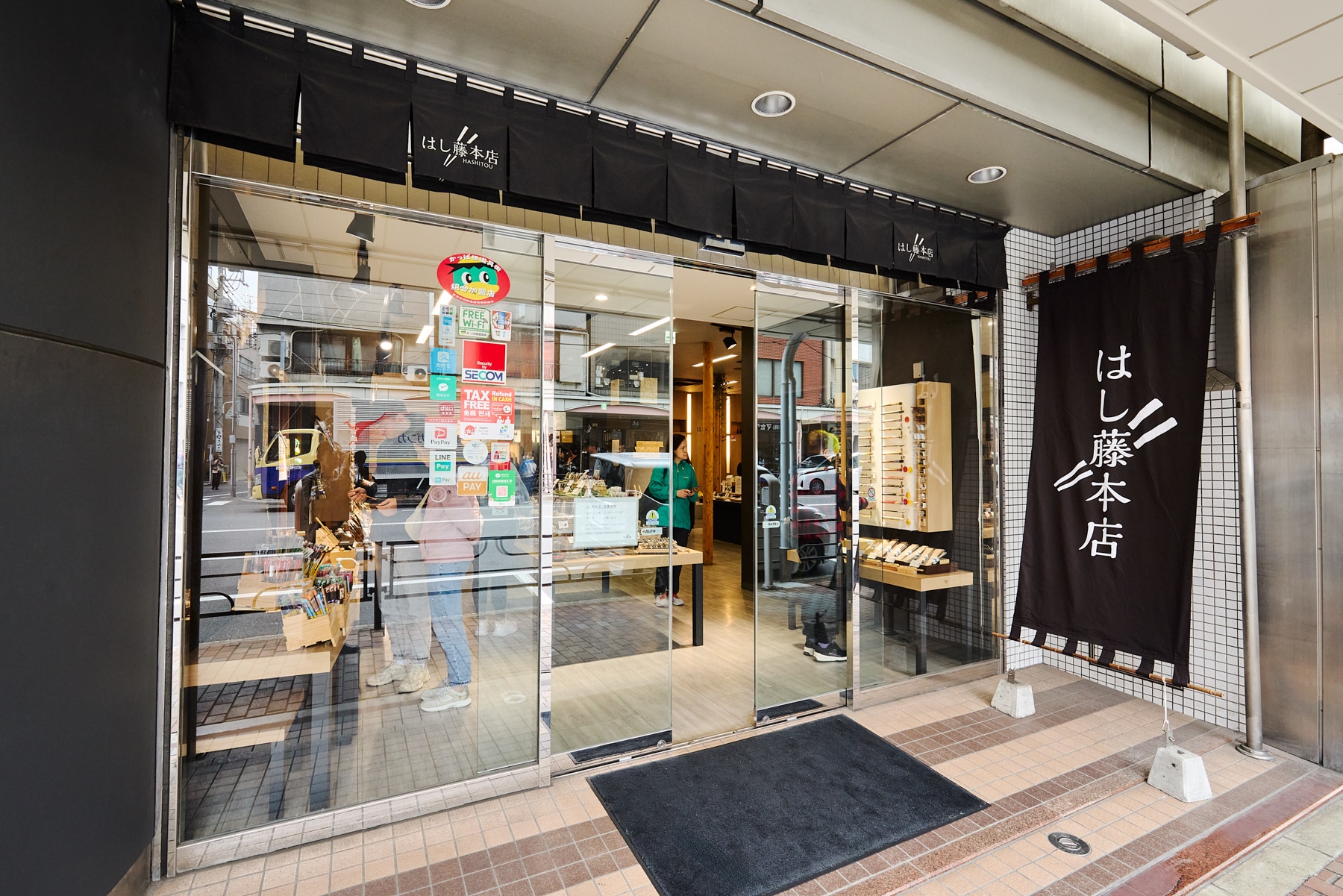
A noren bearing a large chopsticks logo and the store name marks the entrance.(A noren is a traditional Japanese fabric curtain hung at storefronts as a sign.)
The shop interior is divided into sections by category, including artisan-crafted chopsticks and chopstick rests.
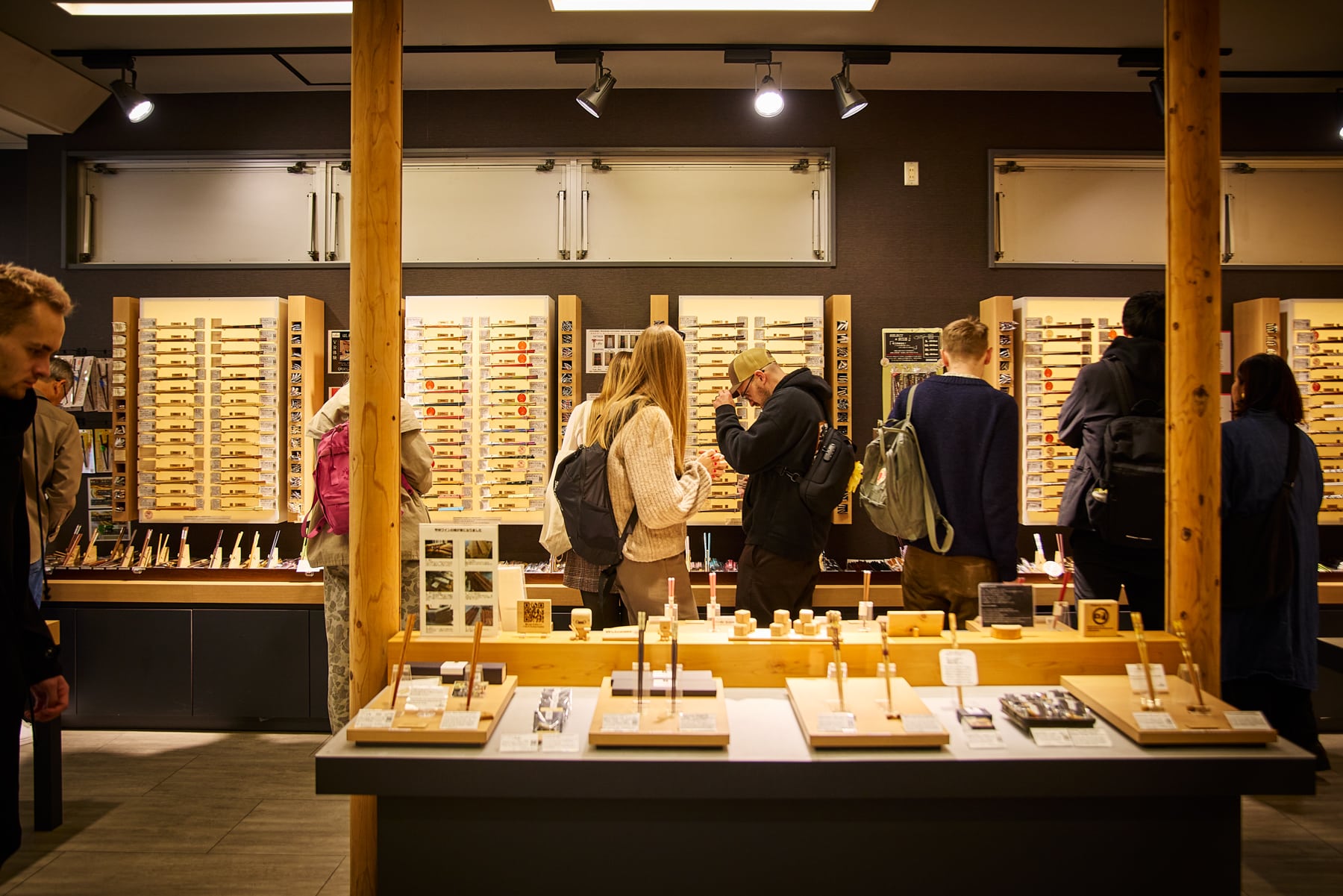
Everyday unfinished wooden and lacquered chopsticks line the walls, while the central display tables feature a carefully selected range of chopsticks made by skilled artisans.
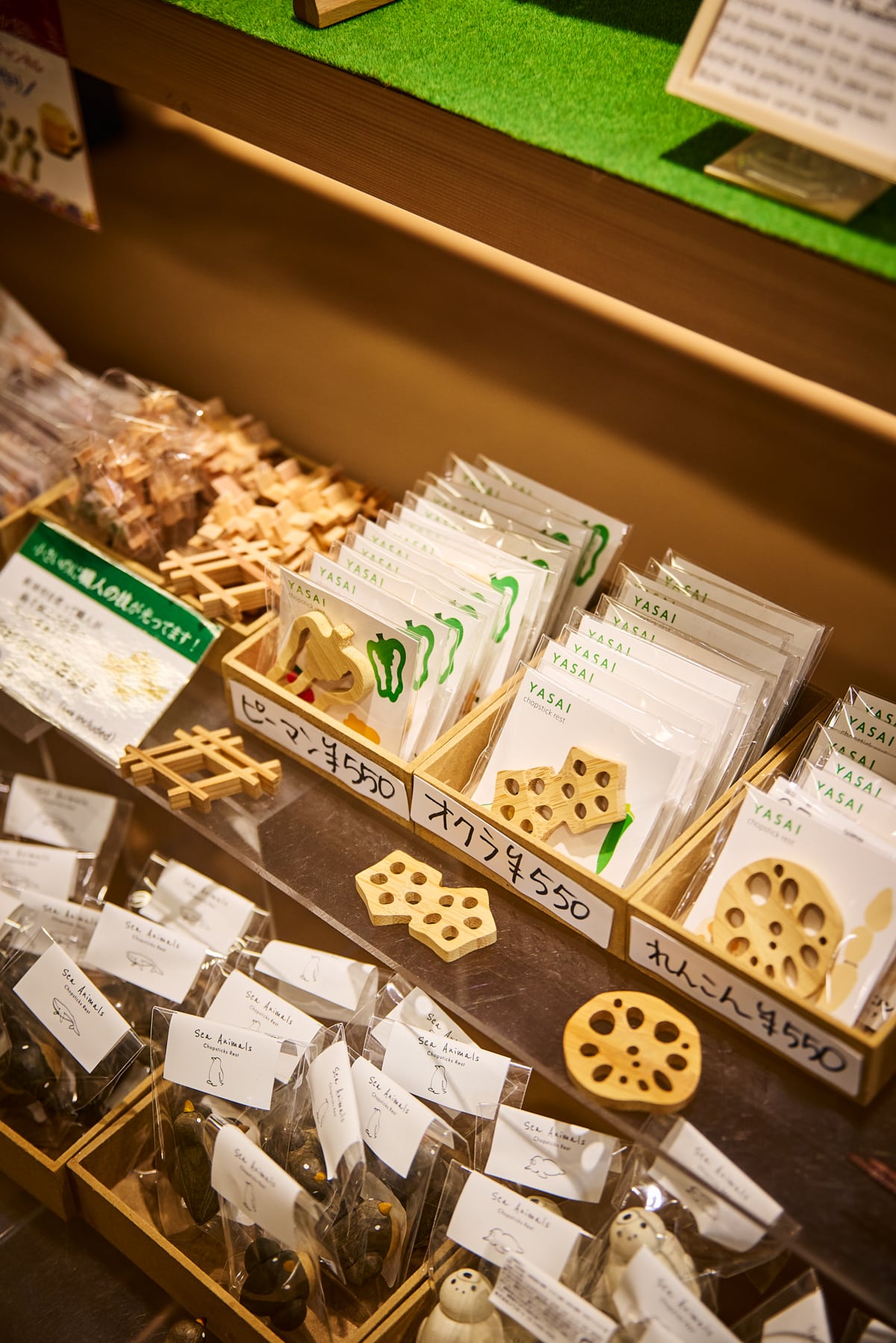
The chopstick rest corner near the entrance features an all-wood selection, with charming designs inspired by vegetables, animals, and other motifs. “YASAI” series, from 550 yen each
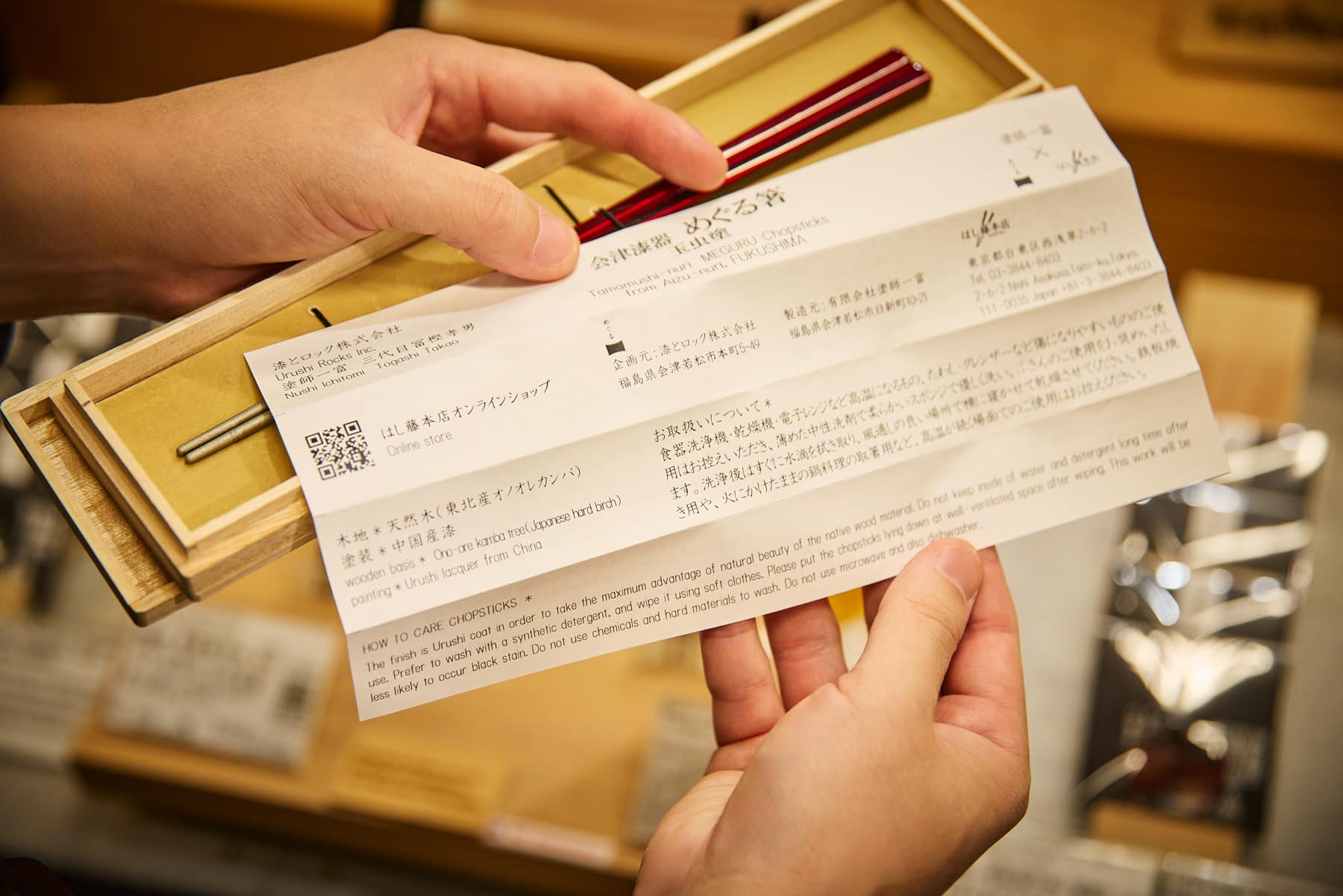
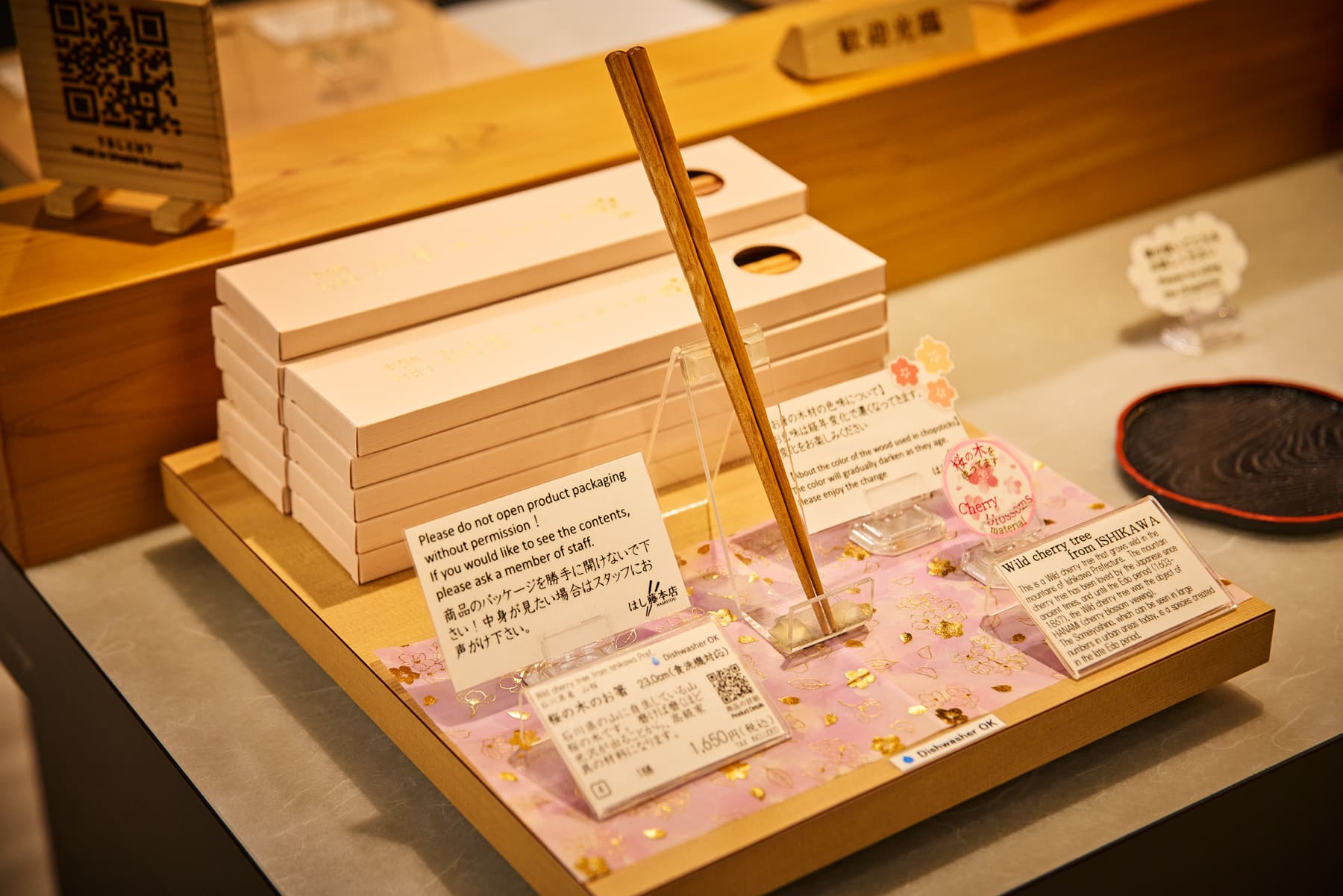
Each pair of chopsticks in the shop is accompanied by an information card outlining the origin and characteristics of the wood. Where it was sourced, who made it, and with what intention. Learning about the background and production process helps customers find a pair they can grow more attached to over time. Purchased chopsticks also come with an instruction leaflet written in English. Usage and care instructions are clearly explained, making them popular with international visitors.
All chopsticks come with an instruction leaflet. The reverse side includes explanations in English.
“Sakura no Ki no Ohashi” (1,650 yen), made from wild cherry wood sourced in Ishikawa Prefecture, is the shop’s most popular item. As a material that evokes a distinctly Japanese sensibility, it is often chosen as a souvenir by overseas visitors.
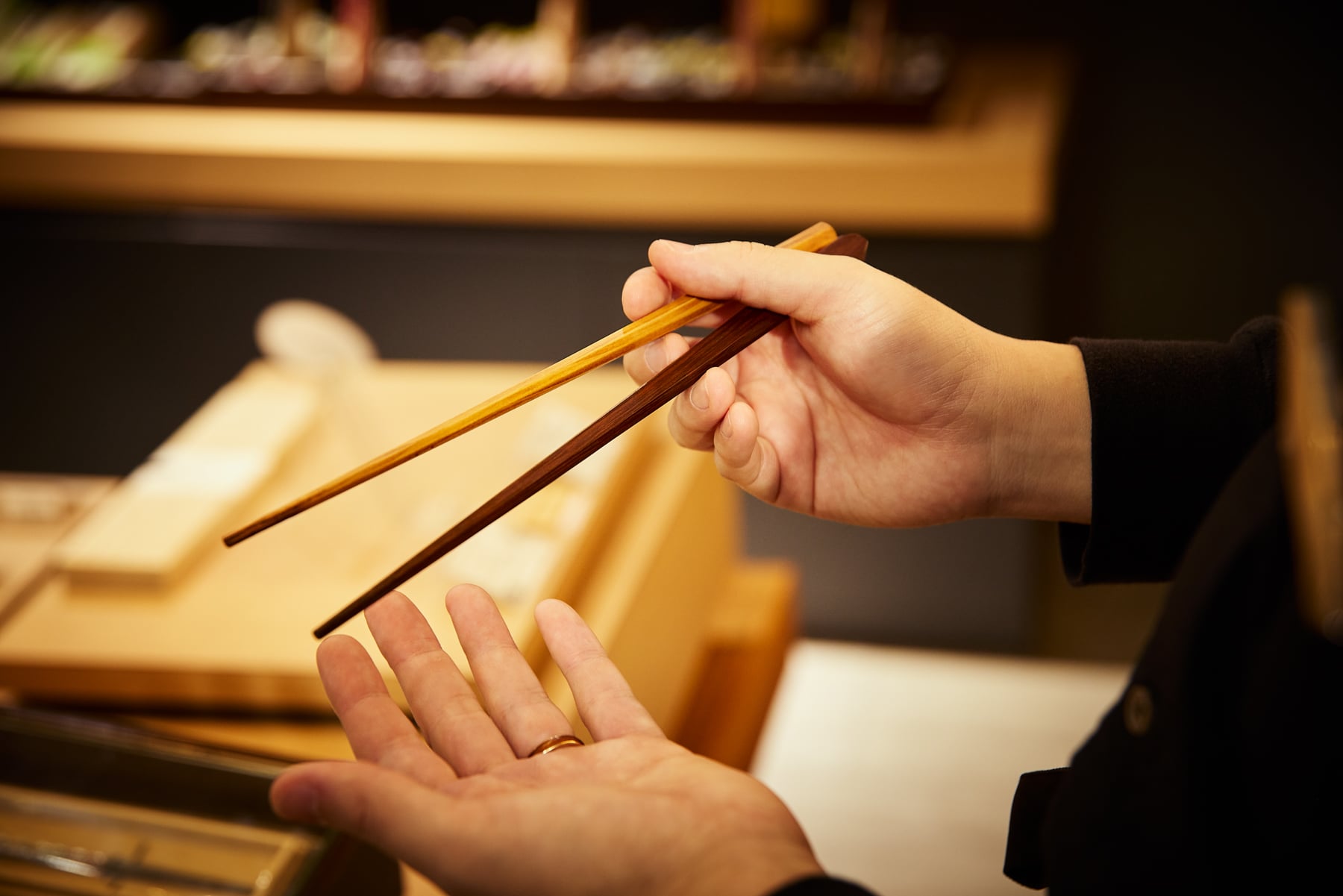
“Hashi Asymé” (17,600 yen), created by Koyama Hashiten of Ishikawa Prefecture, combines traditional Wajima lacquerware with an asymmetrical design in which the left and right chopsticks differ in both material and shape.
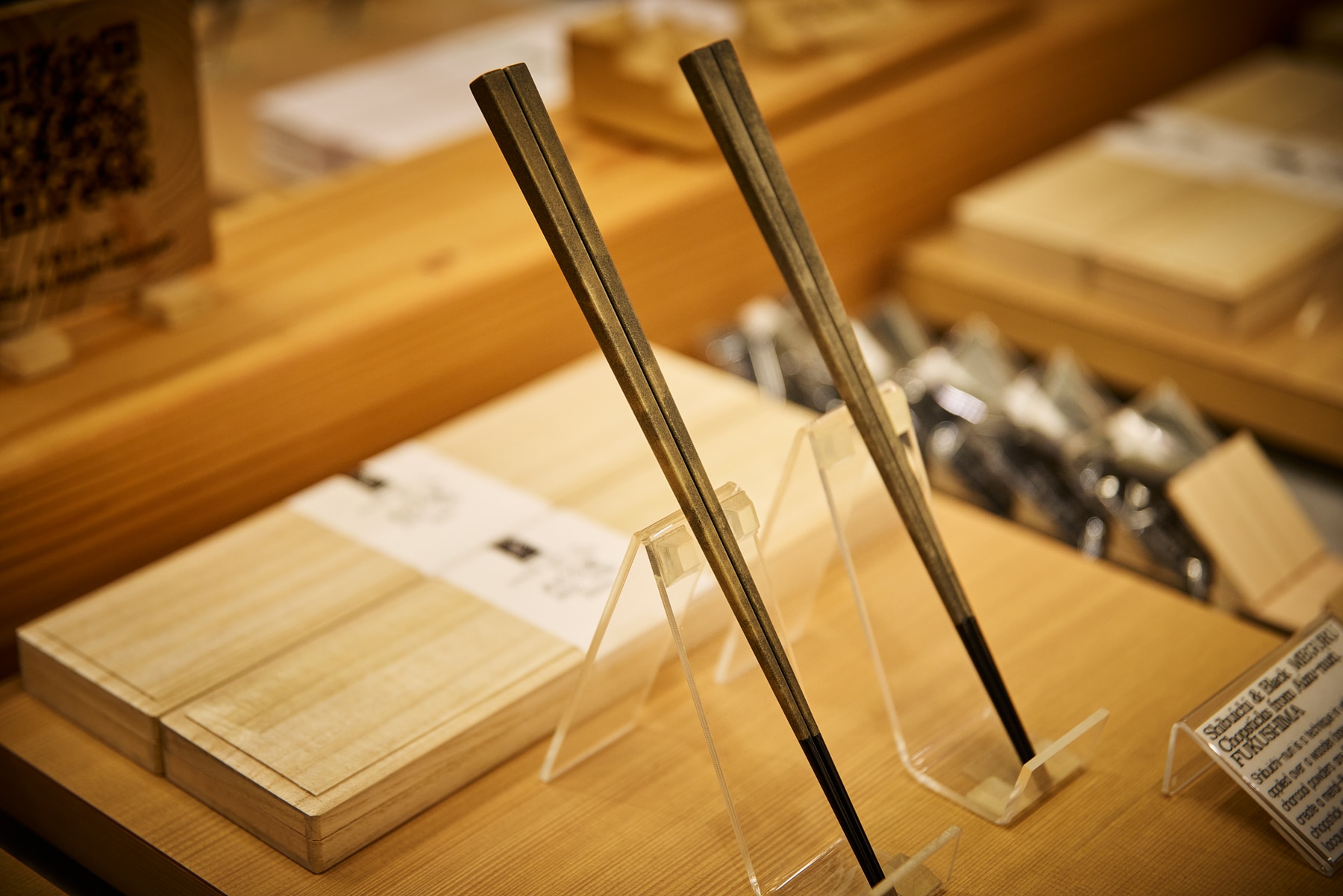
“Meguru Hashi” (22,000 yen), crafted by the Aizu lacquer studio “Nurishi Ichitomi,” features multiple layers of urushi lacquer applied to the wooden base, finished by fixing tin powder and charcoal powder with lacquer. Its metallic-like texture allows it to pair effortlessly with both Japanese and Western cuisine.
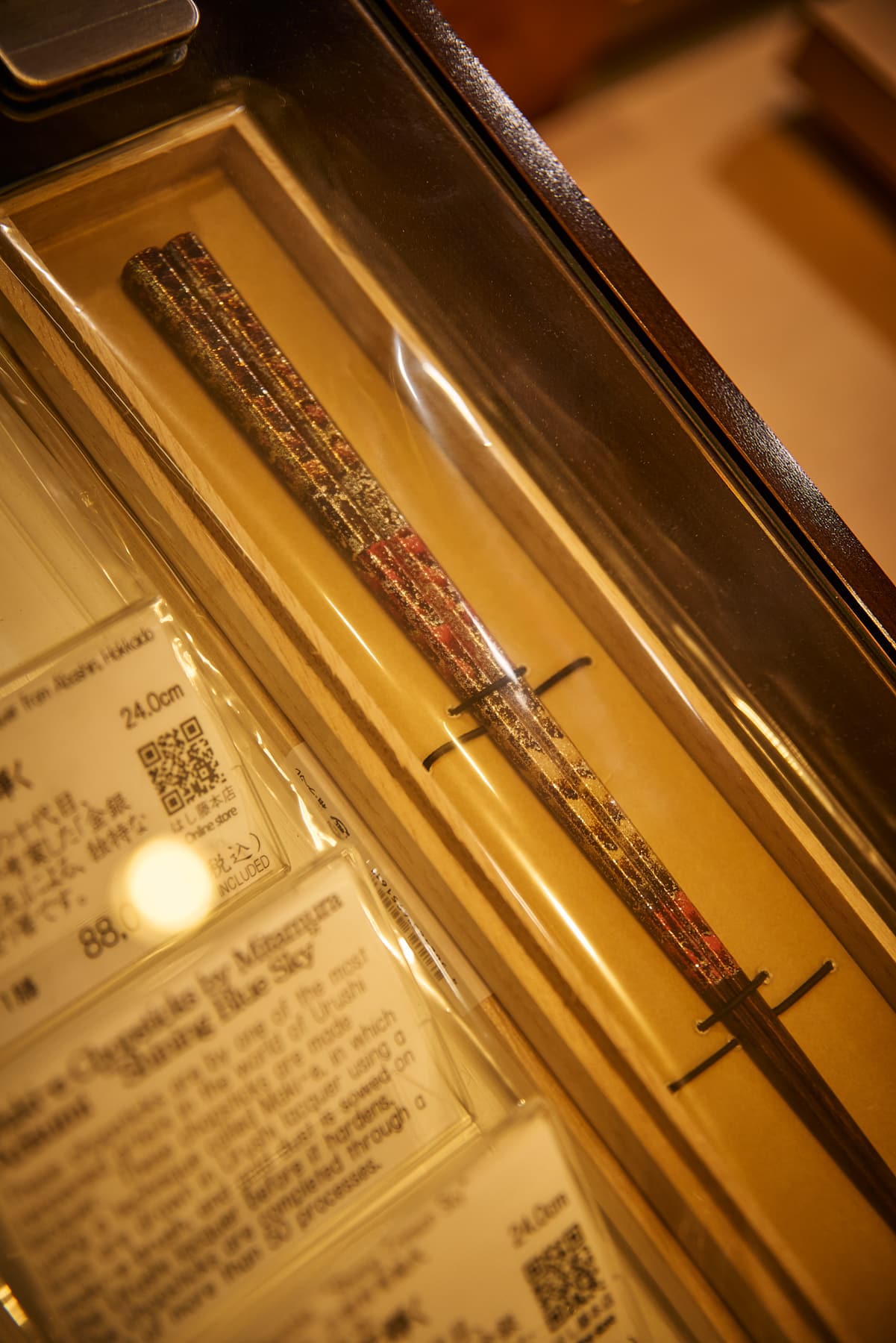
“Maki-e Ohashi: Kurenai Sora Kagayaku” (88,000 yen) by Yujun Mitamura, Honorary Professor at Tokyo University of the Arts, is the most expensive pair in the shop. The delicate brilliance of the maki-e lacquerwork gives it a presence akin to a work of art.
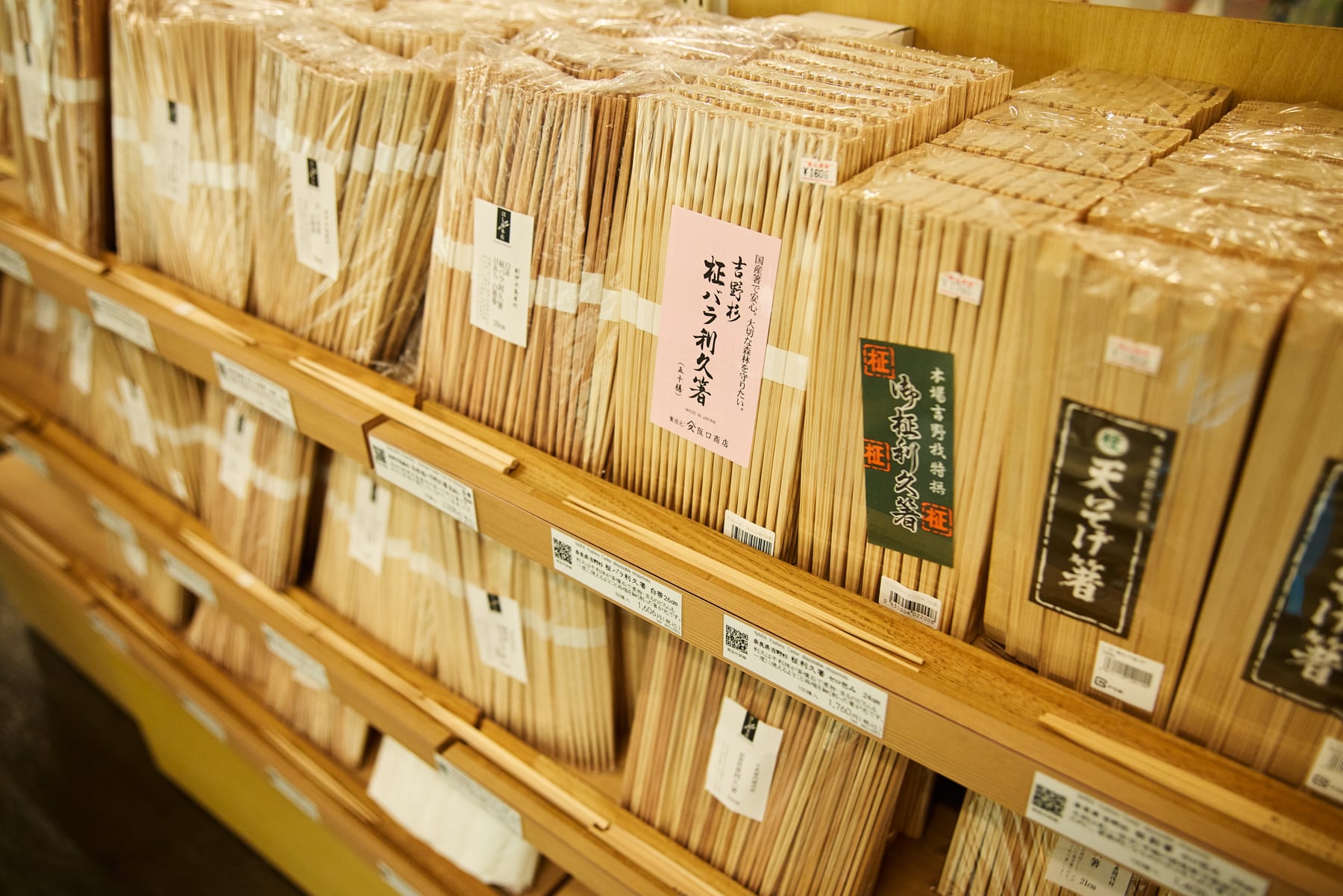
The first floor displays unfinished wooden chopsticks, lacquered chopsticks, and chopstick rests, while the second floor is lined with disposable chopsticks and the paper sleeves used to wrap them. Particularly noteworthy is the lineup of approximately 30 varieties of disposable chopsticks—an exceptionally rare selection today. Although it is said that around 93% of disposable chopsticks on the market are imported, Hashitou Honten continues to focus exclusively on domestically sourced wood. Yasunari Uenaka, the fourth-generation owner, explains: “Using domestic timber also supports proper forest management and helps protect Japan’s forestry industry.” This perspective—viewing disposable chopsticks not simply as single-use items, but as tools that support Japan’s forests and chopstick culture—is reflected in the shop’s extensive lineup.
Many customers visit after encountering Hashitou Honten disposable chopsticks at Japanese or sushi restaurants and becoming curious about their feel in use. “Choosing chopstick materials to match the food—such as oil-repellent bamboo for tempura or fragrant cedar for sushi—is one distinctly Japanese way of enjoying a meal,” says Uenaka. Why not enjoy your next meal using chopsticks made from a material that suits your own preferences?
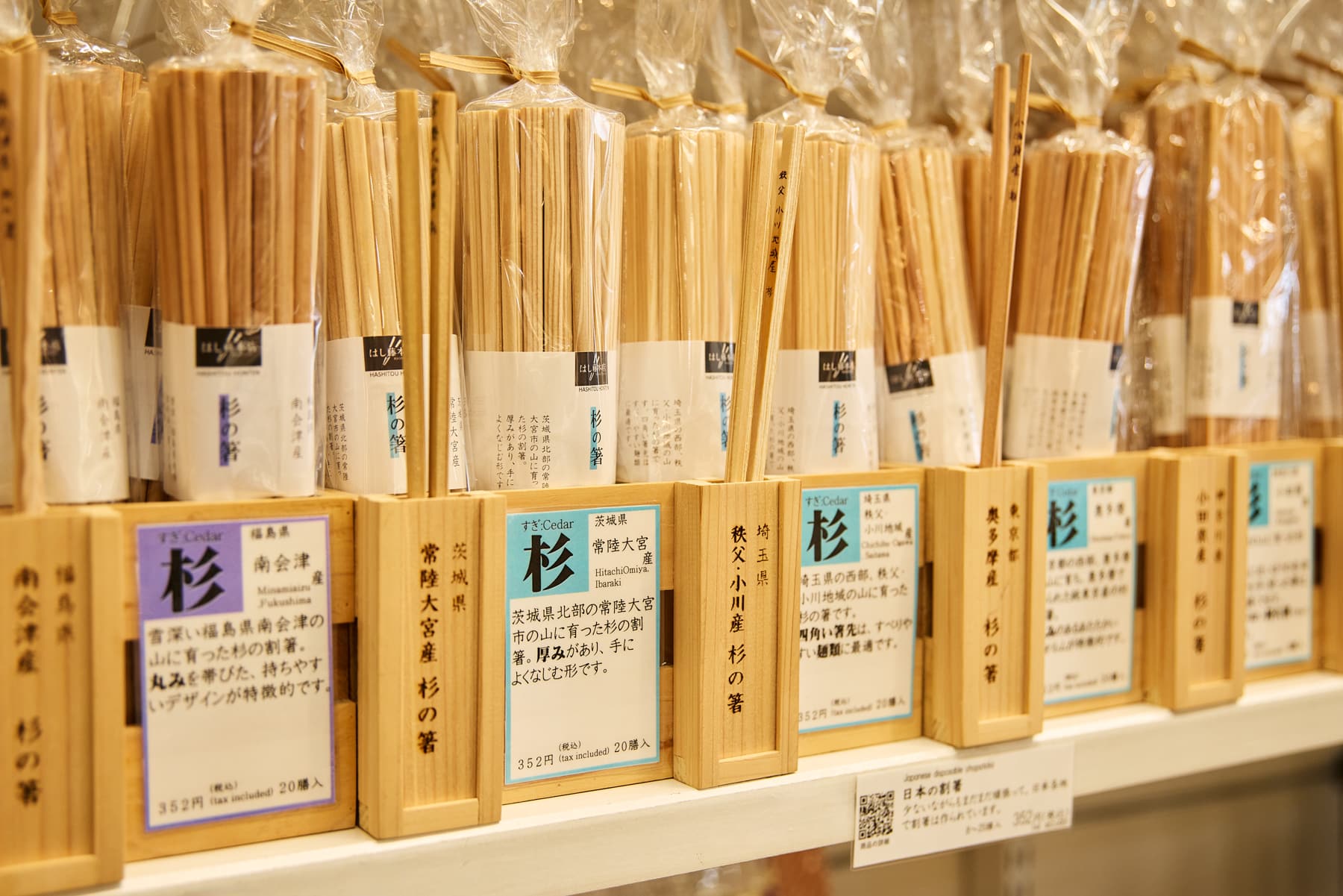
You can try the texture and feel of the disposable chopsticks using the samples placed at the front of the display.
Smaller packs are also available, making them a popular choice as souvenirs. “Japanese Disposable Chopsticks” (20 pairs, 352 yen).
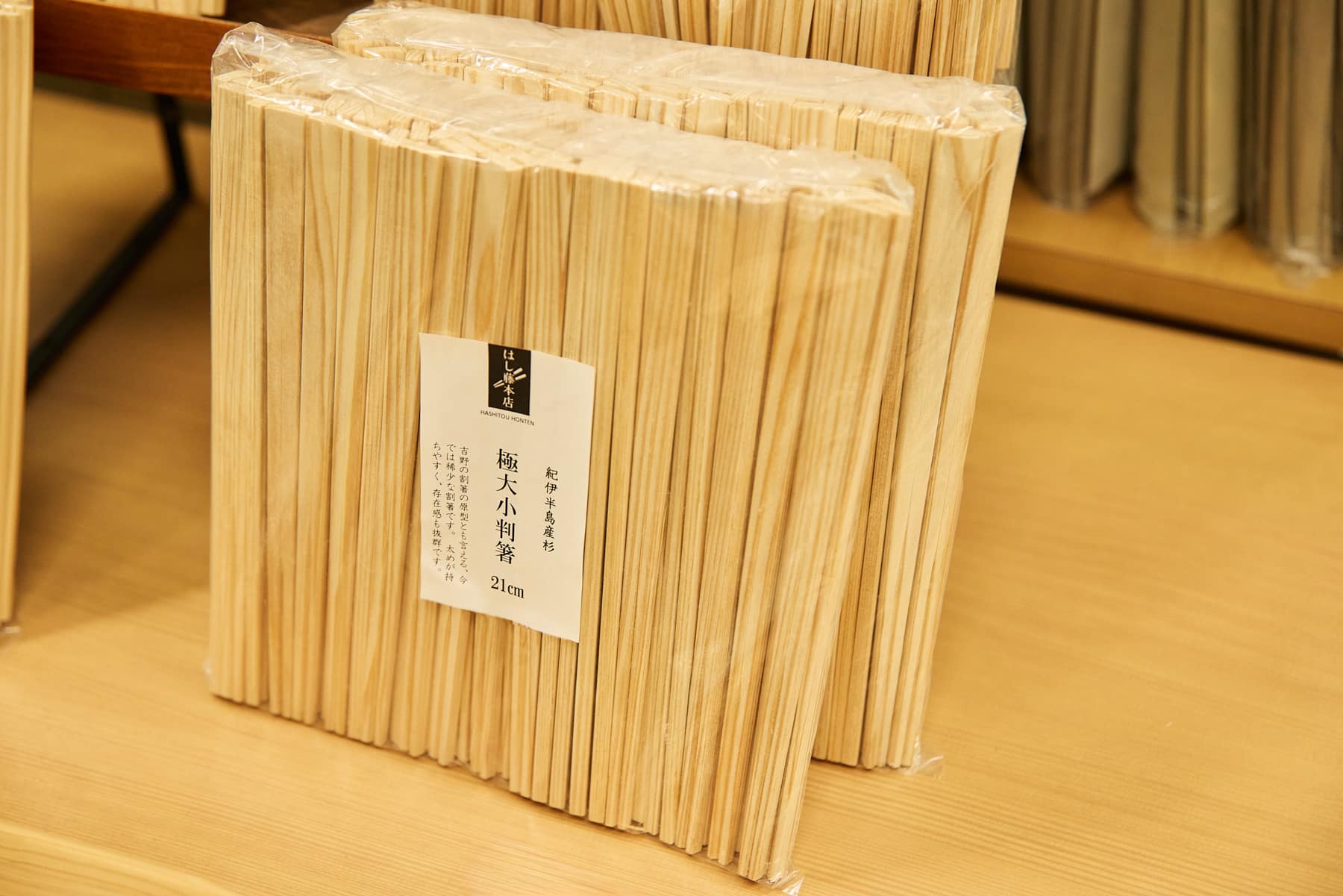
The shop’s top recommendation is the Gokubuto Oban-bashi (100 pairs, 1,001 yen), said to be the original form of disposable chopsticks. Its defining feature is the absence of a central groove, which is commonly used today to make chopsticks easier to split cleanly. Modern disposable chopsticks are designed to be split by the user, but when disposable chopsticks first became widespread during the Edo period, they were typically pre-separated into two individual sticks. It is said that during the Meiji period, the design evolved into the grooved form seen today in order to reduce waste and improve ease of use.
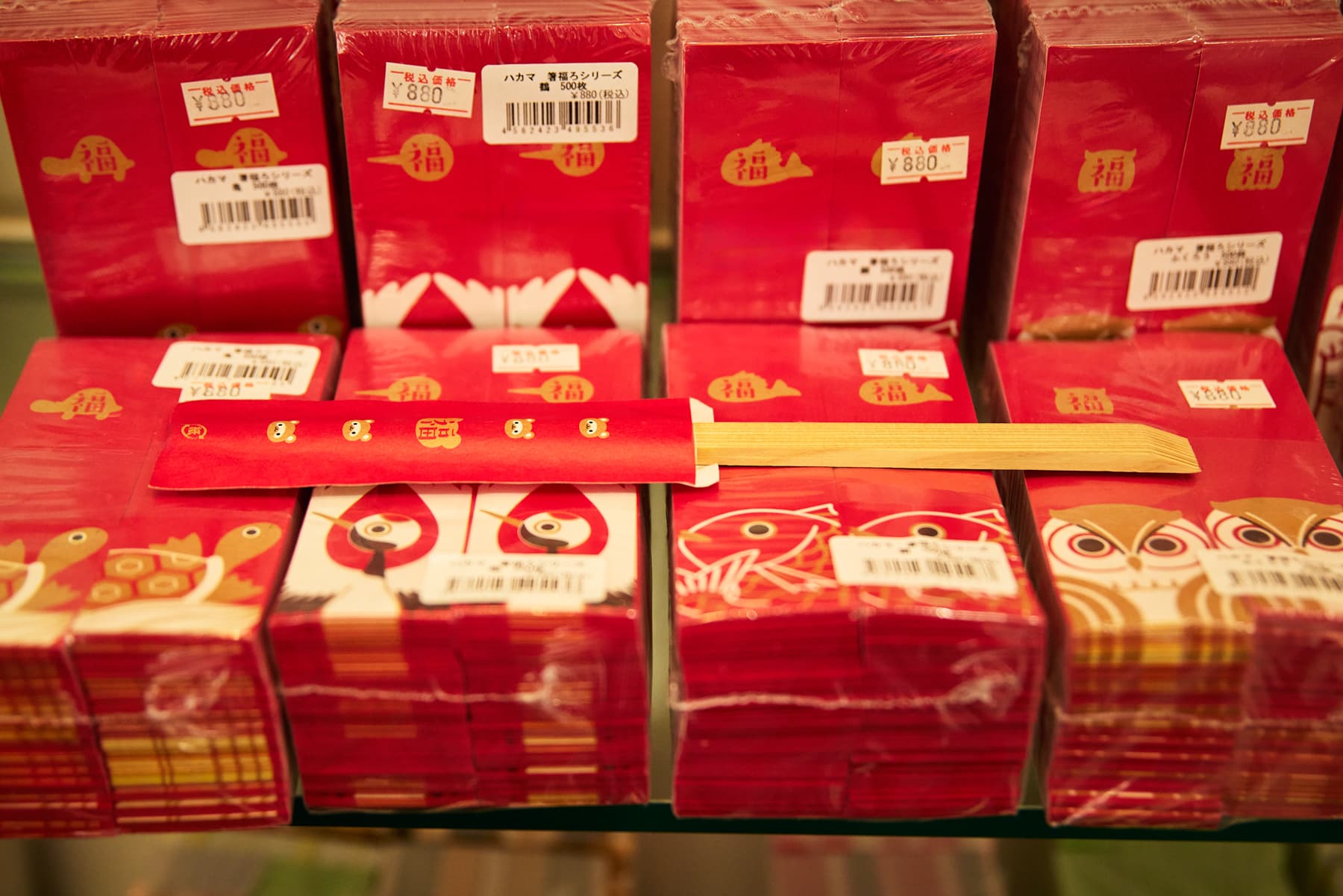
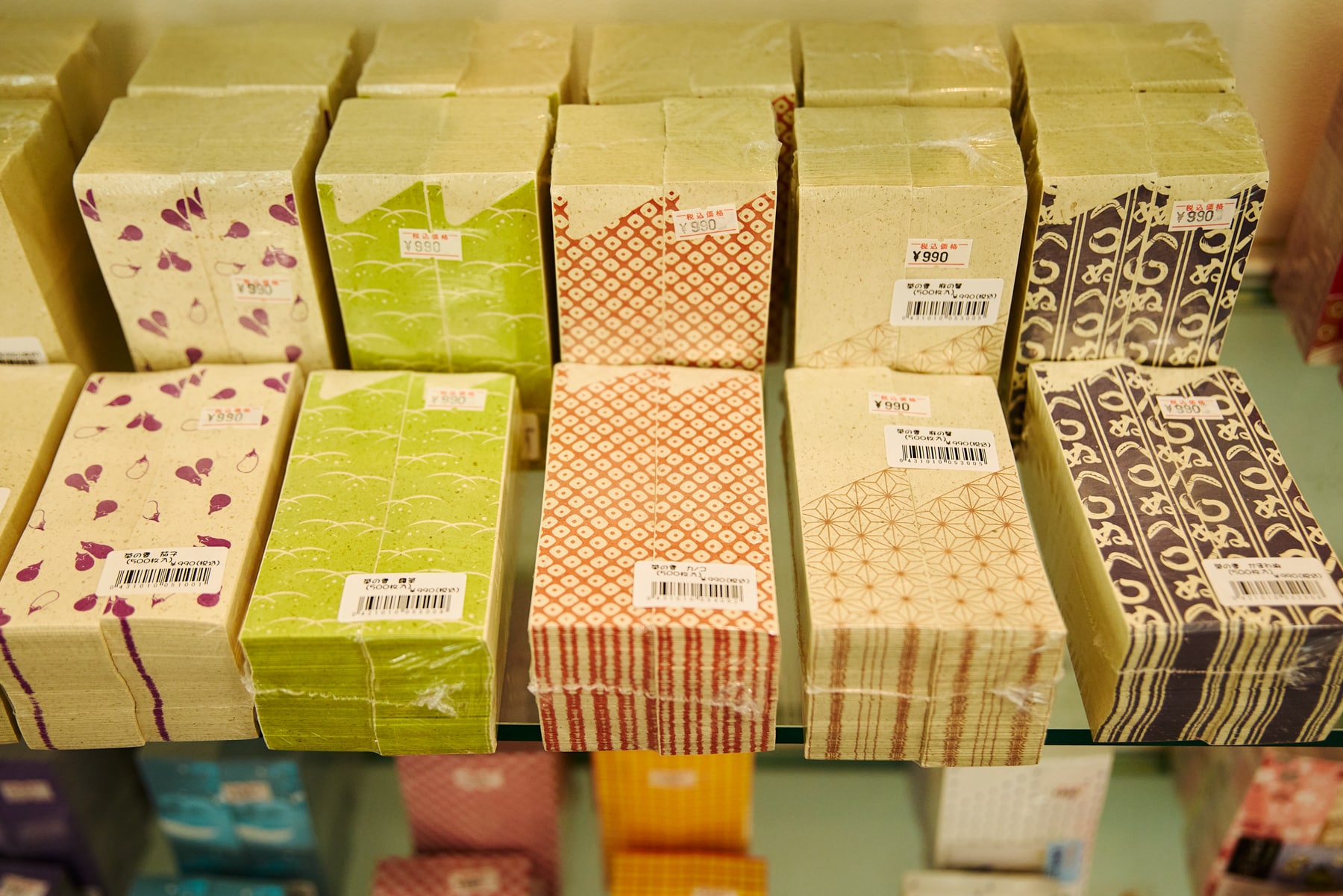
Chopstick sleeves used to keep disposable chopsticks clean and ensure hygienic presentation—an expression of Japan’s hospitality culture.
A wide variety of chopstick bags with traditional and uniquely Japanese designs are available.
This article was written on January 14, 2026 (at the time of publication)