DEEPTOKYO
magazine

EN


AREA
DEEPTOKYO
magazine
EN
AREA
2026.11.06
Japan is home to a number of audio brands highly regarded by music lovers and audio professionals around the world. Among them, Audio-Technica was quick to recognize the importance of the phono cartridge—the component that captures the sound encoded on a vinyl record. Since its founding, the company has combined proprietary technology with human sensitivity and skill in pursuit of one goal: reproducing the sound captured in the grooves as faithfully as possible. We visited Audio-Technica to explore where this approach began—and where it is headed next.
SHARE


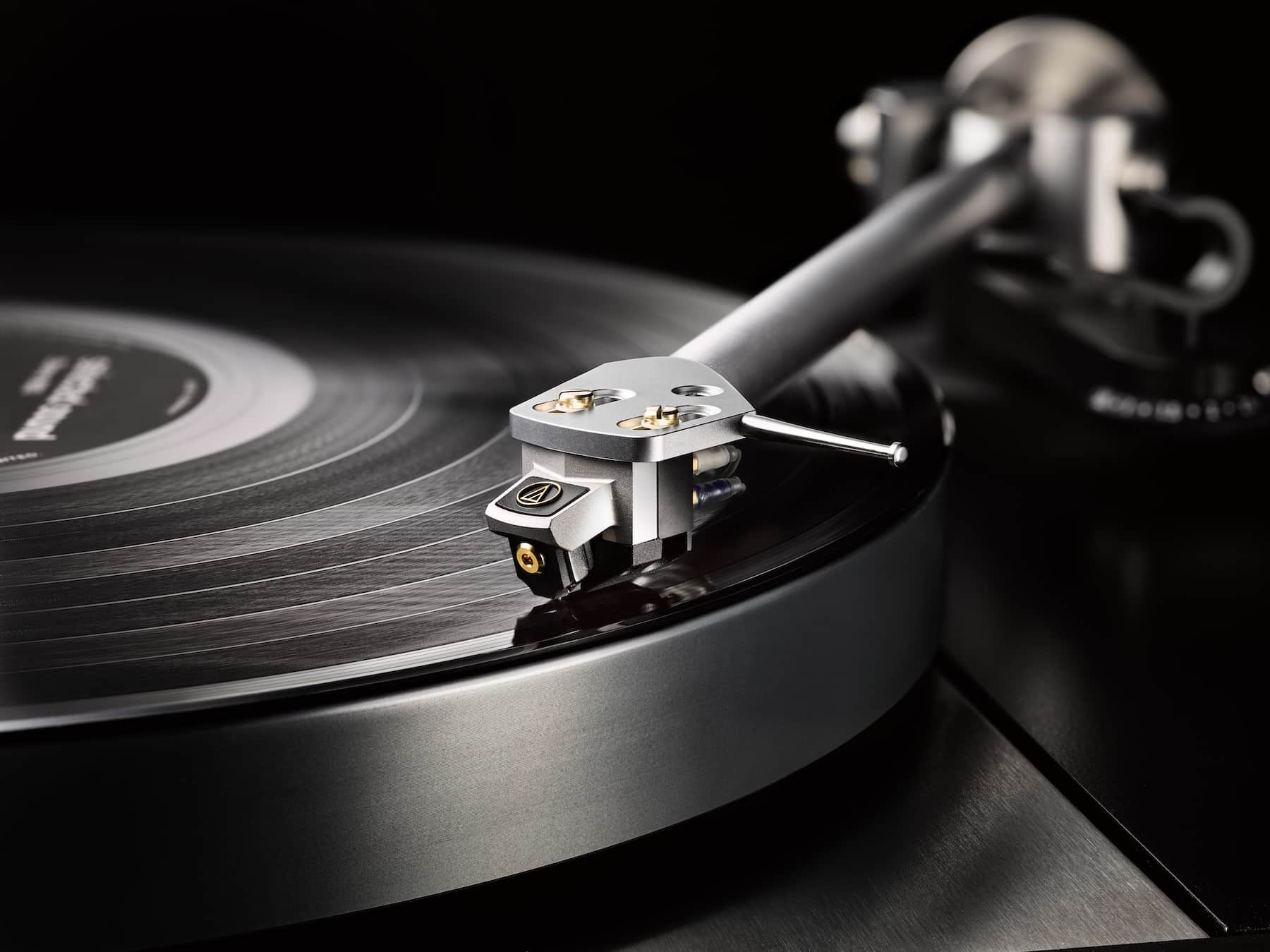
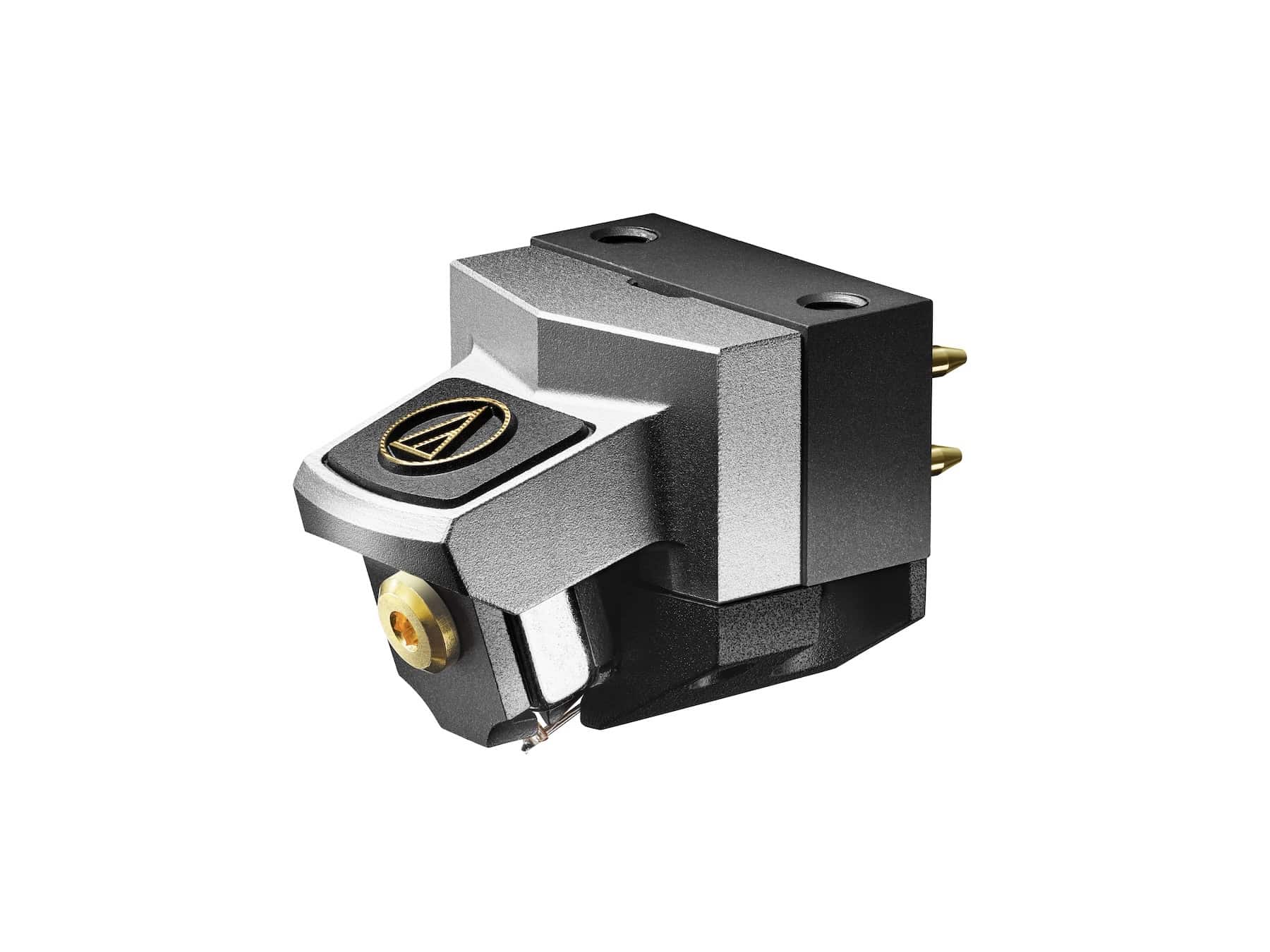
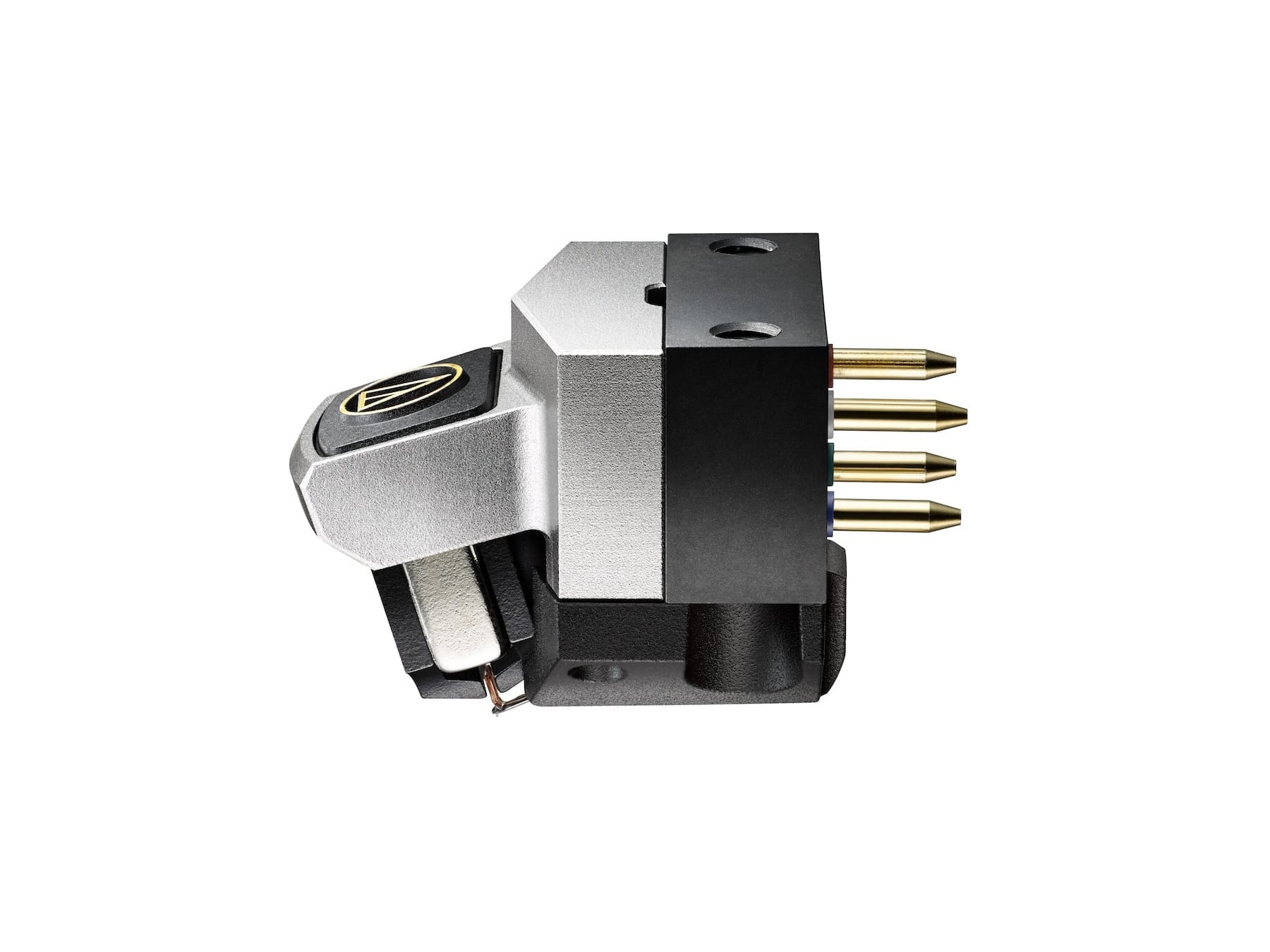
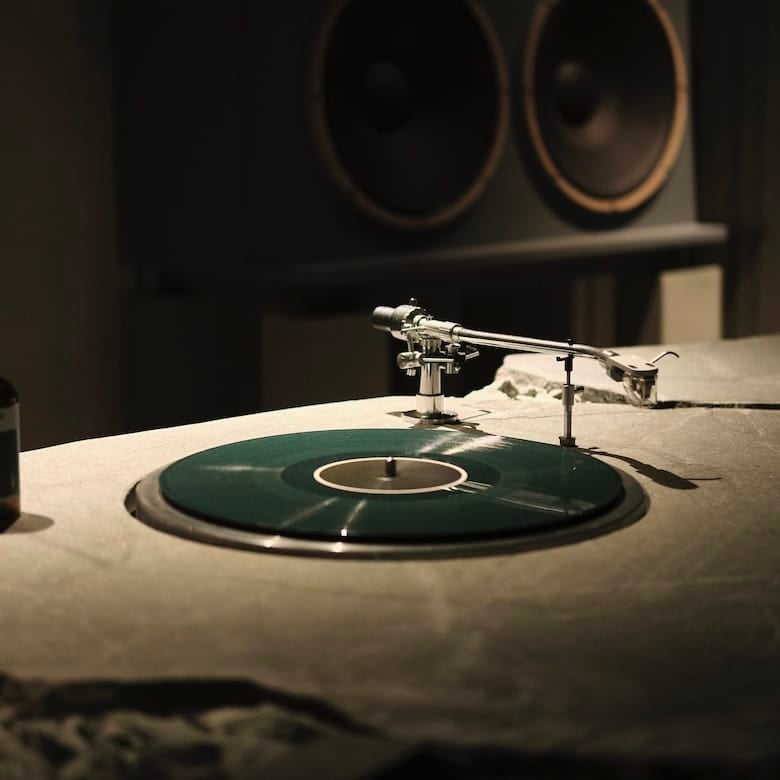
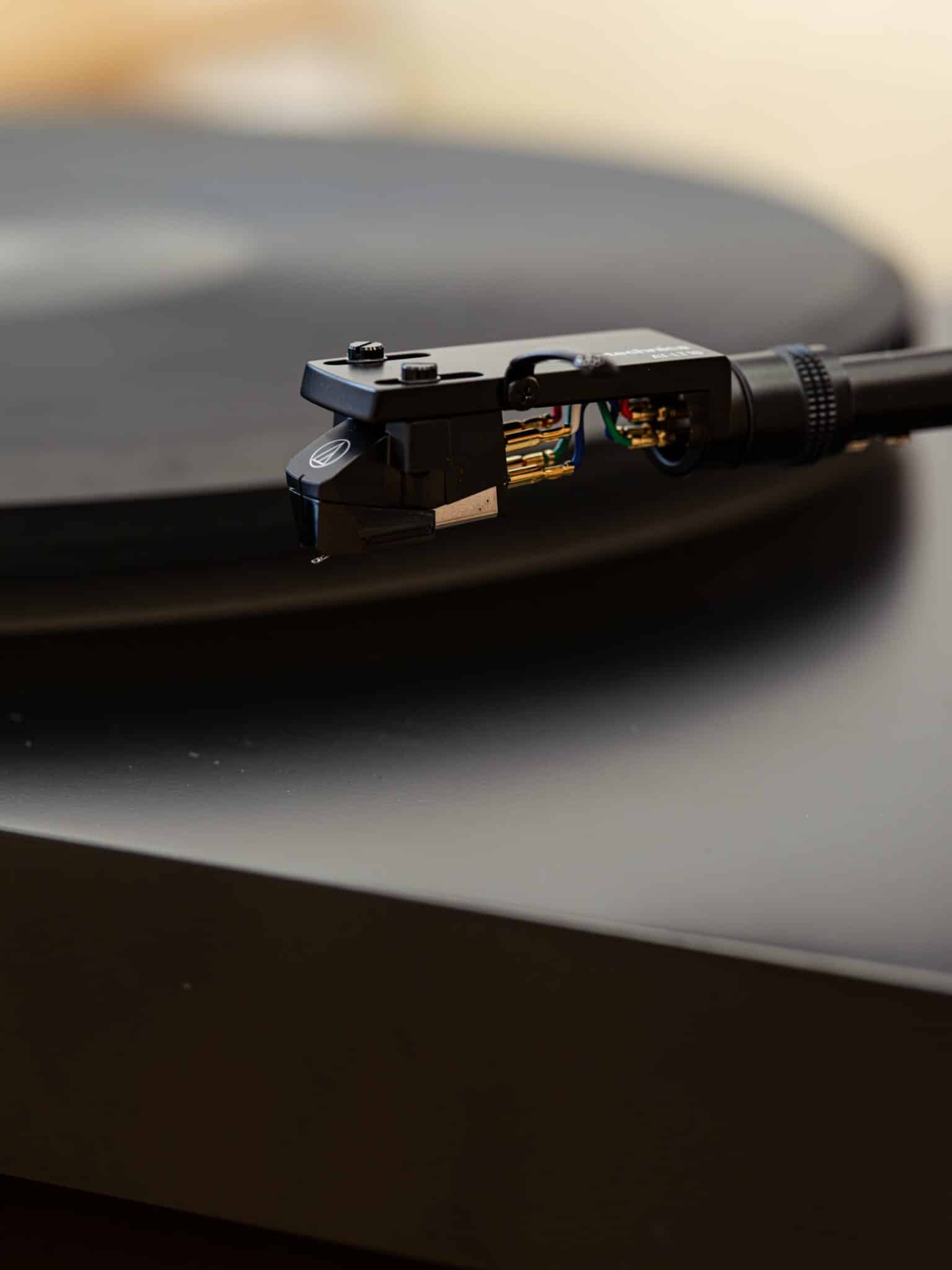
Vinyl records are enjoying renewed attention around the world. Essential to playing them is the cartridge, a small component attached to the end of a turntable’s tonearm. As the stylus traces the grooves cut into the record, it picks up minute vibrations and converts them into electrical signals. In other words, the cartridge is the first point of contact between the sound encoded in a record and the sound that eventually reaches our ears. Though only a few centimeters in size, it has a major influence on the quality and character of what we hear.
One Japanese audio brand that has earned a worldwide reputation for its cartridges is Audio-Technica. From its earliest days, the company has devoted itself to cartridge development, seeking to capture the sound encoded in a record as faithfully as possible and convey the full richness of the music. But what led founder Hideo Matsushita to focus on the cartridge in the first place?
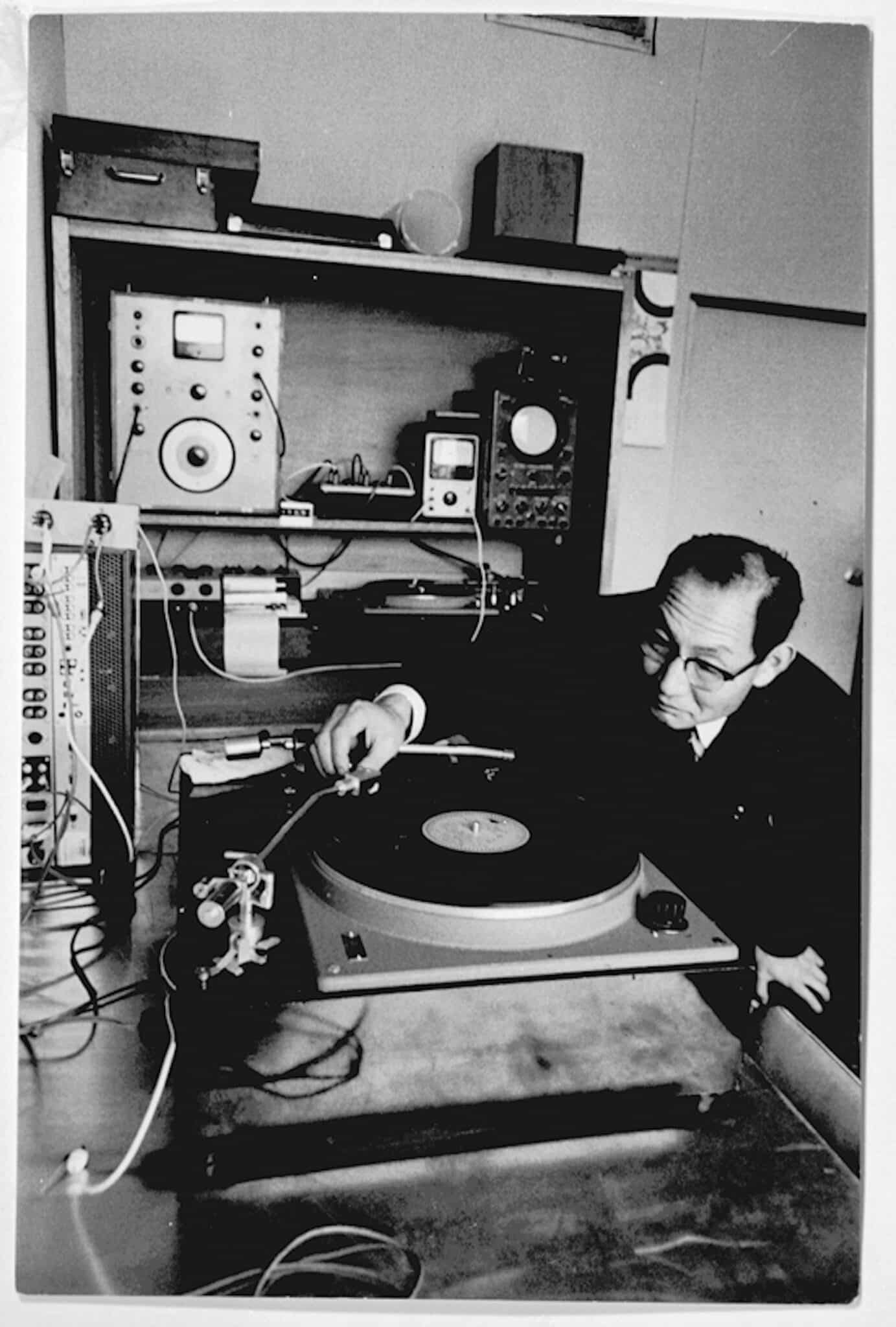
Audio-Technica founder Hideo Matsushita was an avid vinyl listener himself. Before establishing the company, he even organized listening sessions featuring classical records.
“Matsushita originally worked at the Bridgestone Museum of Art (now the Artizon Museum), where he was responsible for acquiring works for the collection. On weekends, he also organized listening sessions at the museum featuring classical records. Through those experiences, he came to realize that the cartridge—the first point of contact when playing a record—was crucial to how music was conveyed,” says Hiroki Nakai of Audio-Technica’s Brand Communication Department.
Driven by a desire to help people enjoy music with better sound, Matsushita founded Audio-Technica in 1962. At the time, many of the cartridges available in Japan were imported and expensive. He set out to produce them domestically and on a larger scale, launching the company’s first products that same year: the AT-1 and AT-3 moving-magnet (MM) stereo cartridges. Their combination of sound quality and affordability earned recognition at audio shops in Akihabara and elsewhere.
When the AT-1 and AT-3 were released, their striking advertising helped bring Audio-Technica to wider attention. The modern designs were created by Susumu Endo, one of Japan’s leading graphic designers and printmakers, who had collaborated with Audio-Technica since the company’s earliest days. His work caught the eye of a wide audience.
Audio-Technica’s first cartridges, the AT-1 and AT-3, used the moving-magnet (MM) design already widely available overseas. Offering high-quality sound reproduction at an affordable price, they attracted considerable attention.
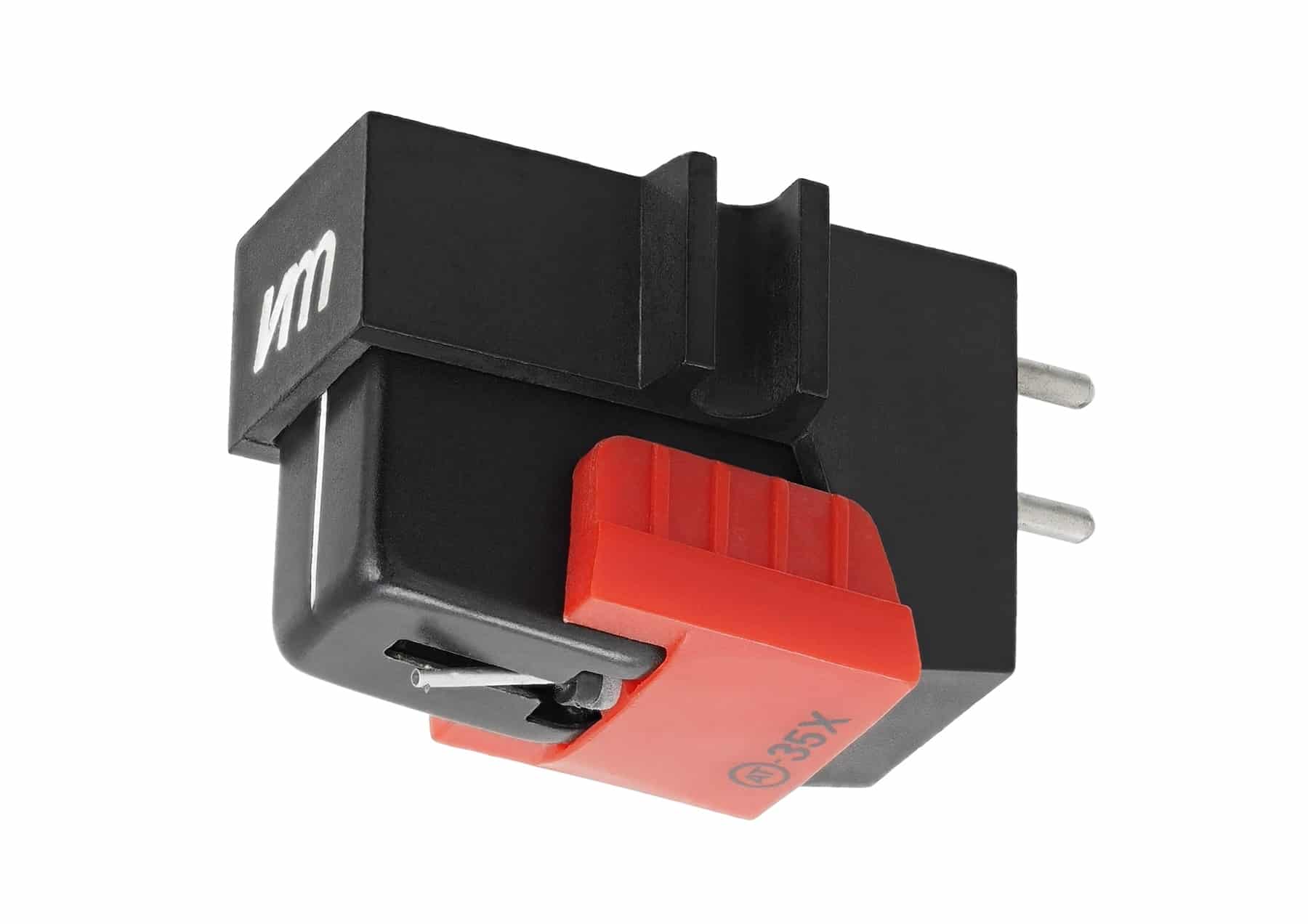
In 1967, Audio-Technica went on to launch the AT-35X, a stereo cartridge featuring its proprietary VM design. Patents were secured in countries around the world, laying the foundation for the company’s expansion into international markets. Audio-Technica’s story truly began with the cartridge.
The AT-35X featured Audio-Technica’s independently developed VM design, based on a groundbreaking concept. With its ability to reproduce the sound of a record with even greater fidelity, the cartridge gained worldwide recognition.
From the beginning, Audio-Technica has pursued one consistent goal: to reproduce the sound encoded in a vinyl record as it is, without adding coloration. One of the technologies that grew out of this approach was the VM design, introduced in 1967. At the time, moving-magnet (MM) cartridges dominated the global market. Against this backdrop, Audio-Technica set out to develop its own VM design—an approach considered highly unconventional at the time. That innovative concept would eventually open up new possibilities for analog sound reproduction.
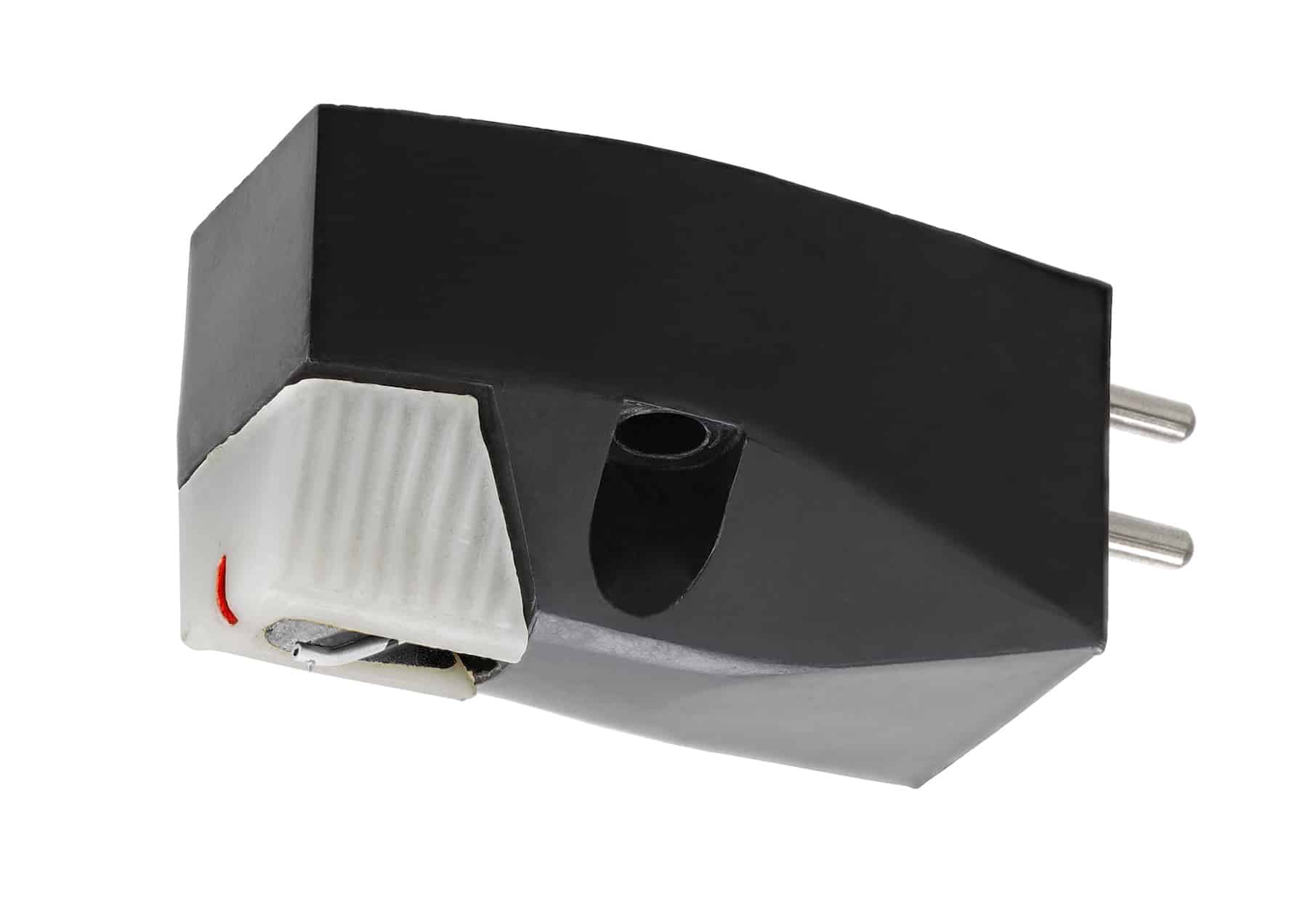
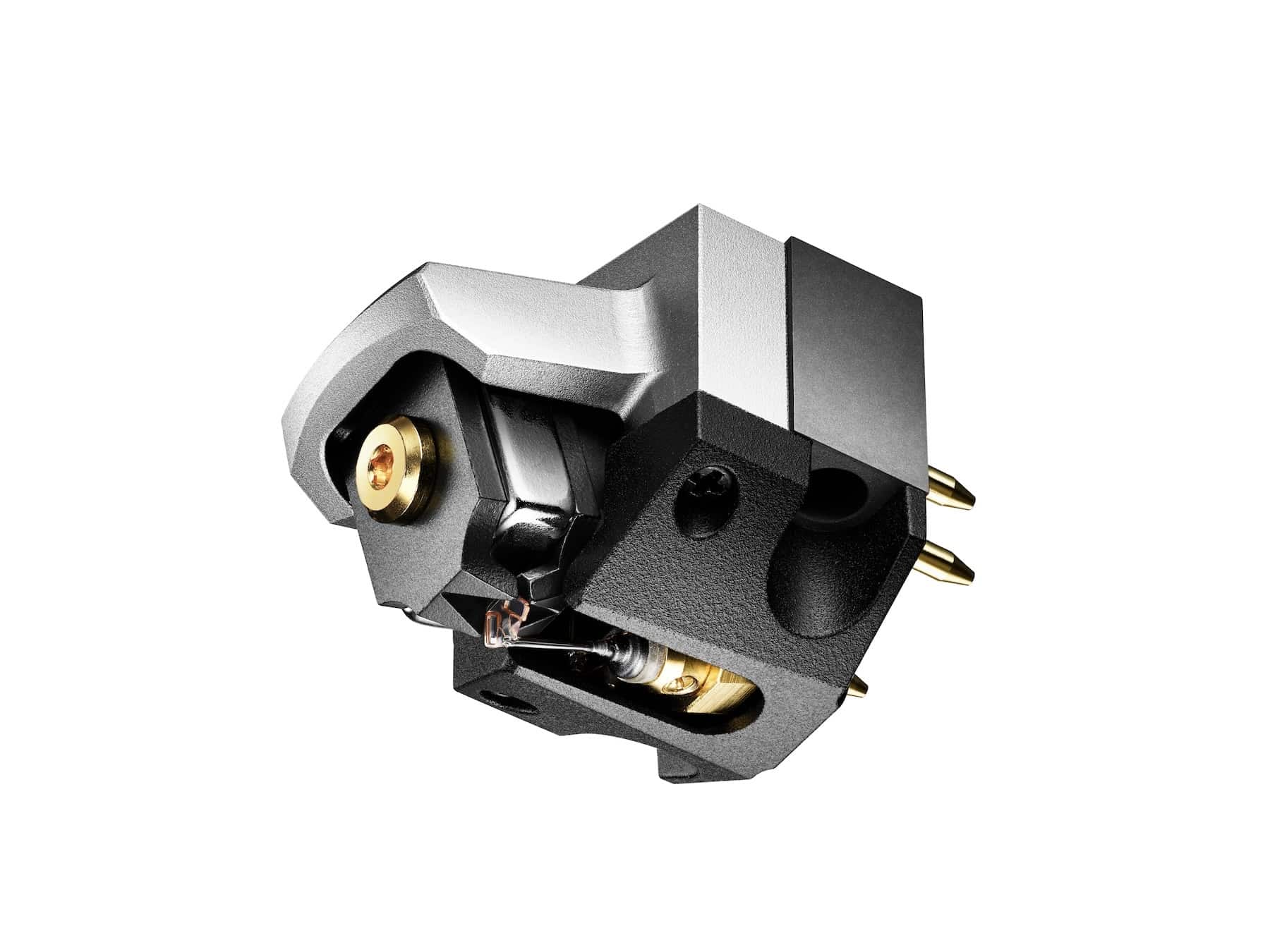
Cartridges are generally divided into two main types according to how they generate an electrical signal: moving magnet (MM) and moving coil (MC). In an MM cartridge, magnets move in response to the vibrations picked up by the stylus, generating an electrical signal. While this is a relatively simple mechanism, Audio-Technica’s VM design takes the MM principle a step further. Two magnets, corresponding to the left and right channels of the record groove, are arranged in a V shape, allowing each channel to generate its signal independently. This configuration resembles the cutter head used to cut the grooves into a master disc, enabling the cartridge to capture the left and right channels more accurately and reproduce the original sound with greater fidelity.
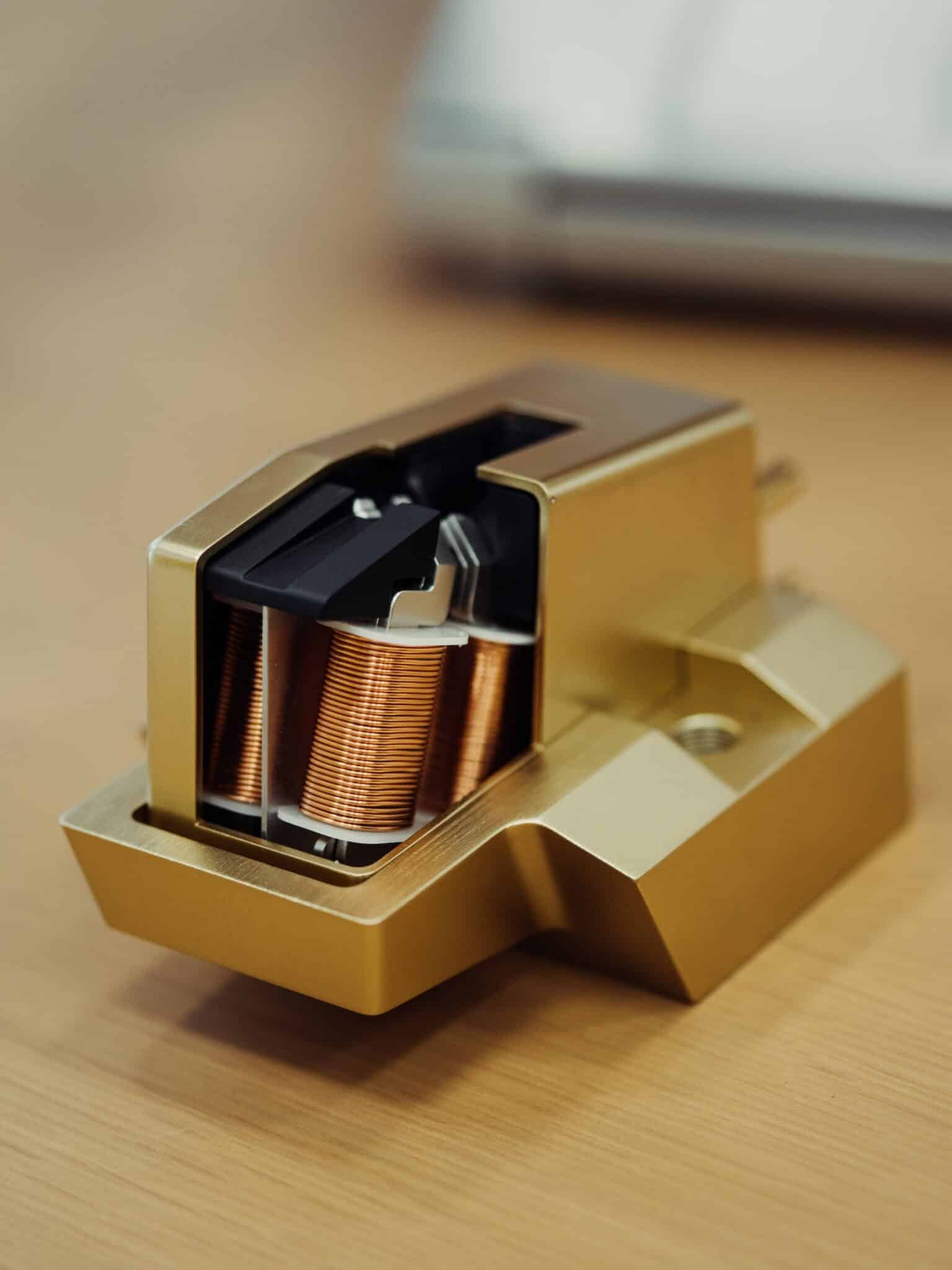
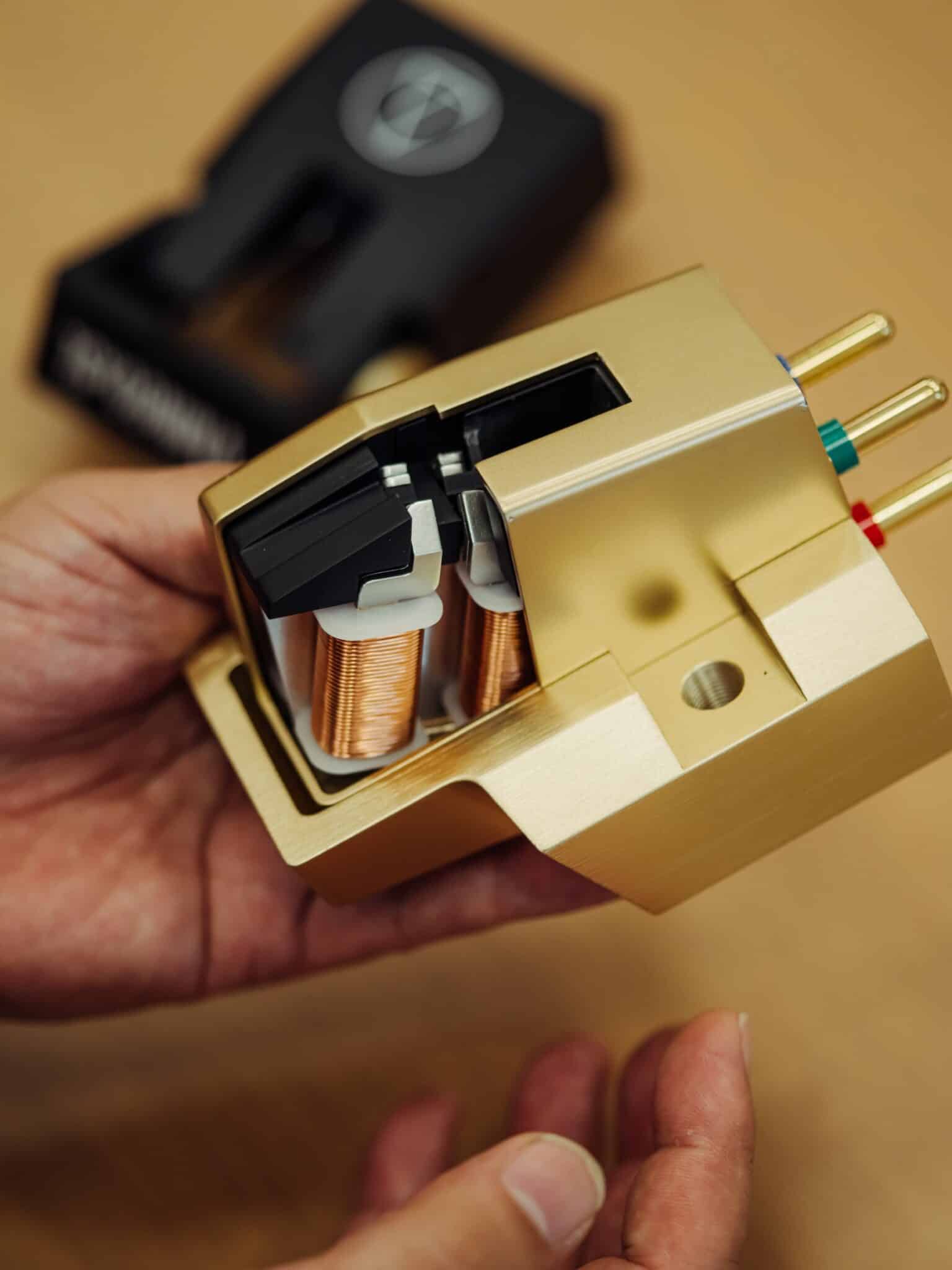
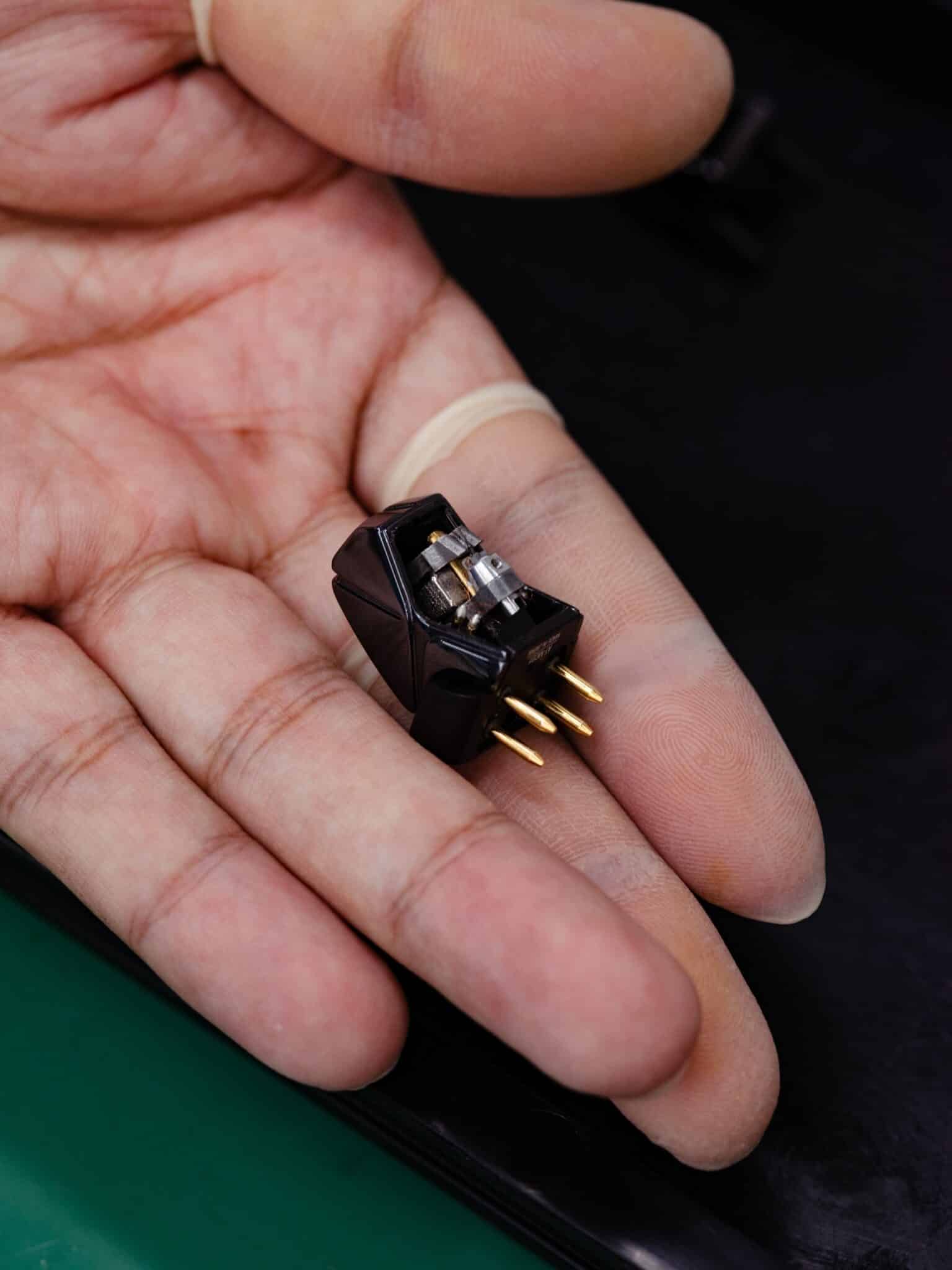
Inside a VM cartridge. Separate magnets are used for the left and right channels, creating the distinctive V-shaped configuration that gives the VM design its name.
“Unlike a conventional MM cartridge, the VM design uses separate magnets for the left and right channels of the record groove. This arrangement creates a V shape, which is where the name ‘VM’ comes from. The independent magnets for each channel provide a wide frequency response, high channel separation, and a high level of detail, allowing the cartridge to reproduce the sound captured in the recording and encoded in the grooves more faithfully,” explains Toshiyuki Takahashi of the Brand Communication Section.
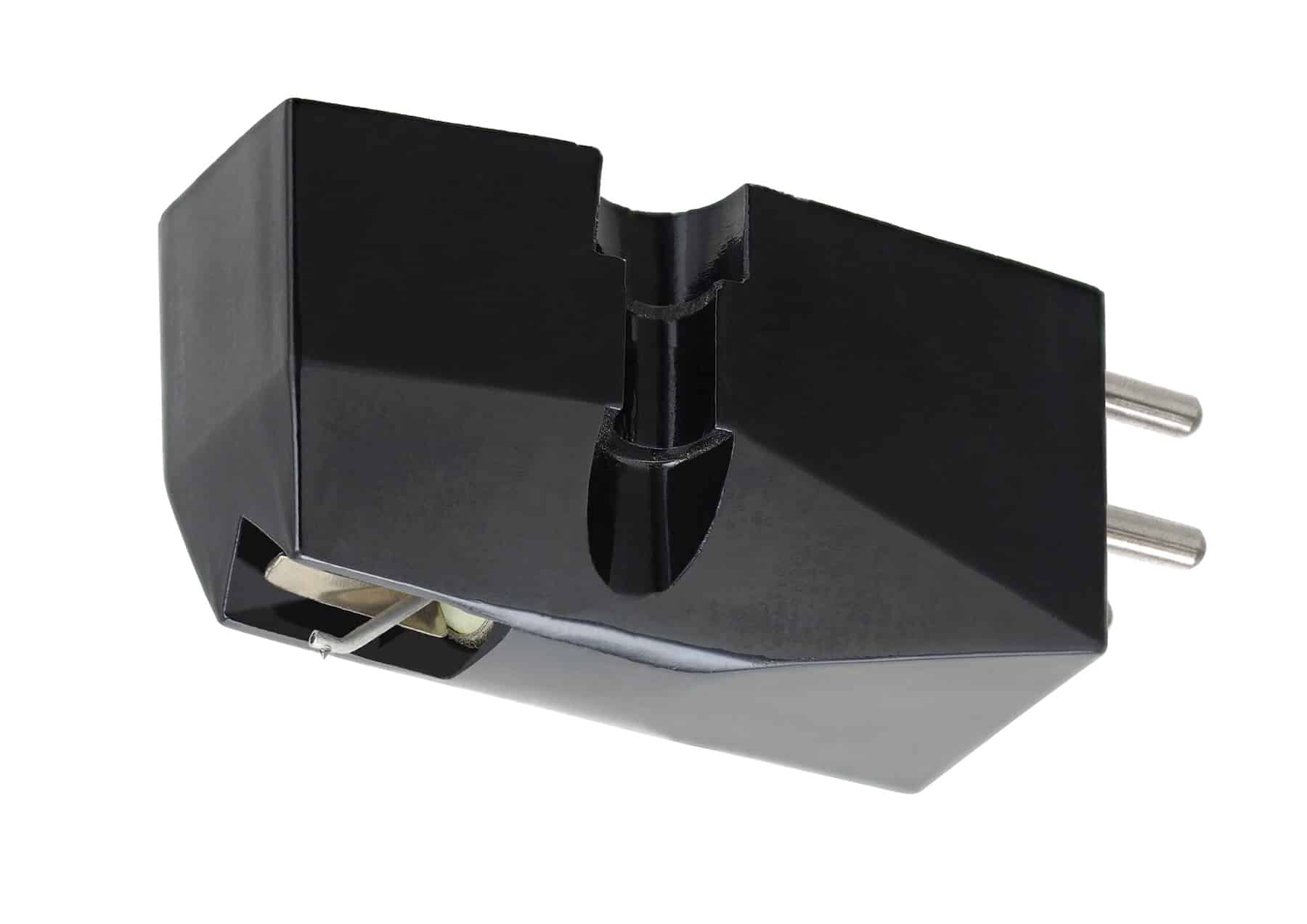
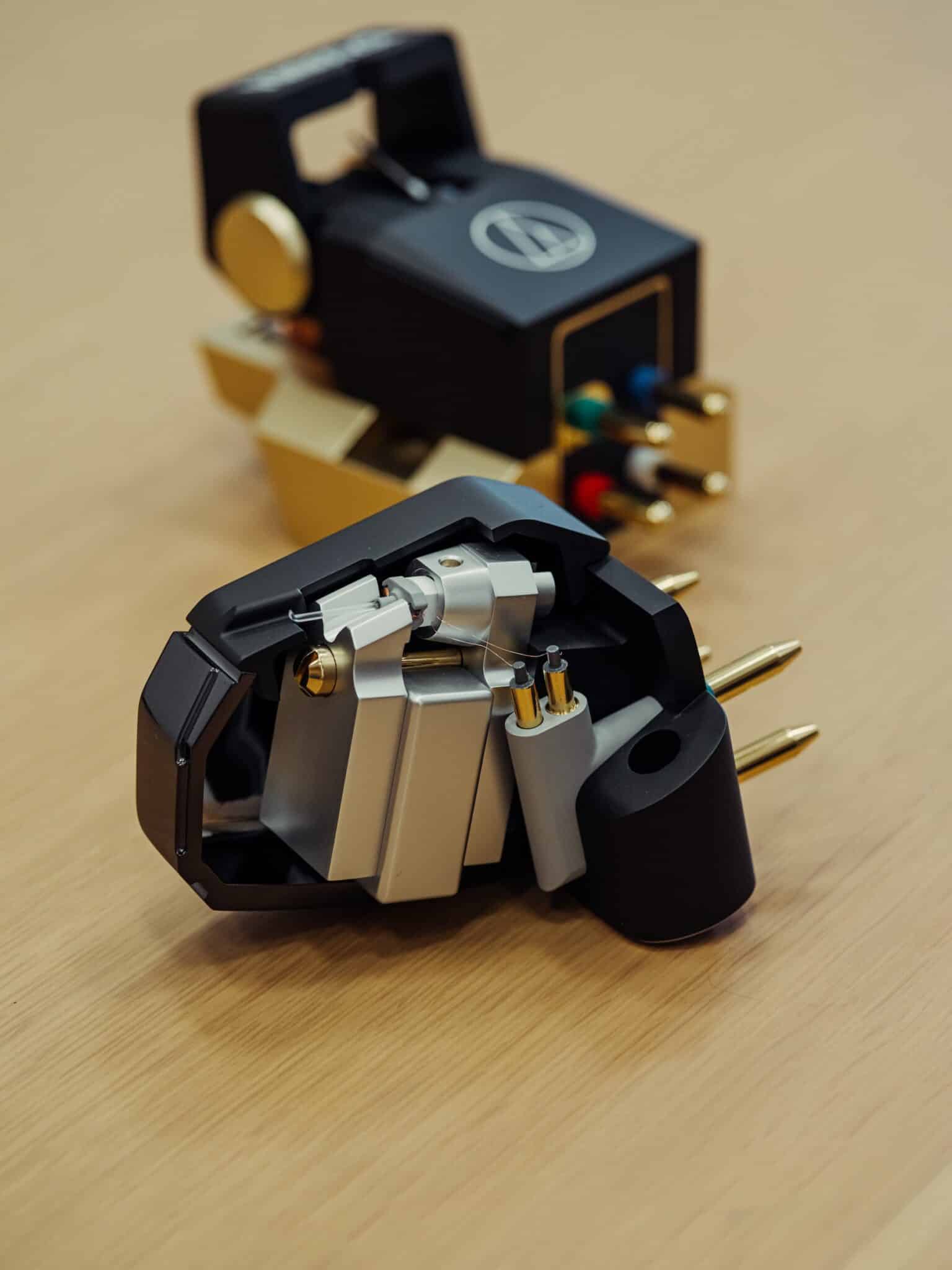
Audio-Technica also introduced a moving-coil (MC) cartridge in 1964. In this design, lightweight coils attached to the cantilever move within a fixed magnetic field, resulting in a lower output voltage. The coils are arranged in an inverted V shape to minimize distortion, allowing the cartridge to reproduce sound with greater delicacy and realism.
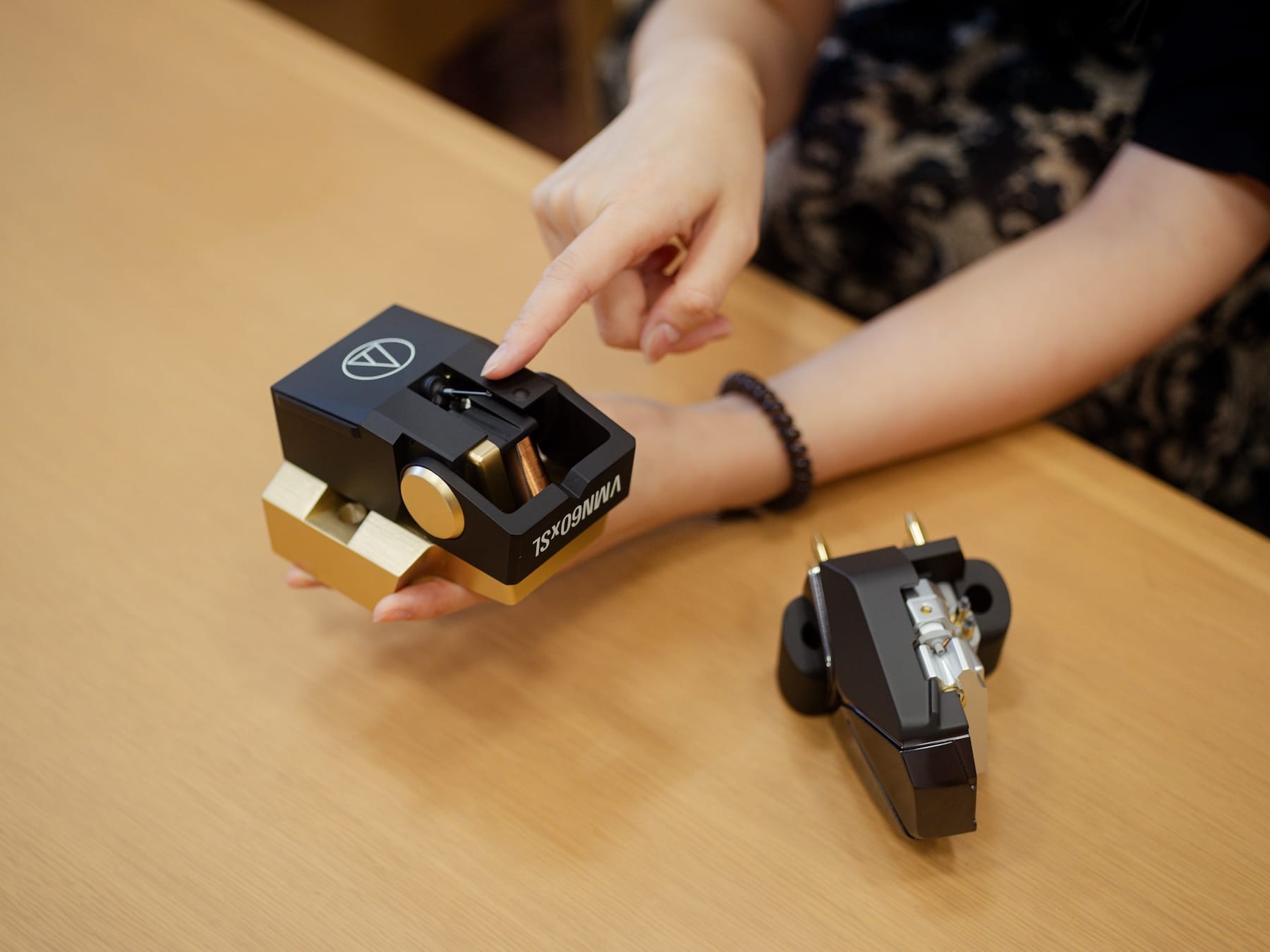
The MC model (AT-MCD1) is shown in front, with the VM model (AT-VM760xSL) behind it. In an MC cartridge, coils attached near the base of the cantilever generate the electrical signal. This design makes it easier to reduce the weight of the moving assembly, resulting in more delicate sound and a faster response.
The VM and MC designs differ in their construction, and each has its own sonic characteristics. What they share, however, is the same goal: to retrieve as much of the information encoded in the record grooves as possible. For Audio-Technica, “good sound” is not about adding something to the original to give it a particular character. It is about faithfully bringing out the atmosphere of the music and the finest details captured in the grooves.
At a factory about a ten-minute walk from Audio-Technica’s headquarters, two of the company’s flagship models, the AT-ART1000X and AT-MCD1, are made. Both are MC cartridges, assembled by hand by two technicians who work under microscopes, fitting the tiny components together one by one.
Developed decades after the company’s first model, the AT-1, the AT-ART1000X is an evolution of the AT-ART1000, launched in 2016 as part of the Audio-Technica Excellence series. One of the major changes is the shape of the coils that generate the electrical signal. Previously round, they are now rectangular. According to Audio-Technica, the rectangular shape allows for a greater change in magnetic energy, resulting in higher output.
“Directly above the stylus are coils for the left and right stereo channels, and we wind them by hand, one turn at a time. It is possible to wind them by machine, but that can result in misalignment or uneven winding. With rectangular coils in particular, you have to watch the corners closely as you wind them to create clean right angles. If the corners become even slightly rounded, the coil loses its intended shape. Getting those right angles exactly right allows the coils to move as intended within the magnetic circuit, which ultimately contributes to better sound,” says Yuzuru Takahashi, who is responsible for production of the AT-ART1000X.
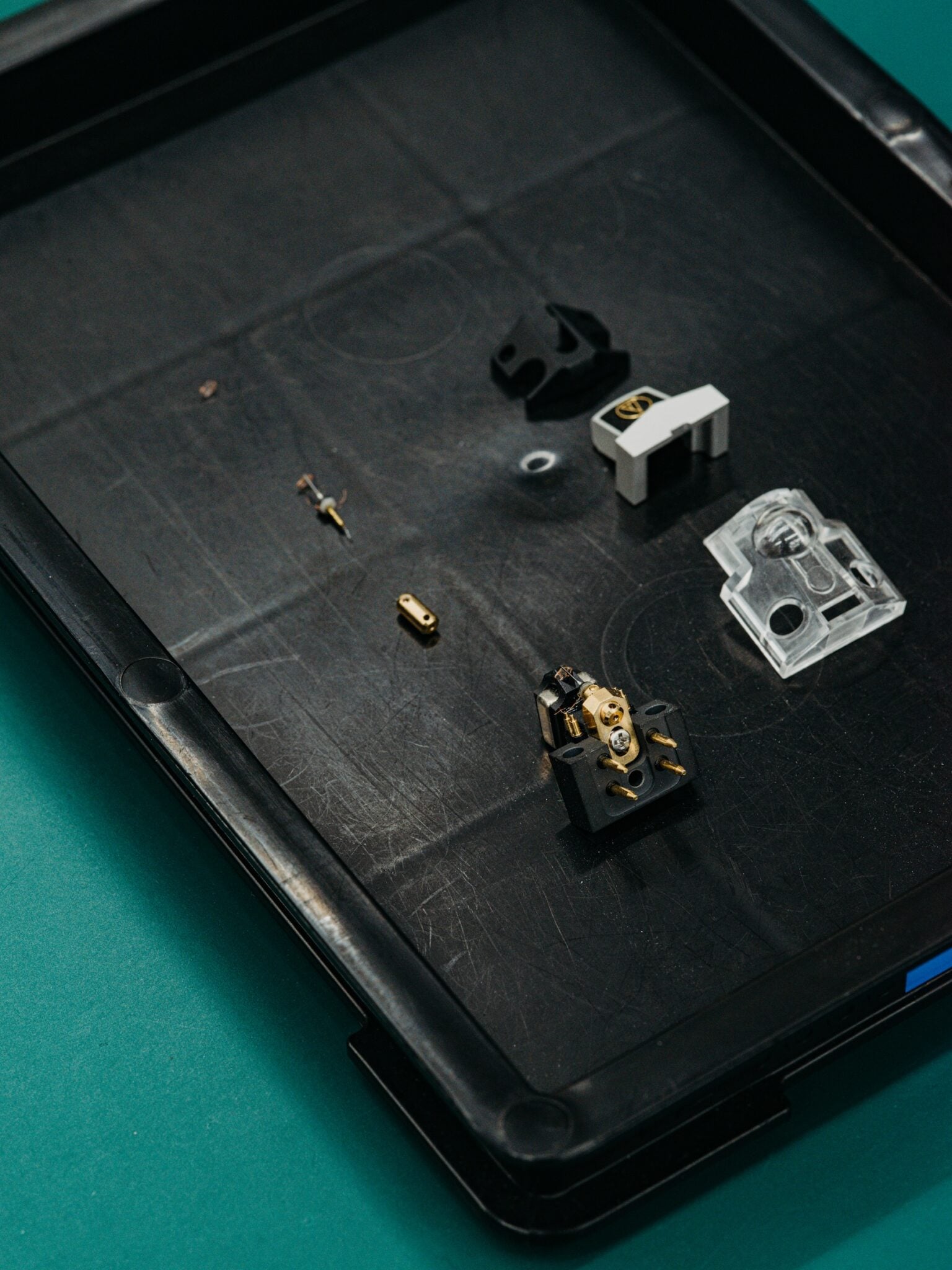
Some of the components used to build the AT-ART1000X. Each is no larger than a thumbnail—and many are even smaller.
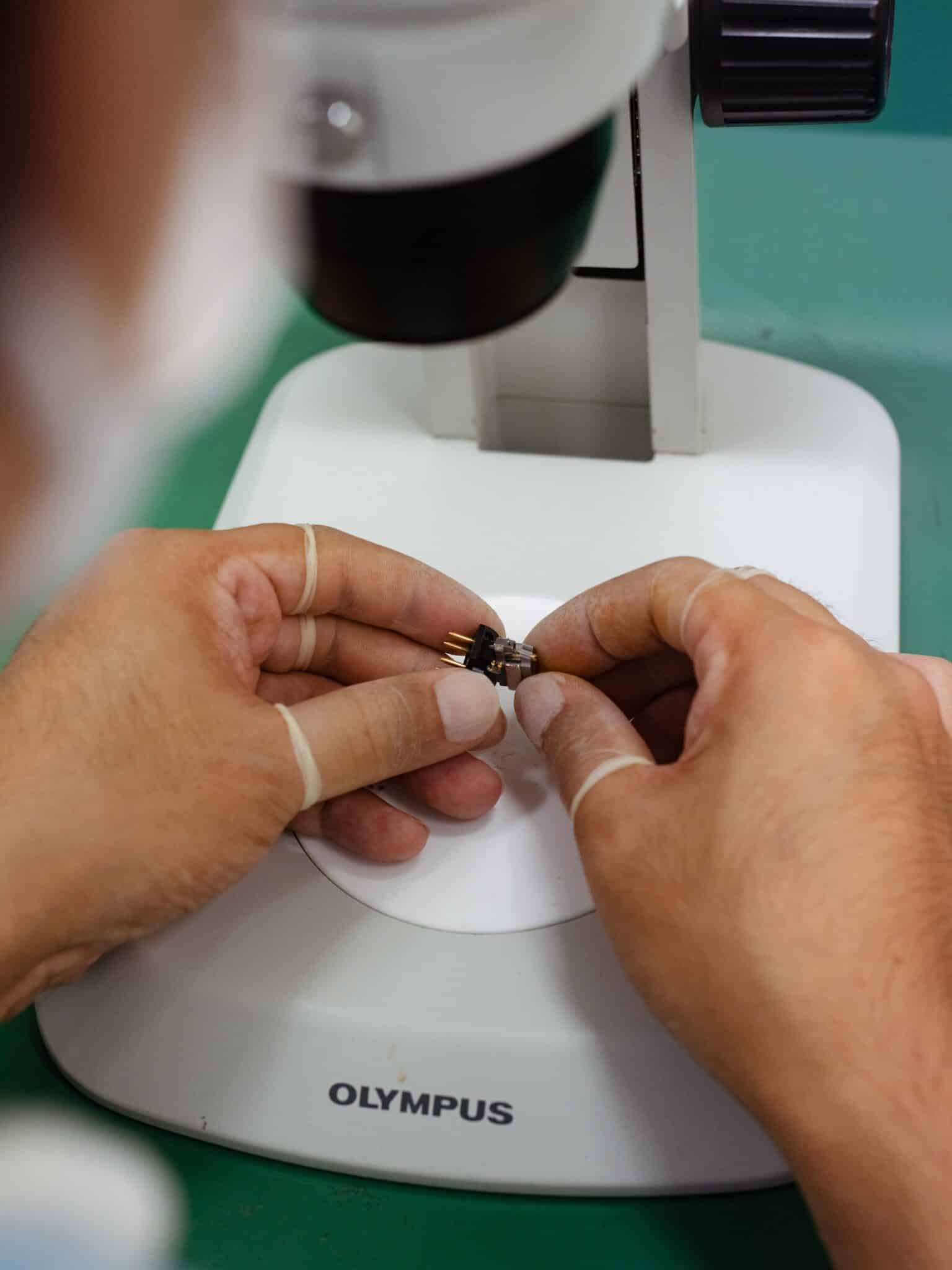
Even the way the coils are wound and the screws are tightened can affect the sound, so each cartridge is carefully assembled by hand under a microscope.
The shape of the coils is not the only factor that matters. Even a slight shift in their position can affect the output and performance of the left and right channels. The technicians therefore take measurements while visually checking the position of the coils and adjusting them by hand to find the optimal position.
“Performance changes depending on the position of the coils, so getting them into exactly the right position is crucial. We take measurements as we make the adjustments by hand, but it is extremely difficult work,” says Ryo Tsuboi, who is responsible for production of the AT-MCD1.
Even after assembly, the technicians visually check that the magnetic circuit is evenly balanced from left to right and top to bottom. The stylus itself is fitted at the very end using tweezers. Applying even slightly too much pressure can break it, making this another exceptionally delicate step. Even the serial number is applied by hand, and great care is taken right to the end to ensure that not so much as a fingerprint is left on the finished cartridge.
Audio-Technica’s high-end cartridges are brought to life by the hands of just two technicians.
Ryo Tsuboi (left), responsible for production of the AT-MCD1, and Yuzuru Takahashi (right), responsible for the AT-ART1000X.
The work demands precision measured in microns. But machines alone cannot achieve that precision. The technicians read the measurements, check each component with their own eyes, and use the sensitivity of their fingertips to correct the slightest misalignment. It is this combination of advanced technology and human skill that ensures each cartridge delivers the sound it was designed to produce.
Technology passed down over generations is not simply something to preserve. The latest AT-VMx Series marks the first major update in nine years to Audio-Technica’s top-tier range of proprietary VM cartridges. The development team reconsidered every aspect of the design, from the material and thickness of the stylus and the materials used for surrounding components to the way the coils are wound and the material used where the cartridge connects to the headshell. Along the way, they built and tested prototype after prototype.
Aya Morita of the Home Listening Development Section develops cartridges, cables, and other products. Her work has included the AT-ART20 and the VMx Series.
At the heart of this development is the idea of reproducing the sound encoded in a record as it is, without adding coloration. To understand the sound they are aiming for, the developers rely not only on measurement data but also on their own experience of live music.
“Members of the development team regularly go to classical concerts and jazz performances together. We want to experience firsthand how music is created and how live sound actually fills a space with an audience in it. Good sound, after all, feels real and immediate. The grooves of a record contain the sensibilities of many people—the musicians, the engineers, and everyone involved at different stages of making the music. We want to understand how that music came into being and bring that understanding into the way we design our cartridges,” says Morita.
Morita explains the structure of a cartridge using an enlarged model of the AT-VM760xSL.
Reproducing the sound of a record takes more than technology alone. Developers listen closely to live music and bring what they hear and feel into their designs. Technicians rely on their eyes and fingertips as they assemble components almost too small to see. Human sensitivity and hands-on skill work together to capture the vibrations encoded in the grooves as faithfully as possible—and to convey the emotion of the music itself. This is what gives Audio-Technica’s analog sound its power to move people.
“We want listening to music on records to become an established part of culture once again. There is so much enjoyment to be found in listening to records. We want to continue developing products that make it easier for more people to enjoy vinyl and discover how enriching that experience can be,” says Morita.
Morita played trombone in her school wind ensemble and later developed an interest in jazz before joining Audio-Technica. The first song she listened to in the company’s listening room was by Norah Jones.
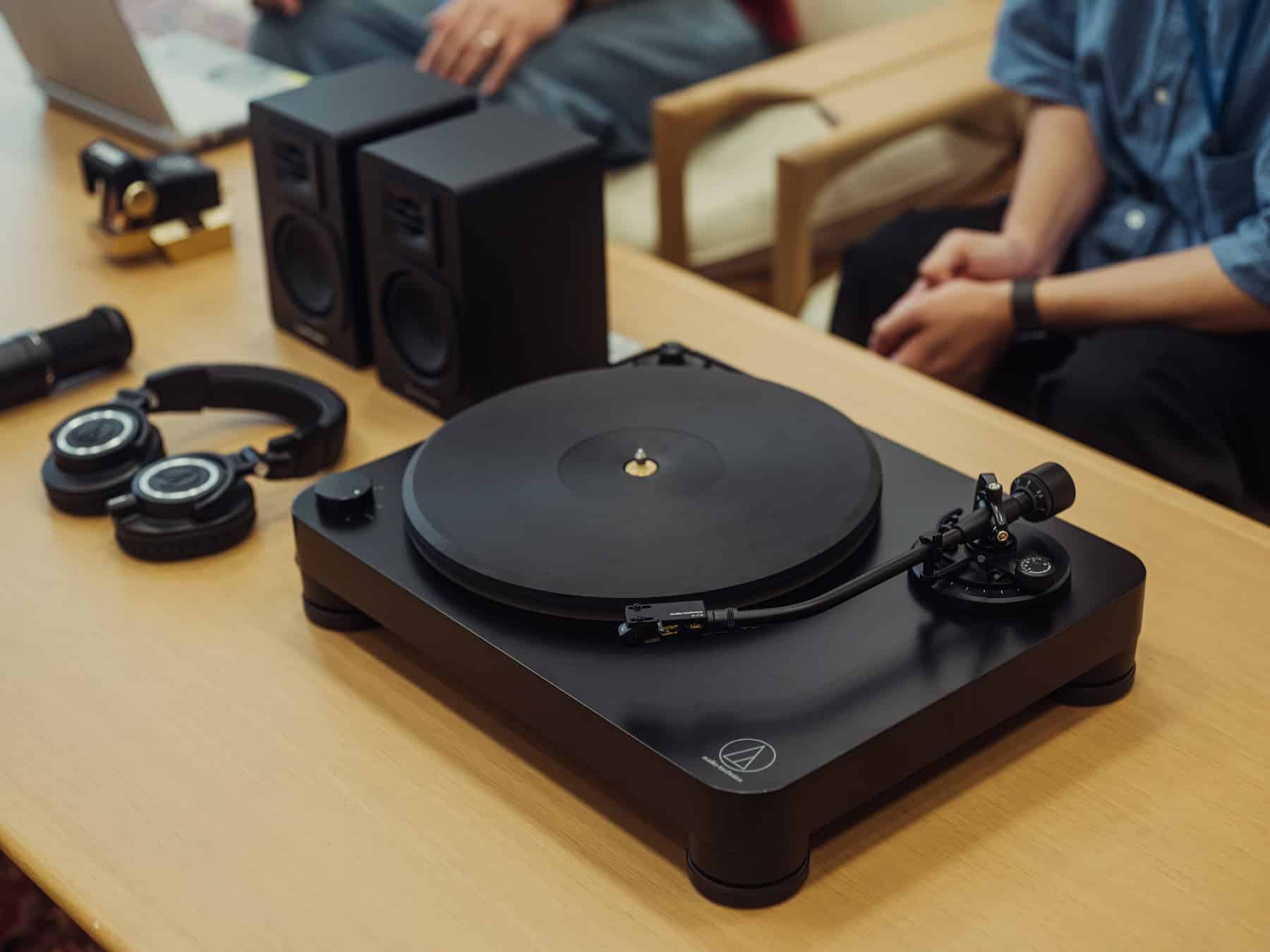
What began with cartridges has since expanded into a wide range of Audio-Technica products, including microphones, headphones, turntables, cables, and speakers—covering everything from the input to the output of sound.
When listening to a vinyl record, a turntable fitted with a cartridge spins the record and reproduces the sound encoded in its grooves. Headphones deliver that sound directly to the listener’s ears. A microphone, meanwhile, captures sound as it is created in a physical space, whether it is a singing voice or a musical performance. Across all these products runs the same fundamental approach: to capture sound vibrations as accurately as possible and convey them to the listener as faithfully as possible.
The ATH-M50xBT2 brings wireless connectivity to the monitor headphones widely used by professionals for recording, mixing, and other studio work.
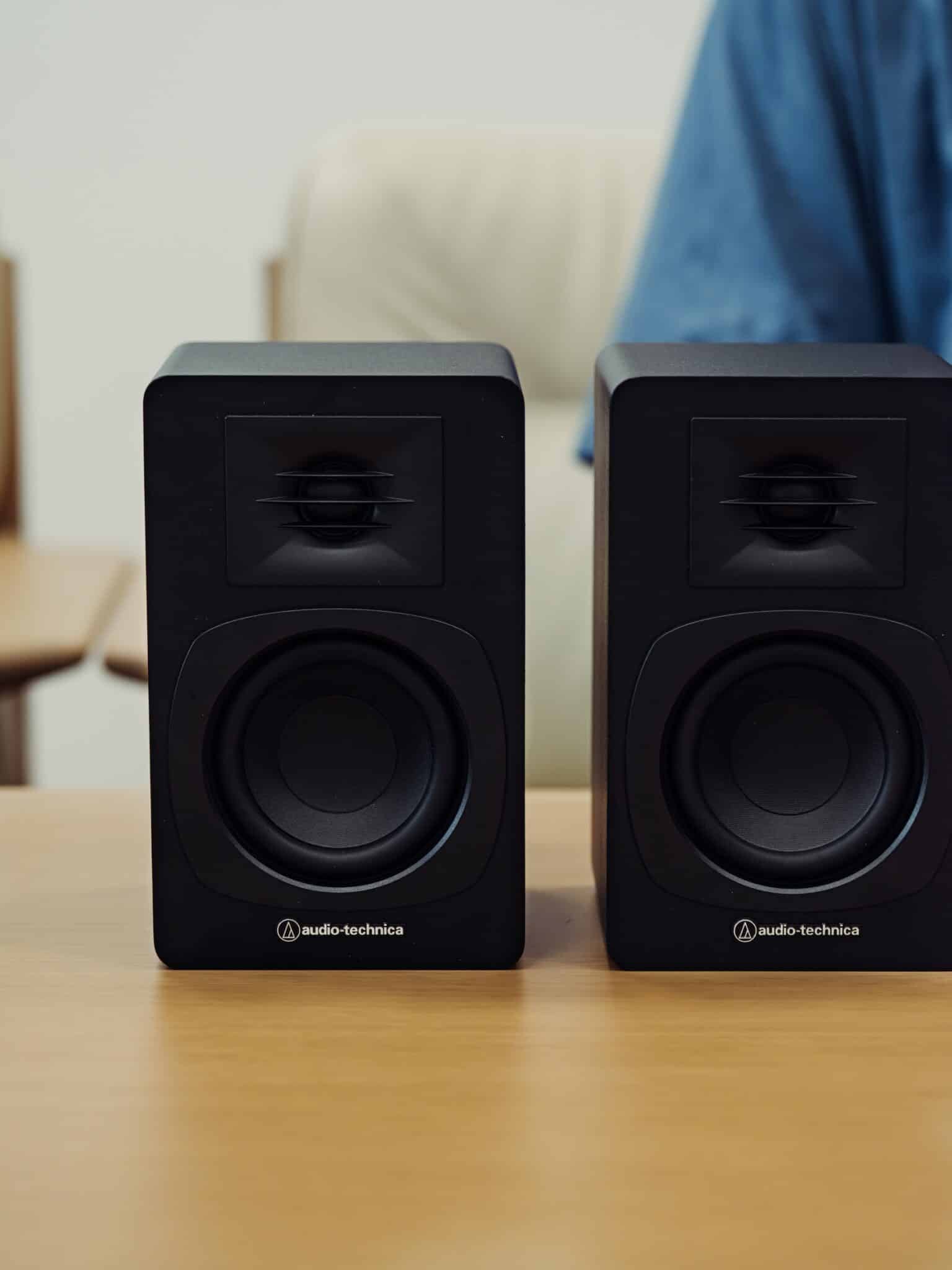
The AT-SP3X speakers support both wired and wireless connections and are popular for their sound quality and accessible price.
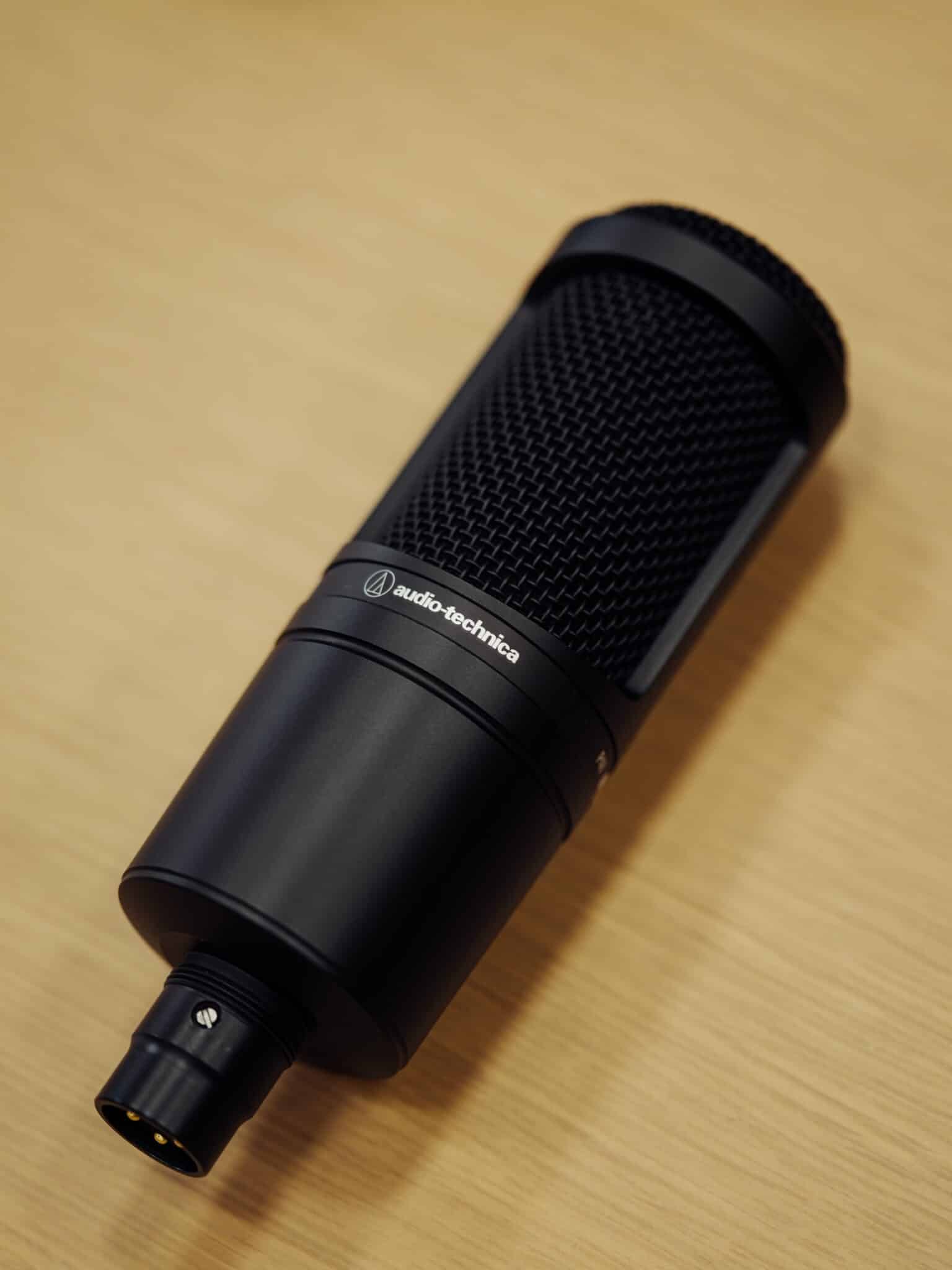
The AT2020 condenser microphone has remained in the lineup since its launch in 2006, offering high-quality performance while still being accessible to beginners.
The ATH-CKS50TW2 is a signature model representing the next generation of the SOLID BASS wireless earphone series, built on more than a decade of Audio-Technica’s focus on powerful low-frequency sound.
The AT-LP7X is a fully manual belt-drive turntable. It comes fitted with an AT-VM95E BK cartridge that matches the color of the turntable, and can be customized with other cartridges in the AT-VM95 Series.
The Audio-Technica logo is designed around the motifs of a record and a stylus.
Audio-Technica’s headquarters in Machida, Tokyo. Inspired by a white whale, the modern building received a BCS Prize from the Japan Federation of Construction Contractors in 2019.
Audio-Technica’s journey of research and development began with a tiny cartridge designed to bring out the full potential of analog records. To deliver music that can move us both physically and emotionally, the company has continued to evolve with the times since its founding. From its base in Machida, Tokyo, Audio-Technica has grown into an audio manufacturer with a global following. Its cartridges continue to bring the richness of analog sound into everyday life.
Audio-Technica
https://www.audio-technica.co.jp