DEEPTOKYO
magazine

EN


AREA
DEEPTOKYO
magazine
EN
AREA
2026.06.19
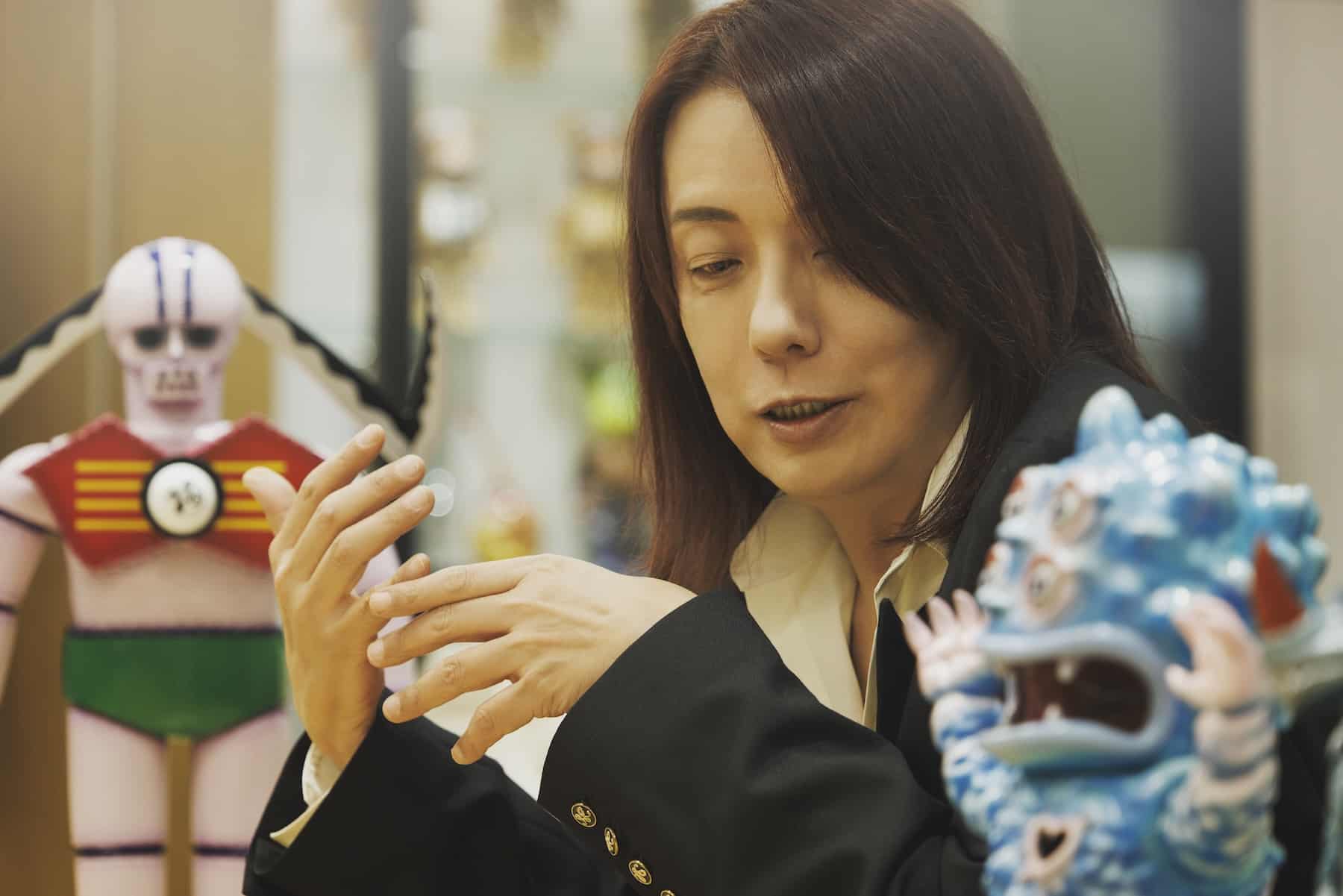
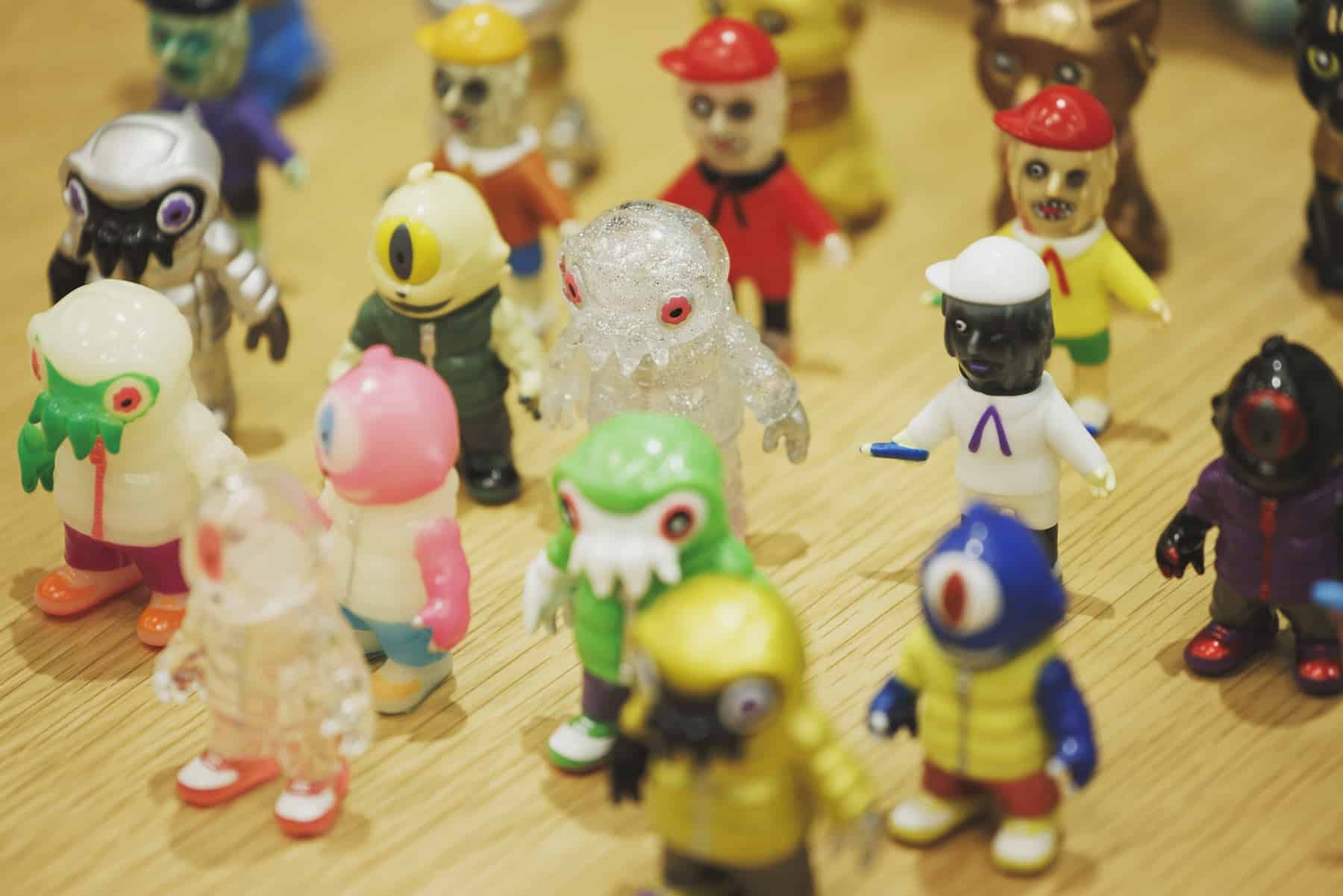
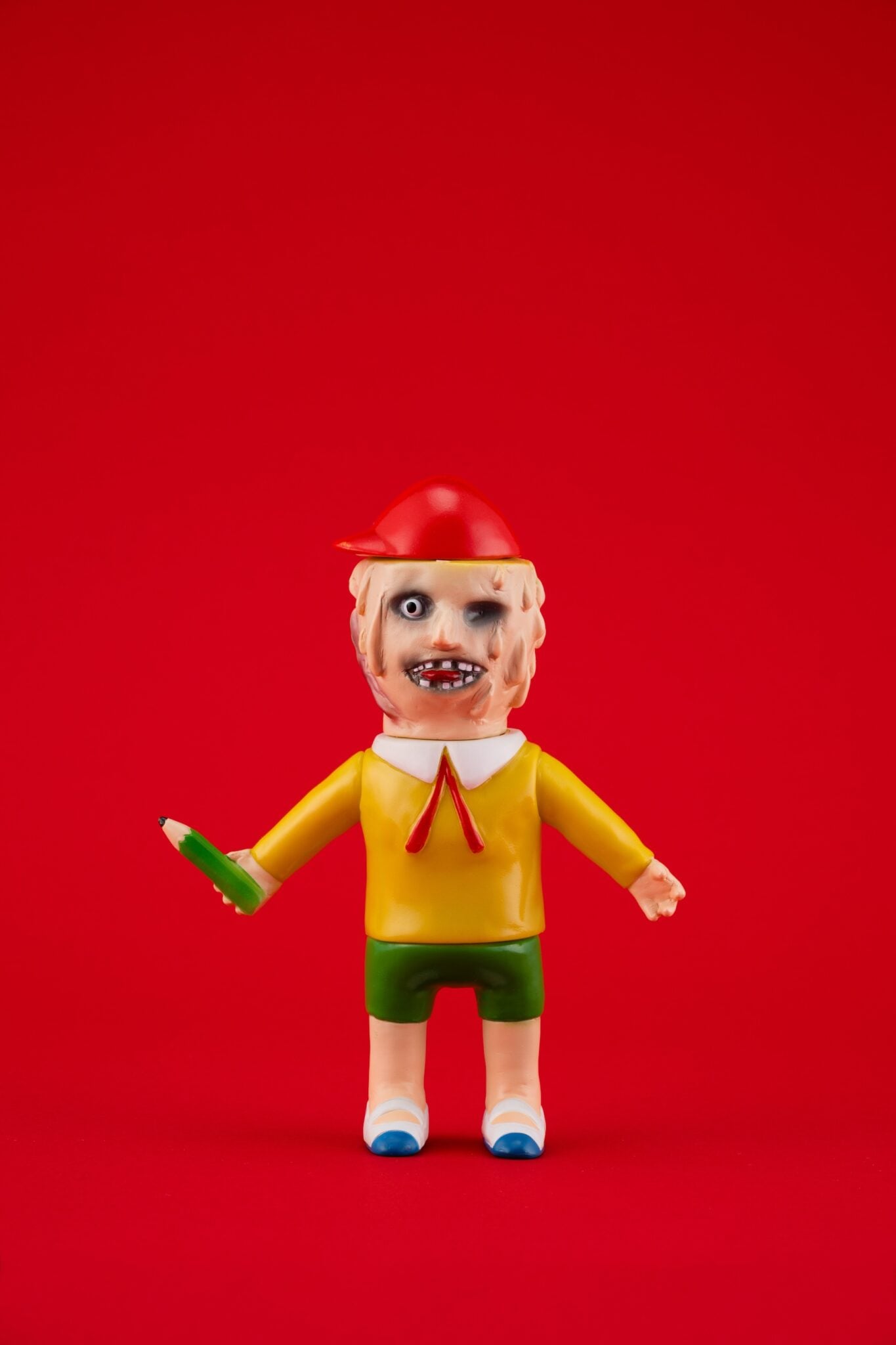
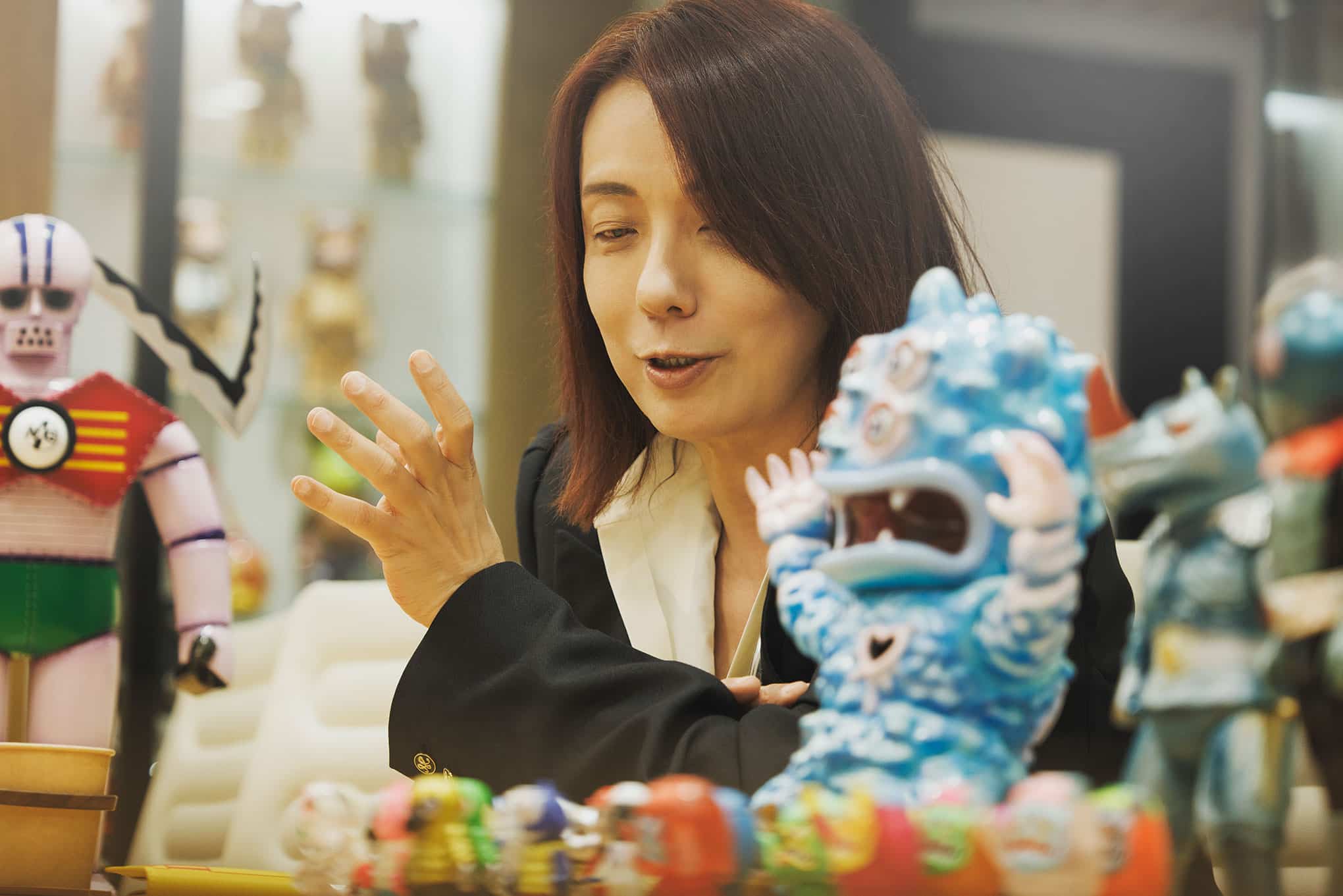
Once considered simply toys, “Sofubi” have evolved into globally celebrated art pieces that transcend the boundaries of toys themselves. We spoke with Tatsuhiko Akashi, president of MEDICOM TOY and one of the key figures driving the scene, about the company’s journey into Sofubi production, its relationship with art, and where the culture may be headed next. What became especially clear through the conversation was not only a remarkable passion for Sofubi but also a deep respect for the creators behind them.
SHARE


MEDICOM TOY’s involvement with Sofubi dates back to the company’s earliest days. While producing a wide range of action figures and art toys, Akashi personally visited Sofubi factories, gradually deepening his knowledge of molding, painting, and other aspects of the craft.
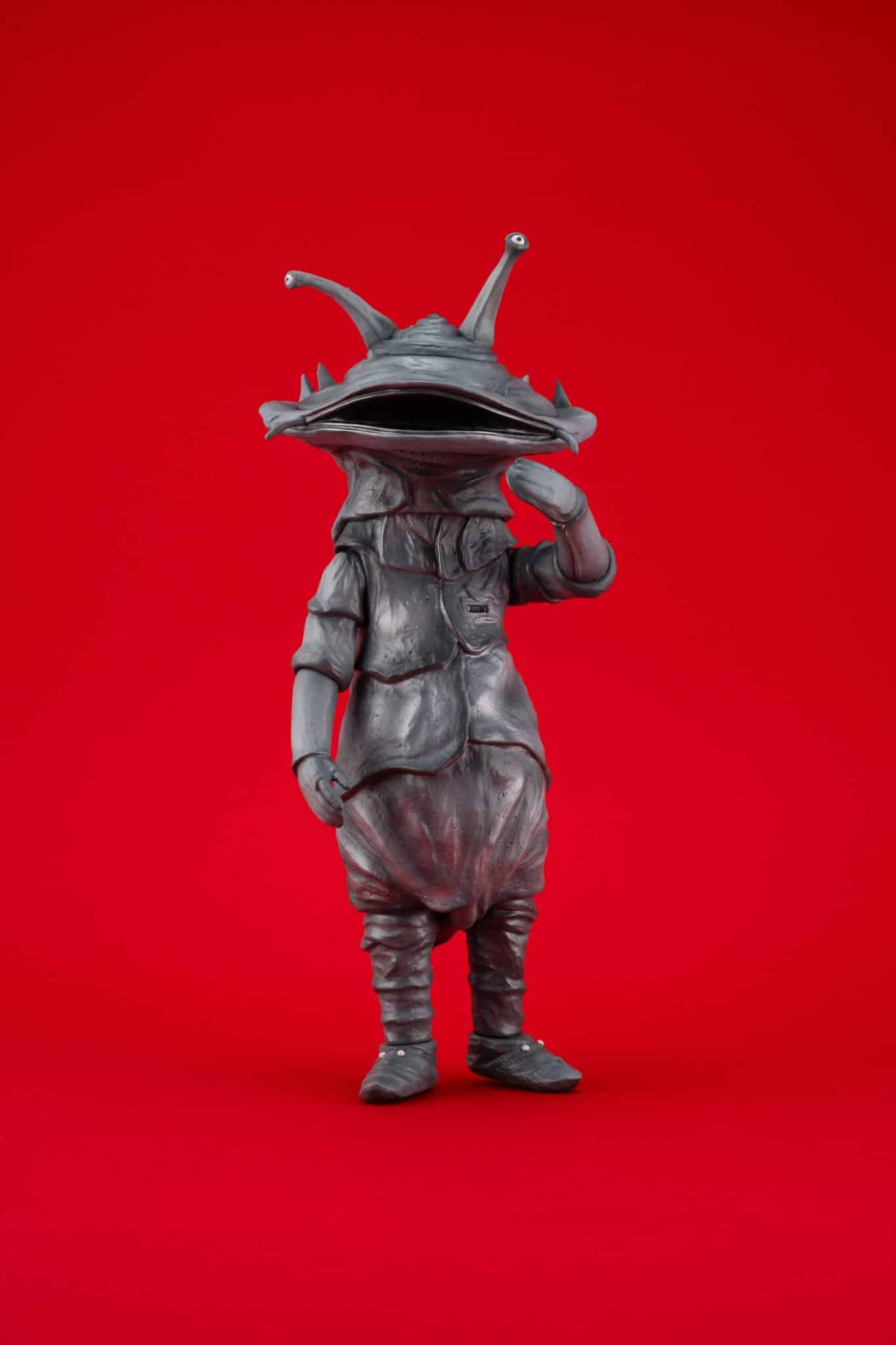
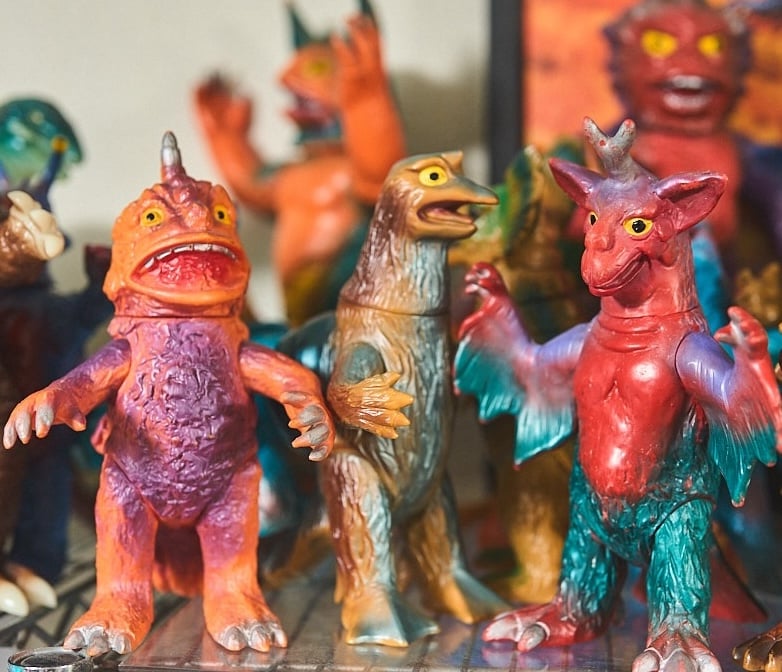
Special Effects Series “Ultra Q” KANEGON (TV Ver.) One of MEDICOM TOY’s earliest full-scale Sofubi series. © Tsuburaya Productions
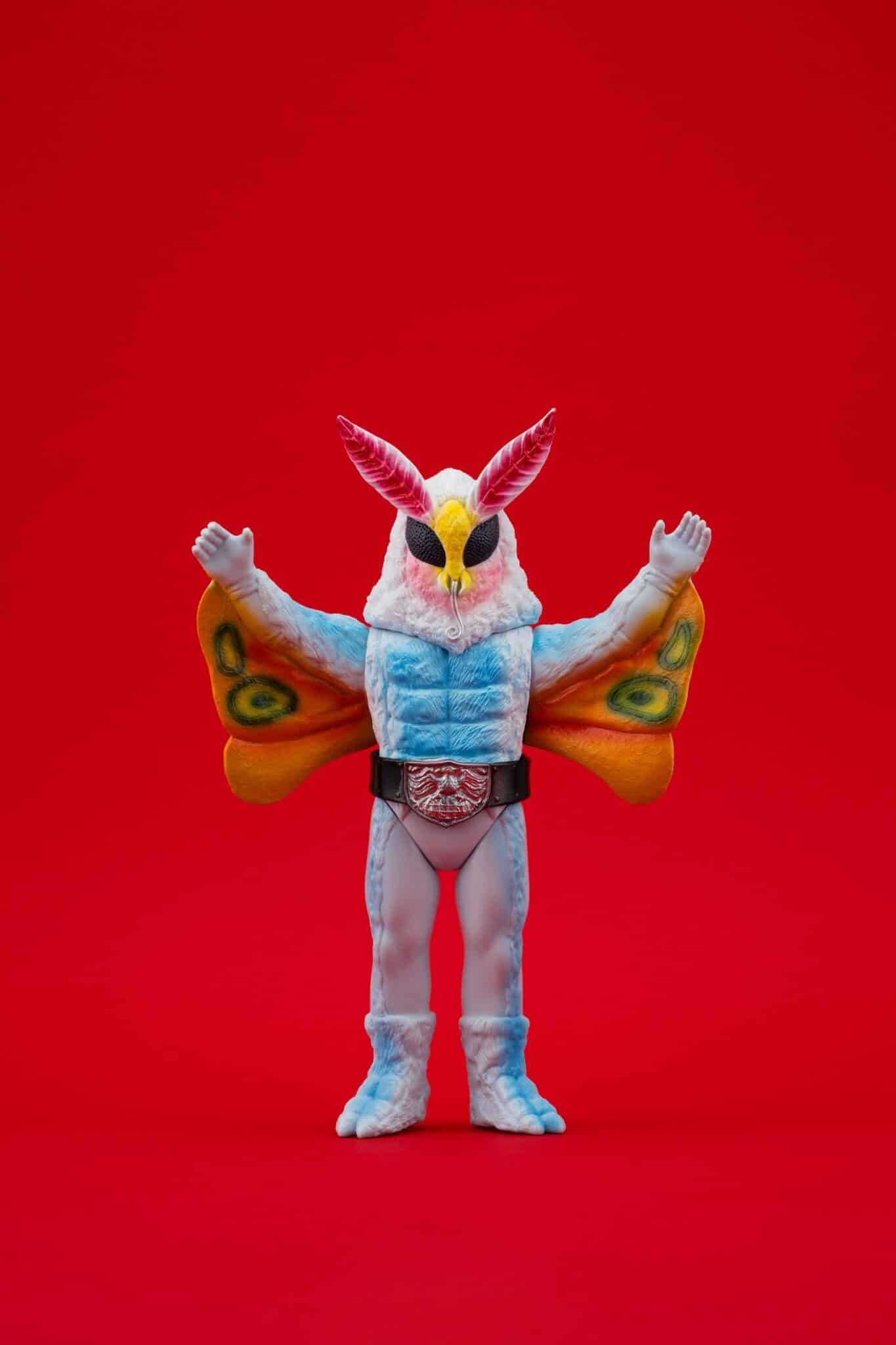
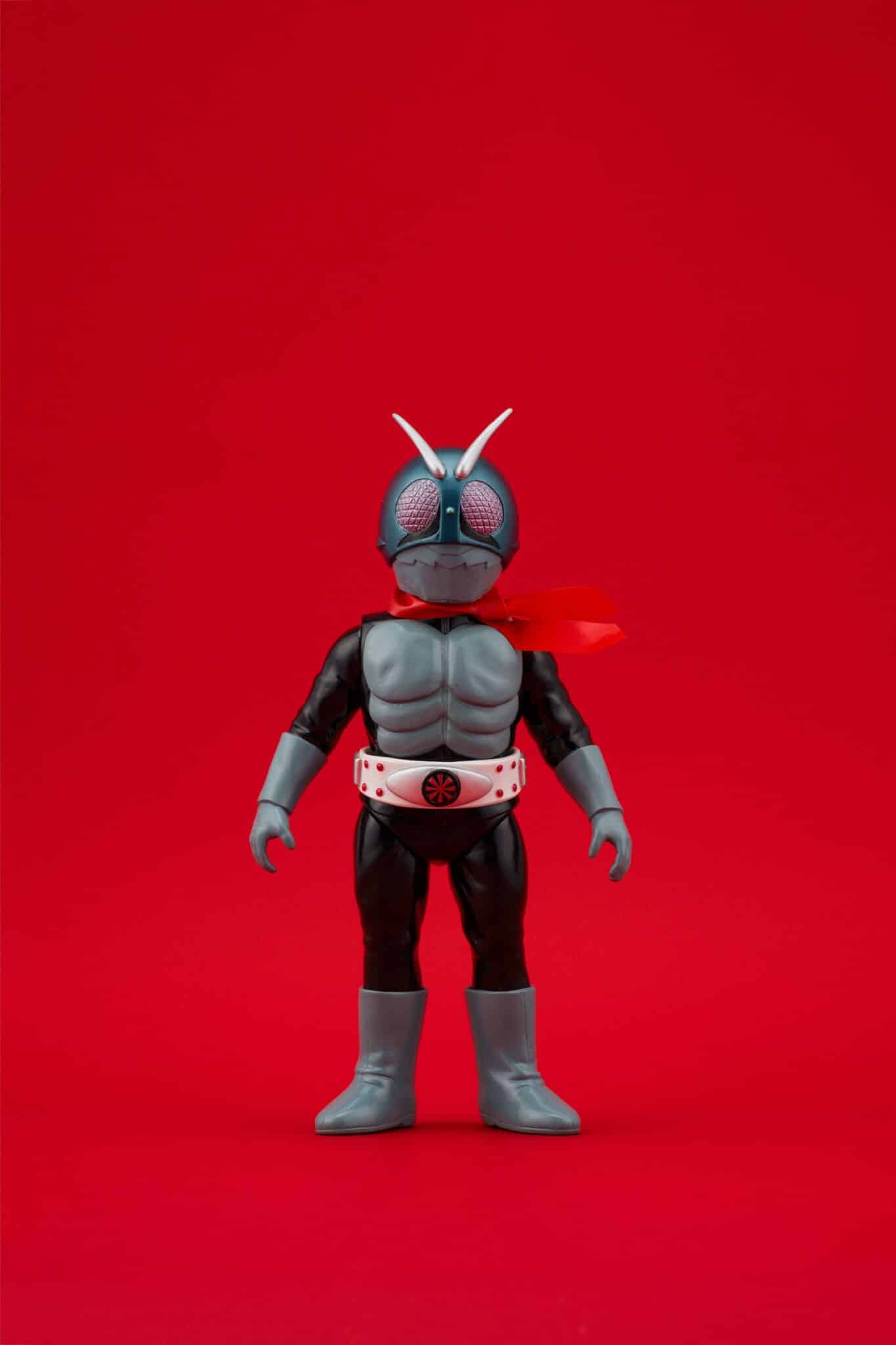
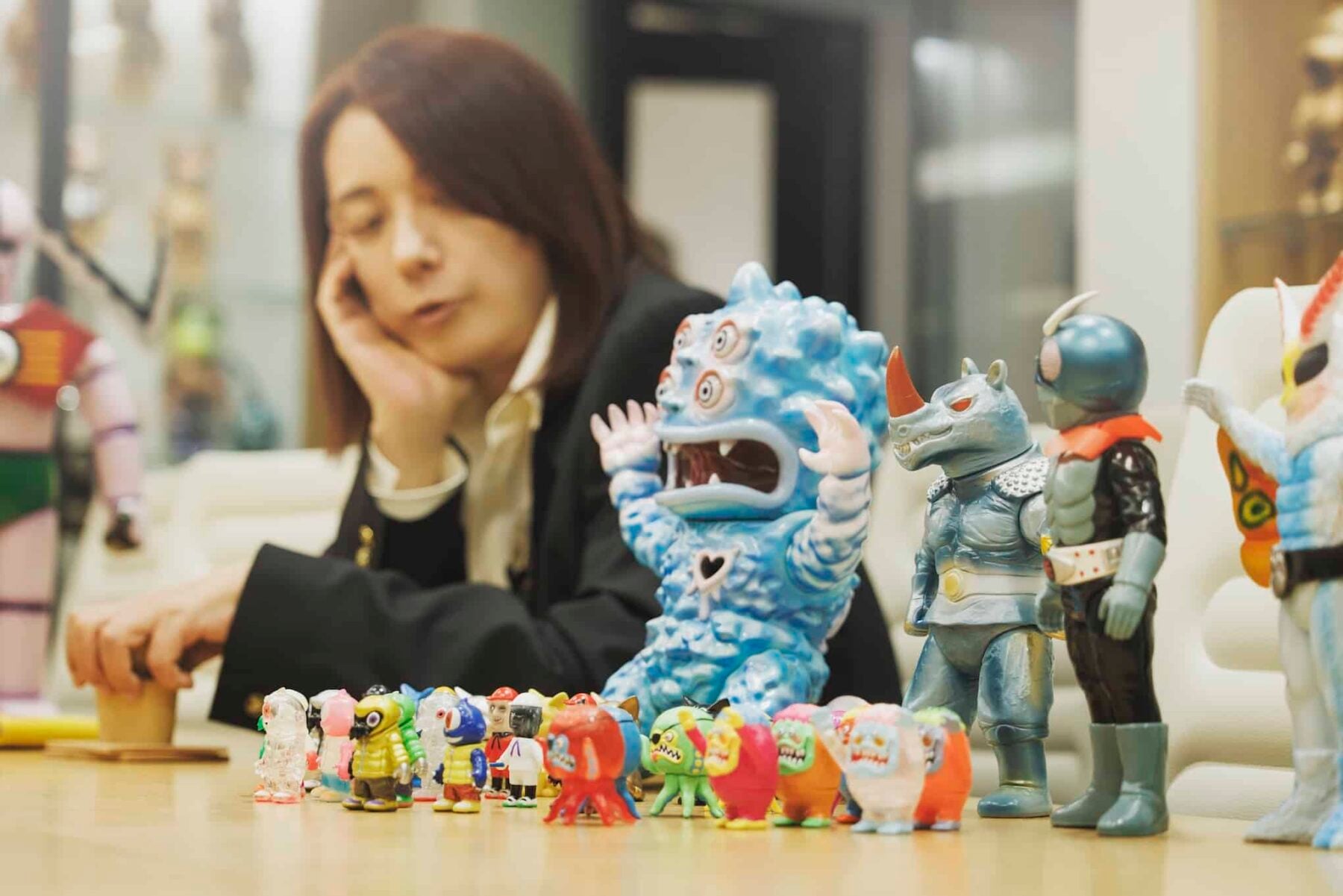
As collecting Sofubi figures became an increasingly popular adult hobby in the 2000s, MEDICOM TOY launched the Toei Retro Sofubi Collection series in 2011. It was an ambitious project that turned the countless heroes and monsters appearing in Toei’s tokusatsu productions — most famously Masked Rider (1971) — into standard-size Sofubi figures. Behind this vast lineup was Akashi’s extraordinary passion, along with a slightly mysterious origin story.
“It sounds unbelievable, but it all started when Grey Saiking — an enemy robot from Android Kikaider (1972) — appeared in my dream. I found myself wondering why a standard-size Grey Saiking Sofubi had never been released back then. Somehow, that feeling surfaced in the dream. The moment I woke up, I contacted a sculptor and got the project moving. It truly felt like a message from a dream.”
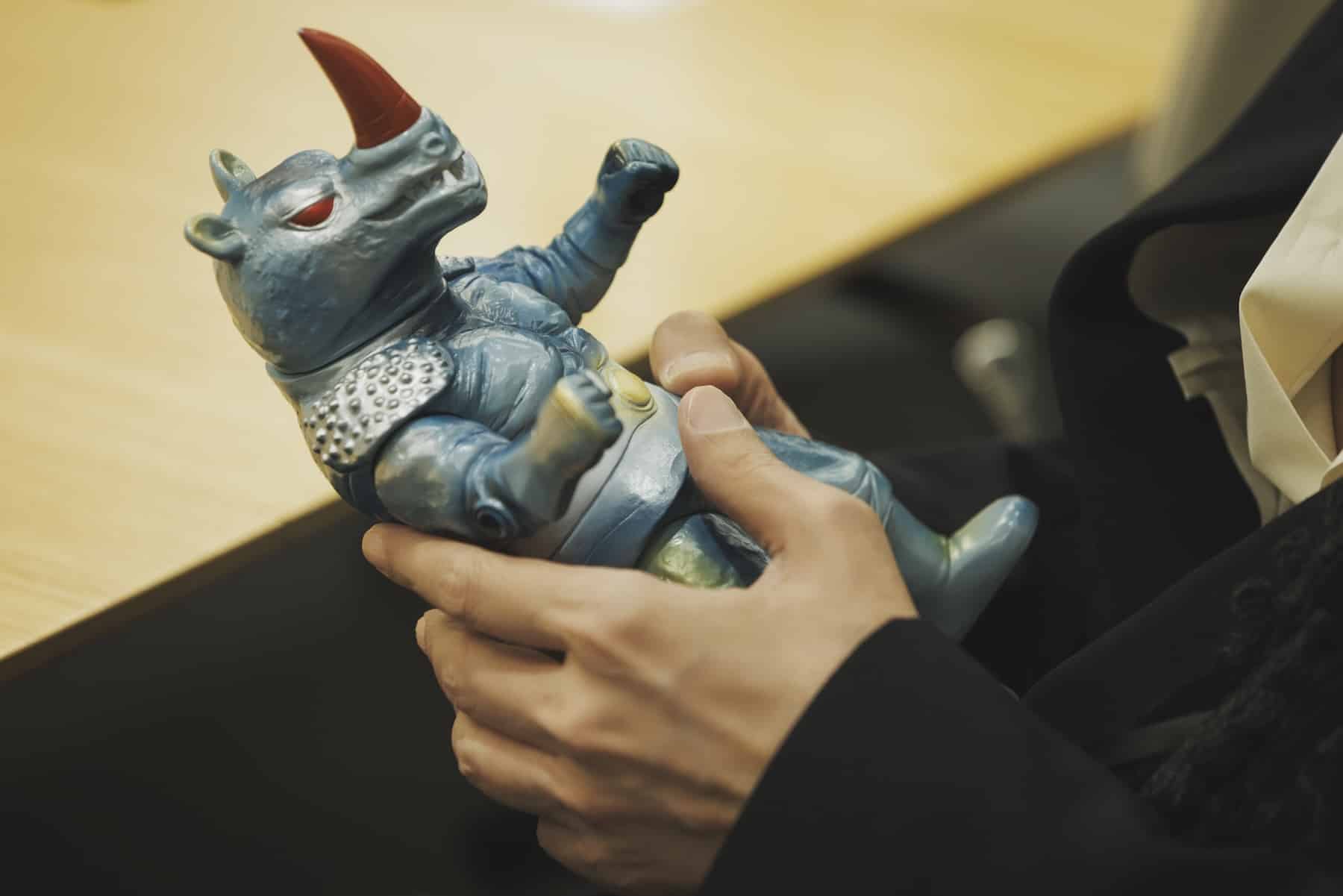
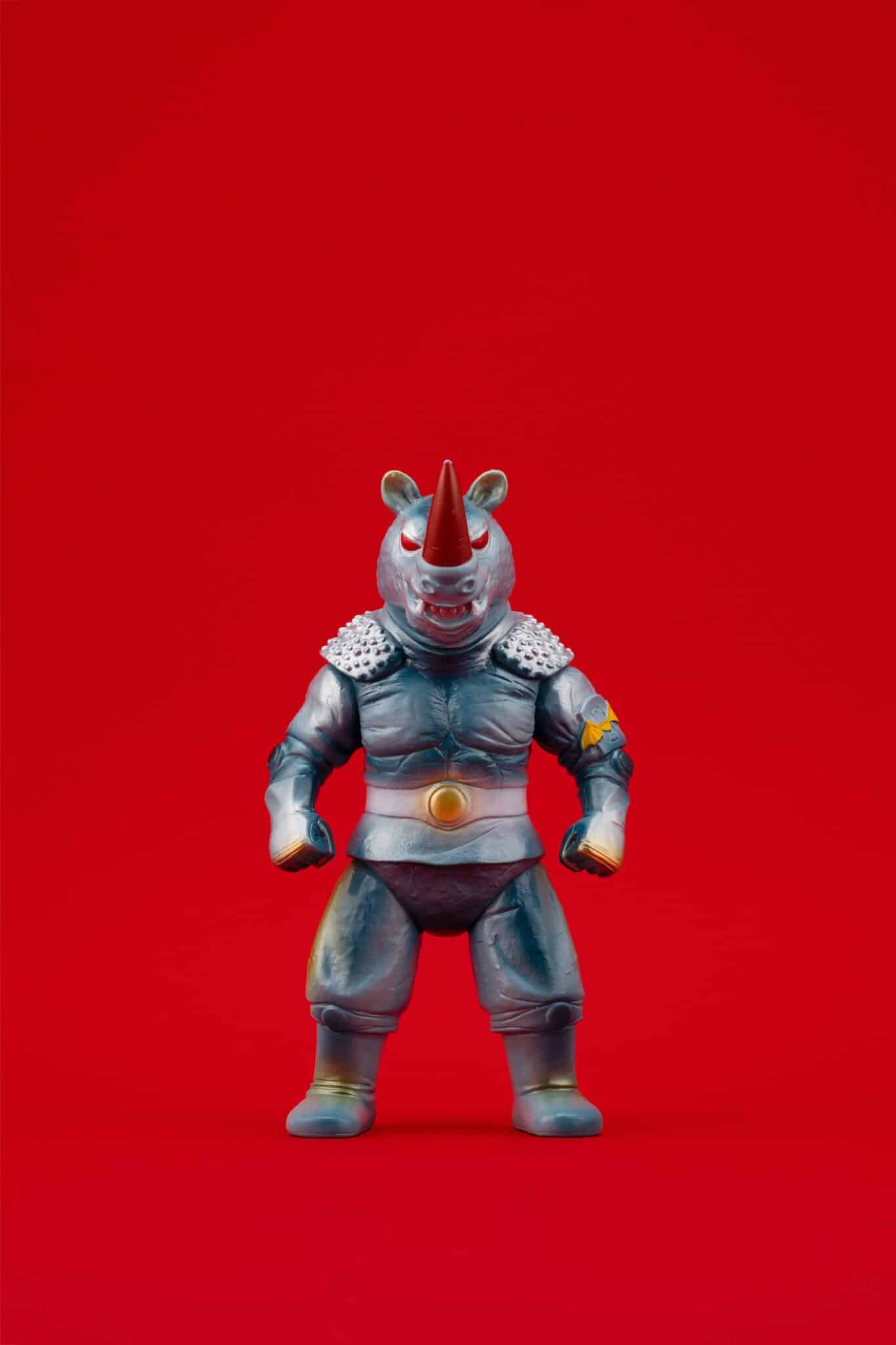
TRSC Gray Rhino King ©︎ 石森プロ・東映
“When we started the series in 2011, there were still many villains and enemy robots from Toei’s tokusatsu shows that had never been turned into products before. I really wanted to properly fill in those gaps. I told Toei, ‘We’re serious about this. We’ll continue it for more than ten years.’ That’s how we received their approval.”
True to his word, the series has continued for well over a decade, producing hundreds of releases and attracting not only dedicated collectors in Japan, but also fans around the world.
TRSC Dokugander ©︎ 石森プロ・東映
TRSC MASKED RIDER 1 ©︎ 石森プロ・東映
In recent years, the growing popularity of Sofubi has turned certain artists’ works into highly sought-after auction pieces, firmly establishing Sofubi as gallery-worthy art objects.
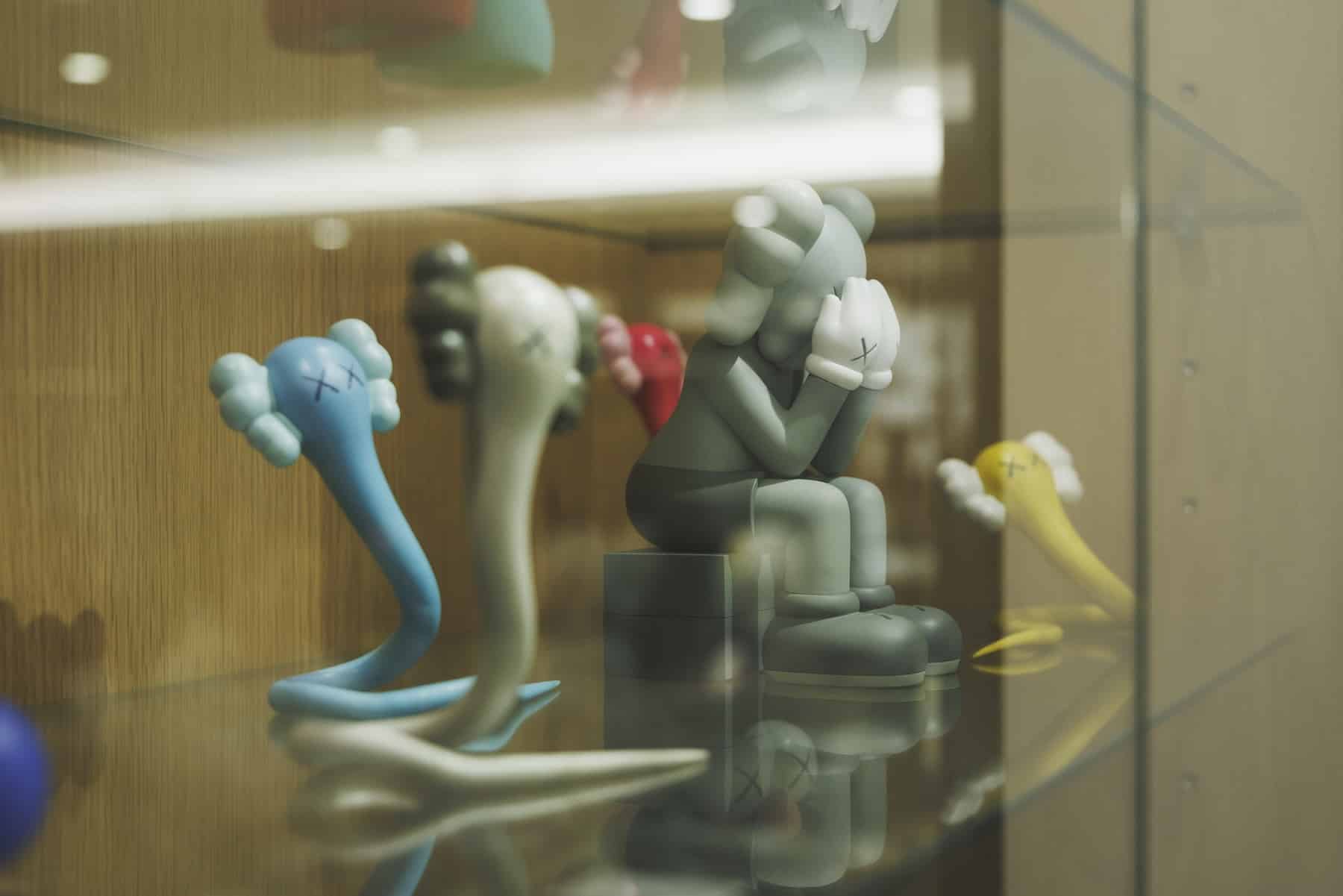
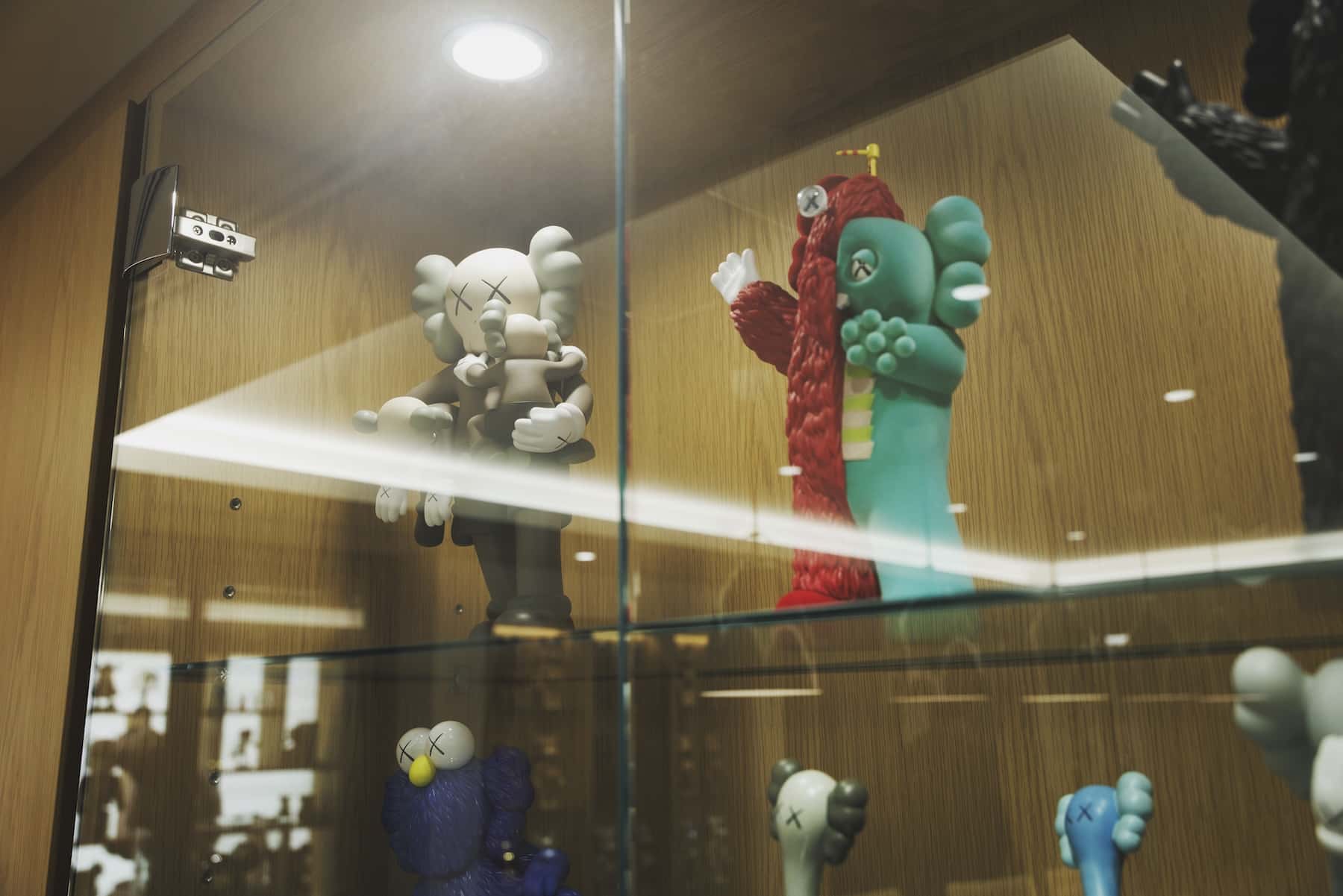
“Interestingly, the rise of indie Sofubi and the boom in art toys like BE@RBRICK were happening at almost the same time during the 2000s. But back then, even KAWS figures produced by us — despite being made of Sofubi — weren’t really discussed within the context of Sofubi culture yet. It was after the 2010s that the distance between art toys and Sofubi rapidly began to shrink.”
KAWS works released by MEDICOM TOY
“A gallerist once told me something that really made sense: apparently, one condition for something to be considered an art piece is durability — the idea that it won’t easily deteriorate. Bronze sculptures became recognized as art partly because they could survive for thousands of years.
At first, nobody really knew how long Sofubi would last. But now, sixty years after its birth, products made by companies like Marusan and Bullmark are still around today. That proved their durability.
Once that became clear, galleries began shifting their perspective and recognizing Sofubi as legitimate art pieces. I think that proof is what truly brought art and Sofubi closer together. We’ve also collaborated with many artists through Sofubi ourselves.”
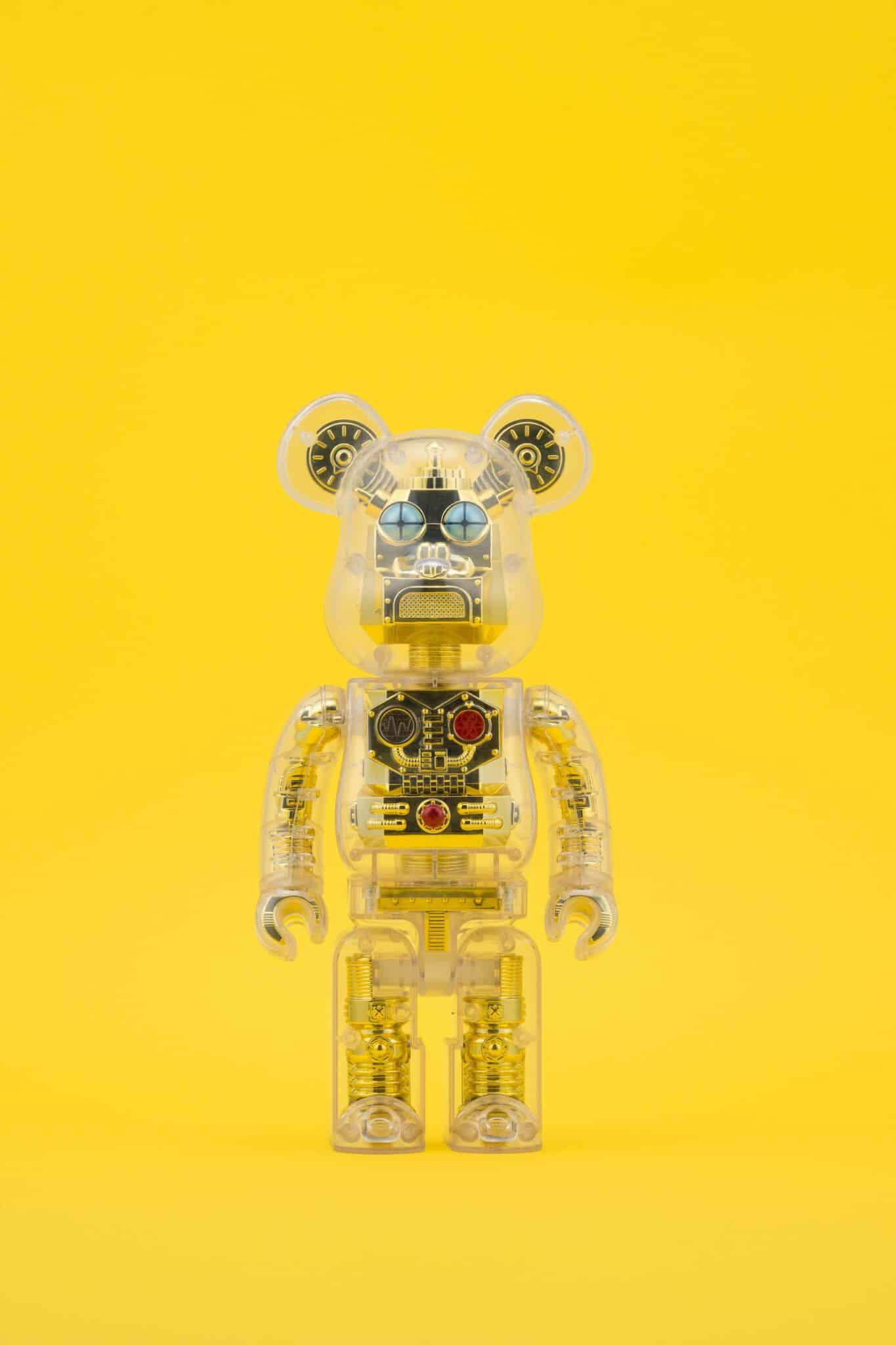
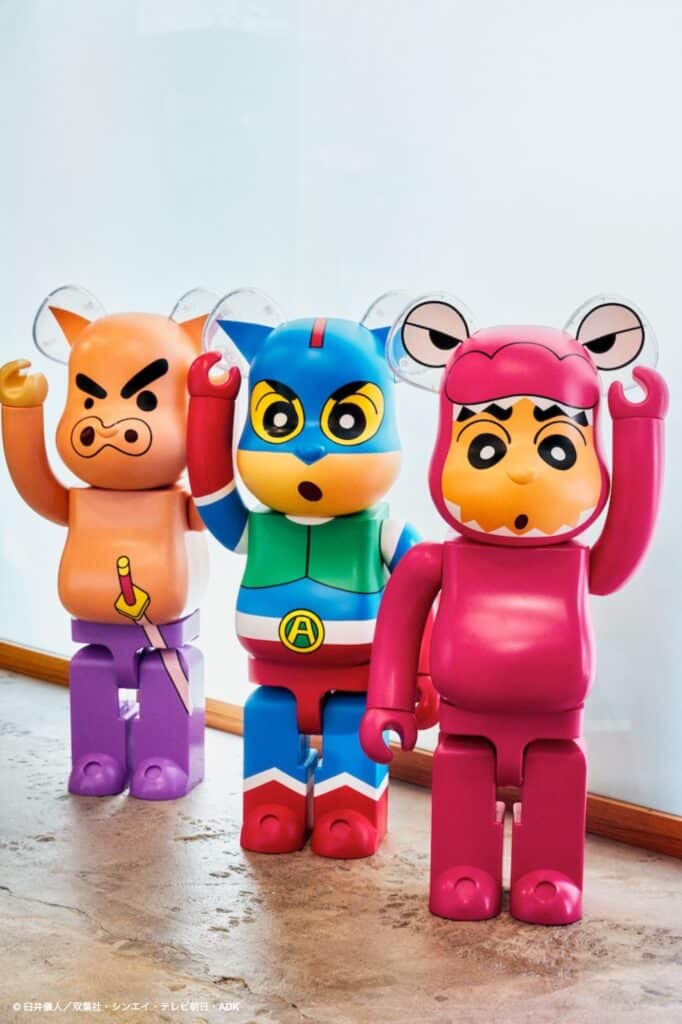
BE@RBRICK HxS (HIROTA SAIGANSHO) 400%
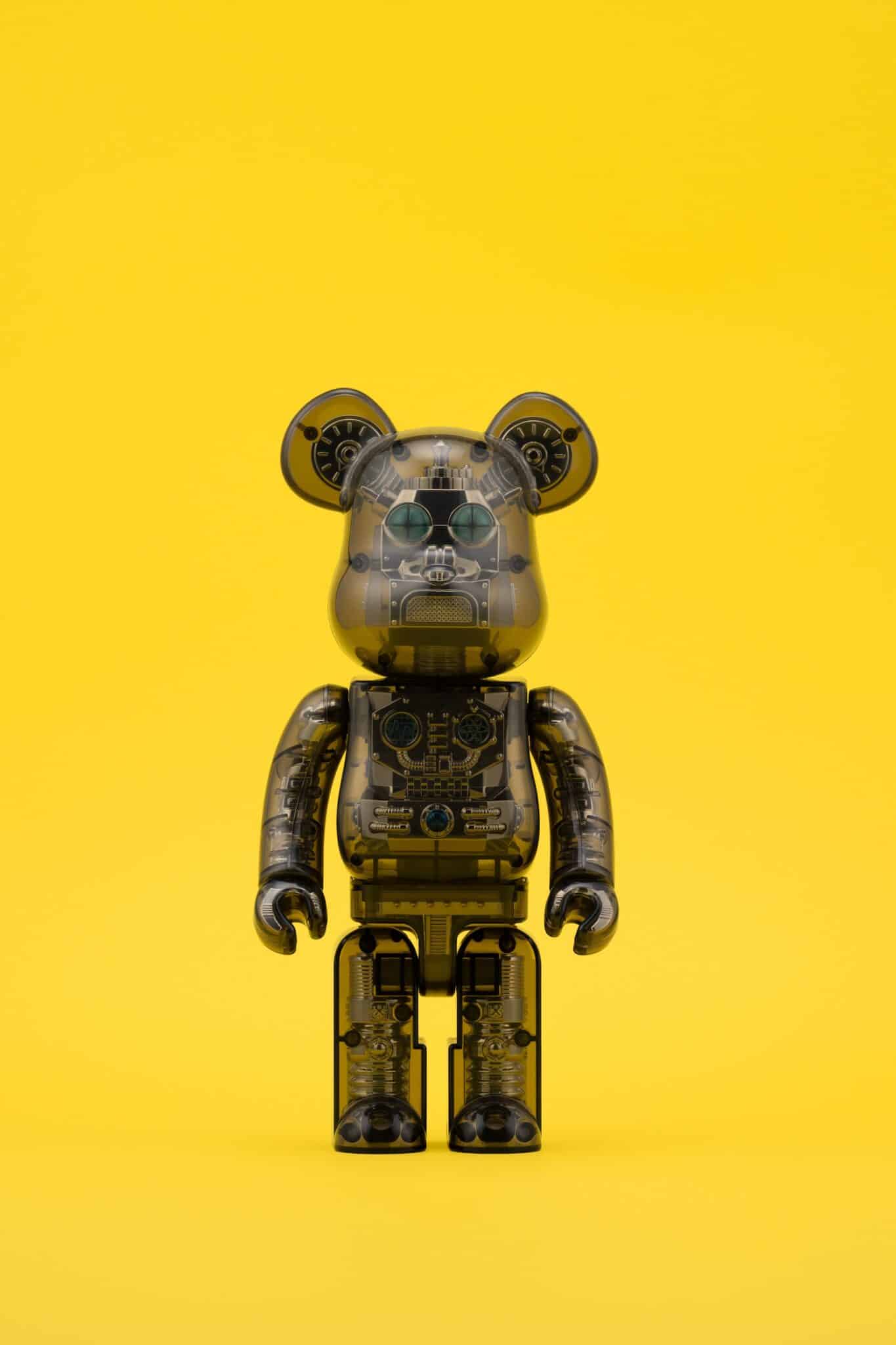
BE@RBRICK HxS (HIROTA SAIGANSHO) 400% CLEAR BLACK
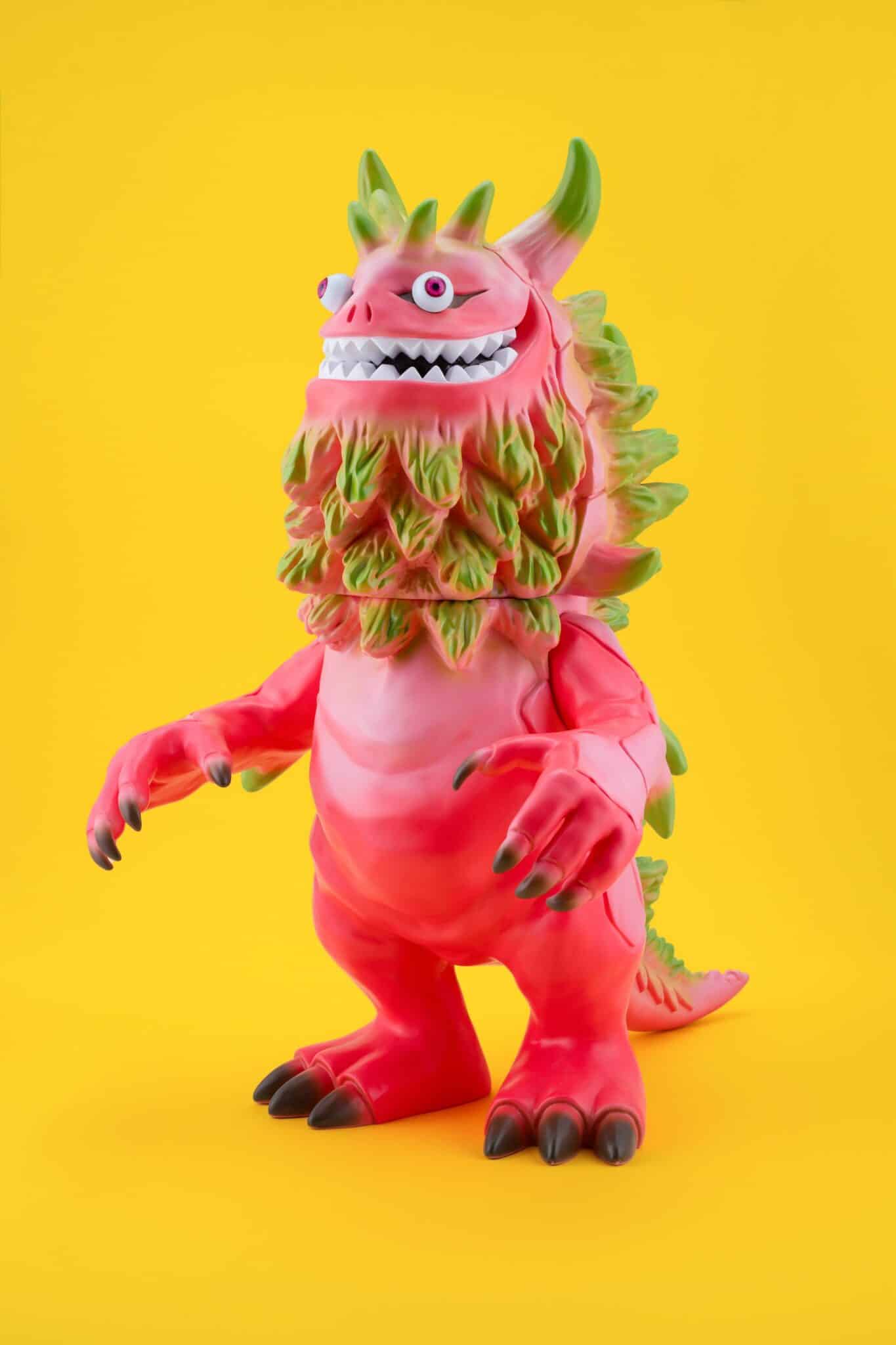
JAM Rangeas, T9G's signature character recreated as a massive figure standing approximately 60cm tall. © T9G
One collaboration that came to symbolize the intersection between art and Sofubi was MEDICOM TOY’s work with the provocative Sofubi artist NAGNAGNAG.
“NAGNAGNAG once said to me, ‘Isn’t it interesting that someone like me exists inside a polished company like MEDICOM TOY?’ If I had to compare our relationship to something, it was like Virgin Records and the Sex Pistols (laughs).
More than a sculptor, he was a once-in-a-generation producer. He would constantly throw impossible ideas at me — things far beyond the limits of my own imagination. Figuring out how to turn those ideas into reality was genuinely exciting work. I was truly shocked when he suddenly passed away, but looking back, our projects together may have been one of the moments that decisively connected Sofubi and art.”
NAGNAGNAG×TARA ZOMBIE ICE BABY — a triple collaboration between NAGNAGNAG, Tara McPherson, and MEDICOM TOY. Produced in a limited edition of 30 pieces.
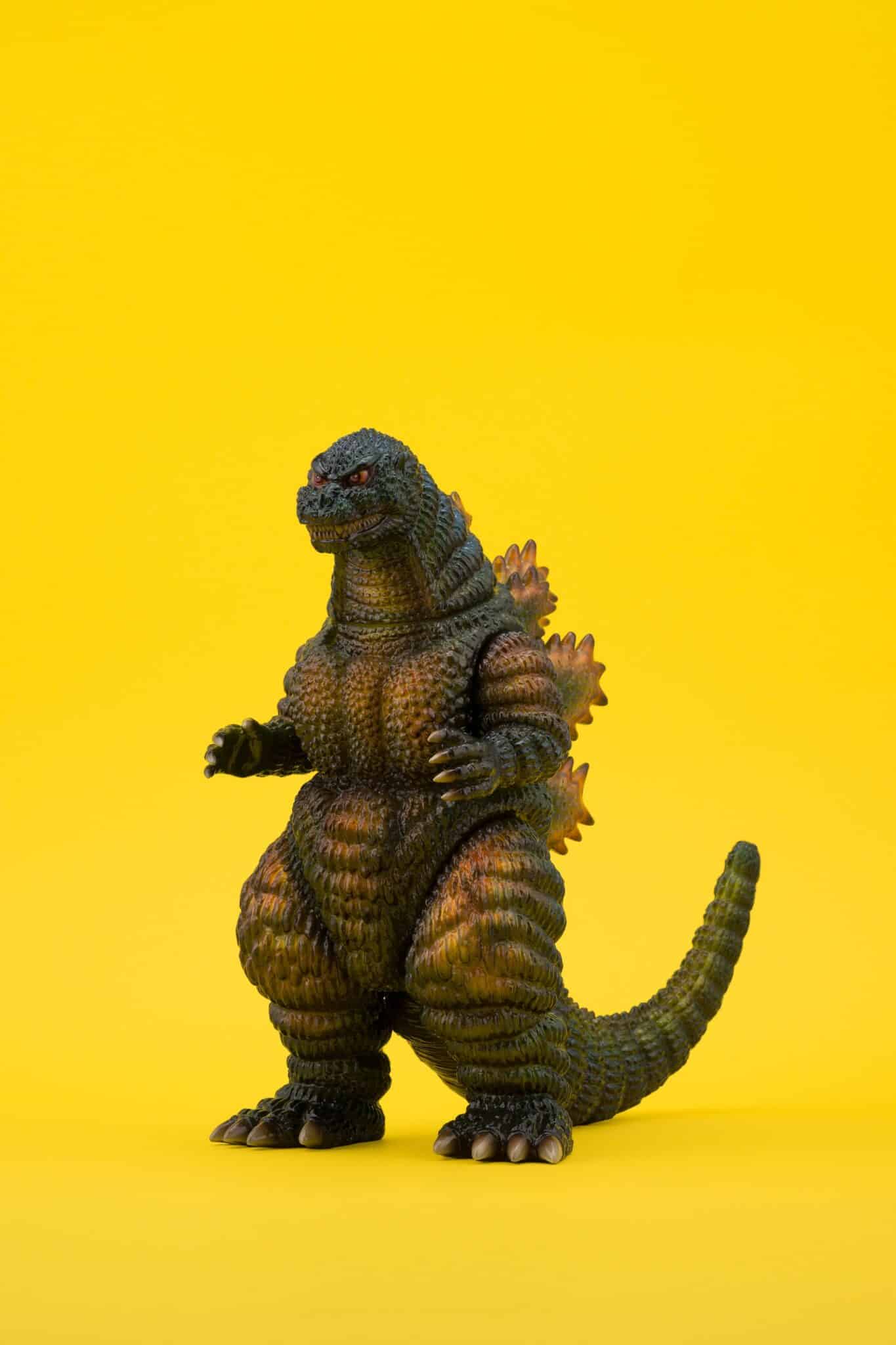
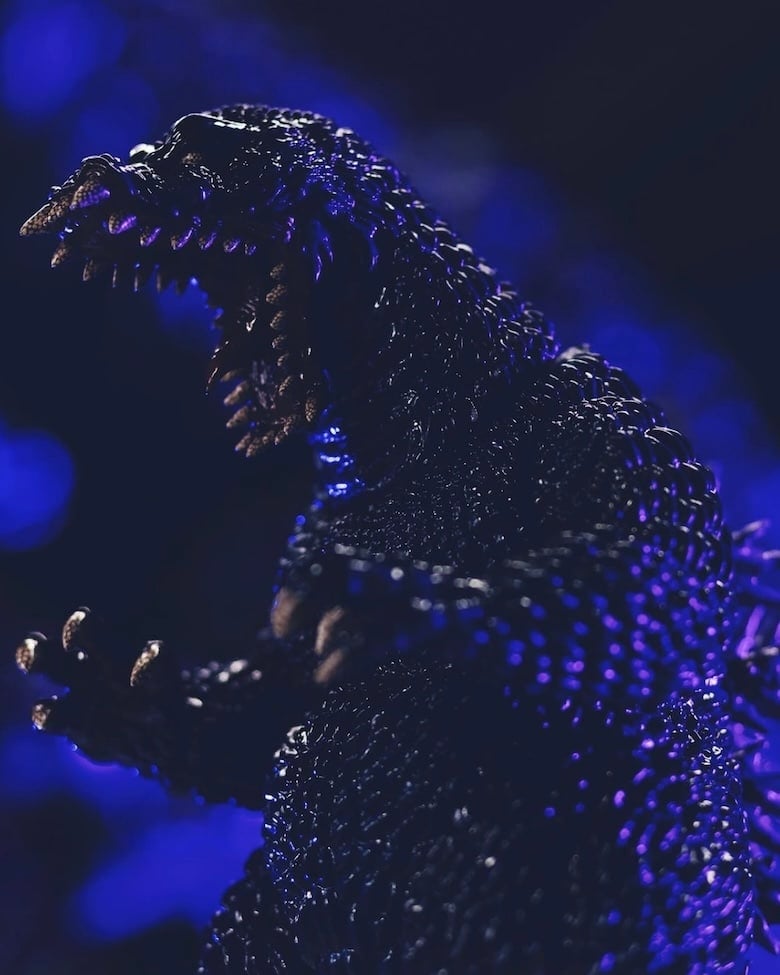
NAGNAGNAG-produced Godzilla (1995) Standard Size (Mouth Closed) TM & © TOHO
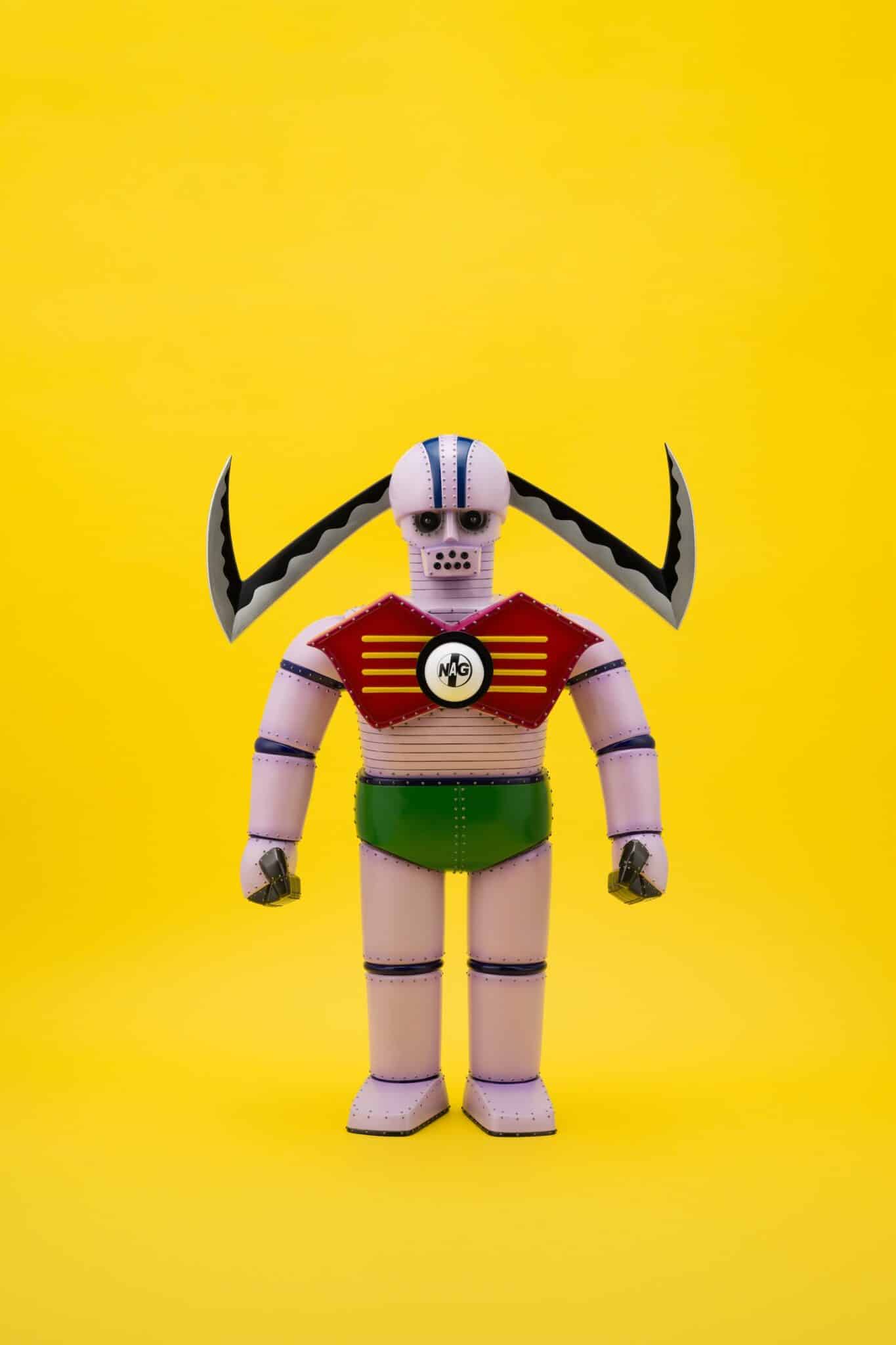
NAGNAGNAG-produced Garada K7 (from Mazinger Z) Standing approximately 50 cm tall, the figure launches ping-pong balls from its chest. © Go Nagai / Dynamic Planning
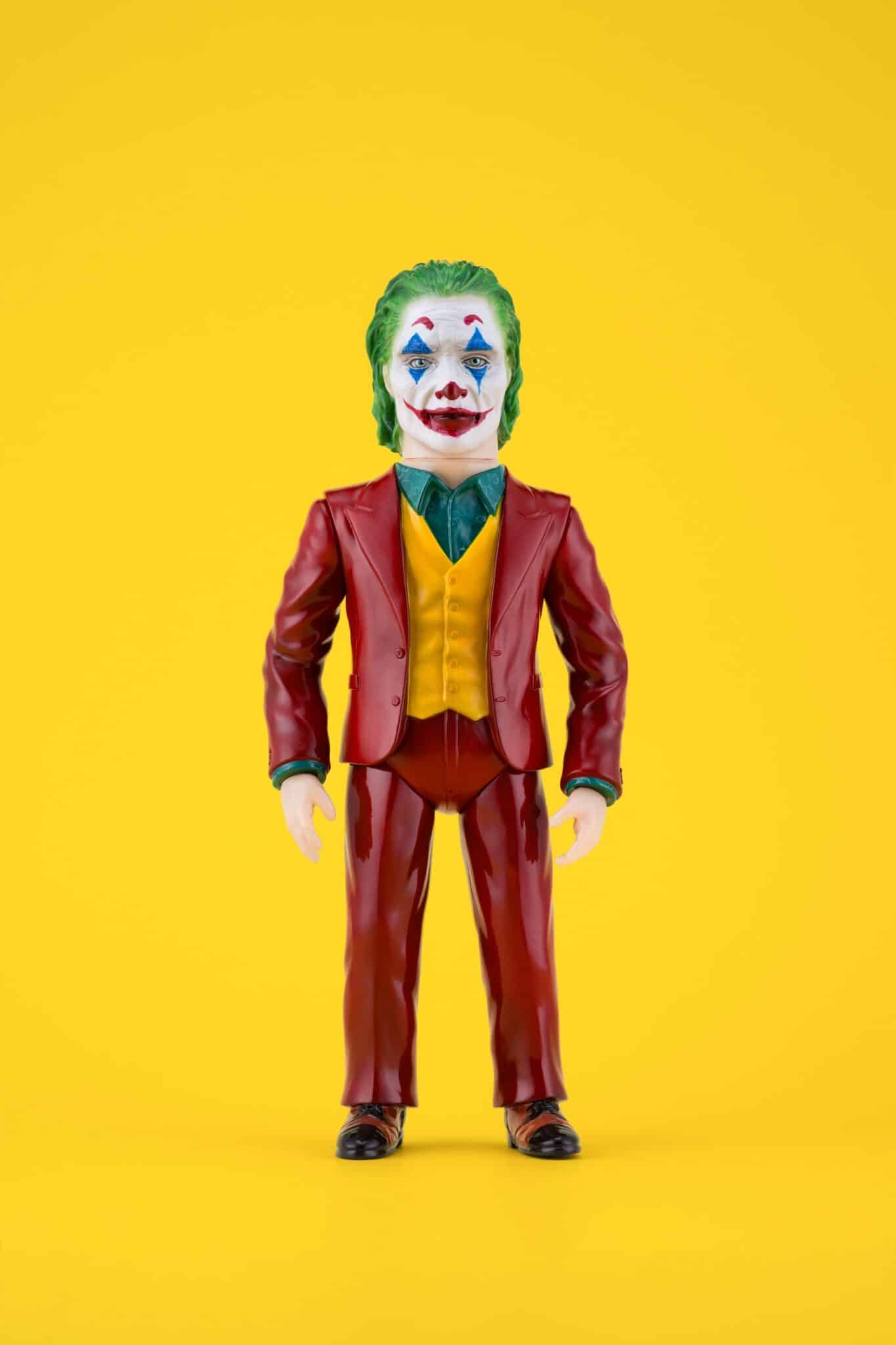
THE JOKER (from Joker: Folie à Deux) by NEW ART GUILD, the collective carrying on NAGNAGNAG’s artistic legacy. JOKER FOLIE A DEUX and all related characters and elements ©︎ & ™ DC and Warner Bros.Entertainment Inc. (s26)
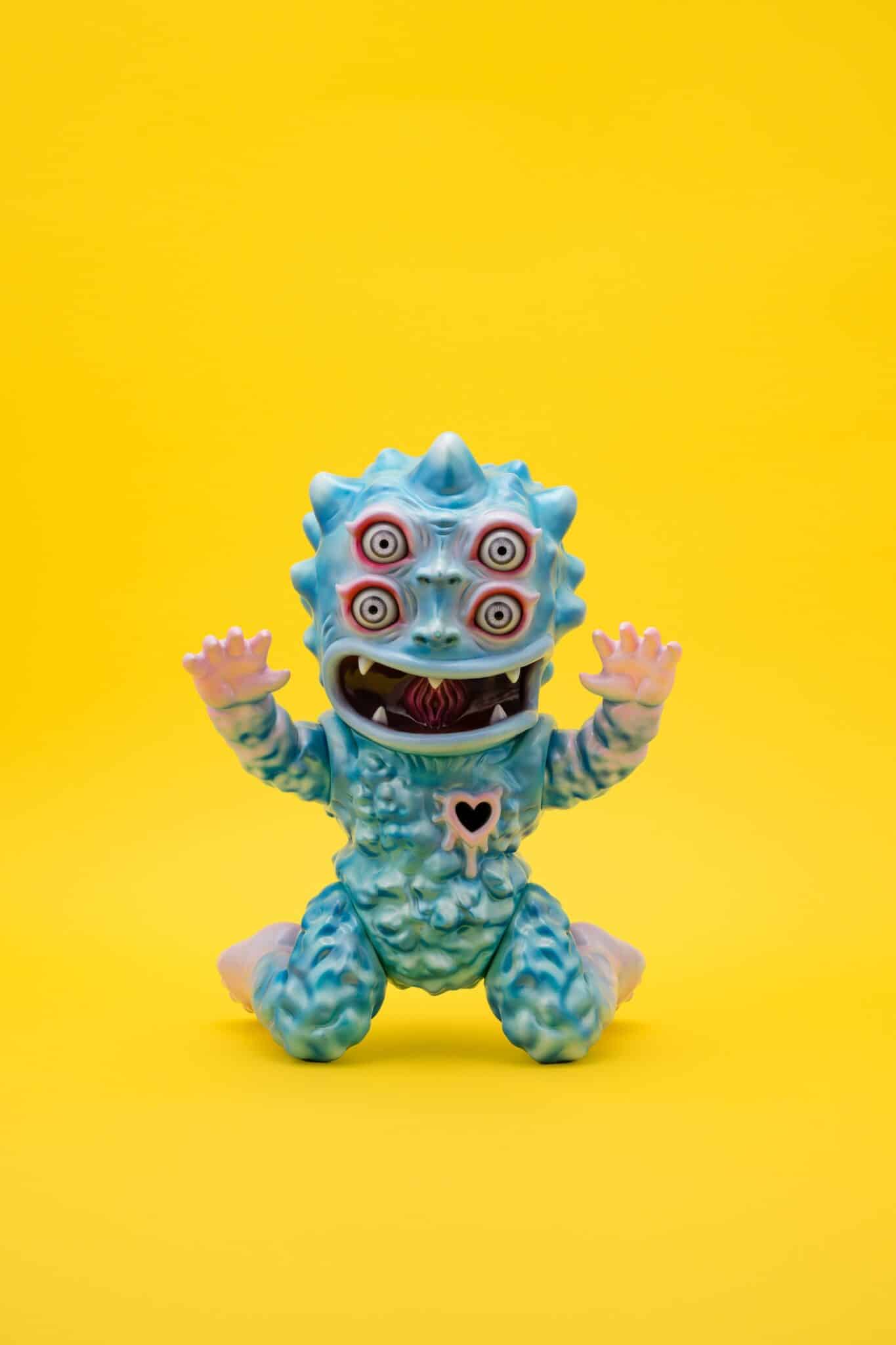
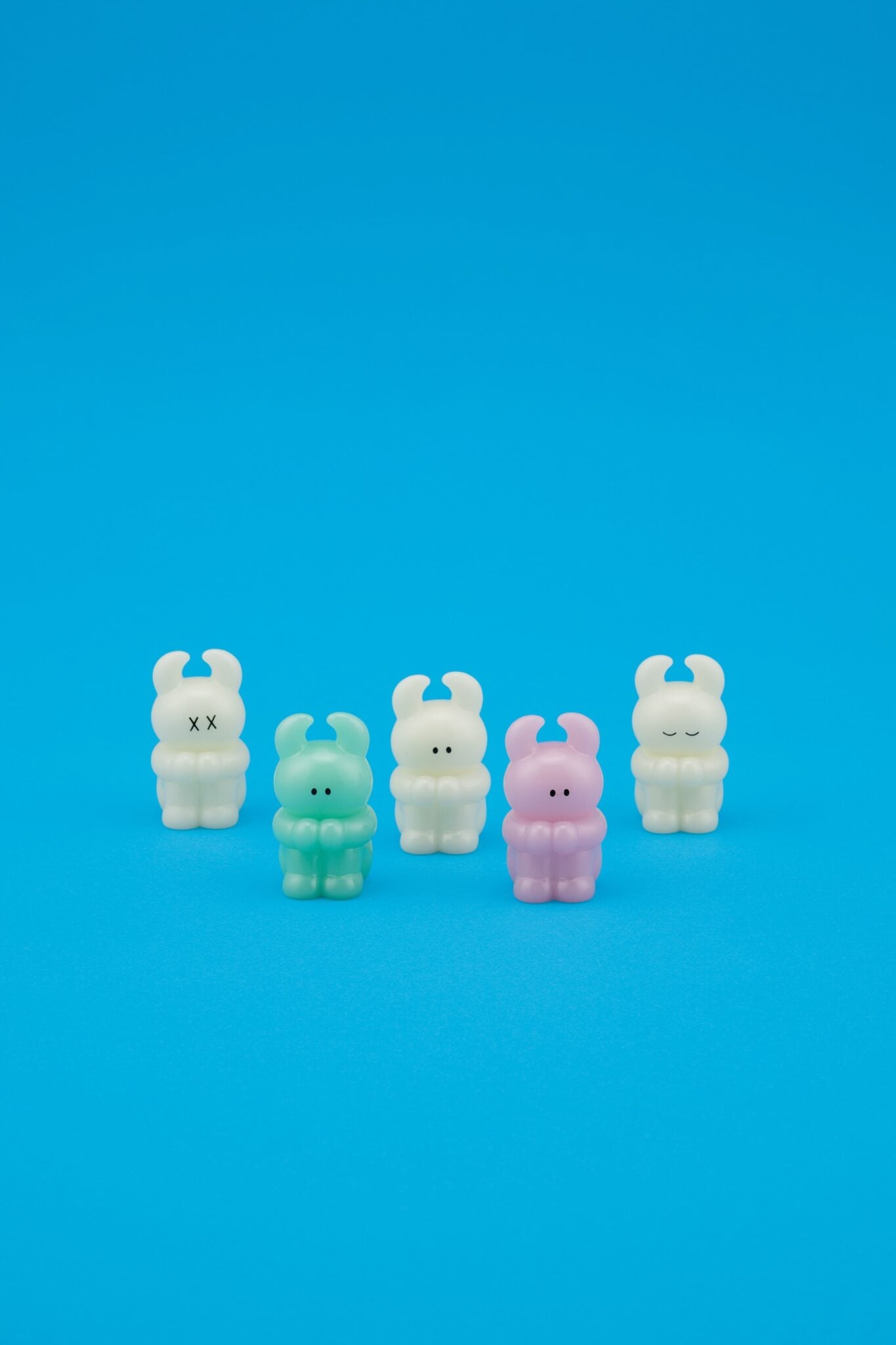
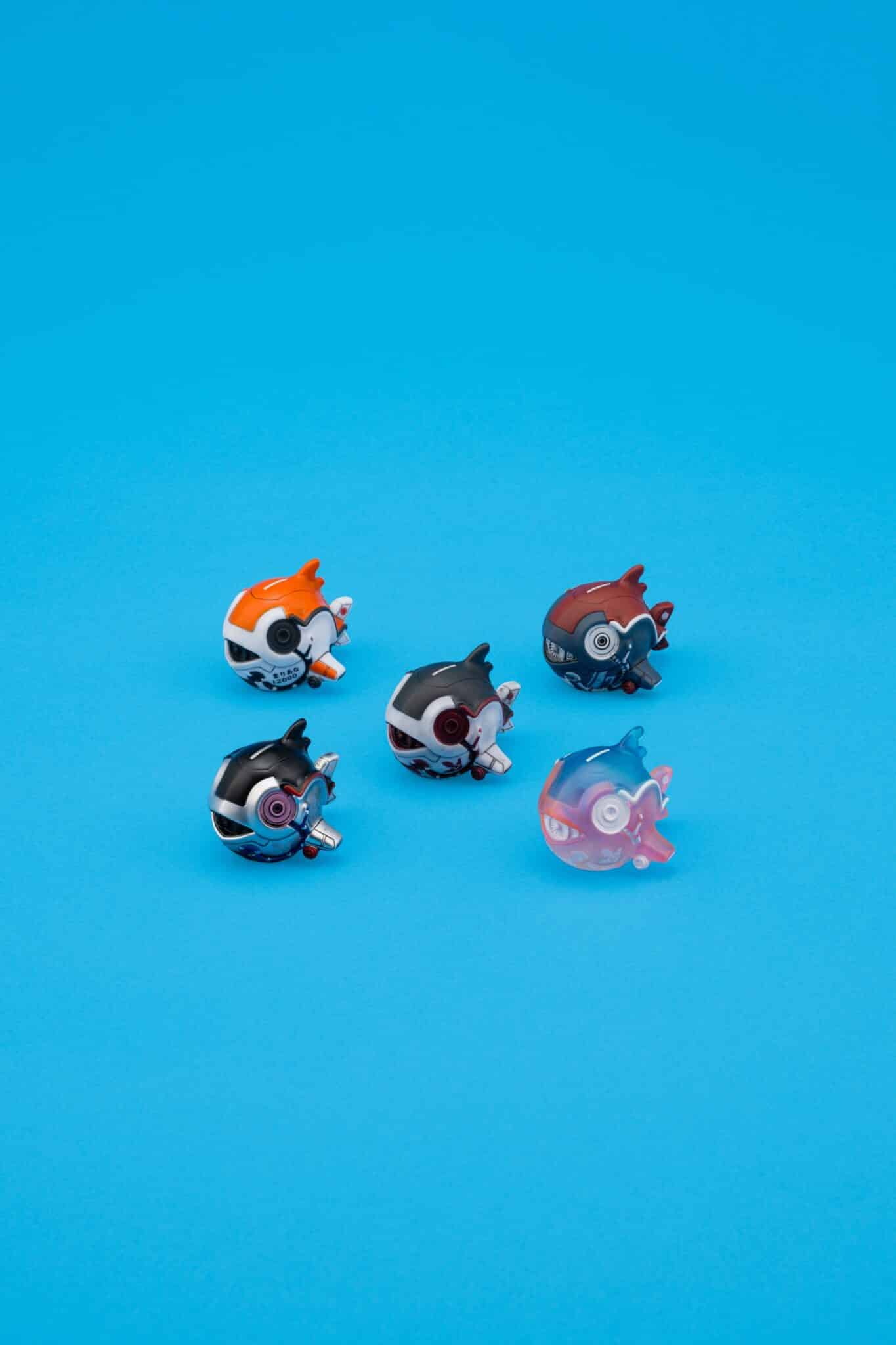
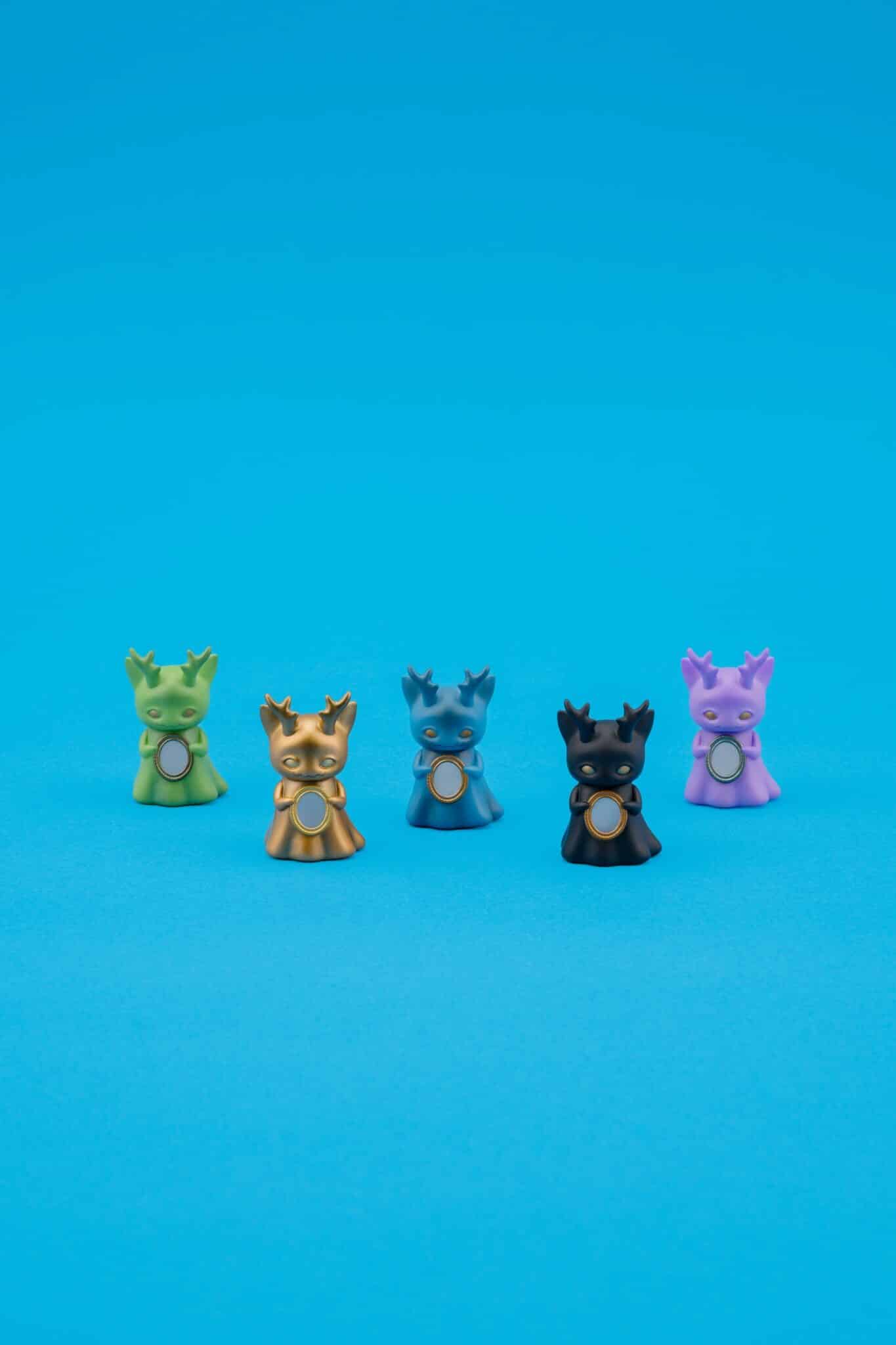
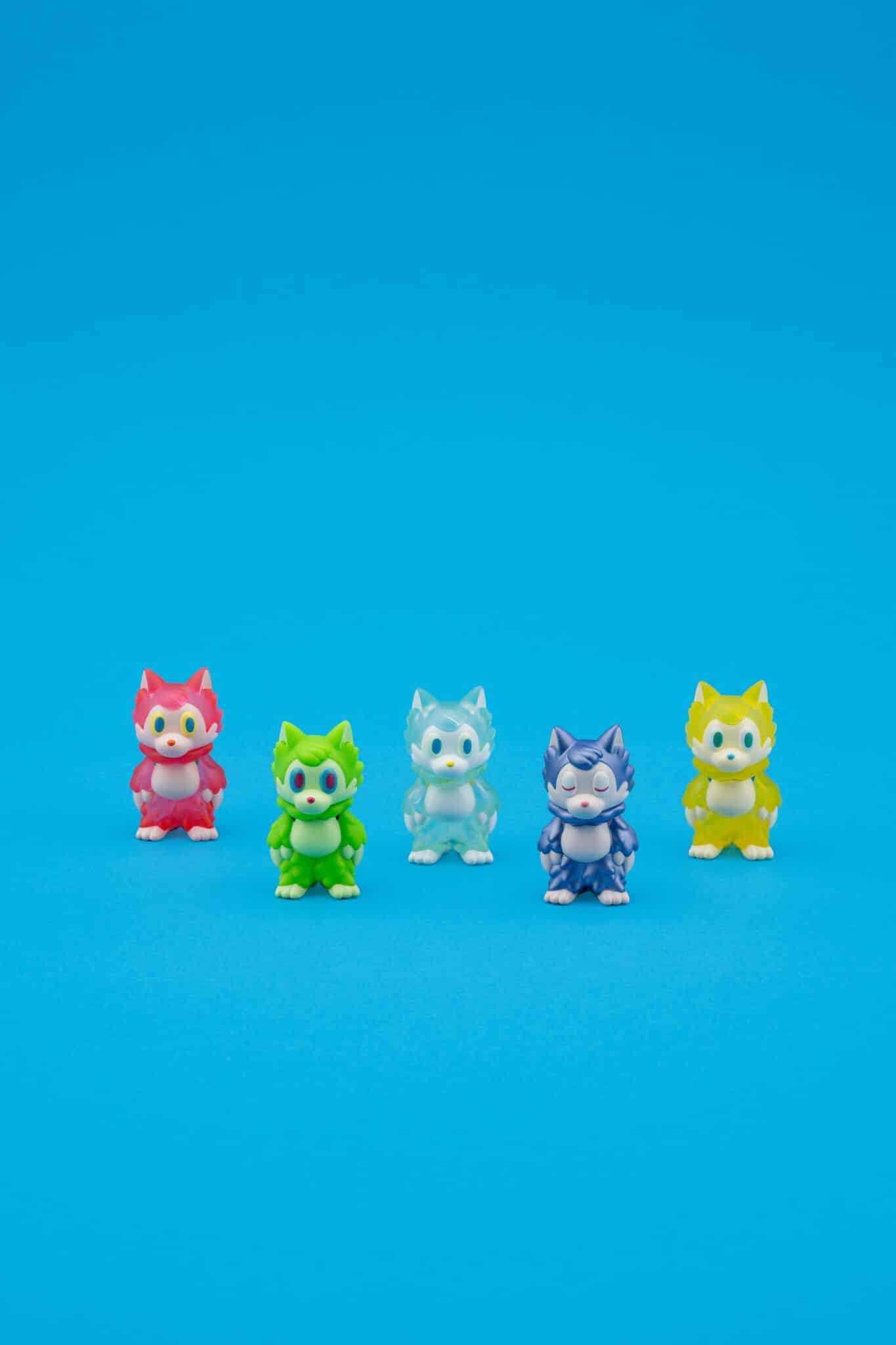
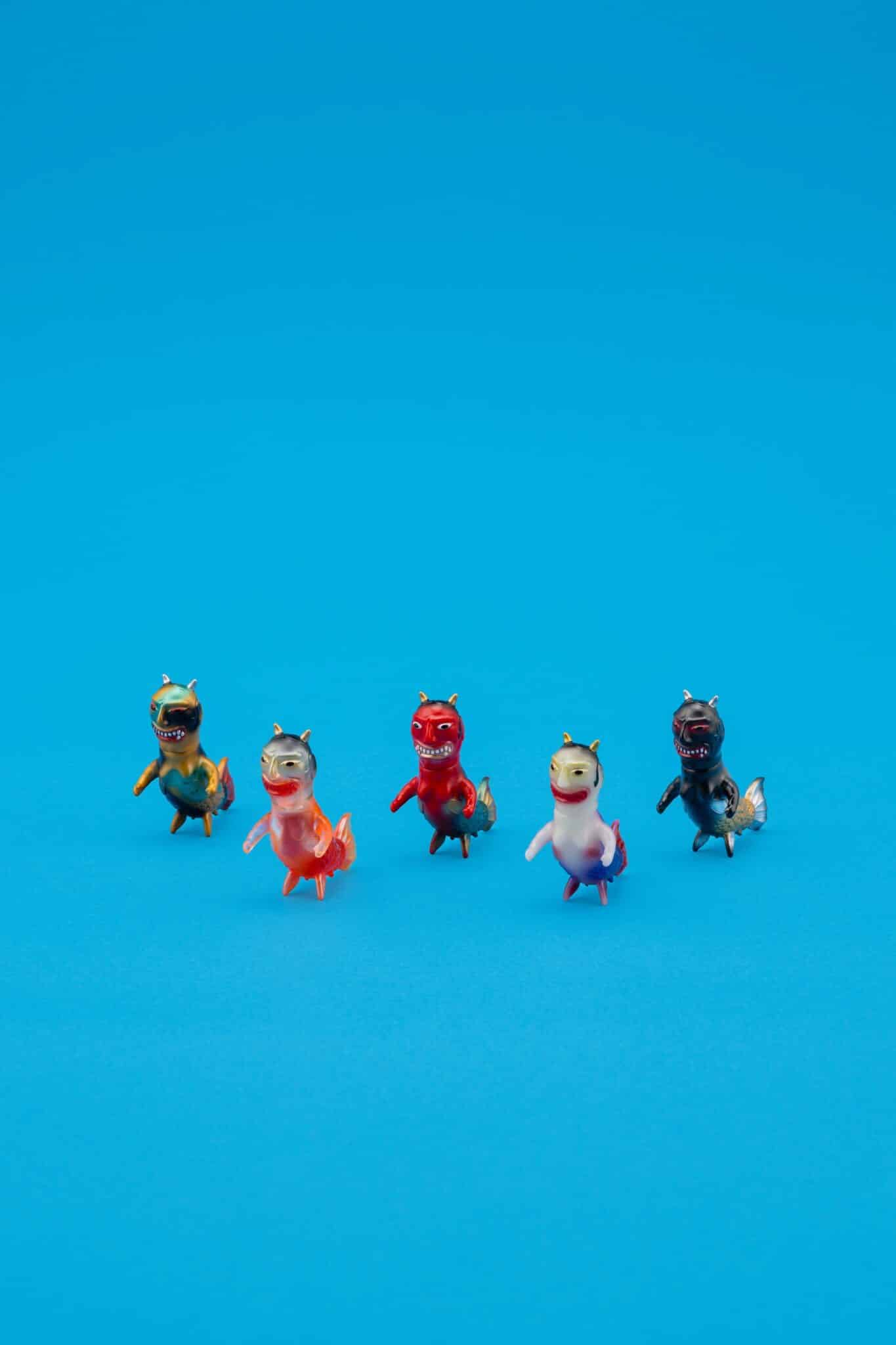
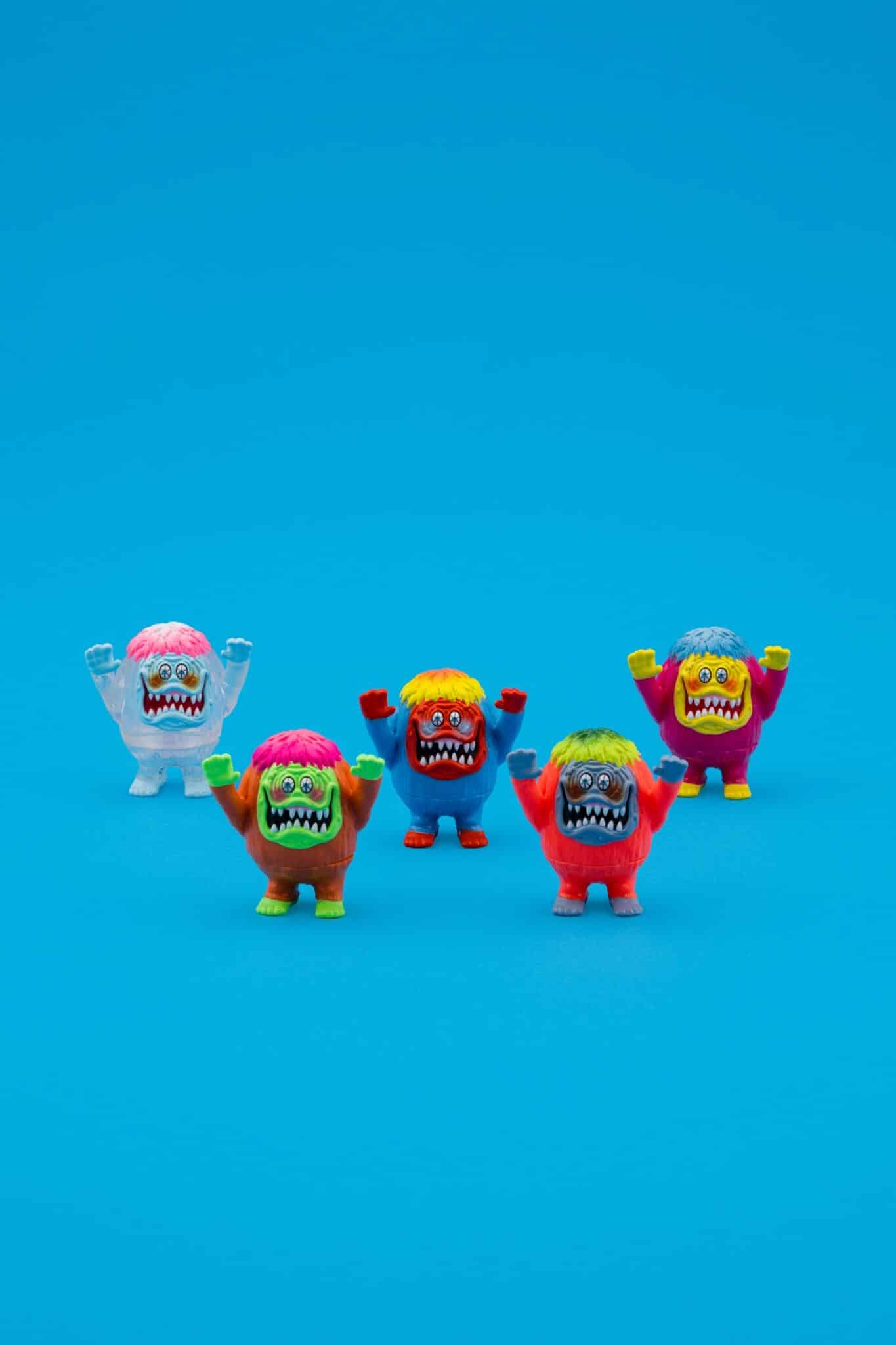
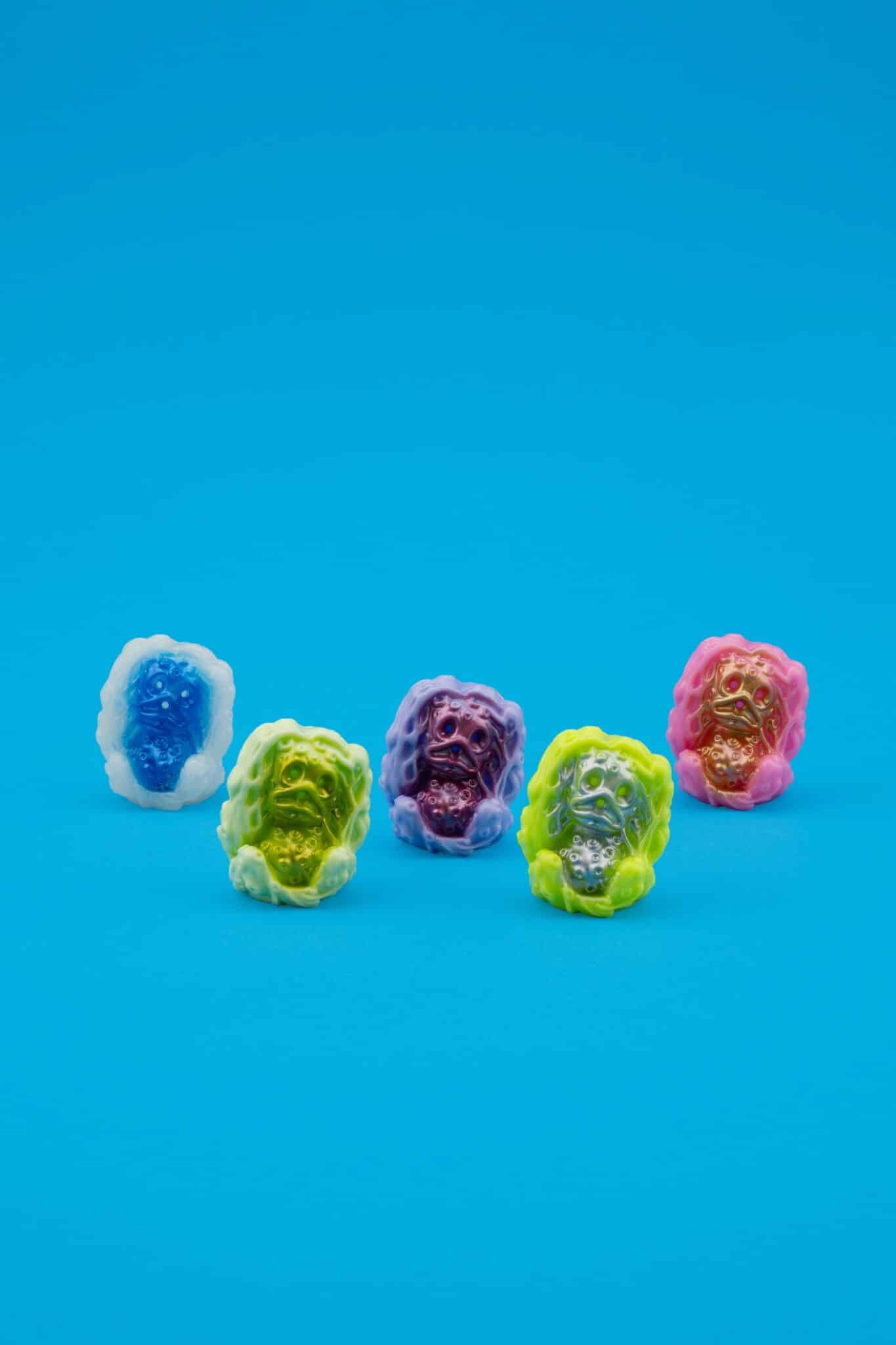
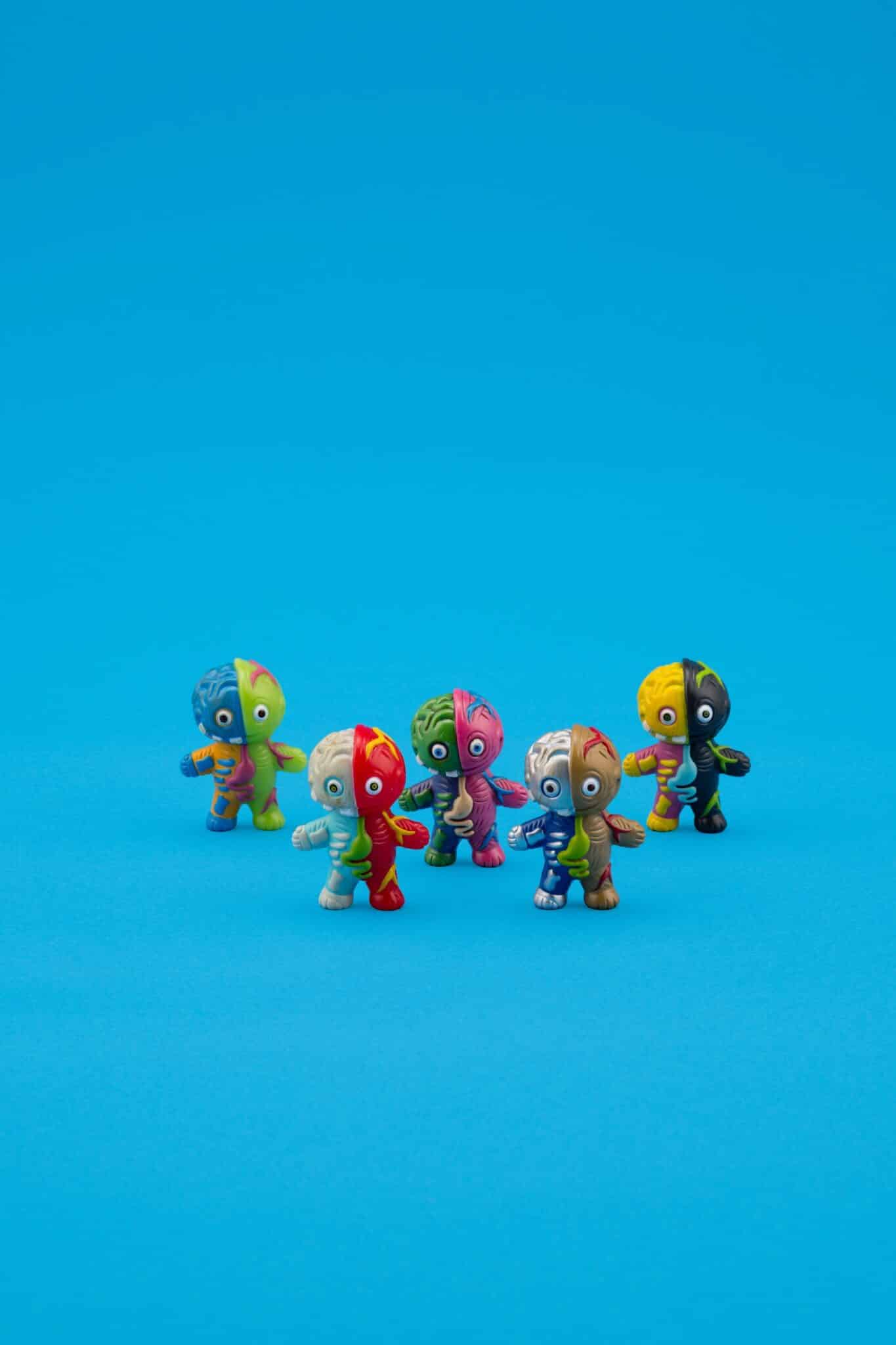
One project that dramatically expanded the reach of Sofubi culture was VAG (Vinyl Artist Gacha) — a capsule-toy series offering artist-designed Sofubi figures for just 500 yen. The idea was simple yet revolutionary: turning Sofubi works by artists — often produced in limited quantities and sold at high prices — into smaller, affordable figures that fans could easily collect. The project launched in 2014, during the early days of social media.
Selections from the VAG series
When we first started VAG, we asked ourselves, 'How many times a year can we get a variety of artists? Would it really sell? If it didn't work out, I was ready to quit. I was prepared to quit if it didn't work out. The timing of VAG's launch coincided with the spread of SNS. Until then, magazine media was necessary to sell core products, but once SNS became widespread, the artists themselves became powerful media. We thought that if they had their own community, their messages could be used as publicity.
Japanese artists such as Sunguts have steadily gained fans around the world through international events, and the VAG market itself has become increasingly global. Many artists have also expanded their recognition overseas through VAG.
“Today, VAG serves almost like an entry point into Sofubi collecting. I see my role as finding and supporting new talent emerging within the scene. Artists like Kaori Hinata and GYAROMI have greatly expanded their recognition through VAG, and I think it has created a very healthy cycle.”
KANGAERU UAMOU/Ayako Takagi © UAMOU
Uomeka Mejimaguro/Murasezaimoku © Murase Zaimoku
GHOST MORRIS/Kaori Hinata © KAORI HINATA
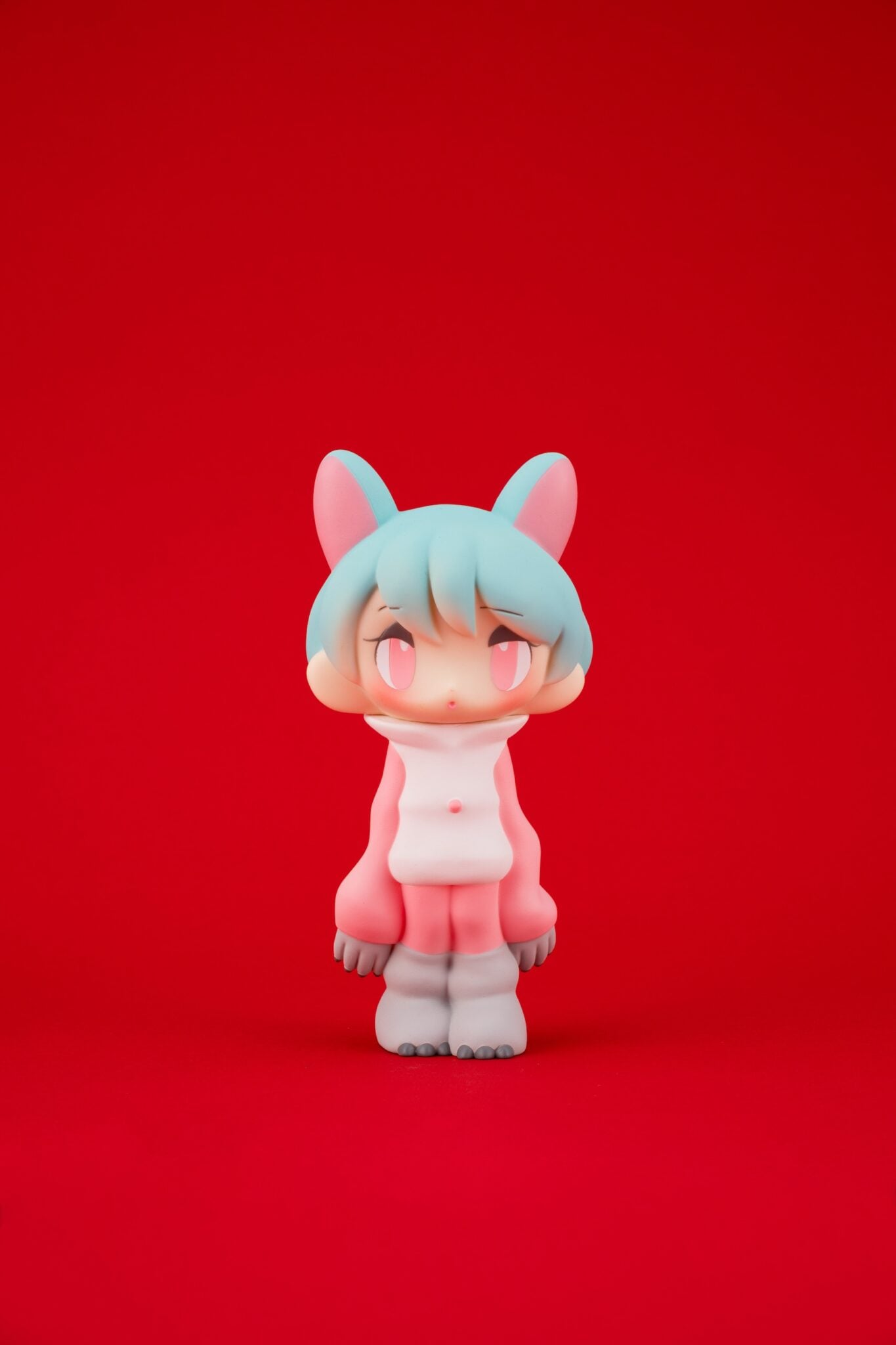
Wolf-kun/Kiriko Arai © KIRIKO ARAI
NAMANARI NINGYO/Izumonster © BLOOD GUTS TOYS
VONGO/SHELTERBANK © SHELTERBANK
Emerian/meemie © COSMOS project
Gakki-kun/PICOPICO © NTV / Design & Sculpt: PICOPICO
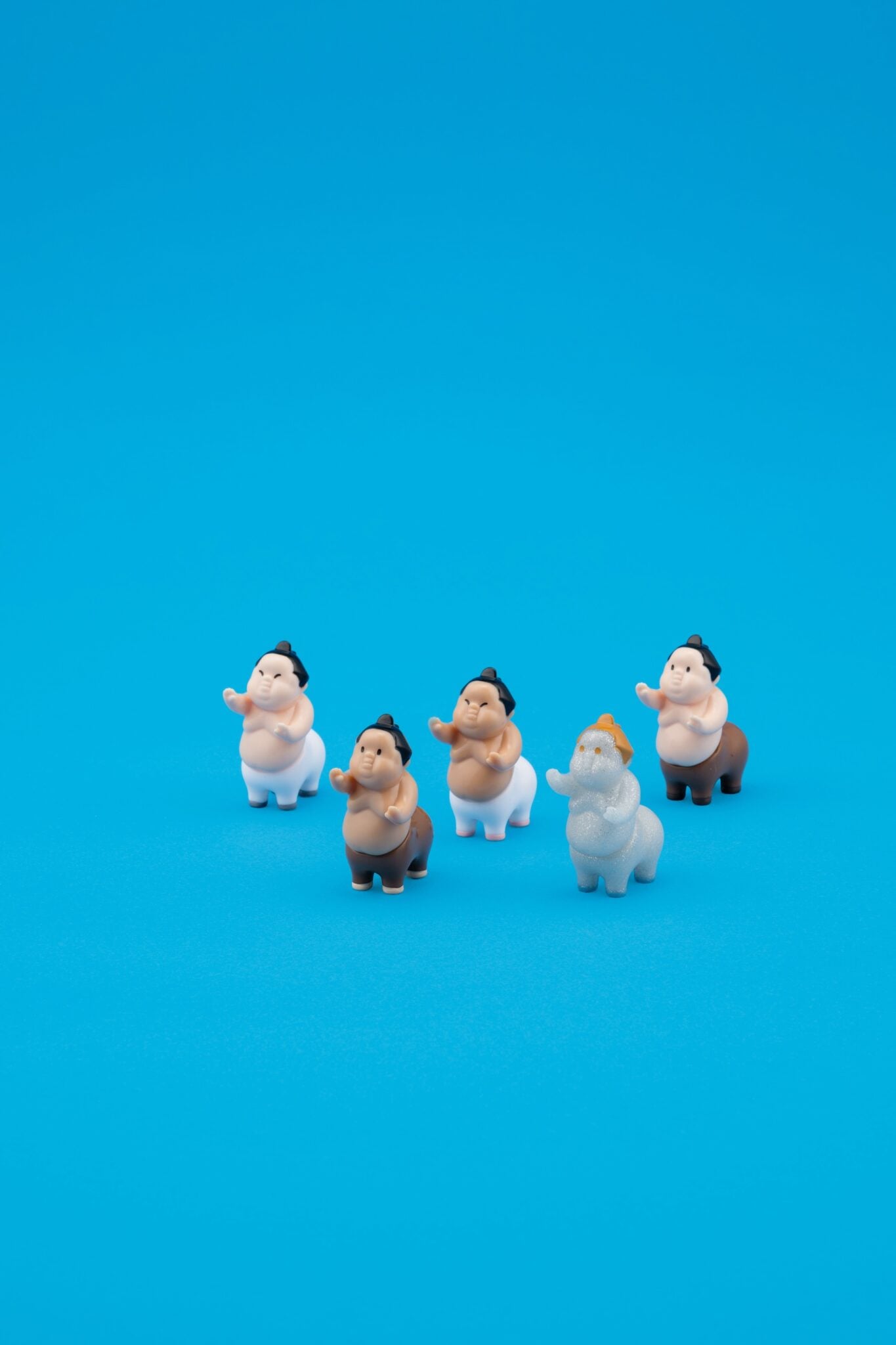
Centaur Rikishi/Zarigani Works © zariganiworks
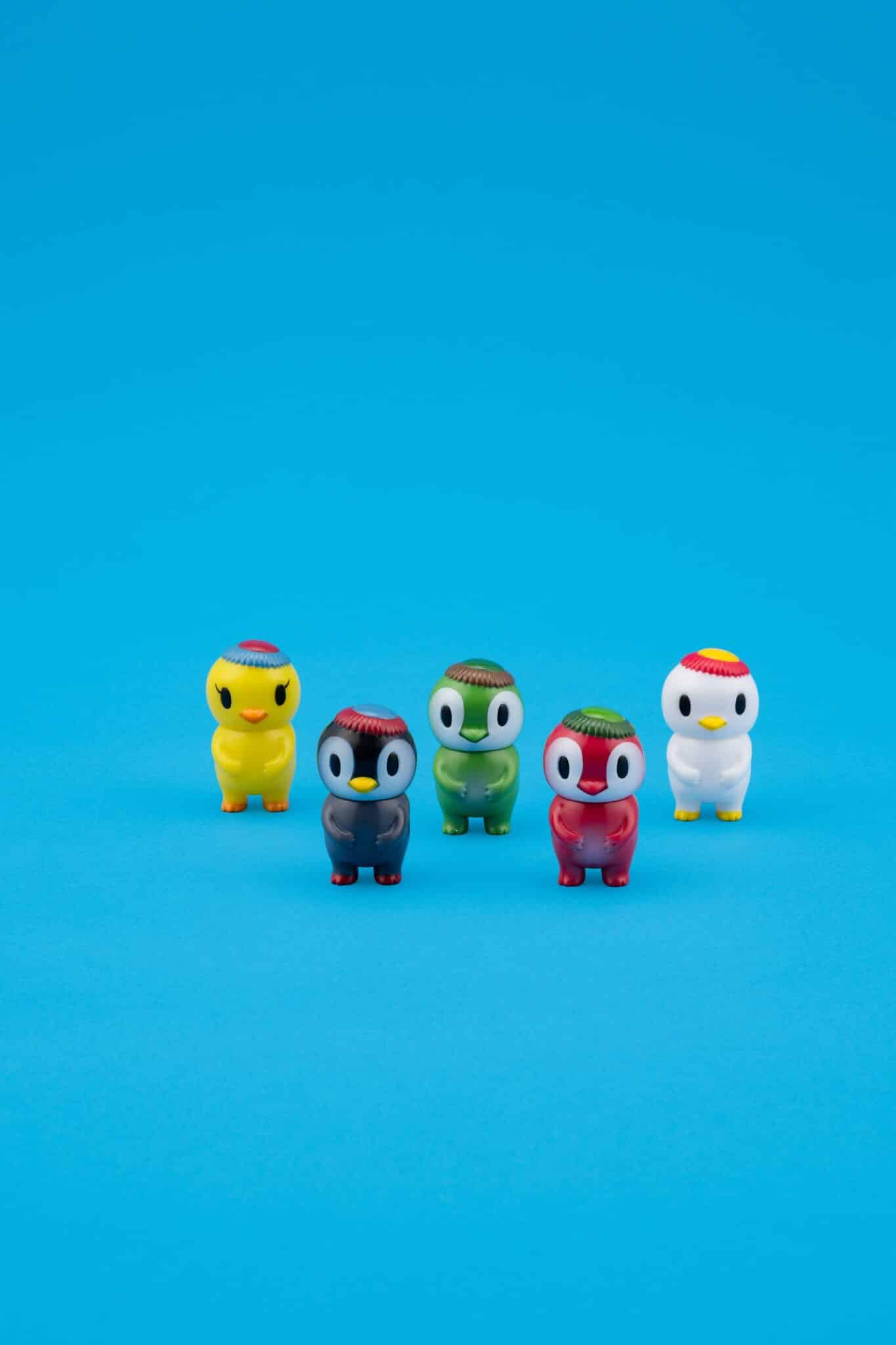
Kappa-chan/KONATSU © KONATSU
Kaegurumi by Kae Tanaka © KAE TANAKA
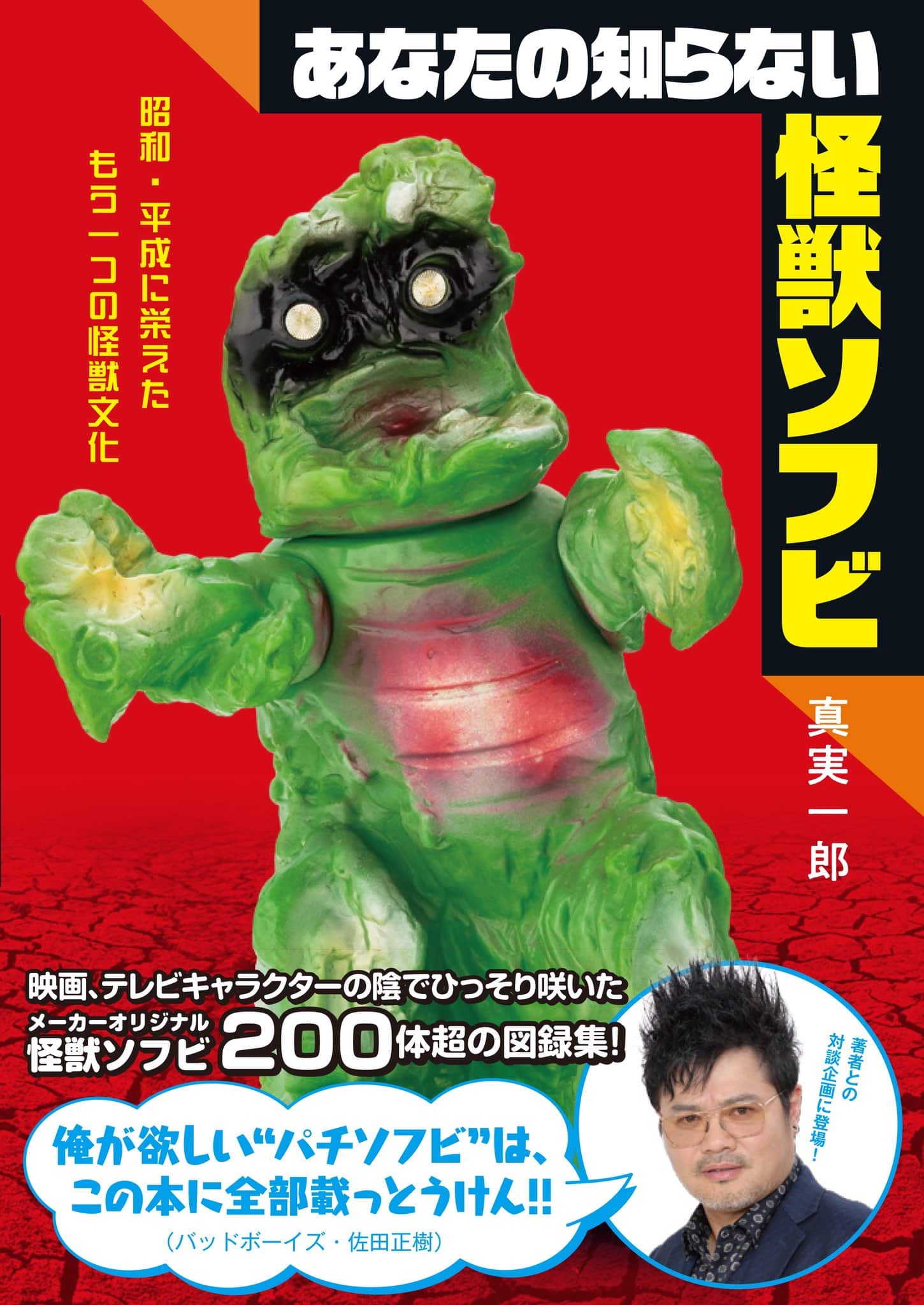
Toromikun by Masaki Sada (Bad Boys) ©️YOSHIMOTO KOGYO
Last year, MEDICOM TOY established its own soft vinyl factory, Kanamachi Factory.
“The reason was simple: we were facing a serious shortage of production resources. At external factories, molding alone could take several months, which made it impossible to move at the speed of ‘we want to make this right now.’ With our own factory, we can bring in a mold and immediately begin molding. In many cases, something can take shape within a month.”
But this facility is more than just a manufacturing site. The space — which Akashi refers to as a “lab” — has become a place where traditional low-tech craftsmanship and the latest technologies are brought together on a daily basis.
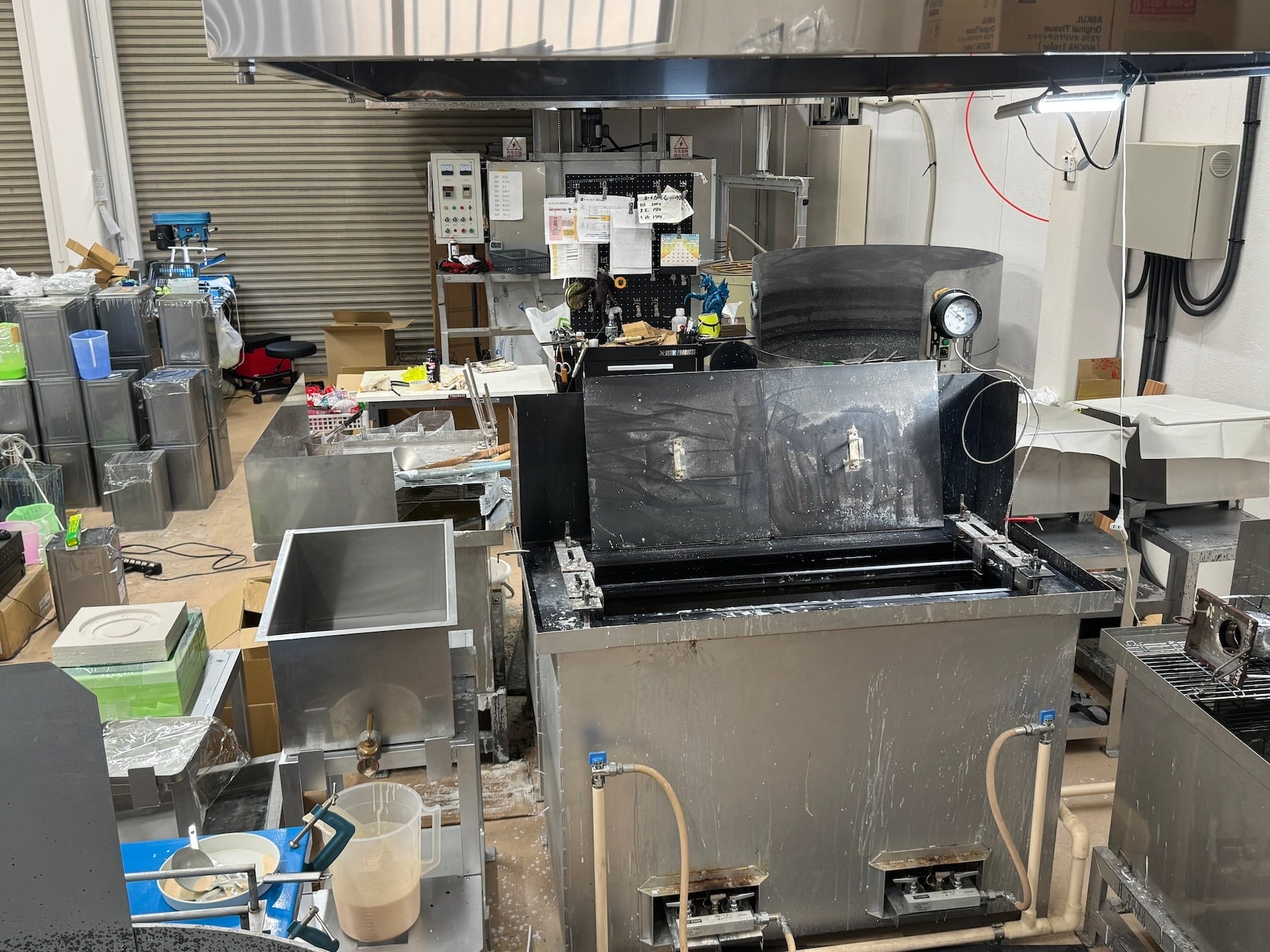
We have introduced not only "slash molding," a low-tech soft vinyl manufacturing method unique to Japan, but also "rotation molding" machines custom-ordered in China, and we have taken over old sewing machines from craftsmen and studied them in order to revive the technique of hair-planting on soft vinyl. The biggest bottlenecks in soft vinyl production are molds and paint masks (molds for coloring), which are low-tech and for which there are few successors. We are also studying the possibility of using 3D output to produce molds. Our main theme now is how we can reproduce tradition with today's technology, so to speak, by 'reverse engineering.
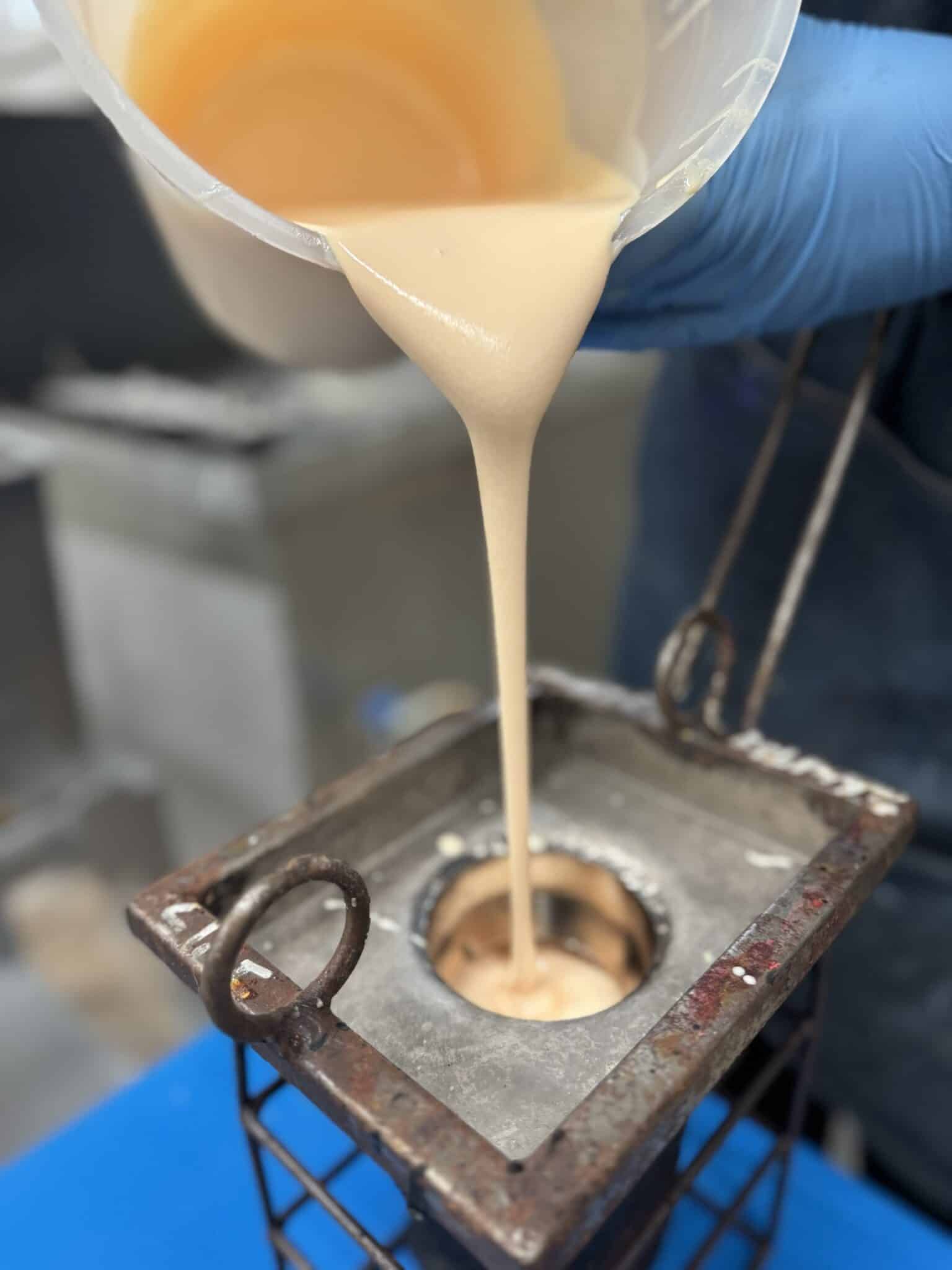
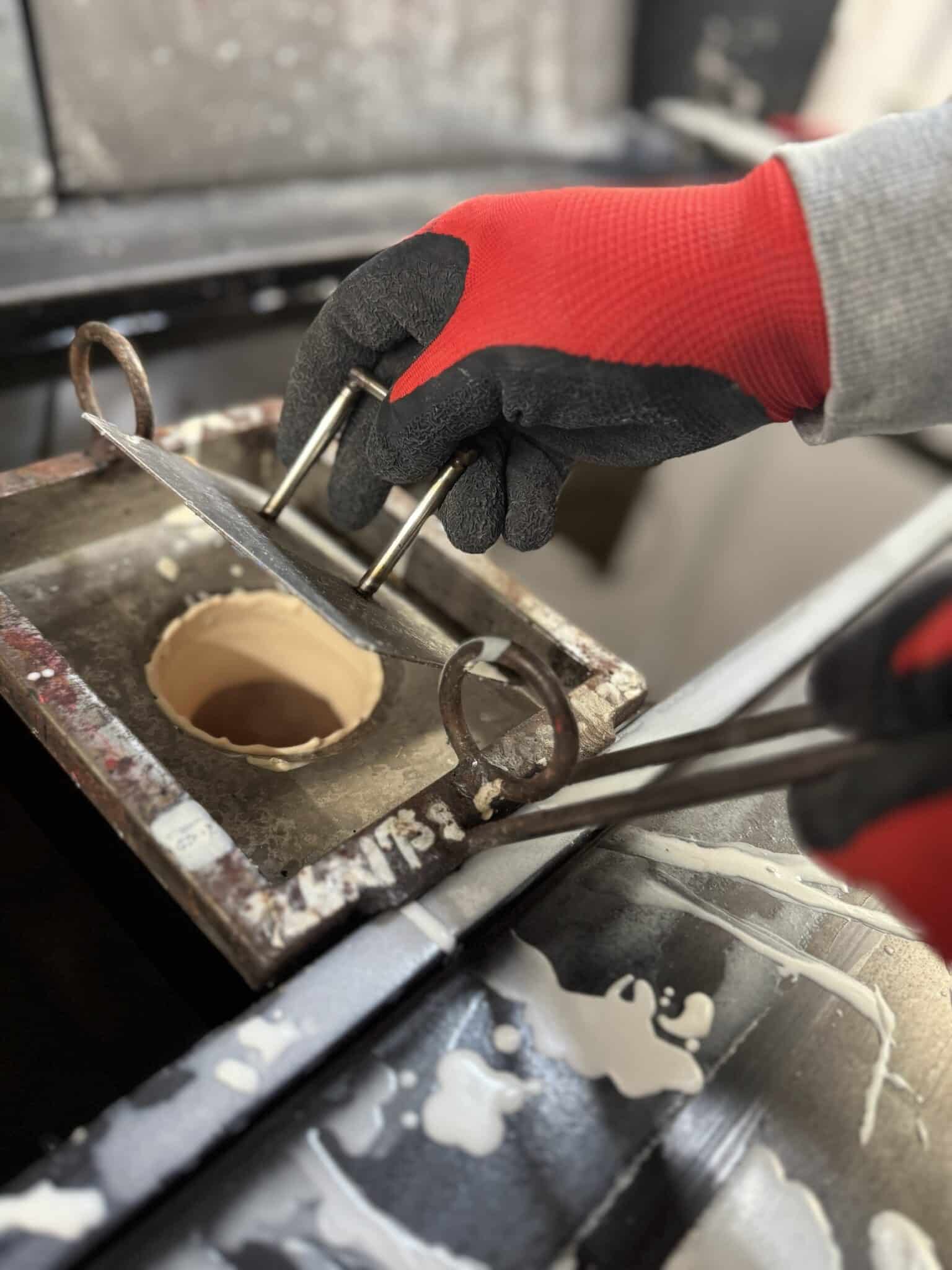
Pouring “zol” — the liquid Sofubi material — into the mold
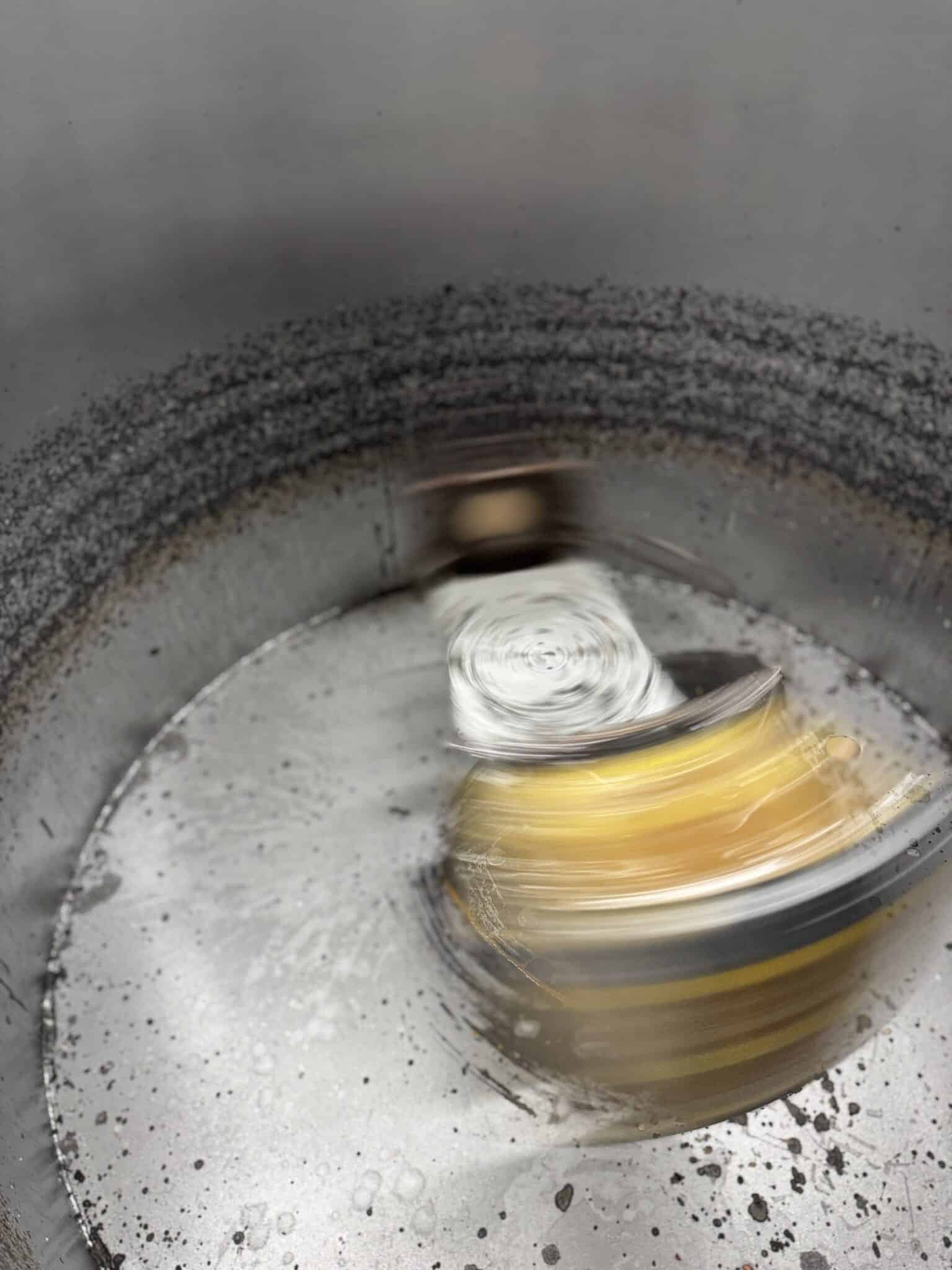
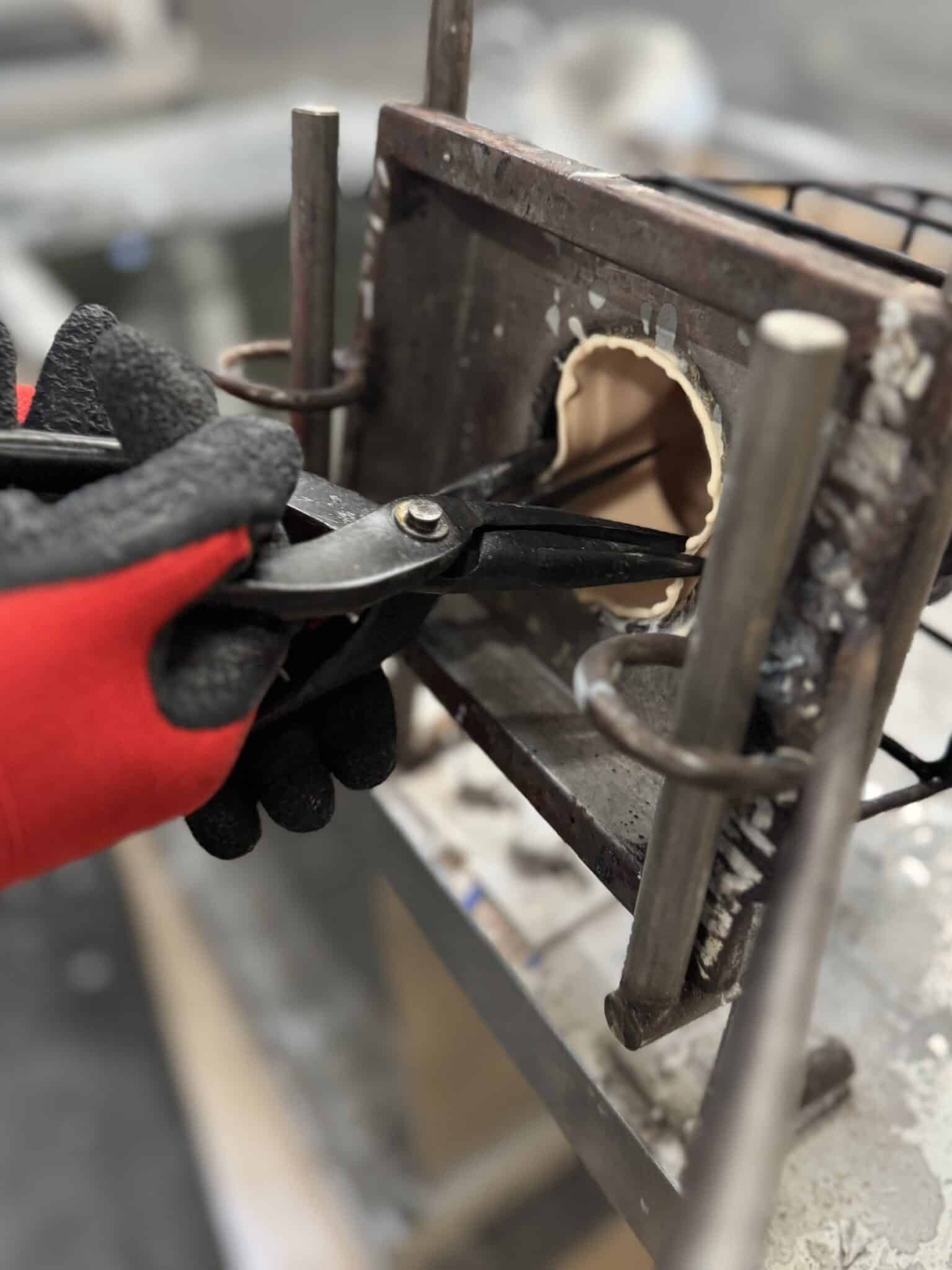
Placing the mold into a centrifuge to remove air bubbles from the zol
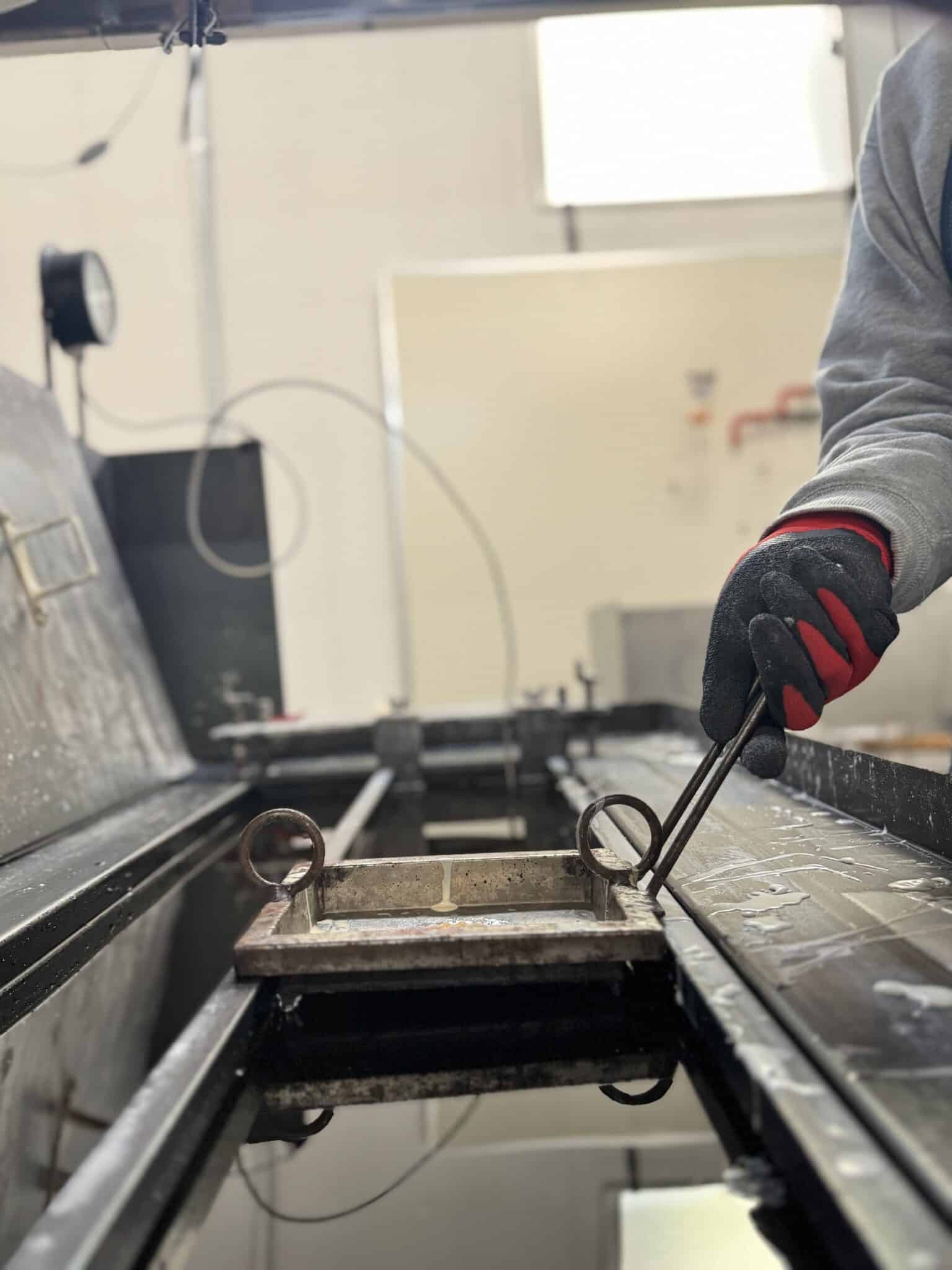
Heating the mold in an oil bath to shape the Sofubi
Checking the curing process
Removing the hardened Sofubi from the mold
The factory is filled with an array of machines, tools, and raw materials.
Toward the end of the interview, Akashi described his approach to working with artists by comparing himself to a catcher in baseball.
“Whenever I work with artists, I think of myself as a catcher. No matter how wild the curveball may be, my job is to catch it properly and give it form. Artists often carry vague ideas they can’t fully articulate yet. I want to remain the kind of manufacturer that can turn those ideas into exactly what they imagined through professional craftsmanship.”
He also offered an encouraging message to those hoping to become Sofubi artists themselves. According to Akashi, Sofubi is a field where the boundary between creator and fan remains remarkably fluid. More important than technique or talent, he says, is the determination and commitment to truly see something through.
“The door into the world of Sofubi is actually much closer than people think. In terms of becoming a creator, Sofubi is probably one of the most accessible entry points among all forms of artistic expression. But because it’s easy to enter, standing out from the crowd is incredibly difficult. In that sense, it’s a fiercely competitive world.
Still, if you have a clear sense of what you want to express and the direction you want to take, I hope you’ll jump in without hesitation.
On the other hand, even for people who simply love collecting, this is an incredibly exciting time. Sofubi from all over the world are constantly emerging. If you can find something that perfectly matches your own sensibility and simply enjoy the pleasure of collecting it, then I think that alone is enough.”
On the other hand, even for those who say that collecting is enough for them, we are living in the most interesting era, where a wide variety of soft vinyl products are being created one after another from all over the world. If you can find something that fits your sensibilities and enjoy the pure pleasure of collecting, I think that would be the best thing for you.
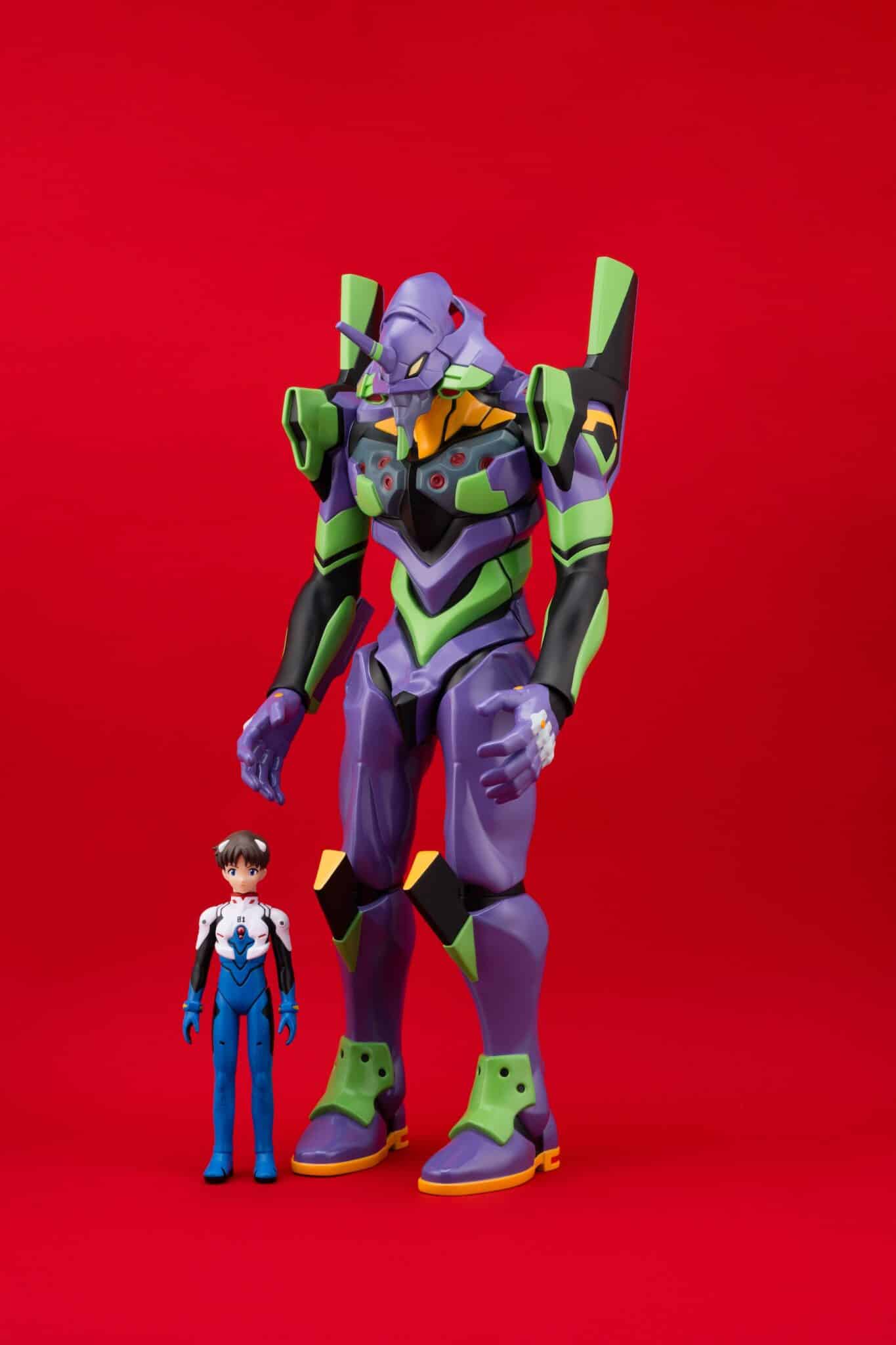
ASM Evangelion Unit-01 (Jumbo Size) & Shinji Ikari (from Rebuild of Evangelion) © khara
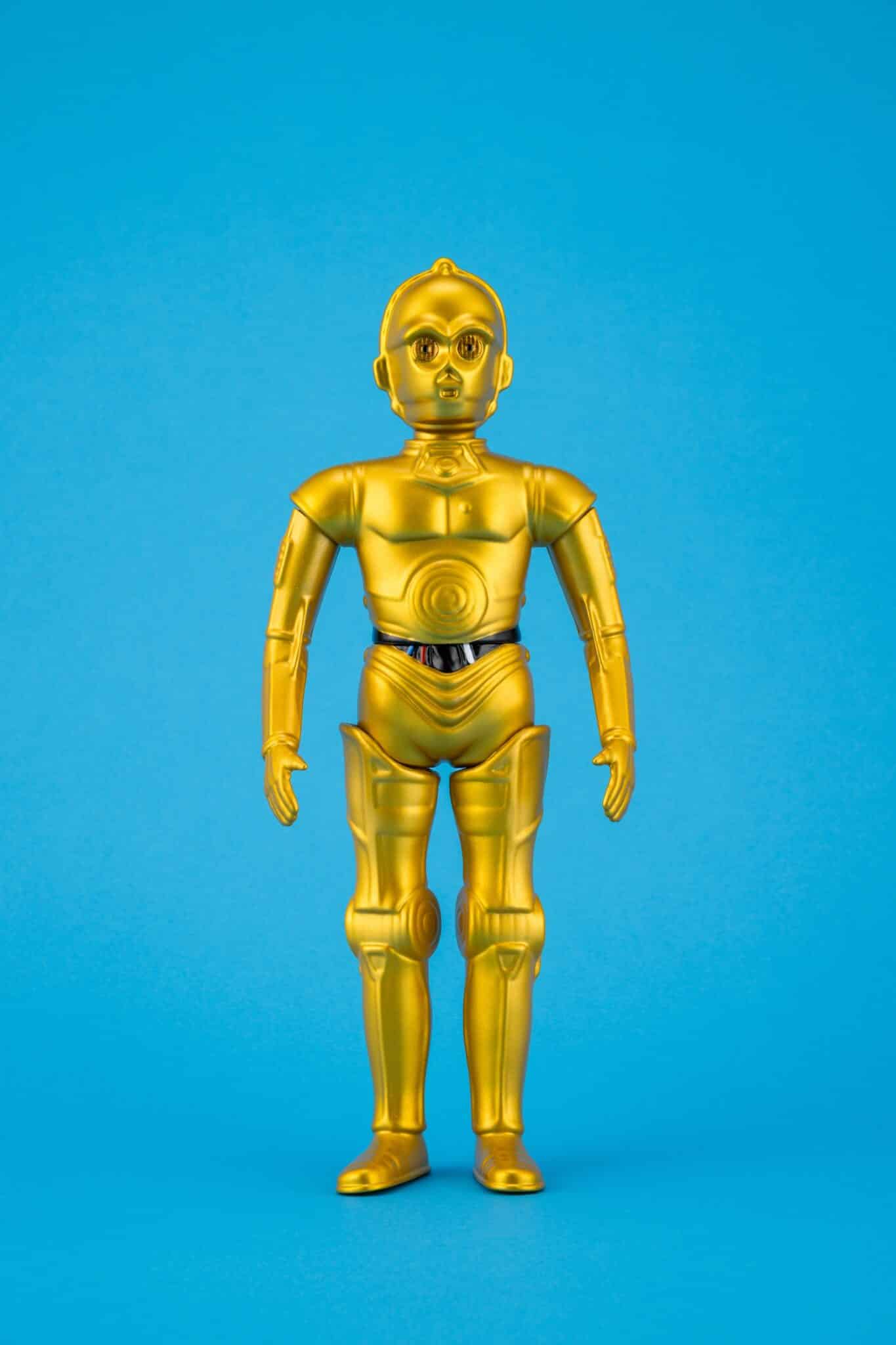
SOFUBI C-3PO™ (from Star Wars) © & ™ Lucasfilm Ltd.
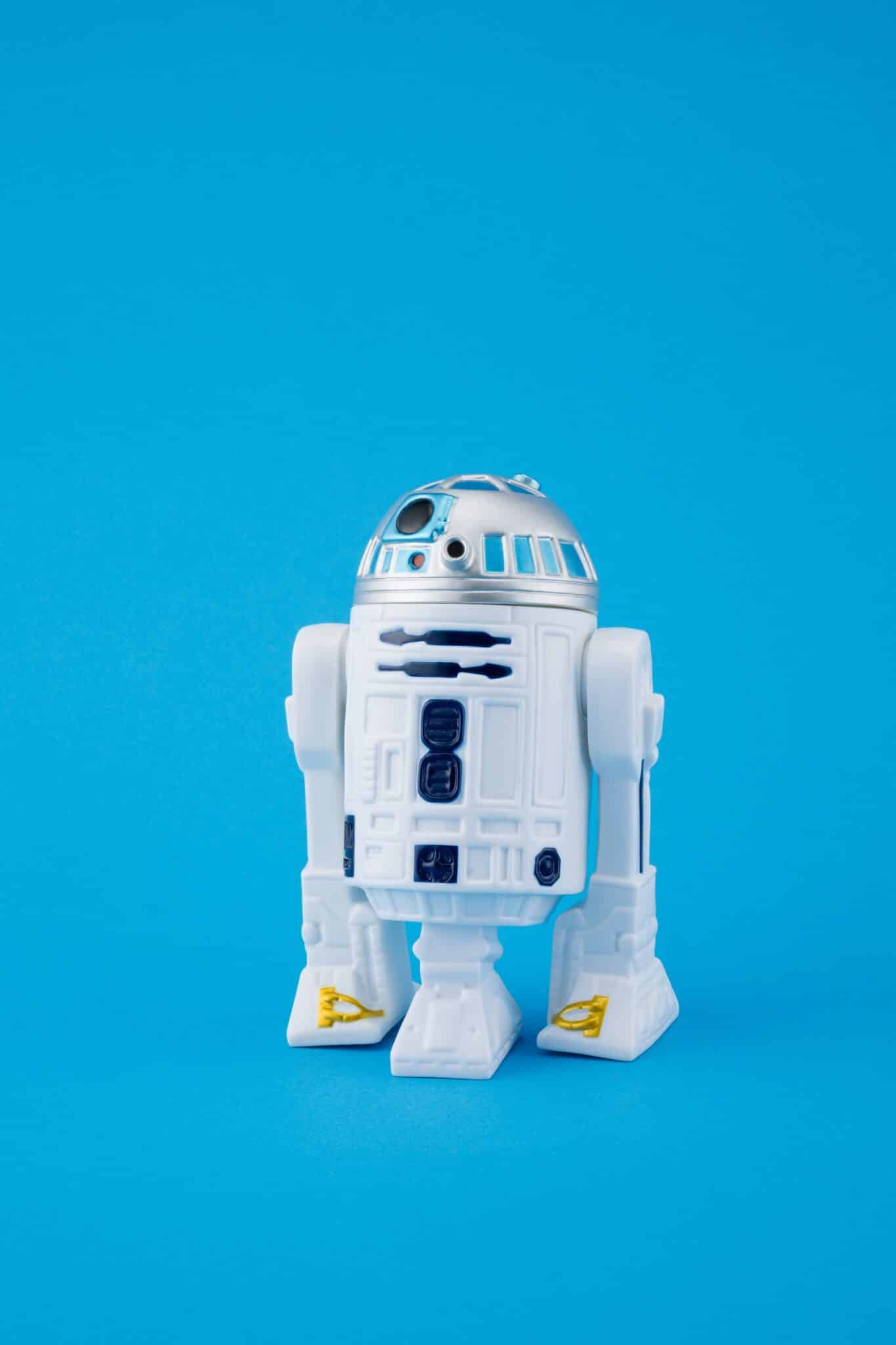
SOFUBI R2-D2™ (from Star Wars) © & ™ Lucasfilm Ltd.
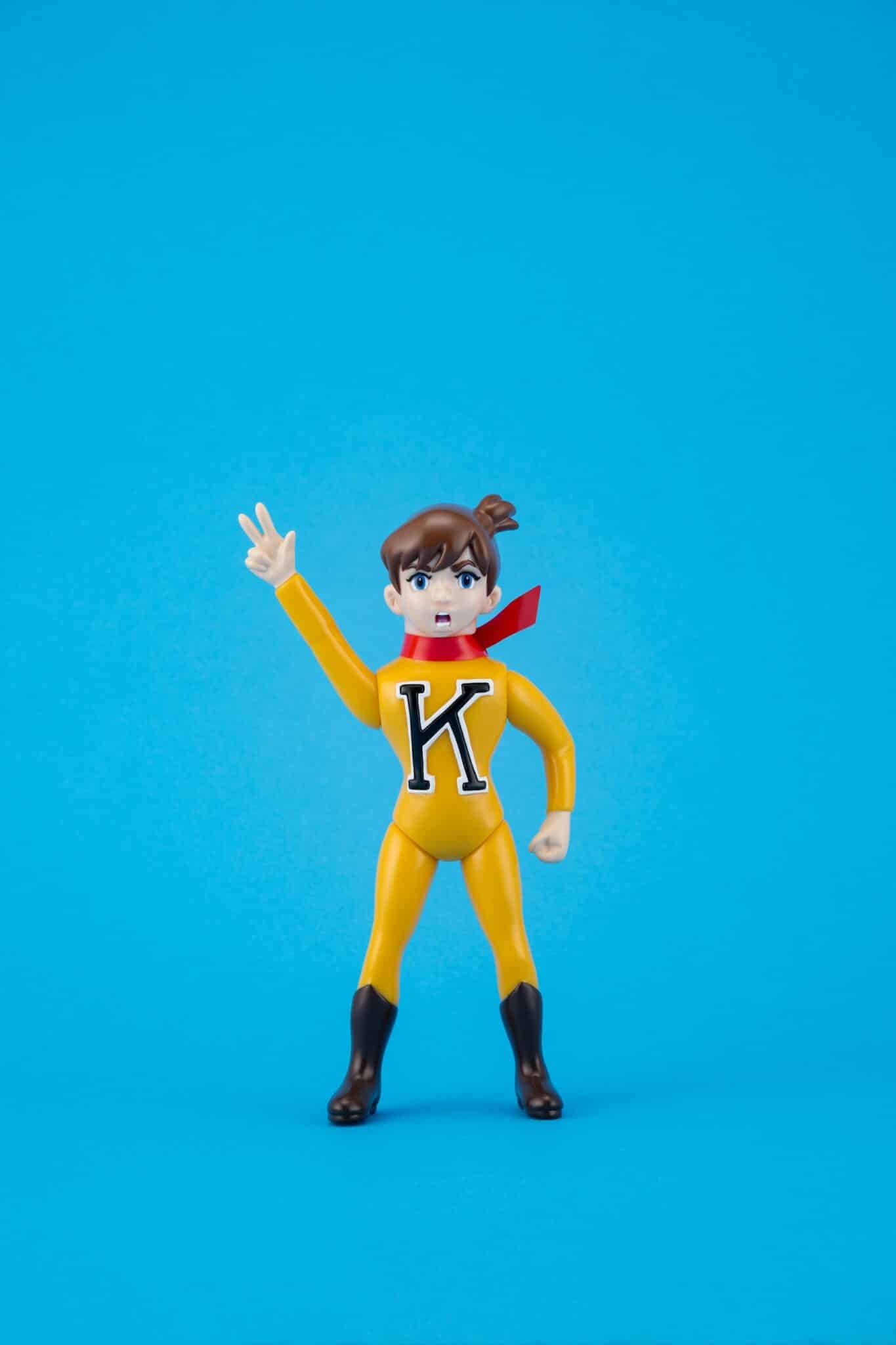
VCD Chargeman Ken (New Price Ver.) © ICHI / Tekkyu Suzukawa
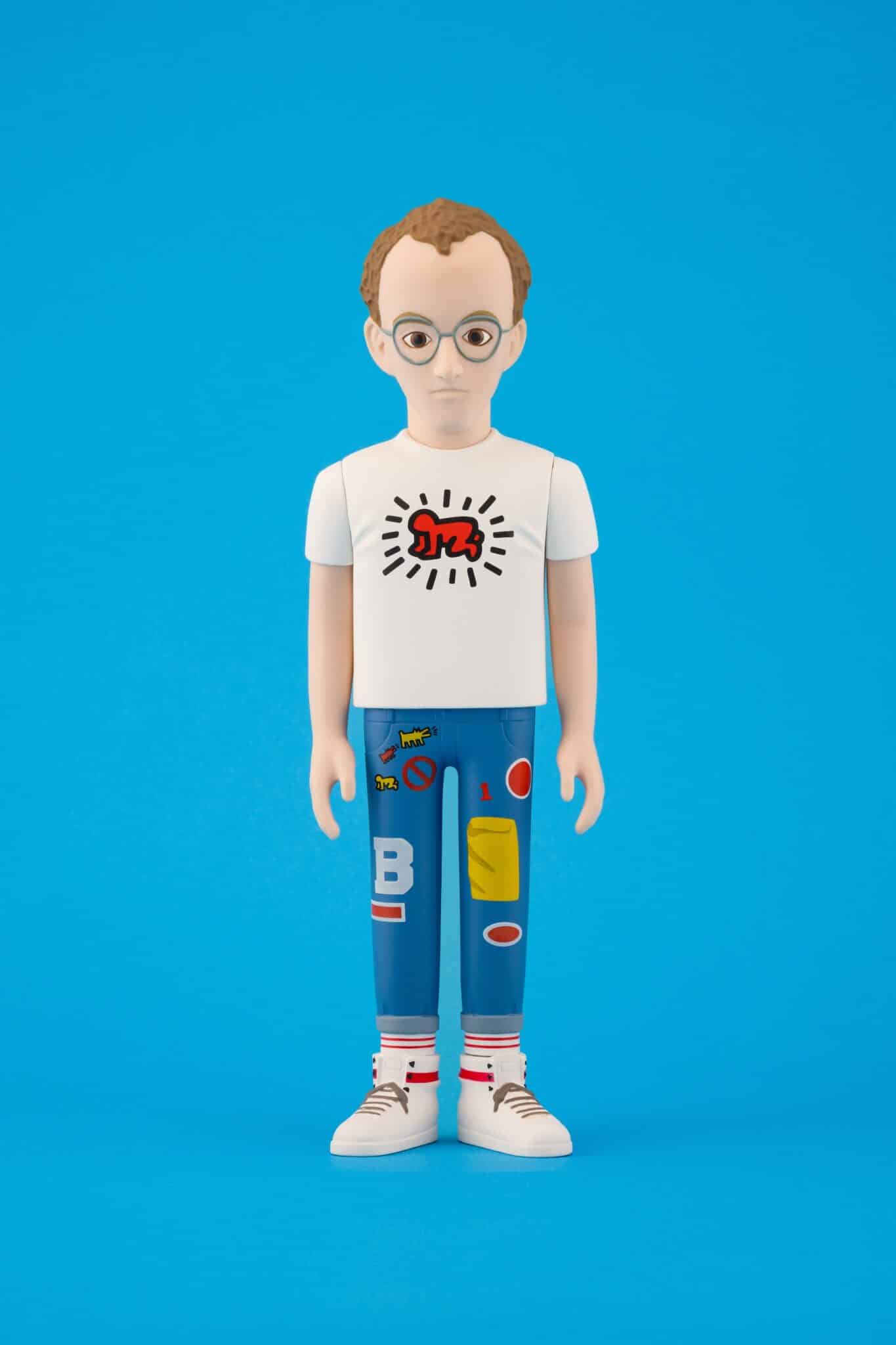
VCD KEITH HARING © Keith Haring Foundation Licensed by Artestar, New York
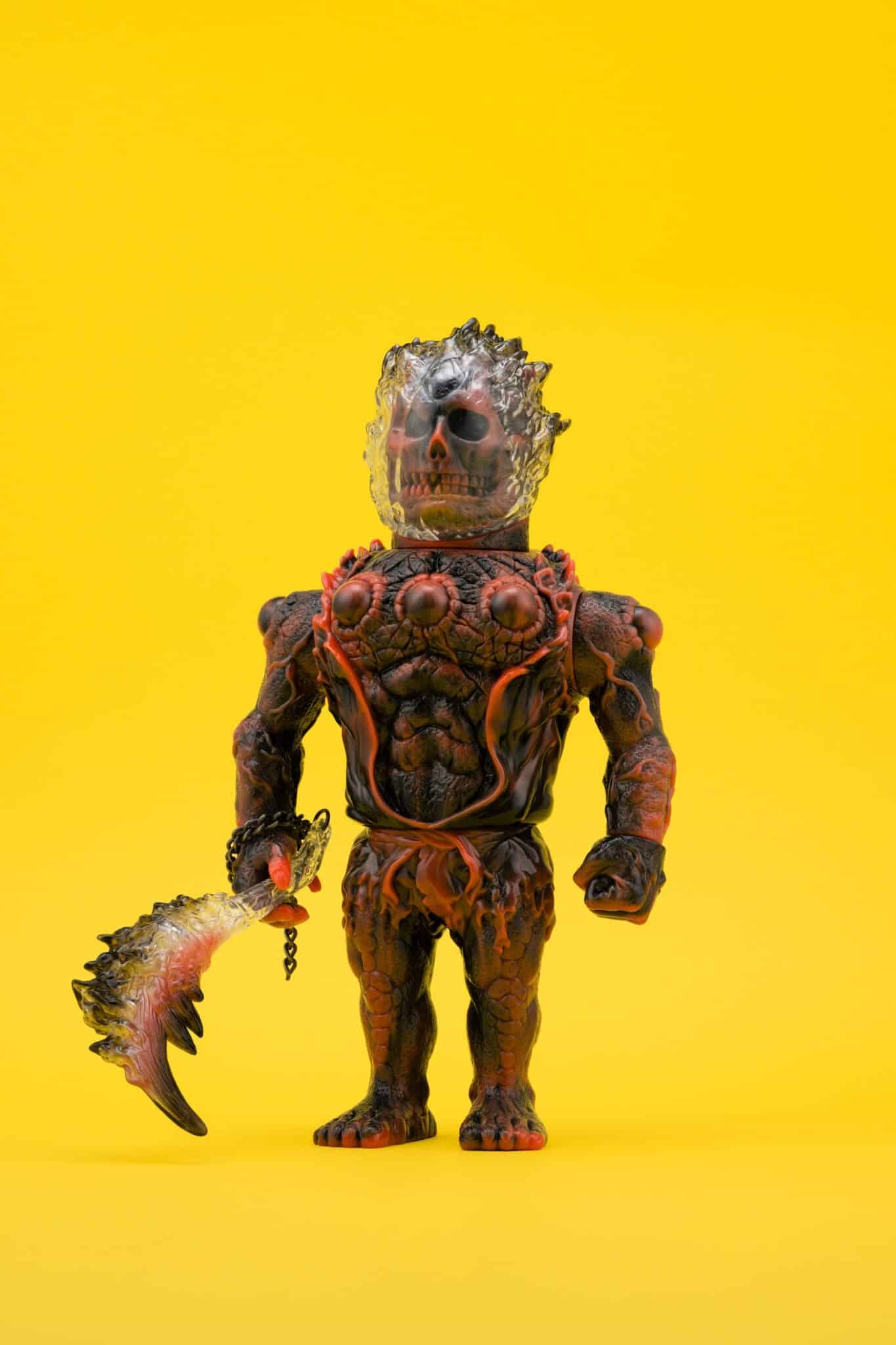
Fireball Head Kenka Bozu “Red Warrior” ©︎ MAKAIGAN
What stood out most strongly from speaking with Akashi was the remarkable sense of time embedded within Sofubi culture itself. MEDICOM TOY’s Kanamachi Factory may prove to be a major turning point — one that allows Sofubi to survive not merely as a passing boom, but as a lasting cultural form.
A reverence for tradition alongside a fearless spirit of experimentation — Akashi embraces both as a “catcher.” And as long as that spirit continues, Sofubi’s passion and creativity will likely keep evolving and spreading across the world in new forms.
BE@RBRICK TM & ©︎ 2001-2026 MEDICOM TOY CORPORATION. All rights reserved.
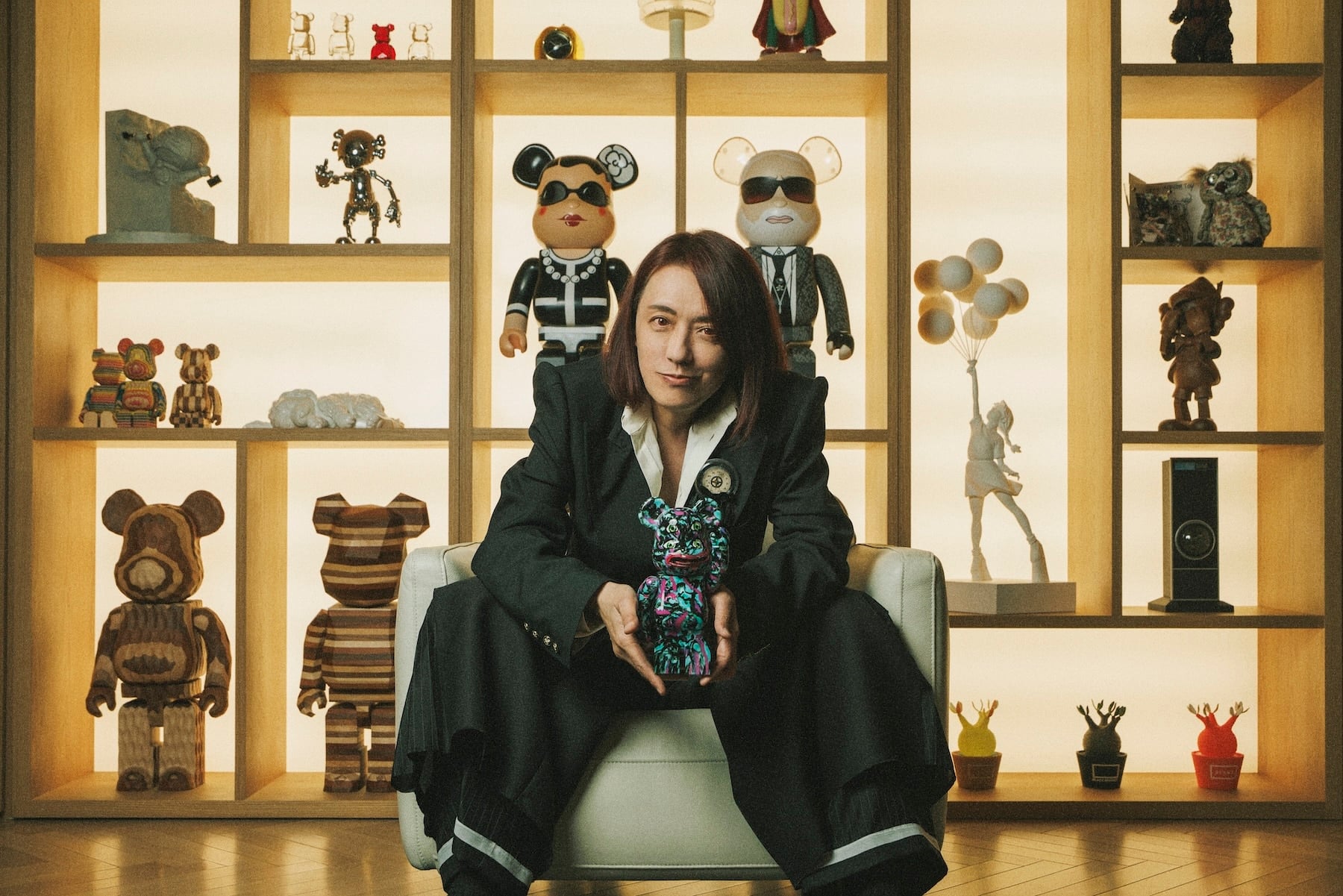
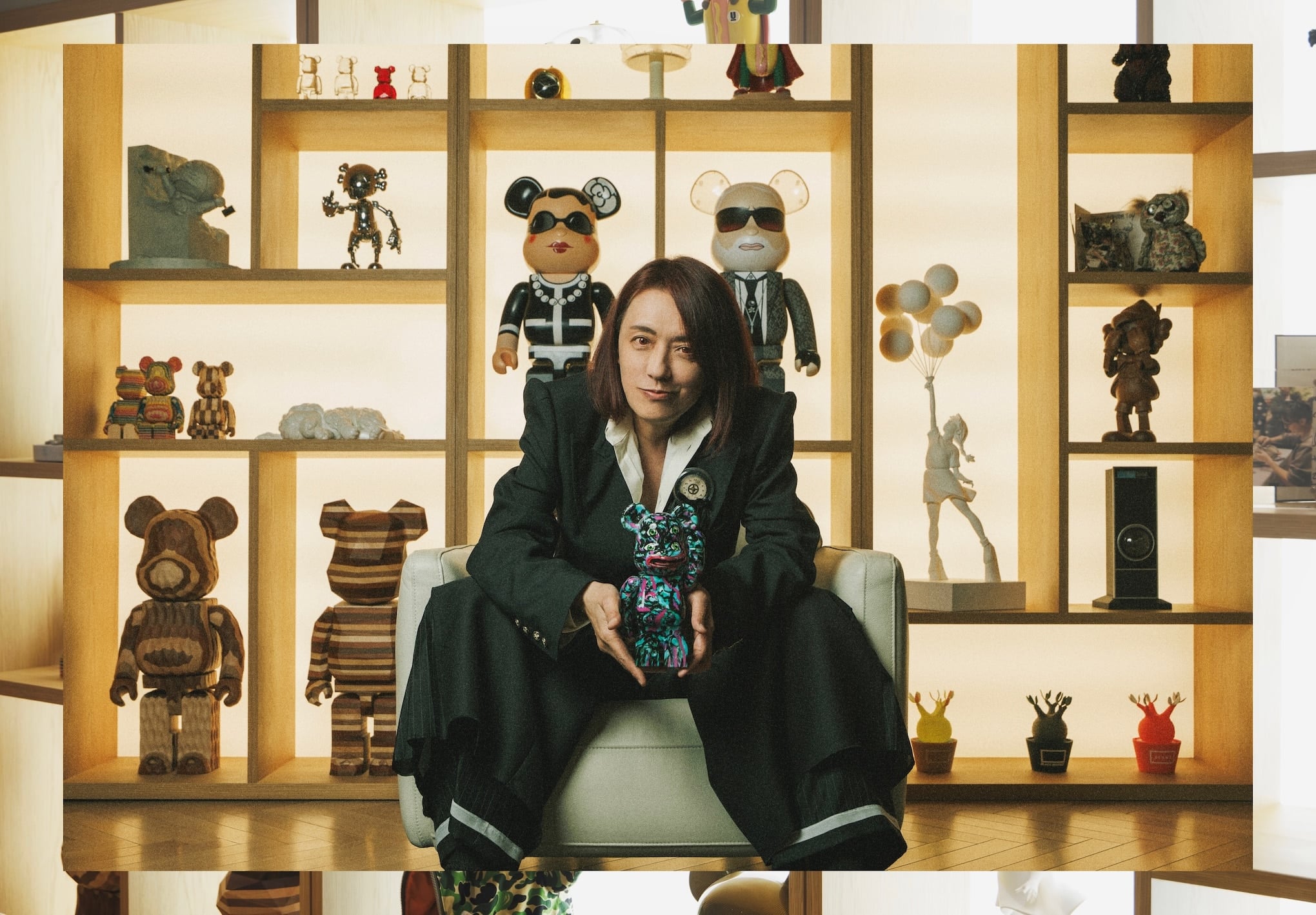
President & CEO, MEDICOM TOY CORPORATION
Born in Tokyo, Tatsuhiko Akashi founded MEDICOM TOY CORPORATION in 1996.
Based on the concept of “creating what we ourselves want, rather than developing products based on marketing,” MEDICOM TOY plans and manufactures character figures inspired by tokusatsu, anime, comics, films, and other genres. In 2000, the company released its original block-type figure “KUBRICK,” followed in 2001 by the bear-shaped “BE@RBRICK,” and has since developed a wide range of collaborations with artists, brands, and companies in Japan and overseas. The company also operates a diverse range of businesses, including the textile brand “FABRICK®” and the apparel line “MLE.” It currently operates six directly operated stores: “MEDICOM TOY TOKYO,” “Tokyo Skytree Town Solamachi Store,” “MEDICOM TOY PLUS,” “MEDICOM TOY NEXT,” “MEDICOM TOY PLUS NAGOYA,” and “MEDICOM TOY WEST.” In April 2026, it opened the gallery store and café “BE@RBRICK CONNECT” in South Korea.