DEEPTOKYO
magazine

EN


AREA
DEEPTOKYO
magazine
EN
AREA
2026.02.05
Japanese shōnen manga—comics traditionally aimed at adolescent boys—has long been embraced worldwide, with countless titles adapted into anime and loved across generations. At the same time, global attention is increasingly turning toward Japanese seinen manga, works created for young adult readers that confront life’s realities with striking honesty. Against this backdrop, YOUNG MAGAZINE USA launched in August 2025 to bring the depth and intensity of seinen manga to a broader international audience. Creators gather with stories they want to tell, and readers choose the works they wish to follow. What, then, was the editorial team seeking through this experimental venture onto the global stage?
SHARE


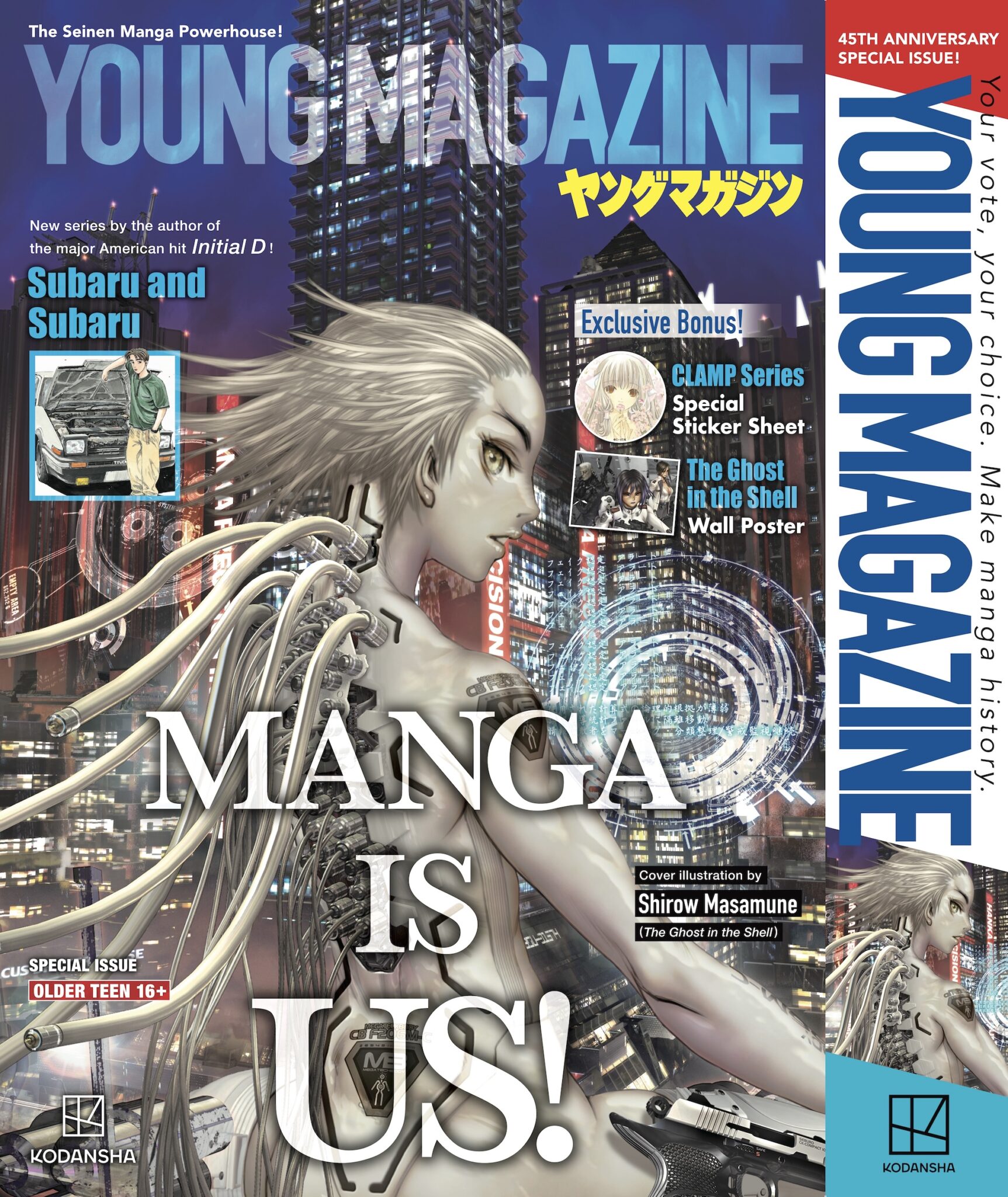
Weekly YOUNG Magazine is one of Japan’s most iconic seinen manga magazines, known for producing legendary works such as AKIRA and GHOST IN THE SHELL. Published by major Japanese publisher Kodansha, the magazine celebrated its 45th anniversary in 2025—and in August of the same year, it launched YOUNG MAGAZINE USA in North America.
ⒸKODANSHA
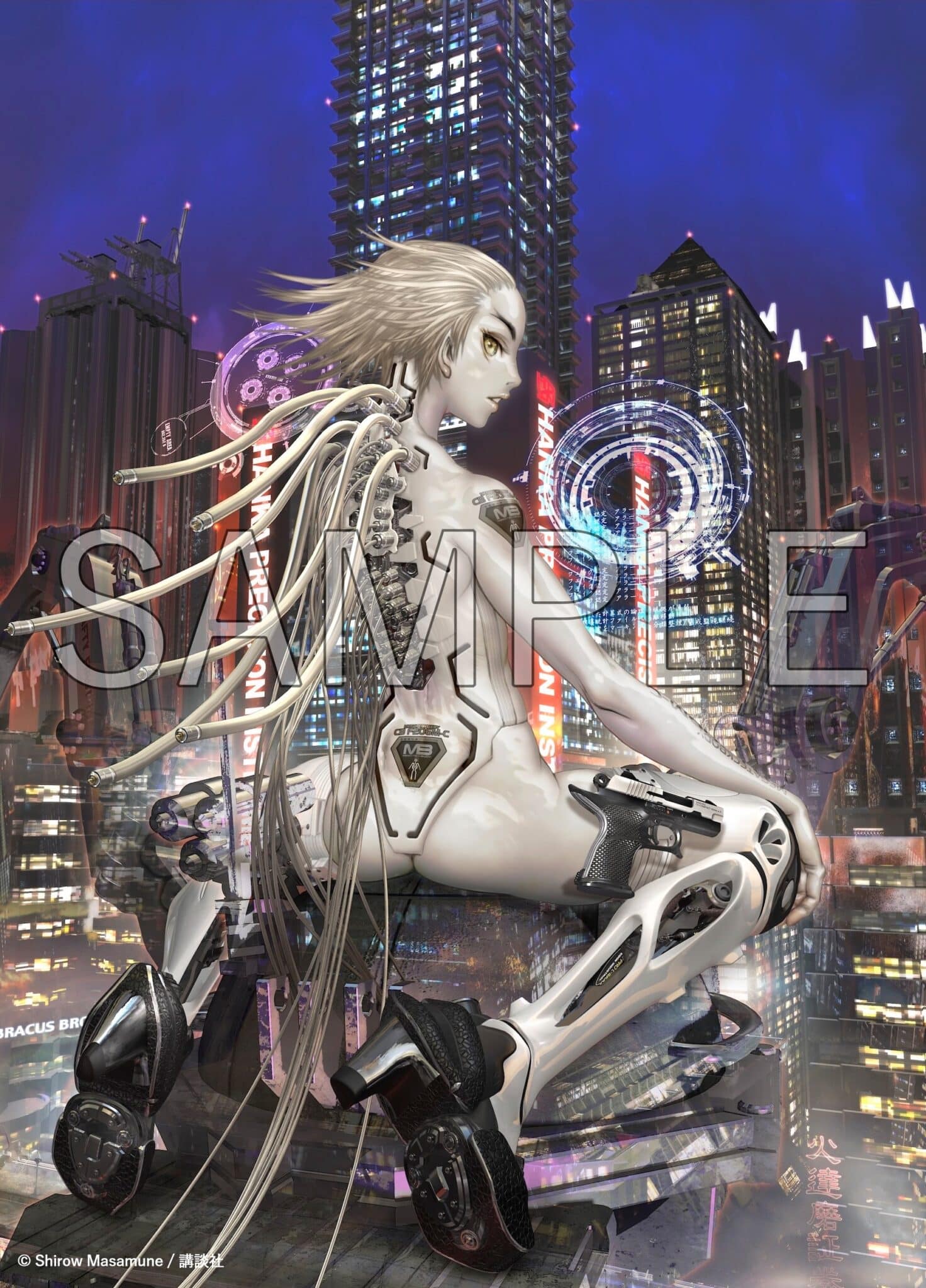
YOUNG MAGAZINE USA was deliberately produced as a print publication, staying true to Japan’s tradition of high-quality magazine craftsmanship. The cover features an original illustration by Shirow Masamune, the legendary creator of GHOST IN THE SHELL.
The cover features an exclusive illustration by Shirow Masamune, renowned for GHOST IN THE SHELL.
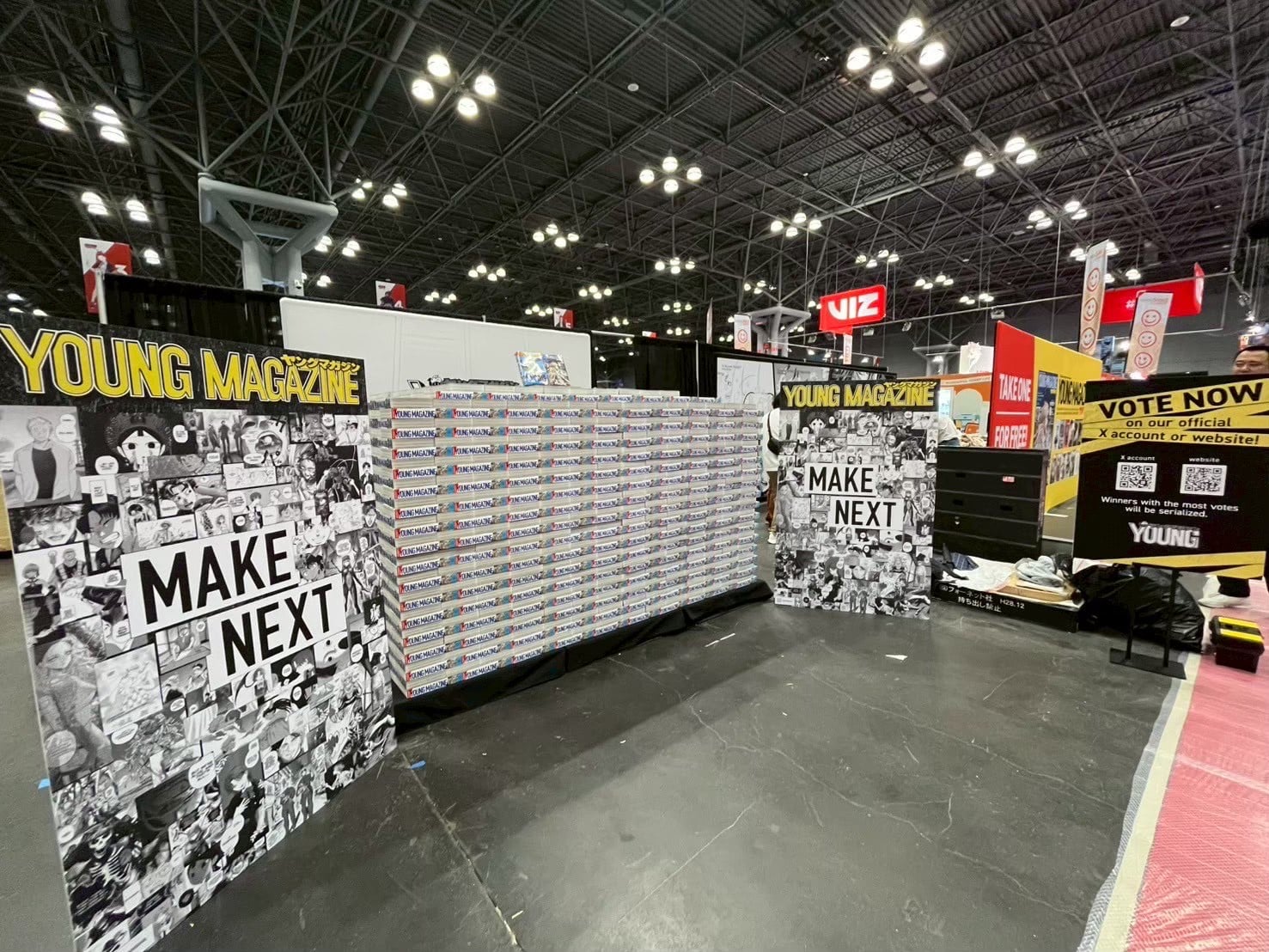
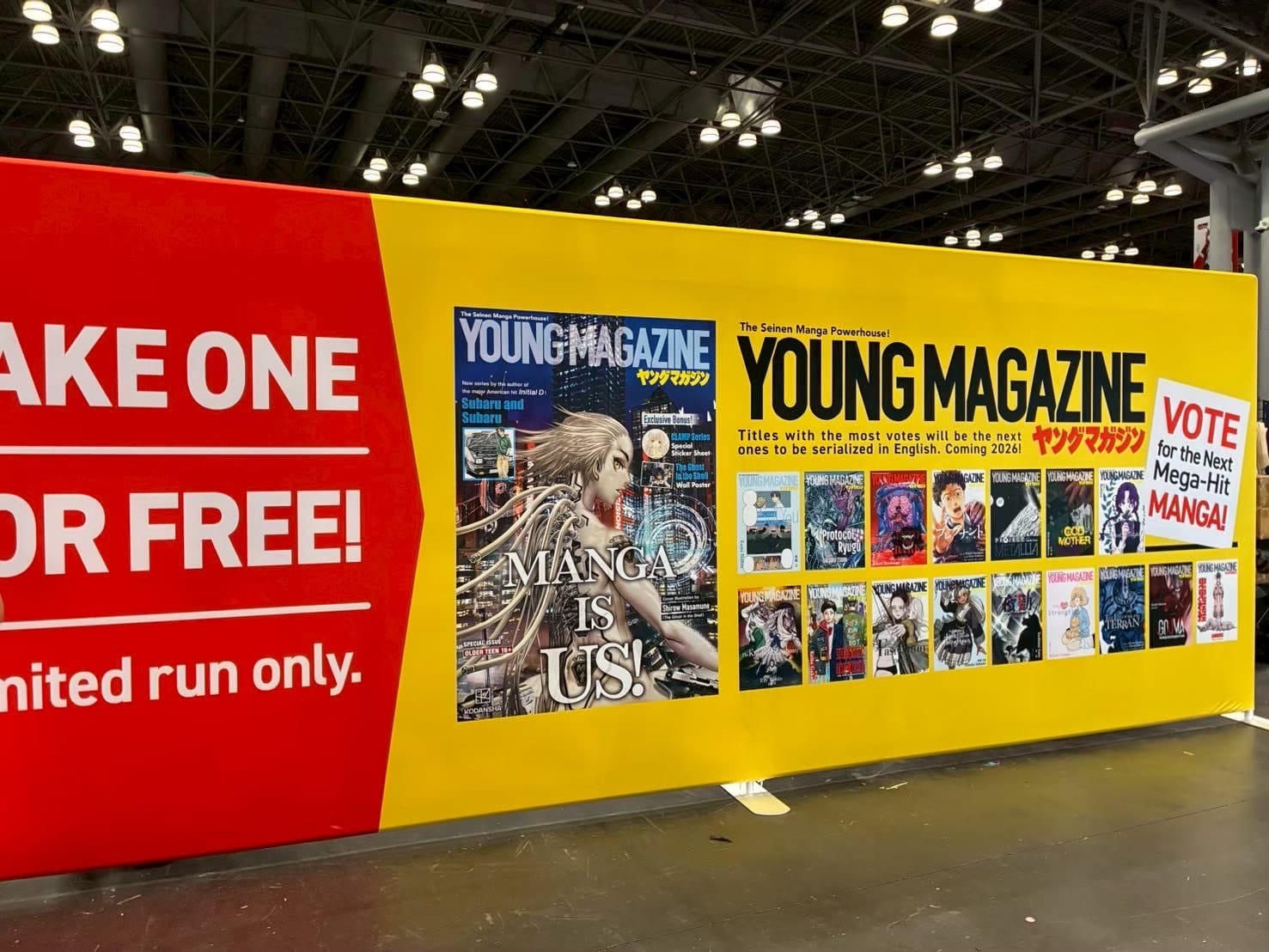
Approximately 25,000 copies were distributed for free at Anime NYC 2025, a major Japanese pop culture event held in New York. Copies were also distributed at Kinokuniya bookstores in New York, where thousands reportedly disappeared within a few days.
Stacks of YOUNG MAGAZINE USA at the Anime NYC 2025 venue. Because manga magazine culture is not deeply established in North America, printing and binding standards differ from those in Japan. For this reason, all printing and binding were completed in Japan before shipment overseas. Exceptional care was taken to ensure the magazine could withstand temperature and humidity changes—such as those encountered when crossing the equator—resulting in printing quality and paper stock considered world-class by global standards.
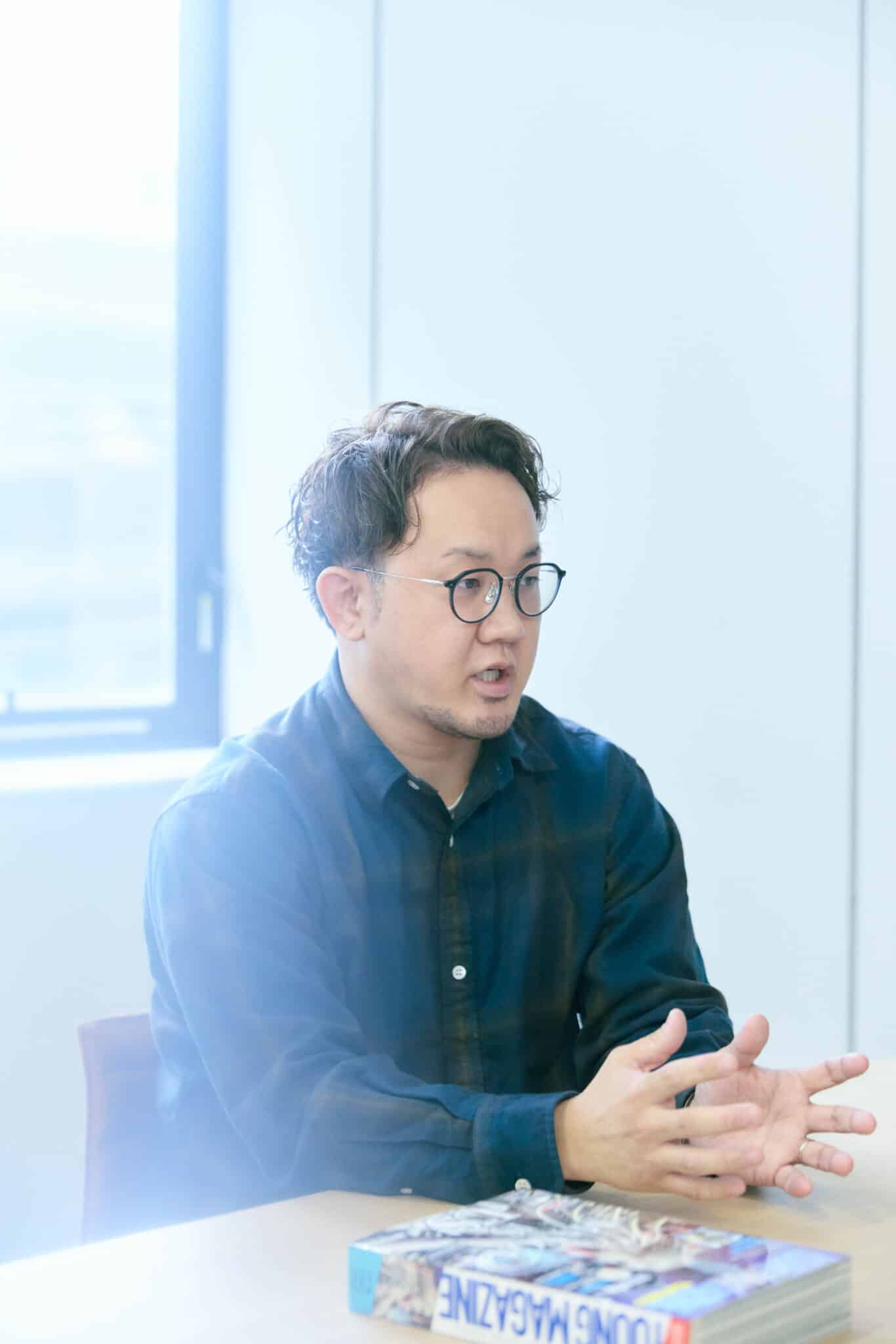
Why did Young Magazine decide to create a U.S. edition, and what results did it achieve? We spoke with YOUNG MAGAZINE USA Editor-in-Chief Hidemi Shiraki, editorial staff member Ryuto Kitabata, and Toru Hoshino from Kodansha’s International Rights Division.
From left : Kitabata from the editorial team, Hoshino of the International Rights Division, and Editor-in-Chief Shiraki.
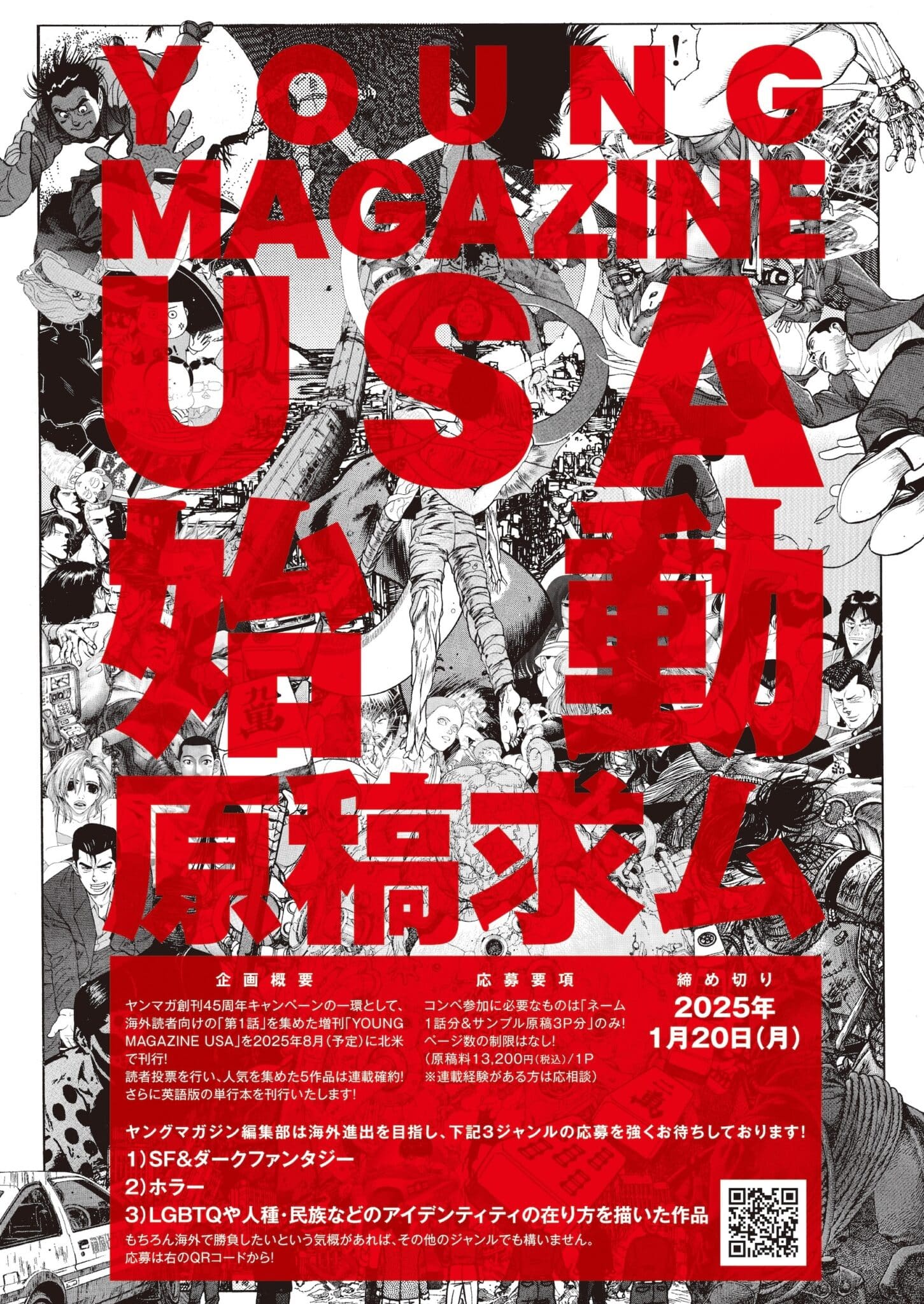
The works featured in YOUNG MAGAZINE USA were selected through an open submission process. Of the many creators who applied to draw, 19 works were ultimately selected for publication. More than 100 submissions were received, regardless of the creators’ fame or experience, resulting in a larger page count than initially planned. Rather than standalone one-shots, each title was published as a “first episode,” with an experimental system in which reader votes determined the Top 5 works to be continued as serialized titles.
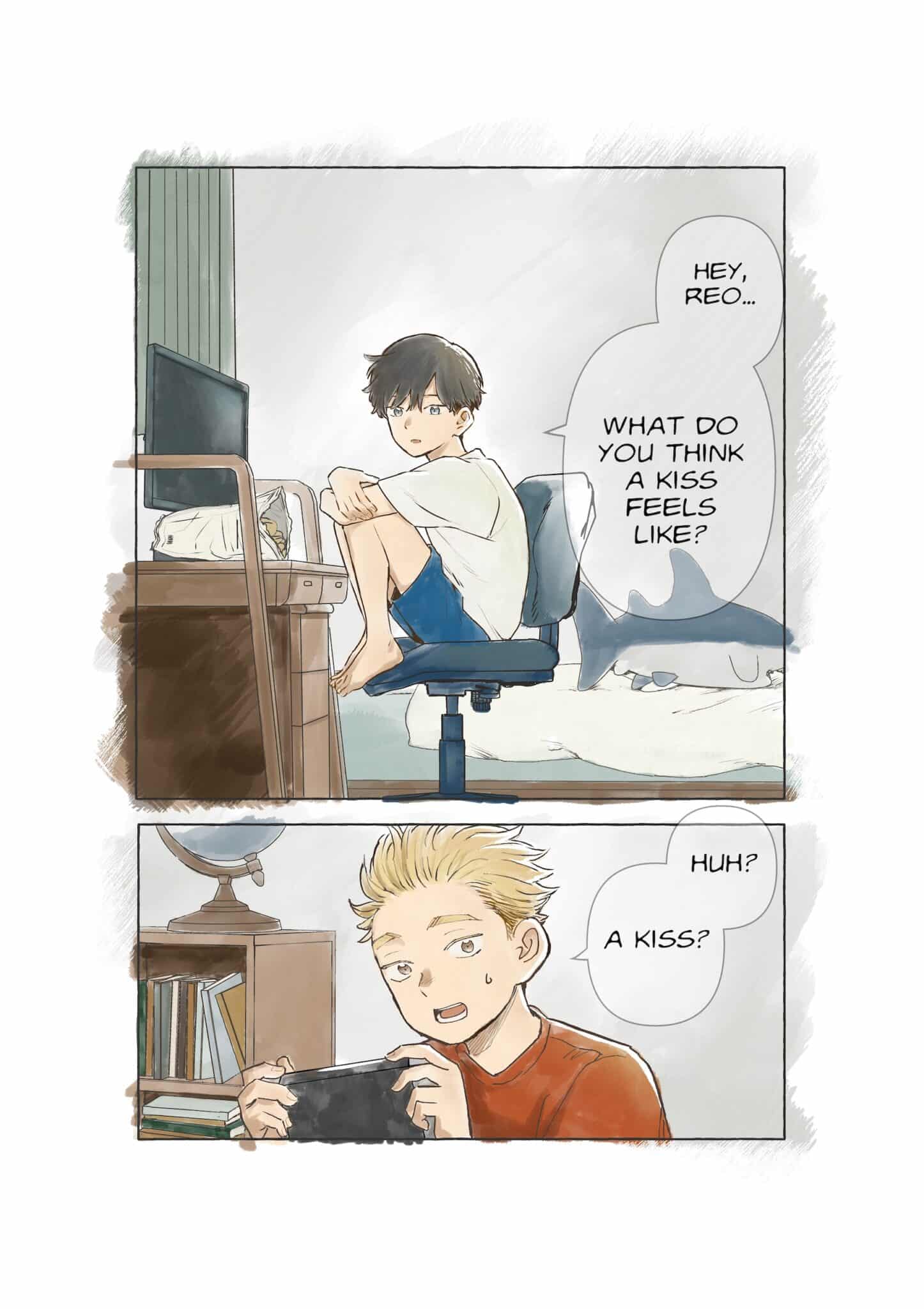
A scene from Still you by Kami Nishio. ⒸKODANSHA
“Unlike Japan, the U.S. doesn’t have manga magazines categorized as shōnen (boys) or seinen (young adults), so we wanted to compile something with a clear, unifying theme,” says Shiraki. “That’s how we arrived at the concept of ‘UN-filtered MANGA.’ When we considered what truly defines Japanese seinen manga, the answer was its overwhelming realism. Shōnen manga is often described as depicting dreams and adventure, whereas seinen manga is said to portray reality and the choices you face in life. With that in mind, we gathered works that depict the realities of life without any filter.”
The genres were narrowed down to four that resonate strongly with American audiences: science fiction, dark fantasy, horror, and identity-focused stories. The “identity” category was conceived with diversity in mind, and recognizing the popularity of identity-driven works in North America initially sparked the idea for YOUNG MAGAZINE USA.
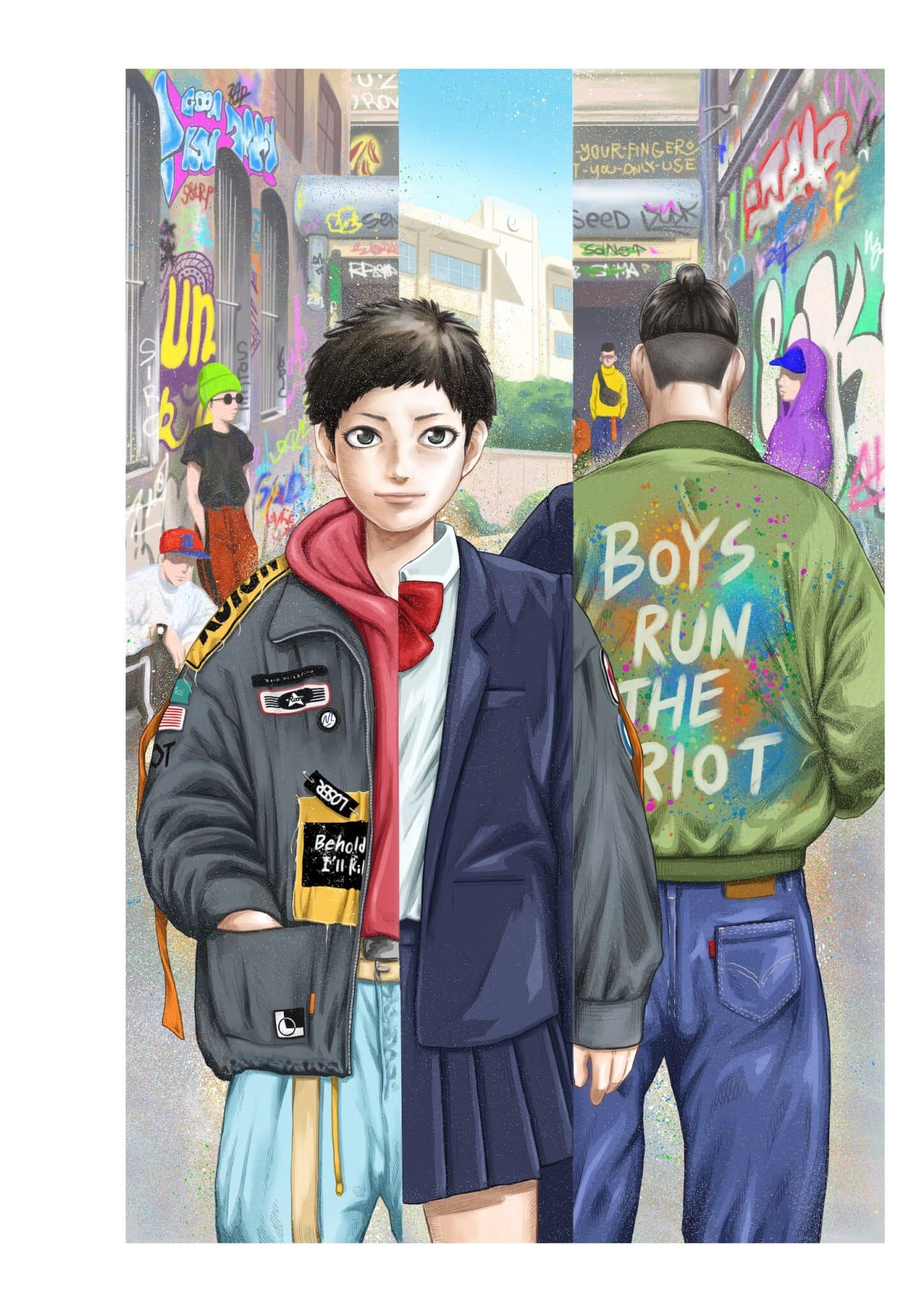
About two years ago, Mr. Keito Manabu, who draws for "Young Magazine," received an invitation from a university in Columbus, Ohio, USA, and Mr. Shiraki and Ms. Hoshino accompanied him. At the time, the work Mr. Manabu was drawing, "Boys Run the Riot," was about the identity of a transgender high school student.
Boys Run the Riot by Keito Gaku (4 volumes). The story follows a transgender high school student who, in a school that refuses to acknowledge his gender identity, becomes interested in street fashion. After meeting a cisgender transfer student facing similar struggles, the two launch their own fashion brand. ⒸKODANSHA
“The work powerfully translates Gaku’s real-life experiences and sensibilities into manga form, but in Japan it initially struggled to find its audience,” says Hoshino. “In the U.S., however, there were still very few manga that seriously addressed this theme, and it resonated strongly—not only with transgender readers, but also with art students. In fact, sales there surpassed those in Japan. At our Columbus signing event, many fans attended, and some were moved to tears. Wanting to give something back for that reception is what led us to the idea of focusing on physical books that could be handed directly to readers.”
With the 45th anniversary of Young Magazine as a milestone, the team launched the project with the desire to share the appeal of Japanese manga magazines with North American readers. After more than a year of preparation, the project finally came to fruition.
The behind-the-scenes journey of YOUNG MAGAZINE USA’s North American launch, featuring Editor-in-Chief Shiraki, can also be seen on the YouTube channel Young Magazine Daily Ch.
In total, the reader vote drew approximately 280,000 votes, and in December, serialization was confirmed for the top five titles. According to Shiraki and Kitabata, the results were completely different from their expectations.
“We expected a sci-fi or dark fantasy story—something set in a fictional world that wouldn’t require prior knowledge of Japanese culture—to take first place. Instead, an LGBTQ-themed work came out on top. It really made us feel the diversity and depth of interest among North American readers, and reaffirmed the potential of Japanese manga,” says Shiraki.
“In addition to the free distribution, the works were also widely read on digital platforms. For the top-ranked title, a post by a single reader on X went viral, which gave us the sense that the story truly struck a deep chord with its audience,” says Kitabata.
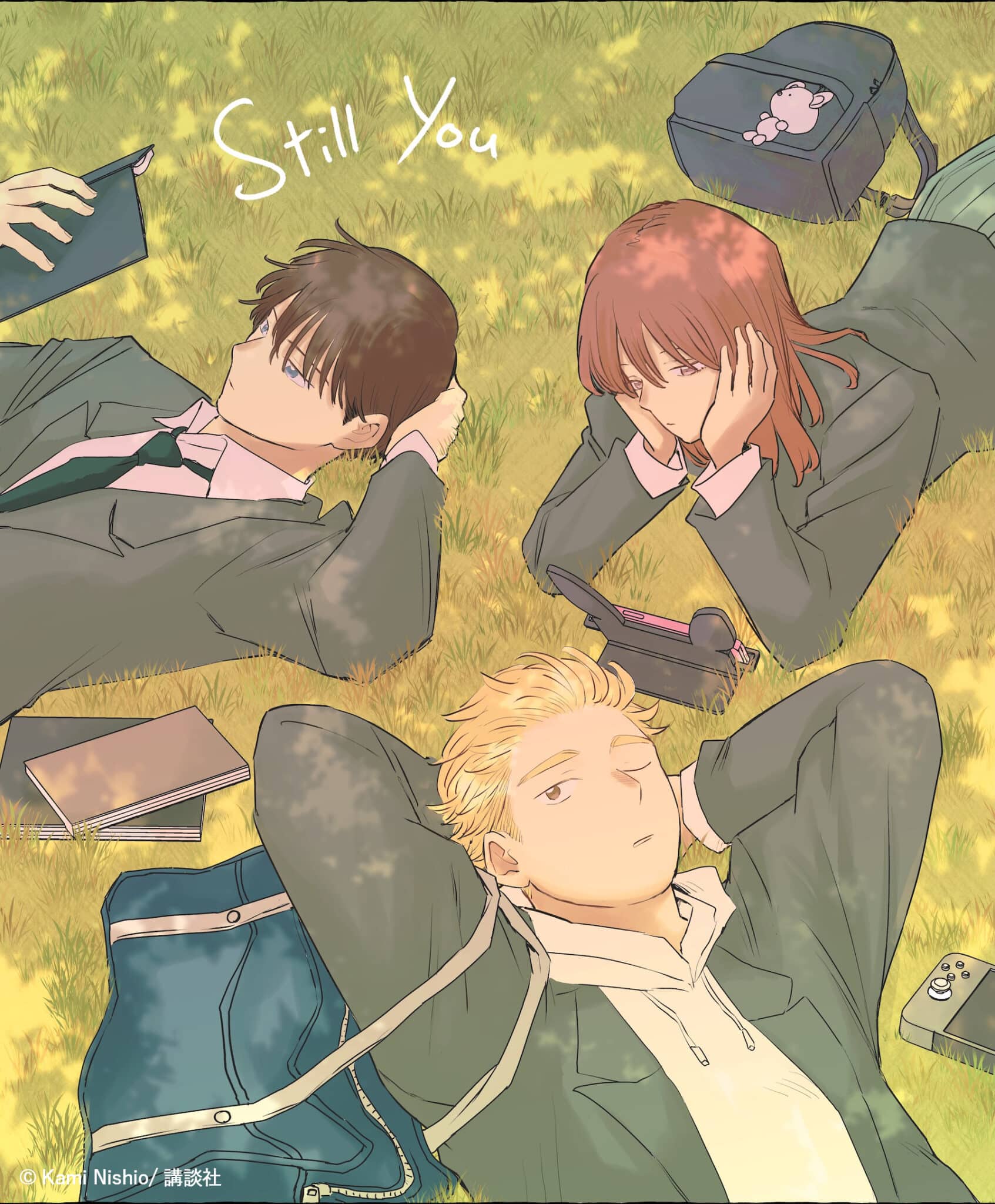
1st Place: Still You by Kami Nishio “A casual kiss that day changed everything.” A BL story depicting the shifting relationship between childhood friends.
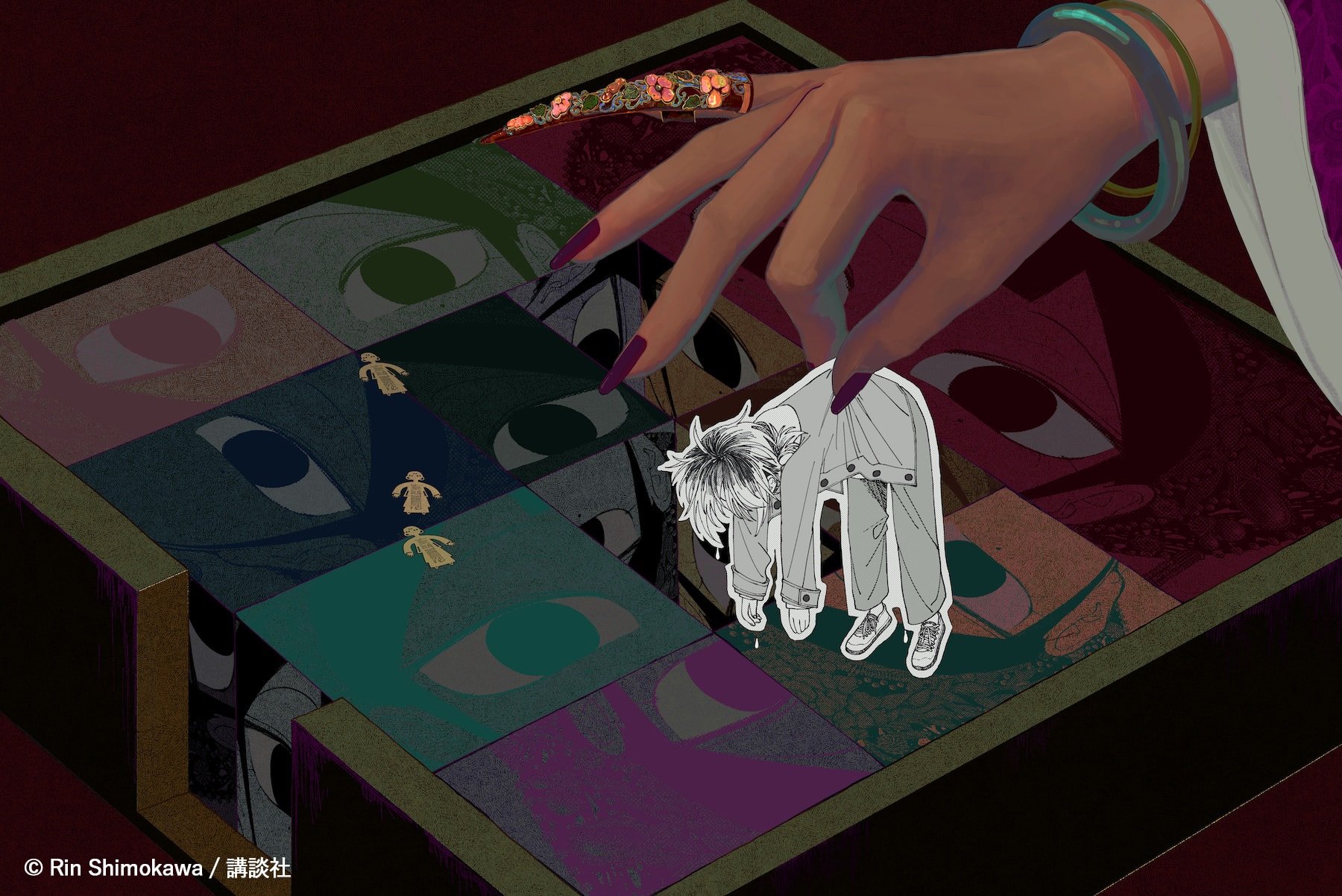
2nd Place: Godmother by Rin Shimokawa Set in a nightmarish version of Yokohama Chinatown, this is a new-style horror work by a rising Chinese creator.
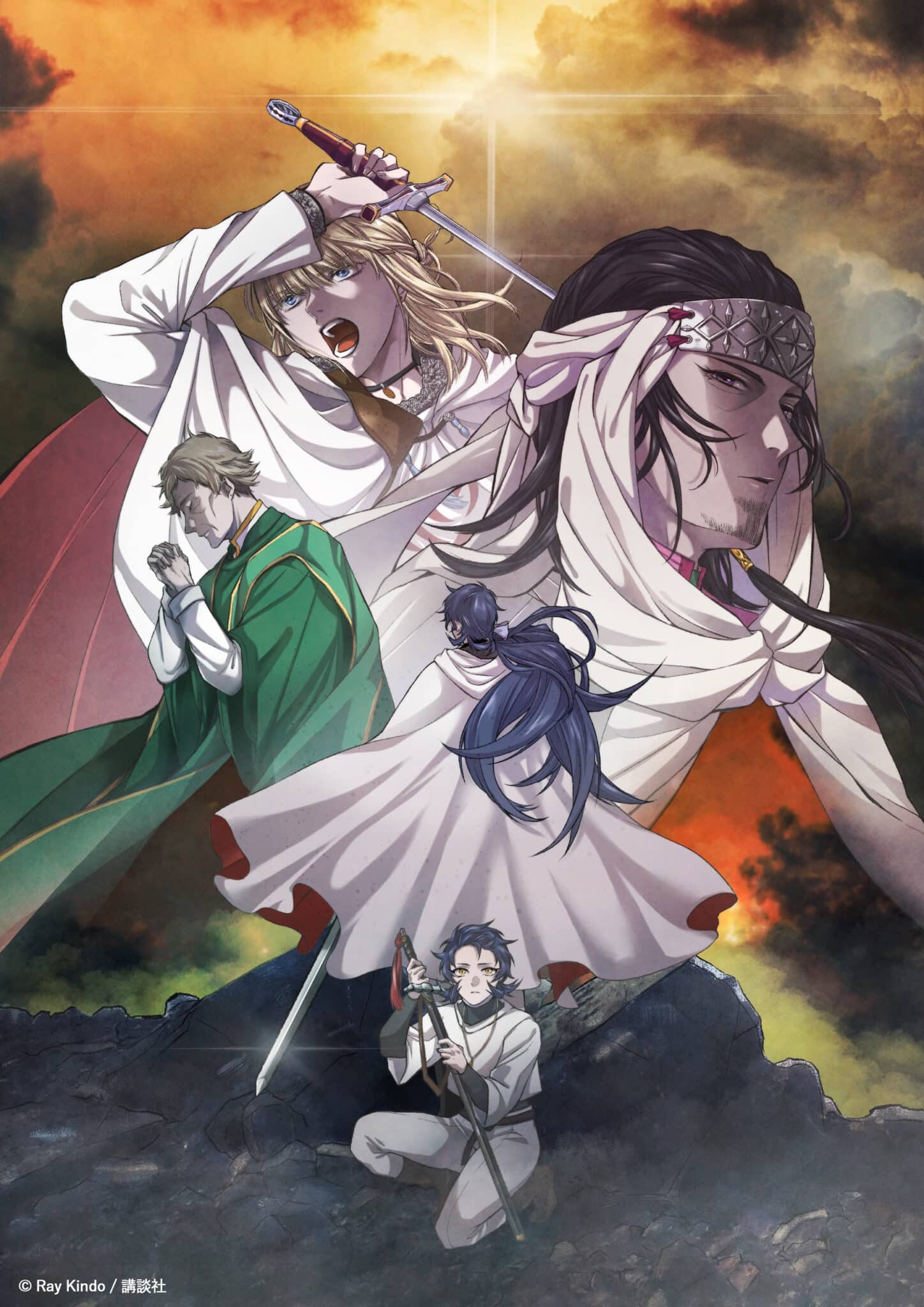
3rd Place: The Knight of Blasphemy by Ray Kindo A sweeping historical fantasy about a knight who, despite being branded a blasphemer, remains true to his sense of justice.
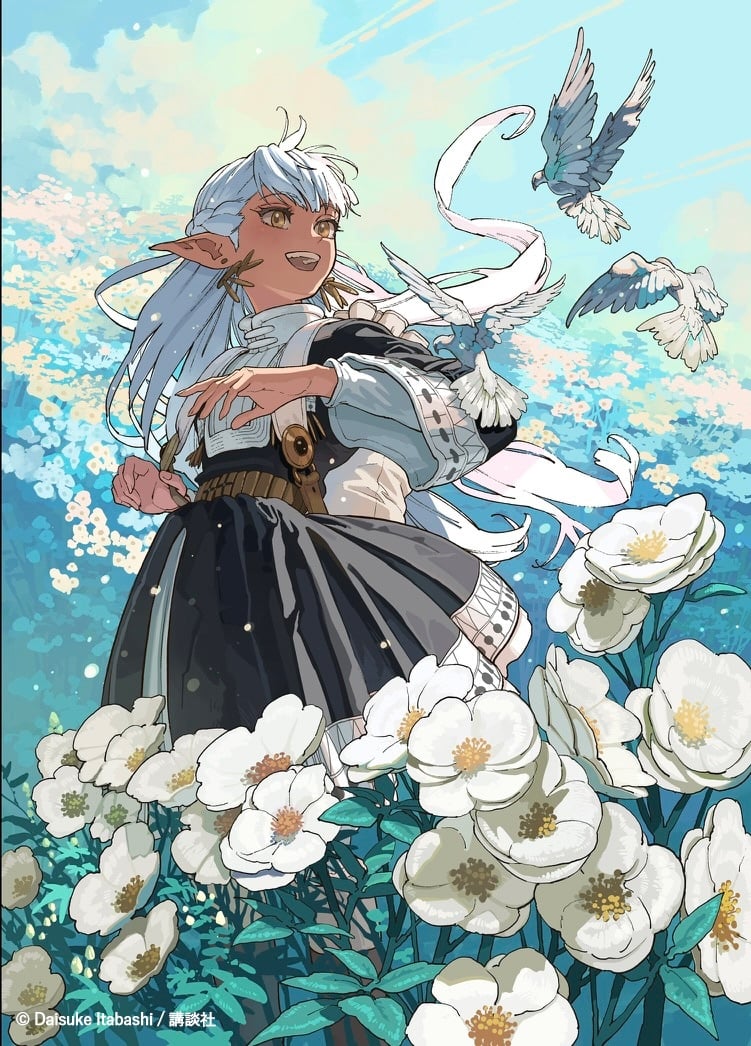
4th Place: The Journey of a Dark Elf with Fading Powers by Daisuke Itabashi Once the world’s greatest mage, he suddenly loses all magical power—a second-life fantasy about rediscovering how to enjoy life from rock bottom.
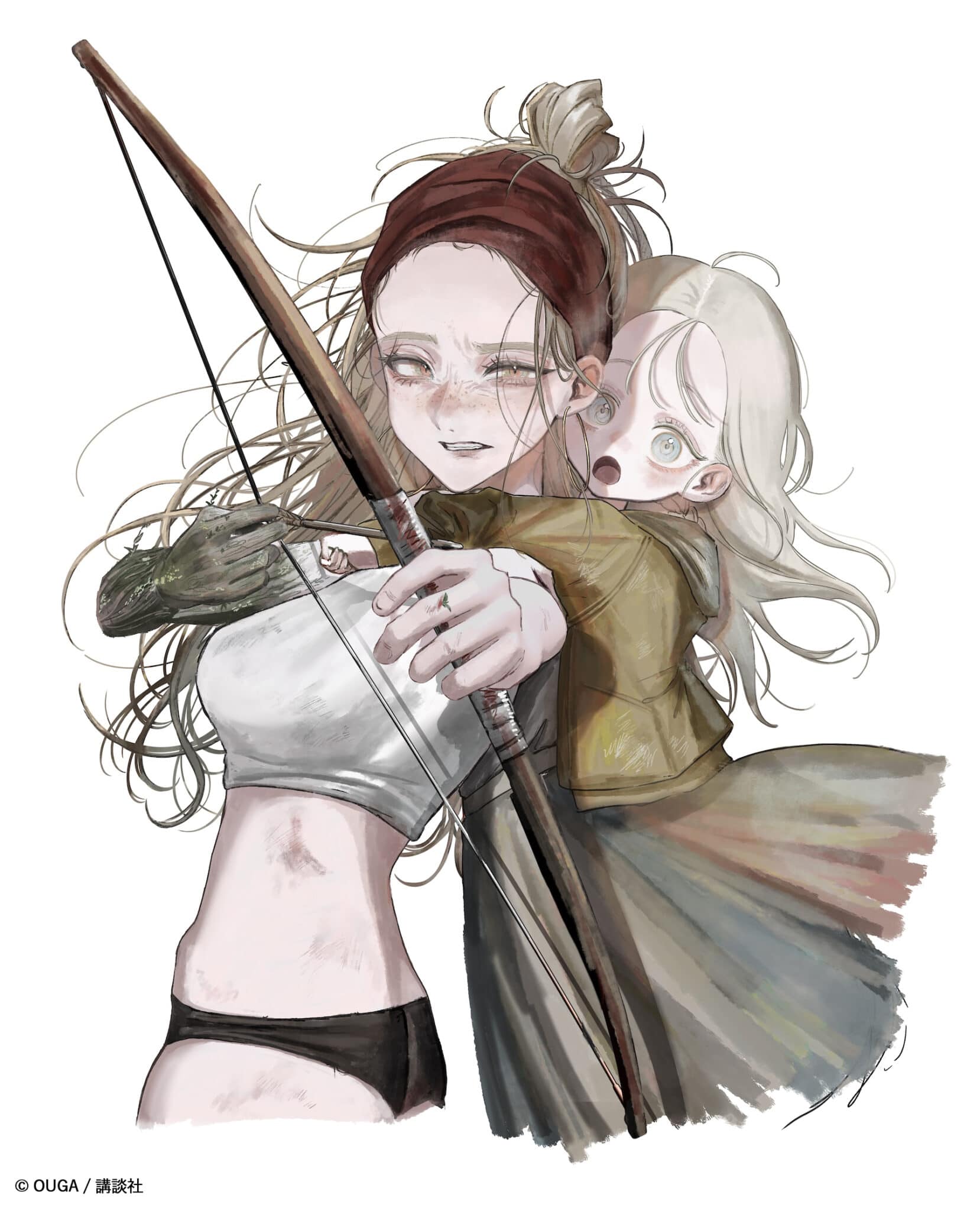
5th Place: Fasciation by OUGA An unexplored dark fantasy following a scorned “witch” and a young girl as they journey through the world, resisting the fate imposed upon them.
One key takeaway from the results was the importance of readability.
“We initially thought that exceptional drawing skills or intricately constructed worlds would be the deciding factors, but what readers were really looking for was clarity. Since only the first episodes were published this time, more complex genres like sci-fi and dark fantasy may have been harder for readers to immerse themselves in fully,” says Shiraki.
Above all, the results revealed an apparent reality: Japanese seinen manga is attracting global attention.
“I see two core strengths in Japanese manga: empathy and a sense of relatability that allows readers to experience the story as something deeply personal. While American comics often portray flawless heroes, Japanese manga depict protagonists’ weaknesses, struggles, and growth at a very human scale. That makes it easier for readers to see the story as something personal. Manga that can portray deeper themes and overwhelmingly realistic worlds is now gaining recognition worldwide,” says Shiraki.
The English editions of the top five titles selected for serialization through reader voting are available on Kodansha’s app K MANGA. In addition, four other works that received robust responses have also been approved for serialization.
According to Shiraki, one of the most striking outcomes was the readers’ strong desire to participate and create together.
“For American readers, this was likely the first time they were able to choose for themselves in a world where only selected Japanese comics are translated and delivered to them. We received many messages expressing how exciting that experience was. Seeing this attitude—not just as consumers, but as active participants in content creation—along with the clear demand for seinen manga, gave us a strong sense of momentum,” says Shiraki.
There is also a growing movement of creators worldwide who, inspired by Japanese manga culture, are beginning to tell their own stories. At Kodansha’s New York pop-up event KODANSHA HOUSE, a section called MOCHIKOMI—where international creators bring their works directly to Kodansha editors for on-the-spot review—has become especially popular. Kodansha has also launched a website called KODANSHA MANGA ACADEMY, which introduces pathways to becoming a manga artist and supports aspiring creators worldwide.
KODANSHA MANGA ACADEMY, a platform creating the future of manga together with creators around the world.
As more people around the world begin drawing manga, stories depicting increasingly diverse worlds will continue to emerge. That is the future YOUNG MAGAZINE USA is aiming for—and where its true journey begins.
“A world where creating manga becomes even more accessible is definitely coming,” says Shiraki. “When we enter an age where everyone around the globe is a creator, our role is to build an environment where manga is chosen as a means of expression—a way to communicate what people want to convey. To that end, we’ll keep planting seeds.”