DEEPTOKYO
magazine

EN

DEEPTOKYO
magazine
EN
2026.07.03
A Specialty Cutlery Shop with Over 240 Years of History, Offering Everything from Tweezers to Kitchen Knives


 Nearest Station
"Ubukeya" is a specialty cutlery shop in Nihonbashi Ningyocho, founded in 1783. It has earned the trust of customers through its meticulous finishing and expert sharpening techniques, and has continued crafting cutlery for more than 200 years. The shop offers more than 400 types of cutlery, including Japanese and Western-style kitchen knives, tailoring scissors, tweezers, Japanese-style scissors and Western-style scissors, each designed for a specific purpose. It attracts professionals from a wide range of fields, including chefs and artisans from Japan and around the world.
SHARE


"Ubukeya" was founded in Osaka in 1783 as a specialty cutlery shop. The shop's name comes from ubuke, the Japanese word for fine baby hairs. Customers praised the blades forged by the first-generation owner, saying they could shave fine hairs, cut cleanly, and pluck hairs with precision. In the 1800s, the shop relocated to Nihonbashi, then the commercial center of Edo, where it carried on its craftsmanship while fulfilling orders from chefs and fishmongers serving the nearby fish market.
Today, the shop offers more than 400 types of cutlery, including Japanese and Western-style kitchen knives, tailoring scissors, tweezers, Japanese-style scissors and Western-style scissors, ranging from everyday tools to those for professional use. In one corner of the shop, visitors can view cutlery made more than 100 years ago that has been designated as Tangible Cultural Properties, offering a glimpse into the shop's long history.
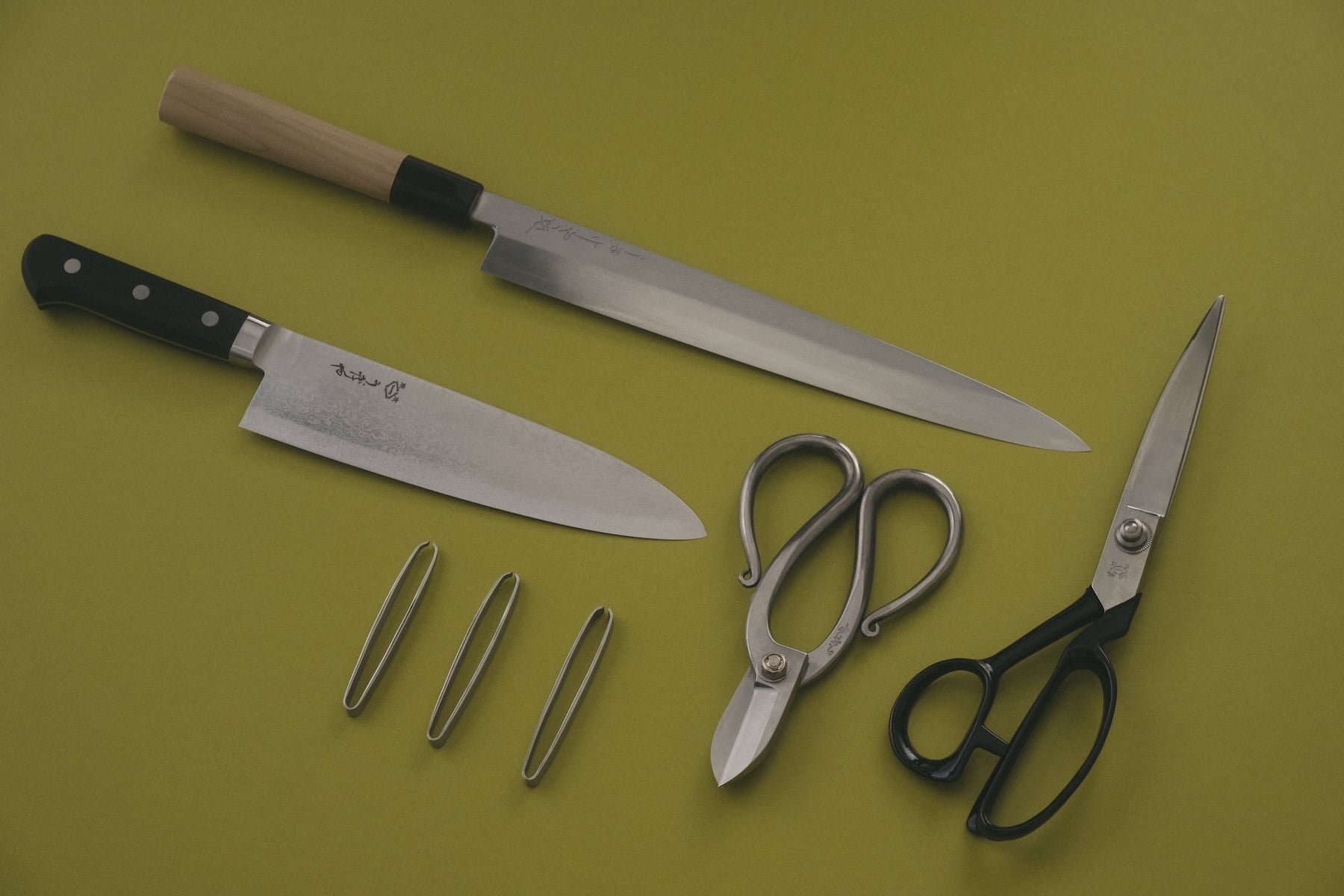
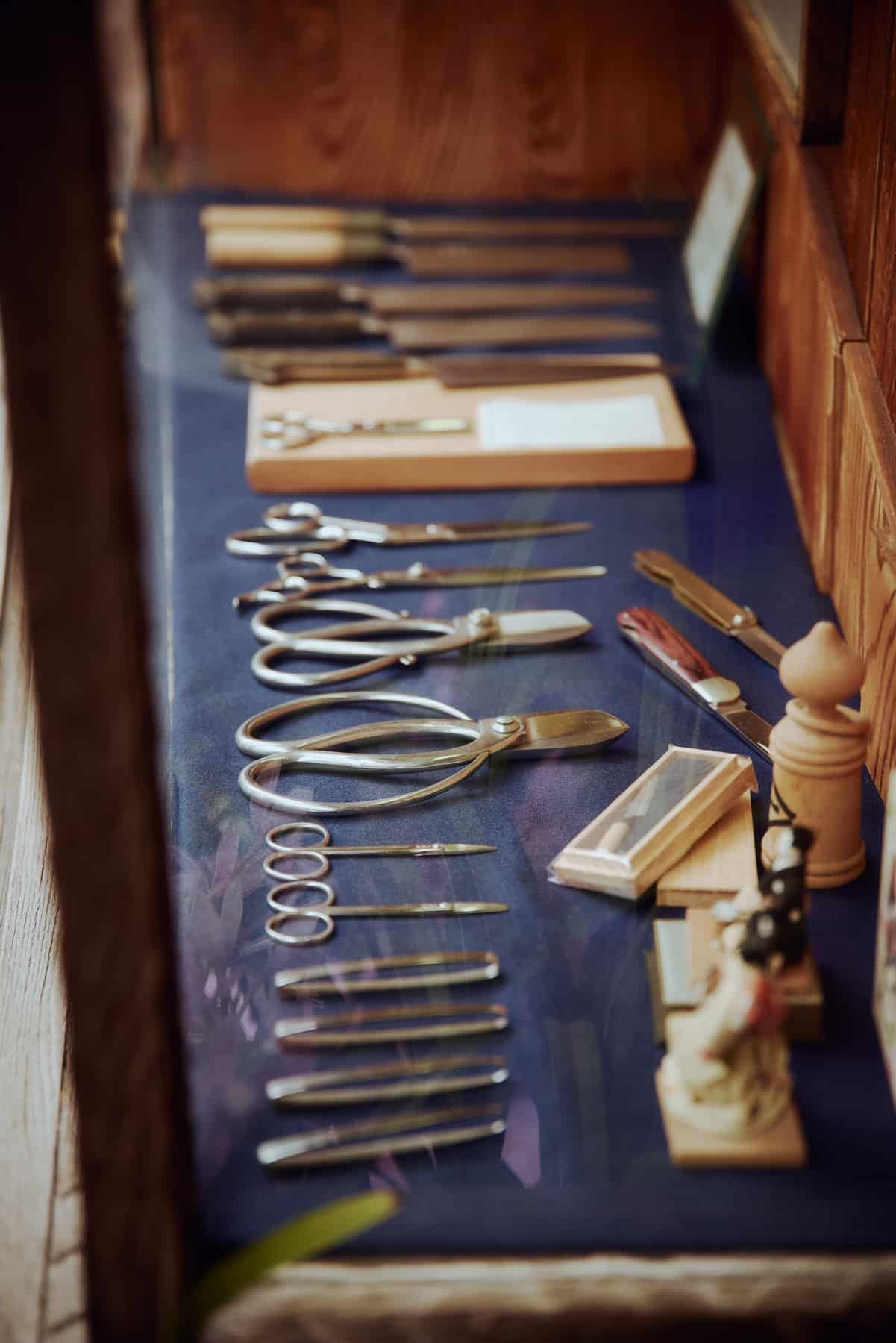
The shop's signature products, including kitchen knives, scissors, and tweezers, displayed in the storefront showcase.
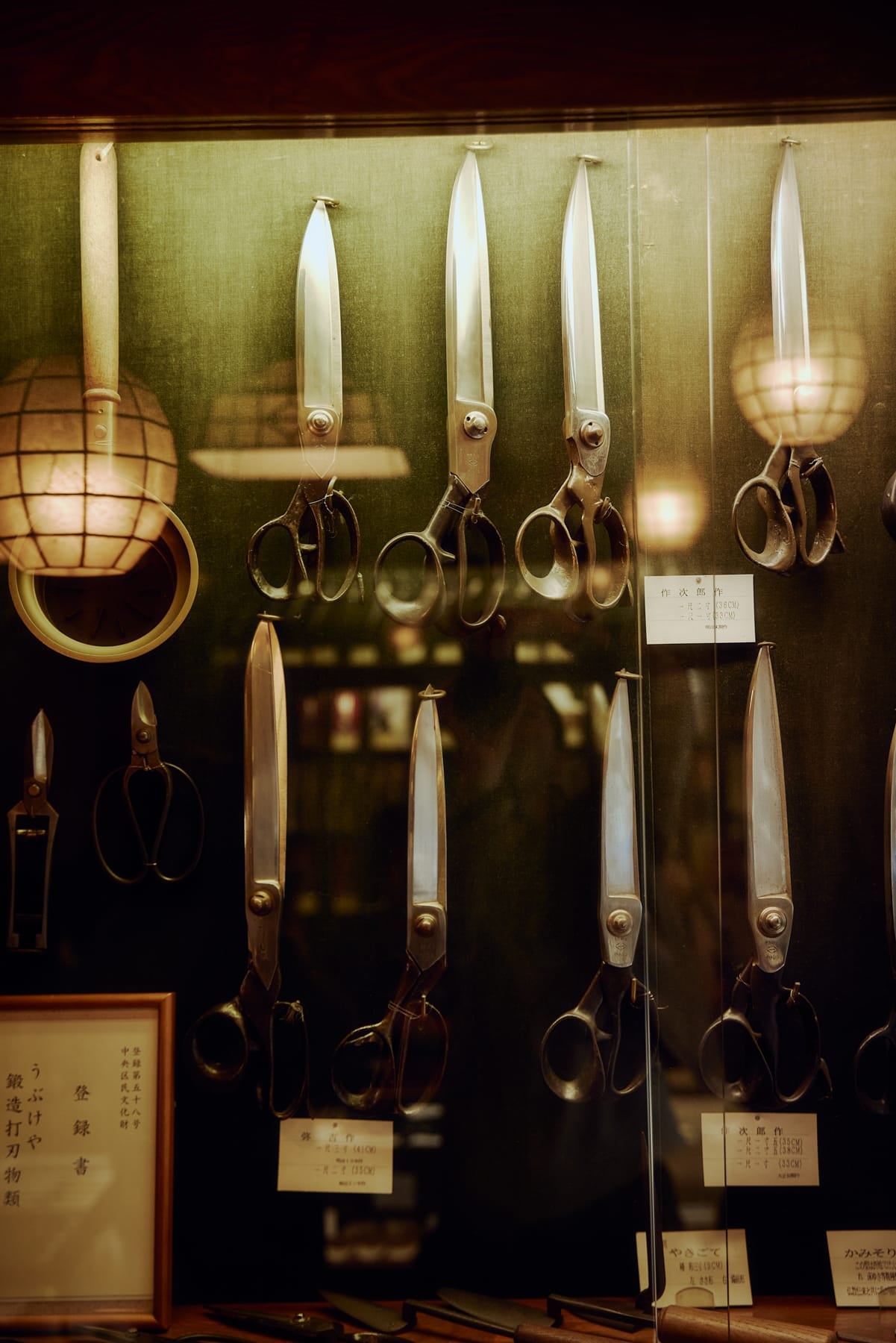
Cutlery made more than 100 years ago is on display. The collection includes pieces crafted by the artisan believed to have made Japan's first pair of tailoring scissors, commissioned by a foreign settlement.
Cutlery is generally made through a division of labor, with specialist craftsmen responsible for each stage of the process, from forging and shaping heated steel to crafting the handle. At "Ubukeya," the components are received from these craftsmen, and the final finishing is carried out in-house. For kitchen knives, this includes correcting even the slightest bends or distortions in the blade, attaching the handle, then sharpening and honing the edge to bring out its original sharpness.
Repairs and resharpening of products after they have been purchased are carried out by the owner, who is also a craftsman. This practice has been passed down through generations, as it keeps the time products are left at the shop to a minimum.
According to ninth-generation owner Taiki Yazaki, mastering sharpening takes around 10 years, as the shop handles a wide variety of cutlery, including kitchen knives, scissors, tweezers, and razors.
“Mastering the basics is just the beginning. Lifestyles change over time, and every customer uses their tools differently, so I work every day to refine my skills and meet their needs as closely as possible. In this profession, the training never ends.”
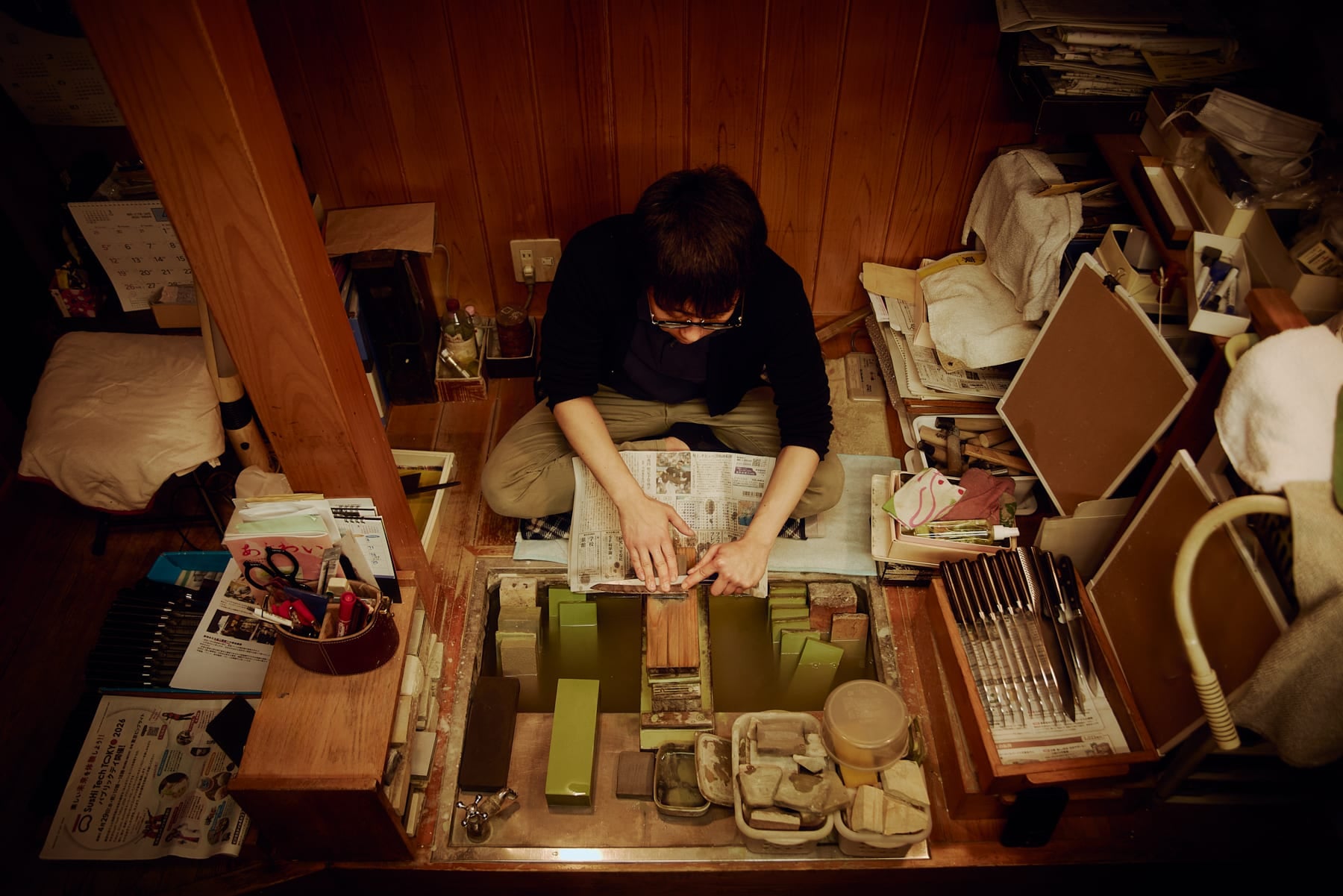
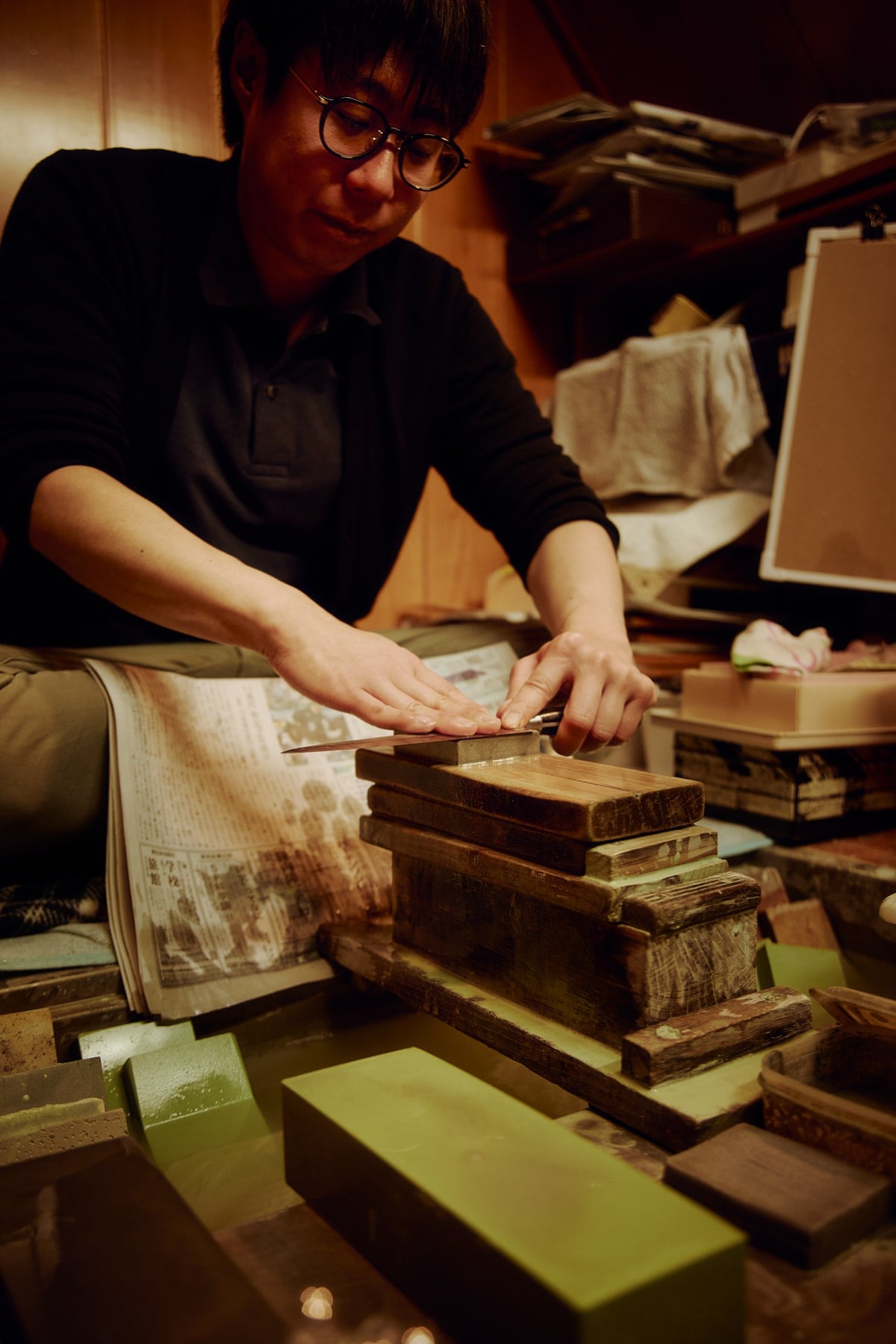
Ninth-generation owner Taiki Yazaki. The sharpening workshop at the back of the shop is equipped with whetstones and tools for a wide variety of cutlery.
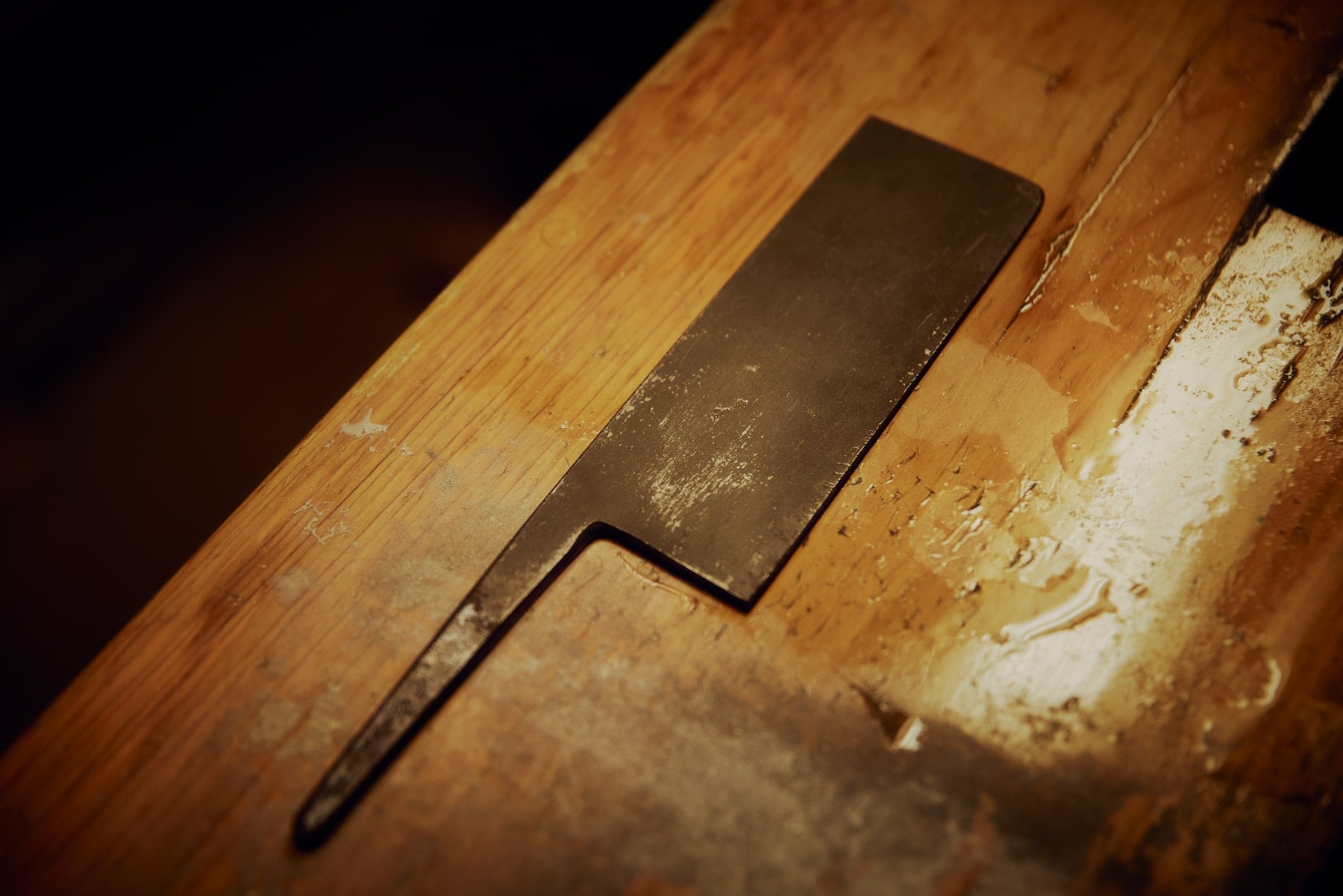
Knife blanks delivered by a blacksmith. They are made by a workshop that has worked with "Ubukeya" for three generations.
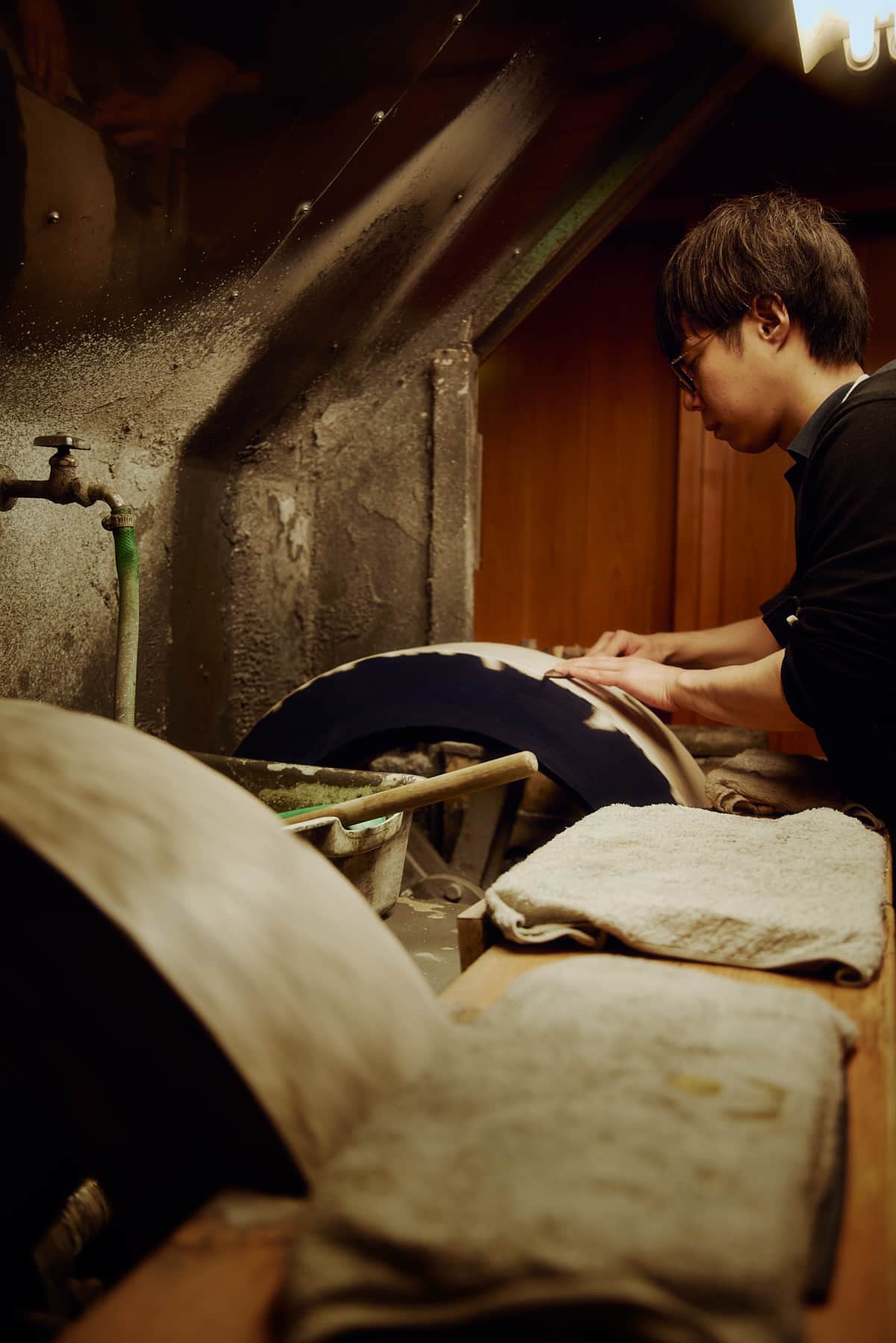
Sharpening a kitchen knife. Two rotating whetstones with different grits are used to refine the shape and thickness of the blade.
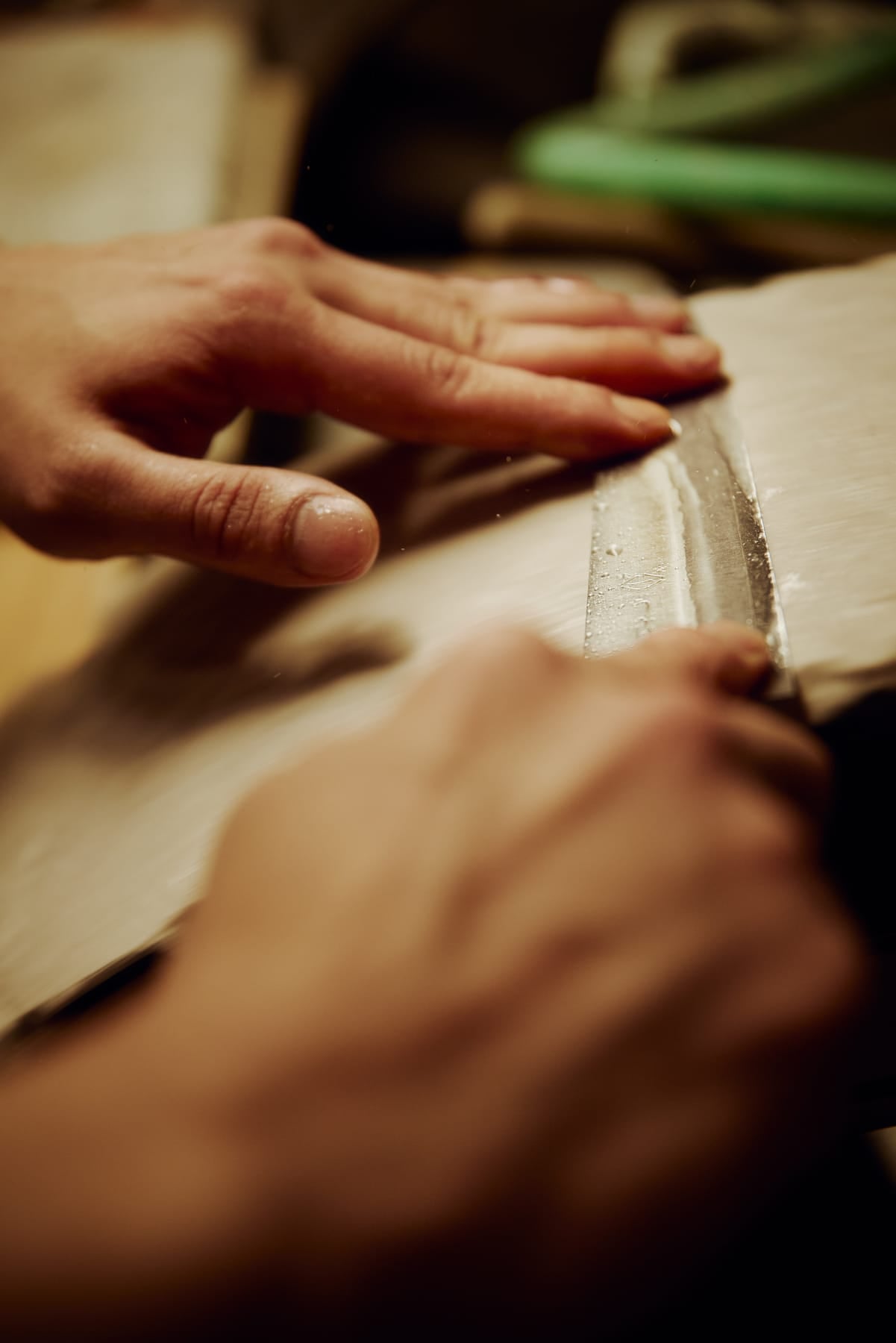
A gyuto knife, ideal for slicing meat and also suitable for fish and vegetables. The blade is sharpened evenly on both sides while the handle is switched from one hand to the other.
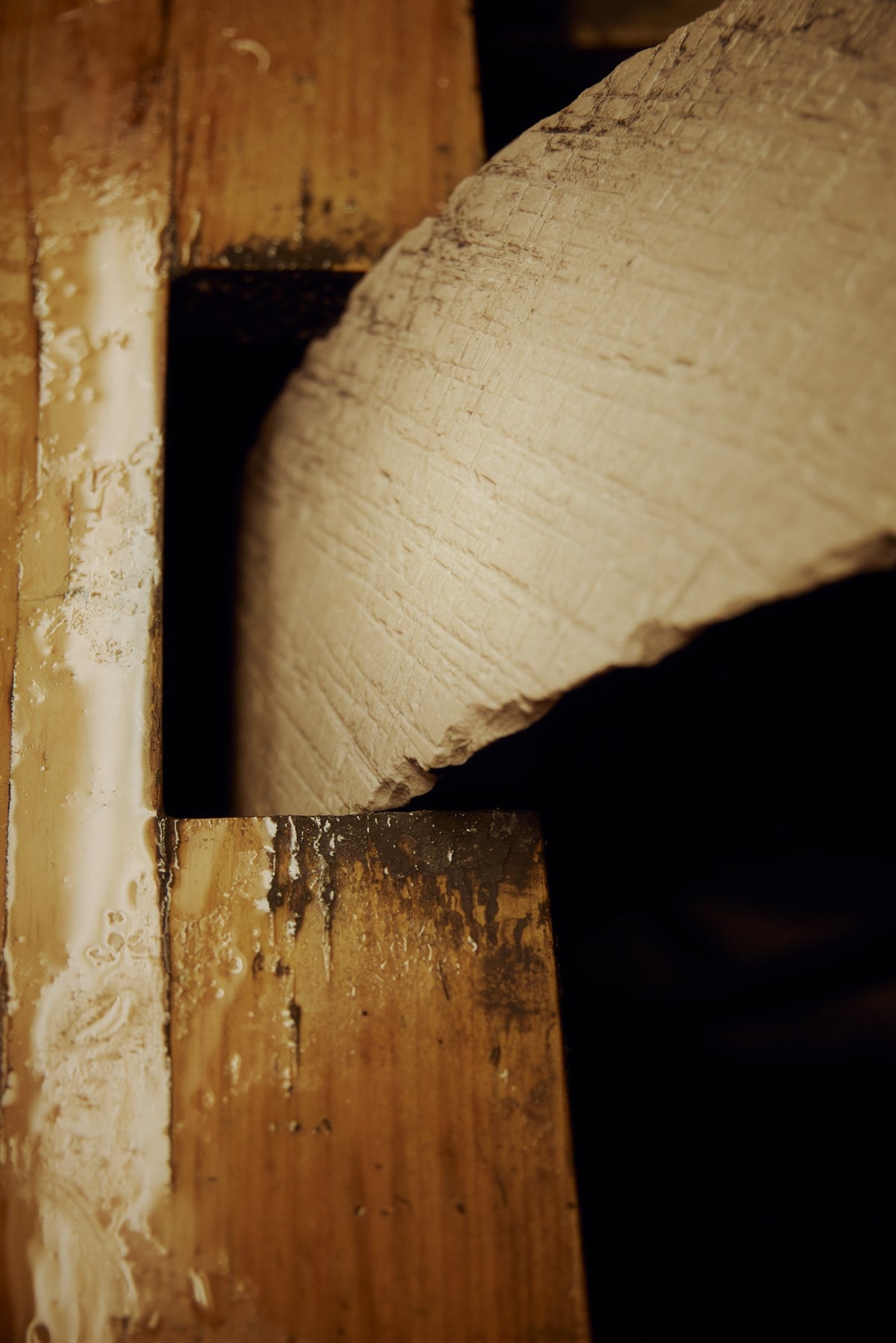
A whetstone nearing replacement. When new, there is no gap between the stone and the wooden groove that holds it in place.
Checking the edge. “I inspect it with all my senses—by looking, feeling it with my fingertips, and listening to the sound as I sharpen. That's what I learned from my predecessor,” says Yazaki.
The edge is finished by hand.
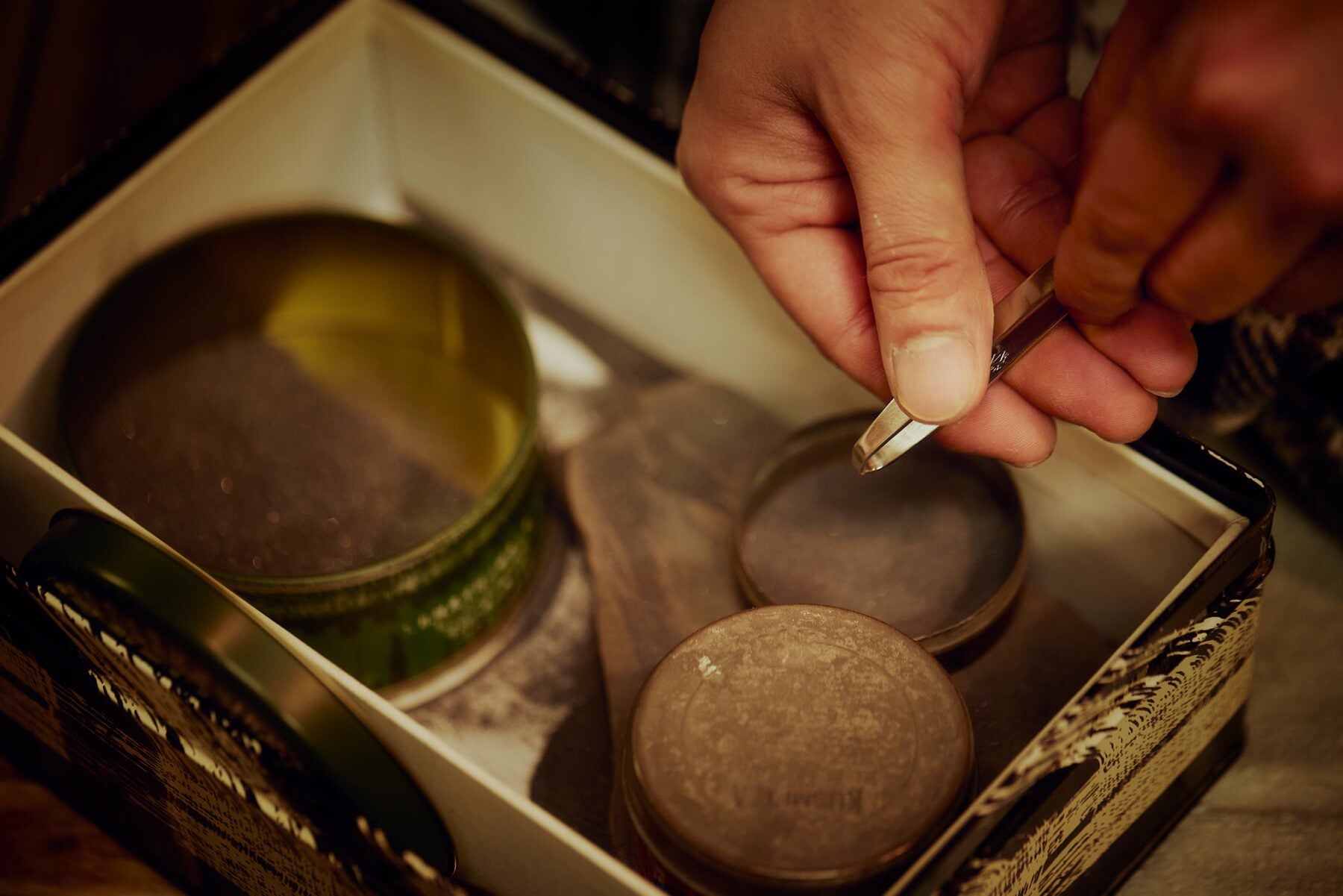
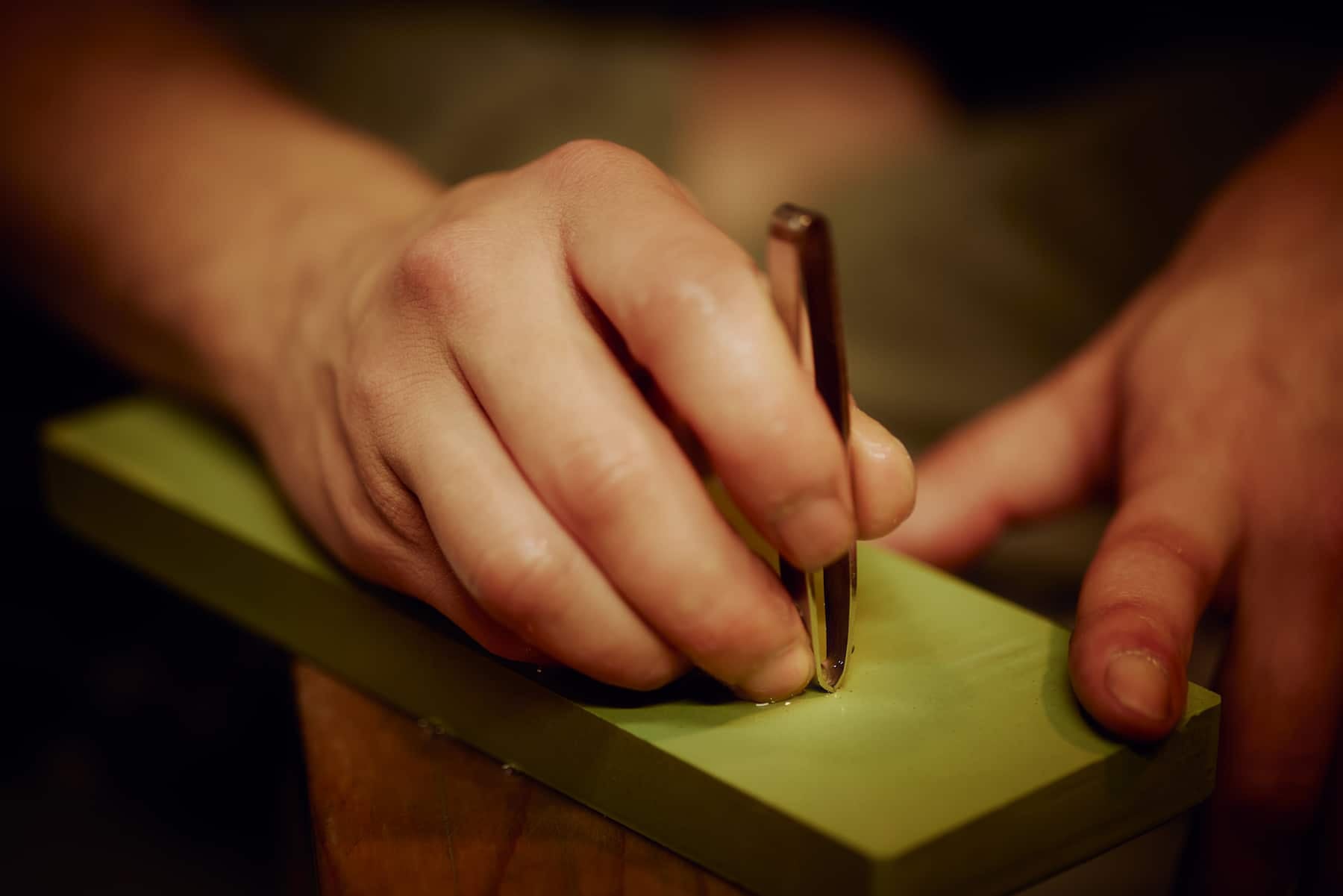
To finish the tweezers, powdered mineral abrasive is placed between the tips and rubbed together to refine the edges.
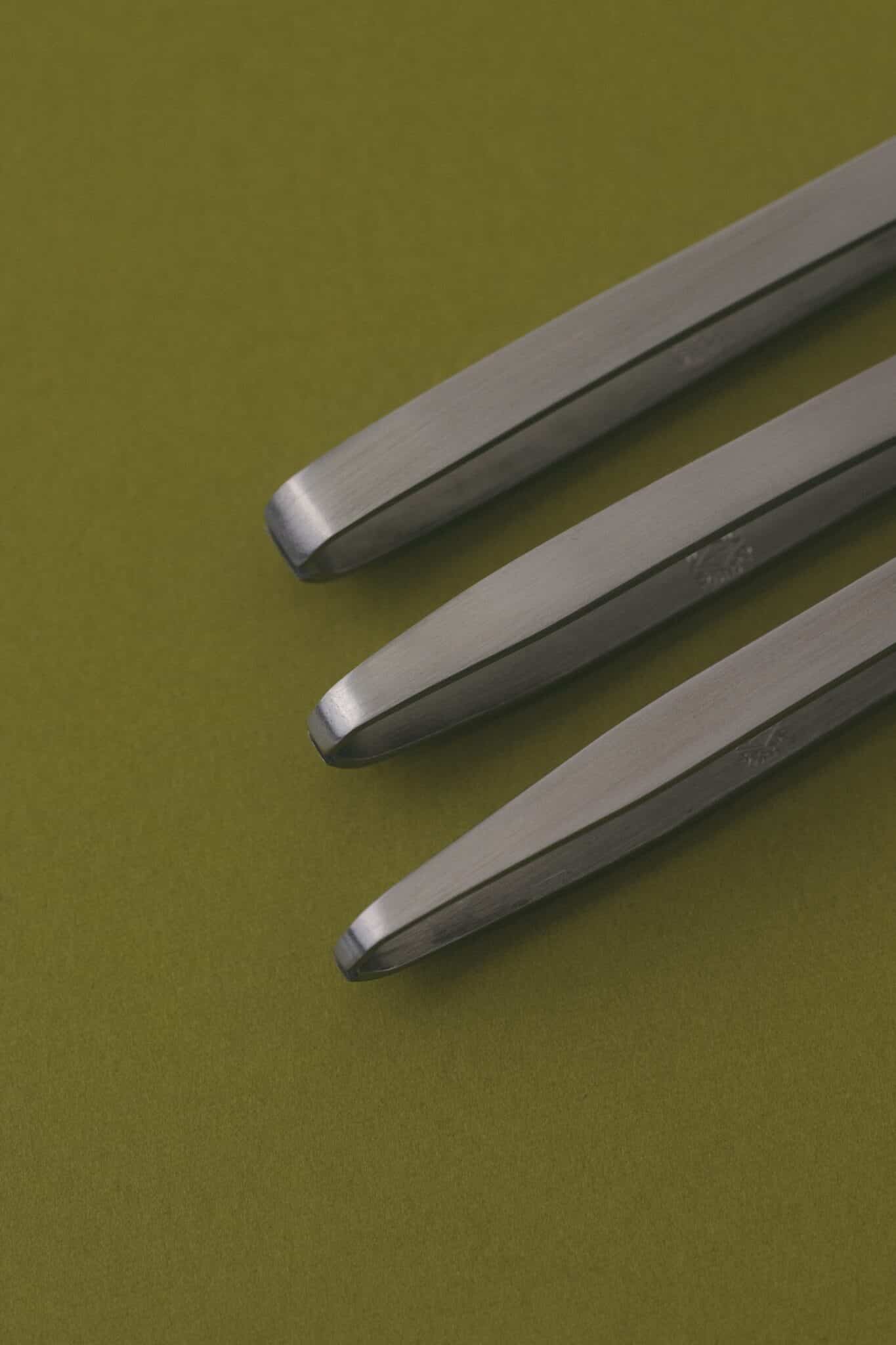
Smoothing even the slightest roughness on the outside allows fine hairs to be plucked without being cut.
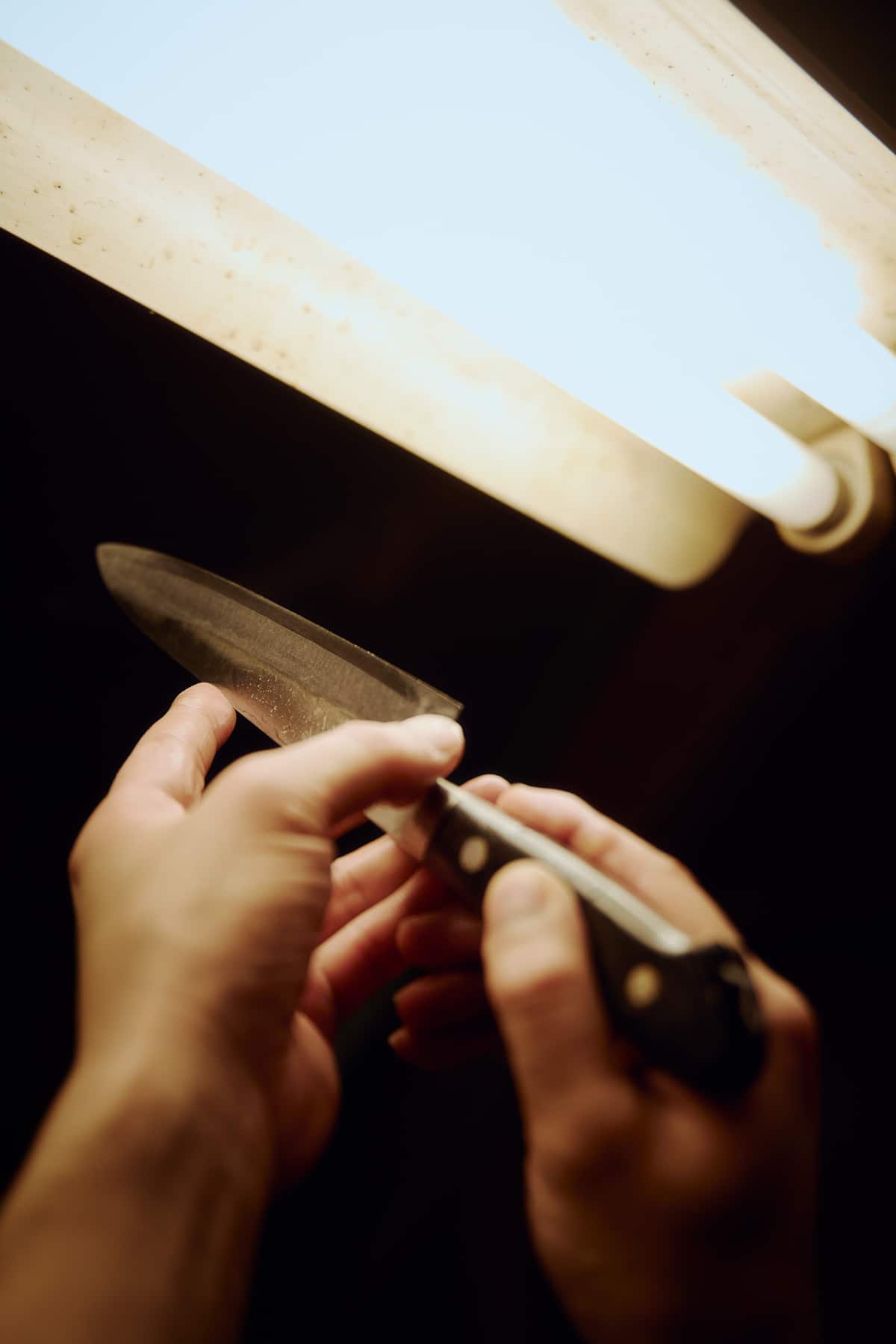
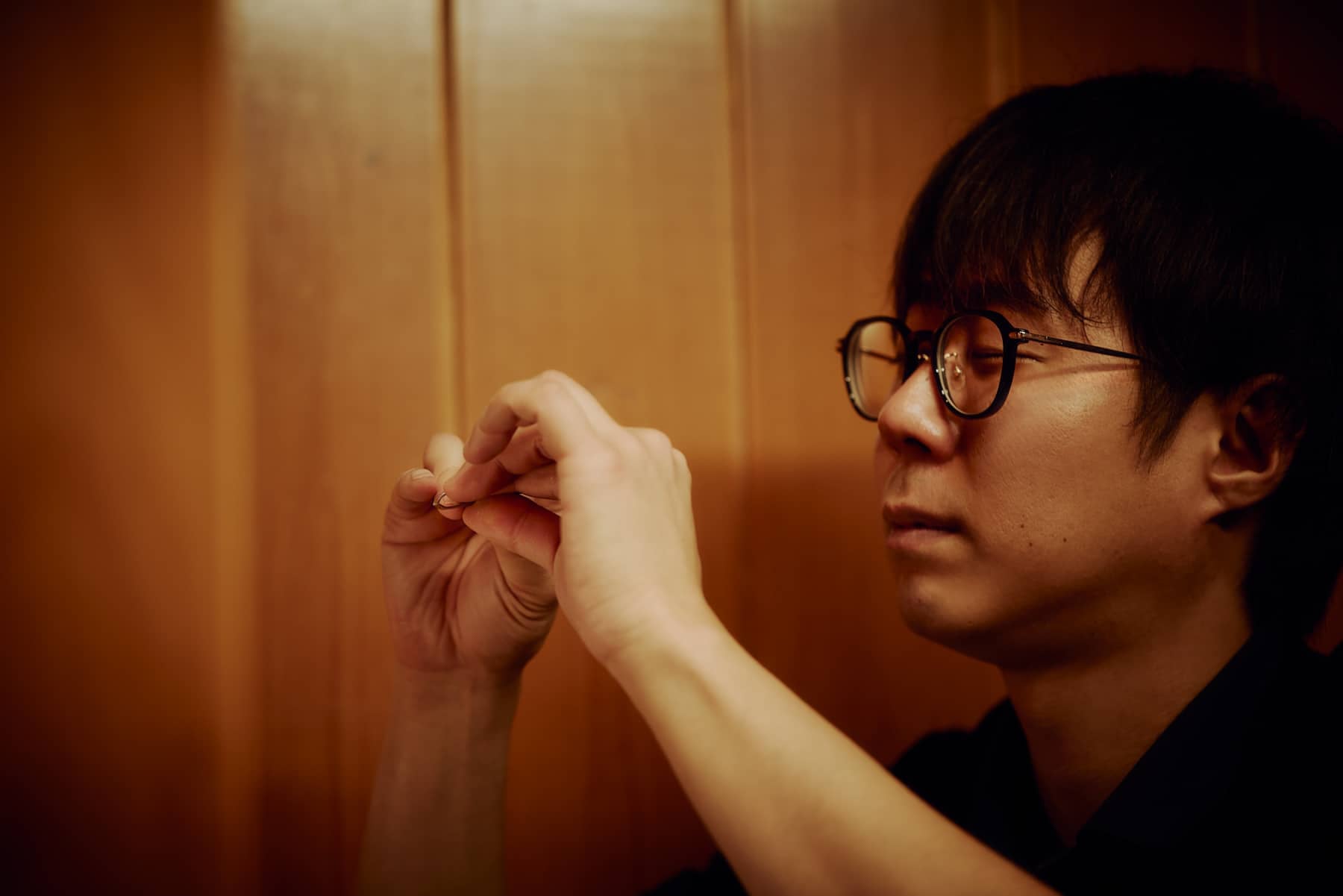
Holding the tips up to the light to check for any gaps.
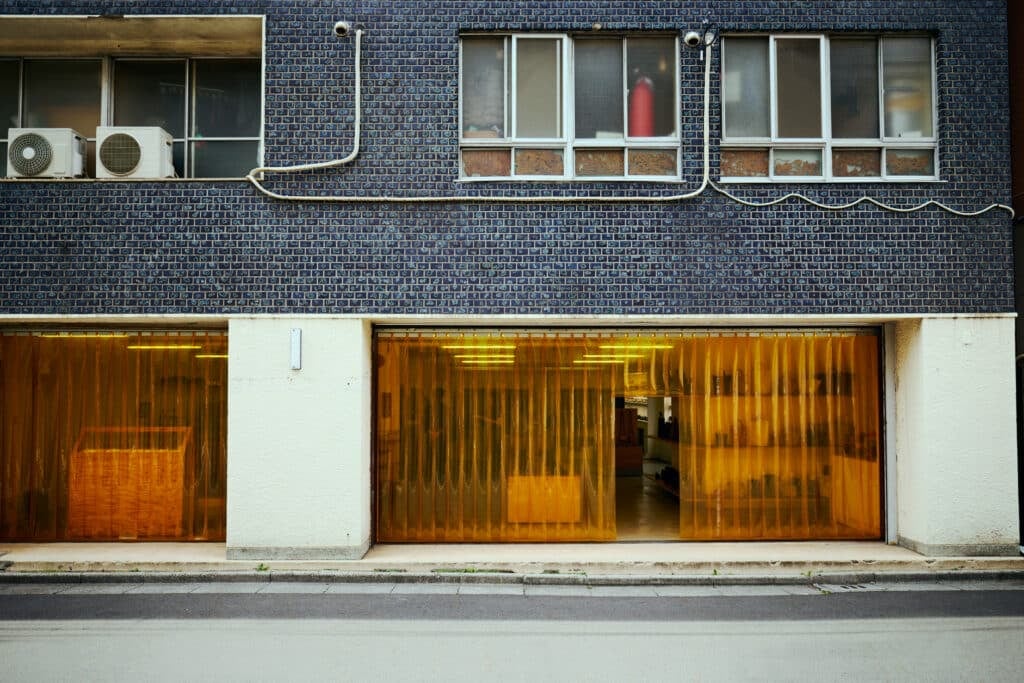
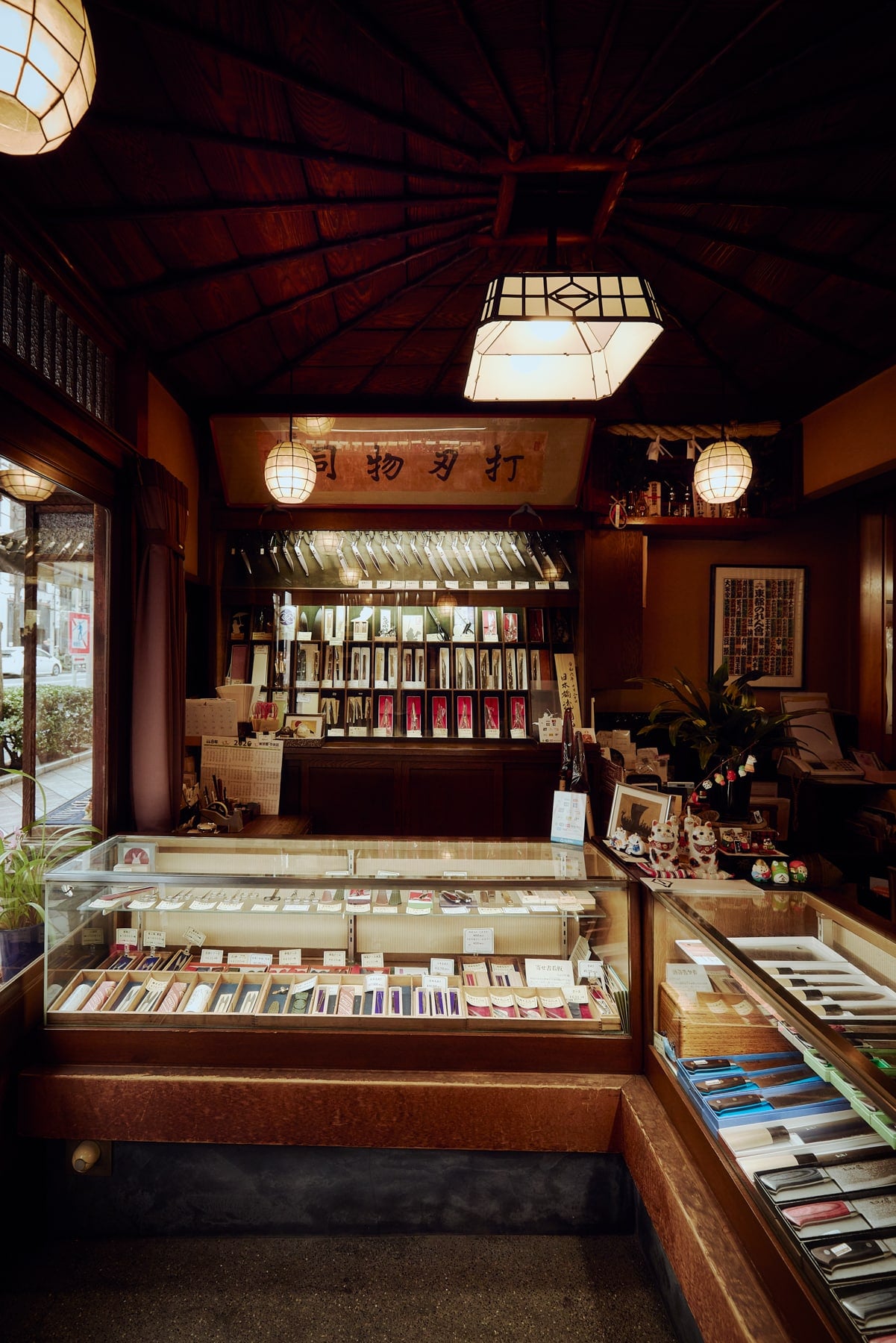
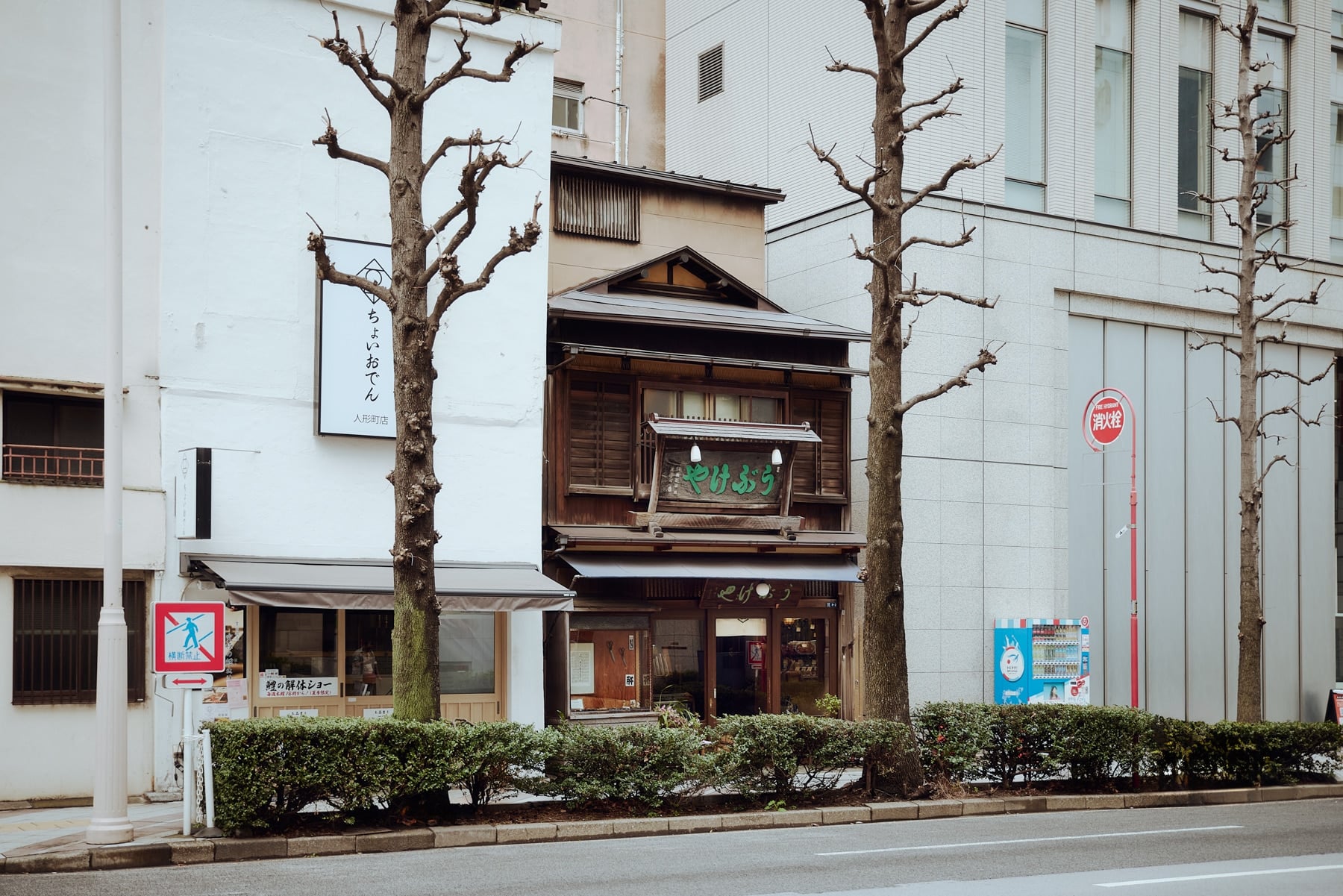
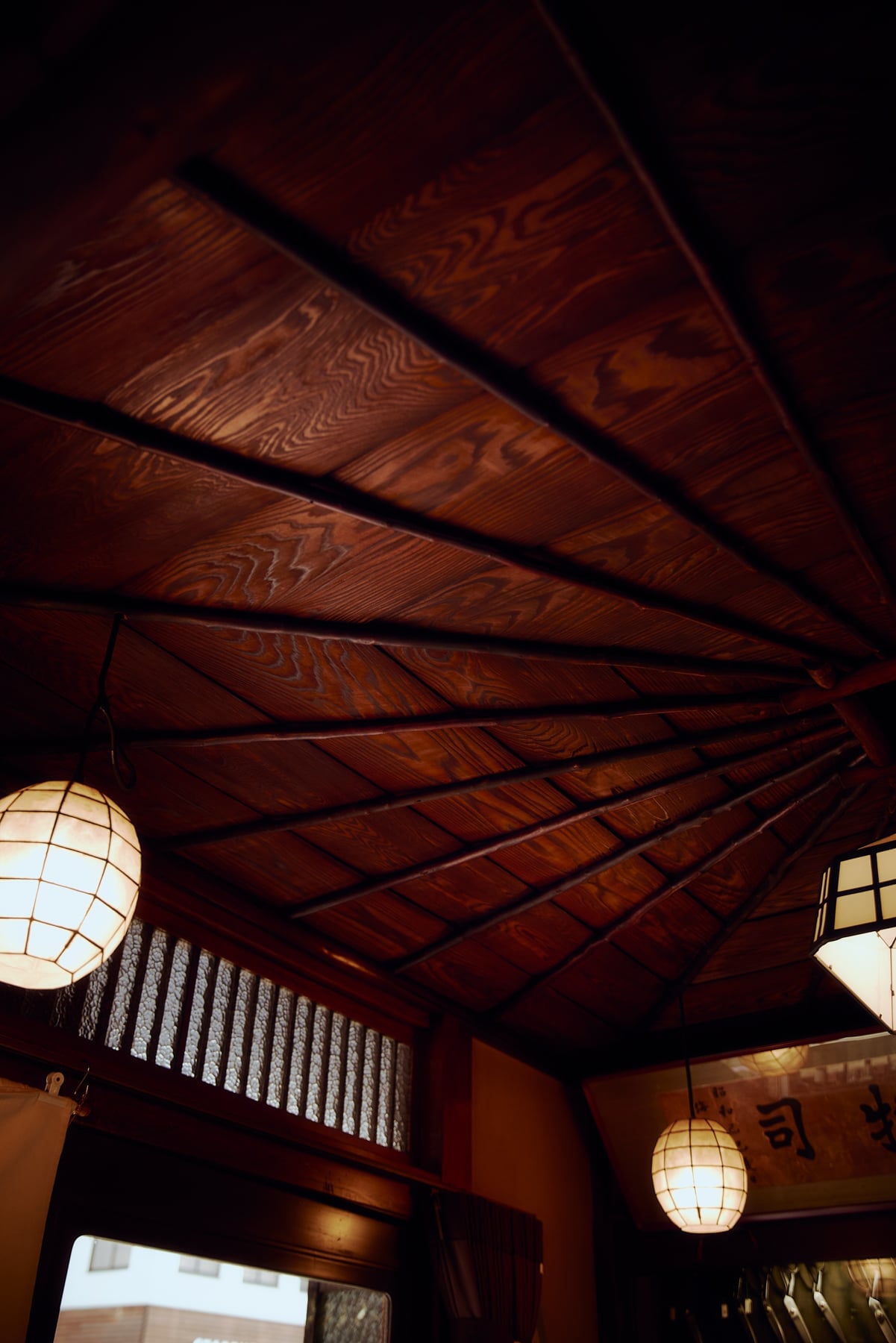
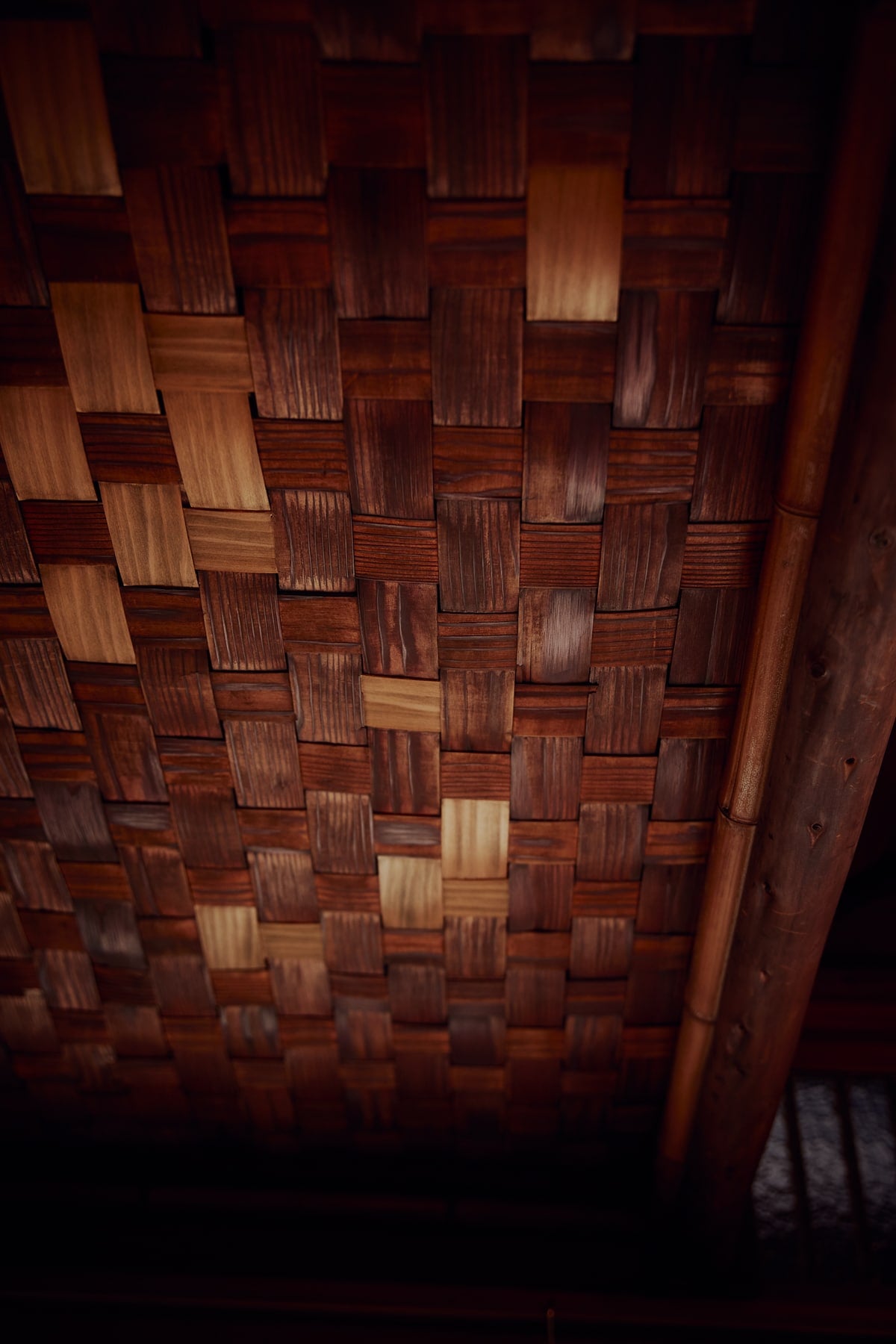
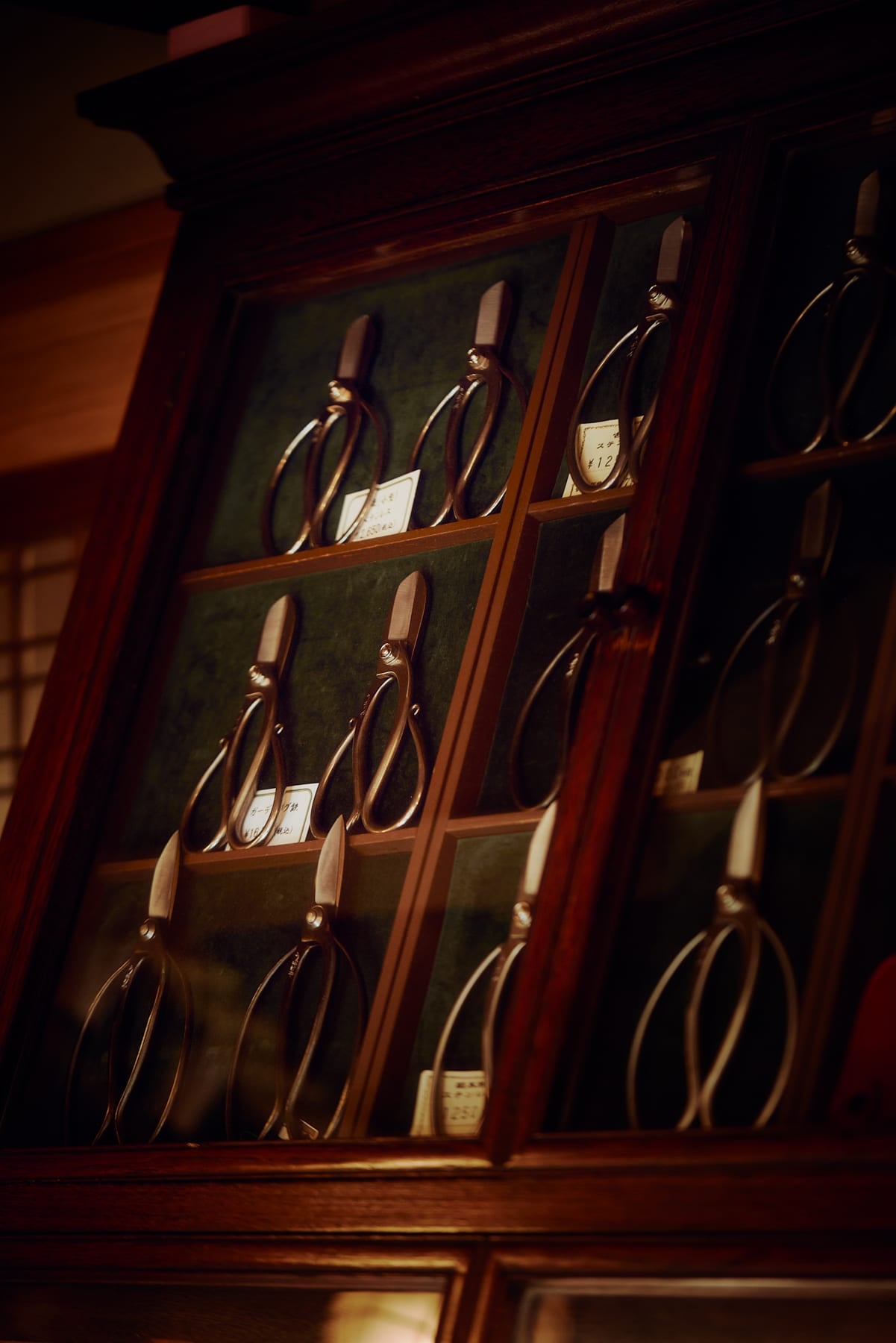
The shop is housed in a wooden building that was rebuilt after being destroyed in the 1923 Great Kanto Earthquake. It retains many traditional Japanese architectural features, including a karakasa ceiling, in which beams radiate outward from the center, an ajiro ceiling woven from thin strips of wood and bamboo, and display shelves made entirely of mulberry wood. It remains one of the most historically significant buildings in Nihonbashi Ningyocho.
Located on Ningyocho Street, just a one-minute walk from Ningyocho Station.
The karakasa ceiling, with beams radiating outward from the center. This architectural style was commonly seen during the Edo period.
The ajiro ceiling is a traditional Japanese ceiling made by weaving thin strips of wood, bamboo, or other plant materials. It is commonly found in sukiya-style architecture and tea houses.
The display shelves are made of durable mulberry wood and angled for easy viewing. Over time, the wood has developed a rich brown patina.
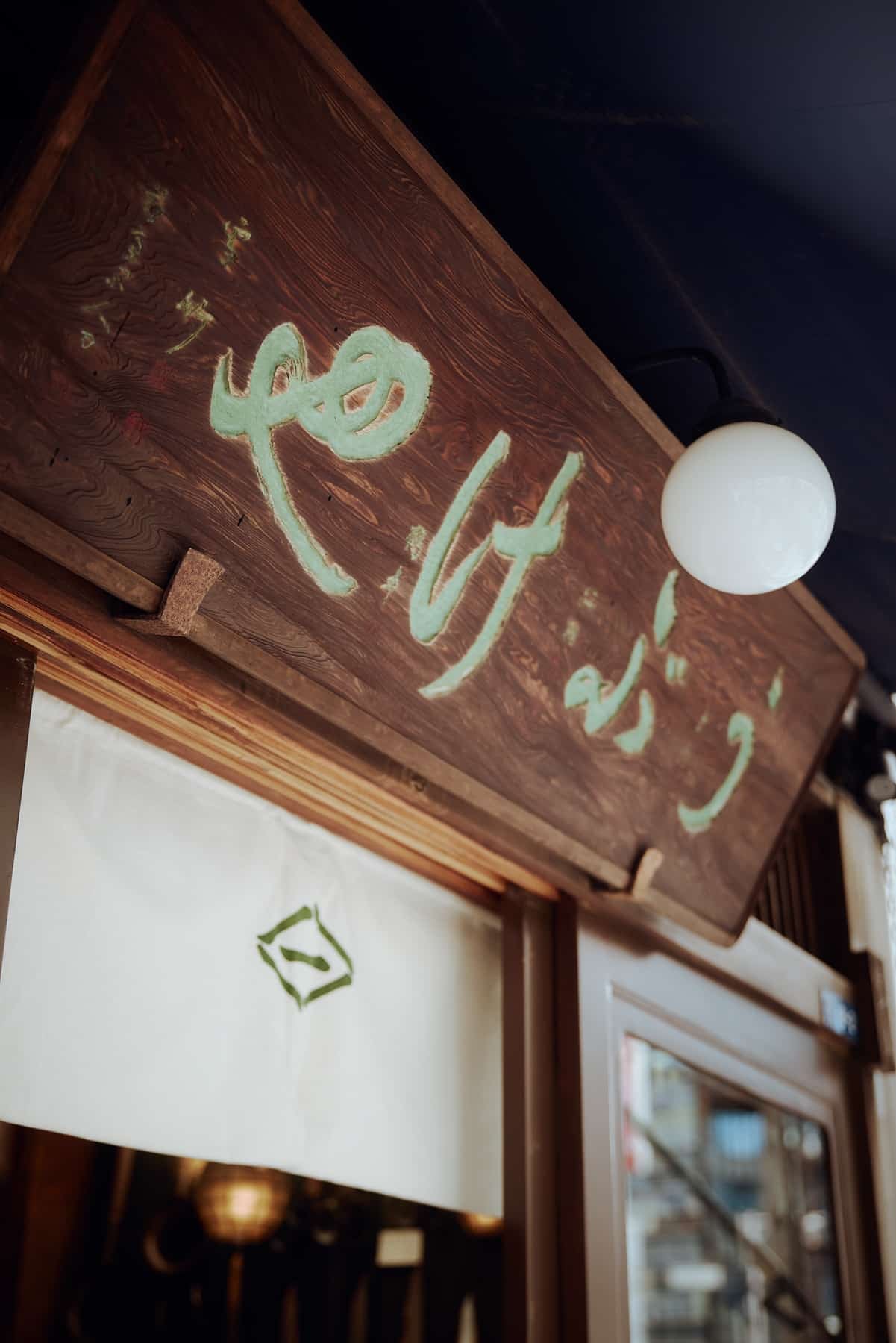
The signboard at the entrance features the calligraphy of four prominent disciples of a renowned Meiji-era calligrapher.
“At "Ubukeya," the only thing that should never be cut is the bond between our tweezers and our customers.”
This saying has been passed down through generations at the shop. It compares the lasting relationship between the shop and its customers to a well-made pair of tweezers, which grips and plucks even the finest hairs without cutting them. Because maintaining a blade's sharpness over time requires regular resharpening and, when needed, replacing the handle, the relationship with the customer begins the moment a product is sold. This kind of ongoing care is essential to using cutlery for many years.
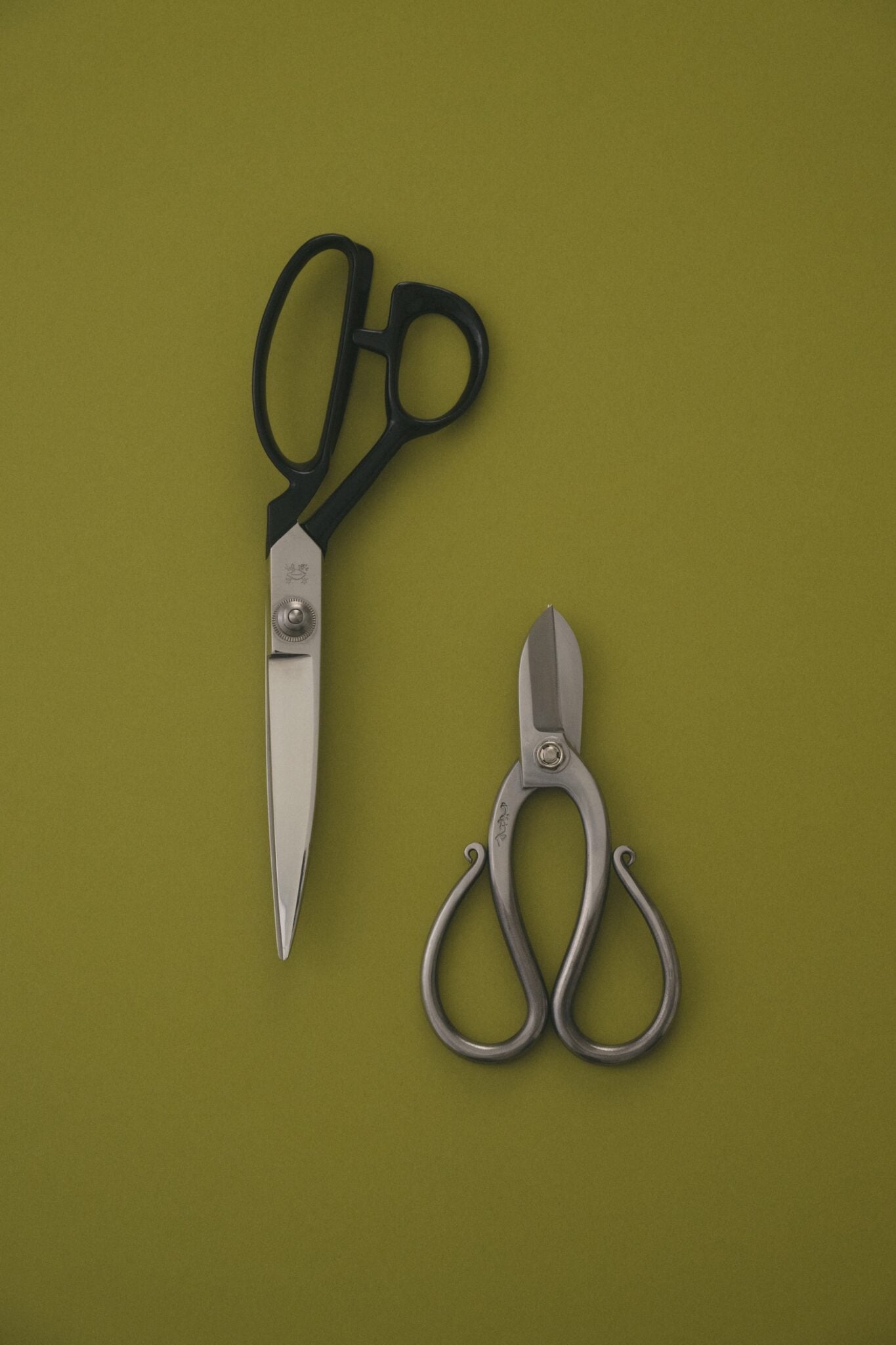
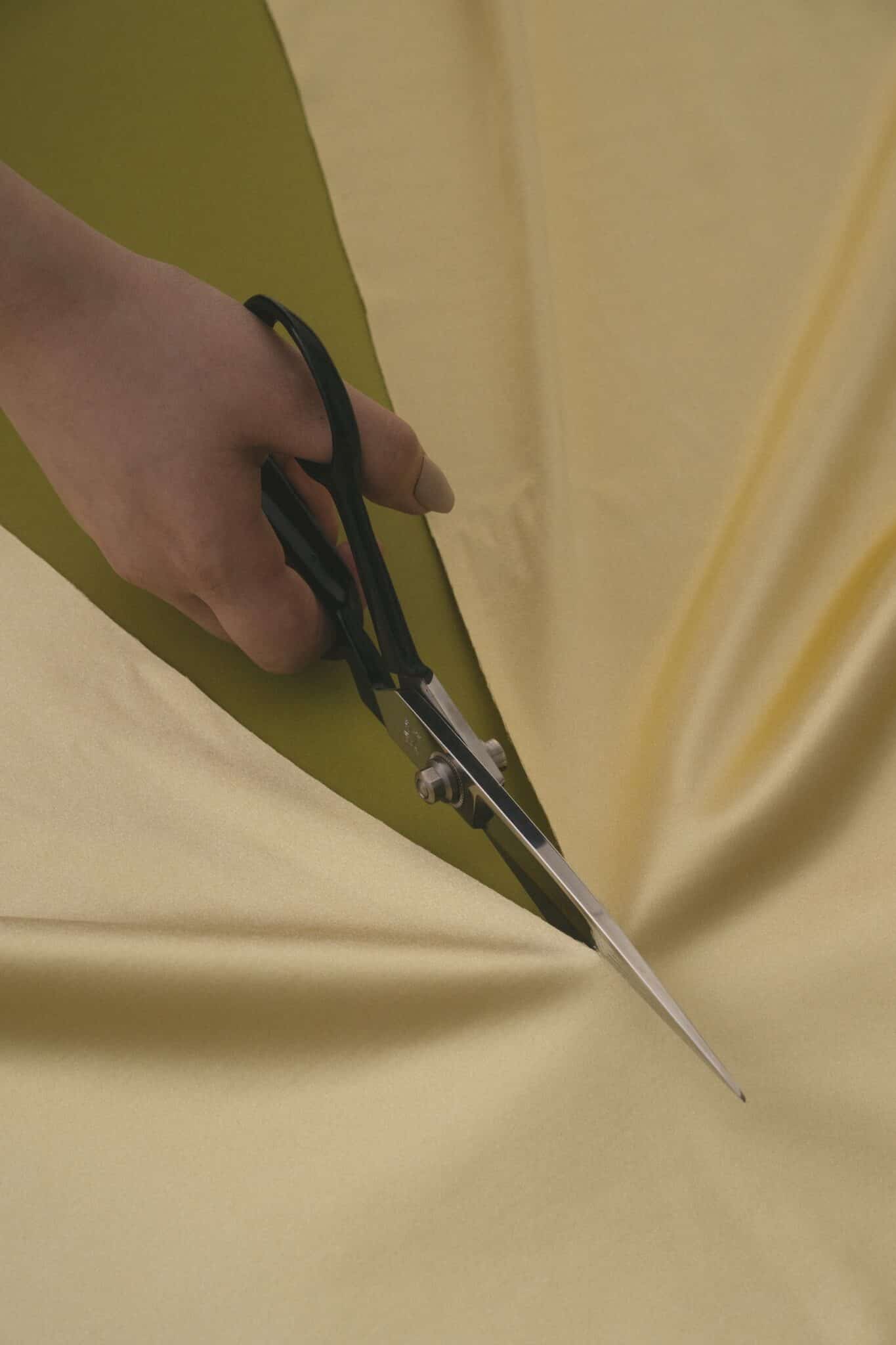
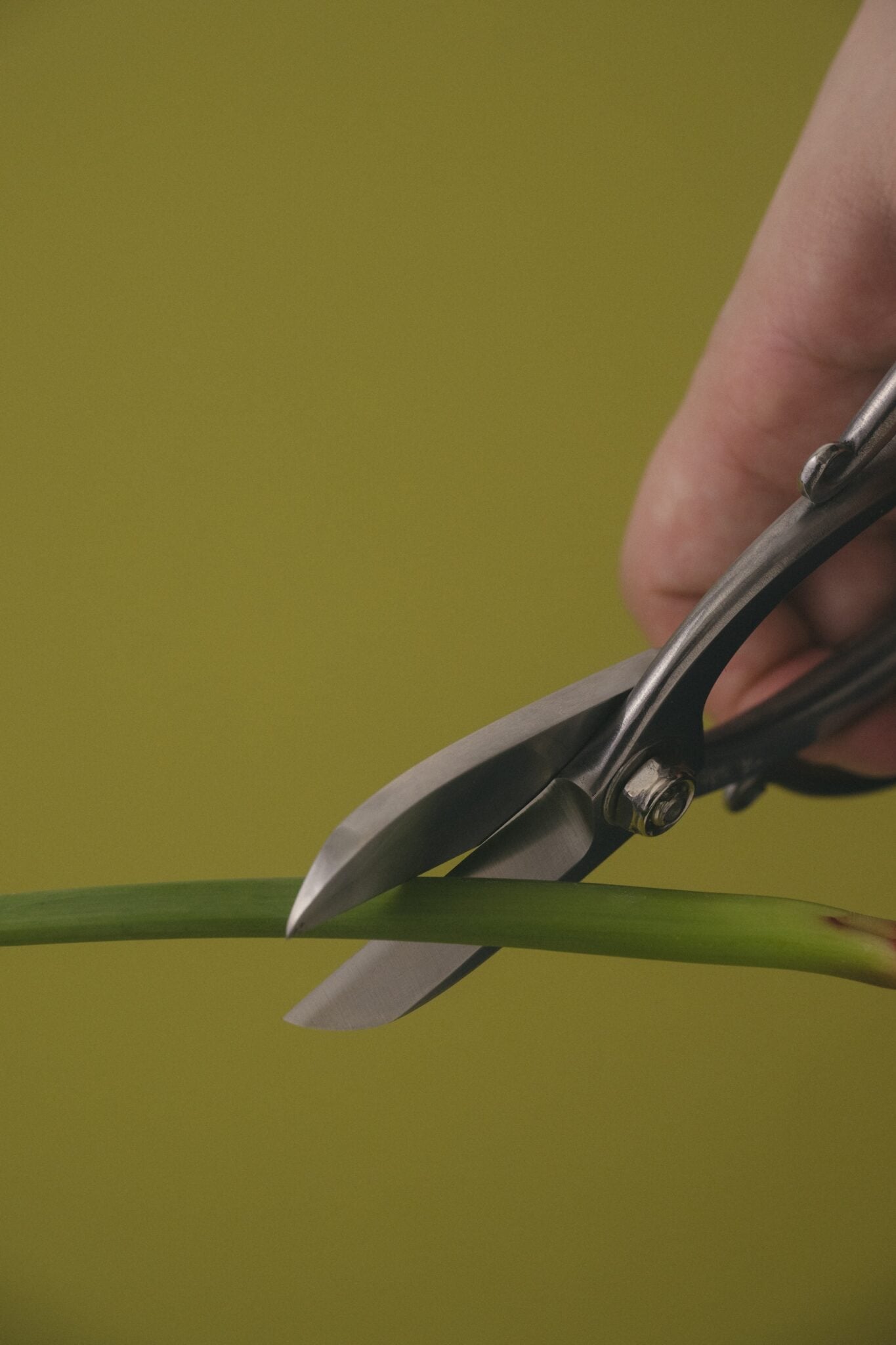
(Left) Tailoring scissors, ¥45,100. (Right) Flower scissors for the Shogetsudo Koryu school of ikebana, ¥16,500.
Known for their exceptional sharpness, they are used by tailors and garment factories around the world.
The small handles fit comfortably in the hand, allowing branches to be cut with little effort. Suitable for both cut flowers and garden pruning.
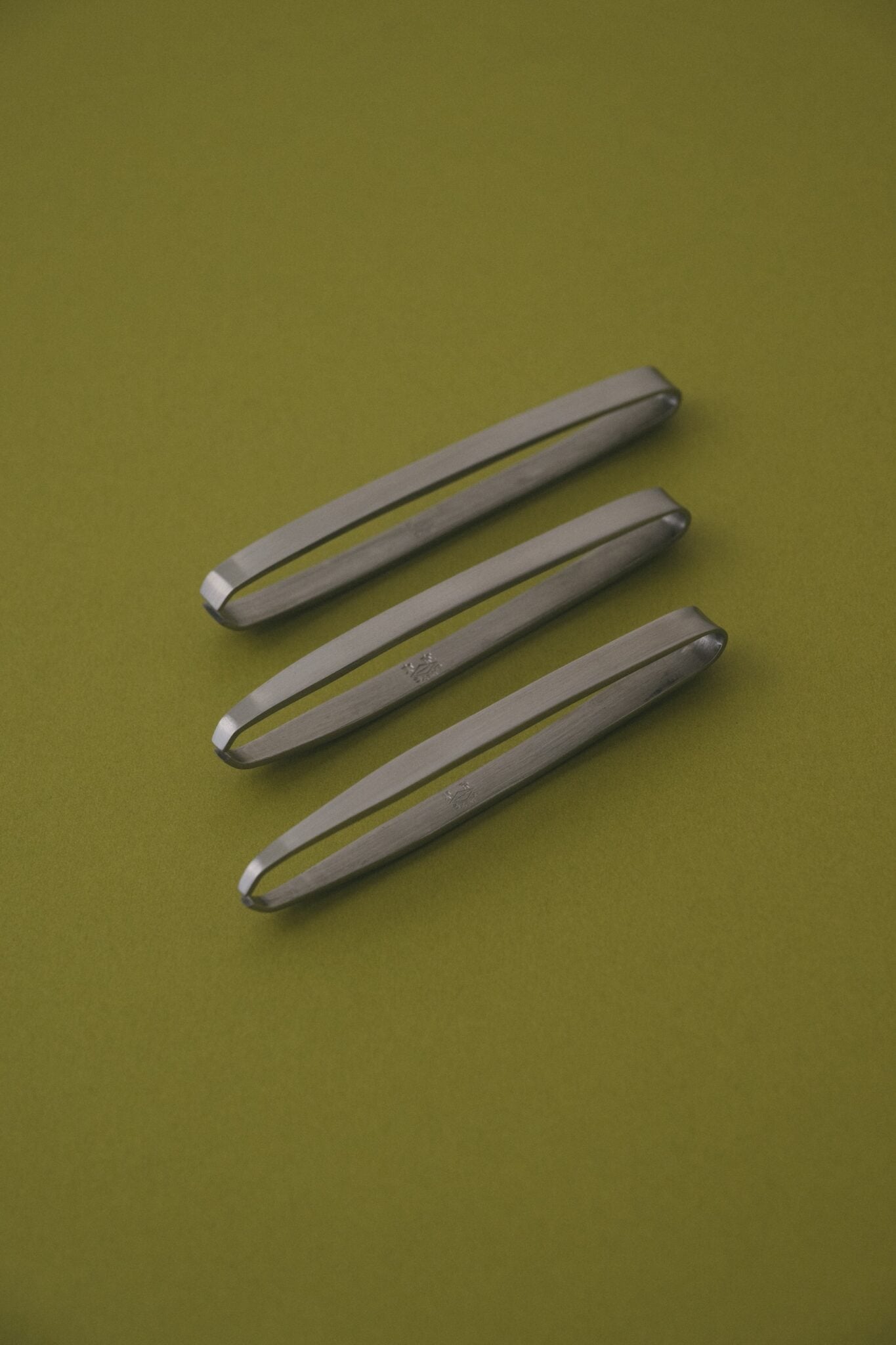
The tweezers come in 16 variations, with different lengths, tip widths, and shapes. From top: 6 mm tip, ¥4,950; 3 mm tip, ¥4,950; 2 mm tip, ¥4,400.
The 3 mm tip (center) is the most popular for its versatility.
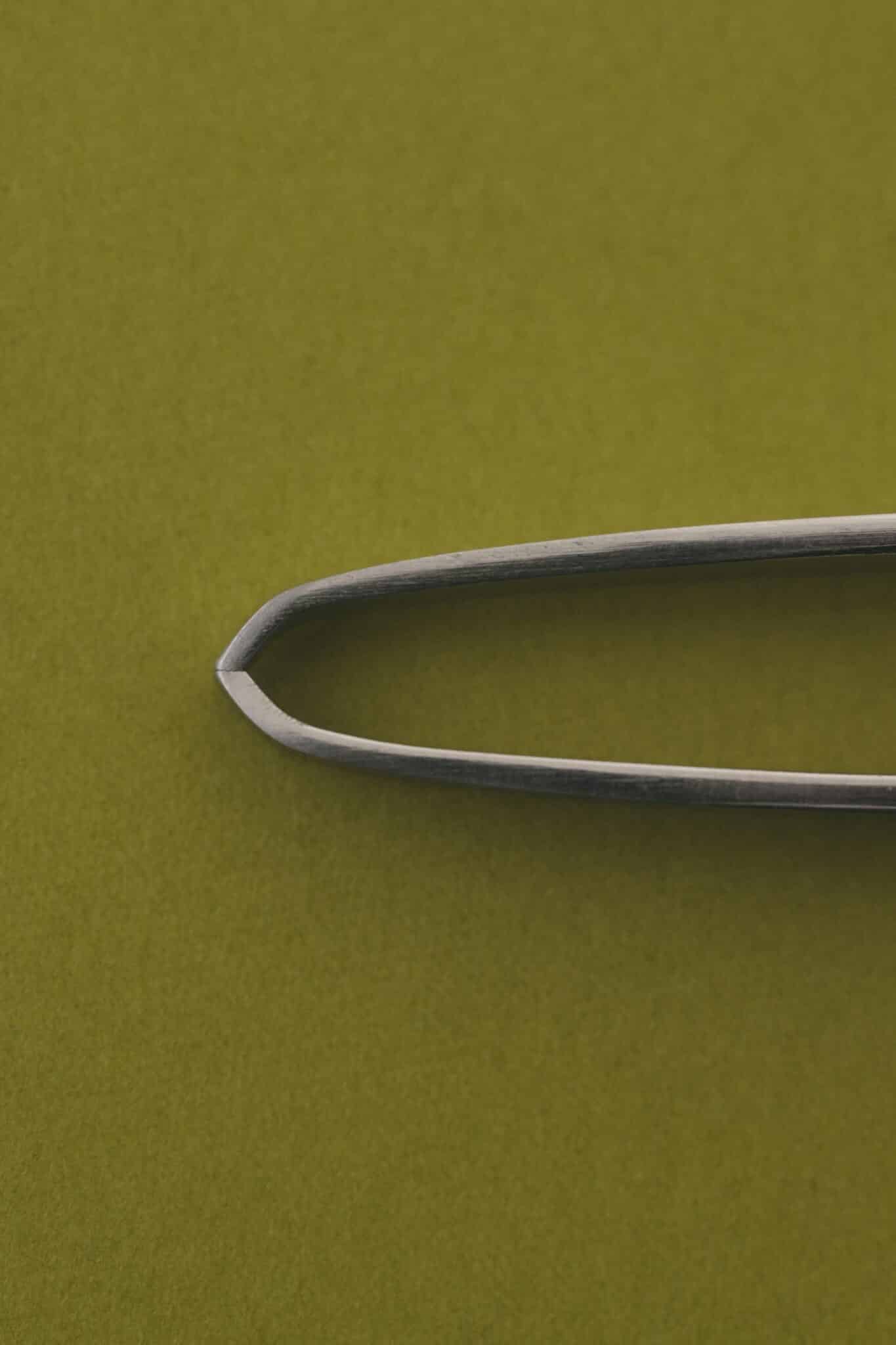
The tips meet with remarkable precision, leaving no gap between them.
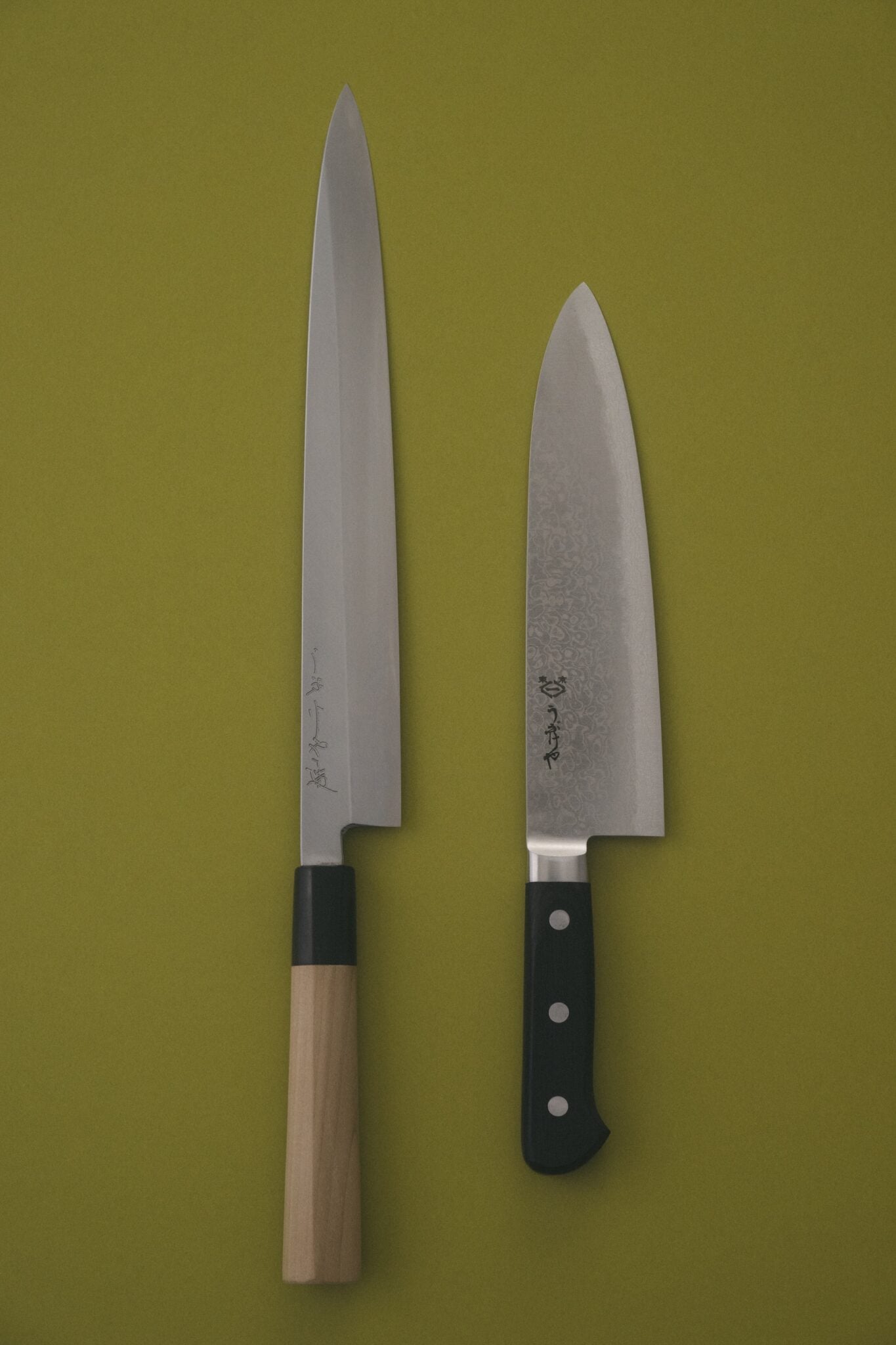
(Left) Yanagiba knife with a 9-sun(approx. 27 cm) blade, ¥63,800. Its single-bevel blade creates clean, beautiful cuts for sashimi. (Right) A popular 195 mm gyuto knife, ¥31,900. Designed for slicing meat and fish, its wider blade also makes it well suited for chopping vegetables.
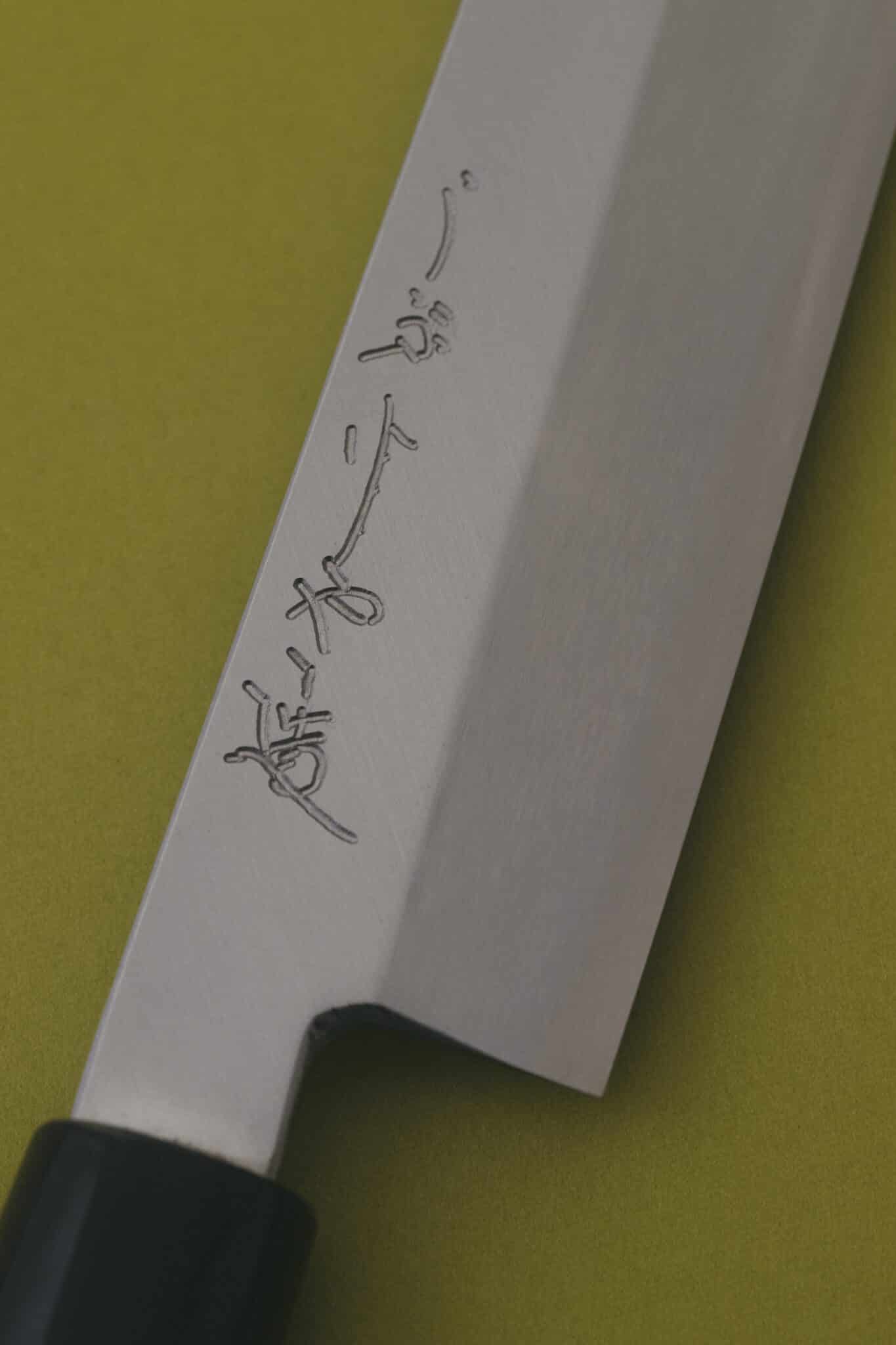
Featuring a narrow blade made with Aogami No. 1, one of the highest-grade Japanese steels. It is also said to be used by renowned sushi restaurants in Ginza.
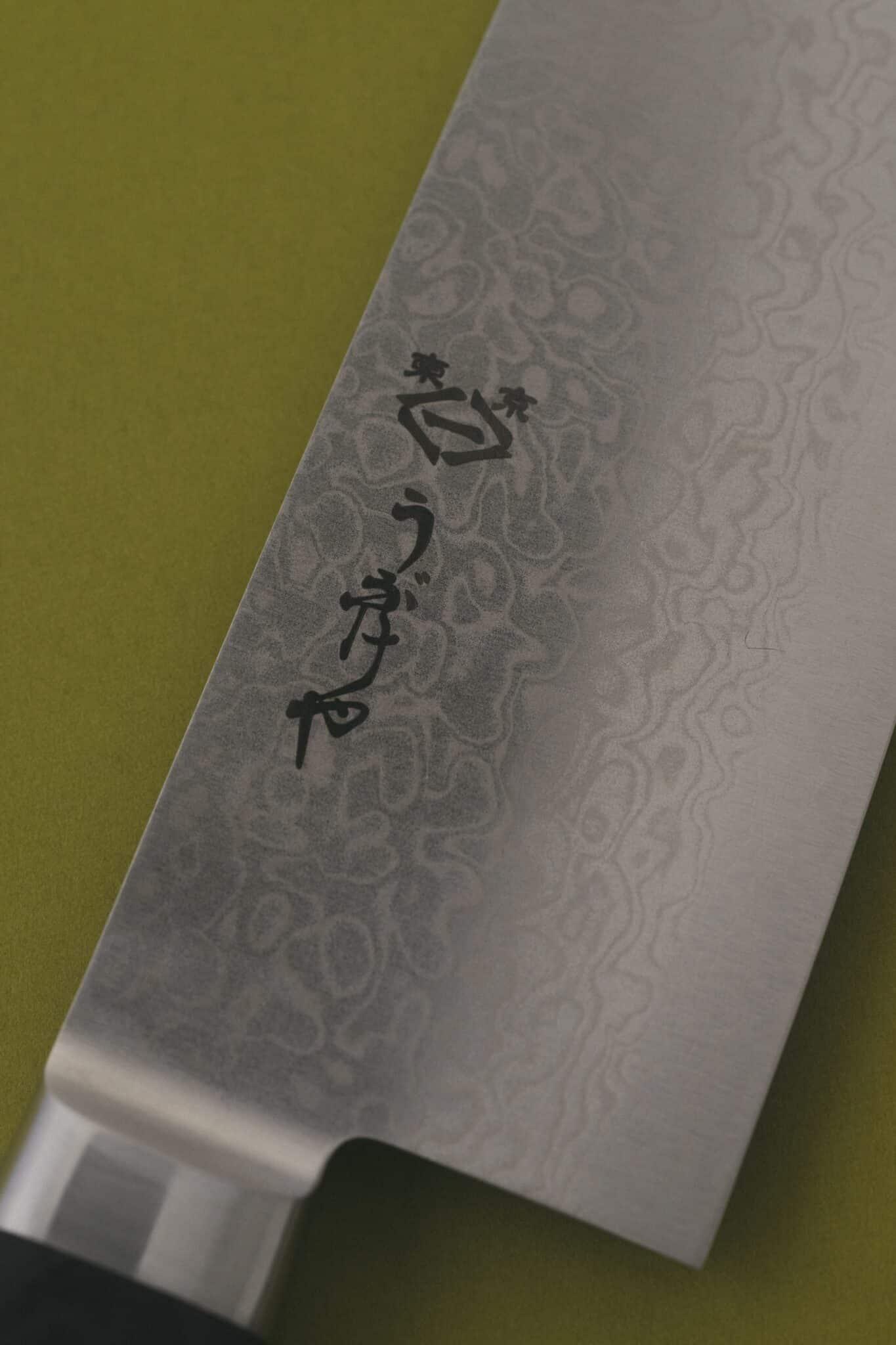
Made from rust-resistant layered steel, the blade features the distinctive patterns created by laminating multiple layers of steel with different properties.
The information in this article is current as of July 3, 2026 (at the time of publication).



.jpg)
スマホ.jpg)