DEEPTOKYO
magazine

EN


AREA
DEEPTOKYO
magazine
EN
AREA
Experience the Next Generation of Sento Culture, from Bathing and Beer to an Overnight Stay


 Nearest Station


Japanese sento (public bathhouses) have long been popular as public bathhouses that support people's daily lives. Sento have been an extension of daily life, but now they are undergoing a major transformation. A number of "sento + α" facilities have sprung up one after another, offering craft beer, cafes, lodging, and other amenities. Koganeyu" in Kinshicho is a typical example. We will introduce the forefront of sento culture, which proposes new ways to enjoy sento while inheriting its traditions.
SHARE


A sento is a public bathhouse rooted in the local community. Since the days when private homes did not have baths of their own, sento have supported everyday life in Japan. Their defining feature is that they exist as an extension of ordinary living. For that reason, they differ from ryokan inns and spas, which are places for enjoying something out of the ordinary, even in terms of price. Admission fees are set by region, and in Tokyo, anyone can bathe for ¥550 as an adult.
In recent years, however, more and more neighborhood sento have begun adding spaces where visitors can enjoy meals or craft beer after bathing, creating places where people can spend time in a “sento + α” way. In an age when having a bath at home is taken for granted, sento are also evolving into spaces that offer an “extraordinary” experience.
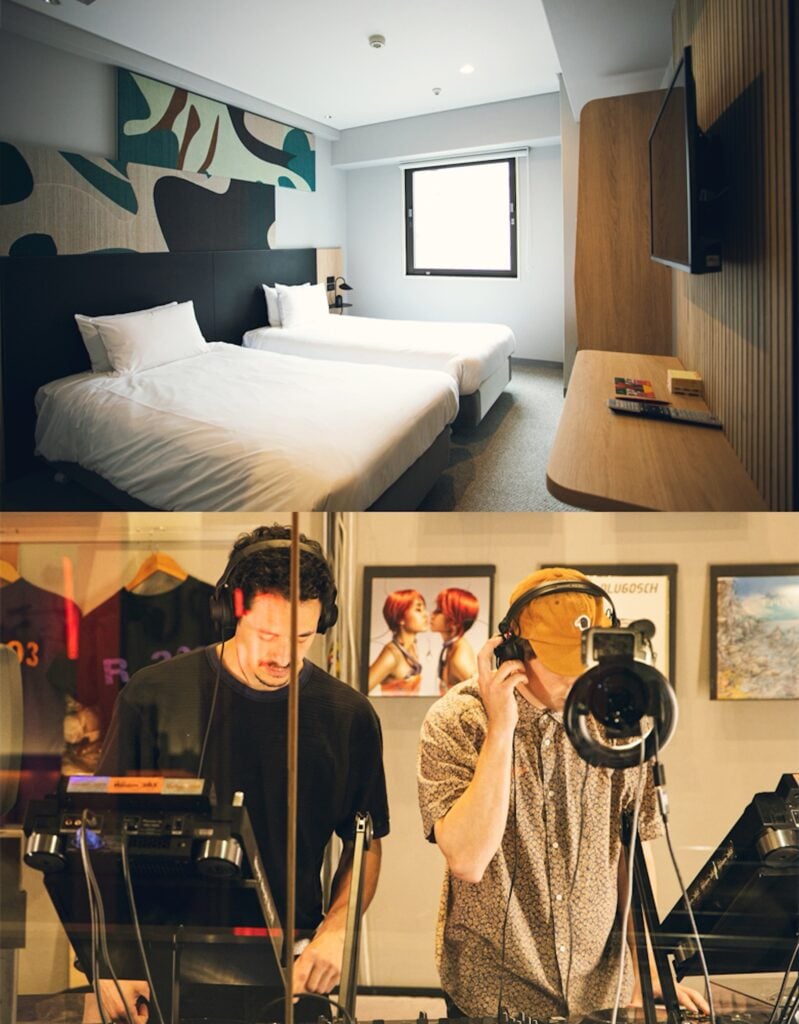
Founded in 1932, “KOGANEYU” in Kinshicho attracted major attention after its full renovation in 2020. While preserving the atmosphere of a traditional sento, it has become a “stay-over sento” equipped with a DJ booth, beer bar, dining space, and lodging. It has gained strong support from style-conscious young people and has become one of the driving forces behind the sento and sauna boom.
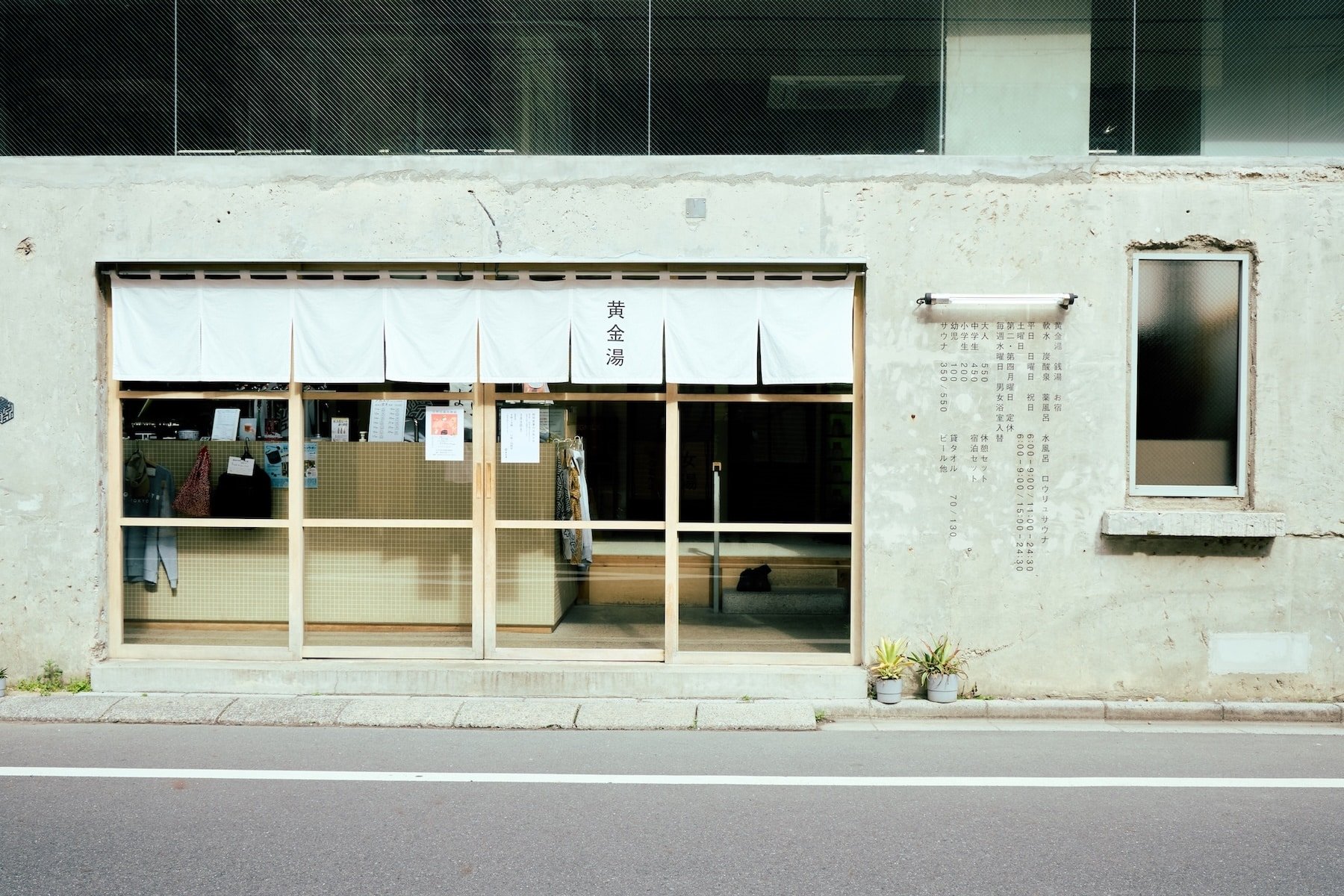
The exterior of "Koganeyu" is located in a downtown residential area. It retains the appearance of a traditional public bathhouse, but has been updated with a minimalist signage for a modern look.
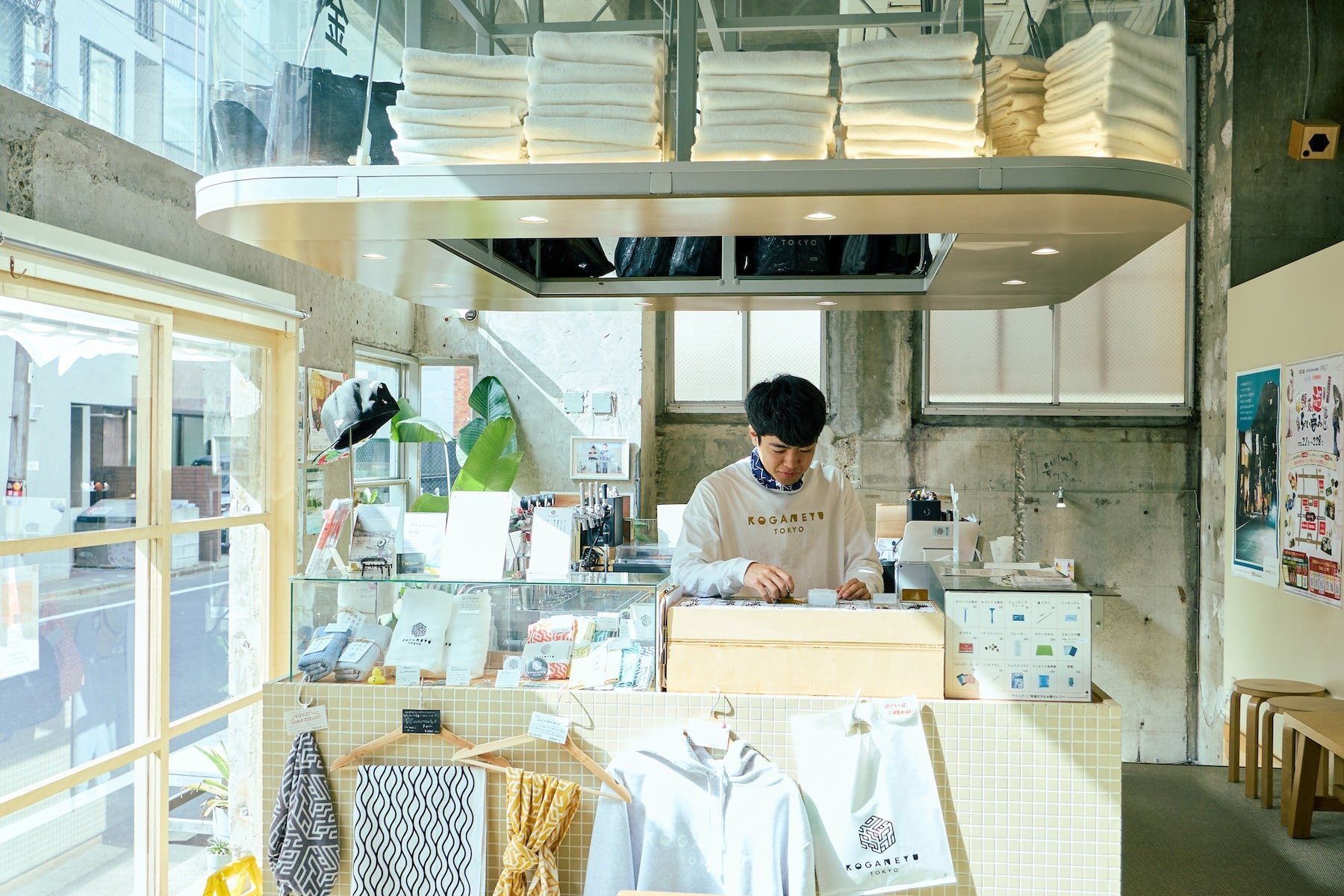
A bright front desk filled with natural light. Behind it are a beer bar and DJ booth.
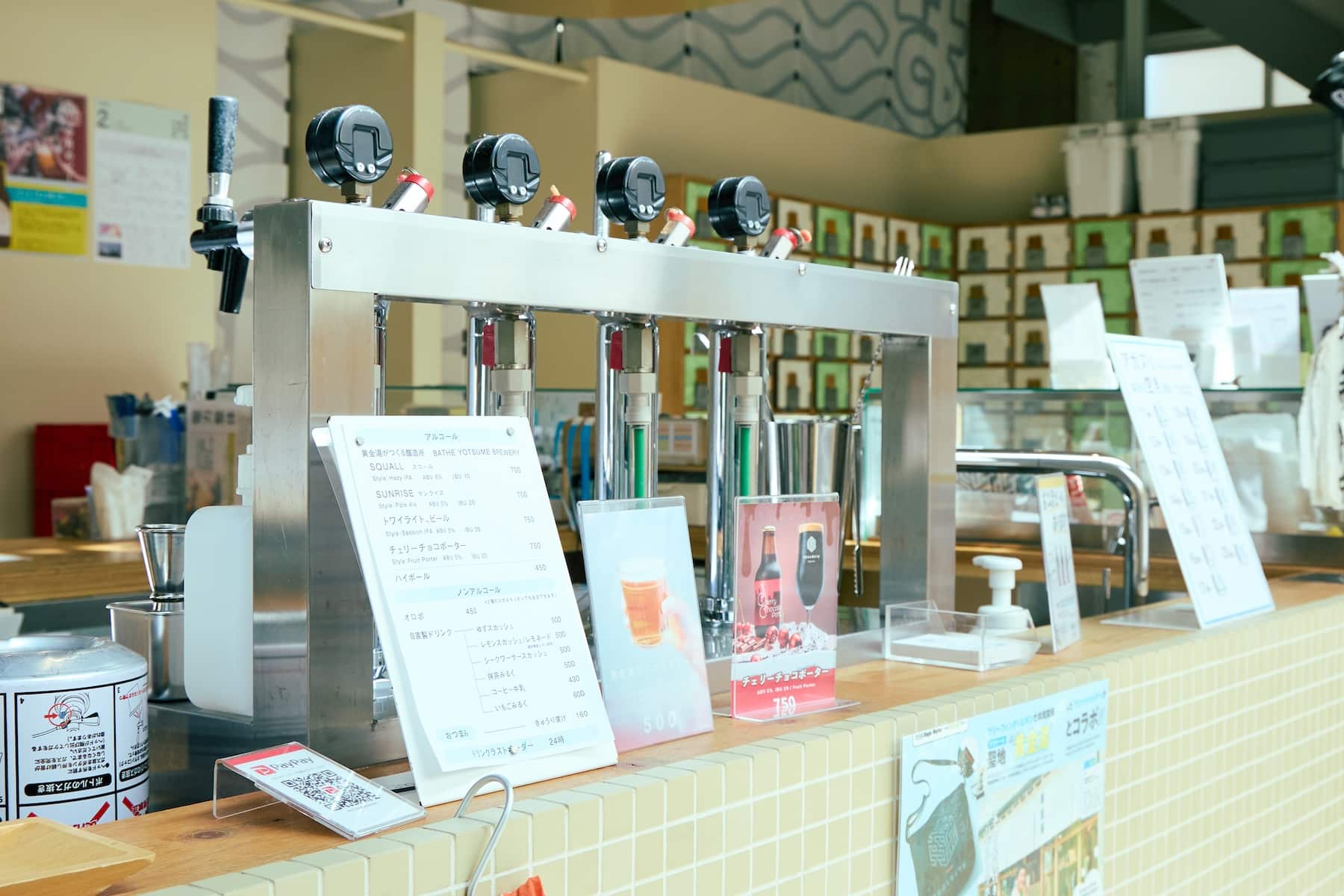
There are four beer taps. Visitors can enjoy house-brewed craft beer.
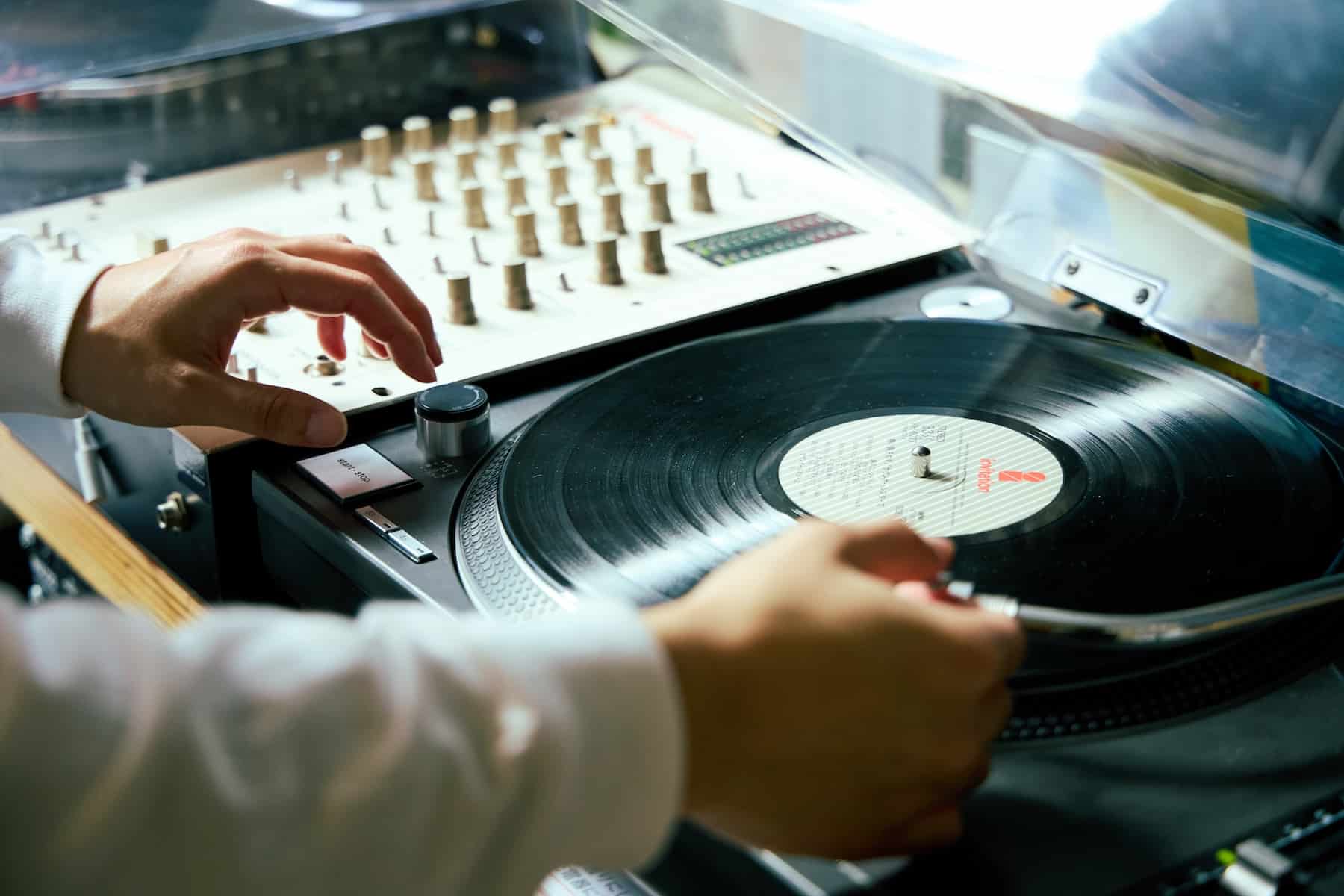
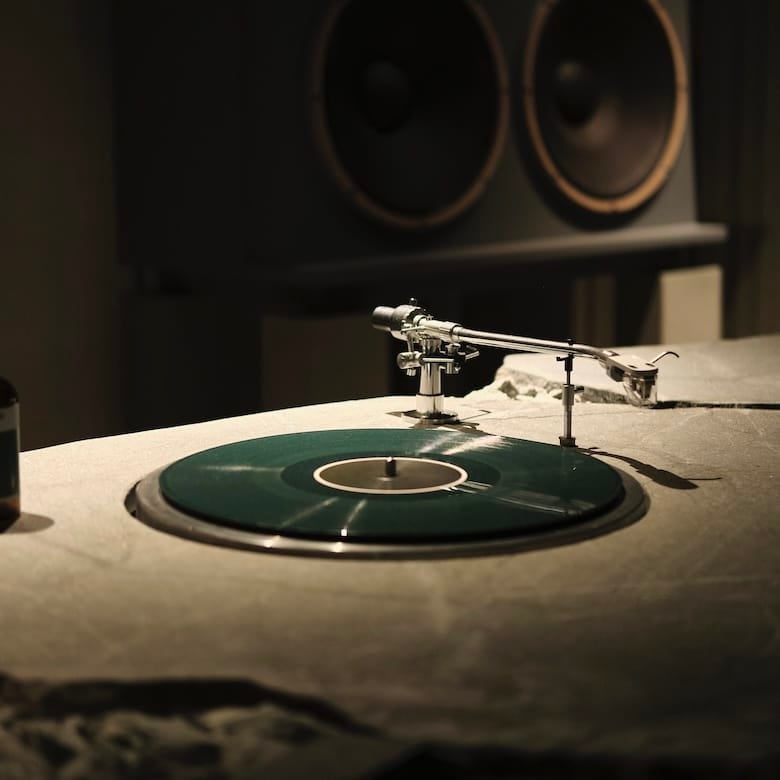
A turntable placed here at the suggestion of a staff member. Music from all genres, both Japanese and international, is played, and some records have even been brought in by regular customers.
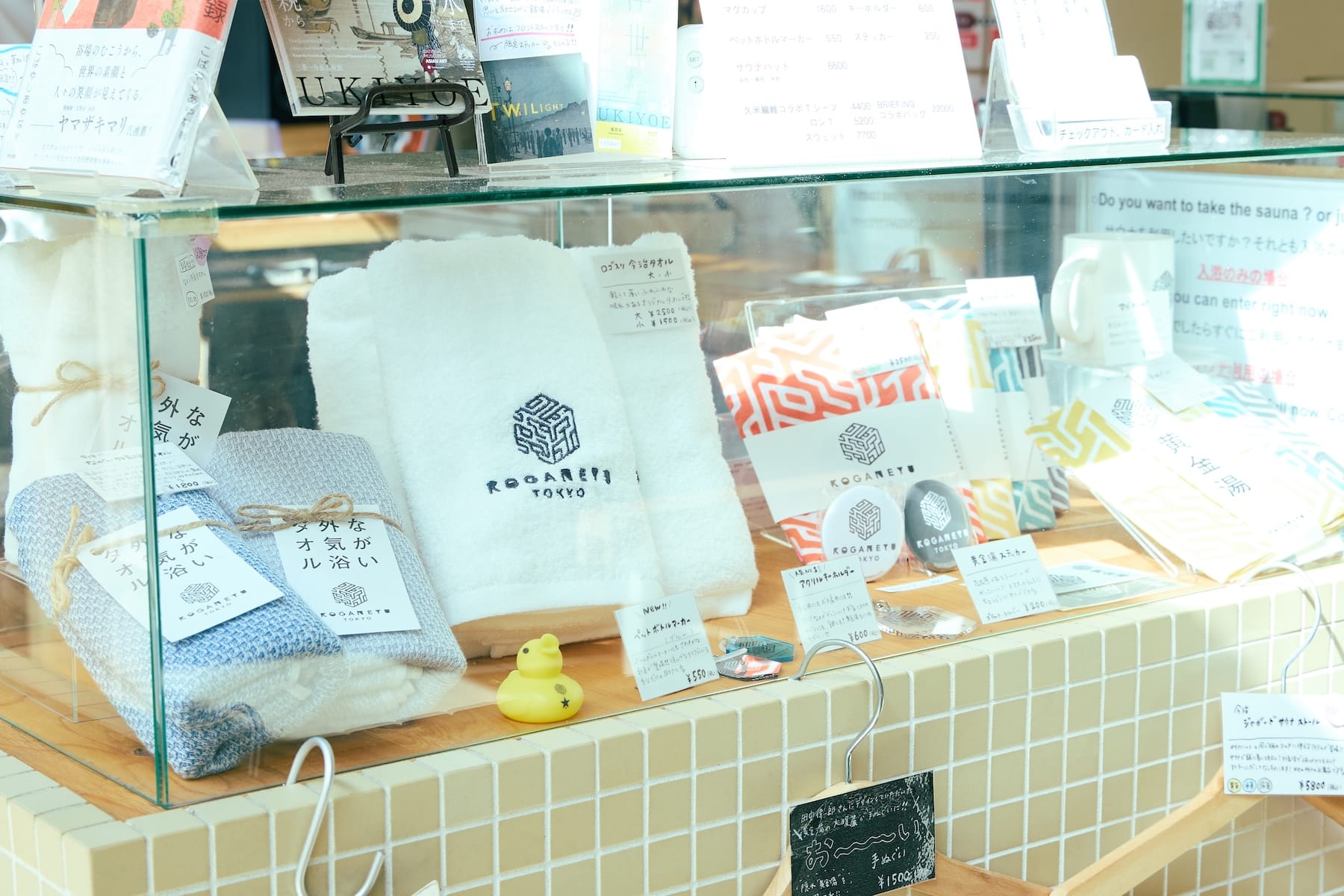
The merchandise corner is lined with original Imabari towels and tenugui hand towels. No need to worry if you forgot your towel.
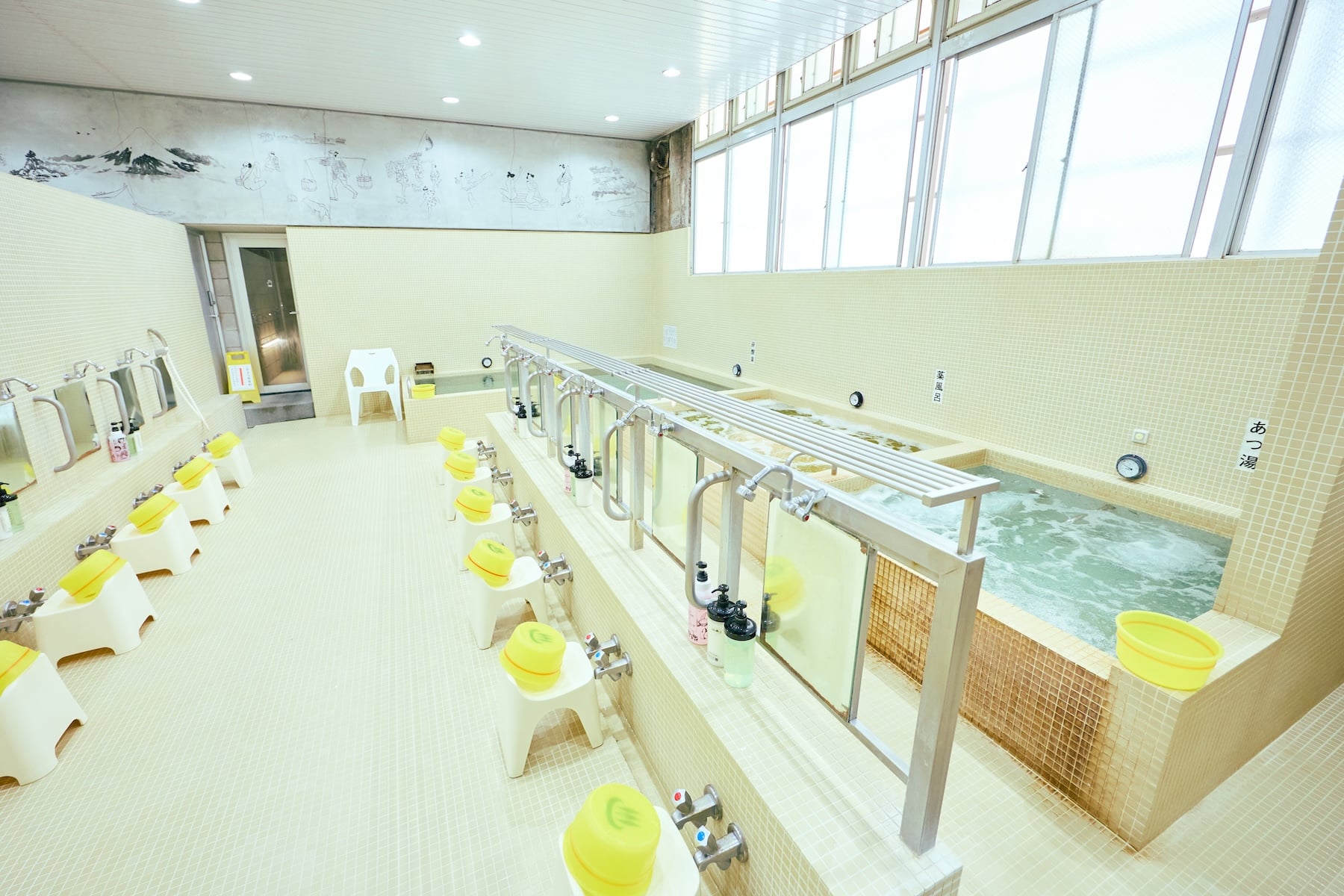
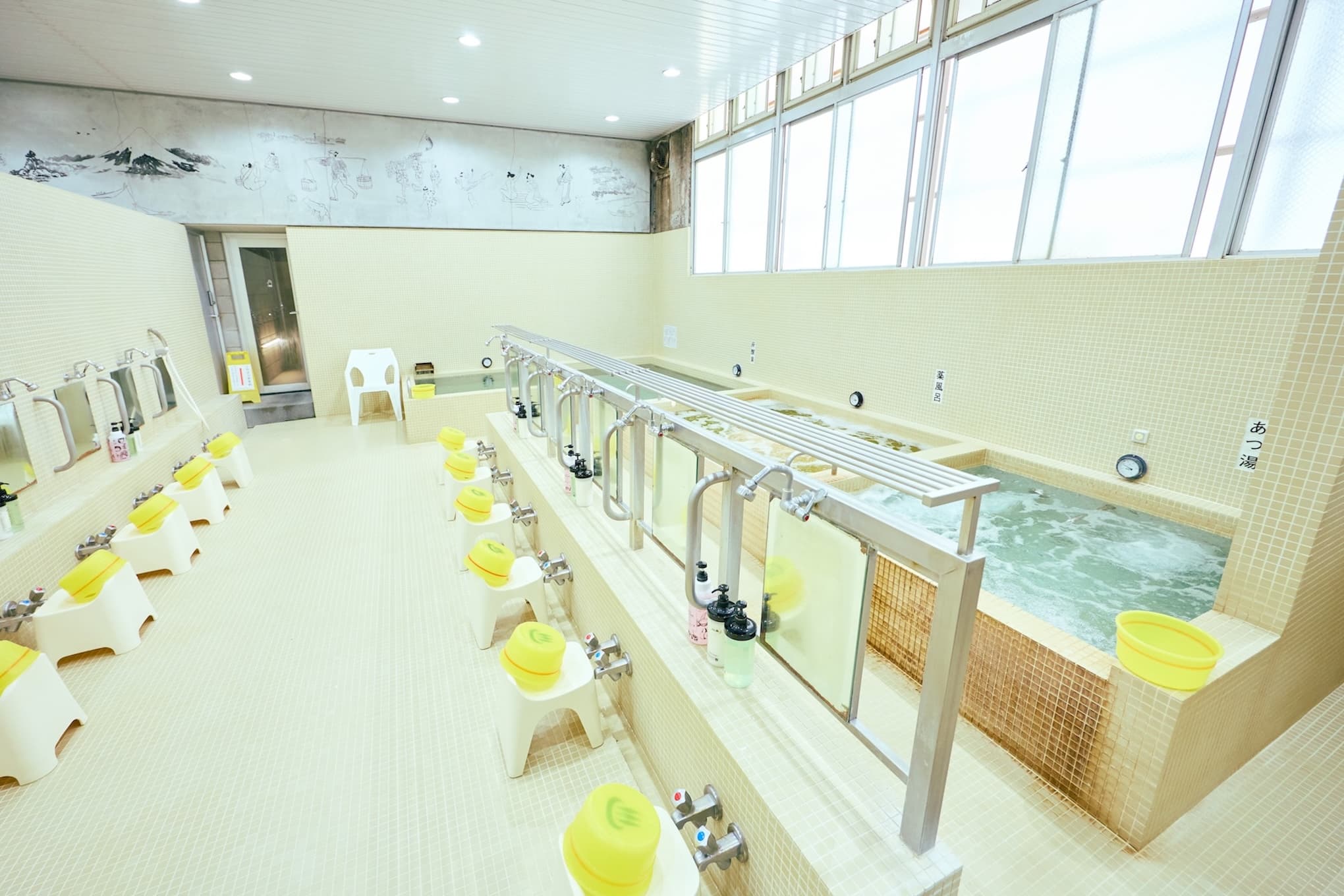
After changing in the dressing room and stepping into the spacious bathing area, you are greeted by neatly lined washing stations and three baths set at different temperatures. In a sento, a public bathhouse rooted in the local community, it is perfectly natural to see regulars greeting one another or chatting casually. It offers a local experience where you can encounter a side of everyday Japanese life.
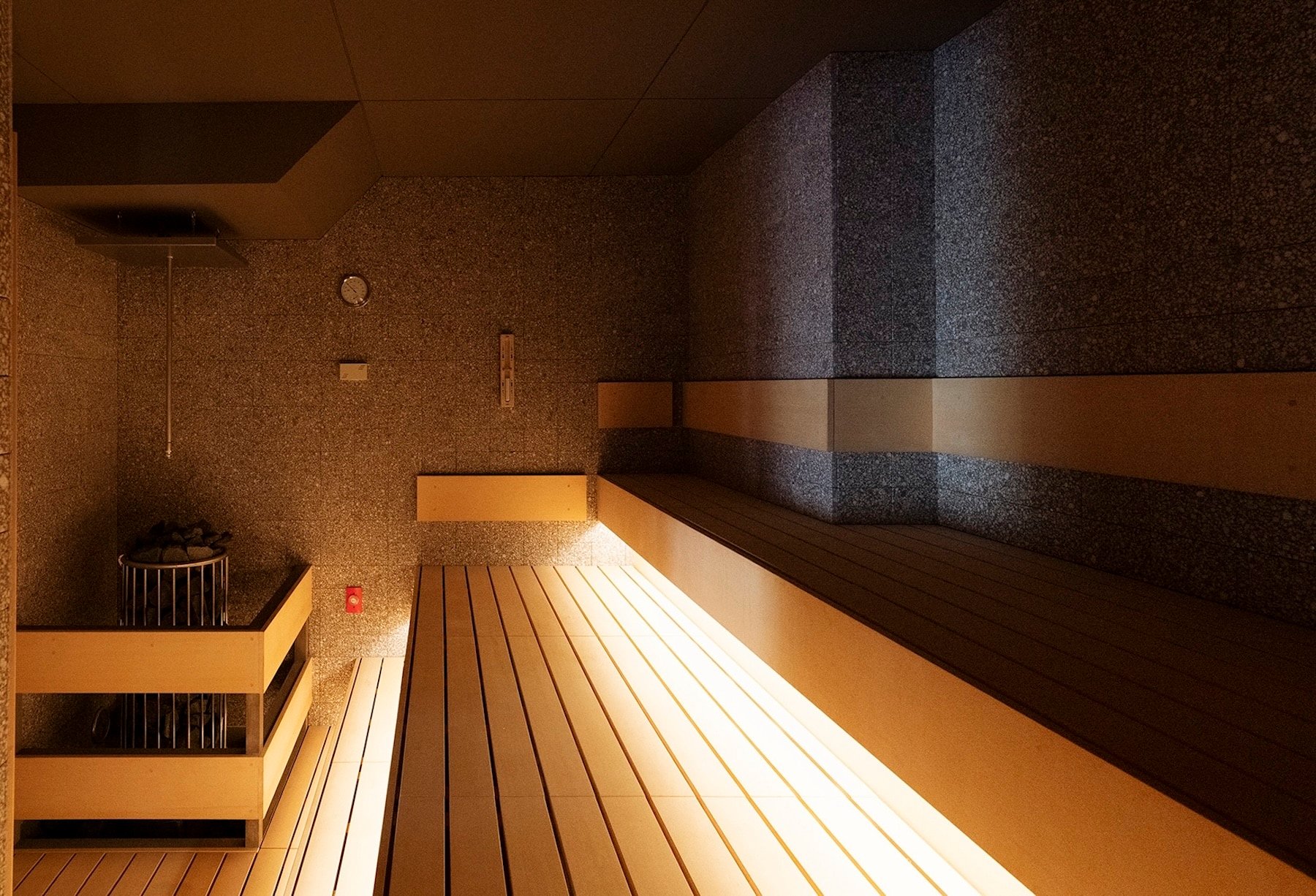
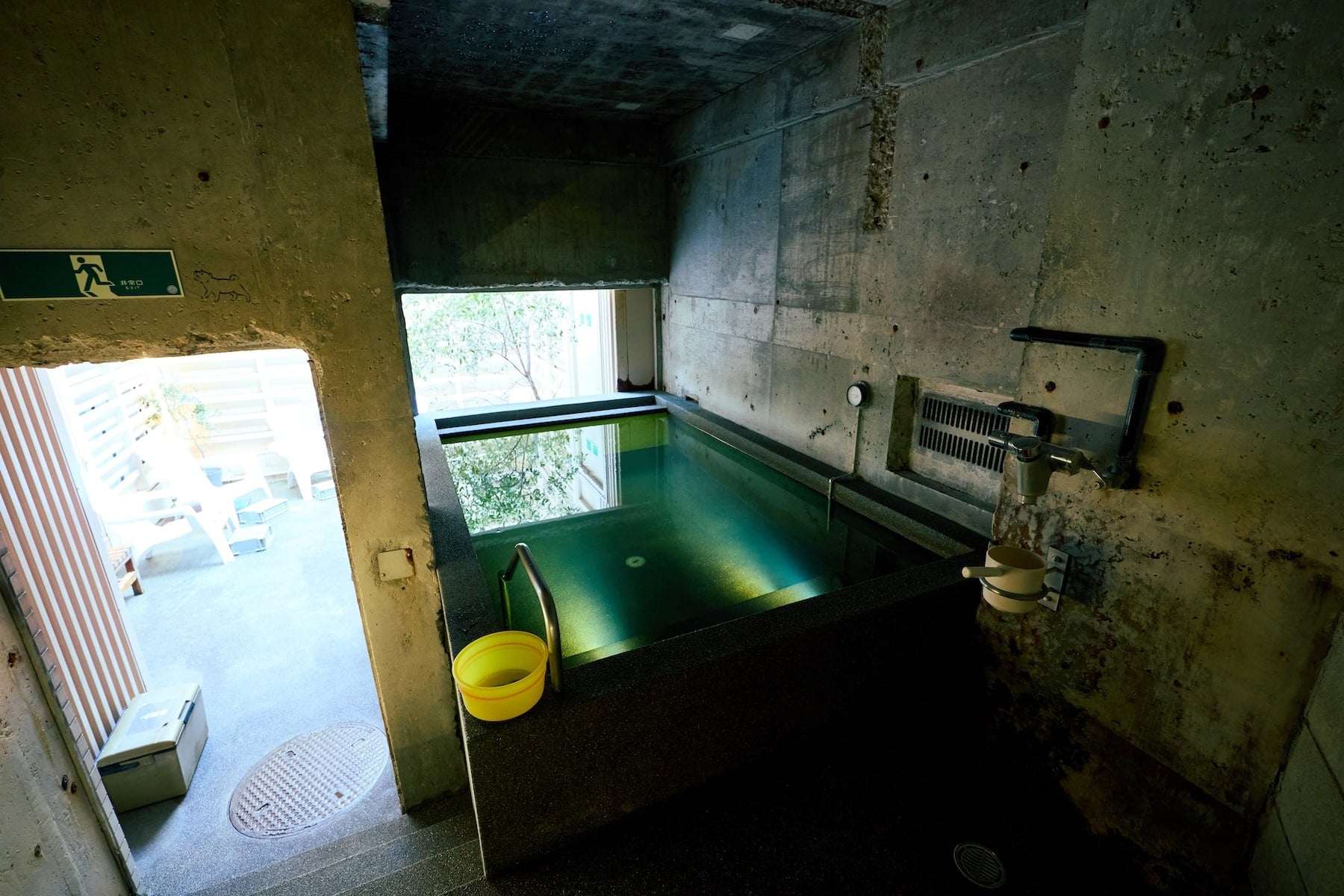
At the back is an authentic sauna room made with bakuhanseki stone, available for an additional fee. There is also a cold bath with a depth of 90 cm and generous width, along with an outdoor air-bathing area. Compact yet offering a high-quality sauna experience, it is especially popular with sauna lovers, known in Japan as “sauners.”
Recently, “KOGANEYU” has also introduced a new service called “whisking,” a one-on-one treatment using bundles of plants. In addition, its second location, “KOGANEYU Shinjuku,” is scheduled to open in Shinjuku in late June 2026. Going beyond the framework of a conventional sento, it is a bathhouse that continues to generate new ideas and attract attention.
The indoor baths include a “hot bath” at 43–44°C, a rotating medicinal bath, a body-temperature carbonated bath, and a cold bath.
The sauna room is heated thoroughly through radiant heat from bakuhanseki stone walls and auto loyly. Photograph : Yurika Kono
The cold bath is 90 cm deep. The water temperature is kept at around 15°C, allowing for an efficient cooldown.
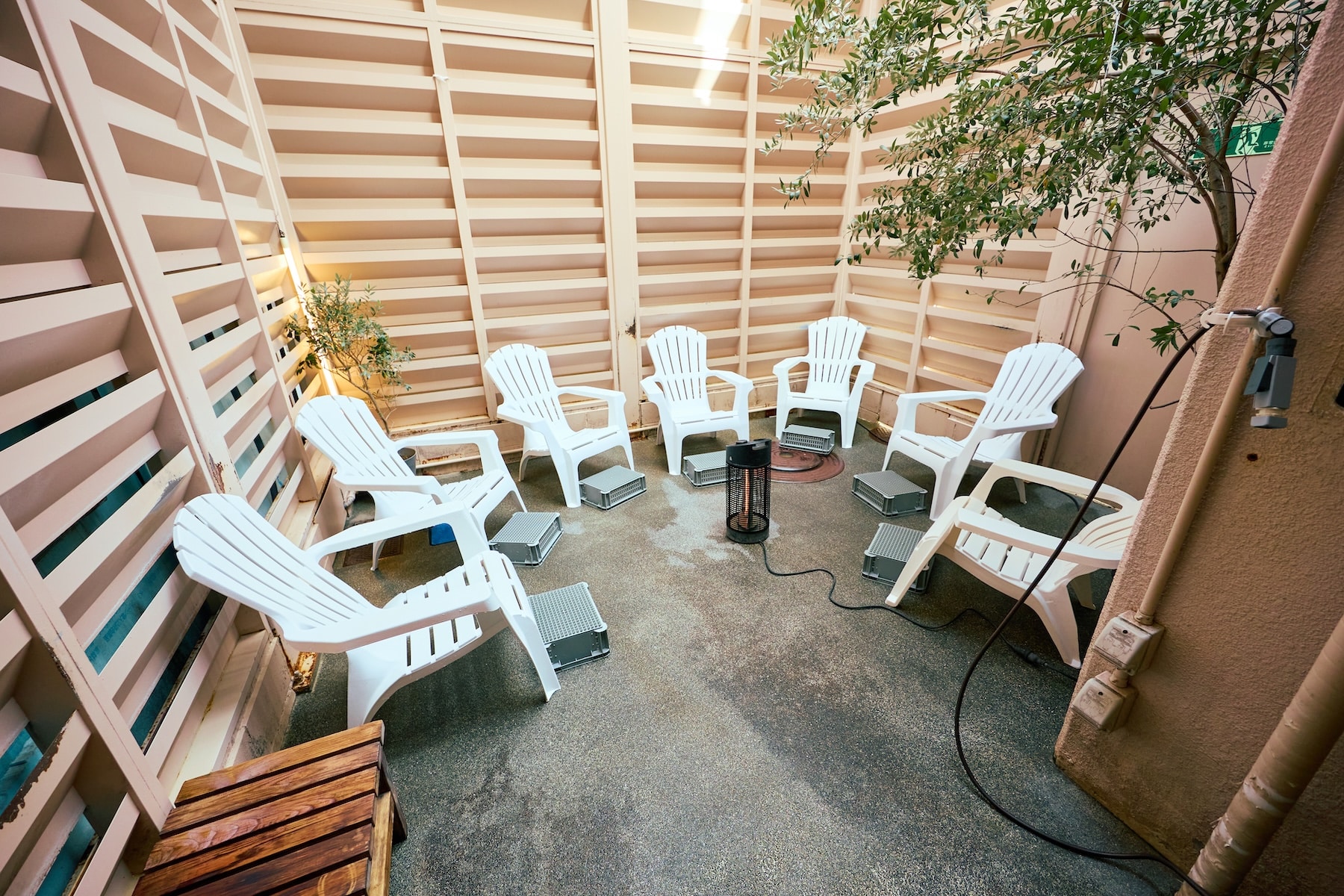
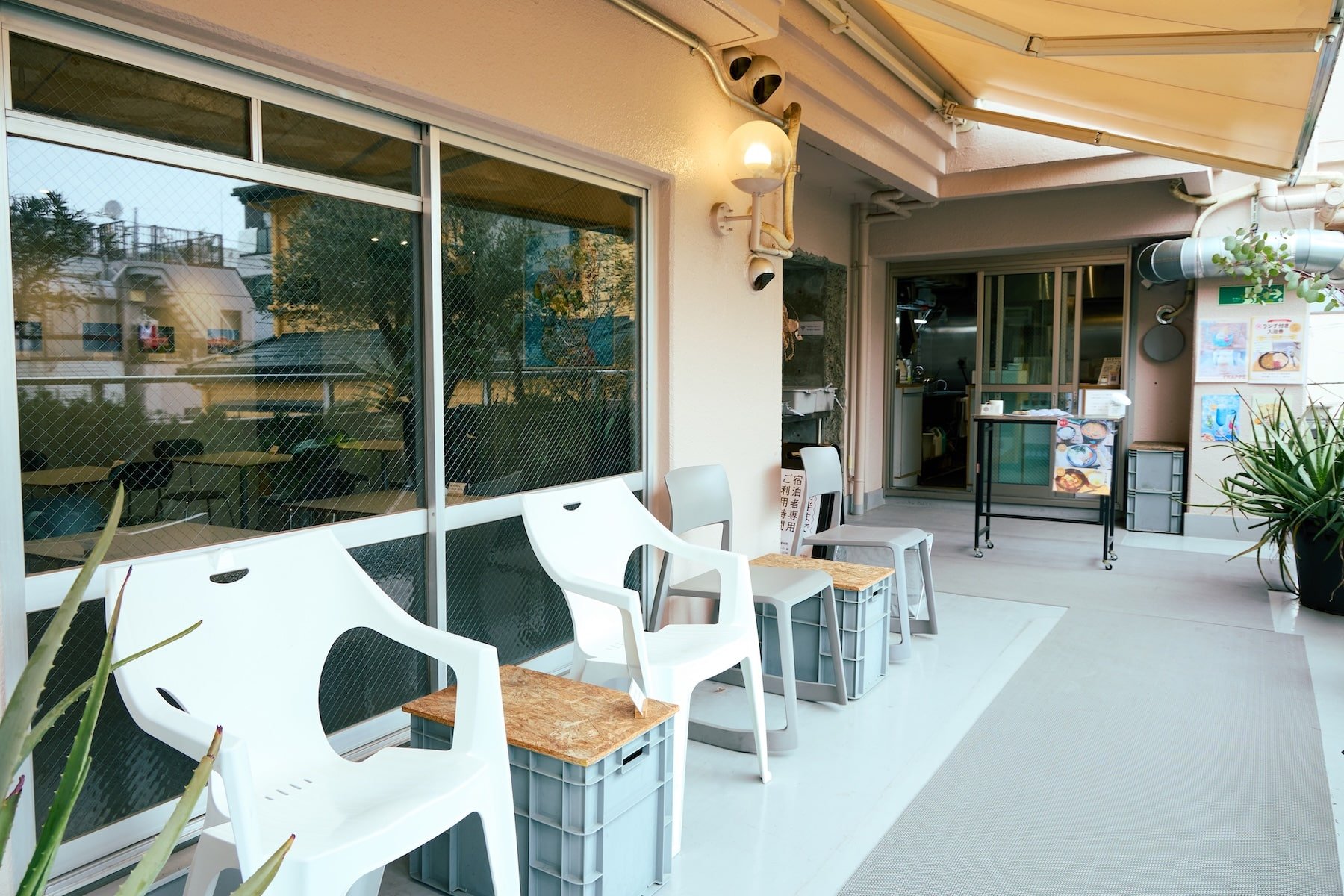
The outdoor air-bathing area is furnished with seven Adirondack chairs that let you recline and relax.
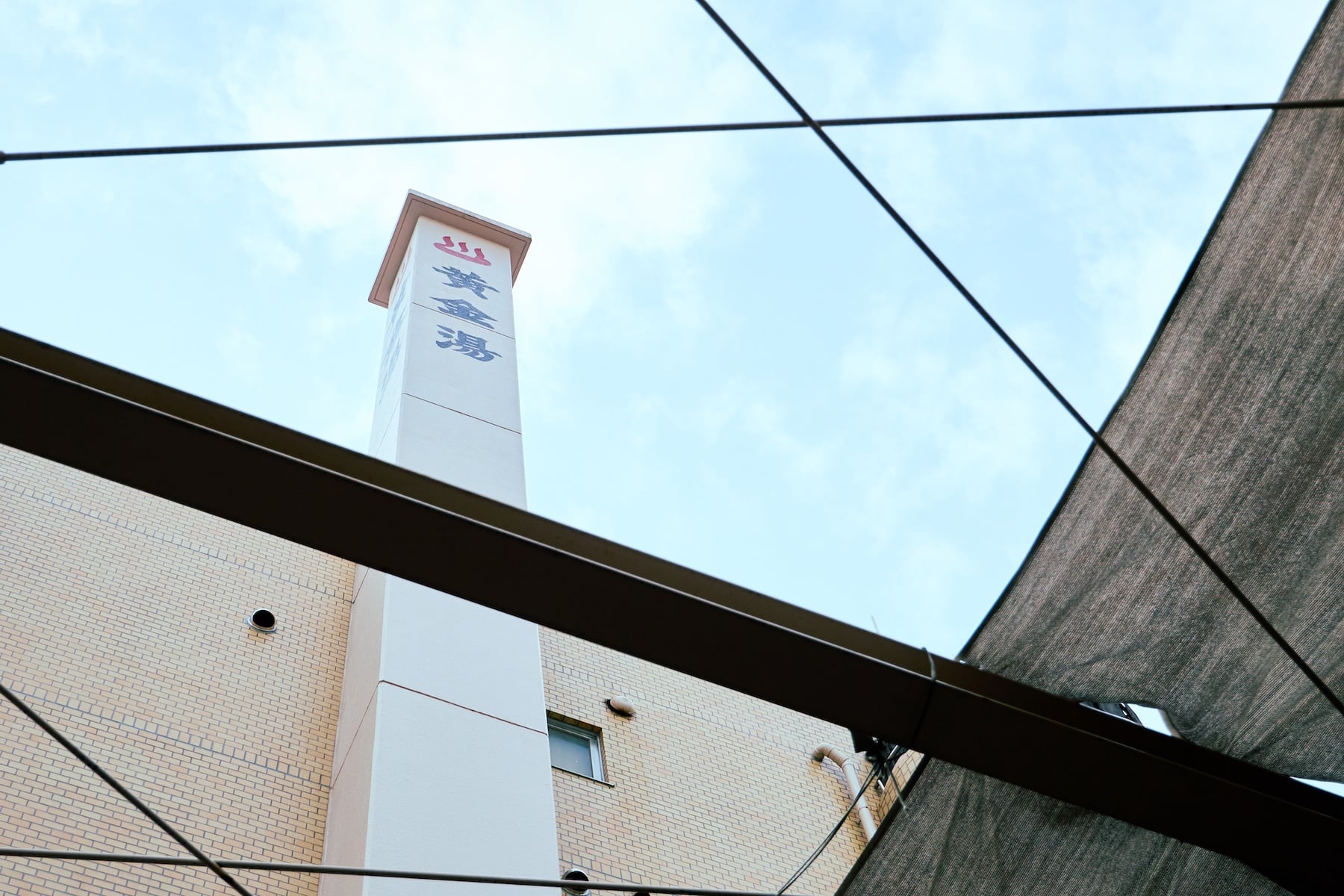
Looking up, the chimney of Koganeyu is right there. You can feel the atmosphere.
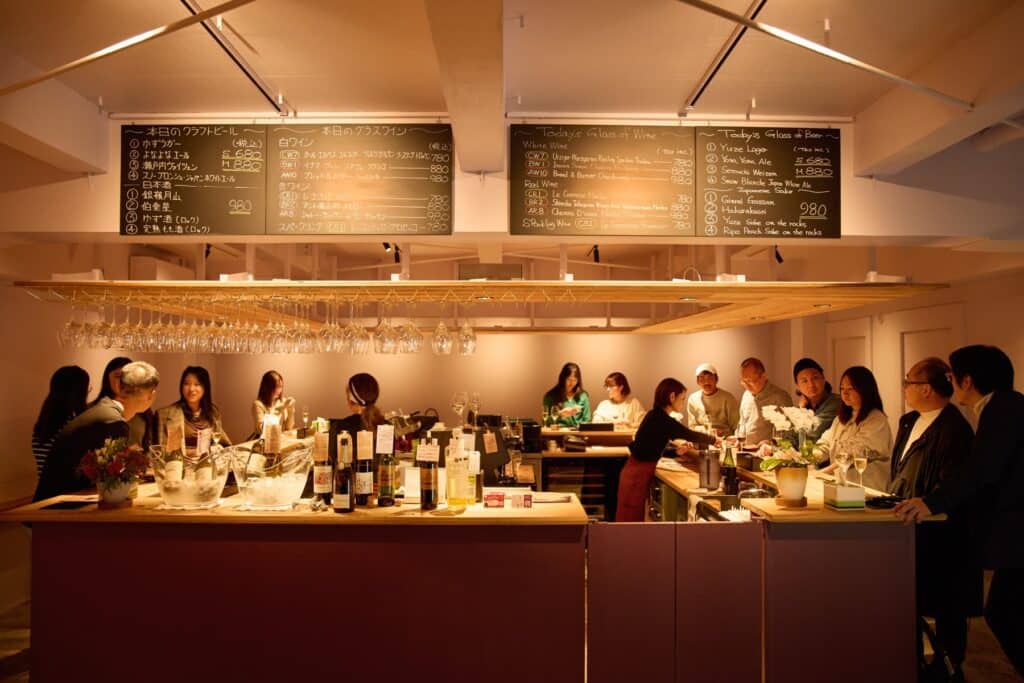
A drink after bathing is one of the essential pleasures of sento culture, but at “KOGANEYU,” it comes with a twist. They serve house-brewed craft beer and seasonal collaboration brews on draft. While listening to music from the DJ booth, you can unwind as if you were at a casual neighborhood beer stand. At the attached “KOGANE KITCHEN,” they also serve “sauna food” that is perfect after working up a refreshing sweat. “Lamb Lamb Keema” and the “Lamb Burger,” both made with lamb, which is said to cool the body less easily, deliver spicy satisfaction with little of the meat’s distinctive smell. Their house-made “strawberry milk” has also become a popular favorite.
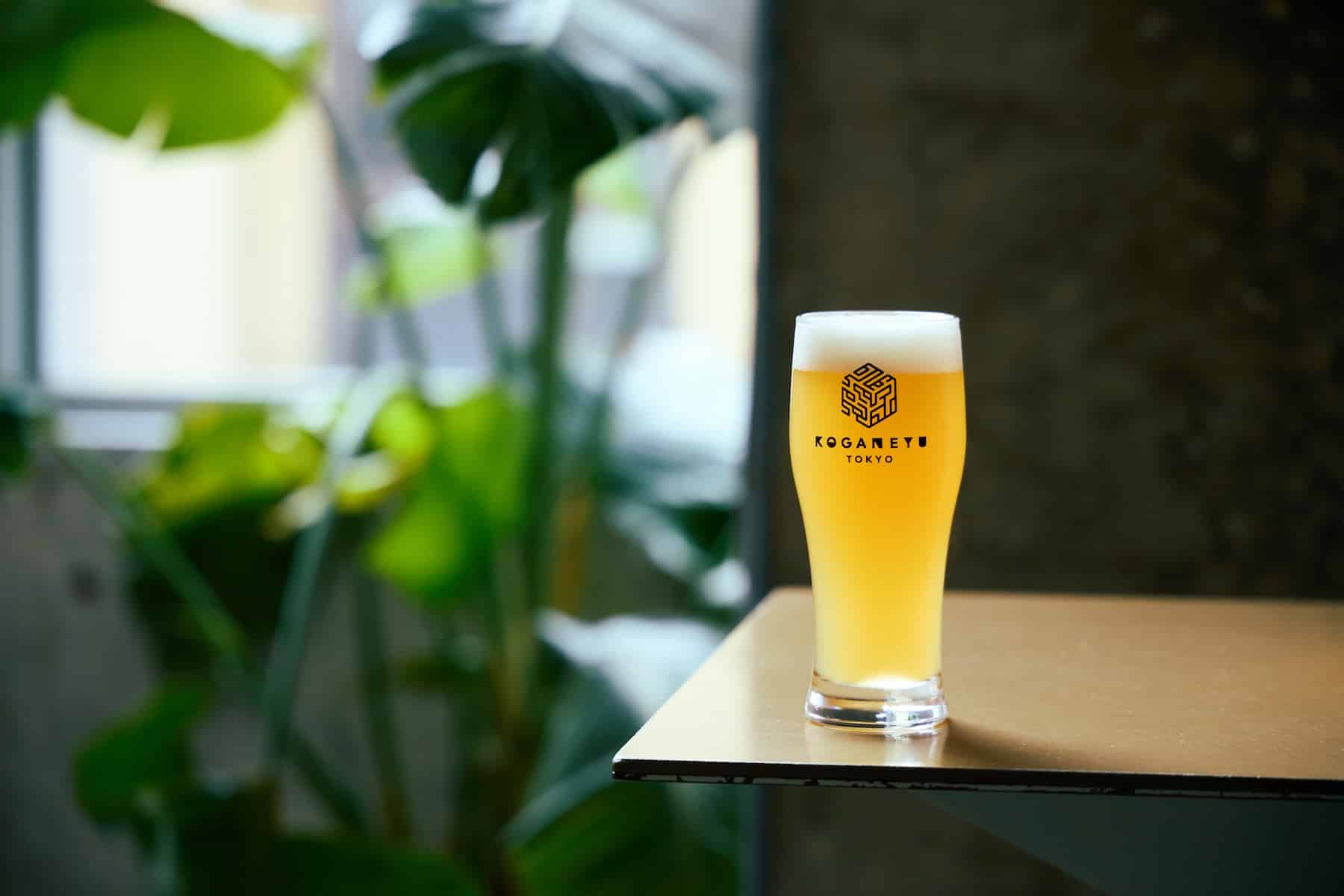
“Hailstorm,” a Hazy IPA, ¥700. The craft beer is produced at “BATHE YOTSUME BREWERY,” the brewery operated by “KOGANEYU.”
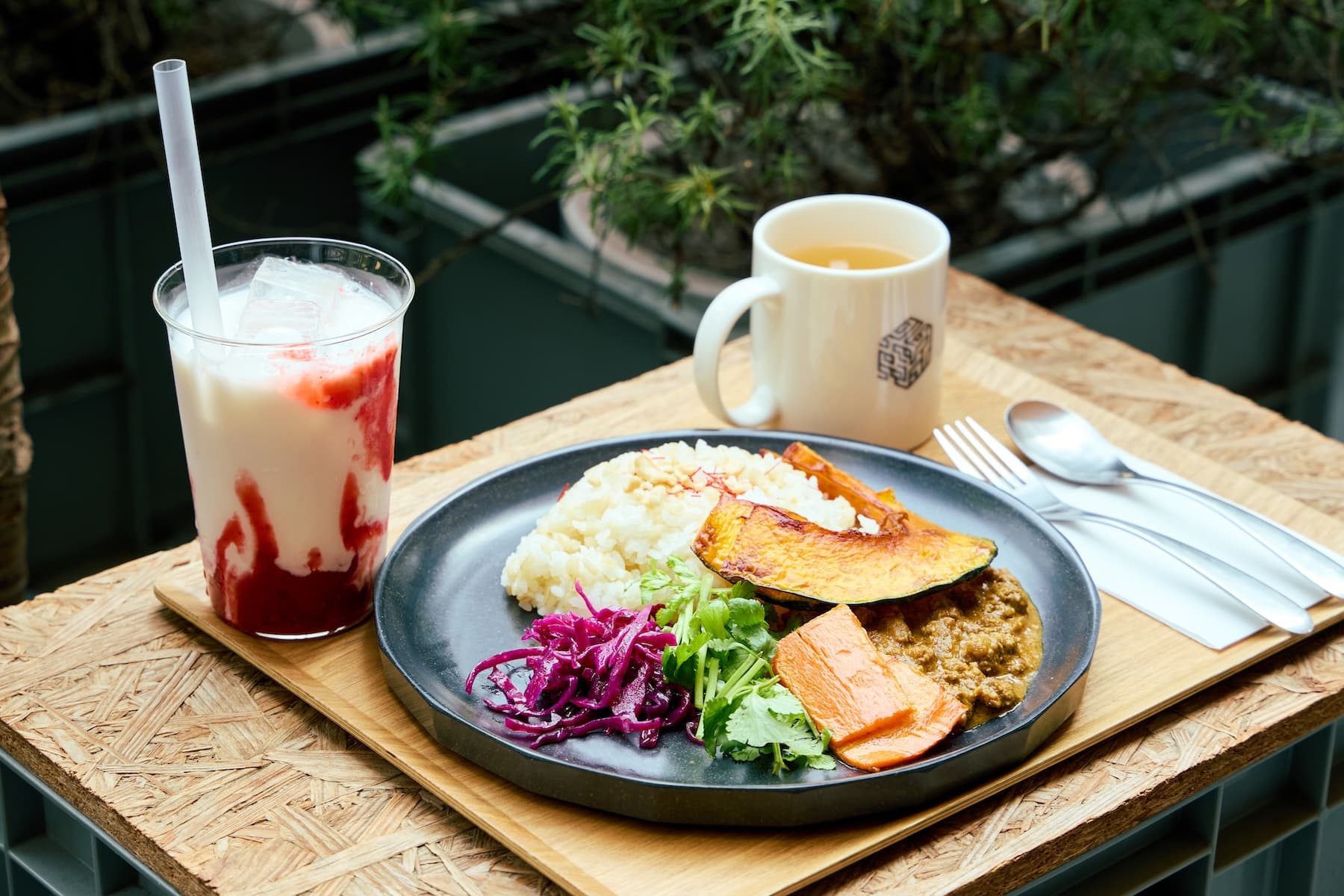
The richly flavored “Lamb Lamb Keema,” made with 20 kinds of spices, ¥1,280, and house-made “strawberry milk,” ¥500.
“KOGANE KITCHEN” on the second floor. It is especially easy to use because it is close to the lodging area.
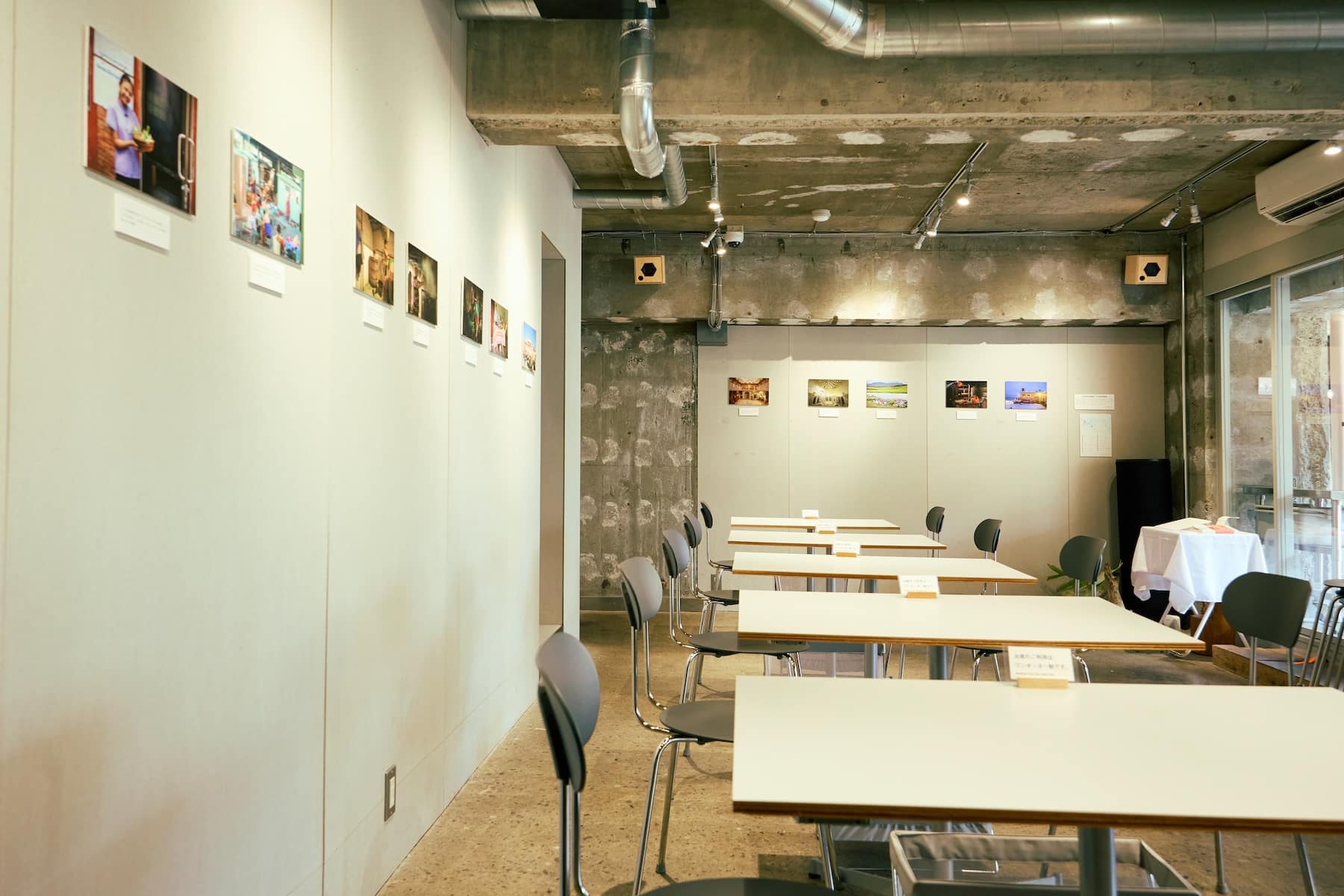
There is also an attached lounge where you can enjoy your meal and relax in comfort.
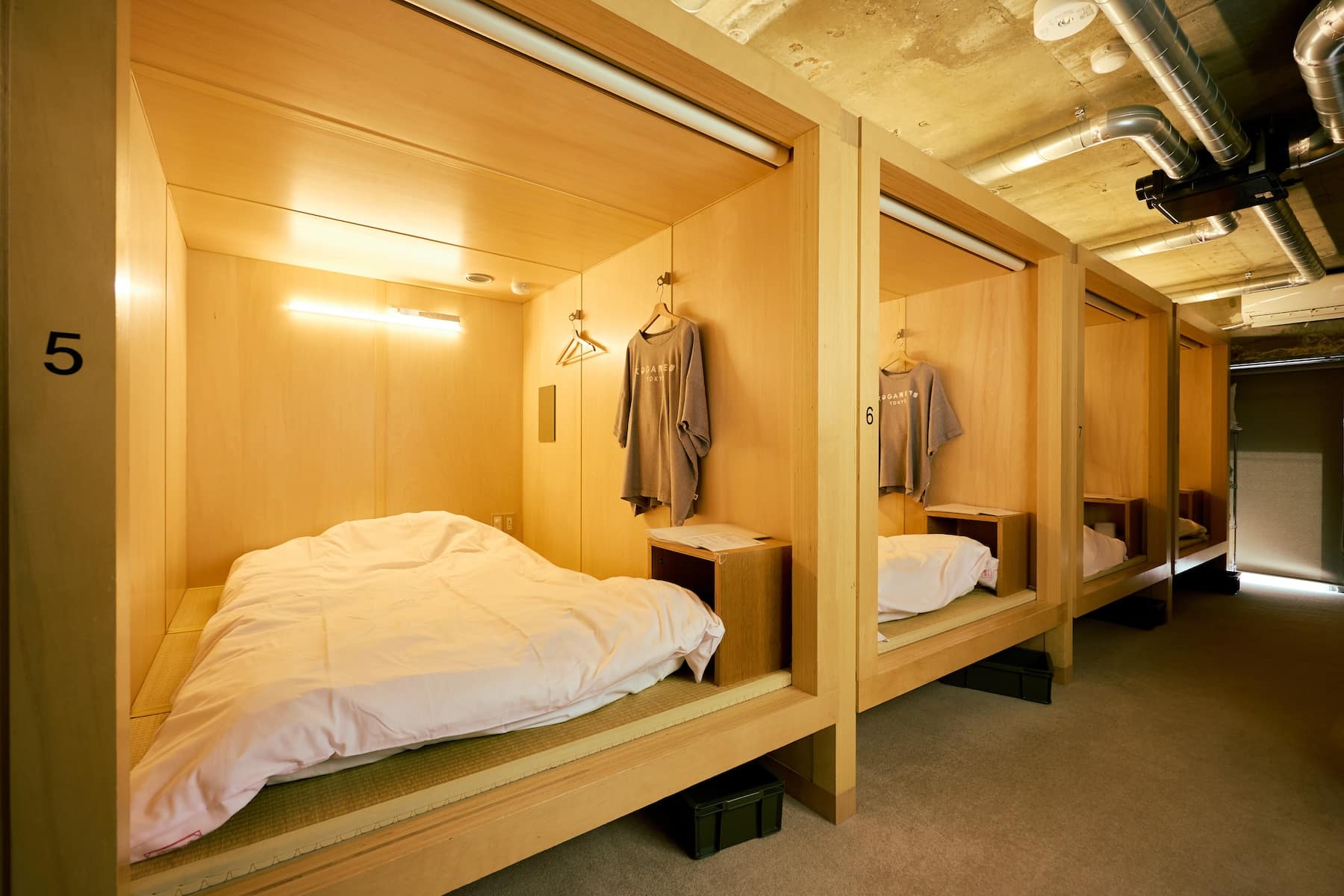
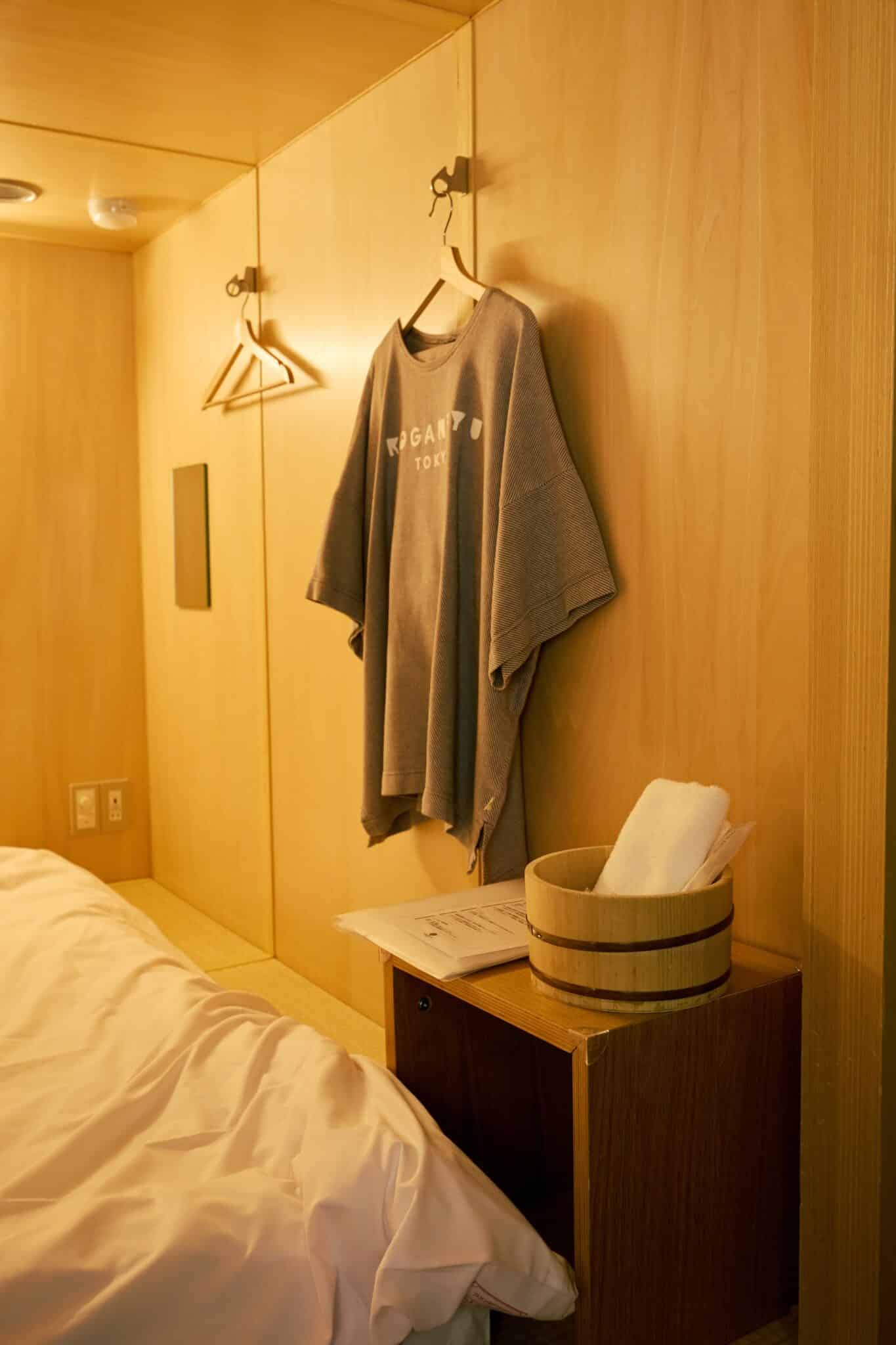
The facility also includes lodging. If you want to rest at ease while still enjoying the pleasant feeling of being fully refreshed, you can head straight upstairs to “KOGANEYU Oyado” on the second floor. There are tatami-floored Japanese-style rooms as well as Western-style rooms with desk space, making it possible to stay with the casual ease of a hostel. Guests can use the sento as many times as they like during designated hours (4:00 p.m.–12:30 a.m., and again 6:00 a.m.–9:00 a.m.), allowing them to fully immerse themselves in sento culture. The rare experience of “staying overnight at a sento” is sure to become one of the highlights of your trip.
There are four Japanese-style rooms in total. The design, with large capsule-like spaces lined up, avoids any sense of confinement.
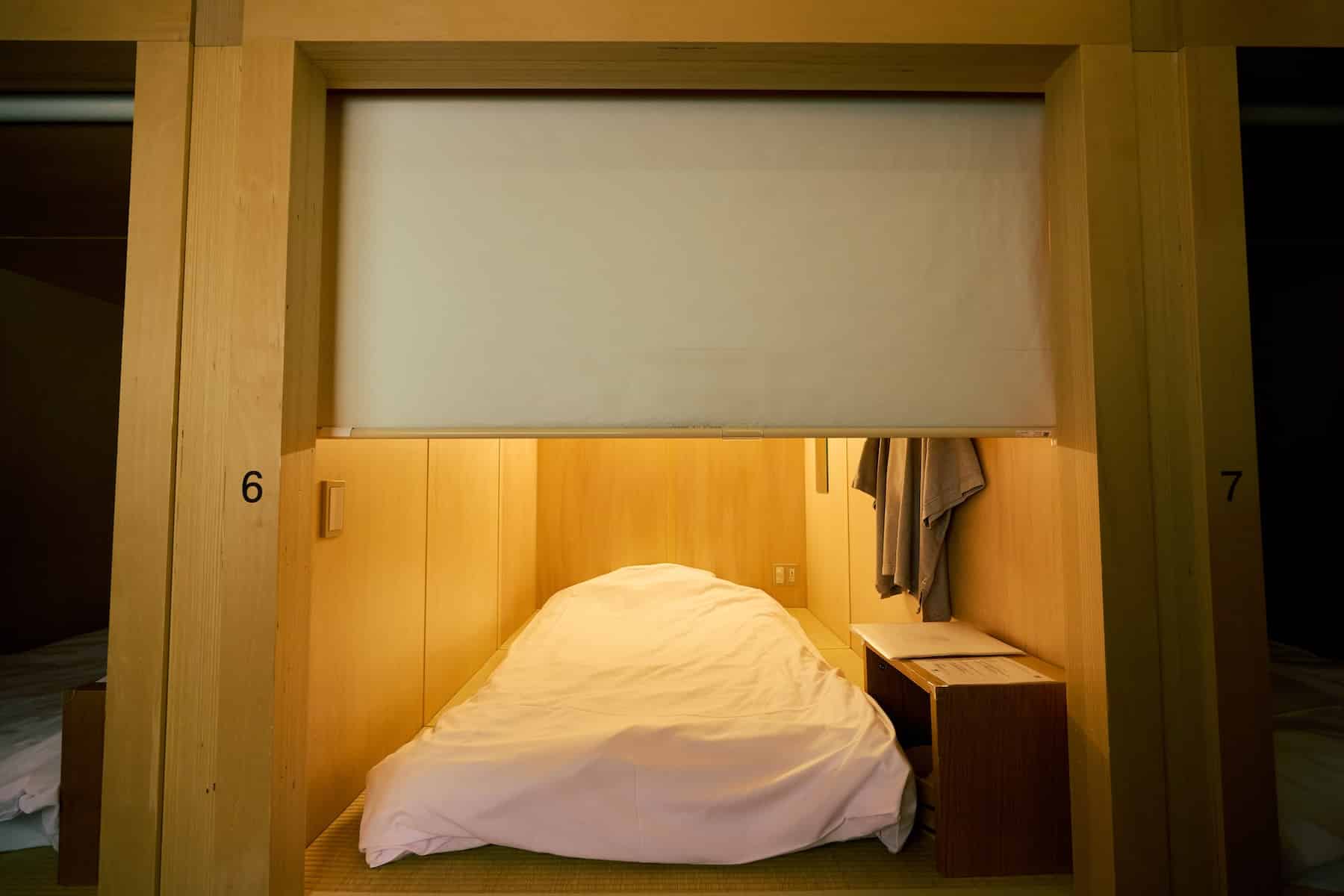
Although it is in dormitory style, privacy is maintained with roll screens that can be lowered as partitions.
The original in-house wear, made of Imabari towel fabric, has a stylish design that feels natural even for a short trip outside.
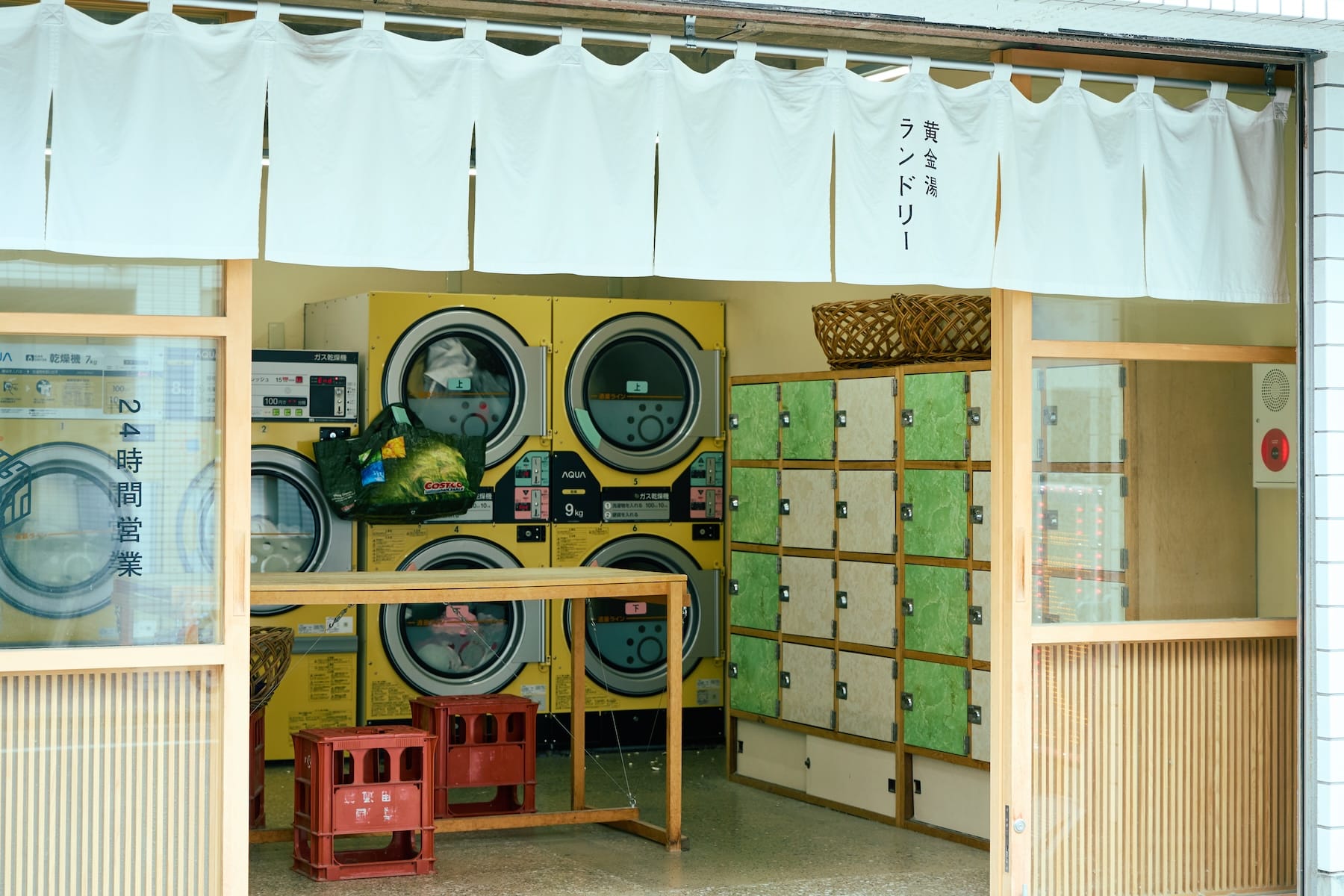
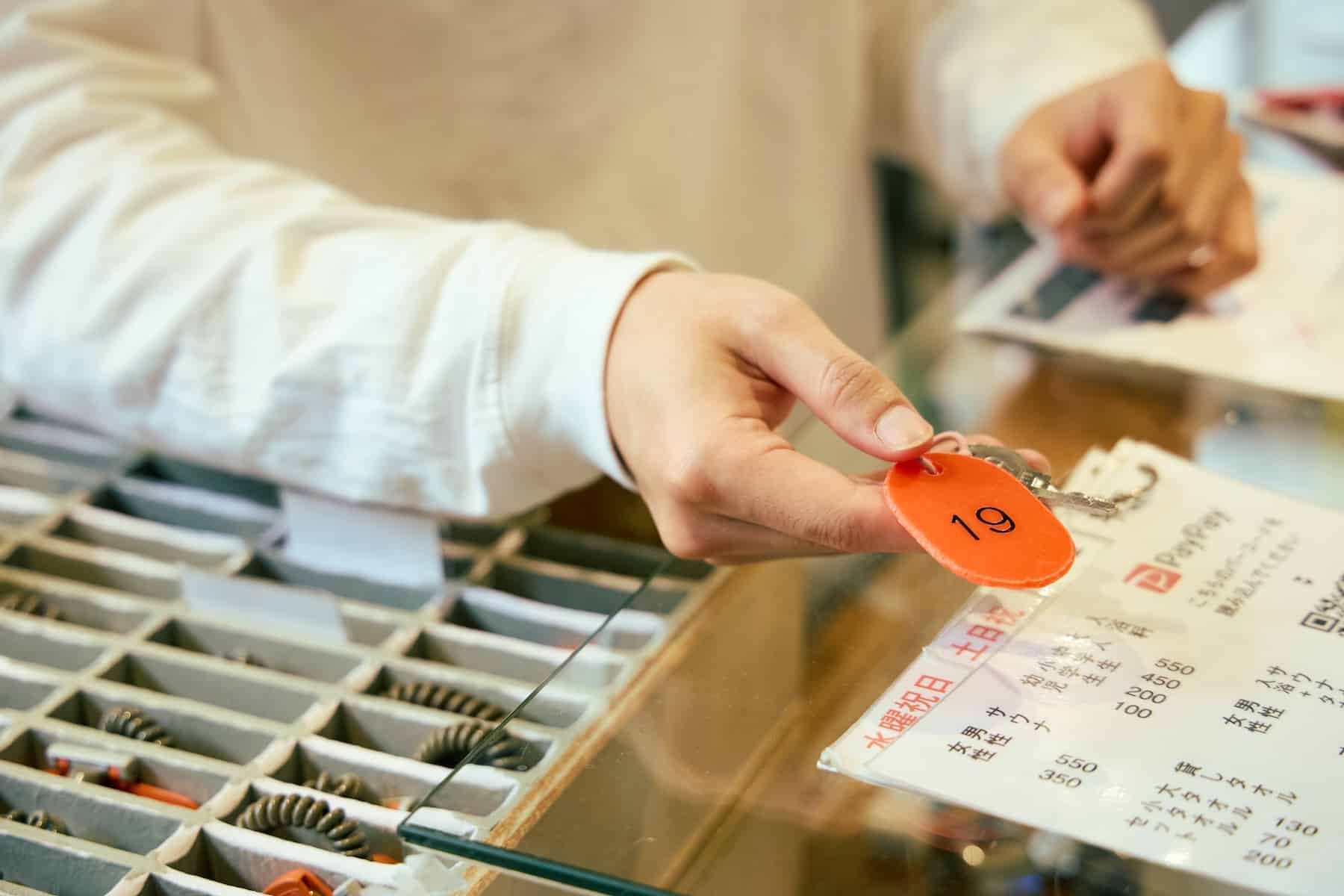
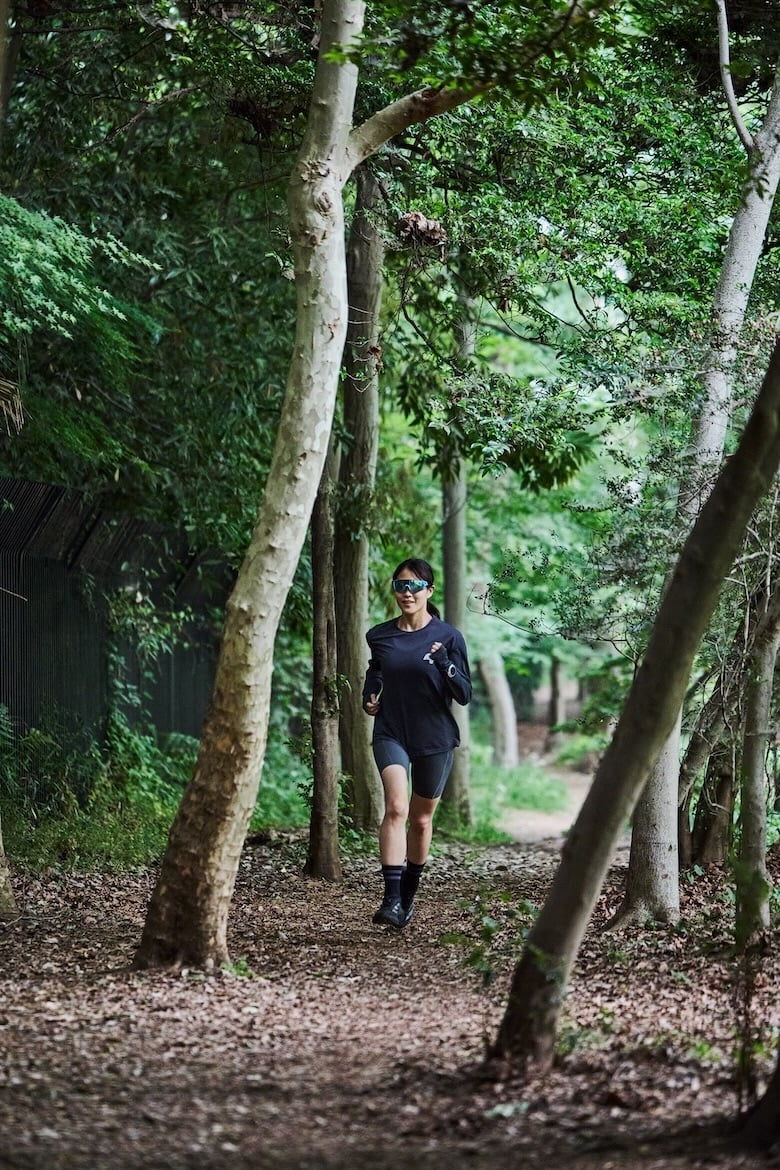
In addition, “KOGANEYU” can also be used as a “running station,” a service that includes a changing room, luggage storage, and bathing for runners, and this function is available free of charge at any time during business hours. The process is simple. Change into your running clothes in the dressing room, place your belongings in a dedicated locker, and leave the key at the front desk. Once you receive a tag that serves as proof of use, you can head out into Tokyo without carrying extra belongings. When you return after your run, exchange the tag for your locker key and begin your bath. From there, you can fully enjoy the baths and sauna for two hours.
The dedicated lockers for running station users are located next to the coin laundry area. These lockers were originally used in the dressing room before the renovation.
After placing your belongings inside, you can leave the key to the dedicated locker at the front desk.
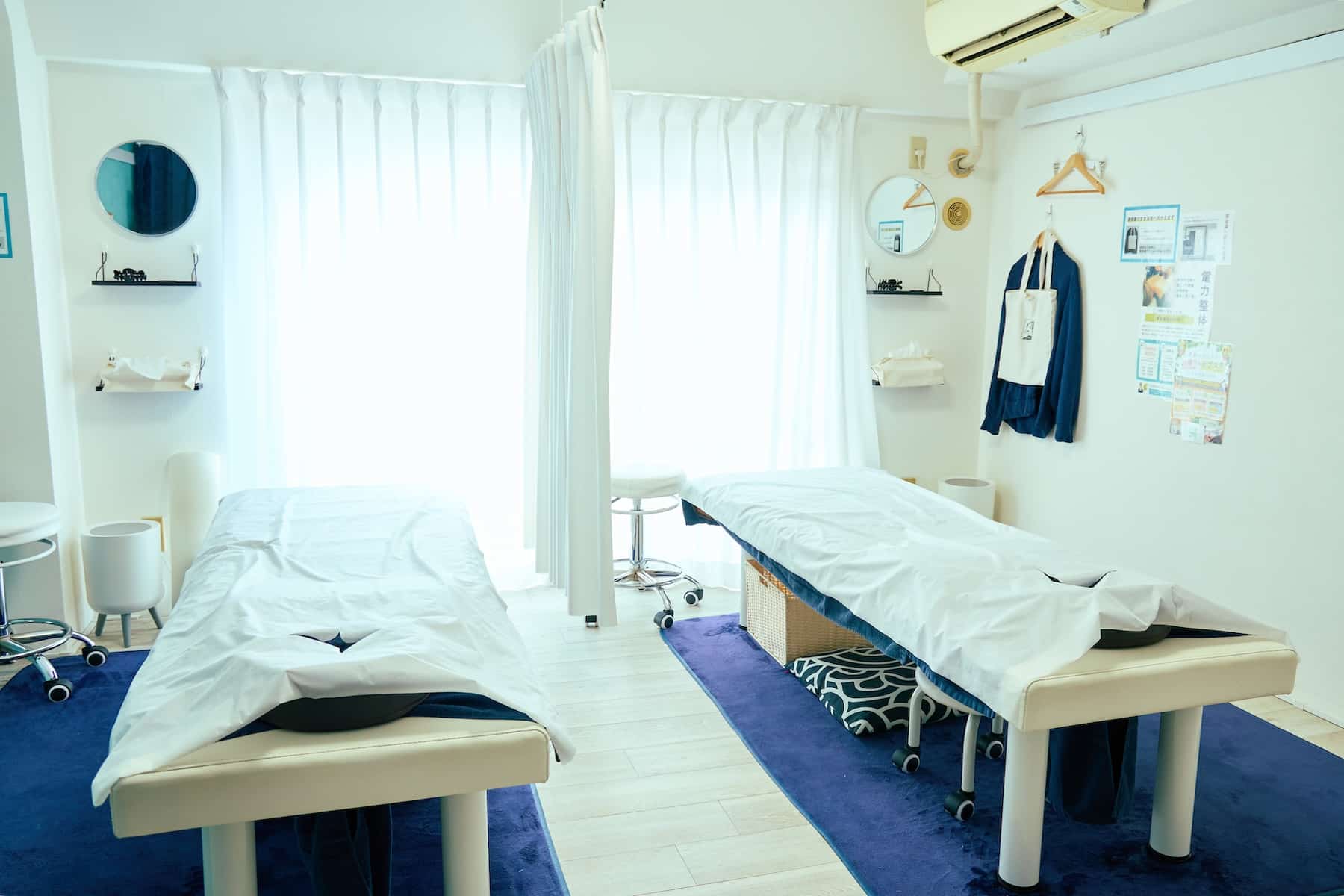
After relaxing your entire body with running and sauna, you should definitely try the "Denryoku Seitai" (Electric Power Seitai), a bodywork clinic attached to the facility. This is an unusual relaxation spot where you can receive "Ryuusuji Body Care," an original technique that uses electricity to relax muscles, using electric current to reach deep into the body where ordinary acupressure cannot. The sensation of the electric current applied to the back resonating up to the navel is distinctly different from a simple electric treatment. The intensity of the electric current can be finely adjusted to suit your preference, so even first-timers can feel at ease. Many people use this treatment to improve chronic fatigue or for post-sports conditioning, and it is sure to be a reassuring ally for runners.
Rather than using acupressure, stiffness is addressed with electricity through a special device.
A clean treatment room filled with natural light. “Ryukin Body Care” is ¥4,800 for the 60-minute first-time course only.
Friendly staff welcome you warmly. Business hours are 11:00 a.m. to 11:00 p.m. (closed on the 2nd and 4th Mondays). Reservations are accepted via the official LINE account or at the front desk of “KOGANEYU.”
“KOGANEYU” brings together running, sauna, food, relaxation, and lodging. It is an exceptionally efficient yet luxurious base where purposes that are often scattered throughout a trip can all be fulfilled within a single facility.
The information contained this article was correct as of 04/09/2026 (the time of publication)