DEEPTOKYO
magazine

EN


AREA
DEEPTOKYO
magazine
EN
AREA
-scaled.jpg)
2026.04.07
Harajuku is a rare area where flagship stores of globally renowned outdoor brands are concentrated, and where a culture of enjoying the outdoors in the city has taken root. From Meiji-dori to Cat Street, more than 20 stores line the streets, allowing visitors to experience outdoor fashion, Japanese craftsmanship, and limited-edition items all at once. Here, we introduce the outdoor culture that is unique to Harajuku.
SHARE


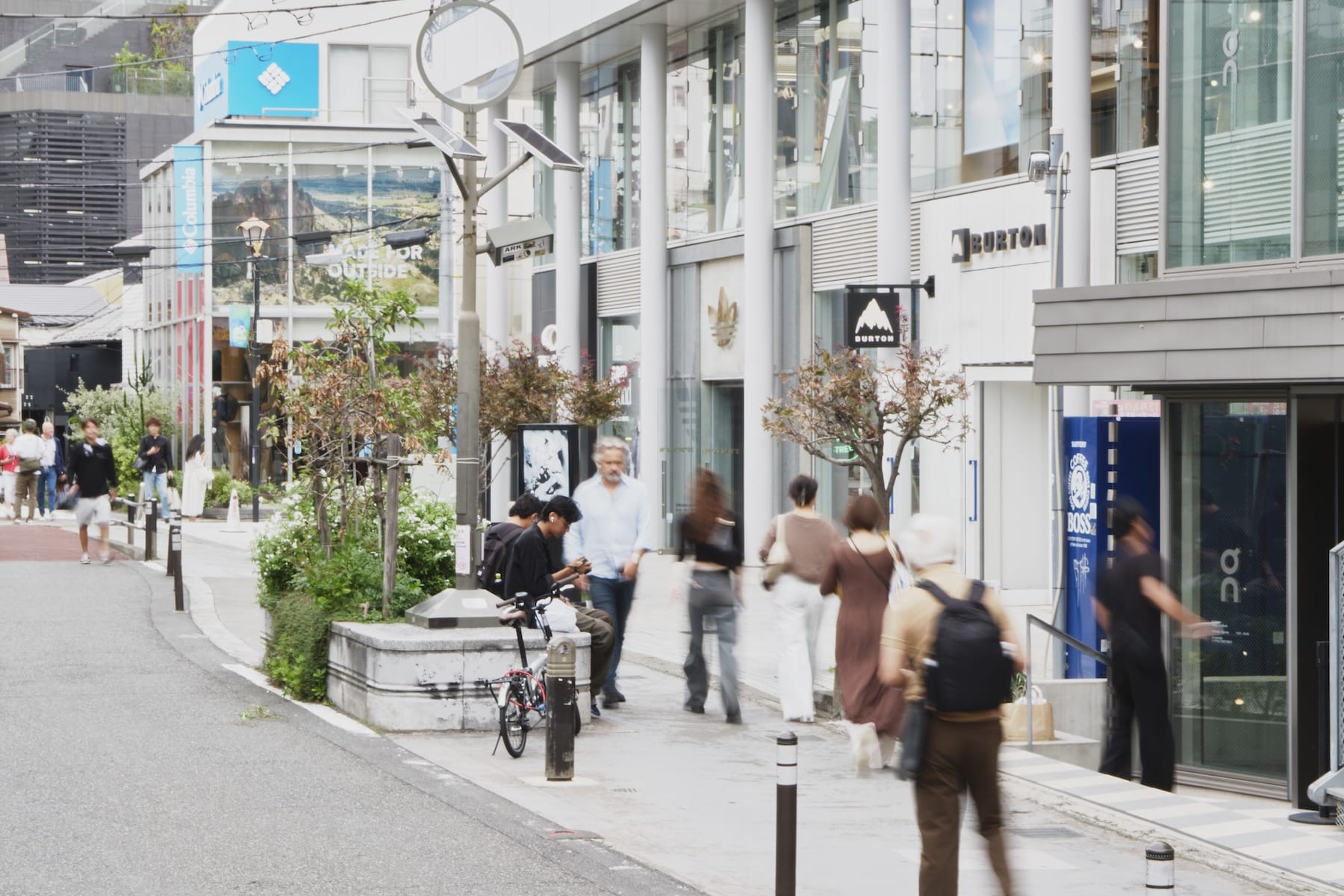
Cat Street in Harajuku is lined with flagship stores for Burton, Oakley, Columbia, and many other brands.
The area stretching from Meiji-dori to Cat Street in Harajuku, Tokyo, is a globally rare district where more than 20 directly operated outdoor brand stores are concentrated. Within a compact area that can easily be explored on foot, numerous flagship stores of global brands stand side by side, creating an environment where visitors can enjoy shopping and strolling through the neighborhood at the same time.
Japan has areas such as Jimbocho that are known for outdoor gear as equipment, but Harajuku has a somewhat different character. In this neighborhood, where street fashion and culture have long taken root, outdoor wear has been embraced not only for its functionality but also as an everyday style. In that context, brands have chosen Harajuku as a place to communicate their own worldviews as an extension of fashion.
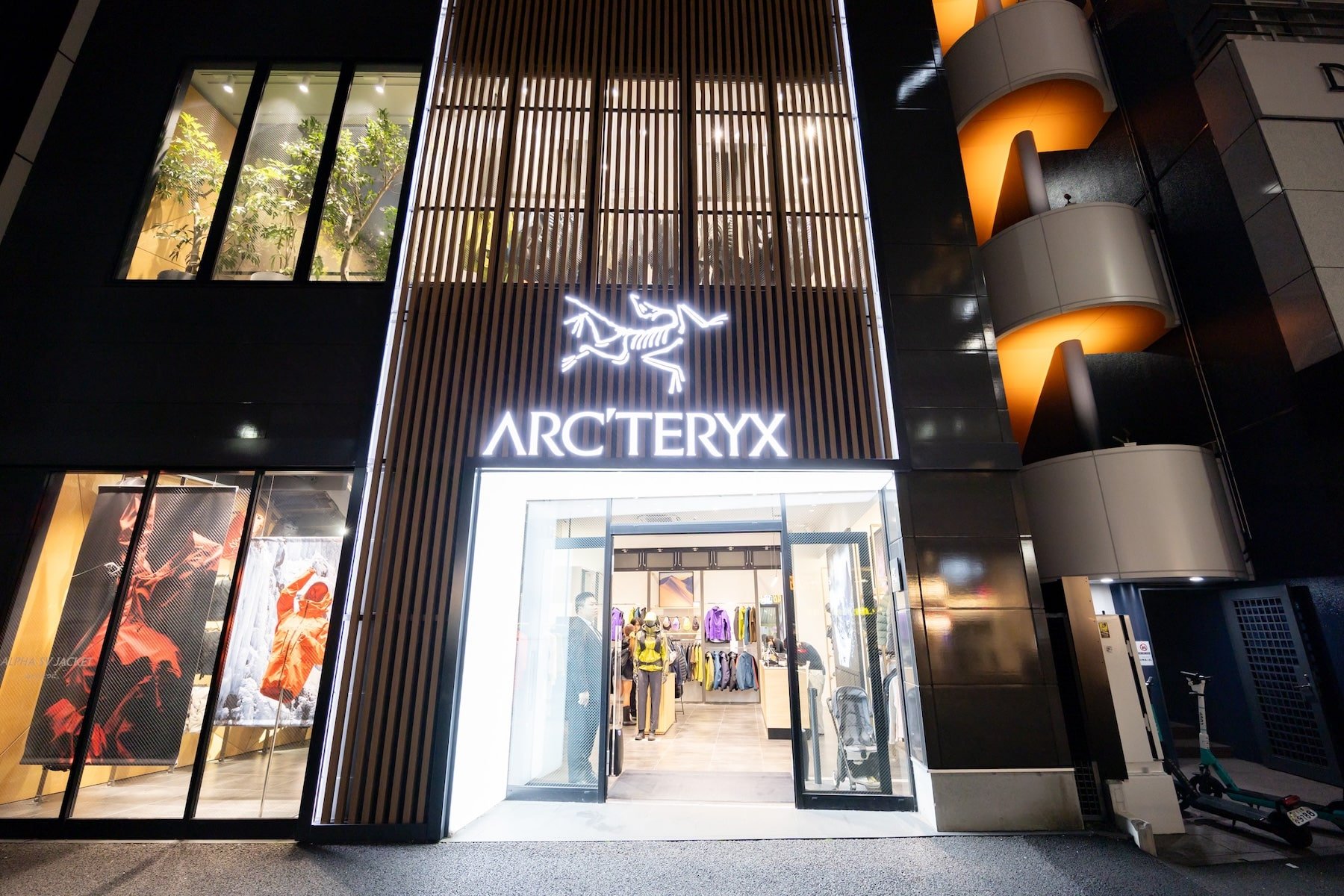
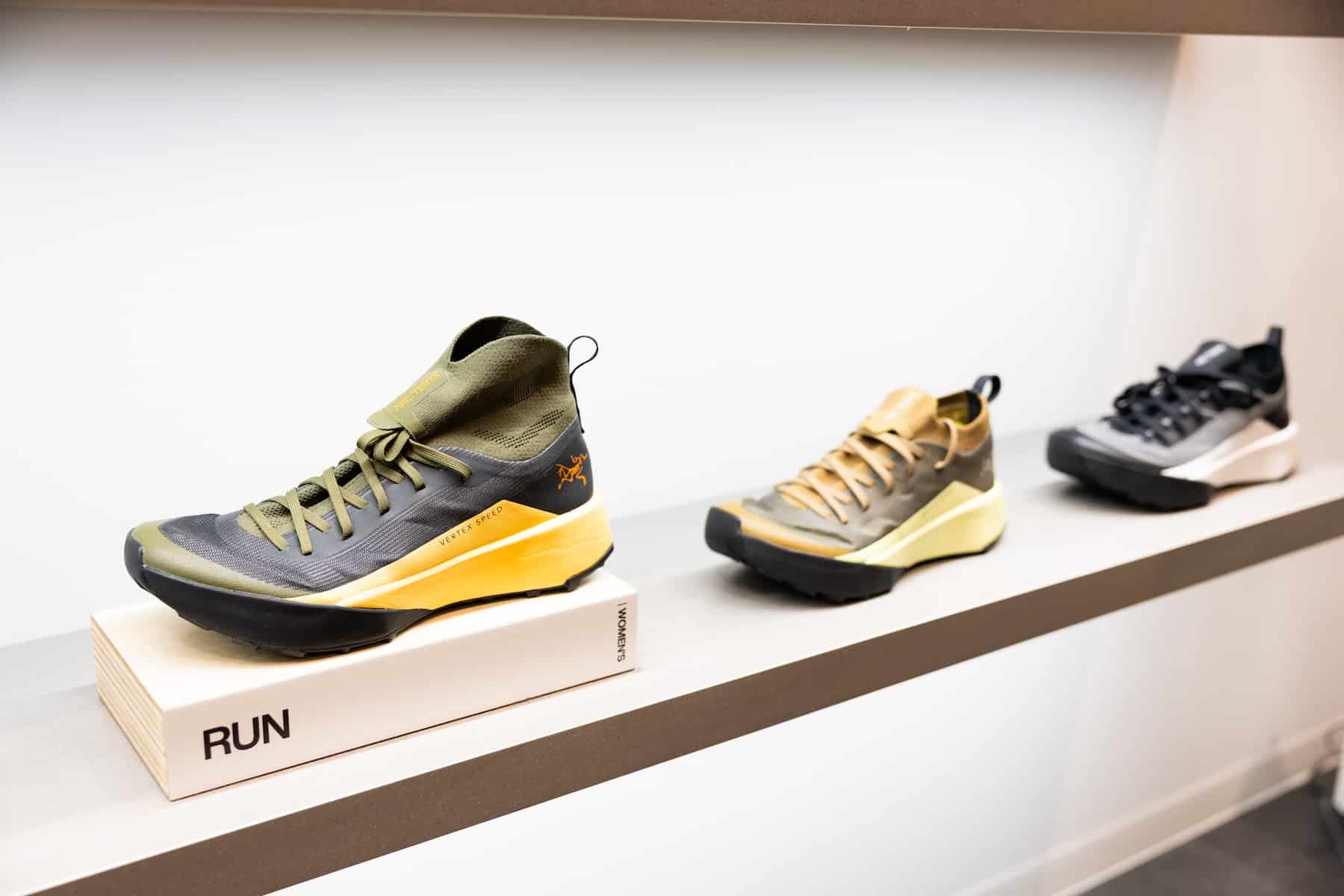
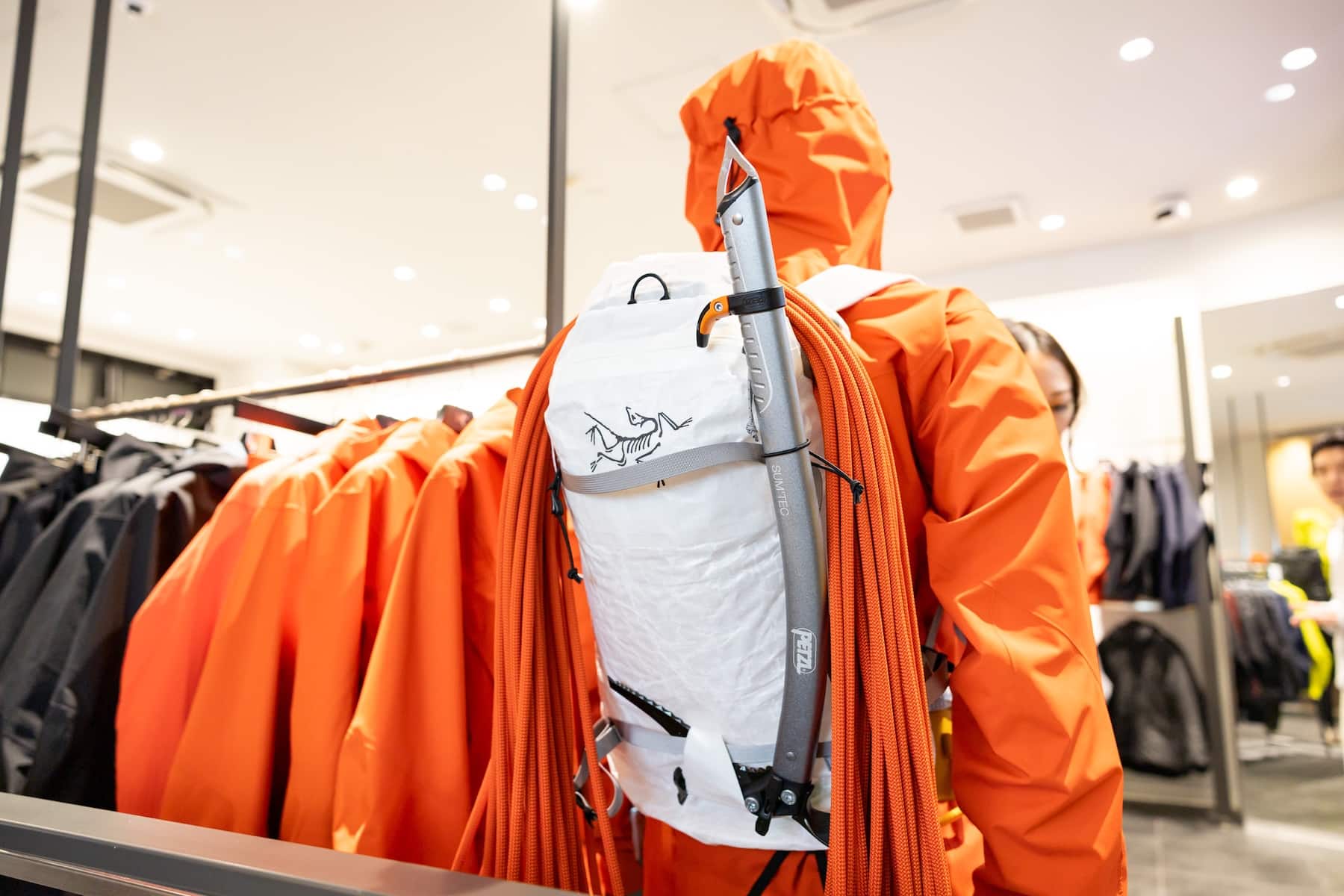
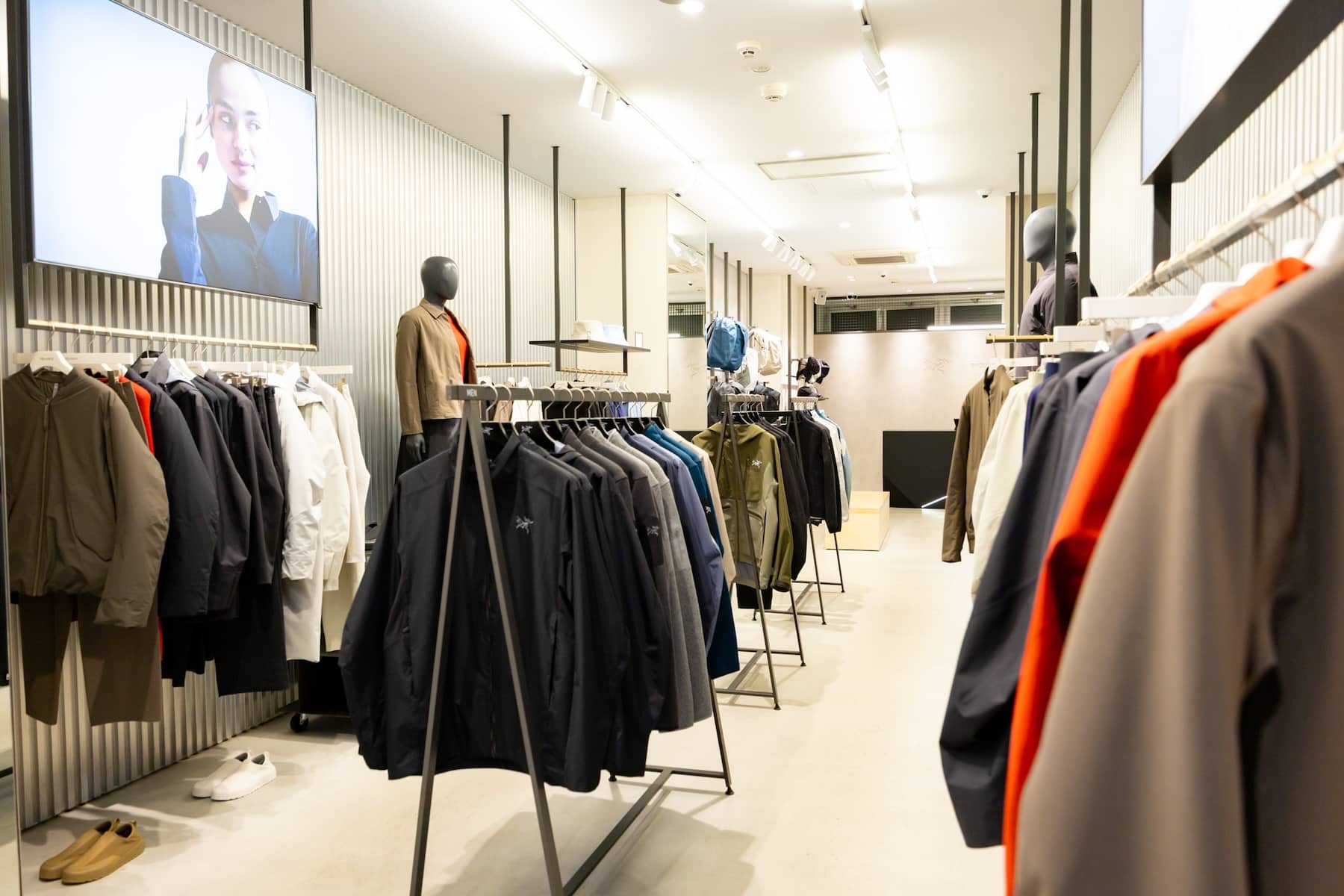
The hugely popular “ARC'TERYX” is located on Meiji-dori. Its lineup is extensive, ranging from full-scale mountaineering gear to trail running shoes.
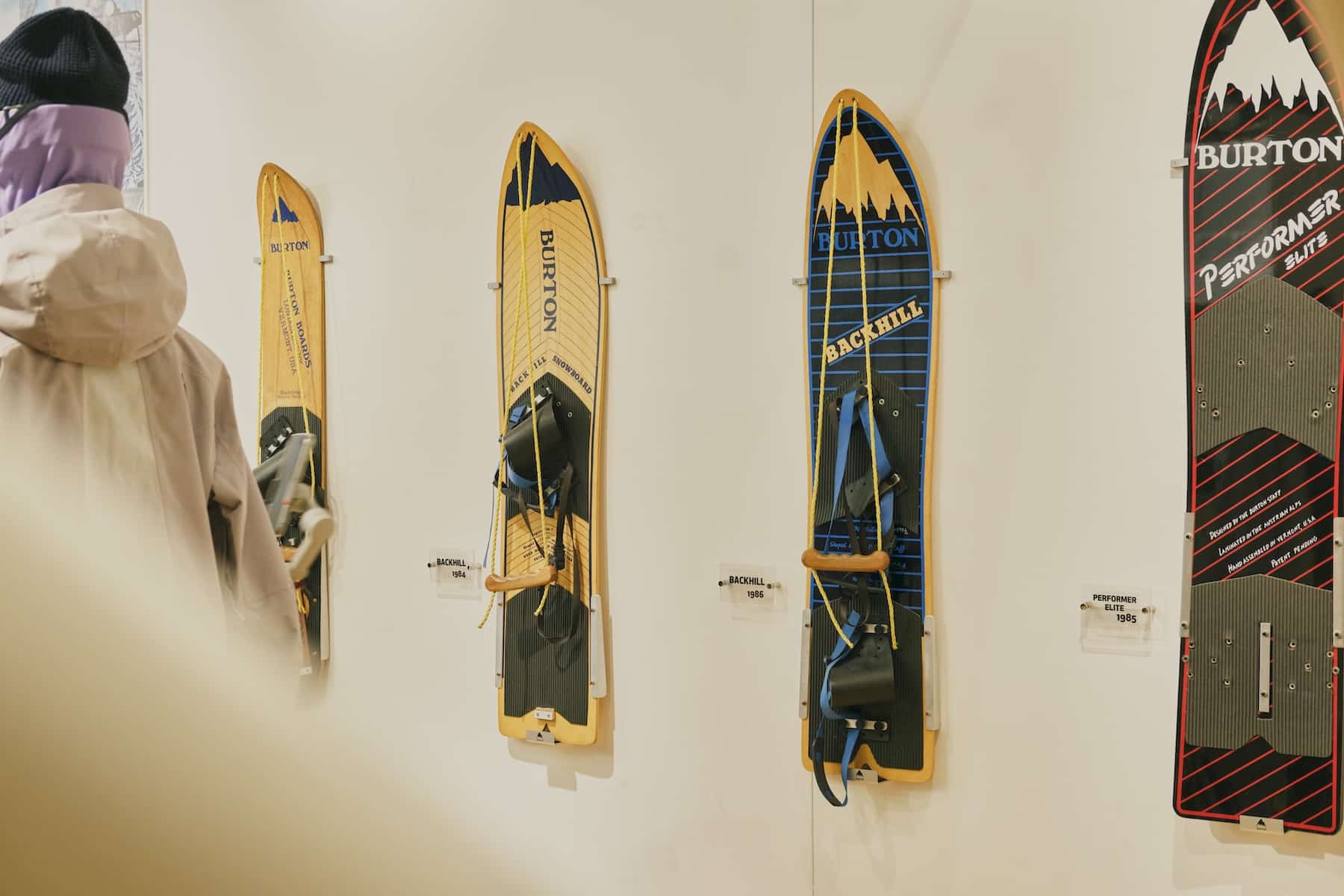
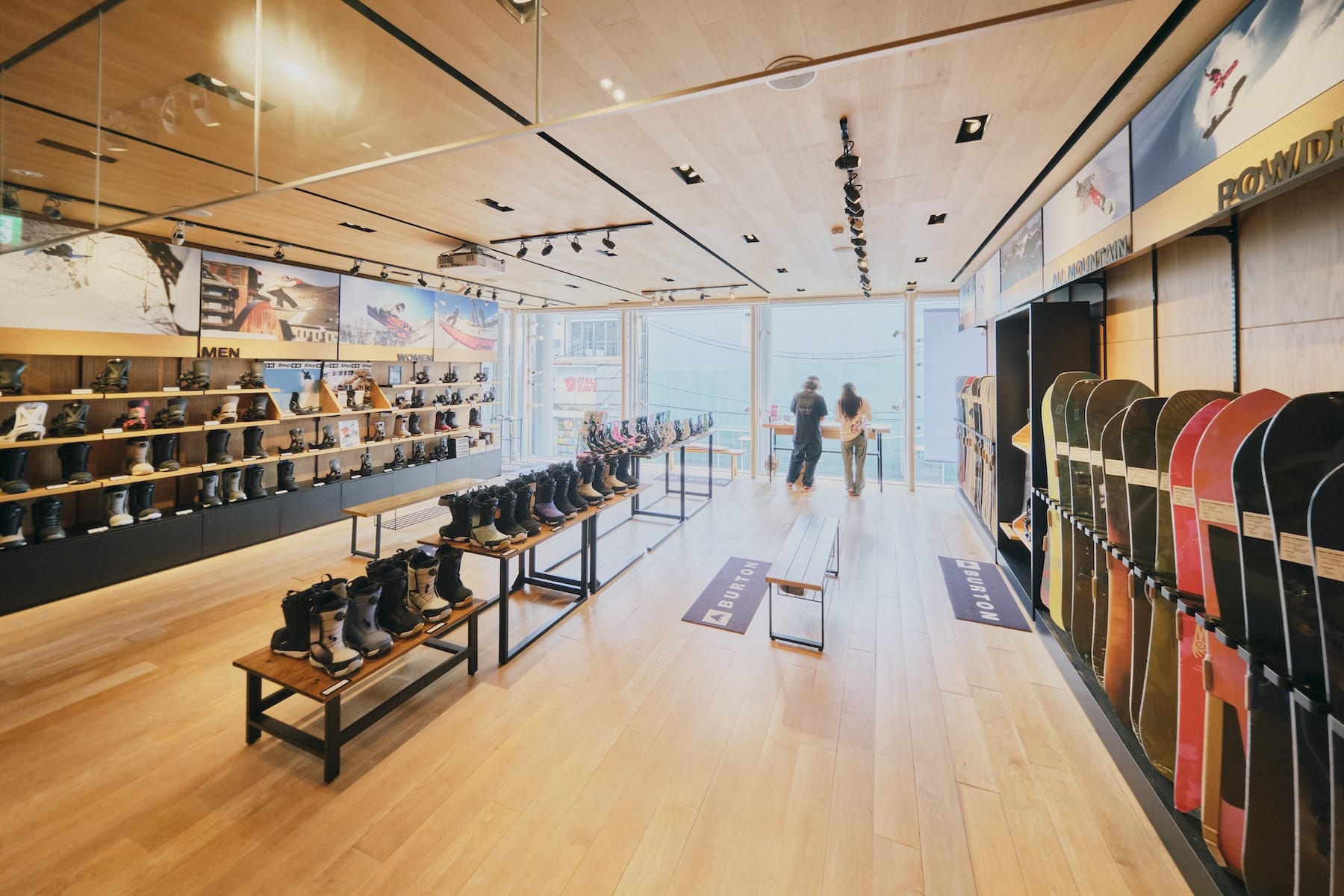
At “Burton Flagship Tokyo” on Cat Street, rare products including vintage snowboards are on display.
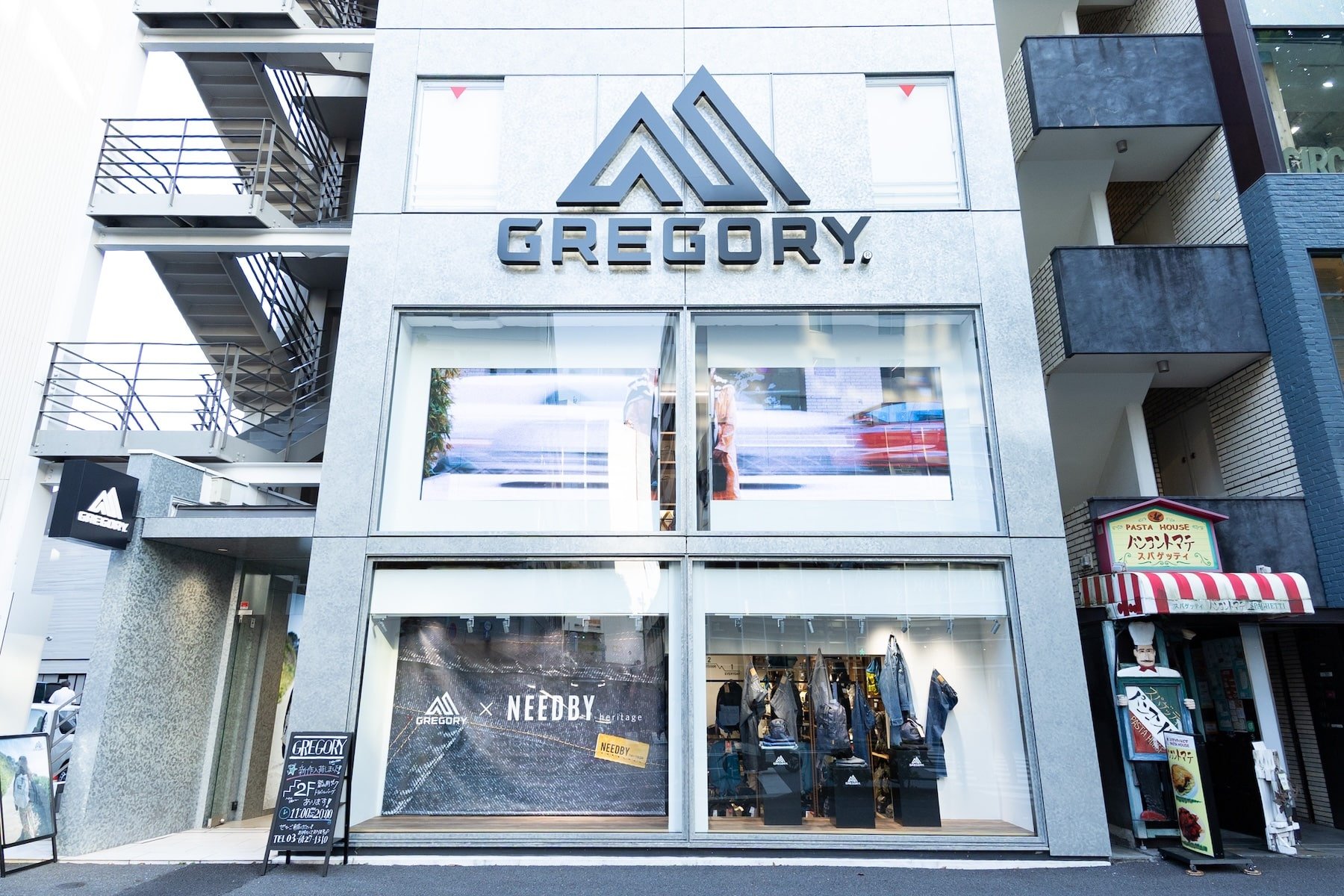
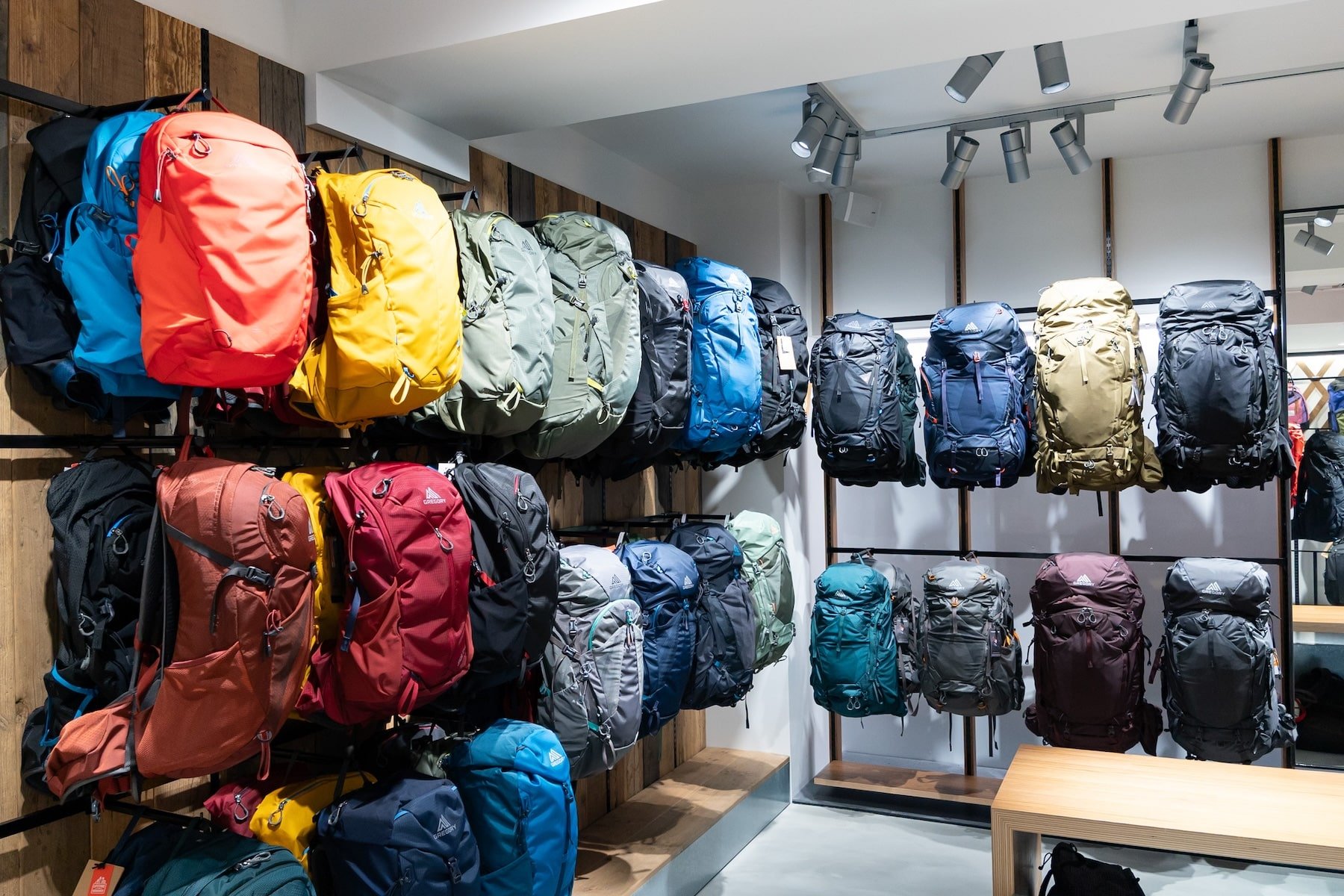
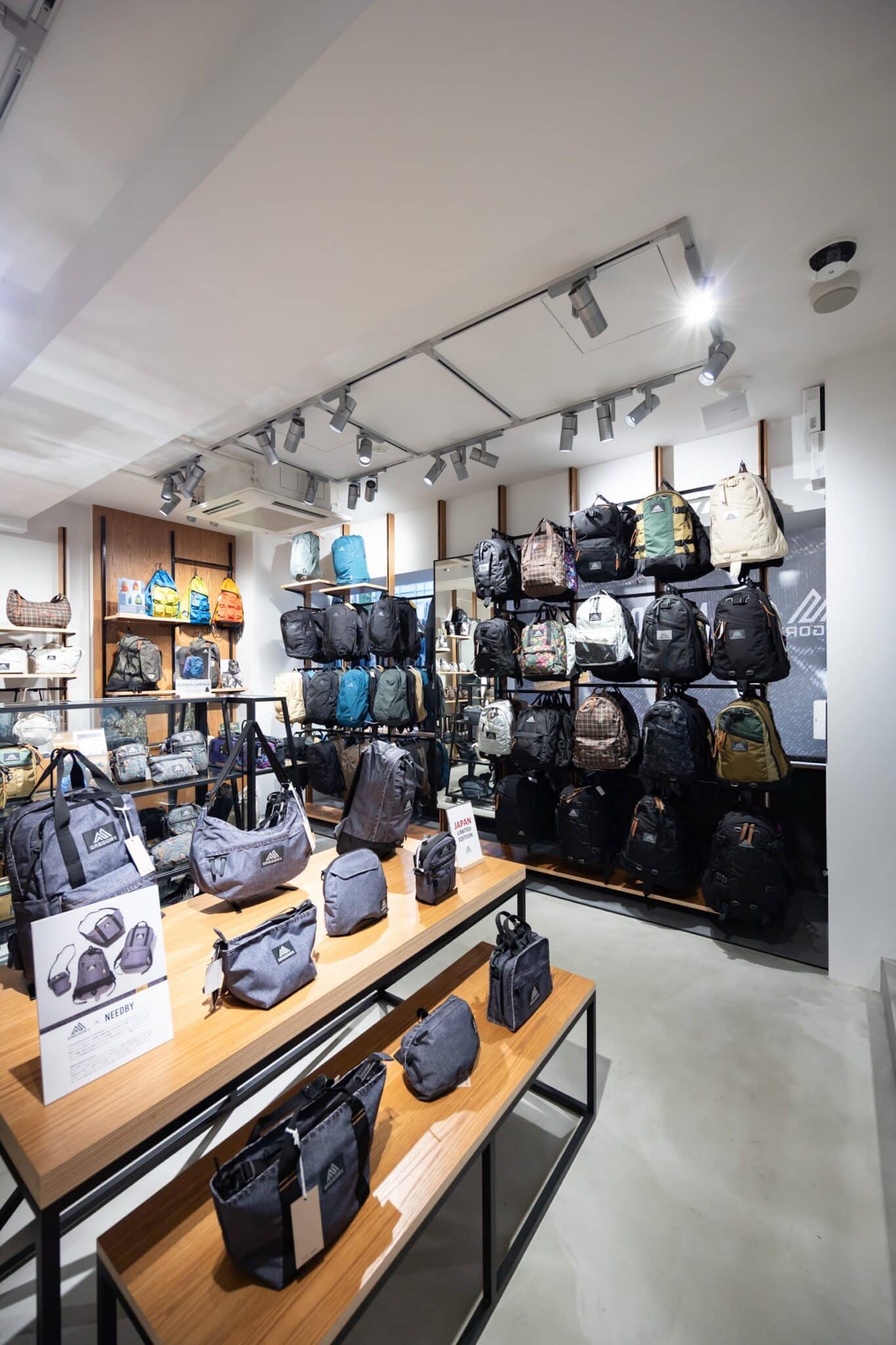
The flagship store of “GREGORY,” often called the “Rolls-Royce of backpacks,” is also located along Meiji-dori.
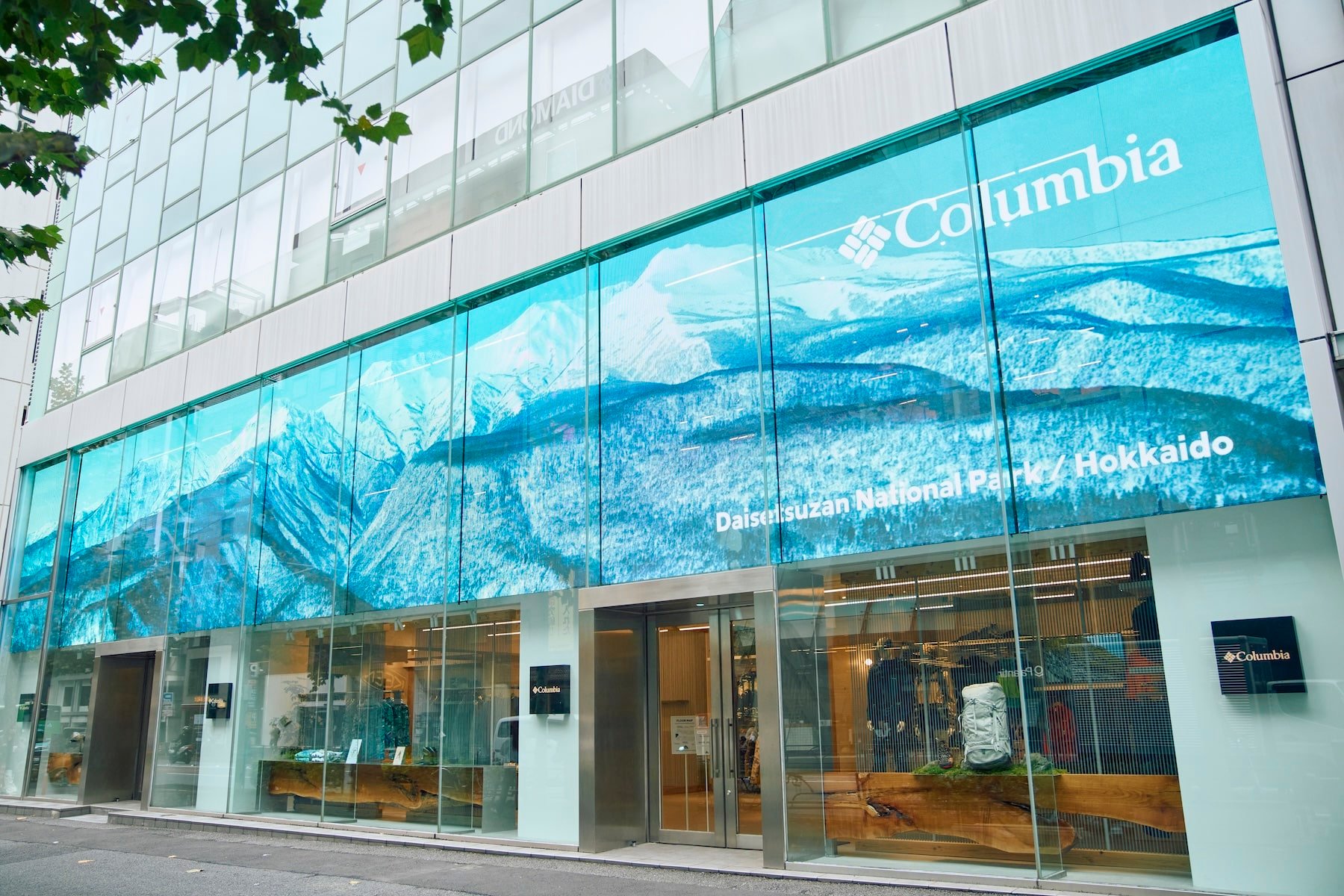
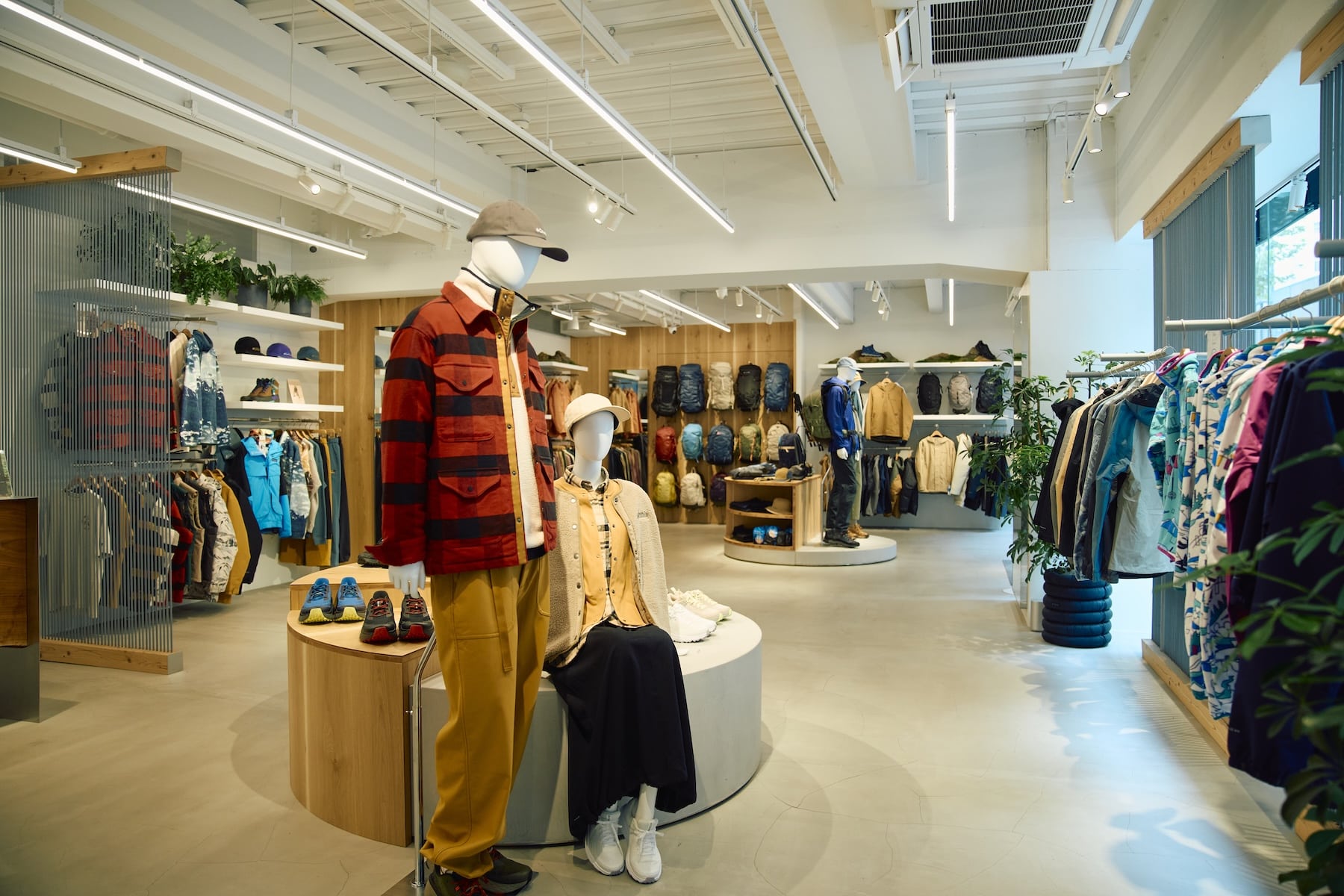
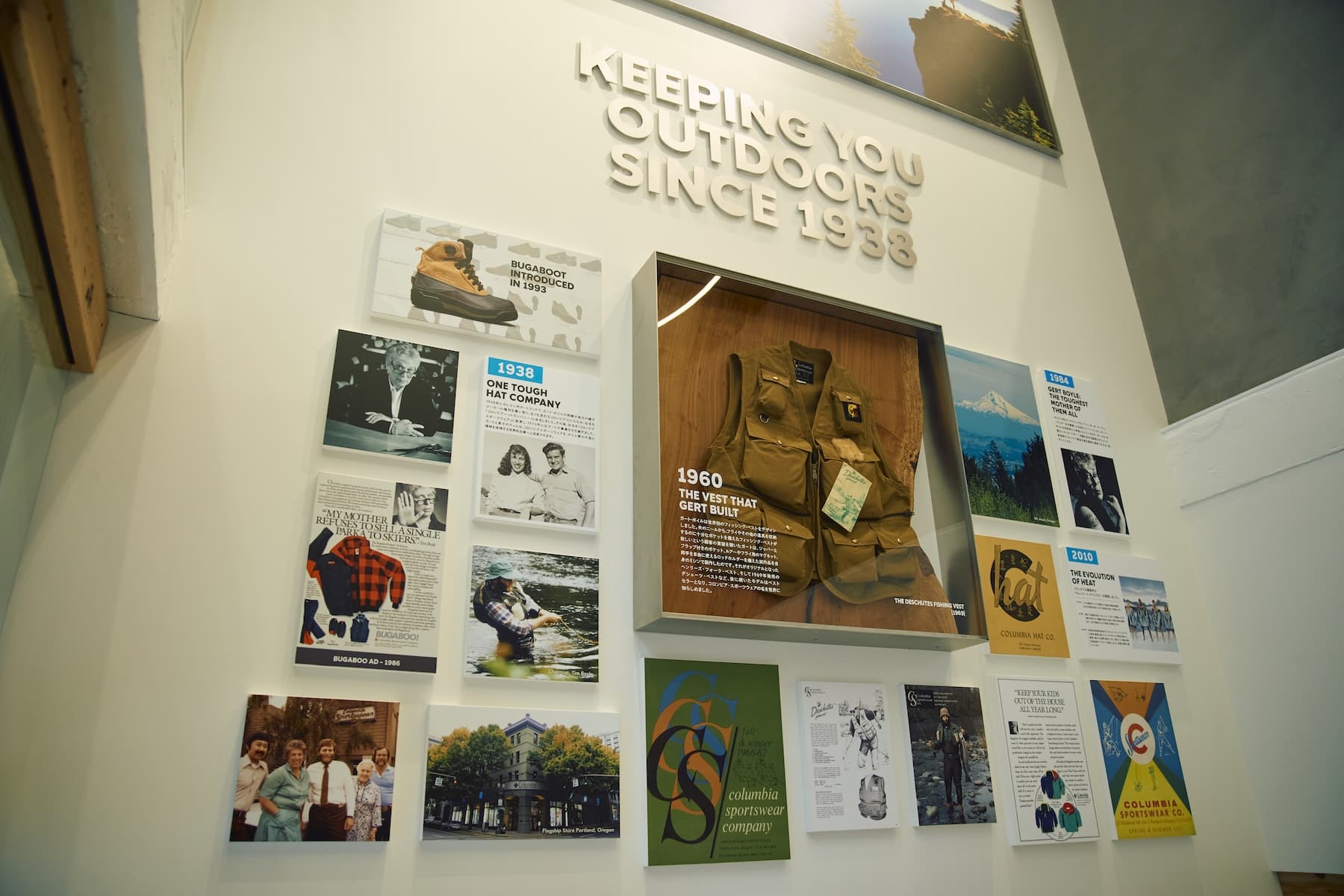
“COLUMBIA TOKYO FLAGSHIP” offers the brand’s largest selection in Japan and also displays signature items from the past, allowing visitors to discover the depth of the brand’s history.
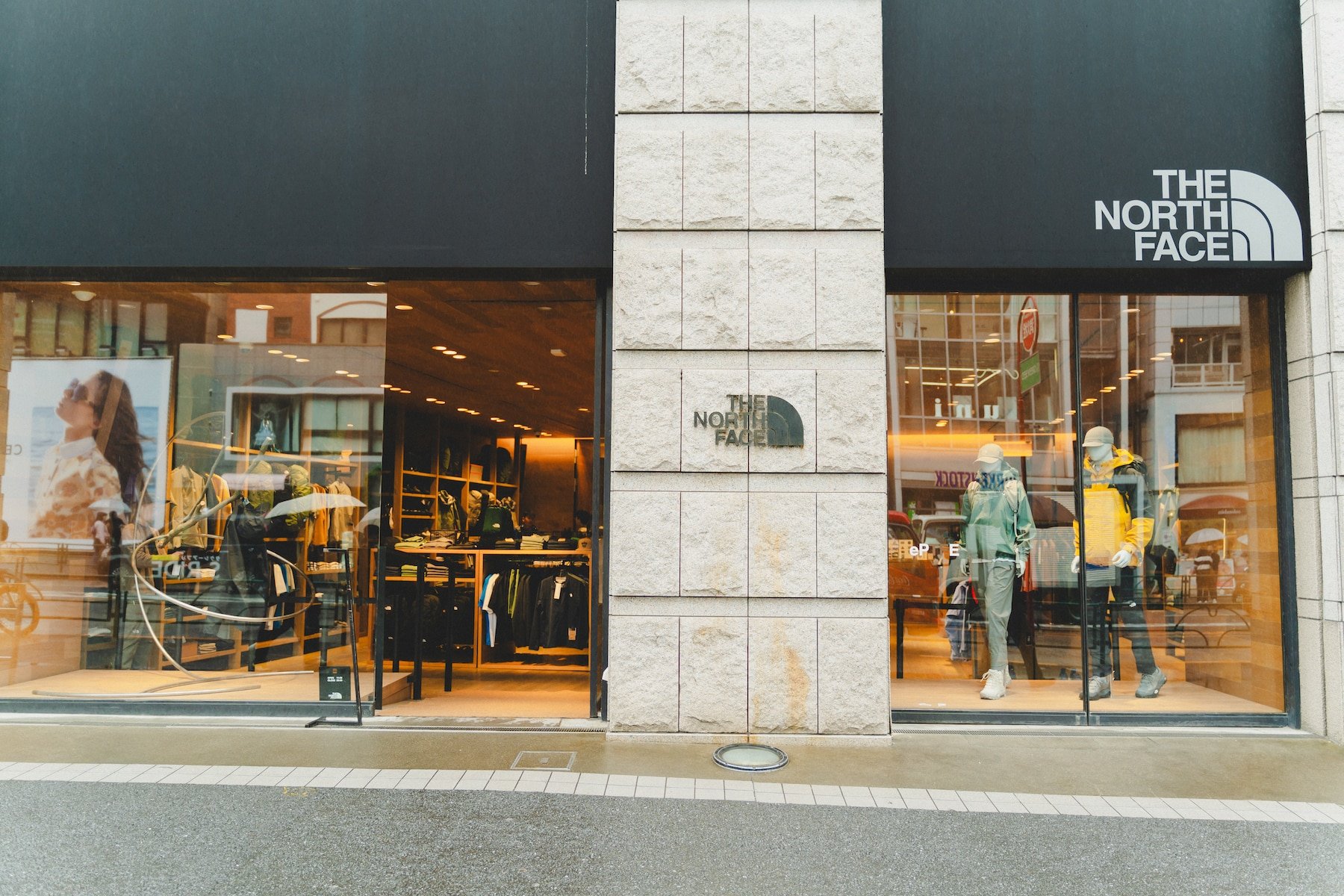
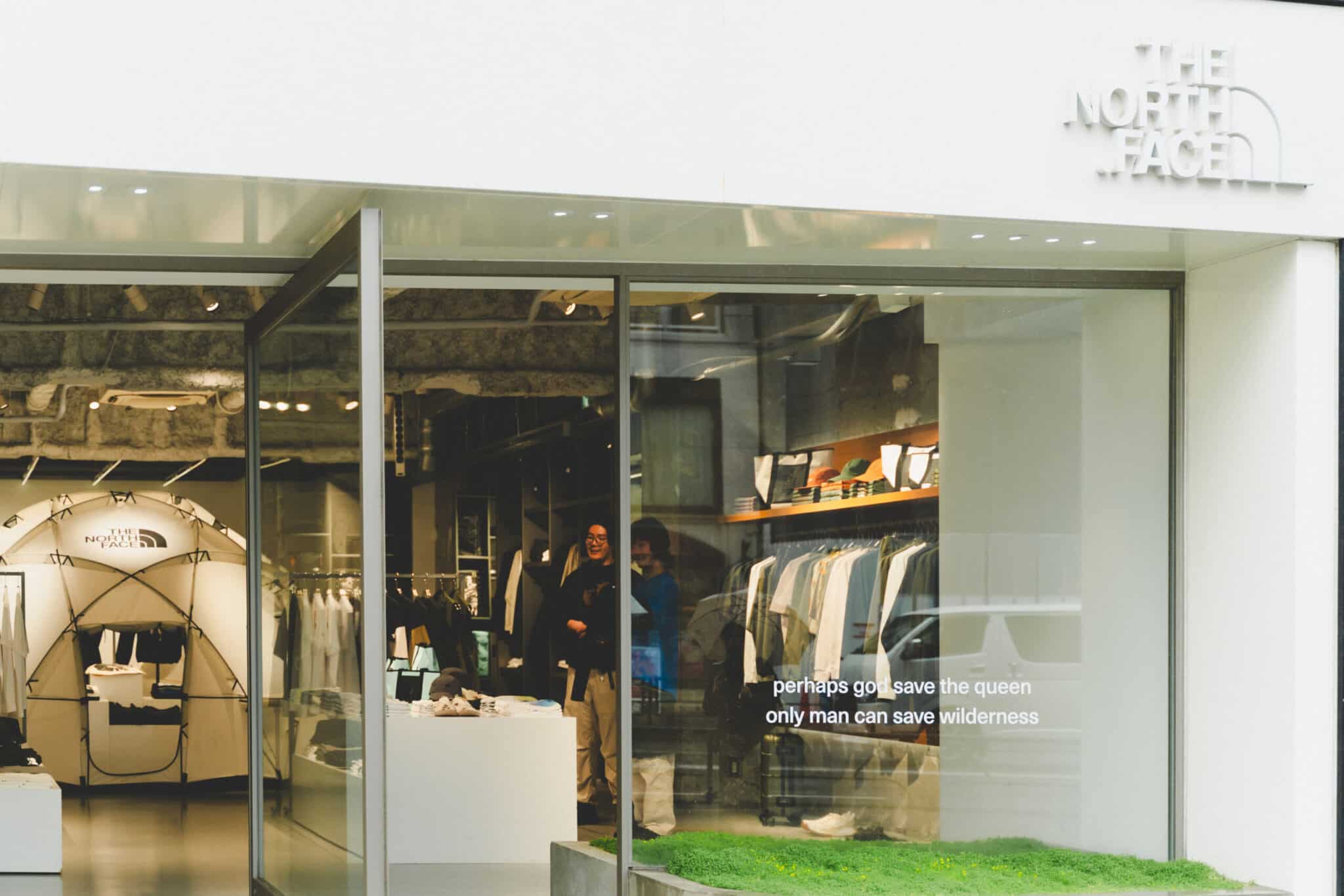
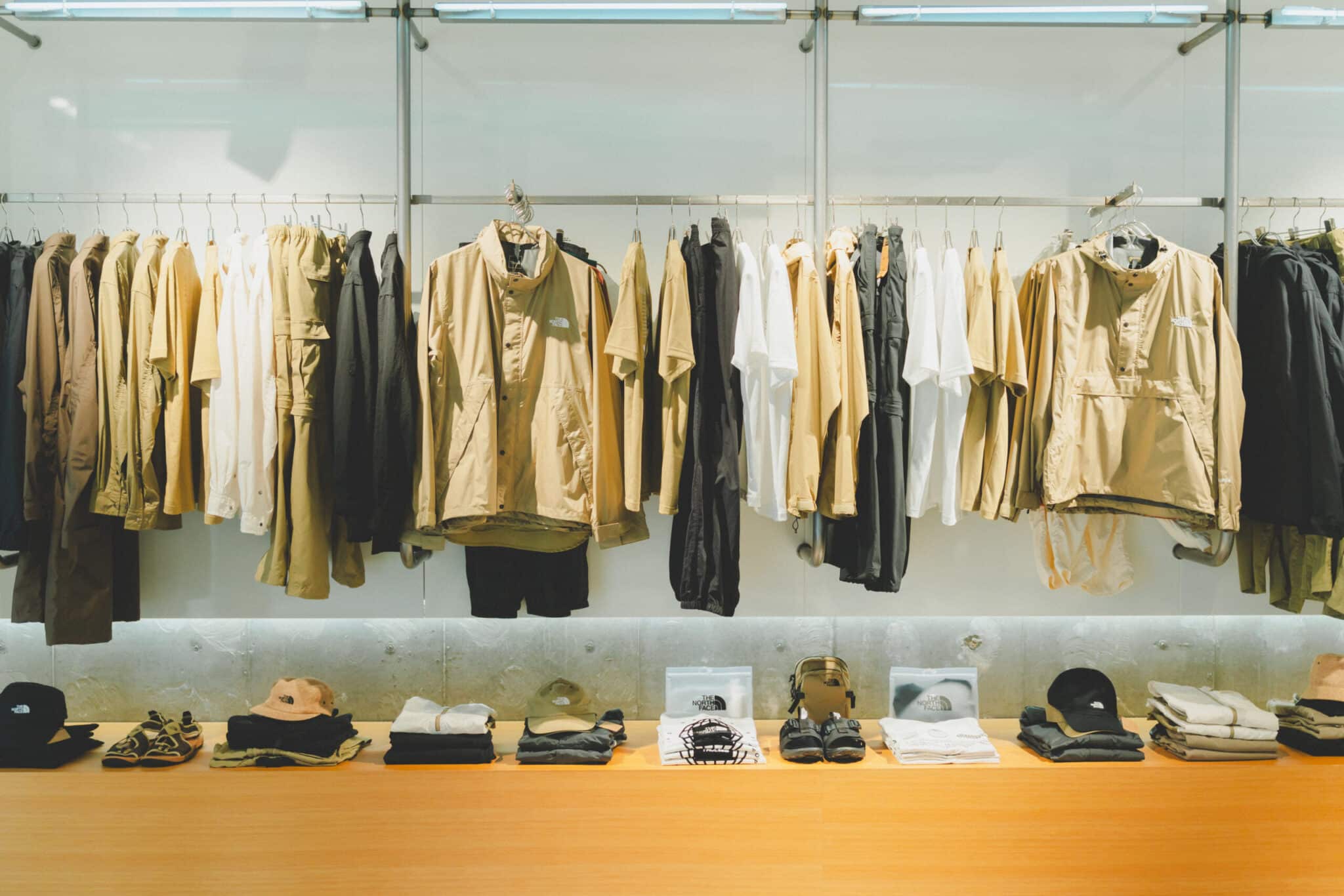
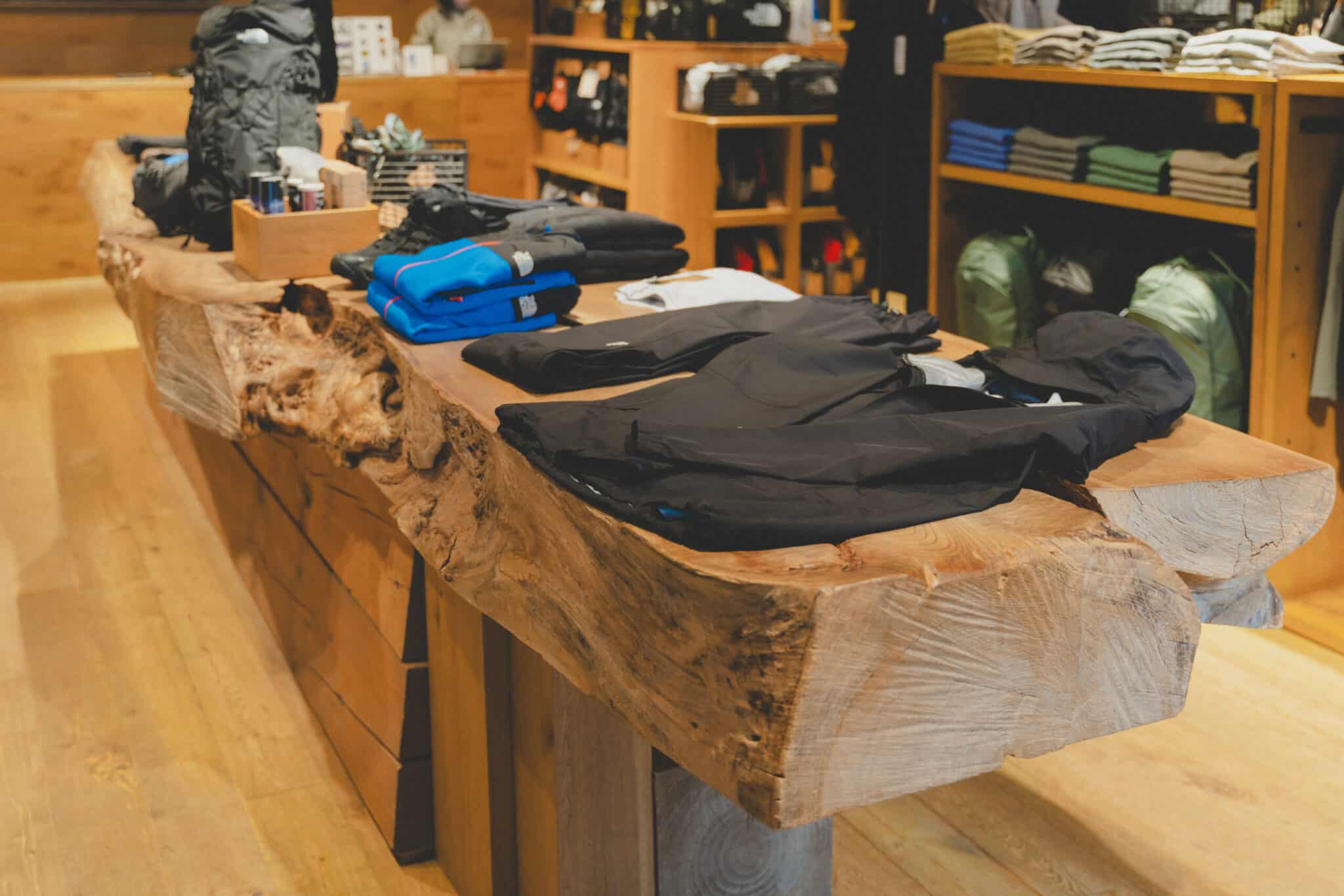
Another essential name when talking about this area is “THE NORTH FACE.” Along Meiji-dori, several stores express the brand’s worldview through different concepts.
These include “THE NORTH FACE Mountain,” which focuses on mountaineering expertise; “THE NORTH FACE ALTER,” which proposes a lifestyle that moves between the city and nature; “THE NORTH FACE STANDARD,” which offers a basic line centered on everyday use; “THE NORTH FACE 3 (march),” which presents outdoor style from a women’s perspective; and “THE NORTH FACE Sphere,” which specializes in running and athletics.
The sight of these clearly differentiated stores gathered in one area shows that Harajuku is far more than just a shopping district.
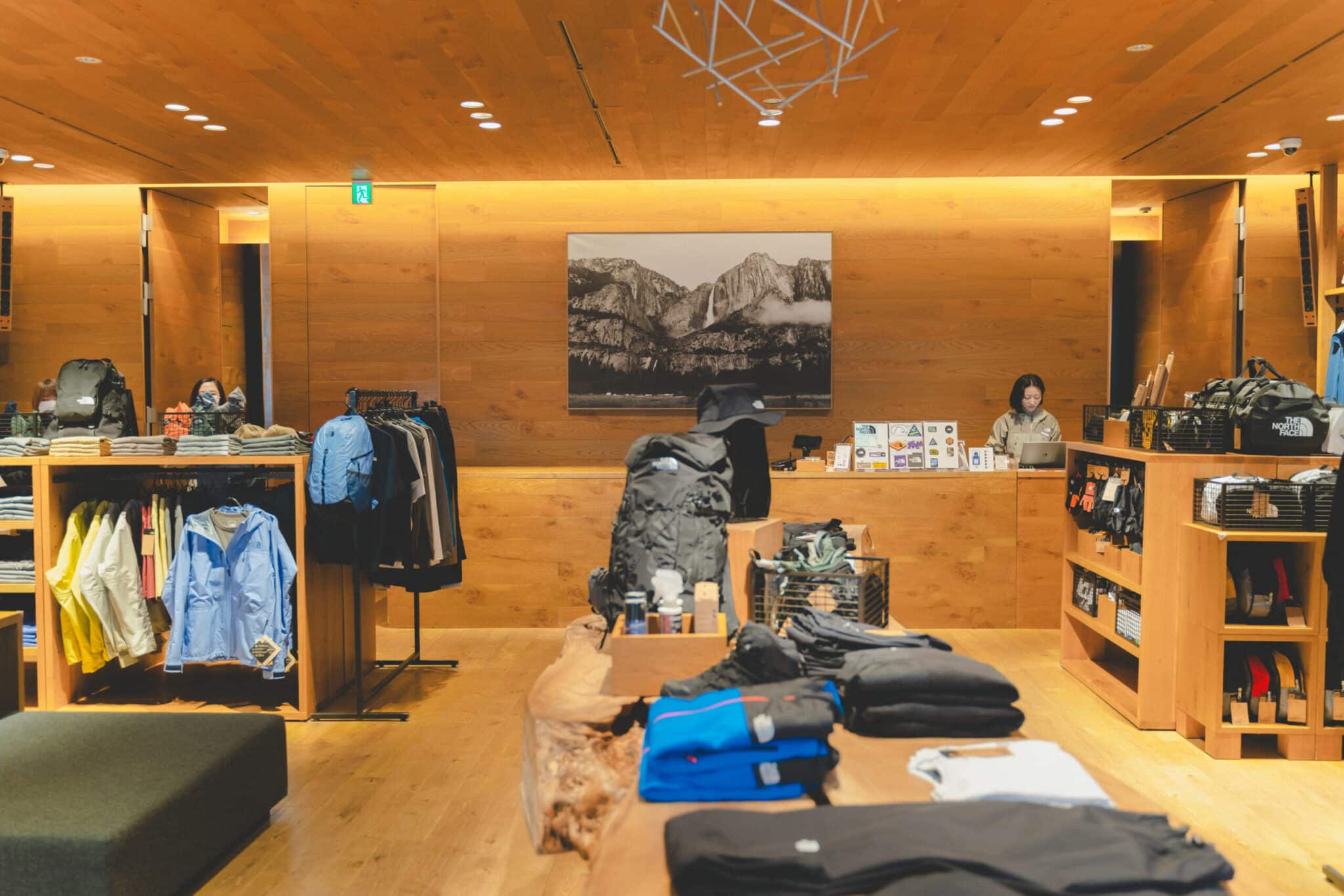
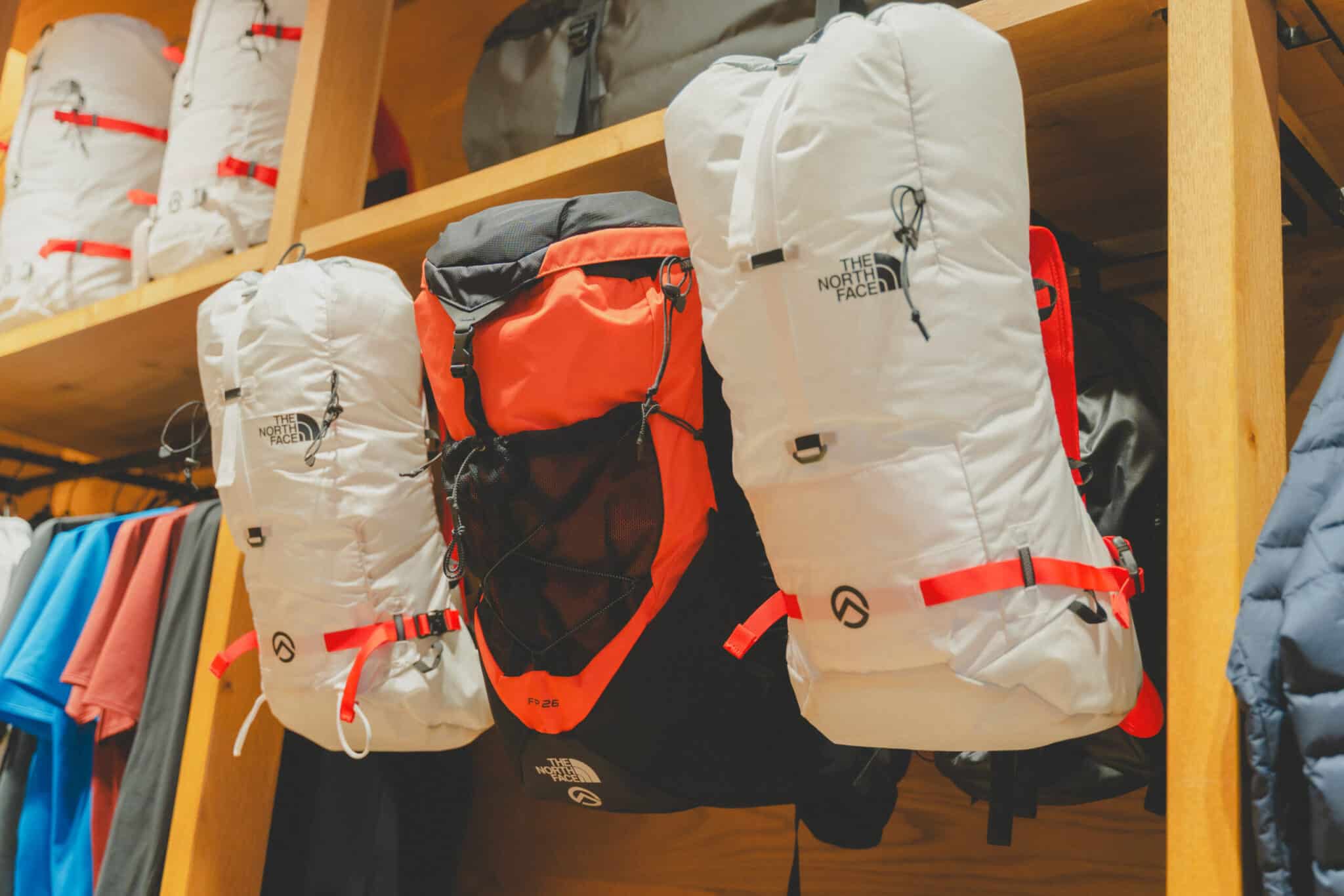
“THE NORTH FACE Mountain” carries a wide range of mountaineering gear.
“THE NORTH FACE ALTER” offers a rich selection of items suitable for both everyday life and light outdoor activities.
Mitsuru Takeshita, former editor-in-chief of “GO OUT,” the magazine launched in 2007 that has helped lead outdoor culture, describes the character of Harajuku as follows:
“If you want people to discover outdoor wear as fashion, Harajuku really is the place. Because it’s recognized first and foremost as a neighborhood for clothing, rather than as an area for mountaineering or camping, outdoor wear can naturally be taken up as an extension of fashion here. And because this area has so many directly operated stores, they’re not just selling clothes. The staff can explain the background of the items, how to use them properly, and even the kinds of activities they lead to beyond that. You can ask not only about styling, but also about what kinds of real outdoor settings the items are meant for. I think that makes this a place where you can encounter a brand’s ideas and worldview through shopping itself.”
Harajuku, where fashion and the outdoors intersect, is a special area where shopping itself becomes a cultural experience.
The reason outdoor wear has become established as fashion in Japan lies in a culture that has developed over a long period of time. Starting with the heavy-duty American casual style introduced by the magazine “POPEYE” in the 1970s, a sensibility for enjoying overseas outdoor wear as styling spread through retailers such as BEAMS and Eddie Bauer. Rather than consuming what came from abroad as it was, people in Japan interpreted it in their own way, combined it with other influences, and transformed it into new value. This distinctly Japanese attitude helped connect the outdoors and fashion in a natural way.
This value system also has a strong affinity with Harajuku’s fashion culture, and outdoor wear has long been embraced here as part of everyday style. A shared sensibility naturally exists in this area: enjoying functionality and design without separating the two, and embracing styles that differ from those of others.
One brand that embodies this uniquely Japanese sensibility in the field of outdoor wear is “and wander.” Both of its designers previously worked at Issey Miyake. While maintaining a high level of design, they continue to create clothing with proven functionality by repeatedly conducting field tests in the mountains. Their approach, which naturally balances outdoor performance with a fashion sensibility, can be seen as one ideal form of outdoor wear for the city.
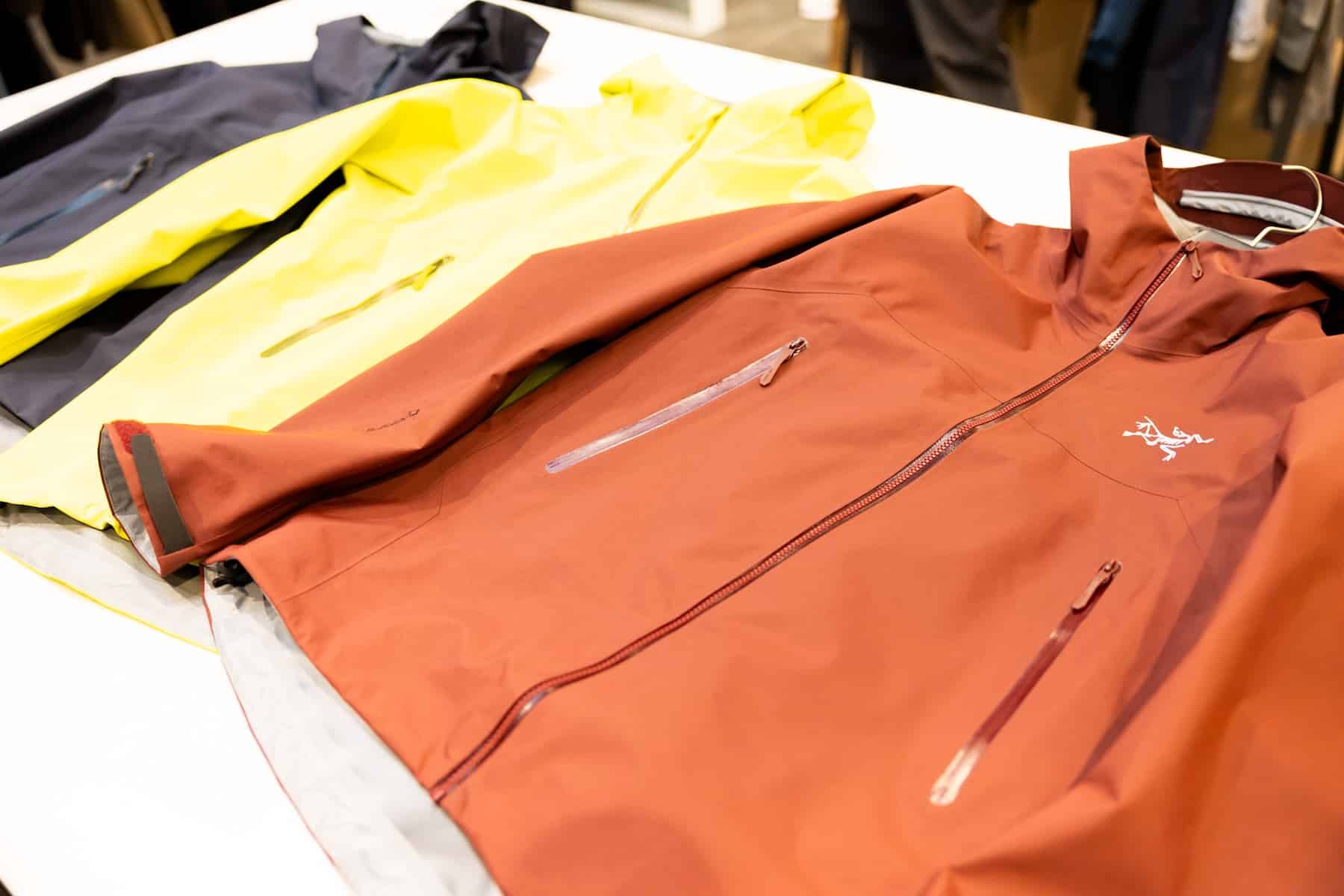
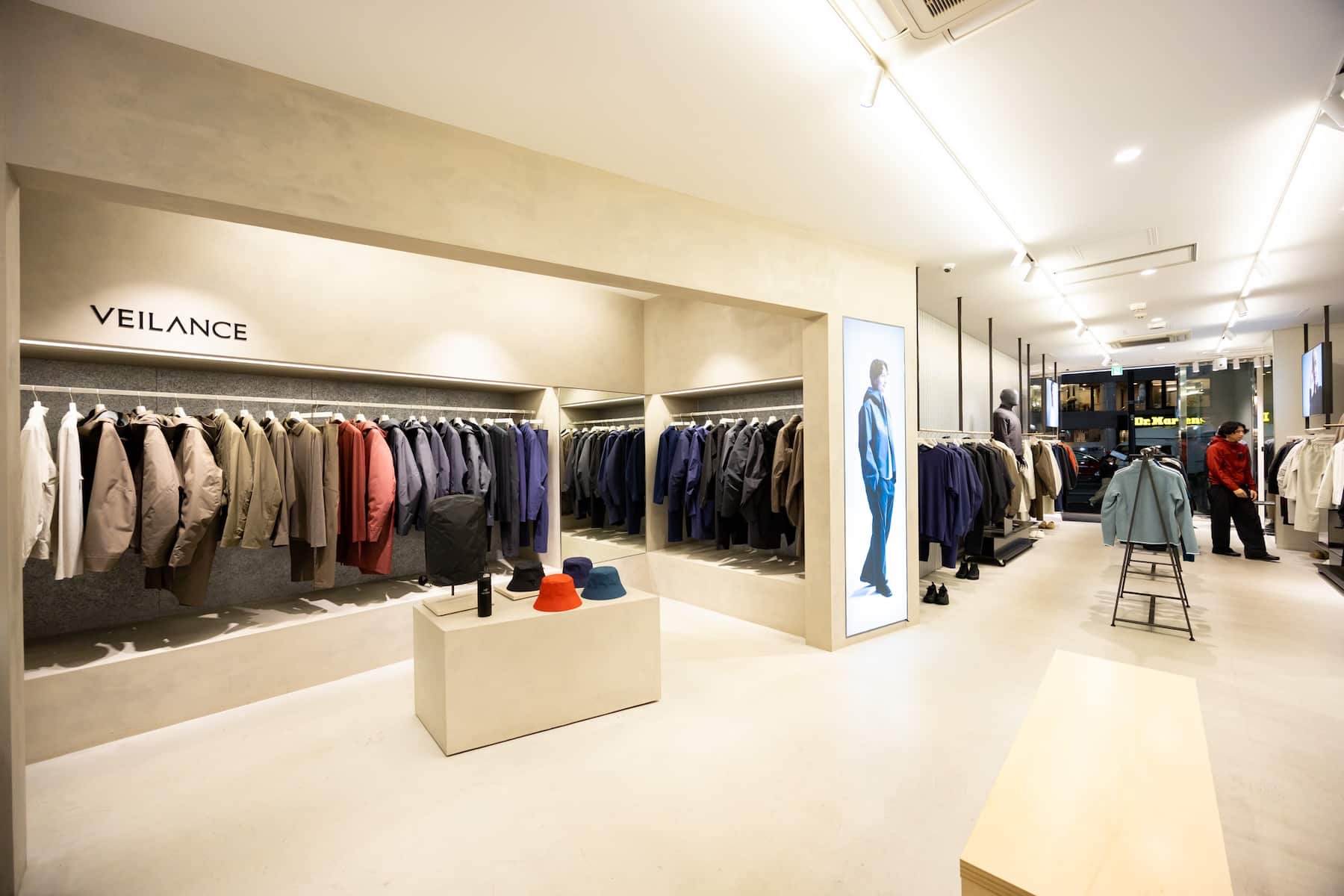
At the same time, among overseas brands, “ARC'TERYX,” whose store stands along Meiji-dori, enjoys especially strong support. While it offers high functionality based on extensive testing for use in extreme conditions, its minimal design stripped of unnecessary elements also fits urban life. In particular, its urban line is highly accomplished as refined apparel designed for city wear while drawing on the technical strength of an outdoor brand.
Next to the “ARC'TERYX” store on Meiji-dori is “BIRD’S NEST.” The cool, urban space carries the collection, designed with a minimal aesthetic and based on ideas drawn from ARC'TERYX’s innovative outdoor products.
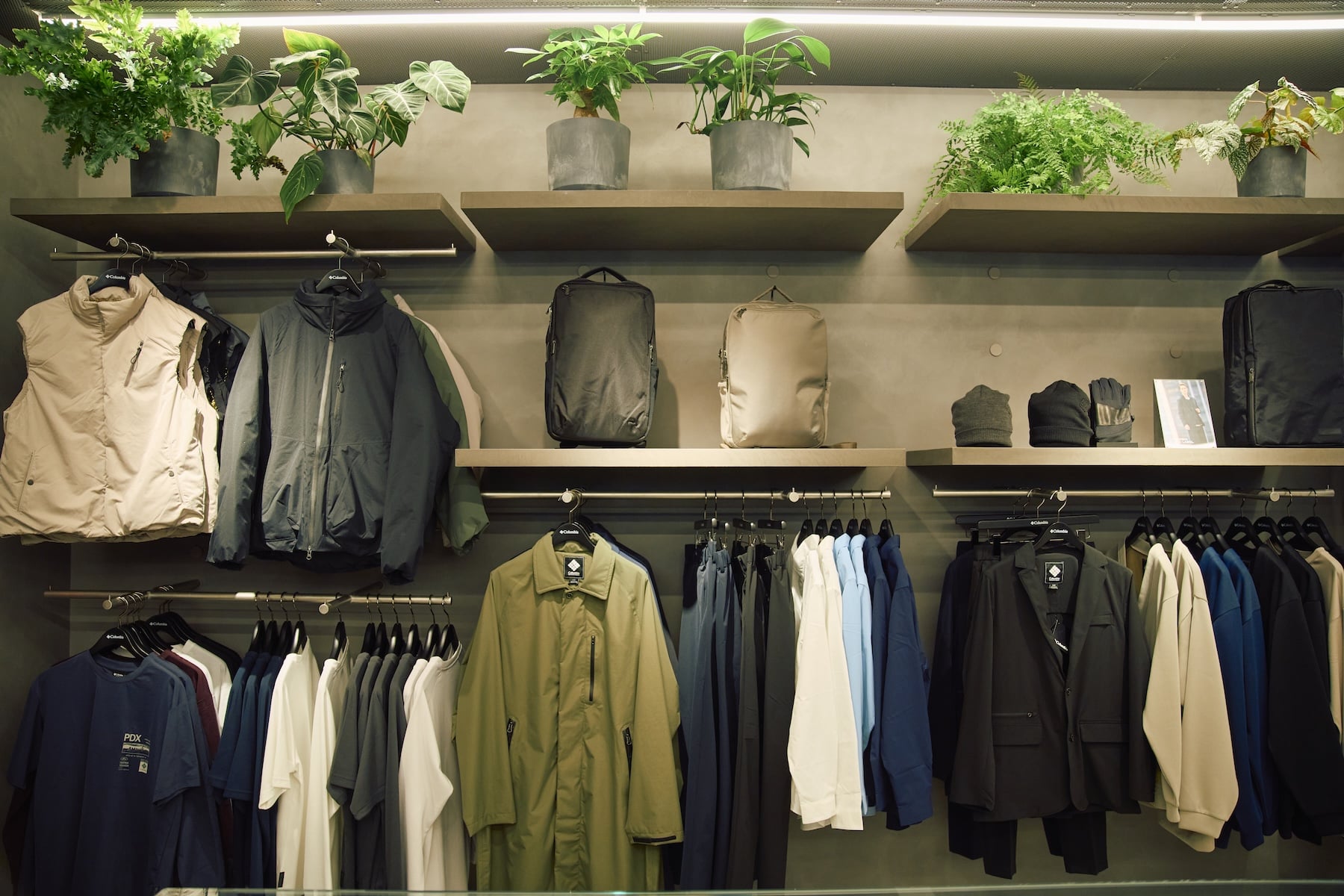
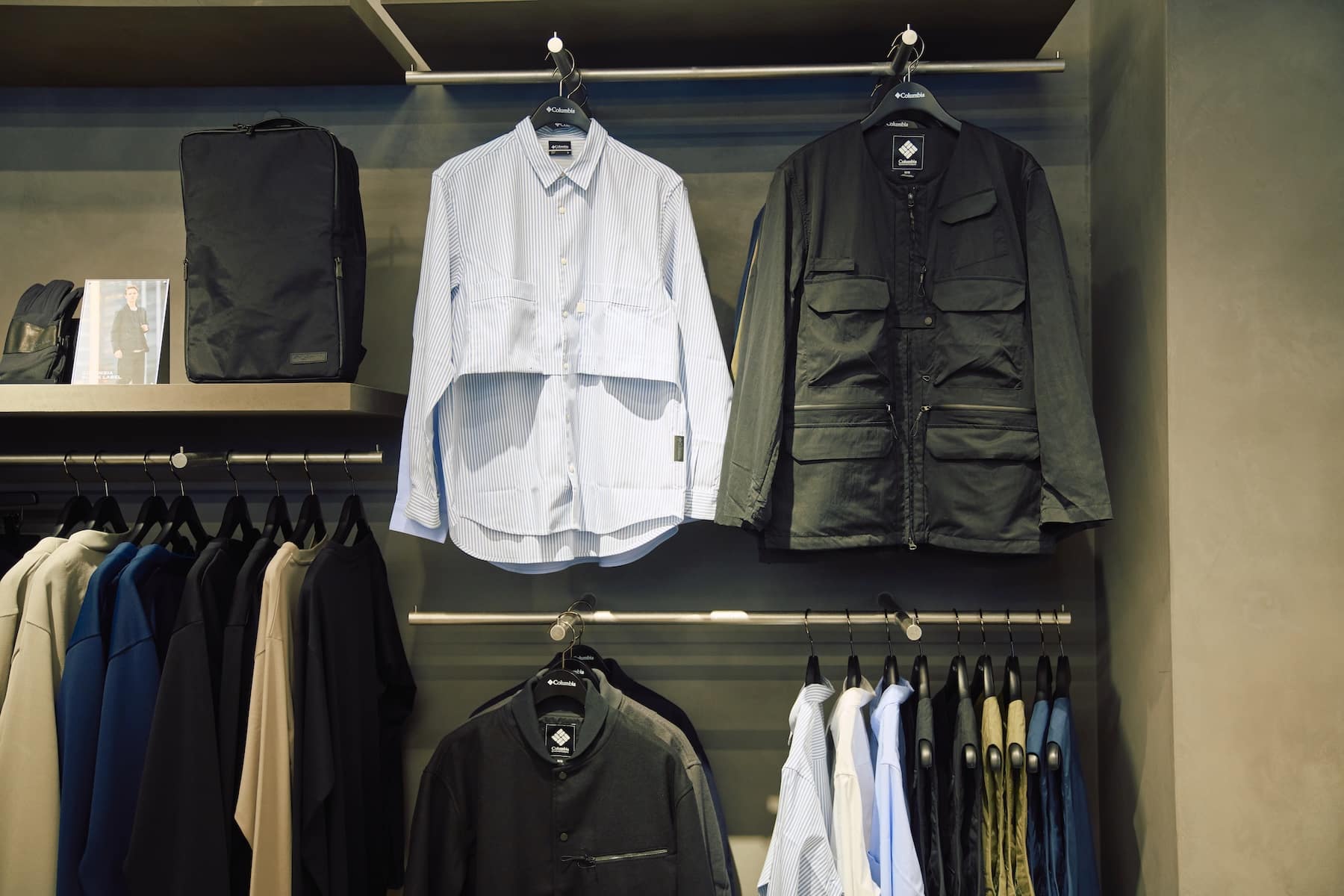
Also worth noting is the Japan-planned collection line , available at “COLUMBIA TOKYO FLAGSHIP,” the flagship store of “COLUMBIA.” These items are characterized by the way they incorporate outdoor technology into urban life. The line includes shirt-and-pants setups that offer ease of movement and comfort, as well as separate shirts, bags, and outerwear. Because they remain comfortable during long hours of travel or walking around the city while still maintaining a polished appearance, they are also useful as travel wear.
One of the appeals of is its minimal design, which is refined enough to wear in business settings.
These kinds of items are only a few examples of the outdoor fashion available in Harajuku. What makes Harajuku interesting is that outdoor wear is not presented as one single answer. Instead, each brand offers its own distinct styling and perspective.
Japan-born brands, leading global brands, and lines specialized for urban use all interpret outdoor functionality differently and propose it as a different kind of style. Being able to compare those differences simply by walking a short distance is one of Harajuku’s unique attractions.
Mr. Takeshita also says that the very experience of walking through Harajuku has value:
“What’s interesting about Harajuku is that there isn’t just one answer to how outdoor wear should be incorporated into fashion. Every brand has a different way of thinking, and you can compare them as you move from store to store. So even if you’re not deeply familiar with the outdoors, it’s a neighborhood where you can easily find a style that matches your own sensibility.”
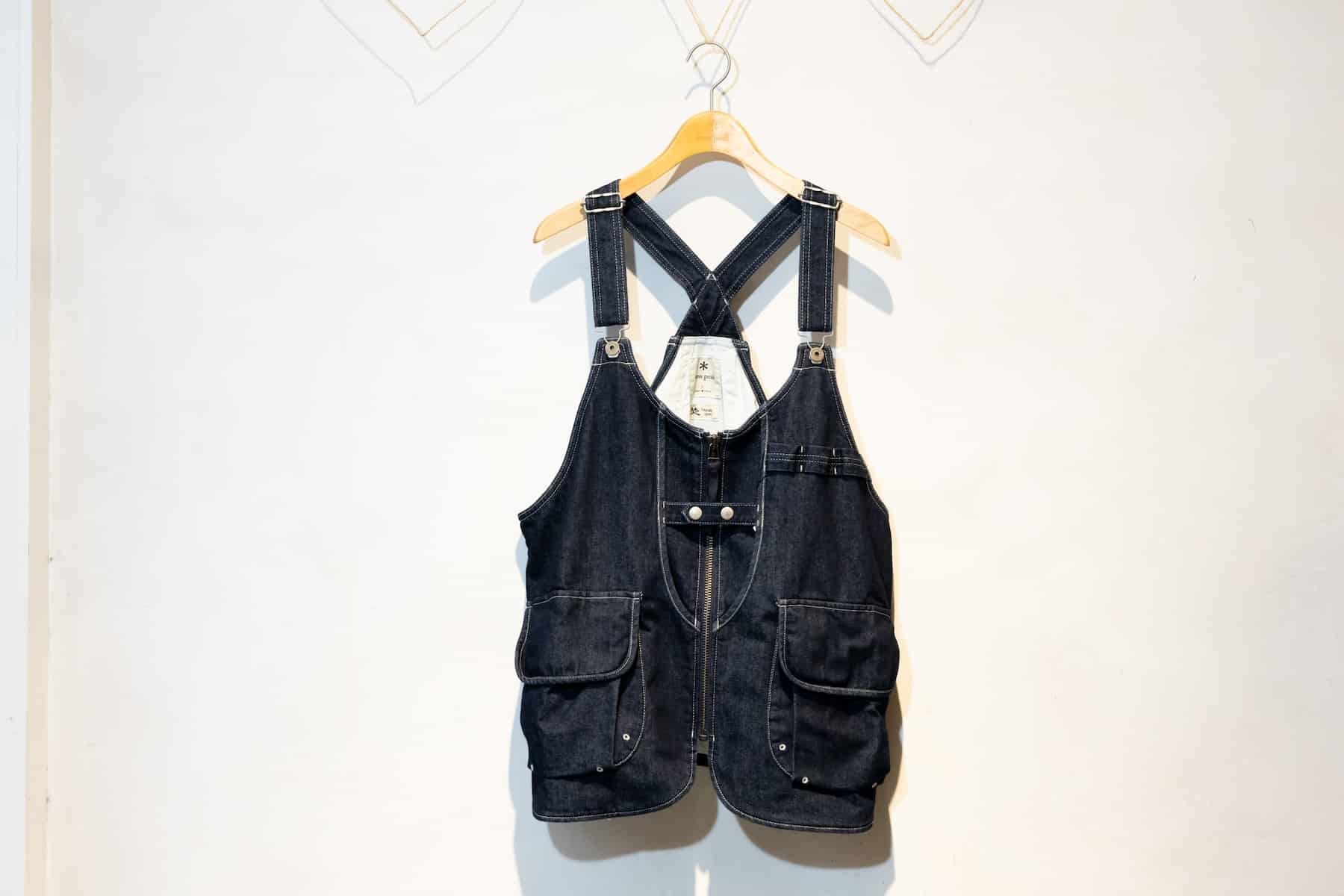
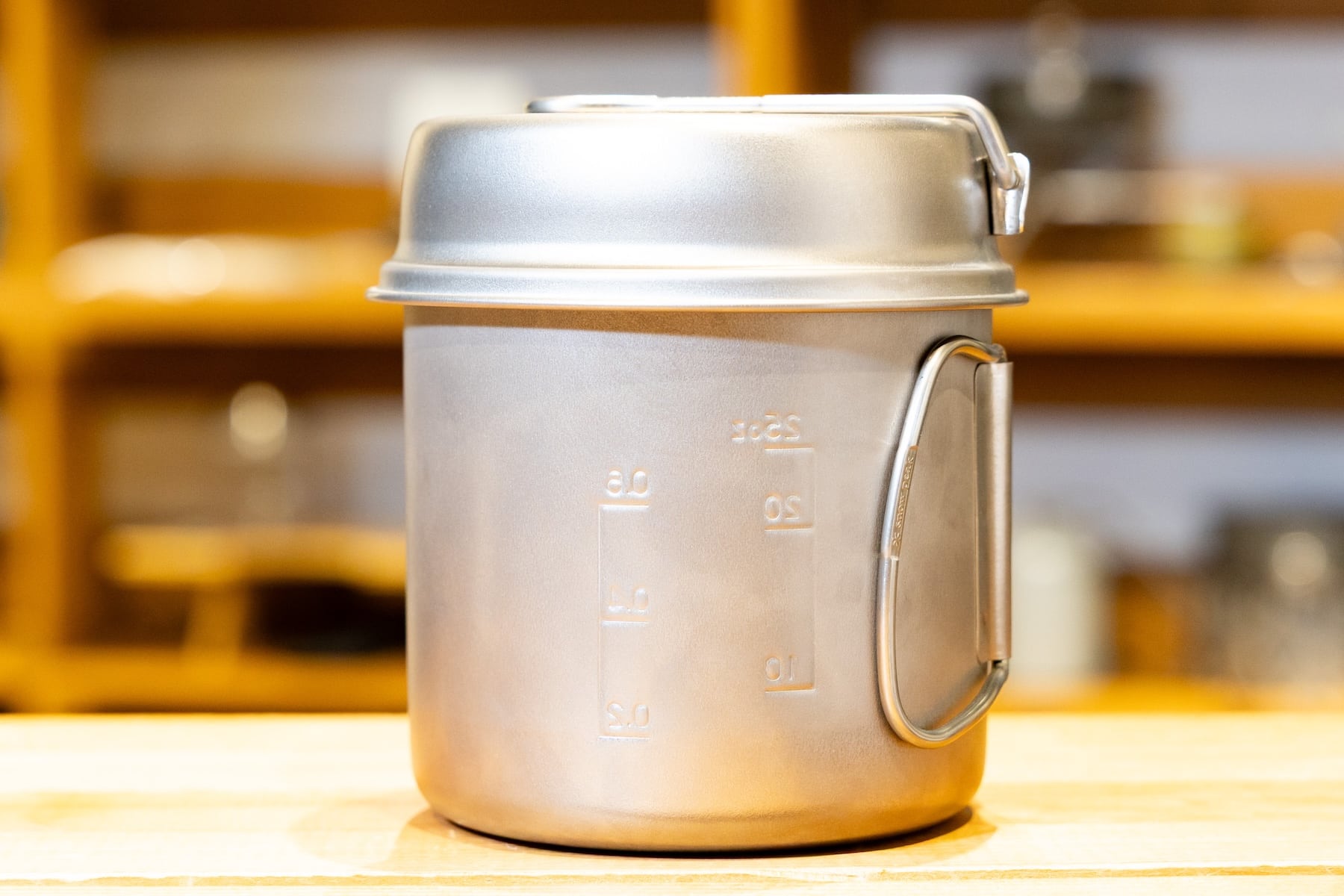
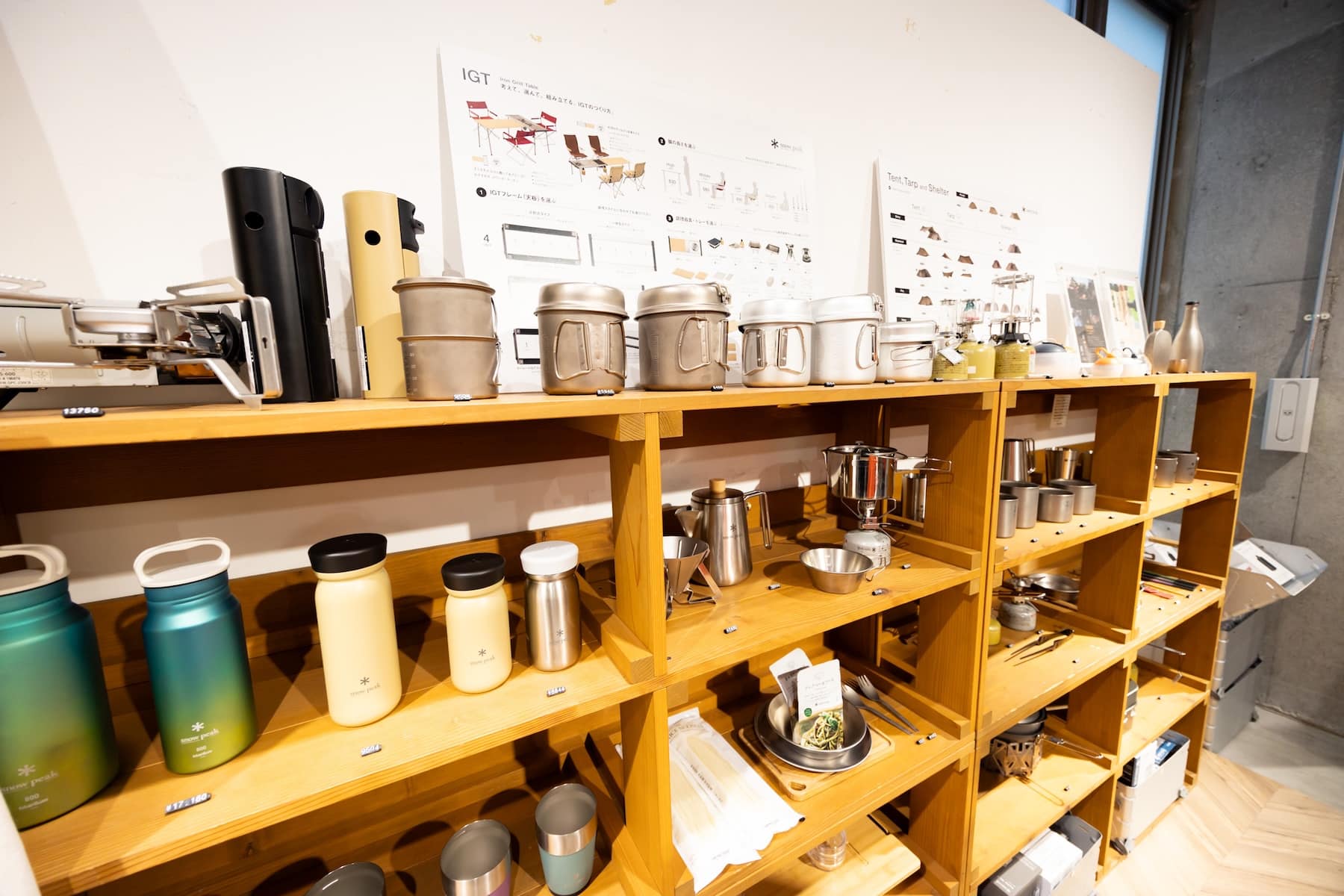
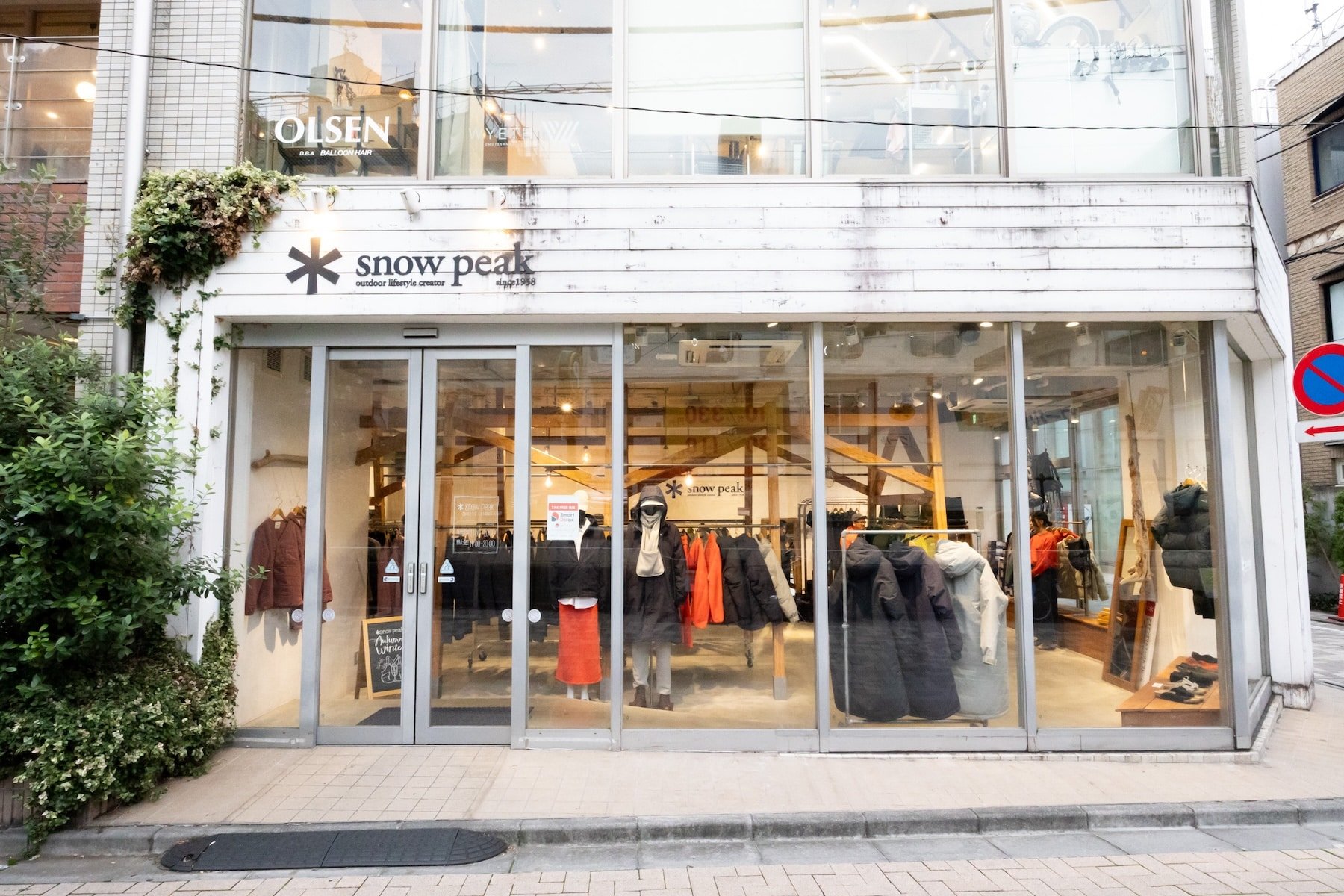
The flagship apparel store of “Snow Peak,” a brand that has helped lead Japan’s camping culture, is also one of the highlights of this area. In addition to clothing, it offers highly durable gear created through exceptional technical expertise, allowing visitors to experience the Japanese outdoor scene all at once.
As you visit outdoor shops in Harajuku, you come across Japanese-made items that are crafted with no compromise, down to the finest details. The fact that they are designed with everything in mind—from stitching and material selection to maintenance—reflects an attitude that sees outdoor gear not as a passing trend, but as equipment meant to be used for a long time.
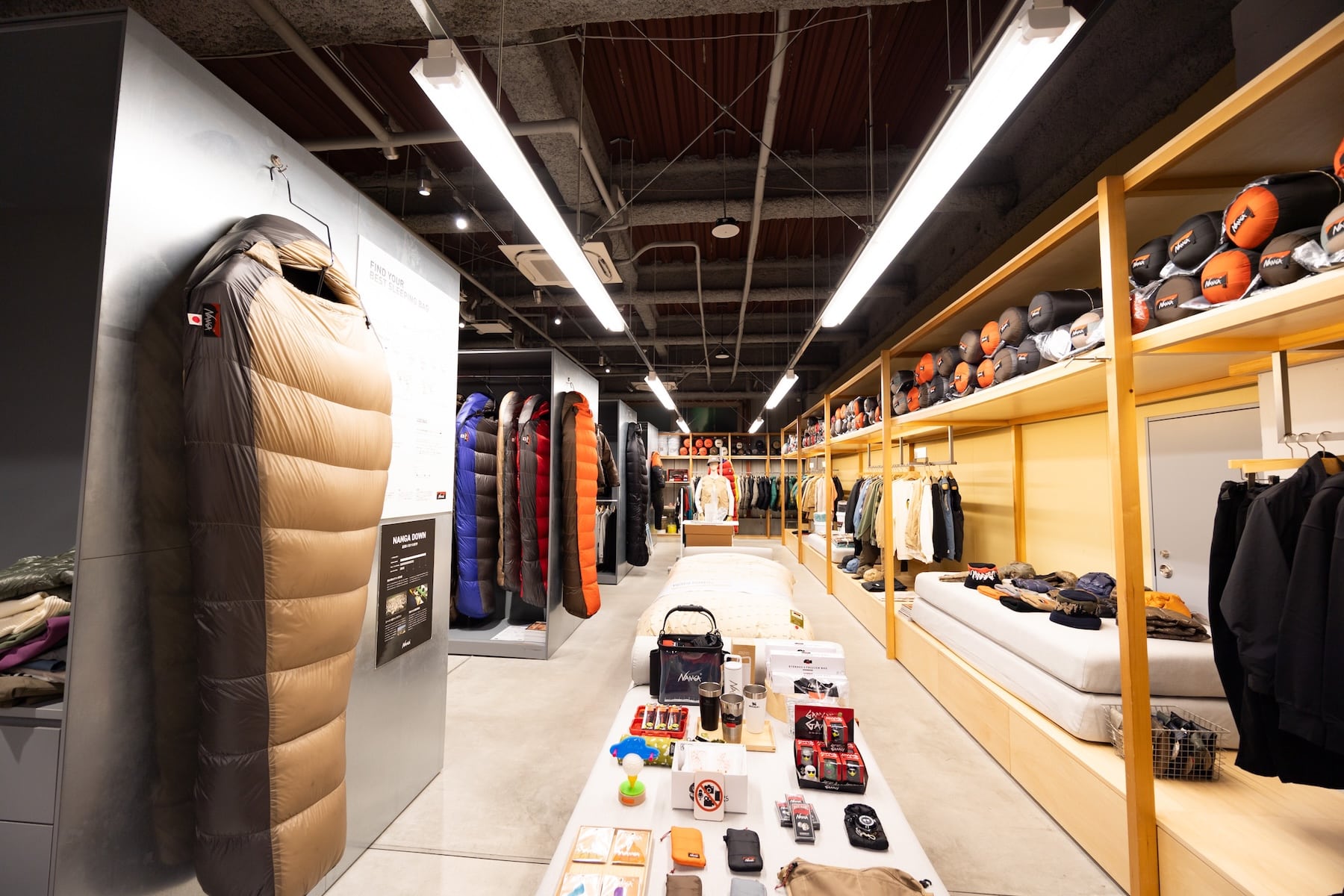
A representative example is the Japanese down brand “NANGA.” The brand has its roots in a futon factory and has applied its deep knowledge of feathers and down to outdoor down products. In addition to its strong commitment to down materials, it has continued to develop products based on the idea of long-term use.
“‘NANGA’ is a brand that very clearly wants people to keep using its products properly for a long time. It assumes washing and maintenance as part of the product’s life, and it also offers repairs when necessary. That attitude conveys a real confidence in the products themselves,” says Mr. Takeshita.
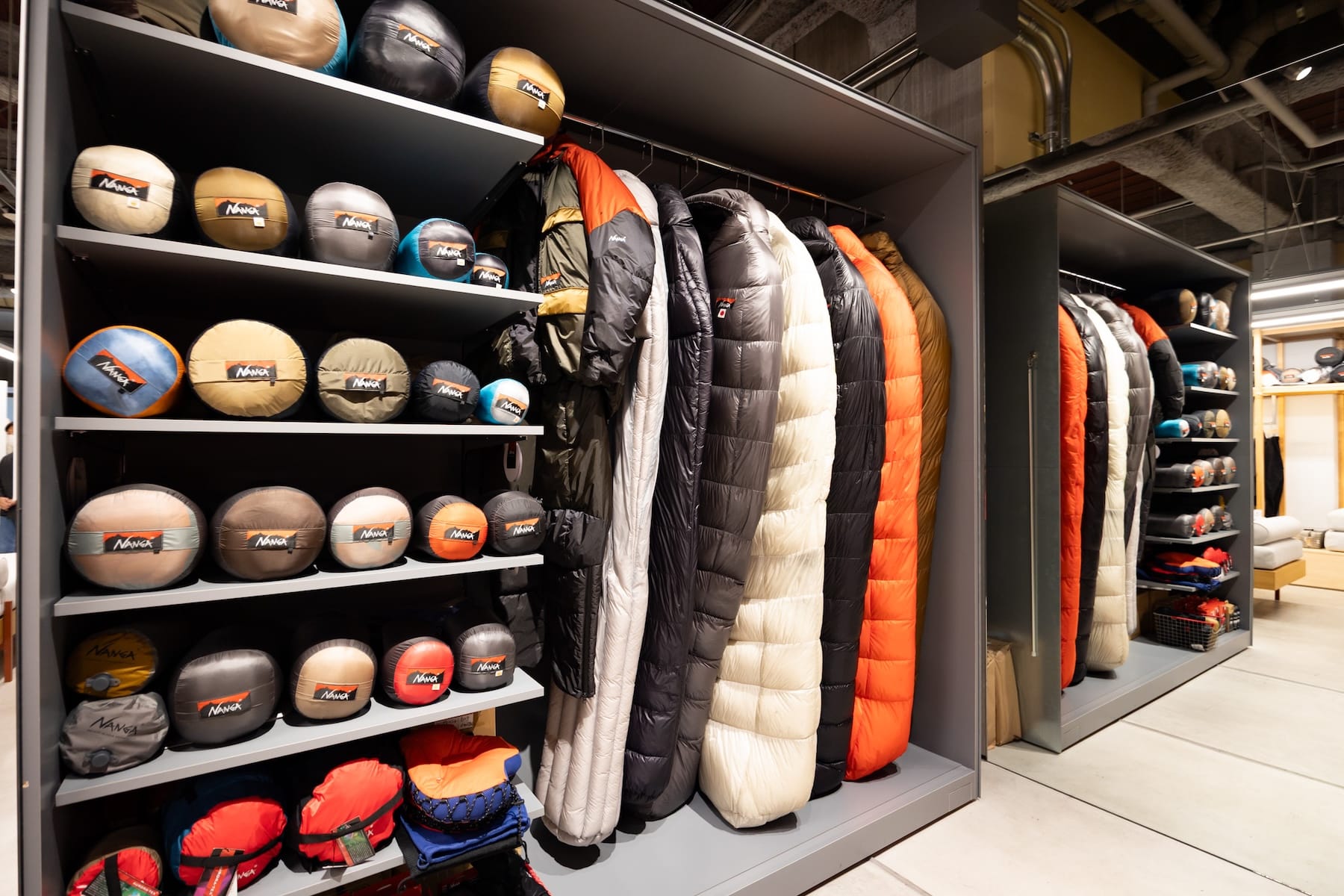
At its Harajuku flagship store, visitors can find the full lineup of products, including apparel items, sleeping bags, and even futons, which connect back to the brand’s roots. By actually handling the down products and checking the feel of the materials and the stitching, visitors can also gain an understanding of the ideas behind the brand.
Inside “NANGA SHOP HARAJUKU,” whose interior is inspired by a factory, rows of high-quality sleeping bags and down products showcase the brand’s futon-making technology.
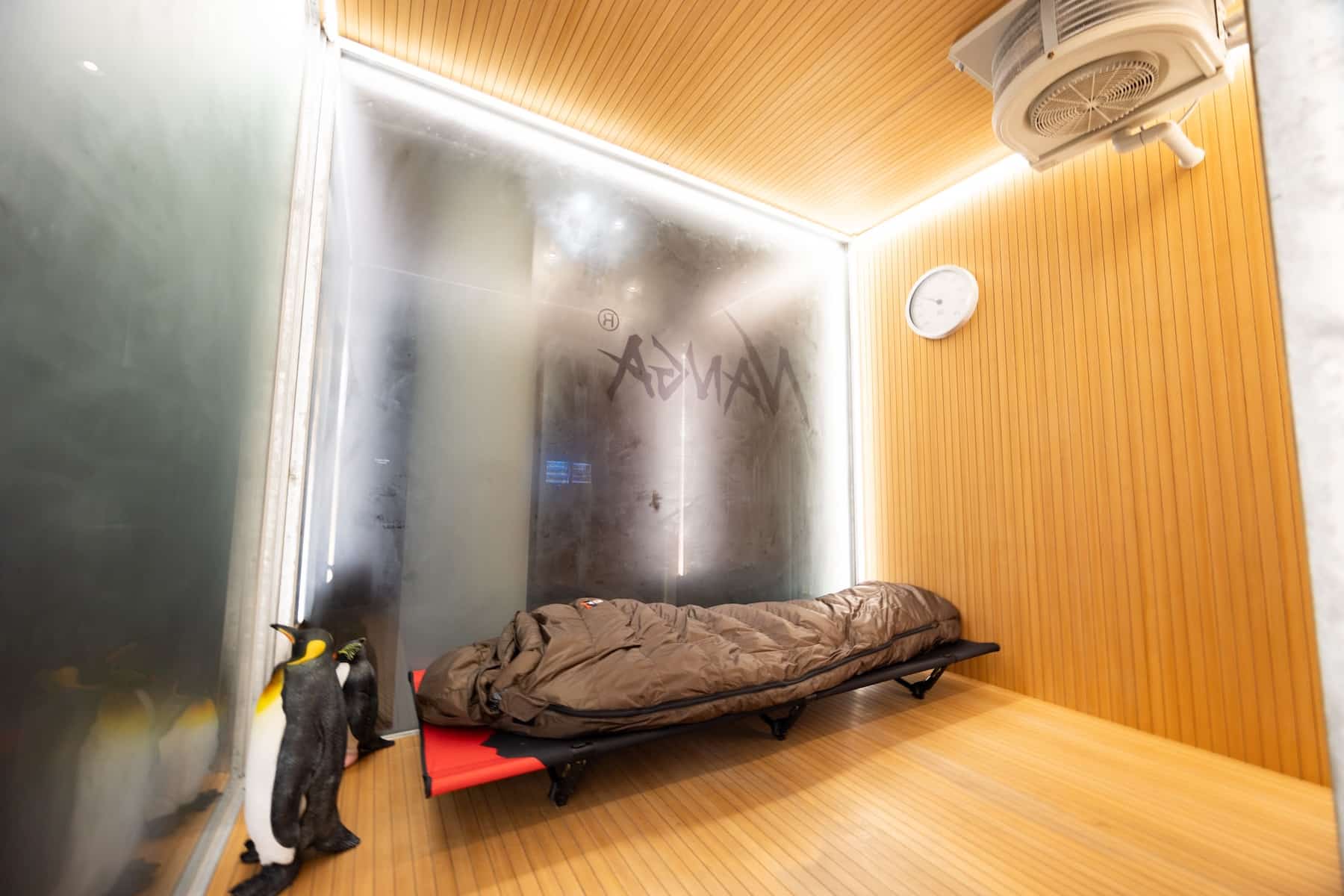
There is even a freezer fitting room where products can be tested in temperatures as low as -5°C.
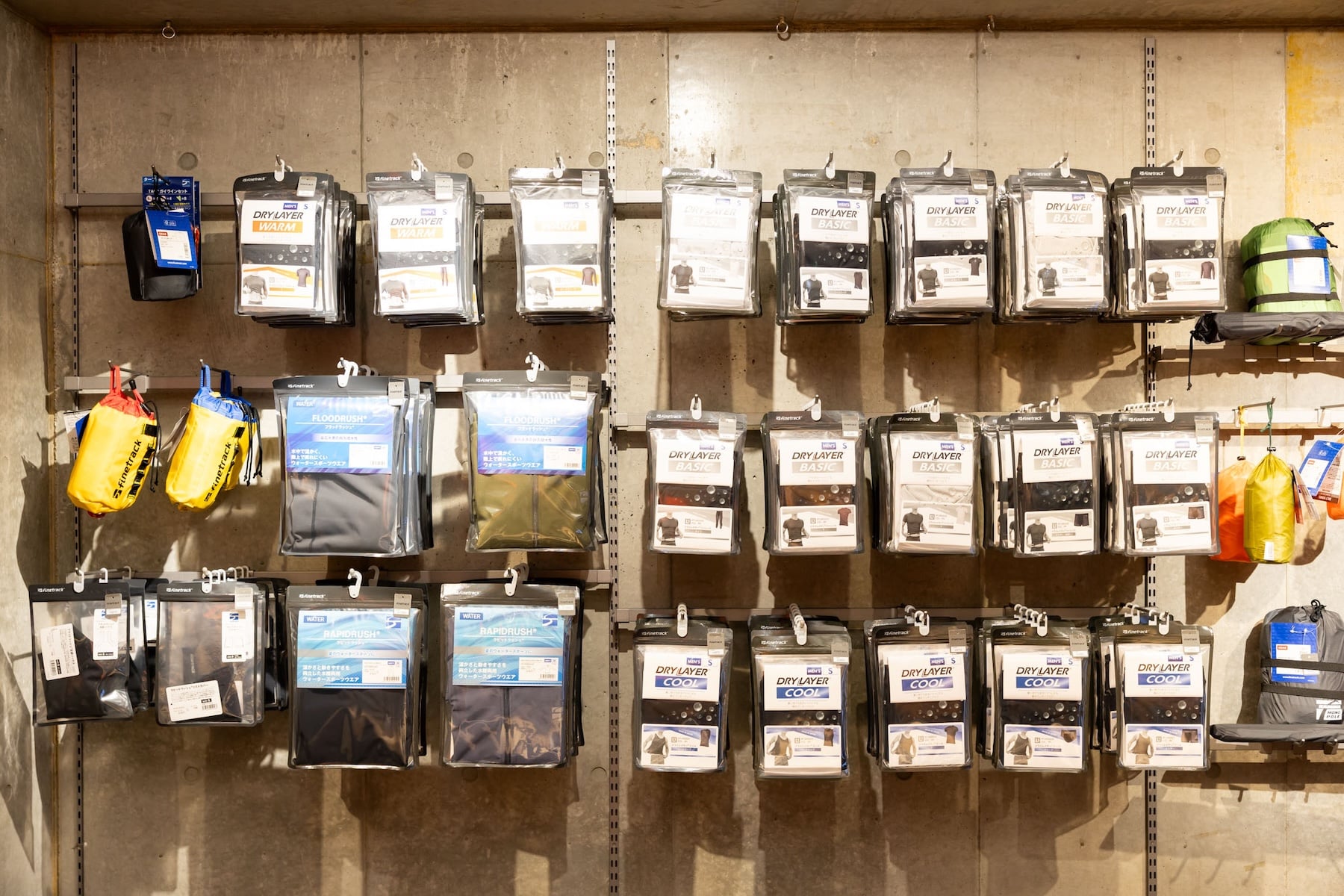
The appeal of Japanese brands is not limited to down. At “finetrack TOKYO BASE,” the directly operated store of “finetrack,” a brand with strengths in developing functional materials, visitors can actually experience clothing and layering systems designed for Japan’s climate and mountain conditions.
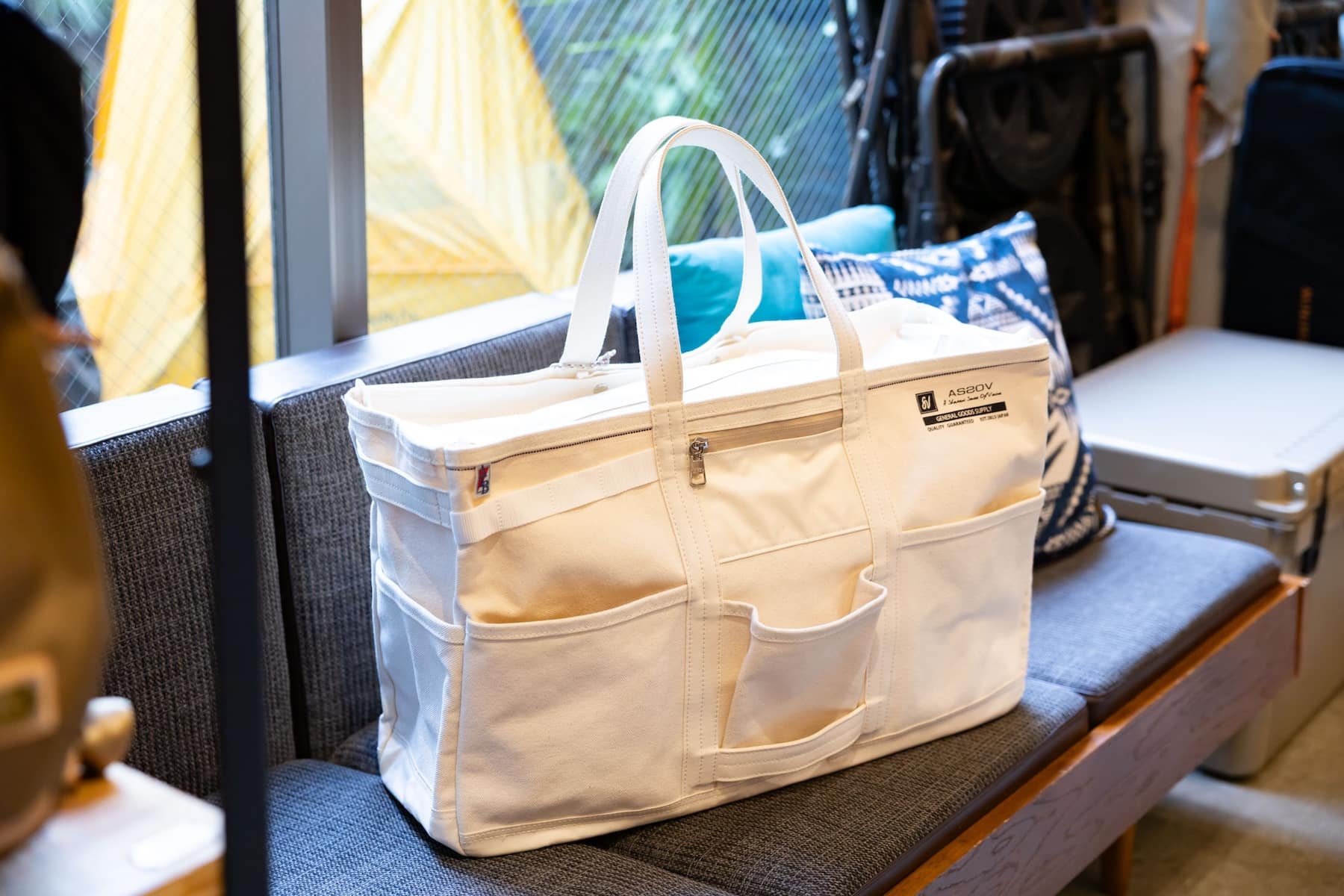
At “UNBY GENERAL GOODS STORE,” which focuses on gear and bags, visitors can also find carefully made products distinctive to Japanese brands, including items that connect the outdoors with everyday life.
One of Harajuku’s major attractions is the ability to compare and choose among these different forms of Japan-born functional beauty from brand to brand.
A tote bag by found at “UNBY GENERAL GOODS STORE.” The duck fabric, long used in the United States, is woven at a factory in Japan on a traditional vintage shuttle loom.
Thanks to “finetrack”’s proprietary water-repellent technology, sweat quickly leaves the skin, helping keep it dry. “Dry Layer® Basic” is mesh underwear designed to reduce chill caused by perspiration.
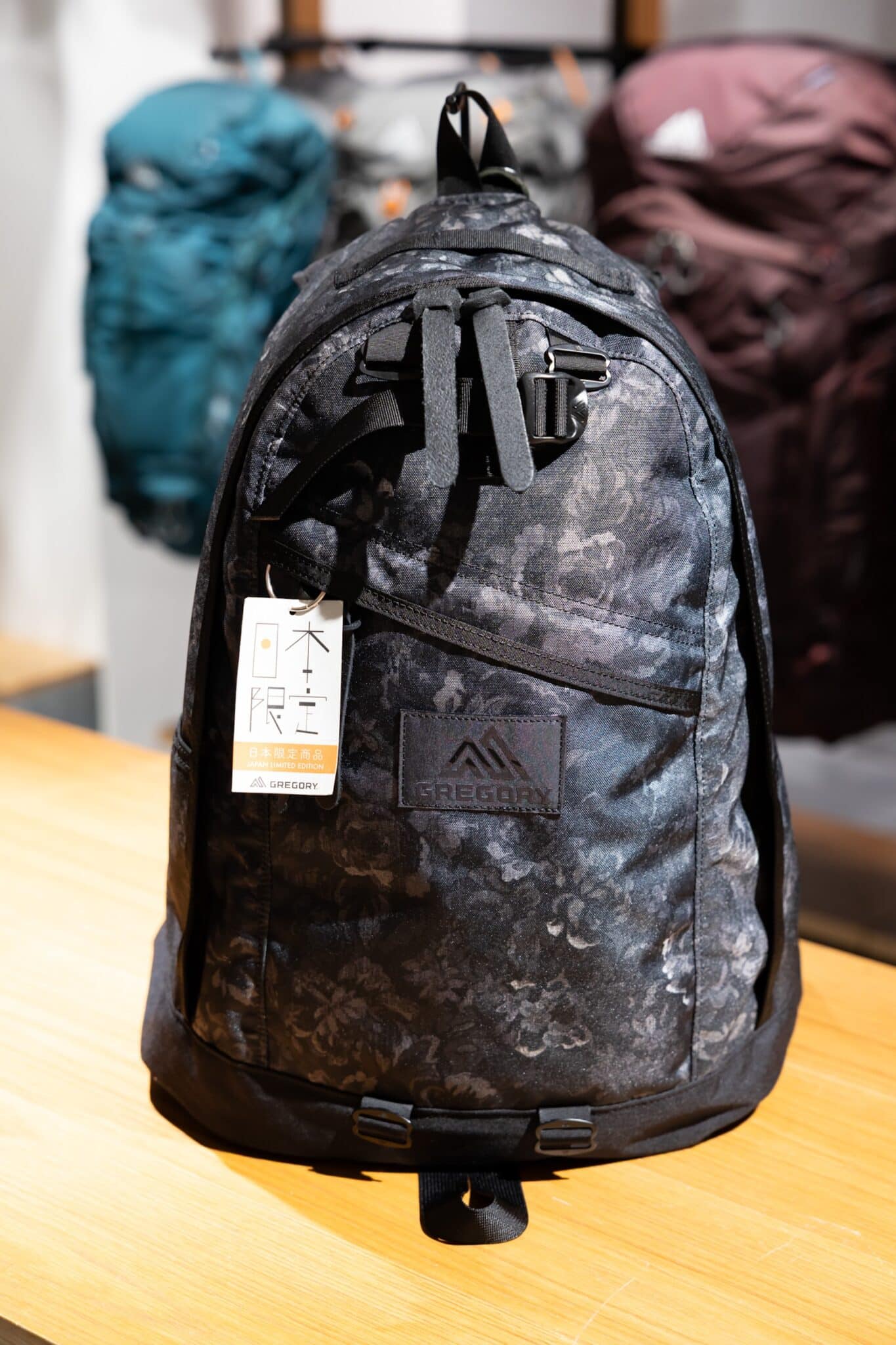
One of the pleasures of visiting outdoor shops in Harajuku is the presence of limited-edition items available only in Japan. Even when the brand itself comes from overseas, you can still find models planned for the Japanese market and products that reflect Japan’s own sensibilities, making it possible to enjoy a lineup that feels distinctly Harajuku, where fashion and the outdoors naturally intersect.
A good example is “GREGORY,” the prestigious backpack brand.
“While ‘GREGORY’ is known for timeless designs such as its classic daypacks, in Japan it also offers Japan-planned models featuring distinctive materials, colors, and patterns. The brand is also active in collaborations with apparel labels, and it often releases bags that are based on outdoor functionality but designed with styling in the city in mind,” says Mr. Takeshita.
A collaboration item found at “GREGORY Harajuku” with the denim brand . While reminiscent of vintage denim, it uses a lightweight and highly durable polyester material.
The black tapestry pattern with a floral motif is a Japan-exclusive design.
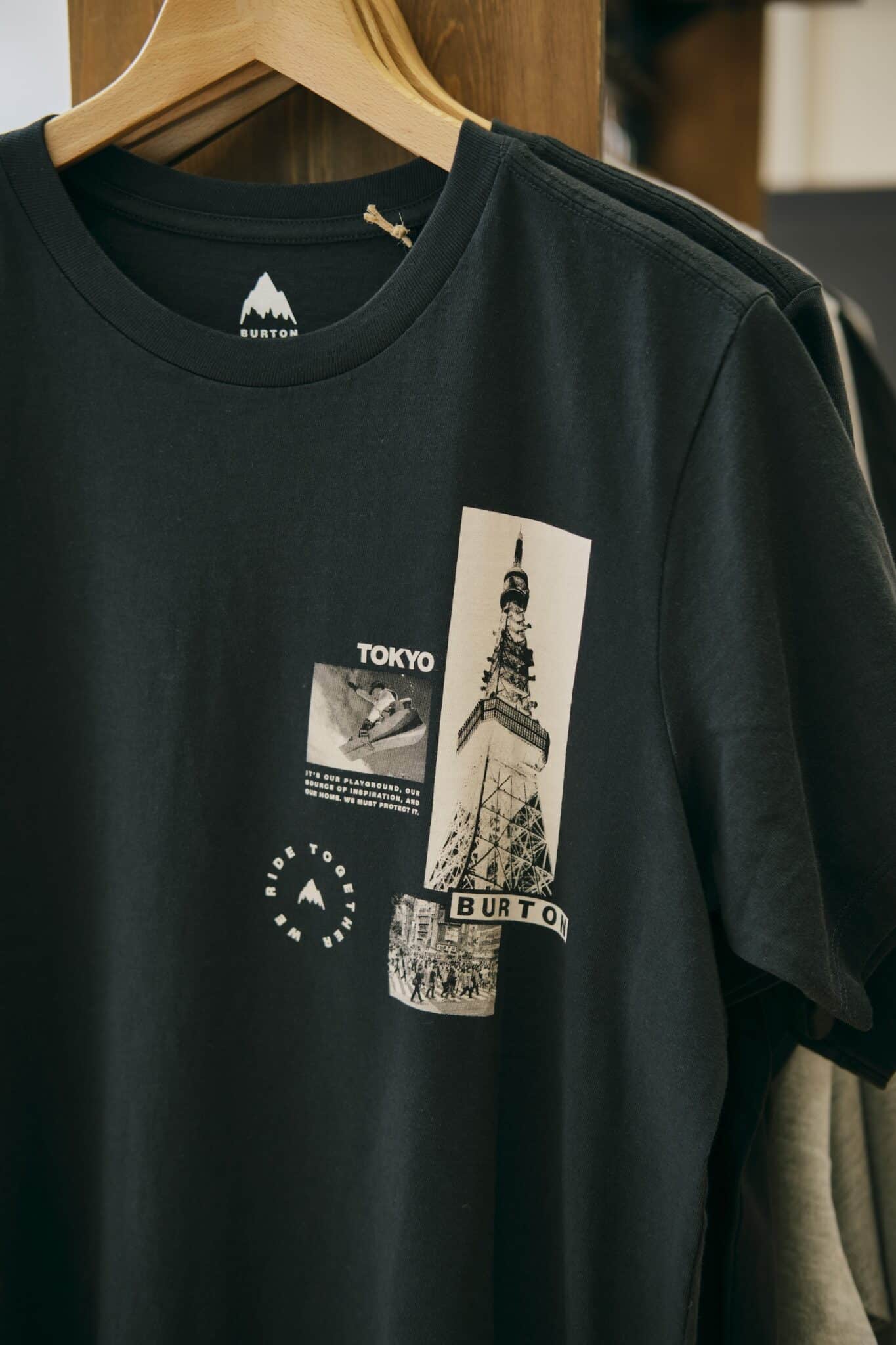
For international visitors to Japan, choosing uniquely Japanese outdoor items as souvenirs is also recommended. Outdoor food and drinks, as well as wear featuring Japanese-language logos, are practical while also making memorable conversation pieces, making them suitable items for taking home as reminders of the trip.
A monochrome Tokyo Tower T-shirt that stood out at “Burton Flagship Tokyo.”
One of the great appeals of exploring outdoor shops in Harajuku is that you can wander freely from Meiji-dori to the Cat Street area, dropping into stores as the mood strikes you. If you walk from Harajuku toward Shibuya, you will find outdoor shops of many sizes scattered along the way, making it easy to stop by one after another. With the weak yen, prices are also attractive right now. As you enjoy walking around the neighborhood, try finding an item that feels just right for your own sensibility.
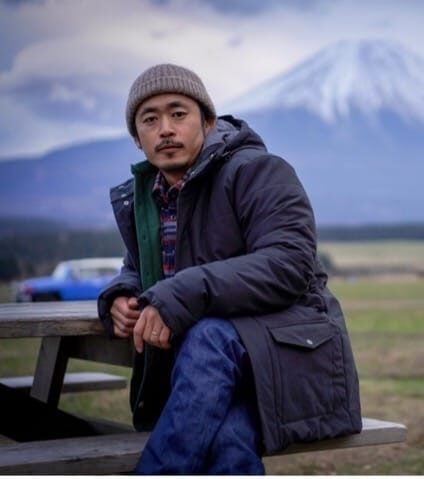
He became the founding editor-in-chief of “GO OUT” in 2007. In 2022, he also launched “GOLF OUT,” the golf edition of GO OUT. He currently serves as the overall producer of “GO OUT,” expanding its content beyond the magazine itself through outdoor events such as “GO OUT CAMP” and “GO OUT JAMBOREE,” the online store “GO OUT Online,” the web media platform “GO OUT WEB,” and the Korean edition, “GO OUT KOREA.”
HP:https://web.goout.jp




.jpg)