DEEPTOKYO
magazine

EN

DEEPTOKYO
magazine
EN
2026.03.12
USED Items to Professional Equipment—A Shop Offering Carefully Selected “Long-Lasting Items”


 Nearest Station


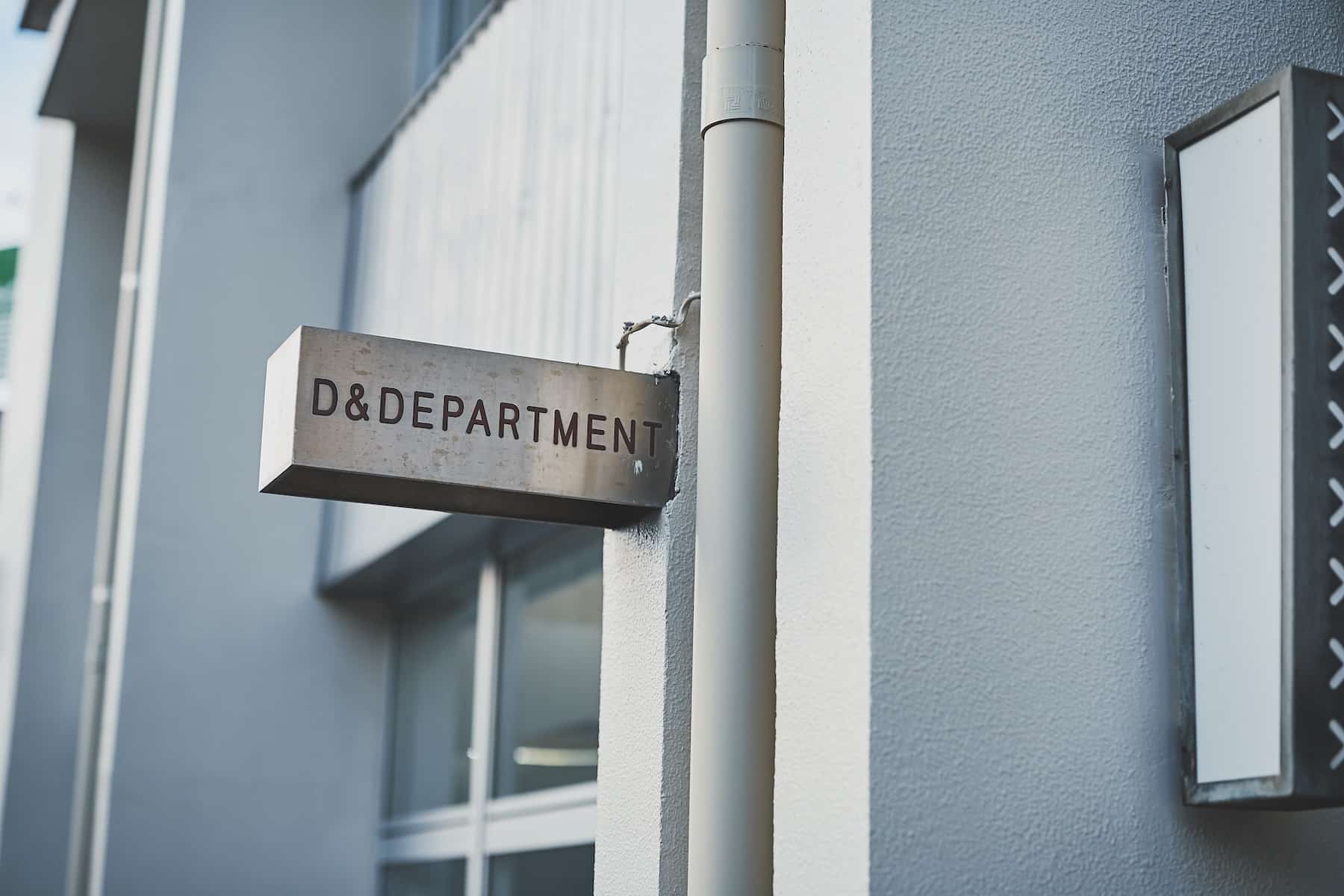
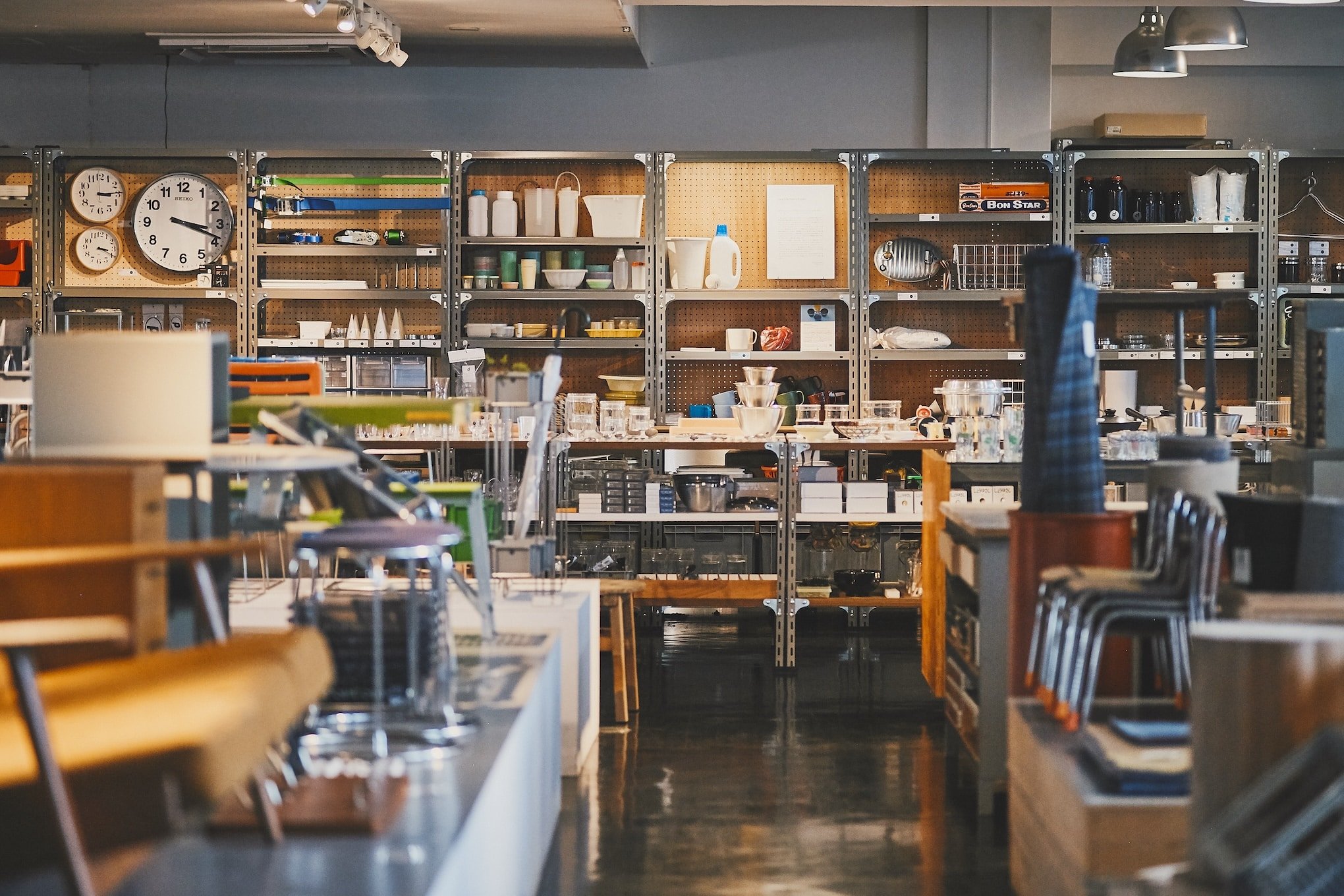
“D&DEPARTMENT TOKYO” opened as the base of the D&DEPARTMENT PROJECT, a project that introduces Long Life Design originating in Japan—design that can continue to be used for many years. Inside the shop, items discovered by buyers at recycle shops across Japan are displayed alongside professional equipment once used in schools and medical facilities, as well as carefully selected products from around Japan. Although the shop is located in Okusawa, slightly away from central Tokyo, many visitors come not only from across Japan but also from overseas in search of items that can only be found here.
SHARE


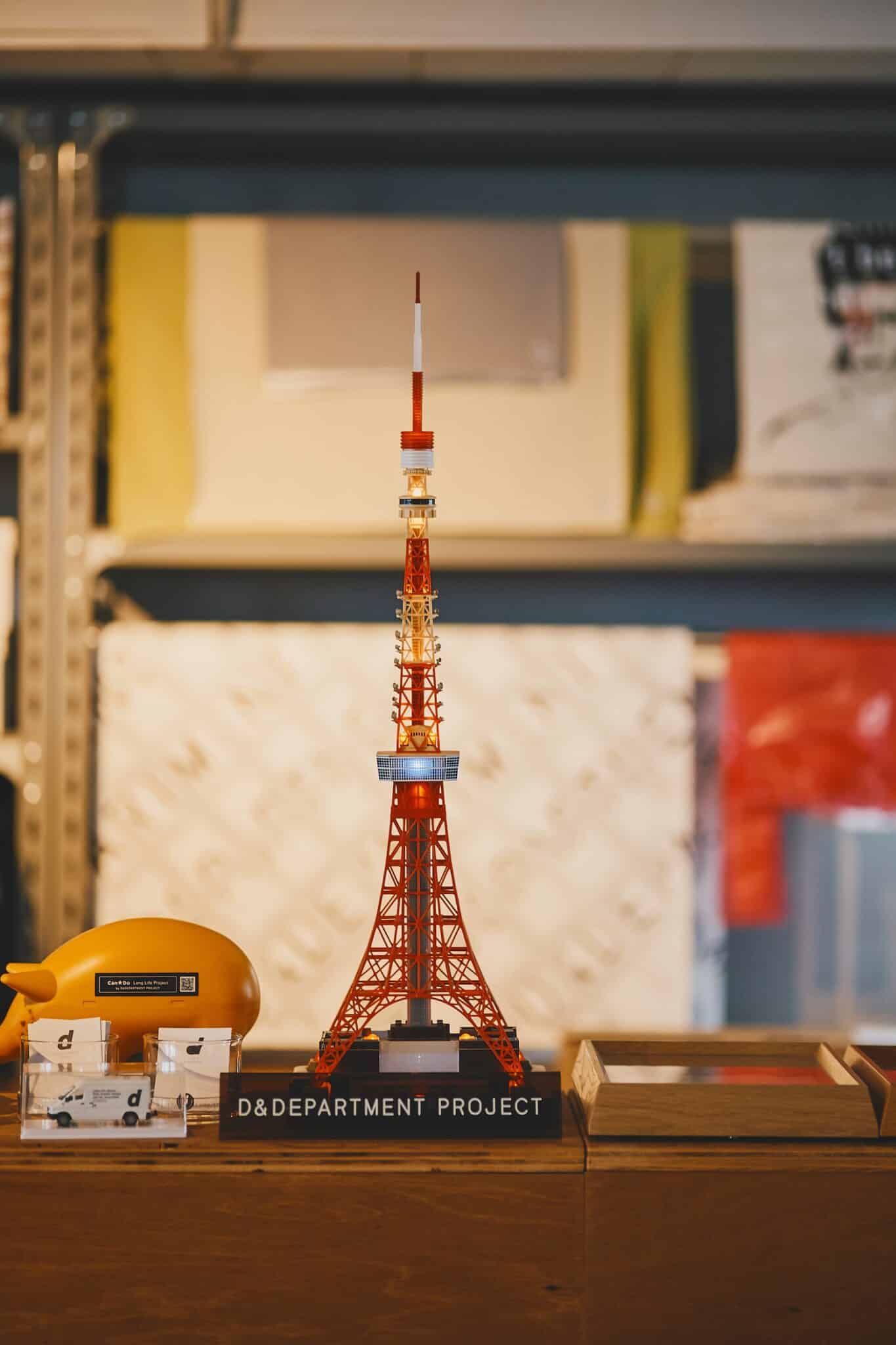
Founded in 2000, D&DEPARTMENT TOKYO is the first store opened as the central base of the D&DEPARTMENT PROJECT (hereafter D&D), established by designer Kenmei Nagaoka.
D&D is a project that discovers Long Life Design—items that embody the character of their region and have continued to be used for many years throughout Japan—and introduces the appeal of those regions through a range of activities including retail, food, publishing, and tourism.
Here, the term Long Life Design does not simply refer to the appearance of a design.
Rather, it expresses the idea that things that continue to be produced and used for a long time are themselves excellent design.
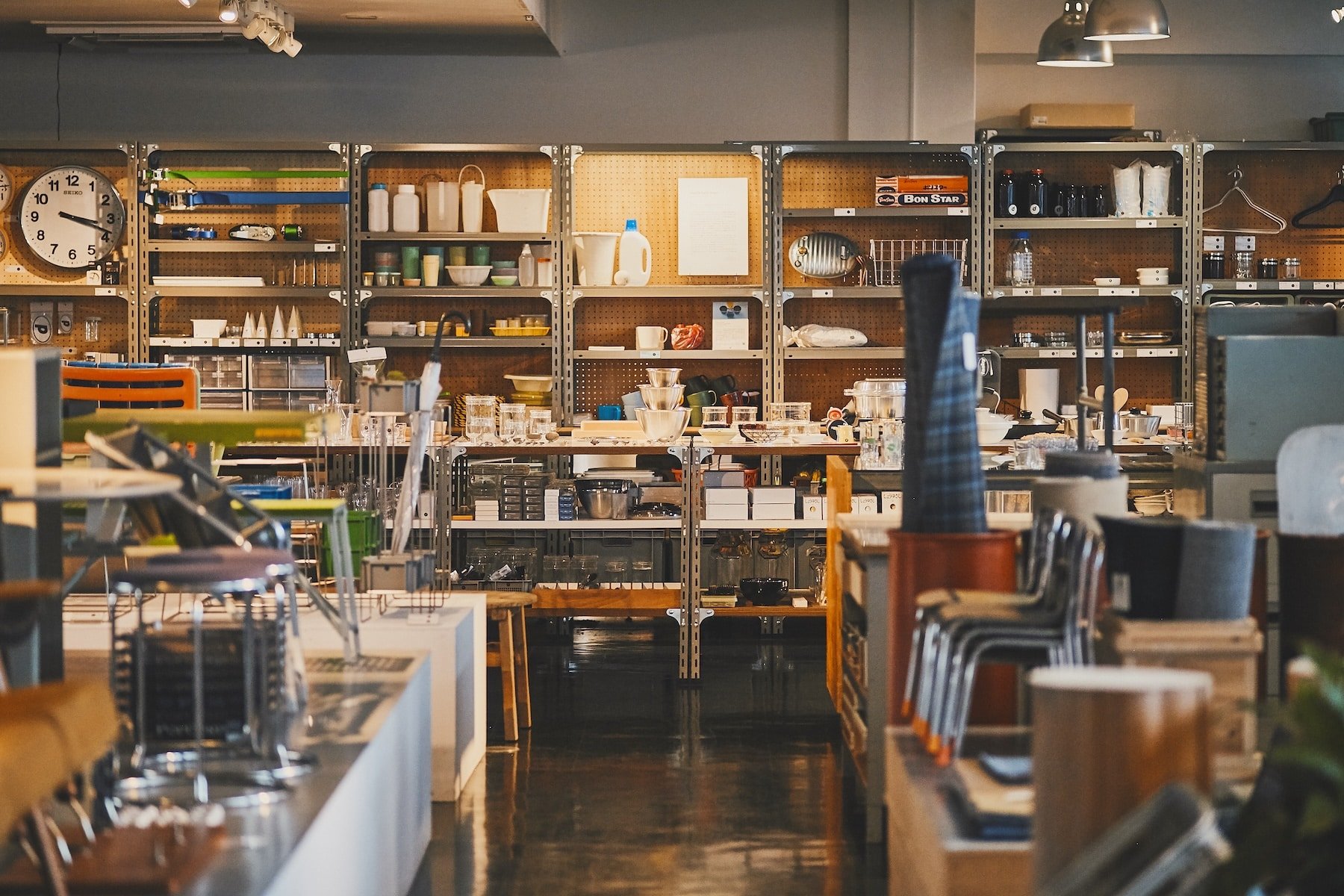
Based on this philosophy, D&DEPARTMENT TOKYO offers items discovered by Nagaoka and the buyers at recycle shops across Japan, along with professional equipment once used in schools and medical facilities and familiar tools that have long been produced in different regions of Japan.
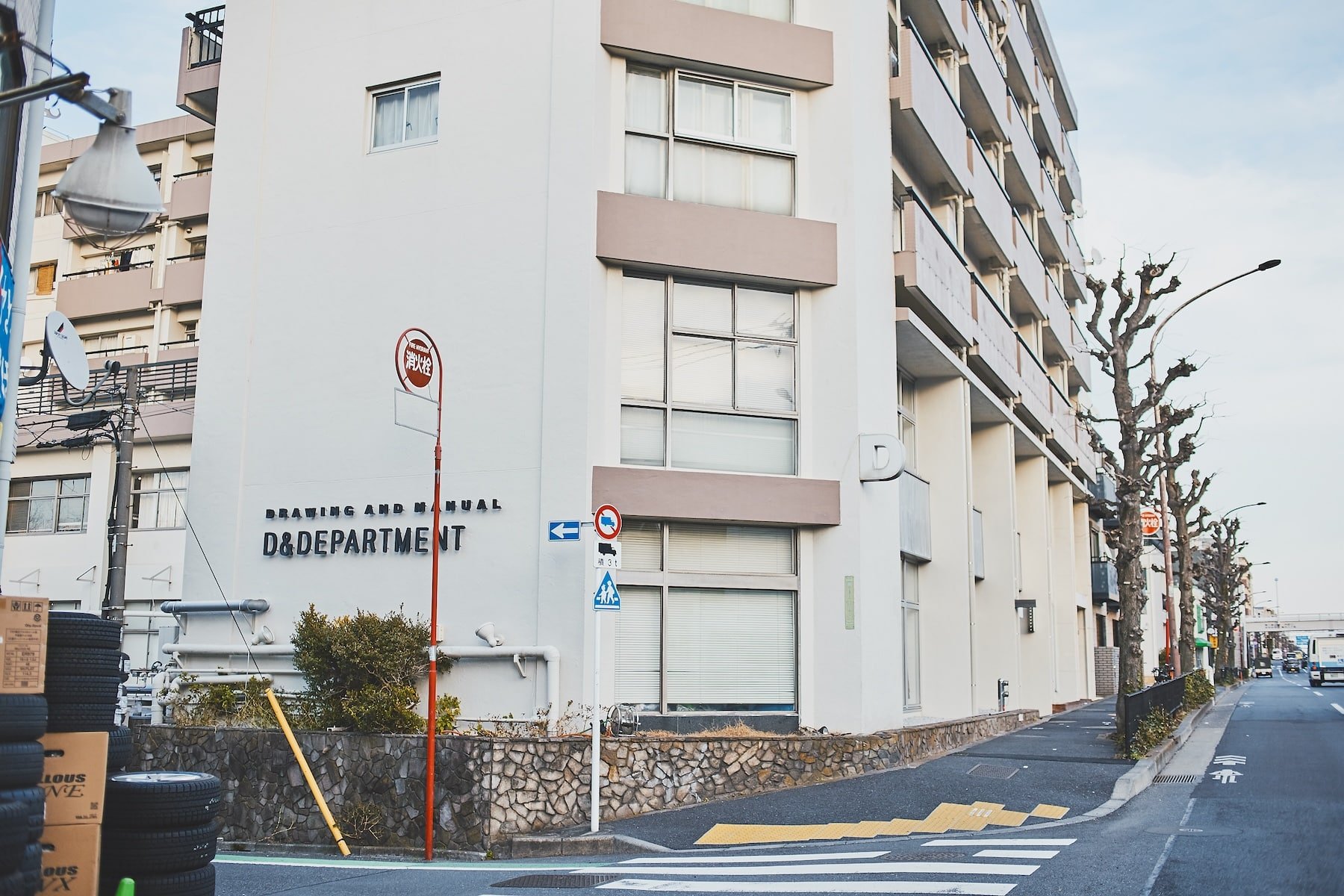
An eight-minute walk from Kuhombutsu Station, the nearest station. Although it is not a particularly convenient location from central Tokyo, the site was intentionally chosen with the hope that people who sympathize with the D&D philosophy would gather here. As the first store, TOKYO represents the origin of D&D.The selection centers on used items while maintaining a balanced lineup of products from across Japan.
D&DEPARTMENT is a store-based activity hub born from D&D. In addition to TOKYO, there are currently directly operated stores in Toyama and Kyoto. Including partner stores, the brand now operates 14 locations in Japan and overseas.
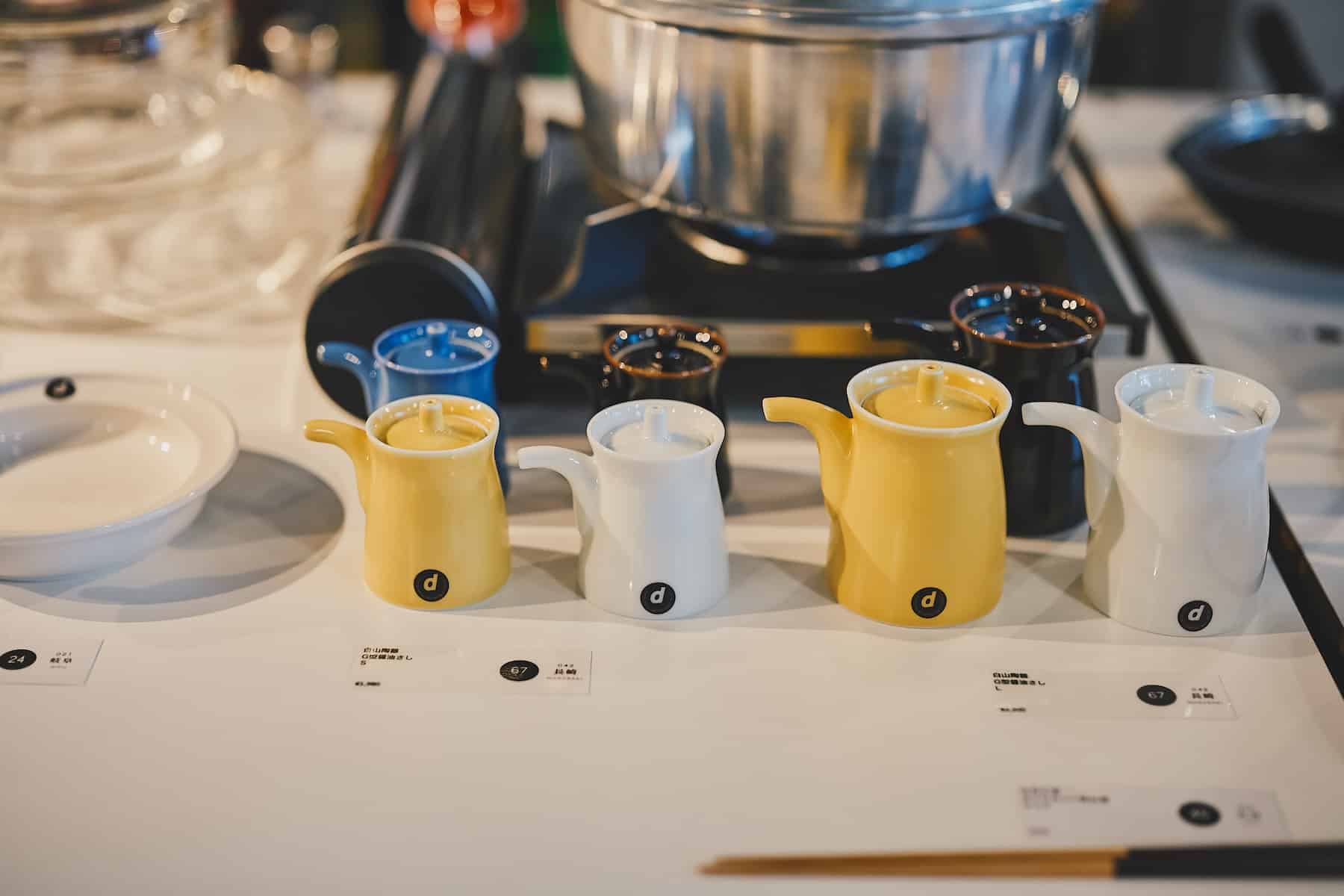
The shop also sells original items developed in collaboration with manufacturers, as well as products inspired by used items.
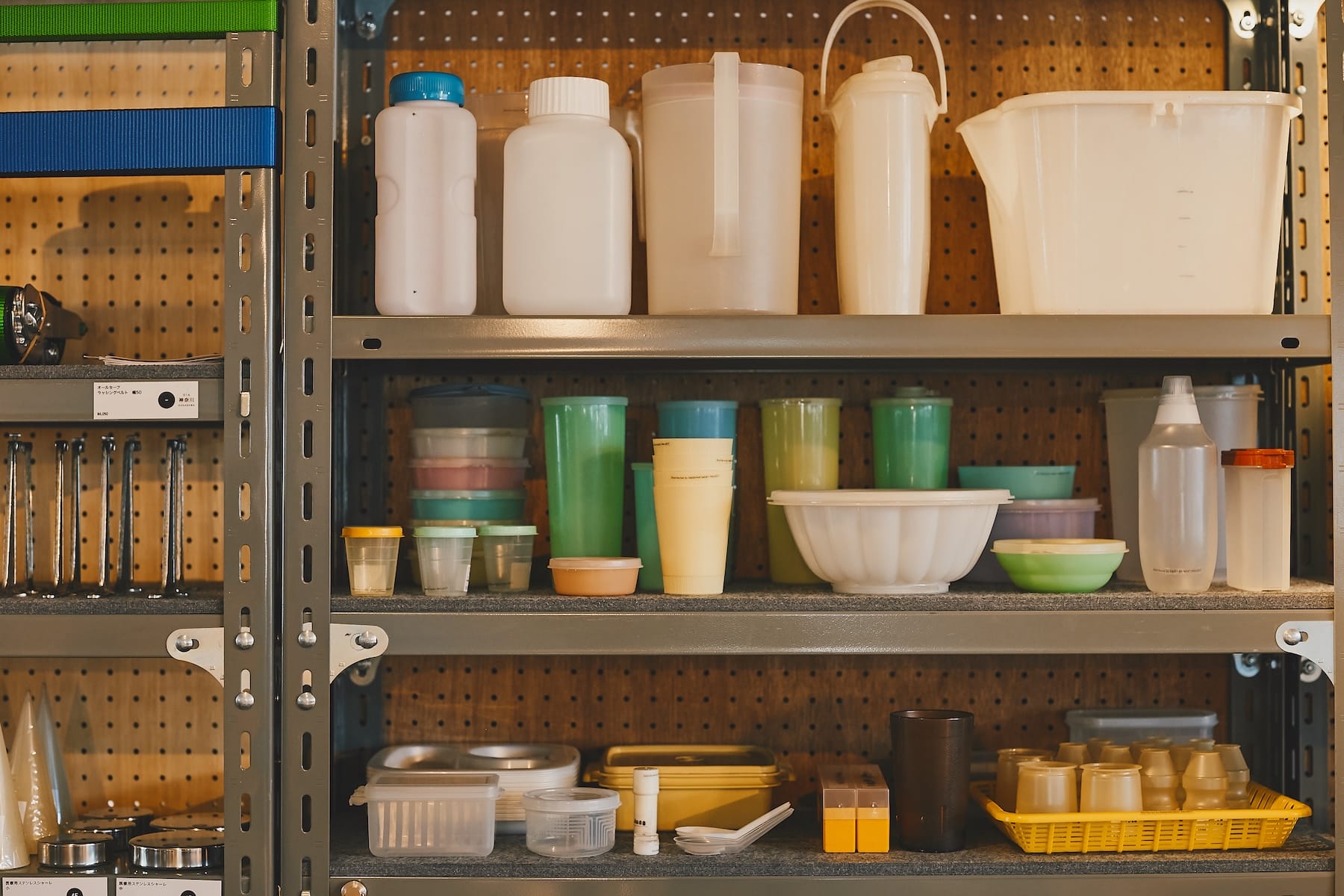
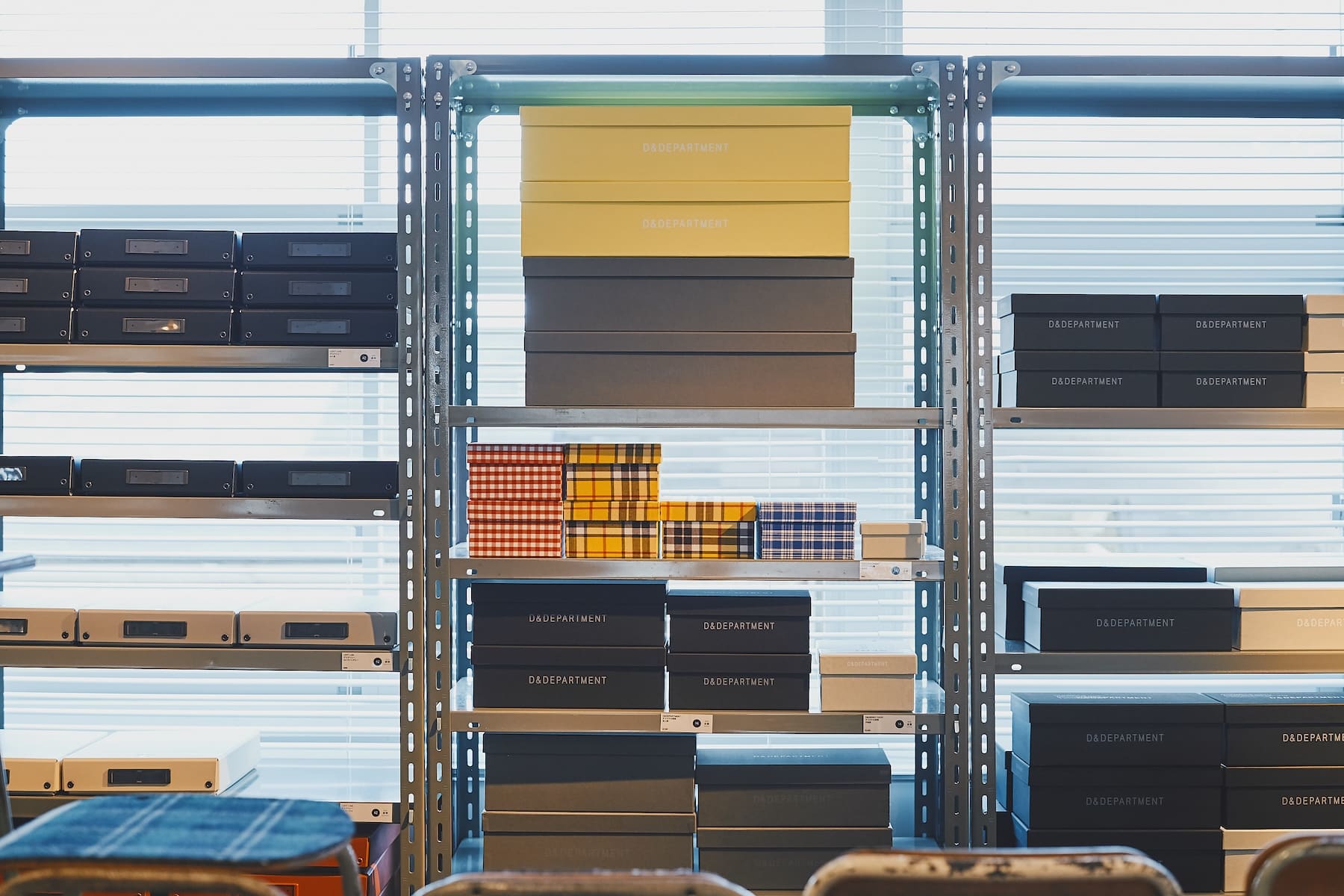
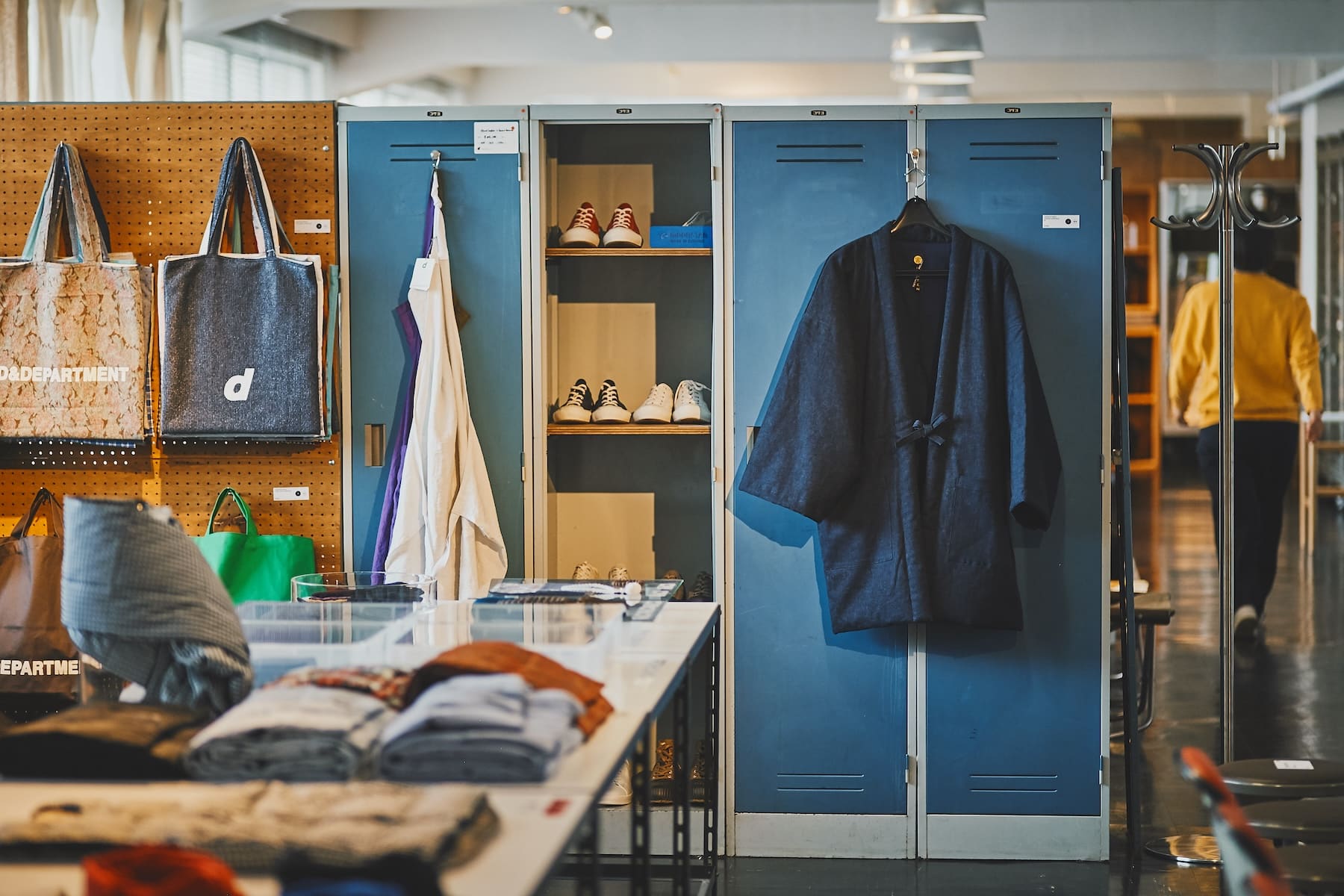
Among the professional equipment are items commonly seen in Japanese hospitals and schools. Their simple designs and durable materials highlight the distinctive appeal of professional-use products.
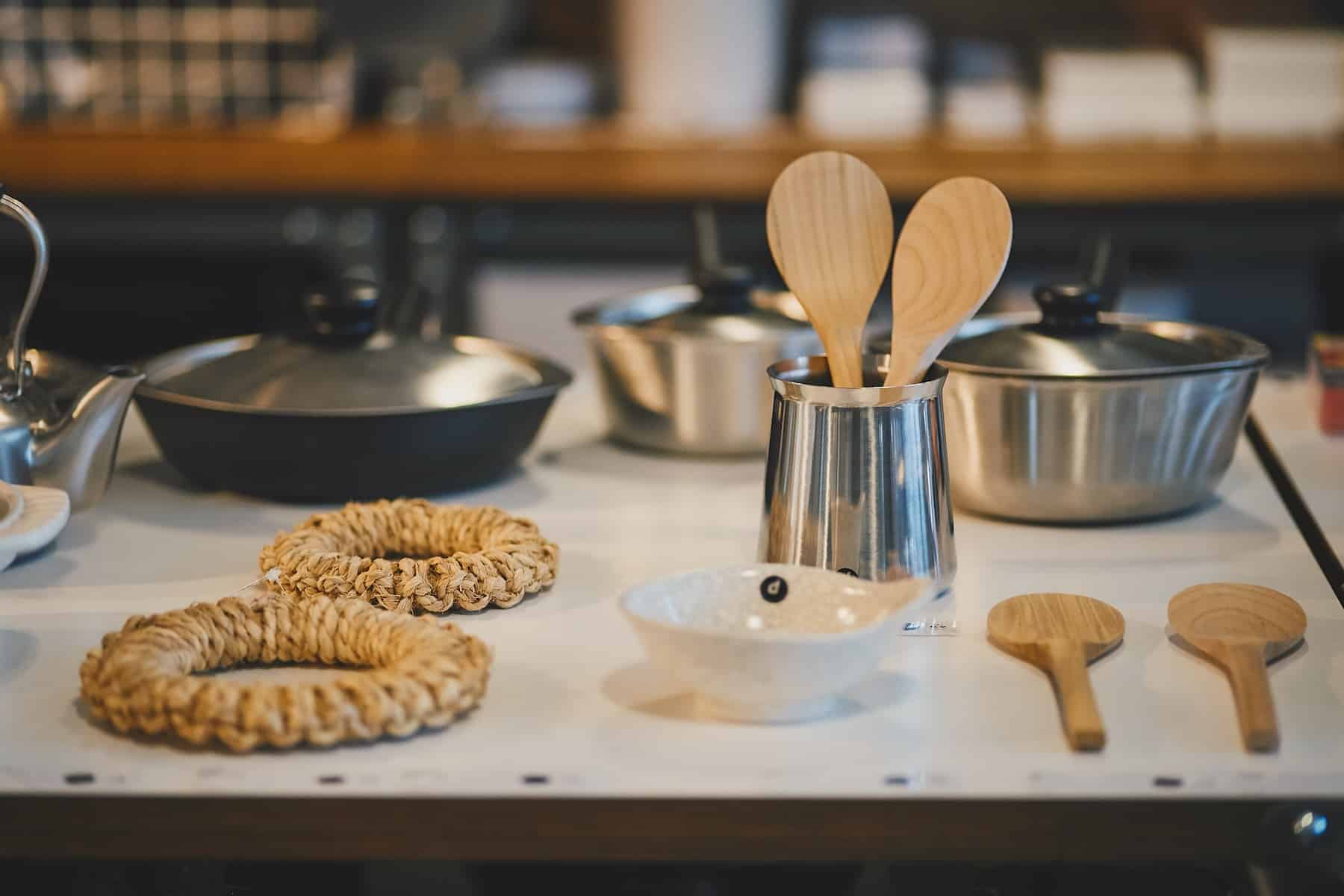
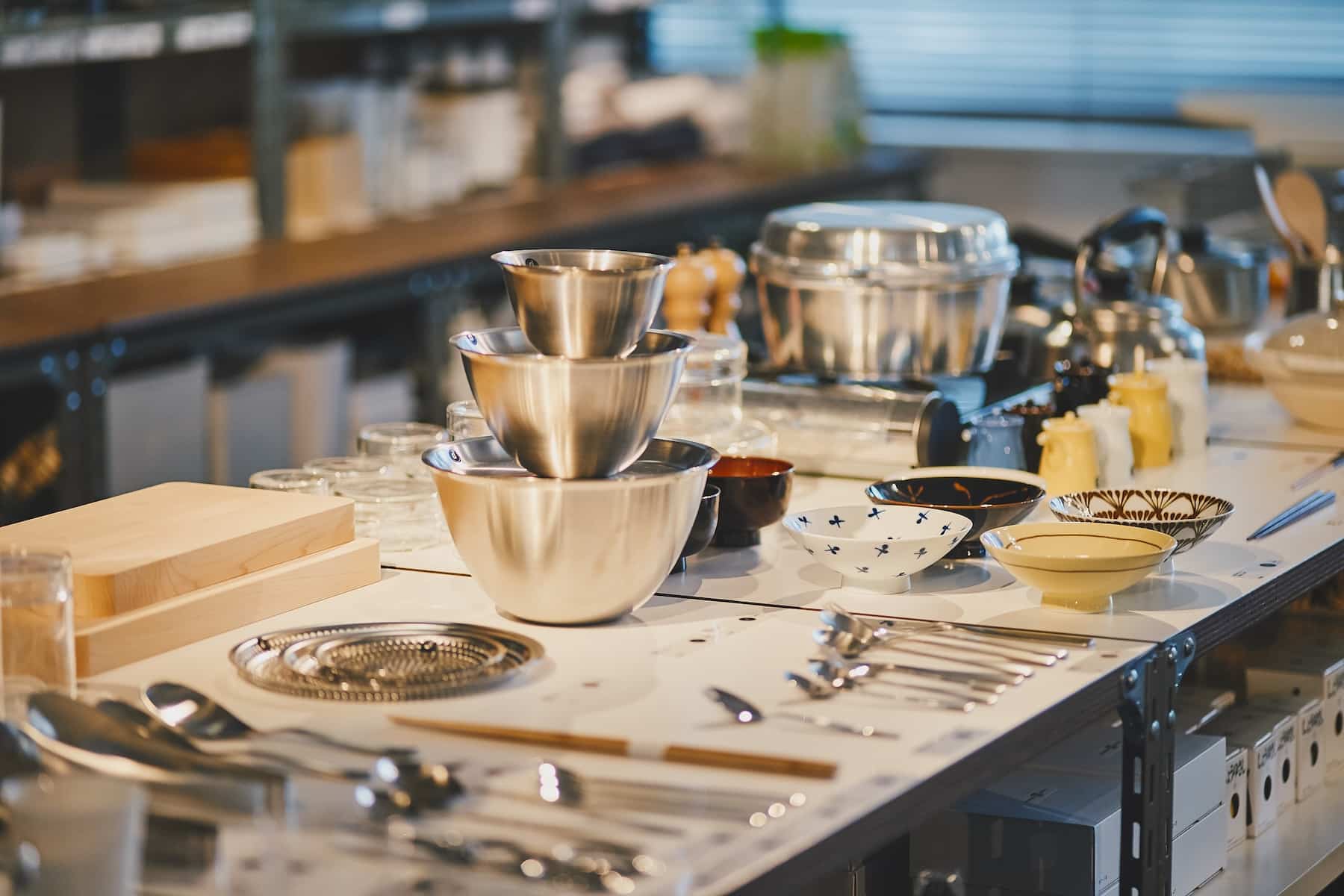
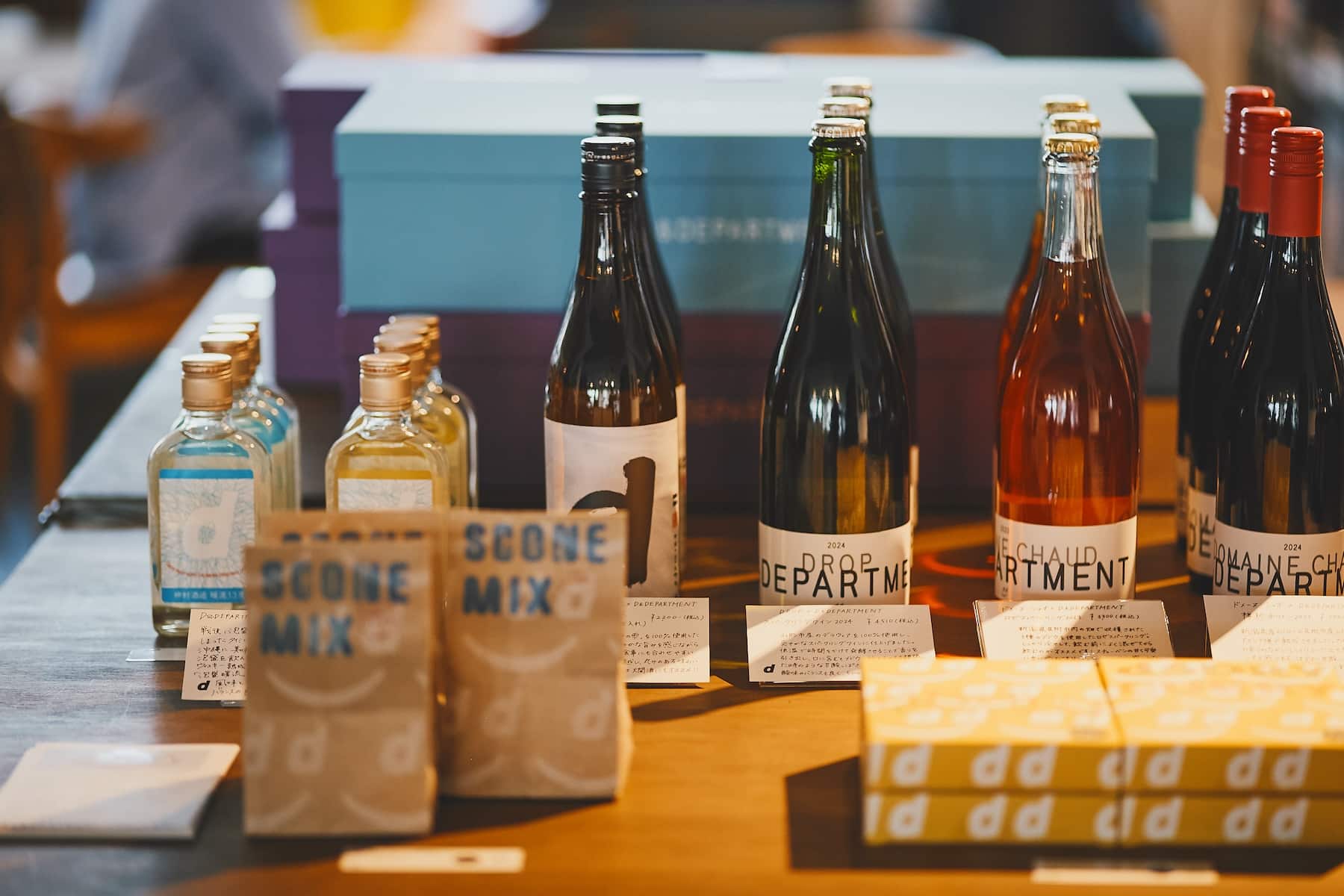
Kitchen goods and food items are mainly made in Japan.Items selected from across the country are displayed here, including rice paddles (“shamoji”), a specialty of Miyajima in Hiroshima Prefecture, and an original scone mix developed with “Doyuno,” a farm in Toyama City that practices circular agriculture.
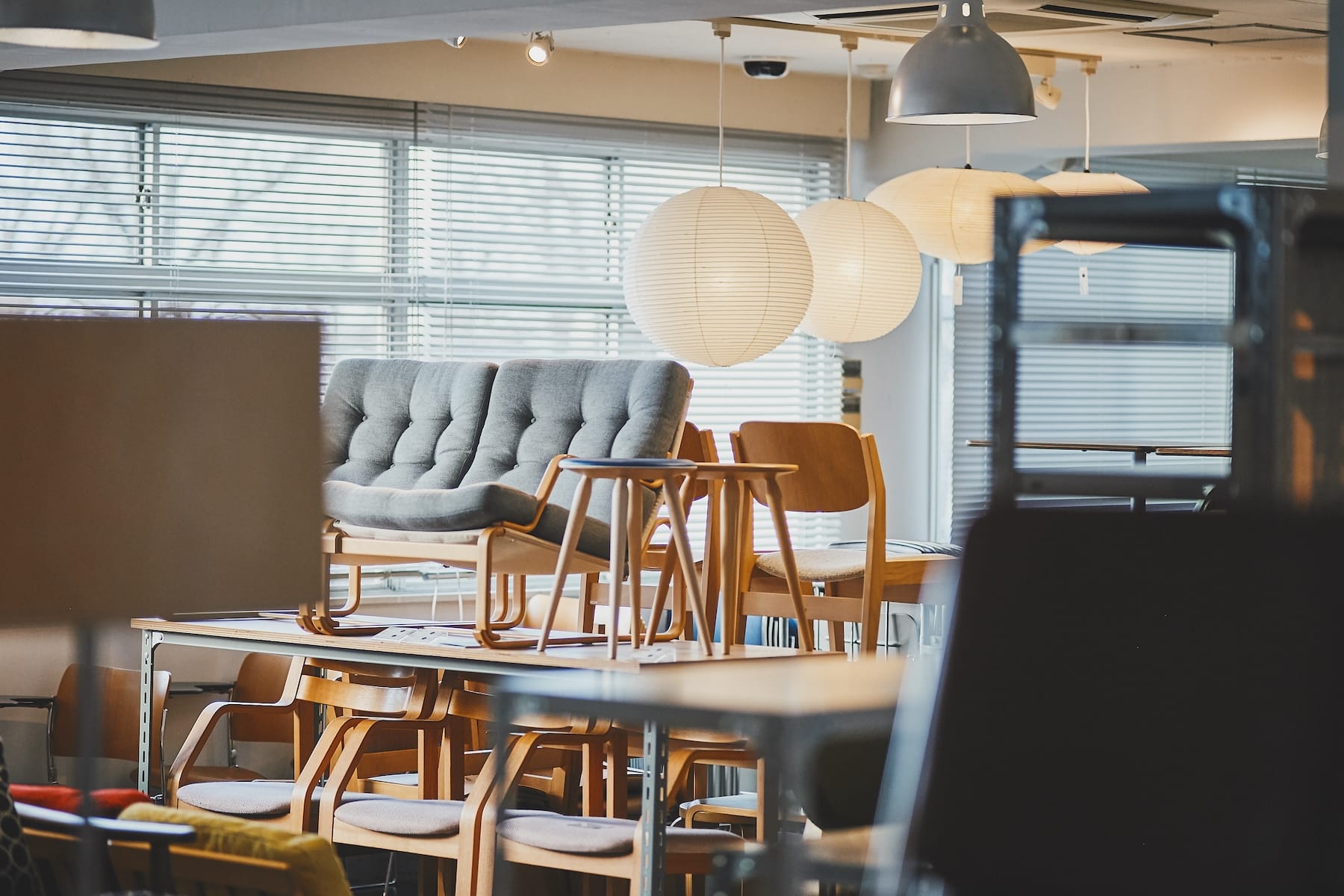
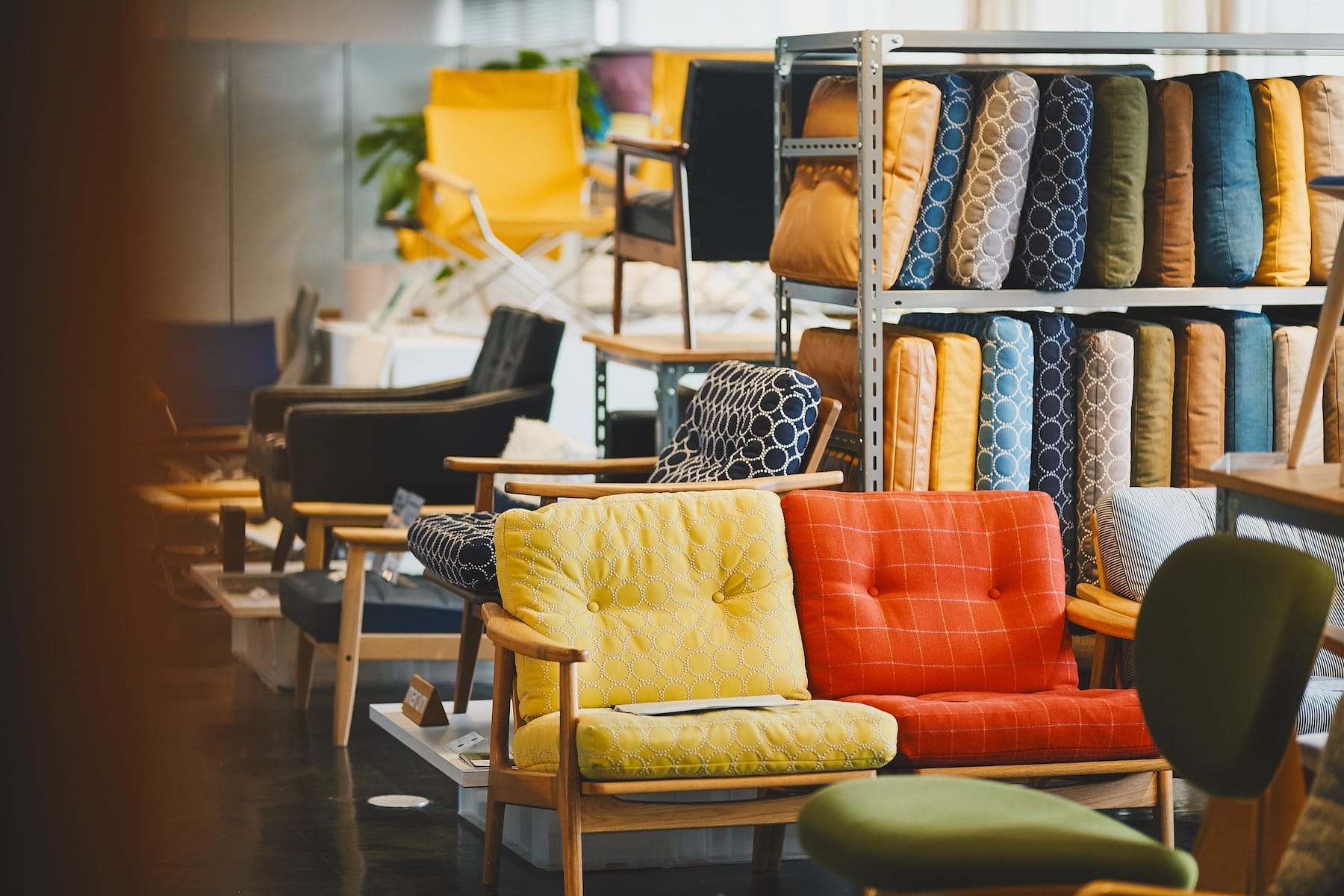
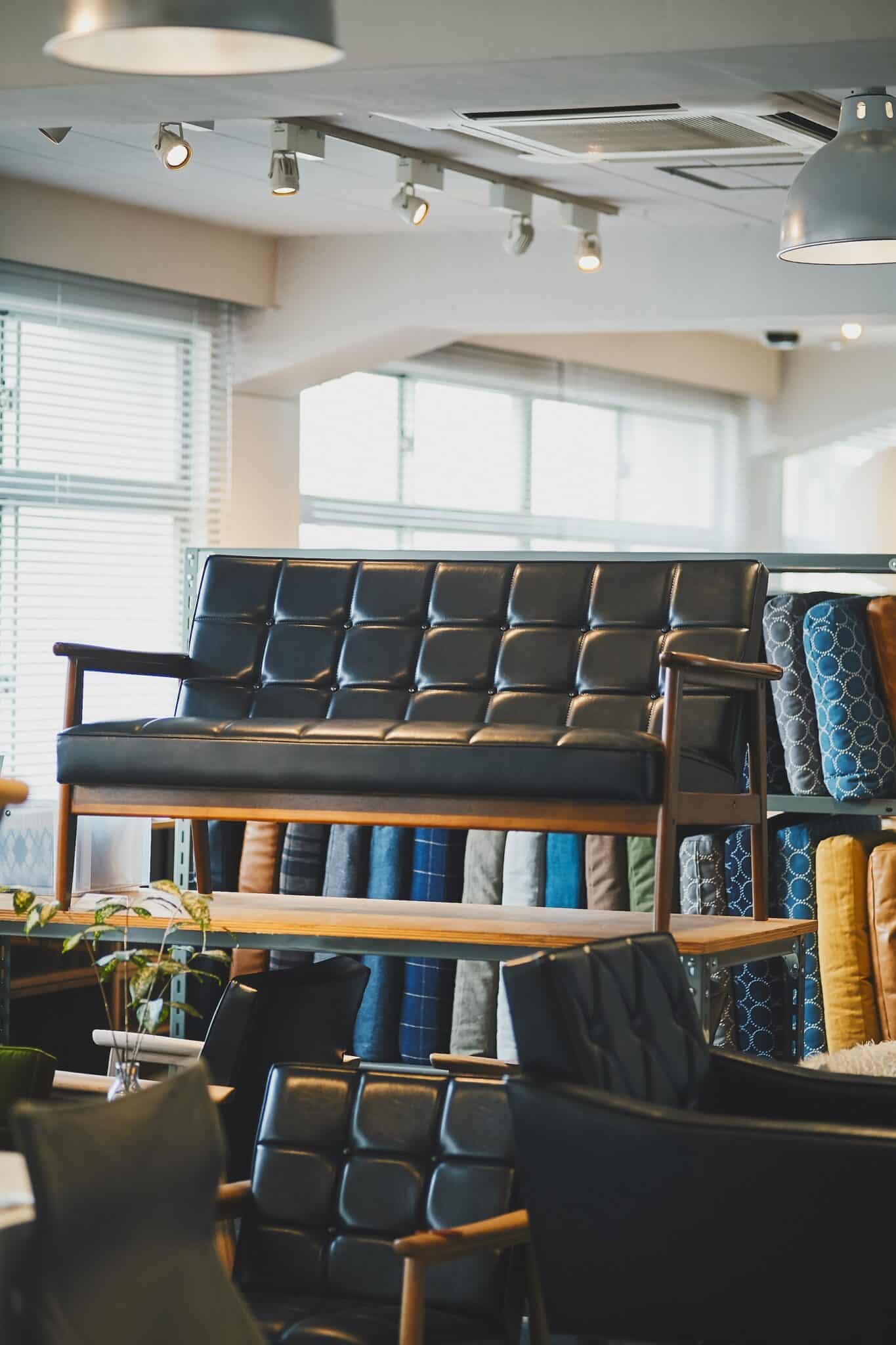
The store also offers a wide selection of interior items.In particular, the lineup of chairs is extensive—from Karimoku’s “K Chair,” long loved in Japan, to nostalgic used chairs acquired from closed schools.
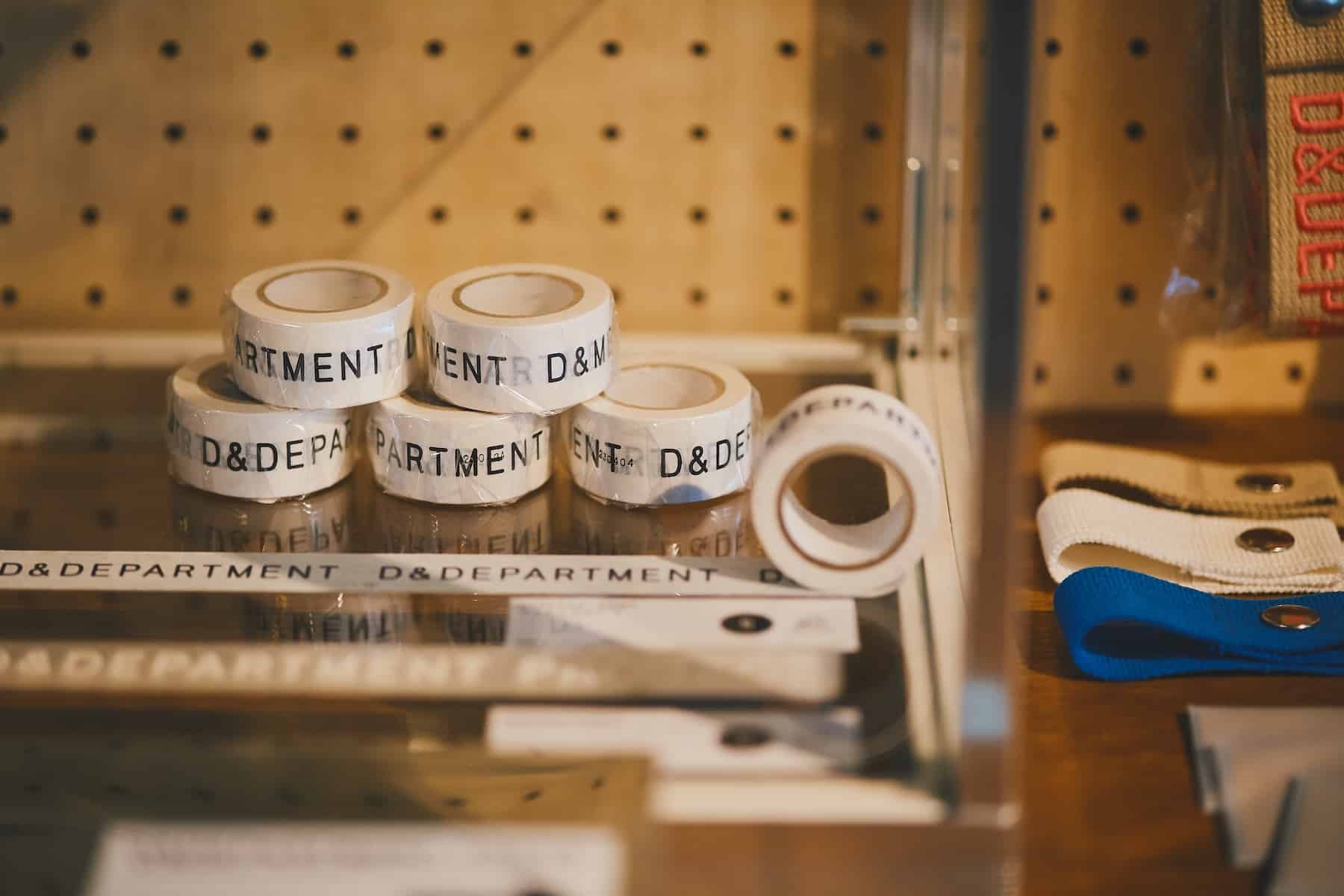
Apparel and accessories are also available.There are many carefully crafted original items, including tote bags made by reusing fabric sample swatches and logo masking tape made from durable washi paper used at construction sites.
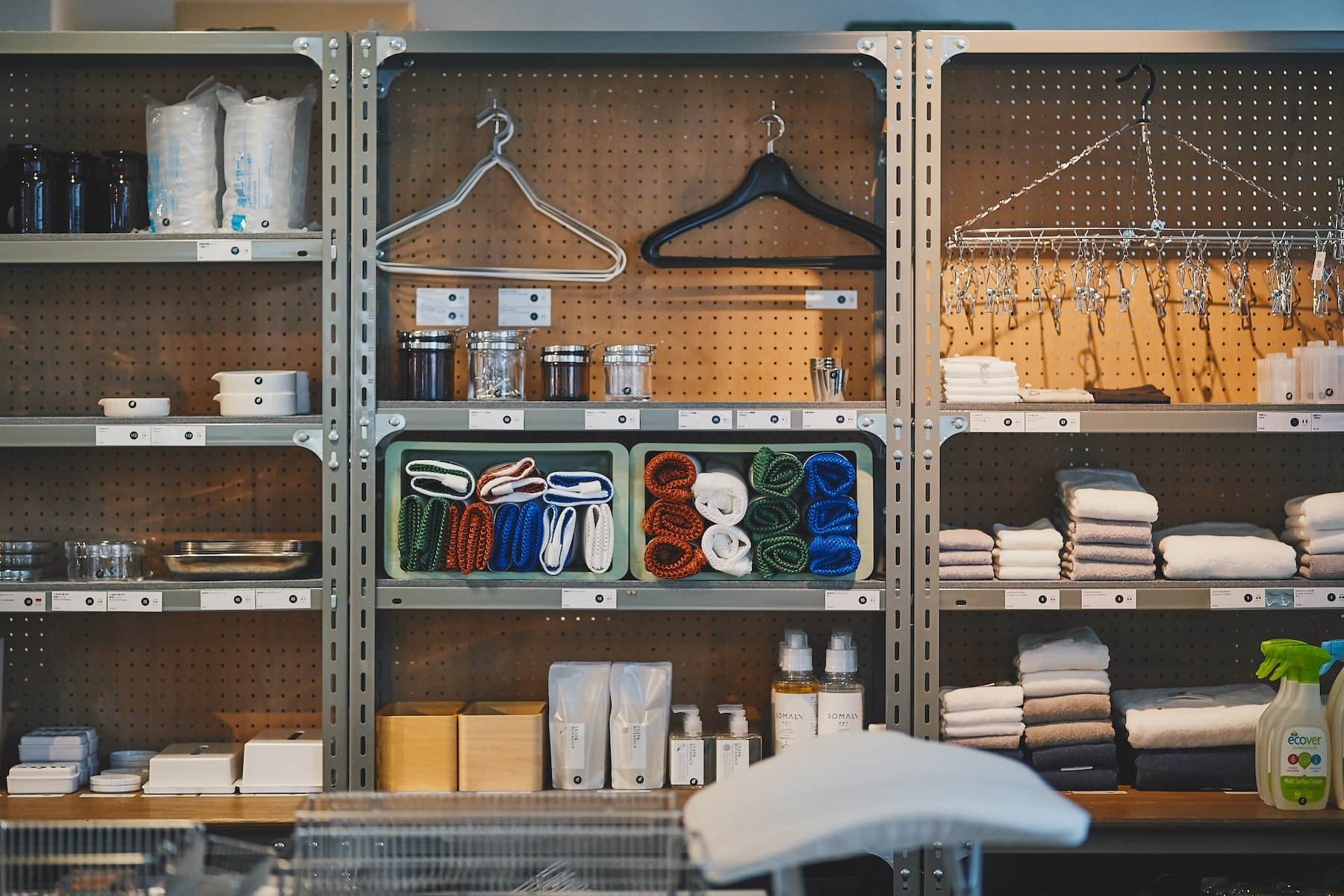
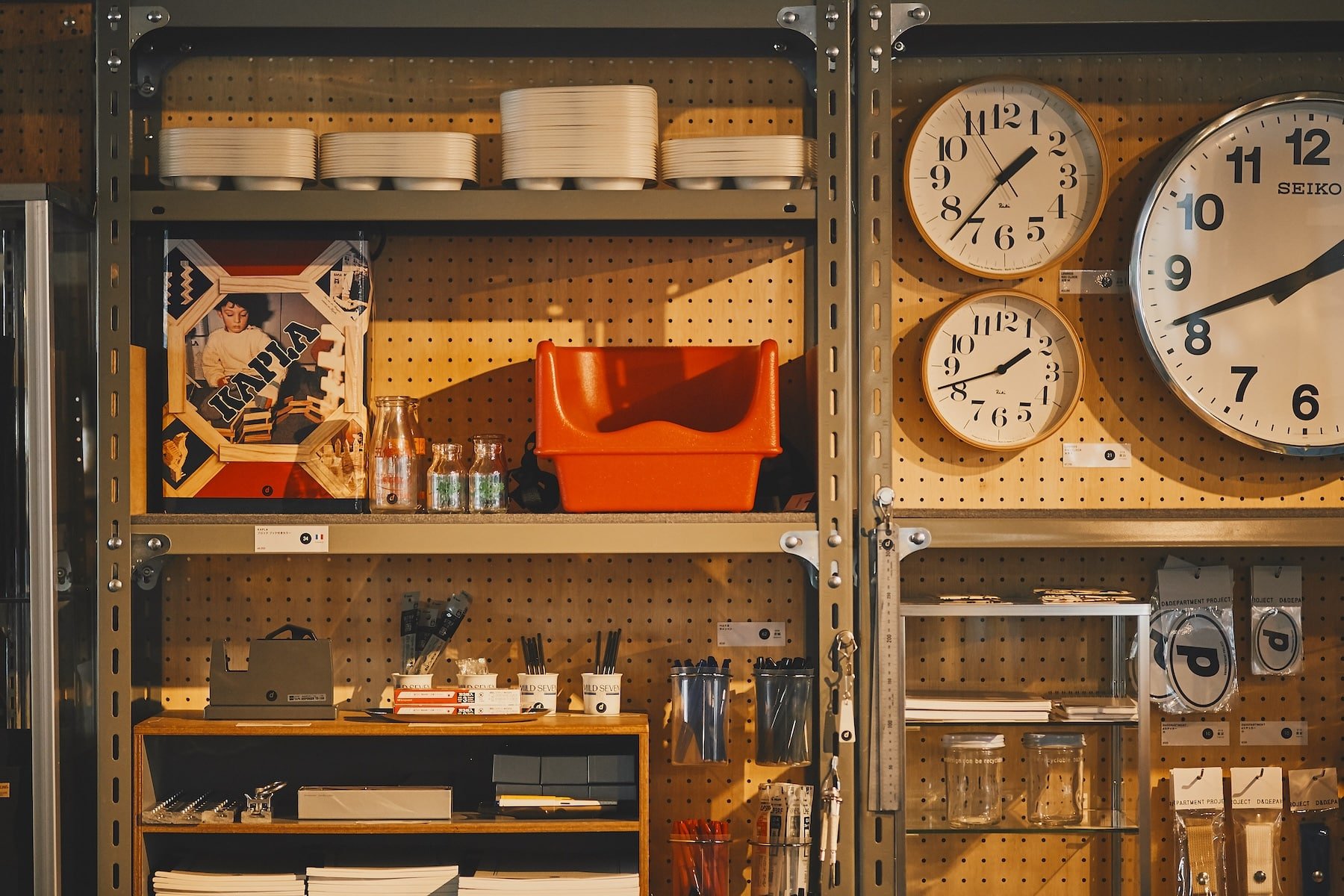
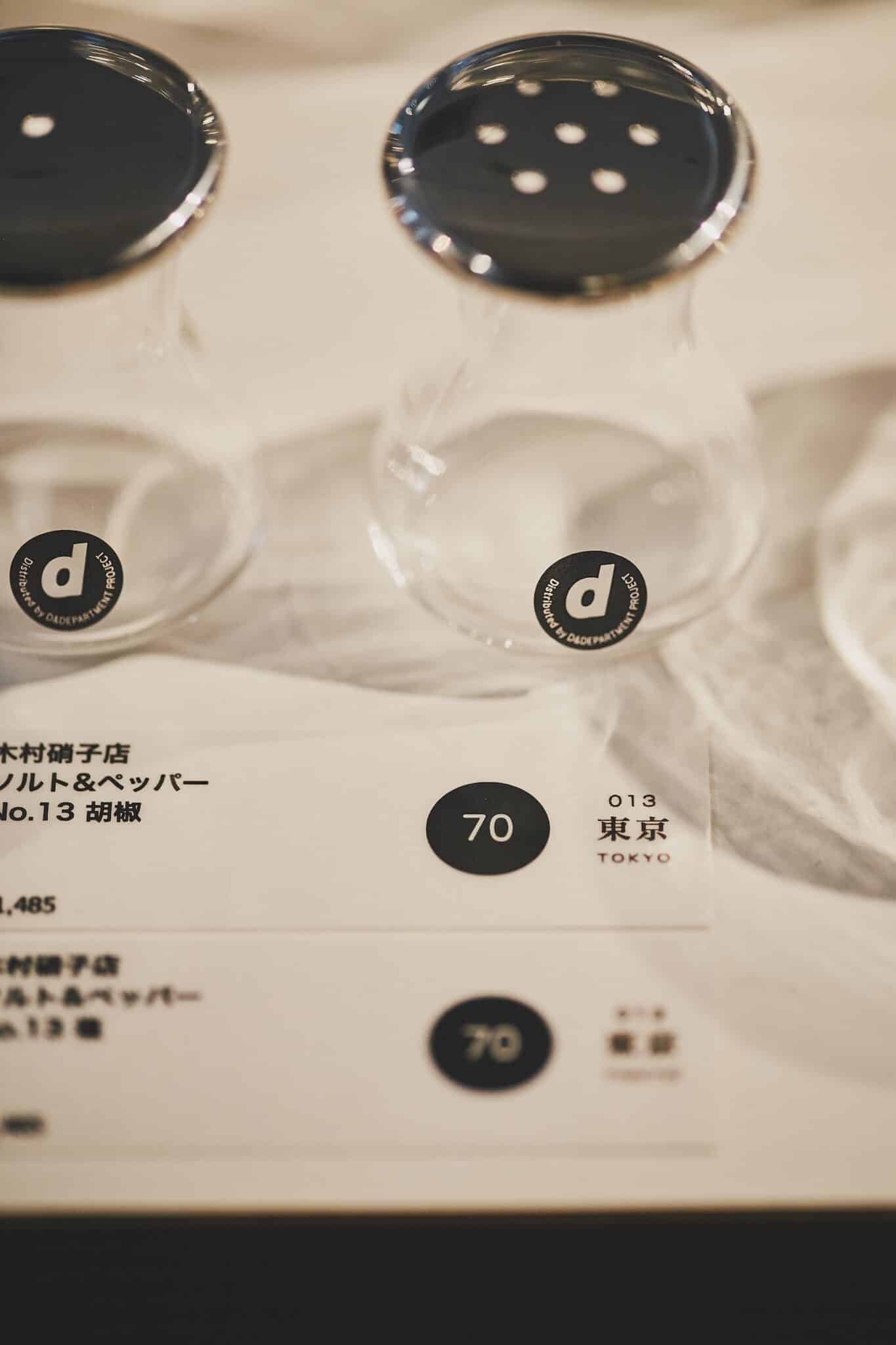
The background colors of the product POP displays indicate categories: (Blue)Tokyoselection (Gray)Overseas products (White) Products from other regions of Japan In addition to price, the production era and place of origin are also displayed so the information can be understood at a glance.Each item is given its own dedicated POP display as a sign of respect for the item itself.
The D&DEPARTMENT PROJECT began around 1998.
Its founder, Kenmei Nagaoka, believed that in an age overflowing with products, rather than creating new designs, it would be more meaningful to collect and introduce good designs that already existed in the world.
The project therefore began as a shop selling reused items and gradually expanded its range of products and activities to become what it is today.
When the project first began, society was in the midst of an era of mass production and mass consumption.
Seeing recycle shops overflowing with items, Nagaoka began to question what the role of a designer should be.
This led him to the idea:
“Let’s discover the good designs that already exist, recognize their value, and introduce them.”
For this reason, the standard used when selecting items at D&D is whether they represent Long Life Design—items that can continue to be used for many years through repair and maintenance.
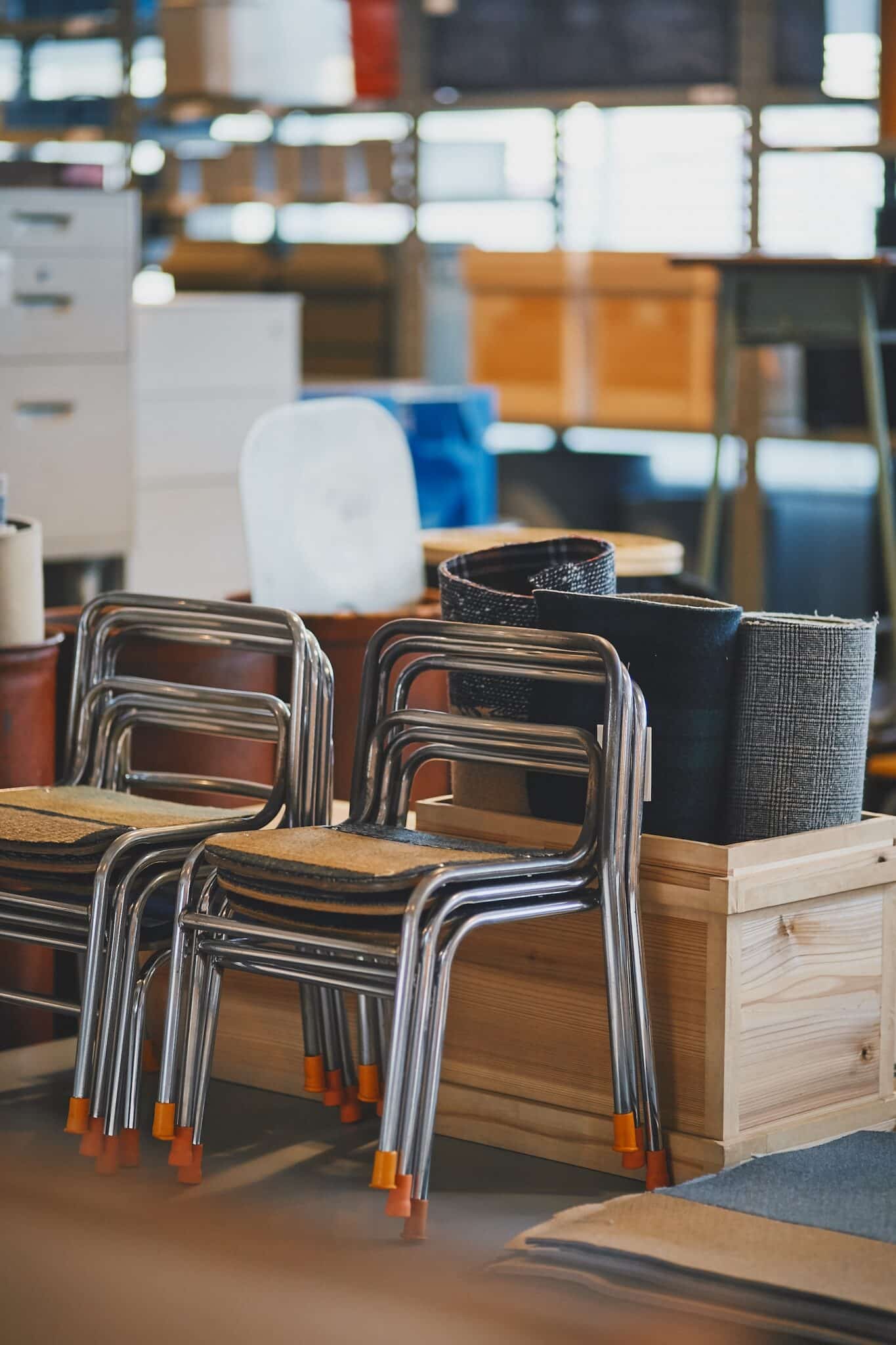
Chair acquired from a closed school.It can also be used as a display piece or as shelving in a room.Although it shows signs of age, it is still perfectly usable.
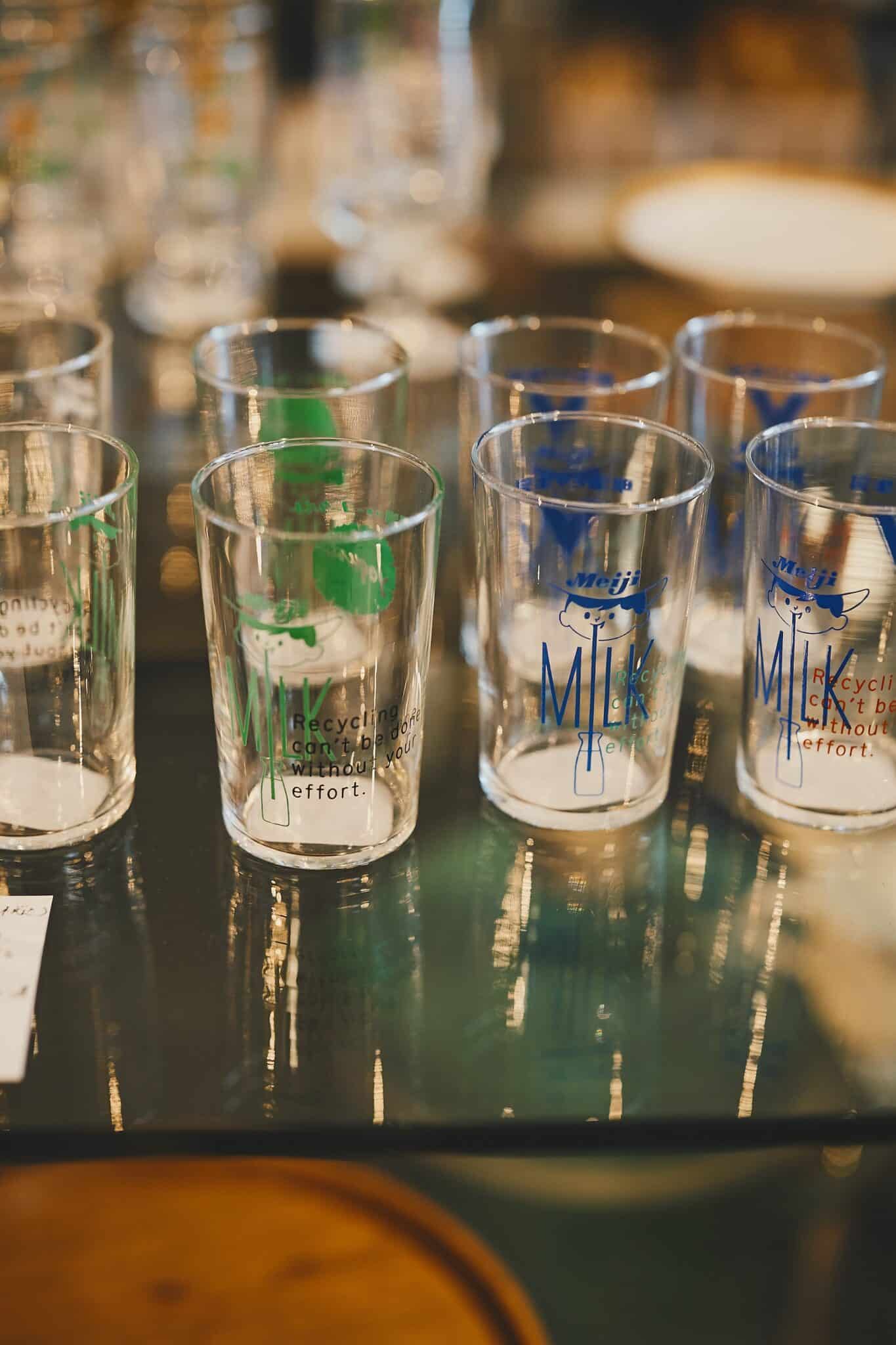
Some used items are repaired before being sold. This glass, originally a promotional beverage glass discovered at a recycle shop, has been repaired and given the message:“Recycling can't be done without your effort.”
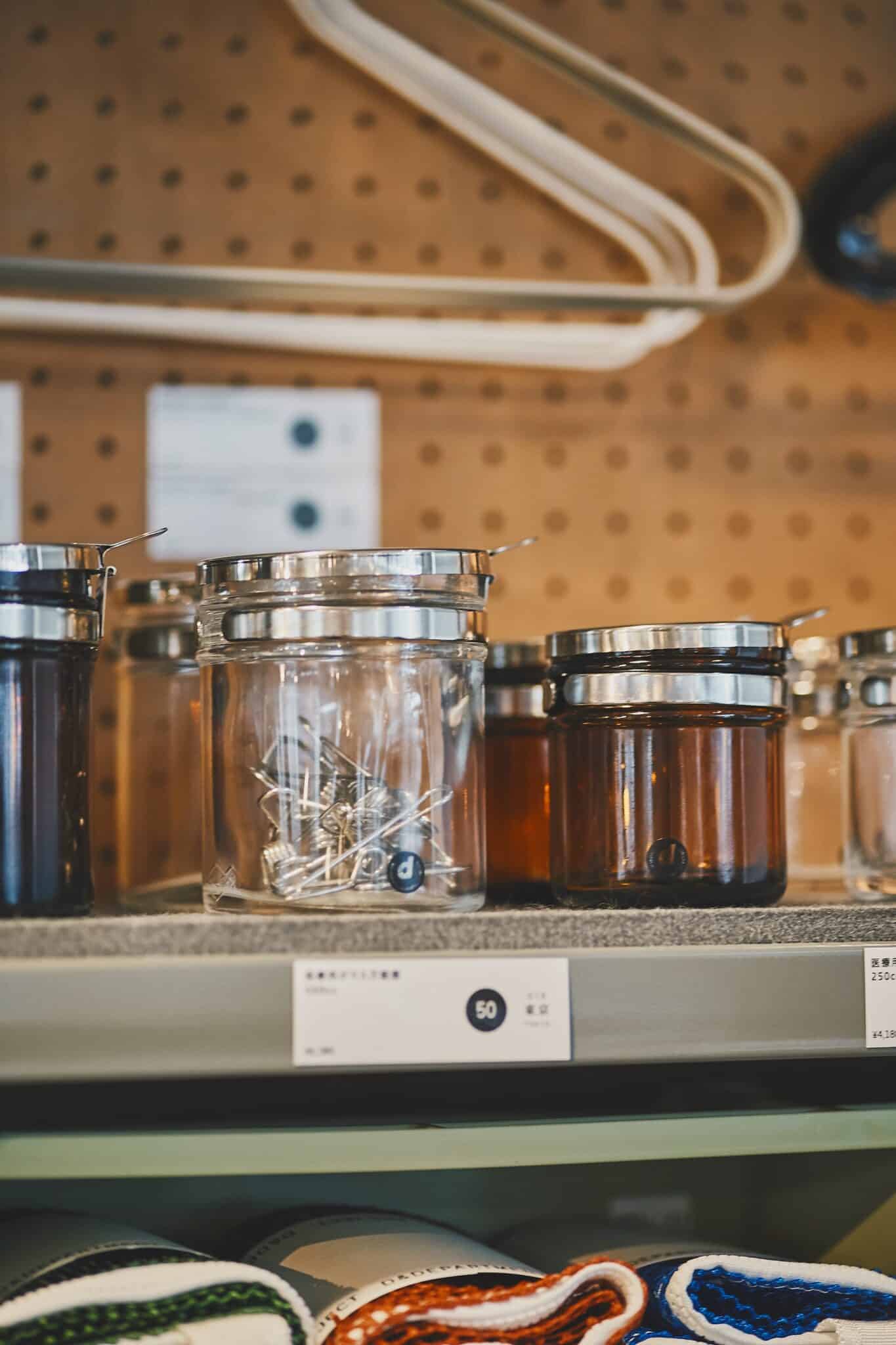
Items are also sold with suggestions for how they can be used in daily life—for example, using medical jars as containers for small objects.
Professional equipment that may seem unrelated to everyday life is also introduced with the idea that depending on how it is used, it can blend into daily life and enrich it. At D&D, such items are referred to as “things like ~.” Professional equipment often has no specific designer or craftsman attached to it, yet it is still considered Long Life Design. One reason is that the design does not change according to trends. In addition, because these items are produced for institutional use in places such as hospitals and facilities, they rarely go out of production or undergo model changes, making maintenance—such as replacing parts—relatively easy.
D&DEPARTMENT currently operates a total of 14 stores in Japan and overseas, including directly managed stores in Tokyo, Toyama, and Kyoto. In addition, D&DEPARTMENT has established partnerships with stores that support its activities, and has one location in each of the 47 prefectures in Japan. The item mix differs from store to store, with regional stores selling traditional items made by local craftsmen and many long-life designs that are closely connected to the local community. TOKYO also has original items inspired by used items. Among the many items, we have picked up items that are unique to TOKYO and classic items.
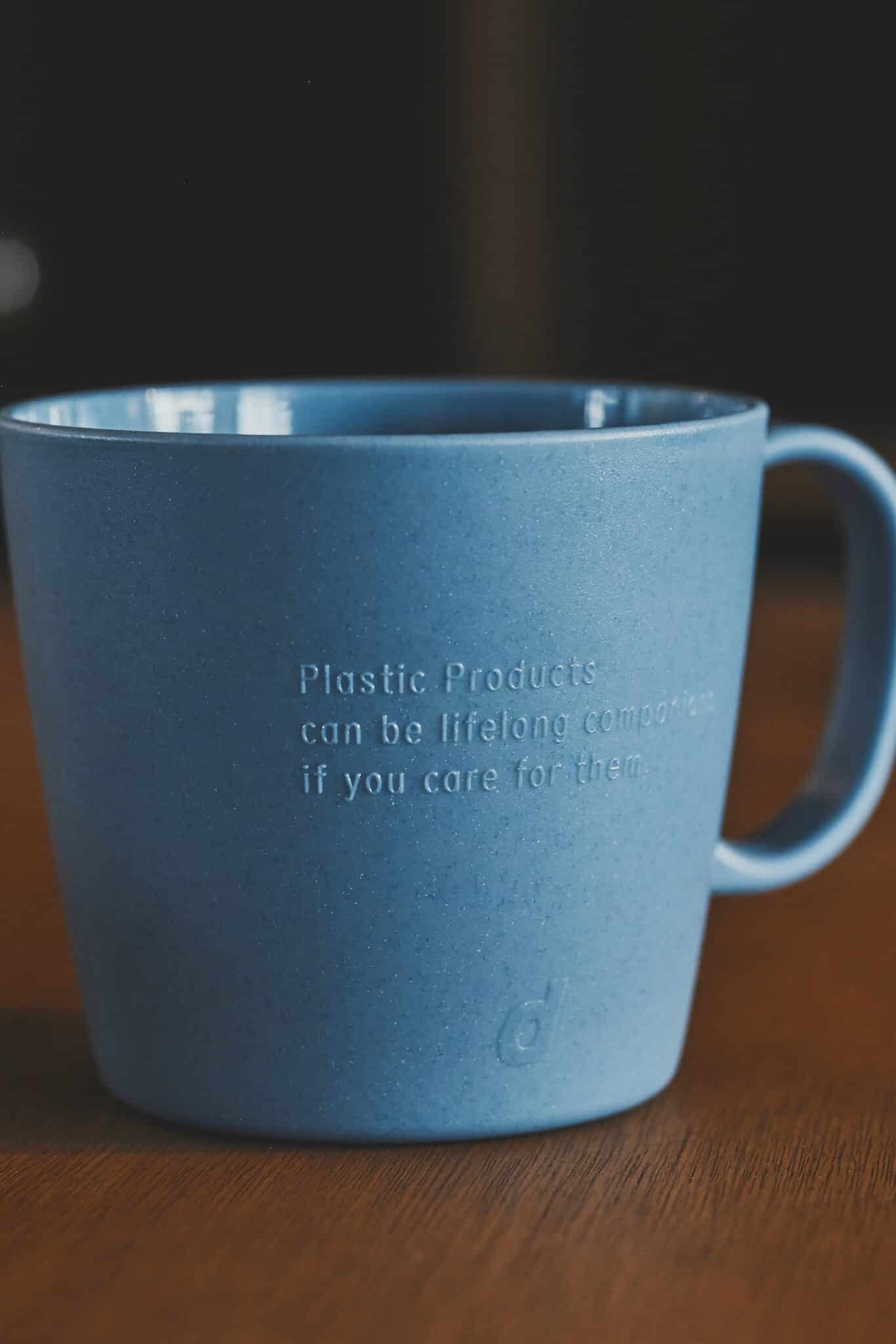
Plastic Mug from the “Long Life Plastic Project 2025”
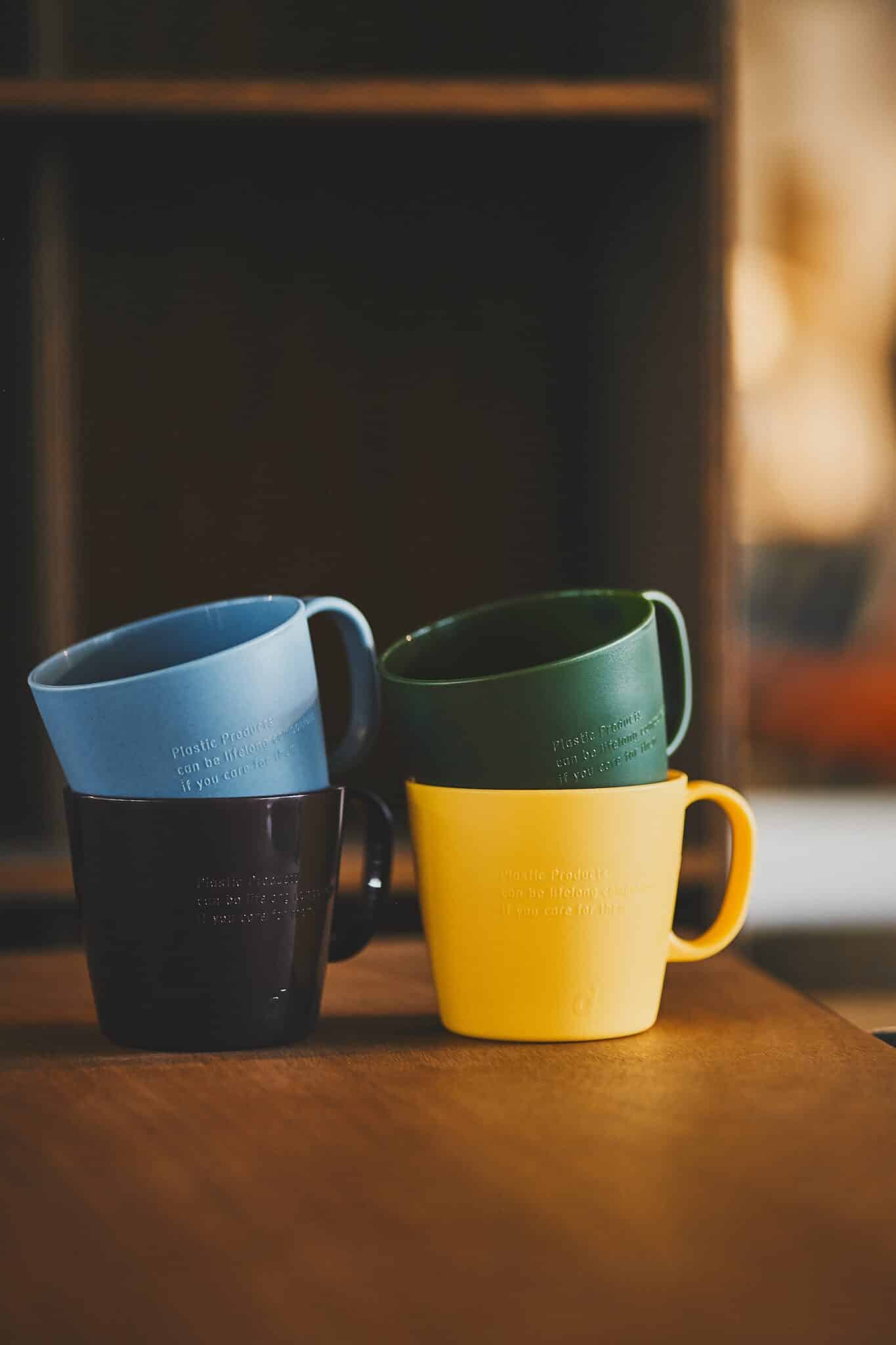
This mug was created through a project by D&DEPARTMENT that explores the concept of “Long Life Design for plastic.” Against the backdrop of growing environmental concerns in recent years, the project proposes the idea that plastic, too, can be a material that lasts a lifetime when cared for and appreciated as it ages. The following message is embossed on the surface of the cup: “Plastic Products can be lifelong companions if you care for them.” (Even plastic products can become lifelong items if you take good care of them.)
Since the project launched in 2021, a new color has been released every two years. The photo shows the four colors of the 2025 model. /5,000 yen
The message is embossed on the surface of the cup. The photo shows the Washed Blue color from the 2025 edition.
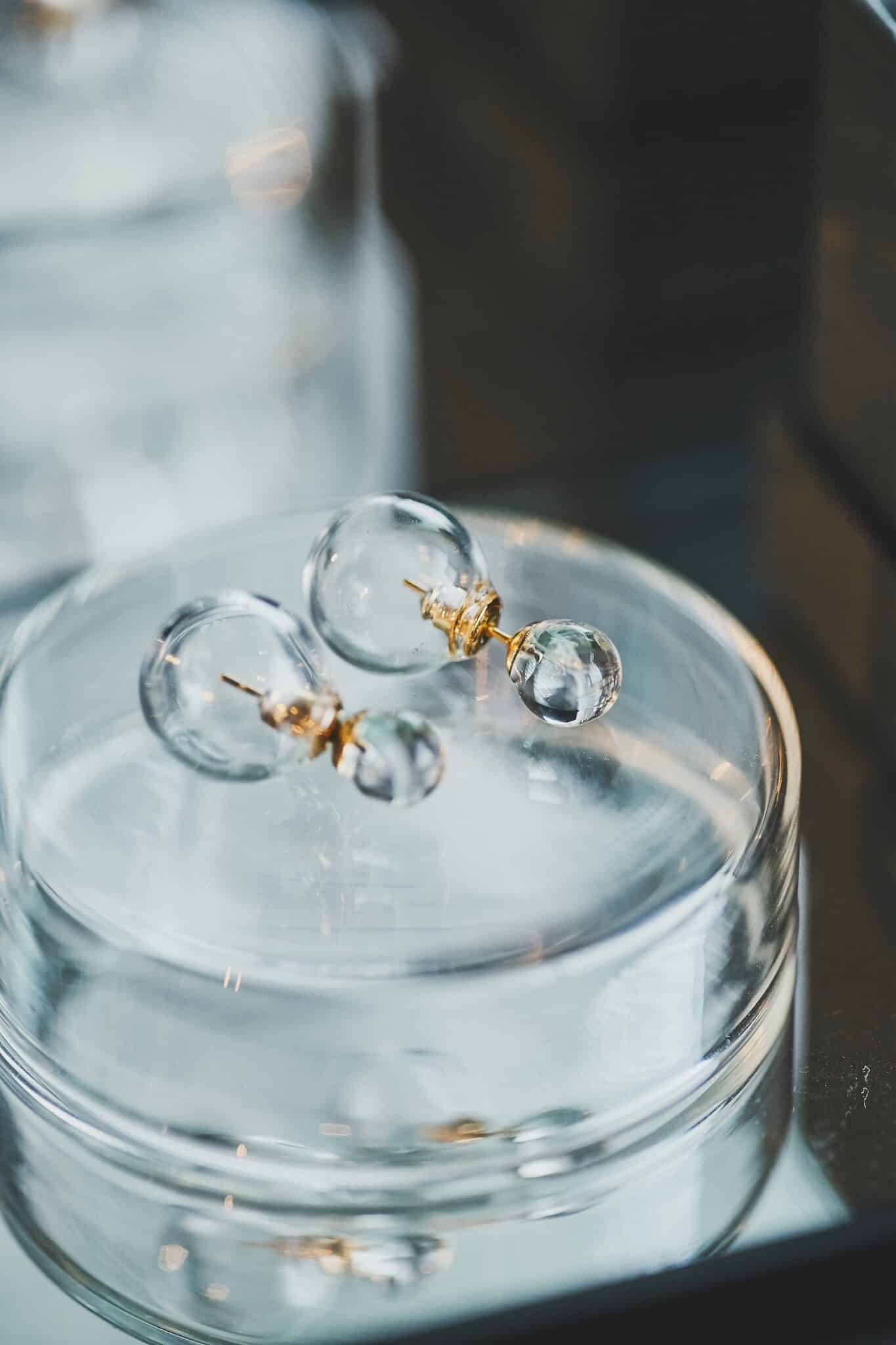
“HARIO Lampwork Factory” Earrings (Special Order Model)
These earrings are by HARIO Lampwork Factory, an accessory brand created by the long-established glass manufacturer HARIO, founded in Kanda, Tokyo in 1921.
The brand was established in 2015 with the aim of preserving the techniques of glass artisans, whose numbers have been decreasing in recent years.
This pair, produced especially for D&DEPARTMENT, is a special version of a classic model normally made with frosted glass that has a texture resembling coarse sugar crystals, here crafted instead in clear glass.
At the HARIO Lampwork Factory workshop, glass artisans craft each piece by hand. Special-order model of Lampwork Factory “Pierce Capsule.” /9,130 yen
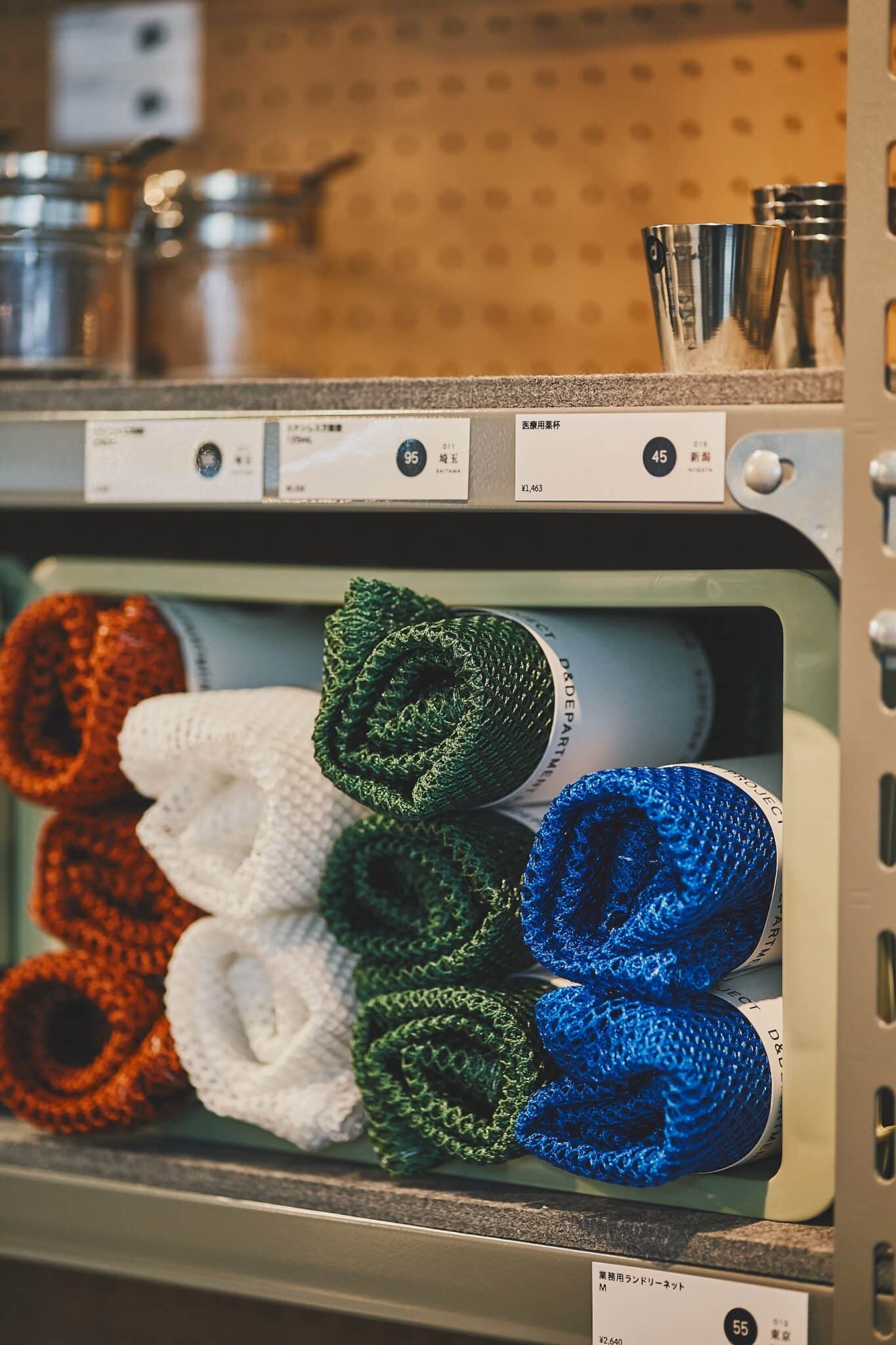
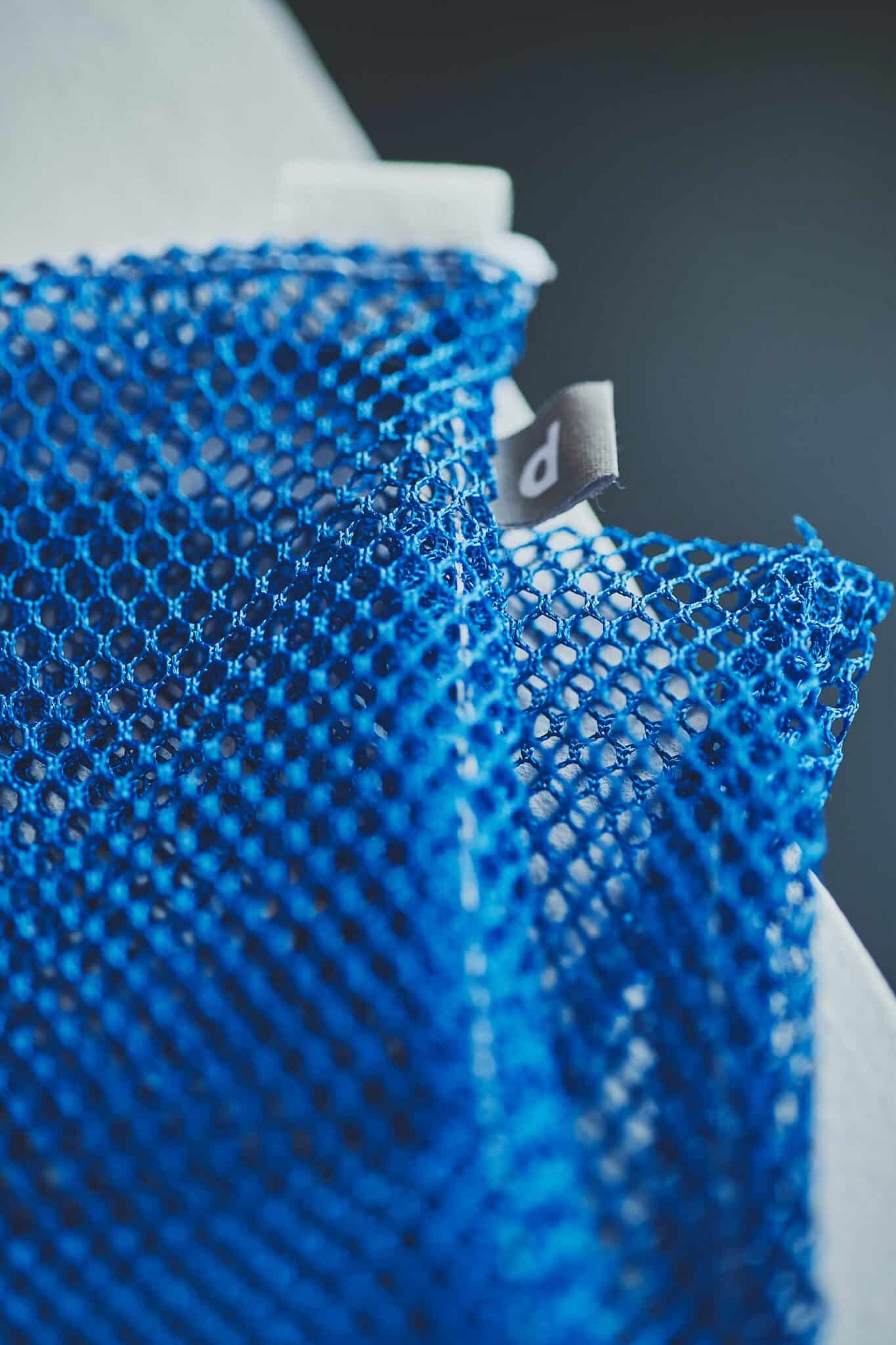
Professional Laundry Net
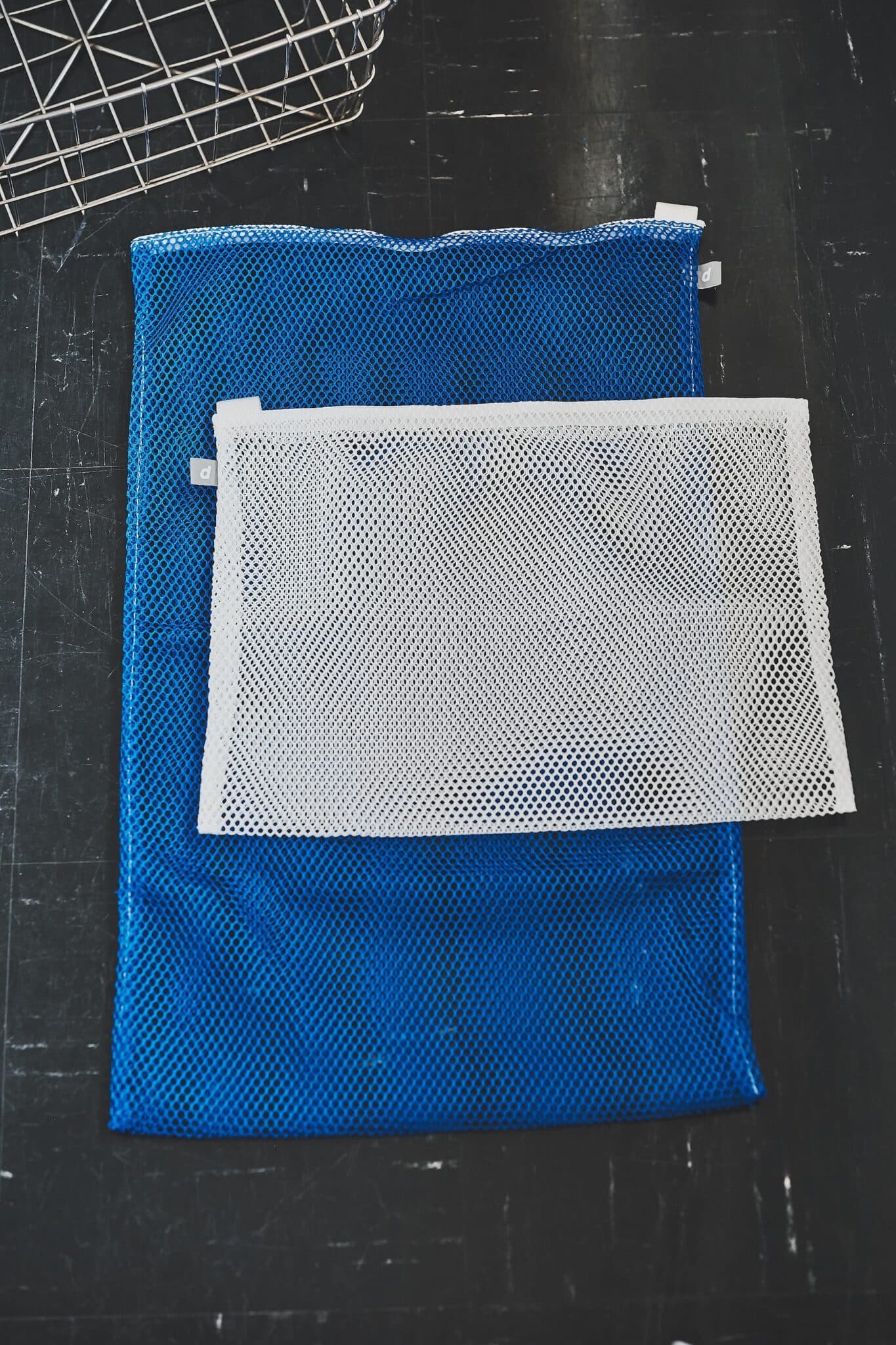
This laundry net was originally developed by a manufacturer specializing in hotel supplies, and has been adapted for easier use at home. Because it uses thicker polyester thread than ordinary laundry nets, the fabric is thicker and known for its high durability.
The professional laundry net comes in four colors. Available in two sizes: S (42 × 30 cm) M (42 × 65 cm) /S 2,090 yen /M 2,640 yen
When traveling, clothes can be packed directly into the net and placed in luggage. After returning home, the net can be placed straight into the washing machine.
Because the fabric is extremely durable, some staff members even use it to carry PET bottles.
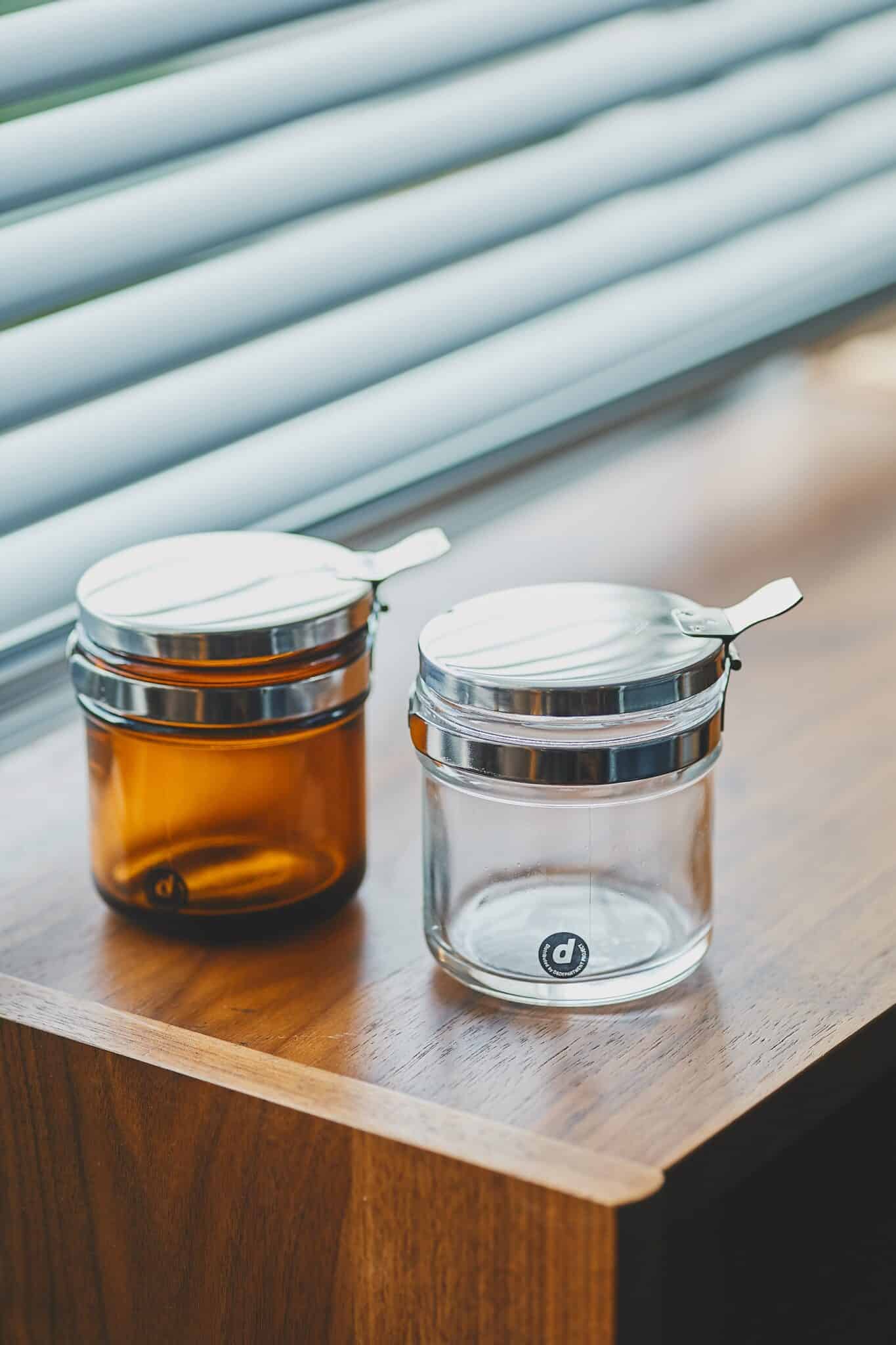
Medical Glass Multi-Purpose Jar
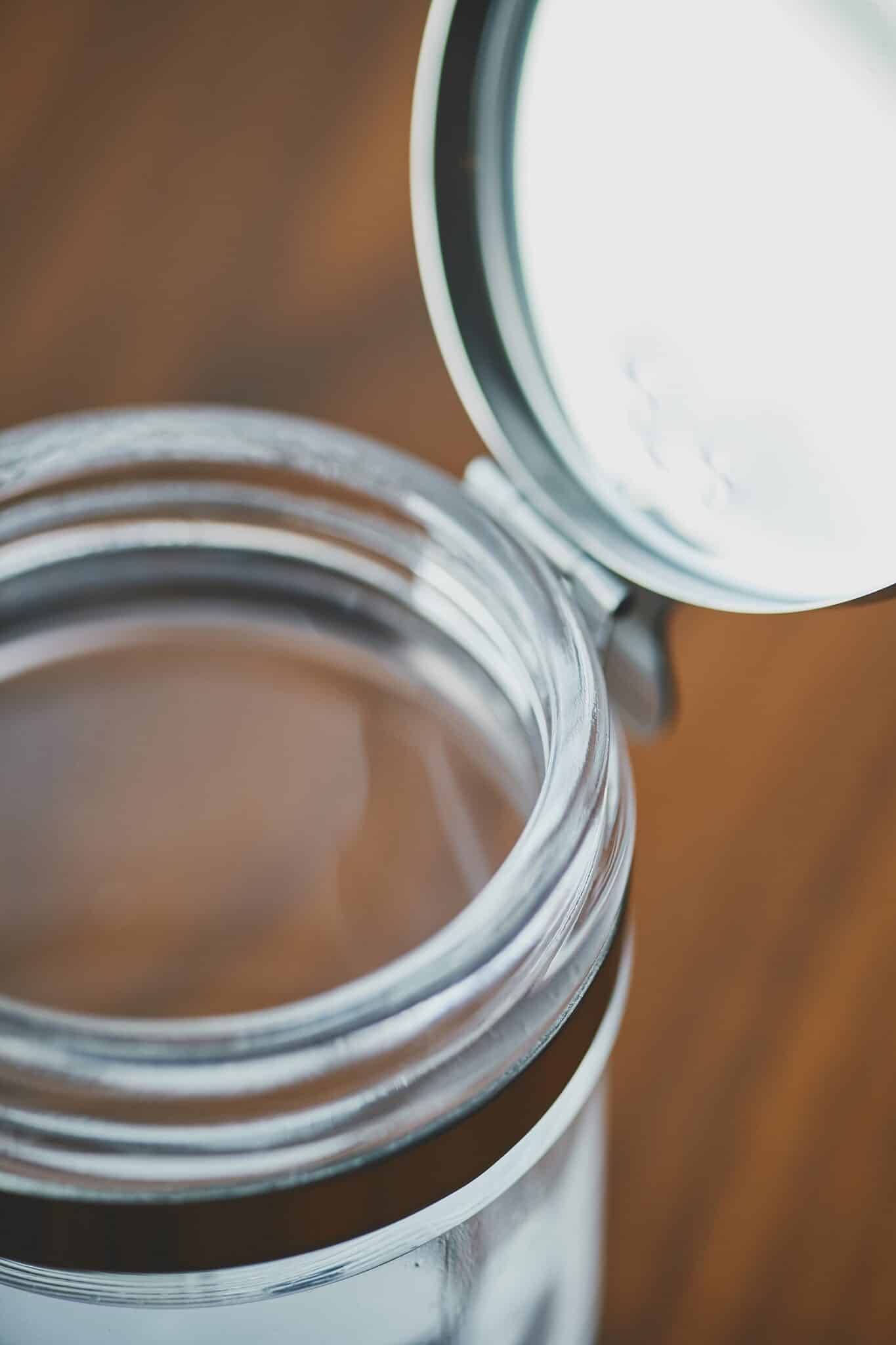
This glass jar is used in medical settings as a container for gauze and other supplies. It is a versatile item that can also be used as a container for small objects, seasonings, or even as a pen holder. The lid can be opened easily with one finger, making it less likely to touch the contents while opening or closing, which helps maintain hygiene.
A simple medical glass jar that fits naturally into various everyday situations. Available in two colors: Clear (right) and Amber (left). The 250cc size shown in the photo is the perfect height for storing cotton swabs. A 500cc size is also available. /250cc 4,180 yen /500cc 6,380 yen
The thick glass construction makes the jar resistant to breakage.
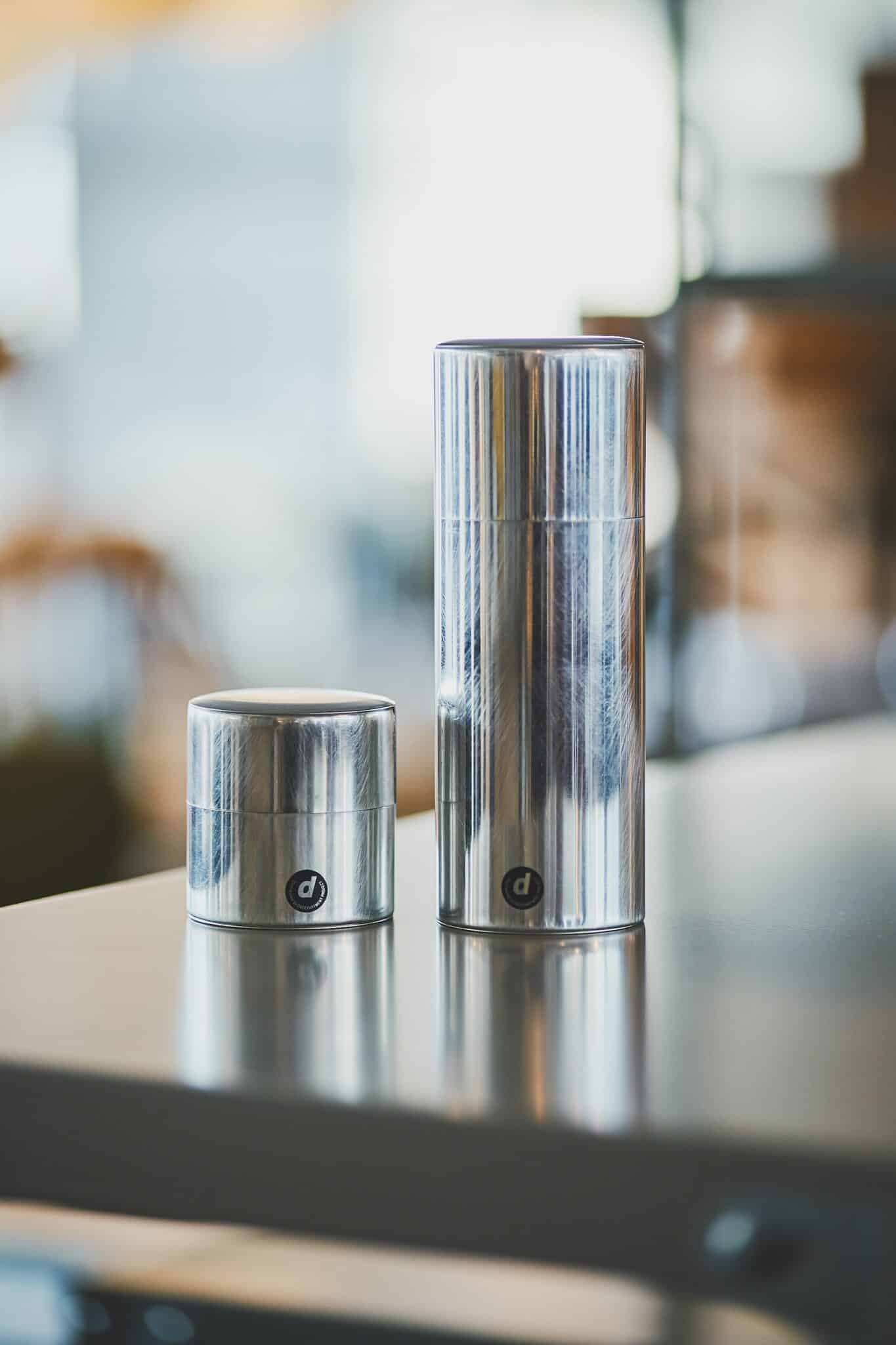
“syuro” Round Tin
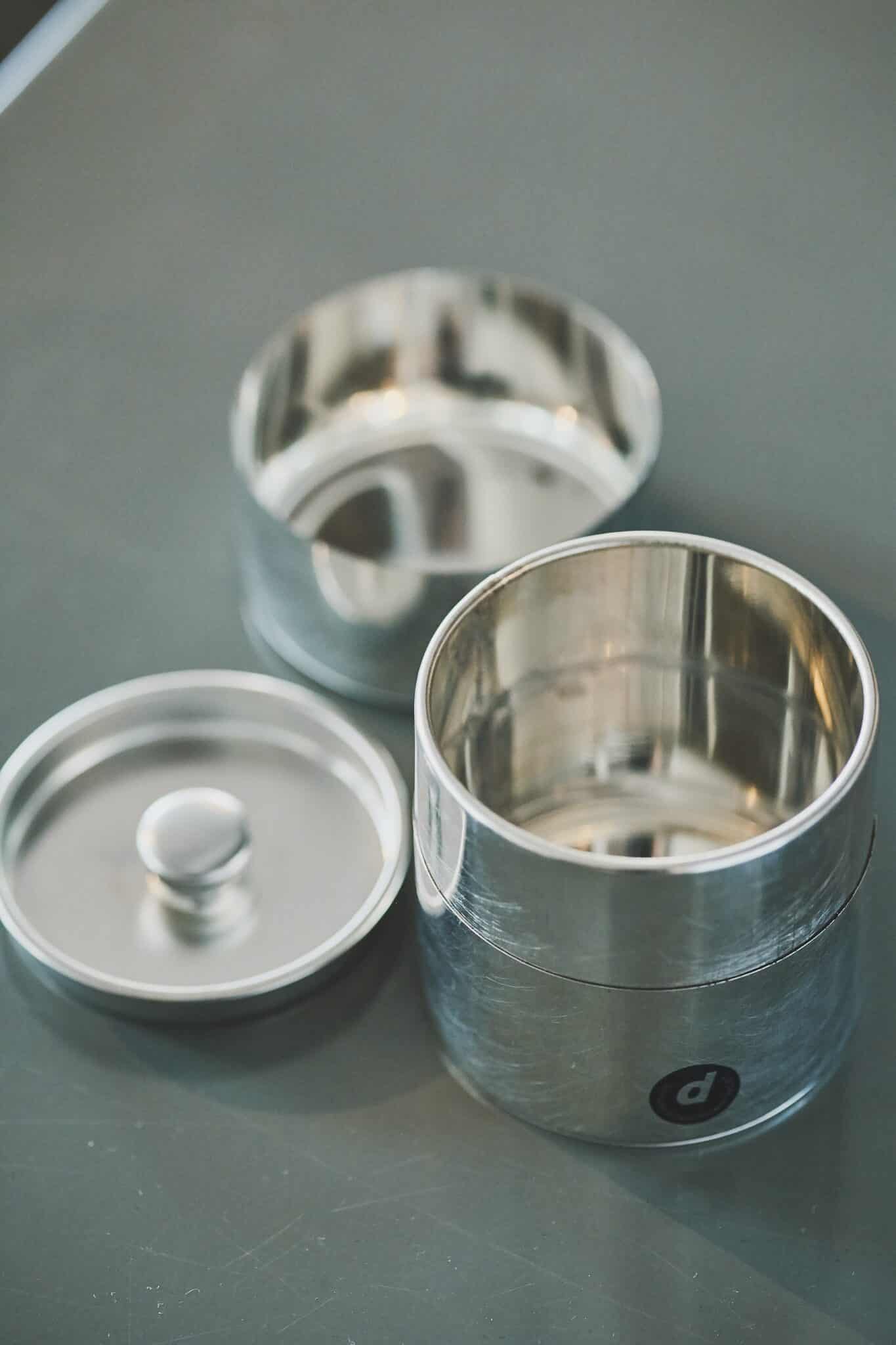
This tin container is made by syuro, a manufacturer located in a small factory in Edogawa, Tokyo, which has produced tea canisters for many years. In Japan, tea canisters wrapped in washi paper are commonly seen. However, this product intentionally presents the material in its natural state, allowing the craftsmanship of the artisans to be appreciated. Each can is made by artisans who process a single sheet of metal by hand. Its perfectly airtight structure is achieved through delicate craftsmanship. As it continues to be used, the tin gradually develops rust and the surface changes to a matte texture, allowing users to enjoy its aging over time.
Suitable for storing dry foods such as coffee beans. The smaller size can also be used as a sewing container with a pincushion inside. /SS 2,530 yen /Slim 2,640 yen
The neatly rolled edges highlight the craftsmanship involved. This structure also increases durability.
Sunbox
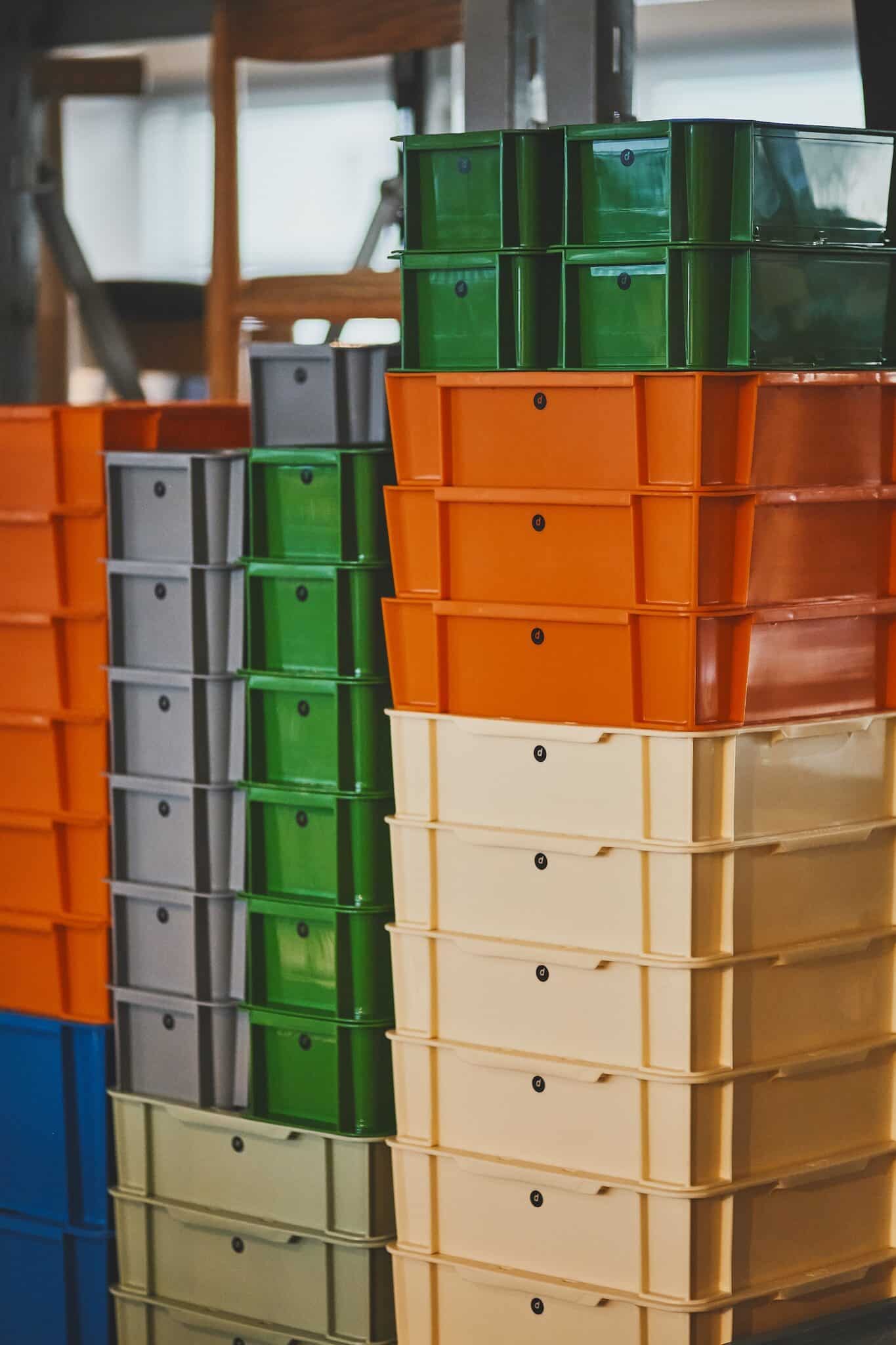
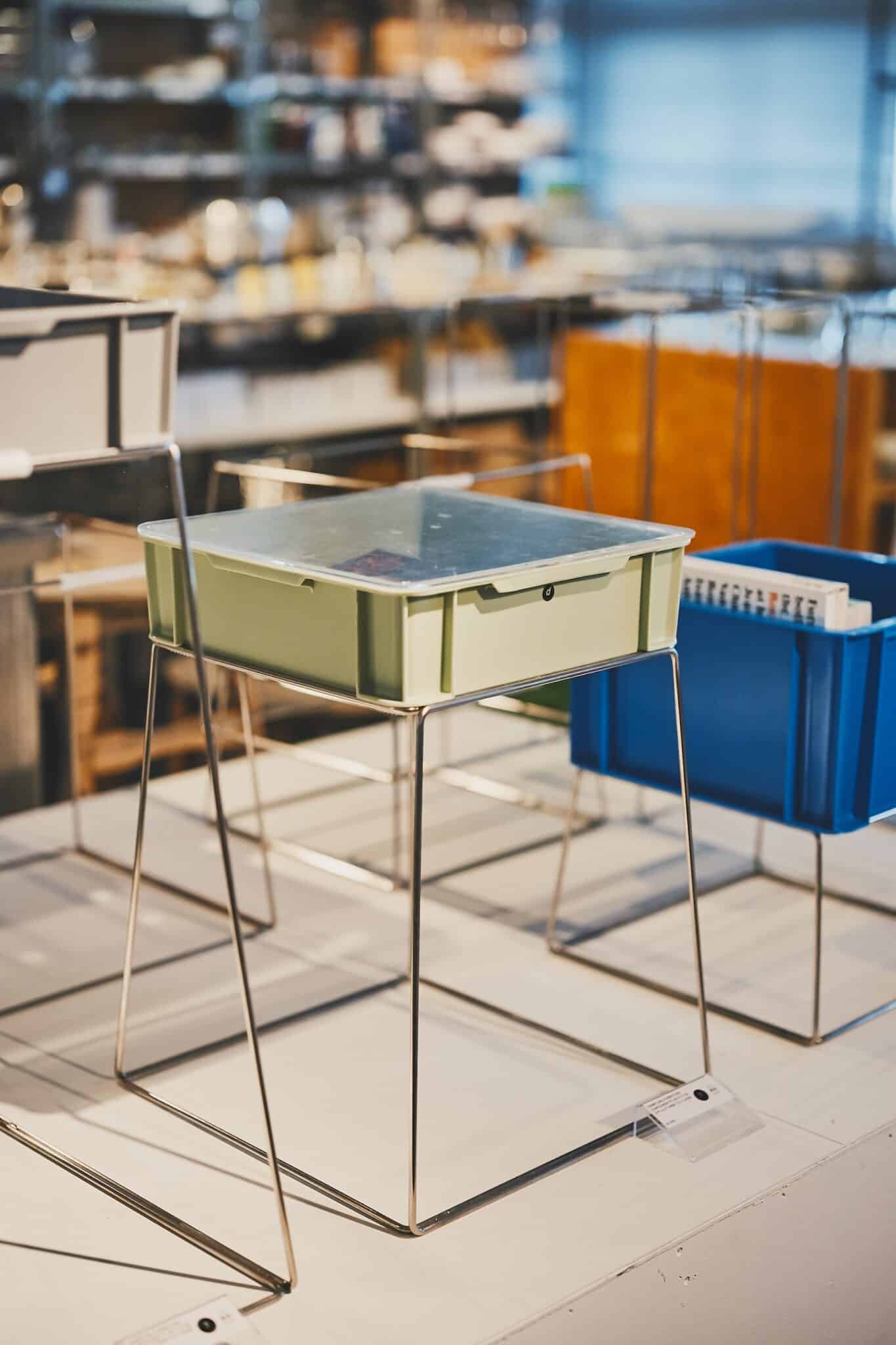
The Sunbox is a professional plastic container used for transporting goods. It can be used individually or stacked. In the project Sampling Furniture, which is based on the concept of “creating without producing,” the unchanged design of the Sunbox is utilized in new ways—such as combining it with frames to create planter stands—proposing various ideas for incorporating it into everyday living.
Stackable plastic Sunboxes. They are lightweight yet durable. The basic size is W340, with additional variations: W170 Half W170 Mini (quarter size) /W170 Mini from 1,100 yen
By combining it with the dedicated frame “Sampling Furniture Container Sunbox 02,” it can be used as a planter stand or bookshelf. Simply combining existing products allows you to create furniture that suits your own lifestyle. It is an environmentally conscious item that can be used for many years while adapting to changing needs. /15,950 yen
d RUG LIFESTOCK
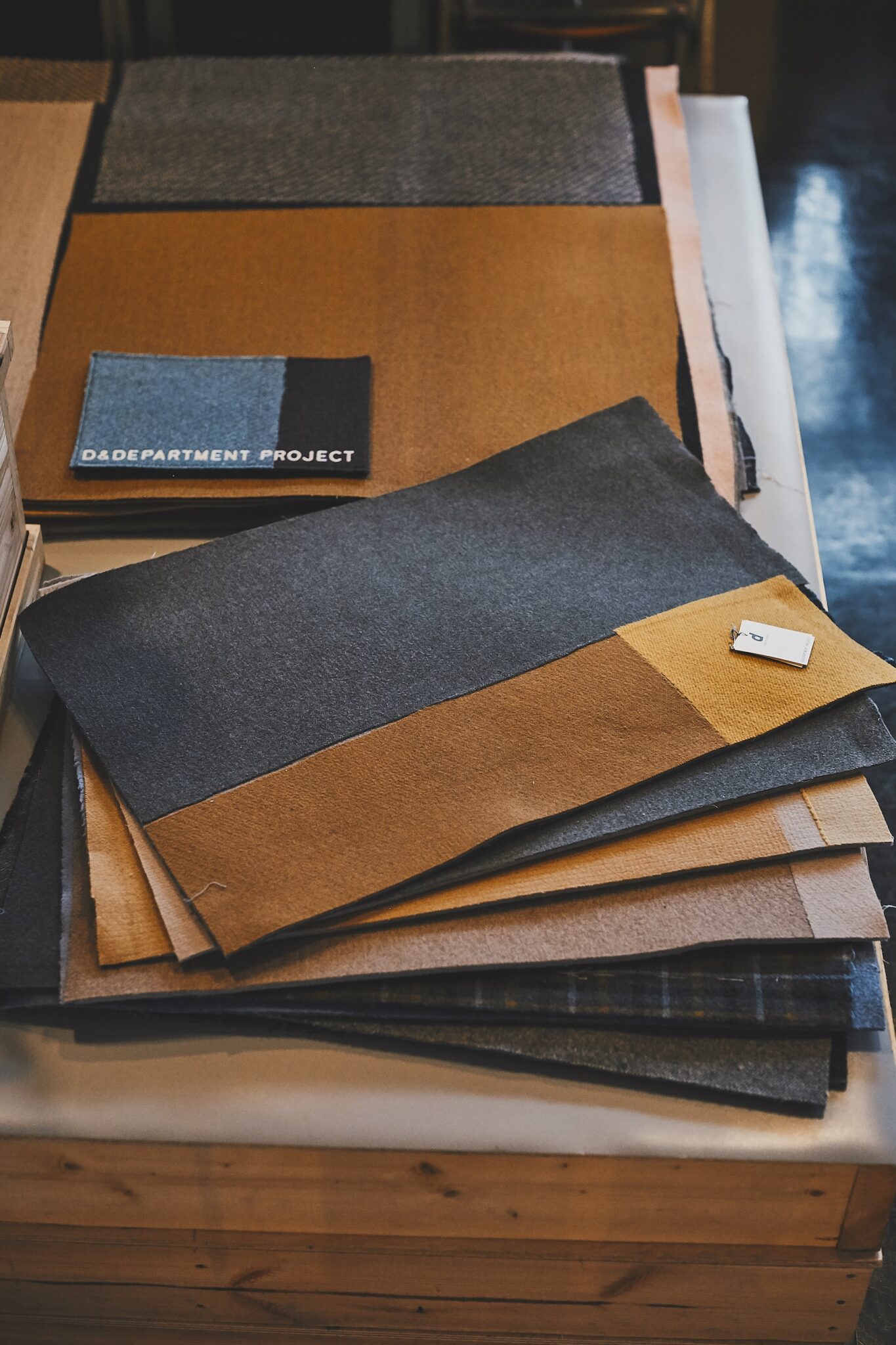
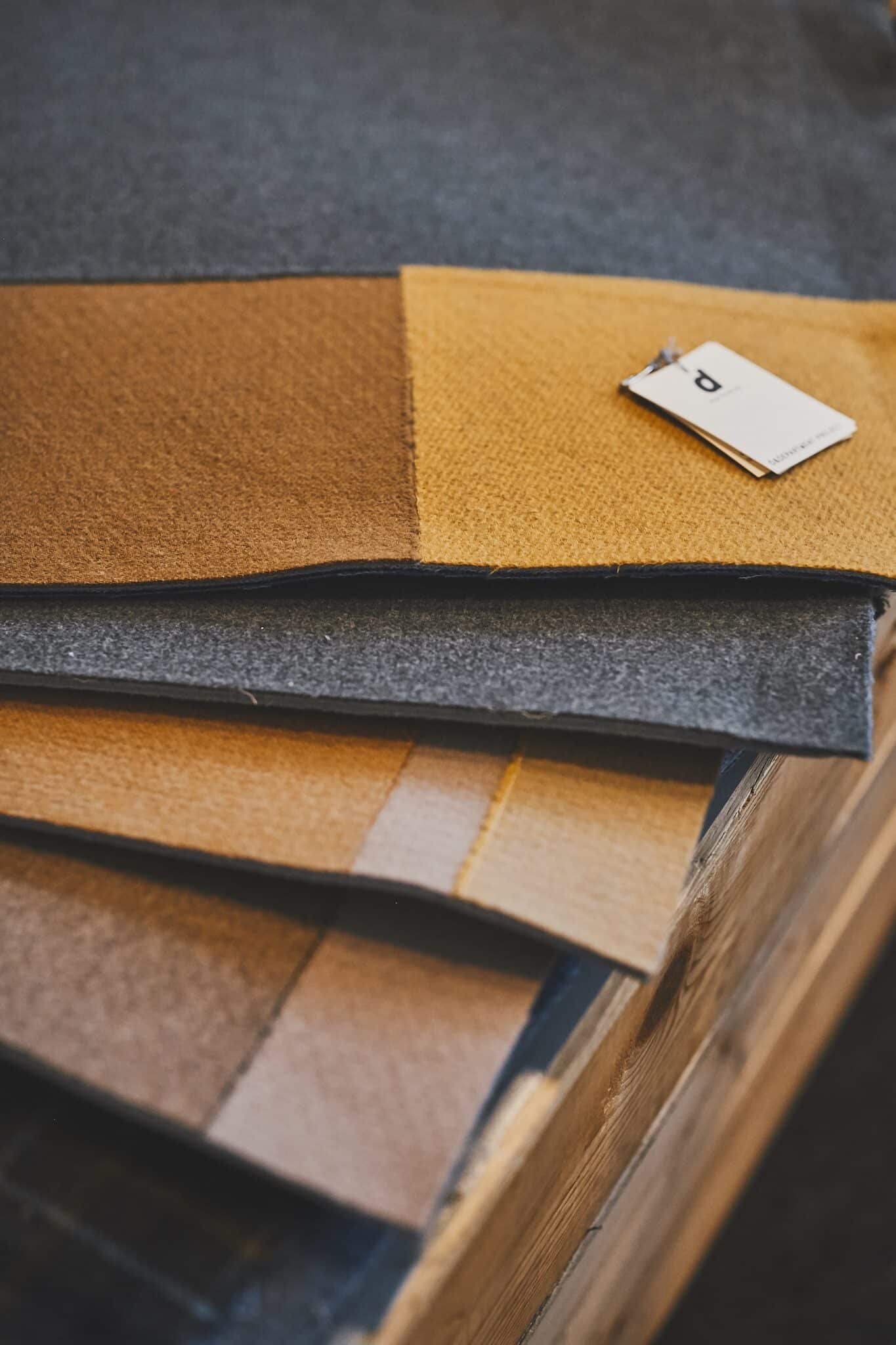
This rug is made from high-quality wool fabric. It was produced through LIFESTOCK, a project that discovers deadstock fabrics stored in textile manufacturers’ warehouses and reuses them as “living stock.” The rug uses fabric samples that had been stored in the warehouse of a manufacturer in Bishu, a major wool textile production region spanning Aichi and Gifu Prefectures.
Each rug is one of a kind, as the cut fabrics are layered by hand during production. /140 × 50 cm 16,500 yen /140 × 100 cm 33,000 yen
It can also be cut into preferred shapes or sizes, for example to use as a base for a flower vase.
Karimoku60 “K Chair”
Karimoku Furniture was founded in Aichi Prefecture in 1940. The K Chair was created in 1962, when the company began producing domestically made furniture. Originally sold as furniture for businesses such as inns and hospitals, it later became available to the general public after the company participated in the “60vision” project in 2002, which revived and rebranded products representing the company’s origins.
Karimoku60 K Chair 2-Seater Standard Black. It is assembled from parts, and components such as the backrest, seat, and armrests can be replaced individually. The 1-seater type is also popular. Among the eight available colors, Grand Blue is exclusive to D&DEPARTMENT. /87,450 yen
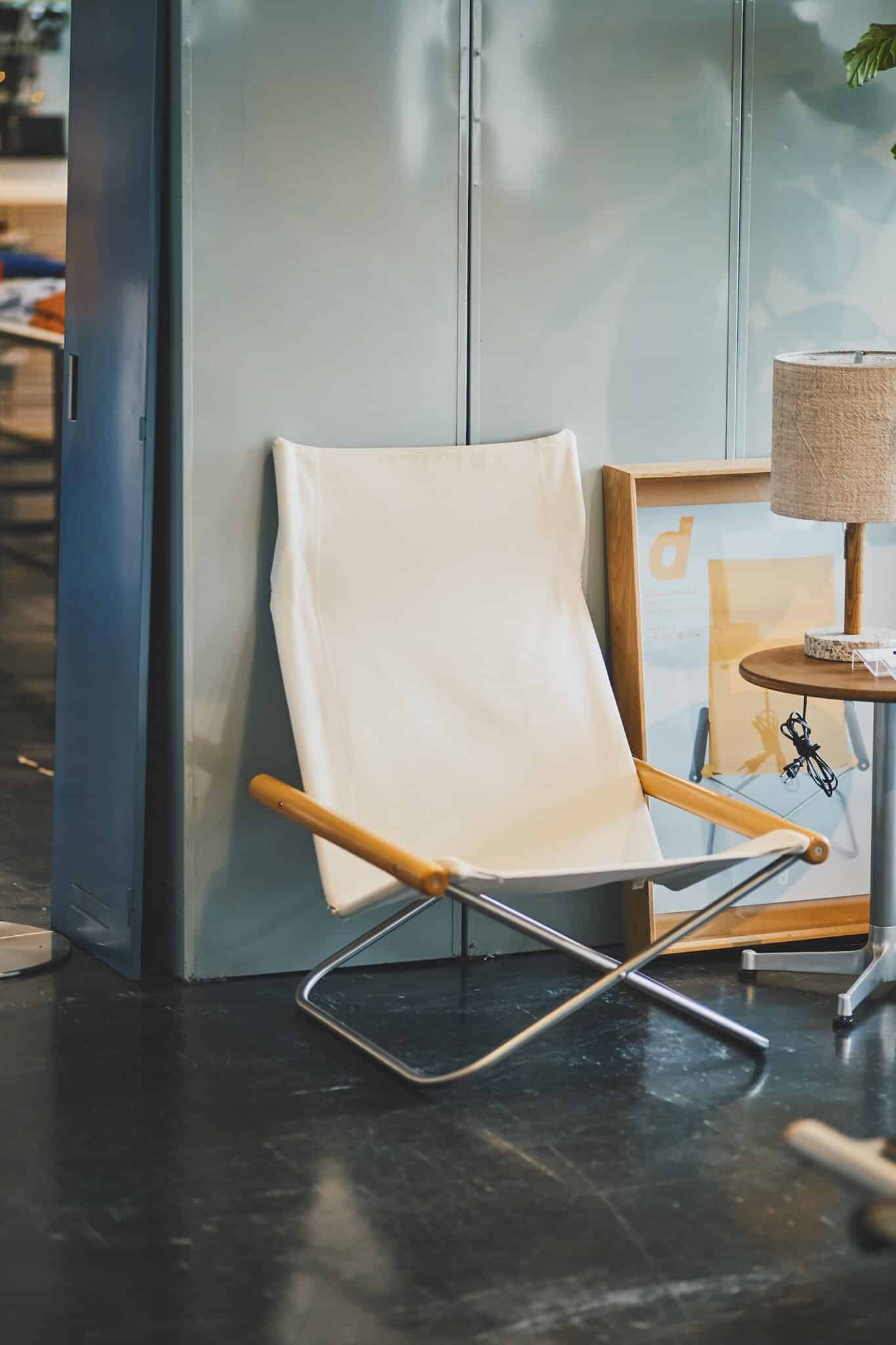
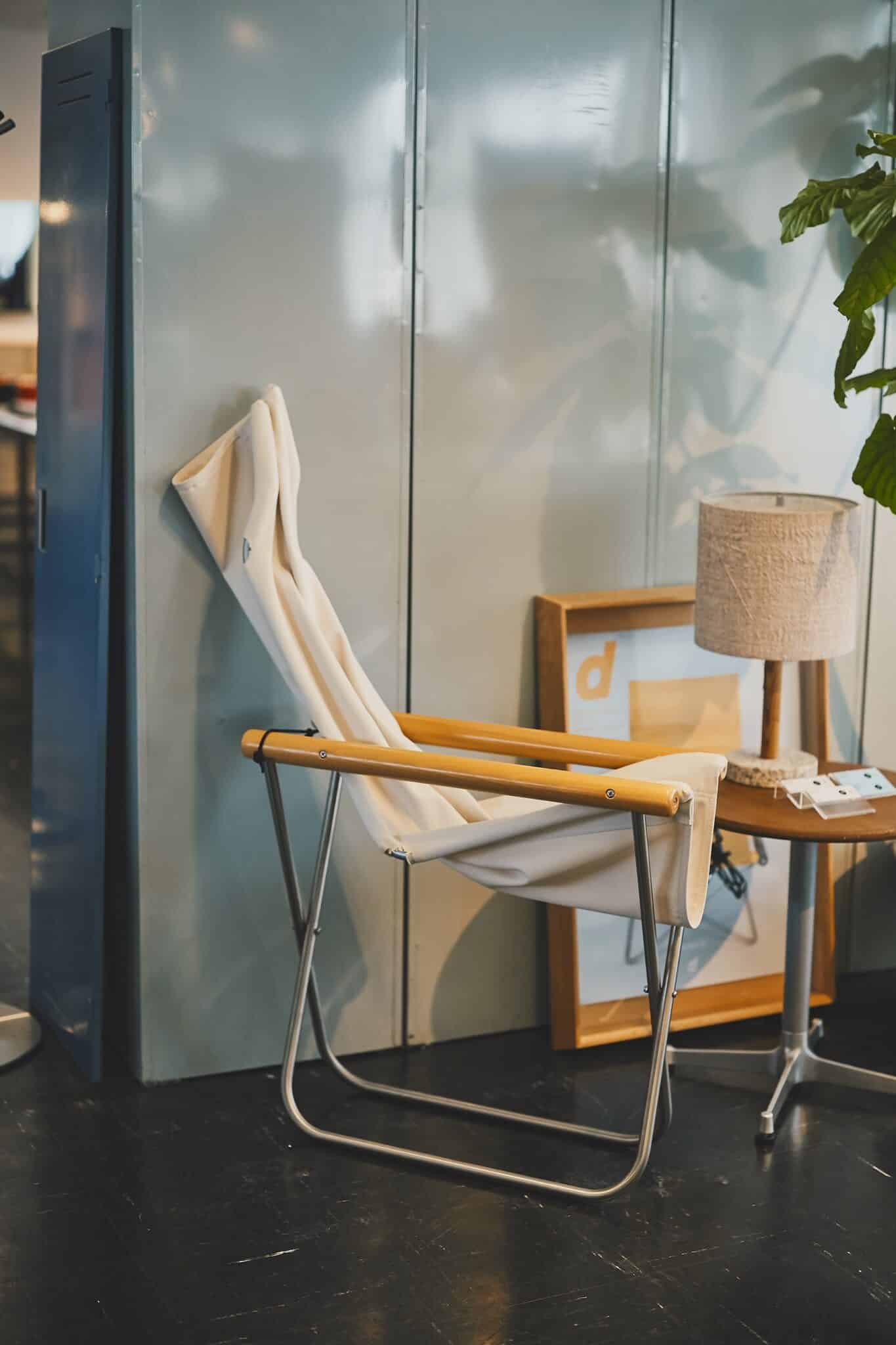
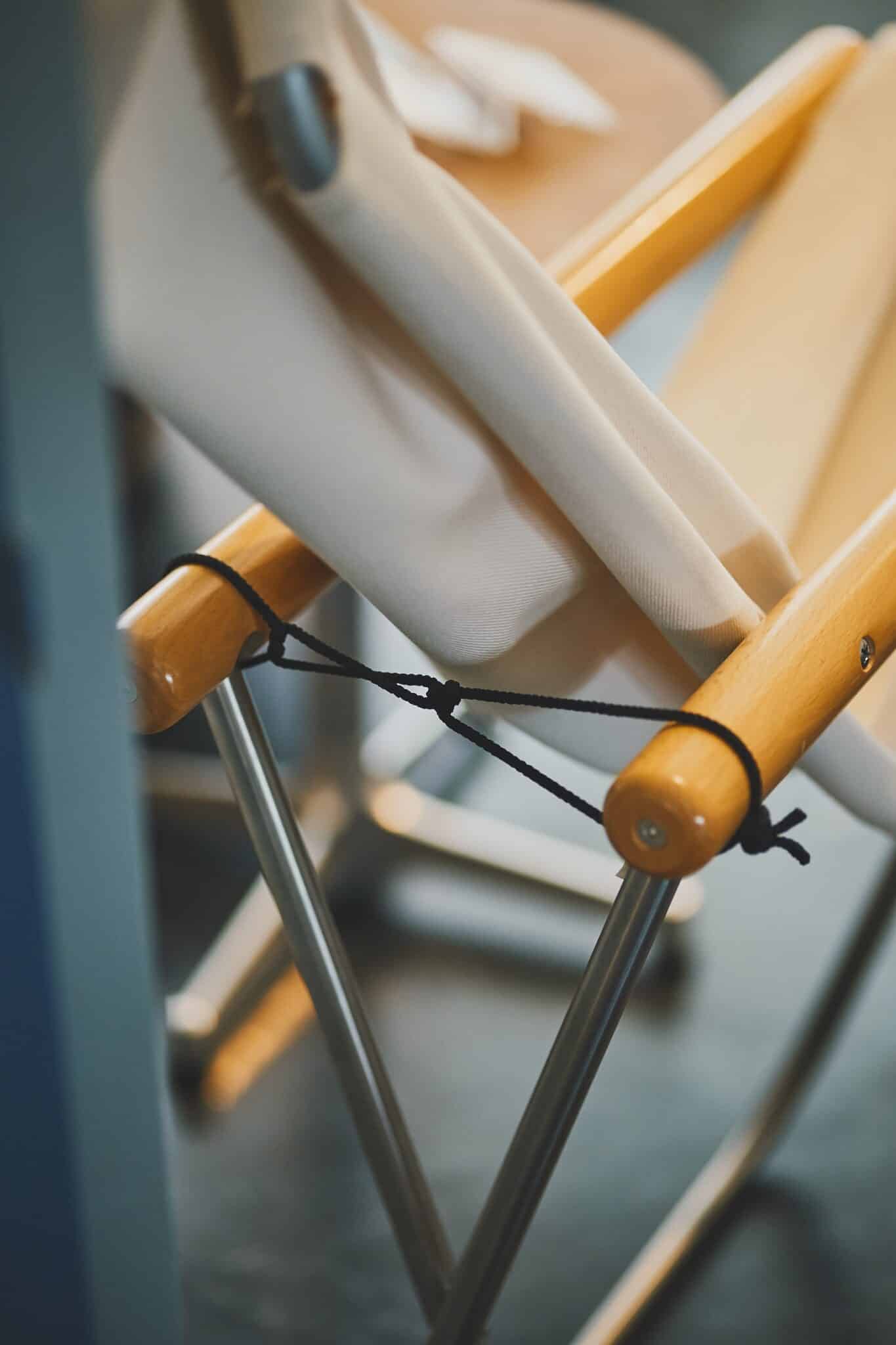
“Nychair X” by FUJIEI Corporation
This folding chair was completed in 1970 after pursuing both comfort and ease of use. Its designer, Takeshi Nii, originally manufactured kendo equipment. However, after a manufacturing ban imposed by the GHQ, he shifted his focus to furniture design. The skills developed through making kendo equipment are reflected in this chair, which features hammock-like seating that gently envelops the body. Because the seat fabric can be replaced, the chair can be used for many years. Today it is manufactured and sold by FUJIEI Corporation.
The seat fabric comes in five colors, including Camel and Blue. The armrests are available in Natural or Dark Brown. The photo shows White × Natural. A D&DEPARTMENT original color, Vintage Yellow, is also available. /59,400 yen
The folding structure was adopted in order to reduce shipping costs and deliver the chair to more people. Today, the item receives many inquiries from overseas.
Designer Takeshi Nii was born as the third-generation successor of a kendo equipment manufacturer in Tokushima. With the belief that the chair should be “affordable, practical like a tool, and comfortable without compromise,” he aimed to design “a chair loved by everyone, like curry rice.”
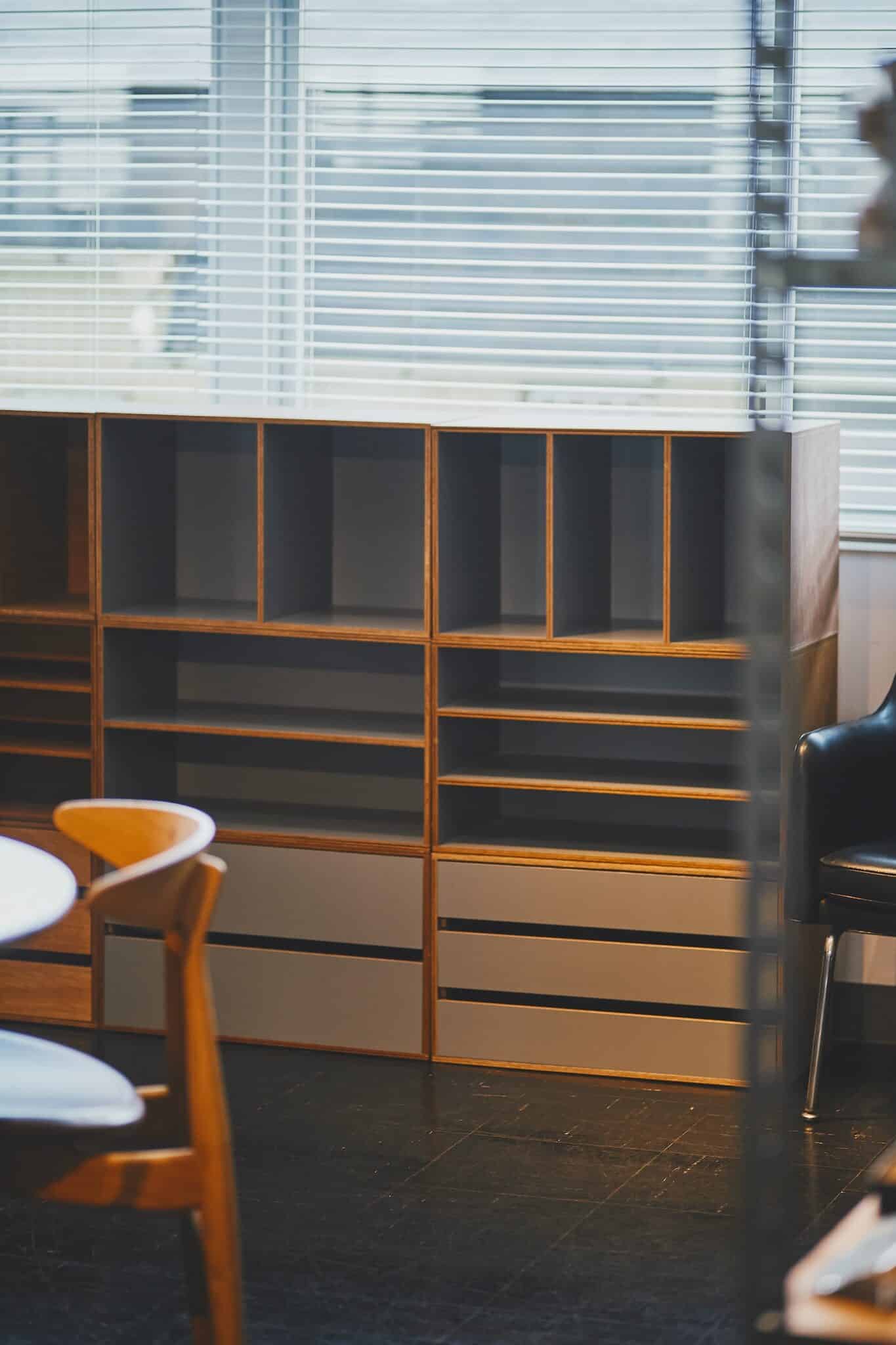
“LAUAN SHELVES” by LUFT
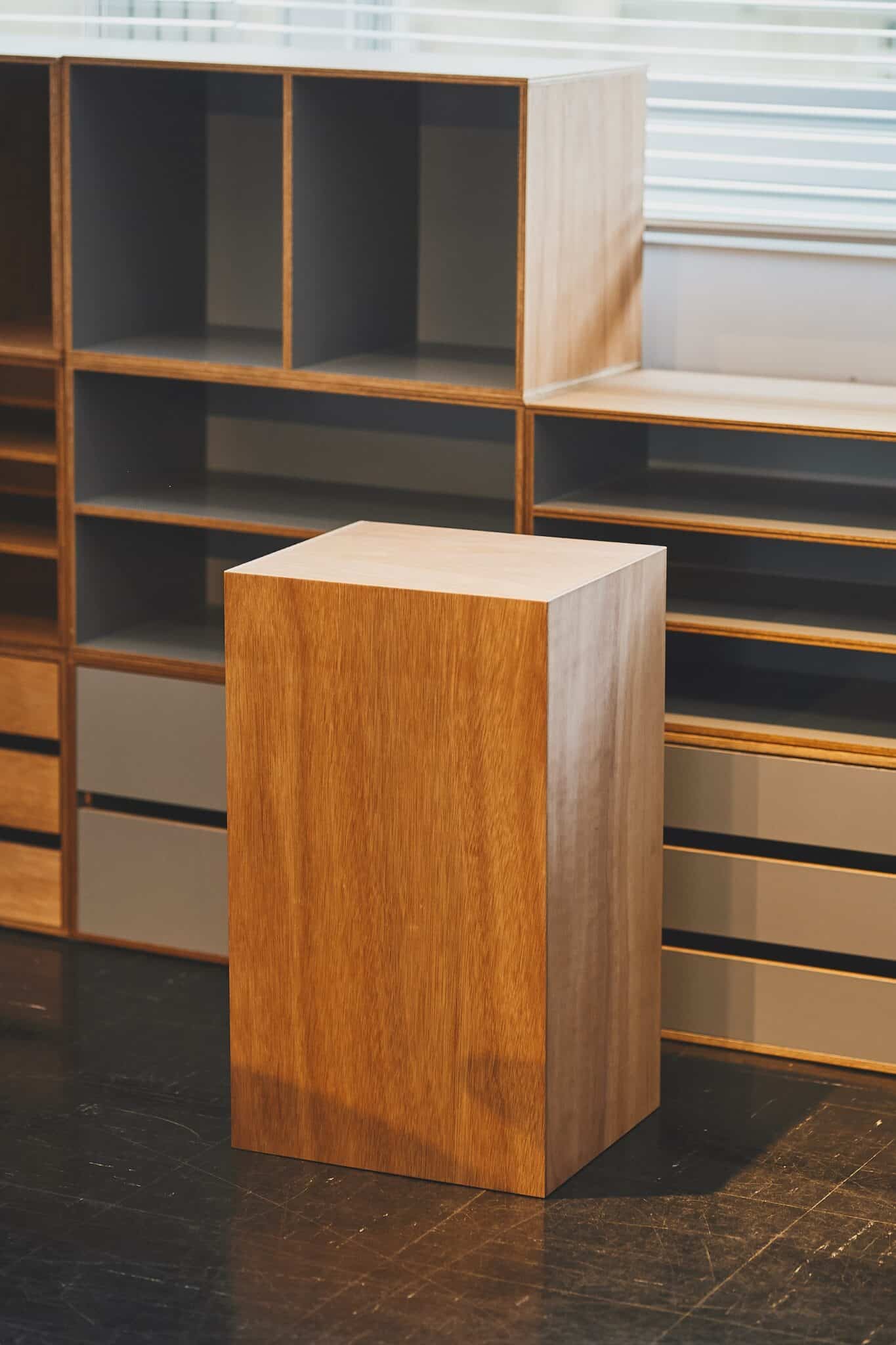
This box-shaped storage unit was designed by the design studio LUFT. Originally used as office fixtures in LUFT’s own office, they caught the attention of Nagaoka and were later commercialized. The shelves are made from lauan wood, a material with natural variations in color and grain, which is why it is rarely used by large furniture manufacturers. At D&DEPARTMENT, however, these variations are appreciated as part of the material’s character. Because the fasteners are hidden from view, the boxes can be freely combined and used either as shelving units or room dividers.
Available in box and drawer types. Three colors: Gray / White / Natural /2-column type from 36,300 yen
Natural finish without decorative boards. Finished with clear wax.
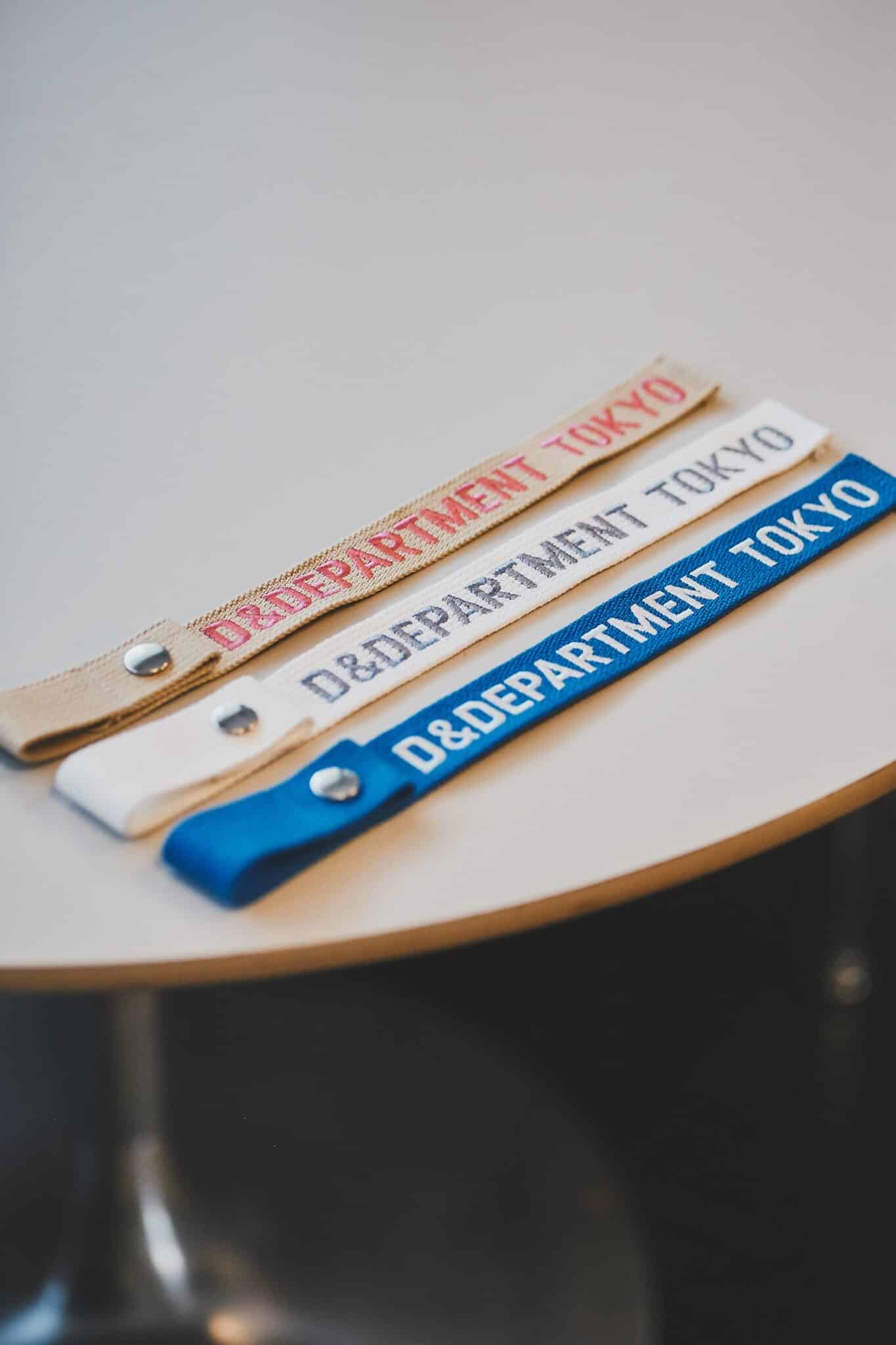
Tiger Emb Luggage Tag
An original luggage tag created in collaboration with Tiger Emb, an embroidery patch manufacturer in Okinawa. Each store has its own original color, and the TOKYO store offers three colors. It is also popular as a souvenir.
Can be used as an accent for bags or suitcases. /2,500 yen each
D&DEPARTMENT also purchases items that it has previously sold (excluding consumables). Purchased items are repaired or customized and then placed back in the shop as used items. Items eligible for buyback are mainly used furniture and household goods (details available upon inquiry). In some cases, even items not originally purchased at D&DEPARTMENT may be accepted if they are judged to represent Long Life Design. Long Life Design does not end with a sale. Circulating these items and preserving them over time is also an important part of D&DEPARTMENT’s activities.
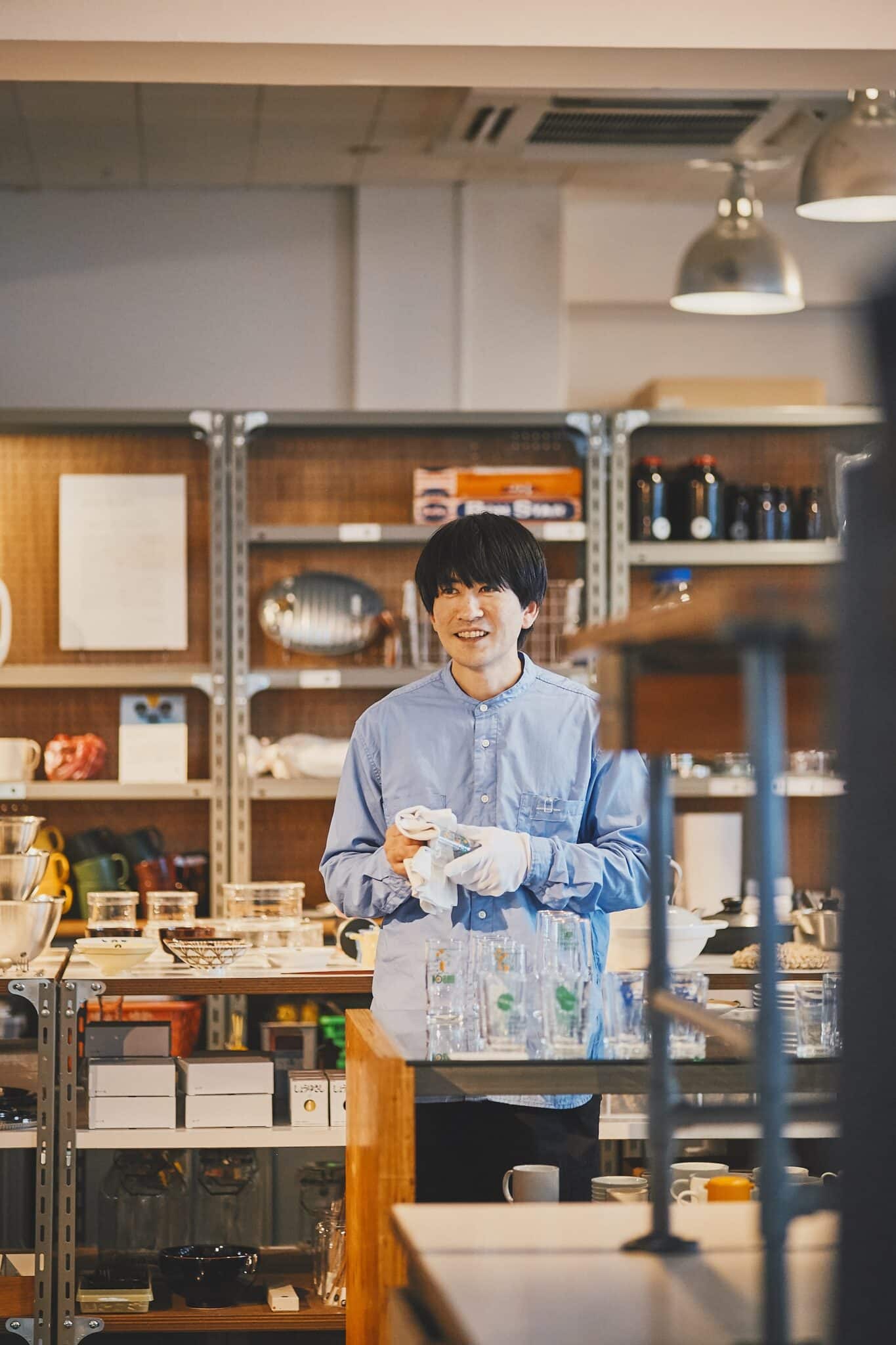
Visitors can not only shop here but also speak with staff about the background of the products and ideas for how to use them.
Used items are constantly replaced, so each visit offers new discoveries.
The information in this article is accurate as of March 12, 2026 (publication date).