DEEPTOKYO
magazine

EN

DEEPTOKYO
magazine
EN
2025.12.22
PRTHE NORTH FACE’s JAPAN COLLECTION brings together Japanese craftsmanship and advanced outdoor technology. Marking the full launch of the collection, the brand has released collaborative pieces created with SASHIKO GALS—a group of artisans in Ōtsuchi, Iwate Prefecture —who continue to expand the possibilities of SASHIKO, a traditional Japanese hand-stitching craft. We explore the stories and values behind these creations.
SHARE


Since December 2025, THE NORTH FACE has been unveiling the JAPAN COLLECTION—an initiative that reimagines Japanese craftsmanship, advanced material innovation, and circular manufacturing through the perspective of a performance-focused outdoor brand.
Rather than simply incorporating traditional aesthetics, the collection reinterprets cultural practices that have evolved in Japan, translating them into modern products through cutting-edge material innovation.
The three new series, Sashiko, Drift Dye, and Natural Dyed Perspex, each have different backgrounds and material characteristics, but all embody the values that "THE NORTH FACE" wants to emphasize in its manufacturing from now on.
One of the traditions highlighted by the JAPAN COLLECTION is SASHIKO—a form of practical wisdom that spread throughout the cold regions of northeastern Japan during the Edo period. At a time when cotton fabric was scarce, people layered textiles and reinforced them by repeatedly stitching thread through the cloth, making garments warmer and more durable. Over time, variations in patterns and stitching techniques emerged, allowing a quiet sense of beauty to develop within everyday life. What began as a functional handcraft gradually evolved into the cultural practice now known as SASHIKO, passed down to the present day.
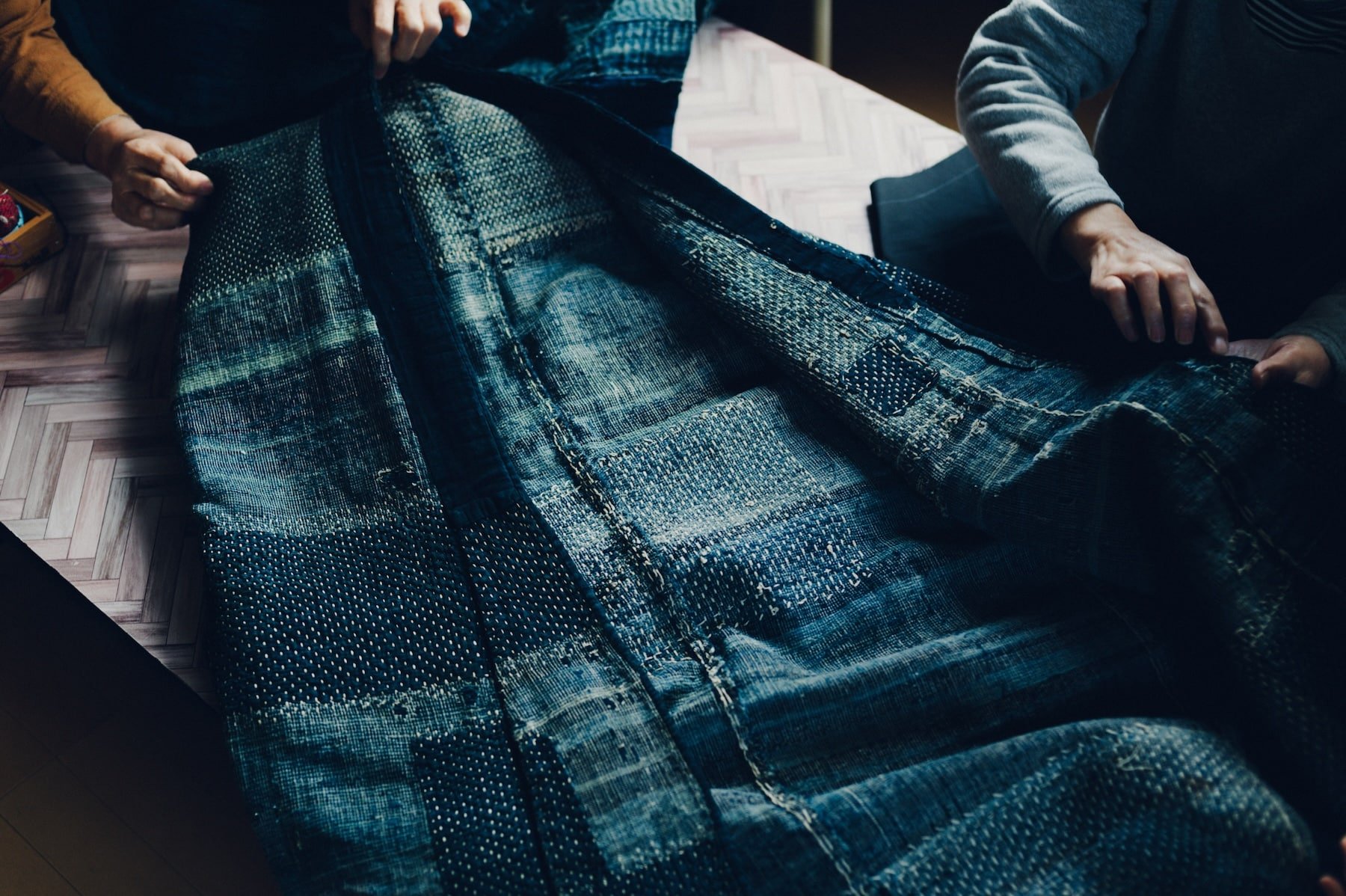
Garments made by patching together indigo-dyed cotton with SASHIKO stitching are known as boro. Valued for their historical significance and quiet beauty, they are admired by collectors worldwide. The kimono shown here was likely worn from the late Edo to the early Meiji period.
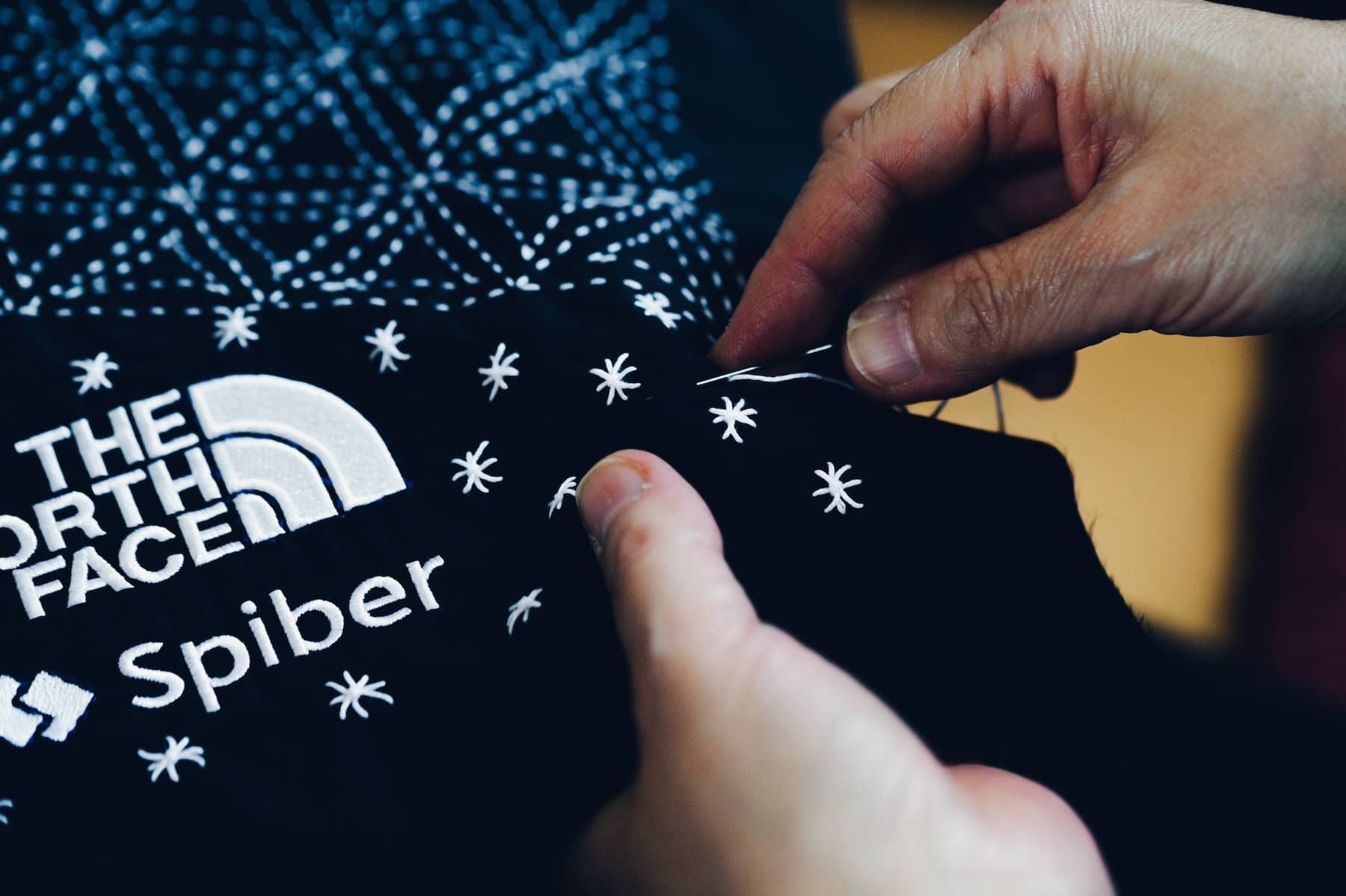
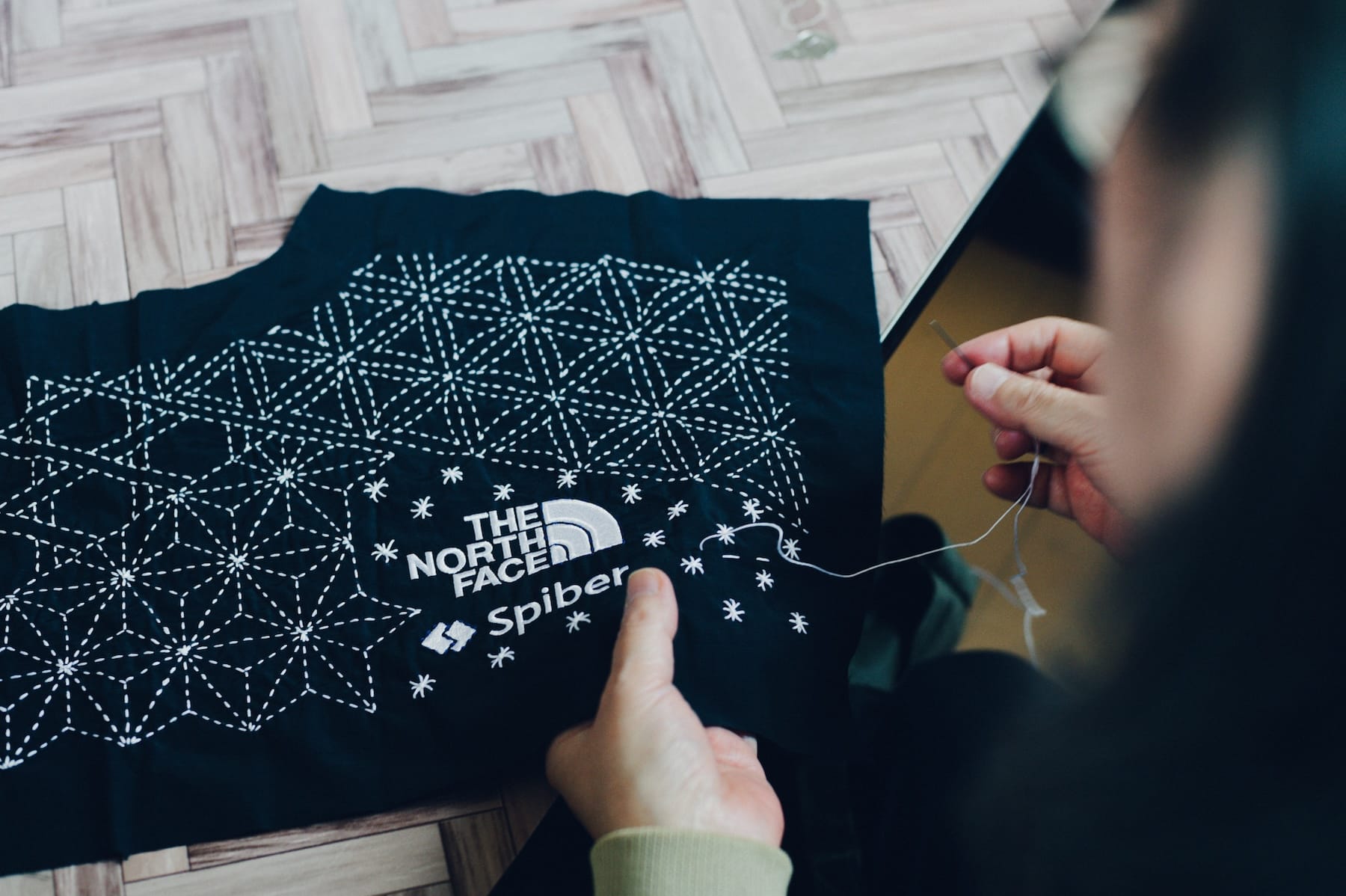
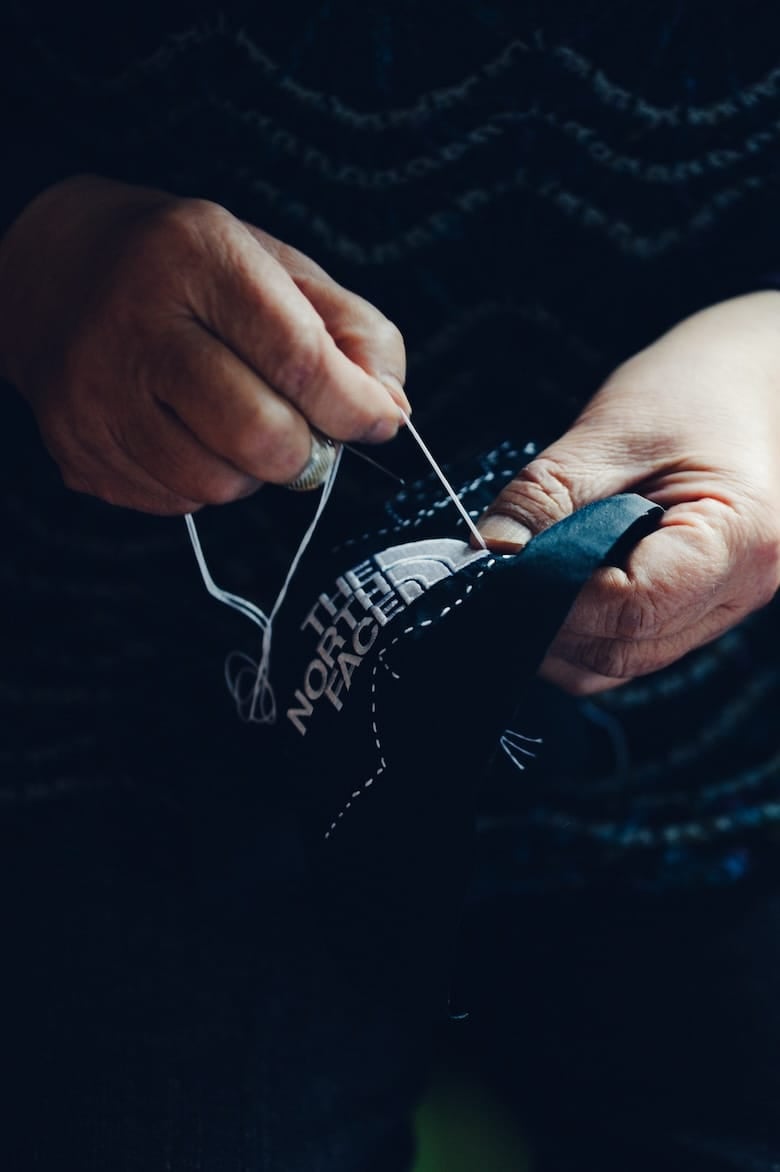
Working one stitch at a time, the artisan carefully embroiders near the brand logo. Their quiet concentration speaks volumes about the craft's delicacy.
For this JAPAN COLLECTION, THE NORTH FACE collaborated with the SASHIKO GALS—a collective of artisans who reinterpret traditional culture through a contemporary lens and present it in new forms. Applying SASHIKO to a wide range of objects—from sneakers and stuffed toys to bags and art pieces—continues to expand the craft's expressive potential.
While simply preserving tradition can create distance from the present day, the SASHIKO GALS see renewal as essential—respecting tradition while boldly applying it to new materials and fields. These efforts have earned recognition both in Japan and abroad, with a growing number of high-profile figures—including Japanese rock band ONE OK ROCK and musician and actor Justin Timberlake—counted among those who wear and appreciate their work. Support from Apple has further propelled them into global attention.
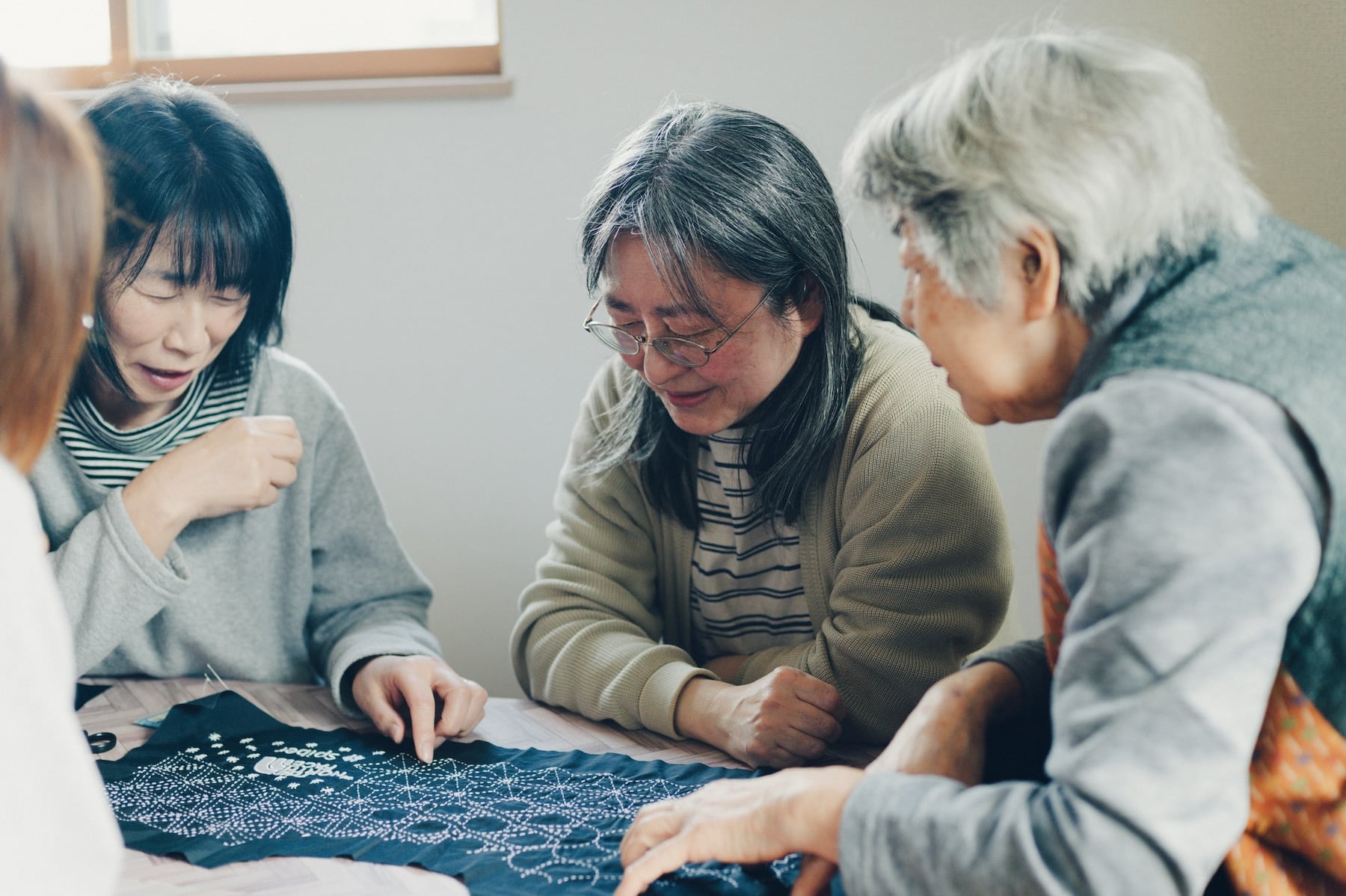
The artisans gather around fabric panels cut for the jackets to be released, each already stitched by hand. Conversation flows as they admire one another’s work.
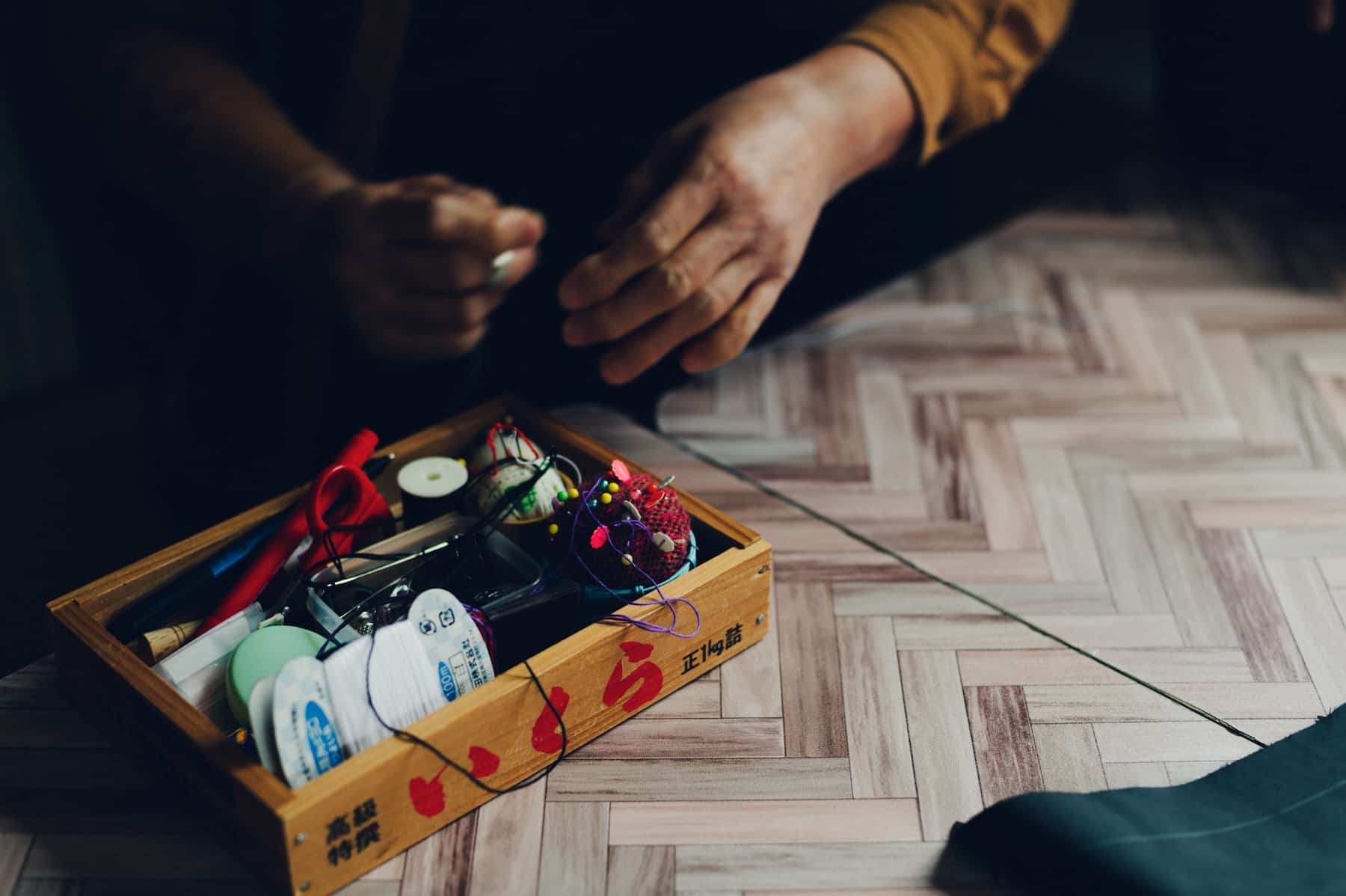
One artisan’s sewing kit is housed in a wooden box once used to sell salted salmon roe. Inside are the tools essential to SASHIKO—thick, long needles and cotton thread.
The roots of the SASHIKO GALS trace back to the Ōtsuchi Recovery SASHIKO Project, launched in the aftermath of the Great East Japan Earthquake in 2011. The initiative began as a form of emotional care for survivors living under immense physical and psychological strain in evacuation shelters. Kanako Sasaki, one of the project’s founding members, recalls those early days:
“Life in the cramped shelters felt stagnant and discouraging. We hoped that through needlework, women living in evacuation centers might rediscover a sense of joy and purpose in their lives. “When people focused on SASHIKO, even briefly, they could forget the harsh reality around them. Some called it a heart supplement. At its peak, around 200 people took part.”
Although recovery efforts continued, the project faced a serious threat to its survival during the COVID-19 pandemic. A turning point came when the group sought advice from Arata Fujiwara, a longtime collaborator of 13 years and CEO of apparel company MOON SHOT. Encouraged by his words—“This cannot end here”—they decided to take the next step, forming what would become the SASHIKO GALS. Rather than positioning themselves solely as a recovery initiative, the SASHIKO GALS embrace the idea that pointing beyond recovery can help shape a new future for Japan, sharing a renewed SASHIKO culture through collaborations with companies and public events. The project’s distinctive name initially caused some hesitation.
“Our SASHIKO artisans range from their 40s to their 80s, and whenever we gather for workshops or meetings, it’s incredibly lively,” Sasaki says. “During breaks, everyone brings snacks and chats nonstop. Seeing this, Fujiwara joked that it felt like high school girls hanging out after class—that’s how the name came about. At first, we were unsure about the word ‘Gals,’ but now it feels just right,” she laughs.
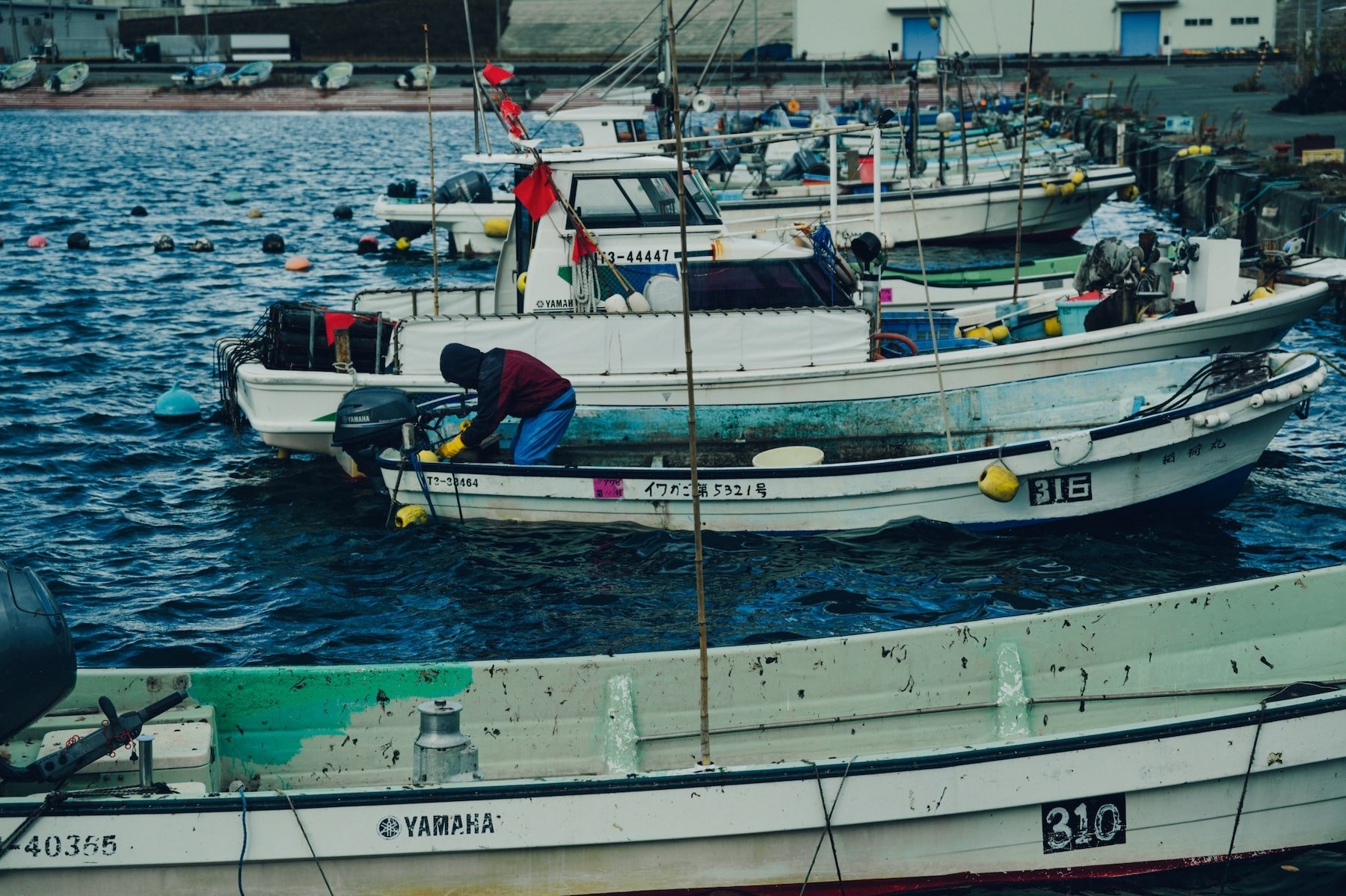
Fishermen at work in Ōtsuchi Harbor in the early morning. Facing the rich waters of the Sanriku coast, the town has long thrived on fishing, with a wide variety of seafood landed here.
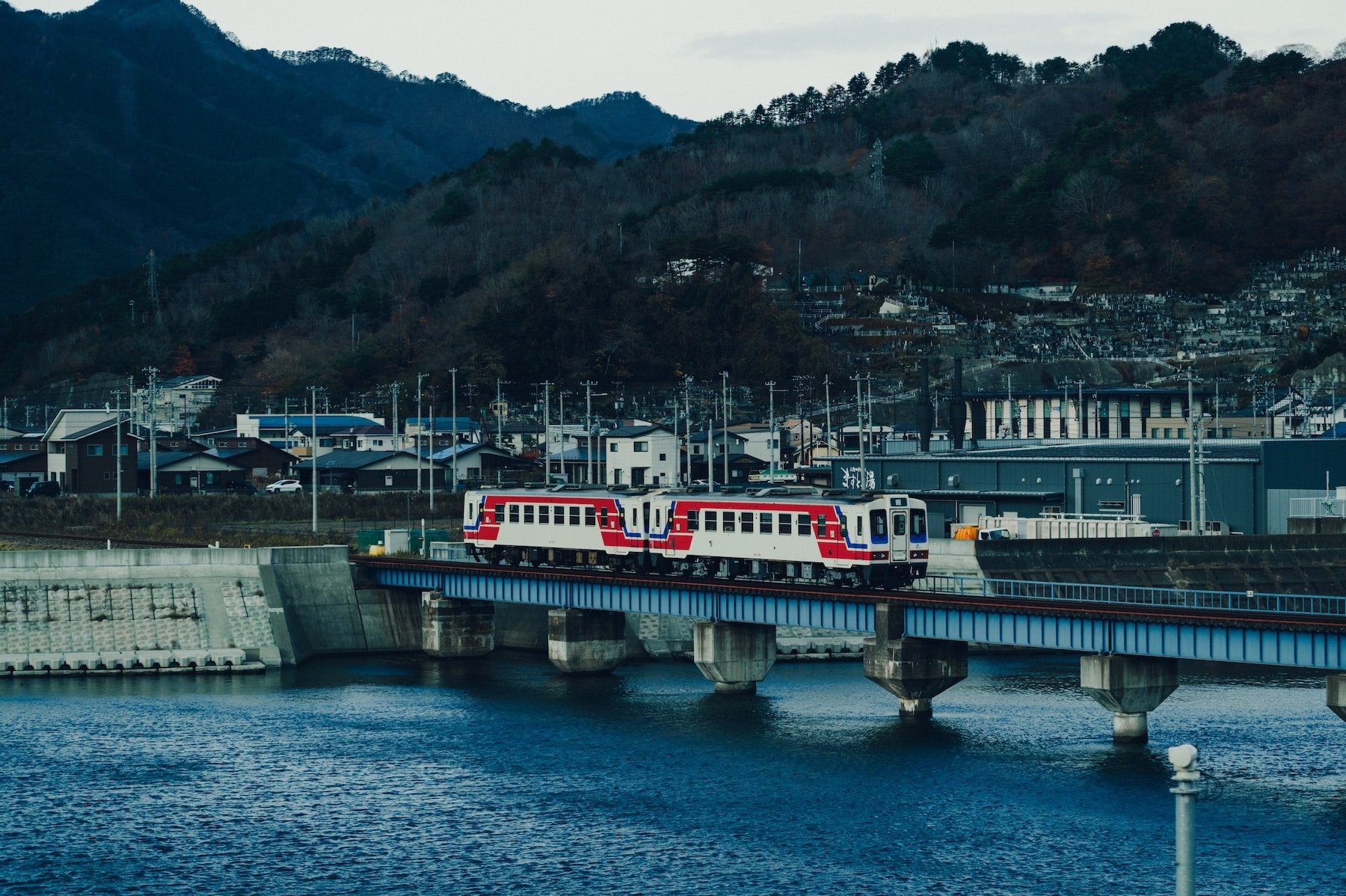
The Sanriku Railway runs through Ōtsuchi, its nostalgic railcars set against the coastal landscape.
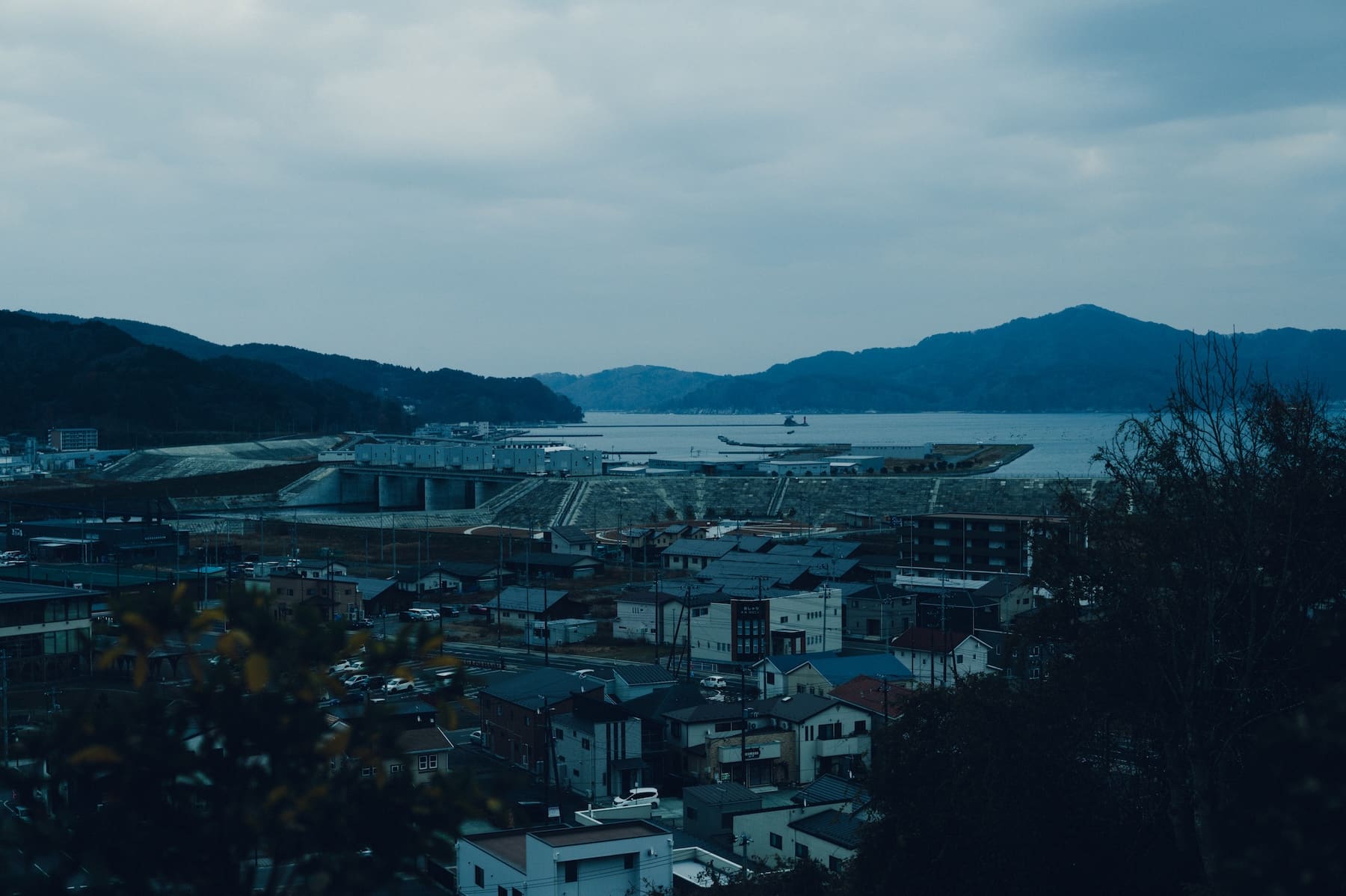
A view of Ōtsuchi from the hills above. While new buildings are part of post-disaster reconstruction, the quiet bay still retains the atmosphere of a town long sustained by fishing.
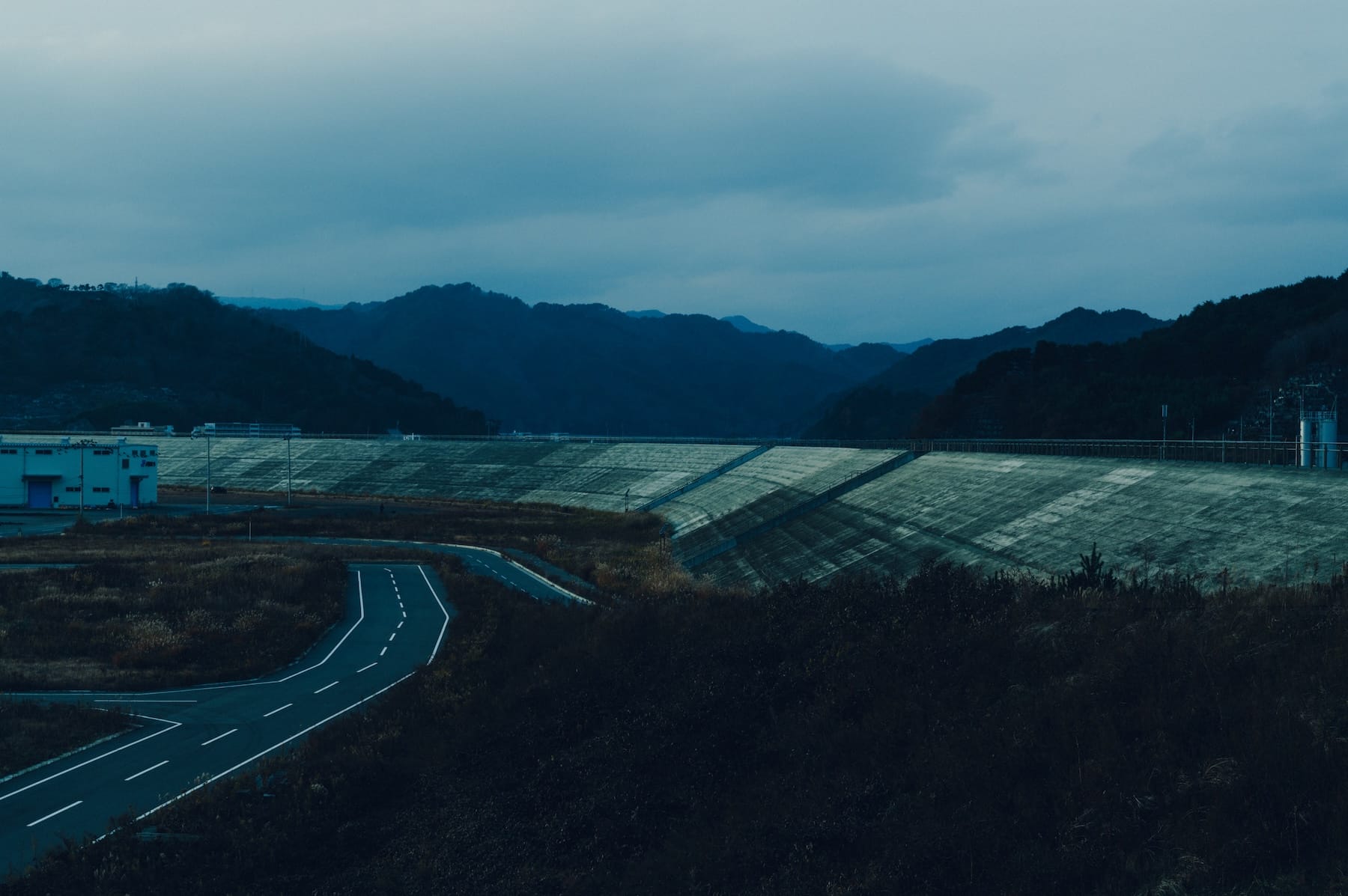
Built after the disaster, the seawall protects the town from tsunamis, yet also stands as a massive barrier that obscures the memory of the former shoreline.
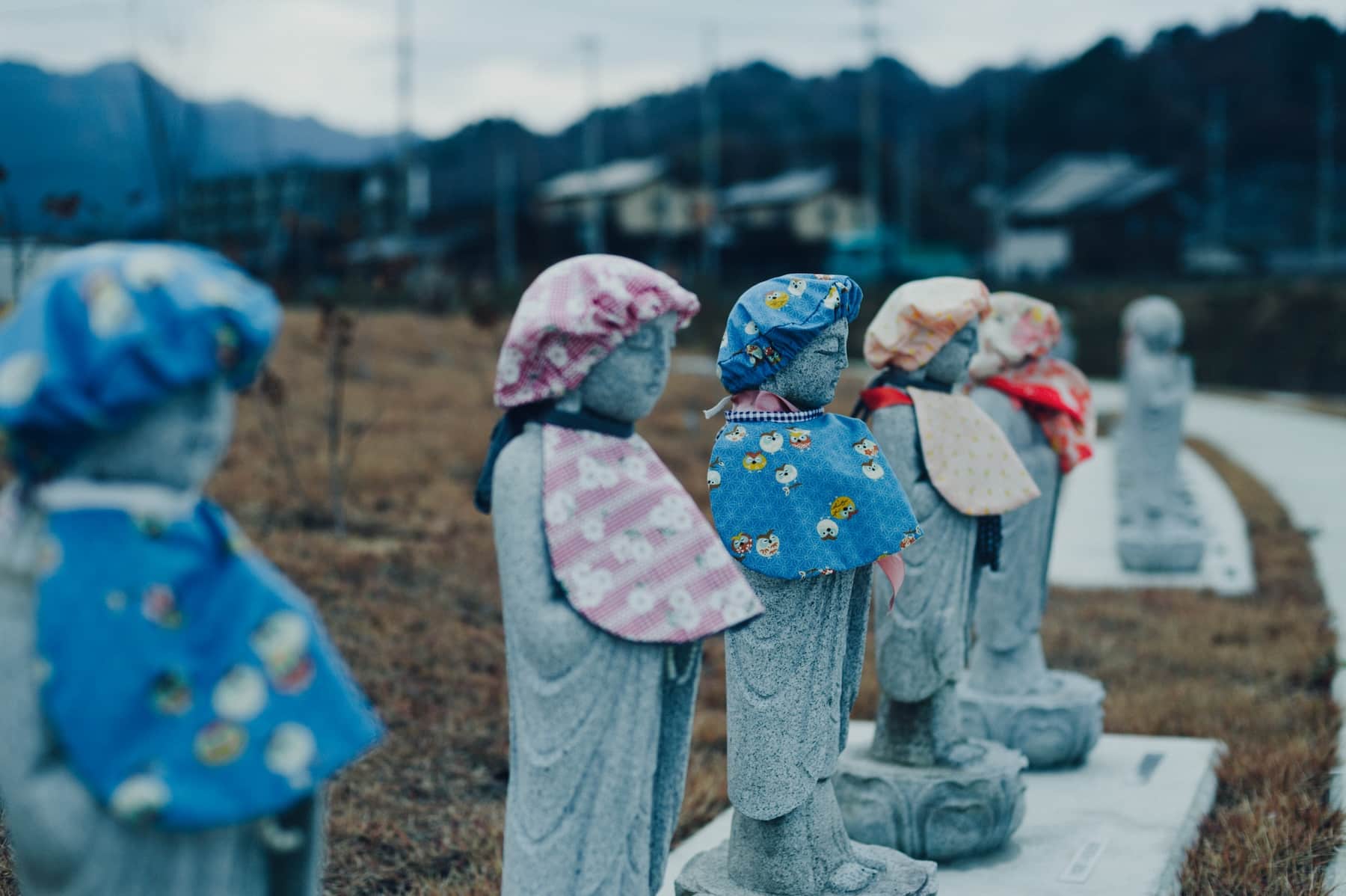
Within the Memorial Forest, a space dedicated to mourning and remembrance, stands a grove of Jizō statues—small Buddhist figures traditionally believed to protect souls—52 of which were once donated by volunteers from Nagano Prefecture to temporary housing communities in Ōtsuchi.
Bringing these pieces to market required carefully layering each step of the process—from selecting the patterns to designing how the stitches would be applied. Particular attention was paid to the traditional motifs on the Nuptse Jacket's shoulder yoke, developed in response to brand requests. Because SASHIKO uses thick thread, the fabric subtly ripples with each stitch, and the more extensive the pattern, the more the finished piece naturally shrinks. Fine-tuning these effects depended entirely on the artisans’ accumulated experience and deep understanding of the craft.
“I was honestly surprised when I first heard about it. Being approached by such a well-known brand—something we never imagined—really sharpened our focus and boosted everyone’s motivation. Once production began, the brand asked to incorporate traditional patterns, and we, in turn, suggested stitching methods that would best suit the designs and materials. Through ongoing exchanges—asking whether certain patterns might work—we gradually shaped the final designs together. The more complex the pattern, the greater the shrinkage, so we carefully planned the placement and order of the stitches with that in mind. Stitching exactly according to a sample requires far more care than working freely, so it inevitably took more time.”
SASHIKO stitching is applied not to finished jackets, but to cut fabric panels. To avoid interfering with later machine sewing, the stopping points of each stitch are predetermined to the millimeter. In accordance with these specifications, every stitch is placed with care. Looking closely, one can sense the subtle variations unique to handwork.
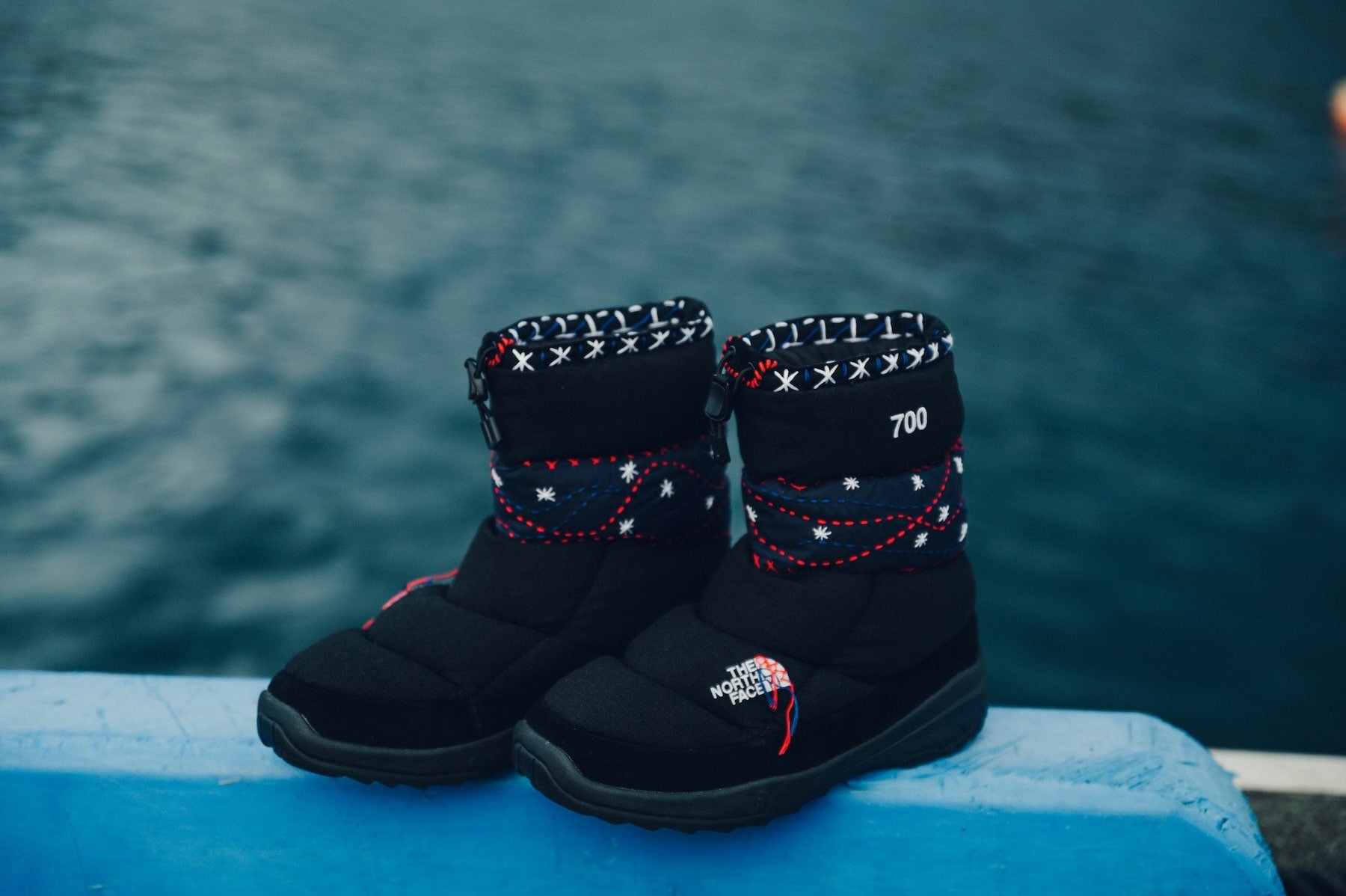
For the booties, while the colors and number of threads are predefined, the artisans stitch the shaft patterns as they see fit. As a result, the lines differ slightly from pair to pair.
Creating a Nuptse Hanten Jacket with densely patterned shoulder yokes took approximately one to two weeks per piece. Maintaining concentration and changing thread at the right moment were critical throughout the process.
“An artisan typically works for about two to four hours a day. Once concentration fades, mistakes happen—stitches become uneven, or you prick your finger and stain the fabric with blood, which means starting over. Using long threads causes them to fray through friction, so we replaced them immediately whenever something felt off. Things you might overlook in a personal piece simply aren’t acceptable when it becomes a product.”
What Sasaki hopes people will notice most is the individuality of each stitch—something only handwork can produce.
“Unlike machine stitching, the length, spacing, and tension of each stitch differ slightly. That’s what gives handwork its character. That’s why we hope people will cherish these pieces and wear them for a long time.”
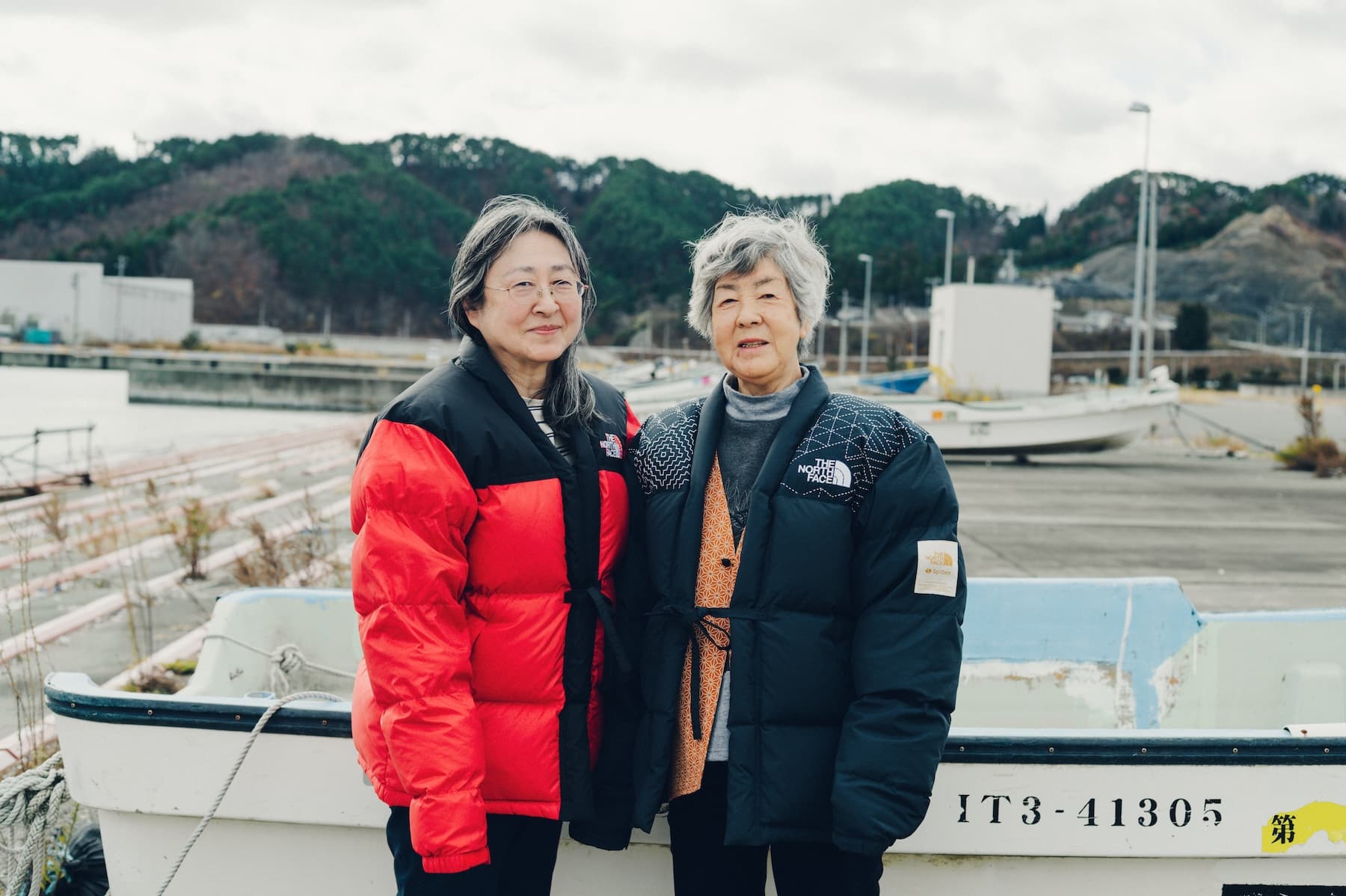
Junko Sato (left) and Kimi Sannomiya (right) wear jackets they stitched themselves for the first time. Their shy yet proud smiles leave a lasting impression.
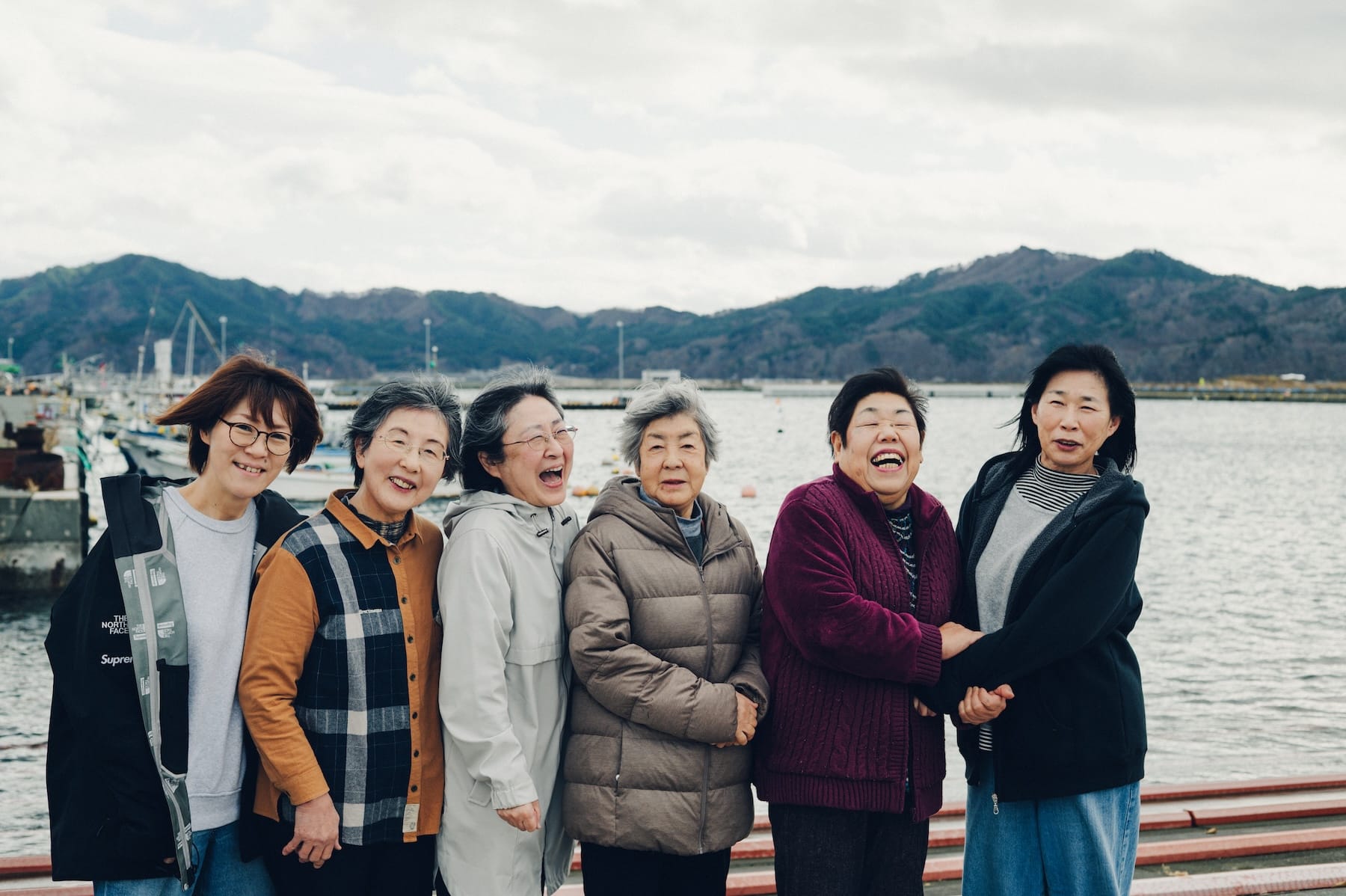
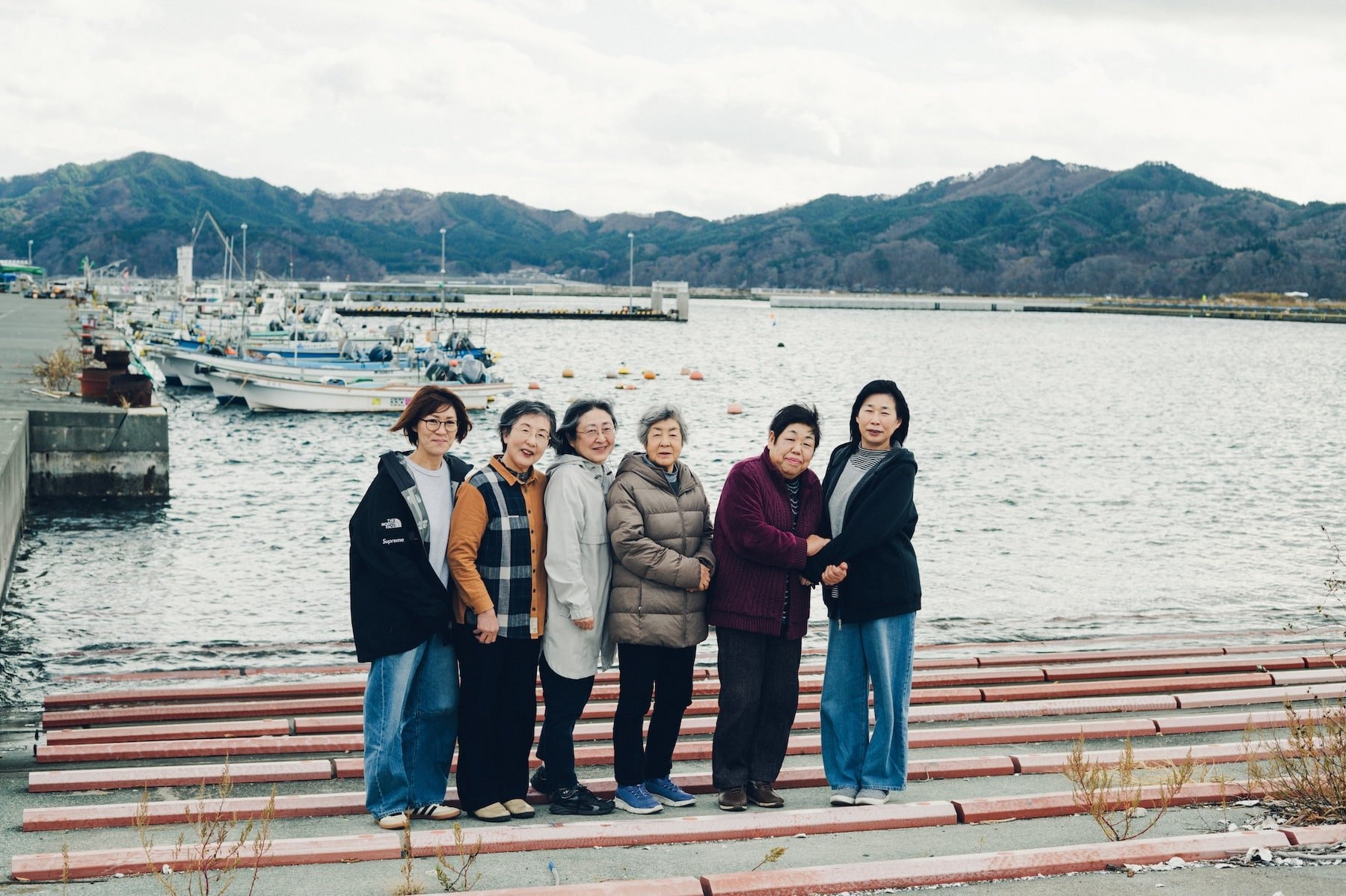
The SASHIKO GALS who participated in this interview. From left: Kanako Sasaki, Kazue Ikarigawa, Junko Sato, Kimi Sannomiya, Ruiko Ishii, and Hiromi Kikuchi. The collective currently consists of 23 active artisans.
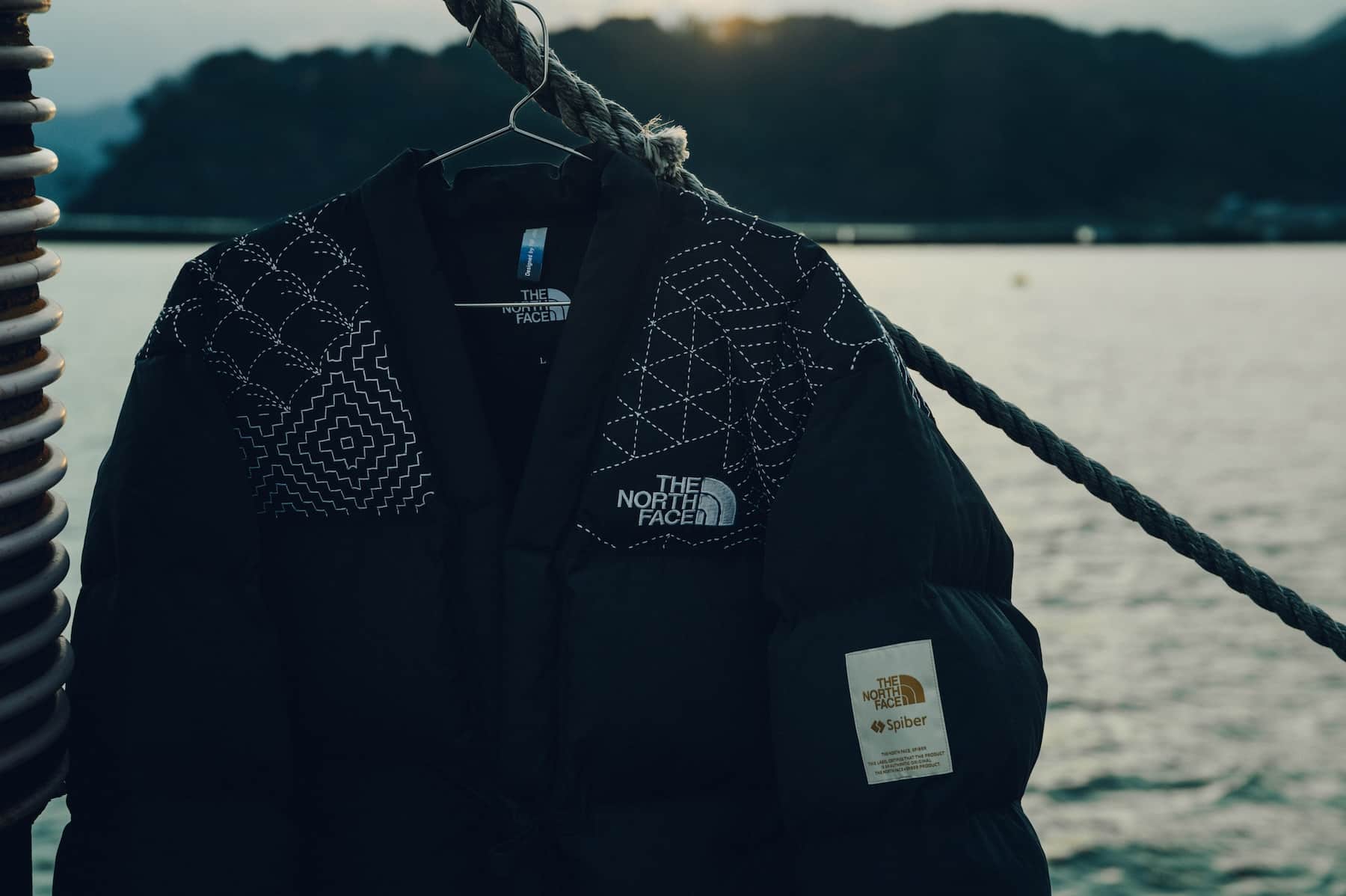
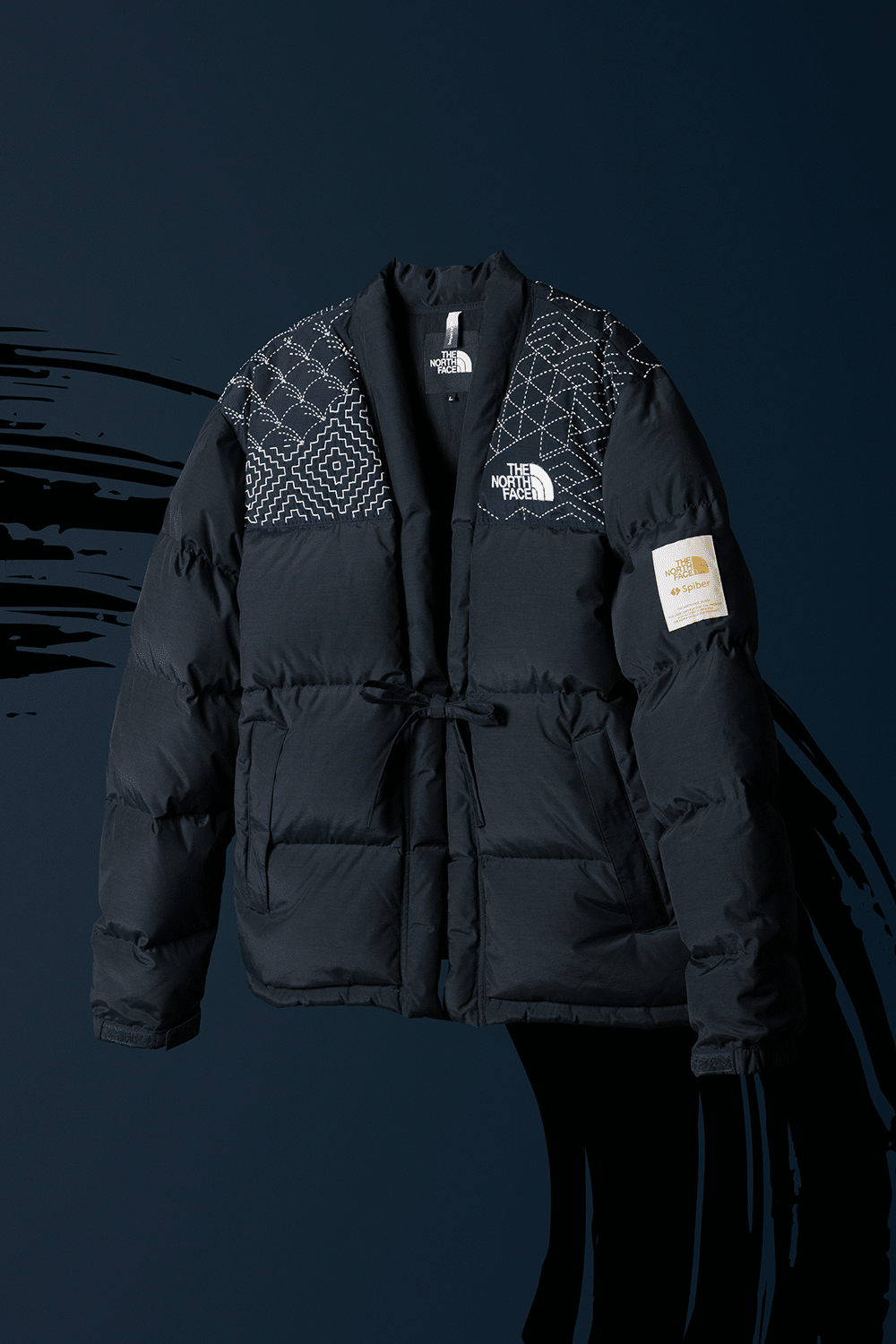
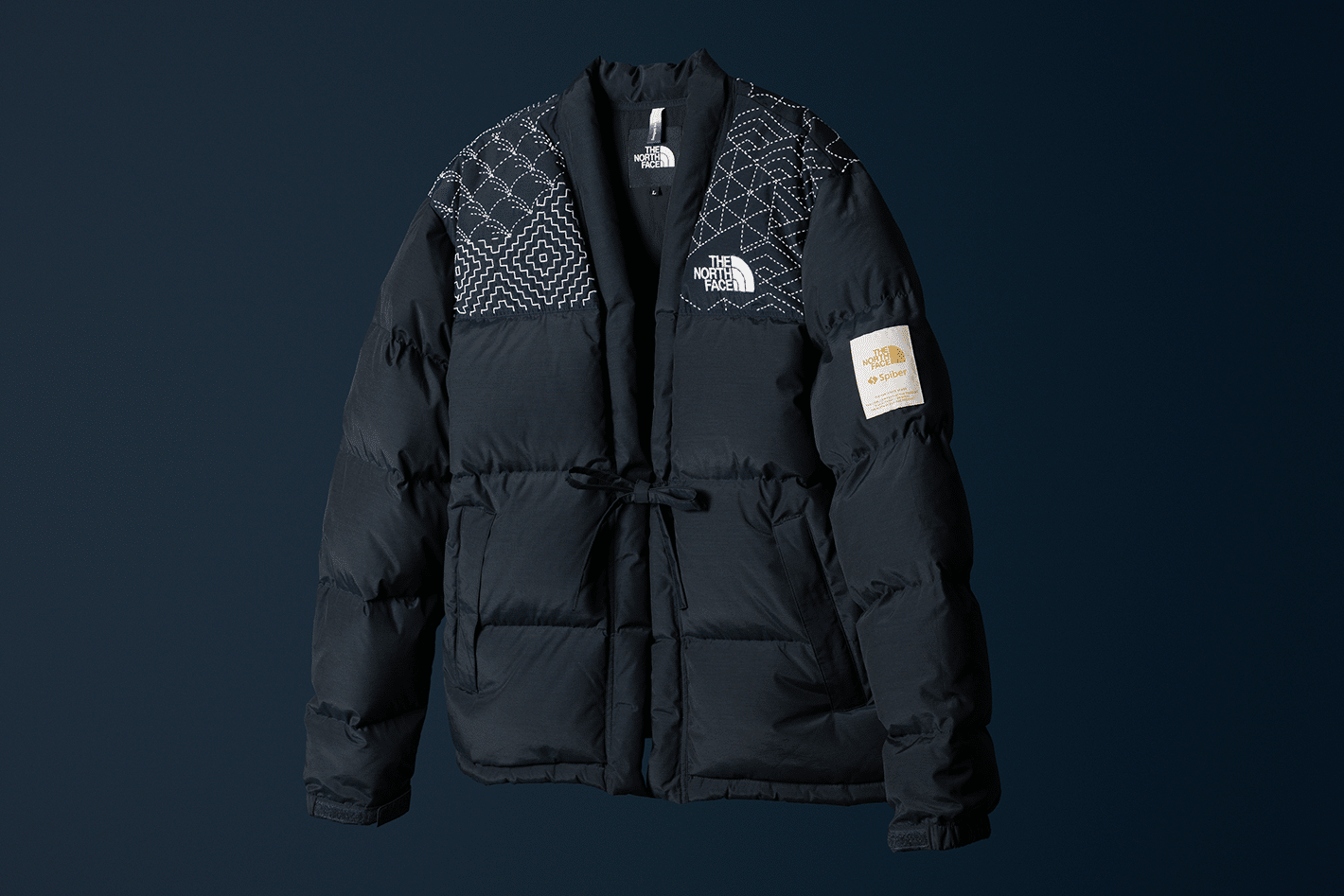
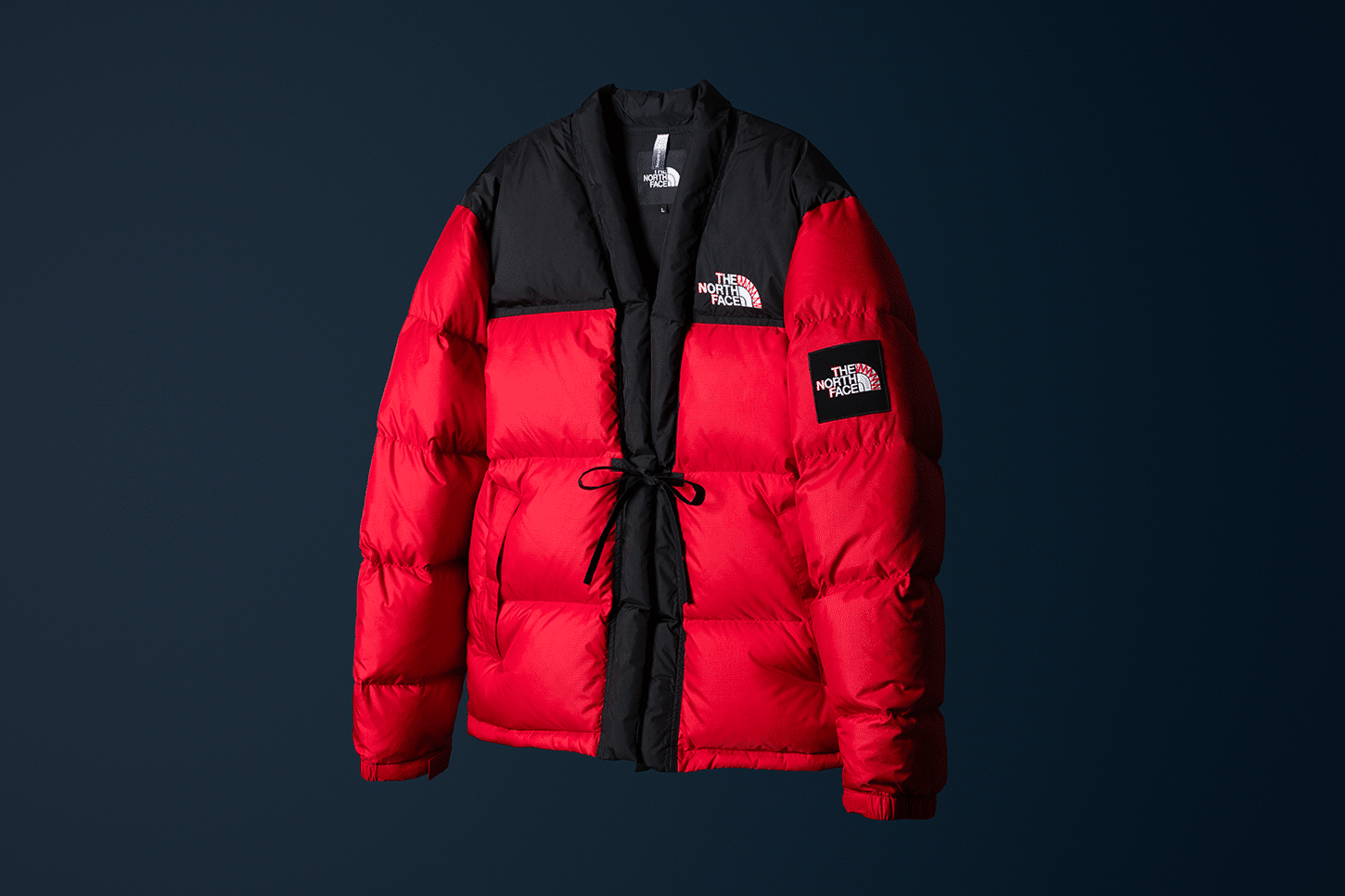
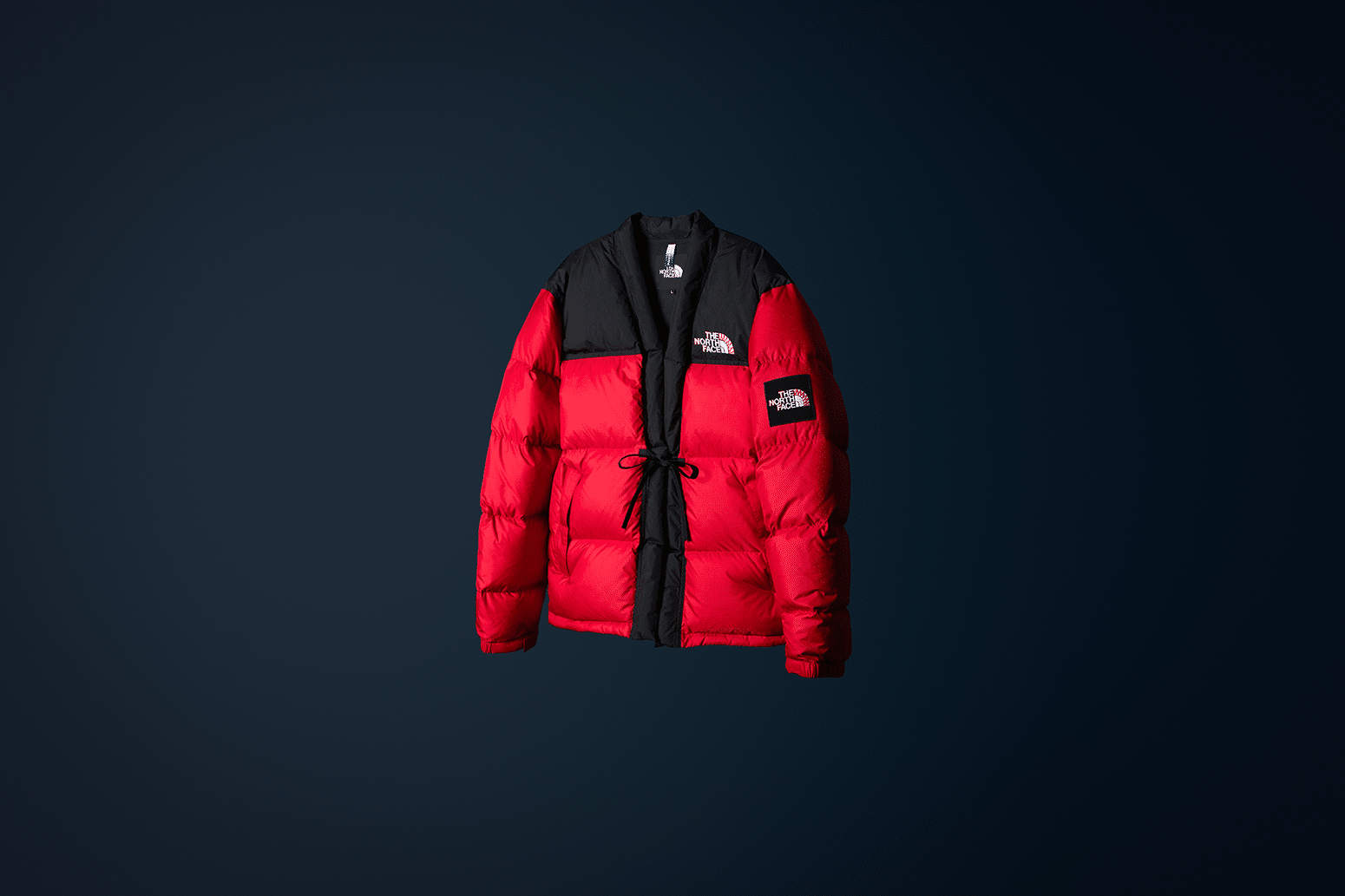
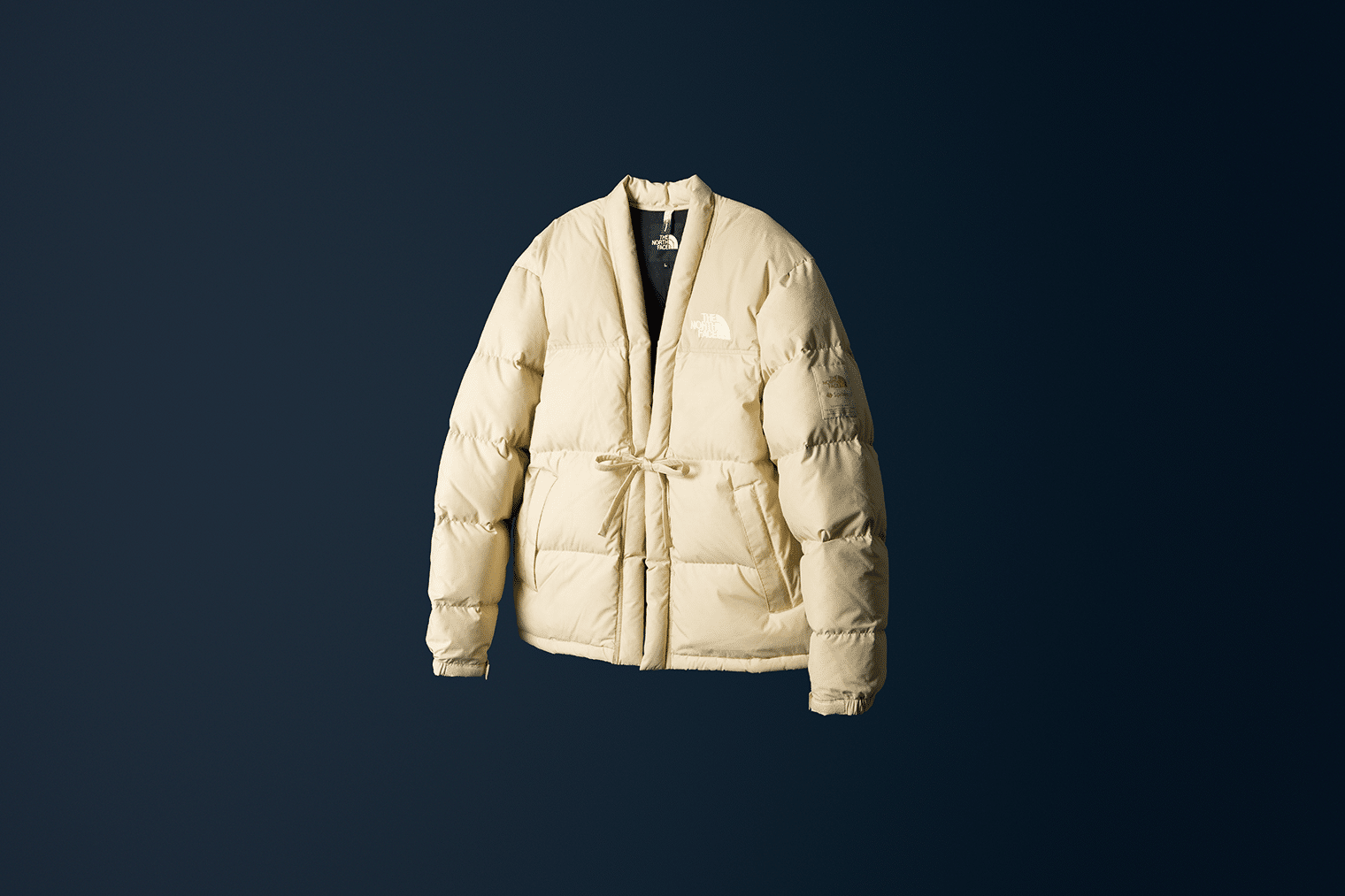
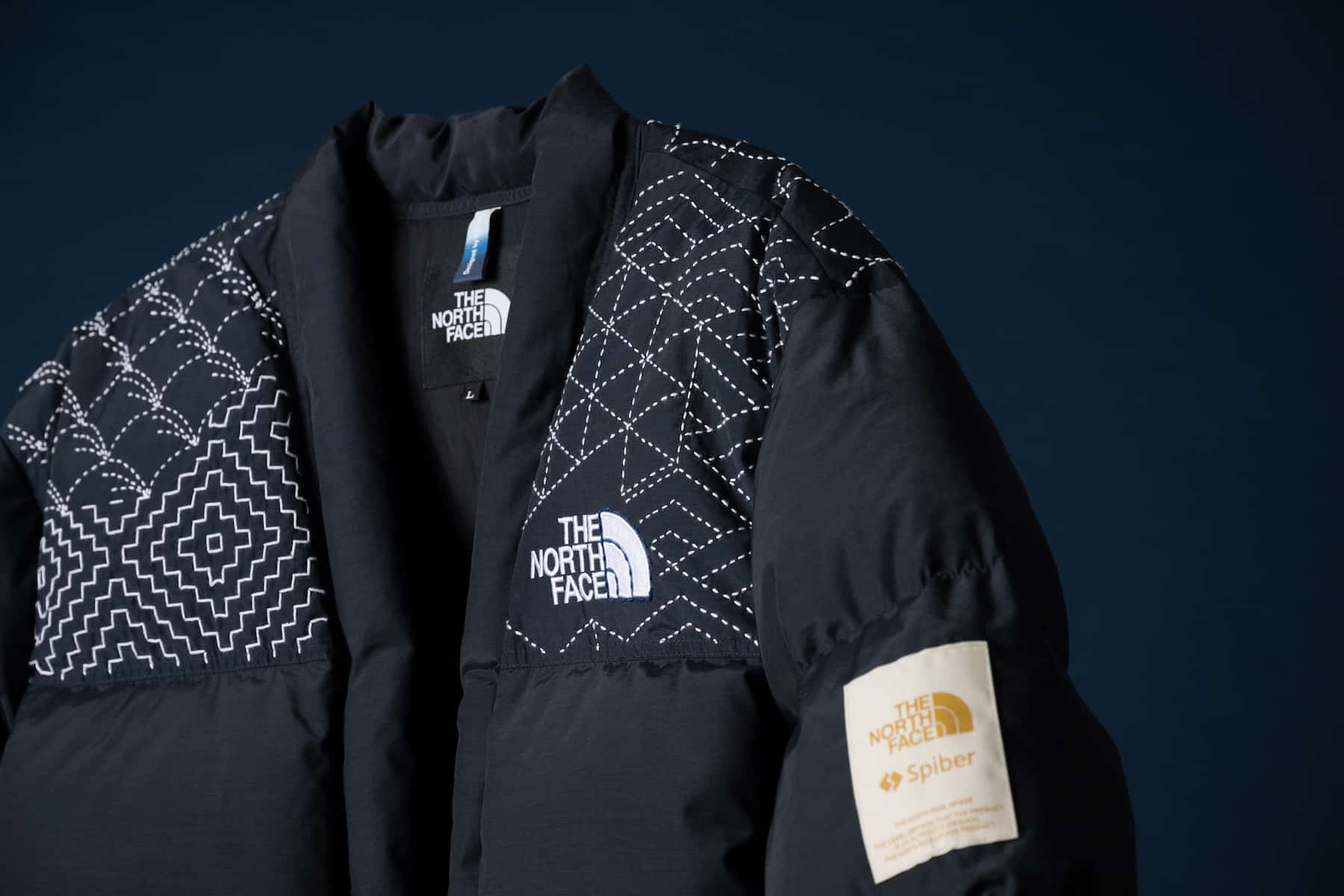
The SASHIKO series created through the collaboration between the SASHIKO GALS and THE NORTH FACE spans five styles, ranging from down jackets to T-shirts and boots. Each piece is one-of-a-kind, crafted with exceptional care and designed to be cherished and worn over time. Beyond their visual appeal, comfort is never compromised. Built on THE NORTH FACE’s core models, every item offers the brand’s trusted performance. The highlight of the collection is a reinterpretation of the Nuptse Jacket—originally introduced in 1992 as a mountaineering piece—reimagined in the style of a HANTEN, a traditional Japanese padded winter garment worn by common people during the Edo period. While incorporating the relaxed shoulders and zipless front characteristic of a HANTEN, the jacket retains the Nuptse’s signature warmth. The shoulder down panels are switched to a durable, heavyweight fabric and reinforced with SASHIKO stitching that serves both functional and aesthetic purposes. The result is a standout piece that balances the spirit of Japanese tradition with outdoor-bred practicality.
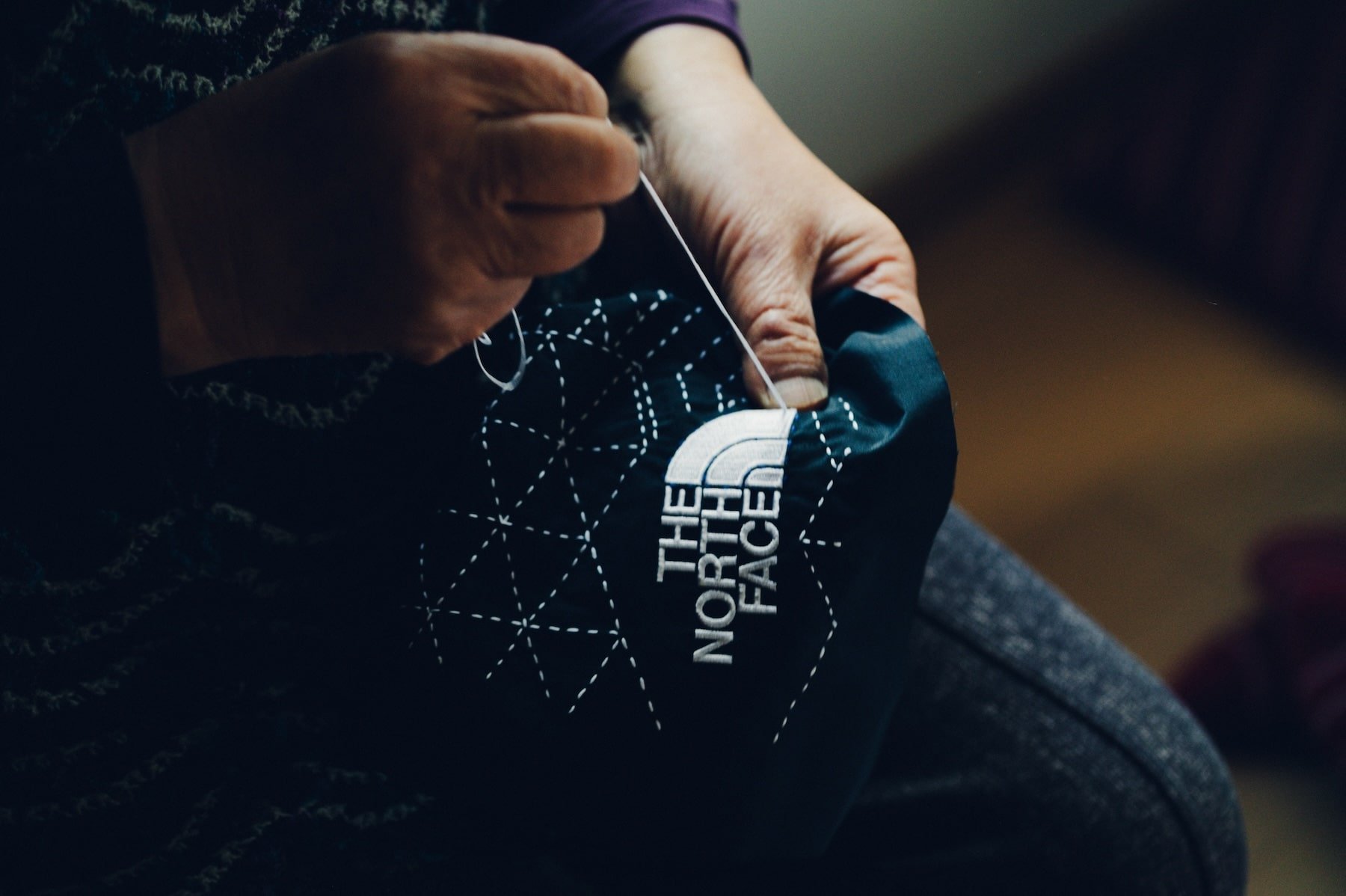
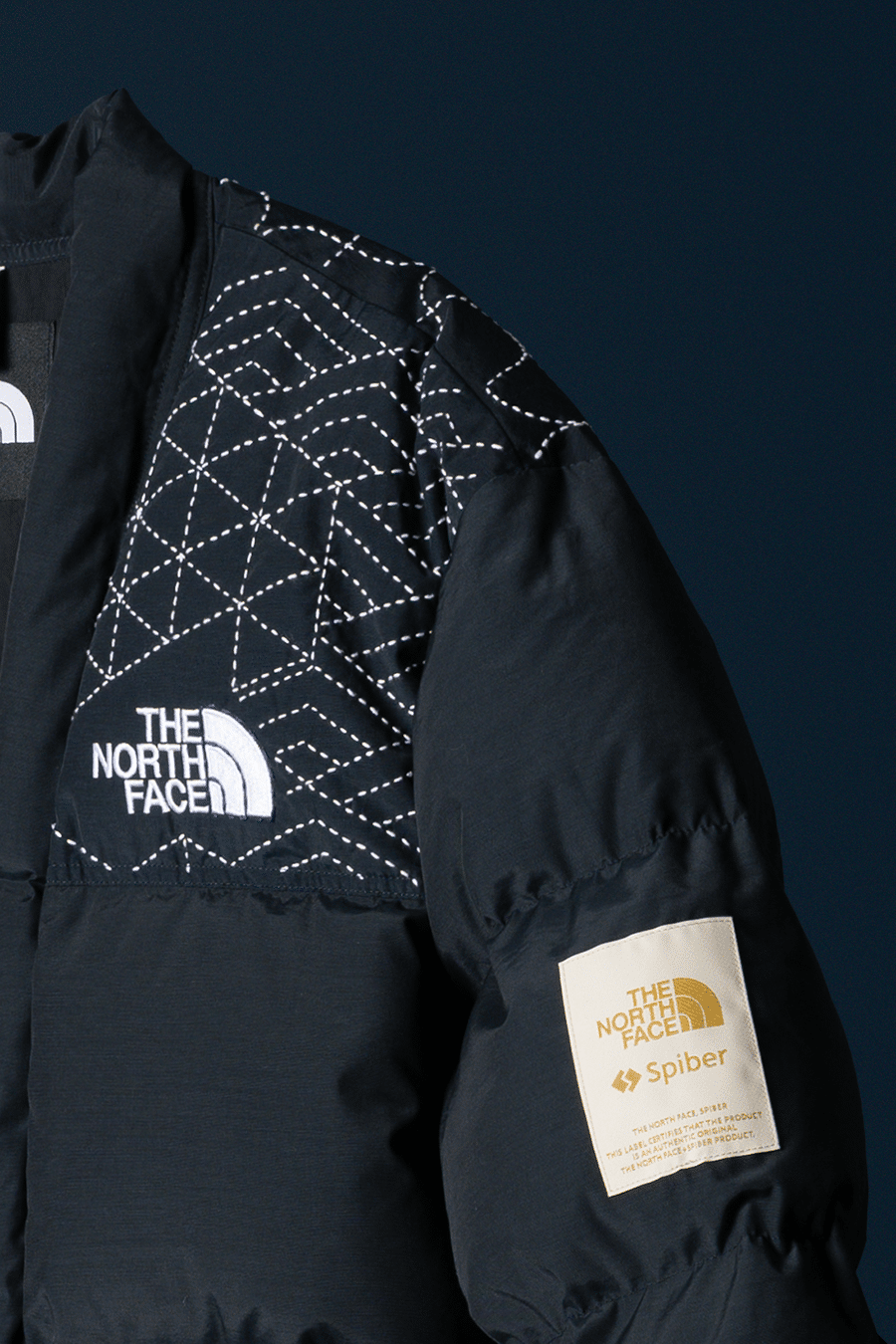
The triangular pattern draws inspiration from THE NORTH FACE’s proprietary truss structures used in mountaineering tents. The geometric motif—rooted in outdoor design—harmonizes seamlessly with the brand logo.
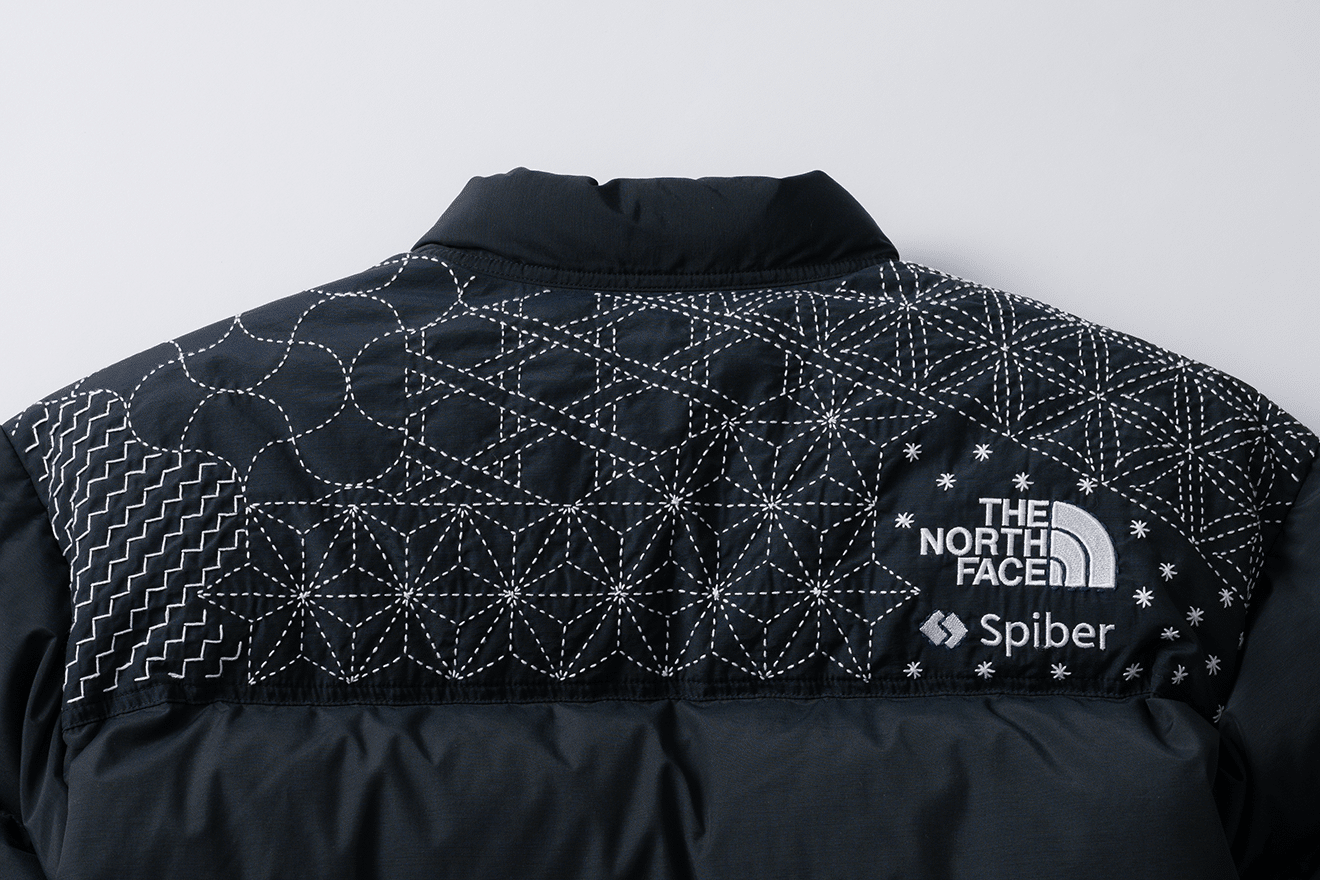
Traditional SASHIKO motifs also appear on the back. Patterns include Asanoha (hemp leaf), Kagome (a basket-weave design), Dan-tsunagi(a stepped, interconnected pattern), and Kome-zashi (a rice-grain motif), selected from dozens of classic variations.
The outer fabric features Brewed Protein™ fiber, a protein-based material created through microbial fermentation using plant-derived resources (detailed below). Produced in limited quantities—three pieces each in M and L sizes. Brewed Protein™ Nuptse Hanten SASHIKO Jacket ¥550,000.
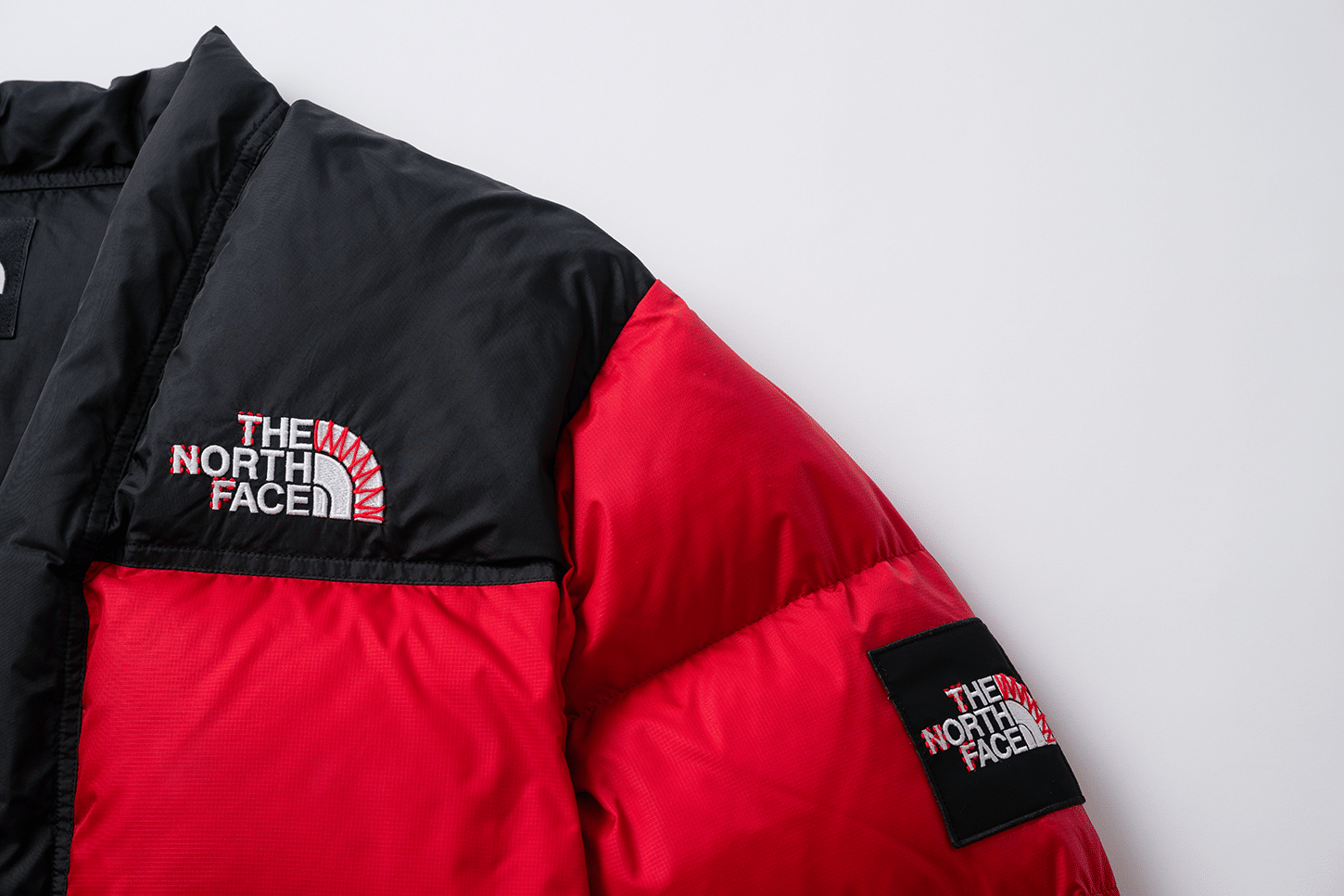
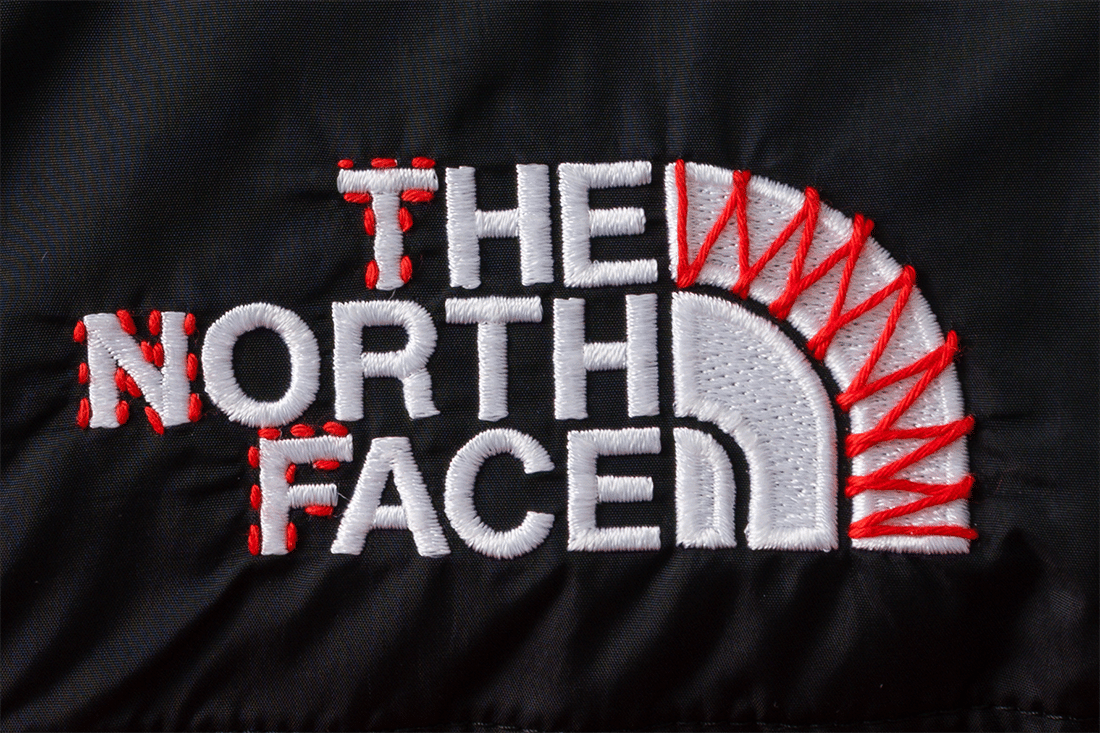
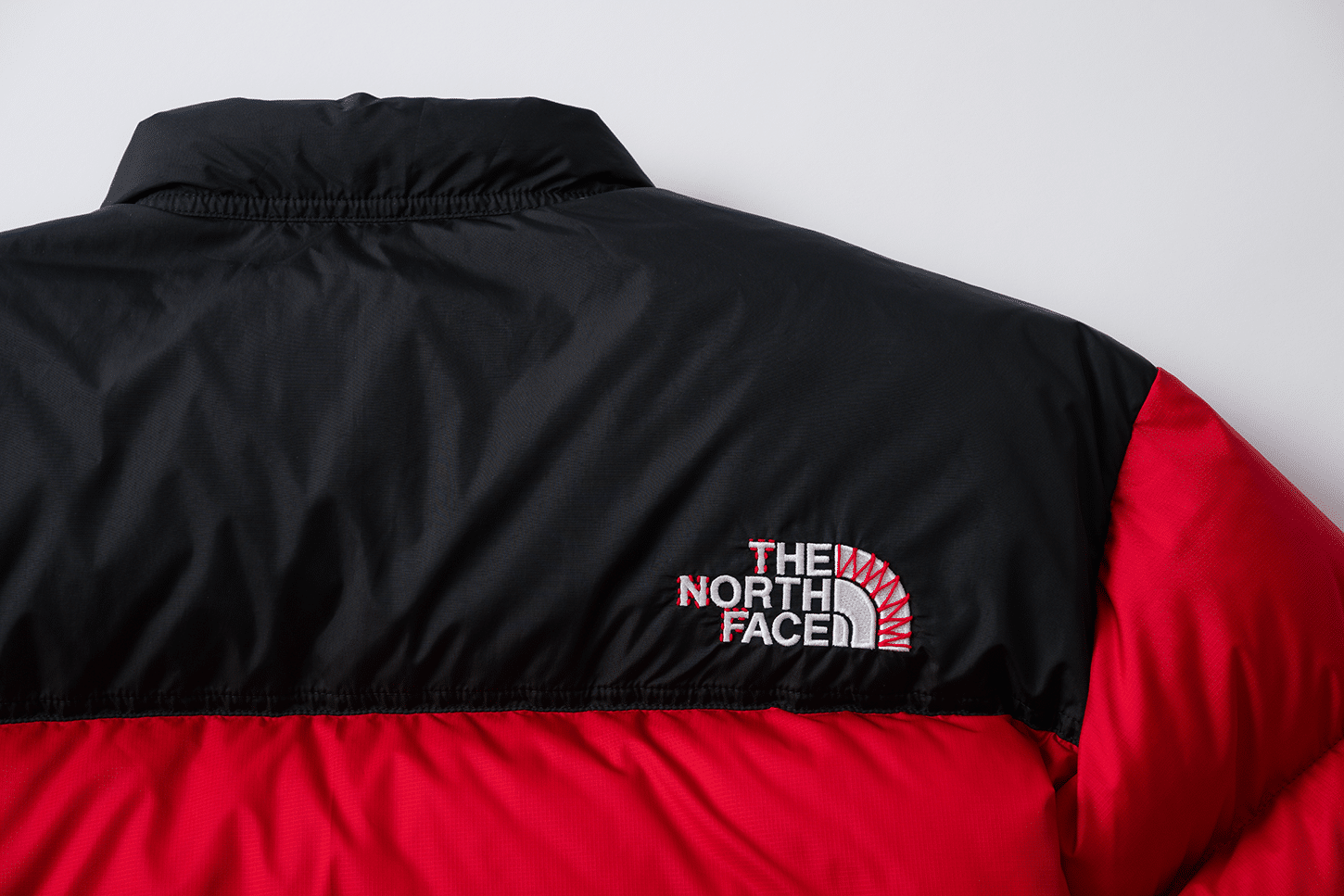
This bicolor design features SASHIKO stitching applied to three brand logo elements: on the left shoulder, left sleeve, and right shoulder on the back. Red thread, chosen to match the body color, adds a subtle sense of playfulness.
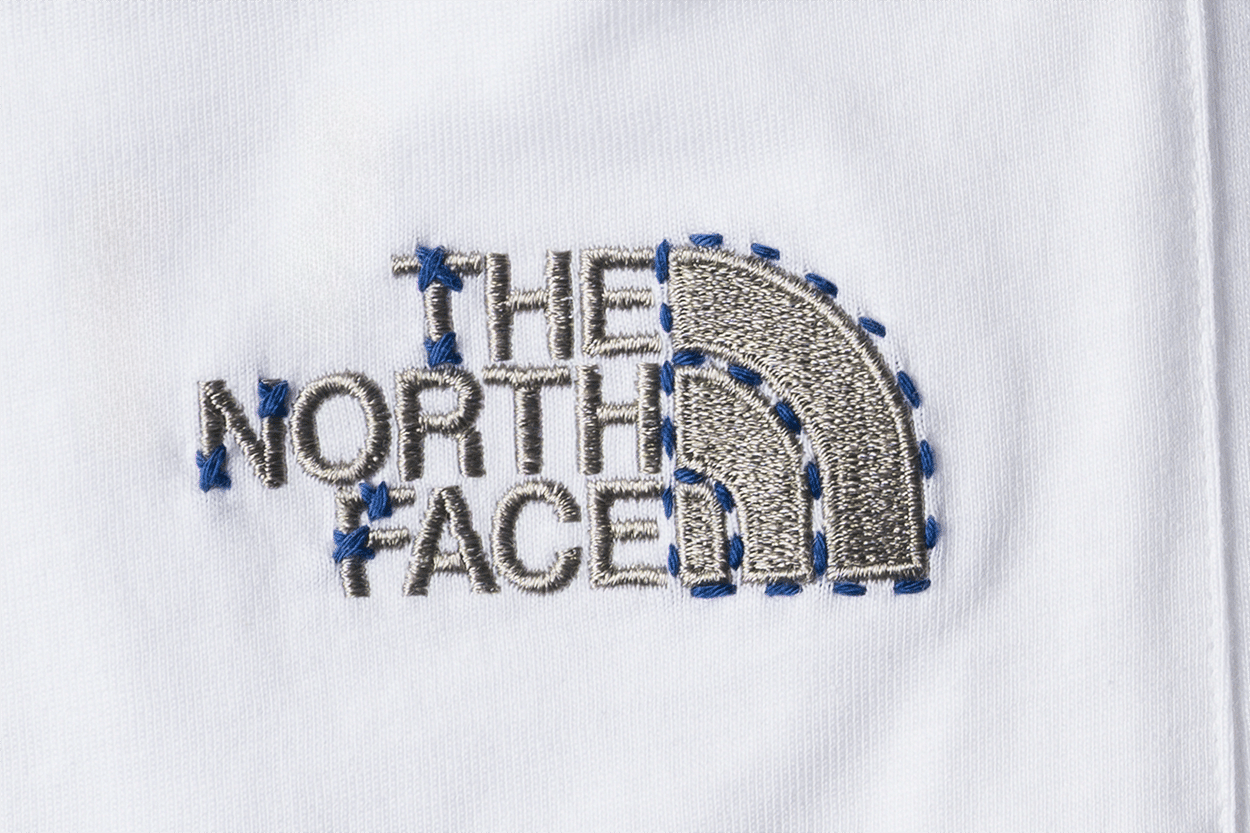
From outlining the initial letters to zigzag stitching across the brand’s iconic Half Dome logo, these details convey SASHIKO's playful side.
Limited production. Nuptse Hanten SASHIKO Jacket ¥154,000
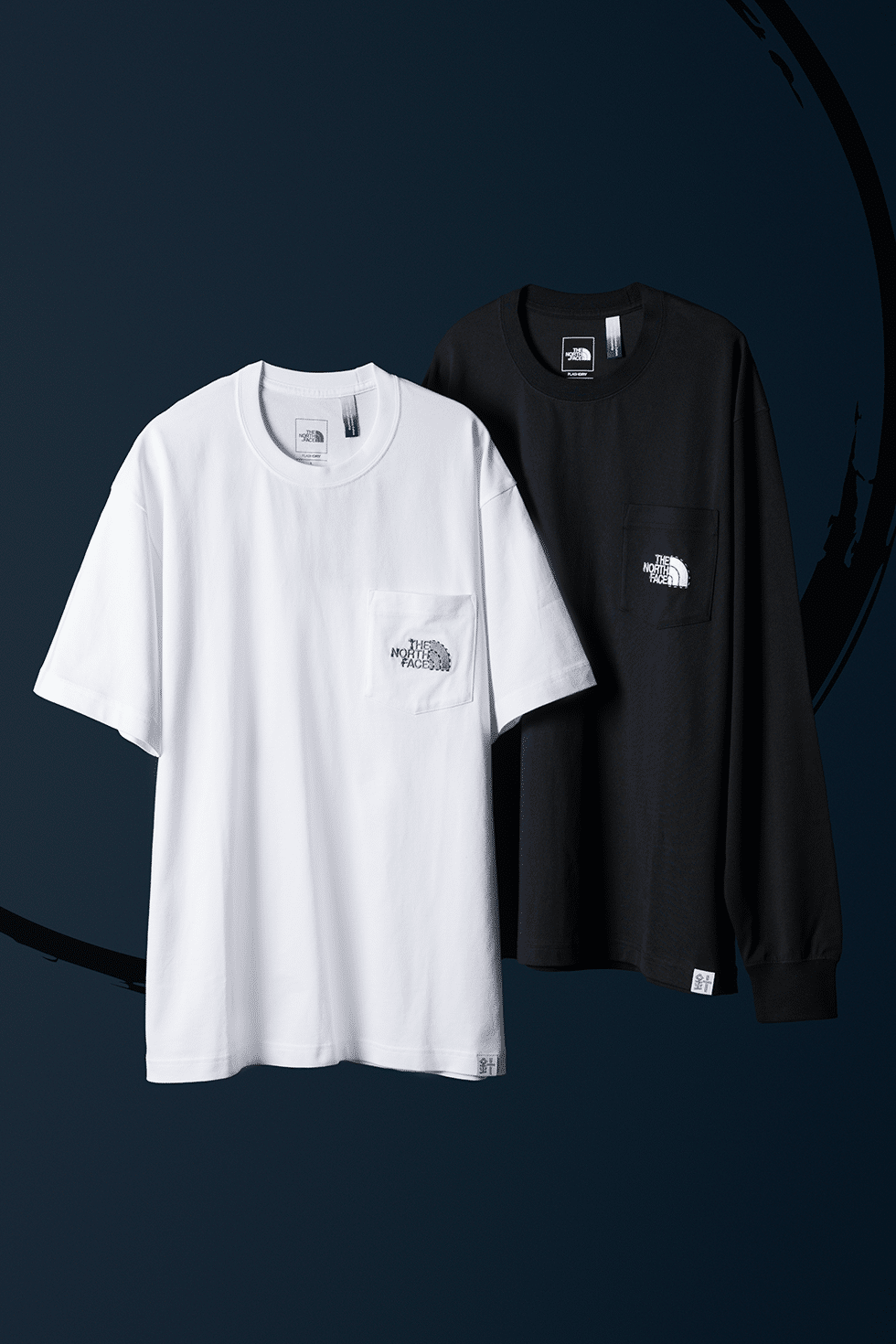
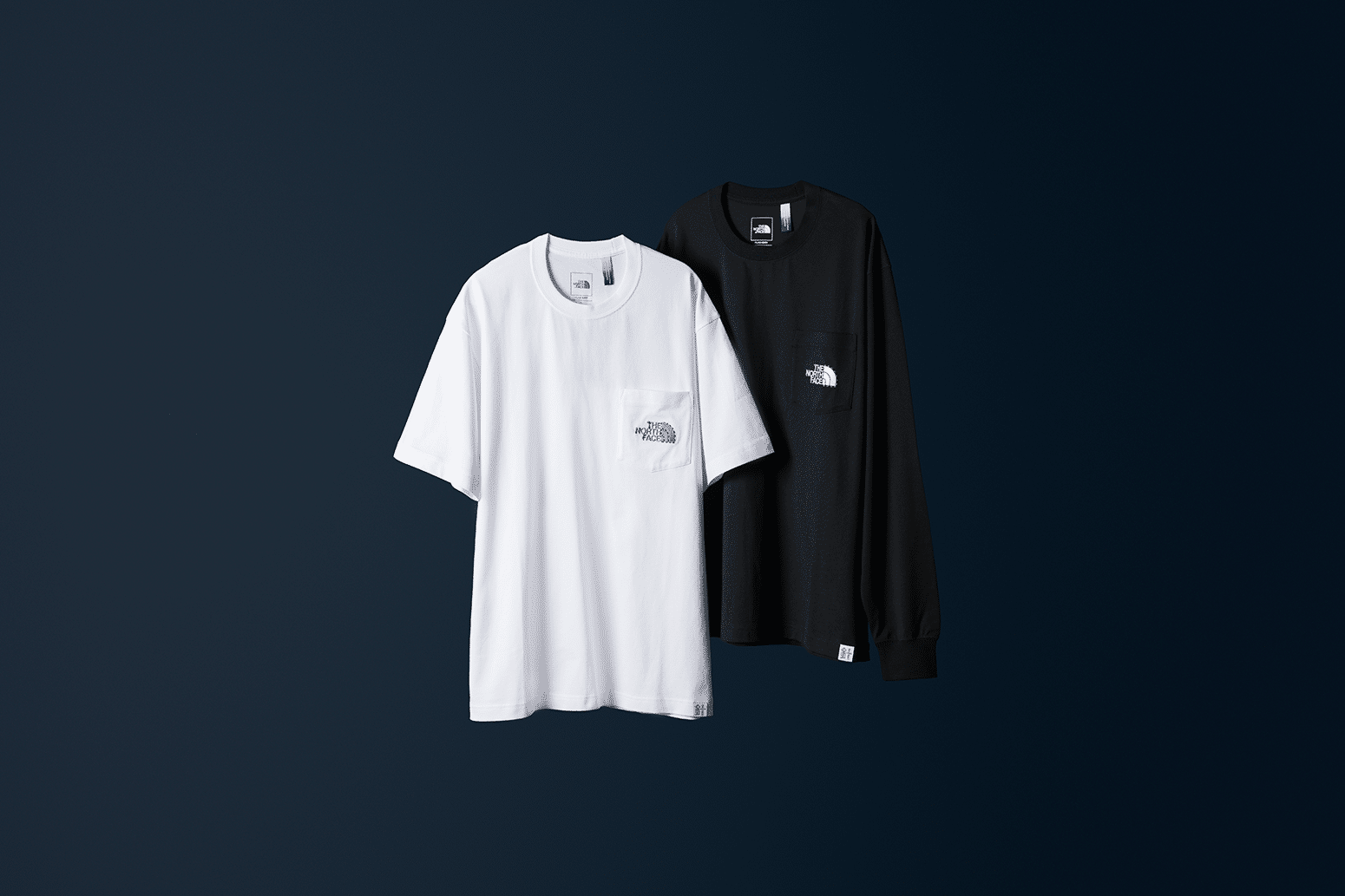
The T-shirt features SASHIKO stitching on the embroidered brand logo on the chest pocket, adding warmth and character to an otherwise minimal design. Though made from 100% cotton, the fabric offers quick-drying performance comparable to synthetic materials and is commonly used in running apparel. It performs comfortably from everyday wear to active situations.
The chest-pocket logo accented with SASHIKO stitching. The quick-drying fabric is suitable for travel and daily wear, while the ribbed neckline features durable binder-neck construction.
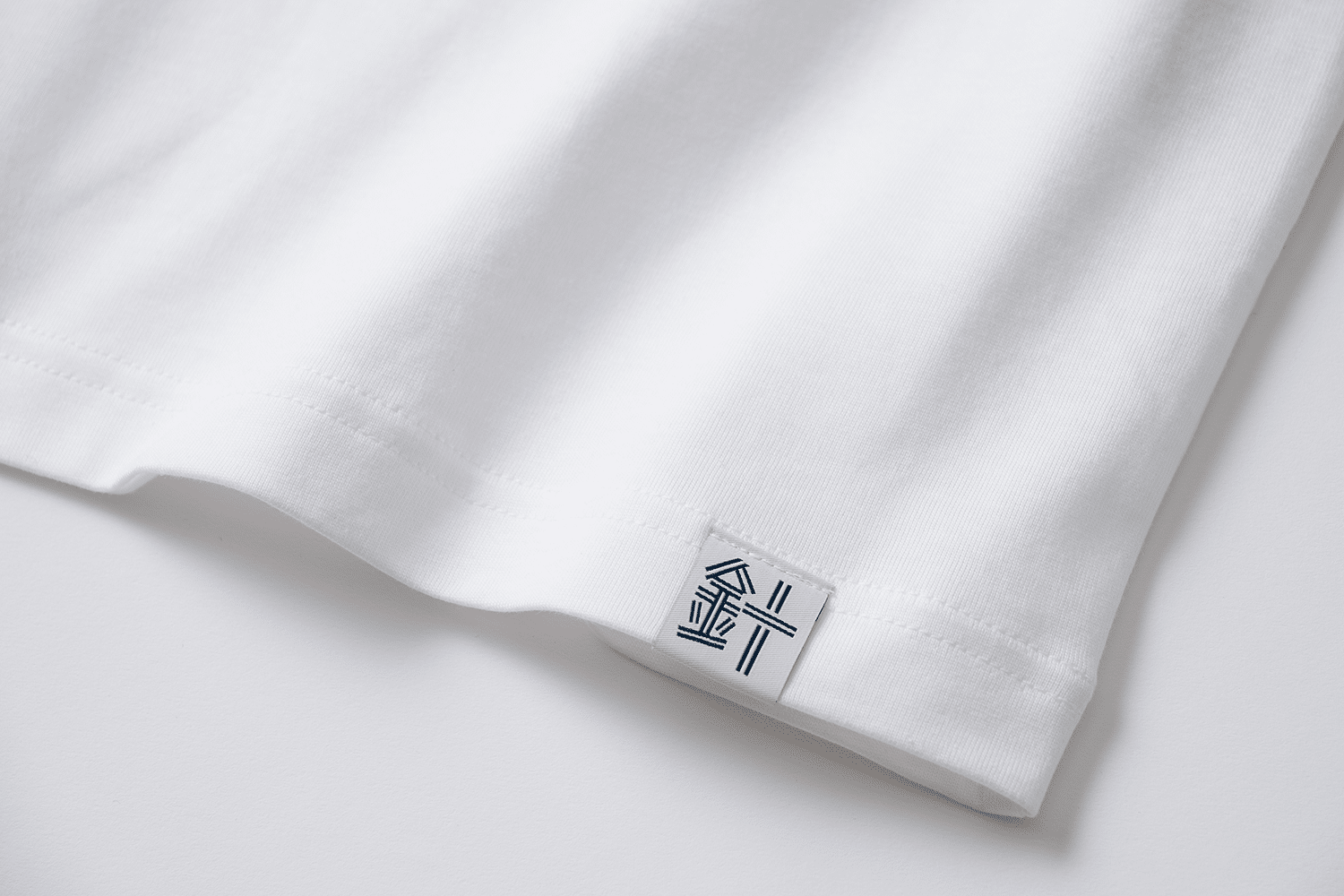
A tag at the hem marks the collaboration with the SASHIKO GALS. Typically pink and navy, this version is available in a special all-black colorway.
FlashDry™ Nature SASHIKO T-shirt: Short sleeve ¥19,800 ,Long sleeve ¥22,000
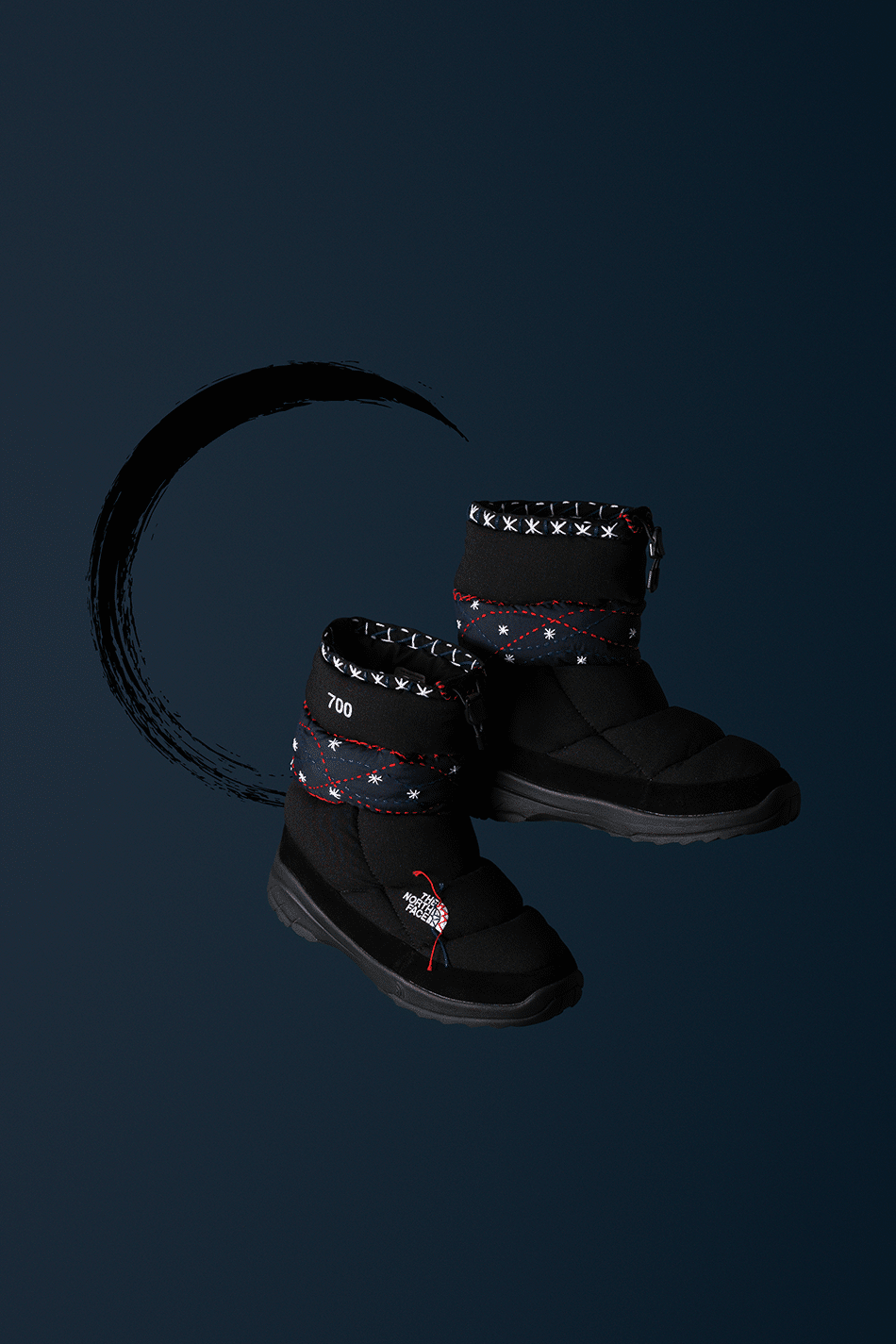
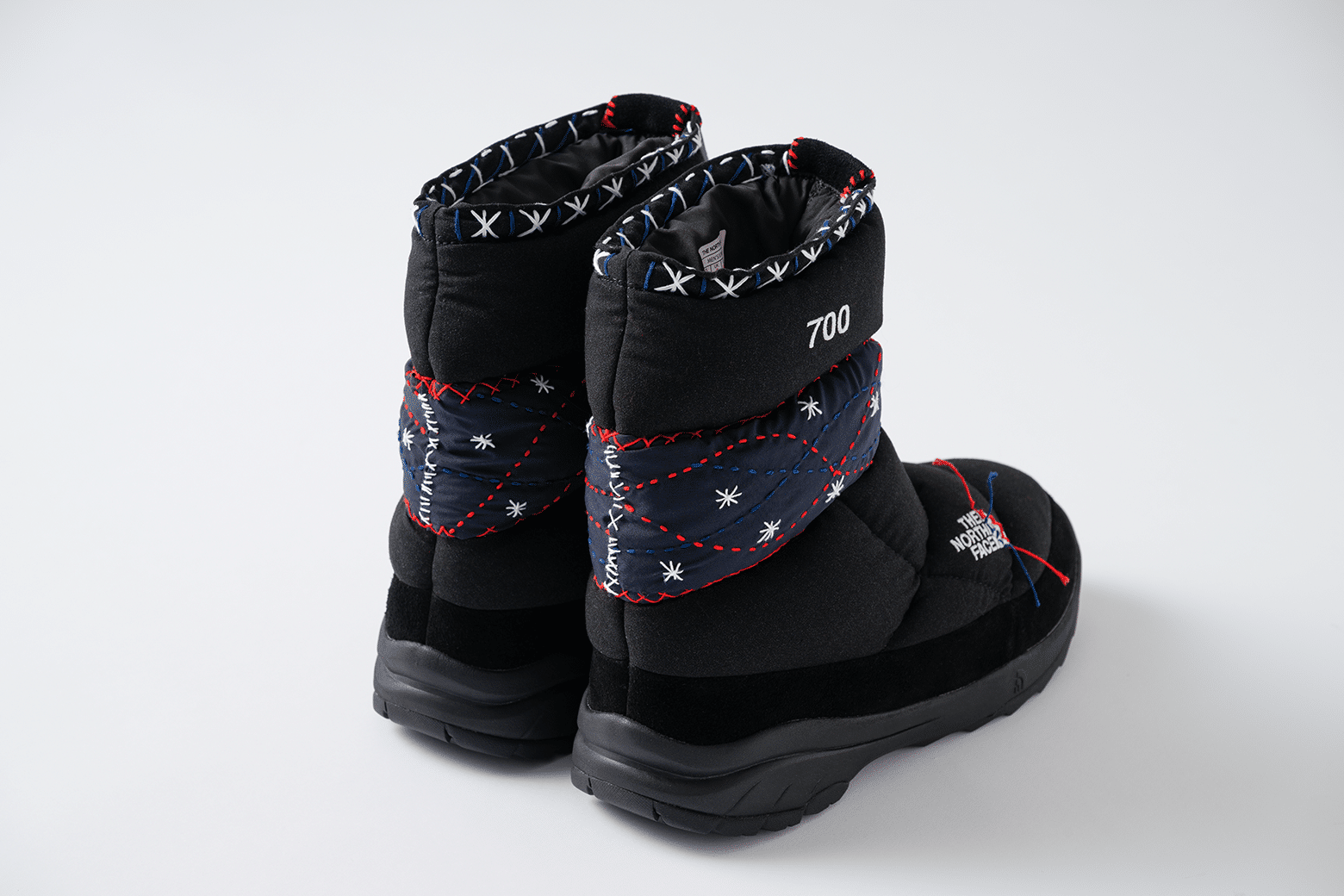
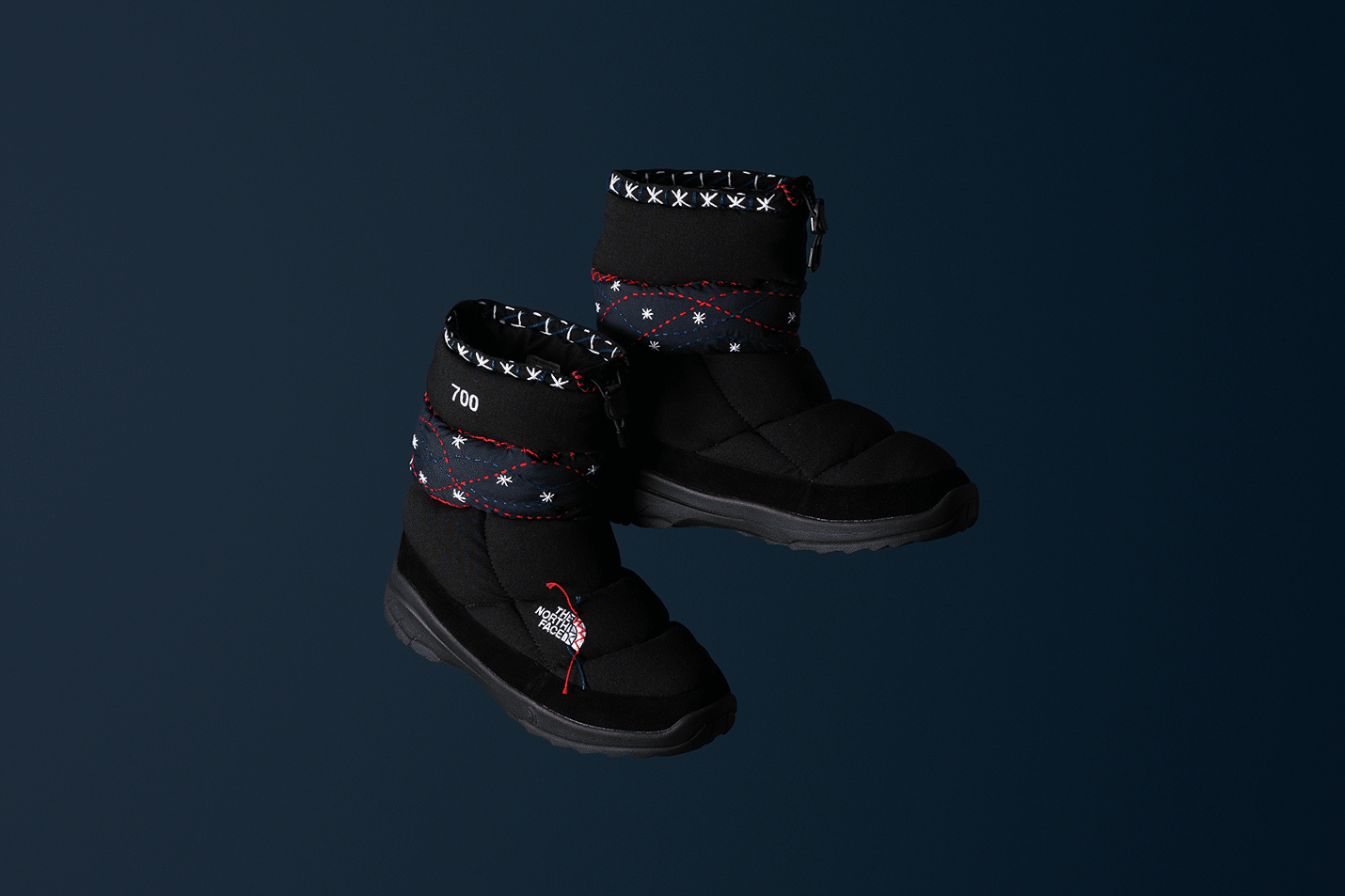
Designed for winter conditions, the boots are generously filled with high-quality 700-fill-power down to provide exceptional warmth in severe cold. SASHIKO stitching on the shaft adds a distinctive handcrafted character. At the opening, the traditional Kome-zashi pattern—symbolizing wishes for a good harvest—is stitched in the shape of the kanji character for “rice.”
SASHIKO stitching appears on the opening, shaft, and even the logo on the upper.
Limited production. Brewed Protein™ Nuptse Down SASHIKO Bootie ¥242,000
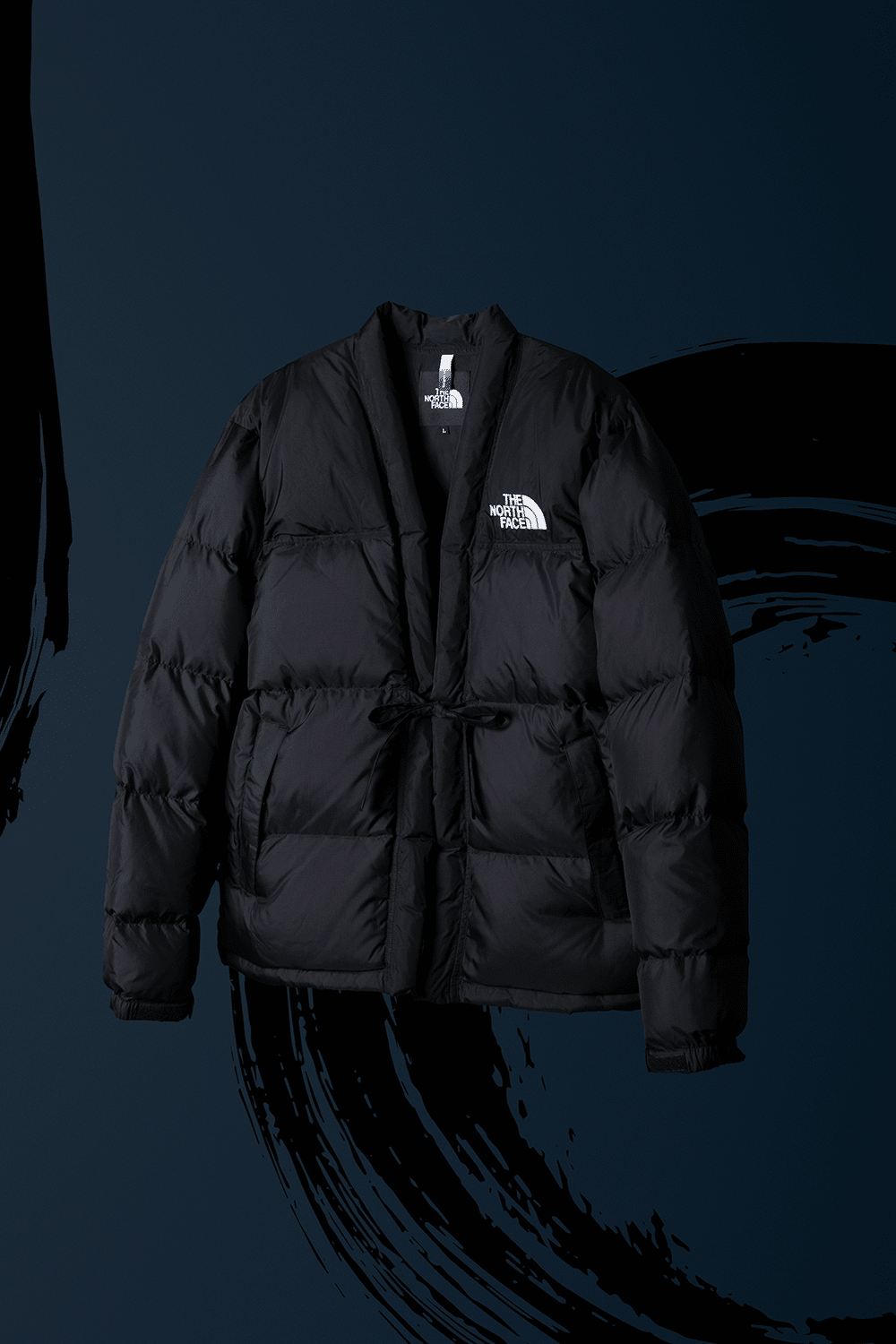
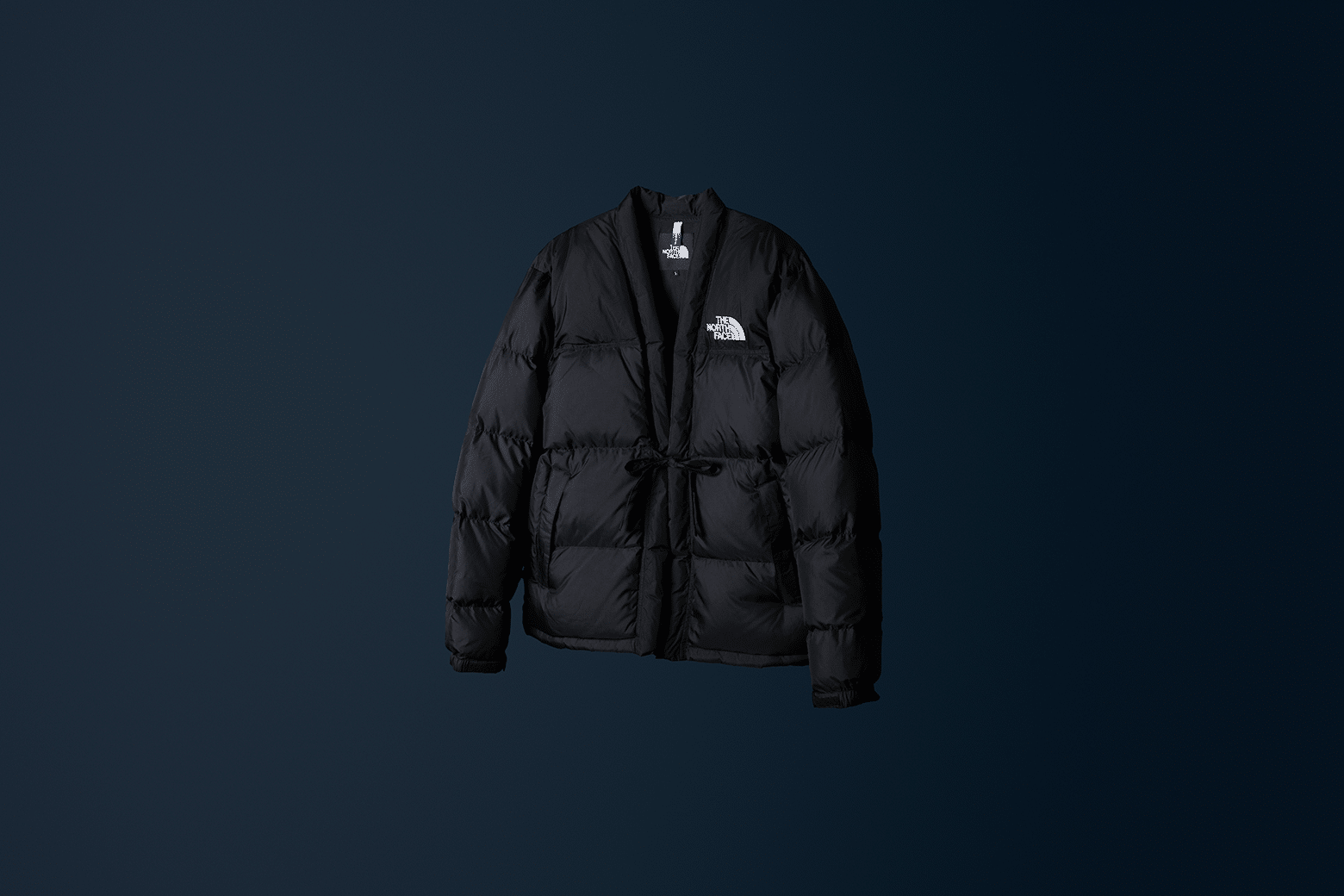
The jacket, inspired by the HANTEN—a traditional Japanese winter garment—marks the brand's first. Alongside the limited collaborative model with SASHIKO GALS, a HANTEN-style Nuptse Jacket without SASHIKO stitching is also released.
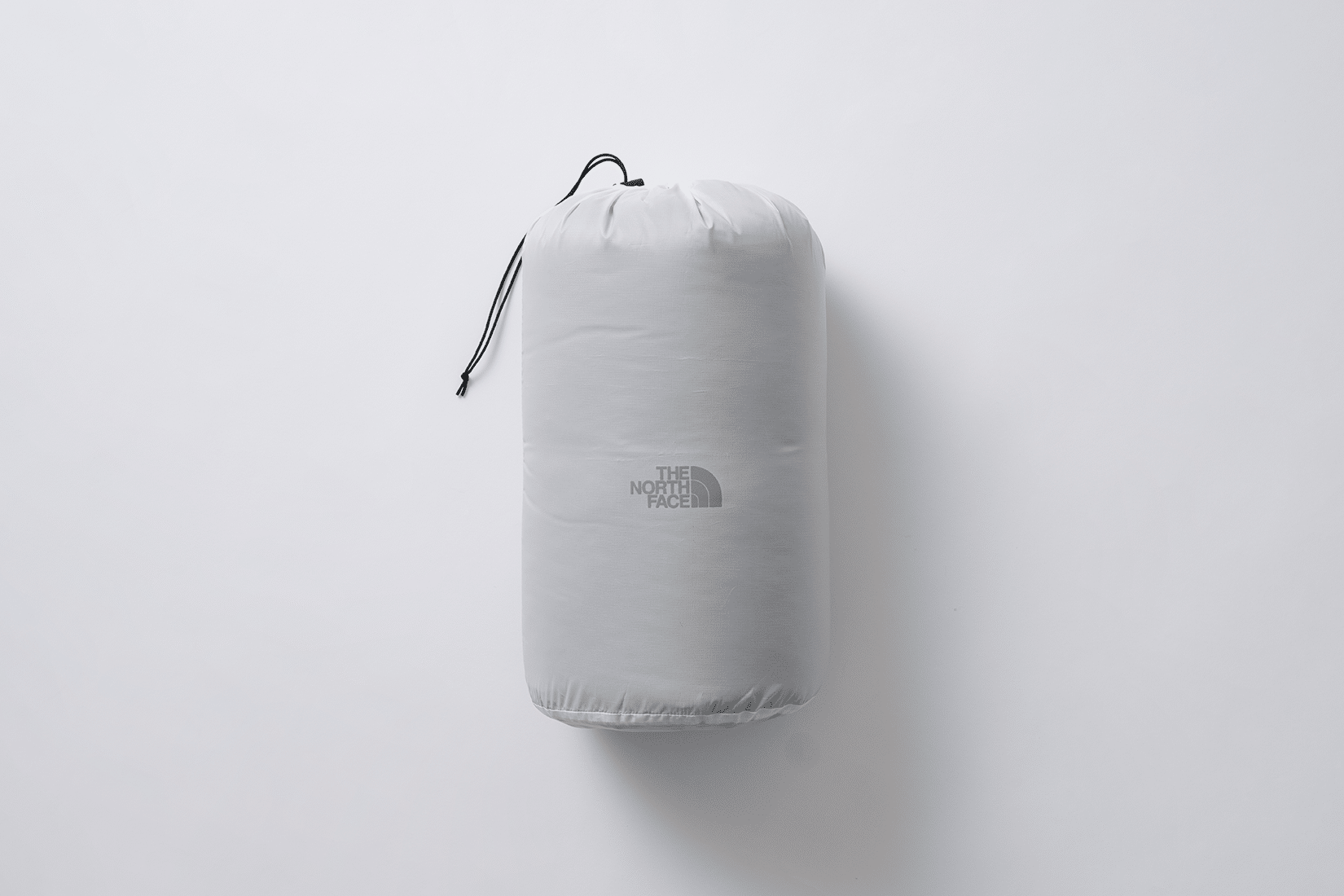
All HANTEN jackets are packable and can be stored in the included stuff sack, making them easy to carry on trips where temperatures are unpredictable.
Nuptse Hanten Jacket 39,600 yen
Through the collaboration between the SASHIKO GALS and THE NORTH FACE, a series of standout pieces has emerged—evolving traditional Japanese handcraft into a creative, contemporary realm. Yet what deserves attention goes beyond design alone. The brand’s commitment to long-lasting products is also reflected in its careful choice of materials.
In addition to traditional techniques like SASHIKO, the JAPAN COLLECTION also explores material innovation aimed at the future. The most symbolic example is the Brewed Protein™ Nuptse Hanten SASHIKO Jacket. This piece features Brewed Protein™ fiber, a new material developed by Japanese biomaterials company Spiber.
Brewed Protein™ fiber is a protein-based material created using plant-derived sugars as its primary resource. Inspired by proteins found in nature, it is produced through microbial fermentation as a next-generation fiber. By reducing reliance on petroleum- and animal-derived resources, the material is expected to lower environmental impact and contribute to a circular society. Although still in the early stages of mass production, it has attracted global attention.
Recognizing its future potential, THE NORTH FACE has chosen to adopt the material as a tangible step toward illustrating what manufacturing can become.
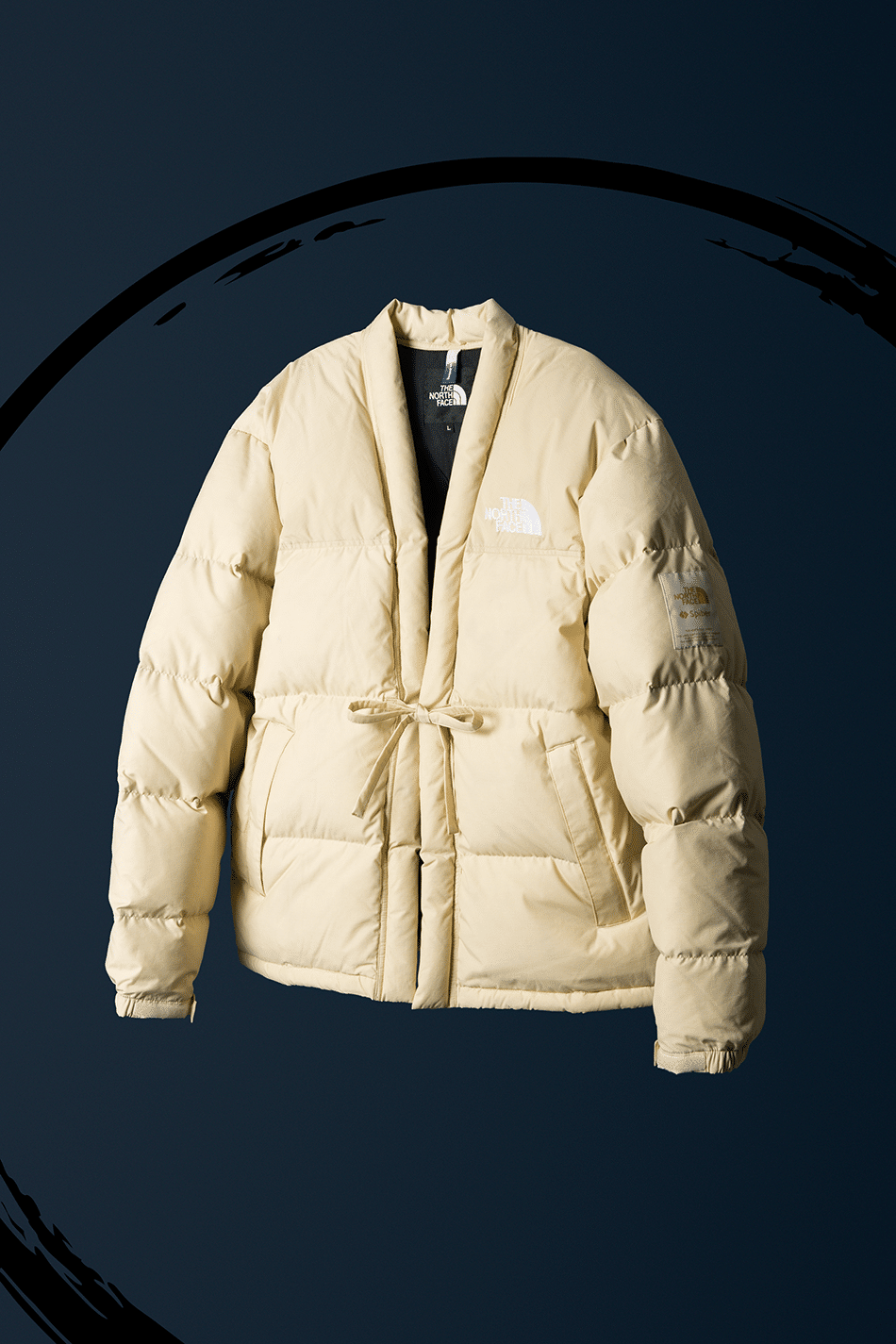
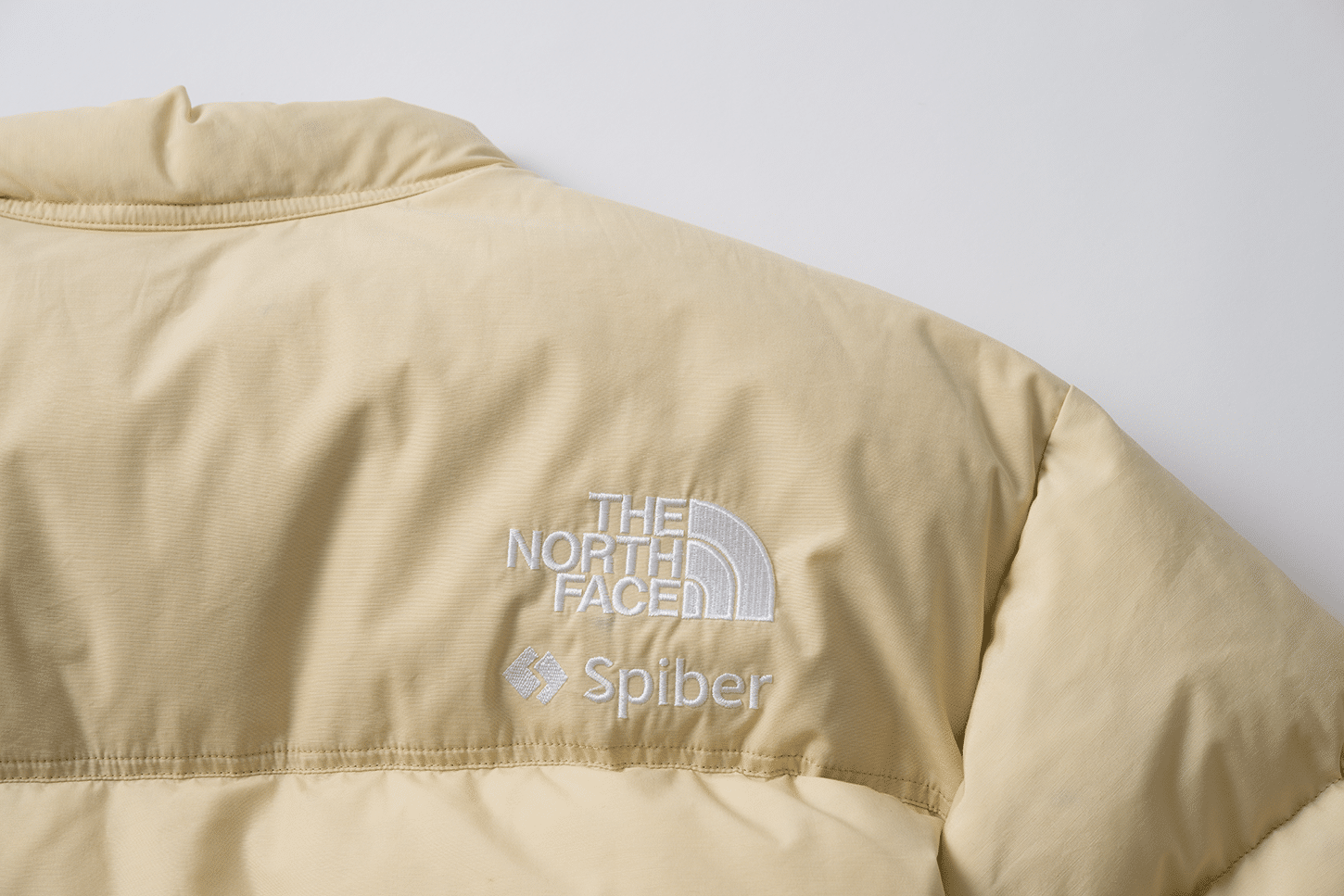
Beneath the brand logo is the Spiber logo, the developer of Brewed Protein™ fiber. Together, the two logos symbolize a product supported by Japanese craftsmanship and proven quality.
The outer fabric is BP Nylon—a blend of 91% eco-conscious nylon and 9% Brewed Protein™ fiber—developed with the involvement of Goldwin Inc., responsible for THE NORTH FACE product development in Japan. It offers a cotton-like softness alongside durability suited for everyday wear.Brewed Protein™ Nuptse Hanten Jacket — ¥99,000
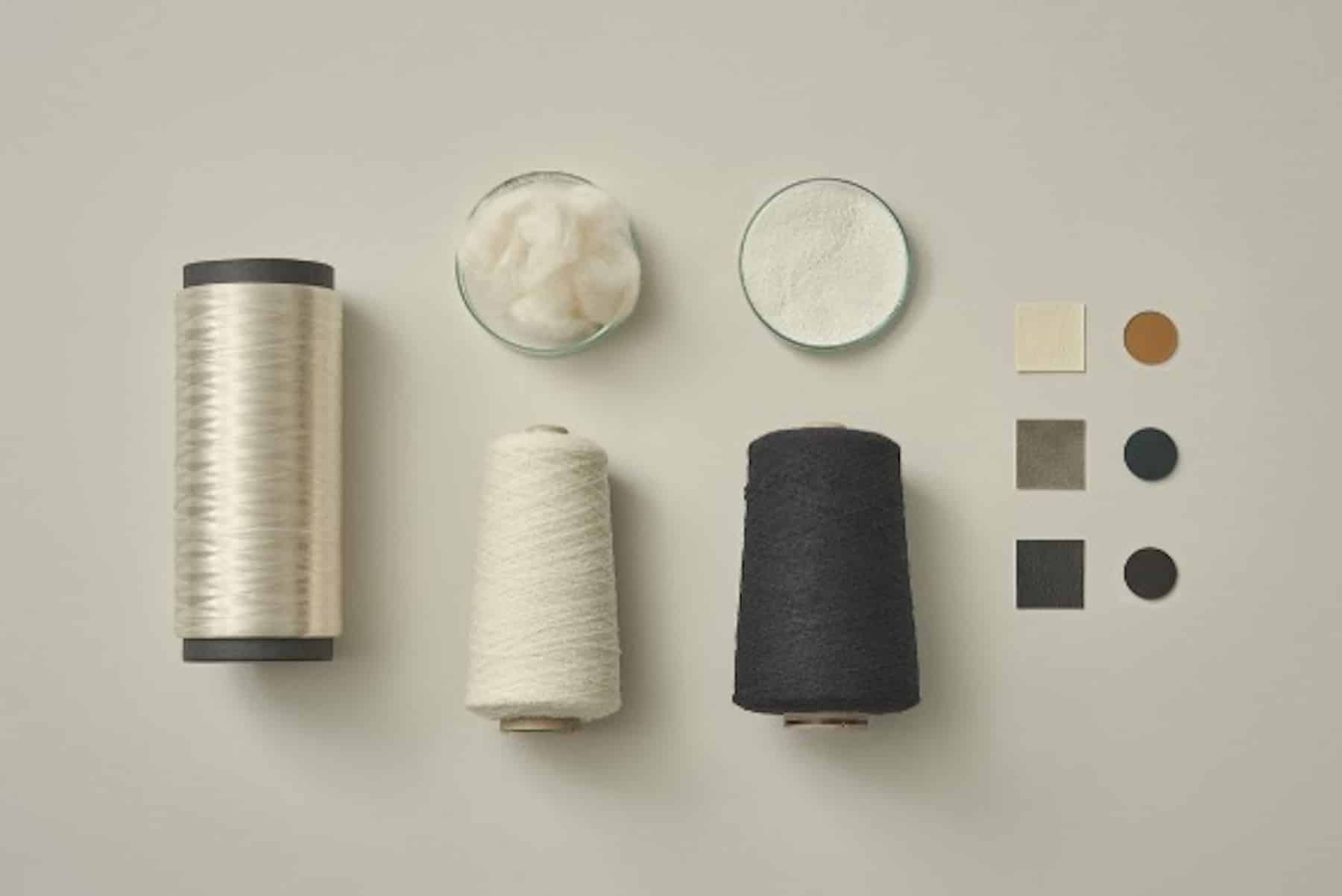
Brewed Protein™ polymer obtained through microbial fermentation (top right) can be processed into various forms depending on its application. Shown here are long fibers used as yarn (far left), short fibers (top left), spun yarn made from short fibers (bottom), as well as leather-like and resin-like materials molded from the polymer (far right), illustrating the material’s versatility.
The JAPAN COLLECTION is an initiative born at the intersection of respect for Japanese handcraft and a forward-looking approach to manufacturing. Bringing together SASHIKO, HANTEN, and Brewed Protein™ fiber, the collection unites time-honored techniques with new materials and ideas—offering fresh value to outdoor apparel. Why not make one of these pieces a long-term companion in your wardrobe?