DEEPTOKYO
magazine

EN

DEEPTOKYO
magazine
EN
2026.08.25
A Washi Specialty Store with Over 370 Years of History in Nihonbashi


 Nearest Station

“Ozu Washi” is a washi specialty store that has been operating in Nihonbashi, Tokyo, for more than 370 years since its founding in 1653. It carries around 500 varieties of handmade washi sourced from across Japan and also houses a museum and a Handmade Washi Experience Studio. Visitors can discover the history and culture of washi as well as the craftsmanship involved in making it.
SHARE


“Ozu Washi” is a washi specialty store with more than 370 years of history in Nihonbashi. It carries more than 500 varieties of handmade washi crafted by artisans. Some are used in the restoration of historical documents and paintings designated as National Treasures or Important Cultural Properties. The store offers a wide selection, ranging from traditional handmade washi to stationery and everyday goods, allowing visitors to discover the depth of washi culture and the many ways in which it can be enjoyed.
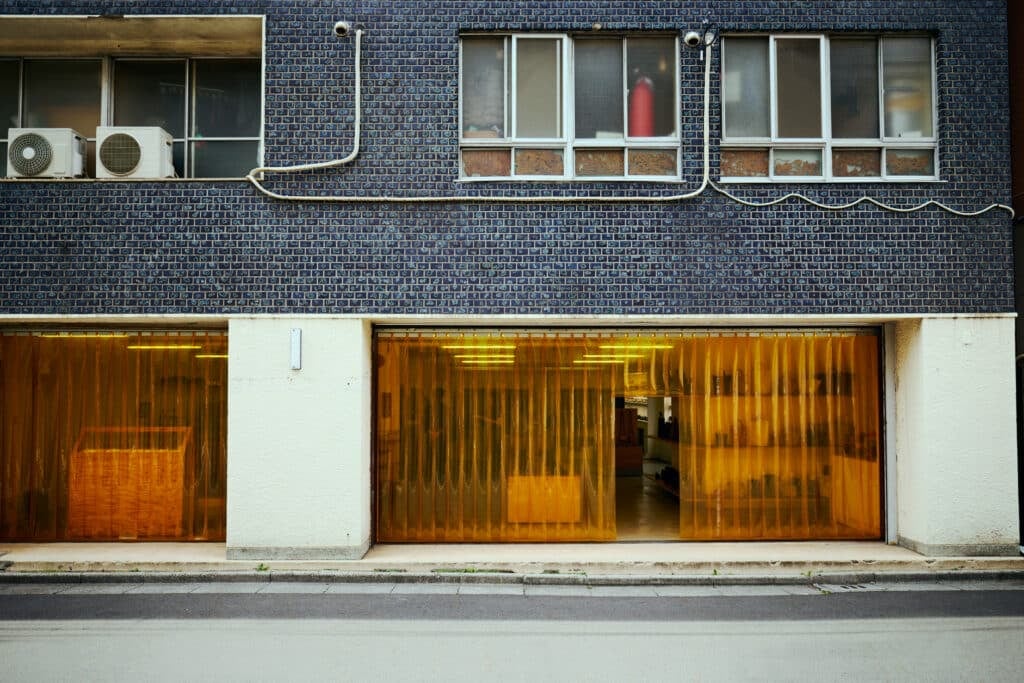
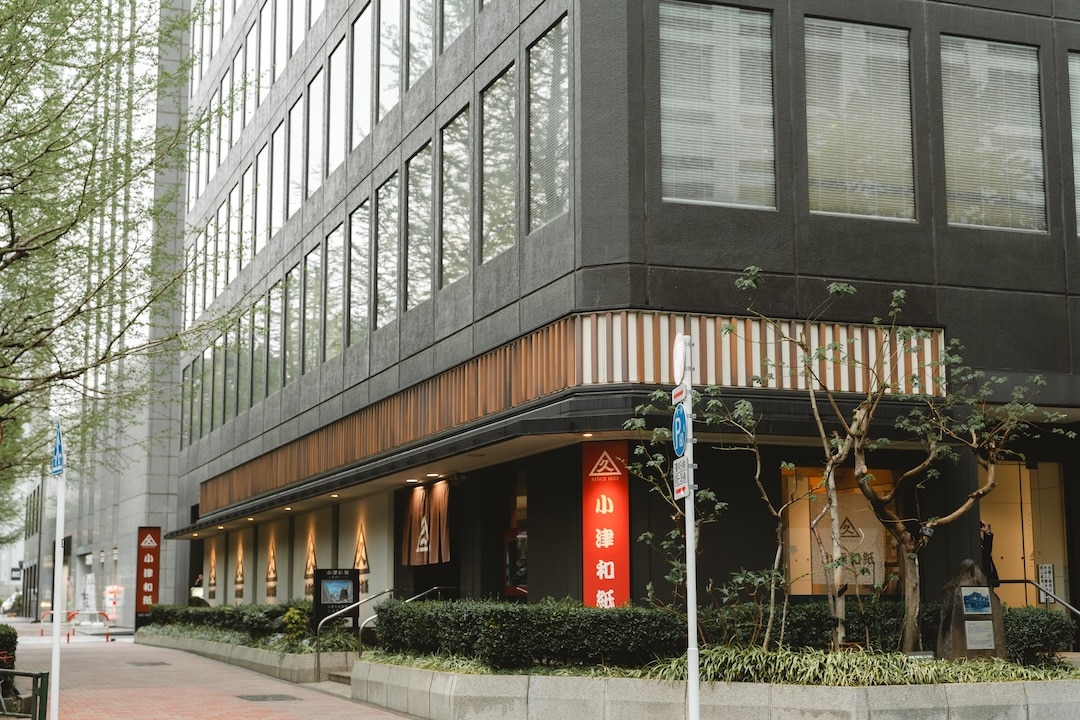
The store stands on the corner where Showa-dori Avenue and the former Nikko Kaido road intersect, surrounded by high-rise buildings.
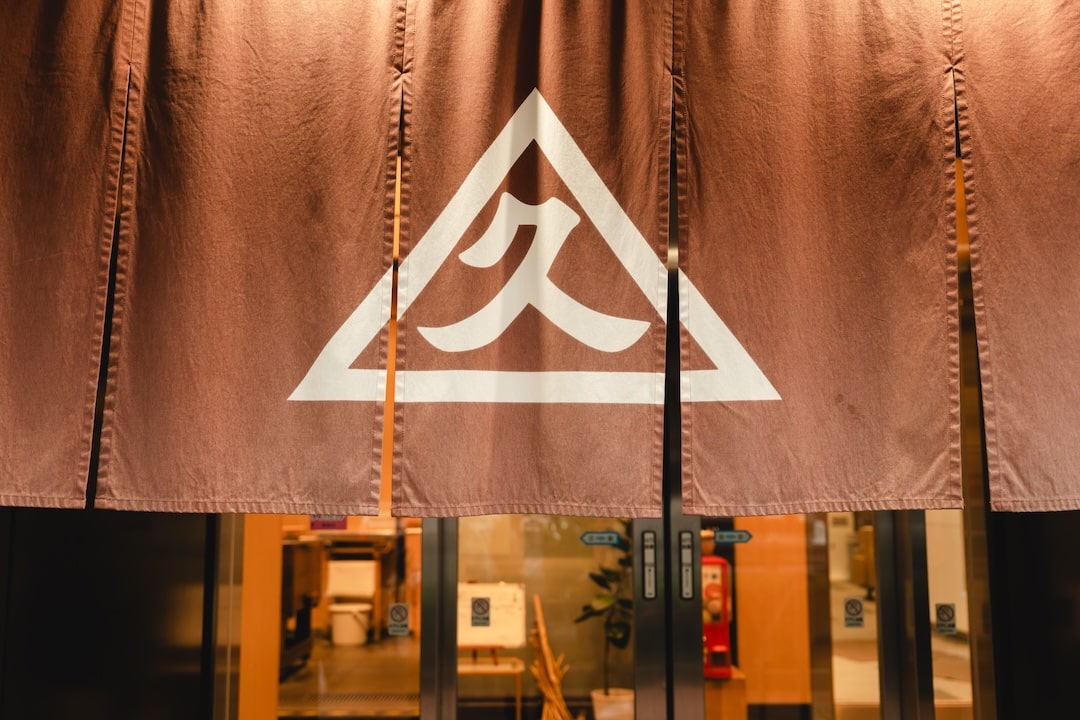
The noren curtain hanging at the entrance bears Ozu Washi’s traditional shop mark.
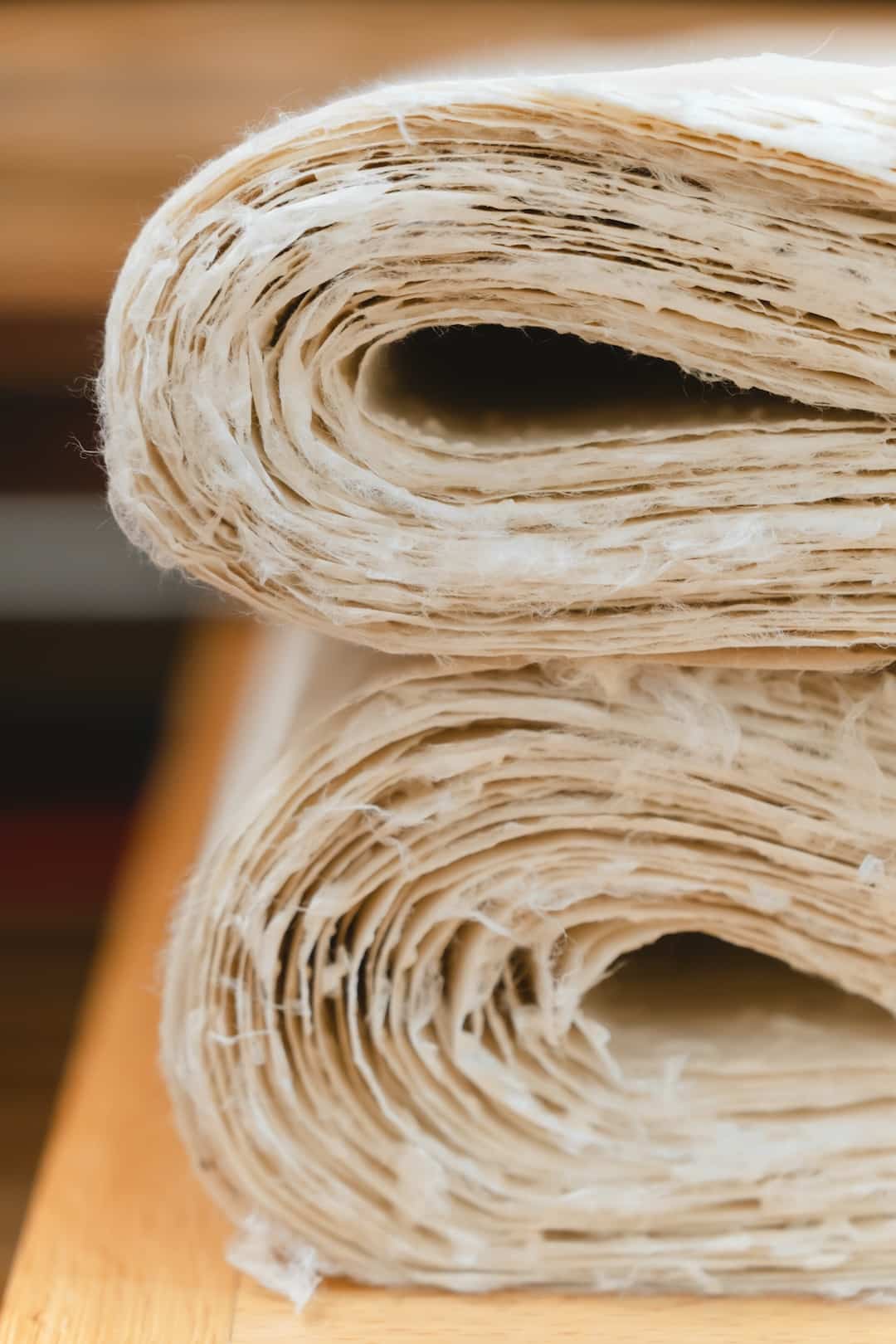
The fibers in handmade washi are tightly intertwined, making the paper strong and resistant to tearing even when folded or bent.
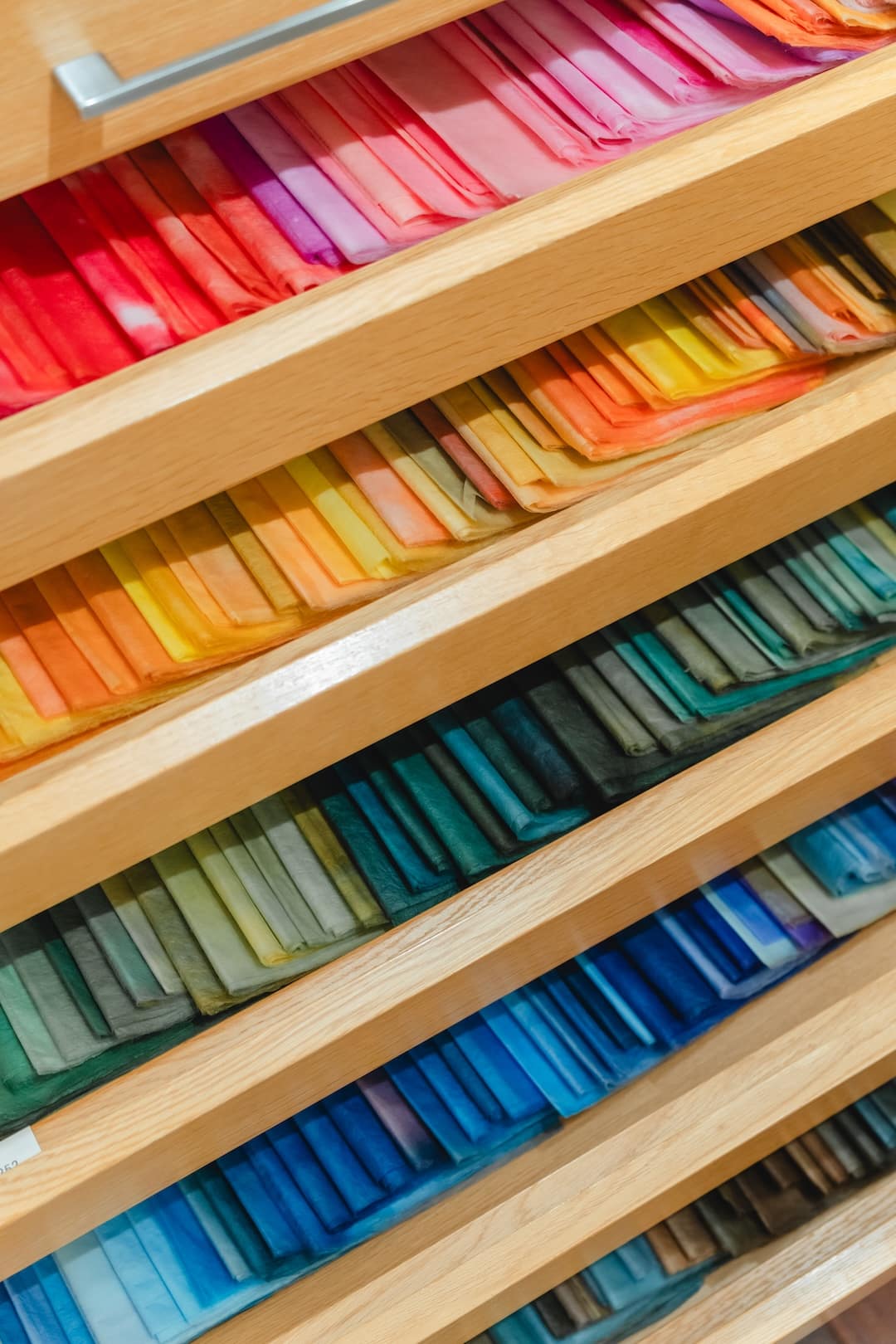
Dyed washi comes in a variety of thicknesses and textures. It is used for chigiri-e, a technique in which small pieces of torn paper are layered to create pictures and patterns, as well as for wrapping.
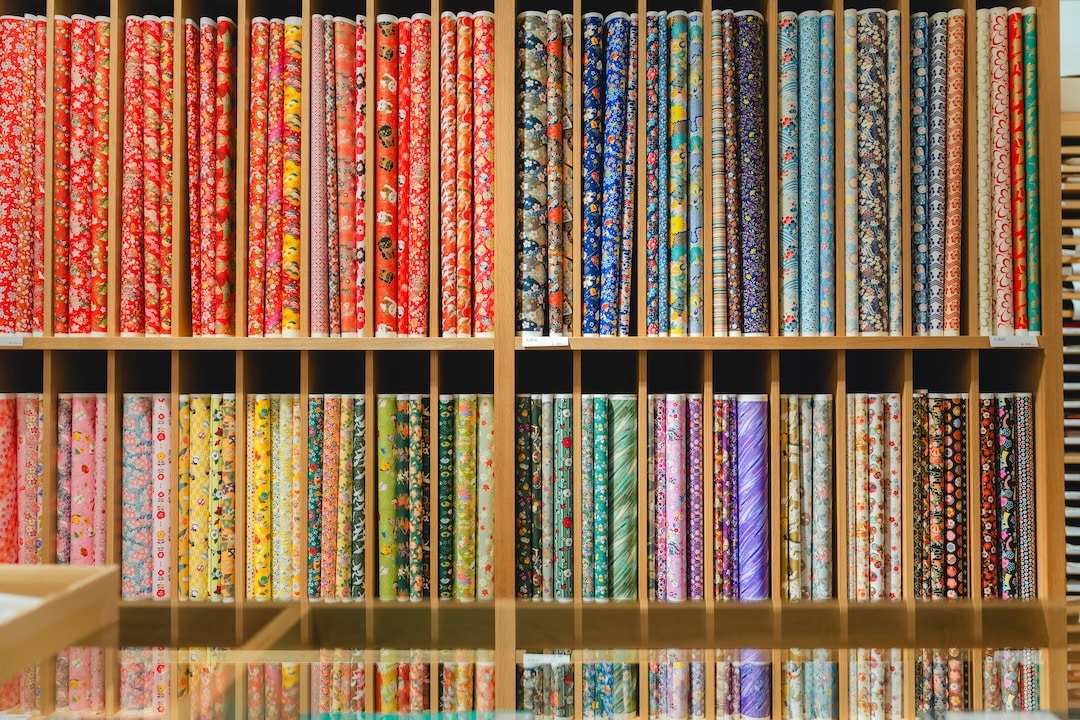
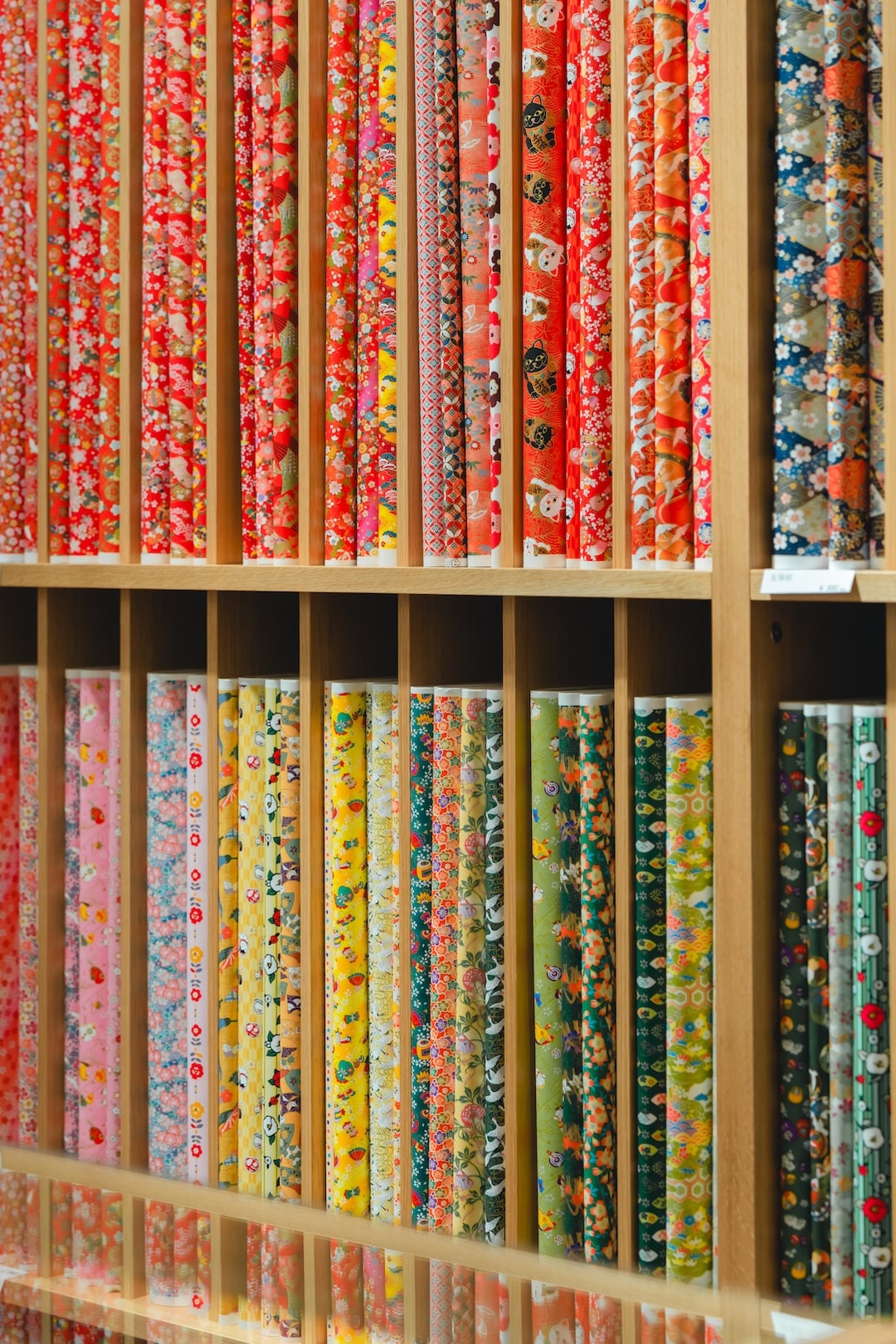
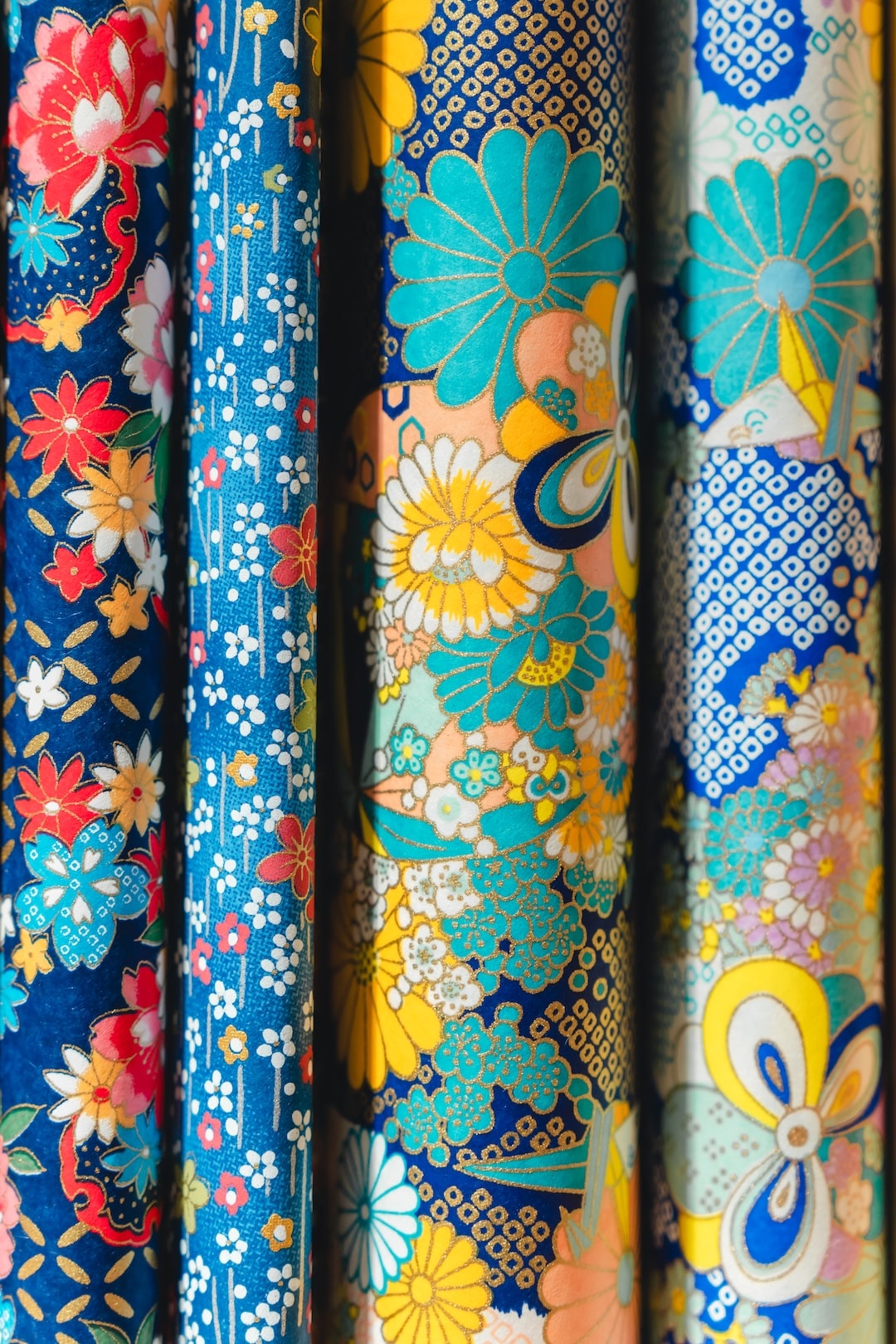
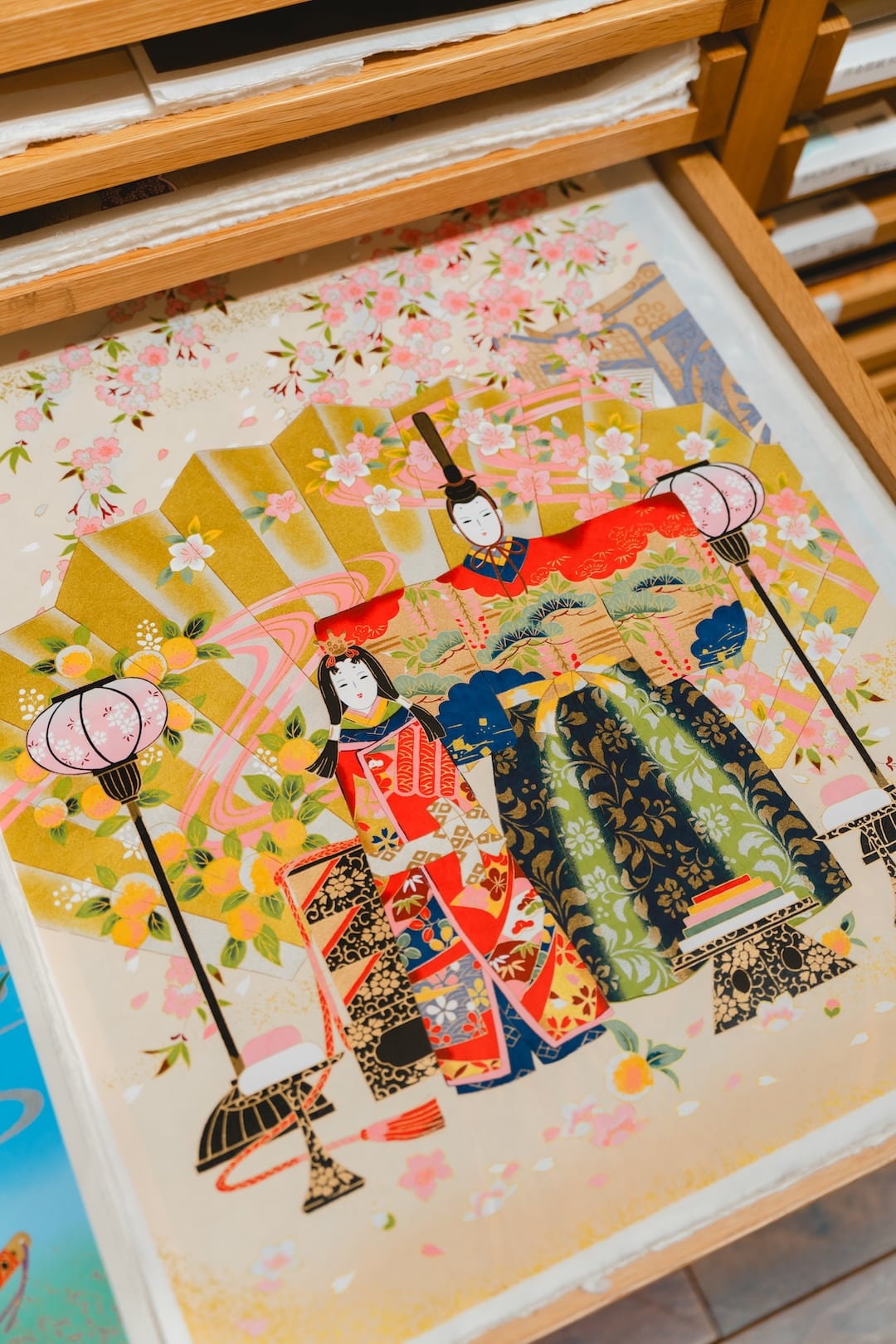
Yuzen washi features vibrant colors and patterns inspired by traditional Yuzen-dyed kimono.
A wide variety of traditional Yuzen patterns are available.
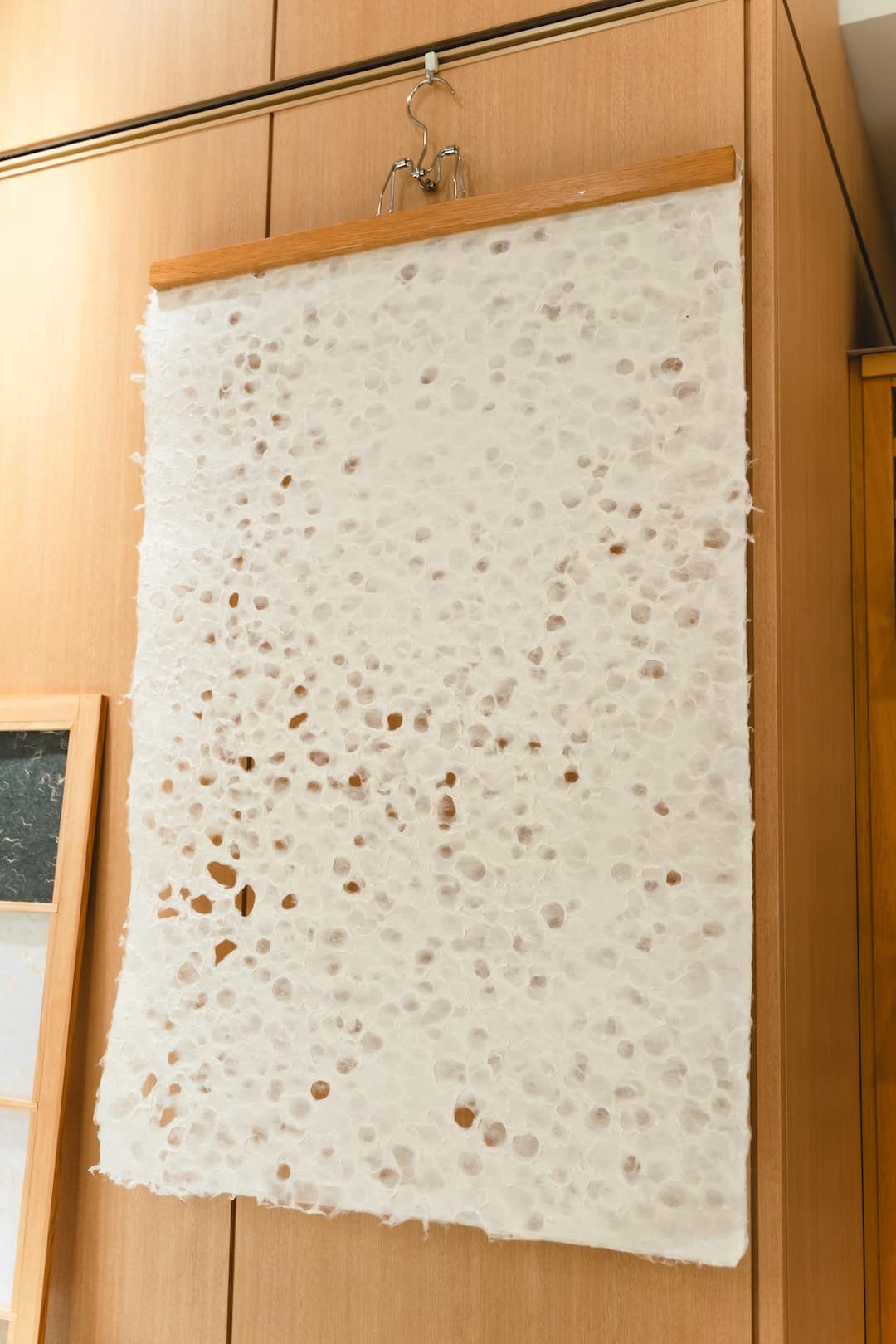
Rakusui-Shi, which is popular as a souvenir from Japan, is made using a technique in which drops of water are applied to freshly formed paper to create patterns. Each sheet has its own unique appearance, making every piece one of a kind. Many people also purchase it as a work of art.
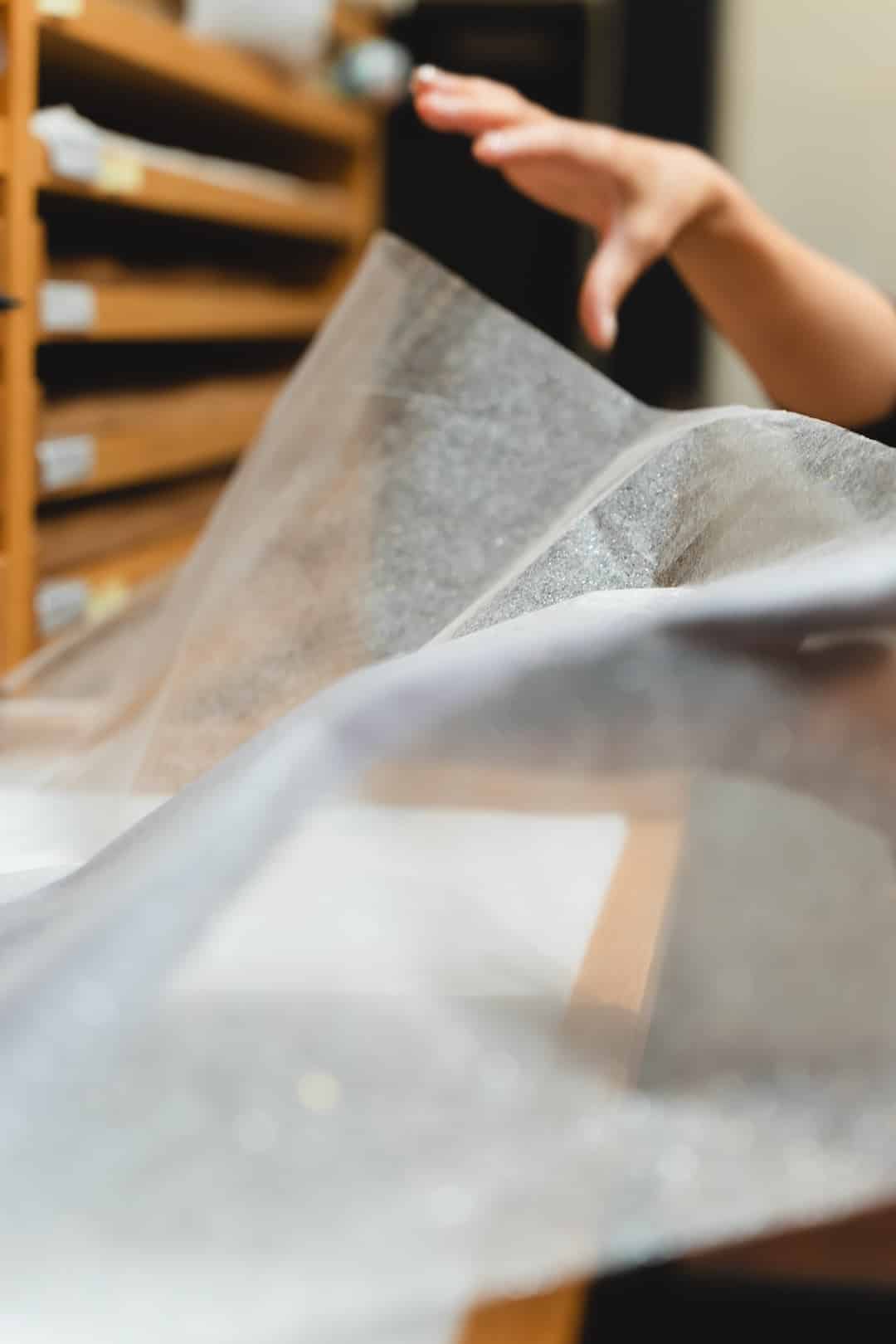
Some varieties of washi incorporate unusual materials or processing techniques. Pictured here is an extremely thin, almost transparent sheet of washi with powdered gold and silver leaf incorporated into it. Its delicate sheen is a distinctive feature, and it is also popular for wrapping.
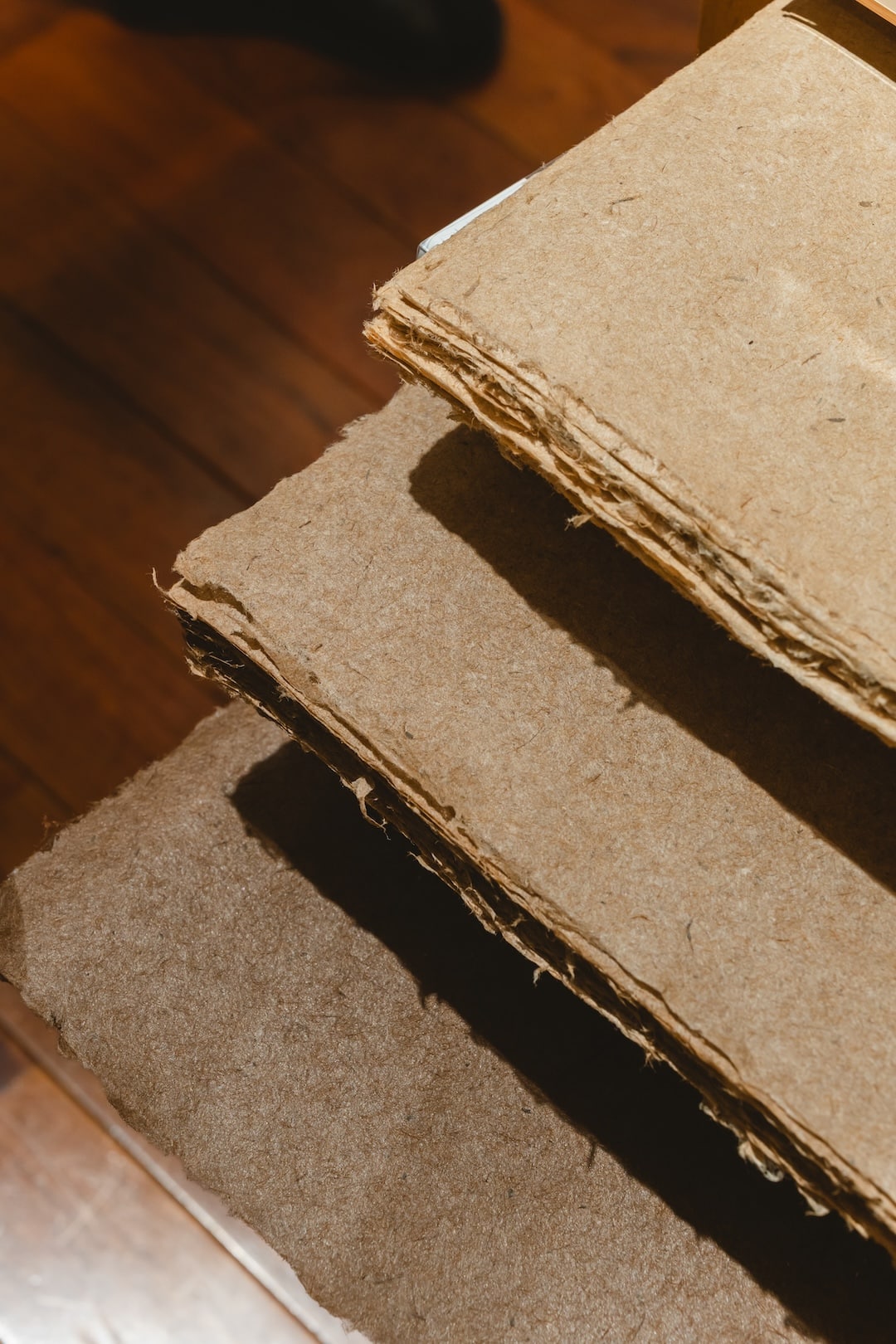
Cedar-bark paper, a specialty of Noto in Ishikawa Prefecture, is prized for its naturally derived color. The shade varies depending on the amount of cedar bark incorporated into the paper.
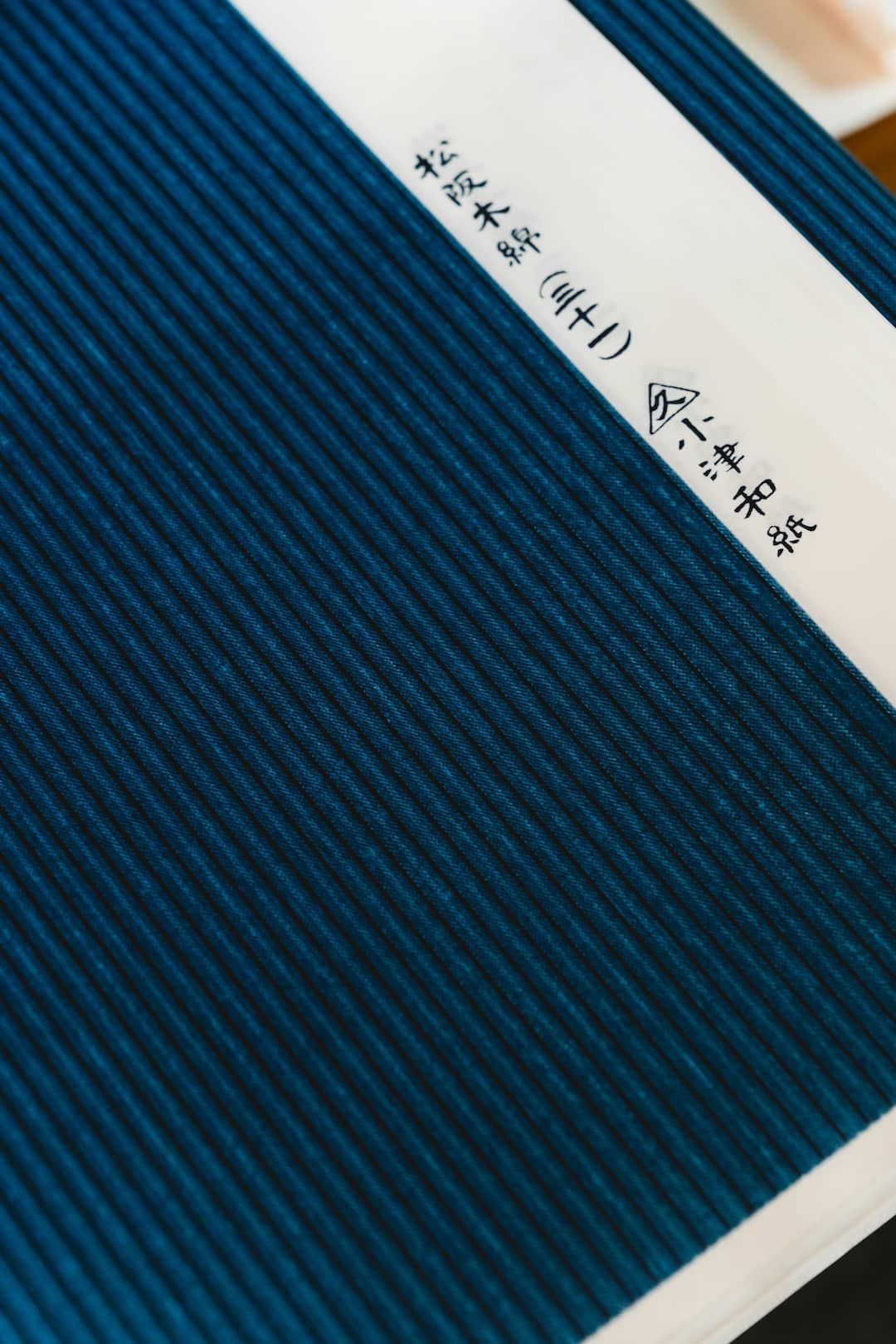
Washi featuring a pattern inspired by Matsusaka cotton, characterized by its deep indigo color and fine stripes.
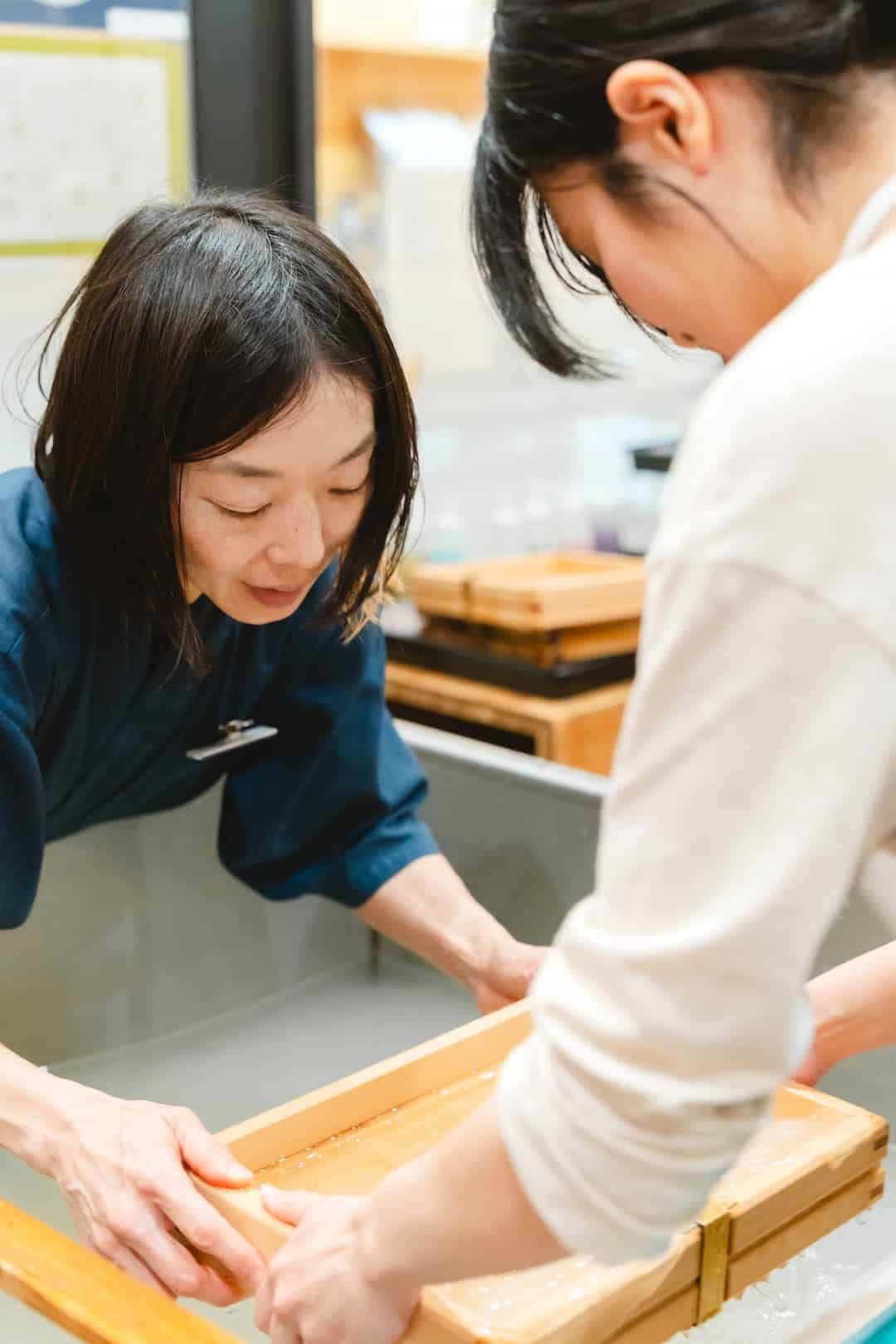
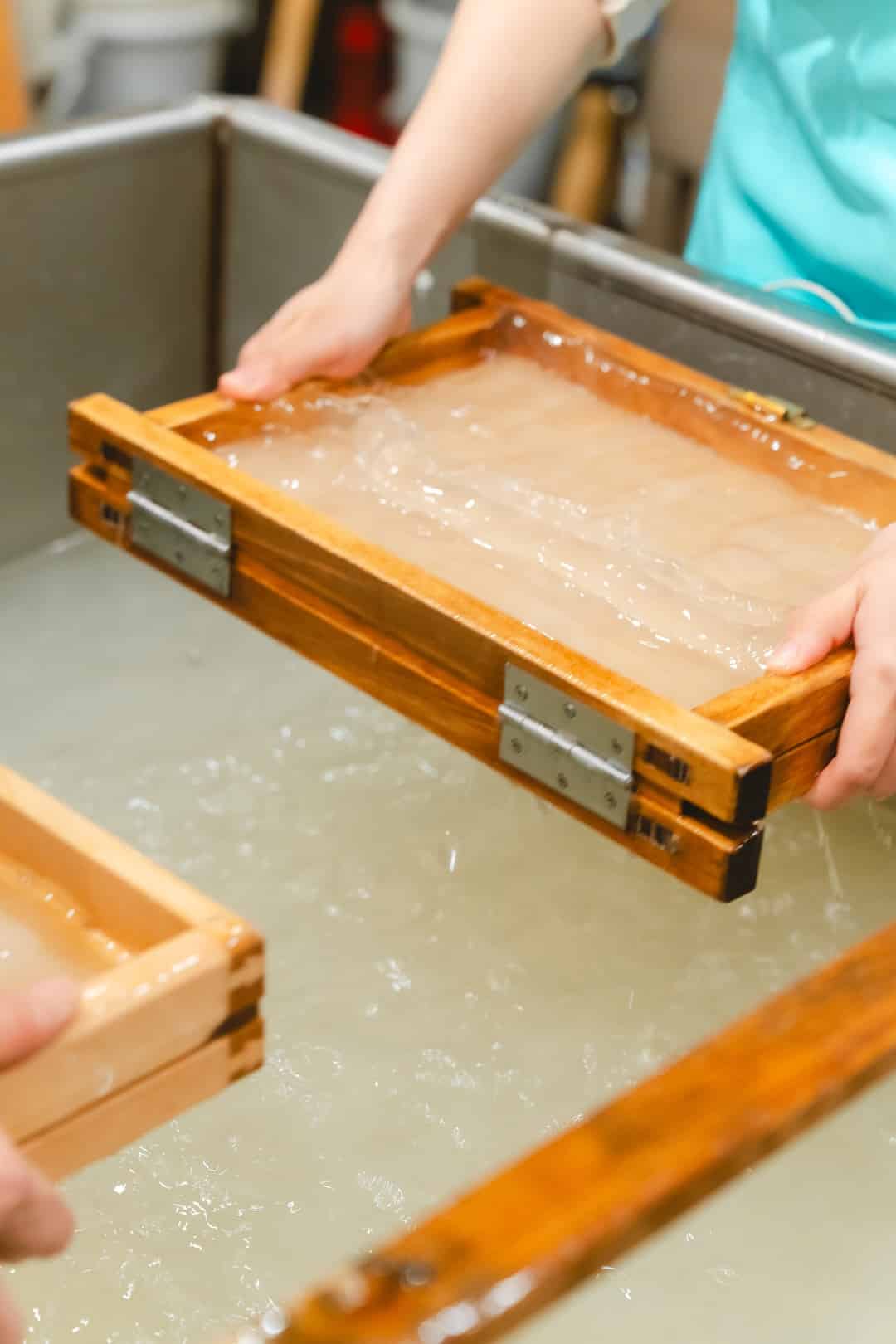
At the Handmade Washi Experience Studio on the first floor, visitors can experience traditional Japanese papermaking. First, Kozo and other raw materials used to make washi are mixed with water. The mixture is then scooped up using a tool called a sugeta. By shaking the sugeta, the fibers are distributed evenly and built up in multiple layers to form a sheet of paper. Visitors can also try making Rakusui-Shi, in which water droplets are applied to freshly formed washi to create patterns, as well as Design Washi decorated with pressed flowers, gold leaf, and other materials.
The sugeta is shaken and tilted to build up multiple layers of paper fibers.
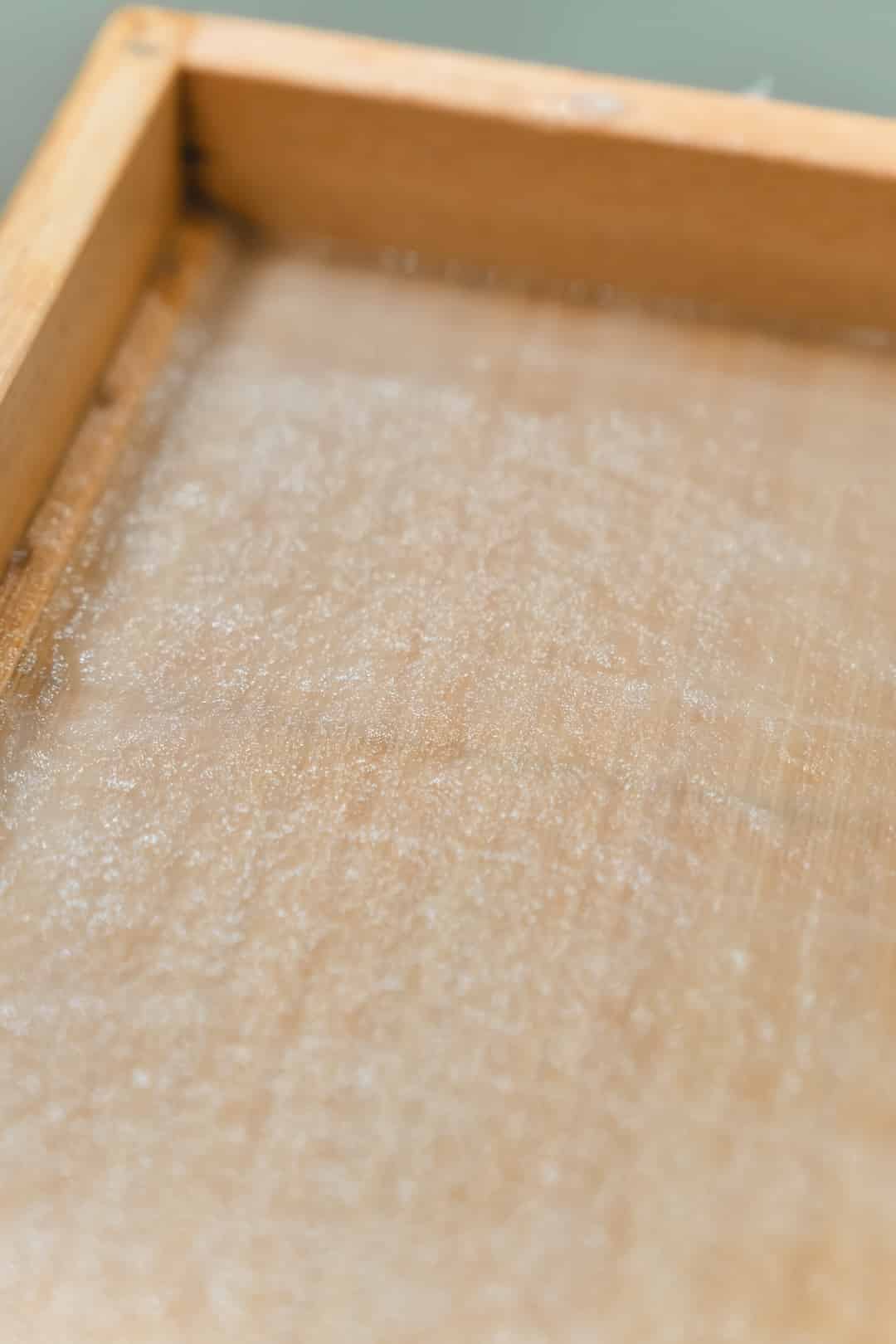
Freshly formed washi. At this stage, it contains a large amount of water and has a soft, fluffy texture.
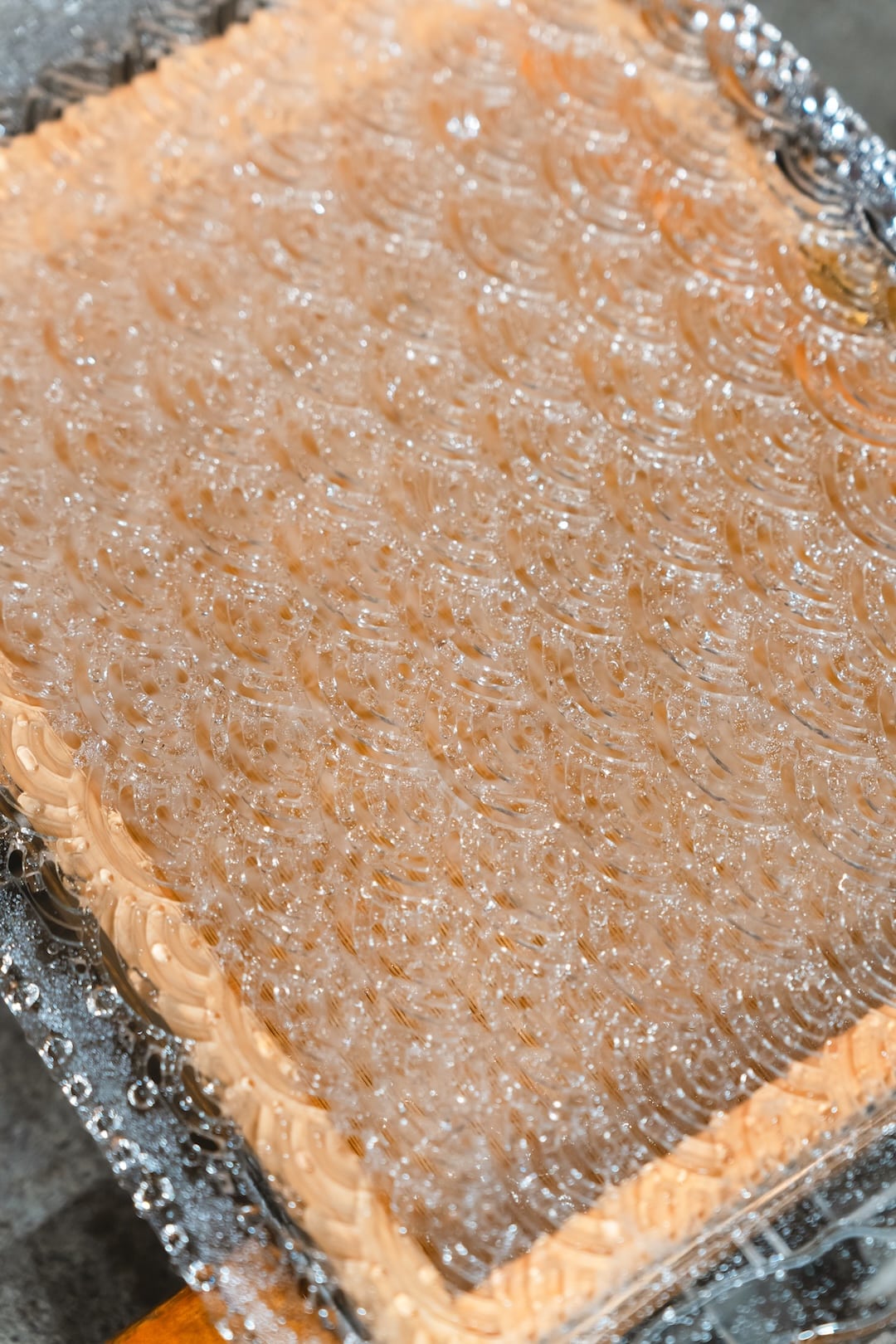
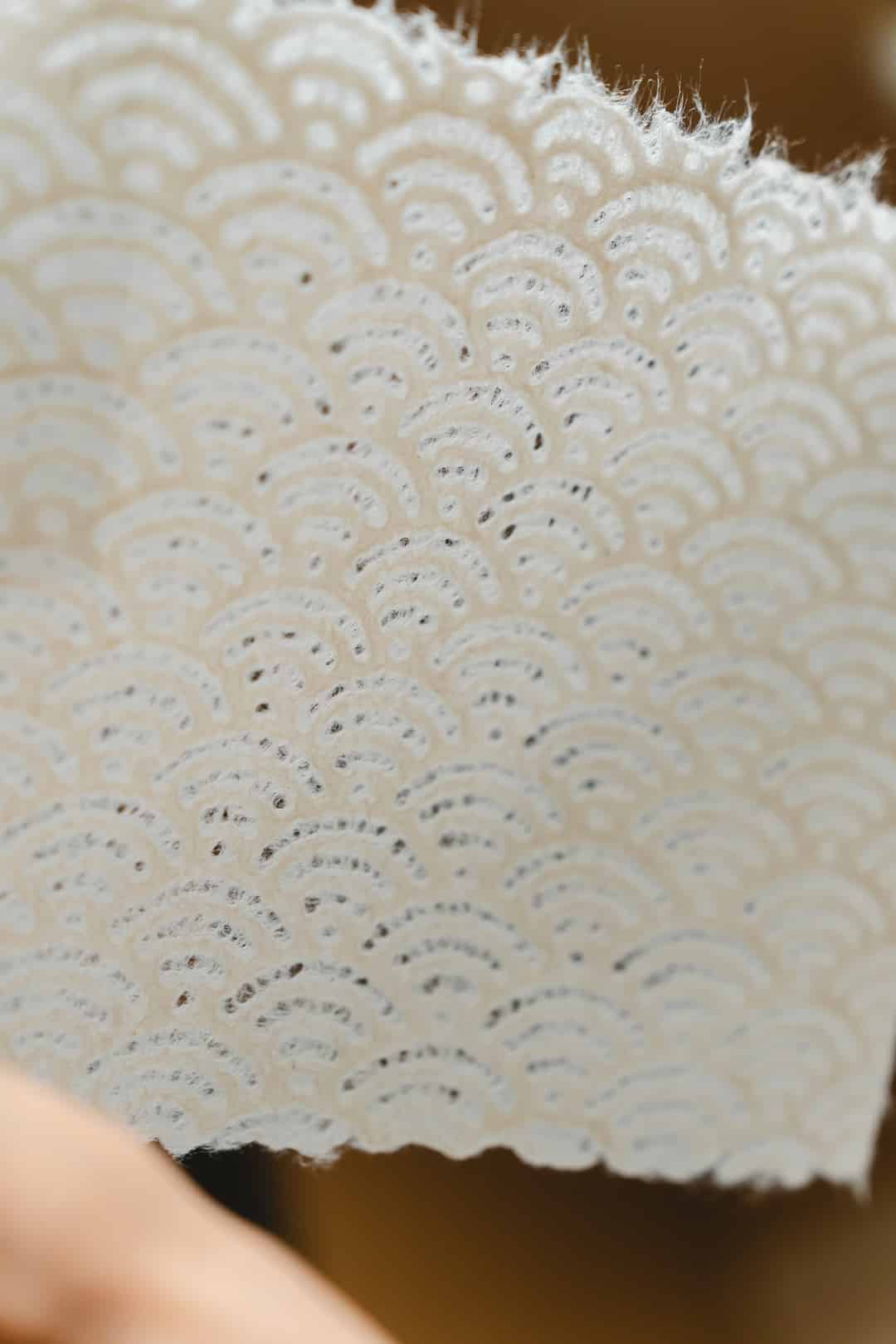
Once the sheet has been formed, a patterned stencil is placed over the sugeta, and water is poured over it to create the design. On the day of our visit, the editorial team chose a traditional Japanese pattern inspired by ocean waves.
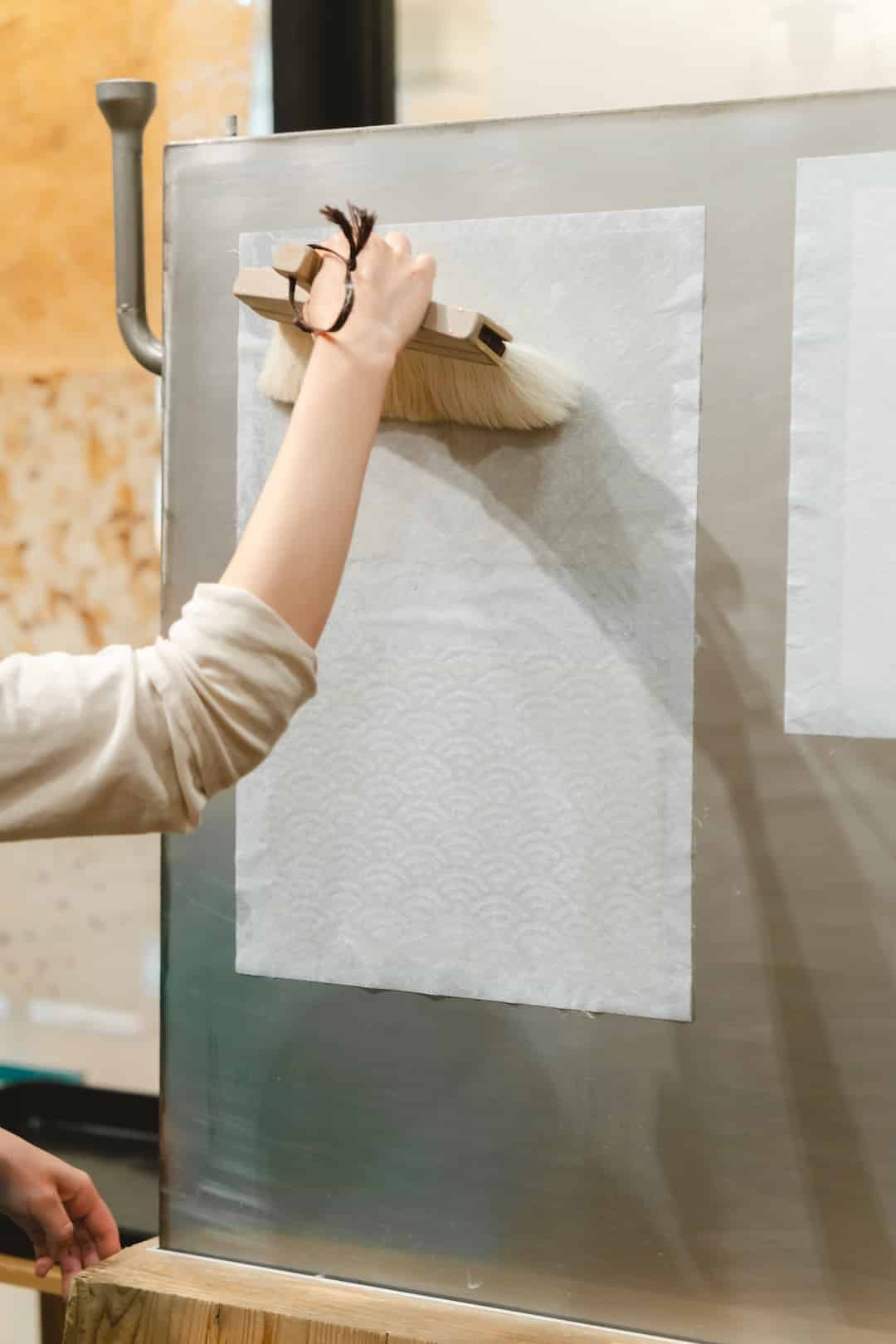
The freshly formed washi is attached to a heated stainless-steel plate using a special brush, allowing the moisture to evaporate and the paper to dry.
The dried washi. When held up to the light, the distinctive texture of the washi fibers and the pattern are beautifully revealed.
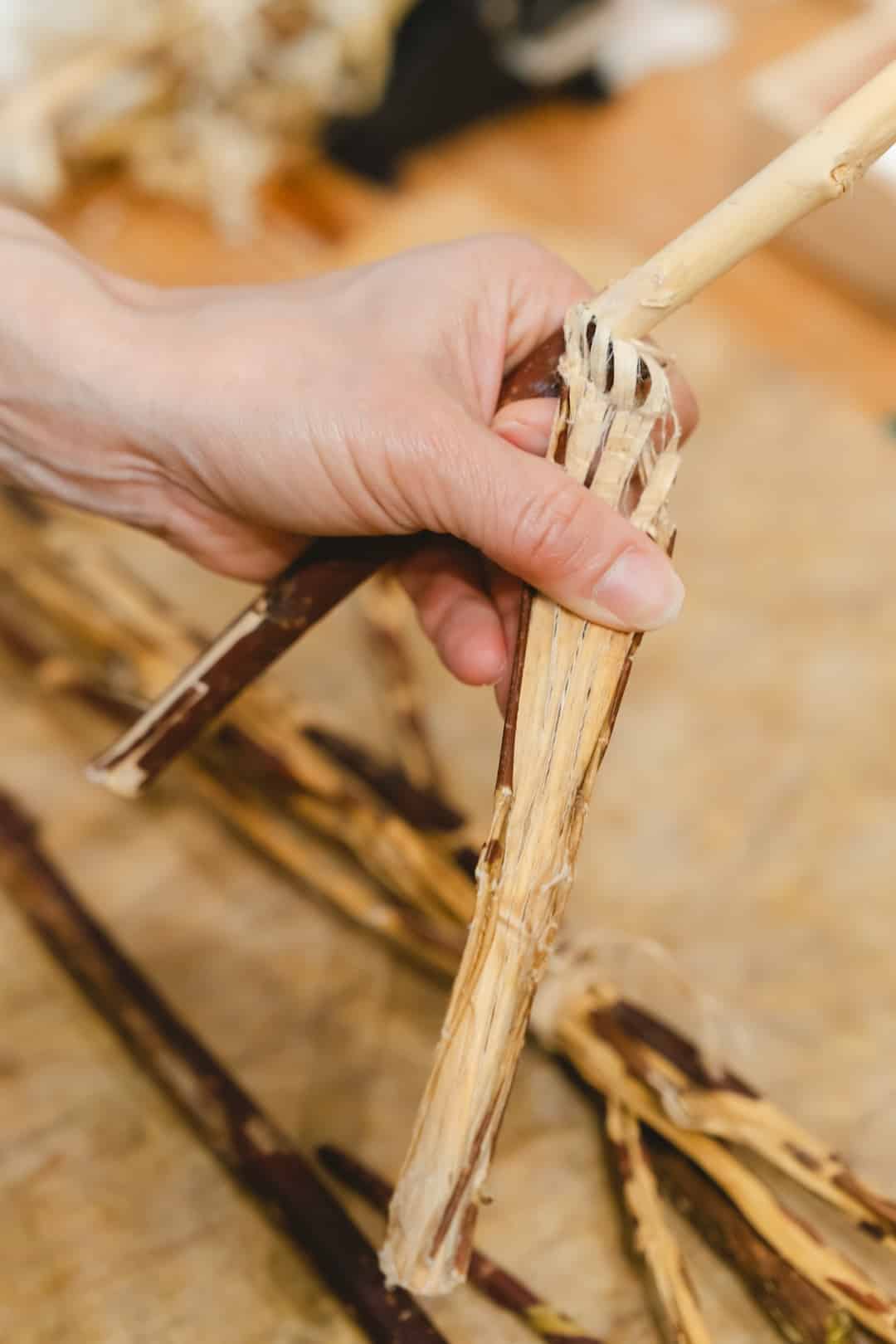
Kozo is one of the three main raw materials used to make washi. The fibers obtained from the inner bark of the plant are long, thick, and strong.
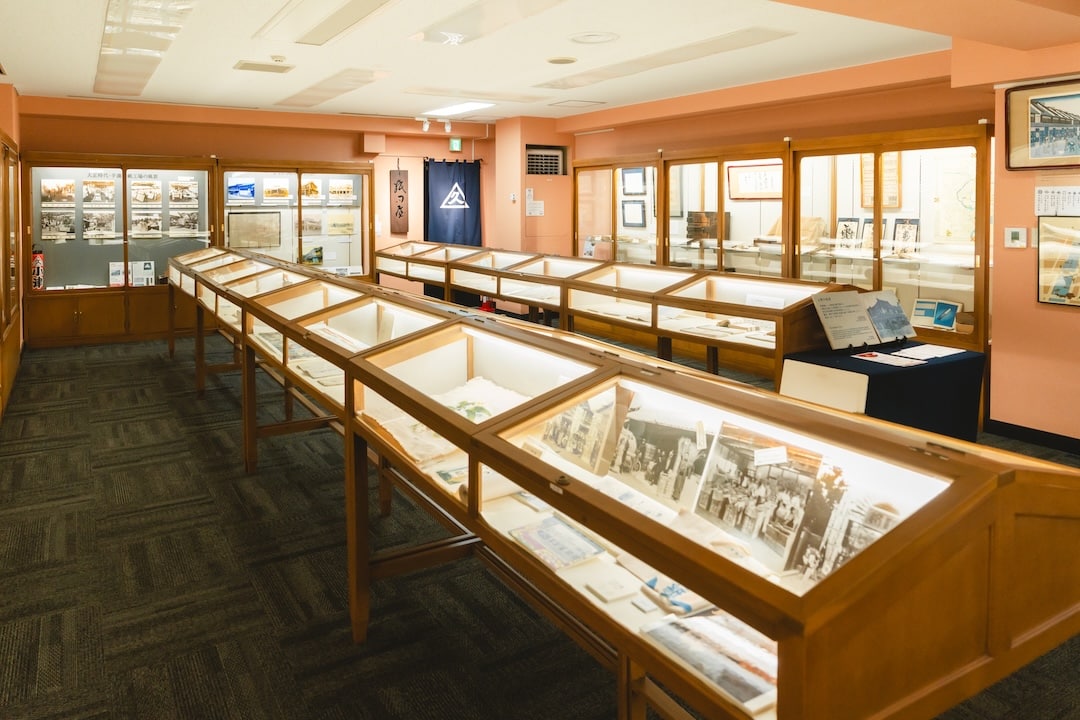
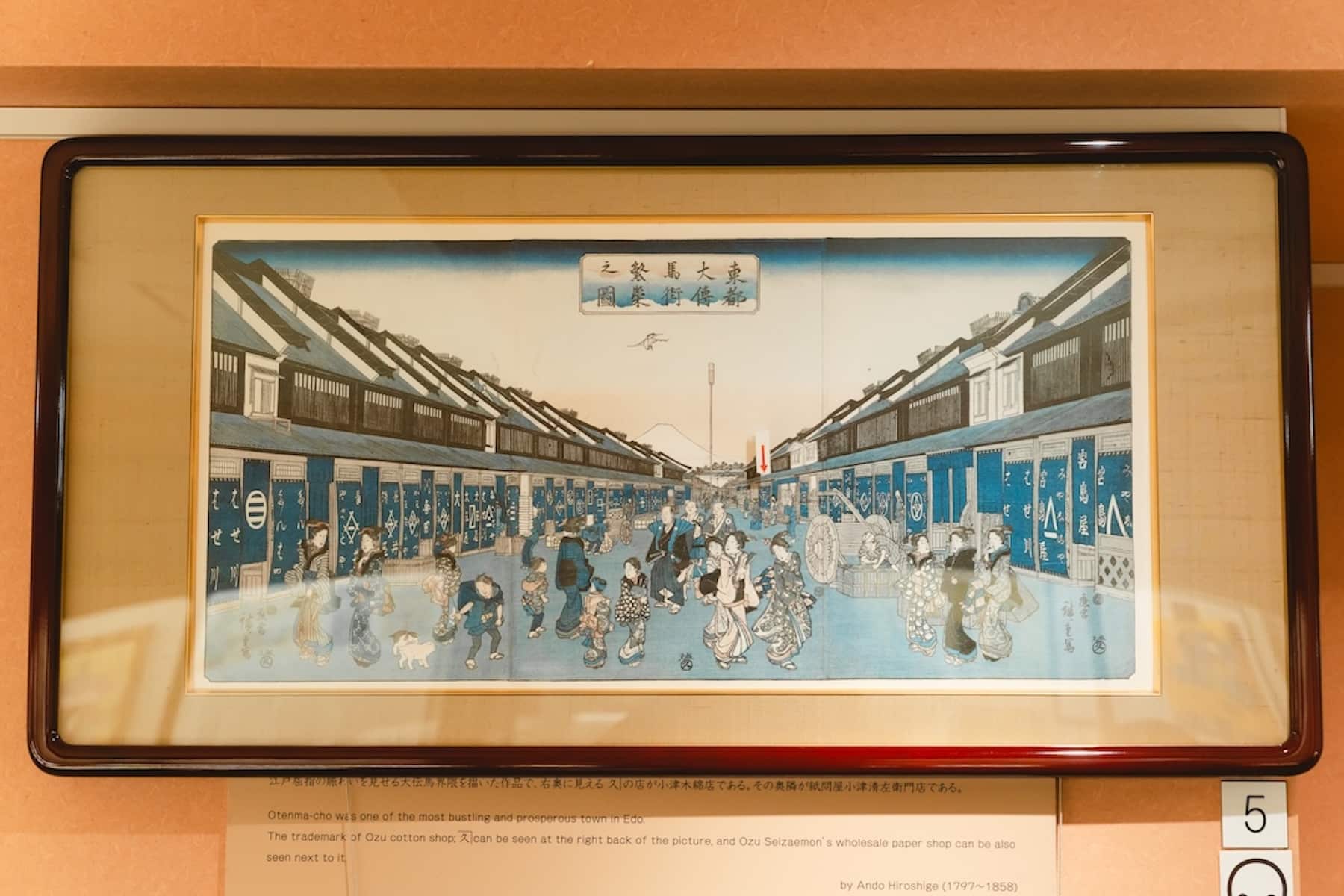
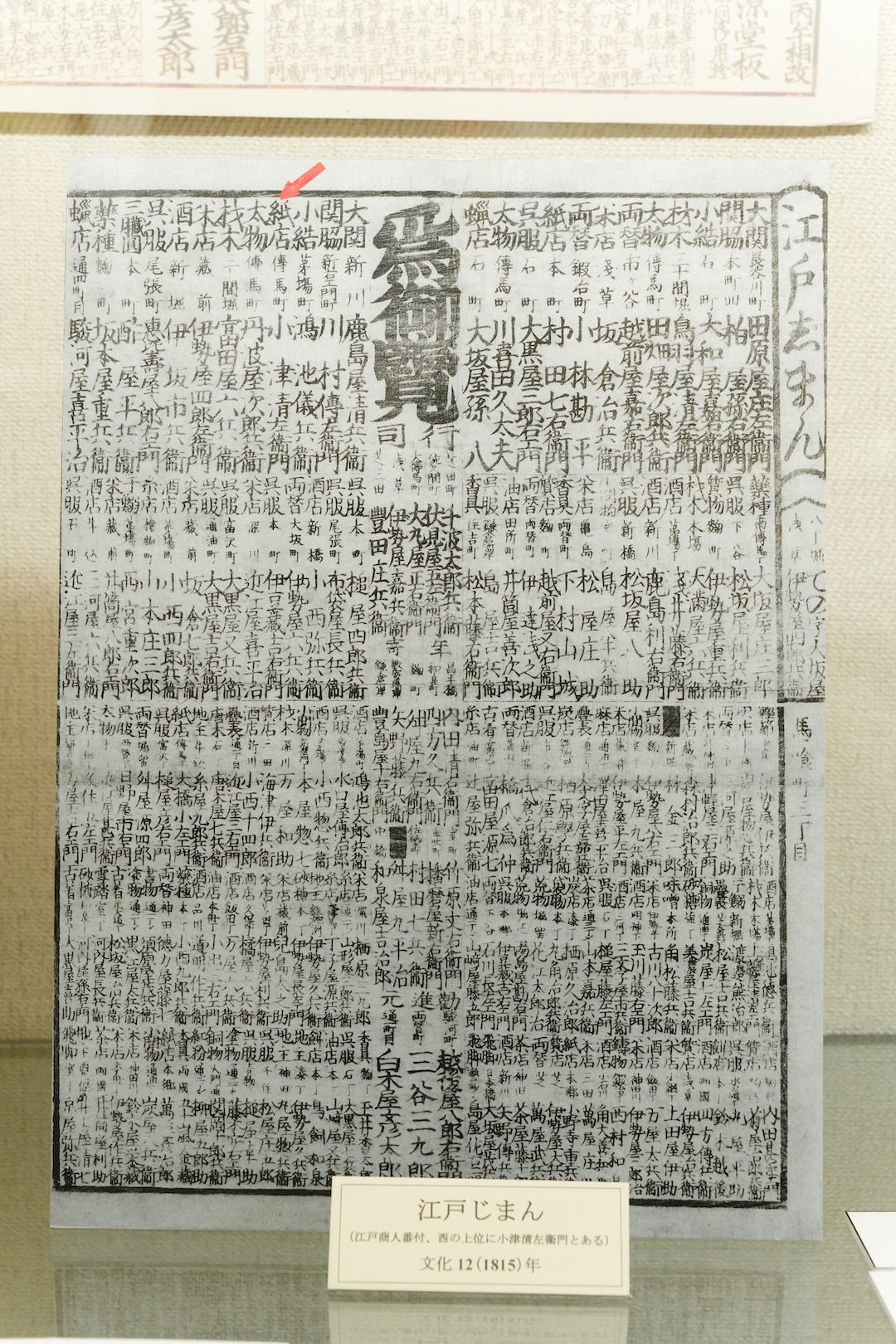
The Ozu History Museum on the third floor displays materials related to the history of “Ozu Washi” and the merchant culture of Nihonbashi, which dates back to the Edo period. Its collection includes materials explaining the circumstances that led the first-generation proprietor to move from Mie Prefecture to Edo, ukiyo-e prints depicting the lively streets of Nihonbashi at the time, and popular printed rankings that listed merchants of the time by sales, modeled after the banzuke ranking sheets used in sumo wrestling. The museum houses and displays approximately 1,000 historical documents and business records. Many of these materials are also registered as Tangible Cultural Properties of Chuo City, Tokyo.
An ukiyo-e print depicting one of the main streets of Edo. This valuable work is by the renowned ukiyo-e artist Utagawa Hiroshige. The “Ozu Washi” store at the time can be seen at the location indicated by the red arrow.
A ranking of wealthy merchants from 1815. The name of Ozu Seizaemon, the founder of “Ozu Washi,” appears at the position indicated by the red arrow.
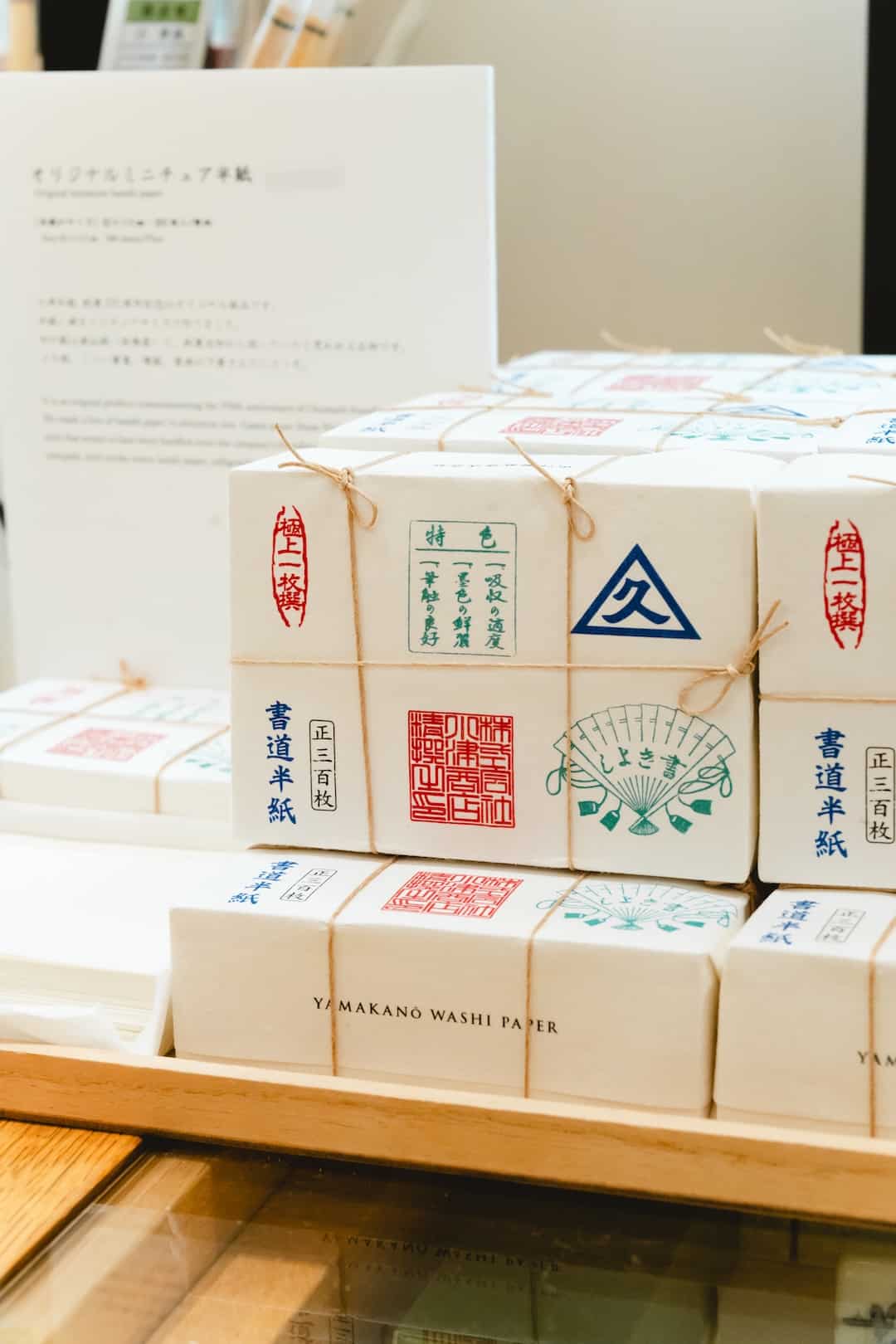
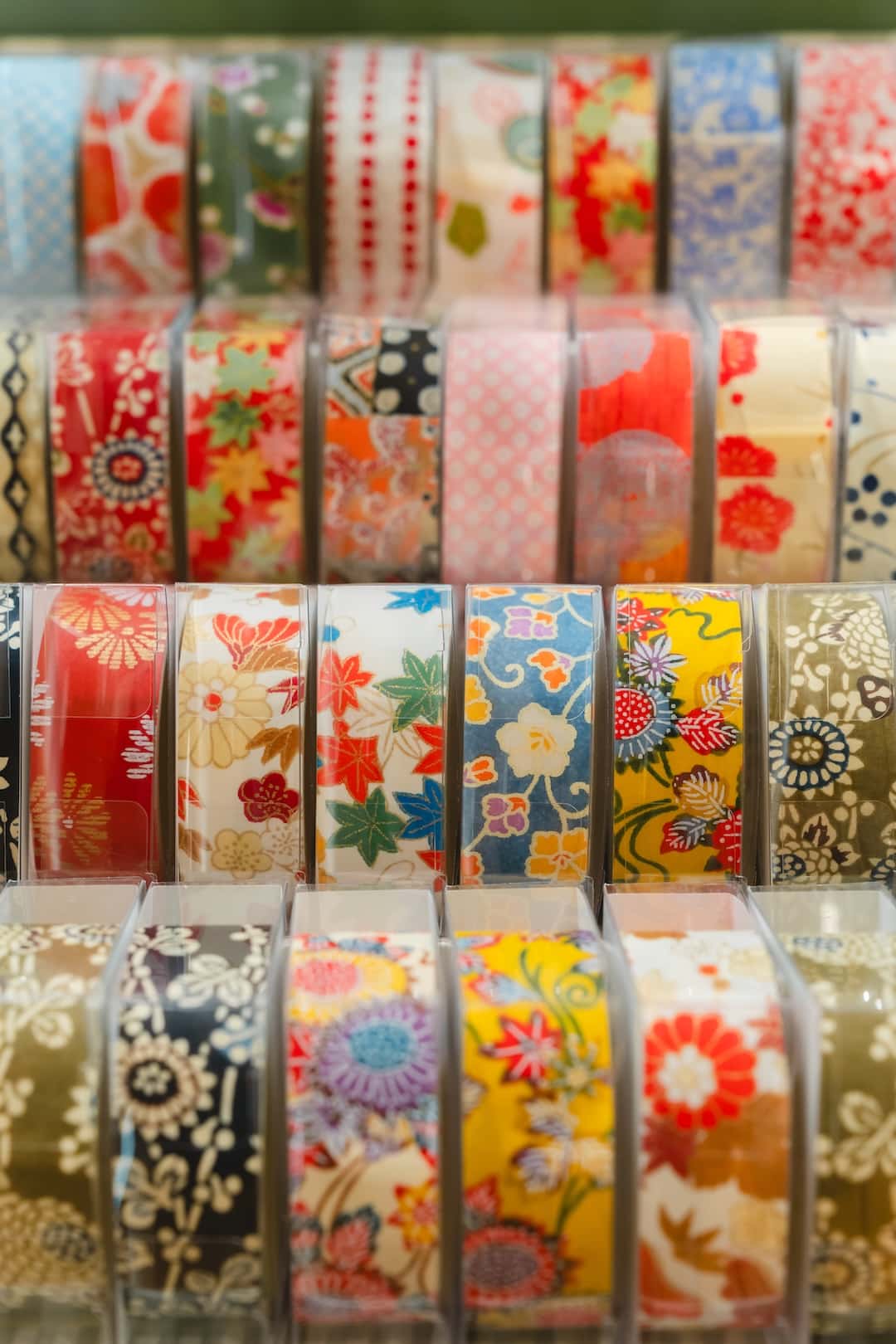
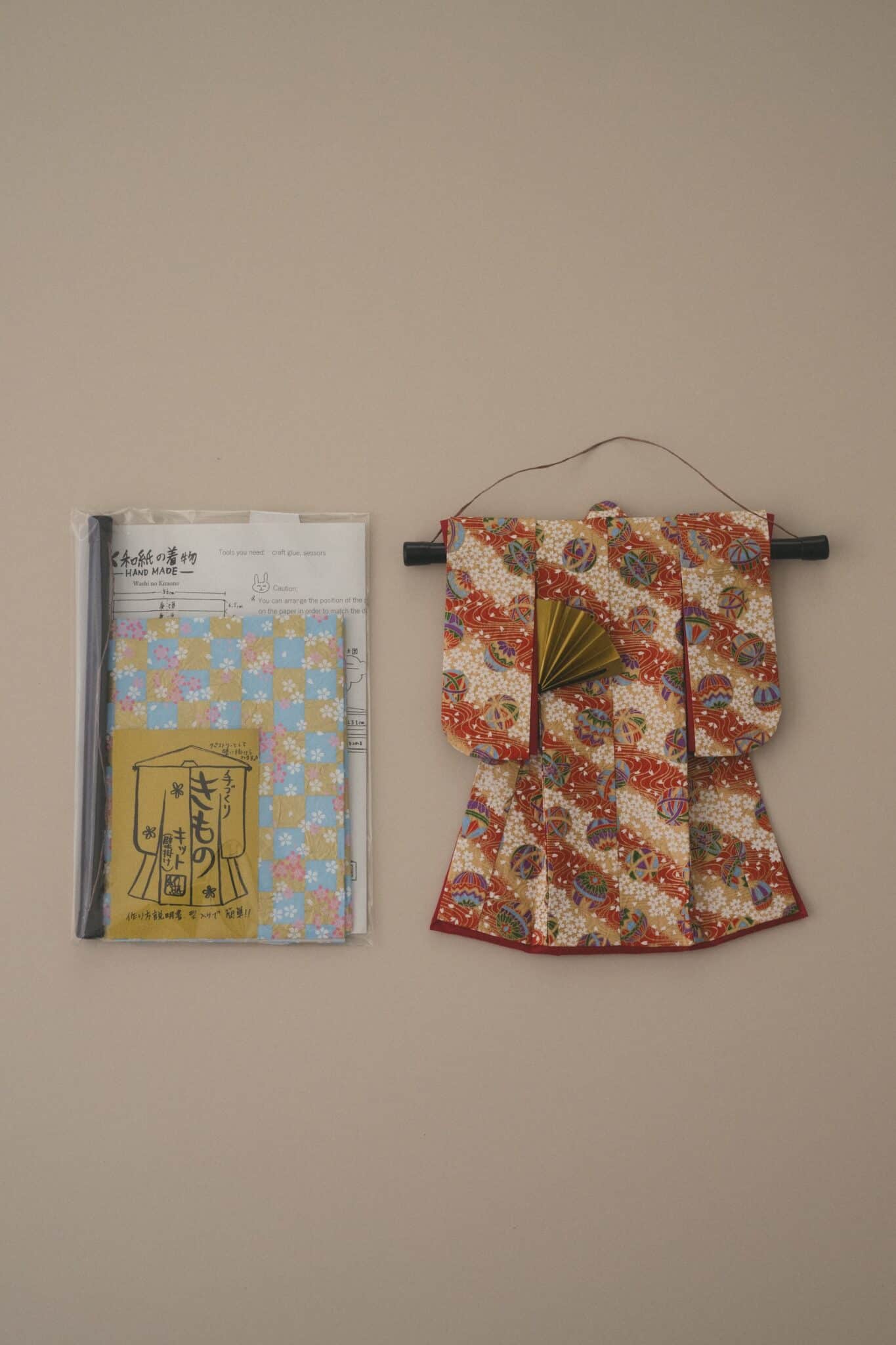
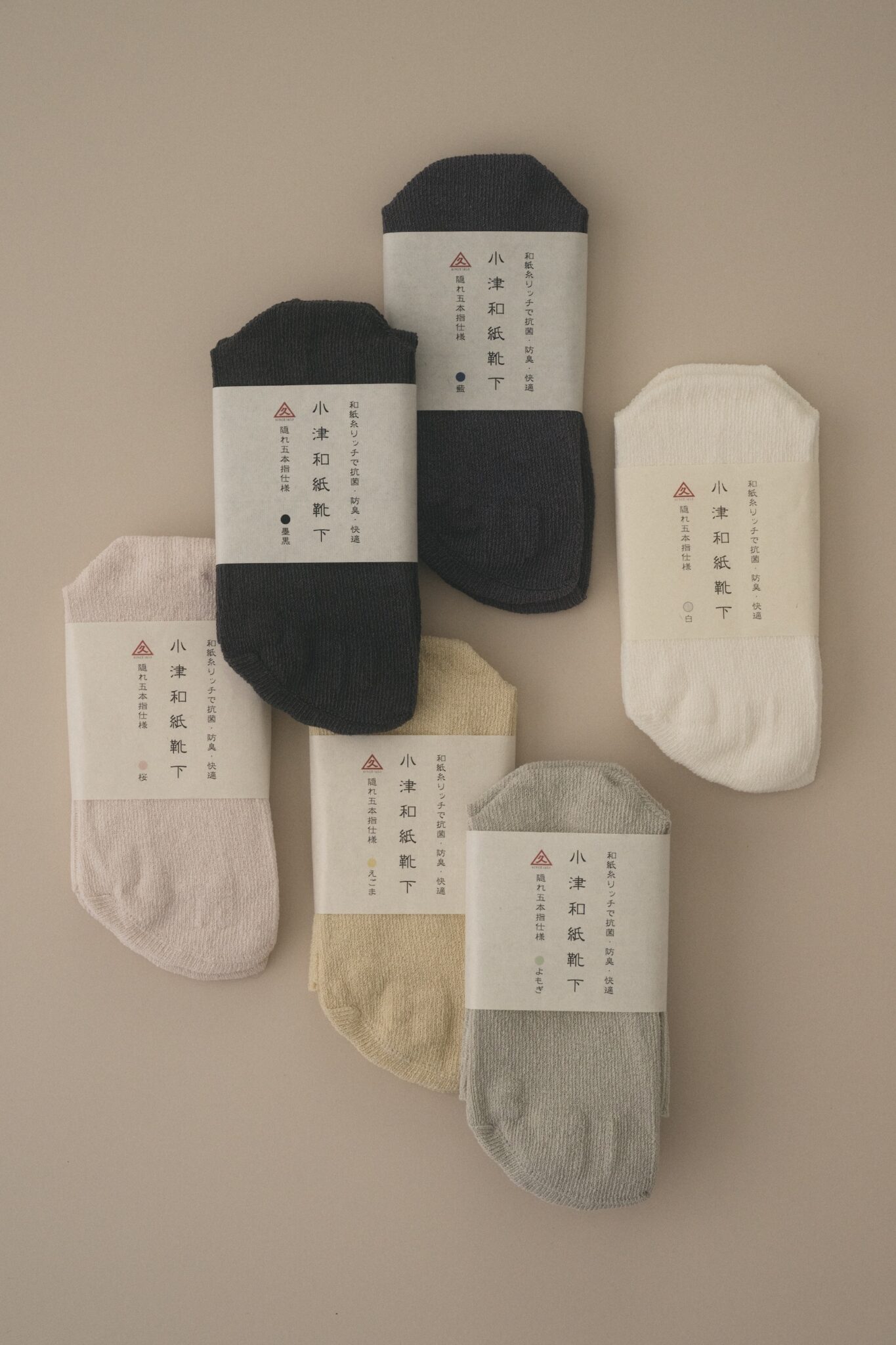
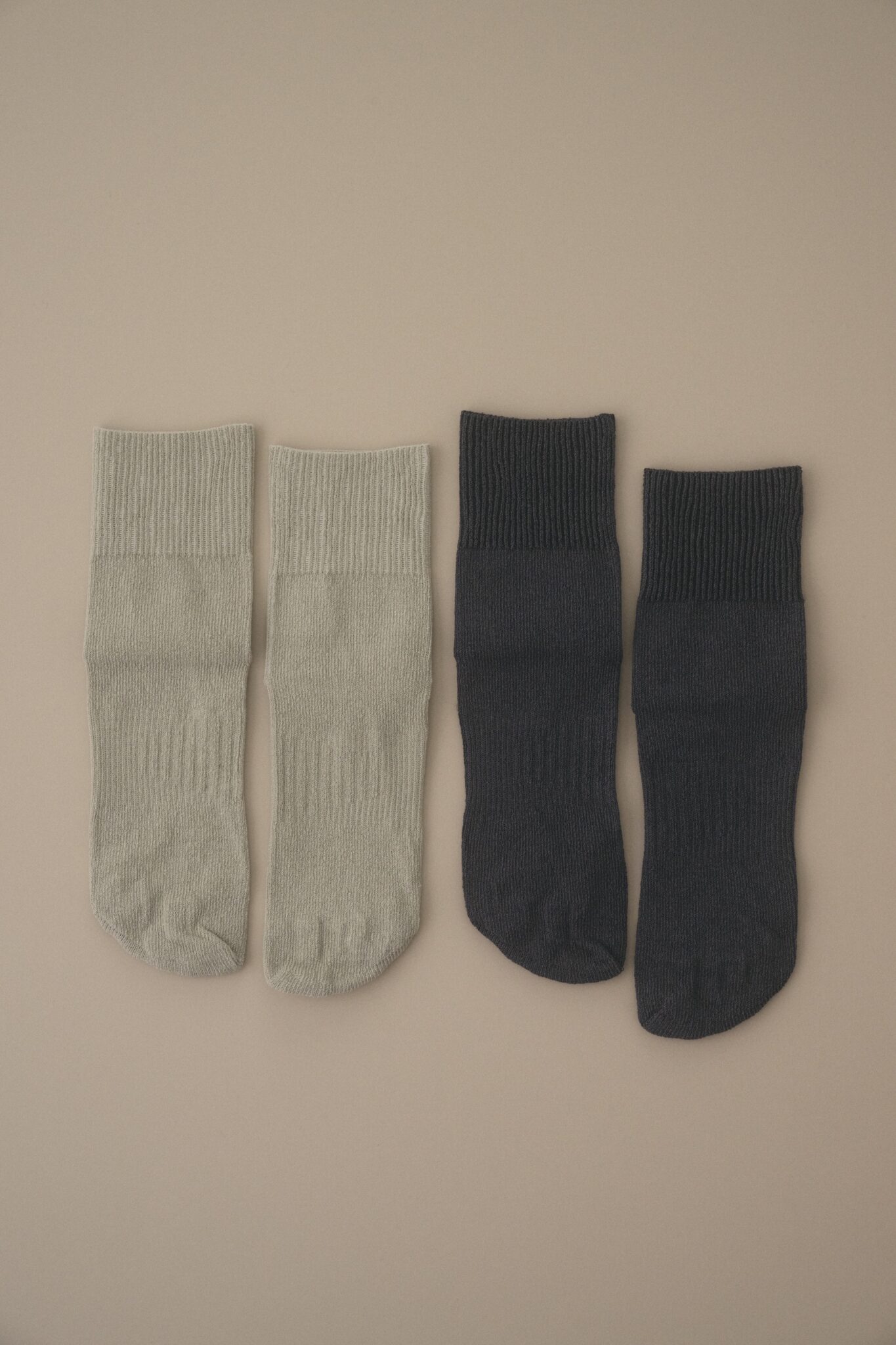
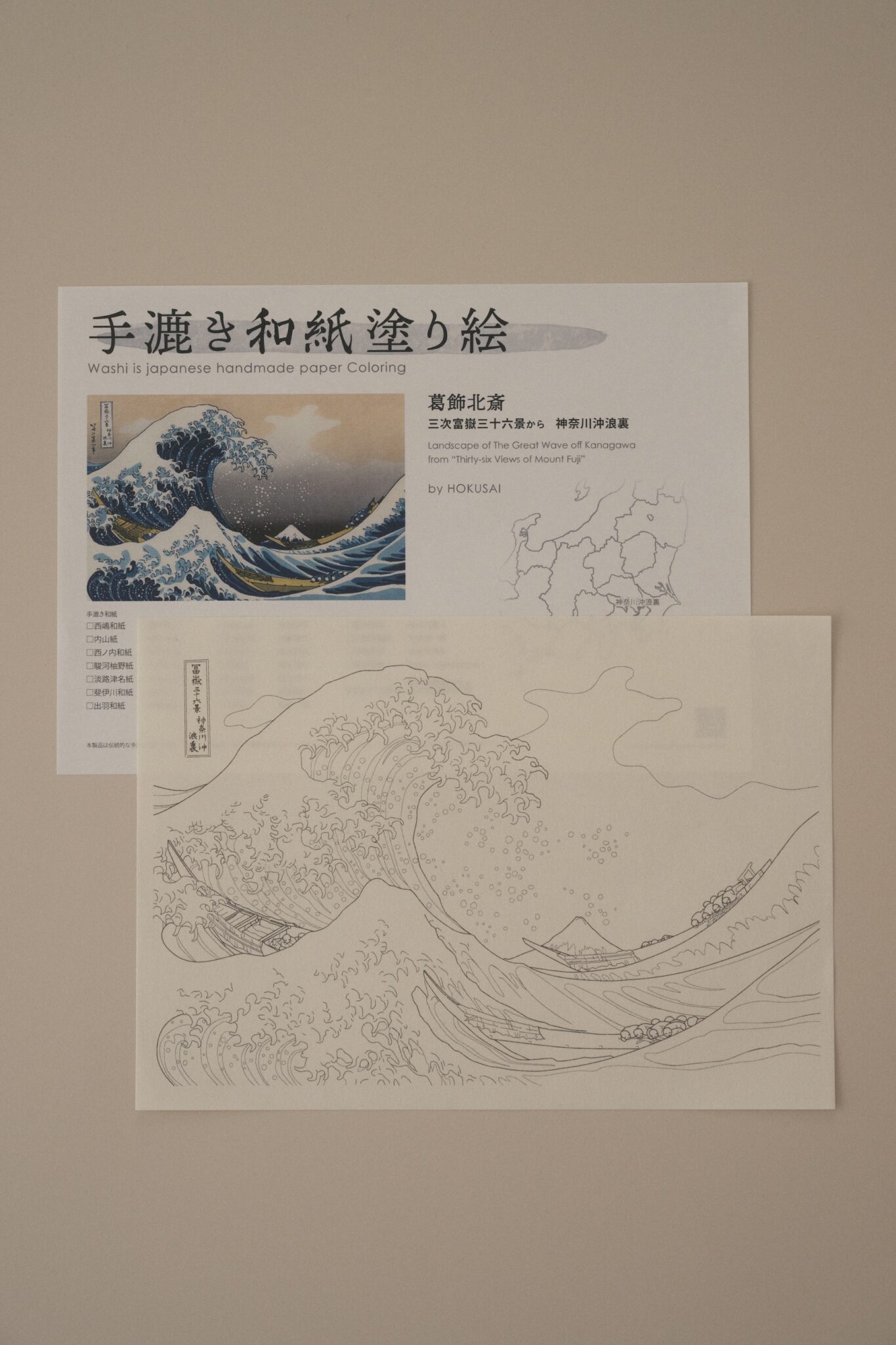
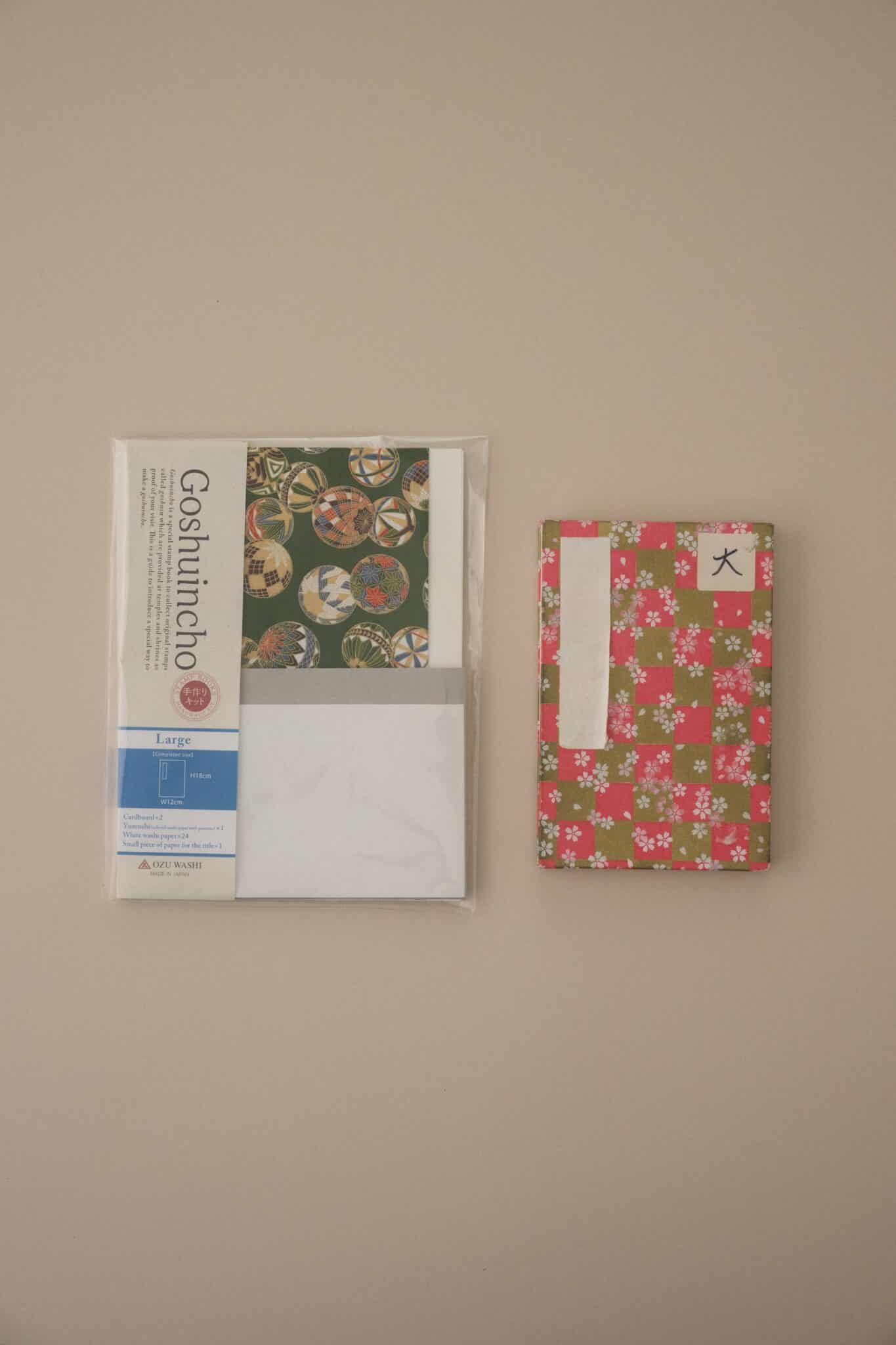
In addition to washi itself, “Ozu Washi” offers a variety of items for everyday use, including paper collage artworks made with colorful Yuzen washi, washi tape, and notepads made from hanshi, the paper traditionally used for Japanese calligraphy. Items that make it easy to enjoy washi in everyday life are also popular as souvenirs from Japan. These include socks knitted from yarn made of washi, kits for making your own goshuincho using Yuzen paper, and handmade washi coloring sheets featuring designs inspired by ukiyo-e.
Individual sheets of Yuzen washi are also available in more than 20 designs featuring motifs such as Japanese flowers and traditional seasonal events.
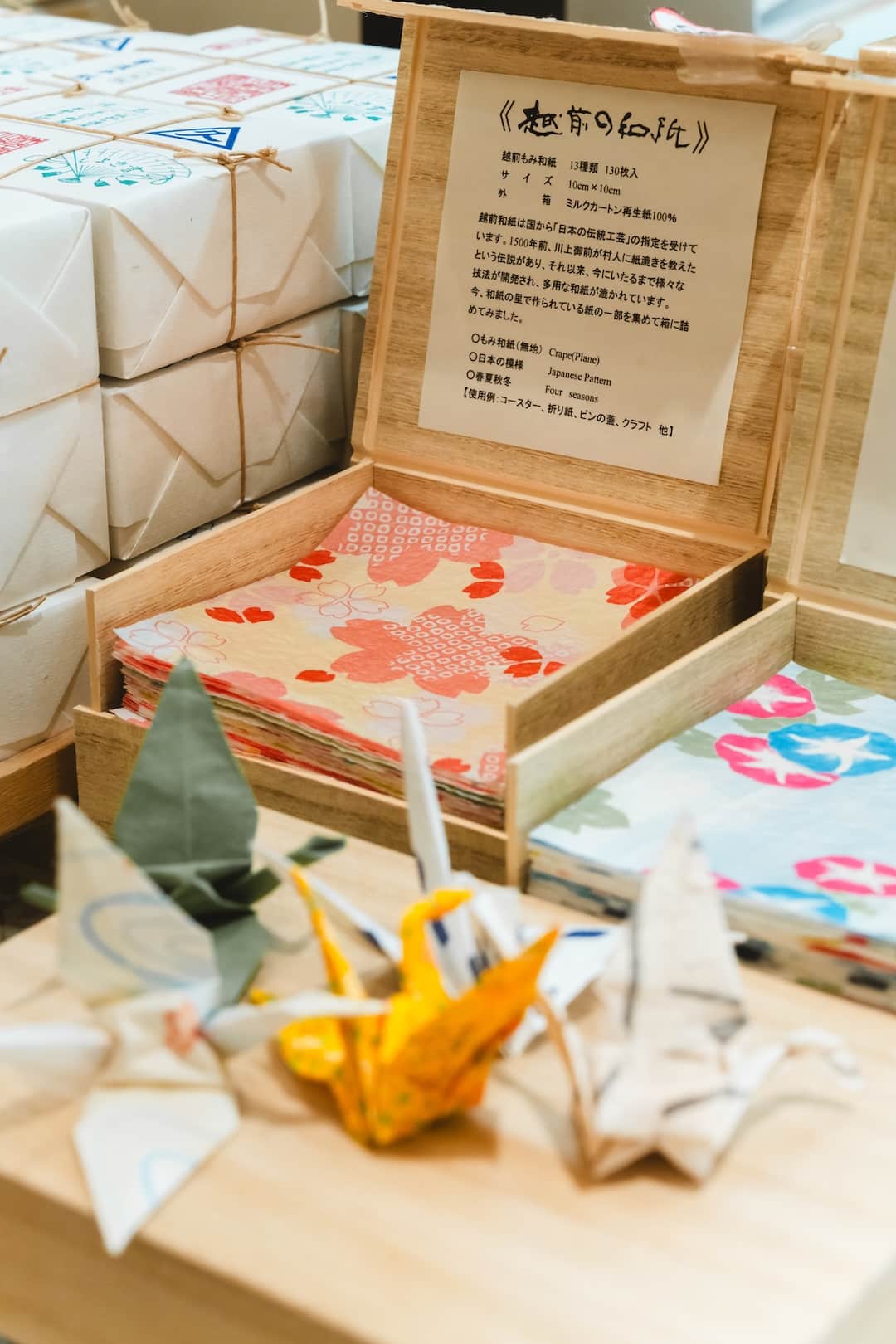
Momi washi is Echizen washi from Fukui Prefecture with a distinctive crinkled texture. It is also used as a material for origami, decorative box making, and other crafts.
A notepad made from hanshi, the paper used for Japanese calligraphy.
Washi tape featuring Yuzen patterns. More than 20 designs are available.
A DIY kit for making a miniature kimono. English instructions are included. DIY Kimono Kit (Wall Hanging)
Coloring sheets made from handmade washi. Designs featuring ukiyo-e works by artists such as Katsushika Hokusai are particularly popular. Handmade Washi Coloring Sheets
The socks have a double-layer construction, with the inner layer divided into five individual toes.
Handmade washi paper coloring books. Ukiyo-e designs by artists such as Katsushika Hokusai are popular. Handmade washi paper coloring books
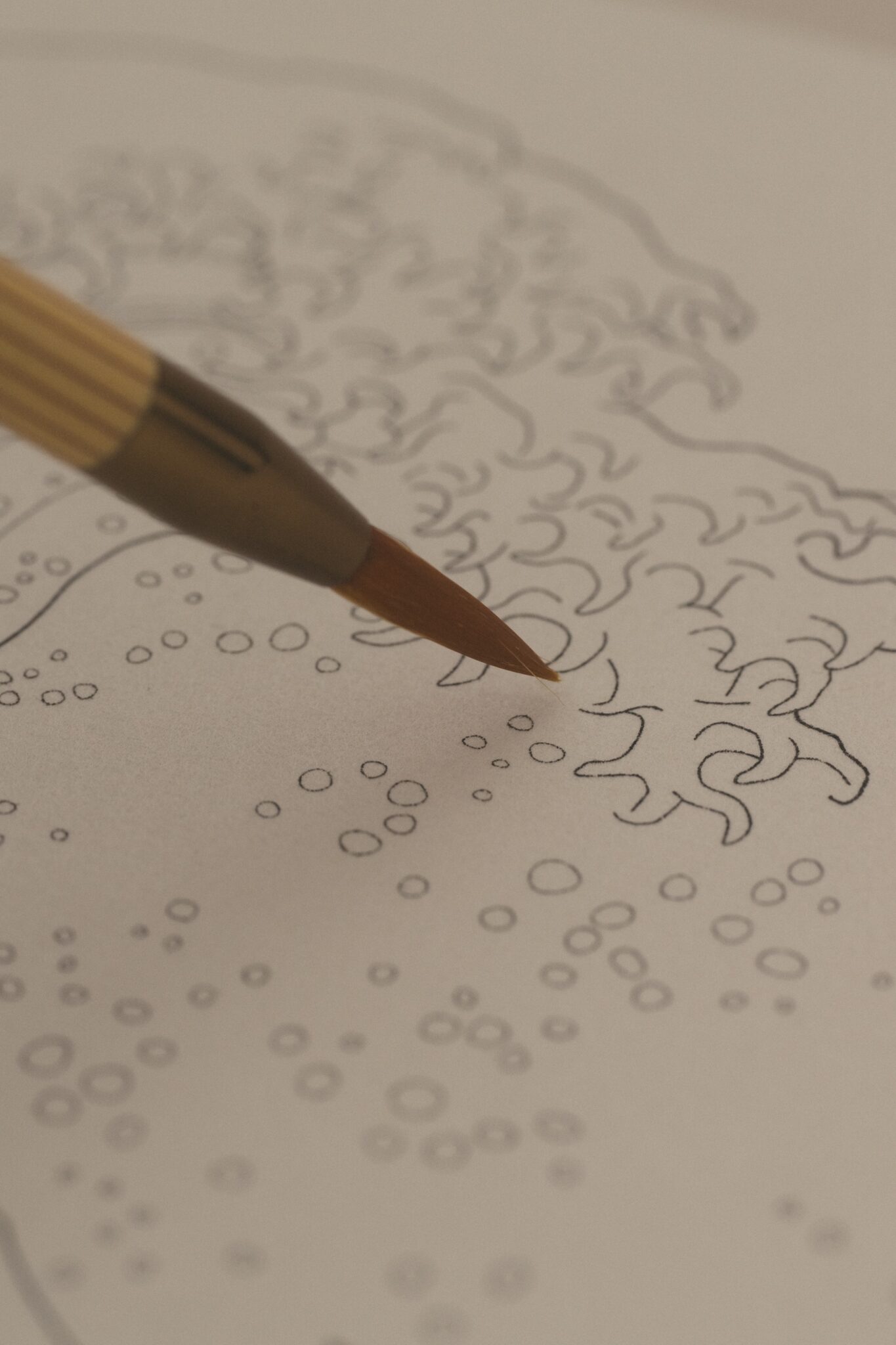
Watercolors and colored pencils can be used to create artwork that takes advantage of the distinctive texture of washi.
A kit for making your own goshuincho, a book used to collect goshuin—seals and calligraphy received as a record of visits to Shinto shrines and Buddhist temples. The book is assembled from accordion-folded pages and finished with a cover made from Yuzen paper. English instructions are included. DIY Goshuincho Kit (English Version)
The information in this article is current as of August 25, 2026 (at the time of publication).


.jpg)
スマホ.jpg)